

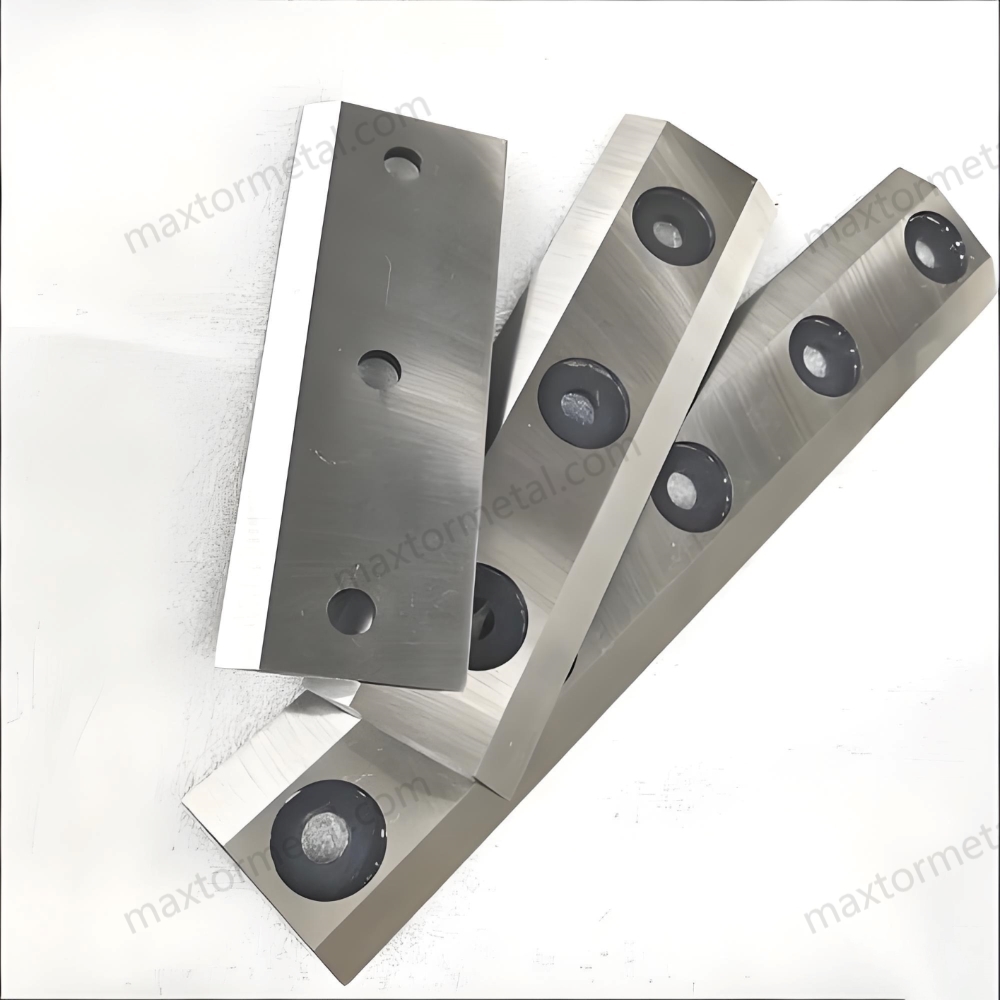
عندما تختار الخيار الصحيح مواد شفرات الفرامةعند اختيارك، ستتخذ قرارًا هامًا يتعلق بمدى جودة الأداء والتكلفة. يُوصي معظم العاملين في هذا المجال باستخدام فولاذ الأدوات D2 نظرًا لمتانته. توجد أيضًا خيارات أفضل مثل DC53، والفولاذ عالي السرعة، وحشوات كربيد التنجستن. تتميز هذه الخيارات بمتانتها العالية وقدرتها على تحمل الصدمات القوية. شركات مثل Nanjing Metal تتوفر أنواع عديدة من الفولاذ الصناعي لتناسب احتياجاتك. اختيار النوع الأنسب يُساعدك على تقليل عدد مرات تغيير الشفرات، وتوفير الوقت المُستغرق في صيانتها، وإطالة عمرها. يُعدّ هذا الأمر بالغ الأهمية في مجال تقطيع الأخشاب التجاري، حيث تدوم الشفرات ذات الرؤوس الكربيدية حتى 50% لفترة أطول.
النقاط الرئيسية
- يؤثر اختيار مادة شفرة آلة التقطيع المناسبة على كفاءتها وتكلفتها. يُعدّ فولاذ الأدوات D2 خيارًا مفضلًا لقوته وسعره المعقول.
- تُعدّ الصلابة والمتانة من الأمور بالغة الأهمية. فالشفرات الصلبة تحافظ على حدّتها لفترة طويلة، بينما لا تتشقق أو تنكسر الشفرات المتينة بسهولة.
- تتطلب عملية قطع الأخشاب الصلبة مقاومة عالية للتآكل. وتساهم مواد مثل الفولاذ ثنائي الطور (D2) والفولاذ عالي السرعة (HSS) وكربيد التنجستن في إطالة عمر الشفرات.
- تُعدّ مقاومة الصدمات أمراً بالغ الأهمية في الأعمال الشاقة. يُعتبر فولاذ الأدوات DC53 مثالياً لتحمل الصدمات المفاجئة من العقد أو المعادن.
- تساعد مقاومة التآكل على إطالة عمر الشفرات في الأماكن الرطبة. لا تصدأ الفولاذات المقاومة للصدأ وفولاذات الأدوات عالية الكروم بسهولة.
- إنّ العناية بالشفرات وشحذها يحافظ على أدائها الجيد. استخدم الأدوات المناسبة حتى لا تسخن الشفرة كثيراً وتضعف.
- يمكن للشفرات المصممة خصيصًا أن تُحسّن أداء الشفرات. اختر المادة والشكل المناسبين لكل مهمة للحصول على نتائج أفضل.
- شراء مواد أفضل يوفر المال على المدى الطويل. فهي تدوم لفترة أطول ولا تحتاج إلى إصلاحها أو استبدالها بشكل متكرر.
مادة شفرة آلة تقطيع الأغصان: الخصائص الرئيسية
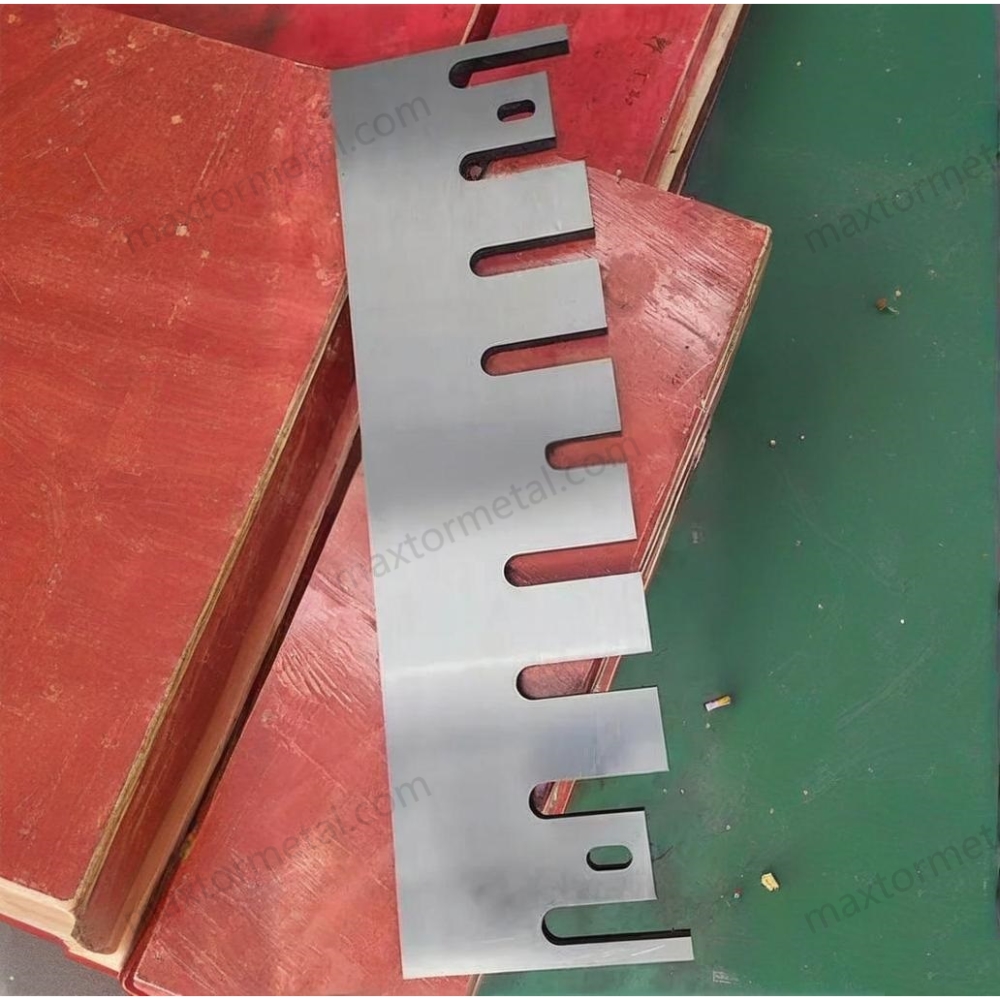
عند اختيار شفرة آلة تقطيع الأخشاب، يجب معرفة العوامل التي تجعلها فعّالة وتدوم طويلًا. تشمل هذه العوامل الصلابة، والمتانة، ومقاومة التآكل، ومقاومة الصدأ، وسهولة شحذها وصيانتها. كل عامل من هذه العوامل يُحسّن أداء الشفرة مع أنواع الأخشاب المختلفة وفي أماكن العمل المتنوعة.
الصلابة مقابل المتانة
تُعدّ الصلابة والمتانة من الخصائص المهمة لشفرات آلات تقطيع الأخشاب. فالصلابة تعني أن الشفرة لا تتآكل بسرعة، بينما تعني المتانة أن الشفرة قادرة على تحمل الصدمات دون أن تنكسر.
- تحافظ المواد عالية الصلابة، مثل الفولاذ عالي السرعة (HSS) وكربيد التنجستن، على حدتها لفترة طويلة. لا تتآكل هذه الشفرات بسرعة، حتى مع كثرة الاستخدام.
- تتميز أنواع الفولاذ مثل DC53 بصلابة أكبر وقدرة أعلى على تحمل الصدمات. إذا كنت تقطع خشبًا به عقد أو معادن مخفية، فأنت بحاجة إلى شفرة لا تتشقق أو تتكسر.
- عندما تكون الشفرة أكثر صلابة، فإنها تصبح أكثر هشاشة. وهذا يعني أنها قد تنكسر إذا اصطدمت بشيء صلب.
- إذا كانت الشفرة صلبة للغاية، فقد لا تدوم طويلاً قبل أن تحتاج إلى شحذ. وقد تضطر إلى شحذها بشكل متكرر.
ارتداء المقاومة
تعني مقاومة التآكل أن الشفرة تظل حادة بعد قطع كميات كبيرة من الخشب. تحتاج إلى مقاومة عالية للتآكل إذا كنت تقطع الأخشاب الصلبة أو تستخدم آلة التقطيع لساعات طويلة. يُعد فولاذ الأدوات D2، والفولاذ عالي السرعة (HSS)، وكربيد التنجستن من المواد الجيدة لمقاومة التآكل. تساعدك هذه المواد على تقليل عدد مرات تغيير الشفرات وتوفير المال على صيانتها.
نصيحة: افحص شفرات آلة تقطيع الأغصان بانتظام بحثًا عن أي خدوش أو شقوق أو كسور. فهذا يساعدك على اكتشاف المشاكل مبكرًا ويحافظ على أداء الآلة بشكل جيد.
| عامل | كيف يؤثر ذلك على عمر الشفرة |
|---|---|
| نوع الخشب وصلابته | تتسبب الأخشاب الصلبة (مثل البلوط) في تآكل الشفرات بشكل أسرع من الأخشاب اللينة (مثل الصنوبر). |
مقاومة الصدمات
تُظهر مقاومة الصدمات مدى قدرة الشفرة على تحمل الضربات المفاجئة. إذا كنت تستخدمها لتقطيع الخشب بالمسامير أو الحجارة أو العقد، فأنت بحاجة إلى شفرة ذات مقاومة عالية للصدمات. يُعد فولاذ الأدوات DC53 خيارًا ممتازًا في هذا الصدد، حيث يساعد على منع انكسار الشفرة في الأعمال الشاقة. في بعض الأحيان، لا تدوم الشفرات ذات المقاومة العالية للصدمات طويلاً مثل الشفرات الأكثر صلابة، ولكنها أكثر أمانًا من حيث مقاومة الانكسار.
المقاومة للتآكل
تُعدّ مقاومة التآكل مهمةً للغاية عند العمل في بيئات رطبة. فالشفرات المقاومة للصدأ تدوم لفترة أطول ولا تحتاج إلى استبدال متكرر. وهذا أمر بالغ الأهمية في أماكن مثل مصانع اللب والورق، حيث تكثر الرطوبة.
| فائدة | وصف |
|---|---|
| دورة حياة ممتدة | استخدام مواد أفضل بدلاً من الفولاذ العادي يمكن أن يجعل الأجزاء تدوم لمدة أطول بمرتين أو ثلاث مرات. |
| فترات صيانة مخفضة | المواد الأقوى تعني أنك لست مضطرًا إلى استبدال الشفرات أو إصلاحها كثيرًا. |
| فعالية التكلفة | ستوفر المال لأنك لن تضطر إلى إيقاف العمل أو دفع مبالغ كبيرة مقابل الإصلاحات. |
إذا استخدمت شفرات لا تصدأ، ستوفر الوقت والمال اللازمين لإصلاحها، كما ستتجنب الكثير من المشاكل المفاجئة.
الشحذ والصيانة
يُسهّل شحذها والعناية البسيطة تشغيل آلة تقطيع الأغصان دون توقفات طويلة. أما الشفرات الأكثر صلابة، مثل شفرات الفولاذ عالي السرعة وكربيد التنجستن، فلا تحتاج إلى شحذ متكرر لأنها تدوم لفترة أطول. ولكن قد تحتاج إلى أدوات خاصة لشحذ هذه الشفرات.
| مادة الشفرة | معدل الشحذ (بالأطنان المعالجة) | دورة الاستبدال (بالأشهر) |
|---|---|---|
| الأحرار | من 20 إلى 80 | من 2 إلى 6 |
| كربيد التنغستن | غير متوفر | غير متوفر |
| د2 | غير متوفر | غير متوفر |
| DC53 | غير متوفر | غير متوفر |
- تُعدّ عجلات التجليخ المصنوعة من نيتريد البورون المكعب وعجلات أكسيد الألومنيوم مناسبة لشحذ الشفرات الصلبة. تمنع هذه الأدوات الشفرة من السخونة الزائدة وتحافظ على قوتها.
- يؤدي تخزين الشفرات بالطريقة الصحيحة إلى منع الصدأ والتشققات الصغيرة.
- يساعدك تتبع الصيانة على معرفة متى يجب تغيير الشفرات وتجنب التوقفات الطويلة.
إن العناية بشفرات الشفرات أمر في غاية الأهمية إذا كنت ترغب في أن تدوم طويلاً، فهذا يساعدك على اكتشاف المشاكل قبل تفاقمها. إذا استخدمت شفرات مقاومة للتآكل والاهتراء، يمكنك قطع المزيد من الخشب دون توقفات متكررة.
التركيب الكيميائي لمادة شفرة آلة تقطيع الأغصان
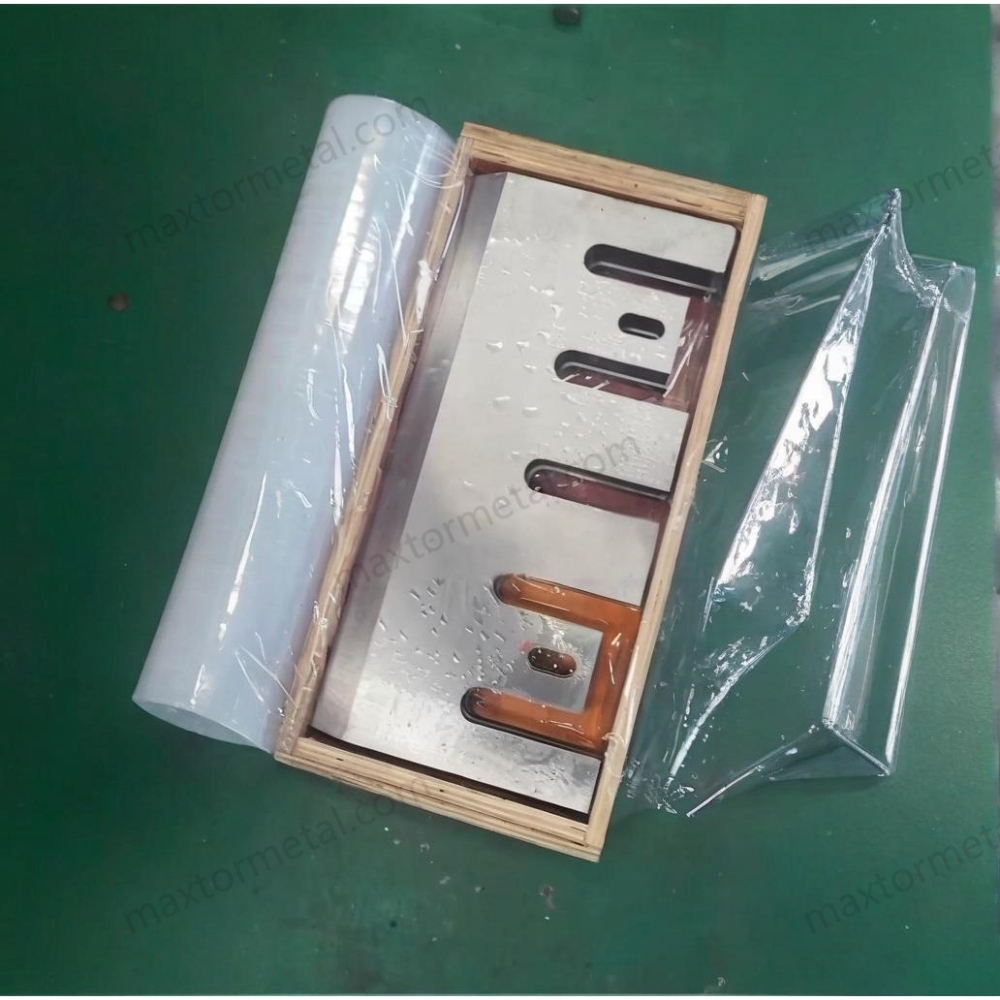
معرفة مكونات شفرات آلة تقطيع الأغصان تساعدك على اختيار الشفرة المناسبة. يؤثر التركيب الكيميائي للفولاذ على كفاءة الشفرة في القطع وعمرها الافتراضي. لكل عنصر في الفولاذ دور مهم.
محتوى الكربون
يُستخدم الفولاذ الكربوني في معظم شفرات آلات تقطيع الأخشاب، إذ يمنحها مزيجًا جيدًا من الصلابة والمتانة. وتؤثر نسبة الكربون على أداء الشفرة؛ فزيادة نسبة الكربون تجعل الشفرة أكثر صلابة وتحافظ على حدتها لفترة أطول، بينما انخفاضها يجعلها أكثر مرونة وقابلية للانحناء قبل أن تنكسر.
اختر مستوى الكربون المناسب لعملك. الفولاذ متوسط الكربون مناسب للأخشاب اللينة، بينما الفولاذ عالي الكربون أفضل للأخشاب الصلبة أو المتسخة. لدى شركة نانجينغ Metal الصناعية خيارات عديدة من الفولاذ الكربوني، يمكنك اختيار ما يناسب آلتك وعملك. إذا كنت بحاجة إلى شيء خاص، يمكنك الاطلاع على منتجاتهم. حلول الشفرة المخصصة.
الكروم، الموليبدينوم، الفاناديوم
يُعدّ فولاذ الأدوات عالي الكروم خيارًا ممتازًا لشفرات آلات التقطيع. فالكروم يزيد من صلابة الفولاذ ويمنع الصدأ. كما يُساعد الموليبدينوم والفاناديوم على إطالة عمر الشفرة وتحسين أدائها.
- يجعل الكروم الشفرات أكثر صلابة ويمنع الصدأ.
- يجعل الموليبدينوم الشفرات أكثر صلابة ويحافظ على حدتها.
- الفاناديوم يشكل كربيدات صلبةلذلك تقاوم الشفرات التآكل.
إليكم جدول يوضح وظيفة كل عنصر:
| عنصر | المساهمة في خصائص الصلب |
|---|---|
| الكروم | يجعل الفولاذ مقاومًا للصدأ وأكثر صلابة. |
| الموليبدينوم | يجعل الفولاذ أكثر صلابة ويساعده على البقاء لفترة أطول. |
| الفاناديوم | يساعد على إبقاء الشفرات حادة ومقاومة التآكل. |
يُساهم فولاذ الأدوات عالي الكروم في إطالة عمر الشفرات وقدرتها على العمل في أصعب الظروف. وتستخدم العديد من الشفرات من شركة نانجينغ Metal الصناعية هذه السبائك لضمان قوتها ومتانتها.
عناصر السبائك الأخرى
تساهم عناصر أخرى أيضاً في تحسين جودة الشفرات، ومنها السيليكون الذي ينظف الفولاذ و مما يجعله أقوى وأكثر مرونةوهذا يمنحك شفرة أنظف وأكثر صلابة.
يمكن إضافة النيكل لزيادة صلابة الشفرات ومنعها من الكسر. كل عنصر إضافي يُغير الفولاذ قليلاً، ولكن مجتمعةً تُحدث فرقاً كبيراً.
نصيحة: تحقق دائمًا من مكونات شفراتك قبل شرائها. فالمزيج الصحيح من العناصر يساعد الشفرة على العمل بشكل أفضل وإطالة عمرها.
عندما تعرف مكونات شفرة آلة تقطيع الأخشاب، يمكنك اختيار الأنسب لعملك. سواء كنت بحاجة إلى شفرة من الفولاذ الكربوني الأساسي أو شفرة من فولاذ الأدوات عالي الكروم، فإن معرفة التركيب الكيميائي تساعدك على تحقيق نتائج جيدة.
مقارنة أنواع الفولاذ المستخدمة في شفرات آلات تقطيع الخشب
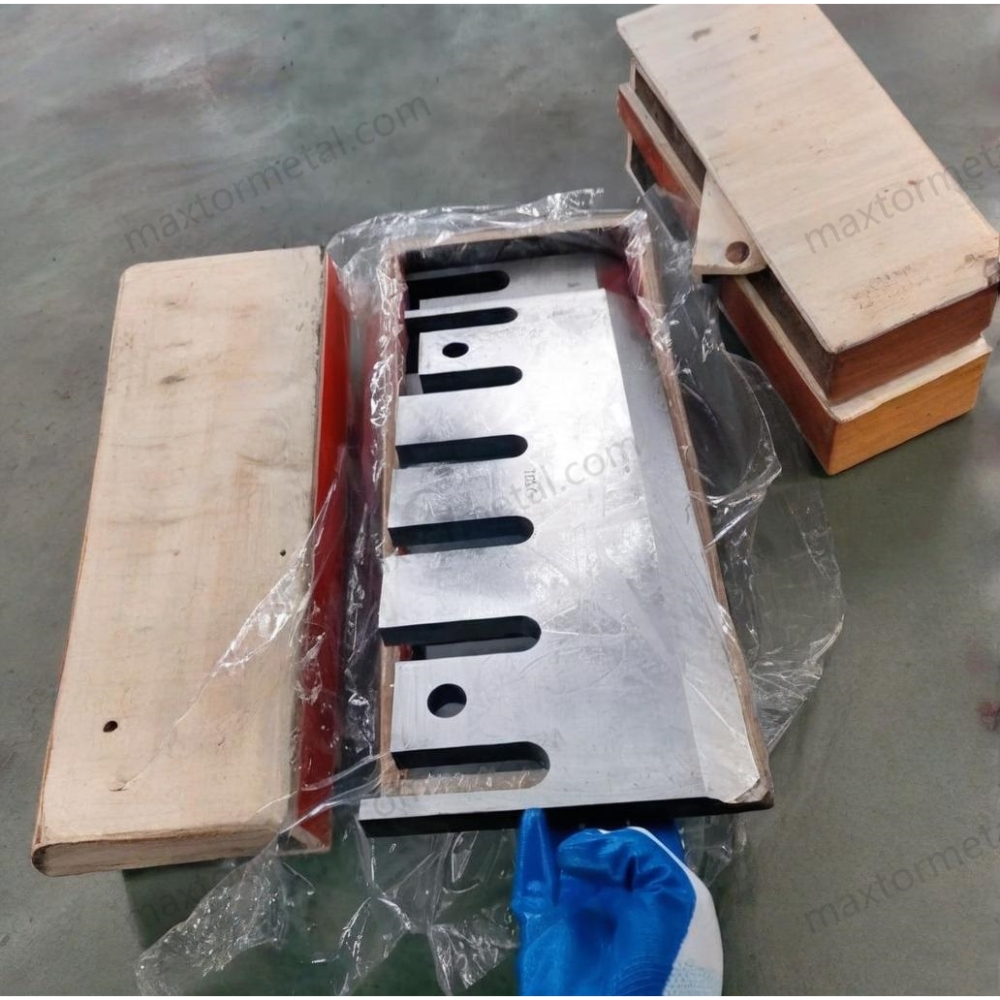
عند اختيار شفرات آلة تقطيع الخشب، من المهم معرفة أداء كل نوع من أنواع الفولاذ. يؤثر نوع الفولاذ المناسب على عمر الشفرات، وعدد مرات شحذها، والتكلفة الإجمالية. دعونا نلقي نظرة على ثلاثة أنواع شائعة من سبائك الفولاذ عالية الجودة المستخدمة في تقطيع الخشب.
أداة الفولاذ D2
يُعدّ فولاذ الأدوات D2 خيارًا شائعًا لشفرات آلات تقطيع الخشب. ويُستخدم في العديد من الآلات لأنه يوازن بين التكلفة والأداء.
الميزات الرئيسية لصلب الأدوات D2:
- مقاومة ممتازة للتآكل. تبقى شفرات D2 حادة لفترة طويلة، حتى عند تقطيع كميات كبيرة من الخشب.
- صلابة عالية (حوالي 60-62 HRC). هذا يعني أن النصل يحافظ على حدته ولا يفقد حدته بسرعة.
- صلابة متوسطة. يمكن لـ D2 التعامل مع معظم أنواع الخشب النظيف، ولكنه قد يتشقق إذا اصطدم بعقد صلبة أو معدن.
- مقاومة جيدة للتآكل، لكنها ليست بقوة الفولاذ المقاوم للصدأ. يجب الحفاظ على شفرات D2 جافة لمنع الصدأ.
- تحتاج شفرات D2 إلى أدوات شحذ خاصةمثل أدوات شحذ الماس، وذلك بسبب صلابتها.
الايجابيات:
- يتحمل الاحتكاك والاستخدام المكثف.
- يقلل من عدد مرات الحاجة إلى الشحذ.
- فعال من حيث التكلفة لمعظم أعمال تقطيع الأخشاب.
سلبيات:
- يحتاج إلى مزيد من العناية في الأماكن الرطبة أو ذات الرطوبة العالية.
- قد يكون من الصعب شحذها بدون الأدوات المناسبة.
نصيحة: إذا كنت تقوم بمعالجة الأخشاب النظيفة أو اللينة أو متوسطة الصلابة، فإن فولاذ الأدوات D2 يمنحك مزيجًا رائعًا من مقاومة التآكل والقيمة.
فولاذ الأدوات DC53
يُعدّ فولاذ الأدوات DC53 خيارًا متطورًا لشفرات آلات تقطيع الخشب. اختر DC53 عندما تحتاج إلى مزيد من المتانة وعمر أطول للشفرة.
الميزات الرئيسية لفولاذ الأدوات DC53:
- متانة فائقة. DC53 يقاوم التكسر والتشققحتى لو اصطدمت بعقد أو قطع معدنية صغيرة.
- صلابة عالية (52-62 HRC). ستحصل على شفرة تحافظ على حدتها ولكنها تنحني قليلاً تحت الضغط بدلاً من أن تنكسر.
- مقاومة متوازنة للتآكل. تدوم شفرات DC53 لفترة طويلة وتتحمل أحمال الصدمات بشكل أفضل من شفرات D2.
- يتعامل مع مجموعة أوسع من أنواع الأخشاب، بما في ذلك الأخشاب الصلبة والمواد الخام المختلطة.
الايجابيات:
- يتحمل الصدمات والارتطامات بشكل أفضل من D2.
- يدوم لفترة أطول في الظروف القاسية.
- يقلل من خطر تعطل الشفرة المفاجئ.
سلبيات:
- تكلف أكثر من D2، لكنك توفر المال عن طريق تغيير الشفرات بشكل أقل تكرارًا.
ملاحظة: إذا كنت تعمل مع خشب يحتوي على عقد أو مسامير أو صلابة متفاوتة، فإن فولاذ الأدوات DC53 خيارٌ ممتاز. يختار العديد من عملاء شركة نانجينغ Metal الصناعية فولاذ DC53 لتصنيع الشفرات حسب الطلب عندما يحتاجون إلى متانة إضافية.
جدول مقارنة: فولاذ الأدوات D2 مقابل DC53
| ملكية | أداة الفولاذ D2 | فولاذ الأدوات DC53 |
|---|---|---|
| ارتداء المقاومة | ممتاز | متوازن مع صلابة عالية |
| صلابة | معتدل | أرقى |
| الصلابة (HRC) | 60 – 62 | 52 – 62 |
| المقاومة للتآكل | جيد (ليس من الفولاذ المقاوم للصدأ) | جيد |
| يكلف | أدنى | أعلى |
| أفضل استخدام | خشب نظيف، ناعم إلى متوسط الصلابة | المواد الأولية المختلطة أو الملوثة |
فولاذ الأدوات A8 و A6
تُعدّ أنواع الفولاذ A8 و A6 أقل شيوعًا، لكنها لا تزال مفيدة في بعض شفرات آلات تقطيع الخشب. يمكنك اختيارها إذا كنت ترغب في تحقيق توازن بين مقاومة التآكل والمتانة.
فولاذ الأدوات A8:
- يتميز بمتانة جيدة ومقاومة معتدلة للتآكل.
- يتحمل الصدمات بشكل أفضل من D2، لكنه لا يبقى حادًا لفترة طويلة.
- يُعدّ مناسباً لتقطيع الخشب المتسخ أو المعاد تدويره.
فولاذ الأدوات A6:
- أكثر ليونة قليلاً من A8، ولكن من الأسهل تشكيلها وشحذها.
- يوفر مقاومة جيدة للتآكل في الأعمال الخفيفة.
متى تختار A8 أو A6؟
- تقوم بمعالجة الخشب الذي يحتوي على الكثير من الملوثات.
- أنت تريد شفرات يسهل شحذها.
- أنت بحاجة إلى خيار أقل تكلفة لأعمال أقل تطلباً.
نصيحة: إذا كنت ترغب في استكشاف المزيد من خيارات الفولاذ أو كنت بحاجة إلى حل مخصص، فإن شركة Nanjing Metal Industrial يمكنها مساعدتك في تصميم الشفرة المناسبة لآلتك وموادك.
جدول ملخص: أنواع الفولاذ المستخدمة في شفرات آلة تقطيع الخشب
| نوع الشفرة | ارتداء المقاومة | صلابة | يكلف | أفضل تطبيق |
|---|---|---|---|---|
| أداة الفولاذ D2 | ممتاز | معتدل | أدنى | خشب نظيف، ناعم إلى متوسط الصلابة |
| فولاذ الأدوات DC53 | عالي (مع صلابة) | أرقى | أعلى | المواد الأولية المختلطة أو الملوثة |
| فولاذ الأدوات A8 | جيد | جيد | معتدل | Dirty or recycled wood |
| A6 Tool Steel | Decent | معتدل | أدنى | Light-duty, easy-to-machine applications |
You can see that each steel type offers a different mix of wear resistance, toughness, and cost. Think about your wood chipper blades’ working conditions and choose the steel that fits your needs best.
High-Speed Steel (HSS) Inlay
High-Speed Steel (HSS) inlay is a great choice for chipper blades when you need them to last and work well in hard jobs. HSS is used in blades that cut hardwood, dirty wood, or wood with small metal pieces. HSS has more tungsten, molybdenum, and vanadium than regular tool steels. These things make the blade harder and help it stay sharp longer.
When you pick HSS inlay for your wood chipper blades, you get many good things:
- Superior Hardness: HSS blades are very hard. You do not have to sharpen them as much, so you can chip more wood.
- مقاومة ممتازة للتآكل: The blade does not wear down fast from wood fibers or dirt. You can use it longer before it gets dull.
- Good Toughness: HSS inlay blades can take hits better than many other hard steels. You do not have to worry as much about chips or cracks.
- Longer Service Life: You change blades less often. This saves you money and means your chipper works more.
Tip: If you use a chipper in a busy place or chip mixed wood, HSS inlay blades help your work go smoothly.
| ميزة | HSS Inlay Blade Benefit |
|---|---|
| صلابة | Stays sharp after heavy use |
| ارتداء المقاومة | Handles abrasive wood and contaminants |
| صلابة | Resists chipping and cracking |
| صيانة | Needs less frequent sharpening |
You might pay more for HSS inlay blades than for regular tool steel blades. But the extra money is worth it because the blades last longer and you stop less for repairs. Many custom chipper blades use HSS because it is hard, tough, and does not wear out fast. Buying good chipper blade material like HSS helps you avoid dull blades and keeps your chipper safe.
تطعيم من كربيد التنجستن
Tungsten Carbide inlay is the toughest chipper blade material. You pick this when you want blades that last the longest and can do the hardest jobs. Tungsten carbide is much harder than steel. It does not wear down or get scratched as fast as other blade materials.
You see tungsten carbide inlay blades in big chippers and places that chip a lot of wood. These blades work well with hardwood, dirty wood, and even wood with nails or stones. You get many good things:
- Extreme Wear Resistance: Tungsten carbide blades stay sharp for thousands of cuts. You do not need to sharpen or change them often.
- Maximum Hardness: The blade stays sharp even when you chip tough stuff.
- Outstanding Service Life: You can chip more wood before you need new blades.
- تقليل وقت التوقف عن العمل: You spend less time fixing blades and more time working.
| مادة الشفرة | ارتداء المقاومة | صلابة | يكلف | أفضل حالة استخدام |
|---|---|---|---|---|
| تطعيم من كربيد التنجستن | استثنائي | معتدل | أعلى | High-volume, industrial jobs |
Note: Tungsten carbide inlay blades cost more than other chipper blade materials. You need special tools to sharpen them. If you run a big chipper, the higher price is worth it because you save time and do not need to buy new blades as much.
You see these blades in paper mills, energy plants, and recycling centers. When you want the best and longest-lasting blades, tungsten carbide inlay is the best choice.
LSS and Other Specialty Steels
Sometimes you need special steels for custom chipper blades. LSS (Low-Speed Steel) and other high-carbon tool steels like A8B have special benefits. Specialty steels mix hardness, wear resistance, and toughness to fit what you need.
These steels are good if you chip wood with lots of dirt or want blades that last longer. Specialty steels usually cost more than regular ones, but they help you avoid dull blades and changing them all the time. You get better blades and safer chipping.
- High-Carbon Tool Steels: D2, A8B, and HSS are top choices. They are very hard and do not wear out fast.
- Custom Alloys: You can ask for blades with special elements for your job.
- Quality Matters: Cheap blades use lower-grade steel and get dull fast. Good chipper blade material helps your chipper work safely and well.
Tip: Always check the steel grade and heat treatment before you buy chipper blades. Good specialty steels help you get the best results and spend less on repairs.
| نوع الفولاذ | صلابة | ارتداء المقاومة | صلابة | يكلف | تطبيق |
|---|---|---|---|---|---|
| LSS | معتدل | معتدل | عالي | معتدل | Custom, specialty jobs |
| High-Carbon Tool Steel | عالي | عالي | جيد | أعلى | Premium, heavy-duty use |
You can work with suppliers to make blades that fit your chipper and the wood you chip. Specialty steels give you more choices and help you solve hard chipping problems.
شفرات آلات تقطيع الأخشاب الصناعية: تطبيقات صناعية

Forestry and Logging
You work in forestry and logging when you need to turn large logs and branches into chips. The raw wood can be tough, dirty, or even frozen. You need industrial wood chipper blades that can handle these challenges. The right steel alloy helps your blades last longer and cut better.
وهنا هو table that shows which steel alloys work best for forestry and logging:
| Steel Alloy | صفات |
|---|---|
| A8 | مقاومة جيدة للتآكل والمتانة |
| S7 | High toughness, handles heavy-duty jobs |
| High-carbon steels | Balanced wear resistance and toughness |
| رأس من كربيد التنجستن | Extreme durability for demanding conditions |
You want blades that do not break when they hit knots or rocks. A8 and S7 steels give you toughness and strength. High-carbon steels help your blades stay sharp. Tungsten carbide-tipped blades work well if you need the most durability. You can ask for شفرة مخصصة shapes to fit your chipper machine. This helps you get the best results in the forest.
Pulp and Paper
You use wood chips to make paper and pulp. The quality of your chips matters a lot. You want chips that are even and clean. The type of wood you use can change. Sometimes you use softwood, sometimes hardwood. Each type needs a different blade.
When you pick industrial wood chipper blades for pulp and paper, you look for:
- Durability and wear resistance. Your blades must last through many cuts.
- The right blade for each wood type. This helps you get the best chips.
- High-quality chips. Good blades make chips that help you make better pulp.
You can choose from different steel alloys to match your wood and your machine. You may need a tougher blade for hardwood or a sharper blade for softwood. Custom blades help you get the right fit for your chipper.
Tip: Always check your blade’s sharpness. Sharp blades make better chips and help your machine run smoothly.
Biomass and Energy
You use wood chips to make energy in biomass plants. The work is hard on your equipment. You need industrial wood chipper blades that can handle wet, dirty, or even hot conditions. The right blade material helps your blades last longer and work better.
In biomass and energy, you want blades with these properties:
- Corrosion resistance. Your blades must not rust in wet or harsh places.
- Durability. Long-lasting blades save you time and money.
- High-temperature strength. Your blades must work well even when things get hot.
Stainless steels like 304 and 316 are good choices. They do not rust easily and can handle high heat. You can also ask for custom blades to fit your chipper and your fuel type. This helps you get the most from your wood chipper blades and keeps your plant running.
Note: Picking the right blade material helps you cut more wood, save money, and keep your machines working longer.
Recycling and Municipal Use
When you chip wood in recycling centers or for city waste, you have special problems. The wood often has nails, screws, dirt, and small rocks inside. These things can hurt normal blades fast. You must pick the right مواد شفرات الفرامة to keep your machines working and save money.
For recycling and city jobs, you need blades that do hard work. Contaminants mean you want blades with high wear resistance and durability. If you pick the wrong material, you will fix or replace blades more often. This costs more time and money.
Some of the best مواد شفرات الفرامة choices for recycling and city wood chipping are:
- أداة الفولاذ D2: This steel has a lot of carbon and chromium. It gives great wear resistance. You can chip rough wood without making the blade dull fast.
- SKD-11: This steel is tougher and also resists wear well. It is good for chipping mixed materials. You can use it when you do not know what is in the wood.
- H13 Hot Work Steel: This steel stays hard even when it gets hot. It stops the blade edge from wearing out during heavy use.
Tip: Always look at your wood for big metal pieces before chipping. Even the best مواد شفرات الفرامة can break if it hits big bolts or thick steel.
You might need to change the blade shape or size for your recycling machine. Many companies make custom blade designs. You can match the blade to your chipper and the waste you chip. This helps you get better results and stay safe.
Here is a table to compare مواد شفرات الفرامة for recycling and city use:
| مادة الشفرة | ارتداء المقاومة | صلابة | الأفضل لـ |
|---|---|---|---|
| أداة الفولاذ D2 | عالي | معتدل | Abrasive, dirty wood |
| SKD-11 | عالي | عالي | Mixed-material, unpredictable feed |
| H13 Hot Work Steel | عالي | عالي | High-volume, hot operations |
You want your chipper to work with less stopping. Picking the right مواد شفرات الفرامة helps you chip more wood, save money, and keep your team safe. If you need a special blade for your recycling job, you can ask for custom options to fit your needs.
Note: Check your blades often and do regular care. This helps you find problems early. Your chipper will last longer and work better.
تأثير مادة الشفرة على الأداء والتكلفة
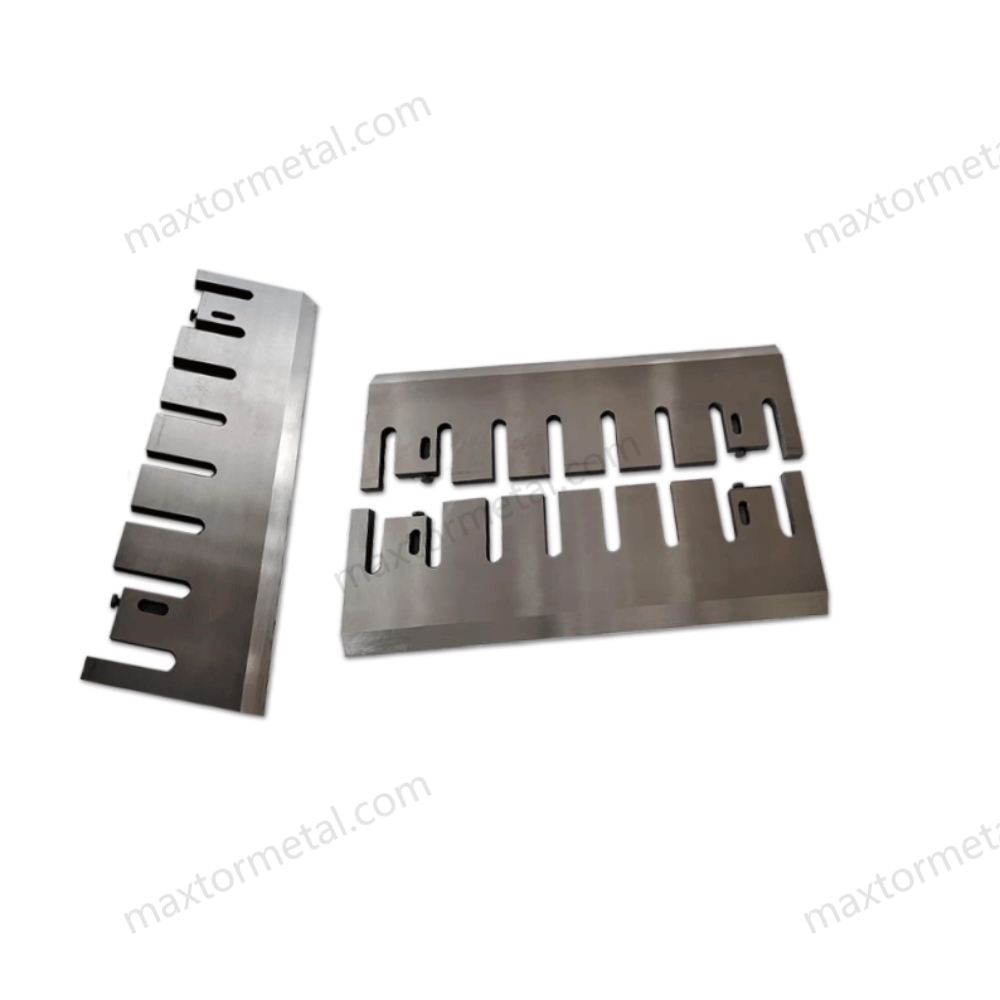
Edge Retention and Efficiency
You want your wood chipper to work fast and make good chips. The blade material you pick is very important for this. Edge retention means how long the blade stays sharp. If your blade keeps its edge, you get better chips and work faster. Dull blades use more fuel and make bigger, uneven chips. This can slow you down and even hurt your machine. Sharp blades use less energy and make more chips that are the right size. Good edge retention saves you money and time because you do not stop to sharpen as much. You also finish more work each day.
Wear resistance is also important. Blades with high wear resistance do not wear down fast, even with hard or dirty wood. This helps your blade stay sharp longer and makes your chipper work better. You will see fewer big pieces and smoother chipping when you use blades with good edge retention and wear resistance.
الصيانة ووقت التوقف
You want to spend more time chipping and less time fixing your chipper. The right blade material helps you do this. High-carbon steel blades last 800 to 1,200 hours. Carbide-tipped blades last about 2.3 times longer. This means you do not have to change blades as much. You save money on parts and labor. Some blades have special coatings that lower friction and wear by up to 18%. This makes your blades last even longer.
Less downtime means your chipper works more and you finish jobs faster. You do not need to stop as much for sharpening or repairs. This helps you stay on schedule and avoid extra costs. When you pick blades with high wear resistance and edge retention, you get more value from your chipper.
Tip: Keep a log for your chipper blades. This helps you know when to change or sharpen them and keeps your chipper running well.
ROI and Total Cost
You want to get the most for your money. Upgrading to premium alloy blades can give you a better return. These blades last longer and can be sharpened many times. You pay more at first, but you save money over time because you buy fewer blades and stop less for repairs.
Here is a table that shows how premium alloy blades compare to standard steel blades:
| ميزة | Premium Alloy Blades | Standard Steel Blades |
|---|---|---|
| Lifespan Improvement | Significant lifespan improvement | Limited lifespan |
| Resharpening Capability | Can be resharpened multiple times | Limited resharpening options |
| فعالية التكلفة | Economically viable for most operations | Less cost-effective over time |
When you look at the total cost, premium blades with high wear resistance and edge retention help you save money in the long run. You get more work done, spend less on repairs, and keep your chipper working well.
اختيار مادة شفرة آلة تقطيع الأغصان المناسبة
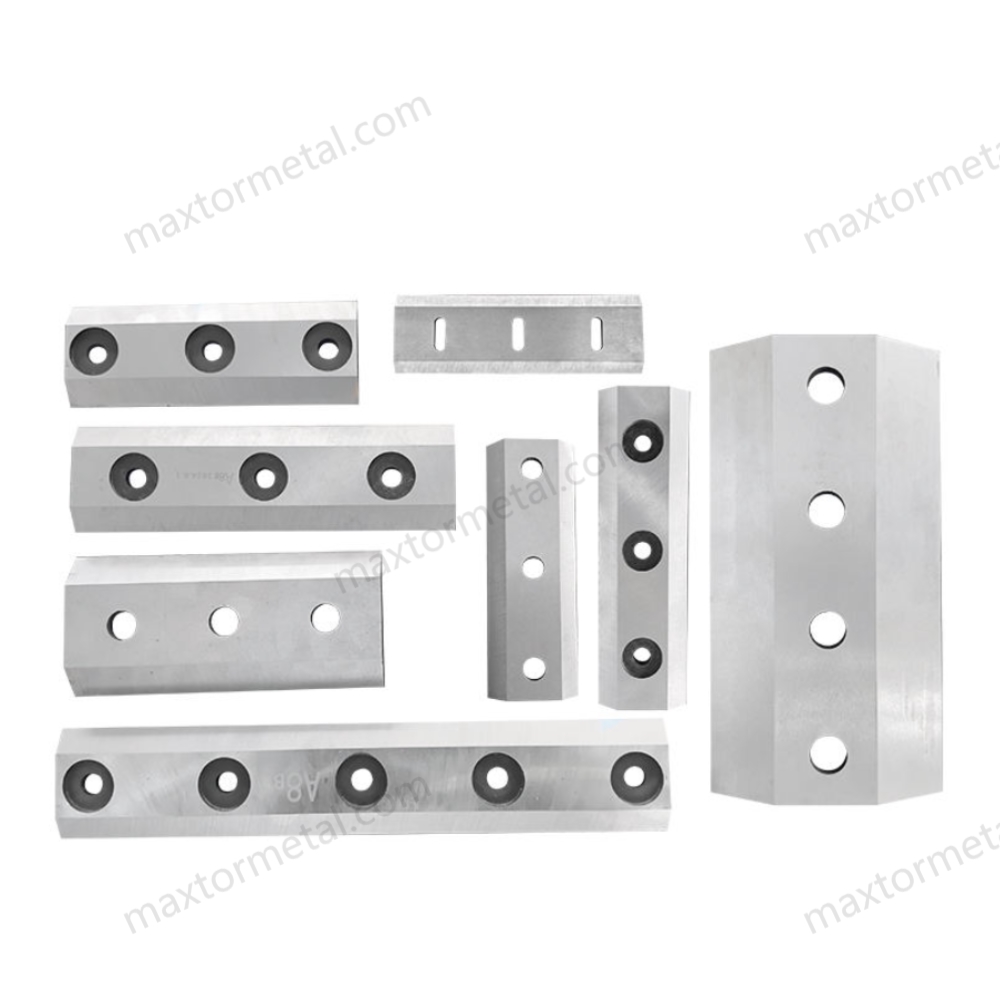
Picking the best chipper blade material can really help your machine work better. It also helps you save money over time. You should think about what you need, talk to good suppliers, and look at custom options for your machine and work.
Assessing Application Needs
First, look at your own work area and what you want from your chipper blade material. Different jobs and machines need different things. If you work where it is wet or humid, you need a blade that does not rust. If you chip hardwood or dirty wood, you want a blade that stays sharp and does not break.
Here is a table to help you compare the main things:
| عامل | وصف |
|---|---|
| Working Environment | Think about temperature, humidity, and if there are any chemicals that could cause rust or wear. |
| Type of Materials to Process | Match the blade to the hardness and toughness needed for the wood or other materials you chip. |
| Budget Constraints | Decide how much you can spend and balance it with how long the blade will last. |
| Durability of Blade Material | Check how well the blade resists wear and how long it will last in your daily work. |
Tip: Write down what kind of wood you chip most and how often you change blades. This helps you see what matters most for your chipper blade material.
Consulting with Suppliers
You do not have to pick alone. Good suppliers help you choose the right chipper blade material by looking at your needs and your machine.
Here is a table that shows common material types and their main features:
| نوع المادة | ملكيات |
|---|---|
| Carbon tool steel | Hardness, wear resistance |
| الفولاذ المقاوم للصدأ | مقاومة التآكل |
| High-chromium tool steel | مقاومة معززة للتآكل |
| High speed tool steel | High durability under stress |
| كربيد التنغستن | صلابة استثنائية ومقاومة للتآكل |
Suppliers can give you more than just different materials. You can ask for:
- Custom blade sizes
- Different blade shapes
- Special material mixes
When you talk to a supplier, tell them about your machine, the wood you chip, and what you want for blade life and cost. This helps them find the best chipper blade material for your job.
Custom Solutions and Upgrades
Sometimes, regular blades do not work for you. Custom blades can help you get better results and save money later. For example, someone in the food business switched to a custom serrated blade. Their cutting speed went up by 22%. The blade lasted three times longer, and the cuts were much better.
Custom blades can also help you stop less and waste less. Look at this comparison:
| متري | قبل التخصيص | After Customization | تحسين |
|---|---|---|---|
| تغيير الشفرة في الأسبوع | 10 | 3 | –70% |
| متوسط معدل قطع الخردة | 6.5% | 2.2% | –66% |
| توقف العمل بسبب تآكل الشفرة | 4 ساعات/أسبوع | ساعة واحدة في الأسبوع | –75% |
A blade’s material and shape change how well it fits your machine and how long it works under stress.
Note: Custom upgrades can help you chip more wood, waste less, and keep your machines working longer.
Choosing the right chipper blade material means thinking about your needs, talking to suppliers, and looking at custom blades. When you do these things, you get blades that last longer, work better, and save you money.
When you pick chipper blade material, you need to think about hardness, toughness, and cost. You should also check what the blade is made of and make sure it fits your job. The table below shows what you should look for when you check your blades:
| عامل | وصف |
|---|---|
| اختيار المواد | Pick high-alloy steel or carbide for strength and wear resistance. |
| المعالجة الحرارية | Use the right process for better hardness and toughness. |
| هندسة الحافة | Shape the edge for smooth wood cutting. |
| Balance | Make sure the blade weight is even for longer life. |
| مقاومة الصدمات | Choose blades that can handle impacts from rocks or metal. |
If you want your chipper to work better, talk to a supplier who knows about chipper blade material. You can اتصل بمهندس مبيعات for help with upgrades or custom blades.
التعليمات
What is the best chipper blade material for hardwood?
Pick high-speed steel (HSS) or tungsten carbide inlay for hardwood. These materials last longer and keep their edge. They help blades work well with tough wood.
How often should you sharpen chipper blades?
Check your chipper blades after every 20 to 80 tons of wood. Sharpen them if you see dull spots or chips. Harder chipper blade material needs sharpening less often.
Can you use the same chipper blade material for all wood types?
No, you should match the chipper blade material to your wood. Hardwoods need tougher blades. Softwoods do fine with standard tool steel. Mixed or dirty wood needs blades with high toughness.
Why does chipper blade material matter for cost?
Chipper blade material changes how long blades last and how often you replace them. Premium materials cost more at first but save money later. You spend less time fixing and changing blades.
How do you prevent chipper blades from rusting?
Store blades in a dry place. Wipe them clean after you use them. Pick chipper blade material with chromium for better rust protection.
What tools do you need to sharpen hard chipper blade material?
Use diamond or CBN grinding wheels for sharpening hard chipper blade material like HSS or tungsten carbide. These tools keep blades cool and sharp.
Can you customize chipper blade material for special jobs?
Yes, you can ask suppliers for custom chipper blade material. Custom blades fit your machine and job. This helps you get better results and longer blade life.
How do you know when to replace a chipper blade?
Look for cracks, chips, or dull spots. If sharpening does not fix the blade, you should replace it. Regular checks help you avoid damage to your machine.
انظر أيضا
D2، HSS، الكربيد: اختيار أفضل فولاذ لشفرات المقصلة في الطباعة
اختيار سكاكين الفرامة الصناعية: حافة واحدة أم حافتان؟
سكاكين الفرامة الأسطوانية الصناعية: الموازنة بين سرعة القطع والمتانة وجودة الشظايا
مفتاح جودة الخشب المفروم: زوايا شفرات الفرامة القرصية المحسنة للأخشاب اللينة والصلبة

 English
  Spanish
  Italian
  French
  Portuguese
  Russian
  German
  Arabic
  Hindi
Hindi  Vietnamese
  Indonesian
  Japanese
  Korean