

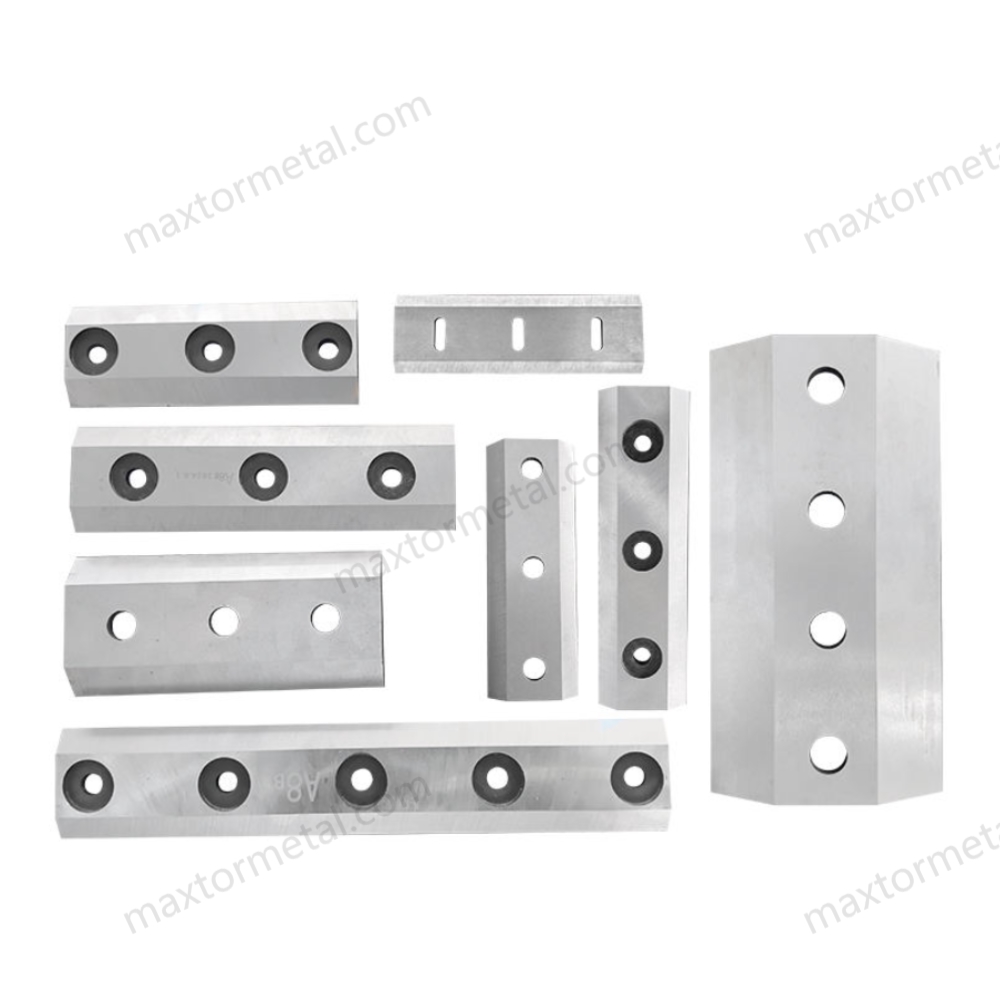
If you want good results in wood work, you need to pick single edge or double edge سكاكين الفرامة. Many people think double edge knives last longer and need less fixing time. Single edge knives are better for jobs that need very careful cutting. You should choose based on the wood type, your machine, and what you want to make. Nanjing Metal Industrial helps you pick the right knife for your job so you get better results.
النقاط الرئيسية
- Pick single edge knives for neat cuts in soft or medium wood. These knives are simple to sharpen and good for careful work.
- Use double edge knives for mixed or hard wood. They last longer and you can flip them to use both sides.
- Think about the bevel shape and blade angle. A good bevel helps make smoother cuts and better chips.
- Check and sharpen your knives often to keep them working well. Dull blades slow down work and make cuts worse.
- Choose the knife material that fits your job. D2 tool steel works well for soft wood. Tungsten carbide is best for tough jobs.
- Double edge knives help you work faster since both sides can be used. This saves time and helps you finish big jobs quicker.
- Always look at your machine’s needs and the wood type before picking a knife. The right knife helps you work better and spend less money.
- Ask experts for help if you are not sure which knife to pick. They can give you good advice for your needs.
Key Differences in Industrial Chipper Knives
Single Edge vs. Double Edge Design
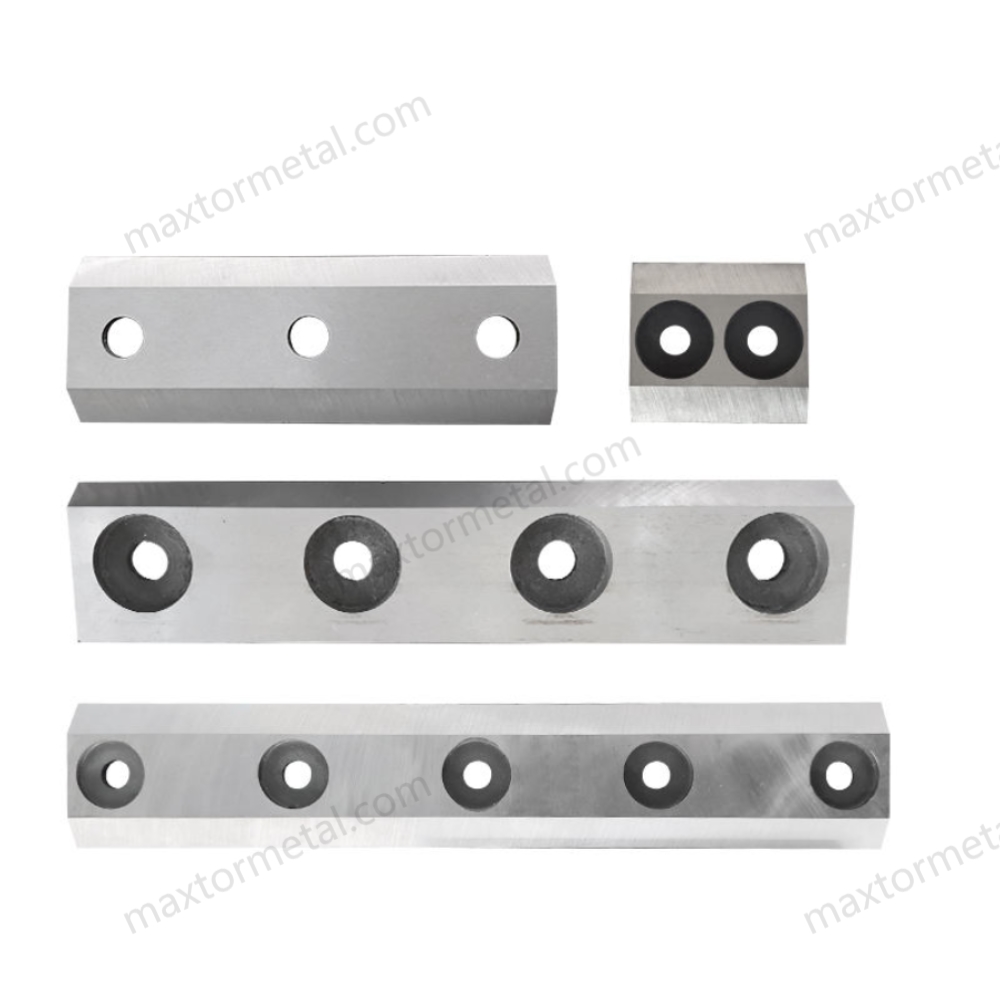
When picking chipper knives, you should know the main differences. Single edge knives have one cutting angle. Double edge knives have two cutting angles. The blade shape changes how you use and care for the knife. Single edge knives are easier to sharpen. Double edge knives last longer and work for more jobs. Look at the table below to see how they compare:
| ميزة | Single Edge Knife | Double Edge Knife |
|---|---|---|
| Bevel Configuration | One angle ground on the cutting edge (single bevel) | Two angles on the cutting edge (double bevel) |
| Sharpening Angle | Specific angle (30°, 45°, 60°) depending on use | Varies based on knife type and technique |
| متانة | Dulls quickly, prone to chipping and damage | Sharp, robust, and durable |
| Resharpening Cost | Less expensive to resharpen | More complex, potentially higher resharpening cost |
| براعه | Less versatile | More versatile, used for converting and processing materials |
Single edge knives are good for careful cuts. Double edge knives are better for tough jobs. Pick the blade that fits your machine and wood type.
Edge Geometry and Cutting Action
The blade shape is important for how knives work. You should check the bevel and blade angle. These features help the knife cut wood easily. Here are some things to remember:
- A good bevel makes cutting smoother and faster.
- The blade angle helps the knife slice wood better.
- The cutting edge shape controls chip size and quality.
- The right edge design helps your machine work better and last longer.
If you want a special blade shape, you can look at شفرات مخصصة.
Material Options for Chipper Knives
Blade material matters when you pick industrial knives. The material changes how tough and hard the blade is. Each type works best for different jobs. The table below shows common blade materials:
| نوع الفولاذ | ملكيات | الايجابيات | سلبيات |
|---|---|---|---|
| أداة الفولاذ D2 | High carbon, high chromium tool steel with excellent wear resistance. | Superior wear resistance, good hardness, semi-stainless properties. | Can be brittle, difficult to sharpen. |
| فولاذ الأدوات DC53 | Superior toughness and impact resistance. | Handles shock, resists chipping, long service life. | Needs precise heat treatment. |
| تطعيم الفولاذ عالي السرعة | High toughness, excellent edge retention. | Stays sharp, resists impact, good for heavy-duty use. | Lower pure wear resistance than carbide. |
| تطعيم من كربيد التنجستن | Near-diamond hardness, unmatched service life. | Extreme durability, best for high-volume industrial use. | Brittle, can chip under heavy impact. |
أداة الفولاذ D2
D2 tool steel is used in many chipper knives. This material is hard and resists wearing out. D2 works best for soft and medium wood. It does not rust easily. D2 can break if hit too hard.
فولاذ الأدوات DC53
DC53 tool steel is tough and handles hard hits. You can use DC53 for mixed or hard wood. This steel does not chip easily and lasts longer than D2. It needs careful heat treatment to work well.
High-Speed Steel (HSS) Inlay
HSS inlay blades are strong and keep their edge. You use these blades for big cutting jobs. HSS blades stay sharp and do not break easily. They do not last as long as carbide blades.
تطعيم من كربيد التنجستن
Tungsten carbide inlay blades are very hard and last a long time. These blades are best for big wood cutting jobs. Carbide blades are tough but can break if used on very hard wood. If you need help picking a blade, Nanjing Metal Industrial can help you choose the right one.
Tip: Always match your blade material and bevel to your wood and machine for the best results.
Chipper Knives Performance Comparison

Rigidity and Precision of Single Edge
It is important to know how single edge knives work. These knives have one bevel. This makes the edge strong and steady. The design gives the knife high rigidity. You can make very exact cuts with these blades. The single bevel lets you control the knife well. This helps when you want even wood chips. Many machines use single edge knives for accurate jobs. You can sharpen these blades easily. You only need to work on one bevel. This saves time and keeps your cuts good. If you want smooth timber or neat products, single edge knives are a smart pick.
Tip: Pick single edge knives if you need exact chip size and smooth cuts in your work.
Flexibility and Maintenance of Double Edge
Double edge knives give you more ways to use them. These knives have two bevels. You can use both sides of the blade. When one side gets dull, flip the knife over. Then you can use the other side. This means you do not stop your machine as much. You save time because you change blades less often. Double edge knives last longer since you use both sides. You can cut many kinds of wood with these knives. The double bevel works for tough jobs and mixed materials. You get more use from each knife. Many people pick double edge knives for big jobs.
- Double edge knives help you save time.
- You get more cutting hours from each blade.
- You can process different wood types with one knife.
Cutting Quality and Application Suitability
You should match the knife to your job. Single edge knives make clean and exact cuts. They work best for soft or medium wood. These knives are good for products that need a fine finish. Double edge knives are strong for hard jobs. You can use them for mixed wood or waste wood. They are good when you need to cut a lot fast. The bevel shape changes the chip size and quality. Single bevel blades make smoother chips. Double bevel blades work for rougher wood but may make bigger chips.
Here is a quick comparison:
| نوع السكين | الأفضل لـ | جودة القطع | Application Example |
|---|---|---|---|
| Single Edge | Clean, soft, or medium wood | Smooth, precise chips | Pulp and paper production |
| Double Edge | Mixed or hard wood, high volume | Robust, larger chips | Biomass energy, recycling |
You should always check what you need before picking a knife. The right bevel and blade type will help you get the best results for your job.
Productivity and Downtime in Industrial Use
Maintenance Frequency and Knife Changeover
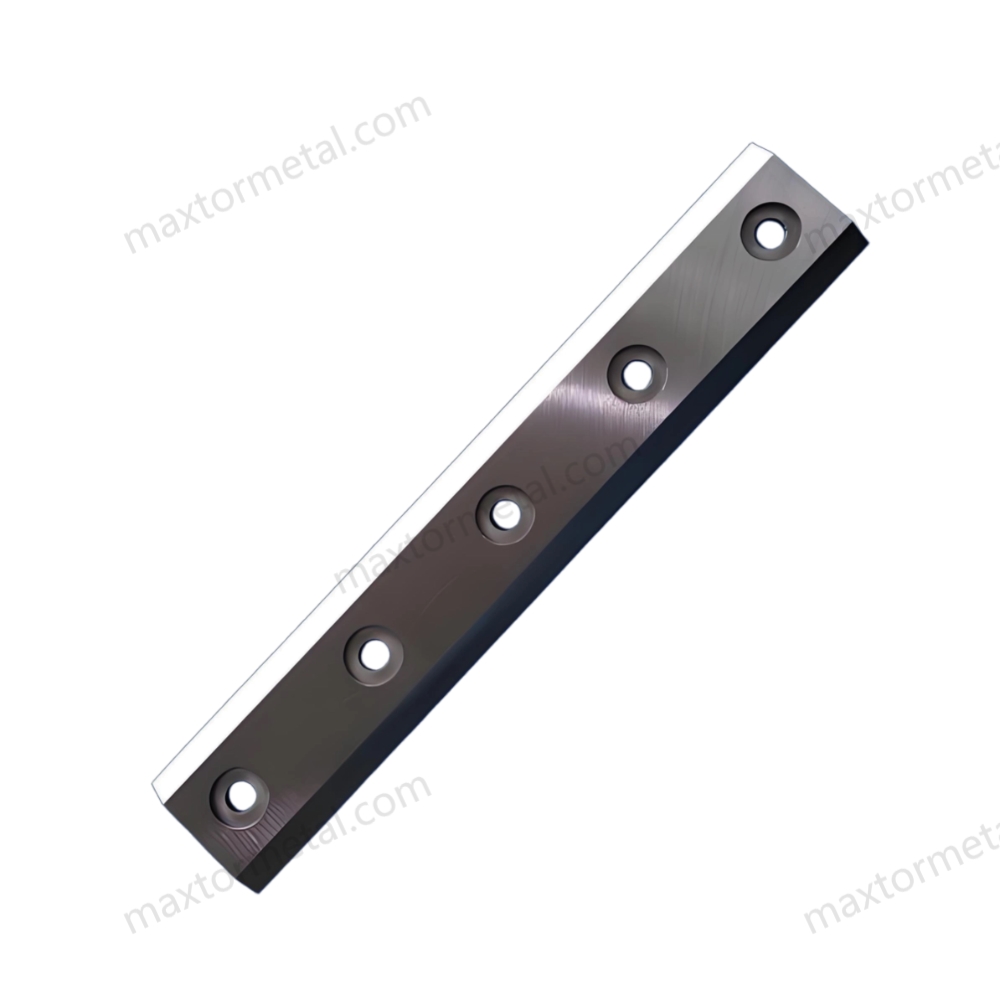
You want your machines to work well. The chipper knife you pick changes how often you stop. Single edge blades need sharpening after a short time. Double edge blades let you flip and use the other side. This saves you time when changing blades.
Check your knives often. Most workers look at blades every 10 hours. You should also check after a few hours of hard work. If your machine cuts worse, look at the knives. Hard wood and tough jobs mean more checks and sharpening.
Here is a simple checklist for knife care:
- Look at blades every 10 hours.
- Check after heavy chipping.
- Replace or sharpen dull blades.
- Listen for new sounds or less output.
Downtime Reduction with Double Edge
Downtime costs you money. Double edge chipper knives help you cut downtime. When one side is dull, flip the knife. Use the other edge right away. You do not stop your machine for long.
Single edge blades need sharpening more often. You must take out the knife and grind it. Double edge blades last twice as long before sharpening. You save time and keep working.
Tip: Pick double edge knives for big jobs. You will have less downtime and better efficiency.
Throughput and Output Efficiency
The chipper knife you choose changes how much wood you cut. Single edge blades make smooth chips and neat cuts. This is good for high-quality work. Double edge blades are best for big batches and mixed wood. You get more done because you stop less for maintenance.
The bevel shape matters too. A sharp bevel cuts wood fast. You get more chips each hour. Double edge knives handle tough wood and keep machines running fast. You can process more wood and reach your goals.
Here is a table to compare throughput and efficiency:
| نوع السكين | احتياجات الصيانة | وقت التوقف | جودة الإخراج | معدل الإنتاج |
|---|---|---|---|---|
| Single Edge | متكرر | أعلى | Smooth chips | معتدل |
| Double Edge | أقل تكرارًا | أدنى | Larger chips | عالي |
Pick the knife and bevel that fit your job. This helps you get good results and keep your machines working well.
Durability and Wear Life of Chipper Knives
Edge Retention and Regrinding
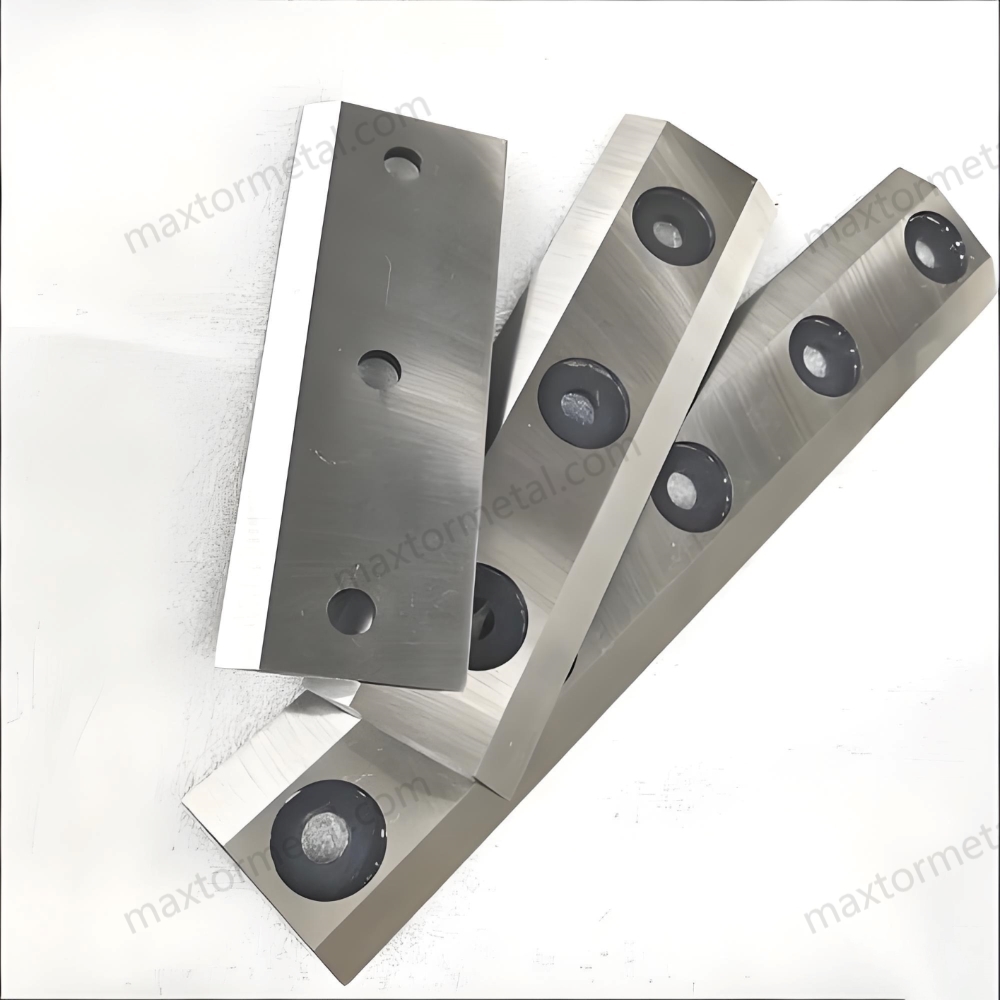
You want your blades to stay sharp for a long time. Edge retention means how long the knife stays sharp when you use it. Single bevel blades are easy to sharpen. You only need to grind one side. This makes sharpening quick and simple. Double bevel knives last longer before they need sharpening. You can flip the blade and use the other edge. This helps you stop your machine less often.
Think about how often you want to stop for maintenance. If you want your knife to cut well for a long time, pick one with good edge retention. You will spend less time sharpening and more time working. Heat treatment makes knives harder and tougher. This helps your blades stay sharp and not get dull fast.
Tip: Check your knives often. Sharpen them before they get too dull. This keeps your machine working well.
Resistance to Chipping and Deformation
Cutting wood puts a lot of stress on your blades. You want your knife to avoid chipping or bending. Single bevel knives have a strong edge for clean wood. Double bevel knives are better for mixed or hard wood. They spread the force over two edges. This helps stop chips and cracks.
The knife material is important too. High-alloy tool steel is tough and hard. It works well for heavy jobs and keeps its shape. Hardened tool steel or carbide blades are good for tough work. They do not break or bend easily. Always match your blade to the wood and job.
- High-alloy steel is tough and keeps its edge.
- Carbide inlay blades cut rough wood without chipping.
- Good heat treatment makes blades stronger.
If you see chips or bends, change or sharpen your knife right away. This keeps your machines safe and working well.
Impact of Material Choice on Durability
The blade material changes how long your knife lasts. Each steel or inlay has different strengths. Look at the table below to compare materials:
| مادة | صلابة | صلابة | Durability Impact |
|---|---|---|---|
| فولاذ أدوات عالي السبائك | عالي | عالي | Best for many jobs, resists hits and keeps edge. |
| الفولاذ عالي الكربون | معتدل | معتدل | Easy to sharpen but does not last as long. |
| كربيد التنغستن | عالية جداً | عالية جداً | Lasts longest, best for rough jobs. |
High-alloy tool steel is strong and lasts a long time. High carbon steel is easy to sharpen but wears out faster. Tungsten carbide lasts the longest. It is best for hard, rough jobs.
- High-alloy steel is strong and lasts long.
- Carbide inlay blades are best for tough jobs.
- The right material means fewer changes and less stopping.
When you pick a knife, think about your wood, your machine, and how much you cut. The right choice helps your machines run longer and smoother.
Maintenance and Cost-Effectiveness
Regrinding and Sharpening Costs
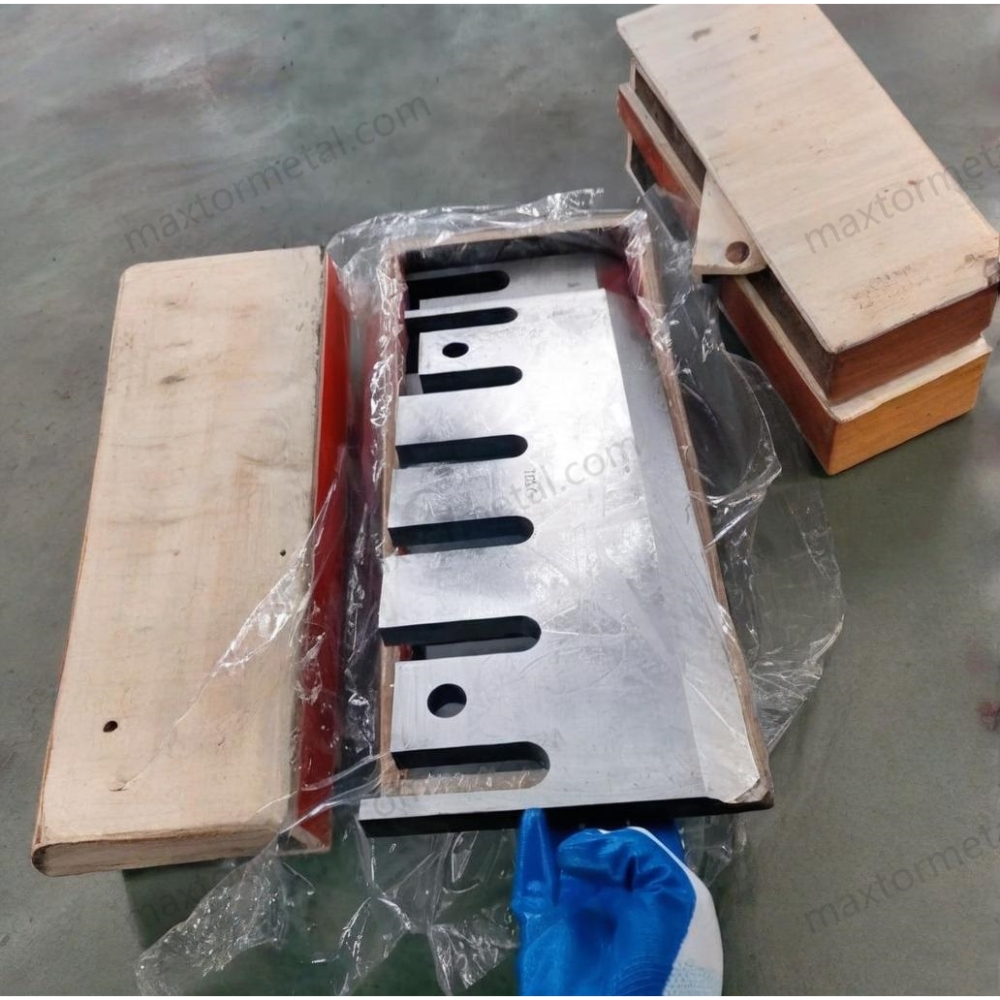
You should think about how much it costs to keep your industrial chipper knives sharp. If you sharpen and grind your blades often, they will work better and last longer. The kind of knife you pick changes how much you spend on maintenance. Single edge knives are cheaper to sharpen because you only work on one side. Double edge knives take more time and skill since you must sharpen both sides.
Here is a table that shows the average cost for sharpening each knife set:
| نوع السكين | يكلف |
|---|---|
| Chipper Knife Set (Single Edge) | $47.50 |
| Chipper Knife Set (Double Edge) | $59.25 |
Double edge blades cost more to keep sharp. You pay more because these knives last longer before you need to sharpen or replace them. If you want to save money, check your blades often and sharpen them before they get too dull.
Tip: Make a plan for when to sharpen your knives. Think about how much you use them and what kind of wood you cut.
Replacement and Disposal Costs
When your blades get worn out, you have to buy new ones. The price depends on the knife type and what it is made of. Single edge knives need to be changed more because you only use one side. Double edge knives last longer since you can flip and use both sides. You do not have to buy new double edge knives as often.
You also need to think about what to do with old blades. Used industrial blades must be thrown away safely. Some companies recycle old knives so there is less waste. If you want to spend less on throwing away blades, pick knives made from materials that are easy to recycle.
- You will change single edge knives more often.
- Double edge knives mean fewer replacements.
- Recycling old blades helps you save money on disposal.
Total Cost of Ownership (TCO) Analysis
Total cost of ownership means you add up all the money you spend on your knives. This includes sharpening, buying new knives, and throwing away old ones. Single edge knives are cheaper to sharpen but you have to buy them more often. Double edge knives cost more to sharpen but last longer, so you buy fewer knives.
You should also think about the bevel shape. A good bevel helps your knife stay sharp and cut better. This means you do not have to sharpen as much. If you pick the right knife and bevel for your job, you can spend less money overall.
Note: Always pick blades that fit your machine and the wood you use. This helps you get the best results and save money.
If you want to save money, keep your knives sharp, replace them when needed, and recycle old blades. Making smart choices helps your machines work well and keeps costs low.
Industry Suitability for Single and Double Edge Knives
Pulp and Paper Manufacturing
You need good wood chips to make paper. Most mills use disc chipper knives. These blades cut logs into even chips. Smooth chips help make strong paper. Single edge knives are used a lot here. The single bevel lets you pick the chip size and shape. You can sharpen these knives fast, so your machine keeps working.
- Disc chipper blades give steady results.
- Single edge knives make fine chips for pulp.
- D2 or DC53 tool steel blades last longer.
Biomass Energy Production
You use many wood types for biomass energy. This includes mixed logs, branches, and waste wood. Double edge chipper knives are best for this work. The double bevel lets you flip and use both sides. You change blades less and keep your machine running. These knives cut tough wood and mixed stuff.
- Double edge knives cut more wood with less stopping.
- You get bigger chips for energy jobs.
- Tungsten carbide inlay blades last longer for hard work.
You need knives that do not wear out or chip. Double edge blades give you more ways to use them.
Engineered Wood Panels
You make plywood, MDF, and particleboard in factories. You need blades to cut wood into small chips or flakes. Single edge chipper knives are good for clean wood. The single bevel helps you make smooth chips for panels. Double edge knives are good for mixed or recycled wood. You can flip the knife when one side is dull.
| تطبيق | Preferred Knife Type | فوائد | خيارات مواد الشفرة |
|---|---|---|---|
| Plywood, MDF (clean wood) | Single edge | Precise chips, easy sharpening | D2, DC53 tool steel |
| Particleboard (mixed wood) | Double edge | Longer use, less downtime | HSS, tungsten carbide inlay |
Pick blades that fit your wood and machine. Single edge knives help you make fine chips for smooth panels. Double edge knives help you cut more wood and need less fixing.
Forestry Recycling
Picking the right chipper knife helps with forestry recycling. In this job, you work with mixed wood, branches, and wood waste. The knife you pick depends on your machine and the wood you use. It also depends on where you work. Many recycling places like double edge knives. You can flip these knives to use a new edge. This means you spend less time changing blades and more time working.
You should also think about cost. Many places now use disposable knives. These knives can cut your knife costs by half. You do not need to sharpen them as much. They last longer than regular knives. Some disposable knives can cut about 50% more wood before you change them. This helps you save money and keep your machines running.
Here are some things to remember for forestry recycling:
- Double edge knives let you cut longer before stopping.
- Disposable knives help you spend less on fixing and replacing.
- The right knife helps you cut tough wood and keeps your machines working well.
To get the best results, match your knife to your machine and wood. Nanjing Metal Industrial has many knives for recycling. You can find the best one for your job.
Mushroom Cultivation
You may not think about chipper knives when growing mushrooms, but they matter. In mushroom growing, you need wood chips or sawdust for mushrooms to grow. The size and quality of the chips change how well mushrooms grow.
Single edge knives are often best for this job. They help you make small, even chips that mushrooms like. You can sharpen these knives easily for clean cuts. If you use double edge knives, you can cut more wood before changing blades. This is good for big mushroom farms.
إليك جدول لمساعدتك في الاختيار:
| Operation Size | Preferred Knife Type | فائدة |
|---|---|---|
| Small/Medium Farms | Single edge | Fine chips, easy sharpening |
| Large Industrial Farms | Double edge | Longer use, less downtime |
Always match your knife to your farm size and wood type. This helps you get the best results for your mushroom farm. Nanjing Metal Industrial can help you pick the right knife.
Practical Decision Guide for Industrial Chipper Knives
Matching Knife Type to Application Needs
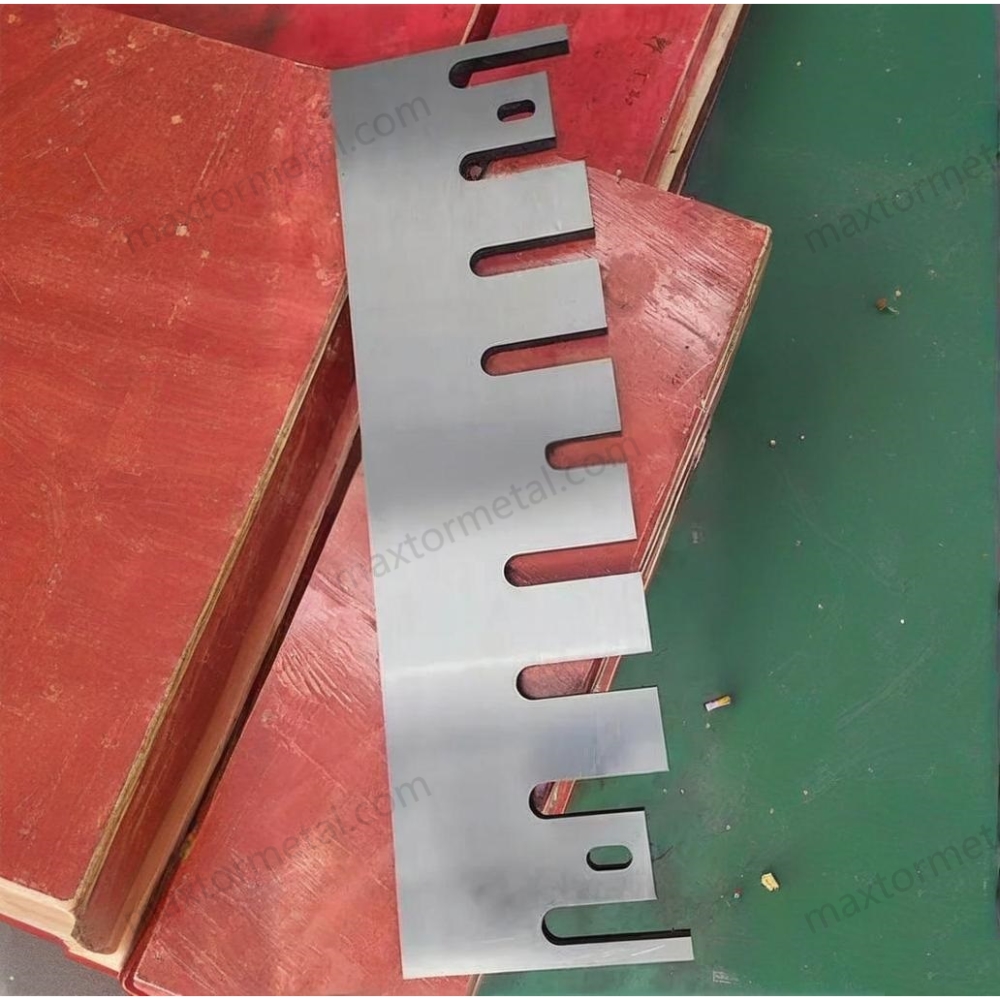
You need the right knife for your job. Every job has different needs. The wood type, machine, and what you make all matter. Use the table below to help you pick the best knife for your work:
| نوع التطبيق | Recommended Material | هندسة الحافة | الاعتبارات الرئيسية |
|---|---|---|---|
| Softwood Processing (Pine, Fir) | A8 Tool Steel, 58-60 HRC | 30-32° cutting angle | Sharp edge retention for clean chip production |
| Hardwood Processing (Oak, Maple) | D2 Tool Steel or Carbide Tipped, 60-62 HRC | 35-38° cutting angle | Impact resistance and wear resistance |
| Recycled Wood & Contaminated | Carbide Tipped or Hardfaced | 38-40° cutting angle | Maximum impact resistance and contaminant tolerance |
Think about the wood you use most. Softwoods need a sharp blade that stays clean. Hardwoods need a strong blade that can take more force. If you cut recycled or dirty wood, you need a knife that can handle grit and metal. Picking the right knife helps your machines last longer and makes your job easier.
Key Questions Before Choosing
Ask yourself some questions before picking a knife. These questions help you avoid mistakes and get the best knife for your work:
- How strong does your knife need to be? Single edge knives are stronger at the tip.
- How much time do you want to spend sharpening? Single edge knives are easier to sharpen.
- Are there any rules about knife types where you work? Some places have rules about double edge knives.
- What will you use the knife for most? Single edge knives are good for daily jobs. Double edge knives are better for cutting from both sides.
Tip: Write down your answers. This helps you talk to your supplier and get the right knife for your work.
Common Selection Mistakes
People often make mistakes when picking knives. You can avoid these problems if you know what to look for:
- Using the wrong knife for your wood. If you pick the wrong knife, your cuts are bad and you waste time.
- Letting blades get dull. Dull knives slow you down and make bad chips. Sharpen your knives on a schedule.
- Not teaching workers how to use knives. If your team does not know how to use or care for knives, you can have accidents and bad results.
- Not asking experts for help. Suppliers who know about knives can help you avoid mistakes.
Note: Always check your knives before you start work. Make sure they are sharp and not damaged. If you are not sure which knife to use, ask a supplier for help.
Picking the right chipper knives saves you money, cuts downtime, and helps you get better results every day.
Summary and Recommendations
When to Choose Single Edge
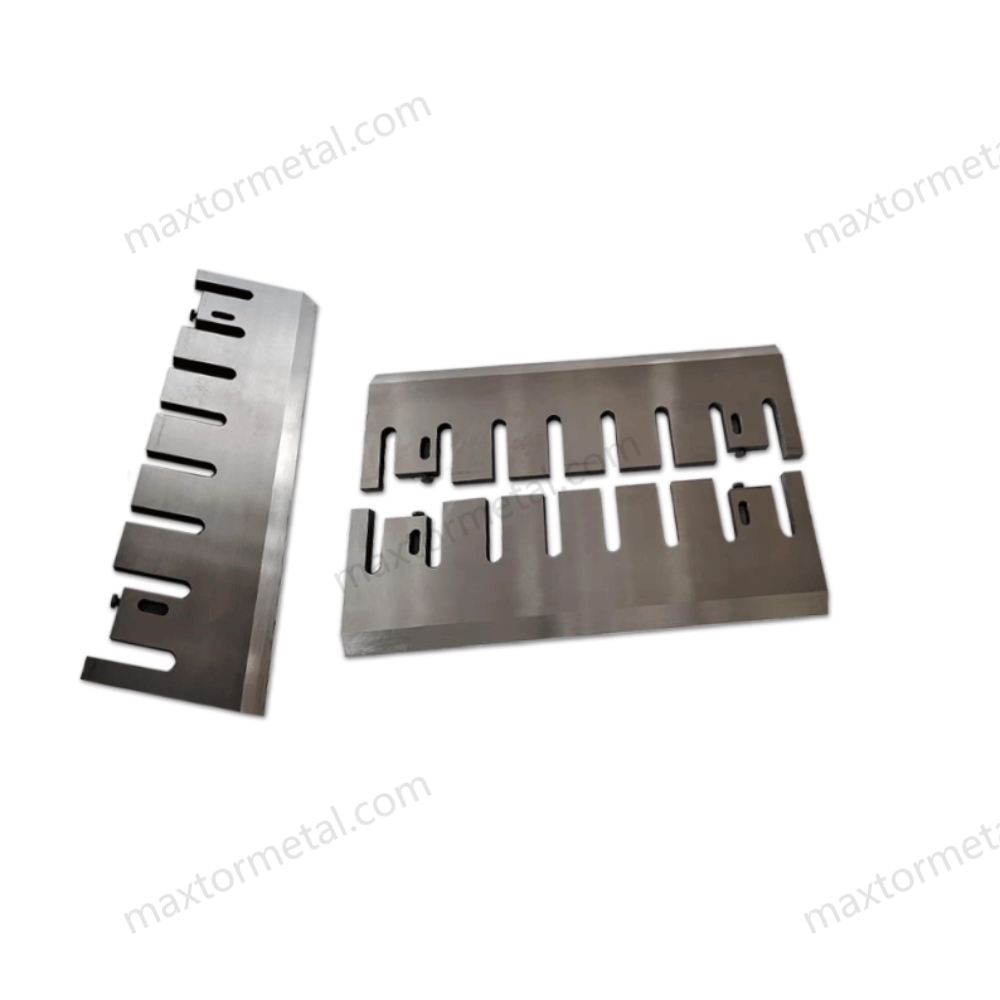
Pick single edge chipper knives when you want clean, exact cuts. These knives work best for softwood or medium hardwood. Single edge blades help you make smooth chips. This is important for pulp and paper or mushroom growing. You can sharpen these knives fast because they have one bevel. If you need chips that are the same size and look nice, single edge knives give you more control. Many people use single edge knives for jobs that need careful work and easy care.
Key reasons to pick single edge chipper knives:
- You want wood chips that are smooth and even.
- Your machine mostly cuts clean or soft wood.
- You need to sharpen blades often and quickly.
- You care about chip size and making good products.
When to Choose Double Edge
Double edge chipper knives are good for tough jobs. Use these knives if you cut mixed wood, hardwood, or wood with bark and dirt. Double edge blades let you flip the knife when one side gets dull. This helps you stop your machine less and save money on new blades. Double edge knives work well for making energy, recycling wood, and big wood chipping jobs. They last longer and handle hard materials better.
Choose double edge chipper knives when:
- You need to cut a lot of wood at once.
- Your work uses mixed or recycled wood.
- You want to stop your machine less.
- You need a blade for tough, dirty, or rough wood.
Final Tips for Buyers
The chipper knife design matters for how your machine works. If you know the difference between single edge and double edge knives, you can make better choices. Always match your knife to your wood and your machine.
Tip: The right chipper knife design helps your machine work better and last longer.
When picking chipper knives, remember these things:
- Think about what kind of wood you will chip.
- Make sure your choice fits your machine’s power.
- Pick a blade that matches your work goals.
If you take time to think about your needs and ask questions, you will find the best chipper knives for your work. Good choices help you get better results and save money over time.
You now know how important it is to match the right chipper knife to your job. Each knife type works best for certain wood and machine needs. If you want better results, review your current setup and see if your knives fit your work.
- Check your wood type and machine.
- Decide if you need single or double edge knives.
- Ask for expert help if you are unsure.
For custom solutions or expert advice, تواصل مع مهندسي المبيعات لدينا. They can help you choose the best chipper knife for your operation.
التعليمات
What is the main difference between single edge and double edge chipper knives?
Single edge chipper knives have one cutting side. Double edge chipper knives have two cutting sides. You can flip double edge knives to use both sides, which helps you work longer before changing blades.
How do I know which chipper knife is best for my machine?
Check your machine’s manual or ask your supplier. You should match the chipper knife type to your machine’s size, power, and the wood you process. Using the right knife helps your machine work better.
How often should I sharpen my chipper knives?
You should check your chipper knives every 10 hours of use. Sharpen them when you see dull edges or rough chips. Regular sharpening keeps your machine safe and your chips even.
Can I use the same chipper knife for different types of wood?
You can use some chipper knives for many wood types. However, hard or dirty wood may need tougher knives. Always choose a chipper knife that matches your main wood type for the best results.
What materials are best for chipper knives?
D2 tool steel works well for soft and medium wood. DC53 tool steel is good for tough jobs. Tungsten carbide inlay lasts longest for heavy use. Pick the material that fits your work needs.
Why do double edge chipper knives reduce downtime?
Double edge chipper knives let you flip the blade when one side gets dull. You do not need to stop your machine as often. This helps you save time and keep working.
How do I safely dispose of old chipper knives?
You should collect old chipper knives in a safe container. Many companies recycle used blades. Ask your supplier or local recycling center for safe disposal options.
Can I get custom chipper knives for special jobs?
Yes, you can order custom chipper knives. Custom knives fit your machine and job needs. Talk to your supplier about your requirements for the best fit.
انظر أيضا
D2، HSS، الكربيد: اختيار أفضل فولاذ لشفرات المقصلة في الطباعة
التدمير الآمن للوثائق: كيف تحمي شفرات مفرمة الورق بياناتك
دليل استبدال شفرة المفرمة للمبتدئين والمحترفين
شحذ شفرات كسارة البلاستيك لتحقيق أقصى قدر من الكفاءة والعمر الافتراضي

 English
  Spanish
  Italian
  French
  Portuguese
  Russian
  German
  Arabic
  Hindi
Hindi  Vietnamese
  Indonesian
  Japanese
  Korean