

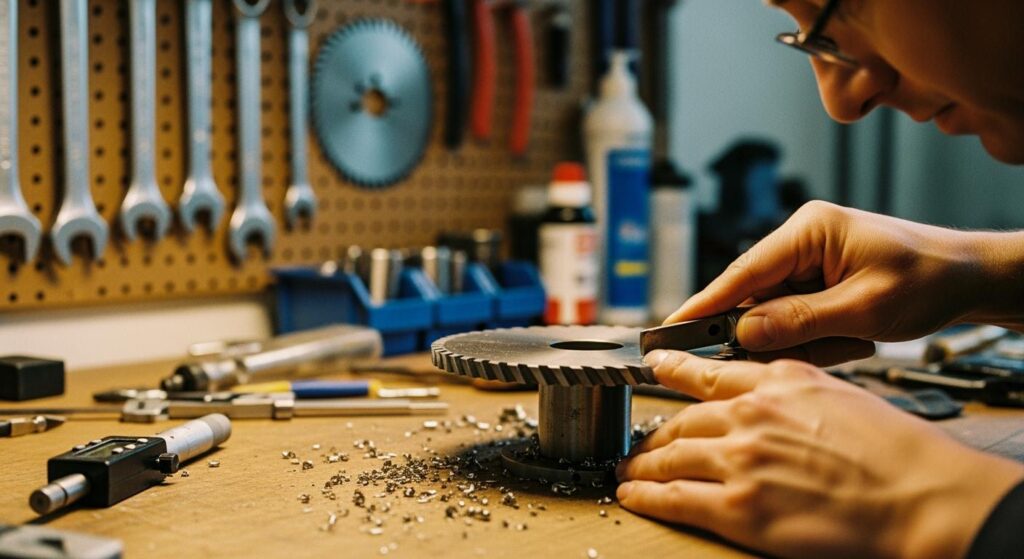
You want your blades to last a long time. You also want to keep costs low. سنّ شفرات السليتر الدوارة helps with both things. Using good slitting blades gives you clean cuts. It also makes machines run smoothly. Regular care and expert sharpening help every day.
- Sharpening rotary slitter blades often keeps them working well. It also helps them last longer.
- Taking care of blades the right way means less downtime.
- When you care for blades often, cutting works better.
Look at how you care for your blades now. Even small changes can save money and make things better.
النقاط الرئيسية
- Sharpen rotary slitter blades often to keep them working well and make them last longer.
- Taking good care of blades helps machines run smoothly and makes cutting better.
- Pick high-quality blades, like ones from Nanjing Metal Industrial, for better cuts and to save money on replacements.
- Know which blade type and material fit your job to get clean cuts and help machines work well.
- Look for dull blades by checking for rough edges or if cutting gets harder, so you know when to sharpen.
- Sharpen blades on a regular schedule based on how much you use them to avoid expensive machine problems.
- Always stay safe by wearing protective gear and following the right steps when sharpening blades.
- Write down blade care details to watch how they work and plan for future maintenance.
Why Rotary Slitter Blade Sharpening Matters
Role in Industrial Cutting
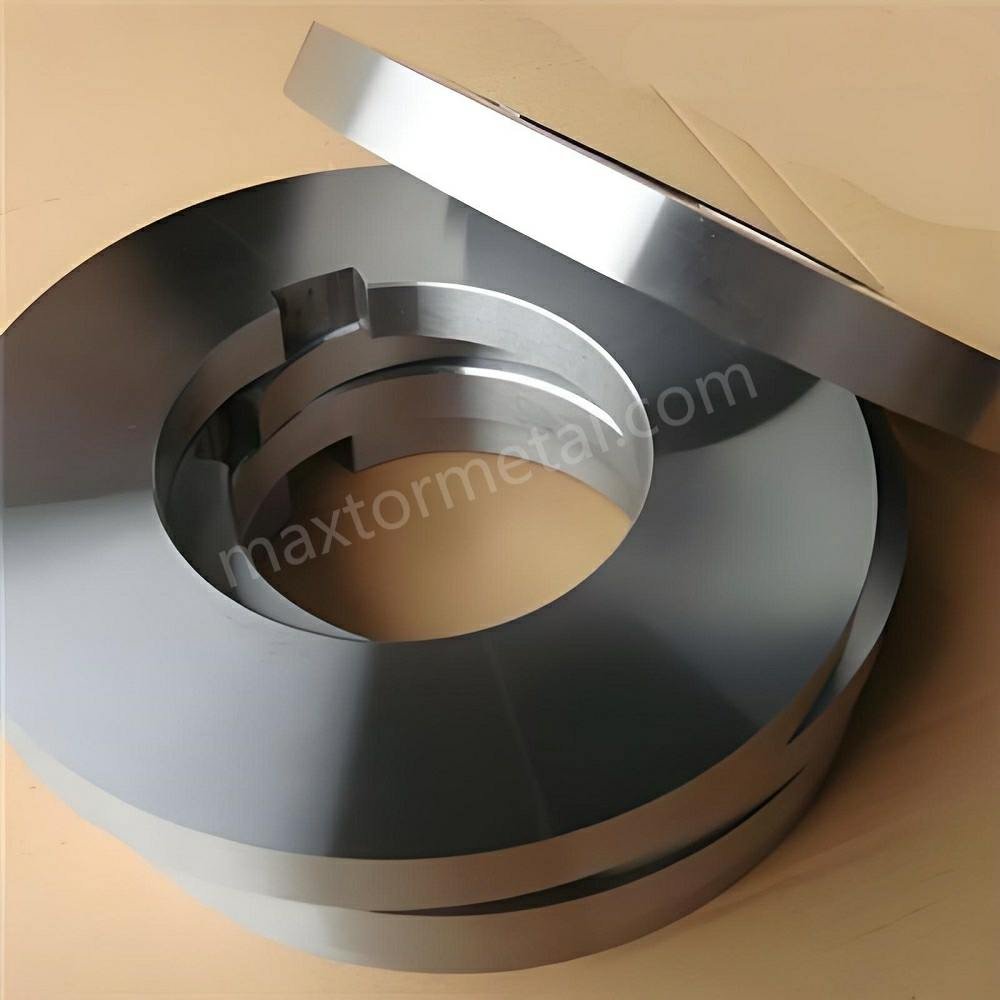
Slitting blades are used every day in factories. These blades cut big rolls into smaller strips. Sharp blades make clean and straight cuts. Rotary slitter blade sharpening keeps machines working well. When blades are sharp, machines need less effort to cut. This helps the slitter machine work with fewer breaks.
Many industries use slitting. You find it in packaging, paper, textiles, and medical supplies. All these jobs need careful cutting. Dull blades can leave rough or uneven edges. This wastes material and takes more time to fix. Sharpening blades often helps teams avoid these problems.
Benefits for Production and Cost
You want your factory to work fast and smooth. Sharpening slitting blades brings many good things. First, blades last longer. You do not have to buy new ones as much. Second, your products look better. Clean cuts mean less waste and fewer mistakes.
Let’s see how premium slitting blades are different from standard blades:
| ميزة | الشفرات القياسية | Premium Blades (Nanjing Metal Industrial) |
|---|---|---|
| جودة المواد | Usually made with lower quality materials | Made with strong materials like tungsten carbide |
| أداء | Good for simple jobs | Works better for specific needs |
| طول العمر | Do not last as long, need more replacements | Last longer, cost less over time |
| الكفاءة التشغيلية | Need more care | Work better, save money later |
Premium blades last longer and need less fixing. This means you spend less time fixing blades and more time making things. You also save money because you do not buy blades as often.
Tip: Sharpening rotary slitter blades often keeps your machines running and stops expensive delays.
Using good slitting blades and keeping them sharp gives better results. Machines work better, products look nicer, and costs go down. Your team can work safely and quickly. Slitting is easier, and you can trust your machines to cut just right.
Understanding Slitting Blades
Types and Materials
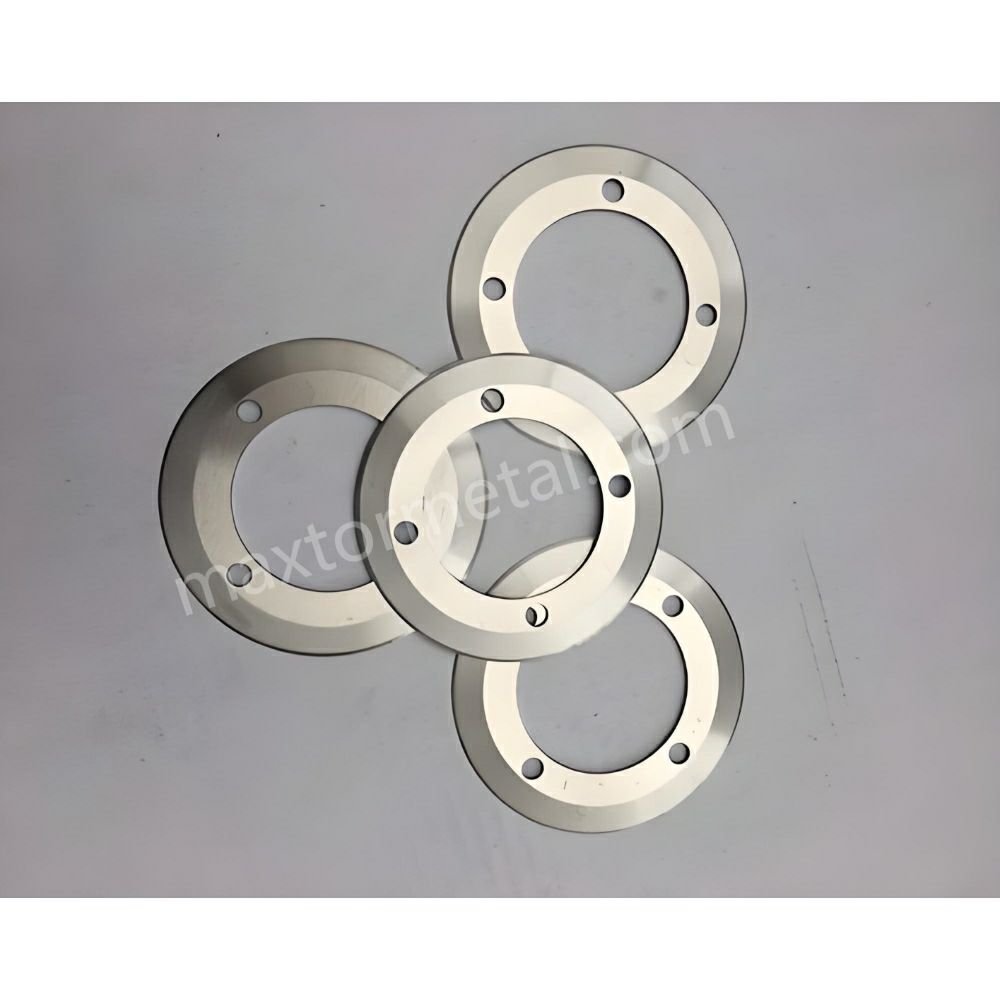
You should learn about slitting blade types before picking one. Each type works best for a certain job. Blades are made from different materials. Some common materials are:
- D2 steel: This is the most used material. It lasts long and is easy to sharpen. You can use it for plastics and paper.
- M2 steel: This is harder than D2 steel. It works well for non-woven things and lasts longer.
- 52100 steel: This costs less. It wears out faster and gets hot when cutting some plastics.
Blades also come in different shapes. Single-layer small edge blades work well for hard things. Double-layer large edge blades help cut thin things with high accuracy. Nanjing Metal Industrial has many slitting blades. You can find the right blade for your job. If you need a special shape or size, you can go to the صفحة الشفرات المخصصة to get a blade made for your machine.
Applications Across Industries
Slitting blades are important in many industries. People use them to cut big rolls into smaller strips. Here is a table that shows where these blades are used:
| صناعة | التطبيقات النموذجية |
|---|---|
| معالجة الأغذية | Cutting food packaging materials |
| تحويل الورق | Processing materials for further manufacturing |
| Plastics Processing | Cutting plastic films and sheets |
| Cloth and Textile | Slitting fabrics and textiles for garments |
| Tire and Rubber | Cutting rubber sheets for tire production |
| Hydraulic Hose | Slitting hoses for hydraulic systems |
| Abrasives Industry | Cutting abrasive materials |
| التعبئة والتغليف | Slitting packaging materials for products |
The packaging industry uses slitting blades the most. You also see them in textile, plastics, and food factories. Each job needs a different blade. Picking the right blade helps you get clean cuts. It also keeps machines working well.
Customization and Quality Assurance
You want your slitting blades to fit your machine and job. Nanjing Metal Industrial can make blades from your drawings or needs. This helps you get the best results. Custom blades help you avoid problems and make slitting easier.
Quality is important when you pick a blade. Nanjing Metal Industrial follows strict rules. The company has ISO certification. This means they care about quality and performance. They use special tools like micrometers and hardness testers to check each blade. You can trust every blade meets high standards before you get it.
Tip: Always check if your supplier follows quality rules. This helps you avoid problems with slitting blade repair or rotary slitter blade sharpening later.
When you pick the right slitter blade, you get better cuts and longer blade life. Good blades make sharpening easier and help you avoid costly downtime.
Causes of Blade Wear

Rotary slitter blades work hard every day. Many things make blades wear out. If you know what causes blade wear, you can make better choices. This helps you keep your blades sharp for a longer time.
Material and Usage Factors
The kind of material you cut changes how long blades last. Hard or rough materials wear blades down faster. If you use cheap blades for tough jobs, they get dull quickly. For short jobs, carbon steel or stainless steel blades are fine. For long jobs, use strong blades like tungsten carbide. These last longer and need less rotary slitter blade sharpening.
How much you use your slitting machine matters too. If you use it a lot, blades get dull faster. The way blades are hardened changes how they work. Through hardening makes the whole blade strong. Surface hardening only makes the outside tough. Picking the right hardening method helps blades last longer and saves money.
وهنا جدول يوضح common reasons blades wear out:
| Cause Type | Specific Causes |
|---|---|
| Mechanical Issues | Misalignment, Too Much Pressure, Wrong Clearance |
| Material Challenges | Rough Materials, Materials That Do Not Match |
| العوامل البيئية | Rust, Getting Too Hot |
Tip: Pick the right blade material for your job. This helps stop early wear and keeps your machine working well.
Alignment and Lubrication
Blade alignment is very important in slitting. If your blade is not lined up, you get uneven pressure. One side wears out faster than the other. Check alignment often to keep cuts straight and blades sharp.
Lubrication helps blades last longer. Using oil or other lubricants lowers friction and heat. Less heat means less damage to blades. Lubrication also helps with sticky materials. A wet blade cuts tough jobs better and stops build-up. You get better cuts and fewer problems with your slitter.
- Good alignment spreads pressure and stops uneven wear.
- Lubrication lowers friction and heat so blades last longer.
- Wet blades cut tough materials and avoid damage.
التأثير البيئي
Where you use your slitting machine changes blade life. High humidity can cause rust and corrosion. Rust makes blades weak and shortens their life. Dry air makes materials brittle. You need more force to cut, which wears blades faster.
Temperature changes matter too. If the room is too hot or cold, blades can grow or shrink. This causes bad cuts and more wear. Keep your workspace at a steady temperature and humidity. This helps blades last longer and keeps slitting jobs smooth.
- Humidity causes rust and shortens blade life.
- Dry air makes materials brittle and harder to cut.
- Steady temperature keeps blades in good shape.
Knowing these causes helps you plan better care for blades. You can pick the right blades, check alignment, use lubrication, and control your environment. This keeps your slitting process working well and your blades sharp.
هناك حاجة إلى شحذ العلامات

You should know when your rotary slitter blades need sharpening. If you find problems early, your machines can keep working well. This also helps you avoid expensive mistakes. Checking your blades often helps you spot trouble before it gets worse.
Edge Damage and Dullness
Slitting blades do hard work every day. After a while, the edges can get damaged or dull. You should watch for these warning signs:
الرقائق أو الشقوق المرئية
If you see small chips, dents, or cracks on the edge, your blade is wearing out. These problems can happen after cutting tough or rough materials. When you notice chips or nicks, plan to sharpen your rotary slitter blade soon.
حواف مستديرة أو حادة
A sharp blade has a clean, crisp edge. If the edge looks round or blunt, it will not cut well. You might see the blade dragging instead of slicing. This makes cutting harder and less exact.
زيادة مقاومة القطع
If you need more force to cut, your blade is probably dull. You may feel extra resistance or see the machine working harder. This puts more stress on your slitter and slows down production.
Tip: Check your blades often. Regular checks help you find edge damage and dullness before they cause bigger problems.
- Chips, dents, or cracks on the edge
- Material stuck on the blade or rust
- Dull or damaged blades make machines work harder
انخفاض جودة القطع
How well your blade cuts shows its health. If your cuts look worse than normal, check your blades.
Rough or Jagged Edges on Material
Sharp blades make smooth, straight cuts. Dull blades leave rough or jagged edges. You might see fraying or tearing on the material. This means your blade needs sharpening.
زيادة تكوين النتوءات
Burrs are tiny pieces left on the edge after cutting. If you see more burrs, your blade is not sharp enough. Burrs can cause problems later and waste more material.
عرض القطع غير المتسق
You want every strip to be the same width. If some strips are wider or thinner, your blade may be dull or damaged. Uneven cuts waste material and make more work.
Here is how blade sharpness affects your production:
| وجه | تأثير الشفرة الحادة | تأثير الشفرة الباهتة |
|---|---|---|
| الدقة والضبط | Clean, straight cuts that meet specifications | Tearing or fraying, resulting in uneven cuts |
| جودة الحافة | Smooth, clean edges free from defects | Rough, jagged edges causing processing issues |
| نفايات المواد | Reduced waste due to efficient cutting | Increased waste from tearing or fraying |
| تآكل الآلة | تقليل الضغط على الماكينة، مما يؤدي إلى إطالة عمرها الافتراضي | Increased wear and tear, leading to more maintenance |
Note: Watch for rough edges, burrs, and uneven strips. These signs mean your blade needs sharpening.
Increased Vibration or Noise
Your slitter machine should run quietly and smoothly. If you notice more vibration or noise, your blade may have a problem.
Unusual Sounds During Operation
If you hear loud or strange sounds while cutting, your blade could be dull or damaged. These noises mean the blade is having trouble cutting.
Excessive Machine Vibration
A sharp blade helps your machine run with less shaking. If vibration goes up, your blade might be worn out. Too much vibration can also hurt your machine over time.
Irregular Cutting Rhythm
يجب أن يكون تقطيعك سريعًا وثابتًا. إذا أصبح الإيقاع متقطعًا أو غير منتظم، فقد تحتاج شفرتك إلى الشحذ.
إليك كيفية ارتباط الاهتزاز والضوضاء بصحة الشفرات:
| نقطة الدليل | وصف |
|---|---|
| تغيرات الاهتزاز | تتغير طريقة اهتزاز القاطع عند تعطلّه، مما يدل على حالته الصحية. |
| تحليل السرعة | يؤدي التآكل الشديد إلى تغيير سرعة الشفرة، مما يجعلها تنحرف عن الوضع الطبيعي. |
| قياس RMS | ينخفض متوسط الجذر التربيعي للتسارع بشكل كبير مع زيادة التآكل، مما يدل على حدة الشفرة وصحة الآلة. |
نصيحة: استمع إلى جهازك. غالباً ما تشير الأصوات الغريبة والاهتزازات المتزايدة إلى أن الوقت قد حان لشحذ شفرة آلة القطع الدوارة.
ينبغي عليك وضع جدول زمني لشحذ الشفرات بناءً على مدى استخدامك لآلات التقطيع. يساعدك فحص الشفرات بانتظام على اكتشاف المشاكل مبكرًا. إذا لاحظت أيًا من هذه العلامات، فقم بشحذ الشفرات فورًا للحفاظ على سير عملك بسلاسة.
Rotary Slitter Blade Sharpening Guide
السلامة والاستعداد
يجب عليك دائمًا مراعاة السلامة أولًا قبل شحذ شفرات آلة القطع الدوارة. فالشفرات الحادة والآلات القوية قد تُسبب لك إصابات إذا لم تكن حذرًا. إليك بعض خطوات السلامة التي يجب عليك اتباعها قبل البدء:
- ارتدِ المعدات المناسبة. ارتدِ نظارات واقية وقفازات تحمي من الجروح وأحذية متينة.
- تعرّف على كيفية عمل آلة التقطيع الخاصة بك. اقرأ دليل المستخدم وتعرّف على كيفية تركيب الشفرة.
- أوقف تشغيل الجهاز. استخدم نظام الإغلاق والتحذير لمنع تشغيله عن طريق الخطأ.
- توخ الحذر عند مسك الشفرات. أمسكها من المنتصف أو الجوانب، وليس من الحافة الحادة.
- ارفع الشفرات بالطريقة الصحيحة. احمِ ظهرك ولا تقم بالالتواء.
- حافظ على نظافة مكان عملك. أزل أي شيء قد يعيقك.
- اتبع جميع قواعد الشركة المصنعة.
- افحص الشفرات وأجزاء الآلة بحثًا عن أي تلف قبل استخدامها.
- ابتعد عن الشفرات المتحركة. لا تضع يديك داخل الآلة وهي قيد التشغيل.
- اطلب المساعدة من شخص ما إذا كنت لا تعرف ماذا تفعل.
نصيحة: تساعد مساحة العمل المرتبة والمعدات المناسبة على منع الحوادث عند إصلاح أو شحذ شفرات القطع.
إزالة الشفرة وفحصها
يجب إخراج الشفرة من آلة التقطيع قبل شحذها. راجع دليل المستخدم دائمًا لمعرفة الطريقة الصحيحة. استخدم الأدوات المذكورة في الدليل، ولا تلمس الحافة الحادة. ضع الشفرة على سطح مستوٍ وآمن لفحصها.
تفحّص النصل جيدًا. استخدم عدسة مكبرة أو ضوءًا ساطعًا للبحث عن الشقوق أو الكسور أو المناطق المتآكلة. إذا لاحظت تآكلًا غير متساوٍ، فقد يعني ذلك أن النصل لم يكن محاذيًا بشكل صحيح أو أنه لم يكن مزيتًا بشكل كافٍ. دوّن ملاحظاتك.
نظّف الشفرة بقطعة قماش ناعمة ومنظف مناسب. امسح جميع الأوساخ والزيوت والمواد اللزجة. هذا يساعدك على شحذها بشكل أفضل ويحافظ على نظافة أداة الشحذ.
ملاحظة: يساعدك فحص وتنظيف الشفرة على اكتشاف المشاكل مبكراً والاستعداد لعملية شحذ جيدة.
أدوات الشحذ والزوايا
الشحذ اليدوي مقابل الشحذ الآلي
يمكنك شحذ شفرات القطع يدويًا أو باستخدام آلة. لكل طريقة مزاياها وعيوبها. يوضح الجدول أدناه أوجه الاختلاف بينهما:
| طريقة | مزايا | التحديات |
|---|---|---|
| شحذ يدوي | رخيص التكلفة للبدء، يمكنك التحكم فيه، سهل النقل، ويساعدك على تعلم المهارات | يستغرق وقتاً أطول، ويتطلب مهارة، وقد تتغير النتائج، ولا يُناسب المشاريع الكبيرة. |
| شحذ آلي | حادة دائمًا، توفر الوقت، سهلة الاستخدام، توفر المال لاحقًا، يمكنها القيام بالعديد من المهام، أكثر أمانًا | تكلف أكثر في البداية، وقد تحتاج إلى إصلاحات. |
تعتمد عملية الشحذ اليدوي على استخدام أدوات يدوية كالأحجار أو المبارد. أنت تتحكم في طريقة إمساك النصل وقوة الضغط. هذه الطريقة مناسبة لإجراء إصلاحات بسيطة أو لضبط حافة النصل بدقة. احرص دائمًا على تثبيت النصل بإحكام في الملزمة والحفاظ على نفس الزاوية.
تعتمد عملية الشحذ الآلي على استخدام آلات التجليخ أو آلات شحذ خاصة. تُعد هذه الطريقة الأمثل للشفرات شديدة التبلد أو التي تحتاج إلى حافة متساوية. استخدم قالبًا خاصًا لتثبيت الشفرة وضبط زاوية الشحذ.
نصيحة: استخدم الشحذ اليدوي لإجراء إصلاحات سريعة. استخدم آلة الشحذ للحصول على شحذ كامل ونتائج متساوية.
الزوايا والتقنيات الموصى بها
تحتاج إلى الزاوية والطريقة المناسبتين لشحذ شفرات آلة القطع الدوارة. تعمل معظم الشفرات بشكل أفضل عند زاوية 45 درجة. استخدم أداة تثبيت الشحذ للحفاظ على ثبات الشفرة وضبط الزاوية. ابدأ الشحذ ببطء، بمقدار 0.02 مم في كل مرة. هذا يمنع الشفرة من السخونة الزائدة ويحافظ على حدتها.
انتبه لحرارة النصل أثناء الشحذ. فالحرارة الزائدة قد تتلف النصل وتقلل من عمره الافتراضي. توقف واتركه يبرد إذا سخن. افحص الحافة باستمرار بحثًا عن أي تشققات أو خشونة.
بعد شحذ الشفرة، اختبرها بقطعة من ورق القصدير. أمسك قطعة من ورق القصدير وحاول قصها. ستقصها الشفرة الحادة بسلاسة دون تمزيقها. نظف الشفرة مرة أخرى قبل إعادتها إلى الجهاز.
توصي شركة نانجينغ Metal الصناعية باستخدام أقراص تجليخ عالية الجودة وصقلها بانتظام. فهذا يحافظ على كفاءة القرص ويساعد في الحصول على حافة حادة. اتبع دائمًا نصائحهم بشأن نوع وشكل الشفرة.
ملاحظة: استخدام أداة التثبيت المناسبة وطريقة الشحذ الصحيحة يساعدك في الحصول على شفرة حادة ويجعلها تدوم لفترة أطول.
اختبار الحدة وإعادة التركيب
بعد شحذ شفرة آلة التقطيع الدوارة، تأكد من أنها حادة تمامًا قبل إعادتها إلى الآلة. فالشفرة الحادة تساعدك على الحصول على نتائج تقطيع نظيفة وتضمن استمرار عملية الإنتاج بسلاسة.
كيفية اختبار حدة الشفرة
هناك بعض الطرق البسيطة للتحقق مما إذا كانت شفرتك جاهزة للتقطيع:
- جرّب خدش المادة التي تقطعها عادةً خدشاً خفيفاً. إذا قطعت الشفرة المادة بسهولة، فهي حادة بما يكفي للشق. أما إذا شعرتَ بمقاومة أو رأيتَ نتوءات، فقد تحتاج إلى شحذها مرة أخرى.
- استخدم اختبار ورق القصدير. أمسك قطعة من ورق القصدير واقطعها برفق باستخدام الشفرة. ستقطع الشفرة الحادة ورق القصدير بسلاسة دون تمزيقه.
- انظر إلى الحافة تحت إضاءة جيدة. الحافة الحادة تعكس القليل جدًا من الضوء. إذا رأيت بقعًا لامعة، فقد تكون تلك المناطق باهتة.
نصيحة: استخدم دائمًا أداة تثبيت الشحذ للحفاظ على زاوية الشحذ ثابتة. هذا يساعدك على الحصول على حافة حادة ومتساوية في كل مرة.
الفحص النهائي قبل إعادة التركيب
قبل إعادة تركيب الشفرة، تحقق من هذه النقاط:
- افحص الحافة بحثًا عن الشقوق أو الكسور أو البقع غير المستوية.
- تأكد من أن الشفرة نظيفة وخالية من الزيت أو الغبار.
- تأكد من أن سمك الشفرة وشكلها يتوافقان مع متطلبات آلة التقطيع الخاصة بك.
إعادة تثبيت الشفرة
اتبع هذه الخطوات لإعادة الشفرة إلى آلة القطع الخاصة بك:
- ضع الشفرة بحرص على محور دوران الآلة. تجنب لمس الحافة الحادة.
- استخدم أداة تثبيت الطحن إذا كان إعداد جهازك يتطلب محاذاة دقيقة.
- قم بربط جميع المثبتات وفقًا لعزم الدوران الموصى به من قبل الشركة المصنعة.
- قم بتدوير الشفرة يدويًا للتحقق من وجود اهتزاز أو عدم محاذاة.
التشغيل التجريبي والتعديل
بعد إعادة تركيب الشفرة، قم بإجراء اختبار قصير باستخدام قطعة خردة. انتبه لهذه العلامات:
- يجب أن تكون عملية القص سلسة وثابتة.
- يجب أن تبدو الحواف المقطوعة نظيفة، بدون نتوءات أو بقع خشنة.
- استمع لأي أصوات غريبة أو اهتزازات إضافية.
إذا لاحظت أي مشاكل، أوقف الجهاز وتحقق من وضع الشفرة. اضبطها حسب الحاجة للحصول على أفضل نتائج في التقطيع.
حفظ السجلات
دوّن كل عملية شحذ وتركيب. اكتب التاريخ، وطريقة الشحذ، وأي مشاكل وجدتها. يساعدك هذا على تتبع أداء الشفرة والتخطيط للصيانة المستقبلية.
ملاحظة: يساعدك الاختبار الدقيق وإعادة التركيب على تحقيق أقصى استفادة من شفرات القطع. العادات الجيدة تحافظ على سلامة وكفاءة الإنتاج.
أفضل ممارسات الصيانة
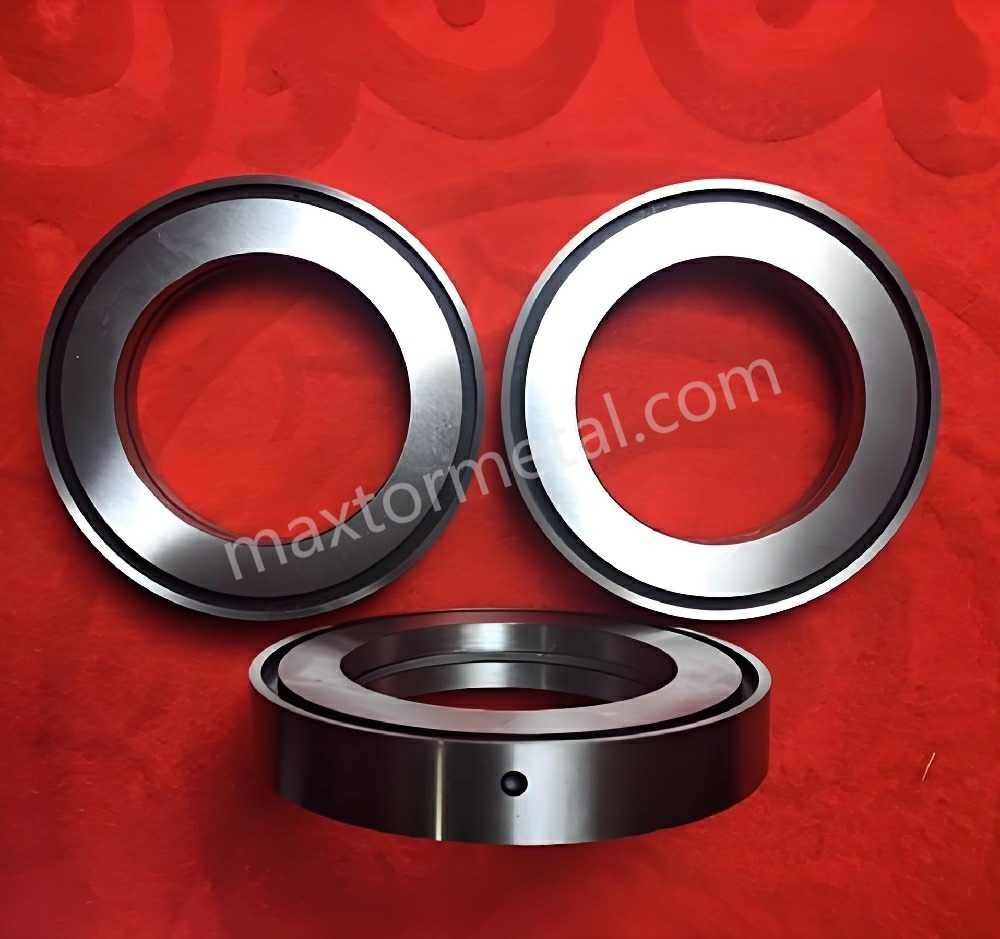
التفتيش والتنظيف
يمكنك إطالة عمر شفرات آلة التقطيع الدوارة من خلال الفحص والتنظيف المنتظمين. تأكد من حدة الشفرة باستمرار، وابحث عن أي خدوش أو شقوق أو مناطق غير مستوية. إذا وجدت أيًا منها، فقم بشحذ الشفرة أو استبدالها. استخدم ضوءًا ساطعًا أو عدسة مكبرة لاكتشاف المشاكل الصغيرة مبكرًا.
التنظيف لا يقل أهمية عن الفحص. احرص دائمًا على تنظيف جميع أجزاء نظام الشفرات، مع إيلاء اهتمام خاص لمناطق القطع واللف. استخدم منظفات لطيفة لا تخدش الأسطح، فهذا يمنع تراكم الغبار والأوساخ. تنظيف الشفرات وحواملها يساعد على منع التلف ويسهل صيانتها مستقبلًا.
تأكد من محاذاة نظام الشفرات وعمله بشكل صحيح خلال كل فحص. تأكد من أن جميع الأجزاء تتناسب وتتحرك كما ينبغي. يساعدك الفحص الشامل على اكتشاف المشاكل قبل تفاقمها.
نصيحة: إن فحص وتنظيف الشفرات بانتظام يحافظ على حدتها ويساعد جهازك على العمل بشكل جيد.
التشحيم والتخزين
يُعد التشحيم والتخزين مهمين للغاية لعمر الشفرة. نظف شفراتك بعد كل استخدامامسح أي شيء قد يُفقد النصل حدته. ضع الزيت أو مادة التشحيم على النصل والأجزاء المتحركة. يقلل التشحيم الاحتكاك ويمنع النصل من السخونة الزائدة.
احفظ شفراتك في مكان جاف وجيد التهوية. فالأماكن الرطبة قد تُسبب الصدأ وتُسرّع من تلف الشفرات. استخدم أغطية أو حافظات للشفرات إن أمكن، فهذا يحمي حافتها من الصدمات ويمنع تراكم الغبار عليها.
إن القيام بهذه الأشياء يجعل العناية بالشفرات أسهل ويساعدها على أن تدوم لفترة أطول.
- نظف الشفرات بعد استخدامها.
- قم بتزييت السطح لمنع الاحتكاك والحرارة.
- يُحفظ في مكان جاف وآمن لمنع الصدأ.
ملاحظة: إن تخزين الشفرات وتزييتها بالطريقة الصحيحة يحافظ عليها آمنة ويعني أنك لن تضطر إلى إصلاحها كثيرًا.
تدريب الموظفين وحفظ السجلات
يحتاج فريقك إلى معرفة كيفية العناية بالشفرات بشكل آمن وسليم. ضع خطة تدريبية لكل من يعمل بشفرات آلات التقطيع الدوارة. درّبهم على كيفية فحص الشفرات وتنظيفها وتزييتها وتخزينها بالطريقة الصحيحة.
احتفظ بسجلات دقيقة لجميع أعمال صيانة الشفرات. استخدم نظامًا لتتبع مواعيد فحص الشفرات وتنظيفها وتغييرها. دوّن اسم الشخص الذي قام بالعمل والإجراءات الوقائية التي اتبعها. احتفظ بقائمة الشفرات وسجّل أي توقف للآلات عن العمل.
اتبع هذه الخطوات للعناية الأفضل بالشفرة:
- ضع طريقة واضحة للاحتفاظ بالسجلات.
- حافظ على تحديث قائمة شفراتك ومعداتك.
- دوّن جميع خطوات الرعاية فوراً.
- أضف الأسماء وخطوات السلامة إلى ملاحظاتك.
- راقب متى تهتم والتزم بالخطة.
- دوّن ما تجده أثناء عمليات الفحص.
- لاحظ متى تتوقف الآلات ولماذا.
- احتفظ بالسجلات في مكان آمن ويسهل الوصول إليه.
- انظر إلى سجلاتك للعثور على أنماط.
- قم بتغيير خطة الرعاية الخاصة بك كلما تعلمت المزيد.
نصيحة: تدريب فريقك والاحتفاظ بسجلات جيدة يساعدك على اكتشاف المشاكل مبكراً ويحافظ على قوة العناية بشفرات الشفرات.
When to Replace Slitting Blades

تعمل شفرات آلة التقطيع الدوارة بجهد كبير يوميًا. حتى مع العناية الجيدة بها، ستحتاج إلى استبدالها في وقت ما. معرفة الوقت المناسب لشراء شفرة جديدة لآلة التقطيع الدوارة يحافظ على سلامة عملك ويوفر المال.
ضرر لا يمكن إصلاحه
بعض الأضرار لا يمكن إصلاحها على الإطلاق. عليك اكتشاف هذه المشاكل مبكراً لضمان سلامة جهازك وجودة منتجاتك.
تشققات أو كسور شديدة
افحص شفرات آلة التقطيع الدوارة بحثًا عن شقوق كبيرة أو تشققات عميقة. قد يحدث هذا نتيجة استخدام مادة أو صلابة غير مناسبة للشفرة. كما أن الضغط الزائد أو عدم مراعاة مسافة القطع المناسبة قد يتسببان في تشققها. إذا لاحظت وجود شقوق كبيرة أو تشققات، فلا يمكنك إصلاح الشفرة، بل يجب استبدالها فورًا للحفاظ على سلامة جهازك.
- رقائق كبيرة على الحافة
- شقوق عميقة تخترق النصل
- أجزاء مكسورة تجعل النصل ضعيفاً
إذا لاحظت أيًا من هذه العلامات، فتوقف عن استخدام الشفرة فورًا. استخدام شفرة مكسورة قد يُعطل جهازك أو يجعله غير آمن.
تشوه أو تآكل
يجب أن تبقى شفرة آلة القطع الدوارة مستوية. إذا لاحظتَ أي انحناء أو تشوه، فلن تقطع الشفرة بشكل مستقيم. قد يحدث هذا بعد تعرضها لضربة قوية أو بعد استخدامها لفترة طويلة. الشفرة المنحنية لن تكون محاذاتها صحيحة، وبالتالي ستكون القطع رديئة وسيؤدي ذلك إلى تلف الآلة بشكل أسرع. لا يمكنك إصلاح الشفرة المنحنية، لذا استبدلها بشفرة جديدة للحفاظ على جودة القطع.
محاولات إصلاح فاشلة
أحيانًا تحاول إصلاح أو شحذ شفرة، لكنها لا تزال لا تعمل. إذا حاولت إصلاحها وما زالت تقطع بشكل سيئ، فأنت بحاجة إلى استبدالها. استخدام شفرة لا يمكن إصلاحها قد يُلحق الضرر بجهازك أو يُتلف منتجاتك.
لا يمكنك إصلاح شفرة آلة تقطيع دوارة إذا:
- مصنوع من مادة أو صلابة خاطئة
- لقد تشققت بسبب الضغط الزائد
- يحتوي على شقوق تجعله ضعيفاً
- انحنى نتيجة ضربة أو حرارة
حدود التآكل وتحليل التكلفة
لا تنتظر حتى تنكسر الشفرة قبل استبدالها. يقدم مصنّعو الشفرات إرشادات تساعدك على معرفة متى تحتاج إلى شفرة جديدة لآلة القطع الدوارة. اتباع هذه الإرشادات يحافظ على سلامة عملك ونظافة القطع.
مواصفات التآكل الخاصة بالشركة المصنعة
يُخبرك مُصنّعو الشفرات بموعد استبدال شفرة آلة القطع الدوارة. يمكنك فحص تآكل الشفرة عند أطرافها باستخدام أداة خاصة تُسمى مقياس التضاريس. على سبيل المثال، عند قطع ورق يزن 70 غرامًا للمتر المربع، قد تلاحظ تدهورًا في جودة القطع عند... تبلغ مسافة القطع المفتوحة 350 ميكرومترًاينصح العديد من المصنّعين بمراقبة هذا الرقم كعلامة على التآكل.
- استخدم مقياس التضاريس للتحقق من تآكل طرف الشفرة
- راقب مسافة القطع المفتوحة للتأكد من عدم وجود تآكل.
- اتبع قواعد الشركة المصنعة لعملك
الحد الأدنى للسمك الآمن
لكل شفرة من شفرات آلة القطع الدوارة حد أدنى للسمك الآمن. إذا أصبحت الشفرة رقيقة جدًا، فقد تنكسر أو تنثني أثناء الاستخدام. كما أن الشفرات الرقيقة لا تقطع جيدًا وقد تكون خطيرة. تحقق دائمًا من سمك الشفرة قبل وبعد شحذها. إذا كانت رقيقة جدًا، فاستبدلها بشفرة جديدة.
| حالة الشفرة | يلزم اتخاذ إجراء |
|---|---|
| Above minimum thickness | Keep sharpening |
| At minimum thickness | Get ready to replace |
| Below minimum thickness | Replace right away |
Never use a blade that is too thin. It can break and cause accidents.
Cost-Benefit Evaluation
You want to get the most use from every rotary slitter blade. Sharpening helps blades last longer and saves money. But you need to know when sharpening is not worth it anymore.
Ask yourself these questions:
- Does the blade show too much wear?
- Are there cracks you can see?
- Has the blade lost its shape?
- Does it still cut badly after sharpening it a few times?
If you say yes to any of these, it is time to get a new blade.
Taking care of blades and sharpening them helps you avoid changing them too soon. Sharp blades help your machines work better and make your products look good. This saves money because you do not have to stop work or throw away bad products. But if you keep sharpening a blade that is already worn out, you could break your machine or waste more material.
Tip: Replace rotary slitter blades when using them could cost you more, like stopping work, making more scrap, or breaking equipment.
Knowing when to get new rotary slitter blades keeps your work safe and saves money. Always follow the maker’s rules and check your blades often. This helps you avoid surprises and keeps your machines running well.
Choosing a Sharpening Service
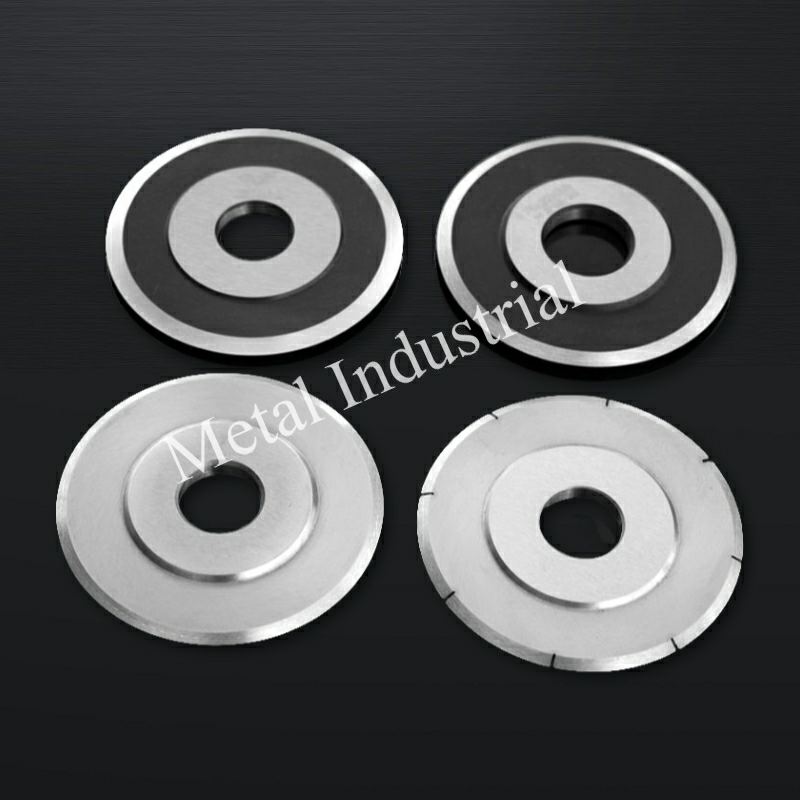
Rotary slitter blade sharpening helps your machines work well. Picking the right sharpening service is important. Not every provider does a good job or takes care of your blades. Here are ways to choose the best service.
ما الذي تبحث عنه
You need a sharpening service that fits your needs. Follow these steps to help you pick:
- Check how they sharpen blades. Good providers use safe methods that keep blades sharp longer.
- See what machines they use. New machines help blades work better and last longer.
- Ask about safety rules. A good service keeps workers and blades safe.
- Make sure they can do special jobs if you need them.
A provider who does these things will help your rotary slitter blades last longer. You want blades that cut well and work safely.
Questions to Ask
Before you pick a rotary slitter blade sharpening service, ask some questions:
- What blade types and materials do you work with?
- How do you check blade quality after sharpening?
- How long does sharpening take?
- Can you sharpen special blades?
- What safety steps do you use?
- Do you keep records for each job?
These questions help you know if the provider understands your needs. You also find out if they can do special jobs or finish quickly.
Tip: A good sharpening service will answer your questions and show you how they work.
Benefits of Professional Services
Professional rotary slitter blade sharpening services give you many benefits. Your blades stay sharp longer and cut better. Skilled workers use the right tools and angles so blades work like new.
Here are some good things you get:
- High-quality sharpening every time
- Less downtime because blades last longer
- Fewer blade replacements, so you save money
- Safer machines with blades sharpened the right way
You can trust providers like Nanjing Metal Industrial for good sharpening and help. Their team uses modern machines and checks quality carefully. This means your blades work well and help your business do better.
Note: Picking the right sharpening service keeps your rotary slitter blades working well, saves money, and makes your workplace safer.
Common Sharpening Mistakes

Sharpening your rotary slitter blades helps them work well. But if you do not follow the right steps, you can make mistakes. These mistakes can make blades wear out faster. They can also make cuts look bad or even hurt your machine. Here are some mistakes you should try to avoid.
Over-Sharpening
Some people think sharpening blades a lot is good. But sharpening too much is not helpful. Every time you sharpen, you take off a little metal. If you do this too often, the blade gets thin and weak. Thin blades can break easily and do not cut as well.
Signs of Over-Sharpening:
- The blade edge looks very thin or not even.
- The blade breaks or chips while you use it.
- You have to replace blades more often.
Tip: Only sharpen your rotary slitter blades when they are dull or damaged. Write down each time you sharpen a blade to keep track.
Wrong Angles or Tools
If you use the wrong angle or tool, you can ruin your rotary slitter blade. Each blade needs a certain angle to cut best. The wrong angle makes the edge weak or dull. Using the wrong tool can make the blade uneven or too hot.
Common Problems:
- Sharpening at an angle that is too steep or too flat.
- Using a grinding wheel that is dull or dirty.
- Not holding the blade tight while sharpening.
| خطأ | نتيجة | كيفية تجنب |
|---|---|---|
| Wrong angle | Bad cuts, blade wears fast | Use the angle in the manual |
| Wrong tool | Uneven edge, blade damage | Use the right grinder |
| No jig or guide | Wavy or uneven edge | Use a sharpening jig |
Note: Always use the angles and tools the blade maker says to use. This helps you get a sharp edge that lasts longer.
Ignoring Maintenance Schedules
If you skip regular checks and sharpening, you can have big problems. Blades get dull and do not cut well. Dull blades make your machine work harder. This can break your machine.
What Happens When You Ignore Maintenance:
- Blades get dull and do not cut well.
- Machines shake or make loud sounds.
- You waste more material and time.
Simple Maintenance Checklist:
- Check blades every week for chips or dull spots.
- نظف الشفرات بعد استخدامها.
- Only sharpen when needed.
- Write down all care in a log.
Remember: Regular rotary slitter blade sharpening and care keep blades sharp and cuts clean. Good habits help your machines run well and stop costly mistakes.
Sharpening rotary slitter blades often helps machines work well. Sharp blades make cuts neat and smooth. Using good blades and expert sharpening saves money. It also helps you avoid machine stops. You should check, clean, and sharpen blades on a regular plan. Pick blades that fit your job best. Keep records of blade care and changes. If you need help or have questions, اتصل بفريقنا اليوم.
التعليمات
How often should you sharpen rotary slitter blades?
You should check your blades weekly. Sharpen them when you see dullness or poor cuts. Heavy use may need more frequent rotary slitter blade sharpening.
What tools do you need for rotary slitter blade sharpening?
You need a grinding machine, a sharpening jig, and safety gear. Some people use hand stones for small touch-ups. Always follow safety rules.
Can you sharpen rotary slitter blades by hand?
Yes, you can use sharpening stones for minor fixes. For best results, use a machine for rotary slitter blade sharpening. Machines give a more even edge.
What signs show a blade needs sharpening?
Look for rough cuts, burrs, or more cutting resistance. Listen for strange noises or feel for extra vibration. These signs mean you need rotary slitter blade sharpening.
How do you test if a blade is sharp enough?
Try the tin foil test. Cut a piece of foil with the blade. A sharp blade slices cleanly. If it tears or drags, sharpen it again.
What happens if you use a dull rotary slitter blade?
A dull blade makes rough cuts and wastes material. It can damage your machine and slow down production. Always keep up with rotary slitter blade sharpening.
How do you store rotary slitter blades safely?
Clean and dry each blade after use. Apply a light oil to prevent rust. Store blades in a dry place, using covers or cases to protect the edges.
Can you use any sharpening angle for rotary slitter blades?
No, you should use the angle recommended by the blade maker. Most rotary slitter blade sharpening uses a 45-degree angle. The right angle keeps the blade strong and sharp.
انظر أيضا
الدليل الشامل لاختيار مادة شفرة السليتر الدوار (Rotary Slitter) الخاصة بك
مشكلات تآكل شفرة القاطع الدائري الشائعة وحلول الإصلاح الفعالة: زيادة عمر الشفرة وتحسين أدائها
كيفية زيادة حدة شفرة القاطع للحصول على أداء قطع فائق
كيف تختار المادة الأكثر متانة لشفرة التقطيع؟ دليل احترافي لتعزيز كفاءة الإنتاج وخفض التكاليف!

 English
  Spanish
  Italian
  French
  Portuguese
  Russian
  German
  Arabic
  Hindi
Hindi  Vietnamese
  Indonesian
  Japanese
  Korean