

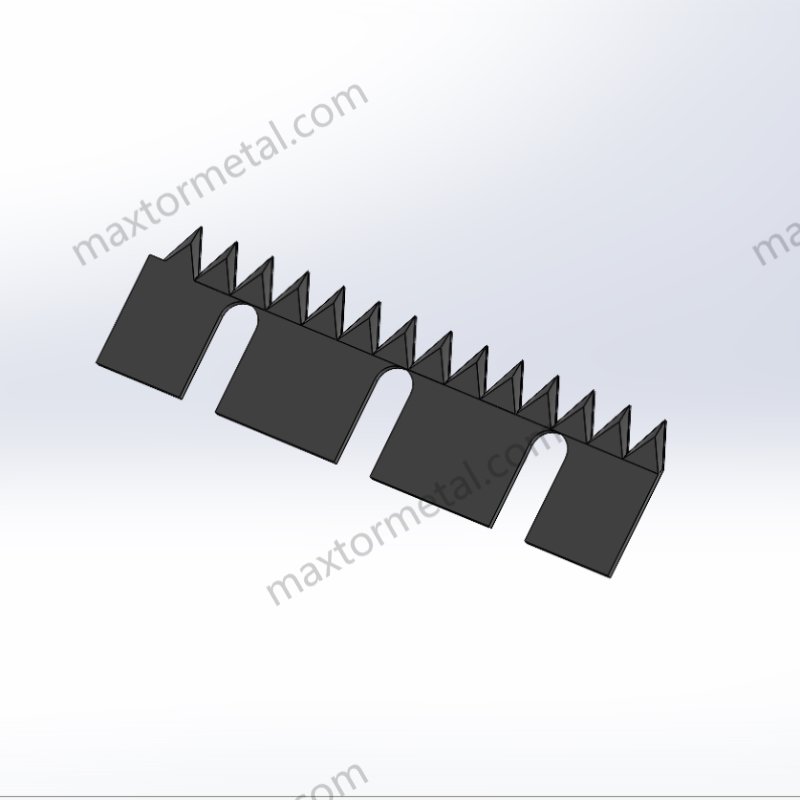
सही का चयन छिद्रण ब्लेड सामग्री का चयन यह विशिष्ट अनुप्रयोग पर निर्भर करता है। आपके द्वारा चुनी गई सामग्री सीधे ब्लेड के प्रदर्शन और टिकाऊपन को प्रभावित करती है। इंजीनियर काटने वाली सामग्री के प्रकार, ब्लेड की आवश्यक मजबूती और संचालन गति पर विचार करते हैं। Nanjing Metal हम छिद्रण ब्लेडों की एक विस्तृत श्रृंखला प्रदान करते हैं और ग्राहकों को उनकी आवश्यकताओं के अनुरूप सर्वोत्तम छिद्रण ब्लेड सामग्री चुनने में विशेषज्ञ मार्गदर्शन देते हैं। तकनीकी आवश्यकताओं और कार्य परिस्थितियों दोनों पर सावधानीपूर्वक विचार करने से अधिक कुशल और लागत प्रभावी छिद्रण प्रक्रिया सुनिश्चित होती है।
चाबी छीनना
- सही ब्लेड सामग्री का चयन करने से ब्लेड बेहतर ढंग से काटते हैं और अधिक समय तक चलते हैं।
- सामग्री का चयन करते समय कठोरता, मजबूती और जंग प्रतिरोधकता महत्वपूर्ण कारक होते हैं।
- टंगस्टन कार्बाइड और सिरेमिक ब्लेड सबसे लंबे समय तक चलते हैं लेकिन शुरुआत में इनकी कीमत अधिक होती है।
- स्टेनलेस स्टील के ब्लेड भोजन, चिकित्सा और गीले स्थानों के लिए सबसे उपयुक्त होते हैं।
- हाई-स्पीड स्टील मजबूत होता है और तेज कटाई के लिए बहुत महंगा भी नहीं होता है।
- काटने के लिए उपयुक्त ब्लेड सामग्री का उपयोग करने से नुकसान और बर्बादी को रोका जा सकता है।
- ब्लेड की नियमित देखभाल करने से कटाई साफ-सुथरी रहती है और ब्लेड अधिक समय तक चलते हैं।
- विशेषज्ञों से पूछना और वास्तविक परिस्थितियों में ब्लेड को आजमाना आपको सबसे अच्छा ब्लेड चुनने में मदद करता है।
ब्लेड की सामग्री का चयन क्यों महत्वपूर्ण है?
प्रदर्शन और दीर्घायु
ब्लेड की सामग्री का चयन अत्यंत महत्वपूर्ण है। इससे यह निर्धारित होता है कि एक छिद्रण ब्लेड कितने समय तक चलेगा। यह ब्लेड की कार्यक्षमता को भी प्रभावित करता है। प्रत्येक सामग्री में कुछ विशेष गुण होते हैं। ये गुण ब्लेड की मजबूती और तीक्ष्णता को निर्धारित करते हैं। कार्बन ब्लेड को अधिक कठोर बनाता है। क्रोमियम ब्लेड को क्षति और जंग से बचाने में सहायक होता है। कार्बाइड ब्लेड में टंगस्टन और कोबाल्ट का उपयोग होता है। ये कुछ स्टील ब्लेड की तुलना में कहीं अधिक समय तक चलते हैं। इसका अर्थ है कि आपको ब्लेड को बार-बार बदलने की आवश्यकता नहीं होती है। उत्पादन लाइनें कम रुकावटों के साथ निरंतर चलती रह सकती हैं।
बख्शीश: सही कठोरता और मजबूती का मिश्रण चुनने से ब्लेड अधिक समय तक चलते हैं। इससे काटने के परिणाम भी स्थिर रहते हैं।
| सामग्री | कठोरता (एचआरसी) | प्रतिरोध पहन | सामान्य जीवनकाल (बनाम 52100 स्टील) |
|---|---|---|---|
| औजारों का स्टील | 58-62 | अच्छा | 1x |
| उच्च गति स्टील | 60-65 | बहुत अच्छा | 2-3 बार |
| टंगस्टन कार्बाइड | 75-80 | उत्कृष्ट | 8-10 गुना |
| स्टेनलेस स्टील | 55-60 | अच्छा | 1-2 बार |
उत्पाद की गुणवत्ता
ब्लेड के लिए चुनी गई सामग्री से तैयार उत्पादों की गुणवत्ता पर असर पड़ता है। हर सामग्री के अपने विशेष फायदे होते हैं। इन फायदों से ब्लेड की धार पर असर पड़ता है। साथ ही, इससे हर कट की सफ़ाई भी प्रभावित होती है। हाई-स्पीड स्टील तेज धार बनाए रखता है जिससे सटीक कटाई संभव होती हैटंगस्टन कार्बाइड काटने-छांटने या कठिन कार्यों के लिए सबसे उपयुक्त है। स्टेनलेस स्टील में जंग नहीं लगता। यह खाद्य पदार्थों की पैकेजिंग और चिकित्सा संबंधी कार्यों के लिए उत्कृष्ट है, जहां स्वच्छता महत्वपूर्ण है।
| ब्लेड सामग्री | मुख्य गुण | उत्पाद की गुणवत्ता पर प्रभाव |
|---|---|---|
| उच्च गति स्टील | संतुलित कठोरता और मजबूती | साफ़, एक समान कटाई |
| टंगस्टन कार्बाइड | असाधारण कठोरता, पहनने का प्रतिरोध | टिकाऊ, सटीक छिद्रण |
| स्टेनलेस स्टील | संक्षारण प्रतिरोध | संवेदनशील उपयोगों के लिए सुरक्षित और स्वच्छ कटाई |
| औजारों का स्टील | कठोर, सख्त करने योग्य | भारी-भरकम छिद्रण के लिए टिकाऊ |
सही सामग्री का चुनाव प्रत्येक छिद्रण ब्लेड को चिकनी और सटीक कटाई करने में मदद करता है। यह पैकेजिंग, प्रिंटिंग और कपड़ा उद्योगों के लिए बहुत महत्वपूर्ण है।
लागत पर प्रभाव
सामग्री का चुनाव भी छिद्रण की लागत को प्रभावित करता है। सॉलिड कार्बाइड या उन्नत टूल स्टील जैसी बेहतर सामग्रियां शुरू में महंगी होती हैं, लेकिन ये लंबे समय तक चलती हैं और इन्हें कम बार बदलने की आवश्यकता होती है। इससे मरम्मत पर होने वाला खर्च बचता है और काम सुचारू रूप से चलता रहता है। सस्ती सामग्रियां देखने में अच्छी लग सकती हैं, लेकिन वे जल्दी घिस जाती हैं और काम में बार-बार रुकावट डालती हैं। लंबे समय में यह अधिक महंगा साबित हो सकता है।
| ब्लेड सामग्री का प्रकार | लाभ एवं विशेषताएँ | लागत निहितार्थ |
|---|---|---|
| उच्च गुणवत्ता वाली सामग्री | बेहतर घिसाव प्रतिरोध, दीर्घायु | प्रारंभिक लागत अधिक, दीर्घकालिक लागत कम |
| निम्न गुणवत्ता वाली सामग्री | कमज़ोर क्षमता, जल्दी घिस जाता है | प्रारंभिक लागत कम, निरंतर लागत अधिक |
छिद्रण ब्लेड सामग्री का चयन
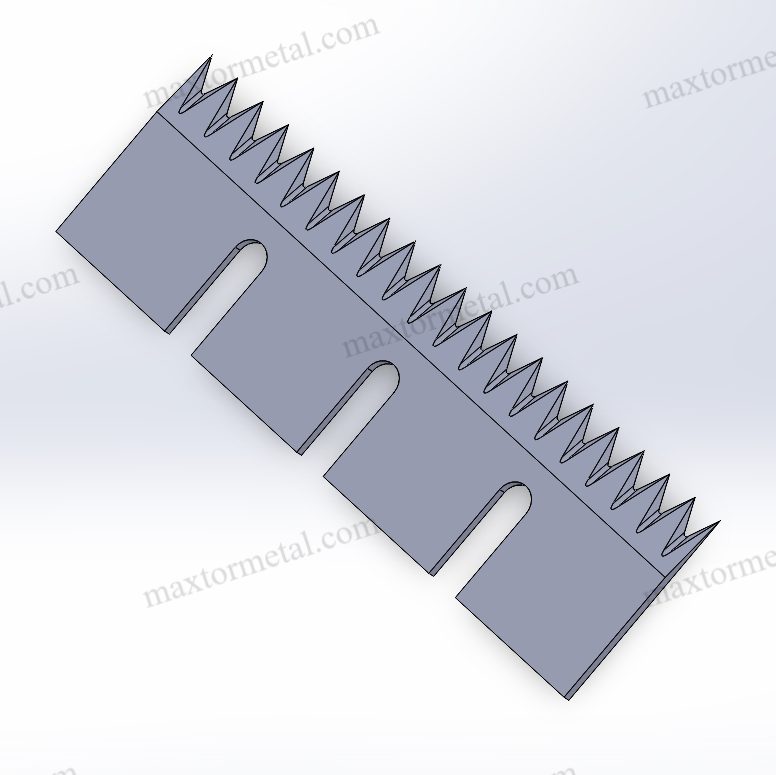
औजारों का स्टील
गुण
औजारों के लिए इस्तेमाल होने वाला इस्पात एक आम विकल्प है। छिद्रण ब्लेड सामग्री का चयनकई निर्माता इसे पसंद करते हैं क्योंकि यह कठोर और टिकाऊ होता है। यह जल्दी घिसता भी नहीं है। औजारों के लिए इस्तेमाल होने वाले इस्पात के विभिन्न ग्रेड होते हैं। प्रत्येक ग्रेड का काटने और छेद करने में अपना विशेष उपयोग होता है। नीचे दी गई तालिका औद्योगिक ब्लेडों में उपयोग होने वाले मुख्य प्रकारों को दर्शाती है:
| टूल स्टील ग्रेड | मुख्य गुण | छिद्रण ब्लेडों से संबंधित विशिष्ट अनुप्रयोग |
|---|---|---|
| डब्ल्यू-ग्रेड (जल-प्रतिरोधी) | उच्च कार्बन, अत्यंत कठोर, कम लागत वाला, भंगुर, 150°C से ऊपर नरम हो जाता है | बुनियादी ब्लेड, औद्योगिक काटने के उपकरण |
| ओ-ग्रेड (तेल-कठोरता) | उच्च शक्ति, घर्षण प्रतिरोध, अच्छी आयामी स्थिरता | पंच, थ्रेड कटिंग टूल्स, घिसाव-प्रतिरोधी ब्लेड |
| ए-ग्रेड (वायु-कठोरता) | उच्च कठोरता, कम विकृति, मशीनिंग में आसान | ब्लैंकिंग, डाई बेंडिंग, ब्लेड जिन्हें आकार बनाए रखने की आवश्यकता होती है |
| डी-ग्रेड (उच्च कार्बन क्रोमियम) | उत्कृष्ट घिसाव प्रतिरोध, मजबूती, उच्च संपीडन शक्ति | लंबे समय तक चलने वाले उत्पादन, लकड़ी के काम में इस्तेमाल होने वाले चाकू, बनाने वाले रोल |
| एस-ग्रेड (झटके प्रतिरोधी) | उच्च प्रभाव सहनशीलता, मध्यम घिसाव प्रतिरोध | कतरन ब्लेड, चिपर चाकू, गर्म और ठंडे काम करने वाले ब्लेड |
टूल स्टील के ब्लेड कई बार इस्तेमाल करने के बाद भी अपनी धार बरकरार रखते हैं। D2 और S7 जैसी ग्रेड अपनी मजबूती और टिकाऊपन के लिए जानी जाती हैं। इन विशेषताओं के कारण टूल स्टील कई कामों के लिए एक अच्छा विकल्प है।
उपयोग
कई उद्योग छेद करने के लिए टूल स्टील का उपयोग करते हैं। पैकेजिंग कंपनियां बबल रैप और बक्सों में चीरने की लाइनें बनाने के लिए इन ब्लेडों का उपयोग करती हैं। कागज कंपनियां चेकबुक, लेबल और नोटबुक के लिए टूल स्टील का उपयोग करती हैं। ये ब्लेड साफ कटाई में सहायक होते हैं। टूल स्टील का उपयोग कचरा बैग और एयर फ्रेशनर बनाने में भी किया जाता है। ये ब्लेड अच्छी तरह से काटते हैं और लंबे समय तक चलते हैं। इसका मतलब है कि ब्लेड की मरम्मत या बदलने में कम समय लगता है।
हाई-स्पीड स्टील (एचएसएस)
लाभ
हाई-स्पीड स्टील (एचएसएस) के कई अच्छे पहलू हैं। छिद्रण ब्लेड सामग्री का चयनएचएसएस गर्म होने पर भी कठोर और तेज बना रहता है। यही कारण है कि यह लगातार और बिना रुके काटने के लिए बेहतरीन है। एचएसएस में टंगस्टन और वैनेडियम जैसी विशेष धातुएं होती हैं। ये धातुएं इसे गर्मी सहन करने और लंबे समय तक चलने में मदद करती हैं। एचएसएस ब्लेड कार्बन या स्टेनलेस स्टील ब्लेड की तुलना में अधिक समय तक चलते हैं। कार्बाइड से भी अधिक कठोरइसलिए वे आसानी से टूटते या चटकते नहीं हैं।
| लाभ पहलू | छिद्रण अनुप्रयोगों के लिए हाई-स्पीड स्टील (एचएसएस) के लाभ |
|---|---|
| गर्मी प्रतिरोध | उच्च तापमान पर भी कठोरता बनाए रखता है, जिससे टिकाऊपन सुनिश्चित होता है। |
| कठोरता | कठोर पदार्थों को काटता है, धार को तेज बनाए रखता है |
| प्रतिरोध पहन | भारी उपयोग में भी कार्बन और स्टेनलेस स्टील से अधिक टिकाऊ। |
| मजबूती और झटके सहने की क्षमता | यह झटके और कम कठोरता वाले सेटअप को बिना टूटे संभाल लेता है। |
| मशीन की | सटीक ब्लेड निर्माण के लिए मशीनिंग करना आसान है |
| काटने की गति | इससे कटाई की गति तेज होती है और दक्षता बढ़ती है। |
| लागत | कार्बाइड की तुलना में अधिक किफायती |
एचएसएस ब्लेड तेज़ उत्पादन लाइनों पर अच्छा काम करते हैं। ये कठिन परिस्थितियों में भी स्थिर परिणाम देते हैं।
अनुप्रयोग
निर्माता एचएसएस का उपयोग करते हैं छिद्रण ब्लेड धातु उद्योग और पैकेजिंग में। HSS ब्लेड नरम धातुओं और एल्यूमीनियम को काटने के लिए अच्छे होते हैं।इनका उपयोग धातु के पुर्जे बनाने के लिए गोल ब्लेड में किया जाता है। एचएसएस का उपयोग छोटे-मोटे कामों और मरम्मत के लिए भी किया जाता है। यह मजबूत होता है और कई काम कर सकता है। एचएसएस का उत्पादन नानजिंग 1टीपी1टी कंपनी करती है। छिद्रण ब्लेड इन कठिन नौकरियों के लिए।
स्टेनलेस स्टील
जंग प्रतिरोध
स्टेनलेस स्टील में जंग नहीं लगता, इसलिए यह एक बेहतरीन विकल्प है। छिद्रण ब्लेड सामग्री का चयन कठिन परिस्थितियों में भी उपयुक्त। 304, 316 और 316L जैसे ग्रेड पानी या रसायनों से प्रभावित नहीं होते। नीचे दी गई तालिका में स्टेनलेस स्टील के मुख्य ग्रेड दिखाए गए हैं। छिद्रण ब्लेड:
| स्टेनलेस स्टील ग्रेड | प्रकार | ब्लेडों का सामान्य उपयोग | संक्षारण प्रतिरोधक गुण |
|---|---|---|---|
| 304 | austenitic | सामान्य प्रयोजन ब्लेड | उत्कृष्ट संक्षारण प्रतिरोध; अच्छी आकार देने की क्षमता; व्यापक रूप से उपयोग किया जाता है |
| 316 | austenitic | समुद्री, रासायनिक ब्लेड | मोलिब्डेनम की उपस्थिति के कारण क्लोराइड वातावरण में बेहतर प्रतिरोध क्षमता |
| 316एल | ऑस्टेनिटिक (कम कार्बन) | वेल्डेड ब्लेड, रासायनिक उपयोग | वेल्डिंग के दौरान बेहतर प्रतिरोध; कार्बाइड अवक्षेपण को रोकता है |
| 410 | martensitic | काटने के औजार, ब्लेड | मध्यम संक्षारण प्रतिरोध; उच्च शक्ति और कठोरता |
| 440सी | मार्टेन्सिटिक (उच्च कार्बन) | चाकू, सर्जिकल ब्लेड | उच्च कठोरता और घिसाव प्रतिरोध; मध्यम संक्षारण प्रतिरोध |
304 और 316 जैसे ऑस्टेनिटिक स्टेनलेस स्टील मजबूत और टिकाऊ होते हैं।इनमें जंग नहीं लगता, इसलिए ये खाद्य, चिकित्सा और रासायनिक उपयोगों के लिए उपयुक्त हैं।
खाद्य और औषधीय उपयोग
खाद्य और चिकित्सा कार्यों में स्टेनलेस स्टील के ब्लेड महत्वपूर्ण भूमिका निभाते हैं। इनकी चिकनी सतह रोगाणुओं और फफूंद को पनपने से रोकती है। इससे सब कुछ स्वच्छ और सुरक्षित रहता है। स्टेनलेस स्टील को भाप या रसायनों से साफ किया जा सकता है और फिर भी यह मजबूत बना रहता है। खाद्य कारखानों में, स्टेनलेस स्टील की प्लेटें धुलाई और बेकिंग में सहायक होती हैं। अस्पतालों में, ये ब्लेड चीजों को सुरक्षित और स्वच्छ रखने में मदद करते हैं।
टंगस्टन कार्बाइड
कठोरता
टंगस्टन कार्बाइड बहुत कठोर होता है। इसी कारण यह छिद्रण ब्लेड के लिए एक विशिष्ट सामग्री है। कठोरता की जाँच के लिए रॉकवेल स्केल का उपयोग किया जाता है। टंगस्टन कार्बाइड ब्लेड की कठोरता 75-85 एचआरसी होती है। यह अधिकांश अन्य ब्लेडों की तुलना में अधिक कठोर है। इसी वजह से ब्लेड लंबे समय तक तेज रहते हैं। श्रमिकों को बार-बार ब्लेड बदलने की आवश्यकता नहीं होती। इसका अर्थ है कि काम के दौरान कम रुकना पड़ता है।
| ब्लेड सामग्री | कठोरता (एचआरसी) | आदर्श उपयोग के मामले |
|---|---|---|
| स्टेनलेस स्टील | 55–60 | खाद्य, चिकित्सा, हल्के-कर्तव्य |
| उच्च गति स्टील | 60–64 | कागज, लकड़ी, प्लास्टिक |
| टंगस्टन कार्बाइड | 75–85 | Metal, रबर, कंपोजिट |
| चीनी मिट्टी | 80–90 | पन्नी, माइक्रोफिल्म, प्रकाशिकी |
ठोस कार्बाइड के ब्लेड स्टील के ब्लेड से अधिक समय तक चलते हैं। इससे कंपनियों को समय और धन की बचत होती है। नीचे दिया गया चार्ट अन्य सामग्रियों की तुलना में टंगस्टन कार्बाइड की कठोरता को दर्शाता है।
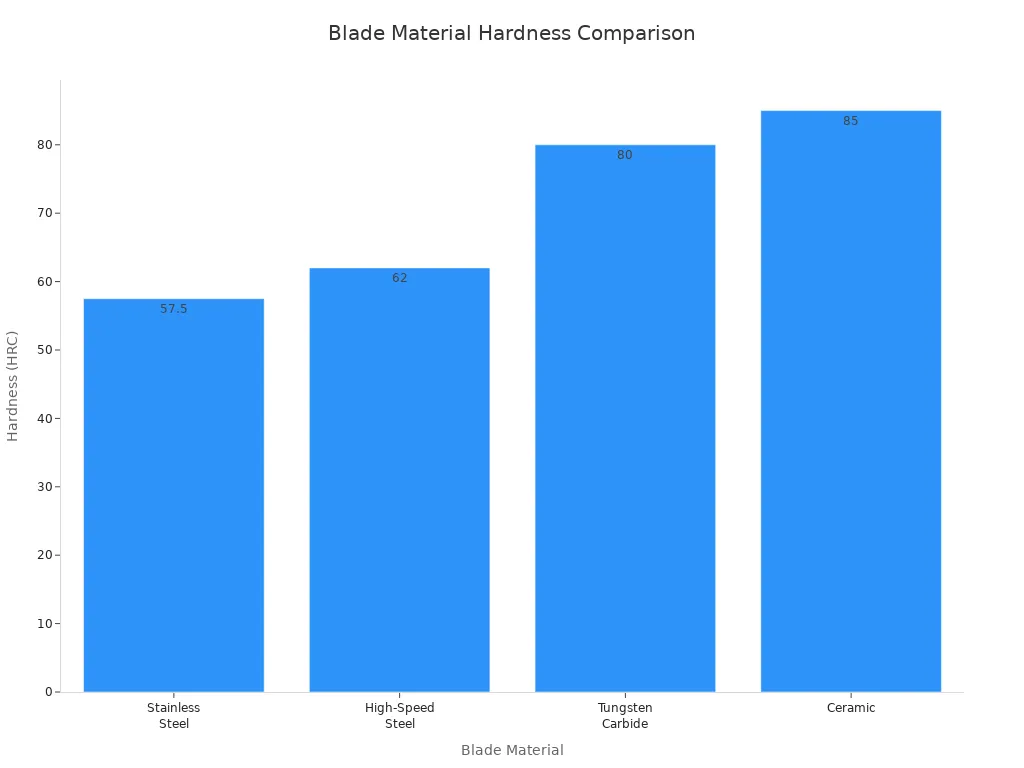
टंगस्टन कार्बाइड मोटी या सख्त चीजों को काटने के लिए बेहतरीन है। ये ब्लेड मशीनों के तेज चलने पर भी अच्छा काम करते हैं।
औद्योगिक उपयोग
कई नौकरियों में छेद करने के लिए टंगस्टन कार्बाइड ब्लेड का उपयोग किया जाता है। प्रिंटिंग प्रेस में इनका उपयोग त्वरित और सटीक कटाई के लिए किया जाता है। पैकेजिंग कारखानों में मजबूत फिल्म और पन्नी काटने के लिए इनका उपयोग होता है। बैग और फिल्म बनाने वाले कारखाने निरंतर कटाई के लिए इन ब्लेडों का उपयोग करते हैं। खाद्य कारखाने मांस, ब्रेड और स्नैक पैक के लिए इनका उपयोग करते हैं।
- प्रिंटिंग (प्रेस रूम, बाइंडरी, मेल रूम)
- पैकेजिंग (लचीली पैकेजिंग, नालीदार, पन्नी, पतली धातुएँ)
- (बैग, फिल्म, पेपरबोर्ड, कपड़ा, रबर) को परिवर्तित करना
- खाद्य प्रसंस्करण (मांस, बेकरी, डेयरी, फल, सब्जियां)
टंगस्टन कार्बाइड के ब्लेड मजबूत होते हैं और गर्मी को सहन कर सकते हैं। ये तेजी से काम करने वाले कारखानों में भी तेज धार बनाए रखते हैं और अपशिष्ट को कम करने में मदद करते हैं। इन ब्लेडों का उपयोग करने से कंपनियों को कम ब्लेड इस्तेमाल करने और पर्यावरण-अनुकूल लक्ष्यों को प्राप्त करने में मदद मिलती है।
चीनी मिट्टी
गैर-Metallic लाभ
छेद करने वाले ब्लेड के चयन में सिरेमिक ब्लेड के विशेष लाभ होते हैं। ये ब्लेड बहुत कठोर होते हैं, जिनकी कठोरता रेटिंग 80-90 एचआरसी होती है। सिरेमिक ब्लेड अधिकांश धातु के ब्लेड की तुलना में अधिक समय तक तेज रहते हैं। इनमें लोहा नहीं होता, इसलिए इनमें जंग नहीं लगता। यही कारण है कि ये भोजन, रसायन और अन्य संवेदनशील चीजों को काटने के लिए उपयुक्त होते हैं।
सिरेमिक ब्लेड हल्के होते हैं और आसानी से गर्म नहीं होते। इनका उपयोग उन जगहों पर किया जाता है जहाँ तापमान महत्वपूर्ण होता है। धातु न होने के कारण इनमें जंग नहीं लगता और ये चीजों को गंदा भी नहीं करते। हालांकि, गिरने या टकराने पर सिरेमिक ब्लेड टूट सकते हैं।
- बेहतर घिसाव प्रतिरोध
- लंबे समय तक टिकने वाली तीक्ष्णता
- संक्षारण प्रतिरोध
- हल्का और गर्मी प्रतिरोधी
सिरेमिक ब्लेड कोमल और सावधानीपूर्वक काटने के लिए सबसे अच्छे होते हैं। जब आपको साफ-सुथरे कट और टिकाऊ ब्लेड की आवश्यकता हो, तो ये बेहतरीन विकल्प हैं।
विशेष अनुप्रयोग
सिरेमिक छिद्रण ब्लेड विशेष स्थानों में उत्कृष्ट प्रदर्शन करते हैं। कारखाने इनका उपयोग फाइबरग्लास जैसी खुरदरी चीजों को काटने के लिए करते हैं। ये ब्लेड कठोर सतहों पर जल्दी घिसते नहीं हैं। ऑप्टिकल कंपनियां पतली फिल्मों और पन्नी के लिए सिरेमिक ब्लेड का उपयोग करती हैं। प्रयोगशालाएं और इलेक्ट्रॉनिक्स निर्माता इनका उपयोग साफ-सुथरे और सावधानीपूर्वक कटाई के लिए करते हैं।
कठिन परिस्थितियों में भी सिरेमिक ब्लेड तेज और मजबूत बने रहते हैं। लोग इन्हें तब चुनते हैं जब उन्हें ऐसे ब्लेड चाहिए जो टिकाऊ हों और चीजों को गंदा न करें। हालांकि सिरेमिक ब्लेड टूट सकते हैं, लेकिन कई विशेष उपयोगों के लिए इनके गुण काफी उपयोगी हैं।
सामग्री तुलना
सही ब्लेड सामग्री का चुनाव उसकी कठोरता, मजबूती और लागत पर निर्भर करता है। नीचे दी गई तालिका में सामान्य ब्लेड सामग्रियों की तुलना दर्शाई गई है।
| सामग्री | कठोरता | बेरहमी | लागत और लागत-प्रभावशीलता |
|---|---|---|---|
| औजारों का स्टील | कठोर और मजबूत; 60-62 एचआरसी तक | मज़बूत और मध्यम रूप से घिसाव-प्रतिरोधी; धार लगाना आसान | किफायती; बजट के प्रति सजग उपयोग के लिए अच्छा है लेकिन जीवनकाल कम होता है। |
| उच्च गति स्टील | कठोरता लगभग 700–900 HV; उच्च तापमान पर कठोरता बनाए रखता है | टंगस्टन कार्बाइड की तुलना में अधिक मजबूत; चिपिंग का प्रतिरोध करता है; अच्छा इम्पैक्ट रेजिस्टेंस | मध्यम लागत; धार तेज करना आसान और सस्ता; औद्योगिक चाकुओं के लिए लोकप्रिय |
| स्टेनलेस स्टील | टूल स्टील और HSS की तुलना में कम कठोर; संक्षारण प्रतिरोधी | कम लचीला और धार तेज करने में कम प्रभावी | लागत प्रभावी; संक्षारण प्रतिरोध के कारण नम वातावरण में पसंदीदा |
| टंगस्टन कार्बाइड | सबसे कठोर सामग्री (1600–2200 HV); सर्वश्रेष्ठ एज रिटेंशन | अधिक भंगुर; झटका लगने पर चिपिंग की संभावना | उच्च प्रारंभिक लागत लेकिन लंबा टूल जीवन प्रतिस्थापन की आवृत्ति को कम करता है |
| चीनी मिट्टी | अत्यधिक कठोर; सबसे लंबे समय तक तीखापन बनाए रखता है | अत्यधिक भंगुर; चिपिंग और टूटने के प्रति संवेदनशील | धार तेज करना महंगा; सटीक और हल्के कटिंग कार्यों के लिए उपयुक्त |
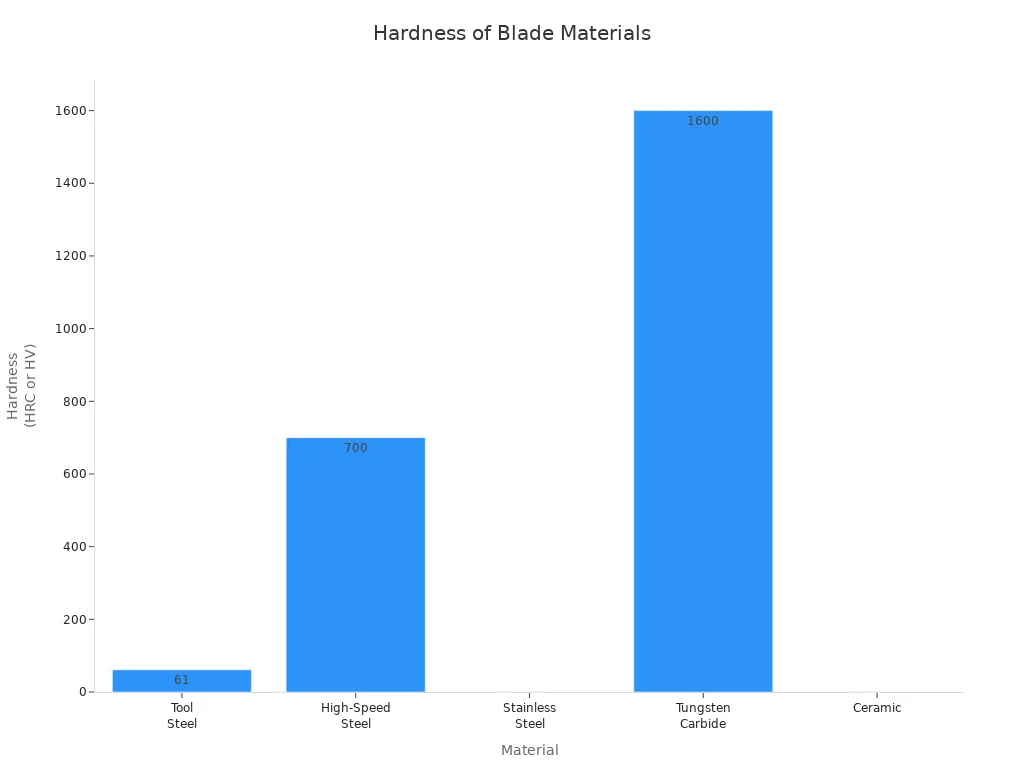
टूल स्टील और हाई-स्पीड स्टील मजबूत होते हैं और बहुत महंगे नहीं होते हैं। स्टेनलेस स्टील में जंग नहीं लगता है और यह गीले स्थानों के लिए अच्छा है। टंगस्टन कार्बाइड और सिरेमिक सबसे कठोर होते हैं और अपनी धार को सबसे लंबे समय तक बनाए रखते हैं। ये कठिन कार्यों और विशेष कटिंग के लिए सर्वोत्तम हैं।.
छिद्रण ब्लेड सामग्री के चयन में कारक
काटने के लिए सामग्री
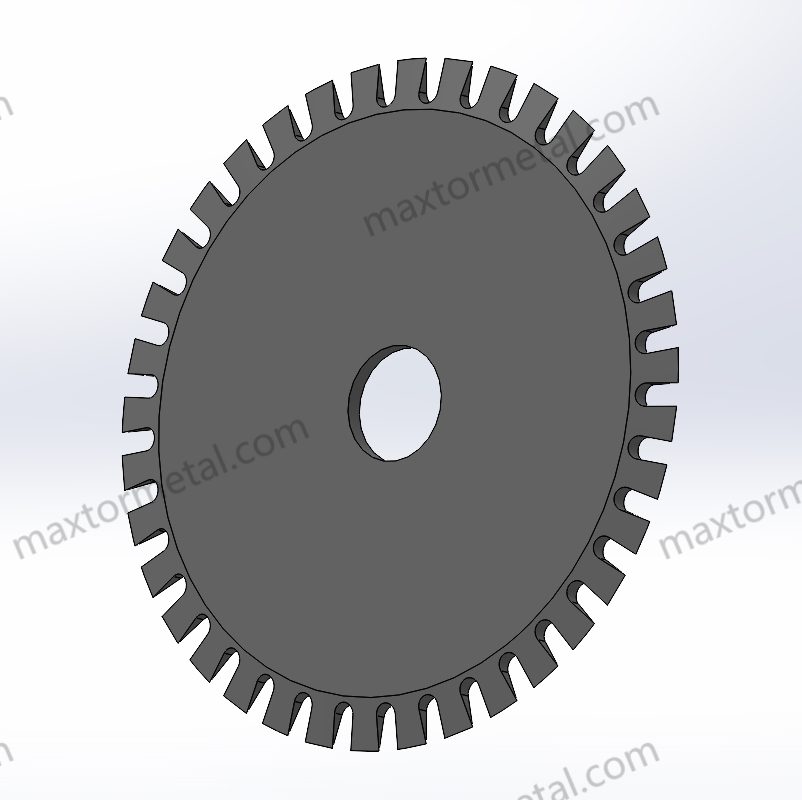
सही ब्लेड का चयन इस बात को जानने से शुरू होता है कि आपको क्या काटना है। हर सामग्री अलग होती है और कटिंग टूल्स के लिए कठिन हो सकती है। जैसे कि मोटाई, घनत्व और टियर रेजिस्टेंस बहुत मायने रखते हैं। ये चीजें यह तय करने में मदद करती हैं कि कौन सी ब्लेड सामग्री सबसे अच्छा काम करती है।.
- कागज और प्लास्टिक फिल्में बहुत घनी नहीं होती हैं। उन्हें ऐसे ब्लेड की आवश्यकता होती है जो तेज हों और जिनमें जंग न लगे। इनके लिए टूल स्टील या स्टेनलेस स्टील के ब्लेड अच्छे होते हैं।.
- कार्डबोर्ड, लैमिनेट्स और कंपोजिट अधिक मजबूत होते हैं। वे खुरदरे होते हैं और ब्लेड को तेजी से घिसते हैं। इन सामग्रियों के लिए टंगस्टन कार्बाइड या सिरेमिक ब्लेड बेहतर काम करते हैं।.
- जहां जंग एक बड़ी समस्या है, वहां स्टेनलेस स्टील ब्लेड की आवश्यकता होती है। यह खाद्य या चिकित्सा पैकेजिंग के लिए महत्वपूर्ण है।.
- टाइटेनियम नाइट्राइड जैसे ब्लेड कोटिंग्स ब्लेड को लंबे समय तक चलाते हैं। वे ब्लेड को बेहतर ढंग से काम करने में मदद करते हैं, विशेष रूप से तब जब मशीनें तेज गति से चलती हैं।.
- सामग्री के लिए सही ब्लेड का उपयोग करने से साफ कटाई करने में मदद मिलती है। यह ब्लेड को लंबे समय तक चलने में भी मदद करता है और उत्पादन को सुचारू रूप से चालू रखता है।.
सामग्री के लिए सही ब्लेड चुनने से गुणवत्ता उच्च बनी रहती है। यह परफोरेटिंग कार्य में डाउनटाइम को कम करने में भी मदद करता है।.
स्थायित्व की आवश्यकताएं
ब्लेड चुनते समय स्थायित्व बहुत महत्वपूर्ण है। यह तब सबसे अधिक मायने रखता है जब आपको बहुत अधिक काटना हो या हर समय काम करना हो। ब्लेड की सामग्री तेज रहनी चाहिए और आसानी से नहीं टूटनी चाहिए। नीचे दी गई तालिका दिखाती है कि स्थायित्व के मामले में सामान्य ब्लेड सामग्रियों की तुलना कैसे की जाती है:
| ब्लेड सामग्री | प्रतिरोध पहन | कठोरता और मजबूती | तीखापन बनाए रखना और स्थायित्व | उच्च-मात्रा उत्पादन के लिए उपयुक्तता |
|---|---|---|---|---|
| टंगस्टन कार्बाइड | असाधारण घिसाव प्रतिरोध | अत्यधिक कठोर, अच्छी मजबूती | लंबे समय तक उपयोग के बाद भी तीखापन बनाए रखता है | उच्च-मात्रा, अपघर्षक सामग्रियों के लिए आदर्श |
| पाउडर मेटलर्जी स्टील्स (जैसे, CPM 10-V) | उत्कृष्ट घिसाव प्रतिरोध और मजबूती | समान माइक्रोस्ट्रक्चर के साथ उच्च कठोरता | लंबे समय तक चलने वाला तीखापन और स्थायित्व | कठिन, निरंतर परफोरेटिंग कार्यों के लिए उपयुक्त |
| अलॉय स्टील | निरंतर कटिंग में उत्कृष्ट घिसाव प्रतिरोध | संतुलित कठोरता और मजबूती | लंबी अवधि तक कटिंग की सटीकता बनाए रखता है | उच्च-तीव्रता, निरंतर उत्पादन लाइनों के लिए उत्कृष्ट |
| सिरेमिक ब्लेड | बेजोड़ घिसाव प्रतिरोध | असाधारण कठोरता लेकिन भंगुर | उत्कृष्ट तीखापन प्रतिधारण, लेकिन सावधानीपूर्वक संभालने की आवश्यकता होती है | कम रखरखाव आवृत्ति के साथ उच्च-सटीकता, उच्च-क्षमता वाले उत्पादन के लिए आदर्श |
| उच्च कार्बन स्टील | अच्छा प्रारंभिक घिसाव प्रतिरोध, जो जल्दी कम हो जाता है | अच्छी कठोरता लेकिन कम मजबूती | उच्च-तीव्रता वाले उपयोग में बार-बार बदलने की आवश्यकता होती है | मध्यम मात्रा या बजट-संवेदनशील संचालन के लिए उपयुक्त |
| स्टेनलेस स्टील | आम तौर पर खराब घिसाव प्रतिरोध | कम कठोरता, अच्छा संक्षारण प्रतिरोध | उच्च-घिसाव वाले वातावरण में तेजी से कुंद होता है | Less suitable for high-volume, high-wear unless corrosion is critical |
Blades need the right mix of hardness and toughness. This helps them last longer and work well. For busy factories, tungsten carbide or powder metallurgy steels are best. They do not need to be changed often.
बख्शीश: Always think about how much work and what kind of place you will use the blade. This helps you save time and money on repairs.
उत्पादन गति
How fast you work changes which blade you should use. Fast machines make blades wear out and get hot quickly. You need to pick blade materials that can handle this.
| कारक | Impact on Blade Material Choice | स्पष्टीकरण |
|---|---|---|
| उत्पादन गति | Higher speeds require harder, more wear-resistant materials like tungsten carbide or coated high-speed steel | These materials maintain sharpness and durability under increased wear and heat, ensuring clean cuts and reducing downtime in automated environments |
| Lower Speeds | Allows use of less wear-resistant materials but may reduce efficiency | Slower speeds reduce wear and heat, so softer materials can be used but at the cost of throughput |
| Film Thickness and Type | Thin films need very sharp, hard blades like ceramic at lower speeds to prevent tearing | Hard blades prevent damage to delicate films when cutting at slower speeds |
| Balancing Speed with Pressure and Tooth Profile | Critical to optimize cutting performance and blade longevity | Adjusting these parameters helps maintain cut quality and blade life when changing speed |
| Monitoring and Testing | Automated monitoring helps adjust speed and blade selection dynamically | Ensures consistent quality and efficiency by adapting to production conditions |
Operators need blades that can keep up with their machines. Hard blades like tungsten carbide or coated high-speed steel are best for fast work. Softer blades can be used for slower jobs, but they may not work as well. Watching and changing blade choices as things change helps get the best results.
लागत पर विचार
Cost is very important when picking a छिद्रण ब्लेड सामग्री का चयन. Companies need to think about the blade’s price and how long it will last. Some blades, like tungsten carbide, cost more at first. But these blades last much longer than regular steel blades. If blades last longer, workers do not have to change them as often. This means machines stop less and workers save time. Stainless steel and tool steel blades are cheaper to buy. But they may need to be replaced more often, especially if you cut a lot.
A simple chart can help people decide:
| ब्लेड सामग्री | प्रारंभिक लागत | प्रतिस्थापन आवृत्ति | दीर्घकालिक बचत |
|---|---|---|---|
| औजारों का स्टील | कम | उच्च | मध्यम |
| उच्च गति स्टील | मध्यम | मध्यम | अच्छा |
| टंगस्टन कार्बाइड | उच्च | कम | उत्कृष्ट |
| स्टेनलेस स्टील | कम | उच्च | मध्यम |
| चीनी मिट्टी | उच्च | बहुत कम | उत्कृष्ट |
बख्शीश: Companies should look at all costs, not just the price. Think about how often you change blades and how much time is lost. This helps show which blade is really the best deal.
रखरखाव
How much care a blade needs depends on what it is made of. Some blades need to be sharpened often to stay sharp. Tool steel and high-speed steel blades need more care. Tungsten carbide and ceramic blades stay sharp longer. This means you do not have to fix or change them as much.
Taking care of blades helps them last longer. Workers should do these things:
- Check blades often for damage or wear.
- Clean blades after using them so nothing builds up.
- Sharpen blades when they get dull to keep cuts clean.
- Change blades if they are chipped or not sharp anymore.
Blades that are cared for make cleaner cuts and waste less material.
सुरक्षा और अनुपालन
Safety and following rules are very important for छिद्रण ब्लेड सामग्री का चयन. Some jobs, like food and medical work, need blades that are safe and clean. Stainless steel blades do not rust and are easy to clean. This makes them good for places where germs are a problem.
Some rules say what kind of blade you can use. For example, food packaging needs blades that do not make food unsafe. Workers must pick blades that follow safety rules in their country.
Important safety and rule points are:
- The blade material should not react with what you are cutting.
- Blades must be easy to clean and take care of.
- Companies need to give papers that show the blade is safe.
Picking the right blade keeps workers safe and products clean. It also helps companies follow the rules and avoid problems.
अनुप्रयोग
पैकेजिंग
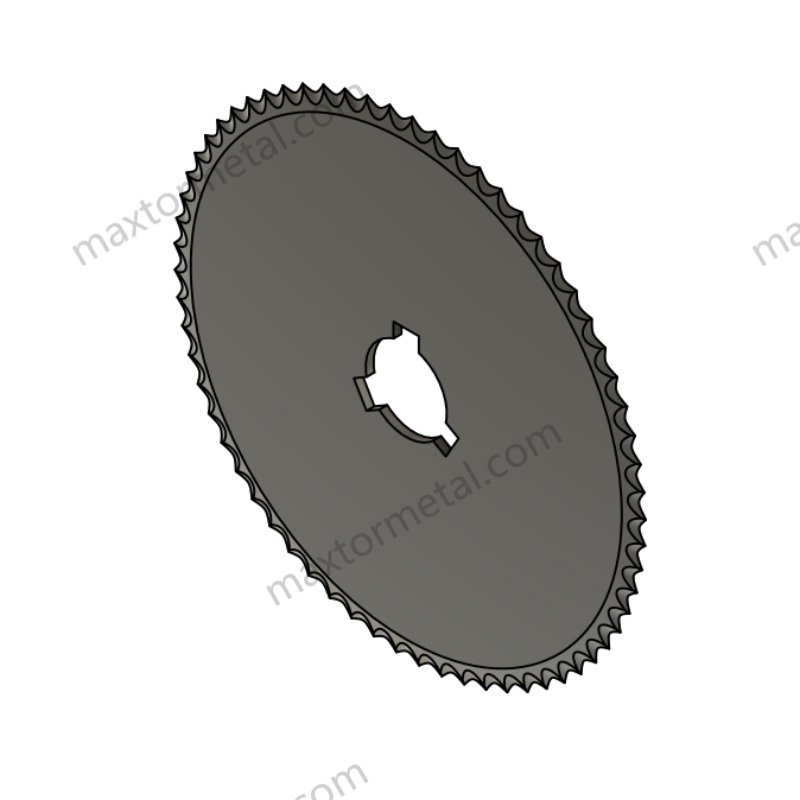
The packaging industry uses perforating blades for many jobs. These blades make easy-tear lines in bags and wrappers. Companies pick blade materials based on what they are cutting and where. Tool steel, high-speed steel, stainless steel, carbide, and ceramic all have special uses in packaging.
| Blade Material Category | Key Characteristics and Reasons for Selection |
|---|---|
| Plain Carbon Steel | Basic hardening ability, cost-effective for simple jobs |
| अलॉय स्टील | Improved hardness and performance, good for high-volume cutting |
| Tool Steels | High hardness and wear resistance, ideal for demanding packaging lines |
| करबैड | Extremely high hardness, extends blade life, best for abrasive materials |
| चीनी मिट्टी | Maintains hardness at high temperatures, used for specialty packaging |
| Powdered Metals | Uniform performance, good machinability for custom perforating knives |
Packaging needs blades that do not wear out or rust. Stainless steel 420 and 440 are good for food and liquid packaging because they do not rust. Tool steel and carbide blades are strong for cutting tough films. Nanjing Metal makes custom perforating knives for packaging. They match the blade material to each job. Their team helps customers pick the right blade for every use. This gives clean cuts and makes blades last longer.
बख्शीश: Using the right perforating knife helps save material and makes packaging faster.
Paper and Printing
Paper and printing companies use perforating blades for tear-off sheets and labels. These jobs need blades that stay sharp and cut well. The air is dry, so blades do not need to fight rust as much. Edge sharpness and cutting accuracy are more important.
| ब्लेड सामग्री | Key Properties and Benefits | Typical Industry Applications and Notes |
|---|---|---|
| 52100 स्टील | Strong, hard, contains chromium and carbon | Used in paper and printing for durability and precision |
| उच्च कार्बन इस्पात | Retains sharpness, harder but not corrosion resistant | Common in dry environments like paper cutting |
| चीनी मिट्टी | Highly wear resistant, stays sharp but brittle | Used in harsh, dry environments such as printing |
Paper perforating knives often use 52100 steel or high-carbon steel. These materials are strong and keep a sharp edge. Ceramic blades are good for long jobs where sharpness matters most.
Food and Medical
Food and medical packaging needs to be very clean and safe. Perforating blades here must not rust or get dirty. Stainless steel and D2 steel are the best choices. They do not corrode and are easy to clean. These materials follow safety rules and can be washed often.
Blades for food and medical jobs often need special features. Some packages need special holes for safety or air flow.
- Stainless steel blades stop rust and keep food safe.
- D2 steel is hard and resists rust.
- Custom blades can have special shapes and sizes for each job.
Textiles and Nonwovens
The textiles and nonwovens industry needs very accurate perforating blades for many jobs. Factories use these blades to make neat, easy-to-tear lines in fabrics and special textiles. Every material has its own problems. Fabrics might bunch up or come apart when cut. Nonwovens can stretch or break if the blade is not sharp. Picking the right perforating knife is very important for good work and saving time.
Key challenges in textile and nonwoven applications include:
- Fabrics can come apart if the blade is dull or the tooth shape is wrong.
- Soft, stretchy, or layered materials need special blade shapes for neat cuts.
- Fast machines need blades that stay sharp and do not wear out quickly.
- Each fabric type needs a different tooth shape, like crush cut or serrated blades.
- Circular knives are used for slitting, trimming, and perforating without hurting the material.
- Hot knives seal the edges to stop fraying, which is important for synthetic textiles.
| Challenge/Requirement | स्पष्टीकरण | Material/Design Solution |
|---|---|---|
| Clean, precise cuts without fraying | Blades must be sharp and have the right tooth shape to protect soft materials. | Premium-grade steel or carbide for sharpness and durability |
| Durability and sharpness maintenance | Blades should last through fast cutting and not need sharpening often. | Use of wear-resistant, high-quality materials like carbide |
| Compatibility with cutting machines | Blades must fit high-speed, accurate textile cutting machines. | Custom and OEM blade solutions tailored to fabric types |
| Matching blade geometry to fabric type | Blade thickness, edge, and tooth shape must match the softness and layers of the textile. | Customized blade design per fabric/nonwoven characteristics |
| Prevention of fraying and material damage | Sharp blades and the right tooth shape keep edges neat and stop unraveling. | Precision manufacturing and material selection |
| Operational demands | Blades must work well in busy factories and not need to be changed often. | Durable materials and optimized blade design |
Nanjing Metal makes custom perforating knives for textile and nonwoven jobs. Their team helps customers pick blades that fit each fabric’s needs. High-carbon steel and ceramic blades last a long time and help factories work without stopping. Carbide-tipped blades stay sharp longer and are good for fast cutting. Special blades, like crush cut knives, use pressure to cut soft or layered fabrics without harm. For synthetic fabrics, hot knives seal the edges so they do not fray.
बख्शीश: Picking the right perforating knife and blade material makes products better and cuts down on waste in textile factories.
कस्टम छिद्रण चाकू
OEM and ODM Services
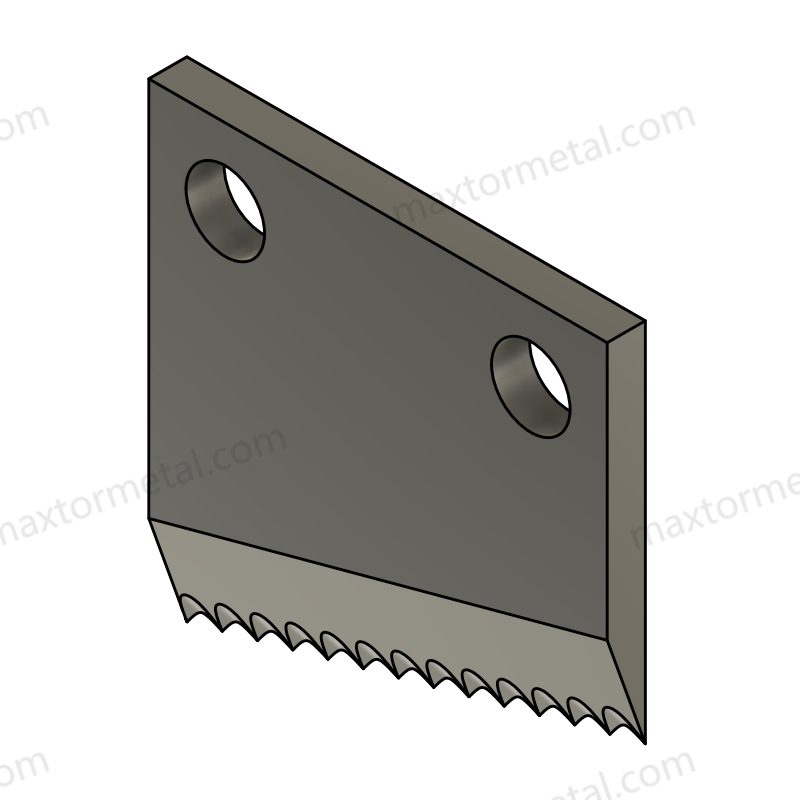
Manufacturers sometimes need blades made just for them. Standard blades do not always work for every job. OEM and ODM services help companies get special blades for their machines.
- ODM services make blades quickly and keep prices low.
- Customers get blades made for their own needs.
- Companies get help with marketing and training.
- Full support helps businesses grow and find new customers.
- Steel processing and heat-treatment happen in one place, so production is fast.
- Local teams help deliver blades on time.
- Production follows ISO 9001 rules and safety checks.
- OEM services make blades that fit special machines and jobs.
- These blades help factories work better and save money.
Design and Customization
Each job needs a different kind of blade. Custom perforating knives must fit the material and machine. Nanjing Metal works with customers to design the right blade. Their team can change blade shapes, tooth styles, and edges using drawings or samples.
Customers get these benefits:
- Blades shaped for paper, film, textiles, or rubber.
- Special coatings help blades last longer and cut smoother.
- Custom boxes and labels make blades easy to find and use.
- Orders can be small or big, depending on what is needed.
People can visit the कस्टम ब्लेड पृष्ठ to learn more or ask for a price.
गुणवत्ता नियंत्रण
Quality control is very important when making blades. Nanjing Metal checks every step to make sure blades are good. They look at materials, watch production, and check finished blades before shipping.
- Quality control makes sure cuts are clean and strong.
- Tough materials like tungsten carbide and high-speed steel help blades last.
- Custom blades for packaging help factories make neat products.
- Checking blades often and replacing them on time stops problems.
- Clean cuts mean less waste and help save money.
Tests show custom micro-tooth blades help factories work longer without stopping. Cleaning and sharpening blades helps them last and cut well.
सामान्य गलतियां
Ignoring Application Needs
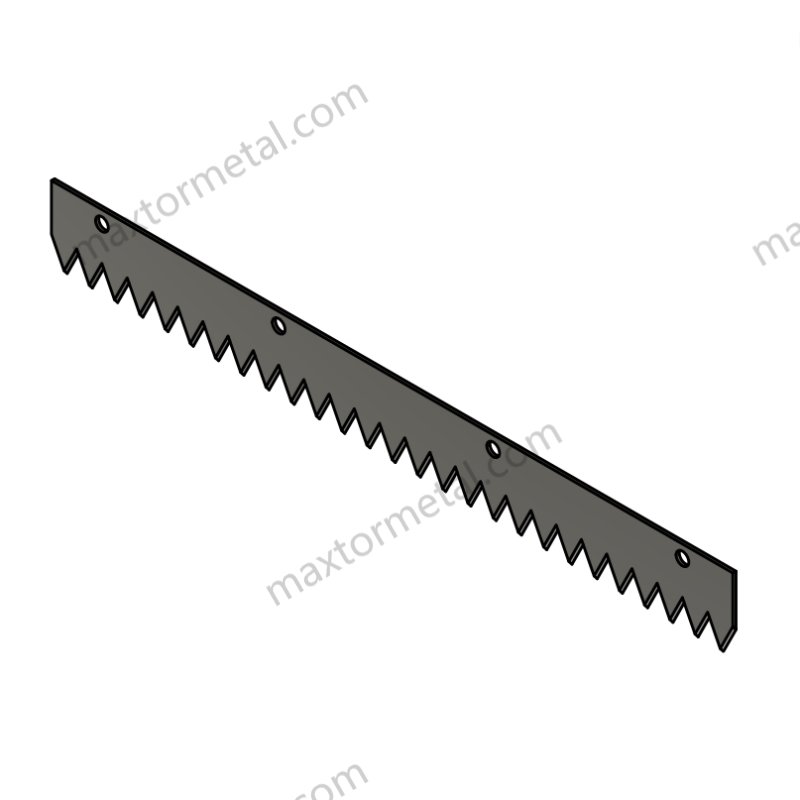
Many people pick a blade material without thinking about the job. Every job needs something special from the blade. Packaging, textiles, and food processing all need different blade features. Some people choose a blade just because it is cheap or easy to get. This can make the blade work badly and waste materials.
Common issues when ignoring application needs:
- Blades wear out fast.
- Cuts are messy or not exact.
- Production slows down because blades need changing.
- Finished products do not meet quality rules.
बख्शीश: Always match the छिद्रण ब्लेड सामग्री का चयन to what you are cutting and where you are working.
Overlooking Maintenance
Taking care of blades is important for how well they work and how long they last. Some workers forget to check or clean blades often. If you do not take care of blades, they get dull faster and break more easily. This mistake makes costs go up and machines stop more.
Signs of poor maintenance:
- Blades get dull and need sharpening a lot.
- Material gets stuck or ripped when cutting.
- More waste and bad products.
- Machines stop more for fixing.
| रखरखाव कार्य | फ़ायदा | आवृत्ति |
|---|---|---|
| Cleaning blades | Stops buildup and rust | प्रत्येक उपयोग के बाद |
| Inspecting for wear | Finds damage early | साप्ताहिक |
| Sharpening edges | Keeps cuts good | जरुरत के अनुसार |
| Replacing blades | Keeps things safe and working | When worn |
Regular care helps blades last longer and makes छिद्रण ब्लेड सामग्री का चयन work better. Companies should teach workers to follow a care plan.
Underestimating Cost Factors
Some buyers only look at the first price of a blade. They forget about costs for new blades, machine stops, and wasted material. Picking a cheaper blade might look smart at first. But it can cost more later.
Cost factors to consider:
- आपको कितनी बार नए ब्लेड की आवश्यकता होती है?
- Time lost for fixing or cleaning
- Waste from bad cuts
- How cuts affect product quality
| ब्लेड सामग्री का प्रकार | प्रारंभिक लागत | स्थानापन्न दर | दीर्घकालिक मूल्य |
|---|---|---|---|
| औजारों का स्टील | कम | उच्च | मध्यम |
| हाई-स्पीड स्टील (एचएसएस) | मध्यम | मध्यम | अच्छा |
| टंगस्टन कार्बाइड | उच्च | कम | उत्कृष्ट |
| स्टेनलेस स्टील | कम | उच्च | मध्यम |
| चीनी मिट्टी | उच्च | बहुत कम | उत्कृष्ट |
Smart छिद्रण ब्लेड सामग्री का चयन looks at all costs, not just the price.
Misjudging Material Compatibility
Picking the wrong blade for a certain material causes problems. Many people forget that different materials react in their own way when cut. Paper, plastic, rubber, and textiles all act differently with blade edges and hardness. If the blade does not match the material, you get dull blades, rough cuts, or chipped edges.
Operators need to know what both the blade and the material are like. Stainless steel blades do not rust, but they can get dull fast on rough composites. Tungsten carbide blades stay sharp longer, but they might chip on soft, stretchy things. Ceramic blades are very sharp, but they can break if used on thick or hard materials.
The table below shows some common mistakes:
| Substrate Type | अनुशंसित ब्लेड सामग्री | Common Compatibility Mistake | परिणामी समस्या |
|---|---|---|---|
| कागज़ | Tool Steel, HSS | Using soft stainless steel | Dull edges, uneven perforation |
| Plastic Film | Tungsten Carbide, Ceramic | Using tool steel | Rapid wear, frequent replacement |
| या रबर उद्योग | टंगस्टन कार्बाइड | Using ceramic | Blade chipping, poor cut quality |
| वस्त्र | High-Speed Steel, Ceramic | Using carbide | Fraying, blade damage |
| खाद्य पैकेजिंग | स्टेनलेस स्टील | Using tool steel | Rust, contamination risk |
Some companies do not pay attention to these details. They pick blades just because they are cheap or easy to get. This leads to more machine stops and lower product quality. Teams should match blade hardness, toughness, and edge shape to the material.
बख्शीश: Try out blade materials on a small group before using them for everything. This helps make sure they work well and saves money.
When checking if things match, look at rust resistance, how long the edge stays sharp, and if the blade can handle fast work.
Operators should think about the environment too. Wet places, heat, and chemicals can change how blades work. Stainless steel is good for wet areas. Carbide is better for dry, fast jobs.
If you pick the wrong blade, you waste money and materials. Picking the right perforating blade material selection gives clean cuts, longer blade life, and smooth work. Teams that care about matching blades see fewer problems and better products.
Choosing the right blade for each material keeps machines safe and makes better cuts.
छिद्रण ब्लेड सामग्री चयन के लिए सुझाव
विशेषज्ञों से परामर्श करें
Getting help from experts is important when picking perforating blade material selection. Professionals know what each blade material can do. They understand how blades work in different places. Asking experts helps companies avoid expensive mistakes.
बख्शीश: Always get technical support before choosing perforating blade material selection. Experts look at what you are cutting, how fast you work, and safety needs. They help find the best blade for your job.
Talking to a supplier makes sure the blade fits the machine and the material. Their engineers check drawings and samples. They give ideas to make blade design and material better. This helps blades work well and last longer.
Test in Real Conditions
Testing blades in real work is very helpful. Companies should not only use technical data. Real tests show how blades work with the chosen material. Workers can check if the blade is sharp, strong, and cuts well. They see if the blade is safe and follows rules.
A simple way to test blades is:
- Put the blade in the production line.
- Run a small batch with the right material.
- Check if the cuts are clean and sharp.
- Write down how fast the blade wears out.
- Change blade material selection if needed.
टिप्पणी: Testing finds problems early. It lets companies fix things before big production starts.
Balance Cost and Performance
Companies need to think about both cost and performance for perforating blade material selection. Good blades may cost more at first. They last longer and help machines run without stopping. Cheap blades wear out fast. This means more repairs and slower work.
| ब्लेड सामग्री | प्रारंभिक लागत | जीवनकाल | रखरखाव की जरूरतें | Overall Value |
|---|---|---|---|---|
| औजारों का स्टील | कम | छोटा | उच्च | मध्यम |
| उच्च गति स्टील | मध्यम | मध्यम | मध्यम | अच्छा |
| टंगस्टन कार्बाइड | उच्च | लंबा | कम | उत्कृष्ट |
| स्टेनलेस स्टील | कम | छोटा | उच्च | मध्यम |
| चीनी मिट्टी | उच्च | बहुत लंबा | बहुत कम | उत्कृष्ट |
People who make decisions should look at all costs. They need to think about blade price, how often blades need changing, and how well production goes.
Companies that balance cost and performance get better results. They save money and make better products with smart perforating blade material selection.
Stay Updated on Materials
The world of छिद्रण ब्लेड सामग्री का चयन changes fast. New materials and new technology come out every year. Companies that learn about these changes get ahead. They can make their cutting better, spend less money, and make nicer products.
Engineers and managers should check for new blade materials often. Many suppliers bring out new alloys, coatings, and ways to make blades. These new ideas help blades work better and last longer.
बख्शीश: Sign up for industry newsletters and go to trade shows. These places share news about new materials and smart ways to use छिद्रण ब्लेड सामग्री का चयन.
Here are some ways to keep up:
- Read technical journals: These magazines have stories about new blade materials and how they are used.
- Join professional groups: These groups share research, news, and case studies about छिद्रण ब्लेड सामग्री का चयन.
- Go to webinars and workshops: Experts talk about new trends and answer questions about how materials work.
- Ask suppliers for advice: Companies know about new products and can help pick the right materials.
A simple table helps track updates:
| स्रोत | Type of Information Provided | आवृत्ति |
|---|---|---|
| Technical Journals | Research articles, material reviews | महीने के |
| Industry Newsletters | Product launches, trends | साप्ताहिक |
| Trade Shows | Live demos, networking | हर साल |
| Supplier Updates | New materials, technical support | As released |
Keeping up with छिद्रण ब्लेड सामग्री का चयन helps companies avoid old choices. New materials can be tougher, stay sharper, or be safer. For example, new coated high-speed steel and powder metallurgy have changed how factories do lots of cutting.
टिप्पणी: Always check how blades work and compare them to new ones. Companies that try new materials in real work see better speed and product quality.
Staying updated is not just about following what is popular. It means making smart choices that help work and save money. Every new step in छिद्रण ब्लेड सामग्री का चयन can give cleaner cuts, longer blade life, and better products for everyone.
Picking the right perforating blade material selection helps make products better. It also helps blades last longer and saves money. Companies get help from experts who know what works best. Custom blades are made for each job to fit specific needs.
- Nanjing Metal’s team gives advice to help pick the best blade.
- Custom blades and careful checks help packaging, printing, and textiles.
For special help and answers, talk to Nanjing Metal’s sales engineers यहाँ.
सामान्य प्रश्न
What is perforating blade material selection?
Perforating blade material selection means picking the best material for a perforating blade. The choice depends on what you need to cut. It also depends on how long the blade should last. The place where you use the blade matters too.
Why does perforating blade material selection matter?
Choosing the right perforating blade material helps blades last longer. It makes cuts cleaner and keeps workers safe. It also saves money by needing fewer blade changes and less stopping.
Which materials work best for food packaging blades?
Stainless steel and D2 tool steel are best for food packaging. These materials do not rust and are safe for food.
How does production speed affect perforating blade material selection?
Faster machines need blades made from harder materials. Tungsten carbide and coated high-speed steel work well at high speeds. These materials keep blades sharp and help stop work delays.
How often should companies replace perforating blades?
How often you change blades depends on the blade material and what you cut. It also depends on how much you use the blade. Harder blades like tungsten carbide last longer. Checking blades often helps know when to change them.
What factors should companies consider during perforating blade material selection?
Companies should think about what they need to cut. They should also think about how tough the blade needs to be. Speed, cost, care, and safety rules are important too.
यह भी देखें
प्लास्टिक फिल्म छेदने वाले ब्लेड का अनुकूलन: गति, दबाव और दांत प्रोफ़ाइल मिलान
पैकेजिंग में छिद्रण चाकू का व्यापक रूप से उपयोग क्यों किया जाता है
छेदने वाले ब्लेड चाकू में असमान छेद और असंगत रेखा की लंबाई का निवारण और अनुकूलन

 English
  Spanish
  Italian
  French
  Portuguese
  Russian
  German
  Arabic
  Hindi
Hindi  Vietnamese
  Indonesian
  Japanese
  Korean