

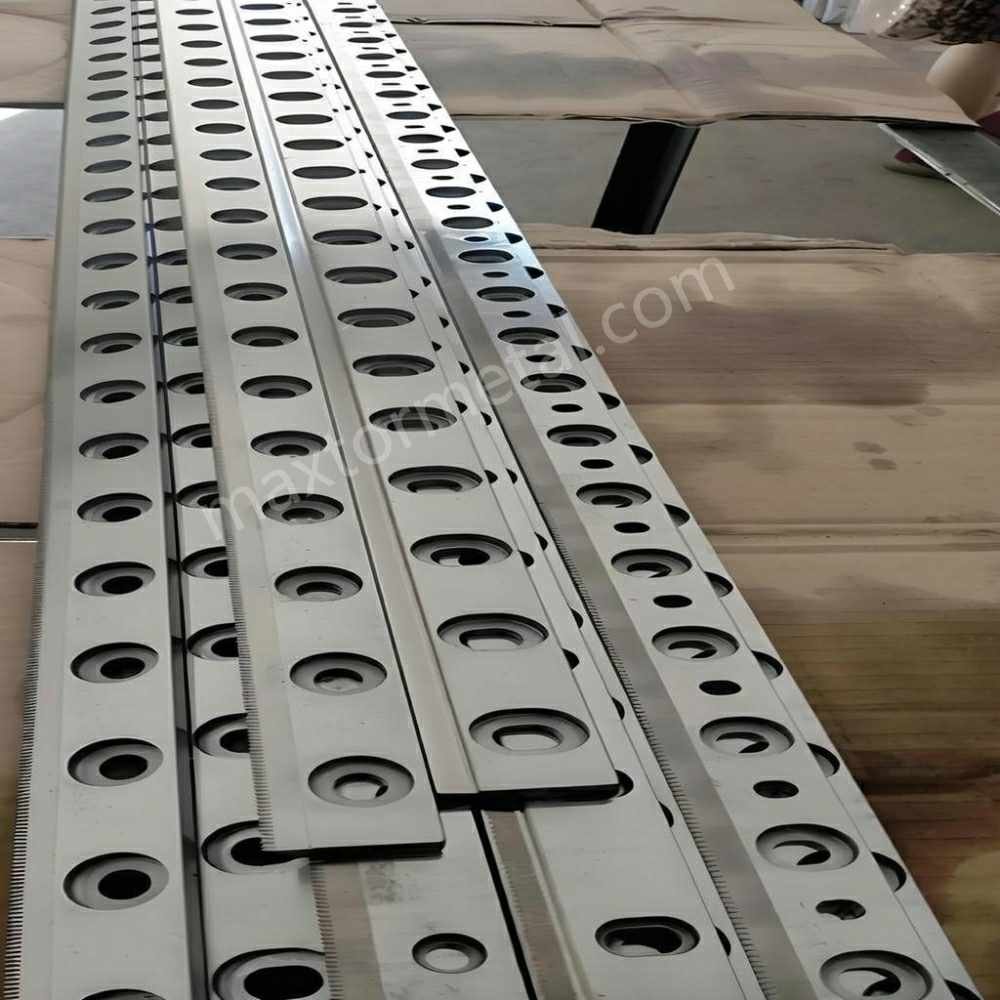
You face many problems when you cut or punch things in factories. Friction can make your work slower. Galling can hurt your machines. Edge integrity changes how good your work is. कोटेड शीयर ब्लेड help fix these problems. They stay sharp longer and have less friction. This gives you cleaner cuts and less time fixing things. Check the table below to see how coated blades work better than uncoated blades:
| प्रदर्शन मीट्रिक | लेपित ब्लेड | Uncoated Blades |
|---|---|---|
| एज रिटेंशन | Better because of coatings | Gets dull faster |
| टकराव | Lower, so cuts are cleaner | Higher, so wears out faster |
| जंग प्रतिरोध | High, keeps out moisture | Low, can get rusty |
| Thermal Management | Better, blades stay cooler | Bad, blades can get too hot |
| पुनः तीक्ष्णीकरण आवृत्ति | Less often, blades last longer | More often, more stops needed |
| Overall Efficiency | Better, makes work easier | Worse, not as good |
चाबी छीनना
- Coated shear blades help lower friction. This makes cuts cleaner and machines last longer. These blades keep their edges sharp for a longer time. You do not need to sharpen them as often. This saves you time. Different coatings, like titanium nitride and diamond-like carbon, make blades stronger. They also help blades work better for certain jobs. Picking the right coating for your work stops galling. It also helps blades last longer. Cleaning and storing blades the right way keeps them working well. You can choose blade thickness and edge shape for your job. This helps blades work best in your industry. Buying coated shear blades can save money. It lowers downtime and cuts down on repairs. Knowing what your materials and cutting jobs need helps you pick the best blades. This makes sure you get the right blades for your work.
Coated shear blades: friction, galling, edge integrity
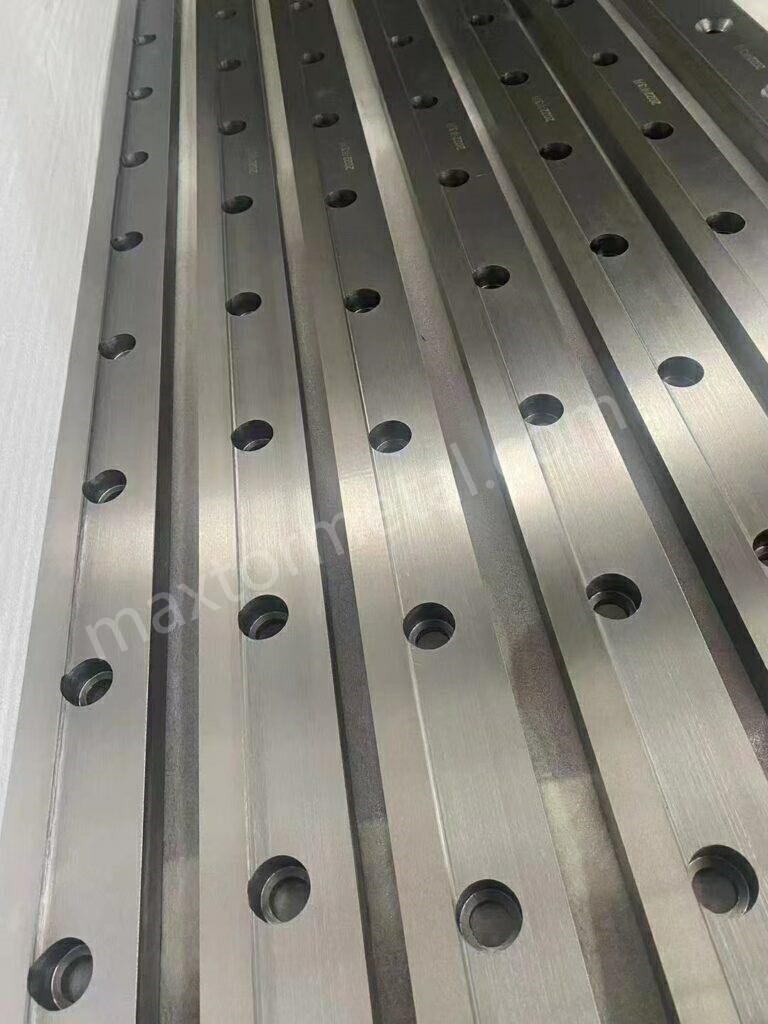
Coatings and blade performance
सतह की कठोरता
Blades need to stay sharp and strong while cutting. Surface hardness is very important for how well blades work. Coated shear blades have a hard surface that fights off damage. नानजिंग Metal औद्योगिक uses special heat and forging steps. These steps make blades hard and tough. This helps tools last longer and keep their shape. They work well for sheet metal punching and heavy jobs.
Different materials help in different ways. High-performance stainless steels are strong and do not rust. Tool steels last longer and can take hard hits. High-speed steels handle high heat, so they are good for tough jobs. Powdered metals are great at fighting wear, so the edge stays sharp.
| सामग्री का प्रकार | मुख्य गुण | Wear Resistance Impact |
|---|---|---|
| High Performance Stainless Steels | Strength, hardness, corrosion resistance, hardness up to Rc 60 | Enhanced wear resistance due to hardness |
| Tool Steels | Longer life, abrasive resistant, shock resistant, high hardness levels | Improved durability and wear resistance |
| High Carbon/Spring Steels | Economical, pliable, resilient, high yield strength | Moderate wear resistance, cost-effective |
| High Speed Steels | Extremely tough, withstands higher temperatures, heat treatable to Rc 60+ | उत्कृष्ट घिसाव प्रतिरोध |
| Powdered Metals | Exceptional wear resistance, good toughness | Superior wear resistance compared to others |
Lubricity and friction reduction
Coatings help lower friction. Coated shear blades slide easier when cutting. This makes tools move smoothly through metal. Coatings stop material from sticking to the blade. You get cleaner cuts and spend less time cleaning.
New coatings like nano TiAlN, DLC, or CrN make blades last longer. These coatings lower friction, so blades stay cooler. PVD coatings also protect blades from rust and damage. This is good for food, textiles, and other jobs where blade quality matters.
Edge retention and wear resistance
Blades should keep their edge after many cuts. Good edge retention means less sharpening and more work time. Coated shear blades keep their edge because coatings stop heat and wear. Makers test blades by spraying water drops to see how they hold up. They check and take photos to see how coatings protect the edge.
Special coatings protect against damage from wind and water. These coatings help wind turbine blades work better. In your shop, the same coatings keep blades sharp for cutting and stamping.
- Nano TiAlN, DLC, and CrN coatings help blades last longer.
- Coatings make blades smoother and stop things from sticking.
- Chemical processes bond coatings tightly, so blades last longer.
Galling prevention mechanisms
Galling can break tools and slow down work. Galling happens a lot in gas turbines, cars, and oil jobs. It makes repairs cost more and causes parts to fail. Coated shear blades lower the risk of galling when cutting metal.
Coatings like tungsten carbide and dry film lubricants make surfaces different. This stops metal from sticking and tearing. Modern spray coatings work very well. They lower friction and wear, so tools stay in good shape.
- Gas turbines: Galling raises repair costs for blades and vanes.
- Cars: Galling happens in pistons and rings, causing engine problems.
- Oil and gas: Galling in valves can cause leaks and expensive repairs.
You can pick custom blades with special coatings for your needs. Visit the कस्टम ब्लेड पृष्ठ to see your options.
Tip: Pick the right coating for your job to help blades last longer. Coatings stop galling and help blades keep their edge. This makes your tools better for cutting and punching metal.
Coatings technology for shear blades
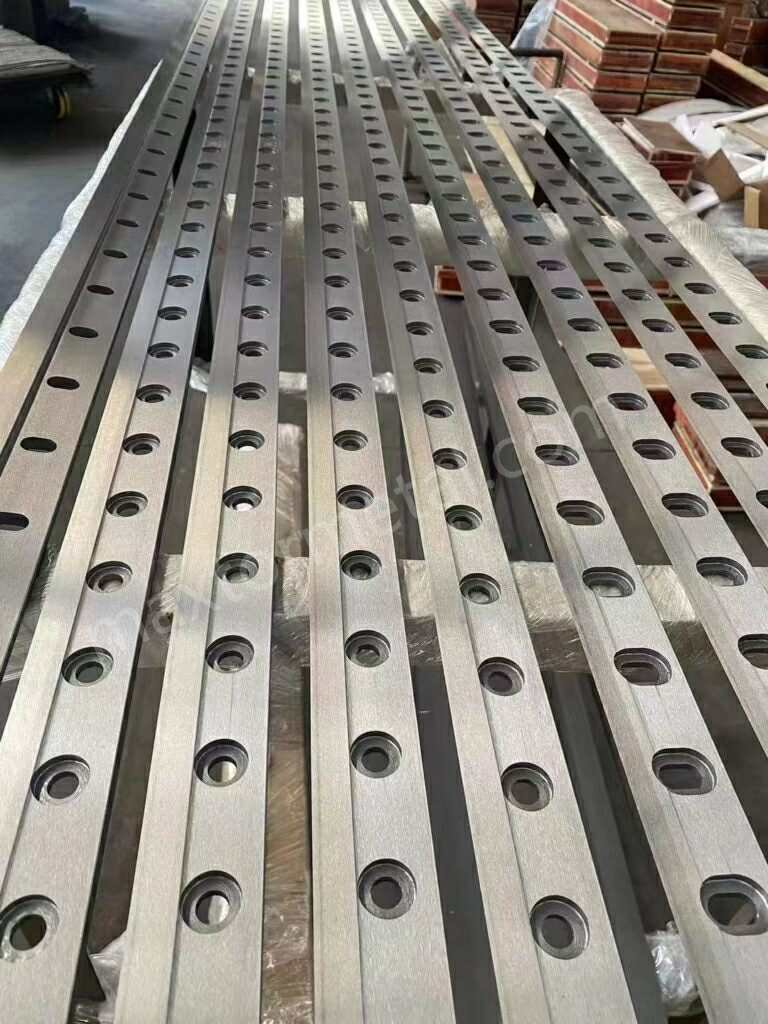
PVD and CVD processes
Physical vapor deposition
Physical vapor deposition puts a thin, strong layer on shear blades. Vapor covers the blade and makes it tougher. The coating sticks well and helps stop wear. PVD keeps the blade edge sharp for finishing jobs. Sometimes, PVD can make the edge rough, but the blade shape stays the same.
- PVD gives a thin layer for smooth finishing.
- The coating sticks tight and does not peel off.
- PVD-coated blades may break more than CVD-coated ones, but they stay sharp.
Chemical vapor deposition
Chemical vapor deposition makes a thicker layer on blades. This process covers the blade even if it is not flat. CVD keeps the blade’s shape the same. Use CVD when you want blades to last longer and fight damage. The thick layer protects blades and keeps them strong.
- CVD makes a thick layer that covers all blade parts.
- The coating does not change the blade’s shape or surface.
- CVD coatings help blades last longer and stop breaking.
Titanium coatings and advanced materials
Titanium nitride and titanium carbonitride coatings make blades stronger. Titanium nitride makes blades harder and helps them last longer. It is safe for food jobs and keeps blades sharp. Titanium carbonitride gives high abrasion resistance and less friction. This coating helps blades cut tough things and last longer.
| कोटिंग प्रौद्योगिकी | मुख्य लाभ | अनुप्रयोग |
|---|---|---|
| Titanium Nitride | Makes blades harder and last longer; safe for food | Used for packaging knives and food jobs |
| Titanium Carbonitride | Stops wear; less friction; blades last longer | Used for tough industrial blades |
New coatings use cobalt, molybdenum, and vanadium. These materials make blades tougher and stronger. Molybdenum stops rust and keeps blades from getting dull. Vanadium helps blades stay sharp and not bend. Cobalt makes blades harder and lighter, so they are easier to use. These materials help blades stay stable and strong at high heat.
- Molybdenum stops rust and keeps blades strong.
- Vanadium helps blades stay sharp and not bend.
- Cobalt makes blades hard and light for better use.
Titanium coatings give many good things. Blades last longer and cut better. You need less force to cut, and blades stay sharp. Sticky stuff does not stick, so cleaning is easier. You change blades less often, saving time and money.
Serrated edges and cutting efficiency
Serrated edges help you cut faster and easier. The design spreads force over many points. This makes it easier to slice tough things. You get quick cuts and smooth slices. Serrated blades work well on rough surfaces and keep their edge longer. When you add coatings, blades last longer and work better.
- Serrated edges spread force for better cutting.
- You cut faster, even through tough things.
- Serrated blades stay sharp and work on rough surfaces.
Pick the best coatings and edge design for your job. This helps you get clean cuts and blades that last longer. Coated shear blades with strong materials and serrated edges give the best results in factories.
Comparing coatings for blade performance
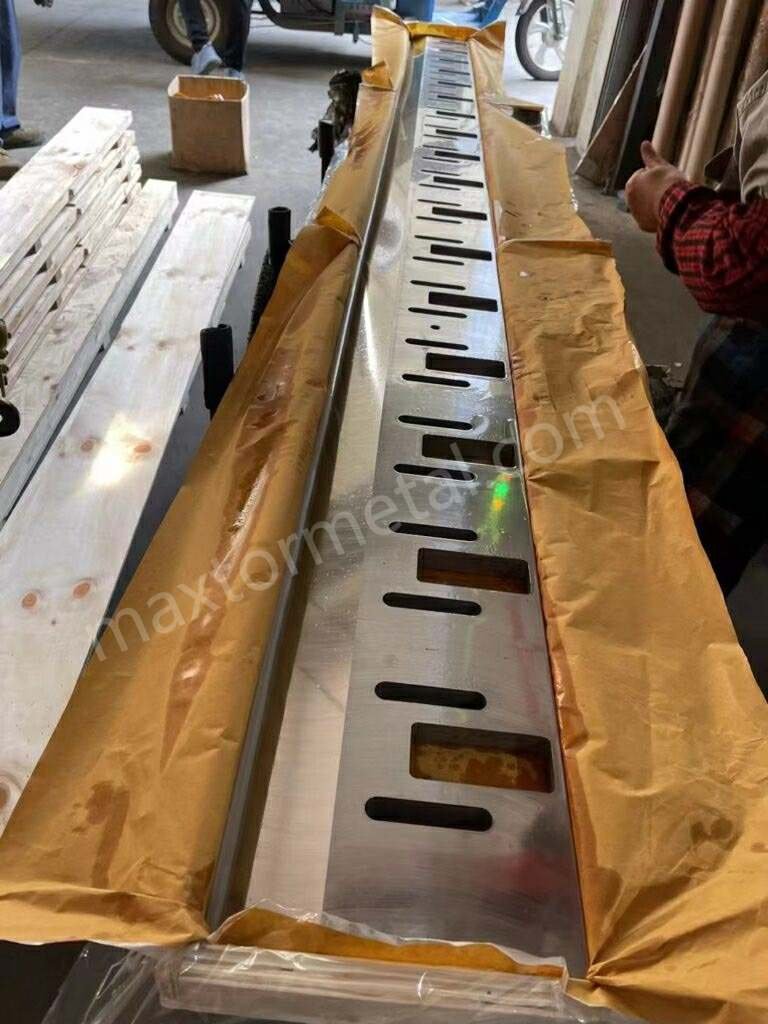
TiN, TiCN, CrN, DLC
You need to know how coatings change the way your tools work. Each coating gives you different results for cutting and punching. TiN, TiCN, CrN, and DLC are common choices for coated shear blades. These coatings help your blades last longer and work better in tough jobs.
Check नीचे दी गई तालिका to see how each coating affects wear resistance and blade life extension:
| कोटिंग का प्रकार | प्रतिरोध पहन | ब्लेड जीवन विस्तार |
|---|---|---|
| टिन | उच्च | 20-30% |
| टीआईसीएन | उच्च | 20-30% |
| डीएलसी | असाधारण | 50% तक |
| सीआरएन | उच्च | 20-30% |
TiN and TiCN coatings give you strong wear resistance. You get longer blade life for cutting and punching. DLC coatings stand out with the best wear resistance. You can use DLC for jobs where you need maximum blade longevity. CrN coatings also help with wear, but DLC gives you the longest life.
You use TiN for general cutting and sheet metal punching. TiCN works well for harder materials and tough jobs. DLC is best for high-speed cutting and heavy-duty punching. CrN helps when you need corrosion resistance, especially in wet or harsh environments.
Application matrix: cutting vs. punching
You must pick the right coating for your job. Cutting and punching need different blade properties. Cutting needs a sharp edge and smooth movement. Punching needs strength and toughness for repeated hits. Sheet metal punching and stamping require blades that resist wear and keep their shape.
See the table below for how coatings perform in cutting and punching:
| कोटिंग का प्रकार | Wear Behavior | प्रदर्शन | नोट्स |
|---|---|---|---|
| एमओ | बेहतर | Suitable for tribological purposes | Morphology is advantageous |
| B4C | Poorer | Needs smoother deposition | Droplets detachment issue |
| सीआरएन | Worst | Not recommended | Exhibited the worst wear behavior |
| WC/C | श्रेष्ठ | High performance | Various configurations explored |
You use WC/C coatings for the best performance in punching and stamping. Mo coatings help with friction and wear in shearing and sheet metal punching. CrN is not the best choice for punching, but it works for cutting in corrosive places. B4C needs careful handling because it can lose droplets during fabrication.
When you work with sheet metal shearing, you want coatings that keep the blade edge sharp and resist wear. For punching, you need coatings that handle repeated impacts and keep the tool strong.
Matching coatings to industrial needs
You must match coatings to your job and environment. Think about what you need from your tools. Here are some things to consider:
- Environmental conditions: If you work near the sea, you need coatings that fight corrosion. If you work with abrasive materials, you need scratch resistance.
- Usage patterns: If you use tools for food or textiles, you want coatings that clean easily. If you work outdoors, you need durability.
- Budget considerations: High-end coatings cost more at first, but you save money over time because your tools last longer and need less maintenance.
- Functionality vs. aesthetics: Always pick coatings for how they work, not just how they look. Some coatings look good but need more care.
You can customize your blades and coatings for your needs. Nanjing Metal Industrial offers many options for fabrication, cutting, punching, and stamping.
If you work in automotive, aerospace, recycling, or construction, you need blades that last and perform well. Sheet metal punching and shearing need strong coatings for long tool life. Food and textile industries need blades that clean easily and resist corrosion. You can talk to Nanjing Metal Industrial for custom solutions that match your fabrication needs.
Tip: Always check your job needs before picking a coating. The right choice gives you better performance, longer tool life, and less downtime.
You improve your work by choosing the right coated shear blades and coatings. You get better results in cutting, punching, and fabrication. Your tools last longer, and you save money over time.
Selecting coated shear blades for cutting and punching
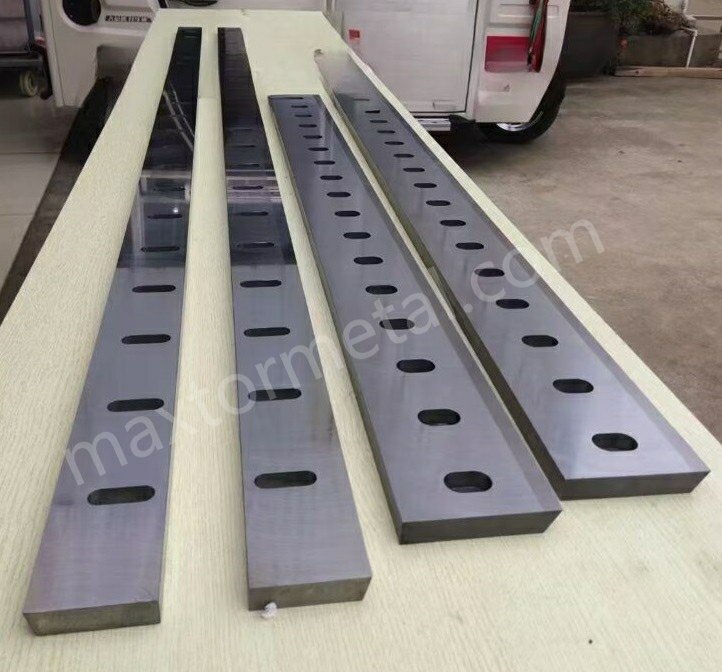
उद्योग-विशिष्ट अनुशंसाएँ
You must pick coated shear blades that fit your job. Shearing and punching are important in many industries. In car factories, you punch sheet metal to make car parts. Aerospace plants need careful cutting for light metal pieces. Recycling centers use shearing to break down scrap metal. Food factories need blades for clean cuts in packaging. Textile mills use blades to shape fabric and other materials.
Every industry has its own problems. Car and airplane makers need blades that last and cut accurately. Recycling needs blades that do not wear out fast. Food and textile jobs want blades that are easy to clean and do not rust. You should choose coatings that match your workplace. Titanium nitride coatings are good for food jobs because they stop rust and keep blades sharp. DLC coatings are best for recycling because they fight wear.
You get better results when you match blades and coatings to your work. Shearing and punching go faster and smoother. You spend less time fixing blades and get cleaner cuts.
Customization and procurement
You can change coated shear blades to fit your job. You can pick blade thickness, edge shape, and how blades mount. This helps you work with different materials and shapes. You can order a few blades for testing. When you need more, you can order a bigger batch.
| क्षमता | विवरण |
|---|---|
| Blade Modification | You can change blade thickness, edge shape, and how blades mount. |
| MOQ Negotiation | You can order fewer blades for testing or more for big jobs. |
You get blades quickly with fast delivery times. Metal Industrial can send blades in 15-20 days. You can change your order size to fit your needs. This helps you save money and keep your work on track.
If you want more choices, visit the कस्टम ब्लेड पृष्ठ. You can find blades for shearing, cutting, and punching. Nanjing Metal Industrial helps many industries like cars, planes, recycling, food, and textiles. You get blades that work for your job and make your tools better.
Quality control and standards
You need good quality to get the best from coated shear blades. Quality starts with the right material. High-carbon steel, alloy steel, and tool steel make blades hard and tough. Careful manufacturing makes sure blades are the right size. This helps blades fit well and work better.
Heat treatment makes blades stronger and harder. You use blades for shearing and punching without losing the edge. A smooth surface helps blades cut better and keeps dirt away. Durability tests check if blades last a long time. You want blades that stay sharp and do not break.
Feedback from customers helps make blades better. You tell makers what works and what does not. They use your ideas to improve blades. This keeps quality high and helps you get the most from your tools.
| Quality Control Standard | विवरण |
|---|---|
| सामग्री की गुणवत्ता | Good materials make blades hard, tough, and last longer. High-carbon steel, alloy steel, and tool steel are used. |
| परिशुद्धता विनिर्माण | Blades must be the right size to work well. Careful methods make sure they fit and cut right. |
| उष्मा उपचार | Makes blades harder and tougher for many jobs. |
| सतह खत्म | Smooth blades cut better and do not collect dirt. |
| सहनशीलता | Blades must last and stay sharp. Tests check if they break or get dull. |
| ग्राहक प्रतिक्रिया | Users share ideas to help make blades better. |
You should always check quality before buying blades. This makes sure your tools work well and last longer. You get better cuts and save money by picking blades with strong quality control.
Tip: Pick blades that fit your job and industry. Use customization to get the right blades fast. Always check quality to make sure your tools work well for shearing, cutting, and punching.
Maintenance and failure prevention
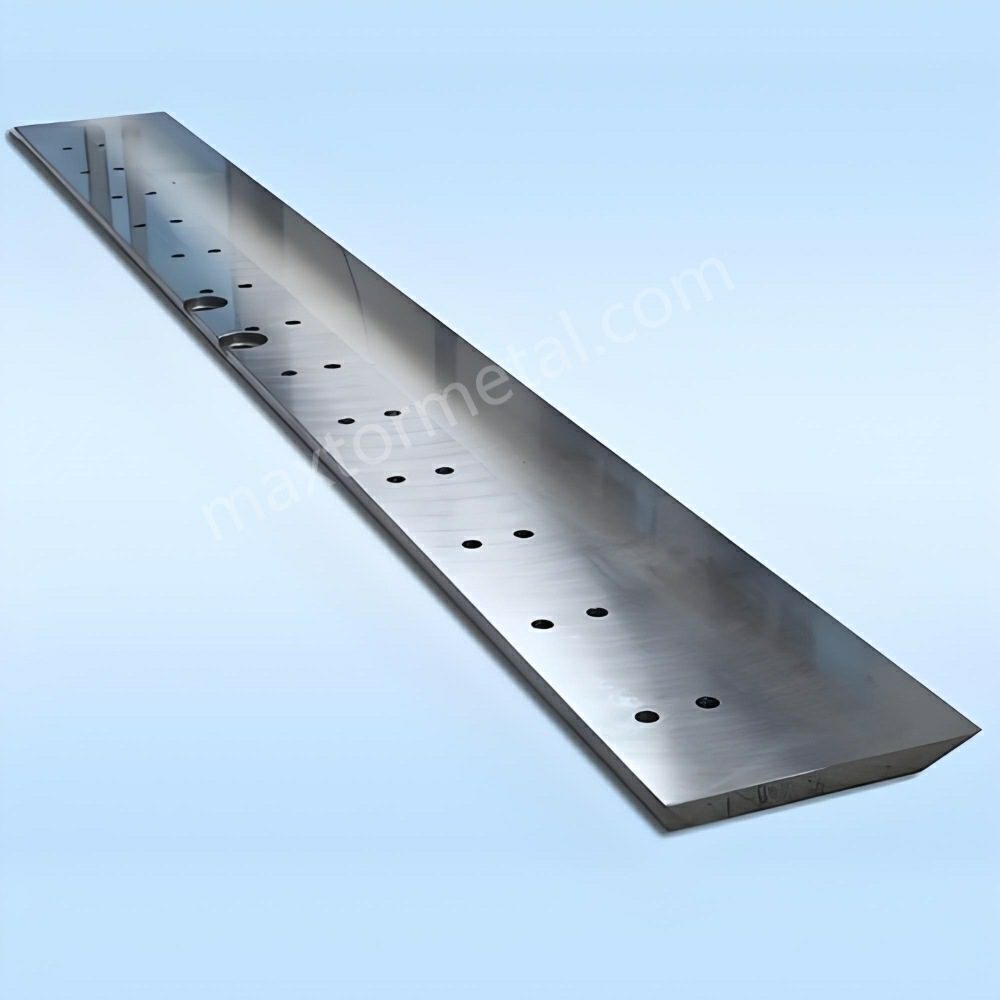
Chipping and flaking issues
Common causes
Sometimes, your coated shear blades chip or flake while you use them. This happens because of how you use the blades or what you cut. The table below lists the main reasons and explains each one:
| Cause of Chipping/Flaking | विवरण |
|---|---|
| Mechanical Overload | The cutting edges may break out or chip due to excessive force applied. |
| Improper Cutting Clearance | Cutting clearance not adjusted according to the material can lead to issues. |
| Material Issues | In certain cases, double-layered sheets may cause chipping. |
Mechanical overload means you use too much force. Improper cutting clearance is when the space between blades does not fit the material. Material issues, like double-layered sheets, make blades chip more easily.
Detection methods
You can find chipping and flaking by checking your blades often. Look for cracks or missing pieces on the edge. Run your finger gently along the blade to feel rough spots. Use a magnifying glass to see small chips. If you hear strange sounds or see uneven cuts, your blade might be chipped or flaked.
- Check blades before and after each shift.
- Listen for new sounds while cutting.
- Watch for rough edges or bad cuts.
- Use a magnifier to look closely at the blade.
Preventive measures
You can stop chipping and flaking by doing simple things. Adjust the cutting clearance to match the material. Do not use too much force when cutting. Pick the right blade for each job. Keep blades clean and dry to prevent rust and wear.
Tip: Regular care and correct setup help you avoid blade damage and keep your tools working longer.
- Set the right cutting clearance for each material.
- Use blades only for their proper job.
- Store blades in a dry place to stop rust.
- Clean blades after each use to remove dirt.
Surface preparation best practices
You must prepare the blade surface before adding any coating. Good preparation helps coatings stick better and last longer. First, remove all dirt, dust, rust, grease, and oil. Use laser cleaning, blasting, or chemical cleaning for best results. Make the surface rougher with sanding or laser texturing. This helps the coating bond tightly to the blade.
- Clean off dirt and old coatings using cleaning methods.
- Make the surface rougher with sanding or etching.
- Coat the blade right after cleaning जंग को रोकने के लिए.
- Remove any new rust before coating, as it weakens the bond.
- Remove rust with blasting or chemical treatments.
- Smooth the blade with sanding or grinding.
- Fix the surface for better coating performance.
Note: If you leave steel in damp places, it can rust fast. Always coat the blade soon after cleaning to keep it strong.
Blade handling and regrinding
Handling blades the right way and regrinding them helps them last longer. Use advanced CNC grinding and heat treatment to restore blades to their original hardness and shape. Precision engineering keeps the blade within tight limits, so it works well every time. When you restore blades correctly, they last five to ten times longer than untreated blades.
| साक्ष्य का प्रकार | विवरण |
|---|---|
| Premium Restoration Techniques | Utilizes advanced CNC grinding and specialized heat treatment to restore blades to OEM standards, achieving optimal hardness (HRC 58-62). |
| सूक्ष्मता अभियांत्रिकी | Maintains exacting tolerances (±0.002mm) through computer-controlled grinding for consistent performance. |
| Enhanced Durability Restoration | Ensures rebuilt blades withstand high-impact applications, delivering 5-10x longer service life than untreated worn blades. |
| विस्तारित जीवनकाल | Properly restored blades achieve 5-10x longer service life through precision reconditioning. |
| Performance Recovery | Advanced CNC grinding and heat treatment restore original cutting geometry and hardness (HRC 58-62). |
Handle blades carefully so you do not drop or bump them. Store blades in protective cases when not in use. Only regrind blades when needed, using professional equipment. This helps prevent dulling and keeps blades sharp for longer.
Tip: Always let skilled technicians regrind blades. This makes sure the blade returns to its best condition and works well every time.
Troubleshooting coating failures
Sometimes, coated shear blades have problems after you use them. Coating failures can make edges dull or cuts rough. They can even damage the blade. You should find the problem and fix it fast to keep blades working well.
Look at the blade surface first. If you see peeling or cracks, the coating may not stick well. Uneven color can mean the coating did not bond right. Moisture or dirt under the coating can make it weak. This can cause the coating to lift off.
Try these steps to fix coating failures:
- Prepare the surface properly. Clean the blade before you coat it. Remove dust, oil, and rust. Make sure the surface fits what the coating maker wants. A clean blade helps the coating stick better.
- Use high-quality primers. Pick the best primer for your blade. Primers help the coating bond tight, even on hard surfaces.
- Control the application environment. Keep the temperature and humidity right when you coat the blade. Too much heat or moisture can make bubbles or weak spots.
- Follow application procedures. Mix the coating as the instructions say. Spread the coating evenly and let it cure for the right time. Good technique helps the coating last longer.
If you see coating problems, check each step above. You may need to clean the blade again or use another primer. Sometimes, you should change the temperature or humidity in your workspace. Always follow the instructions for mixing and applying the coating.
Tip: Check your blades often to find coating failures early. Fixing small problems quickly keeps your coated shear blades sharp and strong.
You can keep coated shear blades working well by using these troubleshooting steps. Good care and careful coating help stop failures and make blades last longer.
Cost analysis: coated shear blades
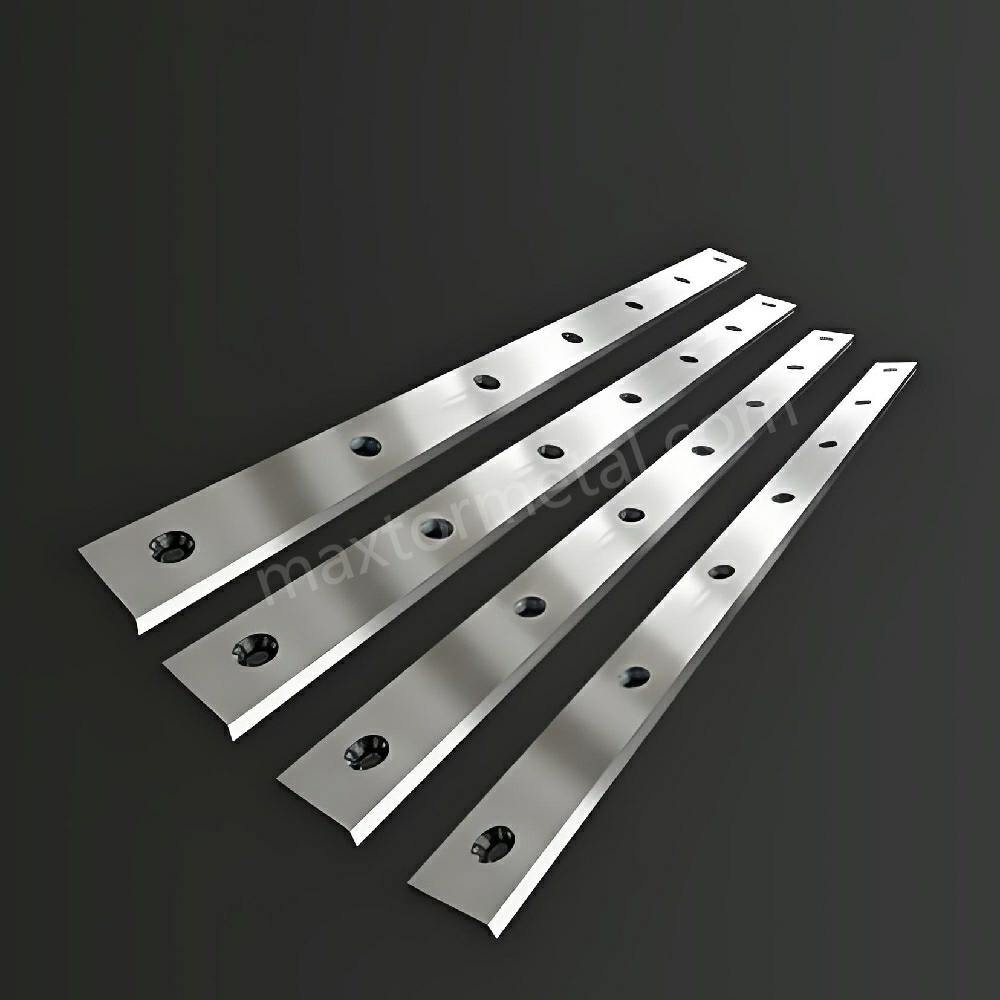
Total cost of ownership
You want to save money when you use tools for shearing and sheet metal punching. Coated shear blades help you do this. When you choose blades with advanced coatings, you spend less on repairs and replacements. You do not need to sharpen your blades as often. This means you buy fewer new blades and spend less time fixing old ones. You also use less energy because coated blades cut and punch more easily. Lower friction means your machines work better and last longer.
You can see the difference in costs when you compare coated blades to regular ones. Coated blades last longer and need less care. You spend less on labor and machine downtime. You also avoid buying extra tools for emergency repairs. When you add up all these savings, you see that coated blades give you better value over time.
ब्लेड जीवन विस्तार
You want your blades to last as long as possible. Coated shear blades help you reach this goal. When you use blades with titanium coatings, you get up to 40% longer lifespan. This is important for jobs like sheet metal punching and cutting. You do not need to stop work to change blades as often. Your tools stay sharp and strong for more cycles.
Here is a table that shows how blade coatings affect lifespan and application:
| ब्लेड का प्रकार | Lifespan Increase | आवेदन उपयुक्तता |
|---|---|---|
| टाइटेनियम लेपित ब्लेड | 40% लंबा | High-temperature applications |
| Titanium-nitride-coated blades | एन/ए | एन/ए |
You see that titanium-coated blades work well for high-temperature jobs. They last longer and keep their edge. This helps you finish more work with fewer stops. You also get better quality cuts and punches. Your tools stay in good shape, and you do not need to buy new blades as often.
Downtime and productivity
You want to keep your machines running and avoid downtime. Coated shear blades help you do this. When you use blades with strong coatings, you spend less time fixing problems. You do not need to stop for sharpening or repairs as often. This means your machines keep working, and you finish more jobs each day.
Sheet metal punching and cutting become faster and smoother. You get clean cuts and accurate punches. Your tools do not wear out quickly, so you avoid delays. You also save money on labor because workers do not need to stop and fix blades. When you use coated blades, you get better quality and higher productivity.
Tip: Choose blades with advanced coatings for your shearing and sheet metal punching jobs. You will save money, reduce downtime, and get better results.
You see that coated shear blades help you lower costs, extend blade life, and improve productivity. You get more value from your tools and keep your work running smoothly.
You get lots of good things when you use coated shear blades. These blades lower friction and stop galling with special coatings like chromium, molybdenum, and vanadium. You notice the edge stays strong and the blade lasts longer. Experts say you should match the blade and coating to your material, machining type, and how you cut for the best results.
| Key Factor | यह क्यों मायने रखती है |
|---|---|
| सामग्री | Helps you pick the right blade |
| Machining Type | Makes sure the blade fits the job |
| काटने की शर्तें | Helps the blade work better |
Taking care of blades and sharpening them saves you money and keeps machines running. If you need help picking coated shear blades, talk to our sales engineers यहाँ.
सामान्य प्रश्न
What are coated shear blades used for?
You use coated shear blades for cutting and punching in many industries. These blades help you with shearing metal, plastics, textiles, and even food products. The coatings make your blades last longer and cut cleaner.
How do coatings improve shearing performance?
Coatings reduce friction and wear during shearing. You get smoother cuts and less heat. This means your blades stay sharp and strong for more cycles. You also spend less time on maintenance.
Can I use coated blades for all types of shearing?
You can use coated blades for most shearing jobs. They work well with metals, plastics, and other materials. Always check the coating type to match your specific shearing needs for the best results.
How often should I replace or regrind my shear blades?
You should check your blades after each shearing job. If you see dull edges or rough cuts, it is time to regrind or replace them. Coated blades usually last longer, so you do not need to change them as often.
What is the best way to maintain coated shear blades?
You should clean your blades after each shearing session. Store them in a dry place. Avoid dropping or hitting them. Regular checks help you spot damage early and keep your shearing tools in top shape.
Are there different coatings for different shearing applications?
Yes, you can choose from coatings like titanium nitride, DLC, or CrN. Each coating works best for certain shearing jobs. Pick the right one based on your material and how often you use your blades.
Can I customize my shear blades for special shearing tasks?
You can customize blade thickness, edge shape, and coating type for your shearing needs. Custom blades help you get better results and longer blade life in your unique applications.
यह भी देखें
हॉट बनाम कोल्ड शीयरिंग ब्लेड: सामग्री चयन और तापमान सीमा के लिए निश्चित गाइड
औद्योगिक कतरनी ब्लेड के लिए संपूर्ण खरीदार मार्गदर्शिका: खरीदने से पहले 7 गुणवत्ता जांच
एक प्रो की तरह शीयर ब्लेड को तेज करें: सामान्य ग्राइंडिंग गलतियों से बचना और TCO का विस्तार करना
शीयर ब्लेड क्लीयरेंस सेट करने के लिए निश्चित गाइड: सूत्र, गलतियाँ और शून्य-बर्र परिणाम

 English
  Spanish
  Italian
  French
  Portuguese
  Russian
  German
  Arabic
  Hindi
Hindi  Vietnamese
  Indonesian
  Japanese
  Korean