

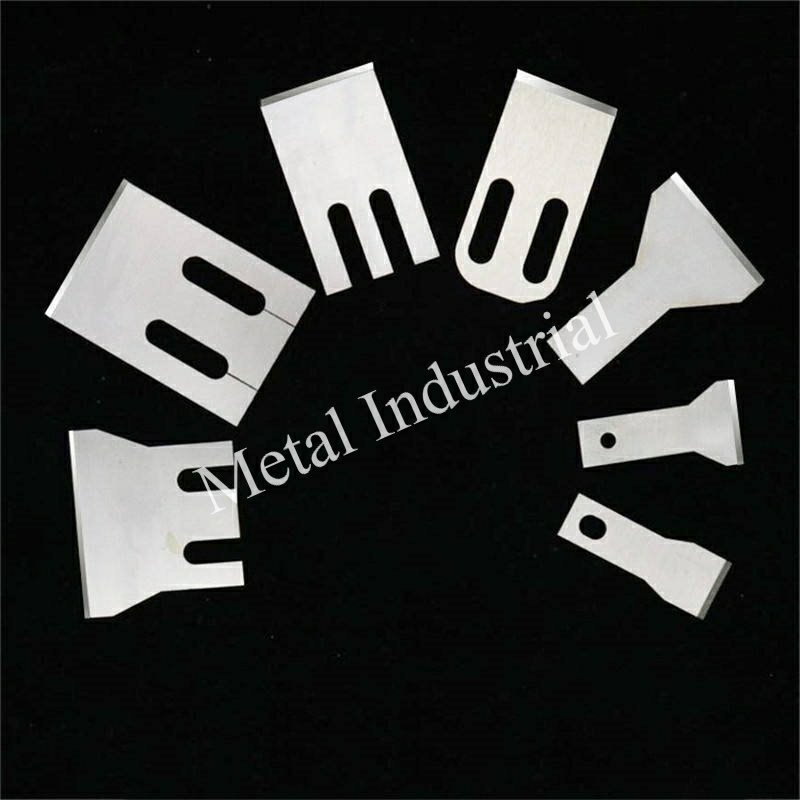
If abrasive-filled compounds keep chewing through your blades, you’re not alone. Between 0–50% glass fiber, talc/CaCO3 fillers, high line-speed shear, and frequent start/stop cycles, edge life collapses—and pellet quality goes with it. Upgrading to tungsten carbide pelletizer knives addresses the core failure modes while stabilizing pellets and trimming unplanned downtime across strand, die-face/underwater, and ring/centrifugal systems.
चाबी छीनना
- Tungsten carbide pelletizer knives maintain edge sharpness longer in abrasive-filled polymers, supporting blade-life gains, steadier pellet dimensions, and fewer changeovers.
- Dominant wear modes include three-body abrasion from fillers and impact micro-chipping during start/stop; material selection plus correct setup counter both.
- Numeric clearances and bevels are machine-specific—always confirm in your OEM manual; treat tables here as qualitative guidance.
- Benchmark in your plant before full rollout: log cuts-to-dullness, pellet fines/burrs, and changeover intervals to build a defensible ROI.
Why Tungsten carbide pelletizer knives matter: the wear you’re really fighting
Abrasive mineral fillers (talc, CaCO3) and glass fiber ends act like sandpaper at the cutting interface. At high line speeds, the edge sees three-body abrasion that rounds the cutting radius and elevates fines. Frequent start/stop increases impact loading and thermal cycling, which can drive micro-chipping on harder but less-tough edges.
Standards help frame what you’re measuring. Abrasion resistance is often compared with tests such as ASTM G65 (dry sand/rubber wheel), which quantifies volume loss under a standardized abrasive flow. While not a 1:1 replica of pelletizing, it explains why harder, wear-resistant materials typically last longer under abrasive regimes, all else equal. For hardness itself, industry uses Rockwell scales per ASTM E18—cemented carbide grades are commonly reported on HRA, while tool steels are on HRC—so direct conversions are inappropriate; focus on application performance instead. See the standards context in the ASTM corrosion and wear standards listing और यह ASTM E18 summary (2022).
Tungsten carbide vs. tool steel: how they differ in the cut
Material choice is only part of the equation, but it’s foundational. Carbides bring high hardness and abrasive wear resistance; tool steels (e.g., D2, M2) bring greater toughness and ease of regrinding. Because OEM geometries and loads vary, use this table as a qualitative decision aid and confirm details with your supplier and OEM manual.
| गुण | Tungsten carbide (WC-Co) knives | Tool steels (e.g., D2, M2, A8) |
|---|---|---|
| Hardness reporting | Typically HRA/HV (per ASTM E18 context) | Typically HRC/HV (per ASTM E18 context) |
| Abrasive wear resistance | Very high under mineral-filled/glass-filled compounds | Moderate to good; faster edge rounding in abrasive feed |
| Toughness/impact tolerance | Lower than most tool steels; manage engagement pressure | Higher; more forgiving during start/stop impacts |
| Regrind behavior | Fewer, careful regrinds; specialized wheels/skills | Easier, more frequent regrinds acceptable |
| Cost vs. TCO | Higher unit price; potential total cost savings via longer service intervals and fewer changeovers | Lower upfront cost; may require more frequent changeovers |
| Typical best-use scenarios | High filler load (0–50% GF, talc/CaCO3), high line speed, powder metallurgy feed hardness | Lower filler loads, impact-prone startup profiles, budget-constrained short runs |
For a practical overview within our site, see Choosing the best pelletizer knife.
Edge geometry and pelletizer type: principles that keep pellets clean
Geometry, clearance, and alignment decide whether your material choice pays off. Numeric values are model-specific—always follow your OEM’s manual—but these principles are widely applicable.
Strand pelletizers. Consistent strand draw and clean pinch are essential. A sharp, well-supported edge and parallelism to the bed/roll reduce smearing that shows up as burrs and fines. Keep the die face clean and polished to limit drag.
Die-face/underwater pelletizers. The knife must track flat to the die plate with stable contact pressure; too little pressure increases tails; too much accelerates wear. Many OEMs employ hard wear surfaces; MAAG notes die plates with tungsten-carbide nibs to sustain sharpness in underwater service, underscoring why hard interfaces help with filled formulations, as highlighted on the MAAG AMN tools page.
Ring/centrifugal pelletizers. Balance and edge integrity matter at speed. Minor eccentricity amplifies vibration, degrading cut quality. Verify blade mass/balance if switching materials or suppliers and re-check fastener torque after heat cycles.
A conservative, non‑model-specific example: aim for a knife‑to‑die (or moving‑to‑fixed knife) gap of roughly 0.2–0.3 mm as an initial setting, then use low‑speed test cuts to fine‑tune—this range is a general guideline, not an OEM spec. Contact/engagement force varies by system (spring, hydraulic or servo) and isn’t universally published; set pressure conservatively and increase while observing tails, fines and vibration. Follow the safe adjustment sequence: inspect → set parallelism/gap → clean → test cuts at low speed → iterate → lock. (See MAAG AMN tools, Econ EUP ब्रोशर, और रखरखाव मार्गदर्शन Cowin Extrusion से.)
Retrofit checklist: switching to carbide with confidence
बदलने से पहले, एक व्यवस्थित रेट्रोफ़िट प्रक्रिया का पालन करें। बेसलाइन मेट्रिक्स (fines, burrs, पेलेट की लंबाई का फैलाव, चेंजओवर-तक-घंटे) रिकॉर्ड करें ताकि आप परिणाम को साबित कर सकें।.
- मैकेनिकल फिट और फास्टनर्स: आयाम (dimensions), होल पैटर्न, काउंटरसिंक और स्क्रू की लंबाई की पुष्टि करें; OEM विनिर्देश (spec) के अनुसार टॉर्क दें।.
- समानांतरता (Parallelism) और क्लीयरेंस: डाई/बेड के विरुद्ध ब्लू-चेक या डायल-इंडिकेट करें; OEM मैनुअल के अनुसार क्लीयरेंस सेट करें।.
- संतुलन और कंपन: ब्लेड के द्रव्यमान (mass) को सत्यापित करें और स्लो-रोल चेक चलाएं; पूरी गति से पहले किसी भी असंतुलन को ठीक करें।.
- एंगेजमेंट प्रेशर: शुरुआती संपर्क दबाव (contact pressure) को सावधानीपूर्वक सेट करें; टेल्स (tails) और फाइन्स (fines) की निगरानी करते हुए धीरे-धीरे बढ़ाएं।.
- थर्मल विचार: अंतिम समायोजन से पहले सिस्टम को तापमान पर लाएं; थर्मल विस्तार (thermal expansion) के बाद क्लीयरेंस की दोबारा जांच करें।.
- ट्रायल लॉग: रेजिन, फिलर %, लाइन स्पीड, पेलेट की लंबाई का लक्ष्य, फाइन्स %, बर्र (burr) दर, शोर/कंपन नोट्स रिकॉर्ड करें।.
- रन के बाद का निरीक्षण: आवर्धन (magnification) के तहत, माइक्रो-चिपिंग या किनारे के घिसने (edge recession) की जांच करें; तदनुसार अगले निरीक्षण को शेड्यूल करें।.
उपकरण और नाइफ विक्रेताओं के रखरखाव के दृष्टिकोण के लिए, देखें Cowin Extrusion के टिप्स.
Maintenance best practices that protect your investment
कार्बाइड को एक सटीक उपकरण (precision tool) की तरह समझें। केवल कैलेंडर समय के बजाय थ्रूपुट घंटों (throughput hours) के आधार पर विजुअल चेक शेड्यूल करें। किसी भी स्टार्ट/स्टॉप अनुक्रम के बाद, नए कंपन या रगड़ की आवाज सुनें; सेटअप में मामूली विचलन भी फाइन्स (fines) का कारण बन सकते हैं। डाई के चेहरों (die faces) को साफ और समतल रखें; अवशेष स्ट्रैंड्स को खींचते हैं और ऑपरेटरों को संपर्क दबाव (contact pressure) को अधिक बढ़ाने के लिए मजबूर कर सकते हैं, जिससे घिसाव तेज हो जाता है। उपयुक्त व्हील्स का उपयोग करके बहुत कम और मूल ज्यामिति (geometry) के अनुसार ही रीग्राइंड करें; अत्यधिक पैनापन क्लीयरेंस इंटरैक्शन को बदल देता है और सेवा जीवन को कम कर देता है। यदि ट्रेंड लॉग एज लाइफ (edge life) में अचानक बदलाव दिखाते हैं, तो सामग्री को दोष देने से पहले संरेखण (alignment), फास्टनर टॉर्क और डाई सतह की समतलता की जांच करें।.
TCO and ROI: a simple worked example
पेबैक का अनुमान लगाने के लिए अपने स्वयं के लॉग का उपयोग करें। यहाँ एक नमूना संरचना दी गई है जिसे आप अपना सकते हैं।.
| इनपुट/परिणाम | टूल स्टील बेसलाइन | टंगस्टन कार्बाइड परिदृश्य |
|---|---|---|
| ब्लेड की इकाई लागत | $300 | $900 |
| चेंजओवर से पहले प्रति ब्लेड औसत घंटे | 40 | 110 |
| प्रति घटना चेंजओवर श्रम + डाउनटाइम लागत | $450 | $450 |
| प्रति माह उत्पादित घंटे | 400 | 400 |
| प्रति माह ब्लेड परिवर्तन | 10 | 3.6 |
| मासिक ब्लेड खर्च | $3,000 | $3,240 |
| मासिक चेंजओवर लागत | $4,500 | $1,620 |
| कुल मासिक लागत | $7,500 | $4,860 |
| अनुमानित मासिक बचत | — | $2,640 |
धारणाएं केवल उदाहरणात्मक हैं; प्लांट डेटा के साथ सत्यापित करें।.
Micro-example: a neutral replacement workflow using a custom vendor
खुलासा: नानजिंग मेटल हमारा उत्पाद है।
30% ग्लास-फिल्ड PP को काटने वाले एक स्ट्रैंड पेलेटाइज़र पर विचार करें। प्लांट D2 नाइव्स का उपयोग करके बार-बार बर्र (burrs) और चेंजओवर (~हर 40 घंटे में) दर्ज करता है। वे अन्य सभी प्रक्रिया स्थितियों को स्थिर रखते हुए टंगस्टन कार्बाइड पेलेटाइज़र नाइव्स का परीक्षण करने का निर्णय लेते हैं।.
- लक्ष्य को परिभाषित करें। टीम बेसलाइन मेट्रिक्स (fines %, पेलेट की लंबाई का फैलाव, सुस्त-होने-तक-घंटे) का दस्तावेजीकरण करती है और डाई फेस की तस्वीरें लेती है।.
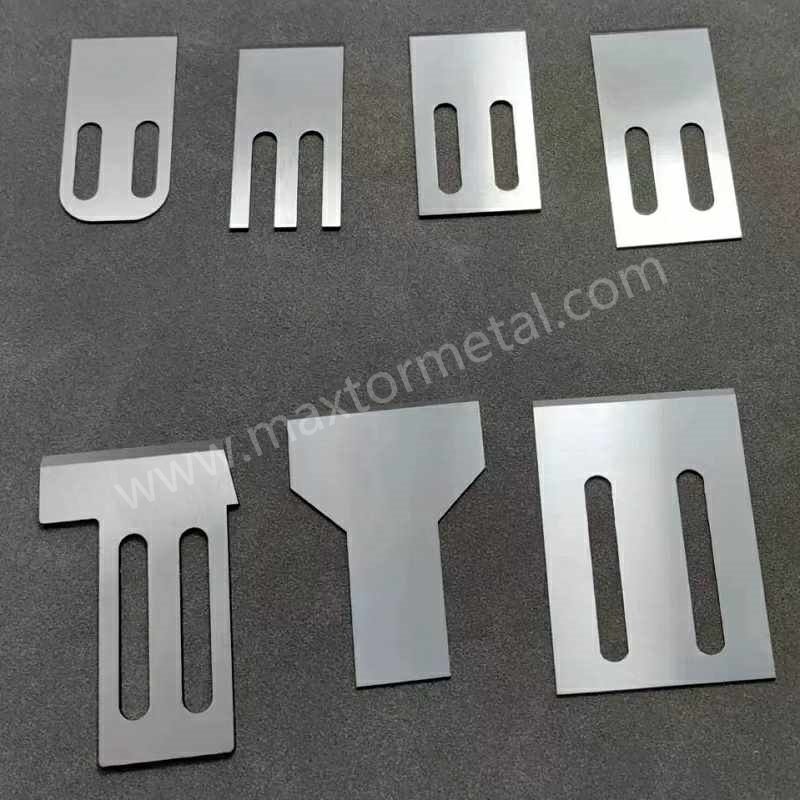
- ज्यामिति (geometry) को सत्यापित करें। वे कटिंग की लंबाई, होल पैटर्न और चैम्फर ज्यामिति को मान्य करने के लिए चित्र और तस्वीरें साझा करते हैं; विक्रेता साइनऑफ़ के लिए एक ड्राइंग लौटाता है, जिसमें एज सपोर्ट विवरण और स्वीकार्य रीग्राइंड स्टॉक शामिल होता है।.
- फिट और संरेखित करें। आगमन के बाद, रखरखाव प्रमुख नाइफ को ड्राई-फिट करता है, बेड के समानांतरता की जांच करता है, और फास्टनर्स को विनिर्देश (spec) के अनुसार टॉर्क देता है। एक ब्लू-चेक समान संपर्क की पुष्टि करता है।.
- नियंत्रित स्टार्टअप। लाइन के तापमान पर होने के साथ, वे रूढ़िवादी एंगेजमेंट प्रेशर के साथ शुरू करते हैं, टेल्स (tails) और कंपन की निगरानी करते हुए धीरे-धीरे बढ़ाते हैं। ऑपरेटर निश्चित अंतराल पर बर्र (burr) के अवलोकनों को लॉग करते हैं।.
- निरीक्षण और शेड्यूल करें। शिफ्ट के बाद, वे माइक्रो-चिपिंग की जांच करने के लिए आवर्धन (magnification) के तहत किनारे की जांच करते हैं और अगले निरीक्षण के लिए घंटों को रिकॉर्ड करते हैं।.
अनाम प्लांट परीक्षण (स्ट्रैंड पेलेटाइज़र, 30% GF PP): एक अनाम कंपाउंडर ने 3-महीने की अवधि में प्रति स्थिति n=10 रन दर्ज किए। बेसलाइन (D2): औसत कट्स-टू-डुल (cuts-to-dull) = 40 ऑपरेटिंग घंटे, फाइन्स = 3.8% (1.0 mm छलनी से गुजरने वाला प्रतिशत), और ~10 चेंजओवर/माह। टंगस्टन-कार्बाइड नाइव्स पर स्विच करने के बाद: कट्स-टू-डुल = 110 घंटे, फाइन्स = 2.1%, और ~3-4 चेंजओवर/माह। माप प्रोटोकॉल: हर शिफ्ट में फाइन्स का नमूना लिया गया, छाना गया (1.0 mm) और तौला गया; “डुल” (dull) को फाइन्स में निरंतर >5% की वृद्धि या 10× आवर्धन के तहत दिखाई देने वाली किनारे की गोलाई के रूप में परिभाषित किया गया। परिणाम एक अनाम परीक्षण के रूप में रिपोर्ट किए गए हैं; अपनी लाइन पर सत्यापित करें।.
यह वर्कफ़्लो अधिकांश योग्य आपूर्तिकर्ताओं के साथ दोहराने योग्य है। ड्राइंग-आधारित निर्माण के तथ्यात्मक अवलोकन के लिए, देखें प्लास्टिक पेलेटाइज़र ब्लेड.
When not to choose tungsten carbide
- प्रभाव-प्रधान प्रोफाइल (Impact-dominant profiles)। यदि आपकी प्रक्रिया में कड़े प्रभाव (बार-बार स्लग, मिसफीड, या गंभीर स्टार्ट/स्टॉप झटके) दिखाई देते हैं, तो जब तक आप प्रक्रिया प्रोफाइल को स्थिर नहीं कर लेते, तब तक एक अधिक मजबूत टूल स्टील सुरक्षित हो सकता है।.
- बहुत कम मात्रा या R&D लाइनें। यदि रनटाइम कम है और चेंजओवर लागत न्यूनतम है, तो कार्बाइड की अग्रिम कीमत का भुगतान वापस नहीं मिल सकता है।.
- सहायता सीमाएं। यदि कार्बाइड के लिए रीग्राइंडिंग सेवाएं स्थानीय रूप से उपलब्ध नहीं हैं, तो लॉजिस्टिक्स समय लाभों को समाप्त कर सकता है। तैयार नाइव्स का एक छोटा बफर स्टॉक करके और समेकित रीग्राइंडिंग को शेड्यूल करके इसे कम करें।.
Sources and further reading
- मानक संदर्भ: ASTM संक्षारण और घिसाव मानक (G65 सूचीबद्ध); ASTM E18 रॉकवेल कठोरता सारांश (2022).
- OEM संदर्भ: MAAG AMN अंडरवाटर पेलेटाइजिंग टूल्स.
- आंतरिक प्राइमर: Choosing the best pelletizer knife.
अतिरिक्त आधिकारिक संदर्भ
- OEM मैनुअल और सेटअप मार्गदर्शन: क्लीयरेंस, बेवल और संपर्क-दबाव सेटिंग्स के लिए हमेशा अपने विशिष्ट मॉडल के मैनुअल का ही संदर्भ लें। वर्तमान गाइड और सेवा निर्देशों के लिए OEM दस्तावेज़ीकरण पोर्टल देखें: Nordson BKG सेवा और सहायता दस्तावेज़ और Gala/Automatik पेलेटाइजिंग सिस्टम के लिए MAAG के आधिकारिक डाउनलोड.
- रॉकवेल स्केल और रूपांतरण: HRA (कार्बाइड के लिए सामान्य) और HRC (टूल स्टील के लिए सामान्य) सीधे रूपांतरणीय क्यों नहीं हैं, इसके लिए परामर्श करें ASTM E140 मानक कठोरता रूपांतरण तालिकाएँ (नवीनतम संस्करण) और NIST विशेष प्रकाशन 960-5 “धात्विक सामग्रियों का रॉकवेल कठोरता मापन” (दूसरा संस्करण). ये प्राथमिक स्रोत स्केल श्रेणियों, सीमाओं और रूपांतरणों की अनुभवात्मक प्रकृति की व्याख्या करते हैं—निर्णयों के लिए अनुप्रयोग प्रदर्शन और प्रत्यक्ष परीक्षण का उपयोग करें।.
—
लेखक: एक प्रोसेस इंजीनियर और ब्लेड विशेषज्ञ, जिन्हें स्ट्रैंड और अंडरवाटर पेलेटाइज़र रेट्रोफिट, कार्बाइड/टूल स्टील एज चयन, और एब्रेसिव-फिल्ड कंपाउंडिंग लाइनों के रखरखाव कार्यक्रमों का व्यावहारिक अनुभव है।.
क्या अपनी लाइन पर ROI को सत्यापित करने के लिए तैयार हैं? ड्राइंग-टू-पार्ट कोटेशन या व्यवहार्यता समीक्षा के लिए, Nanjing METAL से संपर्क करें—त्वरित फीडबैक के लिए फ़ोटो और बेसलाइन लॉग संलग्न करें।.

 English
 Spanish
 Italian
 French
 Portuguese
 Russian
 German
 Arabic
 Hindi
 Vietnamese
 Indonesian
 Japanese
 Korean