

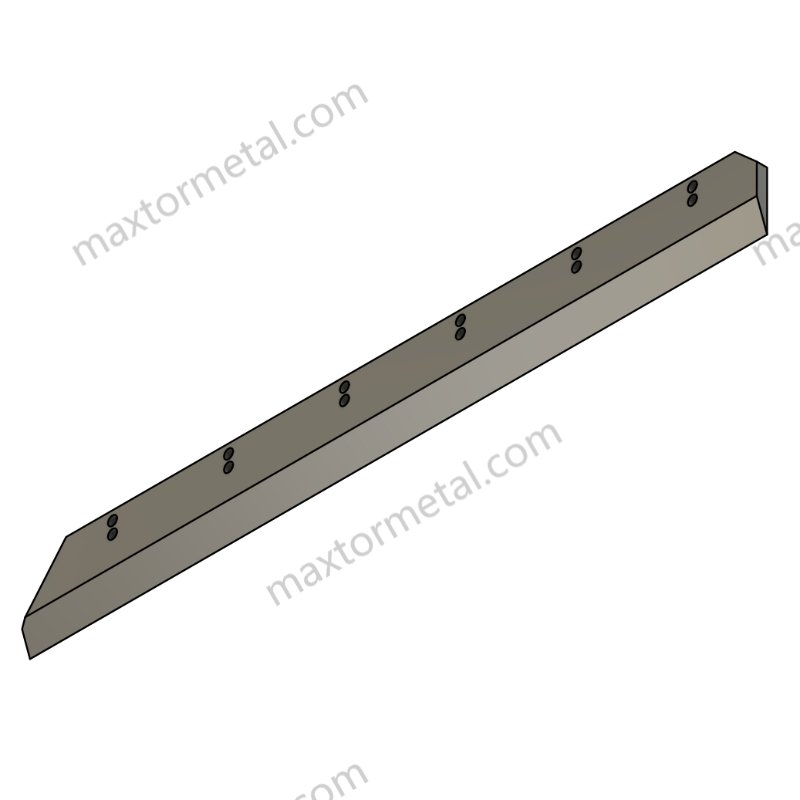
सर्वोत्तम का चयन औद्योगिक पेपर कटिंग चाकू is very important. Good industrial paper cutting knives last longer and stay sharp, needing fewer replacements. Sharp knives make cleaner cuts, which saves paper and money. Whether you use a paper cutter or need a कस्टम ब्लेड, the right choice boosts work speed. Companies like Nanjing Metal have good options for your needs. To find the right knife and cut perfectly every time, be sure to संपर्क experts.
चाबी छीनना
- Picking the right paper cutting knife saves time and money. Sharp blades cut better and last longer.
- Learn about knife types: guillotine knives cut thick stacks, circular knives are precise, and स्लीटर चाकू make fast cuts.
- Check the blade material. High-speed steel and tungsten carbide are strong and work well for tough tasks.
- Take care of your knives. Clean, sharpen, and store them properly to make them last longer and work smoothly.
- Ask experts and try samples before buying. This helps you choose the best knives for your cutting needs.
Types of Industrial Paper Cutting Knives
Picking the right knife for cutting paper is important. Each knife type has a special job. Knowing how they work helps you choose the best one.
Guillotine Knives and Their Uses
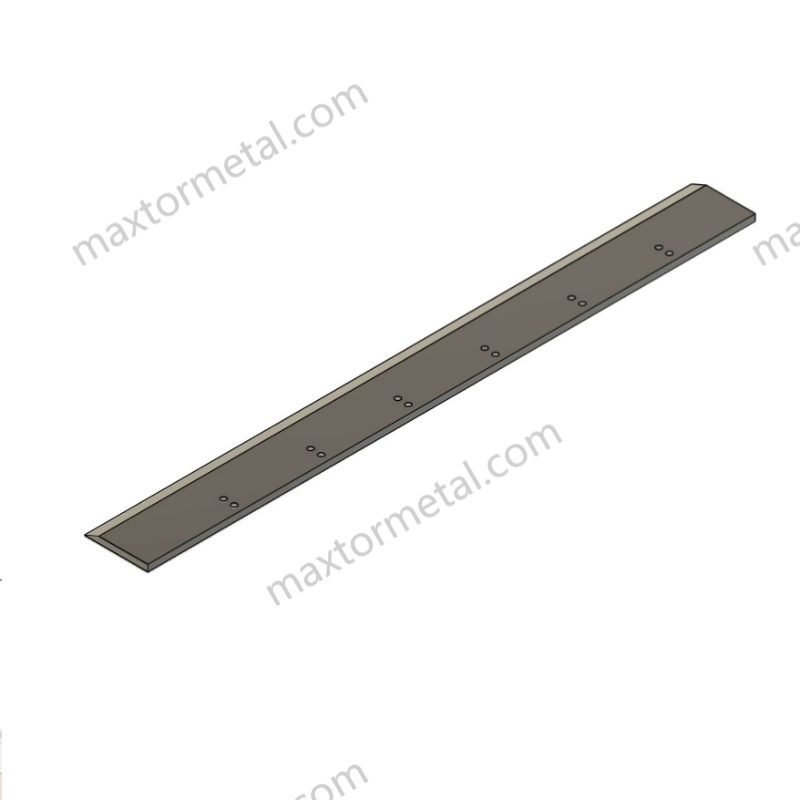
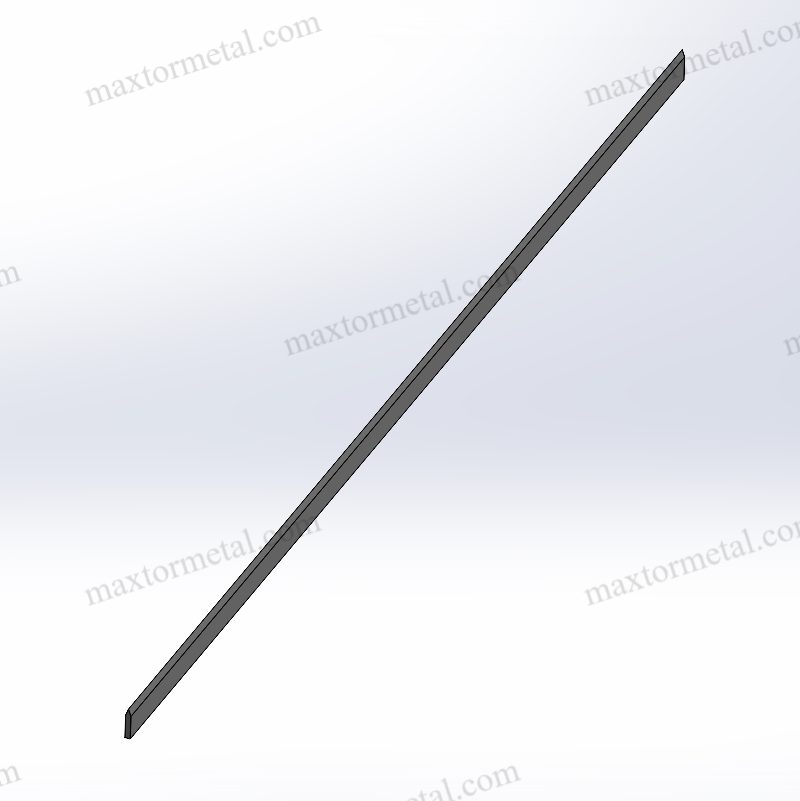
Guillotine knives are common in cutting large paper stacks. These long, straight blades make neat, straight cuts. They are great for jobs like bookbinding or packaging. Sharp guillotine knives cut cleanly, saving paper and time.
A big benefit of guillotine knives is cutting thick paper stacks at once. This makes them perfect for busy workplaces. But, they need regular care, like sharpening and aligning. For heavy-duty cutting, guillotine knives are a smart pick.
Circular Knives for Detailed Cuts
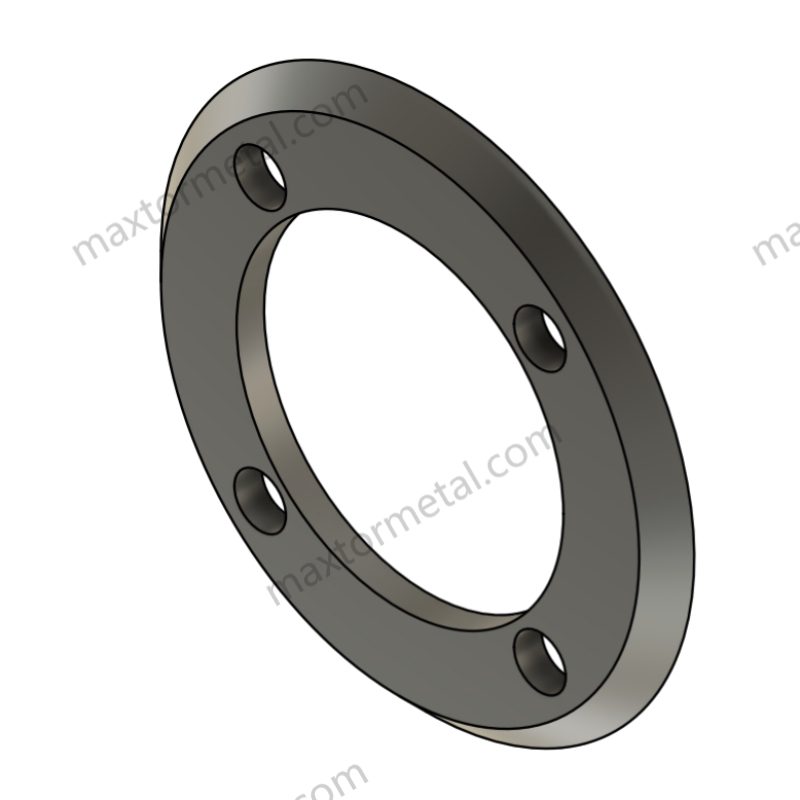
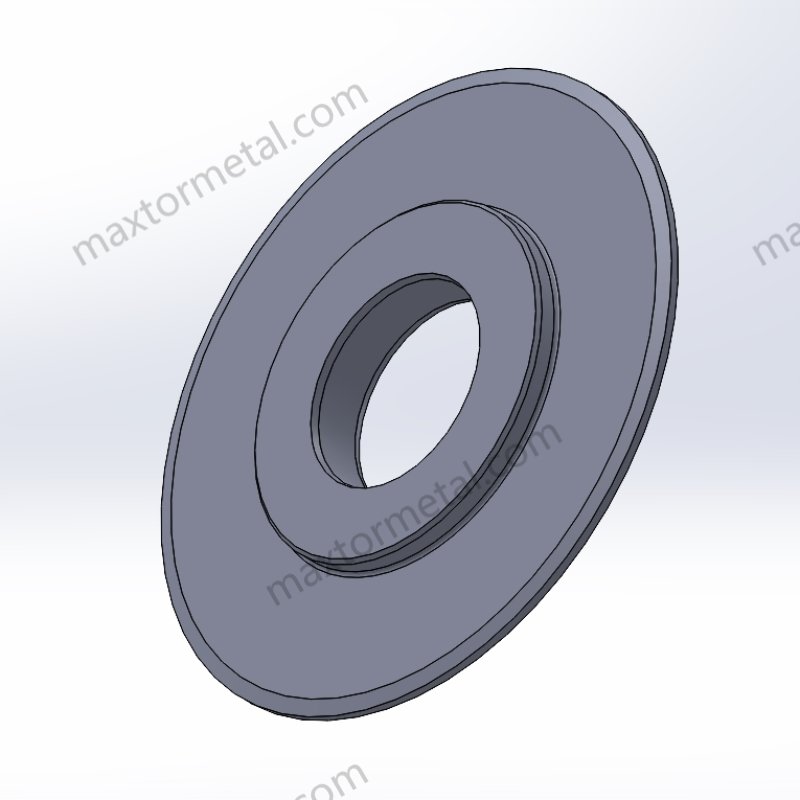
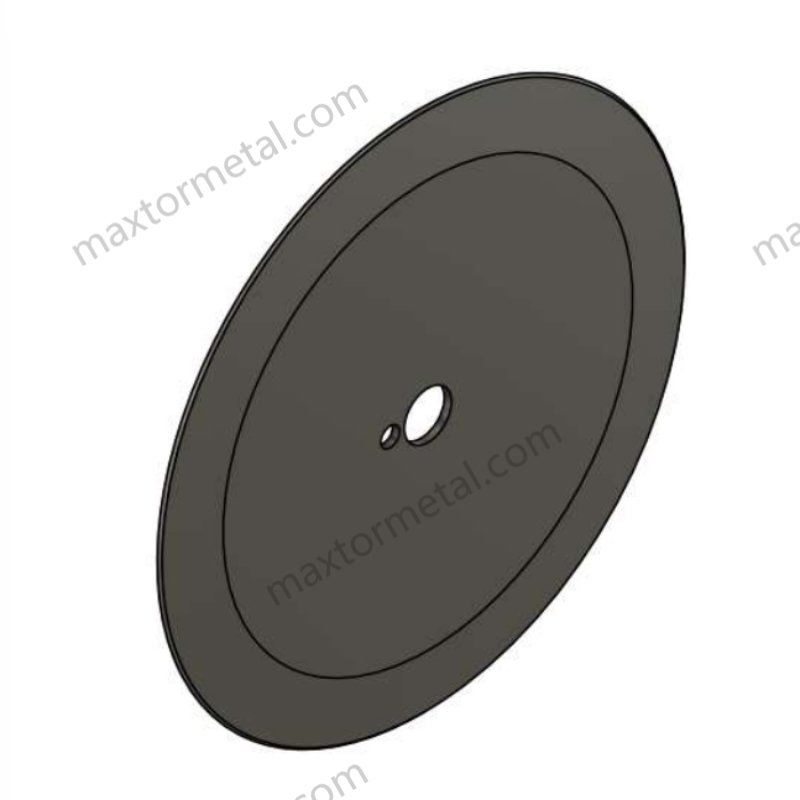
गोलाकार चाकू are great for cutting with precision. These round blades spin while cutting, making smooth, exact cuts. They work well for cutting shapes or patterns. Industries like printing often use them for detailed tasks.
These knives can cut many paper types, from thin to thick. They prevent tearing and leave clean edges. If you need detailed cuts, circular knives are a good choice. Always check they fit your cutting tools for the best results.
Slitter Knives for Fast Cutting
Slitter knives are best for quick cutting jobs. They cut paper into thin strips quickly and accurately. Industries like paper making and packaging use them a lot.
Slitter knives are strong and handle nonstop work. They cut big paper rolls into smaller pieces, perfect for busy production lines. Regular checks and care keep them working well for a long time.

Specialty Knives for Unique Paper Cutting Needs
Specialty knives are made for special paper cutting tasks. These blades make tricky jobs easier and faster. They are built for tasks that regular knives cannot do. If you cut detailed designs or unusual paper, these knives are ideal.
Types of Specialty Knives
Specialty knives come in different types for specific tasks. Here are some examples:
- वेध चाकू: These blades make dotted lines for easy tearing. They are great for coupons, tickets, or forms.
- Scoring Knives: These knives make shallow cuts to fold paper neatly. They are useful for packaging and crafts.
- Die-Cutting Knives: These blades cut shapes and patterns. They are perfect for greeting cards and decorative items.
Benefits of Specialty Knives
Specialty knives are precise and flexible. They handle detailed cuts and special finishes. For example, perforation knives save time by avoiding manual tearing. Scoring knives make clean folds without ripping the paper. Die-cutting knives create unique designs that look amazing.
Choosing the Right Specialty Knife
Pick a specialty knife based on your needs. Think about the paper type and the result you want. For neat folds, use scoring knives. For creative projects, die-cutting knives work best.
Custom blades can also be made for specific jobs. Manufacturers offer unique designs and materials. Ask experts to help you find the right blade for your work.
Maintenance Tips for Specialty Knives
Taking care of specialty knives makes them last longer. Clean them often to avoid buildup and keep cuts smooth. Sharpen the blades to keep them precise. Store them in a safe, dry spot to prevent damage.
बख्शीश: Follow the manufacturer’s care instructions. This keeps your knives working well for a long time.
Key Features of Industrial Cutter Blades
Material and Composition for Durability
The material of industrial cutter blades is very important. Strong blades are often made from high-speed steel knives या टंगस्टन कार्बाइड. These materials make the blades last longer, even with heavy use. For instance, high-speed steel knives resist wear and stay sharp during big cutting jobs. Tungsten carbide blades are harder and great for cutting tough paper.
Always check what the blade is made of before buying. Strong blades cut better and need fewer replacements. This saves time and money over time. If you need blades for hard jobs, focus on the material first.
Sharpness and Cutting Edge Quality
Sharp blades are key for clean, smooth cuts. Dull blades can tear paper, wasting time and materials. Good-quality blades stay sharp longer and cut better.
Look for blades with a precision-ground edge. These blades cut paper smoothly and accurately. Sharpen them often to keep them working well. Sharp blades also protect your machine by reducing strain.
Blade Design and Machine Compatibility
The blade’s design must fit your cutting machine. Always check the size and mounting style to ensure it works. Using the wrong blade can harm the machine or cause bad cuts.
Some blades are made for special tasks, like slitting or perforating. Others can work with many machines. Check the manufacturer’s guide to pick the right blade. A good match improves cutting and keeps your machine running smoothly.
बख्शीश: Test a new blade on your machine before using it fully.
Wear Resistance and Longevity
When picking industrial cutter blades, think about how long they last. Blades with good wear resistancestay sharp longer. This means fewer stops and better cutting results.
The blade material affects wear resistance. टंगस्टन कार्बाइड और high-speed steel knives are strong and last longer. These materials handle tough jobs without wearing out quickly. Spending more on good materials saves money over time.
Taking care of blades helps them last. Clean them often and sharpen them when needed. Check blades for dull edges or chips. Fixing problems early keeps them working well.
The type of paper also matters. Thick or rough paper wears blades faster. Use blades made for hard cutting jobs. They last longer and work better.
बख्शीश: Follow the maker’s care instructions. This keeps blades sharp and working for a long time.
By focusing on wear resistance, you save time and money. It helps cutting jobs stay smooth and efficient.
Matching Industrial Paper Cutting Knives to Your Needs
Assessing Industry Requirements
Understanding Specific Applications
When picking industrial cutter blades, I first think about the job. Different industries need different blades. For example, packaging companies cut thick paper, while printing needs sharp blades for thin paper. Knowing the task helps me choose better.
I also look at the final product. If I need perforated forms or fancy designs, I use specialty blades like perforation or die-cutting knives. By focusing on the job, I pick the right blade every time.
Identifying Cutting Tasks
Figuring out the cutting task is very important. I ask questions like, “Am I cutting big paper rolls or small sheets?” or “Do I need smooth edges or detailed shapes?” These answers help me decide.
For fast jobs, slitter knives are great. They cut quickly and stay accurate. Guillotine knives are best for cutting thick paper stacks. By knowing the task, I save time and pick the right blade.
Analyzing Paper Types
Evaluating Thickness and Weight
Paper thickness and weight matter a lot when choosing blades. Thick paper needs strong blades, like tungsten carbide, for clean cuts. Thin paper, like tissue, needs sharp blades to avoid tearing.
I always check the paper’s thickness and weight first. This stops problems like dull cuts or rough edges. Circular knives are good for thin paper, while guillotine knives handle heavy stacks well.
Considering Paper Composition
The type of paper changes how blades work. Coated paper, like in magazines, needs blades that resist wear. Uncoated paper, like cardboard, needs tough blades for rough surfaces.
I also check for glue or ink in the paper. These can make blades dull faster. Using high-speed steel or tungsten carbide blades keeps them sharp longer, even with tricky paper.
Determining Cutting Volume
Estimating Daily Production Needs
Knowing how much cutting I do daily helps me pick blades. For high-volume work, I choose durable, fast blades. Slitter knives are great for nonstop cutting, while guillotine knives work for batch jobs.
For smaller tasks, I focus on accuracy. Circular or specialty blades are perfect for detailed work. Matching the blade to the workload keeps things running smoothly.
Planning for Future Growth
Thinking about future needs is smart when buying blades. If I expect more work later, I get long-lasting, strong blades.
I also check if the blades fit new machines. Versatile blades save money because they work with upgrades. Planning ahead helps me make better choices for cutting tools.
Ensuring Compatibility
Matching Knives to Equipment
I always check if the blades fit my machine. Each machine needs specific blade sizes and shapes. Using the wrong blade can cause bad cuts or damage. I read the machine’s manual to find the right blade type.
Sometimes, I ask the machine maker for advice. They often suggest blades that work well. Before starting big jobs, I test the blade on the machine. This makes sure everything works properly.
Verifying Manufacturer Specifications
Before buying blades, I read the manufacturer’s details carefully. These include the blade’s material, size, and purpose. I compare this with my machine’s needs to avoid mistakes.
I also look for certifications or quality marks. Trusted makers follow industry rules, which means better blades. If I have questions, I contact the maker for answers. This helps me pick the right blade.
Seeking Expert Guidance
Consulting Industry Professionals
When I’m unsure about blades, I ask experts for help. They know a lot and can guide me to the best choice. Experts explain which blades work for certain tasks or materials.
I meet professionals at trade shows or events to learn more. These are great places to see new tools and ideas. Online groups also help me learn from others. This keeps me informed and confident in my choices.
Utilizing Manufacturer Resources
Manufacturers share helpful information about their blades. They offer guides, videos, and customer support to explain their products. I use these tools to learn more.
Some makers give personal advice. I tell them about my cutting needs, and they suggest blades that fit. This saves time and ensures I get good-quality blades.

Testing and Sampling
Requesting Free Samples
Before buying a lot of blades, I ask for free samples. Many makers let customers test their blades first. I use samples to check how well they work with my machine.
Testing samples stops me from wasting money on bad blades. It also shows me the blade’s quality. I suggest always trying samples before buying new blades.
Evaluating Performance in Real Scenarios
After getting samples, I test them on real cutting jobs. I use the blades with my usual machines and materials. This shows how they perform in everyday work.
I check for things like clean cuts, strength, and ease of use. If the blade works well, I buy more of them. Testing in real situations helps me choose the best blades for my needs.
Maintenance Tips for Industrial Paper Cutting Knives
Keeping Knives Sharp and Bevels Proper
I always make sure my knives stay sharp. Sharp blades cut better and protect my machines. Dull blades need more force, which wastes energy and money. Sharpening often helps knives last longer. If a knife gets too dull, I might lose up to ¼ inch of the blade to fix it. This shortens its life.
Here’s a simple sharpening schedule I follow:
| रखरखाव कार्य | How Often to Do It |
|---|---|
| Replace regular knife | after 2,000 cuts |
| Replace high-speed knife | after 4,000 cuts |
| Replace carbide knife | after 12,000 cuts |
Following this plan saves me time and money. I also check the bevel angle. It must match the maker’s guide to avoid bad cuts or damage.
Cleaning and Storing Knives Safely
I clean my knives after every use. Paper dust, glue, or ink can make blades dull. I wipe them with a soft cloth and mild cleaner. For tough dirt, I use a gentle scrubber.
मैं चाकूओं को सूखी और सुरक्षित जगह पर रखता हूँ। नमी से जंग लग जाती है, जिससे ब्लेड कमज़ोर हो जाते हैं। मैं उन्हें सुरक्षित रखने के लिए किनारों को ढक देता हूँ। अच्छी तरह से रखने से चाकू तेज़ रहते हैं और दुर्घटनाएँ कम होती हैं।
बख्शीशसुरक्षित रहने के लिए चाकूओं की सफाई और भंडारण करते समय सावधानी बरतें।
क्षति और घिसाव की जाँच
मैं अपने चाकूओं की अक्सर जाँच करता हूँ कि कहीं उन्हें कोई नुकसान तो नहीं हुआ है। छोटे-छोटे चिप्स या धब्बे कट को खराब कर सकते हैं और उन्हें ठीक करने में ज़्यादा खर्च आता है। मैं दरारों या खरोंचों की जाँच करता हूँ और देखता हूँ कि ब्लेड कितनी अच्छी तरह कट रहा है।
अगर मुझे कोई समस्या नज़र आती है, तो मैं उसे तुरंत ठीक कर देता हूँ। अगर ब्लेड सुस्त हो जाते हैं, तो मैं उन्हें तेज़ कर देता हूँ। अगर ब्लेड ज़्यादा खराब हो जाता है, तो मैं उसे बदल देता हूँ। नियमित जाँच से मेरा काम सुचारू और सुरक्षित रहता है।
पेशेवर रखरखाव सेवाओं का समय निर्धारण
मैं अपने औद्योगिक कागज़ काटने वाले चाकूओं के नियमित रखरखाव की योजना ज़रूर बनाता हूँ। विशेषज्ञ देखभाल से ब्लेड अच्छी स्थिति में रहते हैं और अच्छी तरह काम करते हैं। इससे अचानक आने वाली समस्याओं से भी बचाव होता है जो काम में रुकावट डाल सकती हैं।
पेशेवर रखरखाव क्यों महत्वपूर्ण है
पेशेवर रखरखाव सिर्फ़ सफ़ाई और धार लगाने से कहीं ज़्यादा है। विशेषज्ञ छिपे हुए नुकसान या घिसाव की जाँच के लिए विशेष उपकरणों का इस्तेमाल करते हैं। वे यह भी सुनिश्चित करते हैं कि चाकू मशीन के साथ ठीक से संरेखित हों। इससे ब्लेड बेहतर कटते हैं और लंबे समय तक चलते हैं।
बख्शीशनियमित रखरखाव से महंगी मरम्मत या प्रतिस्थापन की संभावना कम हो जाती है।
रखरखाव शेड्यूल करने के चरण
मैं पेशेवर रखरखाव की व्यवस्था इस प्रकार करता हूँ:
- निर्माता या आपूर्तिकर्ता से संपर्क करेंकई ब्लेड निर्माता रखरखाव सेवाएँ प्रदान करते हैं। मैं विशेषज्ञ सहायता के लिए उनसे संपर्क करता हूँ।
- रखरखाव योजना बनाएंमैं ब्लेड्स का इस्तेमाल कितनी बार करता हूँ, इसके आधार पर मैं रखरखाव का समय तय करता हूँ। ज़्यादा इस्तेमाल के लिए, मैं इसे ज़्यादा बार करता हूँ।
- रिकॉर्ड रखेंमैं सभी रखरखाव गतिविधियों को लिख लेता हूँ। इससे मुझे पता चल जाता है कि अगली सर्विस की ज़रूरत कब है।
पेशेवर रखरखाव के लाभ
पेशेवर रखरखाव का समय निर्धारित करने के बाद से, मैंने कई लाभ देखे हैं:
- बेहतर कटिंगब्लेड अधिक साफ और सटीक तरीके से काटते हैं।
- ब्लेड का लम्बा जीवननियमित देखभाल से अत्यधिक टूट-फूट और क्षति रुक जाती है।
- कम डाउनटाइमरखरखाव अप्रत्याशित मशीन समस्याओं को रोकता है।
टिप्पणीरखरखाव के लिए हमेशा प्रमाणित विशेषज्ञों को ही नियुक्त करें। वे जानते हैं कि औद्योगिक ब्लेडों को सुरक्षित और सही तरीके से कैसे संभालना है।
पेशेवर रखरखाव पर ध्यान केंद्रित करके, मैं अपने काटने वाले औज़ारों को भरोसेमंद और कुशल बनाए रखता हूँ। यह एक छोटी सी लागत है जो समय के साथ बड़े लाभ लाती है।
Balancing Cost and Performance in Paper Cutting
स्वामित्व की कुल लागत को समझना
जब मैं इसकी लागत के बारे में सोचता हूँ औद्योगिक पेपर कटिंग चाकूमैं सिर्फ़ कीमत ही नहीं देखता। मैं यह भी देखता हूँ कि वे कितने समय तक चलते हैं और उन्हें कितनी बार धार देने की ज़रूरत है। सुस्त ब्लेड के कारण होने वाला डाउनटाइम एक और कारक है। एक सस्ता चाकू एक अच्छा सौदा लग सकता है, लेकिन अगर वह जल्दी खराब हो जाता है या मशीन को नुकसान पहुँचाता है, तो अंततः उसकी कीमत ज़्यादा हो जाती है।
मजबूत सामग्री से बने चाकू जैसे उच्च कार्बन इस्पात या उच्च गति स्टील समय के साथ पैसे बचाते हैं। ये लंबे समय तक धारदार रहते हैं और बिना टूटे मुश्किल कामों को भी संभाल लेते हैं। टेफ्लॉन या टाइटेनियम नाइट्राइड जैसी विशेष कोटिंग्स घर्षण को कम करके काटने को आसान बनाती हैं। इन सुविधाओं की शुरुआत में ज़्यादा कीमत हो सकती है, लेकिन ये रखरखाव की लागत कम करती हैं और लंबे समय में प्रदर्शन में सुधार करती हैं।
विश्वसनीय ब्रांड और आपूर्तिकर्ताओं का चयन
मैं अपने चाकुओं के लिए हमेशा विश्वसनीय ब्रांड और सप्लायर चुनता हूँ। विश्वसनीय कंपनियाँ उच्च-गुणवत्ता वाले और लंबे समय तक चलने वाले उत्पाद बनाने पर ध्यान केंद्रित करती हैं। उनके चाकू ज़्यादा देर तक धारदार रहते हैं, जिसका मतलब है साफ़ कट और कम कागज़ की बर्बादी।
ब्लेड की सामग्री बहुत महत्वपूर्ण है। उच्च गति स्टील या टंगस्टन कार्बाइड ज़्यादा मज़बूत होते हैं और ज़्यादा देर तक धारदार रहते हैं। कुछ ब्रांड काटने को आसान बनाने के लिए विशेष कोटिंग लगाते हैं। ब्लेड का डिज़ाइन, जैसे उसकी मोटाई और कोण, भी उसकी कार्यक्षमता को प्रभावित करता है। अच्छे आपूर्तिकर्ता चुनकर, मुझे ऐसे चाकू मिलते हैं जो मेरी काटने की ज़रूरतों को पूरा करते हैं।
आम महंगी गलतियों से बचना
मैंने पैसे की बर्बादी वाली गलतियों से बचना सीख लिया है। एक बड़ी गलती है काम के लिए गलत चाकू का इस्तेमाल करना। अगर ब्लेड कागज़ के प्रकार या काम के बोझ से मेल नहीं खाता, तो वह ठीक से काम नहीं करेगा और उसे बार-बार बदलना पड़ेगा। एक और गलती है रखरखाव में लापरवाही बरतना। सुस्त या क्षतिग्रस्त ब्लेड काम को धीमा कर देते हैं और मशीन को नुकसान पहुँचा सकते हैं।
सस्ते और घटिया चाकू खरीदना भी एक बुरा विचार है। ये जल्दी खराब हो जाते हैं और इन्हें बार-बार बदलना पड़ता है। उच्च गुणवत्ता वाले चाकू पर ज़्यादा खर्च करने से पैसे की बचत होती है और समय के साथ इनकी कार्यक्षमता भी बढ़ती है।
बख्शीशअपनी आवश्यकताओं के लिए सर्वोत्तम चाकू खोजने के लिए विशेषज्ञों या निर्माताओं से बात करें।
दीर्घकालिक मूल्य और दक्षता में निवेश
कागज़ काटने वाले चाकू खरीदते समय, मैं लंबी अवधि के लिए सोचता हूँ। अच्छी गुणवत्ता वाले चाकू महंगे ज़रूर हो सकते हैं, लेकिन वे ज़्यादा समय तक चलते हैं। इसका मतलब है कि उन्हें बदलने की ज़रूरत कम पड़ती है और मरम्मत पर भी कम पैसा खर्च होता है। टिकाऊ चाकू काम में देरी भी नहीं होने देते।
मैं कुशलता से काम करने की भी परवाह करता हूँ। एक तेज़ चाकू बेहतर काटता है और कम कागज़ बर्बाद करता है। उदाहरण के लिए, एक गिलोटिन चाकू मोटे कागज़ के ढेर को बड़े करीने से काटता है। स्कोरिंग या परफोरेशन ब्लेड जैसे विशेष चाकू मुश्किल कामों को आसान और तेज़ बना देते हैं।
सर्वोत्तम मूल्य पाने के लिए, मैं टंगस्टन कार्बाइड या हाई-स्पीड स्टील जैसी मज़बूत सामग्री चुनता हूँ। ये सामग्री कठिन कामों को बिना जल्दी घिसे संभाल लेती हैं। कुछ ब्लेडों पर ऐसी कोटिंग होती है जो घर्षण को कम करती है, जिससे वे और भी लंबे समय तक चलते हैं।
मैं भविष्य की ज़रूरतों के लिए भी योजना बनाता हूँ। मैं ऐसे चाकू चुनता हूँ जो अलग-अलग मशीनों में फिट हो सकें या ज़्यादा काम कर सकें। इस तरह, मुझे बाद में नए औज़ार खरीदने की ज़रूरत नहीं पड़ेगी। मैं सही ब्लेड चुनने के लिए निर्माताओं से सलाह लेता हूँ। उनके सुझाव मुझे समझदारी से चुनाव करने में मदद करते हैं।
गुणवत्ता और दक्षता पर ध्यान केंद्रित करके, मैं पैसे बचाता हूँ और अपने काम में सुधार करता हूँ। बेहतर परिणामों और सुचारू प्रक्रियाओं के लिए यह एक स्मार्ट निवेश है।
सही चुनना औद्योगिक पेपर कटिंग चाकू यह आपके काम में वाकई मदद करता है। चाकू के प्रकार, उनकी विशेषताओं और उनकी देखभाल के तरीके को जानने से औज़ार लंबे समय तक चलते हैं। इससे समय की भी बचत होती है और काटने का काम आसान हो जाता है।
बख्शीशखरीदने से पहले सोच लें कि आपको क्या चाहिए। कागज़ किस प्रकार का है, आप कितना काटते हैं, और चाकू आपकी मशीन में फिट बैठता है या नहीं, इसकी जाँच कर लें।
विश्वसनीय आपूर्तिकर्ताओं या विशेषज्ञों से सलाह लें। कई कंपनियाँ खरीदने से पहले मुफ़्त नमूने देती हैं। अभी अच्छे ब्रांड्स पर गौर करें और देखें कि कैसे बेहतर चाकू आपके काम को बेहतर बना सकते हैं!
सामान्य प्रश्न
1. मैं सर्वोत्तम चाकू सामग्री कैसे चुन सकता हूँ?
कागज़ के प्रकार और आप कितना काटते हैं, इस पर विचार करें। टंगस्टन कार्बाइड कठिन कामों के लिए बहुत बढ़िया है। उच्च गति स्टील नियमित कटिंग के लिए ये ब्लेड अच्छे से काम करते हैं। अगर आपको यकीन न हो, तो निर्माता से पूछें या सैंपल ब्लेड इस्तेमाल करके देखें कि ये कैसे काम करते हैं।
2. मुझे अपने काटने वाले चाकू को कितनी बार तेज करना चाहिए?
आप कितनी बार धार लगाते हैं यह ब्लेड और इस्तेमाल पर निर्भर करता है। यहाँ एक गाइड दी गई है:
- नियमित ब्लेड: 2,000 कट के बाद
- उच्च गति स्टील: 4,000 कटों के बाद
- टंगस्टन कार्बाइड: 12,000 कटों के बादबख्शीशब्लेड को कुंद होने से बचाने के लिए उन्हें अक्सर जांचते रहें।
3. क्या एक चाकू सभी प्रकार के कागज़ों के लिए काम कर सकता है?
नहीं, हमेशा नहीं। पतले कागज़ को फटने से बचाने के लिए तेज़ ब्लेड की ज़रूरत होती है। मोटे या लेपित कागज़ के लिए मज़बूत ब्लेड की ज़रूरत होती है, जैसे टंगस्टन कार्बाइडगलत ब्लेड का उपयोग करने से कागज और चाकू दोनों खराब हो सकते हैं।
4. यदि मेरा ब्लेड मेरी मशीन में फिट नहीं होता तो क्या होगा?
अपनी मशीन का आकार और ब्लेड के माप की जाँच करें। अगर वे मेल नहीं खाते, तो आपूर्तिकर्ता से मदद माँगें या कस्टम ब्लेड मँगवाएँ। गलत ब्लेड आपकी मशीन को नुकसान पहुँचा सकते हैं।
5. क्या विशेष चाकू खरीदने लायक हैं?
हाँ, अगर आप छिद्रण या डाई-कटिंग जैसे विशेष कार्य करते हैं। विशेष चाकू समय बचाते हैं और कटाई को अधिक सटीक बनाते हैं। उदाहरण के लिए, छिद्रण चाकू फाड़ने योग्य रेखाएँ बनाते हैं, और डाई-कटिंग चाकू आकर्षक आकृतियाँ बनाते हैं। ये मुद्रण या पैकेजिंग जैसे उद्योगों के लिए उपयोगी होते हैं।
टिप्पणी: अपनी आवश्यकता के आधार पर विशेष चाकू चुनें।

 English
  Spanish
  Italian
  French
  Portuguese
  Russian
  German
  Arabic
  Hindi
Hindi  Vietnamese
  Indonesian
  Japanese
  Korean