

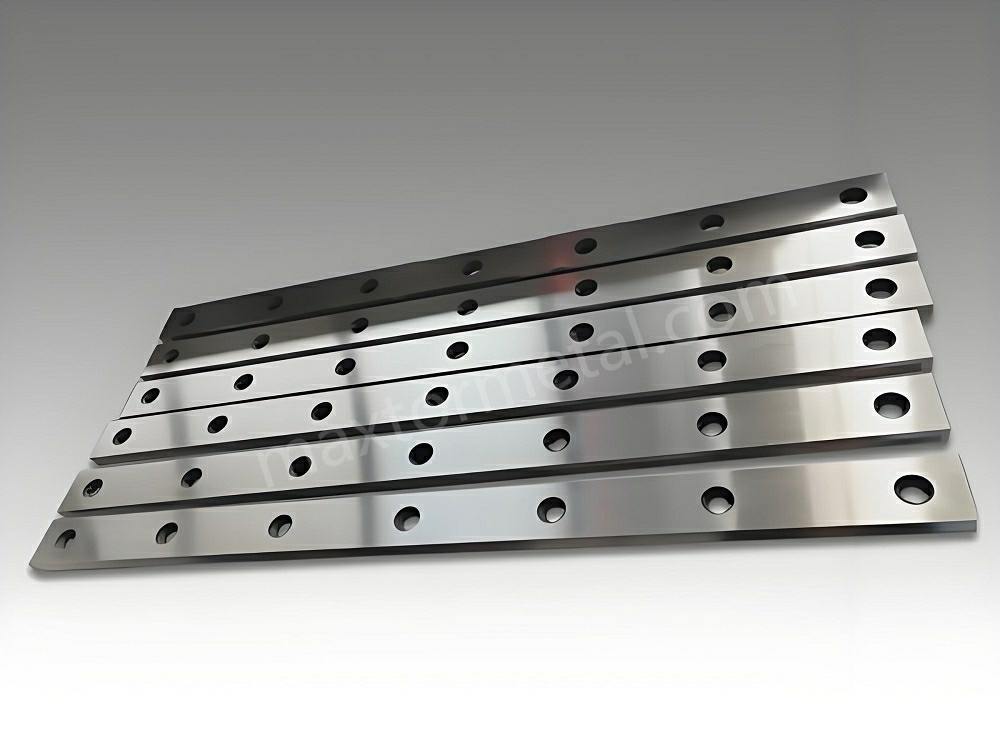
Imagine you choose the wrong blades for a job. The blades fail quickly because you did not match the material to the heat of the metal. You need to know the right blades for hot or cold metal. Metal changes when you cut it at high or low temperatures. The right blades make a big difference in safety and performance. You must think about how temperature affects the blades and the metal you cut. For hot metal, you want blades that stay strong when things get very hot. For cold metal, you want blades that do not chip or wear out fast. Metal Industrial uses heat treatment and forging to make blades that work with all types of metal. You can trust the blades to last and to cut metal cleanly. Hot vs. Cold Shearing Blades always depends on matching the blades and metal for the job.
Key Takeaways
- Pick the right blade material for the metal’s temperature. Use H13 steel for hot shearing. Use D2 or LD steel for cold shearing.
- Know that hot shearing blades must stay hard when hot. Cold shearing blades must not wear out or chip at room temperature.
- Check your blades often for wear, chips, or dullness. Replace or sharpen them if needed. This helps you get clean cuts and stay safe.
- Use the right heat treatment for your blades. This makes them stronger and last longer. It helps them work better when cutting.
- Make sure the blade shape fits your cutting job. The angle and width of the blade matter. They affect how well and how long the blade cuts.
- Use good cooling systems during hot shearing. This stops blades from getting too hot and losing their shape.
- Think about what your industry needs when picking blades. Some jobs need special blades to work best.
- Always put safety first. Wear protective gear and take care of your blades. This helps your blades last longer.
Hot vs. Cold Shearing Blades: Material Selection
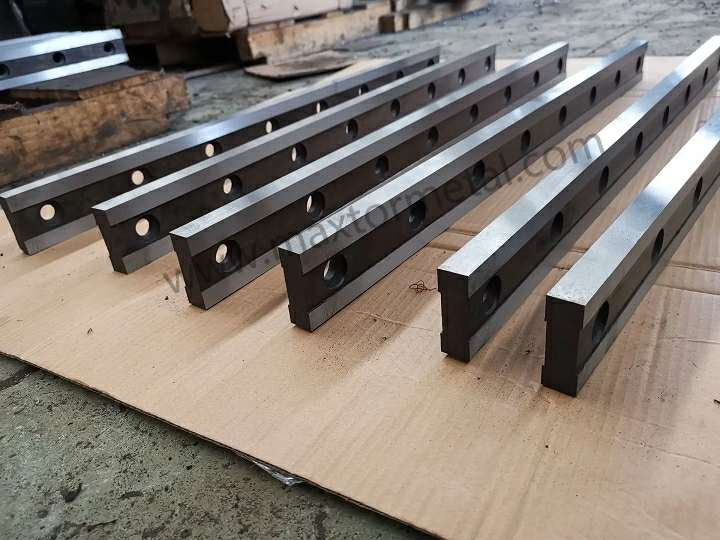
Picking the right blades for hot vs. cold shearing blades is very important. It helps you cut metal safely and easily. You must choose a blade material that matches the metal’s temperature. This choice changes how long your blades last and how well they cut. It also keeps your work area safe. Nanjing Metal Industrial has many shear blades for hot and cold jobs. They use strong steel and special heat treatment.
Suitable Materials for Hot Shearing Blades
Hot shearing blades need to work in high heat. They must not lose their shape or strength. When you cut hot metal, the blade gets very hot and faces a lot of pressure. Not every steel can handle this. You need a blade that stays hard and does not get soft.
H13 Steel Properties
H13 steel is a great pick for hot shearing blades. It has special elements that help it stay strong in heat. It does not crack and keeps its edge when cutting red-hot metal. The table below shows what H13 steel and another alloy can do:
| Material | Blade Hardness | Quenching Temperature | Tempering Temperature |
|---|---|---|---|
| H13 Steel | HR56 ~ 58 | 1050 ~ 1080℃ | 530 ~ 560℃ |
| 6CrW2Si Alloy | HRC56 ~ 60 | 860 ~ 900℃ | 285 ~ 229℃ |
You can see H13 steel stays hard after heat treatment. This helps the blade cut hot metal without bending or wearing out fast.
Heat Treatment and Hot Hardness
Heat treatment is very important for hot shearing blades. You heat the steel a lot, then cool it quickly. This makes the blade hard and tough. For H13 steel, the right temperature range matters:
| Process | Temperature (°F) | Temperature (°C) |
|---|---|---|
| Critical Ac1 | 1544 | 840 |
| Critical Ac3 | 1634 | 890 |
| Tempering Range | 1000-1150 | 538-621 |
| Annealing Range | 1575-1625 | 857-885 |
Hot shearing blades should work well above 500°C. H13 steel can handle these high temperatures. You can cut hot steel and other metals without losing blade quality.
Application Suitability
Use H13 steel blades to cut hot billets, slabs, or bars in steel mills. These blades are good for cutting sheet metal at high heat. They also work for tough jobs in forging and rolling mills. If you need a special blade for hot cutting, check the custom blade page.
Suitable Materials for Cold Shearing Blades
Cold shearing blades have different needs. You cut metal at room temperature, so heat is not a problem. You want blades that are tough and do not wear out fast. The blade should not chip or crack when cutting hard or thick metal.
D2, LD, 6CrW2Si Overview
Many steel types are good for cold shearing blades. D2 steel is known for not wearing out fast. LD (7Cr7Mo2V2Si) steel is strong and tough. 6CrW2Si is another good choice for cold work. The table below compares some common steels:
| Material | Mechanical Properties | Wear Resistance | Applications |
|---|---|---|---|
| LD (7Cr7Mo2V2Si) | High toughness, strength | Superior | Cold shearing applications |
| 6CrW2Si | Specific mechanical properties | Moderate | Various cold work applications |
| Cr12MoV | Good toughness and wear resistance | Moderate | Cold work dies |
| 9CrSi | Adequate toughness and wear resistance | Moderate | General shearing applications |
LD steel is great for cold shearing blades. It is strong and tough, so it lasts longer when cutting hard or thick metal.
Mechanical Properties
Cold shearing blades need to stay sharp and not chip. D2 steel has a lot of carbon and chromium, so it does not wear out fast. LD steel is balanced and can take heavy loads. 6CrW2Si is hard and easy to work with. These steels help you cut metal sheets, plates, and bars with clean edges.
Application Suitability
Use cold shearing blades made from LD, D2, or 6CrW2Si steel for cutting sheet metal, plates, and bars at room temperature. These blades are good for recycling, car, and building work. If you need a special blade for cold cutting, Nanjing Metal Industrial can help you.
Tip: Always pick the right blade material for your cutting temperature and metal type. This helps you get the best results and keeps your blades working longer.
If you know the differences in steel types and what they do, you can pick the right hot vs. cold shearing blades. This keeps your cutting safe, easy, and saves money.
Shear Blades: Temperature Limits and Thresholds
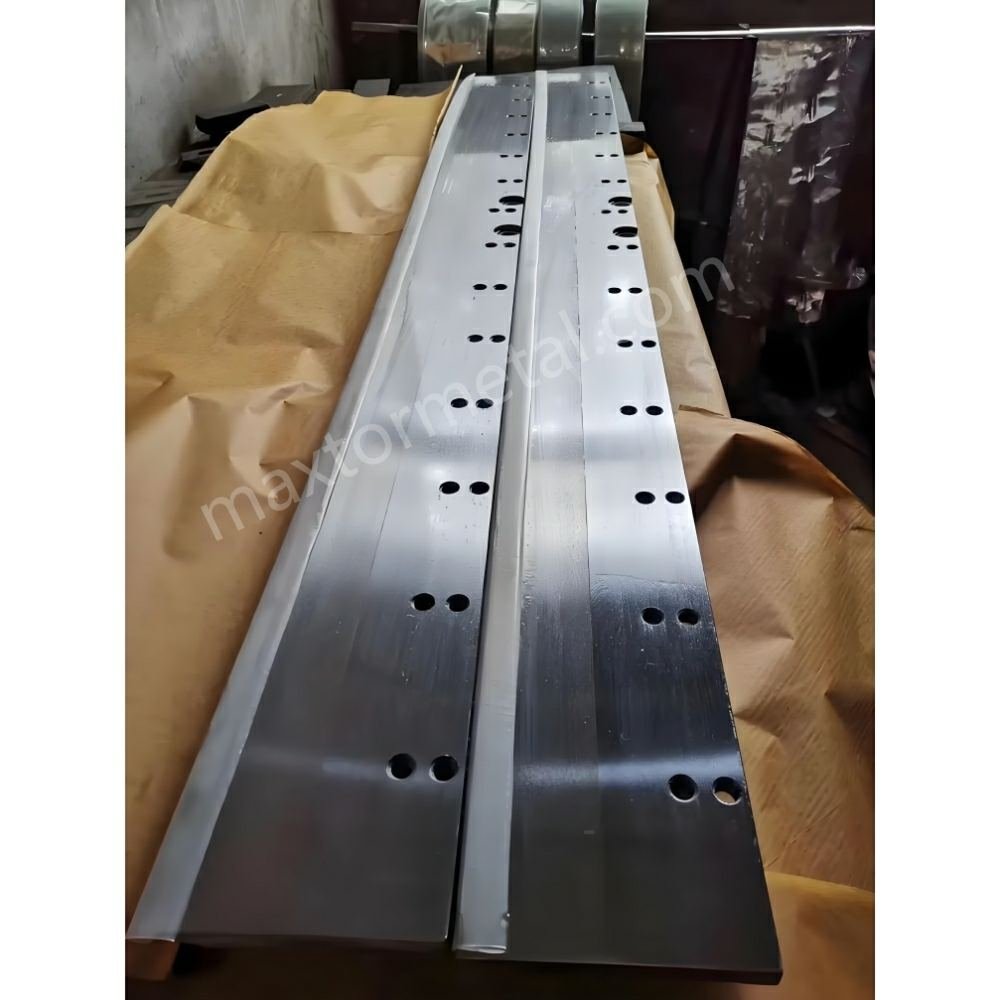
Temperature Spectrum for Shearing Blades
It is important to know the right temperature for your shearing blades. Cold shearing happens at room temperature, which is less than 150°C. Hot shearing is done at much higher temperatures, from 200°C to 800°C. Some factories can even reach up to 1000°C. The temperature you use changes how well your blades work.
| Shearing Type | Typical Temperature Range | Common Applications |
|---|---|---|
| Cold Shearing | Below 150°C | Sheet metal, bar, plate |
| Hot Shearing | 200°C – 800°C (up to 1000°C) | Billets, slabs, forging |
If you use the wrong blade for the temperature, your cuts may not be good. Your blades will also not last as long. Always check how hot your metal is before you start cutting.
Metallurgical Basis for Temperature Selection
The metal in your blades changes when it gets hot or cold. At low temperatures, steel can get brittle. This means your blades can chip or wear out faster. At high temperatures, steel can get soft. This makes your blades lose their hardness and shape. That can make your cuts worse.
You should know how temperature changes your blades:
- The temperature you use changes how strong the steel is. This affects how long your blades last and how well they cut.
- In cold places, blades can get brittle. This makes them wear out and chip faster.
- High heat can make blades get bigger. This can make your cuts less exact.
For hot cutting, you need blades that stay hard and keep their shape in heat. For cold cutting, you need blades that are tough and do not chip. The right steel and heat treatment help your blades work better and last longer.
Practical Implications for Blade Choice
You need to match your blades to the temperature of your job. If you use cold shearing blades on hot metal, they will wear out fast and may break. If you use hot shearing blades on cold metal, you may not get a sharp or tough edge.
Here are some tips to help you pick the right blades:
- Check how hot your metal is before you cut.
- Use hot work steels like H13 for cutting hot metal.
- Use cold work steels like D2 or LD for cutting at room temperature.
- Make sure your blades have the right heat treatment for your job.
- Look for signs of wear, chipping, or dullness. Change blades when needed.
Picking the right blades for your temperature keeps your cutting safe and easy. You get cleaner cuts, your blades last longer, and your work looks better.
Blade Material Comparison: Properties and Performance
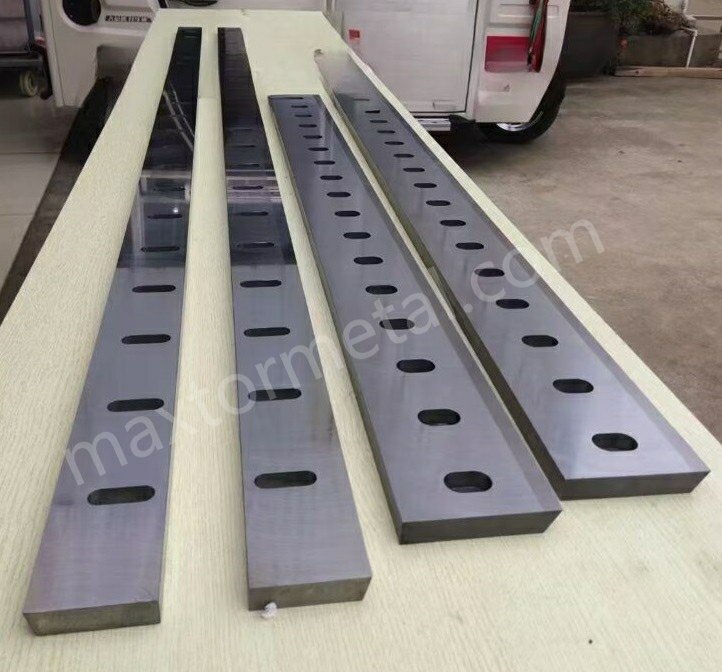
Hot vs. Cold Shearing Blades: Comparison Table
It is important to look at hot and cold shearing blades before picking one. The table below shows how these blades are different. It compares things like steel type, edge hardness, heat resistance, and what each blade is best for. This makes it easier to see which blade is right for your job. You want to cut metal with good quality and accuracy.
| Feature | Hot Shearing Blades (H13, Hot Work Steels) | Cold Shearing Blades (D2, LD, 6CrW2Si) |
|---|---|---|
| Steel Type | H13, 5CrNiMo, 3Cr2W8V | D2, LD, 6CrW2Si, Cr12MoV |
| Edge Hardness (HRC) | 56 – 58 | 55 – 62 |
| Heat Resistance | Excellent (up to 800°C) | Moderate (below 150°C) |
| Toughness | High | Moderate to High |
| Wear Resistance | Good | Superior |
| Precision Cutting | Maintains edge at high heat | Maintains sharp edge at room temp |
| Best Use | Hot billets, slabs, forging, rolling | Sheet metal, bar, plate, recycling |
| Cost | Higher due to special steel and treatment | Moderate to high |
| Common Machines | Hydraulic shearing machines, rolling mills | Hydraulic shearing machines, presses |
Mechanical Properties Overview
You want blades that last and cut well. The steel’s mechanical properties decide how the blades work. Hot shearing blades use H13 steel. This steel stays strong when it gets hot. Cold shearing blades use D2 or LD steel. These steels keep a sharp edge and do not wear out fast.
Here is a table that shows the mechanical properties of some cold shearing blade steels:
| Property | D2 Steel (AISI D2) | SKD11 Steel (JIS SKD11) |
|---|---|---|
| Tensile Strength | 1000 – 2000 MPa | 1000 – 2000 MPa |
| Yield Strength | High | High |
| Elongation (Ao) | 3 – 12% | 3 – 12% |
| Impact Toughness | Low to moderate | Low to moderate |
| Hardness (HRC) | 55 – 62 | 55 – 62 |
Hot shearing blades are made to be tough and handle heat. Cold shearing blades are made to be sharp and last a long time. Both types need to keep their edge and shape for good cutting. You should match the blade to your metal and machine for the best results and to save money.
- Hot shearing blades are used in hydraulic shearing machines for hot metal.
- Cold shearing blades give clean cuts in hydraulic shearing machines at room temperature.
Heat Treatment Specifications
Heat treatment changes the steel so blades can do hard jobs. Hot work steels and cold work steels need different heat treatments. This changes how the blade works, how sharp it is, and how much it costs.
Here is a table that shows the main heat treatment steps for each type:
| Steel Type | Hardening Temperature | Tempering Temperature | Cooling Method |
|---|---|---|---|
| Hot Work Steels | 1050 ~ 1080℃ | 520°C – 700°C | Air cooling, double tempering |
| Cold Work Steels | 950°C – 970°C | Over 180°C | Oil or salt bath |
- Hot shearing blades are heat treated at lower temperatures. This keeps them tough and stops cracks when cutting hot metal.
- Cold shearing blades are heat treated at higher temperatures. This makes the edge hard and sharp for good cutting.
Always check the heat treatment when you buy new shear blades. Good heat treatment means your blades work better, last longer, and cost less over time.
If you want more information about steel, edge design, or heat treatment, visit Nanjing Metal Industrial for help.
The right steel, edge, and heat treatment help your blades cut well. This keeps your hydraulic shearing machines working and saves you money on repairs and lost time.
Application Suitability by Industry
You should know where to use hot or cold shearing blades. Every industry needs something different. The right blades help you do your job well.
Hot shearing blades are used in many industries. These blades cut metal when it is very hot. You can find them in car factories, airplane part shops, and big building sites. The table below shows how each industry uses hot shearing blades and what they need:
| Industry | Application Requirements |
|---|---|
| Automotive | Precision cutting, operational efficiency |
| Aerospace | Material versatility, precision cutting |
| Electronics | Operational efficiency, precision cutting |
| Construction | Material versatility, operational efficiency |
In the car industry, hot shearing blades cut steel for car frames. These blades must stay sharp and strong in high heat. In aerospace, blades need to cut many kinds of metal. They must be very accurate because airplane parts must fit just right. Electronics factories use these blades to cut small, thin metal pieces. The blades must work fast and make clean cuts. In construction, blades must cut many materials. They need to last a long time and work well every day.
Cold shearing blades are also important in many industries. You use these blades to cut metal at room temperature. Recycling centers use cold shearing blades to cut scrap metal into smaller pieces. These blades must be tough and not break easily. In the car industry, cold shearing blades cut sheet metal for doors and roofs. The blades must make smooth cuts so parts fit together. Factories that build machines use cold shearing blades to cut bars and plates. The blades must stay sharp for a long time.
You need to pick the right blades for your industry. Think about what you are cutting, how hot the metal is, and how often you use the blades. The right blades help you save time and money. They also keep your work safe and your machines working well.
Tip: Always pick blades that fit your industry’s needs. This helps you get better results and makes your blades last longer.
Failure Modes: Hot vs. Cold Shearing Blades
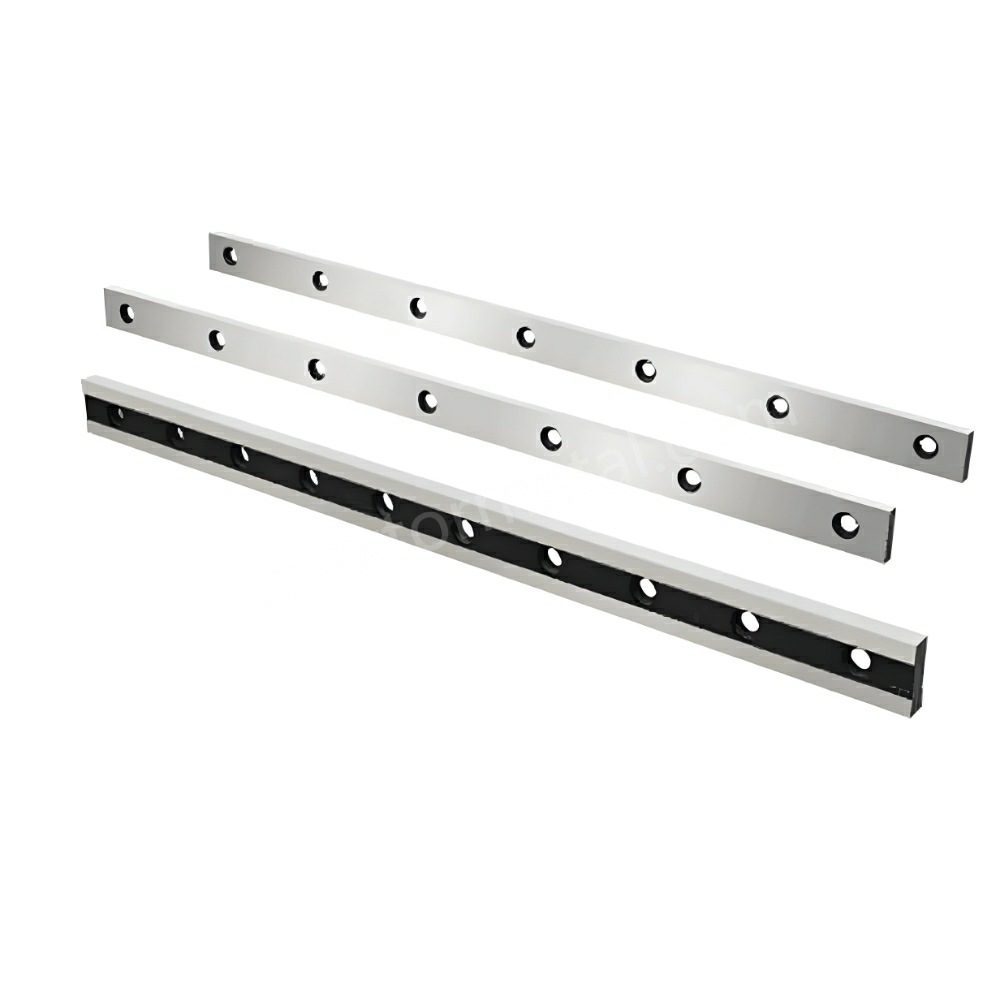
Understanding how shear blades fail helps you prevent problems and keep your machines running. You need to know what happens to blades during cold and hot shearing. Each type of blade faces different challenges because of the temperature and the properties of the steel.
Cold Shearing Blade Failures
Cold shearing blades work at room temperature. You use these blades to cut hard or thick metal. The steel in these blades must be tough and resist wear. Still, you can see several types of failure if you do not use the right steel or if you do not take care of your blades.
Chipping and Wear
You may notice small pieces breaking off the edge of your blades. This is called chipping. It happens when the steel becomes brittle or when the blade faces too much impact. Even if your blade has good toughness, it may still chip if the steel does not have enough hardness. Wear is another common problem. The edge of the blade can round off after many cuts. If the steel has less carbide, it will wear out faster. You might also see burrs or warping on the cut metal.
Here is a table that shows the most frequent failure modes for cold shearing blades and their causes:
| Failure Mode | Cause of Failure |
|---|---|
| Wear | Insufficient hardness with less carbide |
| Chipping | Excellent impact toughness does not ensure resistance |
| Deformation | Instability of retained austenite |
Failure usually starts with the edge rounding off. Material can build up on the cutting surface. This leads to faster wear and sometimes chipping or even breaking of the cutting edge. If you set the clearance wrong or do not use enough lubrication, these problems get worse.
Maintenance Strategies
You can keep your cold shearing blades working longer by following a few steps:
- Check the blade edges often for signs of wear, chipping, or burrs.
- Use the right clearance between the blades and the metal.
- Make sure you use enough lubrication during cutting.
- Sharpen the blades before the edge gets too dull.
- Replace blades made from steel that shows too much deformation or chipping.
Tip: Regular maintenance and using the right steel for your blades help you avoid costly downtime.
Hot Shearing Blade Failures
Hot shearing blades face high temperatures. You use these blades to cut metal that glows red or orange. The steel in these blades must resist heat and keep its shape. Still, you can see special types of failure when you cut hot metal.
Heat Checking and Thermal Fatigue
Heat checking happens when the blade edge gets hot and cools down many times. Small cracks form on the surface of the steel. These cracks can grow and cause the blade to fail. Thermal fatigue is the main reason for these cracks. When the temperature changes quickly, the steel expands and shrinks. This puts stress on the blade and leads to cracking. If the temperature changes by more than 110°C to 165°C, you will see more cracks.
The table below explains the main failure mechanisms for hot shearing blades:
| Mechanism of Failure | Description |
|---|---|
| Thermal Fatigue | Cracks form at the cutting edge because of temperature changes. Oxides and metal move into the cracks. |
| Corrosion Fatigue | Cracks grow because of repeated loading and a corrosive environment. Small pits join to make big cracks. |
The time it takes for a blade to fail depends on how often you use it and how much stress it faces. If you cut metal more often or with higher force, the blade will fail sooner.
Maintenance Strategies
You can slow down failure in hot shearing blades by using these strategies:
- Let the blades cool down between cuts when possible.
- Use steel with high hot hardness and good heat treatment.
- Inspect the blade edges for small cracks or signs of heat checking.
- Remove any oxide buildup from the blade surface.
- Replace blades before cracks grow too large.
Note: Good maintenance and the right choice of steel help your hot shearing blades last longer and cut better.
By understanding how shear blades fail, you can choose the right steel and take care of your blades. This keeps your machines working and your cuts clean.
Material and Geometry Trade-Offs
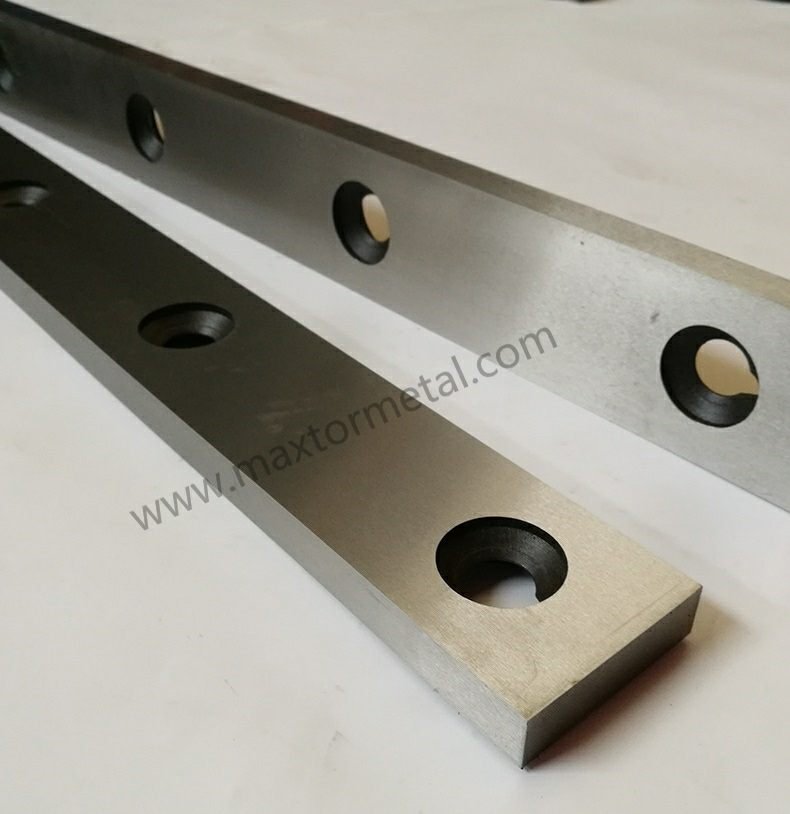
Cold Work Steels vs. Hot Work Steels
When you pick shearing blades, you have to choose between cold work steels and hot work steels. Each one is good for different jobs. Cold work steels are best for cutting at lower temperatures. Hot work steels are better when you need to cut metal that is very hot.
Here is a table to show the main differences:
| Property/Characteristic | Cold Work Steels | Hot Work Steels |
|---|---|---|
| Ideal Temperature | Up to 260°C | High temperatures |
| Composition | Higher carbon content, alloys like manganese, tungsten, molybdenum, chromium | Lower carbon content, designed for high heat resistance |
| Hardness | High hardness due to carbon content | Good hardness but designed for heat resistance |
| Applications | Fixtures, gauges, blanking and forming dies | Extrusion, forging, pressure die casting |
| Cost | Relatively low cost | Higher cost due to manufacturing processes |
| Disadvantages | Not suitable for high abrasiveness | Requires high-quality steel to avoid wear and tear |
Cold work steels are used for blades that cut at room temperature. These steels have more carbon, so they stay hard and sharp. Hot work steels are used for blades that must handle high heat. These steels do not get soft and keep their shape when things get hot. You should pick the right steel based on how hot your metal is and what you need to cut.
Performance Trade-Offs: Hardness vs. Toughness
You need to think about hardness and toughness when picking blade materials. Hardness helps the blade stay sharp and not wear out fast. Toughness helps the blade take hits and not break.
- Hardness keeps the blade edge sharp and helps it last longer.
- Toughness lets the blade handle shocks and heavy loads without cracking.
- You need both hardness and toughness for blades that work well and last a long time.
If a blade is too hard, it can chip or crack when hit. If it is too tough but not hard enough, it can get dull fast and not cut well. The best blades have both. They stay sharp and can handle cutting thick or hard metal.
Tip: Always check the hardness and toughness ratings when you choose new shearing blades. This helps you get the best performance for your job.
Blade Geometry for Shear Blades
The shape of the blade is very important for how well it cuts. The angle and width of the blade change how it works. Picking the right shape helps you get better cuts and makes the blade last longer.
Some important things to look at:
- Cutting Edge Angle/Bevel: The angle of the blade edge changes how it slices through metal. A sharper angle gives cleaner cuts but may wear faster. A wider angle lasts longer but may need more force.
- Tooth Shape and Pitch: Some blades have teeth. The shape and spacing of these teeth help control how the blade handles different materials.
- Blade Material: The material you choose affects how the blade holds its edge and resists wear.
- Blade Width: Wider blades give more strength and stability. Narrow blades can make finer cuts but may bend more easily.
Here is a table that shows how geometry affects blade performance:
| Key Finding | Description |
|---|---|
| Impact of Blade Geometry | The geometry of the upper blade affects the quality of the cut edge. |
| Shearing Angle | Keeping a steady shearing angle reduces defects and improves quality. |
| Lateral Blade Forces | Good blade design lowers side forces and stops saw-tooth edges. |
In hot rolling lines, you need the right blade shape to keep things running well and get good products. The shape and angle of the upper blade can change how smooth the cut edge is. If you keep the shearing angle steady, you get fewer problems. A good blade design helps you avoid rough, saw-tooth edges.
Note: Always match your blade geometry to your cutting job. The right shape, angle, and width help your shearing blades cut better and last longer.
If you know about these trade-offs, you can pick blades that fit your needs. You will get better cuts, blades that last longer, and a safer work area every time.
Practical Guide: Selecting Shear Blades
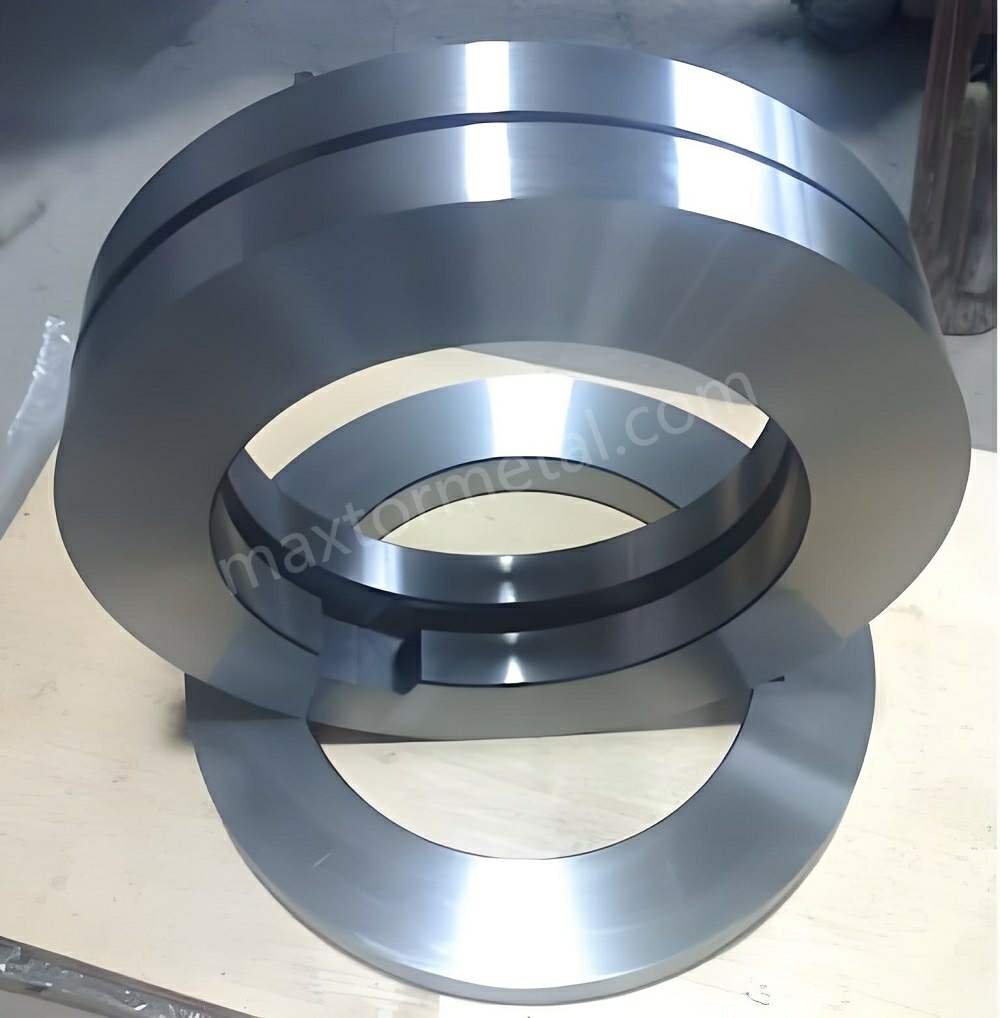
Assessing Operating Temperature
You need to know how hot or cold your cutting job is. The temperature changes how well the blade works and how long it lasts. If you cut hot metal, you need blades that can take high heat and still stay sharp. For cold cutting, you want blades that do not chip and keep their edge. Always check the temperature before you start. You can use a thermometer or look at your machine’s settings. This helps you avoid mistakes that cost more money and make your cuts worse.
Tip: If your job gets hot and cold, pick blades that work for both. This keeps your blade edge strong and your cuts neat.
Matching Blade Material to Workpiece
You need to pick a blade material that matches what you are cutting. This helps you cut better and faster. The right blade does not wear out quickly and stays sharp. Use the table below to help you pick the best blade for your job:
| Material Type | Recommended Geometry | Reasoning |
|---|---|---|
| Plastic | Wide pitch, high bevel angle | Reduces friction, avoids melting |
| Paper | Micro-serrated, thin profile | Clean cut, minimizes tearing |
| Meat/Bread | Serrated, stainless, low bevel | Preserves texture, avoids smearing |
| Rubber | Reinforced spine, wide tooth | Resists abrasion and impact |
| Metal | Carbide, thick body, steep bevel | Withstands resistance, high longevity |
If you cut metal, use carbide blades with a thick body and steep bevel. This gives you a strong edge that lasts a long time. For plastics, use a blade with a wide pitch and high bevel angle. This stops the plastic from melting and makes cutting easier. Always look at what you are cutting before you choose your blade. This saves you time and money.
Application-Specific Requirements
Every job needs a special kind of blade. You should think about what your work needs. Recycling needs tough blades that can cut many kinds of waste. Aerospace and car factories need blades that cut special materials very exactly. Food factories need blades that are easy to clean and stay sharp for safety. The table below shows what different jobs need from their blades:
| Industry | Requirements |
|---|---|
| Recycling | Strong and durable blades to cut and shred various waste materials. |
| Aerospace & Automotive | Specialized blades for cutting composite materials like carbon fiber. |
| Metalworking | High-quality blades with specific hardness and sharpness for efficient cuts. |
| Paper & Packaging | Precision blades for clean cuts and minimal waste. |
| Textile | Blades that maintain sharpness for high-quality fabric cutting. |
| Food Processing | Blades that ensure hygiene and precision in cutting food products. |
| Woodworking | Durable blades for cutting various types of wood with precision. |
You should keep your blades sharp so you do not waste time or money. Dull blades slow you down and waste material. Picking the right blade keeps your machines working and saves you from repairs. If you need a special blade, you can ask for one to be made just for you. Nanjing Metal Industrial can make custom blades and checks their quality.
Note: Always pick a blade that fits your job and what you are cutting. This gives you better results, saves money, and helps you work faster.
Customization and Quality Control
You may need blades that fit your special job. Not every cutting task is the same. Sometimes, you work with unique materials or need a certain size. Customization helps you get blades that match your needs. Metal Industrial offers many options for custom blades. You can choose the steel type, blade shape, and edge design. This lets you cut better and makes your work safer.
When you order custom blades, you should think about what you cut most often. You can talk to experts about the right steel and blade geometry. They can help you pick the best edge angle or tooth shape. You may need a thicker blade for tough jobs or a sharper edge for fine cuts. Custom blades can also have special coatings to reduce wear and make cleaning easier.
Quality control is very important for blades. You want blades that last a long time and do not fail early. Good quality control starts with how the blades are made. Metal Industrial uses advanced heat treatment and forging. This gives the blades the right balance of hardness and toughness. Every blade goes through strict checks before it leaves the factory.
You also need to install and care for your blades the right way. The table below shows some key quality control steps you should follow:
| Quality Control Measure | Description |
|---|---|
| Precision Installation | Make sure you set up blades on a clean, flat, and even surface. This stops early failures. |
| Scientific Maintenance | Regrind blades on time and use professional services. This keeps the edge sharp and the shape correct. |
| Monitoring Performance | Watch for signs like bigger burrs or changes in cutting noise. These tell you when to regrind blades. |
You should check your blades often. Look for dull edges, cracks, or changes in how the blades cut. If you see problems, fix them right away. This helps you avoid bigger issues and keeps your machines running.
Custom blades and good quality control help you get the best results. You cut faster, waste less material, and keep your work safe. If you need help, you can ask Metal Industrial for advice or special blade designs. They can guide you through the process and make sure your blades fit your job.
Tip: Always follow the right steps for installing, maintaining, and checking your blades. This keeps your blades working longer and saves you money.
Machine and Process Requirements
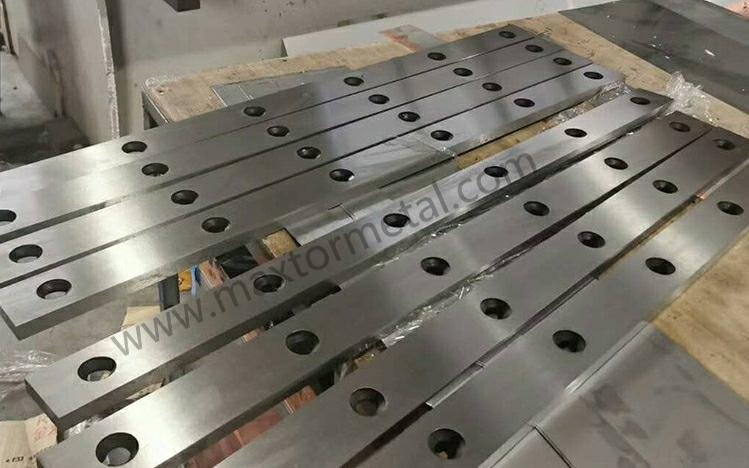
Cooling Systems for Hot Shearing
Hot shearing creates a lot of heat. You need to control this heat to keep your shear blades strong and sharp. Cooling systems help you do this. Water jets, air blowers, or oil sprays can cool the blades during cutting. These systems lower the temperature fast. This stops the blades from getting too soft or losing their shape.
You should check your cooling system often. Make sure water or air flows evenly over the blade edge. If you see steam or smoke, the blade may be too hot. Adjust the cooling system right away. Good cooling keeps your shear blades working longer and gives you cleaner cuts.
Tip: Use a cooling system that matches your machine size and the type of metal you cut. This helps your blades last longer and keeps your work safe.
Rigidity for Cold Shearing
Cold shearing needs a strong and steady machine. Rigidity means the machine does not bend or shake when you cut. A heavy frame gives you more rigidity. This helps your shear blades cut straight and clean.
- A heavy machine frame resists bending and absorbs vibrations. This is important when you cut thick or hard metal.
- A solid frame keeps the gap between the blades the same. This gives you better edge quality and straight cuts.
- Good rigidity lowers vibrations. This means your shear blades and machine parts wear out slower. You spend less time and money on repairs.
If your machine shakes or moves, your cuts will not be straight. The blades can chip or wear out fast. Always check that your machine is set up on a flat, solid floor. Tighten all bolts and check for loose parts before you start.
Note: A rigid machine helps your shear blades last longer and gives you better results every time.
Integrating Shear Blades with Machine Design
You need to match your shear blades to your machine for the best cutting. Think about the material you cut, the blade shape, and how you install the blades.
- Match the blade material to what you cut. Hard metals need tough blades. Softer metals need blades with a sharp edge.
- Pick the right blade geometry. The rake angle, clearance, and edge radius all change how the blade cuts.
- Use calibrated tools to set the blades. Check the gap between the blades often. This keeps your cuts clean and stops damage.
- Sharpen your blades on a regular schedule. Look for cracks or dull edges and fix them before they get worse.
- Train your team on safety. Always use gloves, goggles, and other protective gear when working with shear blades.
Tip: Good machine design and blade care help you cut faster, safer, and with less waste.
When you set up your machine and shear blades the right way, you get better cuts and longer blade life. You also keep your team safe and your work on schedule.
Now you can tell the big differences between hot and cold shearing blades. Hot shearing blades use alloy tool steel. This helps them work well in high heat. Cold shearing blades use carbon-bonded or low-alloy tool steel. These steels are hard and cost less.
| Material Type | Suitable For | Hardness (HRC) | Temperature Resistance |
|---|---|---|---|
| Carbon-bonded tool steel | Cold-rolled plates | 57-59 | Low |
| Low-alloy tool steel | Hot-rolled plates | 58-62 | Medium |
| Alloy tool steel | Hot-cutting, billets | High | High |
Heat treatment is important. It keeps your blades sharp and strong. To pick the right shear blade, you should:
- Choose a blade material that matches what you cut.
- Check your machine and how hot your job gets.
- Make sure the blade has good heat treatment.
- Look at your blades often to check for problems.
If you need special blades or help, contact Metal Industrial’s sales engineer. You will get blades that work for your job and keep you safe.
FAQ
What is the main difference between hot and cold shearing blades?
Hot shearing blades work best at high temperatures. Cold shearing blades cut metal at room temperature. You need to match the blade to the temperature of your job for the best results.
How do I know which blade material to choose?
Check the temperature of your workpiece. Use H13 steel for hot shearing. Pick D2, LD, or 6CrW2Si for cold shearing. Always match the blade material to your cutting needs.
Why does heat treatment matter for shearing blades?
Heat treatment makes shearing blades stronger and more durable. It helps the blade keep its shape and sharpness during cutting. Good heat treatment means your blades last longer.
How often should I replace or sharpen my shearing blades?
Inspect your blades often. Replace or sharpen them when you see dull edges, chips, or cracks. Regular maintenance keeps your cuts clean and your machines safe.
Can I use the same shearing blades for different materials?
You should not use the same blade for all materials. Each material needs a special blade type. Using the wrong blade can cause fast wear or breakage.
What happens if I use cold shearing blades on hot metal?
Cold shearing blades can lose hardness or break if you use them on hot metal. Always use hot shearing blades for high-temperature jobs to avoid damage.
How do I keep my shearing blades in good condition?
Clean your blades after each use. Store them in a dry place. Check for damage before every job. Follow the manufacturer’s care tips for longer blade life.
Do blade geometry and angle affect cutting quality?
Yes. The shape and angle of your shearing blades change how they cut. A sharper angle gives cleaner cuts. A wider angle lasts longer. Pick the right geometry for your job.
See Also
Achieving Zero-Burr Cuts with Precision Guillotine Shear Blades
D2 Shear Blades: Why D2 Steel is King for Cold Metal Cutting
Guillotine vs. Shear Blades: What’s the Difference and Which is Best for Your Job?
Shear Blade Material Guide: D2 vs. A2 vs. 5160 vs. Carbide — What’s the Best Choice?
How to Troubleshoot Common Issues with Hydraulic Scrap Shear Blades in 2025

 English
  Spanish
  Italian
  French
  Portuguese
  Russian
  German
  Arabic
  Hindi
Hindi  Vietnamese
  Indonesian
  Japanese
  Korean