

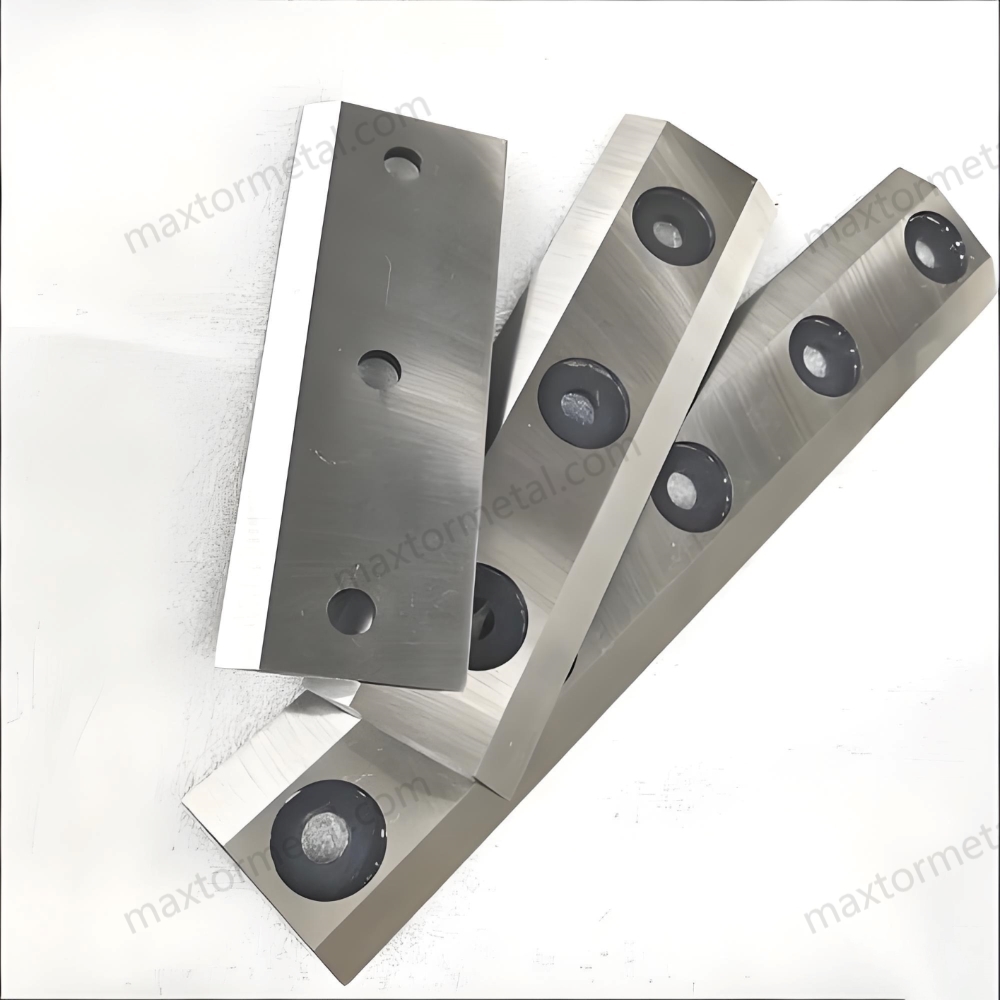
When you pick the right material pisau chipper, you make an important choice for how well it works and how much it costs. Most people in the industry suggest D2 tool steel because it lasts a long time. There are also better choices like DC53, high-speed steel, and tungsten carbide inlays. These can last even longer and handle hard hits better. Companies like Nanjing Metal Industrial have many types of steel to fit what you need. Picking the best one can help you change blades less often, spend less time fixing them, and make the blades last longer. This is very helpful in commercial wood chipping, where carbide-tipped blades can last up to 50% longer.
Poin-poin Utama
- Picking the right chipper blade material changes how well it works and how much it costs. D2 tool steel is a favorite because it is strong and not too expensive.
- Hardness and toughness are very important. Hard blades stay sharp for a long time. Tough blades do not chip or crack easily.
- High wear resistance is needed for cutting hardwoods. D2, HSS, and tungsten carbide make blades last longer.
- Impact resistance matters for hard jobs. DC53 tool steel is great for sudden hits from knots or metal.
- Corrosion resistance helps blades last longer in wet places. Stainless steels and high-chromium tool steels do not rust easily.
- Taking care of blades and sharpening them keeps them working well. Use the right tools so the blade does not get too hot and weak.
- Custom blades can help blades work better. Pick the right material and shape for each job to get better results.
- Buying better materials saves money in the long run. They last longer and you do not need to fix or replace them as often.
Chipper Blade Material: Key Properties
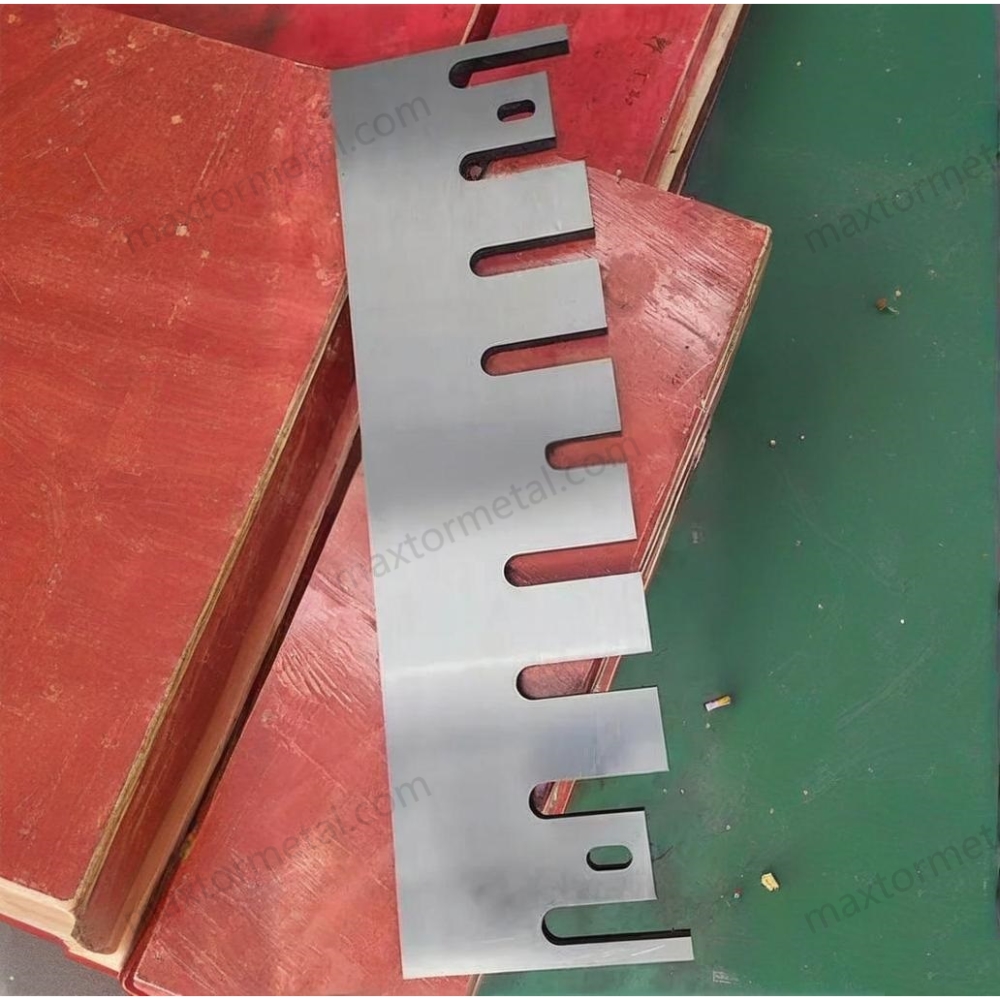
When you pick a chipper blade, you should know what makes it work well and last long. These things are hardness, toughness, wear resistance, corrosion resistance, and how easy it is to sharpen and take care of the blade. Each thing helps your blade work better with different wood and in different places.
Kekerasan vs. Ketangguhan
Hardness and toughness are both important for chipper blades. Hardness means the blade does not wear down fast. Toughness means the blade can take hits without breaking.
- High-hardness materials like High-Speed Steel (HSS) and Tungsten Carbide stay sharp for a long time. These blades do not wear out quickly, even if you use them a lot.
- Steels like DC53 are tougher and can take more shocks. If you cut wood with knots or hidden metal, you want a blade that does not chip or crack.
- When a blade is harder, it can get more brittle. This means it might break if it hits something hard.
- If a blade is too tough, it may not last as long before it needs sharpening. You might have to sharpen it more often.
Ketahanan Aus
Wear resistance means the blade stays sharp after cutting lots of wood. You want high wear resistance if you cut hardwoods or use your chipper for many hours. D2 tool steel, HSS, and Tungsten Carbide are good for wear resistance. These materials help you change blades less and save money on fixing them.
Tip: Check your blades often for nicks, chips, or cracks. This helps you find problems early and keeps your chipper working well.
| Faktor | How It Affects Blade Life |
|---|---|
| Wood Type and Hardness | Hard woods (like oak) wear blades faster than soft woods (like pine). |
Tahan Benturan
Impact resistance shows how well a blade can take sudden hits. If you chip wood with nails, rocks, or knots, you need a blade with high impact resistance. DC53 tool steel is very good at this. It helps stop the blade from breaking in tough jobs. Sometimes, blades with high impact resistance do not last as long as harder blades, but they are safer from breaking.
Tahan korosi
Corrosion resistance matters if you work where it is wet or humid. Blades that resist rust last longer and do not need to be replaced as much. This is important in places like pulp and paper factories, where there is a lot of moisture.
| Keuntungan | Keterangan |
|---|---|
| Extended Lifecycle | Using better materials instead of regular steel can make parts last two or three times longer. |
| Reduced Maintenance Intervals | Stronger materials mean you do not have to replace or fix blades as often. |
| Efisiensi Biaya | You save money because you do not have to stop work or pay for repairs as much. |
If you use blades that do not rust, you spend less time and money fixing them. You also do not have as many surprise problems.
Penajaman dan Perawatan
Easy sharpening and simple care help your chipper work without long stops. Harder blades like HSS and Tungsten Carbide do not need sharpening as much because they last longer. But you might need special tools to sharpen these blades.
| Bahan Pisau | Sharpening Frequency (Tons Processed) | Replacement Cycle (Months) |
|---|---|---|
| HSS | 20 to 80 | 2 to 6 |
| Karbida Wolfram | Tidak tersedia | Tidak tersedia |
| D2 | Tidak tersedia | Tidak tersedia |
| DC53 | Tidak tersedia | Tidak tersedia |
- CBN grinding wheels and aluminum-oxide wheels are good for sharpening hard blades. These tools stop the blade from getting too hot and keep it strong.
- Storing blades the right way stops rust and tiny cracks.
- Keeping track of maintenance helps you know when to change blades and avoid long stops.
Taking care of your blades is very important if you want them to last. It helps you find problems before they get worse. If you use blades that resist wear and abrasion, you can cut more wood without stopping as much.
Chemical Composition of Chipper Blade Material
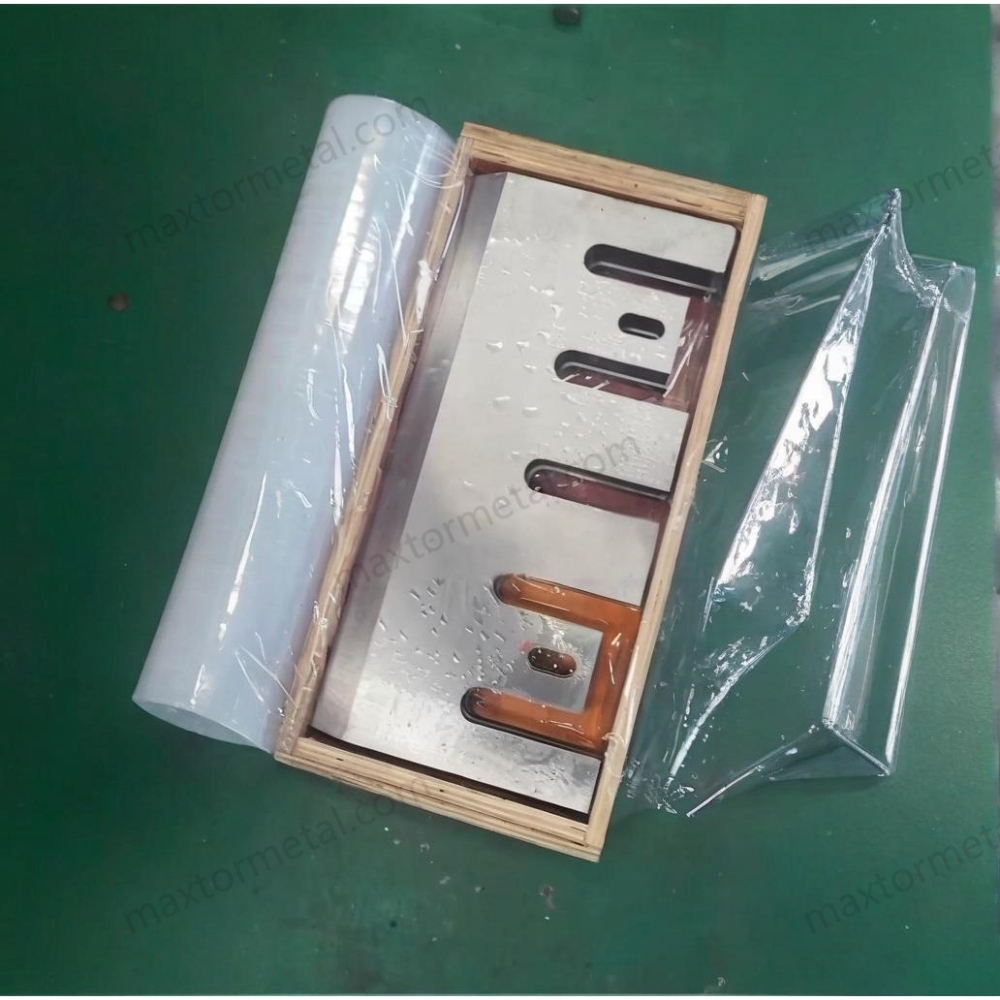
Knowing what is inside your chipper blades helps you pick the right one. The steel’s chemical makeup affects how well the blade cuts and lasts. Each element in the steel does something important.
Kandungan Karbon
Carbon steel is used in most chipper blades. It gives a good mix of hardness and toughness. The amount of carbon changes how the blade acts. More carbon makes the blade harder and keeps it sharp longer. Less carbon lets the blade bend more before breaking.
Pick the carbon level that fits your job. Medium-carbon steel works for softwood. High-carbon steel is better for hardwood or dirty wood. Nanjing Metal Industrial has many carbon steel choices. You can pick what matches your machine and work. If you need something special, you can look at their solusi bilah khusus.
Chromium, Molybdenum, Vanadium
High chromium tool steel is great for chipper blades. Chromium makes steel harder and stops rust. Molybdenum and vanadium help the blade last longer and work better.
- Chromium makes blades harder and stops rust.
- Molybdenum makes blades tougher and keeps them sharp.
- Vanadium forms hard carbides, so blades resist wear.
Here is a table that shows what each element does:
| Element | Contribution to Steel Properties |
|---|---|
| Kromium | Makes steel resist rust and get harder. |
| Molibdenum | Makes steel tougher and helps it last longer. |
| Vanadium | Helps blades stay sharp and resist wear. |
High chromium tool steel helps blades last longer and work in tough jobs. Many blades from Nanjing Metal Industrial use these alloys for strength and durability.
Other Alloying Elements
Other elements also help make blades better. Silicon is one of these. It cleans the steel and makes it stronger and more flexible. This gives you a cleaner and tougher blade.
Nickel can be added to make blades tougher and stop them from breaking. Each extra element changes the steel a little. Together, they make a big difference.
Tip: Always check what is in your blades before you buy. The right mix of elements helps your blade work better and last longer.
When you know what is in your chipper blade, you can choose the best one for your job. Whether you need a basic carbon steel blade or a high chromium tool steel, knowing the chemistry helps you get good results.
Comparing Steel Types for Wood Chipper Blades
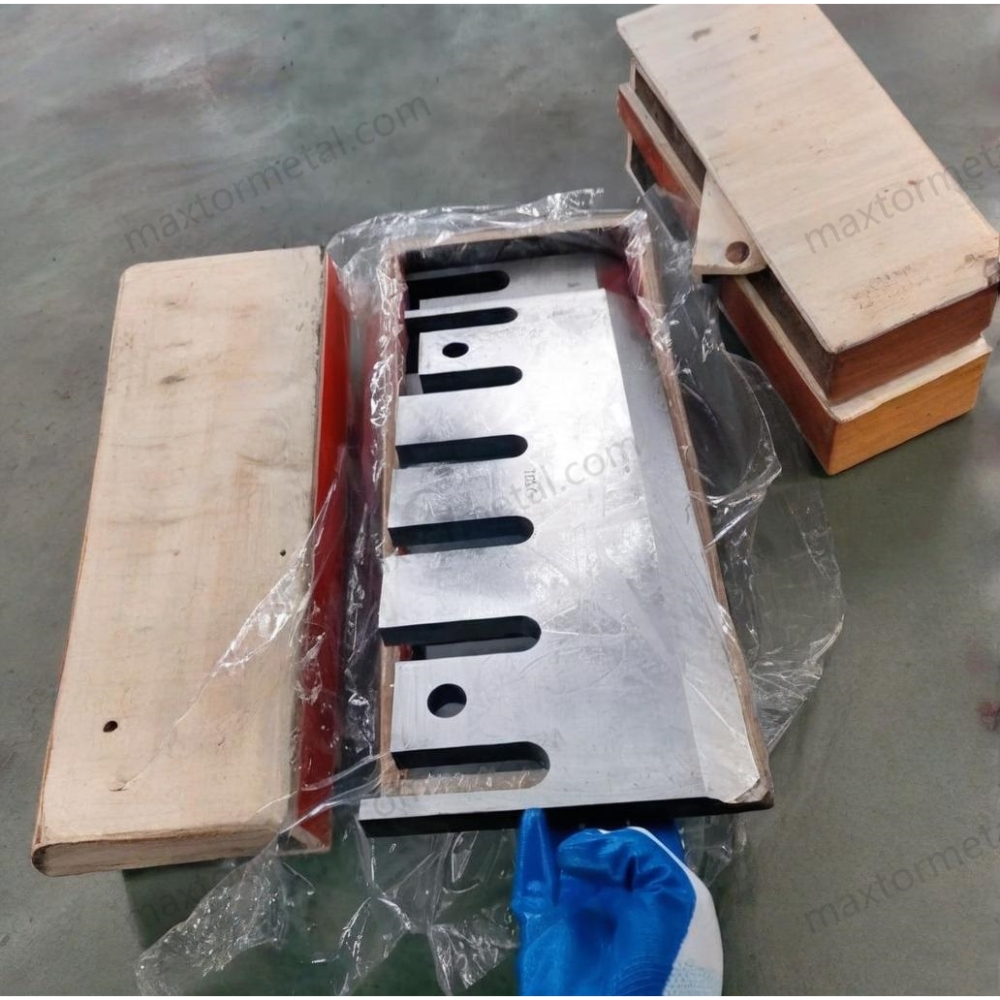
When you choose wood chipper blades, you want to know how each steel type performs. The right steel affects how long your blades last, how often you need to sharpen them, and how much you spend over time. Let’s look at three common high-grade steel alloys used for wood chipping.
Baja Perkakas D2
D2 tool steel is a popular choice for wood chipper blades. You see it used in many machines because it balances cost and performance.
Key Features of D2 Tool Steel:
- Excellent wear resistance. D2 blades stay sharp for a long time, even when you chip a lot of wood.
- High hardness (about 60-62 HRC). This means the blade keeps a keen edge and does not dull quickly.
- Moderate toughness. D2 can handle most clean wood, but it may chip if you hit hard knots or metal.
- Good corrosion resistance, but not as strong as stainless steel. You need to keep D2 blades dry to prevent rust.
- D2 blades need special sharpening tools, like diamond sharpeners, because of their hardness.
Kelebihan:
- Withstands abrasion and heavy use.
- Reduces how often you need to sharpen.
- Cost-effective for most wood chipping jobs.
Kontra:
- Needs more care in wet or humid places.
- Can be harder to sharpen without the right tools.
Tip: If you process clean, soft, or medium-hard timber, D2 tool steel gives you a great mix of wear resistance and value.
Baja Perkakas DC53
DC53 tool steel is an advanced option for wood chipper blades. You pick DC53 when you need more toughness and longer blade life.
Key Features of DC53 Tool Steel:
- Superior toughness. DC53 resists chipping and cracking, even if you hit knots or small metal pieces.
- High hardness (52-62 HRC). You get a blade that stays sharp but also bends a little under stress instead of breaking.
- Balanced wear resistance. DC53 blades last a long time and handle shock loads better than D2.
- Handles a wider range of wood types, including hardwoods and mixed feedstock.
Kelebihan:
- Withstands impact and shock better than D2.
- Lasts longer in tough conditions.
- Reduces the risk of sudden blade failure.
Kontra:
- Costs more than D2, but you save money by changing blades less often.
Note: If you work with wood that has knots, nails, or mixed hardness, DC53 tool steel is a smart choice. Many Nanjing Metal Industrial customers pick DC53 for custom blades when they need extra durability.
Comparison Table: D2 vs. DC53 Tool Steel
| Milik | Baja Perkakas D2 | Baja Perkakas DC53 |
|---|---|---|
| Ketahanan Aus | Bagus sekali | Balanced with high toughness |
| Kekerasan | Sedang | Unggul |
| Kekerasan (HRC) | 60 – 62 | 52 – 62 |
| Tahan korosi | Good (not stainless) | Bagus |
| Biaya | Lebih rendah | Lebih tinggi |
| Penggunaan Terbaik | Kayu bersih, lunak hingga agak keras. | Mixed or contaminated feedstock |
A8 and A6 Tool Steel
A8 and A6 tool steels are less common but still useful for some wood chipper blades. You might choose these if you want a balance between wear resistance and toughness.
A8 Tool Steel:
- Offers good toughness and moderate wear resistance.
- Handles impact better than D2, but does not stay sharp as long.
- Works well for chipping dirty or recycled wood.
A6 Tool Steel:
- Slightly softer than A8, but easier to machine and sharpen.
- Provides decent wear resistance for lighter-duty jobs.
When to Choose A8 or A6:
- You process wood with lots of contaminants.
- You want blades that are easier to sharpen.
- You need a lower-cost option for less demanding work.
Tip: If you want to explore more steel options or need a custom solution, Nanjing Metal Industrial can help you design the right blade for your machine and material.
Summary Table: Steel Types for Wood Chipper Blades
| Jenis Pisau | Ketahanan Aus | Kekerasan | Biaya | Best Application |
|---|---|---|---|---|
| Baja Perkakas D2 | Bagus sekali | Sedang | Lebih rendah | Kayu bersih, lunak hingga agak keras. |
| Baja Perkakas DC53 | High (with toughness) | Unggul | Lebih tinggi | Mixed or contaminated feedstock |
| A8 Tool Steel | Bagus | Bagus | Sedang | Dirty or recycled wood |
| A6 Tool Steel | Decent | Sedang | Lebih rendah | Light-duty, easy-to-machine applications |
You can see that each steel type offers a different mix of wear resistance, toughness, and cost. Think about your wood chipper blades’ working conditions and choose the steel that fits your needs best.
High-Speed Steel (HSS) Inlay
High-Speed Steel (HSS) inlay is a great choice for chipper blades when you need them to last and work well in hard jobs. HSS is used in blades that cut hardwood, dirty wood, or wood with small metal pieces. HSS has more tungsten, molybdenum, and vanadium than regular tool steels. These things make the blade harder and help it stay sharp longer.
When you pick HSS inlay for your wood chipper blades, you get many good things:
- Superior Hardness: HSS blades are very hard. You do not have to sharpen them as much, so you can chip more wood.
- Ketahanan Aus yang Sangat Baik: The blade does not wear down fast from wood fibers or dirt. You can use it longer before it gets dull.
- Good Toughness: HSS inlay blades can take hits better than many other hard steels. You do not have to worry as much about chips or cracks.
- Longer Service Life: You change blades less often. This saves you money and means your chipper works more.
Tip: If you use a chipper in a busy place or chip mixed wood, HSS inlay blades help your work go smoothly.
| Fitur | HSS Inlay Blade Benefit |
|---|---|
| Kekerasan | Stays sharp after heavy use |
| Ketahanan Aus | Handles abrasive wood and contaminants |
| Kekerasan | Resists chipping and cracking |
| Pemeliharaan | Needs less frequent sharpening |
You might pay more for HSS inlay blades than for regular tool steel blades. But the extra money is worth it because the blades last longer and you stop less for repairs. Many custom chipper blades use HSS because it is hard, tough, and does not wear out fast. Buying good chipper blade material like HSS helps you avoid dull blades and keeps your chipper safe.
Inlay Karbida Tungsten
Tungsten Carbide inlay is the toughest chipper blade material. You pick this when you want blades that last the longest and can do the hardest jobs. Tungsten carbide is much harder than steel. It does not wear down or get scratched as fast as other blade materials.
You see tungsten carbide inlay blades in big chippers and places that chip a lot of wood. These blades work well with hardwood, dirty wood, and even wood with nails or stones. You get many good things:
- Extreme Wear Resistance: Tungsten carbide blades stay sharp for thousands of cuts. You do not need to sharpen or change them often.
- Maximum Hardness: The blade stays sharp even when you chip tough stuff.
- Outstanding Service Life: You can chip more wood before you need new blades.
- Mengurangi Waktu Henti: You spend less time fixing blades and more time working.
| Bahan Pisau | Ketahanan Aus | Kekerasan | Biaya | Kasus Penggunaan Terbaik |
|---|---|---|---|---|
| Inlay Karbida Tungsten | Luar biasa | Sedang | Paling tinggi | High-volume, industrial jobs |
Note: Tungsten carbide inlay blades cost more than other chipper blade materials. You need special tools to sharpen them. If you run a big chipper, the higher price is worth it because you save time and do not need to buy new blades as much.
You see these blades in paper mills, energy plants, and recycling centers. When you want the best and longest-lasting blades, tungsten carbide inlay is the best choice.
LSS and Other Specialty Steels
Sometimes you need special steels for custom chipper blades. LSS (Low-Speed Steel) and other high-carbon tool steels like A8B have special benefits. Specialty steels mix hardness, wear resistance, and toughness to fit what you need.
These steels are good if you chip wood with lots of dirt or want blades that last longer. Specialty steels usually cost more than regular ones, but they help you avoid dull blades and changing them all the time. You get better blades and safer chipping.
- High-Carbon Tool Steels: D2, A8B, and HSS are top choices. They are very hard and do not wear out fast.
- Custom Alloys: You can ask for blades with special elements for your job.
- Quality Matters: Cheap blades use lower-grade steel and get dull fast. Good chipper blade material helps your chipper work safely and well.
Tip: Always check the steel grade and heat treatment before you buy chipper blades. Good specialty steels help you get the best results and spend less on repairs.
| Jenis Baja | Kekerasan | Ketahanan Aus | Kekerasan | Biaya | Aplikasi |
|---|---|---|---|---|---|
| LSS | Sedang | Sedang | Tinggi | Sedang | Custom, specialty jobs |
| High-Carbon Tool Steel | Tinggi | Tinggi | Bagus | Lebih tinggi | Premium, heavy-duty use |
You can work with suppliers to make blades that fit your chipper and the wood you chip. Specialty steels give you more choices and help you solve hard chipping problems.
Industrial Wood Chipper Blades: Industry Applications

Forestry and Logging
You work in forestry and logging when you need to turn large logs and branches into chips. The raw wood can be tough, dirty, or even frozen. You need industrial wood chipper blades that can handle these challenges. The right steel alloy helps your blades last longer and cut better.
Ini adalah sebuah table that shows which steel alloys work best for forestry and logging:
| Steel Alloy | Karakteristik |
|---|---|
| A8 | Good wear resistance and toughness |
| S7 | High toughness, handles heavy-duty jobs |
| High-carbon steels | Balanced wear resistance and toughness |
| Tungsten carbide-tipped | Extreme durability for demanding conditions |
You want blades that do not break when they hit knots or rocks. A8 and S7 steels give you toughness and strength. High-carbon steels help your blades stay sharp. Tungsten carbide-tipped blades work well if you need the most durability. You can ask for pisau khusus shapes to fit your chipper machine. This helps you get the best results in the forest.
Pulp and Paper
You use wood chips to make paper and pulp. The quality of your chips matters a lot. You want chips that are even and clean. The type of wood you use can change. Sometimes you use softwood, sometimes hardwood. Each type needs a different blade.
When you pick industrial wood chipper blades for pulp and paper, you look for:
- Durability and wear resistance. Your blades must last through many cuts.
- The right blade for each wood type. This helps you get the best chips.
- High-quality chips. Good blades make chips that help you make better pulp.
You can choose from different steel alloys to match your wood and your machine. You may need a tougher blade for hardwood or a sharper blade for softwood. Custom blades help you get the right fit for your chipper.
Tip: Always check your blade’s sharpness. Sharp blades make better chips and help your machine run smoothly.
Biomass and Energy
You use wood chips to make energy in biomass plants. The work is hard on your equipment. You need industrial wood chipper blades that can handle wet, dirty, or even hot conditions. The right blade material helps your blades last longer and work better.
In biomass and energy, you want blades with these properties:
- Corrosion resistance. Your blades must not rust in wet or harsh places.
- Durability. Long-lasting blades save you time and money.
- High-temperature strength. Your blades must work well even when things get hot.
Stainless steels like 304 and 316 are good choices. They do not rust easily and can handle high heat. You can also ask for custom blades to fit your chipper and your fuel type. This helps you get the most from your wood chipper blades and keeps your plant running.
Note: Picking the right blade material helps you cut more wood, save money, and keep your machines working longer.
Recycling and Municipal Use
When you chip wood in recycling centers or for city waste, you have special problems. The wood often has nails, screws, dirt, and small rocks inside. These things can hurt normal blades fast. You must pick the right material pisau chipper to keep your machines working and save money.
For recycling and city jobs, you need blades that do hard work. Contaminants mean you want blades with high wear resistance and durability. If you pick the wrong material, you will fix or replace blades more often. This costs more time and money.
Some of the best material pisau chipper choices for recycling and city wood chipping are:
- Baja Perkakas D2: This steel has a lot of carbon and chromium. It gives great wear resistance. You can chip rough wood without making the blade dull fast.
- SKD-11: This steel is tougher and also resists wear well. It is good for chipping mixed materials. You can use it when you do not know what is in the wood.
- H13 Hot Work Steel: This steel stays hard even when it gets hot. It stops the blade edge from wearing out during heavy use.
Tip: Always look at your wood for big metal pieces before chipping. Even the best material pisau chipper can break if it hits big bolts or thick steel.
You might need to change the blade shape or size for your recycling machine. Many companies make custom blade designs. You can match the blade to your chipper and the waste you chip. This helps you get better results and stay safe.
Here is a table to compare material pisau chipper for recycling and city use:
| Bahan Pisau | Ketahanan Aus | Kekerasan | Terbaik Untuk |
|---|---|---|---|
| Baja Perkakas D2 | Tinggi | Sedang | Abrasive, dirty wood |
| SKD-11 | Tinggi | Tinggi | Mixed-material, unpredictable feed |
| H13 Hot Work Steel | Tinggi | Tinggi | High-volume, hot operations |
You want your chipper to work with less stopping. Picking the right material pisau chipper helps you chip more wood, save money, and keep your team safe. If you need a special blade for your recycling job, you can ask for custom options to fit your needs.
Note: Check your blades often and do regular care. This helps you find problems early. Your chipper will last longer and work better.
Blade Material Impact on Performance and Cost
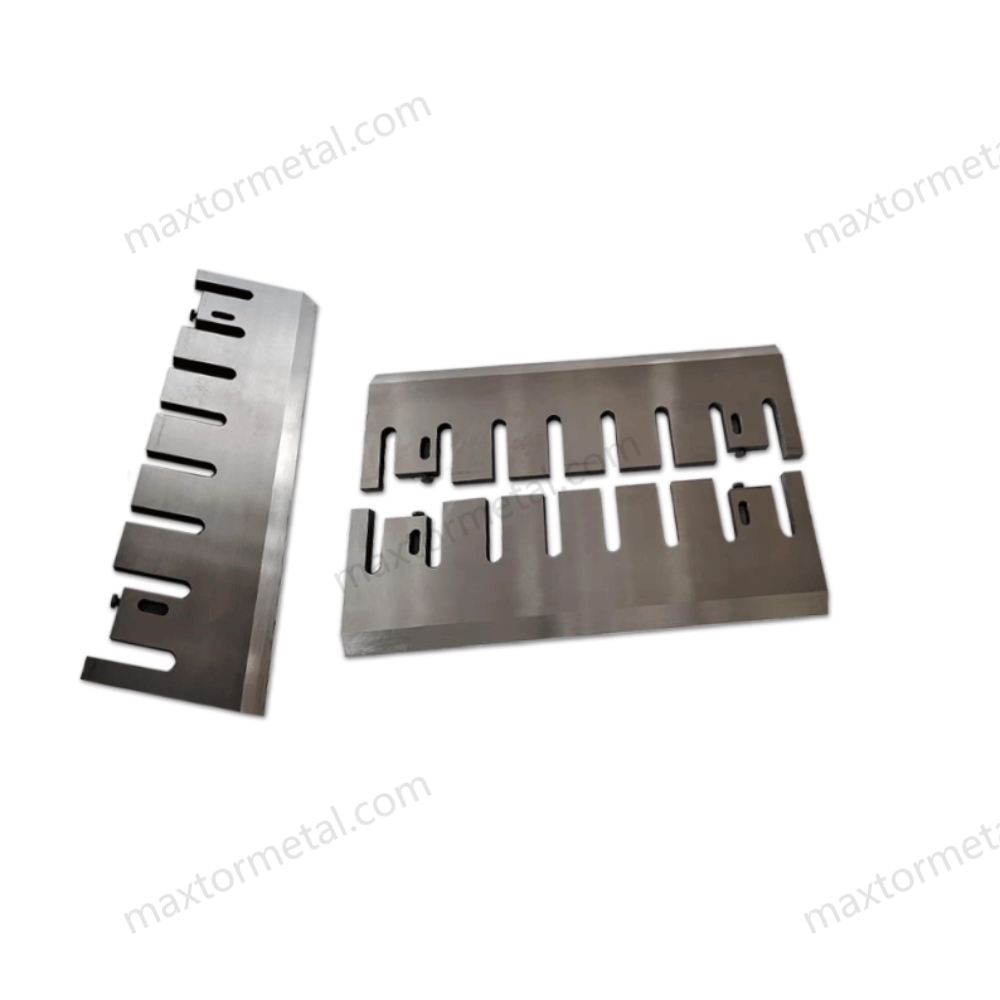
Edge Retention and Efficiency
You want your wood chipper to work fast and make good chips. The blade material you pick is very important for this. Edge retention means how long the blade stays sharp. If your blade keeps its edge, you get better chips and work faster. Dull blades use more fuel and make bigger, uneven chips. This can slow you down and even hurt your machine. Sharp blades use less energy and make more chips that are the right size. Good edge retention saves you money and time because you do not stop to sharpen as much. You also finish more work each day.
Wear resistance is also important. Blades with high wear resistance do not wear down fast, even with hard or dirty wood. This helps your blade stay sharp longer and makes your chipper work better. You will see fewer big pieces and smoother chipping when you use blades with good edge retention and wear resistance.
Pemeliharaan dan Waktu Henti
You want to spend more time chipping and less time fixing your chipper. The right blade material helps you do this. High-carbon steel blades last 800 to 1,200 hours. Carbide-tipped blades last about 2.3 times longer. This means you do not have to change blades as much. You save money on parts and labor. Some blades have special coatings that lower friction and wear by up to 18%. This makes your blades last even longer.
Less downtime means your chipper works more and you finish jobs faster. You do not need to stop as much for sharpening or repairs. This helps you stay on schedule and avoid extra costs. When you pick blades with high wear resistance and edge retention, you get more value from your chipper.
Tip: Keep a log for your chipper blades. This helps you know when to change or sharpen them and keeps your chipper running well.
ROI and Total Cost
You want to get the most for your money. Upgrading to premium alloy blades can give you a better return. These blades last longer and can be sharpened many times. You pay more at first, but you save money over time because you buy fewer blades and stop less for repairs.
Here is a table that shows how premium alloy blades compare to standard steel blades:
| Fitur | Premium Alloy Blades | Standard Steel Blades |
|---|---|---|
| Lifespan Improvement | Significant lifespan improvement | Limited lifespan |
| Resharpening Capability | Can be resharpened multiple times | Limited resharpening options |
| Efektivitas biaya | Economically viable for most operations | Less cost-effective over time |
When you look at the total cost, premium blades with high wear resistance and edge retention help you save money in the long run. You get more work done, spend less on repairs, and keep your chipper working well.
Choosing the Right Chipper Blade Material
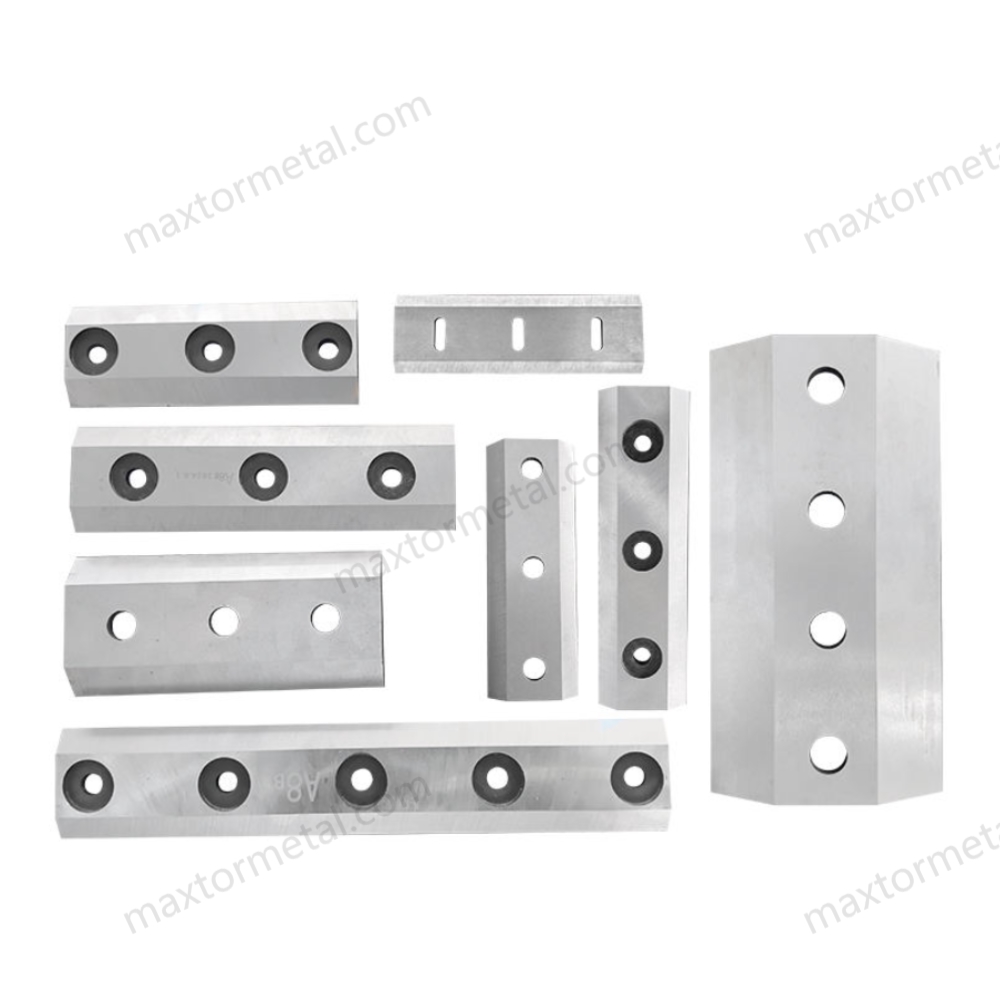
Picking the best chipper blade material can really help your machine work better. It also helps you save money over time. You should think about what you need, talk to good suppliers, and look at custom options for your machine and work.
Assessing Application Needs
First, look at your own work area and what you want from your chipper blade material. Different jobs and machines need different things. If you work where it is wet or humid, you need a blade that does not rust. If you chip hardwood or dirty wood, you want a blade that stays sharp and does not break.
Here is a table to help you compare the main things:
| Faktor | Keterangan |
|---|---|
| Working Environment | Think about temperature, humidity, and if there are any chemicals that could cause rust or wear. |
| Type of Materials to Process | Match the blade to the hardness and toughness needed for the wood or other materials you chip. |
| Budget Constraints | Decide how much you can spend and balance it with how long the blade will last. |
| Durability of Blade Material | Check how well the blade resists wear and how long it will last in your daily work. |
Tip: Write down what kind of wood you chip most and how often you change blades. This helps you see what matters most for your chipper blade material.
Consulting with Suppliers
You do not have to pick alone. Good suppliers help you choose the right chipper blade material by looking at your needs and your machine.
Here is a table that shows common material types and their main features:
| Jenis Bahan | Properti |
|---|---|
| Carbon tool steel | Hardness, wear resistance |
| Besi tahan karat | Tahan korosi |
| High-chromium tool steel | Peningkatan ketahanan aus |
| High speed tool steel | High durability under stress |
| Tungsten karbida | Kekerasan dan ketahanan aus yang luar biasa |
Suppliers can give you more than just different materials. You can ask for:
- Custom blade sizes
- Different blade shapes
- Special material mixes
When you talk to a supplier, tell them about your machine, the wood you chip, and what you want for blade life and cost. This helps them find the best chipper blade material for your job.
Custom Solutions and Upgrades
Sometimes, regular blades do not work for you. Custom blades can help you get better results and save money later. For example, someone in the food business switched to a custom serrated blade. Their cutting speed went up by 22%. The blade lasted three times longer, and the cuts were much better.
Custom blades can also help you stop less and waste less. Look at this comparison:
| Metrik | Sebelum Kustomisasi | After Customization | Peningkatan |
|---|---|---|---|
| Pergantian bilah per minggu | 10 | 3 | –70% |
| Rata-rata tingkat pemotongan skrap | 6.5% | 2.2% | –66% |
| Waktu henti karena keausan bilah | 4 jam/minggu | 1 jam/minggu | –75% |
A blade’s material and shape change how well it fits your machine and how long it works under stress.
Note: Custom upgrades can help you chip more wood, waste less, and keep your machines working longer.
Choosing the right chipper blade material means thinking about your needs, talking to suppliers, and looking at custom blades. When you do these things, you get blades that last longer, work better, and save you money.
When you pick chipper blade material, you need to think about hardness, toughness, and cost. You should also check what the blade is made of and make sure it fits your job. The table below shows what you should look for when you check your blades:
| Faktor | Keterangan |
|---|---|
| Pemilihan Bahan | Pick high-alloy steel or carbide for strength and wear resistance. |
| Perawatan panas | Use the right process for better hardness and toughness. |
| Geometri Tepi | Shape the edge for smooth wood cutting. |
| Balance | Make sure the blade weight is even for longer life. |
| Ketahanan terhadap guncangan | Choose blades that can handle impacts from rocks or metal. |
If you want your chipper to work better, talk to a supplier who knows about chipper blade material. You can contact a sales engineer for help with upgrades or custom blades.
Tanya Jawab Umum
What is the best chipper blade material for hardwood?
Pick high-speed steel (HSS) or tungsten carbide inlay for hardwood. These materials last longer and keep their edge. They help blades work well with tough wood.
How often should you sharpen chipper blades?
Check your chipper blades after every 20 to 80 tons of wood. Sharpen them if you see dull spots or chips. Harder chipper blade material needs sharpening less often.
Can you use the same chipper blade material for all wood types?
No, you should match the chipper blade material to your wood. Hardwoods need tougher blades. Softwoods do fine with standard tool steel. Mixed or dirty wood needs blades with high toughness.
Why does chipper blade material matter for cost?
Chipper blade material changes how long blades last and how often you replace them. Premium materials cost more at first but save money later. You spend less time fixing and changing blades.
How do you prevent chipper blades from rusting?
Store blades in a dry place. Wipe them clean after you use them. Pick chipper blade material with chromium for better rust protection.
What tools do you need to sharpen hard chipper blade material?
Use diamond or CBN grinding wheels for sharpening hard chipper blade material like HSS or tungsten carbide. These tools keep blades cool and sharp.
Can you customize chipper blade material for special jobs?
Yes, you can ask suppliers for custom chipper blade material. Custom blades fit your machine and job. This helps you get better results and longer blade life.
How do you know when to replace a chipper blade?
Look for cracks, chips, or dull spots. If sharpening does not fix the blade, you should replace it. Regular checks help you avoid damage to your machine.
Lihat Juga
D2, HSS, Karbida: Memilih Baja Terbaik untuk Pisau Guillotine di Industri Percetakan
Pemilihan Pisau Chipper Industri: Mata Pisau Tunggal atau Ganda?
Pisau Drum Chipper Industri: Menyeimbangkan Kecepatan Potong, Ketangguhan, dan Kualitas Serpihan
Kunci Kualitas Serpihan: Sudut Pisau Disc Chipper yang Dioptimalkan untuk Kayu Lunak dan Kayu Keras

 English
  Spanish
  Italian
  French
  Portuguese
  Russian
  German
  Arabic
  Hindi
Hindi  Vietnamese
  Indonesian
  Japanese
  Korean