

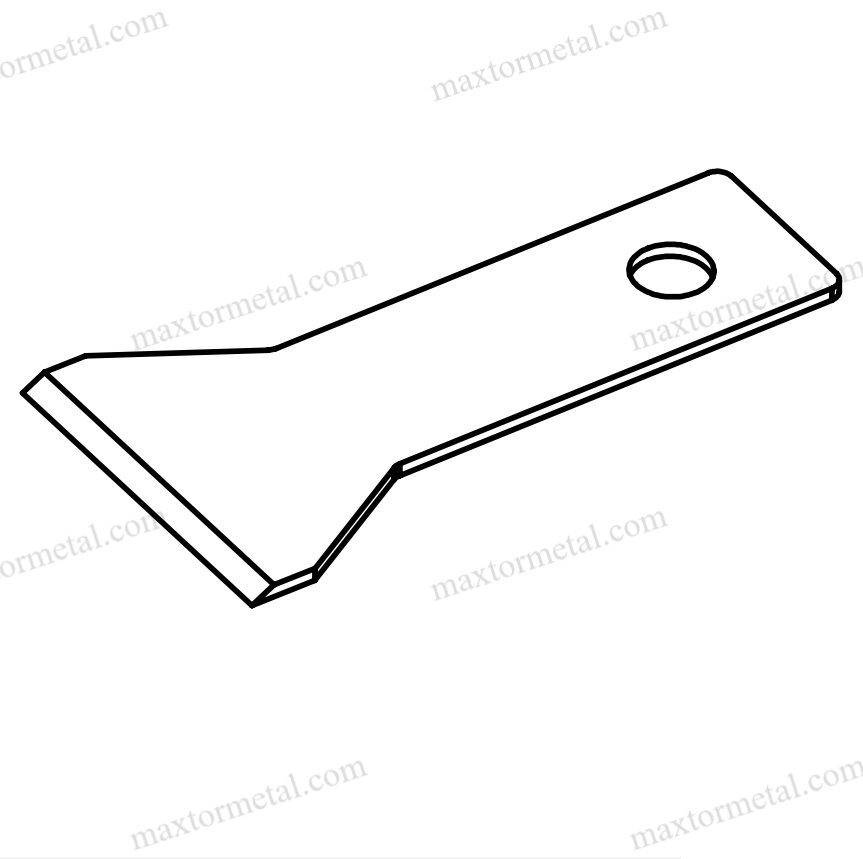
ウォーターリングペレタイザーナイフ cut fast and accurately, producing pellets that are uniform in size and highly dense. These systems enhance plastic processing efficiency by reducing waste and minimizing downtime. Features such as quick knife changes and self-cleaning water flow significantly improve operation. However, users must monitor water temperature closely and rely on skilled workers to maintain optimal performance. Pellet quality and maintenance costs are influenced by these factors. Water ring pelletizing and underwater pelletizing methods yield different results, with variations in pellet size and surface finish. If you are interested in a demo or need a カスタムブレード tailored to your specific requirements, consider your production goals carefully.
重要なポイント
- Water ring pelletizing knives use water to cool plastic pellets fast. This makes the pellets hard and the same size.
- This system makes less dust and waste. It helps make better pellets and helps the factory work better.
- Water ring pelletizing knives work with many plastics. They are quieter and easier to fix than some other systems.
- The system needs good water control and regular care. This stops pellets from sticking and keeps machines working well.
- Water ring pelletizing knives cost more at first. But they save money later by stopping long breaks and fixing costs.
- Underwater pelletizing systems make pellets more even. They work better with sticky or soft plastics. But they cost more and need trained workers.
- Picking the best pelletizing system depends on the plastics, what you want to make, and your budget.
- Custom pelletizing blades from experts like Maxtor Metal can help cut better, last longer, and make better pellets.
Advantages of Water Ring Pelletizing Knives
Efficient Cooling
Immediate Pellet Solidification
ウォーターリングペレット化ナイフ cool pellets very quickly by using water. The water touches the hot pellets right after they are cut. This makes the pellets harden almost right away. Fast cooling stops the pellets from changing shape or sticking together. Slow cooling systems can cause these problems. In factories that make a lot of plastic, this technology helps every pellet keep its shape. Water ring pelletizing knives cool better than air-cooled systems. Workers see smoother and rounder pellets. There are also fewer stops in production. This helps the factory run better, even with tough thermoplastic materials.
Reduced Fines and Dust
The water ring pelletizing process makes less dust and fewer small pieces. When the knives cut the melted polymer, water cools the pellets right away. This stops the pellets from breaking or crumbling. The pellets stay cleaner and there is less waste. This means better product quality and more pellets made. Less dust also keeps other machines cleaner. It is easier to handle and pack the pellets. On busy lines, this helps the work go faster and keeps results steady.
Consistent Pellet Quality
Uniform Size
Water ring pelletizing knives make pellets that are all the same size. This is important for the next steps in making plastic products. The knives cut carefully, and the water cools the pellets right away. Every pellet meets the needed size. Pellets move easily through machines and packing systems. This makes the product better and stops jams or uneven melting later. Workers can trust the process to give the same results every time.
High Particle Density
The way water ring pelletizing knives are made helps each pellet be dense. Fast cooling keeps the shape and stops holes or odd shapes from forming. Dense pellets do not break easily when moved or handled. Data shows that strong pellets are made when energy is used just right. Factories using this method get about 90% pellet strength. Using the same amount of energy each time helps keep pellet quality the same. Industries like car or medical plastics need this kind of steady quality.
Low Noise Operation
Water ring pelletizing systems are much quieter than dry-cutting ones. The water soaks up sound and stops loud vibrations. This makes the workplace safer and less noisy for workers. It is easier for factories to follow rules about noise. Quieter machines also help workers feel better and pay attention. This helps the whole pelletizing process work well.
Tip: A quieter factory floor keeps workers’ ears safe and helps everyone work better together.
Cost-Effective Maintenance
Water ring pelletizing knives help factories spend less on repairs. The water keeps the knives cool and clean while they work. This cooling stops the blades and parts from wearing out fast. Because of this, the knives last longer and do not need to be replaced often. Workers can change or clean the knives quickly because the system is easy to open. Less downtime means factories make more pellets and work faster.
Simple jobs like checking if the blade is sharp or cleaning the water ring take less time than with dry-cutting systems. The water also stops sticky plastic from building up on the knives. This keeps the cutting area clear and helps the machine run smoothly. Factories using water ring pelletizing systems often pay less for repairs and have fewer surprise breakdowns. These savings grow over time, so the system is a good choice for companies that want to save money in the long run.
Note: Doing regular checks and easy cleaning helps the pelletizing line work well and stops expensive problems.
Versatility in Pelletizing
Water ring pelletizing knives can work with many kinds of plastics and setups. Their design lets them cut both soft and hard thermoplastic materials. This makes them useful for small labs and big factories. Companies can switch materials or change how much they make without big changes.
Knife makers use strong materials and special coatings to make the knives last longer. For example, some knives are made from high-speed steel or carbide with heat treatments. These things help the knives cut many types of thermoplastics easily. Careful machine work makes sure each knife fits right and cuts pellets to the right size.
- Water ring pelletizing knives help make lots of pellets that are the same size and have less dust.
- Special coatings and heat treatments make the knives tough, so they work with many thermoplastics.
- Careful design lets the knives fit different machines and do many jobs.
- Makers can change the blade shape and material for each customer.
- Customers from many countries say they get better pellets, longer knife life, and less downtime.
- The knives work with many pelletizing machines, like underwater, strand, and die-face systems.
- Companies can try small batches before buying a lot of knives.
This flexibility helps factories keep up with new market needs fast. Whether making pellets for cars, hospitals, or other uses, water ring pelletizing knives give steady quality. Workers can trust the system to make good pellets, even when changing to different thermoplastics.
Tip: Picking a flexible pelletizing system helps companies stay ahead and meet new needs without spending too much.
Disadvantages of Water Ring Pelletizing Knives
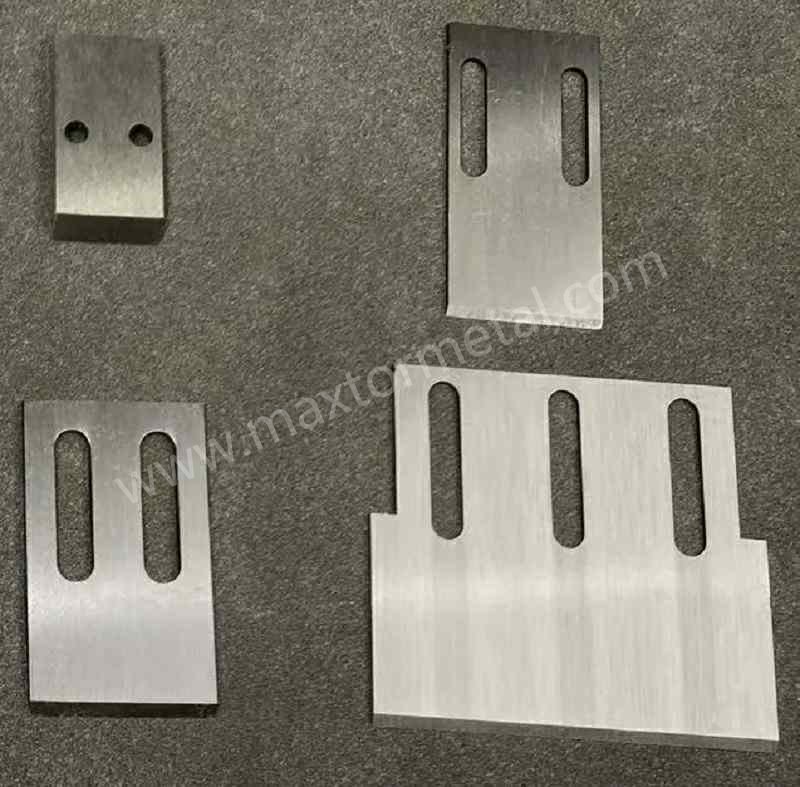
Initial Equipment Cost
Water ring pelletizing knives cost more at first than some other systems. Companies need to buy special cutting units, water systems, and control panels. These parts make the starting price higher. Many factories look at these costs and compare them to dry-cut or strand pelletizers. Water ring systems usually have a bigger price tag at the beginning.
Extra pumps, filters, and water tanks also raise the cost. Some businesses wait to switch because of this. If they have more money, they might pick underwater pelletizing systems instead. For small or new companies, the high starting cost can make them slow to upgrade.
Note: Spending more at first can save money later by making work faster and wasting less, but companies need to plan for this big cost.
メンテナンスの必要性
Water ring pelletizing knives need regular care to work well. Workers must check and fix many parts on a schedule. Scraper blades need checking every three months. Pan liners should be checked every month. Power assemblies need service once a year. These jobs stop problems like dull blades or parts wearing out.
A system that gets good care runs smoothly and does not stop often. Factories use tools to measure moisture, energy, and pellet size. They also test how strong the pellets are. These checks help workers find problems early and fix them fast.
Here is a table showing when to do maintenance:
| 成分 | Service Interval | Common Issues Prevented |
|---|---|---|
| Scraper Blades | 3ヶ月ごと | Dullness, misalignment |
| Pan Liners | 月次 | Wear, buildup |
| Power Assemblies | 毎年 | Lubricant loss, mechanical wear |
Operators use math tools like standard deviation and Weibull modeling to keep cutting sharp. This helps the system work well and makes good pellets. But, doing regular checks and needing skilled workers can make labor costs go up. Some factories think underwater pelletizing systems are easier to take care of, depending on what they need.
Tip: Keeping good records of maintenance helps factories see problems early and make better pellets.
Water Management
Water management is hard for water ring pelletizing knives. The system always needs clean water to cool the pellets. Factories must set up pumps, filters, and tanks for this. If the water gets dirty, the pellets may stick or look bad.
Workers must watch water temperature and flow all the time. If water gets too hot, cooling slows down. This can hurt how the pellets look and work. Some factories use chillers to keep water cold, but this uses more energy and costs more.
Getting rid of used water is another problem. Factories must follow rules for water disposal. They may need to clean or reuse water before letting it go. This adds more steps to the job. Sometimes, underwater pelletizing systems handle water better because they reuse it in a closed loop.
Callout: Good water management keeps the process steady and pellets looking good. Bad water control can cause stops and cost more money.
Pellet Sticking Issues
Pellet sticking is a common problem in water ring pelletizing. When pellets come out of the die, they are still hot and soft. If the water gets too warm or slows down, pellets do not cool fast. This makes them stick together or form lumps. This happens more when making lots of pellets or using sticky polymers.
Pellet sticking causes many problems:
- Pellets can lump together in the water ring chamber.
- Stuck pellets might block the way out.
- Clumped pellets lower quality and make more waste.
Factories must watch water temperature and flow all the time. If the water does not cool pellets right away, sticking happens more. Some workers add surfactants to the water to help pellets not stick. Others change the knife speed or die heat to keep pellets apart. These fixes need careful control and skilled workers.
Tip: Keep water under 25°C and strong flow to stop pellet sticking.
Pellet sticking is not as common in underwater pelletizing. In these systems, the die face and cutting area stay underwater. This cools pellets faster and more evenly. Underwater pelletizers work better with sticky or soft polymers. Many factories pick underwater systems for materials that clump easily.
Pellet sticking also causes trouble for other machines. Stuck pellets can jam conveyors or block dryers. This means more stops and higher repair costs. Workers must pause production to clear jams and clean up. Underwater pelletizing lines often run longer without these problems.
Some companies use underwater pelletizing for special resins or expensive products. They want to avoid pellet sticking and keep things running smoothly. Water ring systems are good for many plastics, but underwater systems give better control for tricky materials.
Note: Picking the right pelletizing method depends on the polymer and pellet quality needed. Underwater systems help stop pellet sticking and make the process more reliable.
セットアップの複雑さ
Setting up a water ring pelletizing system takes planning and skill. Workers must line up the die, set the knife pressure, and adjust the water ring. Each step must be done right for smooth work. If setup is wrong, pellets may be uneven or the system may stop often.
Workers need to put in pumps, filters, and water tanks. They also connect sensors to check temperature and flow. The control panel must be set up to run everything. This setup takes more time and skill than simple pelletizing systems.
Water ring pelletizing needs regular checks. Technicians must look at blade spacing and water flow. If the knife is too close or far from the die, pellet size and shape will change. Bad water flow can make hot spots, causing pellets to stick or change shape.
Callout: Good training and clear setup steps help stop mistakes during installation.
Underwater pelletizing systems also have tricky setup steps. But they often have more automation and smart controls. Underwater systems use closed water loops and better sensors to keep things steady. This makes them good for big or important production lines.
Many factories look at both water ring and underwater systems before picking one. Underwater pelletizing is easier to use with automated lines. It also needs fewer manual changes and less worker help. For companies with fewer skilled workers, underwater systems may be easier to start.
Setup complexity changes how well the factory runs. A bad setup means more stops and worse pellets. Both systems need skilled workers, but underwater systems often make routine changes easier.
Tip: Spending time on setup and training leads to fewer problems and better pellets. Underwater systems can make setup easier for tough jobs.
Water Ring Pelletizing Knives vs. Underwater Pelletizing System
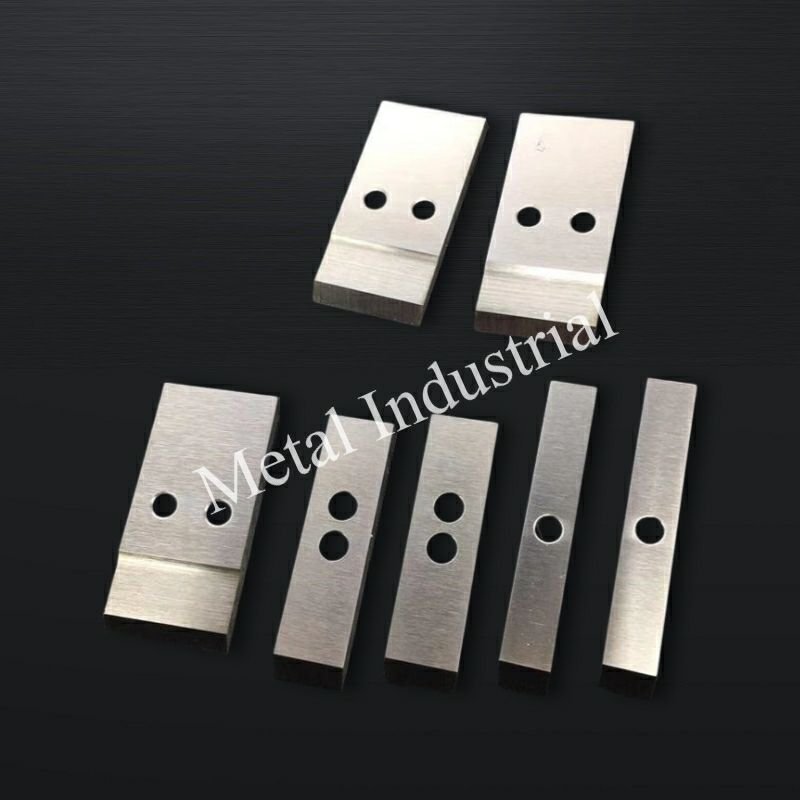
Process Differences
Cutting and Cooling Mechanism
Water ring pelletizing knives use a spinning blade to cut hot plastic at the die face. Right after cutting, water cools the pellets in a ring shape. This makes the pellets hard fast and keeps their shape. This method works for many plastics and can make lots of pellets.
The underwater pelletizing system works differently. Here, the die face and cutting area stay underwater the whole time. The system has a die plate, spinning knives, and a water chamber. The hot polymer goes into the die, and the knives cut it into pellets while underwater. The water cools the pellets right away, making them round. This gives even cooling and helps stop sticking.
When comparing strand and water ring systems, underwater pelletizing has some benefits. It works better with sticky or heat-sensitive plastics. It also lowers the chance of oxidation during pelletizing.
Pellet Discharge and Handling
In water ring pelletizing, pellets leave the die and move through a water ring. The water carries the pellets away from the blade. Workers use a centrifugal dryer to separate pellets from water. This dries the pellets so they are ready for packing or more work.
The underwater pelletizing system also uses water to move pellets to a dryer. But since everything happens underwater, pellets do not stick together as much. The round pellets are easier to handle and move. This system also makes less dust and fewer tiny pieces, so the product is better.
Underwater pelletizing systems often work better than strand systems for moving pellets. They let factories run without stopping and need less help from workers.
System Integration and Automation
Water ring pelletizing systems are easier to set up and use. They need fewer sensors and simple controls. Workers can change knife pressure and water flow with basic training. This makes water ring pelletizing good for small and medium factories.
The underwater pelletizing system has more advanced automation. It uses smart sensors, automatic controls, and closed water loops. These features help control temperature, pressure, and pellet size very well. The system is good for making lots of pellets and needs less worker help.
New technology has made underwater systems even better. Factories can now watch the process live and make quick changes. This helps keep the process steady and raises automation.
Tip: Automated systems help factories save time and make fewer mistakes.
Pellet Quality Comparison
Size Uniformity
Water ring pelletizing makes pellets that are mostly the same size. The spinning knife and water ring work together to cut and cool each pellet fast. Most pellets look alike, but at very high speeds, some may be different sizes.
The underwater pelletizing system is even better at making pellets the same size. Because cutting and cooling happen underwater, all pellets cool at the same speed. This makes pellets almost exactly the same size. This is great for factories that need very strict quality.
Compared to strand and water ring systems, underwater pelletizing gives better size control. It helps make top-quality pellets for special uses.
表面仕上げ
Pellets from water ring pelletizing are smooth, but if the water is too warm, they can get rough. This method works well for most plastics.
The underwater pelletizing system makes pellets with a shiny, smooth surface. Cooling underwater stops surface problems. This is best for pellets used in cars or medical products.
Underwater pelletizing has helped the plastics industry by making surfaces better and with fewer flaws. New machines focus on making pellets even smoother.
Suitability for Sensitive Polymers
Water ring pelletizing works for many plastics, but not always for sensitive ones. Some materials can stick or change shape if they do not cool fast enough.
The underwater pelletizing system is better for sensitive polymers. It keeps the die face and pellets underwater, which stops damage from heat or air. This is best for plastics that need to stay clear or have special features.
Underwater pelletizing systems are better than strand systems for tricky materials. They help factories meet tough quality rules.
運営コスト
初期投資
Setting up a water ring pelletizing system costs more than some other ways. Factories must buy special cutters, water rings, and control panels. The first cost is high, but the system makes lots of pellets and less dust.
The underwater pelletizing system usually costs less to start. It is easier to make bigger for large factories. But it might make more dust and has average output.
Here is a table comparing the first cost and output:
| System Type | 初期投資 | Output Capacity | Pellet Dust |
|---|---|---|---|
| Water Ring Pelletizing | 高い | 高い | 低い |
| Underwater Pelletizing System | より低い | Average | より高い |
Note: Factories should think about both the first cost and long-term gains when picking a pelletizing system.
Energy and Water Consumption
Water ring pelletizing systems use energy for pumps, knives, and dryers. They also need clean water all the time for cooling. Energy use is not too high, but water use can add to costs.
The underwater pelletizing system uses energy for pumps, water flow, and drying too. Some systems can save up to 20% energy, showing they can be efficient. Both systems use about the same water, but underwater systems may recycle water better.
メンテナンスとダウンタイム
Water ring pelletizing systems are easy to take care of. Workers can change knives and clean the system fast. This means less downtime and steady production.
The underwater pelletizing system has more parts, but automation helps. Maintenance can take longer, but the system can run longer without stopping. It is good for making lots of pellets with fewer breaks.
Callout: Picking the best pelletizing process depends on what the factory needs, the plastics used, and the pellet quality wanted.
Benefits of Underwater Pelletizers
Superior Pellet Consistency
The underwater pelletizing system makes pellets that are always the same. Every pellet forms and cools at the same speed because cutting happens underwater. This stops pellets from being odd shapes or sizes. Factories throw away fewer pellets and waste less. When pellets are uniform, machines work better. The underwater process also helps stop surface problems. Workers see that finished pellets look and feel the same each time. This kind of consistency is important for car and medical plastics.
Note: When pellets are always the same, factories have fewer problems and products work better.
Enhanced Process Control
Operators can control the pelletizing process better with underwater systems. The system uses smart sensors and automatic controls to check temperature, water flow, and knife speed. These tools let workers make quick changes if needed. If something goes wrong, the system can fix it fast before pellets get bad. The underwater setup keeps the die face at the right temperature, so pellets keep their shape. This control means fewer stops and less lost time. Factories can also use data to make future runs better.
- Watching the process live helps find problems early.
- Automatic controls keep things running smoothly.
- Less hands-on work means fewer mistakes.
Broader Material Compatibility
The underwater pelletizing system works with many kinds of plastics. It can handle both soft and hard plastics easily. Some plastics need gentle cooling to stay strong. The underwater method gives this gentle cooling. Factories can switch between materials without big changes. This helps companies make many types of pellets. The system also works with plastics that might melt or change in other systems. This means factories can serve more customers and try new markets.
| 材質タイプ | Underwater Pelletizing System | Water Ring Pelletizing |
|---|---|---|
| 軟質プラスチック | 素晴らしい | 良い |
| 硬質プラスチック | 素晴らしい | 良い |
| Heat-Sensitive | 素晴らしい | 公平 |
| Filled/Engineered | 素晴らしい | 良い |
Tip: Using underwater pelletizing helps factories work with more plastics and stay ahead.
Reduced Operator Intervention
A big benefit of underwater pelletizers is less manual work. The system’s automation handles most changes by itself. Operators do not need to check or fix the machine as much. The underwater process also keeps the area cleaner, with less dust and fewer tiny pieces. This means less cleaning and maintenance. Workers can spend more time on other jobs. The system’s design also makes the factory safer by lowering accident risks.
- Automation saves money on labor.
- Fewer manual changes mean more time working.
- Cleaner machines help keep workers safe and efficient.
Callout: Underwater pelletizers give better pellet quality, more control, and less manual work. These benefits help factories make better products and save money.
クイック比較表
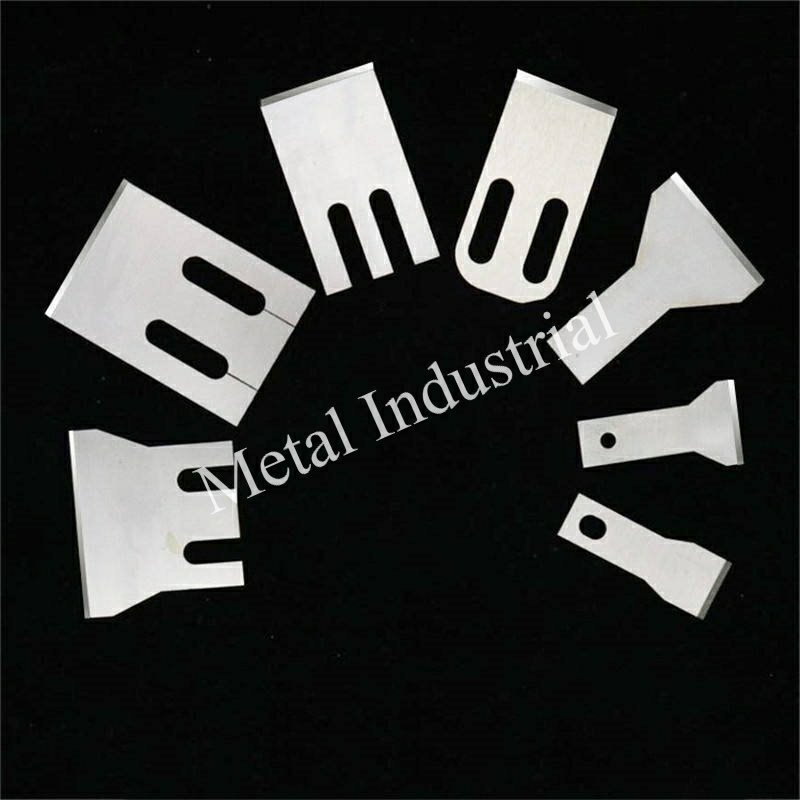
Pros and Cons Overview
Picking between water ring pelletizing knives and underwater pelletizing systems can be tough. Each system has its own good points and some downsides. The table below shows the main features. This helps factories see which system matches what they need.
| 特徴 | ウォーターリングペレタイザーナイフ | Underwater Pelletizing System |
|---|---|---|
| 冷却方法 | Water ring cools pellets | Die face and cutting area stay underwater |
| Pellet Size Uniformity | 高い | 非常に高い |
| 表面仕上げ | スムーズ | Shiny and flawless |
| 騒音レベル | 低い | Very low |
| Initial Equipment Cost | 高い | より高い |
| メンテナンスの複雑さ | 適度 | Advanced |
| Water Management | Needs careful control | Closed-loop, easier to manage |
| Pellet Sticking Risk | Possible | レア |
| 素材の多様性 | Wide range | Broader range |
| 自動化レベル | Basic to moderate | Advanced |
| Operator Skill Needed | Skilled | Less manual intervention |
| ダウンタイム | 低い | Very low |
Tip: Factories that work with sticky or sensitive polymers often pick the underwater system. This method helps stop pellets from sticking and makes better pellets.
Key Pros and Cons
Water Ring Pelletizing Knives:
- 長所:
- Water ring cools pellets fast
- Pellets are the same size and dense
- Machines are not very loud
- Maintenance costs less money
- Works with many types of plastics
- 短所:
- Costs a lot to buy at first
- Needs workers to watch water closely
- Pellets can stick with some plastics
- Setup and care need skilled workers
Underwater Pelletizing System:
- 長所:
- Pellets are always the same because of underwater cooling
- Automation gives better control
- Can handle more types of plastics, even sensitive ones
- Pellet sticking almost never happens
- Needs less help from workers and has less downtime
- 短所:
- Costs even more to buy and set up
- Maintenance is harder to do
- Some systems need special training for workers
Note: The underwater system is best for special or expensive plastics. It gives better control, needs less hands-on work, and makes higher quality pellets.
Summary List:
- Water ring pelletizing knives are good for general plastics and flexible jobs.
- Underwater pelletizing systems are best for tough jobs where pellet quality and steady work are important.
- Both systems use water to cool, but underwater cooling makes pellets more even.
Factories should think about what they want to make, what plastics they use, and how much money they have before picking a system. The underwater system often gives the best results when high quality is needed.
When to Choose Water Ring Pelletizing Knives
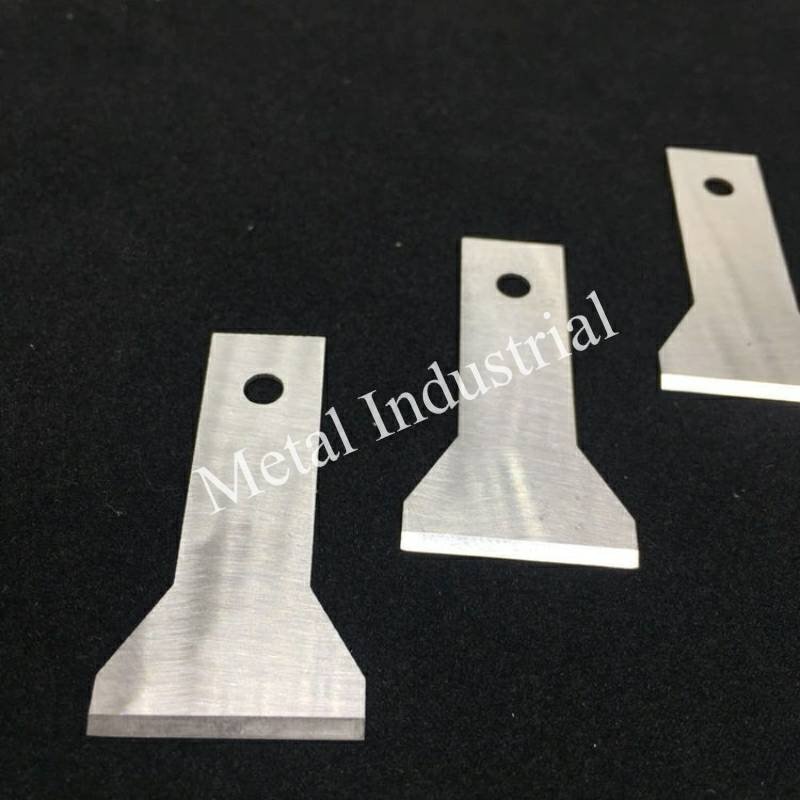
最適なユースケース
Water ring pelletizing knives are great for some factories. People pick this system because it is reliable and saves money. Here are times when water ring pelletizing works best:
- Factories that use high-melt-strength materials, like polyolefins and polystyrene, 優れた結果が得られます。これらの材料は強力な切断と冷却を必要としますが、本システムはそれらを提供します。.
- リサイクルセンターが水リング式ペレタイジングを好むのは、堅牢で運転コストが安いためです。このナイフは、性状が一定でない再生プラスチックでも切断することができます。.
- 設置スペースの限られた工場では、水リング式ペレタイジングがよく使用されます。装置がコンパクトなため、狭い場所にも収まり、設置も容易です。.
- シンプルな操作性を求める場合、このシステムは非常に使いやすい設計となっています。わずかなトレーニングで、1人のオペレーターが起動、停止、およびペレットサイズの変更を行うことができます。.
- 一度に大量のペレットを製造する必要がない生産ラインには、このシステムが最適です。他の装置で発生しがちなダイスの凍結による運転停止などのトラブルがありません。.
- 初期投資を抑えたい企業は、水リング式ペレタイジングを選択することがよくあります。この装置は水中システムよりも低コストでありながら、高品質なペレットを製造できます。.
- このプロセスにより、丸く平らな形状のペレットが製造されます。これらのペレットは冷却が早く、水リングとドライヤーによって容易に搬送できます。.
ヒント:水リング式ペレタイジングナイフは構造がシンプルでコストを削減でき、多くのプラスチックにおいて高品質なペレットを製造できます。.
代替案を検討すべきケース
水リング式ペレタイジングが常に最適な選択肢とは限りません。このような場合、他のシステムの方が適していることがあります。代替案を検討すべき主な理由は以下の通りです。
- 装置の故障頻度が高い、または メンテナンスコストが高すぎる場合, 、別のシステムを導入した方がコストを抑えられ、ダウンタイムを短縮できる可能性があります。.
- 軟質プラスチックや低融点プラスチックは、水リング式システムにおいてトラブルの原因となることがあります。これらの材料はペレットのサイズにばらつきを生じさせたり、装置を詰まらせたり、頻繁な清掃を必要としたりします。その結果、生産量が低下し、品質が損なわれます。.
- 水の使用に関する規制が厳しい場合、水リング式ペレタイジングの管理は困難になることがあります。工場は追加の水処理設備を導入する必要があり、コストがかさみます。.
- 熟練した作業員が不足している場合、システムが十分に機能しない可能性があります。水リング式ペレタイジングは、装置の監視と調整を行える人員を必要とします。適切な管理が行われないと、ペレットの品質が低下する恐れがあります。.
- 粘着性のあるプラスチックや高耐熱性プラスチックを製造する必要がある工場では、水中ペレタイジングの方が適しています。水中システムは、より多様な種類のプラスチックに対応でき、より均一なペレットを製造できます。.
- 特に特殊プラスチックにおいて最高品質のペレットを必要とする工場では、水中ペレタイジングがよく使用されます。これらのシステムは冷却効率に優れ、高度な自動化により優れた成果をもたらします。.
- 大量のペレットを製造する必要がある大規模工場では、水中ペレタイジングの方が迅速かつ容易です。これらのシステムは生産能力が高く、省人化が可能です。.
注意:工場は、使用するプラスチック、品質要件、および目標に応じて、適切なペレタイジングシステムを選択する必要があります。水中ペレタイジングは、難度の高い用途において、より優れた制御性と安定した結果を提供します。.
Custom Pelletizing Blades from Maxtor Metal
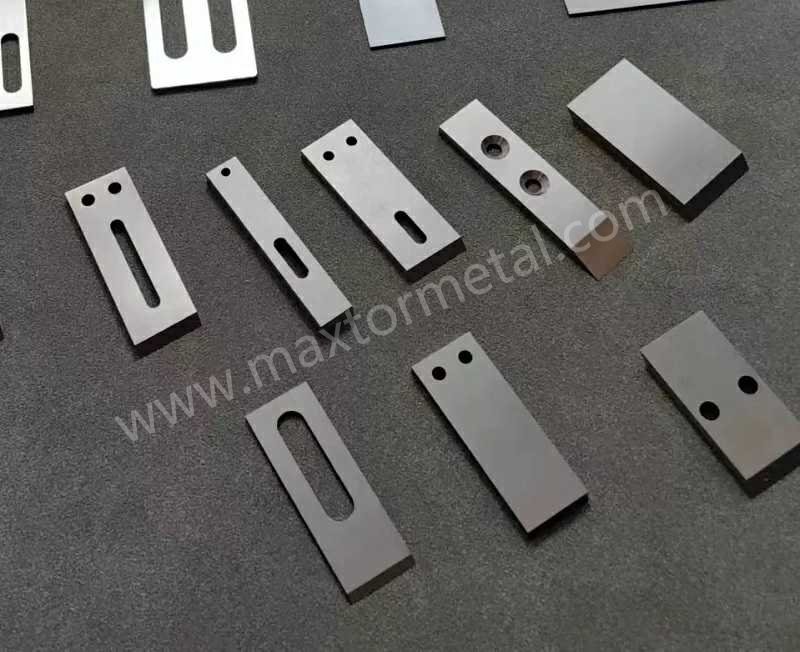
カスタマイズが重要な理由
プラスチック工場はそれぞれ独自の課題を抱えています。標準的なペレタイザーブレードが、すべての用途において最適であるとは限りません。カスタムブレードは、特定の材料やニーズに合わせて設計されます。これにより、装置の稼働効率が向上し、コスト削減につながります。.
あ カスタムブレード 装置や材料に完全に適合します。これにより、刃の寿命が延び、より精密な切断が可能になります。また、損傷が減少し、刃の交換頻度も抑えられます。以下のような過酷な用途において、 鉄鉱石微粉とバインダーの混合など, 、標準的なブレードは急速に摩耗します。Conforma Cladなどの特殊ブレードは寿命が大幅に長く、ミキサーの稼働効率を向上させます。以下の表は、カスタムブレードが標準ブレードと比較してどのように優れているかを示しています。
| ブレードタイプ | 用途 | ブレードの寿命 | 確認された効果 |
|---|---|---|---|
| 標準ブレード | 鉄鉱石微粉とバインダーの混合 | 45日間 | 摩耗および衝撃による破損 |
| Conforma Cladブレード | 同一用途 | 4ヶ月 | 寿命が大幅に向上、ミキサーの稼働効率向上、ダウンタイムの短縮、ブレード1枚あたりのコスト削減 |
また、カスタムブレードの導入により、工場の操業停止頻度が減少し、ペレット1個あたりの製造コストを削減できます。作業員による刃の交換頻度が減るため、生産量を増やしつつ高品質を維持できます。工場の稼働効率が向上し、製品品質が安定します。.
ヒント:用途に適したブレードを選択することで、コストを削減し、装置の良好な稼働状態を維持できます。.
Maxtor Metalの専門技術
Maxtor Metalとして知られるNanjing Metalは、信頼性の高いプラスチックペレタイザーブレードメーカーです。同社は、工場向けの切断工具の製造において20年の実績があります。同社のチームは、SK2、HSS、M2、SKD11などの高強度材料を使用しています。これらのブレードは頑丈で、長寿命を誇ります。.
Maxtor Metalのブレードは、60〜72 HRCという非常に高い硬度を備えています。これにより、摩耗が遅く、数ヶ月にわたって鋭い切れ味を維持します。同社のチームはすべてのブレードを検査し、±0.05 mm以内の切断精度を保証しています。お客様からは、用途に応じて6〜18ヶ月間ブレードが持続するという評価をいただいています。.
Maxtor Metalにとって品質は極めて重要です。初品検査、定期的な巡回検査、およびすべての注文の追跡管理を行っています。これにより、すべてのブレードの品質を保証しています。以下の表は、同社のブレードと品質に関する重要な実績を示しています。
| 評価指標 / 品質管理項目 | 詳細 |
|---|---|
| 経験年数 | ペレタイジングブレード製造における20年の実績 |
| 使用材料 | SK2、HSS、M2、SKD11 |
| 切断精度 | ±0.05 mmの精度 |
| 刃の硬度 | 60-72 HRC |
| ブレードの寿命 | 6~18ヶ月 |
| 品質管理対策 | 熟練チームによる検査、初品検査、複数回の検査、注文追跡管理 |
| 顧客からのフィードバック | 長寿命かつ優れた切断性能 |
| 提供サービス | OEMおよびODMカスタムブレード設計 |
| 購入プロセス | 容易な購入と輸入 |
Maxtor Metalは、OEMおよびODMプロジェクトの両方をサポートしています。お客様の機械やニーズに完全に適合する刃物を確実にお届けします。購入プロセスはシンプルで、最初から最後まで一貫したサポートを提供いたします。長寿命、鋭い切れ味、そして優れたサービスにより、多くのお客様から高い評価をいただいています。.
注意:カスタム仕様のペレタイザー用刃物をご検討中の工場様は、Nanjing Metalの豊富な経験と厳格な品質検査に安心してお任せいただけます。.
最適なペレタイジングシステムの選定は、使用するプラスチックの種類、求められるペレットの品質、および工場の要件によって異なります。水流リング式ペレタイザーナイフは、ペレットを急速に冷却し、多くのプラスチックで優れた形状を形成します。水中カットシステムは、粘着性や熱に敏感なプラスチックに適しています。下表に主な特徴を示します。
| System Type | 最適な用途 | 主なメリット | 主な制限事項 |
|---|---|---|---|
| ウォーターリング | PE、PP、TPE、EVA | 急速冷却、優れたペレット形状 | 粘着性材料には不向き |
| 水中 | PA、PET、粘着性樹脂 | 均一なペレット、高出力 | 高コスト、複雑なセットアップ |
オペレーターの推奨事項:
- プラスチックに適したブレード材質を選定すること。.
- 始動前に機械の適合性を確認すること。.
- 均一なペレットを成形するため、循環水を清潔かつ低温に保つこと。.
- 急速冷却と優れたペレット形状を実現するには、水流リング式システムを使用すること。.
- 粘着性や特殊なプラスチックには、水中カットシステムを選定すること。.
カスタム仕様のご相談については、Nanjing Metal はトップクラスのプラスチックペレタイザーブレードメーカーです。お客様のニーズに最適なアドバイスについて、当社のセールスエンジニアまでお気軽にお問い合わせください。.
よくある質問
水流リング式ペレタイザーナイフとは何ですか?
水流リング式ペレタイザーナイフは、溶融した高温のプラスチックを小さなペレット状にカットする工具です。カット直後に水で冷却・固化させることで、ペレットの形状を均一に維持し、品質を保ちます。.
水流リング式ペレタイザーナイフの交換頻度はどのくらいですか?
オペレーターはナイフを定期的に点検し、摩耗や刃こぼれが発生した場合は交換する必要があります。多くの工場では3ヶ月ごとにブレードを点検しています。実際の交換頻度は、処理するプラスチックの種類や生産量によって異なります。.
水流リング式ペレタイザーナイフはあらゆる種類のプラスチックに対応できますか?
これらのナイフは、軟質・硬質を問わず、多くの熱可塑性プラスチックに対応しています。ただし、一部の粘着性樹脂や熱に敏感なプラスチックでは、最適な処理を行うために別のペレタイジングシステムが必要になる場合があります。.
加工中にペレット同士が付着(ブロッキング)してしまう原因は何ですか?
水温が25°Cを超えたり、水流が滞ったりすると、ペレットが固着しやすくなります。また、粘着性の高いプラスチックではこの現象が顕著になります。水温を低く保ち、十分な流量を維持することが、この問題の防止に役立ちます。.
水流リング式ペレタイジングと水中ペレタイジング(アンダーウォーターカット)の違いは何ですか?
水流リング式ペレタイジングは、水流リングでペレットを冷却します。一方、水中ペレタイジングは、ダイス面とカットエリア全体が水中にあります。水中システムは、より均一なペレットを成形でき、熱に敏感なプラスチックの処理に適しています。.
水流リング式ペレタイジングシステムをスムーズに稼働させるためのメンテナンス作業は何ですか?
オペレーターは、フィルターの清掃、水質の確認、ブレードの切れ味の点検、および水温の監視を行う必要があります。これらの作業を定期的に行うことで、機械の良好な稼働とペレット品質の安定が維持されます。.
水流リング式ペレタイジングシステムにおいて、水管理は難しいですか?
水管理には細心の注意が必要です。オペレーターは水を清潔に保ち、温度を制御し、排水を適切に処理しなければなりません。適切な水管理を行うことで、工場は常に高品質なペレットを生産することができます。.
カスタムペレタイザーブレードのソリューションについて、どこに相談すればよいですか?
Nanjing Metal は、実績のあるプラスチックペレタイザーブレードメーカーです。同社の専門チームが技術的なアドバイスを提供し、多様なニーズに応じたカスタムブレードを製造しています。.
参照
あなたのプラスチック加工ニーズに最適なペレタイザーナイフを見つける

 English
 Spanish
 Italian
 French
 Portuguese
 Russian
 German
 Arabic
 Hindi
 Vietnamese
 Indonesian
 Japanese
 Korean