

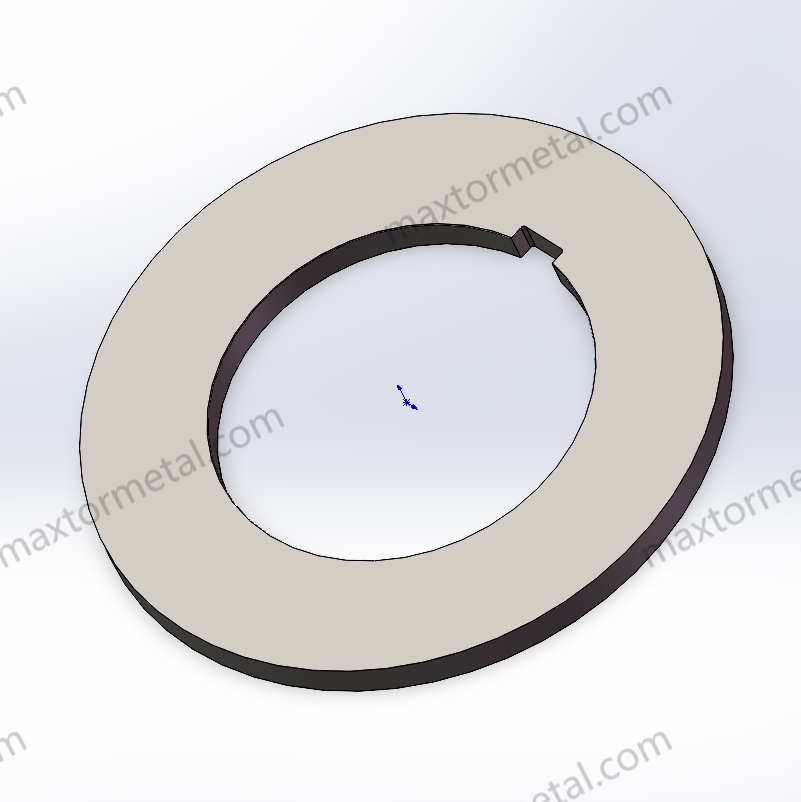
維持する必要がある ステンレス製ローラーシアー刃 清潔に保ちましょう。刃を傷つけたり汚れたりしないようにしてください。刃の性能を良くし、製品の状態を良好に保ちます。刃を汚れさせる原因には以下のようなものがあります。
- 鉄粉とほこり 他のマシンから
- 手や道具の油脂
- 炭素鋼の表面に触れる
ブレードの手入れを怠ると、大きな問題が発生する可能性があります。 下の表はいくつかのリスクを示しています そして、彼らができること:
| リスクカテゴリー | 説明 | 安全性と運用への影響 |
|---|---|---|
| 壊滅的な機器故障 | 刃は突然壊れることがある | 人が怪我をしたり、機械が壊れたり、作業が止まったりすることもあります。 |
| 運用上の非効率性 | 刃が詰まったり、切れ味が悪くなることがある | 時間と材料が無駄になります。 |
| 緊急修理とメンテナンス | 安全でない修理がすぐに必要になるかもしれない | 危険も増え、問題も増えます。 |
これらのことを行うことで、作業の遅延、不良品、材料の混在を防ぐことができます。
重要なポイント
- ステンレス製のローラーせん断刃を清潔に保ちましょう。これにより、刃の性能が向上し、製品の状態を良好に保つことができます。
- 必ず傷がつかない手袋を着用してください。そうすることで、手と刃が傷つくのを防ぐことができます。
- プラスチック製または木製の持ち上げ工具を使用してください。これらの工具は、移動時にブレードが損傷するのを防ぎます。
- 刃は傷がつかないラックに保管してください。刃に埃が付かないようにカバーを使用してください。
- 刃は錆びの原因にならない洗剤で頻繁に掃除してください。汚れや油脂は除去できますが、刃を傷つけることはありません。
- 刃に傷や損傷がないか頻繁に確認してください。そうすることで、問題を早期に発見し、良好な状態を保つことができます。
- 異なる素材の刃を混ぜて使用しないでください。それぞれの素材に適した刃を使用し、色分けして使い分けましょう。
- 刃の清掃と点検の記録を残しておきましょう。これにより、刃の状態や交換時期を把握しやすくなります。
ステンレス鋼ローラーせん断刃の取り扱い

ステンレス製ローラーせん断刃のお手入れは、傷や汚れを防ぐのに役立ちます。適切な手袋、工具、そして保管方法を使用してください。作業場を清潔に保ち、刃を丁寧に扱うことで、高額な費用がかかるようなミスを防ぐことができます。
保護手袋とツールの使用
非研磨性手袋
ステンレス製のローラーシャーブレードに触れる際は、必ず非研磨性の手袋を着用してください。これらの手袋は手とブレードを安全に保ちます。金属作業用の手袋を選びましょう。おすすめの手袋は以下のとおりです。
- 革手袋は長持ちし、使い心地も快適です。
- ケブラー手袋は切り傷から保護します。
- ニトリル手袋は化学物質に耐性があり、握りやすさを向上させます。
スチールメッシュ手袋は危険な場所に最適です。切り傷や突き刺し傷からしっかりと保護します。 個人用保護手袋 手を安全に保ち、作業を効率化します。
ヒント: 粗い手袋や汚れた手袋は使用しないでください。汚れや砂利で刃に傷がつく可能性があります。
専用リフティングツール
刃を持ち上げたり移動させたりする際には、専用の工具を使用してください。これらの工具は刃の落下を防ぎ、傷がつく可能性を低減します。炭素鋼製の工具は使用しないでください。刃に触れる部分がプラスチック、木材、またはステンレス鋼製の工具を使用してください。これにより、刃を清潔で滑らかに保つことができます。
安全な保管方法
ブレードラックとカバー
ステンレス製のローラーシャーブレードは、木製、プラスチック製、またはステンレス製のラックに保管してください。これらの素材はブレードを傷つけません。ブレードカバーを使用して、刃先をほこりや衝撃から保護してください。ブレードはそれぞれ専用の場所に保管してください。
- ラックに応じて、ブレードを立てたり、平らに置いたりします。
- カバーがぴったりフィットし、湿気が溜まらないことを確認してください。
Metal対Metalの接触を避ける
ステンレス製の刃は他の金属、特に炭素鋼と接触させないでください。金属との接触は刃に傷をつけたり、汚れを付着させたりする可能性があります。刃は他の工具や材料から離して保管してください。刃を重ねる場合は、間にプラスチックや紙などの柔らかいものを挟んでください。
注記: ステンレス鋼の加工において、ステンレス鋼ローラーせん断刃を炭素鋼から遠ざけることは非常に重要です。この手順により、相互汚染を防ぎ、刃の良好な動作を維持できます。
きちんとしたセットアップは、刃の清掃と保護を容易にします。刃が損傷する可能性を減らし、いつでも使える状態を保つことができます。
清掃とメンテナンス
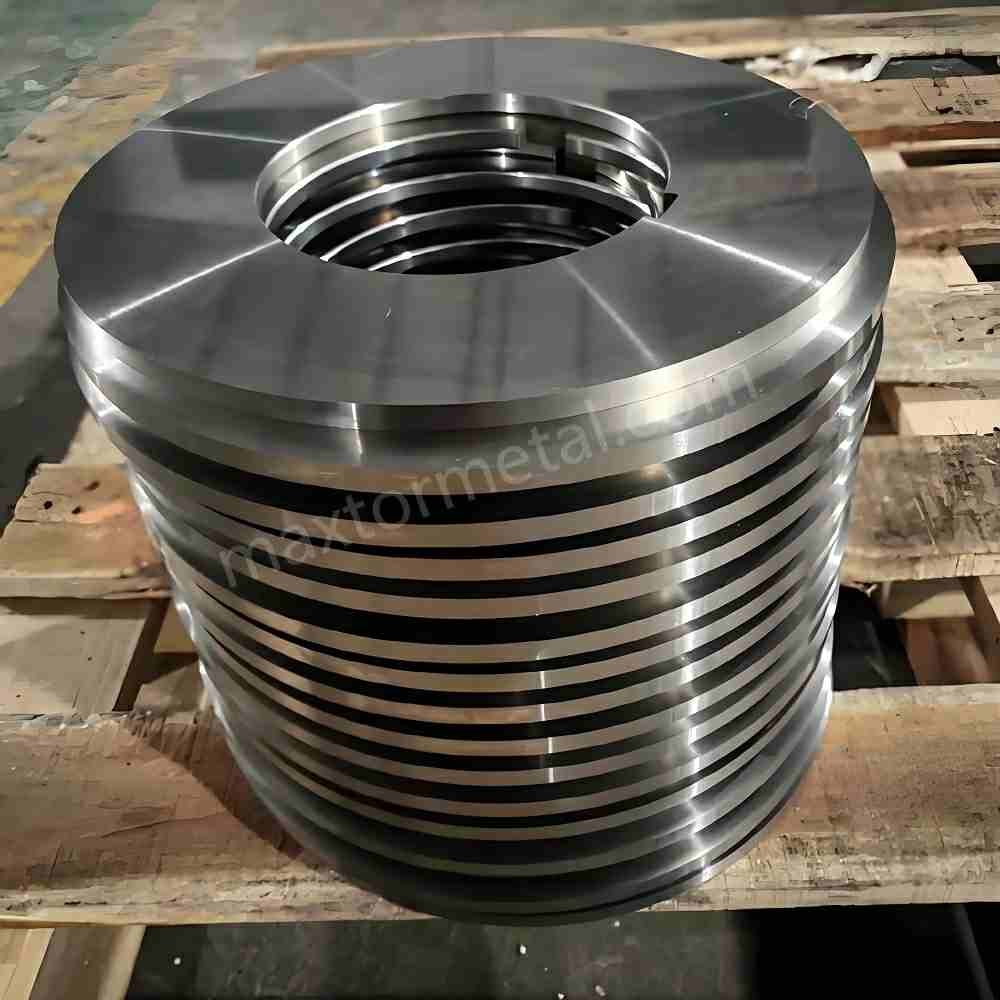
掃除 ステンレス製ローラーシアー刃 より良い作業に役立ちます。適切なクリーナーを選び、適切なお手入れ方法を守ることが重要です。このセクションでは、刃を保護し、良好な状態を保つ方法を説明します。
ステンレス刃物用洗浄剤
非腐食性クリーナー
刃の表面を傷つけないクリーナーを必ず使用してください。安全なクリーナーの例としては、以下のものがあります。
- 中性洗剤
- イソプロピルアルコール
- 専用ブレードクリーナー
これらのクリーナーは汚れや油脂を取り除きます。刃を傷つけることはありません。また、刃の性能を低下させる可能性のある化学物質の蓄積を防ぎます。
研磨パッドを避ける
刃にはスチールウールや強力な化学薬品を使用しないでください。刃に傷がつき、汚れの原因となります。傷がつくとステンレス鋼の仕上げが難しくなり、錆の原因となります。刃を掃除する際は、傷がつかない柔らかい布やパッドを使用してください。
ヒント: クリーナーを使用する前に必ずラベルをよく読んでください。ステンレス鋼の加工に安全で、有害な物質を残さないことを確認してください。
清掃手順
手動および自動化された方法
刃は手作業でも機械でも洗浄できます。手作業は、細かい作業や特殊な箇所に適しています。柔らかい布と中性洗剤を使用してください。多くの刃では、機械を使用すると時間の節約になり、仕上がりも均一になります。
- 刃を傷つけないように優しく拭いてください。
- きれいな水で洗い流してクリーナーを洗い流してください。
- 水滴跡が残らないように、刃はすぐに乾かしてください。
油、ほこり、グリースの除去
刃には油、ほこり、グリースが付着することがあります。これらは刃を汚し、切れ味を悪化させる可能性があります。以下の点にご注意ください。
- 刃を拭く pH中性クリーナー 使用後は毎回。
- 刃を保管する前に、油やほこりをすべて取り除いてください。
- 刃に粘着部分や汚れがないか確認してください。
刃を油やほこりから守ることで表面を保護し、作業スペースを安全に保つことができます。
メンテナンス頻度
日常的なスケジュール
定期的な洗浄と手入れにより、刃は鋭く、いつでも使える状態を保てます。これらの作業はスケジュールを立てて行うことをお勧めします。多くの人は、使用後に毎回刃を洗浄します。これにより、刃先が良好な状態を保ち、化学物質の蓄積を防ぐことができます。
- 刃先を鋭い状態に保つには、適切な工具で刃を研ぎます。
- 刃はホルダーに入れて乾燥した涼しい場所に保管してください。
メンテナンスログ
清掃や修理の記録にはログ記録が役立ちます。刃の清掃、研ぎ、点検を行った日時を記録しましょう。こうすることで、作業のパターンを把握し、今後のメンテナンス計画を立てやすくなります。
| タスク | 頻度 | 注記 |
|---|---|---|
| クリーニング | 使用後 | 中性洗剤を使用する |
| シャープニング | 必要に応じて | 適切な研磨ツールを使用する |
| 検査 | 週刊 | 傷や摩耗がないか確認する |
適切なログは手順を記憶するのに役立ち、ステンレススチール製のローラーせん断ブレードを良好な状態に保ちます。
刃のお手入れは、ステンレス鋼の仕上げと工具の性能維持に重要です。以下の洗浄とお手入れの手順に従うことで、汚染のリスクを軽減し、工具を長持ちさせることができます。
表面保護・保護フィルム
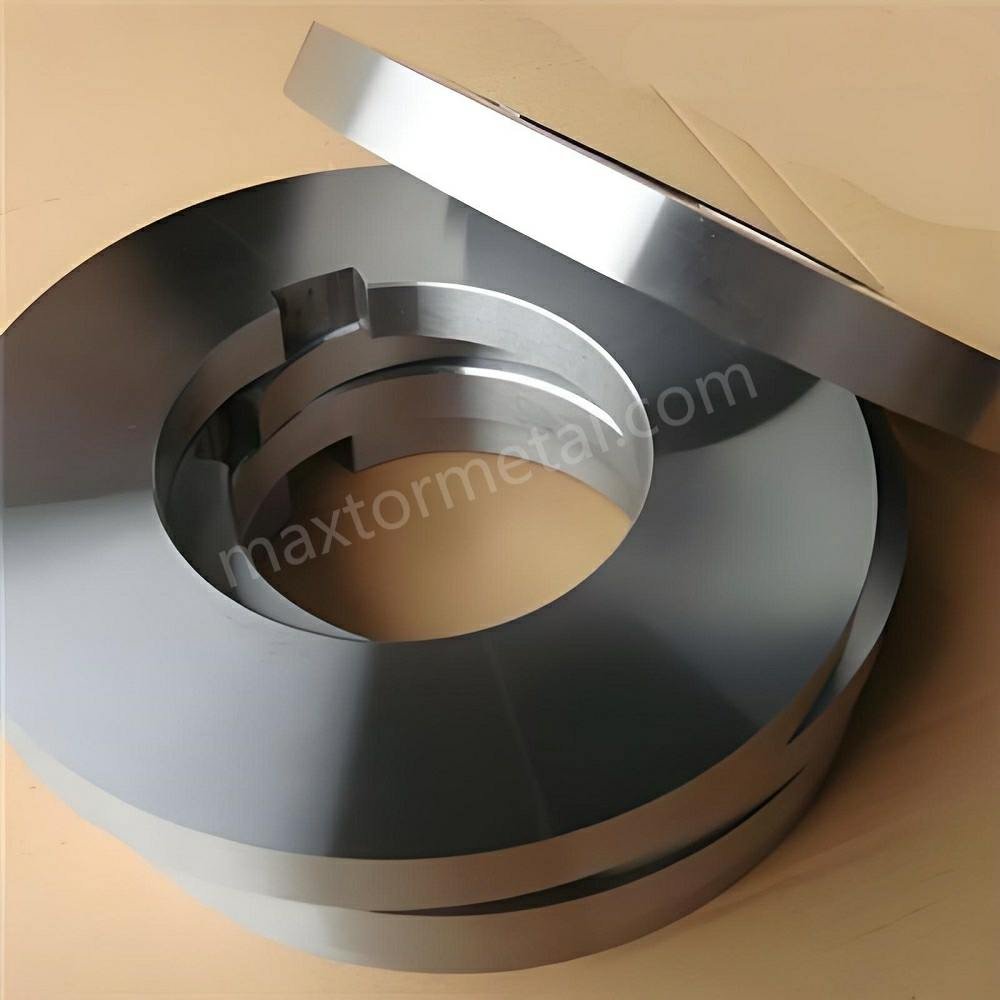
ステンレス製ローラーせん断刃は、傷や汚れから保護する必要があります。適切な保護フィルムと中間層を使用することで、強力な表面保護が得られます。この手順は保管と輸送の両方において重要です。これを怠ると、刃先が損傷し、製品品質が低下するリスクがあります。
保護フィルムと中間層の使用
保護フィルムは刃を保護する役割を果たします。刃の表面を埃や汚れ、鋭利な物から守ります。また、プラスチックや紙などの中間層を使用することで、一時的な表面保護層を追加することもできます。
プラスチックまたは紙の中間層
保護フィルムにはいくつかの選択肢があります。それぞれのタイプは、さまざまなニーズに最適です。以下の表は、一般的な選択肢とその特徴を示しています。
| 保護フィルムの種類 | 説明 |
|---|---|
| 白色PE保護フィルム | ほとんどの用途に適しています。しっかりと接着し、表面を保護するゴム系粘着層を備えています。 |
| 青色PVC保護フィルム | 深絞り加工に最適です。厚みがあり、ゴム系粘着剤を使用しているため、グリップ力が向上します。 |
| 黒色PVC保護フィルム | 過酷な作業にも耐えられるよう設計されています。強力な接着力と耐候性を備えています。 |
プラスチックまたは紙製の中間層は、金属同士の接触を防ぐのに役立ちます。刃と刃の間、または刃とラックの間に挟むことができます。この簡単な手順で、傷を防ぎ、表面を清潔に保つことができます。
塗布と除去のヒント
保護フィルムを正しく貼ったり剥がしたりすることで、損傷を防ぐことができます。以下のベストプラクティスに従ってください。
- フィルムの端を見つけて、鋭角にゆっくりと剥がします。
- フィルムが剥がれにくい場合は、ヘアドライヤーで温めると剥がしやすくなります。
- プラスチック製のスクレーパーを使って端を持ち上げ、優しく削りながら剥いてください。
- 接着剤が残っている場合は、中性溶剤を使用して除去してください。
ヒント: フィルムを剥がした後は必ず刃の状態を確認し、表面に糊や汚れが残っていないことを確認してください。
保管環境
刃の保管場所は重要です。適切な保管場所は、刃を腐食や汚染から守ります。
乾燥した換気の良い場所
ブレードは乾燥した風通しの良い場所に保管してください。金属表面の水分は腐食の原因となります。高湿度、高温、頻繁な雨は腐食を悪化させる可能性があります。海岸沿いや都市部で作業する場合は、塩分や大気汚染によって腐食が加速される可能性があります。保管場所は清潔で乾燥した状態に保ちましょう。必要に応じて扇風機や除湿機を使用してください。
- ステンレスは完全に汚れがつきにくいわけではありません。取り扱いや保管には十分ご注意ください。
- 空気中の湿気や汚染物質により、ブレードの表面が損傷する可能性があります。
- 空気中の湿度と塩分が高いと腐食の危険性が高まります。
炭素鋼との接触を避ける
ステンレス鋼製のローラーせん断刃は、炭素鋼に接触させないでください。わずかな接触でも汚染の原因となり、錆の発生や刃の性能低下につながる可能性があります。刃を他の金属の近くに保管する場合は、必ずプラスチックまたは紙製の中間層を使用してください。炭素鋼製の工具や部品は、保管ラックから離して保管してください。
注記: ステンレス鋼と炭素鋼を分離することは、表面保護の重要な部分です。このステップにより、刃を最高の状態に保つことができます。
これらの手順に従うことで、刃を最適に保護できます。傷、汚れ、腐食のリスクを軽減し、刃は鋭い状態を保ち、いつでも使用できます。
運用のベストプラクティス
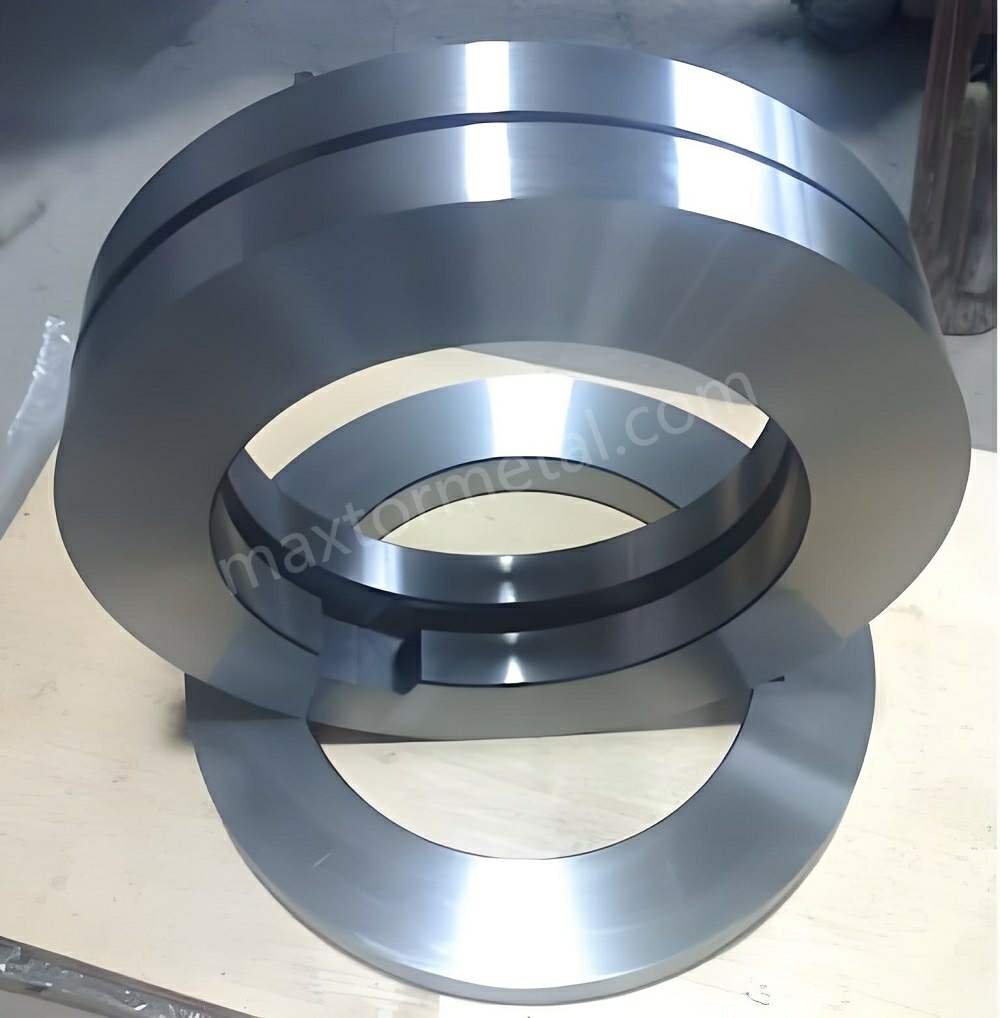
ステンレス鋼製ローラーせん断ブレードを使用する際は、正しい手順に従う必要があります。適切な手順に従うことで、傷や汚染を防ぐことができます。また、ステンレス鋼の切断においても、より良い結果が得られます。このセクションでは、ブレードの取り付け方法、機械のセットアップ方法、最適な材料の選び方について説明します。
取り付けと調整
アーバープレシジョン
ブレードを取り付ける前に、必ずアーバーを確認してください。アーバーはブレードを固定する役割を果たします。アーバーがまっすぐでないと、ブレードがぐらつく可能性があります。ぐらつくと、切り口が不均一になったり、傷がついたりします。ゲージを使ってアーバーを測定してください。アーバーがきれいで、ほこりがないことを確認してください。汚れが付着している場合は、ブレードを取り付ける前にきれいにしてください。
ヒント:ステンレス鋼の加工には必ず専用のアーバーを使用してください。この手順により、交差汚染を防ぐことができます。
ブレードクリアランス
Blade clearance means the space between the blade and the material. You need to set the right clearance for cutting stainless steel. If the gap is too small, the blade can rub and scratch the metal. If the gap is too big, the cut will not be clean. Use the machine manual to find the best clearance. Adjust the blade until it sits at the correct height.
- Check the clearance before each job.
- Use feeler gauges for accurate measurement.
- Make small changes if you see scratches or rough edges.
Monitoring Parameters
Cutting Speed and Feed Rate
You control the quality of your cuts by changing the speed and feed rate. Cutting stainless steel needs careful adjustment. Here is what happens when you change these settings:
- Higher cutting speeds can improve the surface finish. You get fewer built-up edges and less tool-chip sticking.
- If you increase the feed rate, you may see more roughness on the surface.
- Too much speed can cause heat damage. The blade may lose its sharpness and the metal can change color.
You should start with a moderate speed and feed rate. Watch the blade and the metal. If you see scratches or rough spots, slow down or adjust the feed. Always keep a record of your settings for each job.
Lubrication and Coolant
Lubrication and coolant play a big role in protection and cleaning. You need to use them every time you cut stainless steel. Here is why they matter:
- Lubrication and coolant lower friction and wear. This helps prevent scratches on the blade and the metal.
- They wash away small particles like iron oxide and metal slivers. This keeps the blade clean and stops contamination.
- Lubricants create a thin film between surfaces. This film stops welding and scratching.
You should pick a coolant made for finishing stainless steel. Apply it evenly during the cut. Check the coolant level before each job. If you need custom solutions for your blades, you can visit カスタムブレードオプション 詳細についてはこちらをご覧ください。
材料の選択
Carbide vs. Tool Steel
The blade material affects how well you can cut stainless steel. You have two main choices: tungsten carbide and tool steel.
- Tungsten carbide gives you better wear resistance and hardness. It works well for slitting hard metals like stainless steel.
- Tool steel costs less and lasts a decent amount of time. It may not work as well for very hard metals.
- High-carbon tool steel hardened to 60-65 HRC is a good choice for cutting stainless steel and other tough materials.
You should pick the blade material based on your job needs. If you cut stainless steel often, carbide blades may last longer and give cleaner cuts.
Managing Work-Hardening
Stainless steel can get harder as you cut it. This is called work-hardening. You need to manage this effect to avoid scratches and blade damage.
- Use sharp blades to reduce work-hardening.
- Keep the cutting speed steady.
- Do not let the blade dwell too long in one spot.
If you see the metal getting harder, stop and check your settings. You may need to change the blade or adjust the speed. Good management helps you get smooth edges and better results when finishing stainless steel.
Note: Always review your process after each job. Small changes in setup can make a big difference in protection and blade life.
By following these operational best practices, you keep your blades in top shape. You also get better results when cutting stainless steel. You lower the risk of scratches, contamination, and downtime.
交差汚染の防止
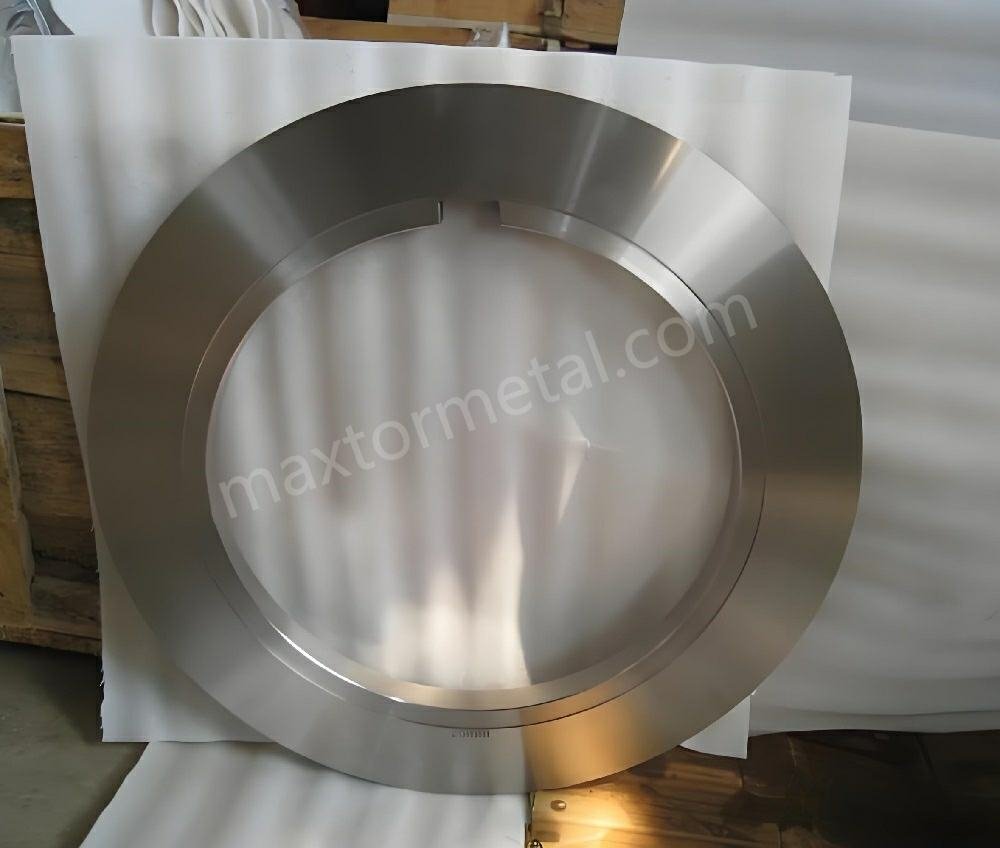
Cross-contamination can cause big problems with stainless steel roller shear blades. You need to keep blades clean and away from other materials. This helps stop rust, stains, and bad cuts. There are different ways to prevent cross-contamination in your shop.
Blade Segregation
Dedicated Blades for Different Materials
Always use a special blade for each material. Do not use one blade for both stainless steel and carbon steel. This rule keeps blades free from unwanted stuff. Using a blade only for stainless steel lowers the chance of rust and damage.
Here is a table that explains why dedicated blades are important:
| 特徴 | 利点 |
|---|---|
| 耐腐食性 | Stainless steel blades fight rust, which helps in wet places. |
| バイオフィルムの形成 | Smooth, rust-resistant blades are easier to clean and keep safe. |
Dedicated blades help you keep tools working well. They also protect finished products from problems.
Color Coding
Color coding helps you know which blade to use for each material. You can use colored handles, labels, or bins. This system helps everyone avoid mistakes.
- Red is for carbon steel blades.
- Blue is for stainless steel roller shear blades.
- Green is for aluminum blades.
Color coding works best when your team learns the system. You can use colored tape or paint to mark tools and racks.
ヒント: Put a chart in your shop that shows what each color means. This helps new workers learn fast.
Cleaning Between Material Changes
Removing Residual Particles
When you switch materials, you must clean blades and tools. Even tiny bits of metal can cause problems. Wipe stainless steel roller shear blades with a soft, clean cloth. Use a gentle cleaner that does not hurt the blade.
- Clean all tools before using them on stainless steel.
- Remove dust, oil, and metal bits from blades and work areas.
- Use air or a vacuum to pick up small particles.
You can also use air filters in your shop. These help keep the air clean and lower metal dust.
Inspection for Contaminants
After cleaning, check your blades and tools. Look for leftover bits or stains. Run your finger along the blade edge to feel for rough spots. If you find anything, clean the blade again before starting work.
- Check the blade under bright light.
- Use a magnifying glass for a closer look if needed.
- Write down your inspection in a log.
注記: Regular checks help you find problems early. You can stop contamination before it hurts your work.
You can train your team to follow these steps. Good training makes sure everyone knows how to keep stainless steel roller shear blades clean and safe. You protect your tools, products, and your shop’s reputation.
Key ways to stop cross-contamination are:
- Use special blades and tools for each material.
- Use color coding to make things easy to spot.
- Clean tools and surfaces between jobs.
- Check blades before each use.
- Teach your team the best ways to work.
If you follow these steps, your stainless steel roller shear blades stay in great shape. You also make your shop safer and more organized.
検査と交換

Checking your stainless steel roller shear blades often helps your shop run well. You can find problems early and fix them before they get worse. This part explains how to look at your blades and know when to get new ones.
Routine Inspection
You should check your blades a lot. Finding scratches or dirt early keeps blades sharp and products good.
Visual and Tactile Checks
You can use your eyes and hands to find blade problems. Here are some easy ways:
- Look at the blade with bright light. This helps you see marks and stains.
- Shine light from the side to make shadows. Shadows show small problems.
- Use soft light to see bigger marks.
- Use a magnifier to see tiny scratches.
- Run your finger along the blade edge. You can feel rough spots.
- Put a special liquid on the blade. Under UV light, it shows hidden cracks.
ヒント: Clean the blade before you check it. Dirt can hide small problems.
Surface Roughness Testing
Testing how smooth the blade is helps you get clean cuts. You want a smooth blade to stop dirt and scratches. You can use tools that touch the blade or tools that do not.
あ laser microscope can scan the blade without touching it. It shows a 3D picture of the blade surface. You can see tiny bumps and scratches. This test is good after cleaning or sharpening your stainless steel roller shear blades.
注記: Write down your test results in a log. Keeping notes helps you see changes over time.
交換ガイドライン
You need to know when to get new blades. Using bad blades can slow work and hurt products.
Identifying Damage
Check your blades for these signs:
- Deep scratches or cracks on the edge
- Chips or missing pieces
- Bent or uneven edges
- Blade is not sharp after sharpening
- Rust or dirt that will not come off
If you see these problems, get a new blade. Bad blades make machines work harder. They also cut slower and not as well.
Replacement Scheduling
Make a plan to check and change your blades. Do not wait for a blade to break during work. Here are some good steps:
- Check blades after every use.
- Change blades if you see big damage.
- Write down when you check or change each blade.
- Sharpen blades often to keep them working.
- Change blades after a set number of cuts or hours.
| 検査タスク | どのくらいの頻度で | What To Do If Problem Found |
|---|---|---|
| Visual/Tactile Check | 使用後 | Clean or change blade |
| Surface Roughness Test | 月次 | Sharpen or change if needed |
| Full Blade Inspection | 週刊 | Write it down and fix problems |
Checking blades often helps you stop sudden problems and keeps your shop working well.
When you check and change blades on time, your shop works better. Sharp blades cut faster and cleaner. You waste less material and your machines last longer. You also have fewer emergency fixes and less downtime.
If you want help or need special blades, visit 南京Metal工業.
You can keep stainless steel roller shear blades working well by doing a few easy things: Clean blades with warm water and a soft cloth. Rinse them so no water spots stay. Do not use rough cleaners or pads that touched other metals. Store blades away from other metals. Use special packaging to stop contamination.
If you handle, clean, and check blades often, you get better results. Keep teaching your team and find ways to make your process better. If you need help or custom blade ideas, talk to our sales engineers ここ. 🛠️
よくある質問
What makes stainless steel roller shear blades resist corrosion?
The blade has a special layer on its surface. This layer forms during passivation. It protects the blade from rust. The layer also keeps the mirror finish shiny. Scratches can weaken this layer. Try not to scratch the blade.
How do I keep a mirror finish on my blades?
Use gentle ways to clean your blades. Do not use rough pads or scrub hard. Store blades with protection on the surface. Clean with soft cloths and mild cleaners. This keeps the mirror look and stops rust.
Why is corrosion a problem for stainless steel blades?
Corrosion makes the blade weak and dull. You lose the blade’s rust protection. Rust spots can show up. The blade becomes unsafe and does not work well. Clean and treat blades the right way to stop corrosion.
What is the best cleaning method for stainless steel roller shear blades?
Clean blades with soft cloths and gentle cleaners. Do not scrub hard or use rough pads. Rinse with clean water. Dry the blade right after cleaning. This keeps the mirror finish and helps stop rust. Good cleaning keeps blades sharp.
How does treatment affect corrosion resistance?
Proper treatment, like passivation, makes the protective layer. This layer helps stop rust. If you skip treatment, rust can start. Always follow the right steps to keep blades strong and shiny.
同じ刃を異なる素材に使用できますか?
Do not use one blade for many materials. This can hurt the mirror finish and lower rust protection. Mixing materials may cause rust. Use special blades and protect the surface for each material.
How do I know if my blade needs more treatment?
Look for dull spots or rust on the blade. If the mirror finish is gone or you see rust, treat the blade again. Cleaning and passivation help bring back rust protection. Keep blades dry and use surface protection.
Does a mirror finish improve blade performance?
A mirror finish lowers friction and makes cleaning easy. It also helps stop rust. You get better cuts and less buildup. The shiny surface also helps stop pokes and scratches.

 English
  Spanish
  Italian
  French
  Portuguese
  Russian
  German
  Arabic
  Hindi
Hindi  Vietnamese
  Indonesian
  Japanese
  Korean