

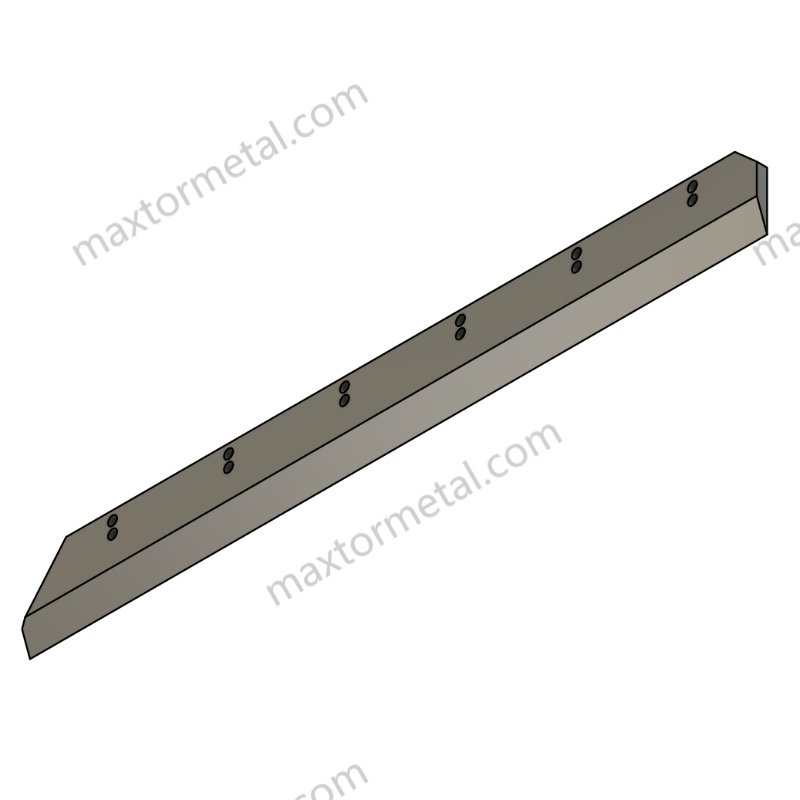
あなたには正しい ペーパーギロチン刃 紙の裁断には、ダストゼロを実現するために、厳しい公差が求められます。すべての工程において、非常に正確な作業が求められます。ペーパーカッターの刃を選ぶ際は、刃の材質と刃先の品質に注目してください。業務用の裁断で最も一般的な選択肢は以下のとおりです。
- 高炭素鋼
- ステンレス鋼
- 工具鋼
- 複合材料
丁寧に切ることで、ホコリや毛羽立ちが少なくなります。定期的なメンテナンスを行うことで、切り口がきれいで鋭い状態を保つことができます。正しい手順を踏めば、最高の仕上がりが得られます。
重要なポイント
- きれいな切り口のために、最適な刃の素材を選びましょう。高速度鋼(HSS)と炭化タングステン(TC)は、切れ味が長持ちし、切れ味も長持ちします。
- 刃はこまめにお手入れしましょう。HSS刃は50~70時間使用したら研ぎましょう。そうすることで、切れ味が滑らかになり、粉塵も減ります。
- 刃の許容誤差に注意してください。±0.02mmの許容誤差であれば、よりきれいな切り口が得られ、切り粉も少なくなります。
- カッティングマシンを正しくセットアップしましょう。きれいで正確なカットには、適切な位置合わせとクランプ圧力が重要です。
- 高度な刃コーティングをお試しください。ノンスティック加工と摩擦防止加工により、刃の切れ味が向上し、粉塵の発生も抑えられます。
- 室内のものを整理しましょう。湿度と静電気をチェックしてホコリを防ぎ、裁断時の紙送りをスムーズにします。
- 刃は頻繁に点検してください。摩耗や損傷に注意することで、切れ味を維持し、スタック溶接などのトラブルを防ぐことができます。
- 特殊な作業にはカスタムブレードをご検討ください。特殊なブレードは、様々な素材や切断ニーズに合わせてより効果的に機能します。
紙ギロチン刃の刃材質

適切な刃の素材を選ぶことで、きれいな切り口が得られます。長持ちし、切れ味の持続性のある刃を選びましょう。刃の選び方は、何をどれだけ切るか、そしてどの程度の精度を求めるかによって異なります。
工具鋼およびHSSオプション
紙切り刃の一般的な材質には、工具鋼と高速度鋼(HSS)があります。工具鋼は硬くて丈夫です。M2やW18などのHSSはさらに硬く、耐熱性にも優れています。これらの刃は、大きな作業や強度の高い材料に適しています。
以下は工具鋼と HSS を比較した表です。
| 材質タイプ | 硬度(HRC) | 耐熱性 | 耐用年数 |
|---|---|---|---|
| HSS M2/W18 | 64-66 | 素晴らしい | 拡張 |
HSS刃は非常に硬く、長持ちします。刃の交換頻度が少なくなり、より多くの紙を切ることができます。
刃先の保持と再研磨
刃先を鋭く保つことは、きれいな切断に重要です。HSS刃は工具鋼よりも刃先が長持ちします。HSS刃は1~2回再研磨することで費用を節約できます。再研磨にかかる費用はそれほど高くありませんが、やりすぎると刃が弱くなります。
| 特徴 | ハイスピードスチールブレード |
|---|---|
| 再研磨頻度 | 1~2回 |
| 再研磨コスト | 低価格(10~30元/個程度) |
| エッジ強度 | 過剰な再研磨により減少 |
長持ちして時間を節約できるブレードが必要な場合は、HSS が適しています。
タングステンカーバイドとカーバイドインレイ
タングステンカーバイド製の刃は非常に強度が高く、摩耗に強いため、大きな作業や硬い素材の切断に適しています。カーバイドインレイ刃は、鋼の本体とカーバイドの刃先で構成されており、強度と鋭さを兼ね備えています。
耐久性と欠けのリスク
超硬刃は長持ちしますが、正しく使用しないと欠けてしまうことがあります。欠けの原因となるものには以下のようなものがあります。
- 小さな衝撃や過度の力により刃が欠ける場合があります。
- 脆い刃や弱い形状では欠けやすくなります。
- 不良な冷却剤や機械の問題により欠けが生じる可能性があります。
- ツールの摩耗や不適切な材料の選択も重要です。
欠けを防ぐには、より硬い超硬合金を使用してください。機械のセットアップが適切であることを確認してください。振動がないか確認し、刃を清潔に保ってください。
特殊合金とカスタムソリューション
作業によっては特殊な刃材が必要になります。特殊合金や カスタムブレード 特殊な作業に役立ちます。ティッシュ、不織布、食品包装用の刃が必要になる場合があります。正確な切断が求められる自動車や飛行機用の刃もあります。
アプリケーション固有の選択
カスタムブレードは次の用途に使用できます。
- 衛生のためにティッシュやウェットティッシュをカットします。
- 医療用または家庭用の不織布をきれいにカットします。
- 包装用のラベルや包装紙の作成。
- 自動車内装や航空宇宙用の部品の切断。
南京Metal工業 豊富なブレード素材とカスタムオプションをご用意しています。作業に最適なブレードを選ぶことで、より良い仕上がりとブレード寿命の延長を実現できます。
HSSブレードとTCブレード
コストとパフォーマンスの比較
ペーパーギロチンの刃を選ぶ際には、優れたコストパフォーマンスが求められます。業務用の裁断では、主に高速度鋼(HSS)とタングステンカーバイド(TC)が選ばれています。それぞれの刃には、用途に応じて独自の長所があります。
| 特徴 | 高速度鋼(HSS) | タングステンカーバイド(TC) |
|---|---|---|
| 料金 | 初期費用が低い | 初期投資額の増加 |
| 硬度 | 高いが炭化物よりは低い | 非常に高く、耐摩耗性に優れている |
| 耐摩耗性 | ほとんどの仕事に適している | 素晴らしい、ずっと長持ちする |
| 切断速度 | 中程度の速度に対応 | より高い切断速度で動作 |
| 耐久性 | 普段使いに最適 | 優れた、難しい仕事にも対応 |
| 脆さ | 脆くなく、衝撃に強い | より脆いので、強い衝撃は避けてください |
| 表面仕上げ | 滑らかな仕上がり | 優れた、よりきれいなカットエッジ |
HSSブレードは購入時の価格が安く、切れ味も良く、長く使えます。HSSブレードは1~2回再研磨することで長持ちします。そのため、費用を抑えつつ良い仕上がりを求めるなら、HSSブレードは賢い選択と言えるでしょう。
TCブレードは高価ですが、耐久性が高く、耐摩耗性に優れています。TCブレードは、大量の切断や非常に滑らかな刃先が必要な場合に使用できます。TCブレードは長期間鋭い切れ味を保つため、頻繁に交換する必要はありません。硬い材料や高速の機械に適しています。TCブレードは破損しやすいため、注意が必要です。
ヒント: 毎日大量の紙を切ったり、きれいな切り口にしたい場合は、TC ブレードを使用すると、長期的には時間と費用を節約できます。
HSSブレードは柔らかい素材にも硬い素材にも使えると言われています。HSSブレードは高価ではないにもかかわらず、切れ味が良いのが好評です。TCブレードは設計が独特です。中には特殊な刃先を持つTCブレードもあり、硬い作業でも刃の曲がりを防ぎ、まっすぐな状態を保ちます。これにより、より良い切れ味が得られ、ブレードの寿命も長くなります。
ペーパーカッターの刃を選ぶ際は、何をどれくらい切るか、そして何を切るかを考えてください。ほとんどの作業では、HSS刃が優れた性能と信頼性を備えています。難しい作業や粉塵を出さずに切る場合は、TC刃が最高の耐久性と精度を提供します。
ペーパーカッターブレードの許容差と形状
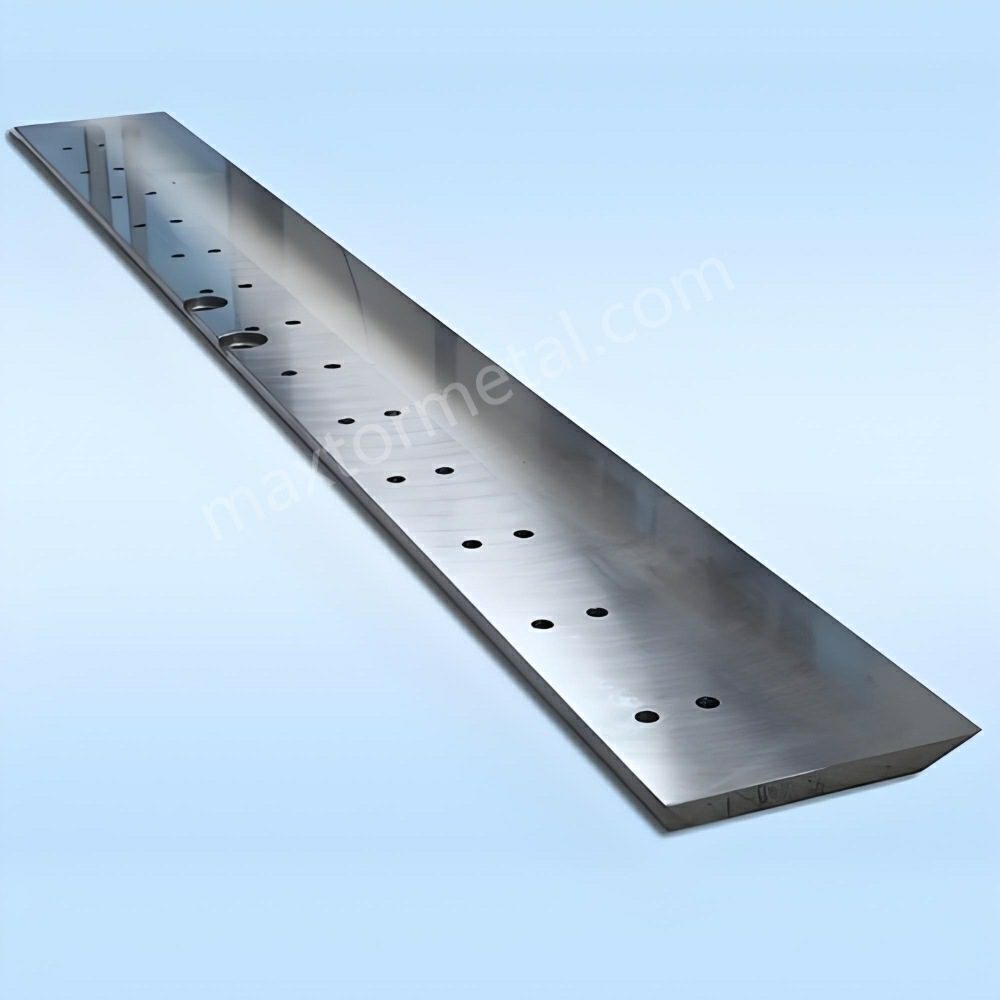
適切な許容差と刃の形状を選ぶことは非常に重要です。これにより、紙をきれいに切り、ほとんど粉が出なくなります。刃の平らさや刃先の角度など、あらゆる部分に注意を払う必要があります。これらの要素が、切り口の美しさと刃の寿命を左右します。
重要な許容差(±0.02 mm)
平行性と平坦性
ペーパーギロチンの刃を使うときは、正確さが求められます。ほんの少しのミスでも、ほこりや毛羽立ち、あるいは切り口の不均一さが生じる可能性があります。ほとんどのメーカーは、許容範囲を ±0.2 mm 紙やラベルに適しています。特殊な刃の中には、±0.02mmといったさらに高精度な刃もあります。これにより、滑らかできれいな切り口を、粉塵なく仕上げることができます。
| 業界 | 必要なカット公差 | 推奨ブレード形状 |
|---|---|---|
| 紙/ラベル | ±0.2 mm | 薄く、直線的で、低い斜面 |
平行度と平坦度は非常に重要です。刃が平らでなかったり平行でなかったりすると、紙に線やざらつきが出てきます。切り始める前に必ずこれらの点を確認してください。多くの企業は、レーザースキャナーやビジョンシステムなどの特殊なツールを使用してこれらの点を測定しています。これらのツールは、0.0005mmという小さな誤差も検出できます。
エッジ角度とプロファイル
ストレート、ベベル、ノッチ付きブレード
刃の角度と形状によって、切れ味と耐久性が変わります。直刃、斜刃、ノッチ刃など、お好みの刃をお選びください。それぞれ適した作業が異なります。
| ブレードデザイン | カット品質への影響 | メンテナンス要件 |
|---|---|---|
| 直線エッジ | 過酷な作業にも耐えうる最大限の強度と耐久性。 | 堅牢な構造によりメンテナンスが最小限で済みます。 |
| 面取りエッジ | 角度によって異なります。鋭角は精度を提供し、中程度の角度は鋭さと耐久性のバランスを保ち、鈍角は耐久性を高めます。 | 中程度の角度であれば、研ぐ頻度はそれほど必要ありません。 |
| ノッチエッジ | 全体的に切断効率を高めます。 | メンテナンスの必要性は具体的な設計によって異なります。 |
エッジの角度についても考慮する必要があります。
- ほとんどの刃の先端角度は約18°±2°です。これにより刃が鋭くなり、紙が破れるのを防ぎます。
- バックアングルは5°~8°にしてください。これにより摩擦が軽減され、バリの発生を防ぐことができます。
- E段ボールの場合、前面角度は最大20°まで使用できます。これにより、より硬いカットが可能になります。
- 刃の半径は0.2mmから0.5mmの範囲にする必要があります。これにより、刃の鋭さが維持され、寿命が長くなります。
特殊なブレード形状やより厳しい許容差が必要な場合は、お客様専用のカスタムブレードを作成できます。
エッジ角度の選択
- 鋭角なので切り口が非常に鋭く、薄い紙に適しています。
- 程よい角度でシャープでありながら強度も兼ね備え、お手入れも簡単です。
- 鈍角にすることで刃の強度が上がり、寿命が長くなります。難しい作業に最適です。
紙の切断品質への影響
ほこりや毛羽の低減
刃の形状と許容範囲を正確に把握することで、ホコリや毛羽立ちを抑えることができます。鋭利な刃と適切な角度は、紙の繊維をきれいにカットします。これにより、滑らかな切り口と、汚れの少ない仕上がりが得られます。刃が鈍っていたり、角度が間違っていたりすると、ホコリや粗い切り口が多くなります。
スタック溶接の防止
スタックウェルディングとは、紙を切った後にシート同士がくっつく現象です。刃先角度が適切で表面が平らな刃を使うことで、スタックウェルディングを防ぐことができます。刃の平行度と平面度を高く保つことで、熱と摩擦が抑えられ、スタックウェルディングの発生を防ぎます。刃は常に清潔に保ち、摩耗がないかこまめに点検してください。
品質管理と検査プロセス
刃の許容誤差を適正に保つには、徹底した品質管理が必要です。メーカーは以下のような多くの項目を検査します。
- 素材の厚さと幅
- カッピングとキャンバー(ブレード形状)
- チップテーブルの高さ、厚さ、幅、長さ、奥行き
- 表面粗さ(RA値)
現代の工場では、これらの測定にビジョンシステムとレーザースキャナーが使用されています。ビジョンシステムは0.0005mmという小さな誤差も検出できます。レーザースキャナーはブレードの3D形状をチェックし、設計図と比較します。品質管理チームは頻繁にデータを収集し、管理図を用いて工程の効率性を確認します。これらの手順により、常に厳しい基準を満たすブレードを製造することができます。
ヒント:最高の切れ味と長持ちする刃をお求めなら、サプライヤーに品質検査について問い合わせてください。そうすることで、刃の素材と形状が作業に適しているかどうかを確認できます。
特殊な許容差や特殊な形状のブレードが必要な場合は、ニーズに合ったカスタムブレードを依頼できます。
ゼロダストの紙切り技術
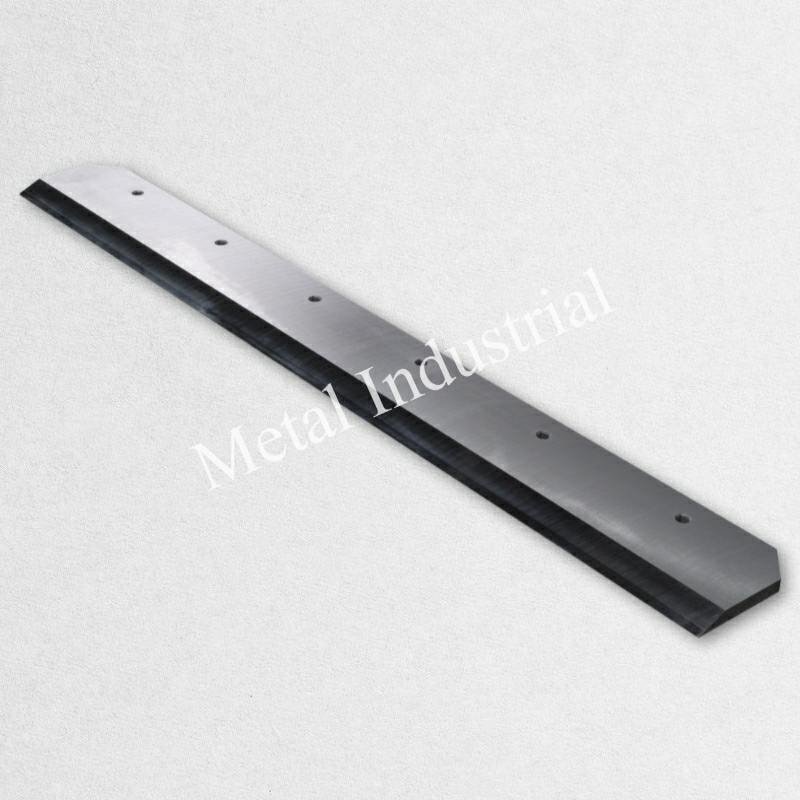
紙粉ゼロの裁断には、鋭い刃だけでは不十分です。機械の適切な設定、特殊な刃コーティングの使用、そして環境管理も重要です。これらのステップを一つ一つ踏むことで、より高品質で正確な裁断が可能になり、刃の寿命も長くなります。
機械のセットアップと調整
マシンを正しくセットアップすることで、最高のカットが実現します。すべてのカットを美しく正確に仕上げたいですよね。まず、マシンが正しくセットアップされ、良好な状態であることを確認してください。
ブレードの取り付けとクランプ圧力
ペーパーカッターの刃は正しい向きに取り付けてください。刃が平らで均一であることを確認してください。切る紙の大きさに合わせてクランプ圧力を調整してください。圧力が高すぎると、刃や紙を傷つける可能性があります。圧力が低すぎると、紙が滑ってまっすぐに切れません。
こちらは マシンのセットアップに関するヒントが記載された表:
| ベストプラクティス | 説明 |
|---|---|
| ブレードクリアランス | 紙の種類と厚さに合わせて刃の隙間を設定します。 |
| ツールホルダーの状態 | ツールホルダーがまっすぐで壊れていないことを確認します。 |
| 標準ブレードの取り付け | ブレードをしっかりと取り付け、平らで間隔が適切であることを確認します。 |
| 通常のメンテナンス | 刃の隙間を頻繁に確認し、必要に応じて刃を交換してください。 |
| 操作マニュアルに従ってください | 安全と最良の結果を得るためにマニュアルをお読みください。 |
より良いカットのために、次のことも行う必要があります。
- より良い切断を可能にする部品がないか、マシンを調べてください。
- マンドレルを使用して紙を固定し、バリを防止します。
- カットを始める前にチェックを設定します。
- カットをチェックする方法を選択し、計画に追加します。
- サンプルプランを使用して、問題を早期に発見します。
- サプライヤーと協力して適切な測定ツールを選択してください。
- チェック済みのツールを使用し、測定のための明確なルールを設定します。
ヒント: マシンを頻繁にチェックし、慎重にセットアップすると、ほこりが少なくなり、ブレードが正常に機能し続けるようになります。
高度なブレードコーティング
刃のコーティングは、切れ味を良くし、刃の寿命を延ばすのに役立ちます。摩擦を軽減し、刃へのホコリの付着を防ぎます。つまり、よりきれいに切れ、汚れも少なくなります。
ノンスティックおよび摩擦防止オプション
刃には様々なコーティングが選べます。それぞれに独自の効果があります。
| コーティングタイプ | 利点 |
|---|---|
| 錫 | 摩擦が少なくなり、より正確にカットできます |
| TiCN | 刃に埃が付着するのを防ぎます |
| 専門分野 | 刃の性能が向上し、寿命が長くなります |
テフロンのようなノンスティックコーティング 糊の付着を防ぎ、お手入れも簡単です。また、摩擦を低減するため、より速く、より滑らかに切ることができます。ただし、テフロンコーティングは金属コーティングほど長持ちせず、摩耗してしまうことがあります。TiNやTiCNなどの摩擦防止コーティングは長持ちし、大量の紙を切るのに適しています。これらのコーティングは、刃の鋭さを保ち、良好な状態を保つのに役立ちます。
| 特徴 | テフロンノンスティックコーティング | 摩擦防止コーティング |
|---|---|---|
| 摩擦軽減 | はい、よりスムーズに切断できます | はい、長持ちします |
| 接着剤の蓄積防止 | はい | はい |
| 耐久性 | それほど強力ではないが、効果が薄れる可能性がある | より強く、より長持ち |
| 温度適合性 | 暑い仕事には向かない | ほとんどの仕事に適している |
| メンテナンス | お手入れ簡単 | お手入れが簡単 |
注:作業内容に合ったコーティングをお選びください。短時間で作業する場合や、大規模な作業の場合は、摩擦防止コーティングの方が強度が高く、効果的です。
環境要因
マシン周辺の空気や空間は、ホコリの量やカットの仕上がりに影響します。最高のカットを得るには、湿度、静電気、使用する紙の種類に注意する必要があります。
紙の種類、湿度、静電気
空気が乾燥すると、 静電気が上がるこれにより、紙と機械に埃が付着しやすくなります。薄い紙は静電気が発生しやすいため、カット時に埃が多く出ます。また、静電気によって紙送りがうまくいかなくなり、埃が増え、トラブルが増えることもあります。
| 環境要因 | 静電気への影響 | 粉塵発生への影響 |
|---|---|---|
| 湿度 | 乾燥した空気は静電気を多く発生させる | 切断中にゴミが付着する |
| 用紙の種類 | 薄い紙は静電気を起こしやすい | さらなる粉塵問題 |
空気とほこりを制御するには、次のことを行うことができます。
| ステップ | 説明 |
|---|---|
| 1 | モニターを使って確認する 湿度と空気の質 いつも。 |
| 2 | 作業中に空気中の静電気やほこりを検出するセンサーを設置します。 |
| 3 | データを使用して、空気清浄機が機能し、規則を満たしているかどうかを確認します。 |
注意:湿度と静電気をコントロールすることで、ホコリの発生を抑え、より良い切れ味を実現できます。作業場は常に清潔に保ち、空気の状態をこまめにチェックしてください。
マシンを正しくセットアップし、良質な刃のコーティングを使用し、空気の流れをコントロールすれば、紙をほとんど粉塵なく切ることができます。これらの手順は、より良い切り口を保ち、刃を強く保ち、毎回きれいな切り口を得るために役立ちます。
紙切断のメンテナンスと故障防止
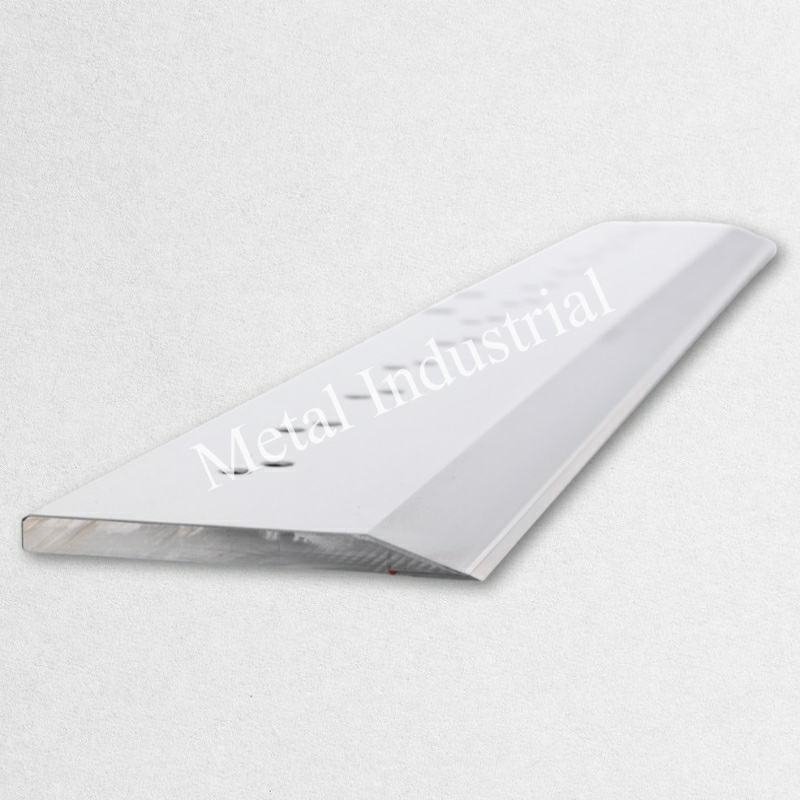
ペーパーギロチンの刃のお手入れは、良い切れ味を保つのに役立ちます。また、費用の節約にも繋がります。刃は適切な方法で洗浄、研ぎ、保管してください。このセクションでは、刃のトラブルを解決し、良好な状態を保つ方法について説明します。
よくある問題と解決策
スタック溶接、毛羽立ち、または 鈍い刃これらの問題は、あなたの作品の見栄えを悪くし、マシンの負荷も増大させます。以下に、いくつかの問題とその解決方法をご紹介します。
| メンテナンスの問題 | 推奨ソリューション |
|---|---|
| 鈍い刃 | 50~70時間経過したら、グラインダーまたは砥石で研いでください。 |
| 潤滑不足 | 洗浄後または20時間ごとに高性能オイルを使用してください。 |
| 検査の省略 | 摩耗や位置合わせの問題がないか、ブレードを頻繁にチェックしてください。 |
| 不適切なツールまたはクリーナー | 粗い工具や酸性の洗剤は使用しないでください。刃の表面を傷つける可能性があります。 |
| 回復不能な損害 | 深い亀裂や大きな問題のあるブレードは交換してください。 |
スタック溶接とファズ
スタックウェルディングとは、紙をカットした後にシート同士がくっつくことです。毛羽とは、カット端に付着した微細な繊維や埃のことです。これらの問題は、以下の対策を講じることで防ぐことができます。
- 適切な刃先角度を持つ鋭い刃を使用してください。
- 柔らかいブラシまたは布で毎日刃を掃除してください。
- 可動部分には軽質機械油を注油してください。
- 切り口がきれいでない場合は、鈍さやずれがないか確認してください。
- 詰まりが見られる場合は、スタックを薄くカットします。
- 異音が聞こえる場合は、緩んだ部分を締め直し、オイルを補充してください。
ヒント: 刃を清掃してオイルを差すと、ほとんどの問題が解決し、刃が鋭く保たれます。
刃の研ぎ直し
刃を研ぐと切れ味が良くなります。切れ味の鈍い刃は切れ味が悪く、機械を傷める可能性があります。ハイス鋼と超硬合金の刃は、研ぐ時期が異なります。
メンテナンス間隔と摩耗の兆候
ブレードを頻繁に点検してください。以下の兆候がないか確認してください。
- 刃がスムーズに切れません。
- 紙にほこりや毛羽立ちが多く見られます。
- 機械にはもっと締め付け圧力が必要です。
- 刃先が欠けたり摩耗したりしているように見えます。
各種ブレードのサービス時間は次のとおりです。
- 標準スチールナイフ刃:8時間後に交換してください。
- ハイスインレイ:16時間後に交換してください。
- 超硬ナイフ:約160時間後に交換してください。
素材に合わせて適切な研磨角度を使用してください。紙、プラスチック、軟質金属の場合は20~25°、硬質金属の場合は30~40°、研磨が難しい場合は45°以上の角度を使用してください。研磨の際は必ずクーラントを使用してください。熱を加えすぎると刃の摩耗が早まります。0.05mmを超える亀裂が見られる場合は、研磨せずに刃を交換してください。
注:プロによる研磨により、刃はほぼ新品同様の状態になります。精密研磨により、刃は鋭い切れ味を保ち、ダストゼロの切断を実現します。
取り扱いと保管
刃を正しく扱い、保管することで、欠けや錆を防ぐことができます。刃を良好な状態に保つために、以下の手順に従ってください。
欠けや腐食の防止
- 刃を保護オイルやグリースで覆い、空気と湿気を遮断します。
- 刃を油紙で包んでください。錆を防ぎ、刃を清潔に保ちます。
- 刃に触れる際は手袋を着用してください。指紋が付くのを防ぎ、錆びを防ぎます。
- 刃は湿度の低い、50℃以下の部屋に保管してください。温度は68~72°F(20~23℃)に保ってください。
- 長期保存する場合は、保護を強化するために真空包装を使用してください。
注意:刃を丁寧に保管・取り扱うことで、欠けや錆を防ぐことができます。刃の寿命が長くなり、切り口もきれいになります。
刃は使用前に必ず点検してください。欠け、錆、損傷がないか確認してください。切る前に問題を修正してください。研磨と適切な手入れを行うことで、毎回素晴らしい仕上がりが得られます。
これらの手順に従えば、ハイス鋼や超硬合金の刃の寿命が長くなり、紙の切り取りもスムーズで簡単になります。
製紙用ギロチン刃の所有コスト
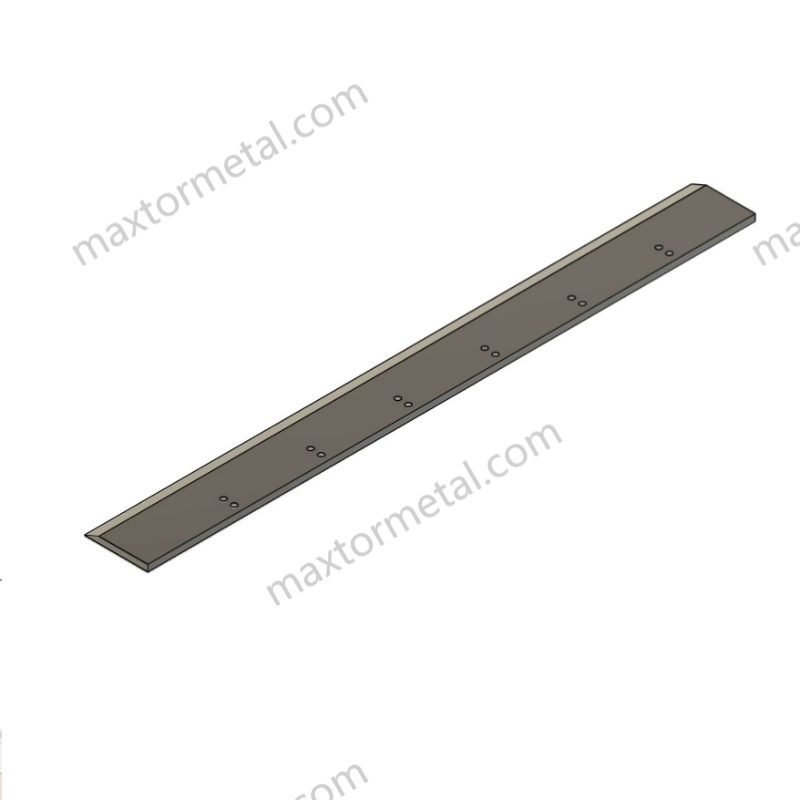
HSSおよび超硬ブレードのTCO
ダウンタイムと再研磨コスト
工業用ペーパーカッターを最大限に活用したいとお考えですか?総所有コスト(TCO)は、刃の長期的な価値を把握するのに役立ちます。価格だけで判断するのではなく、刃の交換頻度、ダウンタイム、研磨にかかる費用などについても考慮する必要があります。
- タングステンカーバイド製の刃は初期費用が高くなりますが、寿命がはるかに長く、研磨の必要も少なくなります。刃の交換のために機械を停止させる時間も短縮されます。
- ハイス鋼製の刃は購入時の価格が安いですが、交換や再研磨の頻度が高くなる場合があります。その結果、ダウンタイムが増加し、人件費が増加する可能性があります。
- 超硬刃は、高い切断精度を維持するのに役立ちます。また、忙しい作業現場での効率も向上します。
大量生産を行う場合、超硬刃は 長期的にはお金を節約できますメンテナンスにかかる費用を削減し、停止回数を減らしてより多くの作業を完了できます。
ブレード素材をアップグレードするタイミング
大量紙切断のROI
耐久性と精度を向上させたい場合は、刃の素材のアップグレードを検討してください。高炭素鋼の刃は、強力な切断力と長寿命を実現します。工業用ペーパーカッターを毎日長時間使用する場合は、その耐久性を維持できる高性能の刃が必要です。
アップグレードする必要がある兆候は次のとおりです。
- あなたは毎日大量の紙を切ります。
- ダウンタイムを削減し、効率を高めたいと考えています。
- 特殊な作業には、より高い切断精度が必要です。
- 現在のブレードは摩耗が早すぎます。
超硬刃または高速度鋼刃にアップグレードすることで、大量の紙を裁断する際の投資収益率(ROI)が向上します。刃1枚あたりの裁断枚数が増え、メンテナンスにかかる時間も短縮されます。
ブレード選択チェックリスト
サプライヤーにとって重要な質問
適切なブレードを選ぶには、適切な質問をすることが重要です。サプライヤーと話し合う際には、以下のチェックリストをご活用ください。
| 質問すべきこと | なぜそれが重要なのか |
|---|---|
| どのような鋼種を提供していますか? | 適切な耐久性と精度を保証します。 |
| ブレードの許容範囲はどのくらいですか? | 最高の切断精度を実現するのに役立ちます。 |
| 刃はどのくらいの頻度で研ぐ必要がありますか? | ダウンタイムと効率に影響します。 |
| どのような安全機能が含まれていますか? | ショップ内のペーパーカッターの安全性を向上します。 |
| カスタムブレードオプションはありますか? | 特殊な切断ニーズをサポートします。 |
| ブレードの予想寿命はどのくらいですか? | 交換品とコストを計画できます。 |
| ペーパーカッターの安全性をどのようにサポートしますか? | 安全な運用への取り組みを示します。 |
ヒント:刃の許容範囲と鋼材のグレードについては必ず確認してください。これらの詳細は性能と安全性の両方に影響します。
価格だけでなく、全体的なコストを考慮することで、賢い選択ができます。適切な刃を選ぶことで、効率性、耐久性、そして安全性が向上します。
適切なペーパーギロチン刃を使えば、ほとんど粉塵を出さずに紙を切ることができます。きれいな切り口を得るためには、最高の鋼材を選び、刃の許容範囲を確認してください。刃は常に鋭い状態を保ち、こまめに手入れをしましょう。より良く切れるよう、今すぐ刃の状態を確認し、新しいものに交換しましょう。
ヒント: 特別なサポートが必要な場合は、 弊社のセールスエンジニアにお問い合わせくださいあなたの仕事に最適なブレードを選ぶお手伝いをします。
よくある質問
紙ギロチンの刃に最適な素材は何ですか?
ほとんどの作業には、高速度鋼またはタングステンカーバイドを選ぶべきです。これらの素材は切れ味が長持ちし、粉塵が出ずにきれいに切断できます。
ギロチンの刃はどのくらいの頻度で研ぐべきですか?
刃は50~70時間使用ごとに点検してください。刃先が鈍くなったり、切れ味が悪くなってきたら研いでください。定期的に研ぐことで、切れ味が滑らかになります。
なぜペーパーカッターから粉塵が出るのでしょうか?
刃が鈍っていたり、刃の角度が適切でなかったりすると、粉塵が発生することがあります。適切な角度で鋭利な刃を使用してください。また、機械の適切な設定も粉塵の軽減に役立ちます。
ブレード製造における許容範囲とは何ですか?
公差は、刃のサイズと形状の精度を表します。±0.02 mmのような厳しい公差により、よりきれいな切断と少ない粉塵除去が可能になります。
切断中にスタック溶接を防ぐにはどうすればよいですか?
鋭利な刃を使用し、清潔に保ってください。機械のセットアップが適切であることを確認してください。適切なクランプ圧力と平らな刃は、スタック溶接の防止に役立ちます。
同じ刃を異なる素材に使用できますか?
紙、段ボール、プラスチックなど、様々な素材に使える刃があります。最良の結果を得るには、素材に合った刃を選んでください。特殊な刃は、難しい作業に適しています。
ペーパーギロチンの刃とペーパーカッティングナイフの違いは何ですか?
ペーパーギロチンブレードとペーパーカッティングナイフはどちらも紙を切断します。ギロチンブレードは大きく、大量の紙を切断する機械で使用されます。カッティングナイフは小さく、手作業や小さな作業に使用されます。
錆を防ぐために刃物をどのように保管すればよいですか?
刃は乾燥した状態に保ち、油やグリースを塗ってください。涼しく湿度の低い場所に保管してください。長期保管の場合は、油を塗った紙や真空パックを使用してください。
参照
ギロチン刃 vs. シャー刃:違いは何?あなたの仕事に最適なのは?

 English
  Spanish
  Italian
  French
  Portuguese
  Russian
  German
  Arabic
  Hindi
Hindi  Vietnamese
  Indonesian
  Japanese
  Korean