

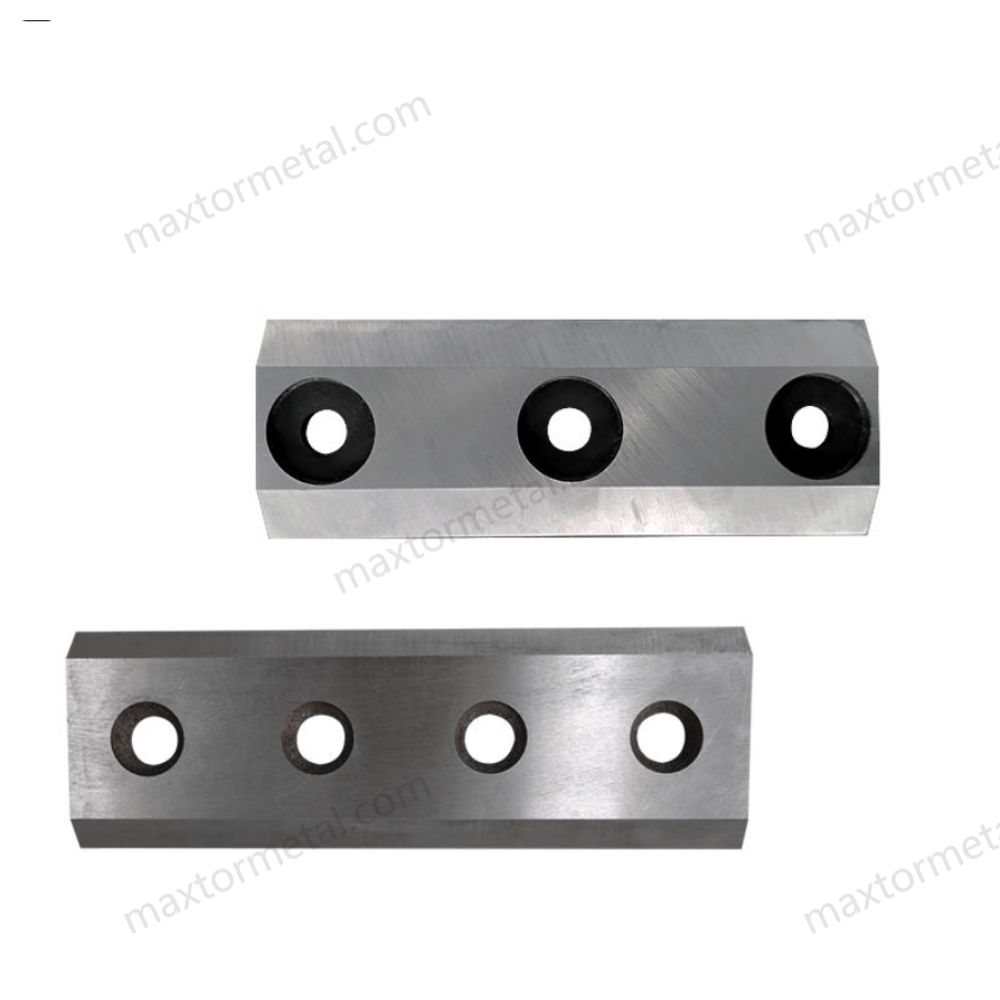
치퍼 블레이드의 날카로움 is very important for making wood chips the same size. Sharp blades help you get chips that are better for heating, pulping, and building. Different blade materials and sharpening angles give cleaner cuts and better chip quality. Chips that are all the same size help machines work better and save energy. They also help stop machine problems.
| Impact of Chip Size Uniformity | Result in Industrial Processing |
|---|---|
| Higher uniformity | Better energy efficiency |
| Consistent chip size | Smoother production |
| Poor chip quality | Increased costs |
You should check blade condition and how you use the chipper to get the best results.
주요 요점
- Sharp chipper blades make wood chips all the same size. This helps heating, pulping, and building work better. Dull blades make chips in different sizes. This uses more energy and costs more money. Check and sharpen chipper knives often to keep them working well and safe. Watch the motor current to find dull blades. If the current goes up fast, it means you need maintenance. Pick the right blade material for your job. Stronger materials last longer and need less sharpening. Use chip screening to check if chips are the same size. This makes products better and cuts down on waste. Write down when you change or fix blades. This helps you see problems and stop them later. Make a regular plan to keep your chipper working well and smooth.
Chipper Blade Sharpness and Uniformity of Chips
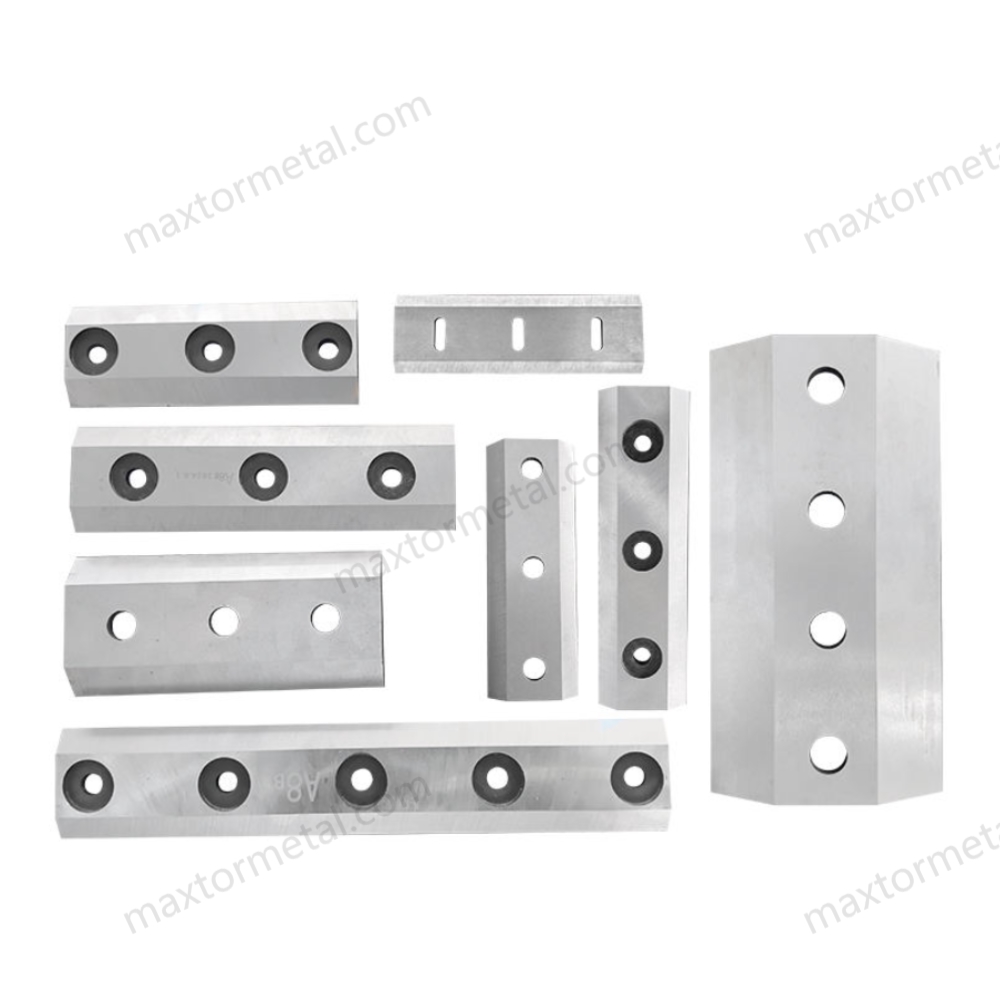
Cutting Mechanics: Shearing vs. Crushing
Clean Cuts with Sharp Blades
Sharp chipper knives give you the best results. They cut wood fibers by slicing, not crushing. This makes chips that are all about the same size. The edges are smooth and the thickness is even. When blades are sharp, the machine uses less energy. You get more chips that look the same because the wood splits cleanly.
Tip: Check your chipper knives often for wear. Sharp blades stop big pieces and keep chip length the same.
A study shows sharp blades use less energy. They also make chips that are more alike than dull blades. The table below shows how these two ways are different:
| Process Type | Energy Consumption (kJ·kg–1) | Particle Size Uniformity | Flowability | 밀도 | Compressibility | Cohesion | Internal Friction |
|---|---|---|---|---|---|---|---|
| Cutting-Milling | 182 | More uniform particles | 더 높은 | 더 높은 | 낮추다 | 낮추다 | 낮추다 |
| 갈기 | 234 | Less uniform particles | 낮추다 | 낮추다 | 더 높은 | 더 높은 | 더 높은 |
Fragmentation from Dull Blades
Dull chipper knives do not slice the wood. They crush and tear it instead. This makes chips in many sizes, not just one. You get too many big and small chips. The chipping process does not work as well. Dull blades make the machine work harder and can be unsafe.
- More big pieces are made when blades get dull.
- Dull blades lower how much you can chip and the chip quality.
- You may need to sharpen or change your chipper knives more often to keep things running well.
Why Chip Uniformity Matters
Having chips all the same size is important. You need them for things like pulping and making panels. If chips are not the same size, cooking is uneven and the product is not as good. Chips that are the same help you get better results and more product.
A good chip screening system sorts chips by size. This keeps pulp quality high and stops problems in the final product. When chip size is the same, you save energy and money.
Note: To get the best chipper blade sharpness and chip size, try 커스텀 블레이드 솔루션.
The sharpening angle of your chipper knives changes chip quality. For example, a 30° angle makes wider chips that are not as thick. A 40° angle gives upright chips. A 50° angle makes thinner chips. Lower angles put more force on the wood and make splitting slower, so chips are thicker. Changing the angle helps you control chip length and size.
- Sharpening chipper knives often keeps your machine working well.
- Making the bevel angle bigger can make chips better, but too much can break chips.
- Making the angle smaller can make chips thinner, but it can wear out the knife holder faster.
You can make the chipping process better by watching blade sharpness and angle. Chips that are all the same size make chipping easier. They also help you make good products for heating, pulping, and building.
Effects of Dull Blades on Chip Quality
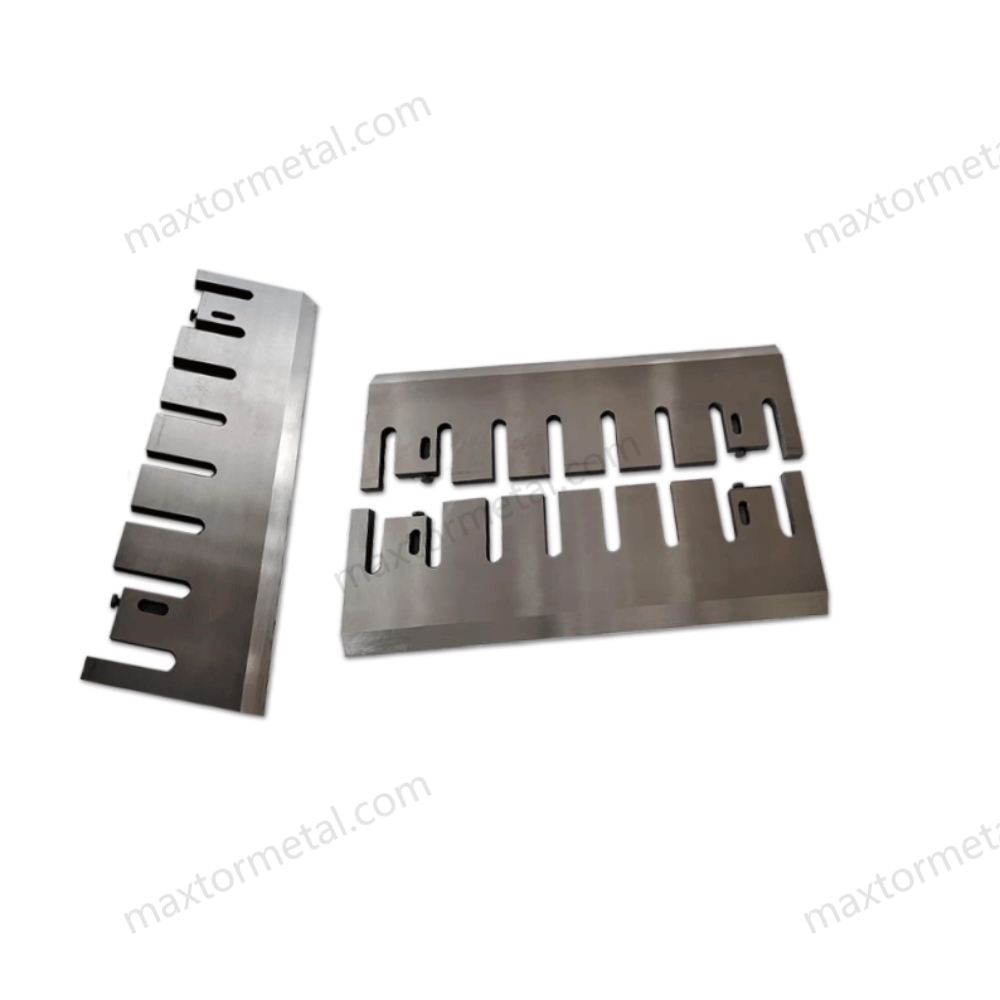
Increased Size Variation
When you use dull chipper knives, you see a big change in chip size. The chipping process becomes less controlled. Dull blades shred and tear wood instead of slicing it cleanly. This leads to chips that are not the same size. You also get more sawdust. Sharp blades help you make dimensionally uniform chips, but dull blades make this hard.
- Sharp blades keep chip size consistent.
- Dull blades cause chips to vary in size and create more sawdust.
You can see the difference in chip quality depending on the blade type:
| 블레이드 유형 | Chip Size Variation | Quality Impact |
|---|---|---|
| Helicoidal Blades | Better mix | Higher quality, meets market |
| Hoe-shaped Knives | Increased variation | Lower quality, less uniformity |
Machine Stress and Energy Use
Dull chipper knives make your machine work harder. The chipping process needs more force, which increases stress on the motor. You use more fuel and electricity. The chipper may slow down, and you need to feed wood more slowly. This raises your costs and lowers efficiency.
- Dull blades increase fuel use because the machine struggles.
- You need more energy to get the same amount of chips.
- Maintenance and blade replacements happen more often, which costs more.
- Feeding wood slowly increases operational time and expenses.
- Keeping blades sharp helps you avoid burning up clutches and other parts.
Monitoring Motor Current
You can watch the motor current to check for problems. If the motor draws more power, your chipper knives may be dull. High current means the machine is under stress. You should check blade sharpness if you see these signs.
Tip: Track motor current during chipping. A sudden increase can mean it is time to sharpen or replace your chipper knives.
Safety and Productivity Risks
Dull blades do not just affect chip quality. They also make wood chipping less safe. You need more power to cut, which puts extra stress on the chipper. The risk of kickback goes up, and this can cause injuries. You may have to push wood into the chipper, which is dangerous.
- Feeding limbs becomes harder with dull blades.
- Dull blades may not pull branches in, so you must push them, raising accident risk.
- Poor maintenance increases the force needed, which can lead to mistakes.
Productivity drops when chipper blade sharpness is low. You need 20-40% more effort to run the machine. Electricity bills go up, and the motor wears out faster. Studies show that facilities lose about 15% productivity when blades are not sharp enough.
Note: Regularly check and sharpen your chipper knives to keep the chipping process safe and efficient.
Monitoring and Maintaining Blade Sharpness
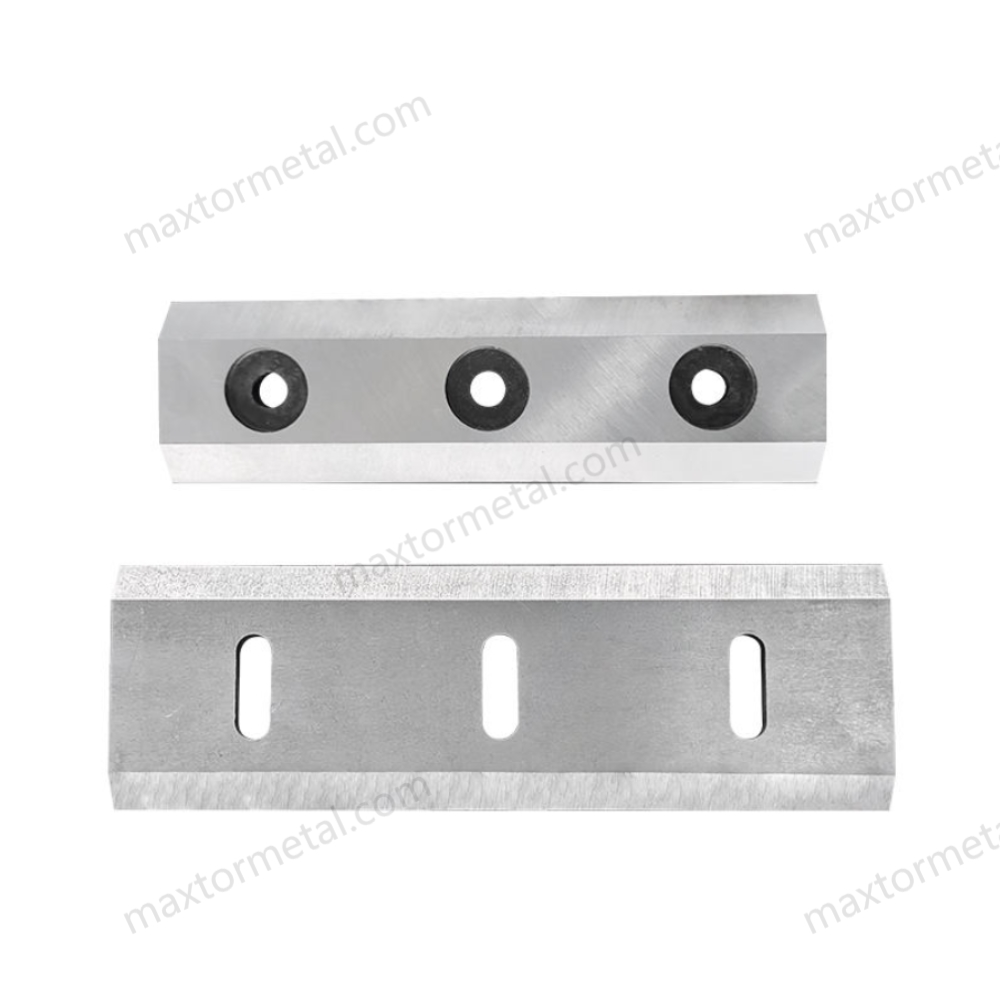
둔함의 징후
You need to watch for signs that your chipper knives are getting dull. Dull blades can slow down the chipping process and lower the quality of your wood chips. If you notice any of these problems, it is time to check your blades:
- Loss of self-feeding ability. Sharp knives pull wood into the chipper. Dull knives struggle and need more force.
- Stringy or chewed chips. Dull knives make chips that look shredded or long instead of clean and even.
- Increased engine strain or noise. Dull knives make the engine work harder. You may hear more noise or notice overheating.
- Reduced throughput. The chipper works slower when knives are dull.
- Excessive vibration. Dull knives cause the chipper to shake more than usual.
Tip: Regular inspections help you catch dullness early. You can avoid bigger problems by checking your chipper knives before each use.
Chip Screening for Uniformity
You can use chip screening to check if you are making dimensionally uniform chips. This method helps you see if your chipping process is working well. Chip screening is important for pulp and paper production. It helps you meet strict quality standards and control costs.
- Chip screening helps you find chips that are too big or too small.
- You can use Chip Thickness Screening to measure chip size and thickness.
- Good chip screening keeps your wood chipping process on track and improves product quality.
Note: If you see too many chips that do not match the right size, you may need to sharpen or replace your chipper knives.
Tracking Energy Consumption
You can track energy use to learn more about chipper blade sharpness. When knives get worn, fuel use goes up. You may see 연료 소비량이 1.4배에서 2.8배까지 증가합니다.. 날카로운 칼날은 목재 파쇄 시 에너지 소비를 줄여줍니다. 에너지 비용이 증가하거나 연료 소비가 늘어난 것을 발견하면 치퍼 나이프를 점검하십시오.
- 마모된 나이프는 파쇄 공정을 더 어렵고 비효율적으로 만듭니다.
- 날카로운 칼날은 에너지를 절약하고 칩 품질을 높게 유지하는 데 도움이 됩니다.
- 에너지 사용량을 모니터링하면 문제를 조기에 발견하고 파쇄 공정을 원활하게 유지할 수 있습니다.
팁: 연료 및 전력 사용량을 기록해 두십시오. 급격한 증가가 보이면 치퍼 나이프의 마모 여부를 점검하십시오.
마모 여부 관찰, 칩 선별, 에너지 사용량 모니터링을 통해 치퍼의 성능을 양호하게 유지할 수 있습니다. 이러한 단계를 통해 치수적으로 균일한 칩을 생산하고 파쇄 공정의 효율성을 유지할 수 있습니다.
Blade Material and Type Selection
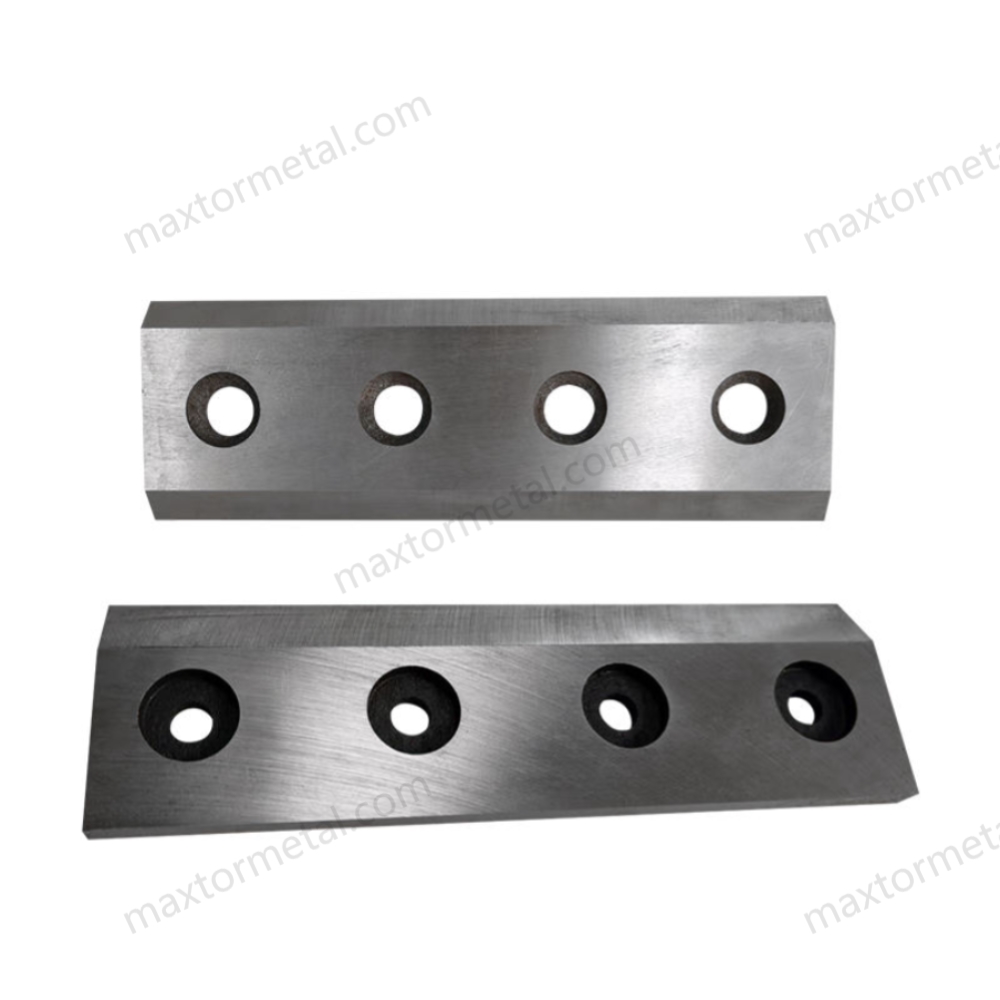
치퍼 나이프에 적합한 칼날 재질을 선택하는 것은 매우 중요합니다. 적합한 칼날은 수명이 더 길고 균일한 크기의 칩을 만드는 데 도움이 됩니다. 난징 Metal 산업 은 목재 파쇄를 위한 다양한 칼날 옵션을 제공합니다. 각 칼날 재질은 특정 작업 및 목재 종류에 가장 적합하게 작동합니다.
올바른 칼날 재질 선택하기
선택할 수 있는 칼날 재질은 다양합니다. 각 재질은 치퍼 칼날의 예리함 유지 기간과 치퍼 나이프의 연마 또는 교체 주기에 영향을 미치는 고유한 특성을 가지고 있습니다.
D2 공구강
D2 공구강은 내마모성이 매우 뛰어납니다. 이 강재는 탄소와 크롬 함량이 높습니다. 칼날의 예리함을 오랫동안 유지합니다. D2 칼날은 깨끗하고 부드럽거나 중간 경도의 목재를 처리할 때 가성비가 좋습니다. 일반적인 환경에서 가장 효과적입니다. D2는 인성이 아주 높지 않으므로 단단한 물체에 부딪히지 않도록 해야 합니다. 일반적인 목재 파쇄용 칼날을 원하신다면 D2가 현명한 선택입니다.
DC53 공구강
DC53 공구강은 인성이 더 뛰어나며 더 많은 충격을 견딜 수 있습니다. 미세 균열의 발생을 방지하는 데 도움이 됩니다. DC53은 D2보다 비용이 더 많이 들지만, 균일하지 않은 목재를 파쇄할 때 더 오래 지속됩니다. DC53 칼날은 혼합 목재를 처리할 때도 칩 크기를 균일하게 유지하는 데 도움이 됩니다. 더 긴 칼날 수명을 위해 DC53을 신뢰할 수 있습니다.
HSS 및 Tungsten Carbide 인레이
고속도강(HSS) 인레이는 강한 충격에 매우 강합니다. 이 칼날은 고온에서도 예리함을 유지합니다. 대형 치퍼나 목재에 흙이나 돌이 섞여 있을 때 HSS를 사용할 수 있습니다. Tungsten Carbide 인레이는 다이아몬드만큼 단단합니다. 수명이 길고 교체 횟수가 적습니다. 카바이드 칼날은 깨끗한 목재를 사용하는 대규모 작업에 가장 적합합니다. 카바이드는 깨질 수 있으므로 단단한 물체에 부딪히지 않도록 주의하십시오.
칼날 재질을 비교하는 데 도움이 되는 표는 다음과 같습니다.
| 재료 | 형질 | 장점 | 단점 | 응용 프로그램 제안 |
|---|---|---|---|---|
| D2 공구강 | 내마모성이 우수한 고탄소 고크롬 냉간 공구강. | 우수한 내마모성, 우수한 열처리 치수 안정성, 높은 가성비. | 보통 수준의 인성, 단단한 물체와 충돌 시 이가 빠지기 쉬움. | 표준 환경에서 깨끗하고 부드럽거나 중간 경도의 목재를 가공하는 데 이상적임. |
| DC53 공구강 | High-performance steel with superior toughness and high hardness. | 더 높은 인성 및 내충격성, 미세 균열에 대한 우수한 저항성. | D2 대비 높은 소재 비용. | 특히 목재의 경도가 다양할 때 칼날 수명과 신뢰성을 향상시키기 위해 권장됨. |
| HSS 인레이 | 높은 인성과 뛰어난 내열경도를 지닌 바이메탈 용액. | 극도로 높은 내충격성, 고온에서의 우수한 칼날 예리함 유지력. | 카바이드보다 낮은 내마모성, 높은 제조 복잡성. | 중장비 파쇄기 또는 원료에 오염 물질이 포함된 용도에 가장 적합합니다. |
| 텅스텐 카바이드 인레이 | 다이아몬드에 버금가는 경도로 최고의 내마모성을 제공합니다. | 타의 추종을 불허하는 서비스 수명, 장비 다운타임 및 교체 비용 절감. | 극도로 취성이 강함, 충격 시 치명적인 파손에 취약함. | 깨끗한 목재 원료를 사용하는 대량 생산 공정에만 적합합니다. |
칼날 재질이 연마 및 교체 주기에 어떤 영향을 미치는지 알아야 합니다. 아래 표는 다양한 재질이 칼날 수명과 예리함 유지 기간에 미치는 영향을 보여줍니다.
| 블레이드 재질 | 내구성 | 에지 유지력 | 생애주기 영향 |
|---|---|---|---|
| 고합금 공구강 | 충격 저항성 | 예리함 유지력 | 범용 파쇄 작업에 가장 적합 |
| 고탄소강 | 연마가 더 용이함 | 더 짧은 수명 | 더 빈번한 교체 필요 |
| 텅스텐 카바이드 | 우수한 내구성 | 수명 연장 | 더 긴 연마 주기 |
내구성이 더 뛰어난 칼날을 선택하면 치퍼 나이프의 연마 및 교체 횟수를 줄일 수 있습니다. 이는 칩 크기를 균일하게 유지하고 파쇄 속도를 높이는 데 도움이 됩니다.
치퍼 유형에 맞는 칼날 형상 매칭
치퍼에 맞는 올바른 칼날 형상을 사용해야 합니다. 이는 균일한 크기의 칩을 얻는 데 도움이 됩니다. 드럼 치퍼는 곡선형 칼날을 사용합니다. 이 칼날은 다음과 같은 칩을 만듭니다. 길이가 더 균일한. 디스크 치퍼는 직선형 칼날을 사용합니다. 디스크 치퍼를 사용할 경우 칩 크기의 변화가 더 많이 나타날 수 있습니다.
- 드럼 치퍼는 길이가 더 균일한 목재 칩을 생산합니다.
- 드럼 치퍼는 큰 칩을 더 많이 만들고 미세한 조각을 적게 만듭니다.
- 나이프 마모는 파쇄 작업의 효율성과 칩 크기에 영향을 미칠 수 있습니다.
- 최상의 결과를 얻으려면 수종과 목재 부위에 따라 특수한 칼날 형상이 필요합니다.
올바른 칼날 형상을 사용하면 치퍼 칼날의 예리함이 유지되고 파쇄 공정이 원활하게 작동합니다. 귀하의 장비와 목재에 맞는 맞춤형 칼날 형상은 Nanjing Metal Industrial에 문의하실 수 있습니다.
귀하의 치퍼와 사용하는 목재에 적합한 치퍼 나이프가 필요합니다. 이는 균일한 크기의 칩을 생산하고 파쇄 공정을 효율적으로 유지하는 데 도움이 됩니다.
팁: 항상 치퍼 나이프의 마모 상태를 점검하고, 칼날 재질과 형상이 치퍼 및 목재와 일치하는지 확인하십시오. 이를 통해 최상의 칩 크기와 칼날 수명을 얻을 수 있습니다.
Sharpening and Replacing Chipper Blades

언제 날카롭게 할 것인가
치핑 공정에서 최상의 결과를 얻으려면 치퍼 나이프를 날카롭게 유지해야 합니다. 날카로운 칼날은 균일한 우드 칩을 생산하고 장비가 원활하게 작동하도록 돕습니다. 치퍼를 자주 사용하는 경우 몇 달마다 또는 50-100시간 사용 후 칼날을 연마해야 합니다. 고부하 우드 치핑 작업의 경우, 일부 전문가들은 10시간 사용마다 연마할 것을 권장합니다. 치퍼 사용 빈도가 낮은 경우, 날이 무뎌진 징후가 있는지 확인하고 필요에 따라 연마하십시오.
다음은 연마 시기를 결정하는 데 도움이 되는 표입니다:
| 사용 강도 | Recommended Interval for Sharpening |
|---|---|
| Frequent Use | Every few months or after 50-100 hours |
| Occasional Use | As needed based on dullness signs |
You should watch for these signs that mean it is time to sharpen:
- Chips look stringy or uneven.
- The chipper needs more force to cut.
- You see more sawdust than usual.
Tip: Set a sharpening schedule based on how often you use your chipper knives. Regular sharpening keeps the chipping process efficient and helps you avoid costly repairs.
교체 시기
Sometimes sharpening is not enough. You need to replace chipper knives if you see damage. Regular inspection is important. Look for cracks, chips, or excessive wear. If you find any of these problems, replace the blade right away. Using damaged blades can hurt the chipping process and make your machine unsafe.
Signs you should replace your chipper knives:
- Deep cracks or chips in the blade.
- The edge is worn down and cannot be sharpened.
- The blade is bent or broken.
Note: Always check your chipper knives before each use. Replacing damaged blades keeps your chipping process safe and helps you make uniform chips.
적절한 날카로움 기술
You can sharpen chipper knives at home or with professional tools. Follow these steps to keep your blades in top shape:
- Remove the blades safely. Make sure the chipper is off and follow the instructions for blade removal.
- Inspect the blades. Clean off debris and check for damage before sharpening.
- Choose your sharpening method. You can use a bench grinder or sharpen by hand with a stone.
- Set the miter at 90 degrees and the table at 45 degrees. This matches the angle recommended by most manufacturers.
- Make sure the grinder moves toward the cutting edge. This helps you get a sharp, even blade.
- Use slow, steady motion. Do not rush. Slow sharpening stops the blade from overheating.
- Remove the burr. Use a fine grit to get rid of any leftover metal.
- Balance the blades. If your chipper uses more than one blade, make sure they are balanced to prevent vibration.
- Reinstall the blades correctly. Tighten them with the right torque so they stay secure.
Tip: Clean and lubricate your chipper after each use. This helps your chipper knives last longer and keeps the chipping process smooth.
Sharpening and replacing chipper knives at the right time helps you get the most from your chipping process. You make better chips, save energy, and keep your machine safe.
Maintenance Best Practices for Chip Uniformity
Blade Alignment and Installation
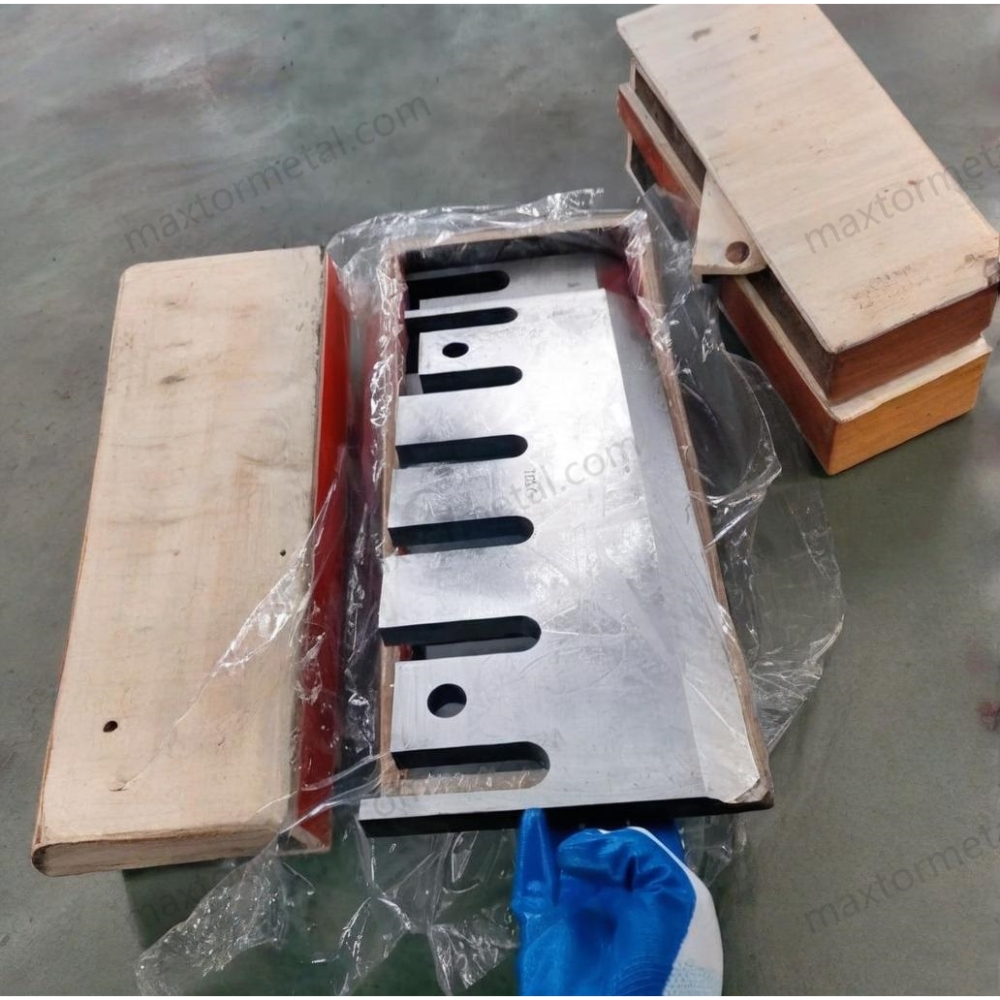
You must make sure the blades line up right when you put them in. Good alignment helps you get chips that are all the same size. If you set the blades straight up and check if they are flat, you can make clean cuts. You should also adjust the roller guides and match the blade set to what the maker says.
A blade that tilts forward a little works better than one that is straight or tilts back. This way, the blade stays steady while chipping. If the blades are not lined up, they can bend. This causes uneven cuts and chips that are not the same size. Proper blade alignment and flatness help you cut straight. Roller guide tuning keeps the blade steady.
Forward-tilted blades give you more control when chipping wood. If the band wheels are not lined up, your cuts can tilt and chip size can change. When the band wheel is not vertical, the blade can move wrong and get loose. This can cause problems when you chip wood. Always check if the blades are lined up before you start. This helps you avoid trouble and keeps your chipper knives working well.
Routine Maintenance Schedule
You need to follow a regular plan to keep chipper knives sharp and your chipping process working well. Checking often and changing parts on time helps you keep chip quality the same. You should use a schedule for all the important jobs.
| 유지 관리 작업 | 빈도 |
|---|---|
| Change air filter | Every 25 hours |
| 날을 교체하세요 | 매년 |
| Replace spark plug | 매년 |
| Wash collection bag | End of every season |
You should also look at chipper knives often. Sharpen blades carefully. Change blades if you see damage or they are worn out. If you sharpen or change chipper knives every year, your machine works better and chip quality stays high. Do not wait for problems to show up. Regular care helps chips stay the same size and stops expensive repairs.
Tip: Set reminders for each job. Keeping a log helps you remember when you last worked on your chipper knives.
윤활 및 세척
Lubrication and cleaning help chipper knives last longer and work better. You need to oil moving parts like gears and rollers. This lowers rubbing and stops parts from wearing out. If you forget to oil, rubbing gets worse and makes heat. This can wear out parts faster and break them. Cleaning often helps you find worn parts before they break.
Cleaning takes away dirt that can block moving parts and make them too hot or damaged. If you keep your chipper clean, it works smoothly. Oil gears and rollers to lower rubbing. Clean blades and machine parts to stop dirt from building up. Good oiling lowers the chance of overheating and damage. Cleaning helps you spot worn parts early.
Not enough oil can make the machine use more energy and break down. You should always make oiling and cleaning part of your regular plan. These steps help chipper knives work their best and keep chip size the same.
Note: Always use the right oil for your chipper. Check the maker’s guide for what to use.
Quality Feedback Loop for Consistent Chips
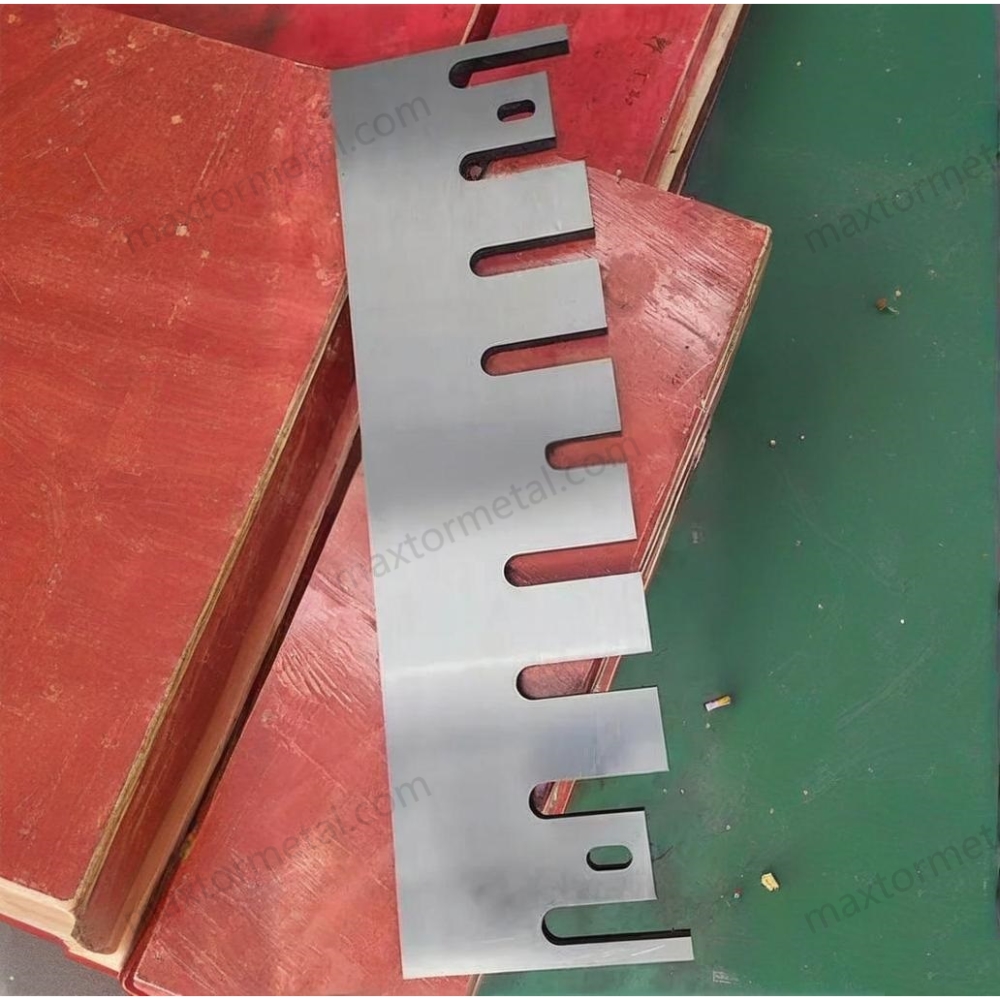
A good feedback loop helps you keep wood chips the same size. You can use chip screening, write down blade changes, and always look for ways to improve. These steps work together to make chip quality better and your work more reliable.
Using Chip Screening Results
Chip screening tells you important things about your wood chips. You can measure chip size and thickness with special machines. This helps you know if your chips are right for your pulp mill or other uses. Screening systems take out chips that are too small or too big. This makes your chips more even.
- Chip screening lets you check chip size and thickness.
- Screening systems remove chips that are not the right size.
- You can set up screening to fit your machine and space.
- Many mills get better chips after adding screening systems.
- More companies use screening because it makes better chips.
When you look at chip screening results, you can change how you care for your chipper. If you see too many chips that are not the right size, you may need to sharpen or change your chipper knives. Checking chips often helps you find problems early and keep chip quality high.
Tip: Use chip screening data to plan when to sharpen blades and keep chip size the same.
Documenting Blade Changes
You should keep a record of all blade changes and repairs. This helps you stop breakdowns and keep chip quality steady. A well-cared-for machine works better and uses less power. Writing down repairs also helps you follow the rules.
Some workshops have to stop working because blades break or motors get too full. These problems cost money and waste time. If you write down every repair, you can stop these problems before they happen.
Here is an easy way to keep track of blade changes:
- Keep a log for your chipper knives and machine.
- Write the date and what you did for each repair.
- Use your log to find problems early and plan future repairs.
Note: A good repair log helps you see patterns and make your chipping better.
지속적인 개선
Continuous improvement means you always try to make your chips better. You can use new ways to store wood, keep different wood types apart, and use your space well. These ideas help you keep chip size the same and make fuel better.
| 전략 | 결과 |
|---|---|
| Improved Storage Design | 당신은 할 수 있습니다 lower dry matter loss to 1.05% each month with concrete walls and special covers. |
| Assortment Separation | You can make fuel better and lower the chance of fires. |
| Efficient Area Utilization | You can control moisture and temperature better. |
You can also use smart infeed systems to lose less wood. Good chip screening helps you get chips that are all the same size. New ways to process wood make your work faster and better.
Tip: Check your chip screening results and repair logs often. Look for ways to make your chipper knives and process better.
A good feedback loop helps you keep chip size the same. You can use chip screening, write down blade changes, and always look for ways to improve. These steps help you get the best results from your chipping work.
You can see how chipper blade sharpness affects chip size and quality. When you choose the right chipper knives and keep them sharp, you get better results. Regular checks help you spot dull chipper knives early. Clean and sharp chipper knives make your machine safer and more efficient. Start a maintenance routine today. If you want expert advice, reach out to a sales engineer 여기.
자주 묻는 질문
What is chipper blade sharpness?
Chipper blade sharpness means how well the blade can cut wood. Sharp blades slice wood cleanly. Dull blades crush and tear wood. You get better, more uniform chips with sharp blades.
How often should you check chipper blade sharpness?
You should check chipper blade sharpness before each use. If you use your chipper often, inspect the blades every 10 to 20 hours of work. Regular checks help you spot dullness early.
Why does chipper blade sharpness affect chip size?
Sharp blades cut wood fibers cleanly. This makes chips that are all about the same size. Dull blades break and crush wood, which leads to chips of many different sizes.
What are signs that your chipper blade is dull?
You may notice stringy chips, more sawdust, or the chipper working harder. The machine may vibrate more or need extra force to feed wood. These signs mean you should sharpen or replace the blade.
Can you sharpen chipper blades at home?
Yes, you can sharpen chipper blades at home with a bench grinder or sharpening stone. Always follow safety steps. If you are unsure, ask a professional for help.
Does blade material affect chipper blade sharpness?
Yes. Harder materials like D2 or DC53 tool steel keep their sharpness longer. Tungsten carbide inlays last even longer. The right material helps you get more uniform chips and reduces sharpening needs.
How does chipper blade sharpness impact machine safety?
Sharp blades make the chipper work smoothly. Dull blades can cause jams, kickbacks, or extra strain on the motor. Keeping blades sharp helps you stay safe and avoid accidents.
What happens if you ignore chipper blade sharpness?
If you ignore blade sharpness, you get uneven chips, more sawdust, and higher energy use. The chipper may break down more often. You also risk safety problems and lower chip quality.
또한 참조
산업용 드럼 치퍼 나이프: 절단 속도, 인성 및 칩 품질의 균형 유지

 English
  Spanish
  Italian
  French
  Portuguese
  Russian
  German
  Arabic
  Hindi
Hindi  Vietnamese
  Indonesian
  Japanese
  Korean