

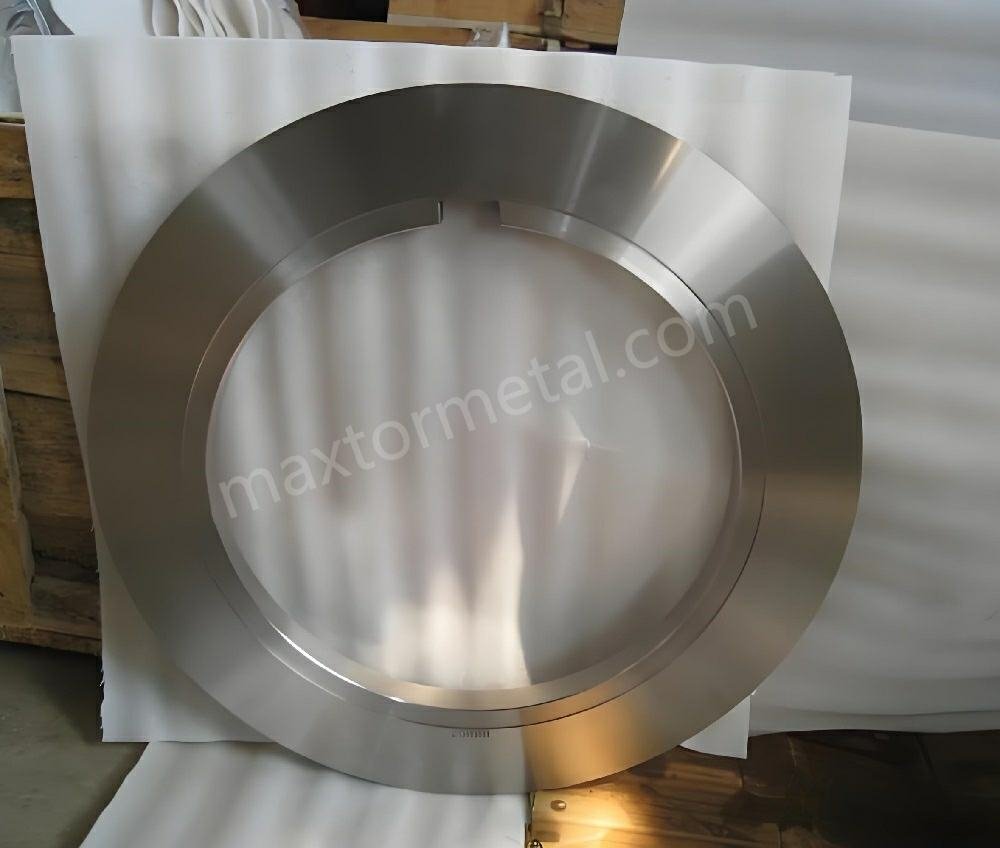
30초 만에 결론: 스테인리스강이나 고강도강을 중속 또는 고속으로 절단하거나, 가동 중지 비용이 시간당 약 $50,000을 초과하는 경우, 프리미엄 로터리 슬리터 나이프(HSS/PM-HSS/카바이드, 정밀 연삭, 코팅)가 총 소유 비용 측면에서 유리합니다. 스크랩 발생량을 줄이고, 재연삭 주기를 연장하며, 교체 횟수를 대폭 감소시킵니다. 가동 중지 비용이 시간당 약 $10,000 미만이고 절단 속도가 보수적인 소규모 공장에서 일반 CR/HR 강을 절단하는 경우에는 저렴한 D2 또는 기본 HSS 나이프가 여전히 경제적인 선택일 수 있습니다. 저희 계산은 다음 세 가지 수치를 기준으로 합니다. A) 계획되지 않은 가동 중지 시간 $/시간, B) 교체/재연삭당 총 비용, C) 스크랩 발생률 1% 감소당 절감액.
핵심 요약
- 프리미엄 칼날(HSS/PM-HSS/카바이드)은 더 긴 날 수명과 더 정밀한 공차를 제공하여 교체 횟수와 버(burr)로 인한 불량품 발생을 줄입니다.
- 대규모 공장에서는 가동 중단 시간이 총소유비용(TCO)에 큰 영향을 미칩니다. 가동 중단 시 시간당 $50k 이상의 손실이 발생할 경우, 고급 칼날을 사용하면 투자 비용을 빠르게 회수할 수 있습니다.
- 코팅(TiN/CrN/DLC)은 유사한 조건에서 수명을 1.3~2배 연장시켜 재연삭 주기와 가동 시간을 향상시키는 경우가 많습니다.
- 모서리 품질을 위해서는 적절한 간극(약 ~7%의 스트립 두께)과 정밀 연삭이 재료 선택만큼 중요합니다.
- 초경합금은 까다로운 환경에서 강철보다 10~20배 더 긴 수명을 제공하지만, 오차 허용 범위가 좁습니다. 따라서 견고하고 정렬이 잘 된 환경에 적합합니다.
- 간단한 미터당 총소유비용(TCO) 계산 공식을 사용하여 의사결정을 표준화하고, 실행에 옮기기 전에 민감도 분석을 실시하십시오.
아래는 간결하고 바로 의사 결정을 내릴 수 있는 표입니다. 표의 값은 참고용이며 재질, 속도, 설정 및 유지 보수에 따라 달라질 수 있습니다. 외부 데이터는 표에 명시되어 있습니다.
| 나이프 클래스 | 일반적인 경도 | 재연마 간 일반적인 날 수명 | 예상 재분쇄 주기 | 일반적인 허용 오차 | 코팅 가능 | 재료 및 속도에 최적 | 취성 위험 | 전환 시간 영향 | 가격 승수 (D2 대비) | 1,000m당 총소유비용(예시) | 참고사항/조달 |
|---|---|---|---|---|---|---|---|---|---|---|---|
| D2 (기준선, 코팅되지 않음) | ~58–62 HRC (핫샷 오븐 2023) | 스테인리스/HSLA에서는 더 짧고, 경미한 CR/HR에서는 중간 정도입니다. | 빈도는 더 높고, 총 주기 횟수는 더 적습니다. | 공차가 비교적 느슨한 적층 구조가 일반적이며, 모서리 마감은 다양합니다. | 저렴한 세트에서는 보기 드문 제품입니다. | 경미한 CR/HR, 낮음-중간 속도 | 낮은 | 수동 교체 빈도가 더 잦음(일반적으로 30~90분 이상) | 1.0× | 가동 중단 및 불량품으로 인해 비용이 더 높아졌습니다. | 제네릭 의약품의 빠른 납기; 가변적인 품질 관리 |
| HSS(M2) | ~60–65 HRC (FCS 스틸 2024) | 고속/고온 환경에서 D2보다 더 오래 지속됩니다. | D2보다 더 많은 사이클 | 정밀 연삭 시 예산 D2보다 더 빠릅니다. | TiN/CrN/DLC; 수명 약 1.3~2배 증가(오를리콘 발저스 2024–2025) | 스테인리스강은 중간 속도로, 고강도 알루미늄 합금(HSLA)은 제어된 속도로 용접합니다. | 낮음-중간 | D2 대비 변경 사항 감소; 자동화의 이점 극대화 | 약 1.5~2.0배 | 많은 스테인리스/HSLA 제품의 경우 D2보다 낮습니다. | 표준 공급 가능; 정밀 연삭 시 품질 관리가 더욱 향상됩니다. |
| PM-HSS | 약 60~65 HRC의 경도와 향상된 인성을 갖습니다.캘리론 2025 PDF) | 내마모성/인성 때문에 기존 고속도강보다 길이가 더 깁니다. | 더 많은 사이클; 안정적인 가장자리 | 고급 세트에서 흔히 볼 수 있는 엄격한 공차 | TiN/CrN/DLC; 유사한 성능 향상 | 고속 회전 시 스테인리스/HSLA 소재 사용, 장시간 운전 가능 | 낮음-중간 | 변경 사항이 적을수록 가동 중지 시간이 길수록 투자 대비 수익률이 높아집니다. | 약 2.0~3.0배 | 가동 시간으로 인해 까다로운 사용 환경에서는 성능이 가장 떨어지는 경우가 많습니다. | 맞춤형 리드 타임; 더욱 강화된 추적성 |
| 초경합금 | ~85–92 HRA (솔렉스 2025) | 까다로운 응용 분야에서 강철 대비 10~20배 우수한 성능 (에이펙스 가위 2024) | 초기 가공 시간이 길고, 재연삭 횟수가 적으며, 다이아몬드 연삭이 필요합니다. | 최고 수준의 정밀도; 표면 마감이 매우 정교합니다. | 일반적으로 코팅되지 않은 기판이며, 일부 코팅이 가능합니다. | 내마모성 스테인리스강, HSLA, 고속 라인 | 높음 (정렬 불량에 대한 허용 범위가 좁음) | 최소한의 변경만 필요하며, 자동화하는 것이 가장 좋습니다(~25~31분 소요). 파고르 아라사테 2024) | ~4–8배 | 가동 중단 시간과 불량품 발생률이 가장 높은 수준 | 납기 연장; 취급 시 주의 필요; 철저한 품질 관리 |
범례: 교대 시간은 노선 및 승무원에 따라 다릅니다. 수동 교대는 보통 30~90분 이상, 자동 교대는 보통 25~31분입니다. 가격 배율은 2026년 1월 20일 기준 참고용입니다.
TCO 방식: 미터당 칼날 수를 비교하는 단 하나의 공식
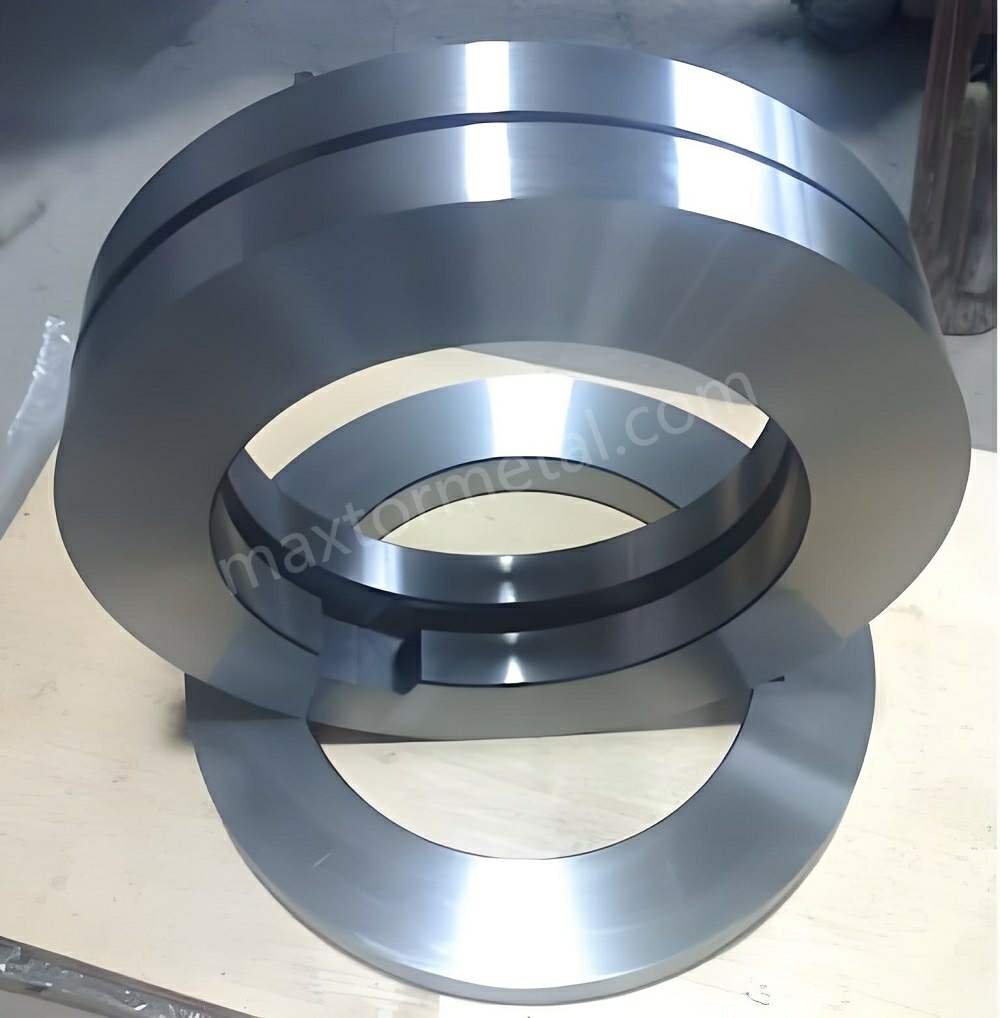
매장 규모와 관계없이 옵션을 비교하려면 이 표준화된 접근 방식을 사용하십시오.
1,000m당 총소유비용(TCO) = 구매 비용 상각 + 재분쇄 비용 상각 + 교체 작업으로 인한 가동 중단 비용 + 폐기 비용
어디:
- 구매원가 상각 = 칼 가격 ÷ 예상 수명 동안 사용한 거리 × 1,000
- 재분쇄 비용 상각 = (사이클당 총 재분쇄 비용 × 수명 동안 예상되는 재분쇄 사이클 수) ÷ 수명 미터 × 1,000
- 전환 작업으로 인한 가동 중지 비용 = (1,000m당 전환 횟수 × 손실 시간(분) ÷ 60) × 가동 중지 시간 $/h
- 폐기 비용 = (폐기물 % × 미터당 재료 가치) × 1,000
2026년 1월 20일 기준, 변동성이 큰 입력값(가동 중지율, 전환 시간(분), 자재 가치)에 타임스탬프를 표시했습니다. 가동 중지 시간 관련 맥락에서, 제조 설문 조사에 따르면 대규모 사업장의 경우 중간값이 약 ~$125,000/h 정도인 것으로 보고되었습니다.ABB 2023), 주요 금속 함량이 종종 더 높습니다.브래들리 리프팅 2025).
풀이 예시
예시 A: 소형 계약 슬리터(연질 CR강)
- 가정: 가동 중지 시간 $/h = $2,000; 수동 전환 시간 = 60분; 재료 가치 = $0.35/m; D2 수명 = 재분쇄 간 8시간; HSS 코팅 수명 = 12시간; 코팅된 HSS로 전환 시 스크랩 감소량 = 절대값 0.5%.
- 결과: HSS의 비용이 D2보다 약 1.8배 높음에도 불구하고, 전환 횟수 감소(일반적인 속도에서 1,000m당 약 7.5회에서 약 5회로 감소)와 0.5%의 스크랩 감소로 인해 가격 프리미엄이 상쇄되는 경우가 많습니다. 전환 시간이 약 45분을 초과하고 스크랩이 0.3% 이상 감소할 경우 투자 회수 기간은 짧지만 긍정적입니다.
예시 B: 일체형 분쇄기 (스테인리스/HSLA)
- 가정 사항: 가동 중지 시간 $/h = $150,000; 자동 전환 시간 = 30분; 재료 가치 = $1.20/m; PM-HSS 수명 = D2의 3배; 초경합금 수명 = D2의 10배; D2 대비 스크랩 개선율 = 최고 정밀도 기준 절대값 1.0%.
- 결과: 프리미엄 제품이 압도적으로 승리했습니다. 교체 횟수 감소와 불량률 저하로 인해, 카바이드의 높은 초기 가격(약 4~8배 D2)은 가동 중단 시간 절감 효과에 비하면 미미합니다. 수명이 약 4배에 불과하고 불량률 개선이 약 0.5%에 그치더라도 손익분기점이 달성될 것으로 보입니다.
민감도 분석: 손익분기점이 반전되는 지점
- 가동 중지 시간 $/h: 약 10,000/h 미만에서는 D2/HSS가 낮은 CR/HR에서 경쟁력이 있을 수 있습니다. 약 50,000/h 이상에서는 우수한 날 수명 이점이 두드러져 보수적인 스크랩 개선에도 불구하고 PM-HSS 또는 카바이드가 더 유리합니다.
- 교체 시간(분): 교체 시간이 일반적으로 45~60분을 초과하는 경우, 교체 빈도를 절반으로 줄여주는 고급 칼이 유리하며, 특히 자동화 시스템을 통해 교체 시간을 25~31분으로 단축할 수 있는 경우에는 더욱 그렇습니다.파고르 아라사테 2024).
- 스크랩률 %: 스크랩률이 1% 감소할 때마다 재료비가 직접적으로 절감됩니다. 고부가가치 스테인리스강의 경우 0.3~0.5%만 감소해도 총소유비용(TCO)에 상당한 영향을 미치며, 일반 CR강의 경우 확실한 투자 회수를 위해서는 0.5% 이상의 감소가 필요할 수 있습니다.
설치 및 모서리 품질: 여유 공간 및 공차가 중요합니다.
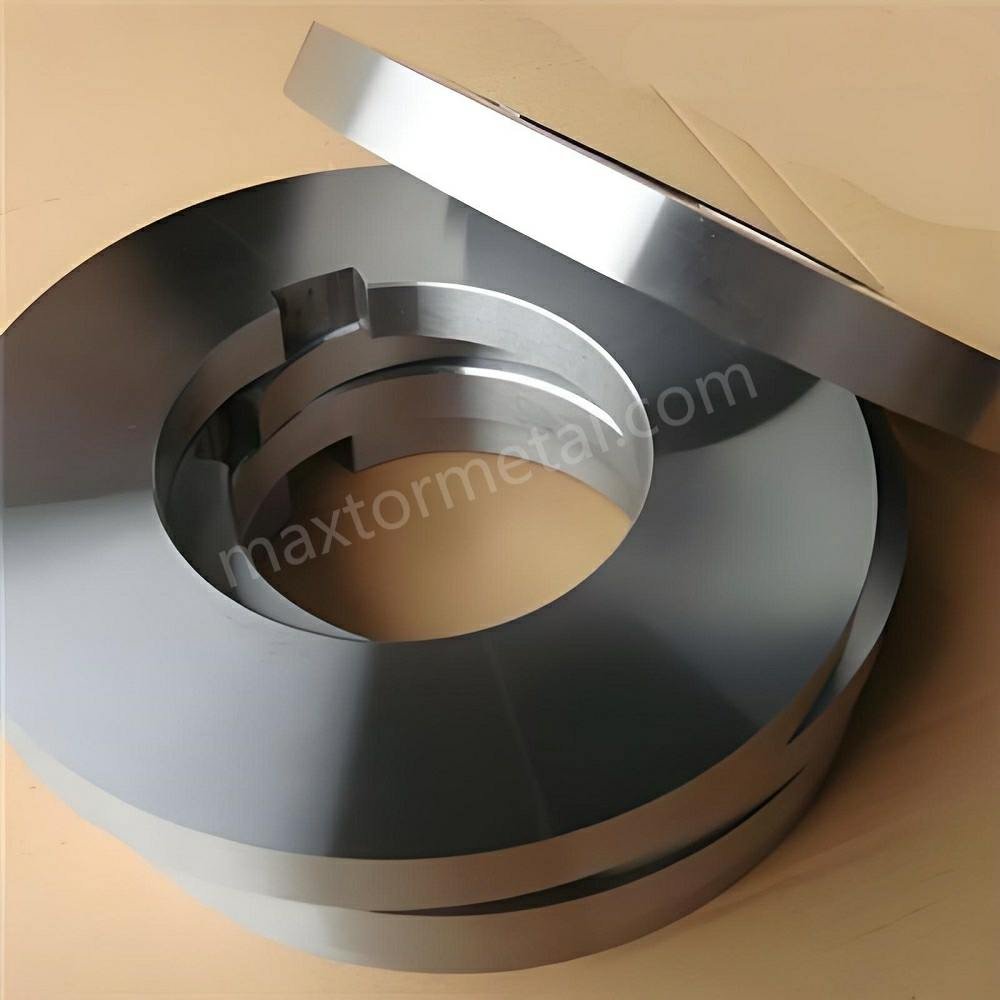
클리어런스는 버 발생 여부를 결정하는 "간격"이라고 생각하면 됩니다. 여러 산업 지침에서는 대부분의 경우 약 7%의 두께를 권장하며, 게이지와 등급에 따라 조정합니다. Ulbrich와 같은 스테인리스 가공업체는 정밀한 클리어런스 관리와 셋업 규율을 통해 버 발생을 표준에 맞추는 것을 강조하며, 정밀 연삭 칼날이 불량률을 줄이는 이유를 설명합니다. 스테인리스 가공 지침은 다음을 참조하십시오. Ulbrich의 압연, 어닐링 및 슬리팅 개요 (2025) 및 클리어런스 설정 노트에서 ADHMT의 블레이드 간극 가이드 (2025). 더 자세한 실습 노트는 METAL의 확장 자료를 참조하십시오. 모서리 반경 선택 그리고 슬리터 날의 날카로움 유지.
자주 묻는 질문: 신속하고 근거 있는 답변
스테인리스강 코일 슬리팅에 가장 적합한 회전식 슬리터 나이프는 무엇일까요? 고속 스테인리스강 슬리팅에는 PM-HSS 또는 카바이드가 적합하고, 중속 슬리팅에는 HSS가 적합합니다. 까다로운 작업 환경에서 카바이드는 스테인리스강보다 10~20배 더 긴 수명을 제공할 수 있습니다.에이펙스 가위 2024하지만 정렬이 어긋나면 문제가 더 심각해집니다.
코일 슬리팅에서 칼날 교체로 인한 가동 중단 시간은 얼마나 될까요? 수동 교체는 보통 30~90분 이상 소요되는 반면, 자동화 시스템은 약 25~31분으로 보고됩니다.파고르 아라사테 2024비용은 가동 중지 시간($/h) × 교체당 손실 시간, 인건비 및 교정비를 더한 금액입니다.
슬리터 나이프에 코팅을 하면 효과가 있을까요? 특히 스테인리스 또는 연마재 라인의 경우 효과가 있는 경우가 많습니다. 유사한 툴링 환경에서 타사 코팅 데이터에 따르면 TP4T+ 코팅은 수명을 30~891 연장시켜 줍니다.오를리콘 발저스 2024–2025이는 생산 라인 전환 횟수 감소와 불량률 저하로 이어집니다.
칼날의 미터당 총소유비용(TCO)은 어떻게 계산하나요? 위의 공식을 사용하세요. 칼날 가격, 재연마 비용, 예상 수명, 교체 시간(분), 가동 중지 시간($/h), 폐기물(%), 재료 가치를 입력값으로 사용하세요. 공정한 비교를 위해 1,000m당 비용으로 정규화하세요.
초경합금과 고속강(HSS) 중 어떤 것을 선택해야 할까요? 마모가 심하고 가동 시간이 중요한 경우, 그리고 설비가 견고하고 정렬 상태가 양호한 경우에는 초경합금을 선택하십시오. 작업자가 간극이나 면 정렬 불량을 자주 조정해야 하는 경우에는 인성 측면에서 고속강(HSS) 또는 분말야금 고속강(PM-HSS)을 선호하십시오.
제3자 검증 — 사례 개요
D2 → HSS/PM-HSS/카바이드 업그레이드에 특화된, 완전히 익명화된 제3자 TCO 전후 연구 자료는 공개 문헌에서 찾을 수 없었습니다. 아래는 공급업체 벤치마크와 METAL 유지보수 노트를 기반으로 익명화된 두 가지 모델링 결과입니다("모델링됨"으로 표시됨).
- 서비스 센터(경미한 CR): 모델링된 업그레이드 D2 → 코팅된 HSS — 블레이드 수명 +1.5배, 교체 횟수 -30%, 폐기량 -0.4%; 연간 총소유비용 개선 약 8~12%.
- 통합형 제분기(스테인리스): 모델링된 업그레이드 D2 → 초경합금 — 블레이드 수명 +8배, 교체 횟수 -70%, 스크랩 -1.0%; 연간 총소유비용(TCO) 개선 효과 약 35~60%.
저희는 검증된 제3자 사례 데이터(이메일 제출 자료 포함)를 수집하고 있습니다. [email protected] 포함 및 익명 인용을 위해.
(참고: METAL은 당사 제품입니다.)
정밀 연삭 프리미엄 옵션 및 코팅 선택에 대한 자세한 내용은 METAL의 자료를 참조하십시오. 슬리터 블레이드 제품 페이지, 그 내구성 좋은 슬리터 블레이드 재료 가이드그리고 마모/수리/유지보수 가이드METAL은 도면이나 샘플을 기반으로 OEM/ODM 생산을 제공하며, 원스톱 수입 지원으로 물류를 간소화할 수 있습니다. 자세한 내용은 링크를 참조하여 사양 및 납기를 자체 총소유비용(TCO)과 비교해 보십시오.
최종 결정 가이드: 다음과 같은 경우 A를 선택하세요… 다음과 같은 경우 B를 선택하세요…
- 고속으로 스테인리스강이나 HSLA강을 사용하거나 예기치 않은 가동 중지 시간이 시간당 약 $50,000회를 초과하는 경우 프리미엄(PM-HSS 또는 카바이드) 재질을 선택하십시오. 날 수명 연장과 정밀한 공차로 버/스크랩 발생량과 교체 횟수를 줄여 총소유비용(TCO)을 절감할 수 있습니다.
- 작업자가 D2보다 내열성이 뛰어나고 다루기 쉬운 칼날이 필요하며, 간헐적인 정렬 불량이나 가변적인 간극에 직면하는 경우 HSS를 선택하십시오.
- 낮은 회전 속도와 낮은 처리량(CR/HR)으로 운영되고, 가동 중지 시간이 시간당 $10,000 미만이며, 예산 제약이 엄격한 경우(즉, 더 잦은 재분쇄와 엄격한 유지 보수 규정을 수용하는 경우) D2 또는 기본 HSS를 선택하십시오.
- 버로 인한 스크랩 발생량이 정기적으로 ~1%를 초과하는 경우 코팅 처리된 프리미엄 제품을 선택하십시오. 코팅은 재연삭 주기를 연장하고 날끝 품질을 향상시킬 수 있습니다.
- 팀에서 자동화를 계획하고 있다면 프리미엄 세트를 우선시하세요. 변경 횟수가 줄어들고 약 25~31분 만에 자동으로 교체되므로 가동 시간 향상 효과가 누적됩니다.
참고 자료 및 주석
- 경도 범위 및 수명 배율은 본문에 링크된 출처를 기준으로 작성되었으며, 가격 배율 및 가동 중지율은 2026년 1월 20일 기준 추정치이며 지역, 공급업체 및 구성에 따라 달라질 수 있습니다. 구매 결정을 내리기 전에 항상 자체 총소유비용(TCO)을 계산해 보십시오.

 English
  Spanish
  Italian
  French
  Portuguese
  Russian
  German
  Arabic
  Hindi
Hindi  Vietnamese
  Indonesian
  Japanese
  Korean