

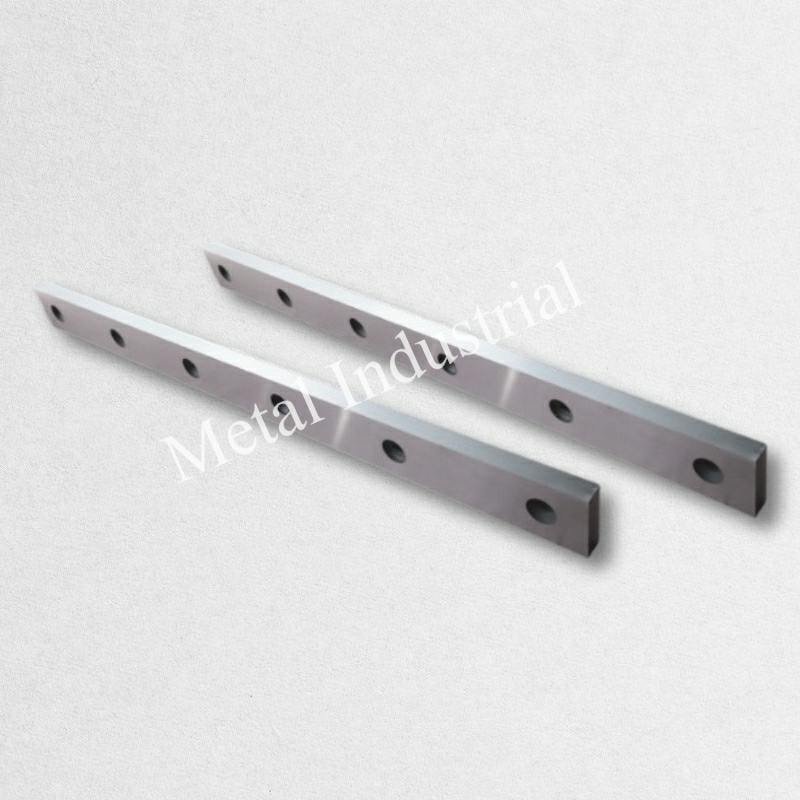
Выбор правильного Ножи для резки пластика и бумаги helps your production line work better. More than half of converting jobs use these blades for their strong build and exact cuts.
| Тип лезвия | Market Share in 2024 |
|---|---|
| Нож для Гильотины | 50% |
You can count on Nanjing Metal Industrial for great manufacturing methods. Picking the best material and shape makes cuts cleaner and helps shear blades for plastic and paper last longer.
Ключевые выводы
- Picking the right shear blades helps work go faster and makes cuts better. High-carbon tool steels like D2 and M2 keep their edges well and do not cost too much for most cutting jobs. Tungsten carbide blades last a long time and work best for hard plastics and rough materials. Advanced coatings like TiN and CrN make blades slippery, so stuff does not stick and blades last longer. The right blade shape and settings, like overlap and side clearance, help make cleaner cuts and less waste. Taking care of blades by sharpening and cleaning them helps them last longer and work well. Using anti-adhesion coatings keeps cuts clean, especially with sticky stuff. Keeping track of blade use and having a plan for care stops problems and makes work better.
Material Selection: Balancing Abrasion and Edge Retention
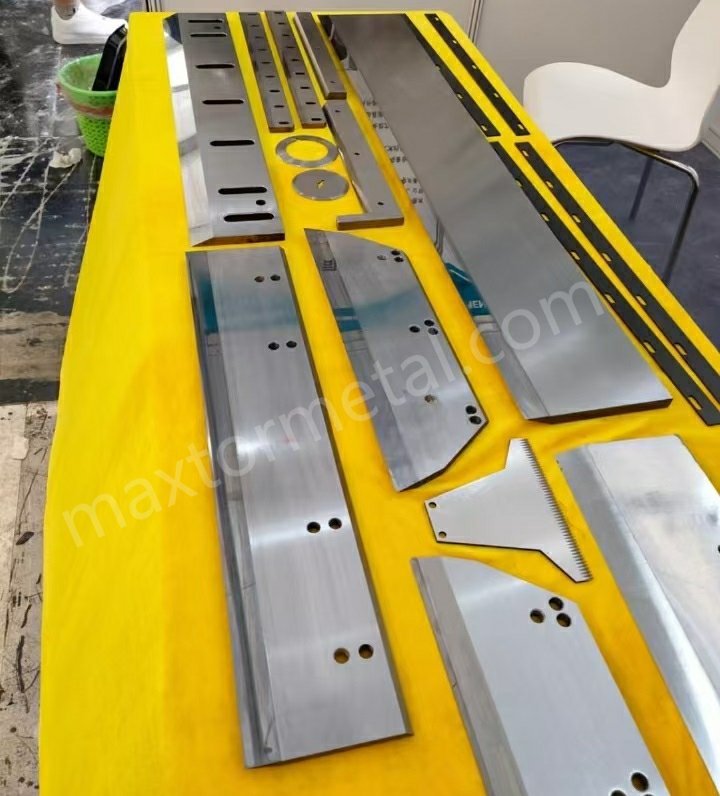
Picking the right blade material is important for good cutting. You want blades that last long and cut well. You also want to save money. The best shear blades for plastic and paper balance these things.
High-Carbon Tool Steels (D2 and M2)
Use Case: General Purpose Paper/Board and Non-Abrasive Plastics
D2 and M2 tool steels are used for paper, board, and some plastics. These steels are hard and tough. D2 steel has a lot of carbon. This helps it fight wear and keep its edge sharp. M2 steel is also tough and even harder. It works well for hard jobs.
| Тип стали | Carbon (%) | Chromium (%) | Molybdenum (%) | Vanadium (%) | Tungsten (%) |
|---|---|---|---|---|---|
| Д2 | 1.55 | 11.50 | 0.90 | 0.80 | Н/Д |
| М2 | 0.85 | 4.15 | 5.00 | 1.95 | 6.40 |
| Инструментальная сталь | Твердость (HRC) | Прочность |
|---|---|---|
| Д2 | 58–62 | Умеренный |
| М2 | 60–66 | Хороший |
Advantage: Good Edge Retention and Cost-Effectiveness
D2 and M2 blades cut well and do not cost too much. D2 blades keep their edge for a long time. They last longer than many other blades. M2 blades are hard and tough. This means you do not need to change blades as often. These steels help your line work well and last longer.
The Tungsten Carbide (TC) Solution (Buyer Intent)
Advantage: Extreme Wear Resistance for Filled Plastics and Abrasive Paper Stock
Tungsten carbide blades are best for tough plastics and rough paper. These blades are made from hard grains and a strong binder. This makes them very tough and sharp. They cut hard stuff and stay sharp for a long time. You do not need to stop your line as much. These blades last three to five times longer than steel blades.
- Tungsten carbide blades are much harder and last longer than high-speed steel or regular carbide blades.
- People say tungsten carbide blades last three to в пять раз дольше than steel blades, so you change blades less often.
- These blades stay sharp even when cutting rough materials, so your cuts are smoother.
TCO Analysis: Justifying the Higher Initial Investment of Carbide Blades
Tungsten carbide blades cost more than steel blades. The powder costs about USD 38.18 to 38.67 per kilogram. Finished blades cost even more because they are hard to make. But you save money over time. These blades last longer and need fewer changes. You spend less time on repairs and your line works better. If you need special blades, you can look at индивидуальные решения для лезвий для ваших нужд.
Advanced Coatings and Surface Treatments
Reducing Friction and Preventing Melt/Adhesion when Cutting Plastic Films
Special coatings and treatments help blades work better. Coatings like TiN and CrN lower friction and heat. This stops plastic from melting or sticking to the blade. These coatings also help blades last longer and cut better, even when the line is fast.
| Тип покрытия | Преимущества |
|---|---|
| Тин | Reduces friction and heat buildup |
| CrN | Prevents film jamming or adhesion during high-speed operation |
Tip: Use strong blade material and good coatings for better cuts. Take care of your blades and pick the right material for your job. This will help you get the best results.
Geometric Optimization for Specific Cuts
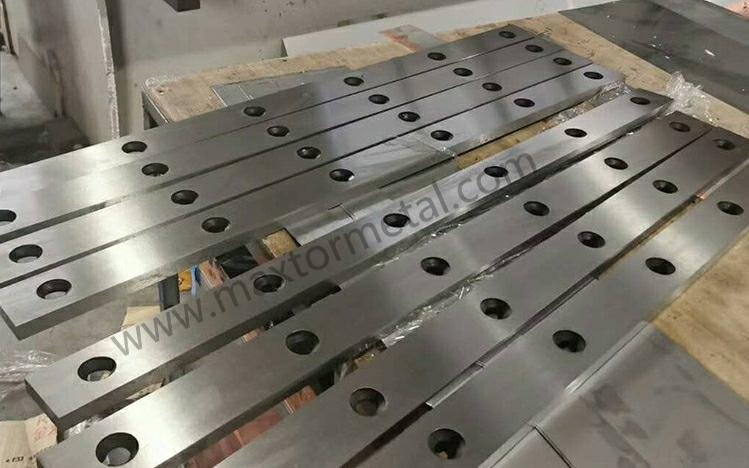
You can make cuts better and faster by picking the right blade shape. The way shear blades for plastic and paper are made changes how they cut. You need to use the right blade edge for your job. This helps the blade work well and last longer.
Rotary Shear Blades (Slitting Applications)
Rotary shear blades are used to cut plastic films and paper rolls. You must set the overlap and side clearance the right way. This gives you clean cuts and less dust or rough edges. The shape of these blades changes how they work in different jobs.
Setting Optimal Overlap and Side Clearance for Clean Slitting
You need to change overlap and side clearance for smooth cuts. If you use too much overlap, the material can get crushed. If you use too little, the edges can be rough. Side clearance is how close the blades are. If you set it right, you get less dust and fewer rough spots. Blade shape is important for good cutting.
Tip: Always check overlap and clearance before you start. This keeps your cuts good and stops problems.
Here is a table that shows the most important blade shapes for rotary shear blades:
| Parameter Type | Описание |
|---|---|
| Геометрия лезвия | Flat, dish, single bevel, compound bevel, or hollow ground shapes change cutting performance. |
| Edge Parameters | Cutting angle, chamfer, and tooth geometry help you optimize cutting performance. |
| Overall Dimensions | Blade diameter and thickness must match the material for best results. |
You can see that blade shape and edge details matter for good cuts. If you use the right settings, you waste less and cut better.
Geometry for Crush Slitting vs. Shear Slitting
Crush slitting and shear slitting need different blades. Crush slitting uses a duller edge and more force. Shear slitting uses a sharper edge and less force. You must pick the right blade for your material.
| Тип материала | Рекомендуемый тип лезвия |
|---|---|
| Soft Foils | Double hollow ground blades prevent rolling or tearing. |
| General Purpose | Standard flat-profile blades work well for paper slitting. |
| Thick Films | Wide-rim knives let material flow around the cutting edge. |
If you use thin blades with sharp angles for soft stuff, you get less drag and better cuts. For hard stuff, thick blades last longer and cut better.
| Тип материала | Blade Characteristics |
|---|---|
| Soft Materials | Thinner blades with sharper edge angles minimize drag. |
| Hard Materials | Thicker, more durable blades cut effectively. |
Blade shape also helps you get less dust and fewer rough spots. If you make the edge just right, you get cleaner cuts and less mess. This means you clean less and get better results.
Guillotine and Straight Trim Blades
Guillotine and straight trim blades are used for straight cuts in sheets and webs. You need to pick the right rake angle and keep the edge small and even for good cuts.
Selecting Low Rake Angles to Minimize Material Shift and Web Distortion
You must pick the right rake angle so your material does not move or bend. A small shear angle needs less force but can bend the material. A big shear angle needs more force but gives cleaner cuts.
- The rake angle controls where the cut pieces go.
- A positive rake angle needs less force and makes less friction.
- A negative rake angle makes the edge stronger for hard stuff, but you need more force.
If you use the right rake angle, you get better cuts and less bending. This helps your line run well.
The Importance of a Low, Consistent Edge Radius for Precision
You need a small, even edge radius for good cuts. A good edge spreads the force and lowers stress. This stops the blade from breaking and helps it last longer.
- A rounded edge spreads force and stops blade breaks.
- Sharp blades cut better and make smaller rough spots.
- A small edge radius gives cleaner cuts and better detail.
- The edge radius changes how stress moves and keeps the blade strong.
- A big edge radius needs more force and can make cuts worse.
If you use sharp blades with a small edge, you get great cuts and better work. This is important for making blades and for industrial blades. You also cut faster and your blades last longer.
Note: Always use good steels for your industrial blades. This keeps your cuts good and your blades working longer.
You can see that blade shape, rake angle, and edge size all change how well you cut. If you match your blade to your job, you get better cuts and your blades last longer.
Troubleshooting: Preventing Dust, Burr, and Melt

When you use shear blades for plastic and paper, you want your line to stay clean. You also want your products to look good. Dust, burr, and melt can make your work harder and slow things down. You can fix these problems if you know what causes them and use the right fixes.
Combating Paper Dust and Fuzz
Root Cause: Excessive Abrasion and Dull Blade Edges
Paper dust and fuzz show up when blades get dull or worn out. When a blade is not sharp, it rips the fibers instead of cutting them. This makes tiny bits float in the air and land on your machines. Too much rubbing also makes more dust, which can hurt your work and your machines.
| Тип лезвия | Материал | Главное преимущество | Лучший вариант использования |
|---|---|---|---|
| Стандартная углеродистая сталь | High-carbon tool steel | Sharp edge for dry, clean cuts | Short-run production or basic film converting |
| Нержавеющая сталь | 400-series or surgical-grade steel | Corrosion resistance for humid or clean environments | Hygienic or moisture-prone conditions |
| Карбид вольфрама | Ultra-hard carbide alloy | Extended wear life, low friction | Long-run, high-speed production lines |
| PTFE or TiN-Coated Blades | Coated carbon/stainless | Reduced friction and adhesive buildup | Sticky or high-additive films |
Prevention: Frequent Sharpening and Utilizing High-Hardness Steels
You can stop dust and fuzz by keeping blades sharp and using hard steels. Sharpening your blades often gives you cleaner cuts and less dust. Hard steels stay sharp longer, so you do not need to sharpen as much. Grinding the blades just right also helps you get smooth edges and better results.
- Sharpening blades often gives you cleaner cuts and less dust.
- Hard steels keep their sharp edge longer, so you get less fuzz.
- Grinding blades well makes smoother edges and less burring.
You can also use dust control systems to keep your line clean and safe. Some systems use suction to catch dust right where it starts. Control panels let you run dust control easily and help your line work better.
Tip: Use good steels and sharpen your blades a lot. This keeps your cuts nice and your machines working well.
Preventing Plastic Burr and Edge Melt
Root Cause: Friction and Incorrect Clearance
Plastic burr and edge melt happen when there is too much rubbing or the blade gap is wrong. If the blade pushes too hard or moves too slow, the plastic can get hot and melt. This leaves rough edges and makes your cuts look bad. How you set your machine matters too. If the gap is too wide or too tight, you get more burrs and less neat cuts.
| Cause of Burr and Edge Melt | Описание |
|---|---|
| Свойства материала | The material’s response to cutting forces can lead to plastic deformation and burr formation. |
| Условия резания | Variations in cutting speed and feed rates can influence the size and presence of burrs. |
| Mechanics of Cutting Process | The interaction between the tool and workpiece, including deformation zones, affects burr formation. |
You should check burr size at the bottom to find the best way to remove it. For big burrs, measure in a few places and use the average. This helps you pick the right way to clean up and get better cuts.
Prevention: Reducing Machine Speed; Ensuring Minimal, Uniform Blade Clearance
You can stop burr and melt by slowing your machine and setting the blade gap right. Slower speed means less heat, so the plastic does not melt. A good gap gives you smooth, even cuts and better results. Always check your settings before you start a new job.
- Slow down your machine to stop melting and extra heat.
- Set the blade gap just right for your material.
- Check and fix the gap often for good cuts.
Note: Good machine settings and sharp blades help you cut better and make nicer products.
The Role of Anti-Adhesion Coatings (Teflon, DLC)
Anti-adhesion coatings like Teflon and DLC help you cut sticky or tricky films. These coatings stop plastic from sticking to the blade, so your cuts stay clean and your line keeps moving. Teflon makes things non-stick, so nothing builds up on your blades. This means you stop less and work faster.
- Teflon stops things from sticking, so your line runs smoother.
- Teflon-coated parts have less rubbing and sticking, so your products look better.
- Teflon keeps machines safe from wear, so they last longer.
- DLC is very hard and slippery, so you get clean cuts and less sticking.
You can put these coatings on industrial blades to help them work better and last longer. They give you better cuts and longer blade life, especially with tough plastics.
Callout: Use anti-adhesion coatings for sticky films or fast lines. This helps you cut better and keeps your blades working well.
If you know what causes these problems and how to fix them, you can keep your line clean and working well. You will get better quality, faster work, and blades that last longer if you use these tips.
Maintenance and Longevity for Versatile Blades
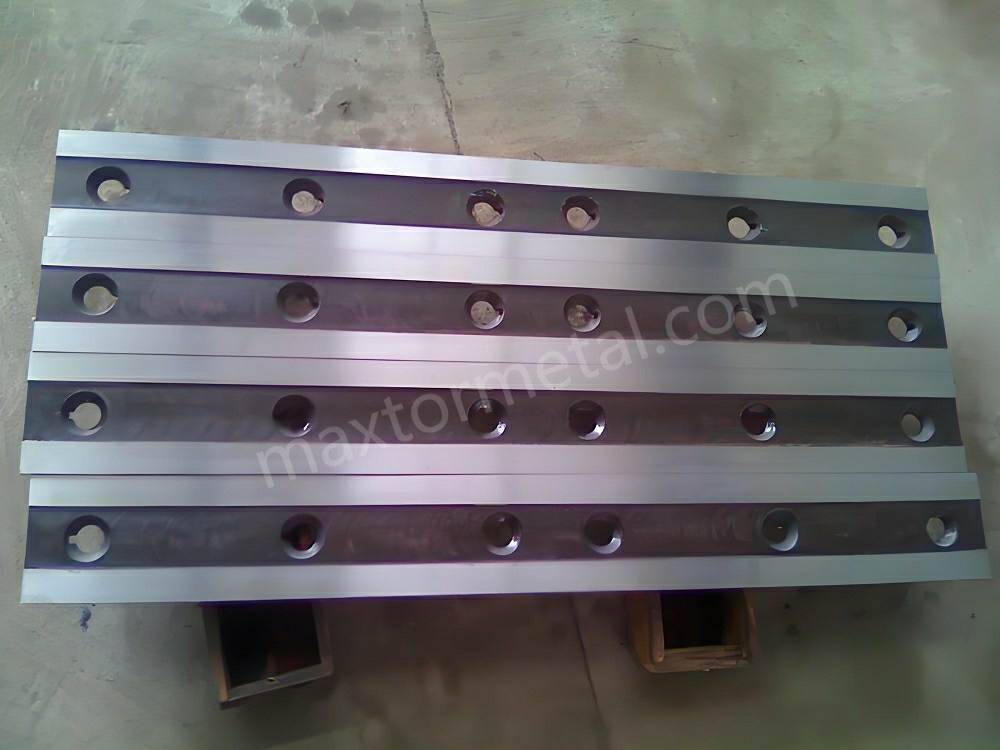
Taking care of shear blades helps you get good cuts. It keeps your machines working well. You want blades to last a long time. Good care saves money and makes blades work better.
Material-Specific Regrinding Protocols
You must use the right grinding for each blade. This keeps the edge sharp and stops damage.
Low-Temperature Grinding for D2 to Prevent Softening
D2 tool steel blades need careful grinding. If you grind too hot, the steel gets soft. It loses its hardness. Use low heat to keep blades strong. Always check the temperature when grinding. Use coolants to lower heat and protect blades. This keeps the edge sharp and gives clean cuts.
Diamond Wheel Requirement for Tungsten Carbide Blades
Tungsten carbide blades are very hard. You need diamond wheels to sharpen them. Diamond wheels give better precision and keep blades sharp longer. Here are some benefits of diamond wheels:
- Diamond wheels sharpen tungsten carbide blades with great accuracy.
- They help blades last longer and save money.
- Diamond wheels work best for hard materials like tungsten carbide.
Silicon carbide wheels cost less but do not work as well for tough jobs. Diamond wheels help blades stay ready for good cuts and last longer.
Tip: Always use the right grinding wheel for your blade. This keeps blades sharp and ready for every job.
Establishing a Predictive Maintenance Schedule
You can make a plan to keep blades working well. This helps you fix problems before they start.
Tracking Cut Lengths to Determine Optimal Regrinding Frequency
Track how much you cut with each blade. This helps you know when to sharpen or change blades. If you keep records, you find the best time to regrind. This keeps cuts clean and quality high.
Here is a table that shows how often to check and care for blades:
| Частота | Task Description |
|---|---|
| Ежедневно | Clean blades, check for wear, and add oil. |
| Еженедельно | Check alignment, blade gap, and cut quality. |
| Ежемесячно | Do a full check, calibrate, and inspect blades. |
Follow these steps to keep blades in good shape:
- Проверяйте лезвия перед каждой сменой.
- Do weekly and monthly checks to find problems early.
- Change blades when you see wear.
Clean blades after every shift to remove dust, oil, and sticky stuff. Cleaning every day can make blades last 25–35% longer. Use a soft cloth or brush to clean off dirt. For sticky stuff, ultrasonic cleaning works best.
Note: A good care plan helps you get better cuts and keeps machines running well.
Blade Cleaning and Storage
Cleaning and storing blades the right way stops rust and dirt. This keeps blades ready for good cuts and helps them last longer.
Preventing Rust and Contamination on High-Chromium Blades
High-chromium blades fight rust, but you still need to care for them. Follow these steps to keep blades clean and safe:
- Keep it dry: Wipe blades with a clean cloth after use.
- Oil the blade: Put a thin layer of food-grade oil on the blade.
- Store properly: Keep blades in a dry place. Do not use leather covers because they hold moisture.
If you follow these steps, you stop rust and keep blades ready for every job. Clean blades help you get better cuts and keep machines working well.
Callout: Good cleaning and storage help blades work their best. You get sharp cuts and nice-looking products.
You have to pick the right shear blades for plastic and paper. This helps you get clean cuts and makes blades last longer. It also saves you money. The blade’s material and coating are very important for how well it works.
If you want to do shear slitting, some materials work better. D2 steel is used most for shear slitting. If the job is harder and wears out blades faster, you can use M2 steel, carbide inlaid steel, or CPM 10V steel. These steels help the blade last longer.
| Ключевые соображения | Описание |
|---|---|
| Blade Configuration Options | Changes how well and how clean the blade cuts |
| Tension Control Capabilities | Needed to keep cutting the same way every time |
| Профилактическое обслуживание | Helps blades stay sharp and last longer |
| Свойства материала | Should fit your machine and what you need to cut |
- Some common blade materials are:
- Углеродистая сталь
- Быстрорежущая сталь
- Карбид вольфрама
Metal Industrial gives you strong blades for many jobs. They also make custom blades if you need them. If you want to talk to a sales engineer, Свяжитесь с нами.
Часто задаваемые вопросы
What materials work best for shear blades for plastic and paper?
You get the best results with D2, M2 tool steels, or tungsten carbide. These materials give you long life and sharp cuts. Choose based on your material and production needs.
How often should you sharpen shear blades for plastic and paper?
You should sharpen blades when you see dull edges or poor cuts. Track cut lengths to set a schedule. Regular sharpening keeps your cuts clean and your line running well.
What is the difference between crush slitting and shear slitting?
Crush slitting uses a duller blade and more force. Shear slitting uses a sharper blade and less force. Pick the right method for your material to get clean cuts.
How do coatings help shear blades for plastic and paper?
Coatings like TiN, CrN, or Teflon lower friction and stop sticking. You get smoother cuts and less downtime. Coated blades last longer, especially with sticky or abrasive materials.
How can you prevent dust and burr when cutting paper or plastic?
Keep blades sharp and use the right clearance. Use high-hardness steels for less dust. Slow down your machine and check blade gaps to stop burrs and melting.
What is the best way to store shear blades for plastic and paper?
Store blades in a dry place. Wipe them clean and add a thin oil layer. Use proper holders to stop rust and damage. Good storage keeps blades ready for use.
Can you use the same blade for both plastic and paper?
You can use some blades for both, but results depend on material and blade type. For best performance, match blade material and geometry to your job.
Why does blade geometry matter in converting applications?
Blade geometry changes how the blade cuts. The right shape gives you cleaner cuts, less waste, and longer blade life. Always match blade geometry to your material and process.
Смотрите также
Ножи Для Горячей vs. Холодной Резки: Полное Руководство по Выбору Материала и Температурным Пределам
Полное руководство покупателя по промышленным ножницам: 7 проверок качества перед покупкой.
Полное Руководство по Настройке Зазора Сдвиговых Ножей: Формулы, Ошибки и Результаты Без Заусенцев

 English
  Spanish
  Italian
  French
  Portuguese
  Russian
  German
  Arabic
  Hindi
Hindi  Vietnamese
  Indonesian
  Japanese
  Korean