

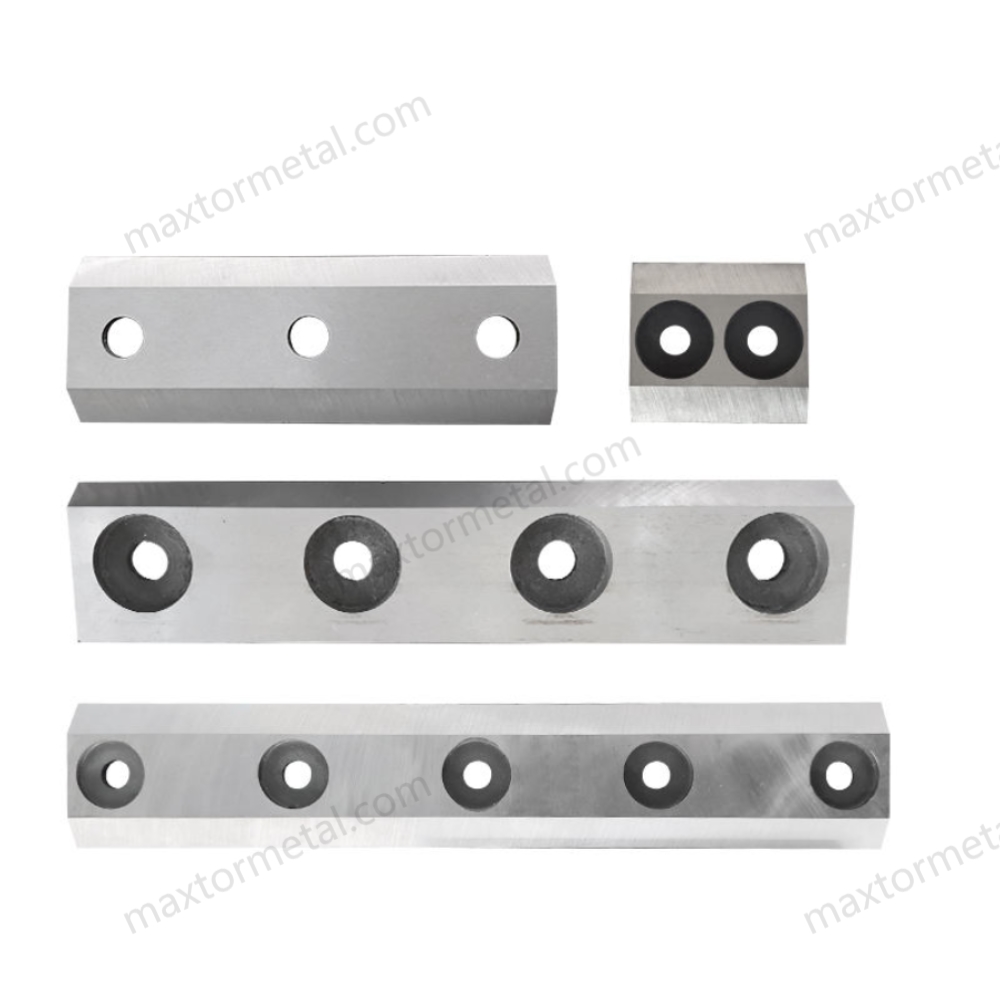
You have a hard job when you try to keep cutting speed, toughness, and chip quality balanced during wood processing. If you let dao băm gỗ kiểu trống get dull, your work can slow down by more than 20%. Good materials in a wood chipper blade help you stop delays and keep costs low. The right blade shape and sharpness help you make chips that look the same and work faster. When you pick strong materials and careful designs, your job gets easier and your results improve.
Những điểm chính
- Check and sharpen your drum chipper knives often. This helps keep cutting speed and chip quality good.
- Pick the right blade material for the wood you use. This makes the chipper work better.
- Dull knives can slow your work by more than 20%. Keep them sharp to get more done.
- Good blades mean less downtime and lower maintenance costs. This helps you chip wood faster.
- Change the knife angle to control how thick and good the chips are. A lower angle cuts faster but wears out sooner.
- Make a schedule to check and care for your knives. This helps them last longer and work better.
- Use blades that fit your chipper and wood type. This gives better chip quality and less wear.
- Custom blade solutions can help with special jobs. They give better results and save money.
Why Balance Matters for Drum Chipper Knives
Productivity and Throughput
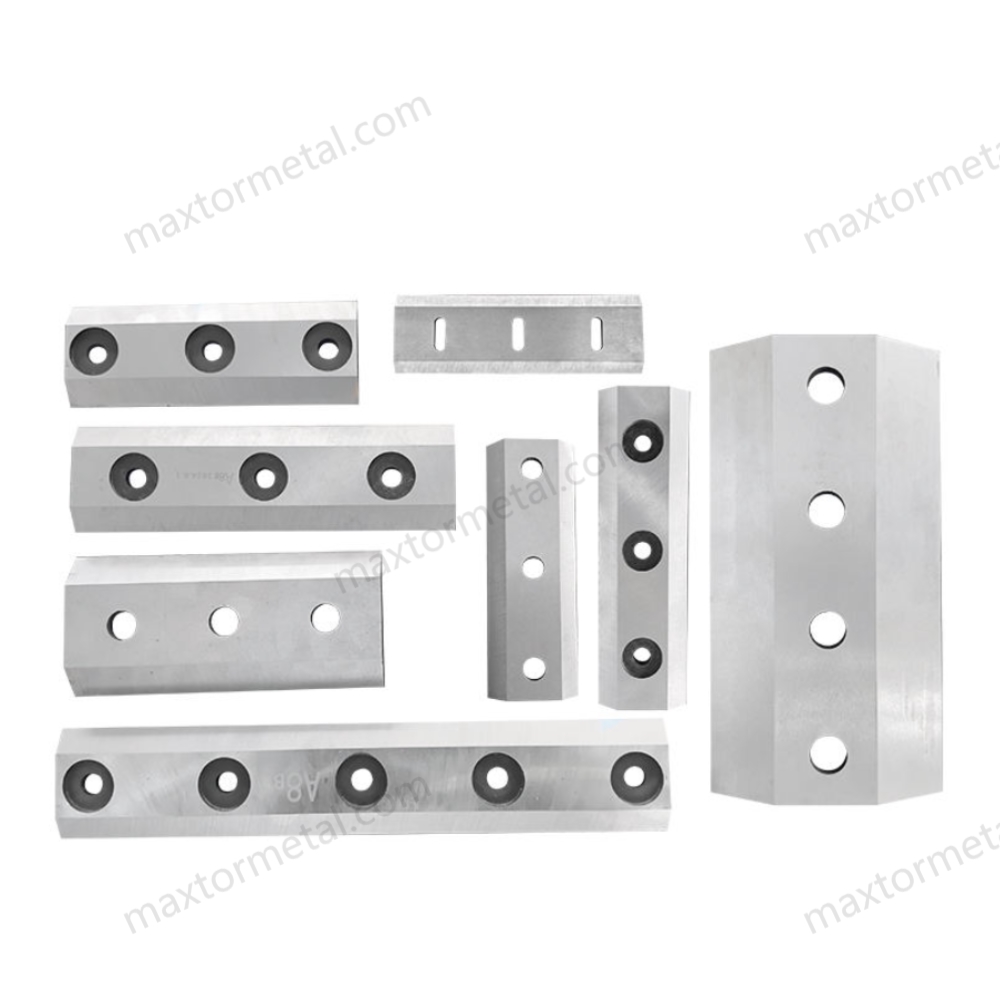
You want your wood chipping to go fast and smooth. The way you balance cutting speed, toughness, and chip quality in drum chipper knives changes how much wood you can chip each hour. If your knives get dull or wear out quickly, you will chip less wood. Studies say that the design of drum chippers, like how the knives are set up, is very important. For example, a closed drum with long knives can work better than an open drum with knives that are not lined up. This design helps you keep working well even if the knives start to wear down. When you use a good wood chipper blade, you do not have to stop and change knives as often. This means you can make more chips.
Tip: Check your chipper knives often for dullness. Sharp knives help your machine work its best.
Cost Efficiency and Downtime
You know that stopping your chipper costs you money. Every time you stop to change or fix knives, you lose time making chips. Picking drum chipper knives with the right toughness and speed helps you stop less. Tough knives last longer and do not need to be changed as much. This saves you money on fixing and buying new parts. If you pick blades that fit your wood and machine, you can also stop surprise breakdowns. Good wood chipping saves money and uses your tools better.
- Knives that last longer mean you stop less.
- The right blades cost less to fix.
- Good performance helps you stick to your budget.
Chip Quality Impact
You want your wood chips to be good enough for your industry. How well your drum chipper knives work changes the size, thickness, and shape of each chip. Good chip quality is needed for pulp, paper, biomass, and other wood products. Experts check chip quality by looking at energy, chip thickness, and how many small pieces there are. The angle of the knife changes the chip’s shape and thickness. For example, if you change the knife angle from 50° to 30°, the chips can get almost 1 mm thinner. If you chip frozen wood, the chips get thicker and you get more small pieces, which is not as good. You need to watch these things to get the best from your wood chipper blade.
- Chips with more energy are better quality.
- Soft and hard woods make different chips.
- Knife angle and wood type change chip thickness and small pieces.
When you balance cutting speed, toughness, and chip quality, your chipper works better and your business gets better results.
Material Choices for Wood Chipper Blade Performance
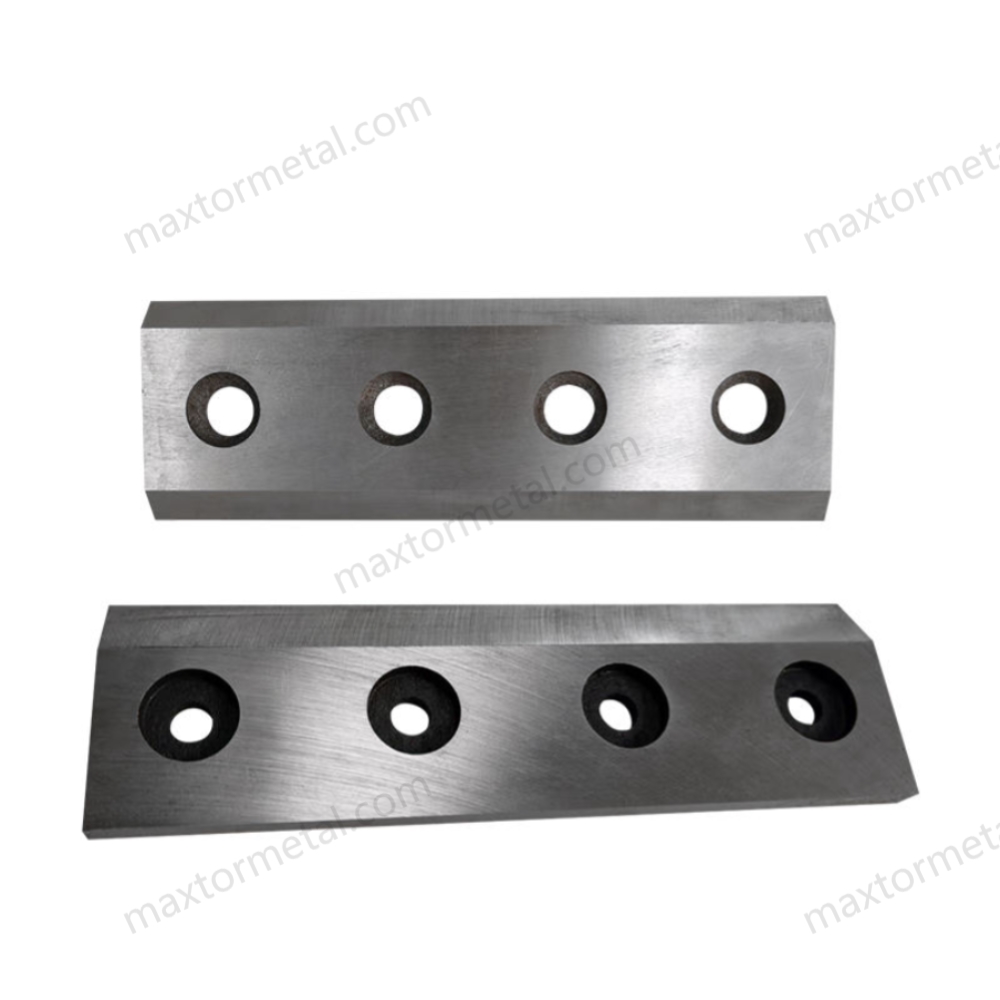
Choosing the right material for your wood chipper blade shapes the performance of your chipper and the quality of your wood chipping results. Each material offers unique strengths. You need to match these strengths to your specific needs to get the best balance of cutting speed, toughness, and chip quality.
D2 Tool Steel and DC53 Tool Steel
You often see D2 tool steel in wood chipper blades because it gives you excellent wear resistance. This means your blade stays sharp longer when you process clean, soft, or medium-hard wood. D2 tool steel also hardens well, so you get a reliable cutting edge. However, D2 has moderate toughness. If you hit a hard object, the blade can chip.
DC53 tool steel takes toughness to the next level. You get better impact resistance, so your blade handles shock and hard materials more easily. DC53 costs more than D2, but you gain extra durability and fewer blade changes. When you want a blade that lasts longer and stands up to tough jobs, DC53 is a smart choice.
Note: If you need a custom blade shape or size, you can explore giải pháp lưỡi dao tùy chỉnh to fit your chipper and application.
High-Speed Steel and Tungsten Carbide Inlays
High-speed steel (HSS) inlays give your wood chipper blade extreme impact resistance. You can use HSS when you expect sudden shocks or process wood with knots and nails. HSS holds its edge well, so you get steady performance over time. However, HSS does not match the pure wear resistance of carbide.
cacbua vonfram inlays set the standard for durability and longevity. You get a blade that lasts up to ten times longer than HSS in tough jobs. Carbide stays sharp for a long time and cuts hard materials quickly. However, carbide is brittle. If you drop the blade or hit a very hard object, it can crack. Carbide also has the highest initial cost, but you save time and money with fewer blade changes.
Here is a quick comparison to help you decide:
| Vật liệu | Tuổi thọ | Chip Quality |
|---|---|---|
| Cacbua Vonfram | Lasts up to 10 times longer than HSS in tough jobs | Stays sharp for a long time, cuts hard materials faster |
| Thép tốc độ cao | Tougher, better at handling impacts | Resists cracking better, good for jobs with sudden shocks |
Lựa chọn vật liệu lưỡi dao phù hợp với ứng dụng
You need to think about your wood type, chipper machine, and job demands when you pick a blade material. Here are some tips to help you match the right blade to your application:
- Choose D2 tool steel for clean, soft, or medium-hard wood. You get good wear resistance and a sharp cutting edge.
- Pick DC53 tool steel if you process mixed or hard wood. You gain extra toughness and fewer blade changes.
- Use high-speed steel inlays for jobs with sudden impacts or wood with metal pieces. HSS resists cracking and keeps working under stress.
- Select tungsten carbide inlays for heavy-duty, high-volume wood chipping. Carbide blades last longer and keep your chipper running with less downtime.
The type of wood you process matters most. Hardwoods and dirty wood need tougher, more durable blades. Carbide-tipped blades can last up to 50% longer than standard blades, making them ideal for demanding jobs. Adjustable and flexible knives can boost your processing efficiency by over 30%. The right material helps you keep your chipper running smoothly and your chip quality high.
If you want advice or a custom solution, Nam Kinh Metal công nghiệp offers expert help and a wide range of blade materials.
Tip: Always match your blade material to your wood chipping needs. The right choice improves performance, durability, and chip quality.
- D2 tool steel gives you wear resistance for standard jobs.
- DC53 tool steel adds toughness for harder tasks.
- High-speed steel inlays handle impacts and shocks.
- Tungsten carbide inlays deliver unmatched durability for the toughest jobs.
When you choose the right wood chipper blade material, you get better chipper performance, longer blade life, and higher chip quality. This balance keeps your operation efficient and your costs under control.
Chipper Knife Design and Geometry
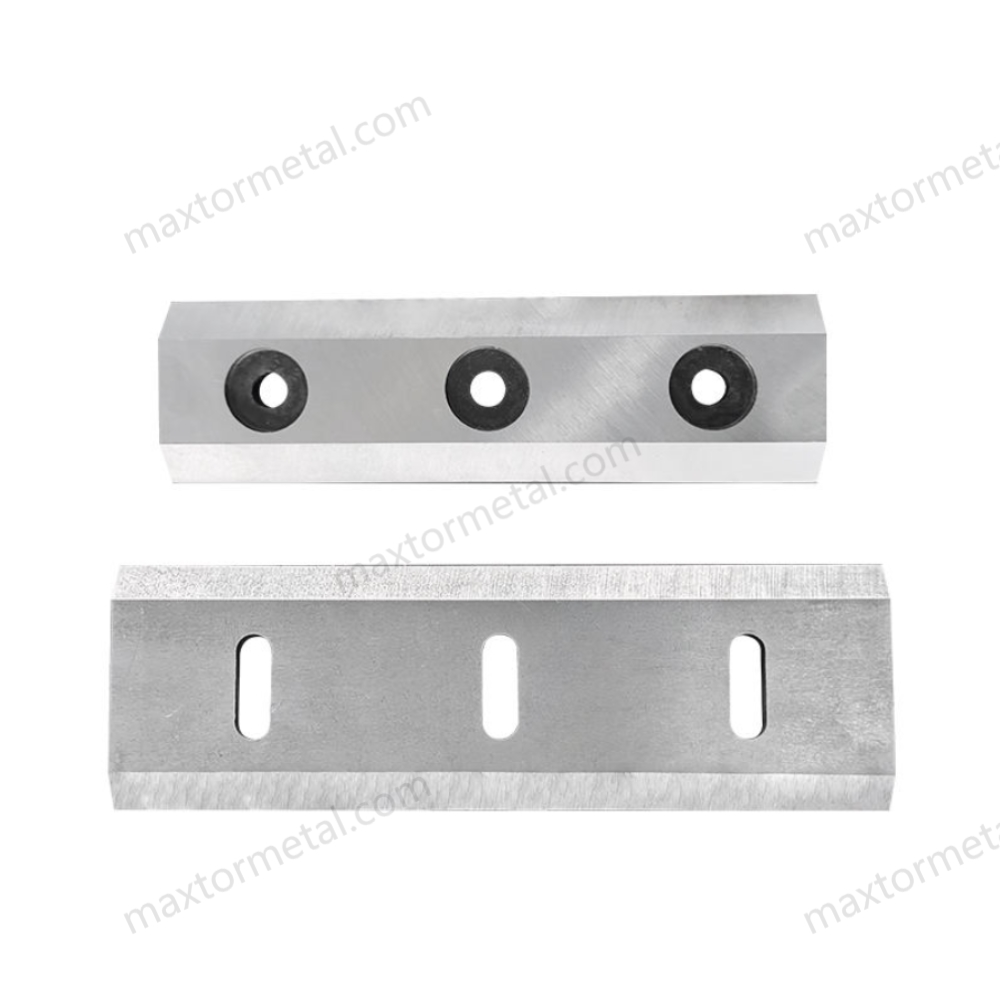
How you design a chipper knife changes how your machine works. It also affects how good your wood chips are. Every part of the knife, like the edge angle and shape, matters for balance and performance.
Edge Angle and Sharpness
You can change how well your knife cuts by changing the edge angle and sharpness. The edge angle shows how sharp or strong your blade is. A low-angle edge, from 10° to 20°, makes the blade very sharp. This helps you cut wood fast, but the edge can break if it hits something hard. High-angle edges, from 25° to 40°, make the blade stronger. These edges can handle tough wood, but you need more force to cut.
The tiny details of the blade also matter. A rougher edge puts more pressure on the wood. This lets you cut deeper. A rough blade edge can cut about 32.5% deeper than a smooth edge. You need to pick the right mix of sharpness and strength for your job.
| Diện mạo | Sự miêu tả |
|---|---|
| Cutting Edge Angle | Smaller angle means sharper blade, better cutting, but does not last as long. |
| Larger Angle | Stronger blade, but needs more force to cut. |
| Micro-Geometry | Rougher edges cut deeper because of higher pressure. |
| Cutting Depth | Rough blade edge can cut about 32.5% deeper. |
Tip: Pick your edge angle based on the wood you cut. Sharper edges are best for softwood. Stronger edges work better for hardwood and mixed wood.
Knife Thickness and Profile
Knife thickness and shape change how you use your chipper and how good your cuts are. Thicker blades move the weight toward the edge. This makes the knife feel heavier and harder to move. Thinner blades move the weight closer to the handle. This gives you more control and helps you make better cuts.
A good edge shape makes cutting easier. Engineers look at blade angle, bevel, and edge shape to help you get the best results. Thick blades last longer but are harder to move. Thin blades are easy to control and cut well, but they wear out faster.
- Thicker blades: Last longer, feel heavy, not easy to move.
- Thinner blades: Easy to control, cut well, but wear out faster.
- Edge shape and bevel: Help you cut better and use less force.
You should pick the right thickness and shape for your machine and wood type. This helps your chipper work well and keeps chip quality high.
Drum Chipper Knife Configuration
How you set up your drum chipper knives changes how well your machine works. It also affects the chips you make. Your knives must fit your chipper and match your work needs. The chipper anvil is important too. The anvil helps the knives cut as they pass by. If the anvil gets worn or rounded, the gap between the knife and anvil gets bigger. This can make chip quality worse and hurt your machine.
You also need to think about the wood you use, the chip size you want, and if your wood is wet or dirty. Disposable micro-knives can help you work longer and make better chips. They are easy to change and help stop dirt from getting in.
| Diện mạo | Sự miêu tả |
|---|---|
| Loại vật liệu | Use different knives for hardwood, softwood, or biomass. |
| Chip Quality | The chip size you want changes the knife shape. |
| Khả năng tương thích của máy | Knives must fit your chipper. |
| Điều kiện hoạt động | Wet or dirty wood changes what knives you need. |
Balancing is very important for fast drum chippers. When your knives are balanced, your machine shakes less and lasts longer. This keeps your chipper safe and working well. Bad balancing means more repairs, safety problems, and slower cutting. Always check that your knives are balanced and fit your machine for the best results.
Note: Good chipper knife design, balancing, and setup help you get better chips, longer knife life, and smooth work.
Industry Applications and Custom Solutions
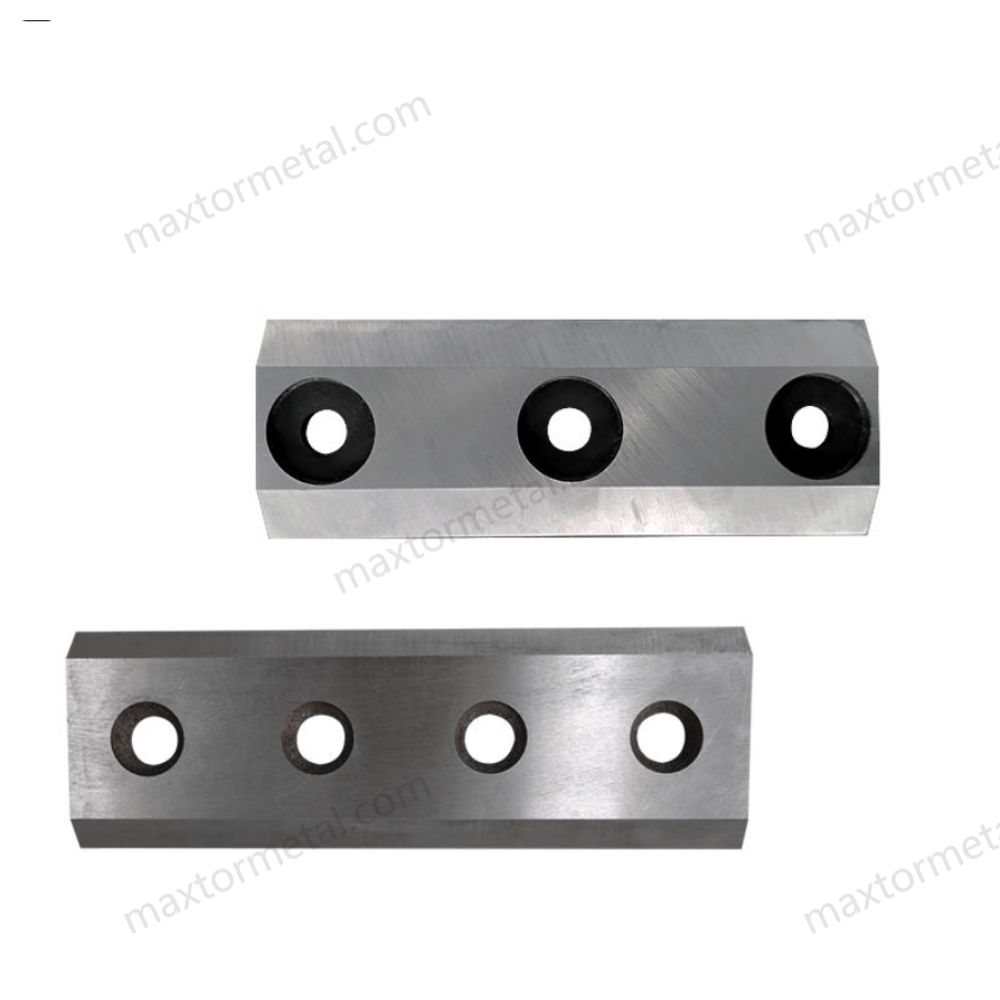
You work in a place where every wood chip matters. The right drum chipper knife can change how well you do your job. Different industries need different things. You have to pick the blade design and material that fit your work. Custom solutions help you get the best results.
Pulp and Paper Industry Needs
In pulp and paper, you need chips that look the same and are clean. The right vật liệu lưỡi dao helps you reach this goal. Here is a table to help you choose:
| Loại vật liệu | Đặc trưng | Ưu điểm | Application Suggestion |
|---|---|---|---|
| Thép công cụ D2 | Khả năng chống mài mòn cao | Cost-effective, sharp edge | Clean, soft to medium-hard timber |
| DC53 Tool Steel | Superior toughness and hardness | Longer life, fewer changes | Mixed wood, slight impact risk |
| Thép tốc độ cao (HSS) | High toughness, holds edge well | Handles heavy-duty, tough jobs | Contaminated or recycled feedstock |
| Tungsten Carbide Inlay | Near-diamond hardness, maximum wear resistance | Longest service life, less downtime | High-volume, clean wood operations |
Each material works best for a different job. D2 is good for clean wood. DC53 and HSS are better for mixed or tough wood. Tungsten carbide is best for big jobs with lots of wood. Custom blade designs from Nanjing Metal Industrial help you get what you need.
Biomass and Energy Production
In biomass and energy, you use drum chippers to make special chips from woody biomass. Your feedstock can change a lot. You need blades that work with many types of wood and keep going even with hard material.
- Drum chippers are best for making chips for energy.
- Knife type must match your feedstock.
- Closed drum designs work better with the right blade, but you need to adjust for each material.
- Open drum designs change less, but may not give the best chips.
You can get custom blades that fit your chipper and feedstock. This helps you get the right chip size and quality for energy jobs.
Tip: Always check your feedstock and change your blade choice for the best chip quality.
Engineered Wood and Recycling
Engineered wood and recycling have special problems. You often cut wood with nails, glue, or other hard stuff. You need blades that last longer and do not break easily.
Here is a table showing features that help with these jobs:
| Tính năng | Sự miêu tả |
|---|---|
| Advanced Metallurgy | Premium tool steels and carbide for extreme wear resistance |
| Sản xuất chính xác | CNC machining for high hardness and strong structure |
| Application-Specific Design | Custom shapes for your machine and material |
| Bảo vệ chống ăn mòn | Surface treatments to stop chemical damage |
| Extended Service Life | Special tempering for 3-5 times longer use |
| Hiệu quả hoạt động | Reversible designs and easy maintenance |
| Industry Optimization | Solutions for biomass, recycling, and forestry |
You can pick custom blades for recycling or engineered wood. These blades help you save money and keep your chipper working longer.
Note: Picking the right blade for your industry and machine helps you get better results and spend less money.
Maintenance for Drum Chipper Knives Longevity
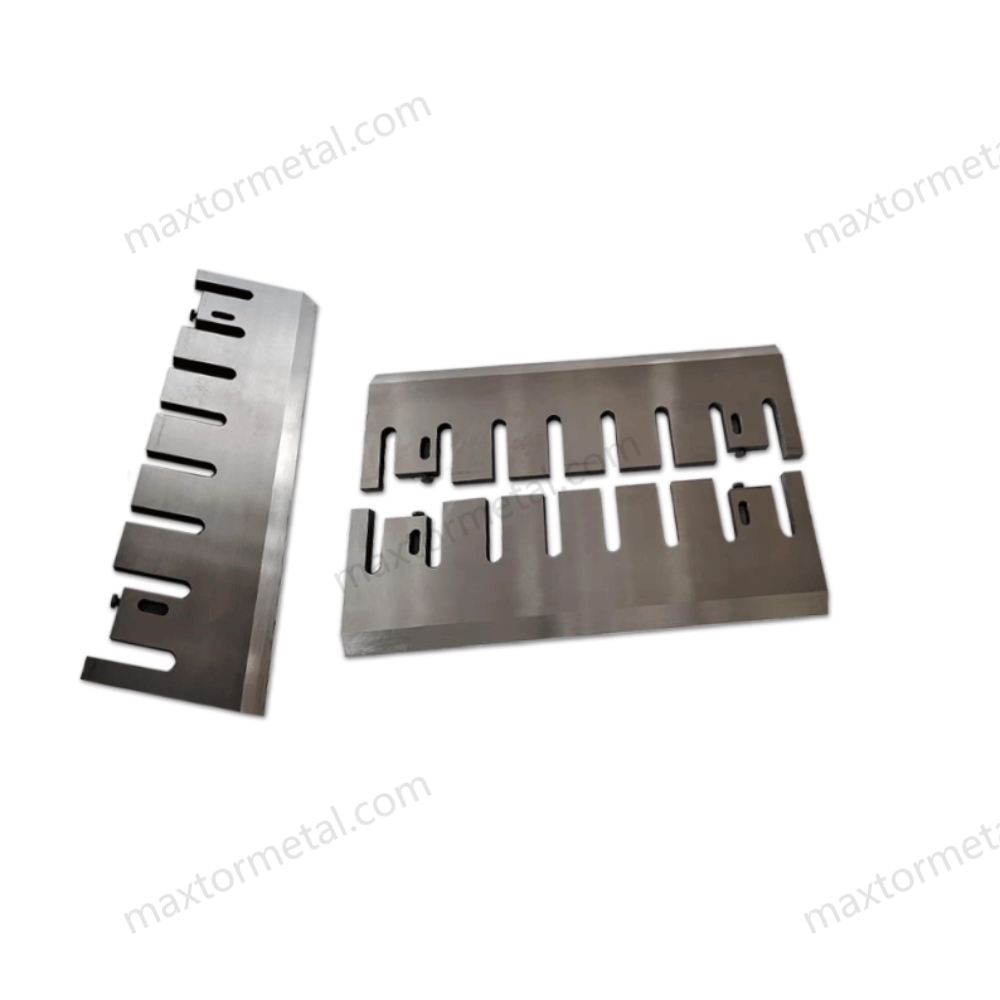
Taking care of your drum chipper knives helps them last longer. It also keeps your machine safe and working well. Good care makes your knives work better and gives you nicer chips. You can do some simple things to help your knives stay sharp and strong.
Inspection and Sharpening Schedules
Check your chipper knives every day. This helps you find problems early and keeps you safe.
Daily checks are important. They help you spot problems and keep your work safe.
Make a plan for sharpening your knives. How often you sharpen depends on how much you use your chipper. Use this table to help you decide:
| Schedule Type | Tần suất mài |
|---|---|
| Regular Use | Every few months or after 50-100 hours |
| Occasional Use | After 10 hours or when cutting slows down |
| Quy trình bảo trì | Every 25 hours or at least once a month |
Here are some steps to keep your knives sharp:
- Sharpen blades after 10 hours or when cutting gets harder.
- Look for damage, clean the knives, and check for loose parts each time.
- Do a full check every 25 hours or at least once a month if you use it less.
Watch for signs that your blades need help:
- Dull or broken blades make chips look rough or torn.
- Worn blades get thin and cannot cut well.
- Bad chips or blockages in the chip exit.
- You need more effort to use the chipper, which can be unsafe.
Take ten minutes to look for cracks or chips. If blades are chipped but still good, sharpen them. If they do not work well anymore, replace them.
Installation and Alignment Best Practices
Putting in and lining up your knives the right way helps them last longer. It also keeps your chipper working smoothly. Follow these tips:
- Keep the knife angle correct. Sharpen to the angle the maker suggests, usually 30° to 35°. This helps cutting and makes knives last longer.
- Check knife width and fit often. Make sure the knife fits well to stop shaking and keep chips the same size.
- Use only bolts and nuts from the factory. This stops parts from coming loose while you work.
- Adjust the anvil gap often. The right space between knife and anvil stops early wear and keeps your chipper working well.
When you install and line up knives the right way, you get better chips and less wear. You also lower the chance of hurting your machine.
Bôi trơn và làm mát
Lubrication and cooling help your drum chipper knives stay in good shape. Lubrication lowers rubbing between moving parts. This stops heat from building up, which can bend or dull blades faster.
You should:
- Use the right lubricant for your chipper. Check your manual for the best kind.
- Put lubricant on all moving parts before you start.
- Make sure the cooling system works well, especially for long jobs or hot days.
- Clean off wood dust and bits after each use to stop heat from getting trapped.
Good lubrication and cooling help your knives stay sharp and work better. You will have fewer problems and your knives will last longer.
Tip: A clean and well-oiled chipper works better and makes nicer chips.
If you follow these care steps, your drum chipper knives will stay sharp and safe. Regular care means fewer stops, better chips, and a safer place to work.
Cost Optimization with High-Quality Knives
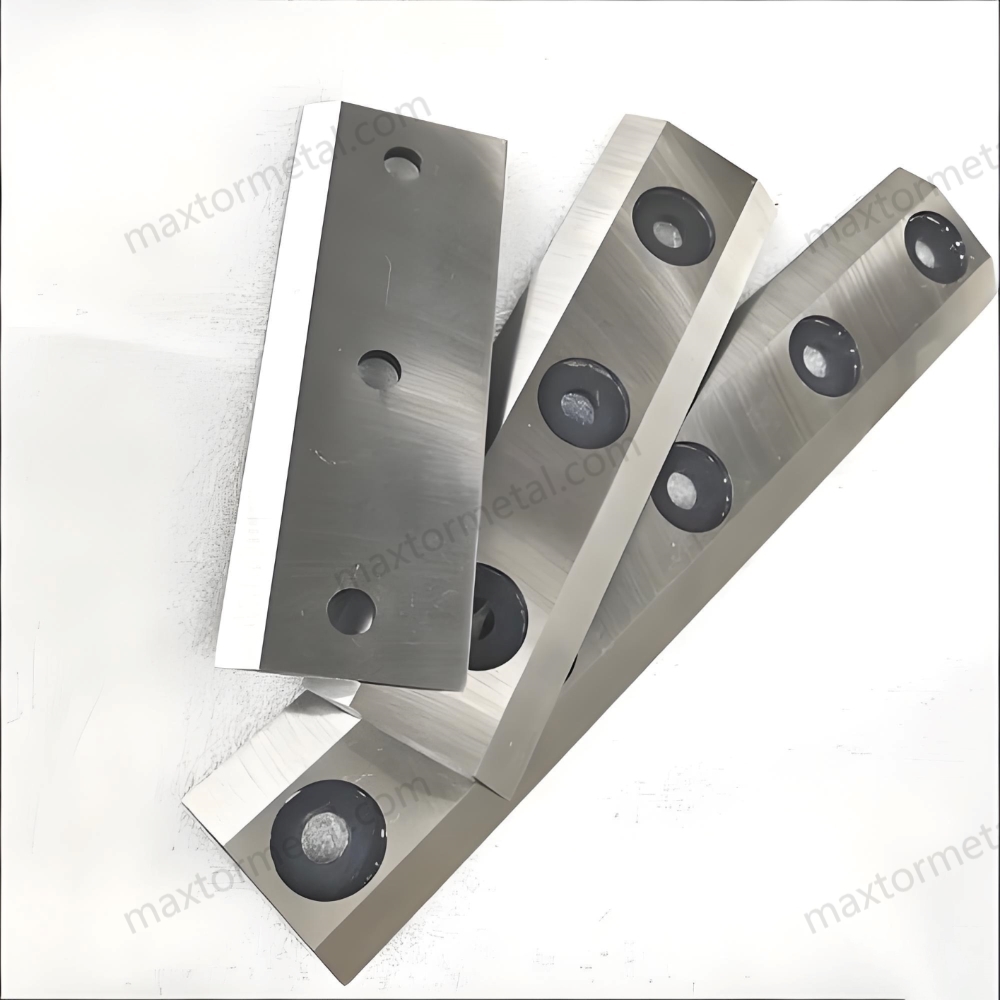
Reducing Knife Changes and Downtime
You want your chipper to work as much as it can. High-quality chipper knives help you do this job well. These knives stay sharp longer and handle tough wood. You do not have to stop often to change blades. This means you make more wood chips in less time. When you use a strong chipper knife, you do not need as much maintenance. The blade is easy to put in and sharpen again. You can get back to work quickly after fixing it.
- High-quality blades can handle hard jobs.
- Chúng giữ được độ sắc bén lâu dài, vì vậy bạn sẽ ít phải thay thế chúng hơn.
- You can install and sharpen them fast, which saves time.
- The design helps you avoid long stops.
- You can reach the knife area easily, so repairs are quick.
- The knife length is set before you put it in, so no extra steps.
- These knives make clean cuts and last longer.
- You can chip more wood waste and keep your chipper running.
Using a durable wood chipper blade keeps your work going and saves money.
Calculating Cost Per Ton
You want to know how much it costs to chip each ton of wood. There is a simple formula you can use:
Cost Per Ton = (Total Blade Cost + Maintenance Cost + Downtime Cost) / Tons of Wood Chipped
If you use high-quality blades, you spend less on new blades and repairs. You also lose less time fixing your chipper. This makes your cost per ton lower. When you keep track of these numbers, you see how better blades help you save money. You can plan your spending and make smart choices for your business.
Tip: Write down when you change blades and how long your chipper stops. This helps you see how much you save with better chipper knives.
Supplier Selection and Quality Assurance
You need a good supplier to get the best from your chipper. Look for suppliers who use strong materials and give clear information. Here is a table to help you pick:
| Tiêu chuẩn | Sự miêu tả |
|---|---|
| Chất lượng vật liệu | Blades should be made of alloy tool steel with a hardness of HRC55-58° for long life. |
| Operational Specifications | Different chipper blades (disc or drum) work better with certain wood types. |
| Maintenance Considerations | Blades must be sharp and tough to keep making good wood chips and work fast. |
Check if the supplier can make custom blades for your chipper. Good suppliers help you keep enough blades and fix problems fast. They make sure you get strong blades every time. When you work well with your supplier, you solve problems quickly and save money.
Note: Picking the right supplier and a high-quality chipper knife helps you save money, work better, and make good wood chips.
Actionable Tips for Selecting Drum Chipper Knives
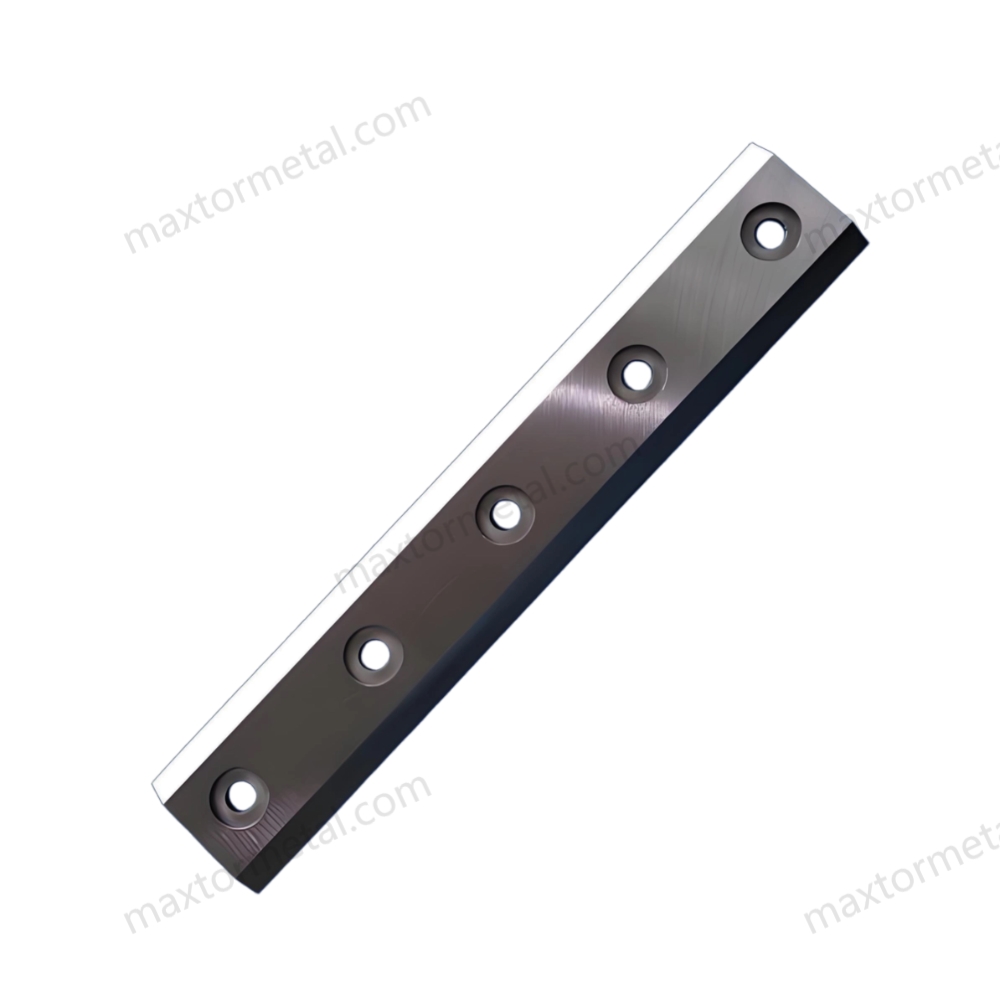
Implementing Maintenance Programs
You need a good maintenance plan to keep your drum chipper knives working well. Taking care of your knives helps your wood chipper blade work its best. It also keeps your chipper safe. If you follow a plan, your wood chipper knives stay sharp and last longer. This helps you chip wood faster and keeps your cutting speed steady.
A strong maintenance plan has a few important steps. You should check your knives often and sharpen them when they get dull. Sharp knives make better chips and stop your chipper from shaking too much. You also need to look for worn knives. Worn knives can cause problems and slow your work. Always check the belts on your chipper. Belts that are tight enough help stop extra shaking and protect your machine. Do not forget about the fasteners that hold your knives. If fasteners are loose, your chipper can break and get damaged.
Here is a table to help you remember the main parts of a maintenance plan:
| Key Component | Sự miêu tả |
|---|---|
| Sharp Knives | Keeping knives sharp is important for good chips and less shaking. |
| Checking for Wear | Look at knives often to find wear and keep your chipper working well. |
| Proper Tension on Belts | Tight belts stop shaking and help your chipper last longer. |
| Fastener Maintenance | Make sure fasteners are tight so your knives stay in place and your chipper does not break. |
You should make a schedule to check and care for your wood chipper knives. Always look at your chipper before and after you use it. This helps you find problems early and save money on repairs. If you keep up with care, your drum chipper knives work better and your wood chipping is smoother every day.
Tip: A regular maintenance plan keeps your chipper safe, your cutting speed steady, and your chip quality high.
Monitoring and Adjusting Performance
You want your chipper to work at its best every day. To do this, you need to watch how your drum chipper knives perform and make changes when needed. Regular checks help you spot problems early and keep your wood chipper blade sharp and safe.
Start by looking at your knives often. When you check for wear, you make sure your chipper works under the best conditions. Worn knives can cause rough chips and slow down your work. If you see dull edges or chips, it is time to take action.
Follow these steps to keep your knives working well:
- Remove the knives safely and look for signs of wear or damage.
- Grind the knives using the right method. Keep the correct angle so the blade stays sharp and strong.
- Cool the knives during sharpening. This stops heat from making the metal weak.
- Put the knives back in with careful calibration. Make sure they fit tight and line up with the anvil.
When you keep your knives sharp, you get chips that are all the same size. This means you have fewer rejects and more good chips. You also help your chipper last longer because sharp knives put less stress on the machine.
You can use a simple checklist to track your chipper’s performance:
| Nhiệm vụ | Tần suất thế nào | Những điều cần chú ý |
|---|---|---|
| Knife Inspection | Hằng ngày | Dullness, chips, cracks |
| Mài sắc | Khi cần thiết | Edge angle, smoothness |
| Calibration | Sau khi mài | Proper fit, tightness |
| Chip Quality Check | Each shift | Size, shape, uniformity |
Tip: Write down each time you check or sharpen your knives. This helps you see patterns and plan for future maintenance.
You should also watch how your chipper sounds and feels. If you hear new noises or feel more vibration, check your knives right away. These signs can mean your knives need attention.
By monitoring and adjusting your drum chipper knives, you keep your wood chipper blade working at its best. You get better chips, less downtime, and a safer work area. Good habits help you get the most from your chipper every day.
You can get good cutting speed, toughness, and chip quality by picking the right chipper knife material and design. Taking care of your machine often keeps it safe and helps your wood chipper blade last longer. High-quality blades are strong, work well, and fit many jobs. These blades use top materials and special heat treatment to stop them from wearing out fast. Keep watching how you work and try new technology as it comes out in the industry.
Want better results? Talk to a sales engineer đây để được chuyên gia giúp đỡ.
Câu hỏi thường gặp
What makes drum chipper knives different from regular blades?
Drum chipper knives have special shapes and materials. You use them to cut wood into chips quickly. These knives handle tough jobs and keep chip quality high.
How often should you sharpen your wood chipper blade?
You should check and sharpen your blade every 50-100 hours of use. Dull blades slow your work and lower chip quality.
Which material works best for cutting hardwood?
DC53 tool steel and tungsten carbide inlays work best for hardwood. You get more toughness and longer blade life.
Why does knife edge angle matter?
Knife edge angle changes how sharp and strong your blade is. A smaller angle cuts faster. A larger angle lasts longer and handles harder wood.
Can you use the same drum chipper knives for softwood and hardwood?
You should match your knife material to the wood type. D2 tool steel works well for softwood. DC53 or carbide inlays handle hardwood better.
What signs show you need to replace your chipper knives?
Look for chips, cracks, or dull edges. If your chipper makes rough chips or vibrates more, you need new knives.
How do you keep chip quality high?
You keep chip quality high by using sharp knives, checking alignment, and picking the right blade material for your wood.
Do custom wood chipper blades help with special jobs?
Custom blades fit your machine and job needs. You get better performance and chip quality when you use blades made for your application.
Xem thêm
D2, HSS, Carbide: Lựa chọn Thép Tốt Nhất cho Lưỡi Dao Guillotine trong Ngành In
Tiêu Hủy Tài Liệu An Toàn: Cách Lưỡi Dao Máy Xé Giấy Bảo Vệ Dữ Liệu Của Bạn
Lựa Chọn Dao Băm Gỗ Công Nghiệp: Lưỡi Đơn hay Lưỡi Kép?
Mài Lưỡi Dao Nghiền Nhựa để Đạt Hiệu Quả Tối Đa và Tuổi Thọ Cao

 English
  Spanish
  Italian
  French
  Portuguese
  Russian
  German
  Arabic
  Hindi
Hindi  Vietnamese
  Indonesian
  Japanese
  Korean