

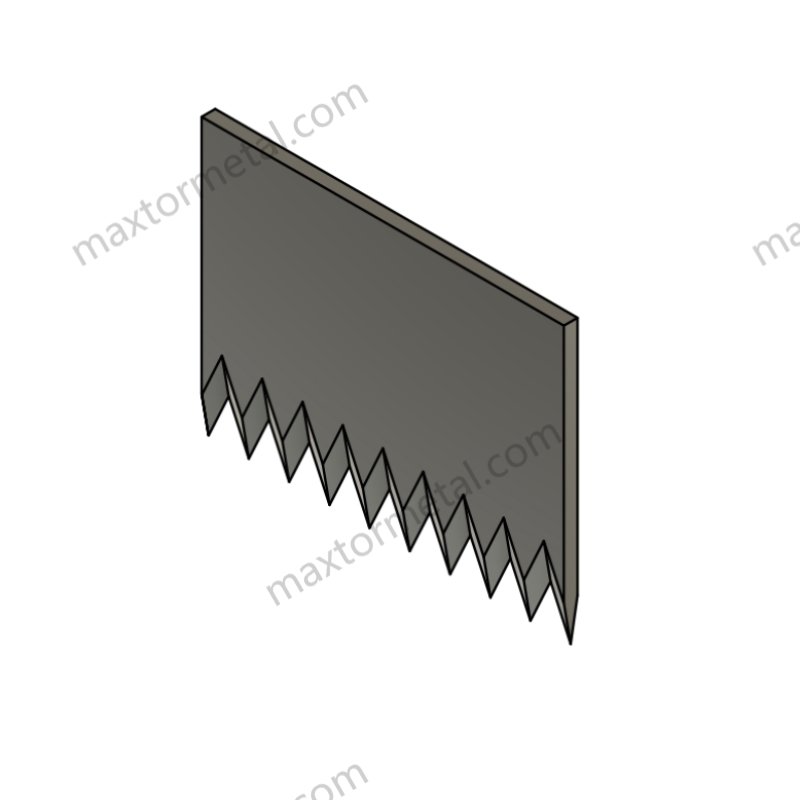
Refurbishing blades with a perforating blade sharpening service saves more money than buying new blades often. Sharp blades last longer and help lower costs. They also help machines work faster and stop less often. Some examples are packaging, medical, and food processing. Each business needs different things for perforation. They may need special materials or tooth shapes. Companies should look at how they use blades. They should pick the best choice for their work.
- Packaging: Needs exact perforation so tearing is easy.
- Medical: Needs clean seals with correct perforation.
- Food Processing: Needs perforation for steam and packing.
النقاط الرئيسية
- Sharpening perforating blades saves money and makes less waste than buying new blades. Regular sharpening keeps blades sharp. It helps blades cut better. Machines work better and stop less often. Professional sharpening services make blades last longer. They use special coatings and treatments. This lowers how much you spend on maintenance. Cleaning and checking blades often helps them last longer. It also helps you make more products. You only need to replace blades if they are badly damaged. You also replace them if sharpening does not fix the cutting.
مقارنة التكلفة
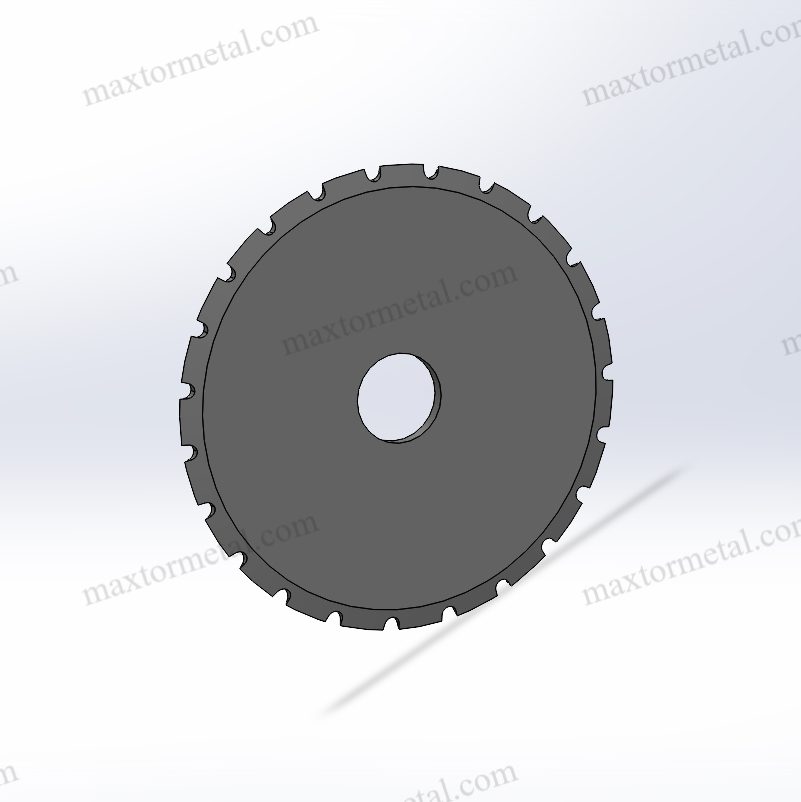
Refurbishing vs. Replacing
When companies look at refurbishing and replacing blades, they notice big cost differences. Refurbishing, which means sharpening, costs less at first than buying new blades. Sharpening makes the blade sharp again, so it can cut clean lines. This lets companies use the same blade many times, which saves money over time.
Refurbished blades are often shipped fast. This means companies get their blades quickly and keep machines working. New blades can take weeks to arrive, especially if they need special shapes or sizes. Maxtor Metal gives both choices. Their good prices and easy ordering help businesses pick what works best.
Here is a table that compares both options:
| عامل | Refurbishing (Sharpening) | Replacing (New Blades) |
|---|---|---|
| التكلفة الأولية | أدنى | أعلى |
| مهلة | قصير | أطول |
| التخصيص | محدود | عالي |
| Waste Produced | أقل | أكثر |
| Perforation Quality | Restored | New |
المدخرات طويلة الأجل
Refurbishing blades helps companies save money for a long time. Blades that can be sharpened last longer and do not need to be replaced often. This means companies spend less and still get good perforation.
- Sharpening makes blades work almost like new.
- Cleaning and checking blades before sharpening makes sure only good blades get fixed.
- Using blades many times lowers costs.
- Less waste makes this a smart choice for businesses.
Maxtor Metal helps companies save with affordable new blades. Their quick shipping and small order sizes help businesses that need good perforation solutions.
أداء الشفرة

دقة القطع
Cutting precision is important in every perforation job. Sharp blades make clean and straight lines. This helps products tear or break where they should. Dull blades can make rough edges and uneven cuts. They also cause more waste. Sharpening blades often keeps them working well. It also helps machines run better.
Sharpening and taking care of perforating blades is very important. It keeps cutting quality high and machines steady. Dull blades are harder to use. They make uneven cuts and rough edges. Machines may get louder and shake more. A sharpening plan based on material and blade coating helps stop these problems.
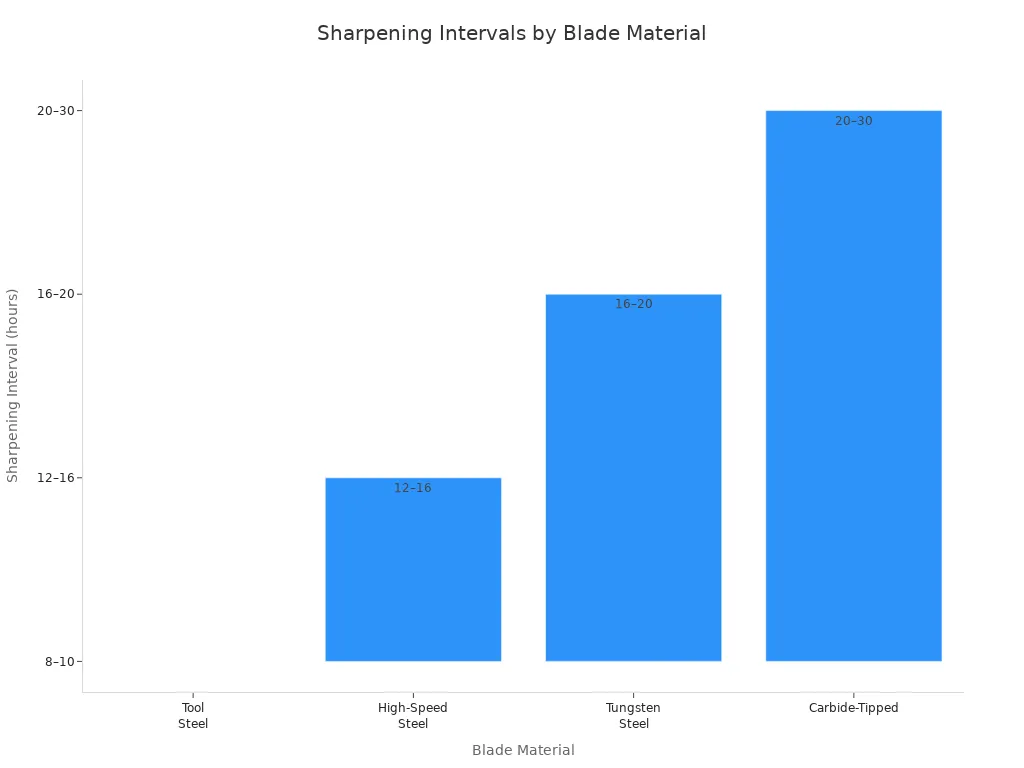
How often you sharpen depends on the material and blade coating. The table below shows how often to sharpen different blades for good cutting:
| نوع المادة | طلاء الشفرة | Recommended Sharpening Interval | Notes on Blade Life and Maintenance |
|---|---|---|---|
| البولي إيثيلين منخفض الكثافة التقليدي عالي الضغط | غير مطلي | من أسبوعين إلى أربعة أسابيع | Typical service life before sharpening needed |
| بولي إيثيلين منخفض الضغط | غير مطلي | Approx. 26 hours | Blades dull quickly, requiring frequent sharpening |
| بولي إيثيلين منخفض الضغط | مطلي بالتفلون | من 26 إلى 30 ساعة | Slightly extended blade life due to coating |
| بولي إيثيلين منخفض الضغط | ني-كارب (معدن صلب) | حوالي 20 ساعة | Coated blades last longer but still need sharpening |
| Low pressure LDPE (resharpened) | غير متوفر | من 8 إلى 24 ساعة | عمر الشفرات المعاد شحذها أقصر |
| البولي إيثيلين منخفض الكثافة التقليدي عالي الضغط | Uncoated (slitting) | يتم شحذها مرة واحدة في الأسبوع | Less frequent sharpening needed for slitting blades |
| Low pressure LDPE (slitting) | غير مطلي | يتم شحذها مرتين يومياً | High sharpening frequency without coating |
| Low pressure LDPE (slitting) | كربيد التنغستن | يتم شحذها مرة واحدة في الأسبوع | Hard metal coating extends sharpening interval |
A sharp blade makes every cut right. This means less waste and faster work. Companies that sharpen on time get better products and fewer mistakes.
عوامل المتانة
تُقاس متانة الشفرة بمدى طول فترة تشغيلها قبل الحاجة إلى الإصلاح أو الاستبدال. وتؤثر عوامل عديدة في المتانة، تشمل مادة تصنيع الشفرة، والتكسية (الطلاء)، ومعدل إعادة الشحذ. وتساهم عمليات التجديد باستخدام أساليب خاصة، مثل اللحام بالتغطية (overlay welding) أو الكسوة بالليزر (laser cladding)، في استعادة قوة الشفرات وإطالة عمرها الافتراضي.
- تستخدم عمليات التجديد تقنيات إصلاح متخصصة لاستعادة قوة الشفرات.
- تحمي التكسيات (الطلاءات) الشفرات من الصدأ والأضرار الناتجة عن الحرارة.
- تتيح طرق الإصلاح الحديثة استخدام مواد عالية الجودة مقارنة بالماضي.
- تتميز الشفرات المُجددة بعمر افتراضي أطول وتتطلب صيانة أقل مقارنة بالشفرات القديمة.
- يساهم ذلك في خفض التكاليف والحفاظ على كفاءة تشغيل المعدات.
قد لا تكون الشفرات المُجددة مطابقة تمامًا للشفرات الجديدة في جميع الحالات، غير أن استخدام طلاءات ومواد جديدة يتيح لها العمل بنفس الكفاءة أو بأداء أفضل. وهذا يعني إمكانية اعتماد الشركات على الشفرات المُجددة لتحقيق عمليات قطع قوية ومستقرة، مع إطالة الفترات بين عمليات الصيانة. وتؤدي المتانة العالية للشفرات إلى تقليل توقفات التشغيل وخفض التكاليف على المدى الطويل.
خدمة شحذ شفرات التثقيب
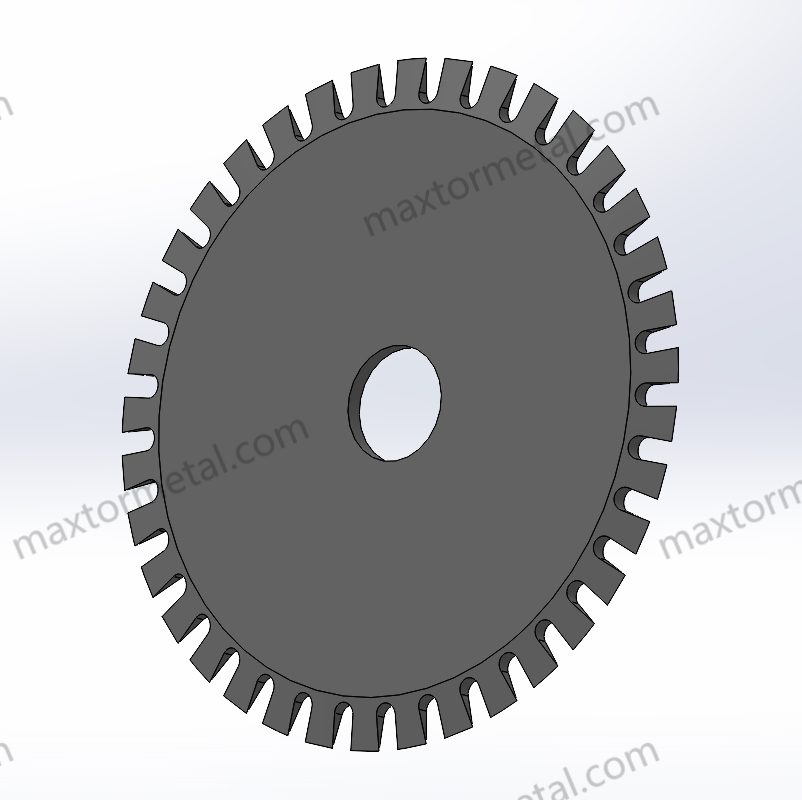
فوائد الشحذ الاحترافي
استعادة دقة القطع وجودة الحد القاطع
تُعيد خدمة شحذ شفرات التثقيب الاحترافية حدة الشفرات إلى حالتها الأصلية. حيث يستخدم الفنيون الماهرون أدوات متخصصة لإصلاح الشفرات، مما يضمن أداء قطع يماثل أداء الشفرات الجديدة. وتوفر الشفرات الحادة عمليات قطع نظيفة ودقيقة، وهو أمر حيوي في مجالات التعبئة والتغليف والغزل والنسيج والصناعات الغذائية. كما تضمن حواف القطع الحادة الحصول على خطوط قطع منتظمة، مما يقلل الهدر ويُحسّن جودة المنتجات.
إطالة عمر الشفرة
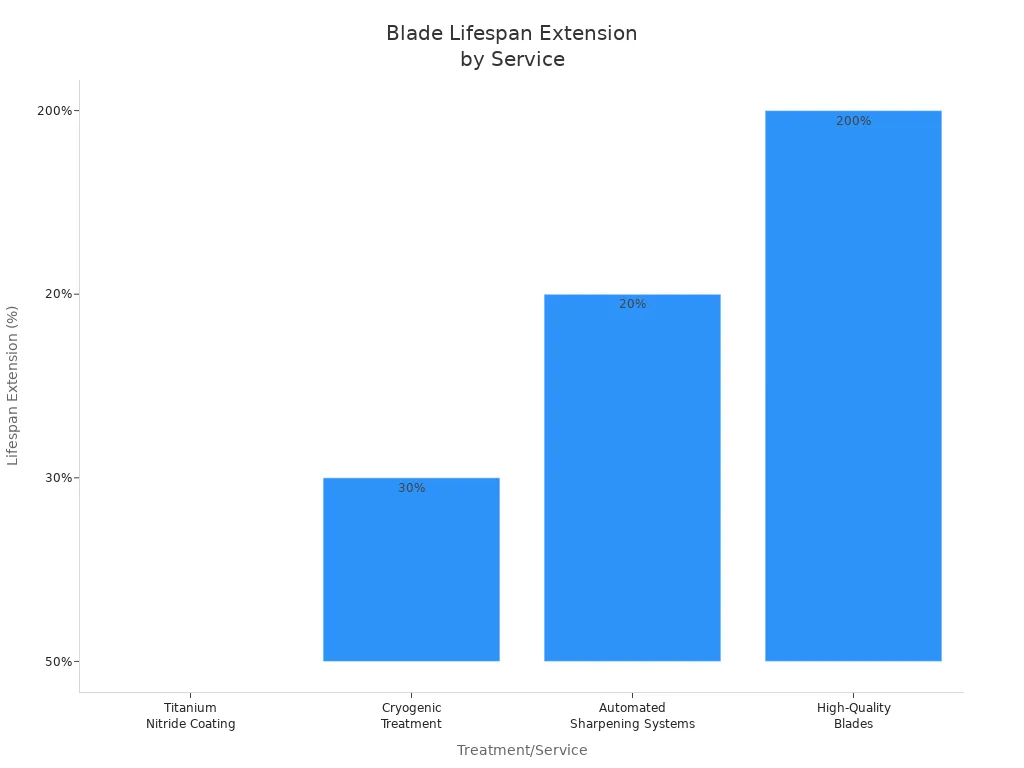
تساعد خدمات الشحذ عالية الجودة على زيادة العمر الافتراضي للشفرات. وتعمل بعض المعالجات، مثل الطلاء بنتريد التيتانيوم، على زيادة صلابة الشفرة، بينما تُعزز المعالجة بالتجميد الشديد (Cryogenic) من قوة الشفرة ومقاومتها للإجهاد. وتمنع هذه الطرق التآكل السريع للشفرات، في حين تضمن أنظمة الشحذ الآلية انتظام واستواء حد القطع. ويوضح الجدول أدناه أثر هذه المعالجات في تمديد العمر الافتراضي للشفرات:
| المعالجة / الخدمة | الفائدة المقاسة على العمر الافتراضي للشفرة |
|---|---|
| طلاء نتريد التيتانيوم | زيادة الاحتفاظ بالحدة بنسبة 50% |
| العلاج بالتبريد | تمديد عمر الشفرة بنسبة 30% |
| أنظمة الشحذ الآلية | تحسين العمر الافتراضي للشفرة بنسبة تصل إلى 20% |
| شفرات عالية الجودة (مقارنة بالقياسية) | تمديد العمر الافتراضي من 3 أشهر إلى 9 أشهر |
توفير التكاليف مقارنة بالاستبدال
يوفر شحذ الشفرات التكاليف على المدى الطويل، إذ تتطلب عملية شحذ شفرات التثقيب تكلفة أقل بكثير من شراء شفرات جديدة. كما تقلل الشركات من نفقات صيانة المعدات وتضمن تقليل أوقات التوقف غير المخطط لها عندما تكون الشفرات حادة. ويوضح الجدول أدناه كيف يساهم الشحذ في توفير المال والوقت:
| الأثر المالي والتشغيلي | وصف |
|---|---|
| تقليل وقت التوقف | تقليص وقت التوقف الشهري من 20 إلى 10 ساعات |
| توفير تكاليف الصيانة | خفض تكاليف الصيانة السنوية بنسبة 50% |
| زيادة الإنتاجية | عائد إضافي بقيمة $80,000 سنوياً |
| Material Waste Reduction | تقليل نسبة الهدر من 5% إلى 2% |
يساعد الشحذ المنتظم الشركات على استخدام الشفرات لفترات أطول، مما يقلل النفقات ويُعزز الربحية.
أداء مستقر ومستمر على مر الوقت
تضمن خدمة الشحذ الاحترافية المحافظة على كفاءة تشغيل الشفرات لفترات طويلة. وتعمل أنظمة الشحذ الآلية على إبقاء حد القطع بالدقة المطلوبة تماماً، مما يضمن دقة كل عملية قطع. وتساعد الصيانة الوقائية للشفرات على بقائها حادة وقوية، مما يقلل الأعطال التشغيلية وتوقفات المعدات.
- يزيد طلاء نتريد التيتانيوم من صلابة الشفرات، مما يحافظ على حدتها لفترة أطول بنسبة 50% في عمليات التشغيل عالية السرعة.
- تُعزز المعالجة بالتجميد الشديد من متانة الشفرات، مما يرفع عمرها الافتراضي بنسبة 30% في التطبيقات الشاقة.
- يحافظ التجليخ الدقيق والشحذ الآلي على استواء حد القطع، مما يساهم في زيادة عمر الشفرة بنسبة تصل إلى 20%.
- يساهم تنظيف الشفرات وتزييتها المنتظم في زيادة عمرها الافتراضي بنسبة 15%-25%.
- يساعد تدريب العمال على منع تلف الشفرات، مما يقلل عمليات استبدال الشفرات بنسبة تصل إلى 10%.
نظرة عامة على مراحل تقديم الخدمة
تقييم وفحص الشفرة الأولي
تبدأ العملية بفحص الشفرة بعناية، حيث يقوم الفنيون بالتحقق من وجود أي التواءات أو انحناءات أو تشققات، إضافة إلى فحص هندسة حد القطع. ويسهم تنظيف الشفرة في كشف كافة العيوب الدقيقة، حيث يعتمد الفنيون على الفحص البصري واليدوي لضمان عدم شحذ إلا الأجزاء الصالحة.
- يكشف الفحص عن الأضرار مثل التشققات أو الانحناءات.
- يساعد التنظيف الفنيين على الفحص بدقة أكبر.
- يفحص الفنيون سُمْك الشفرة وشكل حد القطع.
- يمنع الفحص الدقيق الشحذ المفرط ويحافظ على متانة الشفرات.
تقنيات الشحذ الدقيق
يعتمد الفنيون على طرق متخصصة لشحذ الشفرات، حيث يحددون زاوية القطع المثالية التي تتراوح عادة بين 25 و30 درجة. وتُستخدم الأدوات الآلية لضمان استواء الحد، بينما يُستخدم التجليخ اليدوي للأضرار الطفيفة، وتُستخدم الماكينات المتقدمة لمعالجة الأضرار الجسيمة، مما يحافظ على حدة وقوة حد القطع.
إجراءات ضبط الجودة
يقوم فريق Maxtor Metal بفحص الجودة في كل مرحلة، حيث تتم معاينة الشفرات قبل الشحذ وأثناءه وبعده. ويفحص الفنيون الشفرات للتأكد من خلوها من التشققات والمناطق الخشنة، كما يختبرون كفاءة القطع. ولا يتم تسليم سوى الشفرات المطابقة لأعلى المعايير للعملاء لضمان تحقيق قطع دقيق ونظيف.
| مادة الشفرة | فترة الشحذ النموذجية | ملاحظات حول المتانة والاستخدام |
|---|---|---|
| أداة الصلب | كل 8-10 ساعات | مناسبة للاستخدام العام؛ تتطلب شحذاً منتظماً |
| حديدعالى السرعه | كل 12-16 ساعة | تحتفظ بالحدة لفترة أطول؛ مناسبة للسرعات العالية |
| فولاذ التنغستن | كل 16-20 ساعة | Very hard, wear-resistant; less frequent sharpening needed |
| ذو طرف كربيد | كل 20-30 ساعة | Longest lifespan; ideal for heavy-duty cutting tasks |
OEM Support and Customization Options
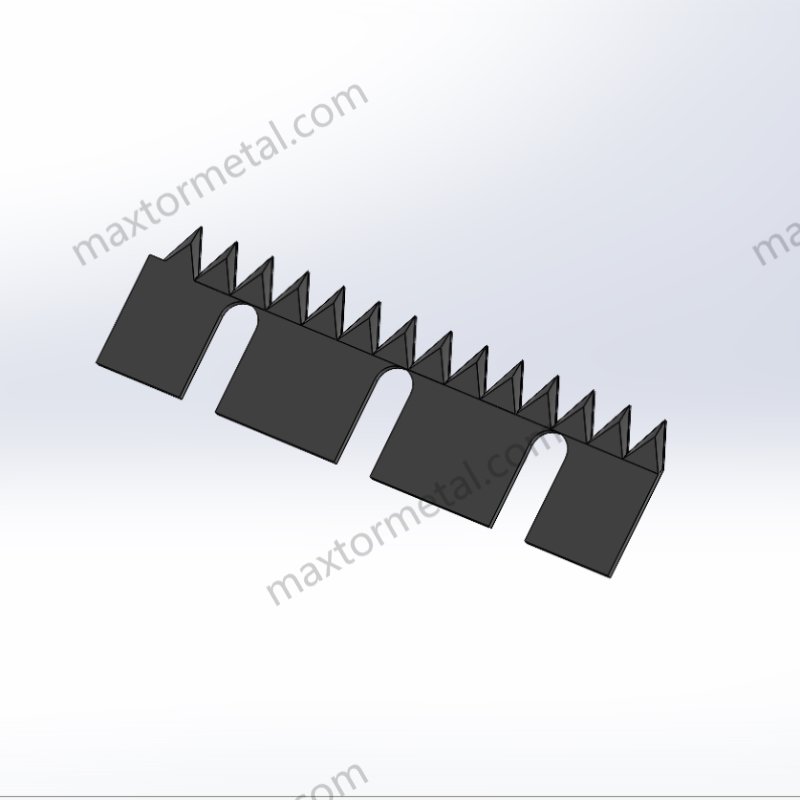
Maxtor Metal helps customers who need special blades. They make شفرات مخصصة from drawings or samples. Their team helps design blades for special jobs. Customers can pick blade shapes, tooth styles, and coatings.
Perforation Blade Maintenance
أفضل ممارسات الصيانة
Keeping perforating blades sharp helps machines work well. Companies that check blades often have fewer problems. They also get better results. Preventive maintenance means checking blades for damage. It also means cleaning and sharpening them at the right time. Operators should look at blades before every shift. They check for dull spots, chips, or dirt. Cleaning blades gets rid of dust and small pieces. This helps the blades cut better.
Blades must be lined up the right way. Technicians line up the cutter assembly very carefully. They keep it within 0.001-inch per foot. This stops uneven cuts. They use hand tools to put in knives. Power tools can hurt the threads. Before putting in new blades, they clean the knife beds. Even a tiny bit of dirt can move the blade. This can make the perforation bad. Rubber strips should touch the knives softly. This makes a seal and keeps out rough material. Water spray cools and oils the blades. This is important when cutting hard things.
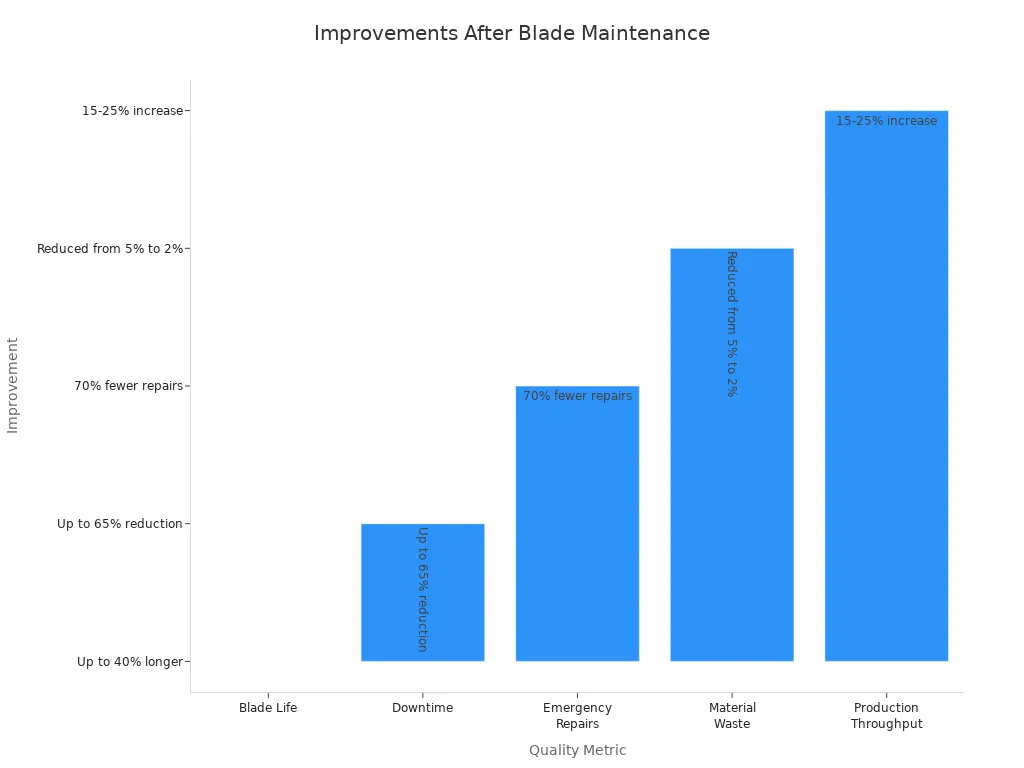
A good maintenance plan helps blades cut better. It also makes blades last longer. The table below shows how maintenance helps performance:
| متري | Improvement After Regular Maintenance | Impact on Cutting Quality and Production |
|---|---|---|
| بليد لايف | Up to 40% longer lifespan | Sharper edges, fewer defects |
| وقت التوقف | Reduction up to 65% | Less interruption, higher throughput |
| إصلاحات الطوارئ | 70% إصلاحات أقل | More reliable cutting process |
| نفايات المواد | تم تخفيضه من 5% إلى 2% | Better cut quality, less waste |
| معدل الإنتاج | Increased by 15-25% | Higher output, consistent quality |
تقليل وقت التوقف
Preventive maintenance helps machines run without stopping. Dull or old blades can jam machines. They can slow down cutting or break machines. Sharpening blades on time stops these problems. Watching machine data, like RPM and tonnage, helps find blade wear early. Companies that track maintenance have fewer emergency repairs. They also waste less material.
One operator saw that dull blades made rough cuts. The perforation was not good. After sharpening, the machine worked better. The product was better too. This shows that regular maintenance stops big problems. Companies with a strict maintenance plan have up to 65% less downtime. They also have 70% fewer emergency repairs. They get more products and better quality.
Tip: Keep a maintenance log. Write down blade checks, sharpening, and changes. This helps teams remember and find problems early.
When to Replace or Refurbish

Replacement Criteria
Irreparable Damage or Chipping
Sometimes, sharpening will not fix a blade. If a perforating blade has deep chips, cracks, or broken teeth, it is not safe. These problems can happen after using the blade for a long time. They can also happen if the blade hits something hard. Operators should look for these issues during regular checks. If they find them, they must replace the blade right away. Tools need to be safe and work well to keep perforation quality high.
Excessive Wear Beyond Sharpening Limits
Blades get worn out as time passes. Each time you sharpen, a little bit of the blade is removed. After many sharpenings, the blade can get too thin or lose its shape. When this happens, it cannot make clean perforation lines. Tools like calipers help check if the blade is thick enough. If the blade is too thin, it should be replaced. This helps machines work well and stops bad cuts.
Consistent Decline in Cutting Quality After Sharpening
Sometimes, a blade does not cut well even after sharpening. If the blade keeps making rough or uneven lines, it may be worn out. This means it cannot stay sharp anymore. Replacing the blade at this point helps the machine work better and keeps products good.
Manufacturer’s Recommended Replacement Interval
Manufacturers do not give exact times to replace perforating blades. They say to follow good maintenance steps. This means cleaning, checking, and replacing blades when needed. Companies that do this have less downtime and save money. For example, one survey showed companies with good maintenance had 38% less downtime and saved over $5,000 each month. Operators should write down when they check and change blades. This helps them know the best time to replace blades for their work.
Note: How often you replace blades depends on how you use them, what you cut, and your maintenance plan. There are no strict rules, so each company should make its own schedule using experience and data.
Sharpening Indicators
Dull or Blunt Cutting Edge
A dull or blunt edge is a sign a blade needs sharpening. Operators may see the blade does not cut as easily as before. The lines may look rough or uneven. Checking blades often helps find this problem early.
Increased Cutting Resistance or Effort
When a blade gets worn, machines need more force to cut. Operators may notice they have to push harder or the machine slows down. This makes the blade wear out faster. Sharpening the blade makes cutting easy again.
Visible Burrs or Rough Edges on Cuts
If the blade leaves burrs or rough edges, it needs sharpening. Clean lines are important for good products. Burrs can cause problems in packaging, food, and other jobs. Checking blades often helps find these problems before they get worse.
Decreased Precision or Cleanliness of Perforation
Precision is important for every perforation job. When a blade is not sharp, cuts are not as accurate. The material may tear in the wrong place or not separate well. Operators should watch for changes in cut quality and sharpen blades when needed.
Noticeable Drop in Production Efficiency
A worn blade can slow down the whole line. Machines may stop more, and workers may need to fix jams or remove bad products. Watching how well the line works helps operators see when blades are getting dull. Sharpening blades at the right time keeps things moving and lowers waste.
Tip: Make a regular inspection plan. Check blades for dullness, burrs, and if they are hard to use. Write down each sharpening and replacement. This helps teams see patterns and plan maintenance before problems start.
| Sharpening Indicator | ما الذي تبحث عنه | يلزم اتخاذ إجراء |
|---|---|---|
| Dull or blunt edge | Blade does not cut easily | Sharpen blade |
| زيادة مقاومة القطع | More force needed, machine slows down | Sharpen blade |
| Burrs or rough edges | Uneven or messy perforation lines | Sharpen blade |
| Decreased precision | Cuts are less accurate or clean | Sharpen blade |
| Drop in production efficiency | More stops, lower output | Sharpen blade |
Regular checks and maintenance keep blades sharp and machines working well. Operators who do these steps get better results and longer blade life.
Sustainability and Efficiency

تقليل النفايات
Refurbishing perforating blades helps cut down on waste. When companies fix and sharpen blades, they use each blade longer. This means fewer blades get thrown away. Many manufacturers now reuse most parts from old blades. They can reuse up to 70% of blade materials. This lowers the need for new metal and other resources. It also cuts carbon emissions by about 45% compared to making new blades. By fixing blades, companies help the environment and support recycling.
Perforation jobs often leave extra scraps. Using refurbished blades helps make less waste. Companies that check and repair blades often see fewer bad products. They also throw away fewer blades. This helps the planet and saves money.
Operational Impact
Sharp blades help machines work well. Regular care and sharpening keep machines running. When workers follow a set schedule, they stop surprise breakdowns. This means fewer stops and helps companies finish orders on time.
A good blade plan tracks blade numbers and sharpening times. It also trains workers to use blades the right way. These steps help keep production going and make work faster. Companies that use strong blades with good coatings get better cuts. Their blades last longer. They also avoid problems that waste materials and slow down shipping.
Keeping blades sharp helps companies work without stopping. This helps them be efficient and protect the environment.
| فائدة | التأثير على العمليات |
|---|---|
| تقليل وقت التوقف | Fewer machine stops, higher output |
| Improved cutting consistency | Better product quality, less waste |
| Timely order fulfillment | On-time shipments, satisfied customers |
| Lower maintenance costs | More savings, higher efficiency |
Refurbishing perforating blades with sharpening services saves a lot of money. Blades last longer when they are sharpened by experts. Companies get better cuts and have fewer machine stops. This also makes the workplace safer for everyone. Keeping blades sharp with regular care helps them work well. Maxtor Metal gives custom blade help and uses strong materials. They check quality carefully and help customers with maintenance tips. Their team works fast to return blades quickly. Businesses should check their blades often and pick the best option. This helps them get good results and keep customers happy.
التعليمات
How often should companies sharpen perforating blades?
Most companies sharpen blades every few weeks. The best time depends on what is being cut, the blade type, and how much work is done. Checking blades often helps workers know when to sharpen.
What are the signs that a blade needs replacement instead of sharpening?
Workers should look for deep chips or cracks. If a blade stays dull after sharpening, it should be replaced. Blades that cannot cut clean lines need to be changed.
Does sharpening affect the lifespan of a perforating blade?
Sharpening makes blades last longer by fixing the edge. Each time a blade is sharpened, a little bit is taken off. Good care and skilled sharpening help blades last as long as possible.
انظر أيضا
فهم الشفرات المثقبة وتطبيقاتها العملية
لماذا تُستخدم سكاكين التثقيب للتغليف على نطاق واسع في صناعة التغليف
استكشاف أخطاء شفرات التثقيب وحل مشاكل التثقيب غير المتساوي وطول الخط غير المتسق وتحسينها
تقنيات عملية لتركيب شفرة التثقيب، تعديل الآلة، وشحذها لتحسين استقرار خط الإنتاج

 English
 Spanish
 Italian
 French
 Portuguese
 Russian
 German
 Arabic
 Hindi
 Vietnamese
 Indonesian
 Japanese
 Korean