

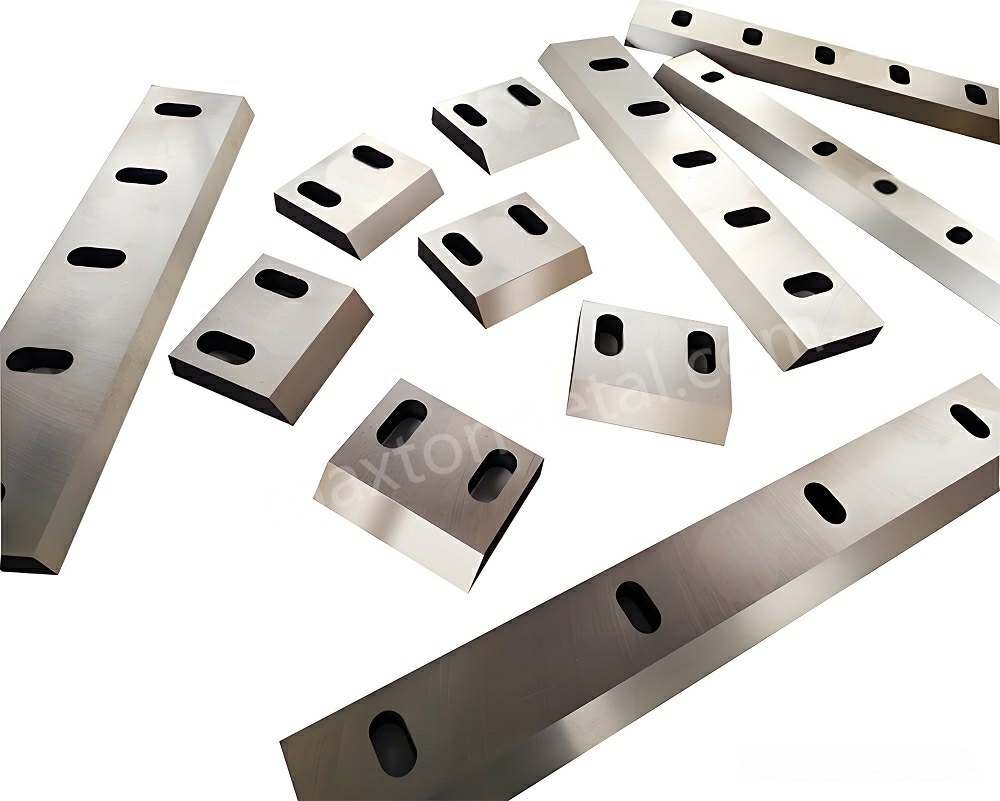
إن اختيار النوع المناسب مواد شفرات كسارة البلاستيك أمر بالغ الأهمية. فهو يؤثر على كفاءة قطع الشفرات وعمرها الافتراضي. يتميز صلب العدة D2 و SKD-11 بالقوة ومقاومة التآكل والمتانة، مما يجعلهما خياراً ممتازاً لمعظم عمليات إعادة التدوير. أما الصلب عالي السرعة (HSS) فهو أفضل من ذلك، حيث يحتفظ بحدته لفترة أطول ويكون أقل عرضة للتآكل. ويعمل HSS بشكل مثالي مع البلاستيك الصلب أو الخشن. إن المخطط أدناه يوضح معدل تكرار الحاجة إلى استبدال كل شفرة، كما يوضح مدى قوة ومتانة كل منها. Nanjing Metal تبيع شفرات مصنوعة من هذه المواد الثلاث. وقد تم تصميم هذه الشفرات لتدوم طويلاً.

النقاط الرئيسية
- يساعد اختيار مادة الشفرة المناسبة الكسارة على القطع بشكل أفضل والعمل لفترة أطول. يتميز صلب العدة D2 بصلادة عالية للغاية ومقاومة سريعة للتآكل، وهو ممتاز لقطع البلاستيك الصلب في العمليات المستقرة. ويجمع SKD-11 بين الصلادة والمتانة في آن واحد، مما يجعله مناسباً للبلاستيك المخلوط أو المرن. بينما يحتفظ الصلب عالي السرعة (HSS) بحدته لفترة طويلة ولا يتأثر بالحرارة، وهو الأفضل للبلاستيك المتين أو الذي يسخن بسهولة. تتطلب الشفرات المصنوعة من مواد قوية صيانة أقل، مما يوفر الوقت ويقلل التكاليف. إن استخدام الشفرة المناسبة لنوع البلاستيك وحجم العمل يوفر المال ويعزز كفاءة إعادة التدوير. كما أن العناية بالشفرات، مثل التحقق من حدتها وضبط المسافات بينها بشكل صحيح، يطيل عمرها الافتراضي ويحافظ على استمرارية عمل الآلة. ويضمن الشراء من موردين موثوقين الحصول على شفرات عالية الجودة ودعم مخصص للاحتياجات المحددة.
لماذا يهم اختيار المواد
تأثير الأداء
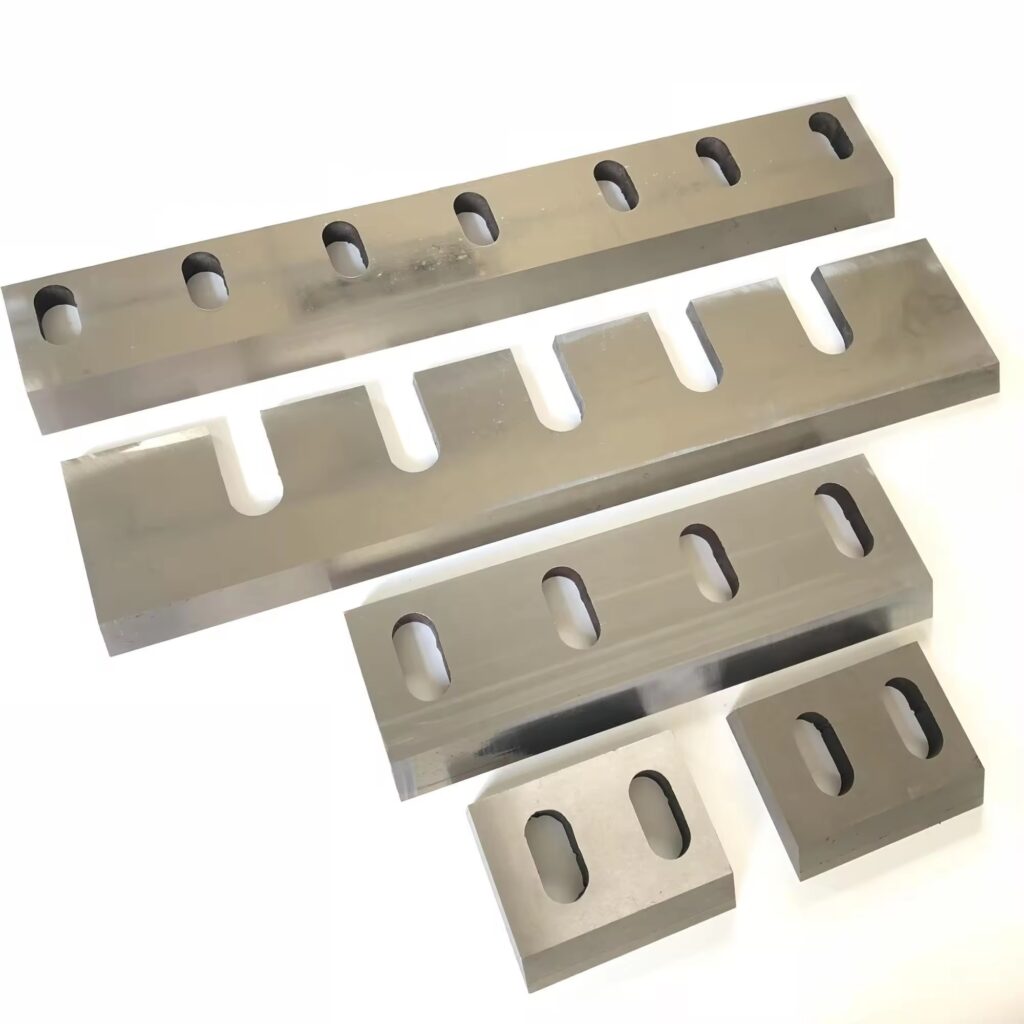
تعتبر مادة الشفرة أمراً بالغ الأهمية للكسارات. تساعد الصلادة الشفرة على البقاء حادة، والشفرة الحادة تقطع البلاستيك بسرعة وسلاسة. وتعني مقاومة التآكل أن الشفرة تدوم لفترة أطول، حيث يمكنها سحق البلاستيك الصلب أو الخشن دون أن تتآكل. وتمنع المتانة الشفرة من الكسر أو التشقق عند الاستخدام المكثف. كما تحمي مقاومة التآكل الشفرة في البيئات الرطبة. يختار المصنعون مواد الشفرات بناءً على نوع البلاستيك، وطبيعة العمل، ومكان الاستخدام، مما يساعد الشفرة على القطع بكفاءة أكبر والعمل لفترة أطول.
- يتطلب البلاستيك الصلب مثل PVC و ABS شفرات ذات صلادة عالية جداً، مثل HSS أو الكربيد.
- يستخدم البلاستيك المرن مثل PE و PP صلب العدة الكربوني أو صلب العدة السبائكي.
- يتطلب البلاستيك المركب شفرات مقاومة للتآكل، مثل الشفرات ذات الأطراف الكربيدية.
المتانة والصيانة
تعني المتانة المدة التي تدوم فيها الشفرة قبل أن تحتاج إلى صيانة. يتميز صلب D2 و SKD-11 بالصلادة ومقاومة التآكل، مما يساعد الشفرات على البقاء لفترة أطول وتقليل الحاجة إلى الصيانة. وتحتفظ شفرات HSS بحدتها حتى عند ارتفاع درجة الحرارة، مما يجعلها مناسبة للمهام الشاقة. وتتطلب الشفرات المقاومة للتآكل والتشقق عناية أقل، مما يوفر الوقت ويحافظ على استمرارية عمل الآلات.
- يمكن للشفرات المصنوعة من مواد قوية التعامل مع المهام الكبيرة الشاقة.
- تتطلب الشفرات التي تدوم طويلاً عمليات استبدال أقل وتنتج نفايات أقل.
- تساعد الصيانة السهلة العمال على إبقاء الكسارات تعمل بكفاءة عالية.
عوامل التكلفة
تؤثر مادة الشفرة على تكلفة تشغيل الكسارة. تعمل شفرات D2 و SKD-11 بشكل جيد وتكلفتها مناسبة، كما أنها تدوم طويلاً ولا تحتاج إلى شحذ متكرر، مما يوفر تكاليف الصيانة. وتتميز شفرات HSS بتكلفة أولية أعلى ولكنها تظل حادة لفترة أطول، وهي الأفضل للمهام الشاقة ولكنها تتطلب استخداماً دقيقاً. إن اختيار الشفرة المناسبة للعمل ونوع البلاستيك يوفر الوقت والمال، مما يعزز كفاءة عمليات إعادة التدوير ويقلل التكاليف.
نظرة عامة على مواد شفرات كسارات البلاستيك
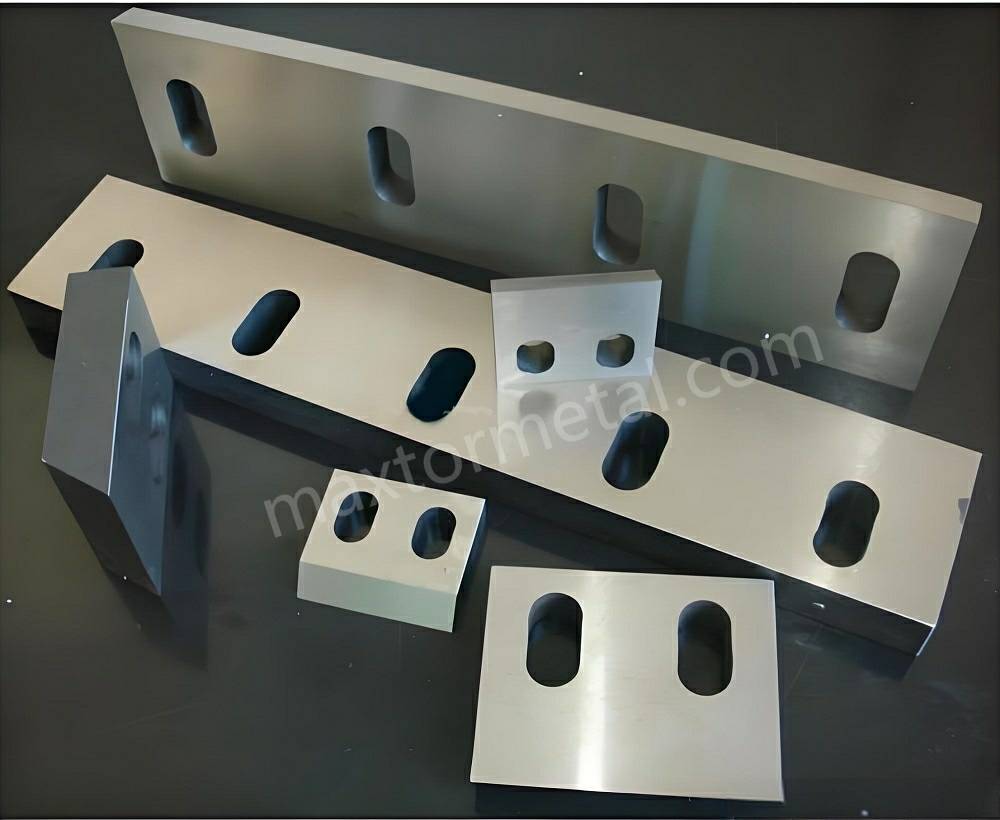
يساعد اختيار مادة الشفرة المناسبة الشركات على تحسين عمليات إعادة التدوير. يتميز كل من D2 و SKD-11 و HSS بخصائص فريدة؛ حيث يتم اختيار هذه الأنواع من الصلب لصلادتها ومتانتها العالية، فضلاً عن مقاومتها للتآكل، مما يساعد الشفرات على قطع البلاستيك بكفاءة والعمل لفترة أطول.
أداة الفولاذ D2
الخصائص الرئيسية
يحتوي صلب العدة D2 على نسبة عالية من الكربون والكروم، مما يمنحه صلادة فائقة ويمنعه من التآكل السريع. ويمكن أن تصل شفرات D2 إلى مستويات صلادة عالية جداً بعد المعالجة الحرارية، وهي مقاومة للخدش وتظل حادة لفترة طويلة. كما يتميز D2 بالمتانة، فلا ينكسر بسهولة نتيجة الصدمات.
المزايا والقيود
تعمل شفرات D2 بكفاءة عالية في قطع البلاستيك الصلب، ولا تتعرض للتشقق أو التآكل السريع. ومع ذلك، فإن D2 ليس بمتانة بعض أنواع الصلب الأخرى، وقد لا يكون الخيار الأفضل للمهام التي تنطوي على صدمات قوية ومتكررة.
التطبيقات النموذجية
تستخدم المصانع شفرات D2 لسحق البلاستيك الصلب مثل أنابيب PVC و ABS. وتعتبر هذه الشفرات مثالية لمراكز إعادة التدوير التي تتعامل مع كميات كبيرة من نفايات البلاستيك الصلب.
صلب العدة SKD-11
الخصائص الرئيسية
يعتبر SKD-11 نوعاً من الصلب الغني بالكربون والكروم، وهو يشبه D2 ولكنه أكثر متانة واستقراراً. وتتميز شفرات SKD-11 بصلادة عالية جداً، حيث يقاوم هذا الصلب التآكل ويحافظ على شكله عند الاستخدام المكثف.
المزايا والقيود
تتميز شفرات SKD-11 بالصلادة والمتانة، ويمكنها قطع البلاستيك الصلب والمرن على حد سواء. لا يتعرض هذا الصلب للتشقق ويظل حاداً لفترة طويلة. وعلى الرغم من أن تكلفة SKD-11 أعلى من الصلب العادي، إلا أنه يدوم لفترة أطول.
التطبيقات النموذجية
تُسخدم شفرات SKD-11 في مصانع إعادة التدوير لسحق البلاستيك المخلوط، والرقائق (الأفلام)، والحاويات. وتختار العديد من الشركات SKD-11 لقوته وكفاءته العالية في القطع.
الفولاذ عالي السرعة (HSS)
الخصائص الرئيسية
يحتفظ الصلب عالي السرعة (HSS) بحدته حتى عند ارتفاع درجات الحرارة. ويمكن أن تصل شفرات HSS إلى مستويات صلادة فائقة، حيث يقاوم هذا الصلب التآكل والحرارة والانحناء، مما يجعله ممتازاً للمهام الشاقة.
المزايا والقيود
تدوم شفرات HSS لفترة أطول من معظم الشفرات الأخرى، وتقطع البلاستيك المتين والحساس للحرارة بسهولة. وعلى الرغم من أن تكلفة HSS أعلى من D2 أو SKD-11، إلا أنه يتطلب عمليات استبدال أقل ويوفر الوقت.
التطبيقات النموذجية
تستخدم المصانع شفرات HSS لسحق بلاستيك الألياف الزجاجية والمواد الصلبة الأخرى. وتعد HSS الخيار الأفضل لعمليات السحق الكبيرة أو السريعة.
مقارنة مواد شفرات آلات تمزيق
الصلابة ومقاومة التآكل
د2
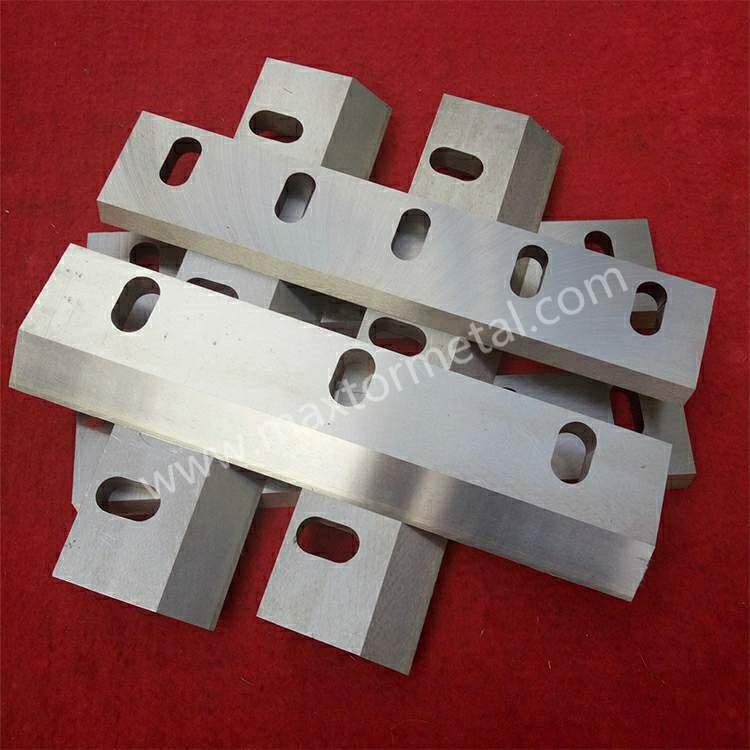
يتميز صلب العدة D2 بـ صلابته العالية ومقاومته القوية للتآكل. بعد المعالجة الحرارية، تصل شفرات D2 عادةً إلى صلادة تتراوح بين 56 و 63 HRC. وتساعد هذه الصلادة العالية الشفرة على البقاء حادة ومقاومة الخدوش أثناء المهام الشاقة. تجعل مقاومة التآكل لصلب D2 خياراً شائعاً لقطع البلاستيك الصلب والمواد الكاشطة. ومع ذلك، فإن الكربيدات الكبيرة في هذا الصلب يمكن أن تجعله أكثر هشاشة مقارنة ببعض الخيارات الأخرى.
SKD-11
يشترك SKD-11 في العديد من الميزات مع D2. كما أنه يصل أيضاً إلى نطاق صلادة يبلغ 56 إلى 63 HRC بعد المعالجة الحرارية المناسبة. تقاوم شفرات SKD-11 التآكل بشكل ممتاز، مما يجعلها موثوقة للاستخدام طويل الأمد في آلات التمزيق. وتساعد البنية الدقيقة للصلب الشفرة على الاحتفاظ بشكلها وحافة القطع الخاصة بها، حتى بعد دورات عمل عديدة. وغالباً ما يتم اختيار SKD-11 نظراً للتوازن الذي يحققه بين الصلادة والاستقرار.
الأحرار
تصل شفرات الصلب عالي السرعة (HSS) أيضاً إلى صلادة تتراوح بين 56 و 63 HRC. ويتميز HSS بأنه يحتفظ بصلادته حتى في درجات الحرارة المرتفعة. وهذا يعني أن الشفرة تقاوم التآكل أثناء عمليات التمزيق السريعة أو الساخنة. وتدوم شفرات HSS لفترة أطول قبل أن تحتاج إلى استبدال، خاصة عند قطع البلاستيك الصلب أو الحساس للحرارة.
يوضح الجدول أدناه نطاق الصلادة النموذجي لمواد شفرات آلات التمزيق هذه:
| مادة الشفرة | Hardness Range (HRC) |
|---|---|
| د2 | 56 – 63 |
| SKD-11 | 56 – 63 |
| الأحرار | 56 – 63 |
Toughness and Impact Resistance
د2
يوفر صلب D2 متانة جيدة لمعظم مهام تمزيق البلاستيك. ويمكنه تحمل الأحمال الثابتة والصدمات العادية. ومع ذلك، فإن D2 أكثر هشاشة من بعض أنواع الصلب الأخرى بسبب صلادته العالية وكربيداته الكبيرة. وهذا يعني أنه قد يتعرض للثلم أو التكسر إذا تعرض لضربة قوية جداً أو إذا استُخدم في بيئات ذات صدمات عالية.
SKD-11
يوفر SKD-11 متانة ومقاومة صدمات أفضل من D2. وفي الاختبارات، يظهر صلب SKD-11 الملدن قيم طاقة صدم تتراوح بين 15 و 25 Joules. وهذا يجعل SKD-11 خياراً جيداً لتمزيق البلاستيك المخلوط أو المرن، حيث قد تواجه الشفرة صدمات مفاجئة. وتساعد بنيته الدقيقة في منع حدوث الشقوق والتكسر.
الأحرار
تتميز شفرات HSS بمتانة معتدلة. فهي تقاوم التآكل وتحتفظ بحوافها، ولكنها قد تكون أكثر هشاشة من D2 أو SKD-11. ويعمل HSS بشكل أفضل في المهام الثابتة وعالية السرعة بدلاً من المهام ذات الصدمات الشديدة. وتساعد المعالجة الحرارية المناسبة في تحسين متانة شفرات HSS.
الاحتفاظ بالحافة
د2
تحتفظ شفرات D2 بحوافها بشكل جيد أثناء فترات التشغيل الطويلة. ويساعد المحتوى العالي من الكربون والكروم الشفرة على البقاء حادة، حتى عند قطع البلاستيك الكاشط. ويجعل احتفاظ D2 بحوافه خياراً فعالاً من حيث التكلفة للعديد من مصانع إعادة التدوير.
SKD-11
يضاهي SKD-11 صلب D2 في الاحتفاظ بالحواف. فكلا النوعين من الصلب يتمتعان بتركيب كيميائي وبنية متشابهة. وتحافظ شفرات SKD-11 على حدتها عبر دورات عديدة، مما يجعلها موثوقة لمهام التمزيق التي تتطلب أداء قطع ثابتاً.
الأحرار
HSS blades offer the best edge retention among these materials. They stay sharp longer, even at high temperatures. This makes HSS ideal for shredding tough or heat-sensitive plastics. However, HSS blades can be more brittle and cost more than D2 or SKD-11. For jobs that need the longest-lasting edge, HSS is often the top choice.
Corrosion and Heat Resistance
د2
D2 tool steel gives good corrosion resistance because it has a high amount of chromium. This helps the blade fight rust and stains during plastic recycling. D2 also handles heat well. When the blade gets hot from cutting, it keeps its hardness and shape. This makes D2 a strong choice for plastic crusher blade materials in places with moisture or high temperatures.
SKD-11
SKD-11 also contains a lot of chromium. This makes it resist rust and corrosion, even in wet or humid environments. SKD-11 blades keep their strength when they get hot. The steel does not lose hardness during long crushing jobs. Many factories use SKD-11 plastic crusher blades for tough jobs where both heat and moisture are common.
الأحرار
High-Speed Steel (HSS) stands out for heat resistance. HSS blades keep their hardness at very high temperatures. This means the blade does not soften or lose its edge, even during fast or heavy-duty crushing. HSS also resists corrosion, but not as much as stainless steel. For jobs with lots of heat, HSS plastic crusher blade materials work best.
Tip: For crushing plastics that create a lot of heat or for use in humid areas, HSS and SKD-11 offer the best protection against damage.
قابلية التصنيع
د2
D2 tool steel is hard, so it can be harder to machine than softer steels. Workers need special tools and slower speeds to shape D2 blades. This can make the process take longer. However, the extra effort pays off because D2 plastic crusher blades last a long time and keep their edge.
SKD-11
SKD-11 has better machinability than D2. The steel’s fine structure allows for easier cutting and shaping. Factories can make SKD-11 blades with less wear on their machines. This helps keep production costs lower and makes SKD-11 a popular choice for custom plastic crusher blade materials.
الأحرار
HSS is very hard and tough. This makes it the most difficult to machine of the three materials. Workers need strong tools and careful control to shape HSS blades. The process takes more time and skill. However, the finished HSS plastic crusher blades offer top performance in demanding jobs.
Cost and Availability
د2
D2 tool steel is widely available and costs less than HSS. It offers a good balance between price and performance. Many recycling plants choose D2 plastic crusher blade materials for standard jobs because they are affordable and reliable.
SKD-11
SKD-11 costs a bit more than D2. The steel’s extra toughness and stability make it worth the higher price for many users. SKD-11 blades are also easy to find from trusted suppliers like Nanjing Metal. This makes SKD-11 a smart choice for companies that need strong, long-lasting plastic crusher blades.
الأحرار
High-Speed Steel (HSS) is the most expensive of the three. The high cost comes from its special properties and the extra work needed to make the blades. HSS plastic crusher blade materials are best for jobs that need the longest blade life and the highest heat resistance. While the price is higher, the blades last longer and need fewer replacements.
| مادة | المقاومة للتآكل | مقاومة الحرارة | قابلية التصنيع | يكلف | التوفر |
|---|---|---|---|---|---|
| د2 | جيد | جيد | معتدل | $$ | عالي |
| SKD-11 | جيد جدًا | جيد جدًا | جيد | $$$ | عالي |
| الأحرار | جيد | ممتاز | قليل | $$$$ | معتدل |
نقاط القوة ونقاط الضعف
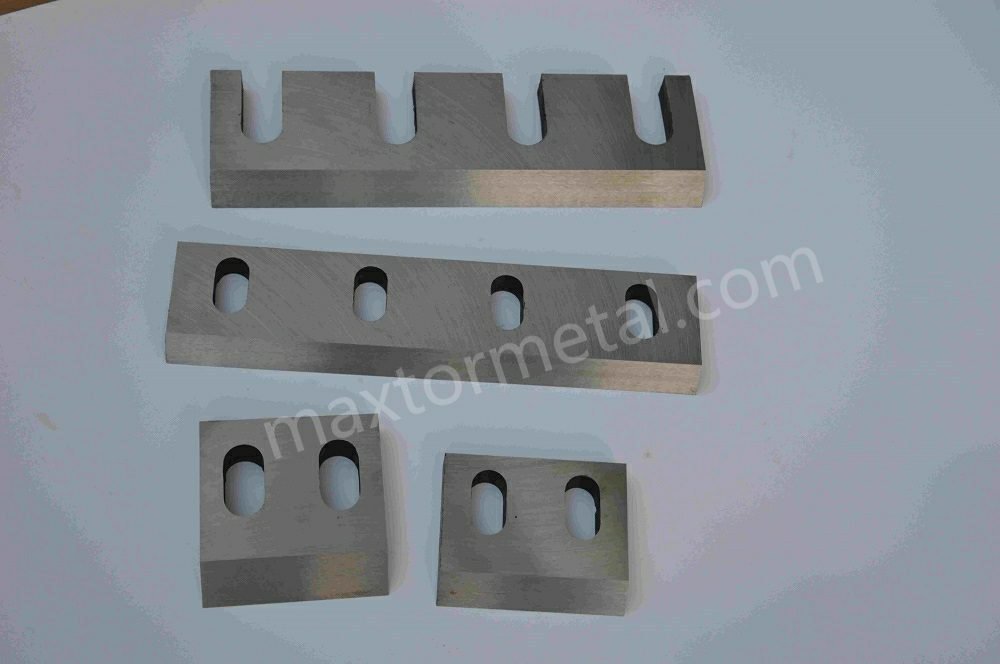
D2 Pros and Cons
D2 steel stands out for its high wear resistance and excellent edge retention. Many users and technical reports praise D2 blades for lasting longer than other steels like O1 and A2. The high carbon and chromium content help D2 blades stay sharp through many cutting cycles. D2 also offers semi-stainless properties, so it resists rust better than some tool steels. This makes D2 a popular choice for plastic crusher blade materials in recycling plants that need long-lasting performance.
However, D2 has some weaknesses. The steel is less tough than others, so it can chip if hit very hard. D2 blades may break or crack under heavy impact. Sharpening and machining D2 also take more time and skill because of its hardness. Users must handle D2 blades with care to avoid chipping and keep them clean to prevent rust. Overall, D2 works best where edge retention and wear resistance matter most, but it needs careful maintenance.
Note: D2 blades perform best in steady, low-impact jobs where long edge life is important.
SKD-11 Pros and Cons
SKD-11 steel offers a good balance between hardness and toughness. This steel has a fine structure, which helps it resist both wear and impact. SKD-11 blades often last longer than HSS blades and need less frequent replacement. Many factories choose SKD-11 for its reliable performance in cutting both hard and flexible plastics.
SKD-11 does have some points to watch. If the heat treatment is not done well, the blade can become brittle and chip. SKD-11 needs careful attention during manufacturing to get the best results. Maintenance is important, but SKD-11 usually needs less attention than D2. The steel costs more than regular tool steels, but its longer life and balanced properties make it a smart choice for many users.
| نقاط القوة | نقاط الضعف |
|---|---|
| توازن جيد بين الصلابة والمتانة | Needs careful heat treatment |
| Reliable for mixed plastics | Can chip if not treated properly |
| Less frequent replacement than HSS | Higher cost than standard steels |
Tip: SKD-11 blades work well in recycling centers that process many types of plastics and need both strength and durability.
HSS Pros and Cons
High-Speed Steel (HSS) blades excel in edge retention and heat resistance. HSS keeps its hardness even at high temperatures, so it works well in fast or heavy-duty crushing jobs. HSS blades cut tough and heat-sensitive plastics with ease. Many users find that HSS blades last longer between changes, saving time and effort in busy factories.
HSS blades do have some drawbacks. The steel is very hard, which makes it difficult to machine and sharpen. HSS can be more brittle than D2 or SKD-11, so it may chip if used in high-impact jobs. The cost of HSS is higher than other steels, but the longer blade life can offset this over time. HSS works best in steady, high-speed jobs where heat and wear are big concerns.
- الايجابيات:
- Excellent edge retention
- Superior heat resistance
- Long blade life for tough jobs
- سلبيات:
- Hard to machine and sharpen
- Higher initial cost
- Can chip under heavy impact
HSS blades are a top choice for demanding applications where long-lasting sharpness and heat resistance are needed.
سيناريوهات الاستخدام الأمثل
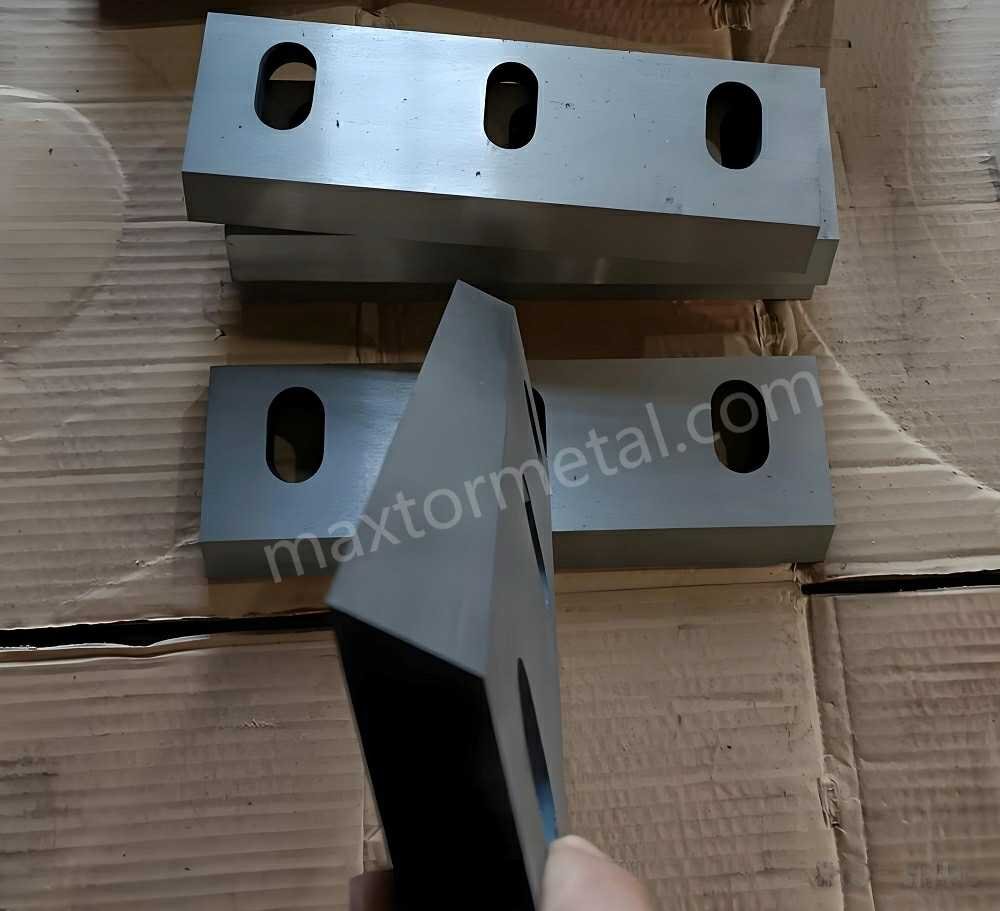
D2 Applications
D2 tool steel is good for cutting hard plastics. Many factories use D2 blades for rigid PVC. Rigid PVC has a Shore D hardness of 80 to 90. These plastics can chip or crack if the blade is weak. D2 plastic crusher blade materials are strong and last a long time. They keep their sharp edge for many uses. This makes them great for recycling tough plastics.
| نوع البلاستيك | الصلابة (الشاطئ د) | تحدي القطع | مادة الشفرة الموصى بها | نوع الحافة |
|---|---|---|---|---|
| Rigid PVC | 80-90 | هش، خطر التقطيع | أداة الفولاذ D2 | مسنن |
D2 blades work well even when hot, up to 600°C. They do not lose hardness during long jobs. Operators should use the right heat treatment and settings. A cutting speed of 50 to 60 SFM is best. A small depth of cut helps the blade last longer. Using coolant is also a good idea. D2 blades are best when you need them to last and stay sharp.
SKD-11 Applications
SKD-11 plastic crusher blade materials work with many plastics. These blades cut hard plastics like ABS, nylon, and polycarbonate. SKD-11 blades also cut PET bottles and plastic films in recycling. Their high hardness (60 to 62 HRC) and wear resistance help them last.
- SKD-11 blades cut thin things like film, paper, and foil.
- They work well in wet or harsh places because of special coatings.
- Different SKD-11 blades are made for different jobs, from paper to fast, tough work.
SKD-11 blades are not too expensive and work well. They last longer than many other steels. They resist wear and can handle some impacts. Factories pick SKD-11 for mixed plastic waste. These blades are strong and last a long time.
HSS Applications
High-Speed Steel (HSS) plastic crusher blade materials are for tough jobs. HSS blades stay hard even when very hot. They are best for crushing hard, rough, or heat-sensitive plastics. Factories use HSS blades for fiberglass plastics and engineering resins.
- HSS blades work in fast jobs without getting dull.
- They are good for cutting plastics that get hot.
- HSS blades are best for hard materials that wear out other blades.
HSS blades cost more but last longer and need fewer changes. This makes them a good choice for busy recycling plants and factories.
جدول ملخص
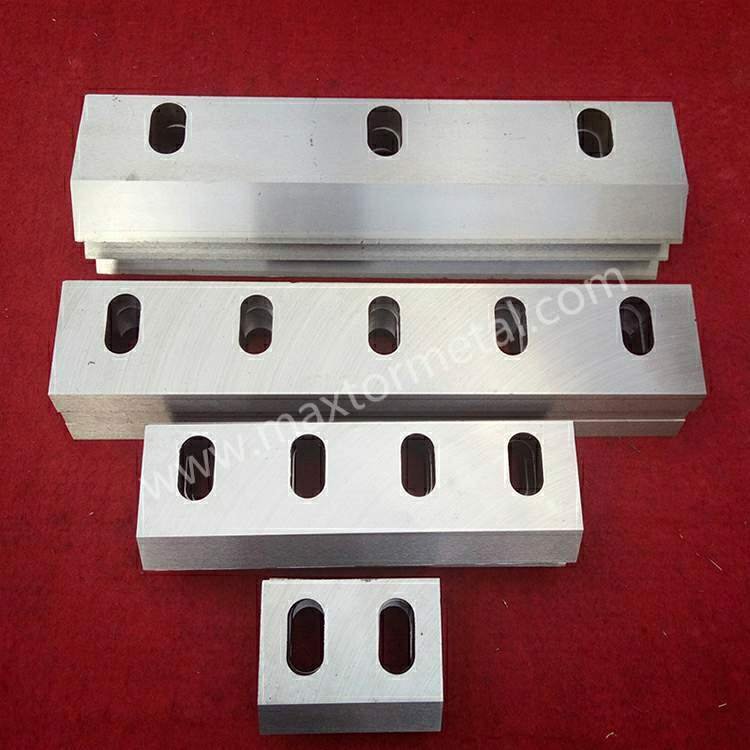
جدول مقارنة المواد
اختيار الحق مواد شفرات كسارة البلاستيك is important. It can help recycling and processing work a lot. Each material, like D2, SKD-11, and HSS, has its own good points. The table below shows how these blade materials are different. It compares things like hardness, wear resistance, toughness, and cost.
| ملكية | أداة الفولاذ D2 | صلب العدة SKD-11 | HSS (High-Speed Steel) |
|---|---|---|---|
| الصلابة (HRC) | 58-61 (High) | 58-61 (High) | 60-62 (Very High) |
| ارتداء المقاومة | عالية جداً | عالية جداً | Very High (even at high temp) |
| صلابة | قليل | معتدل | جيد |
| الاحتفاظ بالحافة | ممتاز | ممتاز | أرقى |
| مقاومة الحرارة | جيد | جيد | ممتاز |
| المقاومة للتآكل | جيد | جيد جدًا | جيد |
| قابلية التصنيع | معتدل | جيد | قليل |
| يكلف | معتدل | معتدل | معتدل |
| أفضل حالات الاستخدام | Hard plastics (PVC, ABS), steady jobs | Mixed plastics, films, flexible plastics | Abrasive, heat-sensitive, or tough plastics |
Tip: SKD-11 is a Japanese type of D2. It has molybdenum and vanadium added. These make SKD-11 tougher and more stable than D2.
Key Points to Remember:
- D2 tool steel is very hard and resists wearing out. It is best for hard plastics and steady work.
- SKD-11 is both hard and tough. It works well with mixed or bendy plastics. Many factories like SKD-11 because it works well.
- HSS (High-Speed Steel) is very hard and keeps its sharp edge. It stays strong even when hot. HSS is best for crushing rough or heat-sensitive plastics.
مواد شفرات كسارة البلاستيك from Nanjing Metal include all these choices. The company has blades for many jobs, from normal recycling to hard, fast work.
Why Use This Table?
- The table helps people pick the best blade for their job.
- It shows which material is good for each plastic and work type.
- Users can see the differences in hardness, toughness, and cost.
اختيار الصحيح مواد شفرات كسارة البلاستيك saves money and time. It also helps companies do better in recycling. This table makes it simple to compare and pick the best blade for any job.
اختيار مواد الشفرات
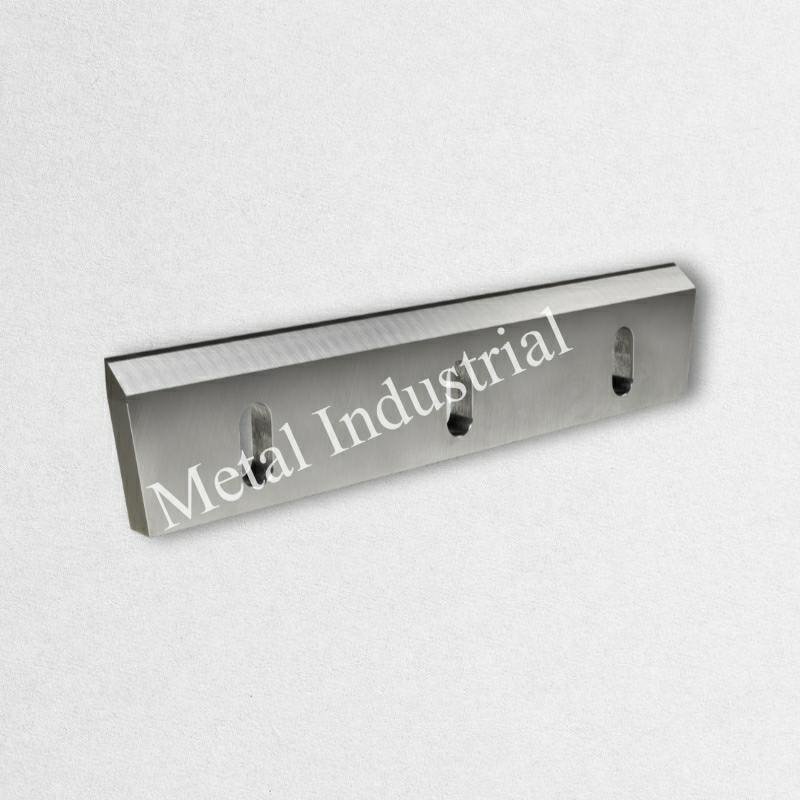
نوع البلاستيك
The kind of plastic you cut matters a lot. Hard plastics like PVC, ABS, and polycarbonate need strong blades. These blades must be hard and not wear out fast. D2 and SKD-11 tool steels are good for these plastics. They stay sharp and do not break easily. Softer plastics like PE and PP are easier to cut. You do not need very hard blades for them. Regular tool steel blades work well and last a long time. If the plastic has glass fibers or is rough, you need tougher blades. High-Speed Steel (HSS) or carbide-tipped blades are best for these jobs. They can cut rough or hot plastics and keep their edge.
Tip: Pick the blade material that matches the plastic. This helps the blade last longer and cut better.
حجم الإنتاج
How much plastic you cut changes what blade you need. In big factories, blades get used a lot and wear out faster. SKD-11 and HSS blades are good for busy places. They last longer and do not need to be changed often. This keeps machines working and saves time. Small shops or people who do not cut much plastic can use D2 blades. D2 blades are strong and cost less than HSS. Companies should think about how much plastic they cut each day. Big factories should buy better blades. Small users can pick cheaper ones.
احتياجات الصيانة
Taking care of blades is important when picking blade materials. Some blades need more care to stay sharp and not chip. HSS blades stay sharp longer and do not need sharpening often. This saves time and work in busy places. D2 and SKD-11 blades are also strong but may need to be checked more. This stops them from getting dull or chipped. Picking the right blade can make machines work better and cost less to fix.
Nanjing Metal makes شفرات مخصصة for different needs. Their custom blades are easy to sharpen or last longer between changes. Good suppliers help a lot here. They use new ways to make blades and check quality. Their help lets customers pick the best blade for each job. This makes work faster and machines last longer.
Note: Good supplier help and advice help users get more from their blades. Custom blades and expert tips make blades work better and last longer.
ميزانية
Budget is very important when picking مواد شفرات كسارة البلاستيك. Companies must think about both price and how well the blade works. Some blades cost more at first but save money later. Cheaper blades may need to be replaced more often.
- أداة الفولاذ D2 is not too expensive and lasts a long time. Many factories use D2 when they want strong blades but do not want to spend a lot.
- SKD-11 costs a little more than D2. It lasts longer and can handle hard jobs. Companies that cut many kinds of plastic often pick SKD-11 because it is worth the price.
- الفولاذ عالي السرعة (HSS) costs the most. HSS blades last the longest and work well for hard or hot jobs. The high price is okay for busy factories that want fewer blade changes.
Tip: Think about how much you spend over time, not just the first price. A blade that lasts longer and needs less fixing can save more money.
Here is an easy table to show the cost and value for each blade:
| مادة | التكلفة الأولية | بليد لايف | الأفضل لـ |
|---|---|---|---|
| د2 | $$ | جيد | Standard jobs, hard plastics |
| SKD-11 | $$$ | جيد جدًا | Mixed plastics, longer runs |
| الأحرار | $$$$ | ممتاز | Abrasive, high-heat jobs |
اختيار الحق مواد شفرات كسارة البلاستيك helps companies save money and recycle better. Companies should choose blades that fit their budget and how long they want the blade to last.
دعم الموردين
Supplier support is very helpful when buying مواد شفرات كسارة البلاستيك. Good suppliers help customers pick the best blade for each job. They answer questions and give tips on how to care for blades.
Nanjing Metal is known for great support. The company offers OEM and شفرة مخصصة services. Customers can order blades made for special machines or plastics. Their team helps with picking blades, designing them, and helping after the sale.
- OEM services let companies get blades that fit their machines just right.
- حلول مخصصة help with special plastics or hard jobs.
- Expert advice helps customers use their blades better.
Supplier skill is also important for good blades. They check quality and use new technology. This makes sure every blade is strong and works well. Companies that pick a good supplier get blades that last longer and do a better job.
When choosing مواد شفرات كسارة البلاستيك, companies should look for suppliers who give good help, custom choices, and expert tips. This helps blades work better and saves money over time.
رؤى الصناعة

Common Preferences
People in the industry pick plastic crusher blade materials based on what plastic they need to cut and how the machine will be used. The table below shows what they usually pick and why:
| Plastic Type / Operation Condition | Recommended Blade Material(s) | Reasoning / Preference |
|---|---|---|
| Soft Plastics (PE, PP) | Carbon Tool Steel, Alloy Tool Steel | Cheap and hard enough for soft plastics |
| Hard Plastics (PVC, ABS) | High-Speed Steel, Tungsten Carbide | More wear resistance and hardness for tough plastics |
| Reinforced Plastics | كربيد التنغستن | Very strong for rough or dirty plastics |
| Low-Volume / Budget Operations | فولاذ الأدوات الكربوني | Costs less and works for light jobs |
| High-Volume / Continuous Use | Alloy Tool Steel, Tungsten Carbide | Lasts longer, less stopping, good for big jobs |
| Cost vs. Longevity Balance | Carbon Steel, Tungsten Carbide | People think about price and how long blades last |
Most factories use carbon tool steel for soft plastics. This is because it is cheap and easy to shape. For hard or reinforced plastics, they use high-speed steel or tungsten carbide. These blade materials last longer and do not wear out fast, which is important for hard jobs.
الأخطاء التي يجب تجنبها
Many companies make mistakes when picking plastic crusher blade materials. These mistakes can make blades wear out faster and cost more money.
- Not thinking about how rough some plastics are, like fiberglass types, which wear blades fast.
- Blades that are not lined up right wear out unevenly and cause more rubbing.
- Not checking blades often means damage is missed.
- Running machines too fast makes heat and dulls blades quickly.
- Putting blades in wrong, like not lining them up or using the wrong tightness, can break blades.
- Not matching the blade type and material to the plastic and job.
- Picking expensive or wrong materials without checking the plastic or if it has dirt in it.
- Using high-quality metals for plastics with metal bits in them, which costs more.
- Not thinking about how tough or hard the plastic is when picking blade material.
- Forgetting to check if the plastic has a lot of dirt or other stuff in it.
A real-life example shows that better care, like checking blades often and not overloading machines, can make blades last up to 40% longer. Picking the right blade and taking care of it helps companies save money and stop machines from breaking down.
Blade Life Tips
How long D2, SKD-11, and HSS blades last depends on the steel quality, heat treatment, and care. Makers use special heat treatment, like heating and cooling at 500-650°C, to make blades hard and tough. Forging the steel more than once makes it stronger and harder to wear out. Putting coatings like titanium on the blade can also help it last longer.
To help blades last longer, experts suggest these steps:
- Check both fixed and moving blades often to find dull spots early.
- Keep the space between blades at 0.2 to 0.3 mm for best cutting.
- Store extra rotor blades to change them quickly when needed.
- Sharpen blades carefully and follow the maker’s instructions.
- After changing blades, turn the rotor by hand to check the space.
- Watch the motor load and temperature to stop overheating.
- Clean blades and machines often so nothing builds up and makes blades dull.
These tips help plastic crusher blade materials last longer and work better in recycling. Taking care of blades and picking the right material keeps blades sharp and machines working well.
Picking the right plastic crusher blade materials is very important for recycling. D2 blades do not wear out fast. SKD-11 blades are both tough and hard. HSS blades stay sharp and handle heat well. Using the best blade for the job helps blades last longer and work better. If you want help or special blades, you can ask a sales engineer at Nanjing Metal by using the contact form.
التعليمات
What are plastic crusher blade materials?
Plastic crusher blade materials are special metals for making blades. These metals include D2, SKD-11, and High-Speed Steel (HSS). Each metal gives the blade its own level of hardness, toughness, and how well it resists wearing out.
How do I choose the best plastic crusher blade material?
You should pick the blade metal based on the plastic type, how much you cut, and your budget. D2 is good for hard plastics. SKD-11 works for mixed plastics. HSS is best for rough or heat-sensitive plastics.
Why does blade hardness matter in plastic crusher blade materials?
Blade hardness helps the blade stay sharp and cut plastic well. Hard blades last longer and do not wear out fast. But if a blade is too hard, it can chip when cutting tough or dirty plastics.
Can plastic crusher blade materials affect recycling costs?
Yes. The right blade metal means you change blades less and stop machines less. This saves money on fixing and replacing blades. Good blades also help cut plastic better.
كم مرة يجب علي استبدال شفرات الكسارة البلاستيكية؟
How often you change blades depends on the metal, plastic, and how much you use them. HSS blades last the longest. D2 and SKD-11 also last a long time. You should check blades often to see if they are dull or damaged.
Are custom plastic crusher blade materials available?
Yes. Suppliers make custom blades for special machines or plastics. Custom blades help blades work better and last longer.
What maintenance do plastic crusher blades need?
You should clean, sharpen, and check the space between blades often. Taking care of blades helps them last longer and keeps them safe to use.
Do all plastics need the same blade material?
No. Soft plastics can use less hard blades. Hard or strong plastics need tougher blades like HSS or carbide-tipped blades. Picking the right blade for the plastic gives better results.
انظر أيضا
الاختيار بين شفرات استبدال كسارة البلاستيك الأصلية (OEM) وما بعد البيع للآلات الصناعية
دليل استبدال شفرة كسارة البلاستيك: متى وكيف يتم ذلك بشكل صحيح
متى يجب استبدال شفرات الكسارة البلاستيكية: علامات التآكل ونصائح الصيانة
أفضل النصائح لتعزيز متانة شفرة كسارة البلاستيك: زيادة الكفاءة وتقليل التكاليف

 English
 Spanish
 Italian
 French
 Portuguese
 Russian
 German
 Arabic
 Hindi
 Vietnamese
 Indonesian
 Japanese
 Korean