

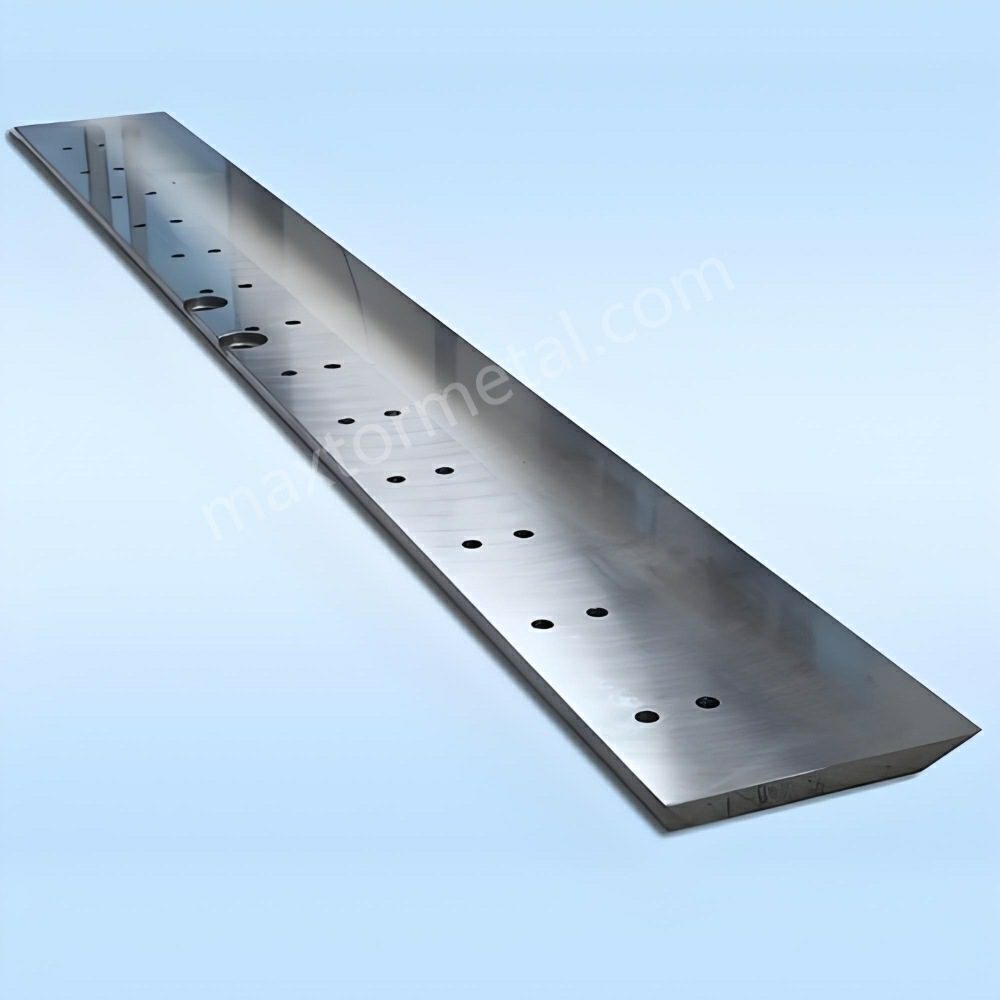
You can find the right time to change and regrind hydraulische Guillotinemesser by checking them often and keeping up with maintenance. Good blades, like the ones from Nanjing Metal Industrial, give you steady results and less machine stoppage. Taking care of blades often saves money and makes machines work better.
- Maintenance costs are usually 37.5% of all ownership costs.
- Industrial maintenance can be as much as 5.5% of a company’s sales.
- Lost sales from bad maintenance can be half of all losses.
Die wichtigsten Erkenntnisse
- Check hydraulic guillotine blades often to find wear early. This stops expensive repairs and saves time.
- Count the cuts and note the materials you use. This helps you know when to regrind or change blades. It keeps your work running well.
- Dull blades make rough cuts and use more energy. Sharp blades give better cuts and cost less to use.
- Look at blades with a magnifier to find chips or cracks. If you see damage, plan to fix or change the blade soon.
- Set the blade gap right for the thickness of the material. This gives clean cuts and helps blades last longer.
- Write down all maintenance in a logbook. Record each sharpening and replacement to watch blade performance over time.
- Make blade care part of your daily routine. Clean and oil blades often to stop sudden problems.
- Pick strong blades to change them less often. Good blades last longer and work better.
Why Timing Matters for Hydraulic Guillotine Blades
TCO and Blade Performance
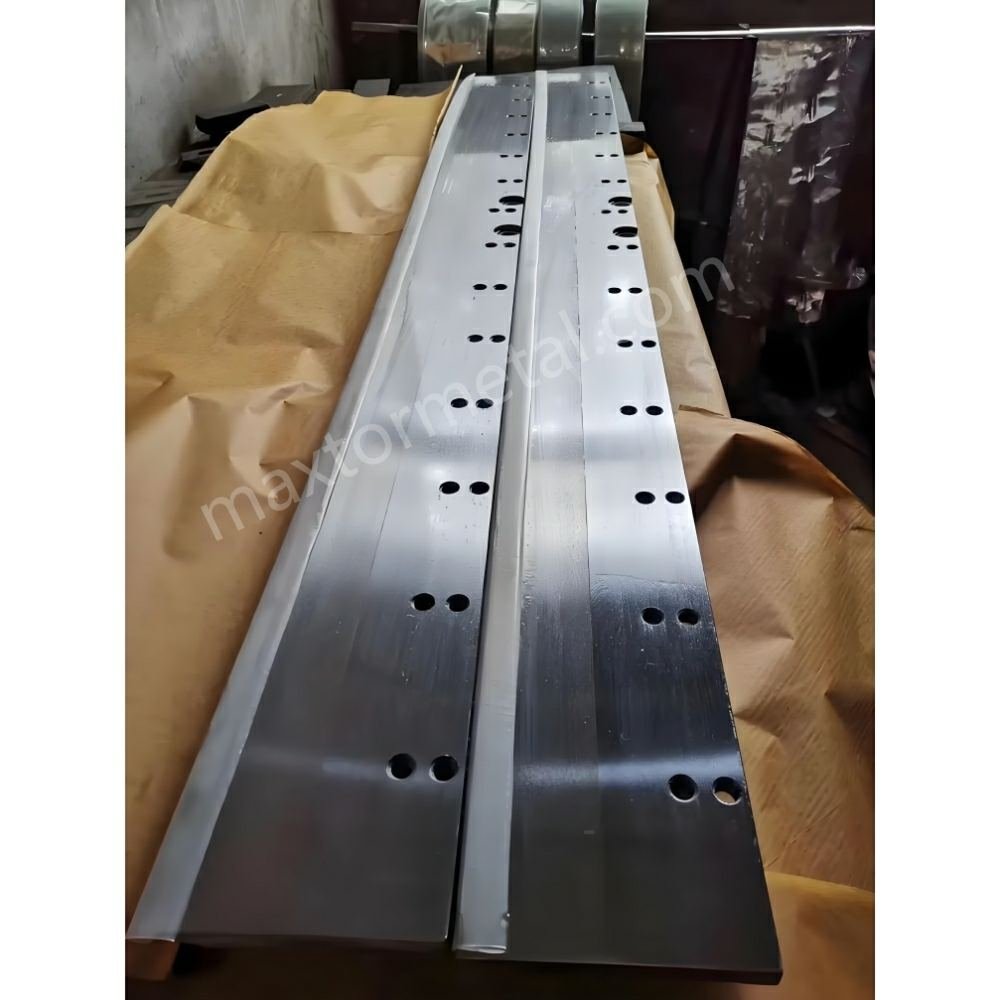
You want your hydraulic guillotine blades to last a long time. Changing and regrinding blades at the right time affects your total cost of ownership, or TCO. If you wait too long to regrind, you might hurt the blade or the machine. If you change blades too early, you waste money and supplies. Good timing helps you use each blade as much as possible and keeps your machines working well.
Blades do not work as well when they get dull or damaged. You might see rough cuts or edges that are not even. These problems can slow down your work and make your products look worse. High-quality blades, like those from Nanjing Metal Industrial, stay sharp longer and are easier to regrind. When you use strong blades made from tool steel, HSS, or tungsten carbide, you do not need to change them as often. This helps you take better care of your blades and save money.
Tip: Keep track of how many cuts you make and what materials you cut. This information helps you know when to regrind or replace your blades.
Risks of Delayed Maintenance
If you wait too long to do maintenance, you can have problems. Dull blades make your hydraulic guillotine shear blades work harder. This can make machine parts wear out faster. You might pay more for energy and repairs. Bad blades can also waste materials and make your products worse.
Here are some problems you might have if you wait too long:
- Blades might chip or crack more easily
- Machines might break down more often
- You might pay more for emergency repairs
- You might make less and miss deadlines
You can stop these problems by checking and regrinding your blades on a schedule. This keeps your TCO low and your machines working well. Good maintenance and smart spending protect your machines and help your business do better.
Diagnostic Checklist for Hydraulic Guillotine Blades
Visual Signs of Wear
Edge Rounding and Chipping
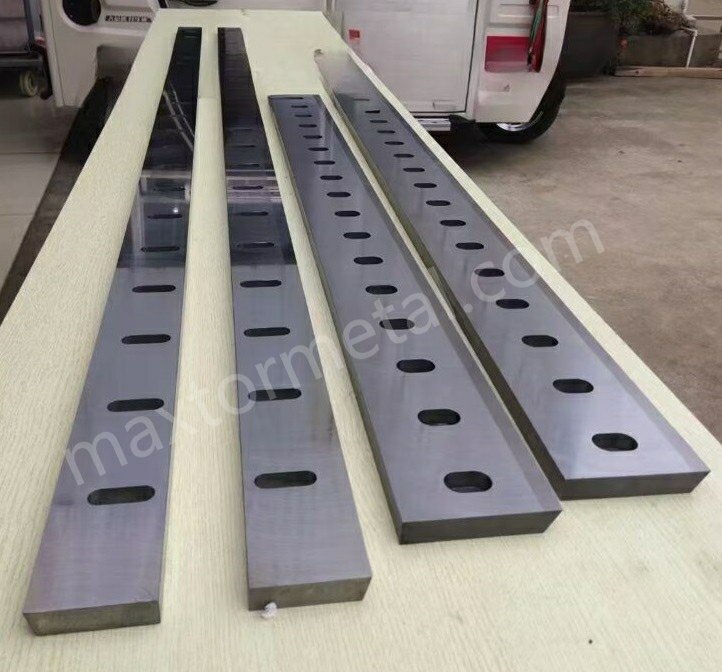
Look at the blade edge carefully. If you see rounded edges or small chips, the blade is getting worn out. Use a 10x magnifier to spot tiny chips bigger than 0.5mm. These small chips can make the blade less sharp and not work as well. If you find chips or rounded edges, you should plan to regrind the blade soon. Grinding the blade often keeps the edge straight and sharp. This helps you get cuts with no burrs.
| Visual Sign | Beschreibung |
|---|---|
| Tragen | Micro-chips bigger than 0.5mm seen with a 10x magnifier |
Cracks and Pitting
Cracks and pitting are big problems. Cracks start small but can get bigger fast and break the blade. Pitting looks like tiny holes or rough spots on the blade. These signs show the blade is not strong anymore. If you see cracks or pitting, stop using the blade and get it regrinded or replaced. If you see rough spots, chips, or rust, the blade needs help.
| Visual Sign | Beschreibung |
|---|---|
| Integrity | Rough spots, chips, and rust on the blade surface |
Cut Quality Issues
Burrs and Material Deformation
Check the edges after you cut material. Burrs are rough, raised bits left after cutting. Material deformation means the cut piece bends or twists. These problems mean the blade is dull or damaged. Dull blades make cuts look bad and need more force. This causes more burrs and uneven cuts. You want cuts with no burrs for the best results. If you see burrs or bent pieces, it is time to regrind the blade.
- Bad edge quality
- Burrs on the edge
- Cuts that are not even
Doing regular checks and maintenance stops burrs and bad edges. Try for cuts with no burrs so your products look neat and nice.
Fuzz, Dust, and Discoloration
Sometimes you see fuzz, dust, or color changes on the cut edge. Fuzz and dust mean the blade is not cutting cleanly. Color changes can show the blade got too hot while cutting. These signs can come before bigger problems. If you see them, check if the blade is sharp and think about regrinding. Keeping the blade sharp helps you cut better and avoid these problems.
Machine Performance Symptoms
Increased Noise or Pressure
Listen to your machine when it works. If you hear more noise or see higher hydraulic pressure, the blade might have issues. Wrong blade clearance can make the blade wear out faster and get louder. If the gap is too tight, the blade edge can chip or break. More pressure from wrong clearance can also wear out machine parts quickly. These signs mean you should check the blade and maybe regrind it.
| Faktor | Auswirkungen auf die Leistung |
|---|---|
| Incorrect Blade Clearance | Makes the blade wear out faster and get louder. |
| Tight Gap | Can chip the blade edge or break it, making cutting worse. |
| Hydraulic Pressure | More pressure from wrong clearance can wear out machine parts faster. |
Slower Cutting Speed
If your machine cuts slower than normal, the blade might be dull or damaged. Slow cutting means the blade is not working right. You may need to use more force to cut things. This can make work slower and cost more money. If you notice slow cutting, check the blade for wear and plan to regrind it. Sharp blades help you cut fast and keep the blade working well.
Tip: Watch for changes in cutting speed and noise. These changes often mean you need to regrind the blade to make it sharp again.
Blade Wear Measurement
Thickness and Material Removal
You need to measure blade thickness to know when to regrind or replace your hydraulic guillotine blades. Use a micrometer to check the thickness at several points along the blade edge. Compare your measurements to the original blade thickness. If you see that the blade has lost more than 10% of its thickness, you should consider regrinding. Grinding removes material from the blade, so you must track how much you take off each time.
Tip: Write down each grinding session in a logbook. Record the amount of material removed and the new thickness. This helps you keep track of blade sharpness and blade performance over time.
A blade that gets too thin will not cut well. You may notice that zero-burr cuts become harder to achieve. Thin blades can also bend or break more easily. You want to keep your blades thick enough for safe and efficient cutting. If you reach the minimum thickness set by the manufacturer, you should replace the blade instead of regrinding.
| Measurement Step | Was zu tun | Warum es wichtig ist |
|---|---|---|
| Use a micrometer | Measure blade thickness | Tracks wear and grinding |
| Compare to original | Check for 10% loss | Decides if regrinding needed |
| Log each session | Record material removal | Maintains blade sharpness |
Tracking Cuts and Hours
You should also track how many cuts you make and how long you use each blade. This helps you plan regrinding and replacement before problems start. Count the number of cuts for each job and write it down. You can use a simple tally sheet or a digital counter. Record the hours your machine runs with each blade installed.
Blades that make more cuts or run for longer hours will wear out faster. If you notice a drop in cutting efficiency or cutting speed, check your records. You may see that the blade has reached its limit for zero-burr cuts. This means it is time to regrind or replace the blade.
Note: Tracking cuts and hours helps you predict when blade performance will drop. You can avoid sudden problems and keep your production smooth.
Here is a simple checklist for tracking:
- Count the number of cuts each day.
- Record machine running hours.
- Note any changes in cut quality.
- Schedule regrinding based on usage, not just time.
By measuring thickness and tracking usage, you make smart decisions about regrinding and replacement. This keeps your blades sharp and your cuts clean.
Sharpening vs. Replacement Decisions
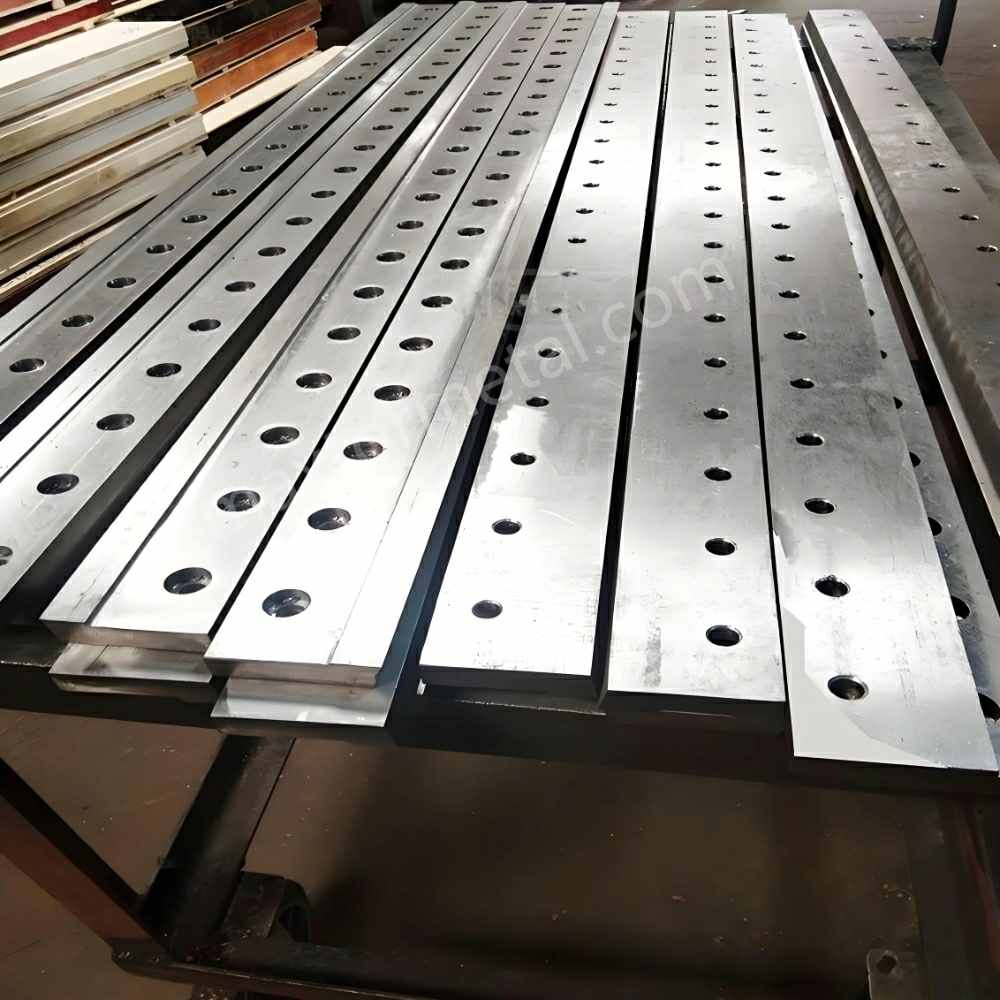
Picking between sharpening and replacing your guillotine shear blades is important. This helps your blades last longer and work better. You want your hydraulic guillotine blades to cut metal, paper, or plastic well. Making the right choice saves money and helps you get smooth, clean cuts.
When to Sharpen Hydraulic Guillotine Blades
Sharpen your guillotine shear blades if you see wear but the blade is still thick enough. Sharpening makes the blade sharp again and helps it last longer. Doing regular maintenance like regrinding keeps your blades working well.
Material Removal Limits
Grinding and regrinding help keep blades in good shape. You can polish guillotine shear blades one to three times before thinking about replacement. If you polish more than five times, you should get a new blade. Each time you grind, you take off some blade material. You need to track how much you remove so the blade does not get too thin. Thin blades do not make clean cuts and can bend or break when cutting tough materials.
Tip: Write down every grinding session and check blade thickness. If you reach the limit, plan to replace the blade soon.
Manufacturer Guidelines
Manufacturers give rules for sharpening and replacement. Check your blade often for wear and chipped edges. If you see small chips or dullness, sharpening is usually enough. If you need to sharpen more often, your blade is getting old. Too much maintenance means you need a new blade. If you need blades for special jobs, you can look at Kundenspezifische Klingen.
- Check for blade wear often.
- Look for chipped edges.
- Decide if you need sharpening or replacement.
- Watch if you need to sharpen more often.
- Replace blades after too much maintenance.
When to Replace Precision Guillotine Shear Blades
Sometimes sharpening and regrinding cannot fix your guillotine shear blades. You must replace the blade if you see certain damage or if it does not work well. Hydraulic guillotine shear blades must be strong and sharp for safe and easy cutting.
Catastrophic Damage
Replace your blade if you see deep chips, cracks, or if it is bent. Big damage makes the blade unsafe and it will not cut well. If the blade is worn out and weak, you need a new one. Cracks or breaks can make the blade snap while you use it. If the blade is bent, you will not get smooth cuts.
- Too much wear hurts the blade’s strength.
- Cracks or breaks make the blade unsafe.
- Bending changes the blade’s shape.
- If sharpening does not help, replace the blade.
Uneconomical Sharpening
If sharpening does not make the blade sharp or fast, replace it. If you spend too much time or money on grinding, get a new blade. Blades that need lots of fixing do not last long or work well. You want blades that cut clean and last through many jobs.
Note: If sharpening does not help cutting or make clean cuts, plan to replace the blade soon.
Cost Comparison: Sharpening vs. New Blades
You need to compare the cost of sharpening with buying new guillotine shear blades. Sharpening costs less than getting a new blade, especially if you do it early. Grinding and regrinding help blades last longer and save money. But if you sharpen too much or the blade gets too thin, buying a new blade is cheaper in the end.
| Option | Kosten | Vorteile | When to Choose |
|---|---|---|---|
| Schärfung | Untere | Makes blade last longer | Small wear, few chips |
| Nachschleifen | Mäßig | Makes blade sharp again | After several uses |
| Ersatz | Höher | New blade, best results | Big damage, blade too thin |
You want to balance blade care, cost, and how well it works. Regular maintenance and tips for grinding blades help your machines run well. When you track blade wear, cutting speed, and how well it cuts, you make smart choices for your business.
Remember: Sharpen and regrind blades to get the most use. Replace blades if you see big damage or if they do not work well. This keeps your machines safe and your cuts clean.
Predictive Maintenance for Guillotine Shear Blades

Predictive maintenance helps you keep your precision guillotine shear blades working at their best. You can use data from your machine and blade usage to plan when to regrind or replace blades. This approach saves money and keeps your cuts clean. You do not have to guess when to do maintenance. You can use facts and records to make smart choices.
Scheduling Based on Usage Data
You can set up a predictive maintenance schedule by tracking how many cuts you make and what materials you cut. This method helps you know when your precision guillotine shear blades need attention. You do not have to wait for problems to show up. You can act before blades get dull or damaged.
Tracking Cuts and Material Types
Start by counting the number of cuts your machine makes each day. Write down the type of material you cut, such as paper, cardboard, or metal. Cutting sheet metal wears blades faster than cutting paper. You can use a tally sheet or a digital counter to keep track. Record the thickness and hardness of each material. Harder materials make blades dull faster.
Tip: Use a simple chart to record daily cuts and materials. This helps you see patterns and plan regrinding before blades lose their edge.
| Day | Number of Cuts | Materialtyp | Dicke | Hinweise |
|---|---|---|---|---|
| Mon | 500 | Metall | 2 mm | No burrs |
| Tue | 700 | Karton | 1 mm | Slight fuzz |
| Wed | 600 | Metall | 3 mm | Needs regrind |
Using Historical Data
Look at your past records to find out how long your precision guillotine shear blades last. Check how many cuts you made before you needed regrinding or replacement. You can use this information to set up a schedule. If you see that blades need regrinding after 2,000 cuts, plan to check them at that point. If you notice that cutting harder materials shortens blade life, adjust your schedule.
Note: Historical data helps you predict when blades will need care. You can avoid sudden breakdowns and keep your production running smoothly.
Integrating Blade Care into Maintenance Plans
You need to include blade care in your overall maintenance plan. This keeps your guillotine shear blades sharp and your machine safe. Follow these steps to make sure your blades last longer and work better:
- Always follow the operating procedures for your machine.
- Add lubricating oil before starting the machine each time. Make sure the oil is clean.
- Clean the shear blades regularly. Apply anti-rust grease to parts that are not painted.
- Replace and refill the lubricating oil in the motor bearing on a regular basis. Check the electrical parts to make sure they work safely.
- Inspect the triangle belt, handle, knob, and button. If the blade is worn, replace it and report for spare parts.
- Check and repair switches and safety devices to keep the machine reliable.
- Lubricate and clean the machine tool 10 minutes before you finish work every day.
- Only trained personnel should operate the equipment. Stop the machine when you are not using it.
- Choose the shearing gap based on the thickness of the board.
- Make sure the board is free from impurities and hard objects.
- Do not cut or weld old boards.
- Avoid shearing thick plates too often. Adjust the gap between the upper and lower blades regularly.
Alert: Daily checks and oil temperature monitoring help you spot problems early. Rotate blades as needed to keep wear even. These steps protect your precision guillotine shear blades and keep your machine running well.
You can use a checklist to make sure you do each step. This helps you remember important tasks and keeps your blades in good shape. Regular cleaning, lubrication, and inspection prevent damage and reduce the need for emergency repairs.
You can also plan regrinding based on usage and blade condition. If you see signs of wear, such as burrs or slow cutting, schedule regrinding right away. Do not wait for blades to get too thin or damaged. This keeps your cuts clean and your machine safe.
Tip: Integrate blade care into your daily, weekly, and monthly maintenance routines. This helps you get the most out of your precision guillotine shear blades and avoid costly downtime.
By using predictive maintenance, you make smart decisions about grinding and regrinding. You keep your blades sharp, your cuts precise, and your costs low.
Maintaining Guillotine Shear Blades: Best Practices
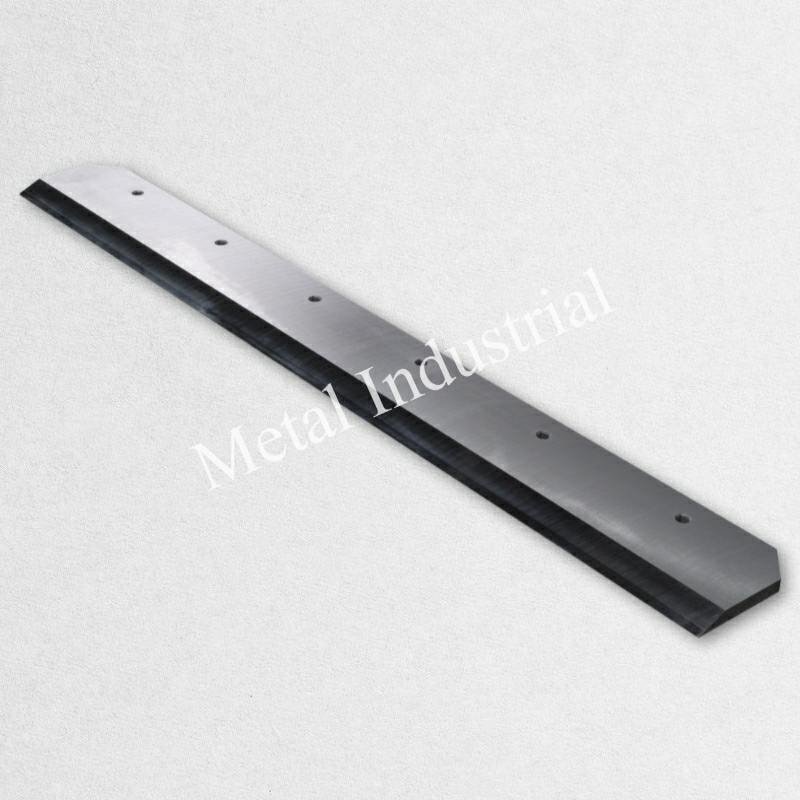
Klingenausbau und Inspektion
You need to remove guillotine shear blades carefully to keep them in good shape. Always turn off the machine and disconnect the power before you start. Use the right tools to loosen the bolts and lift the blade. Wear gloves to protect your hands from sharp edges. Place the blade on a clean, flat surface.
Inspect the blade for any signs of wear, chips, or cracks. Look closely at the cutting edge. Use a magnifier if you need to see small damage. Check for rust or pitting on the blade surface. If you find any deep cracks or bends, you should not use the blade again. Write down your inspection results in a logbook. This helps you track blade condition over time.
Tip: Always clean the blade after removal. Dirt and old oil can hide damage.
Richtige Schärftechniken
Sharpening keeps your guillotine shear blades working well. You should use a grinding machine made for precision blades. Make sure the blade is held tight and does not move during sharpening. Use slow, steady movements to grind the edge. Do not rush this step.
Grinding Angles and Surface Finish
You need to grind the blade at the correct angle. Most guillotine shear blades use a bevel angle between 18° and 22°. Check your machine manual or ask your blade supplier for the right angle. Keeping the correct angle helps the blade cut clean and last longer.
A smooth surface finish is important. You want the edge to look shiny and even. A rough finish can cause burrs and make the blade wear out faster. Use fine grinding wheels for the last step. Wipe the blade clean and check for any leftover rough spots.
| Klingenmaterial | Härte (HRC) | Passend für | Wartungsfolgen |
|---|---|---|---|
| Carbon-bonded tool steel | 57 – 59 | Low-carbon cold-rolled plates, A3 plates | Cost-effective, requires regular sharpening |
| Low-alloy tool steel | 58 – 62 | Stainless steel, hot-rolled plates | Designed for durability, may need specialized care |
| Alloy tool steel | Hoch | Hot-rolled steel billets, medium/thick steel plates | High-temperature resistant, less frequent maintenance |
| Wolframkarbid | Sehr hoch | Special alloys, ultra-hard abrasion-resistant plates | Long lifespan, but high cost, requires careful handling |
Different blade materials need different care. For example, tungsten carbide blades last longer but need careful handling. Tool steel blades need sharpening more often. You can choose the right blade material for your job. Nanjing Metal Industrial offers blades in tool steel, HSS, and tungsten carbide.
Avoiding Overheating
Heat can damage your blade during sharpening. If the blade gets too hot, it can lose its hardness. Always use coolant or water when grinding. Take breaks to let the blade cool down. Do not press too hard on the grinding wheel. Watch for color changes on the blade edge. Blue or brown spots mean the blade got too hot.
Alert: Overheating can make the blade dull faster. Keep the blade cool for the best results.
Blade Installation and Alignment
You must install the blade correctly to get clean cuts. Clean the mounting surface before you put the blade back. Line up the blade with the bolt holes. Tighten the bolts evenly, starting from the center and moving out. Do not overtighten, as this can bend the blade.
Check the alignment by making a test cut. The cut should be straight and smooth. If you see uneven cuts, adjust the blade position. Use a feeler gauge to set the right gap between the upper and lower blades. The correct gap depends on the material thickness. A good alignment helps the blade last longer and keeps your machine safe.
Note: Regular checks and careful installation are key to maintaining guillotine shear blades.
Schmierung und Reinigung
You have to keep your hydraulic guillotine blades clean and oiled. Dirt and small pieces can stick to the blade. This can make cuts rough and make the machine work harder. Cleaning the blades gets rid of dust, scraps, and rust. Use a soft cloth and gentle cleaner to wipe the blade after you use it. If you see rust, use rust remover and put a thin layer of rust-proof grease on parts that are not painted.
Oiling is just as important as cleaning. Oil helps moving parts slide easily. Less rubbing means your hydraulic guillotine blades do not wear out fast. Add oil before you start the machine each day. Make sure the oil is clean and filled to the right mark. Check the oil temperature while the machine is running. If the oil gets too hot, turn off the machine and let it cool.
Cleaning and oiling your blades often helps them last longer. You can stop sudden breakdowns and keep your cuts smooth. Here are some main reasons why:
- Cleaning takes away dirt, scraps, and rust from the blades, which helps them last longer.
- Oiling stops too much rubbing and helps moving parts last longer.
- Doing these steps often stops surprise breakdowns.
- Cleaning is needed to get rid of dirt and scraps that can mess up your cuts.
- Putting rust-proof grease on unpainted parts after cleaning keeps them safe.
Tip: Make a habit of cleaning and oiling your hydraulic guillotine blades every day. This keeps your machine working well and helps you avoid big repair bills.
Adjusting Blade Gap for Material
You need to set the blade gap on your hydraulic guillotine blades for the material you want to cut. The blade gap is the space between the top and bottom blades. If the gap is too small, the blade can chip or wear out fast. If the gap is too big, you might see rough edges or burrs on your cuts.
Always check how thick and wide your material is before you set the blade gap. Use the chart from your machine maker to find the right gap for each material. Operators must know how to read these charts and set the gap the right way.
| Materialtyp | Klingenspalteinstellung |
|---|---|
| Dicke | Change the gap for the thickness of the material. |
| Width | Change the setup for the width of the material. |
Most charts show what gap to use for different thicknesses and types of material. For example, use a small gap for thin paper and a bigger gap for thick metal. If you cut different things, change the gap each time for the best cuts.
- Operators need training to read gap-setting charts from the machine maker.
- These charts usually show what gap to use for different thicknesses and types.
Note: Always set the blade gap before you start a new job. This helps you get smooth cuts and keeps your hydraulic guillotine blades safe.
Setting the right gap helps your blades last longer and makes better cuts. This also keeps your machine in good shape and saves money.
Impact of Delayed Blade Maintenance
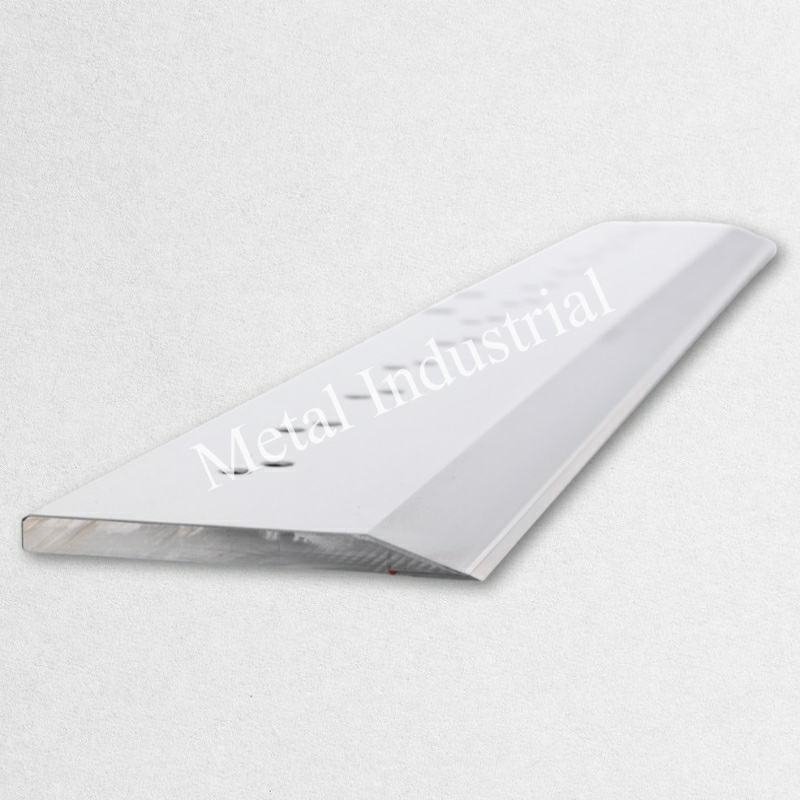
Machine Wear and Downtime
If you wait too long to care for your precision guillotine shear blades, your hydraulic shearing machines can get damaged. Dull or broken blades make the machine work much harder. This extra work wears out the moving parts faster. You might hear more noise and feel more shaking when the machine runs. Bearings, gears, and the hydraulic system can break sooner than you think. You will have to fix the machine more often and stop working for repairs.
When your machine stops, your work gets delayed. If you need emergency repairs, you lose hours you could be working. You might not finish jobs on time and customers could get upset. Checking and caring for your shear blades often helps you stop these problems. Your machines keep running well and you do not have to stop for big repairs.
Tip: Check and fix your blades before you see problems. This saves you time and keeps your machines safe.
Increased Energy and Costs
Using worn precision guillotine shear blades makes your energy bills go up. Dull blades need more force to cut things. The machine uses more power to push the blade, so your electricity bill gets bigger. You also spend more money fixing the machine and buying new parts. If you do not take care of your blades, you pay more for workers and parts.
Your total cost of owning the machine goes up if you skip blade care. You pay more for power, repairs, and lost work time. As costs go up, it is even more important to keep blades sharp and machines in good shape. You can lower your tco by keeping up with blade care.
| Problem | Ergebnis | Kostenauswirkungen |
|---|---|---|
| Dull blades | More energy used | Higher bills |
| Frequent breakdowns | More repairs needed | Increased expenses |
| Emergency replacement | Unplanned downtime | Lost revenue |
Product Quality Decline
You want every cut to look neat and be the right size. If you use worn precision guillotine shear blades, your cuts get messy. The edges are not even and you see more burrs. It is hard to get cuts with no burrs. Customers can see the bad quality and might not want your products.
- Uneven cuts make your products look worse.
- Burrs on the edges can hurt the material.
- It is harder to get cuts with no burrs.
- Bad blade care means more waste and less precision.
If you wait too long to care for your blades, cutting gets slower. You spend more time fixing mistakes and redoing work. You might have to throw away more material because of bad cuts. People may not trust your work if you cannot give them good results.
Note: Keep your precision guillotine shear blades sharp to make good products. Taking care of blades helps you get clean cuts and keeps customers happy.
TCO Calculation Examples
You need to see how delayed maintenance can change your tco. When you use precision guillotine shear blades, every choice you make affects your costs. Let’s look at some simple examples to help you understand.
Example 1: Regular Maintenance vs. Delayed Maintenance
| Scenario | Klingenkosten | Machine Repair | Energy Cost | Ausfallkosten | Total TCO (Year) |
|---|---|---|---|---|---|
| Routinewartung | $1,000 | $500 | $800 | $400 | $2,700 |
| Delayed Maintenance | $1,000 | $1,500 | $1,200 | $1,200 | $4,900 |
In the first row, you keep up with blade care. You spend less on repairs and energy. You also lose less time because your machine works well. In the second row, you wait too long to fix or regrind your blades. You pay more for repairs and energy. You lose more money because your machine stops working more often. Your tco almost doubles.
Example 2: Cost of Poor Cut Quality
If you use dull blades, you get more bad cuts. You might need to throw away more material. Here is a quick look:
- Good blades: 2% waste per month
- Worn blades: 8% waste per month
If you cut $10,000 worth of material each month, you lose $200 with good blades. With worn blades, you lose $800. Over a year, that is $2,400 vs. $9,600. This waste adds to your tco.
Example 3: Emergency Blade Replacement
Sometimes, you wait too long and a blade breaks. You need a new blade right away. Emergency shipping and rush orders cost more.
Note: Emergency replacement can cost 30% more than planned orders. You also lose time waiting for the new blade.
How to Lower Your TCO
You can lower your tco by checking your precision guillotine shear blades often. Write down when you sharpen or replace them. Track how many cuts you make and how much material you use. Plan your maintenance before problems start. This helps you save money and keep your machines running.
Tip: Use a simple logbook or spreadsheet to track blade care and costs. Small steps can make a big difference in your total cost of ownership.
Quick-Reference Checklist for Hydraulic Guillotine Blades
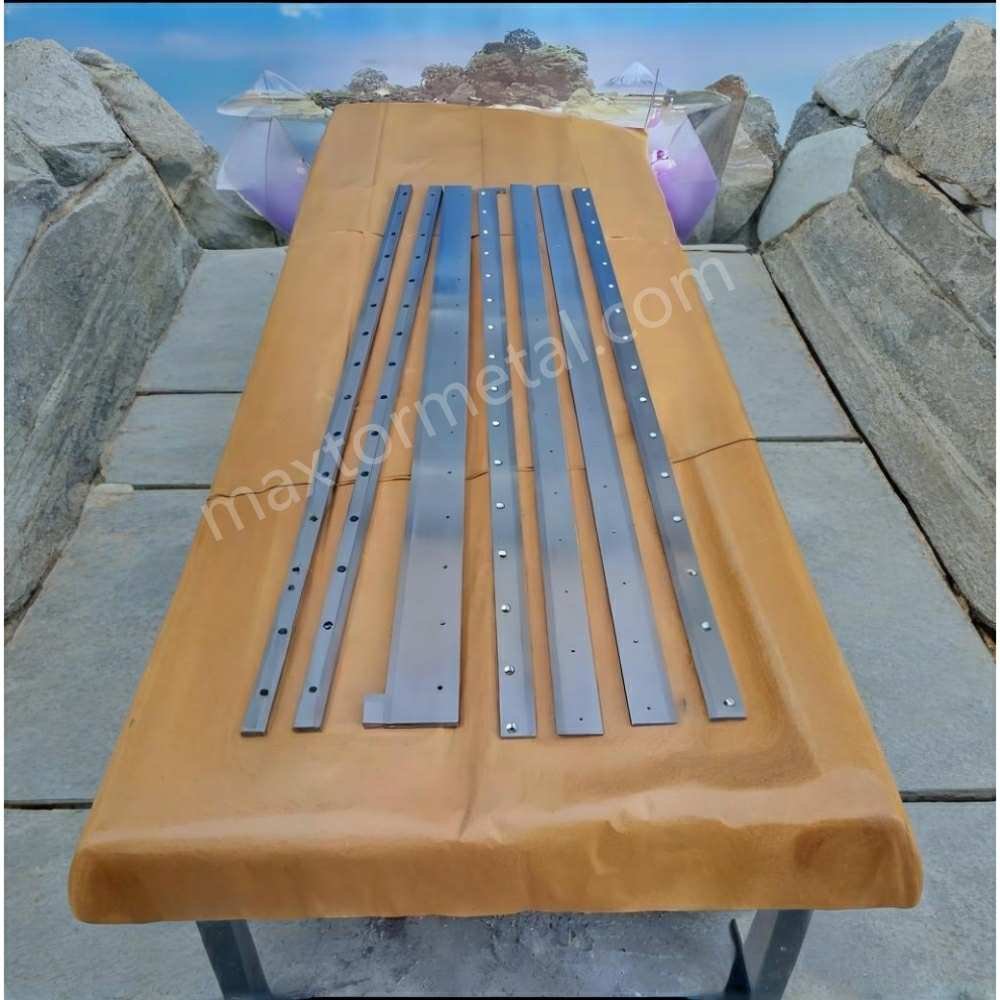
A clear checklist helps you keep your hydraulic guillotine blades in top shape. You can use this guide to make sure you do not miss any important steps. Good maintenance lowers your tco and keeps your machine running smoothly.
Daily, Weekly, Monthly Checks
You should follow a regular schedule for checking your blades and machine. The table below shows what to check each day, week, and month:
| Frequenz | Maintenance Checks |
|---|---|
| Täglich | – Check oil level in the reservoir. Make sure it is not emulsified or discolored. |
| – Look for leaks in oil lines and fittings. | |
| – Inspect the electrical cabinet for loose wiring and working controls. | |
| – Examine the cutting edge for damage or foreign objects. | |
| – Test safety features like the light curtain and interlock. | |
| – Ensure all bolts and fasteners are tight. | |
| Wöchentlich | – Inspect the hydraulic oil filter for clogging. Clean or replace if needed. |
| – Tighten main bolts and nuts on the bearing housing. | |
| – Check hoses and fittings for signs of aging or leaks. | |
| – Test emergency stop and interlock switch functions. | |
| Monatlich | – Clean the hydraulic oil level indicator and check oil quality. |
| – Monitor for abnormal temperature in motor and gearbox bearings. | |
| – Lubricate the slide rail and adjust cutting edge clearance. |
Tip: Use this table as a quick reminder before you start or finish your shift.
Action Steps for Maintenance Teams
You and your team can keep the blades and machine in great condition by following these steps:
- Follow the operating procedures every time you use the machine.
- Lubricate the machine with clean oil before each use.
- Clean the shear blades and apply anti-rust grease regularly.
- Replace and refill lubricating oil in the motor bearing on schedule.
- Inspect the triangle belt, handle, knob, and button for damage. Replace worn blades right away.
- Check and repair switches and safety devices often.
- Lubricate and clean the machine tool before ending your workday.
- Only let trained people use the equipment. Stop the machine when not in use.
- Adjust the shearing gap for the thickness of the board.
- Make sure the board is free from impurities and hard objects.
- Do not cut or weld old boards.
- Avoid cutting thick plates too often. Adjust the blade gap as needed.
Note: These steps help you avoid sudden breakdowns and lower your tco.
Record-Keeping Tips
Good records help you track blade life and plan maintenance. You can use a logbook or a digital spreadsheet. Write down each inspection, sharpening, or replacement. Record the number of cuts, hours used, and any problems you find. Add notes about oil changes, filter cleaning, and blade gap adjustments.
Keeping clear records lets you spot patterns. You can see when blades wear out or when machines need extra care. This helps you plan ahead and avoid costly surprises.
Tip: Review your records each month. Use the information to improve your maintenance schedule and keep your tco as low as possible.
You can keep hydraulic guillotine blades working well by doing a few easy things. Use a checklist to help you remember each step. Track how much you use each blade so you know when to regrind or replace it. Adjust the rear stopper before you tighten the nuts. Set the cutting angle of the upper blade to 0.5°. Make sure the blade clearance is always more than 0.5mm. Always think about safety when you handle blades.
| Key Consideration | Beschreibung |
|---|---|
| Rear stopper adjustment | Change the stopper before you tighten the nuts |
| Cutting angle | Set the top blade to 0.5° |
| Blade clearance | Keep the space above 0.5mm |
| Sicherheit | Work safely and help each other |
Pick strong, high-quality blades and follow these steps to save money and help your machine work better. If you need advice, Sprechen Sie mit unseren Vertriebsingenieuren.
Häufig gestellte Fragen
How often should you inspect hydraulic guillotine blades?
You should inspect hydraulic guillotine blades every day before use. Look for chips, cracks, or dull edges. Regular checks help you spot problems early and keep your machine safe.
What signs show you need to regrind hydraulic guillotine blades?
Watch for burrs, rough cuts, or slower cutting speed. If you see chips or rounded edges, plan to regrind soon. These signs mean the blade is getting dull.
Can you sharpen hydraulic guillotine blades yourself?
You can sharpen blades if you have the right grinding machine and training. Always follow safety rules. If you are unsure, ask a professional to help.
When should you replace hydraulic guillotine blades instead of sharpening?
Replace blades if you see deep cracks, bends, or if sharpening does not restore a sharp edge. Thin blades or blades with too much damage need replacement for safe cutting.
How do you track blade wear for hydraulic guillotine blades?
Keep a logbook. Write down the number of cuts, hours used, and each sharpening. Tracking helps you know when to regrind or replace blades before problems start.
What is the best way to clean hydraulic guillotine blades?
Wipe blades with a soft cloth after each use. Remove dust, scraps, and rust. Apply a thin layer of oil or rust-proof grease to protect the blade surface.
Why does blade gap matter for hydraulic guillotine blades?
Blade gap affects cut quality and blade life. Set the gap based on material thickness. Too small a gap can chip blades. Too large a gap can cause rough edges.
How do you lower the total cost of ownership for hydraulic guillotine blades?
Inspect blades often, keep them sharp, and replace them when needed. Clean and oil blades daily. Track usage and follow a maintenance schedule to avoid costly repairs.
Siehe auch
Erzielen von Gratfreien Schnitten mit Präzisions-Guillotine-Scherenmessern
Guillotine- vs. Scherenmesser: Was ist der Unterschied und was ist das Beste für Ihren Job?
So wählen Sie die richtige Guillotine-Klinge für Ihre Anforderungen aus
Wahl zwischen Tafelscheren und Schwingschnittscheren: Eine Umfassende Vergleichende Analyse

 English
  Spanish
  Italian
  French
  Portuguese
  Russian
  German
  Arabic
  Hindi
Hindi  Vietnamese
  Indonesian
  Japanese
  Korean