

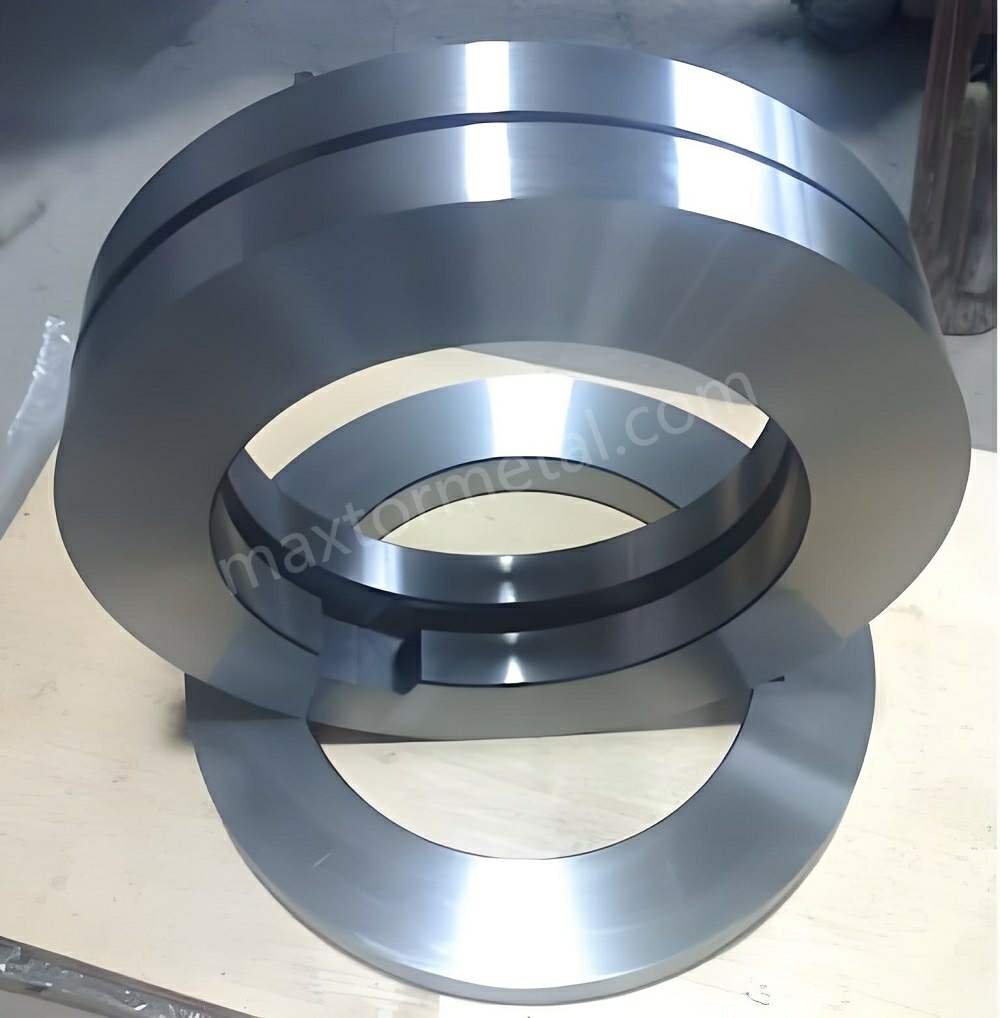
Sie benötigen Klingen, die auch unter schwierigen Bedingungen gut funktionieren und lange halten. Kryogen behandelte Scherenmesser sind besser als herkömmliche wärmebehandelte Klingen.
- Durch die Kryogenbehandlung werden Klingen hergestellt 30% ist haltbarer.
- Die Klingen sind verschleißfester und halten daher länger.
- Metal Industrial prüft jedes Rotorblatt auf Ebenheit, Parallelität und Oberflächenbeschaffenheit.
Sie erhalten Klingen mit neuen Funktionen und gleichbleibender Qualität. Dadurch eignen sie sich gut für anspruchsvolle Aufgaben.
Die wichtigsten Erkenntnisse
- Kryogenisch behandelte Schermesser halten 301 TP4T länger als herkömmliche Messer. Das macht sie zur idealen Wahl für anspruchsvolle Aufgaben. Durch die Kryogenbehandlung werden die Messer auf sehr niedrige Temperaturen abgekühlt. Dadurch wird der Stahl widerstandsfähiger und die Lebensdauer der Messer verlängert. Diese Messer sind verschleiß- und rostbeständiger. Das bedeutet weniger Ausfallzeiten und einen geringeren Bedarf an neuen Messern. Kryogenisch behandelte Messer bleiben bis zu 401 TP4T länger scharf. Das sorgt für sauberere Schnitte und mehr Sicherheit. Der Kauf kryogenisch behandelter Messer kann Ihnen langfristig Kosten sparen. Sie müssen weniger für Reparaturen und Ersatz ausgeben. Diese Messer eignen sich hervorragend zum Schneiden harter Materialien wie Metalle und Kunststoffe. Dadurch sind sie vielseitig einsetzbar. Sie können auch individuelle Anpassungen an Ihre Schneidanforderungen erhalten. Mit kryogenisch behandelten Schermessern sparen Sie Zeit bei der Messerreparatur und haben mehr Zeit, sich auf Ihre Arbeit zu konzentrieren.
Kryogenisch behandelte Schermesser: Verfahren und Prinzipien
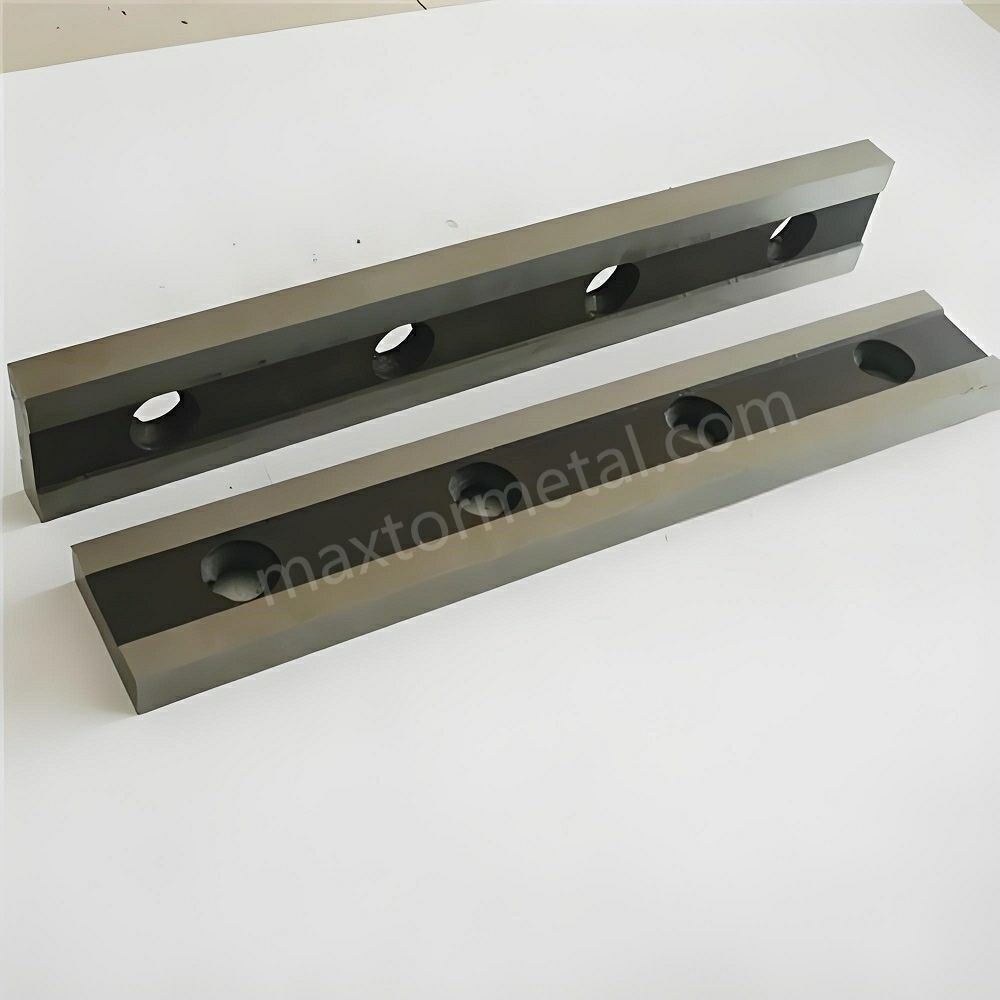
Was ist Kryotherapie?
Kryogene Behandlung Dies ist ein spezielles Verfahren, um Schermesser robuster und langlebiger zu machen. Zuerst wird das Messer auf eine hohe Temperatur erhitzt. Dadurch verändert sich die innere Struktur des Messers. Anschließend kühlt das Messer auf Raumtemperatur ab. Danach wird es noch weiter abgekühlt, auf minus 198 Grad Celsius. Dieser extreme Kälteschritt verändert den Stahl im Inneren des Messers. Dadurch wird das Messer härter und formstabiler. Zum Schluss wird das Messer wieder auf eine mittlere Temperatur erhitzt. Dadurch werden die Veränderungen fixiert. Hier die wichtigsten Schritte:
- Die Klinge auf über 200 Grad Fahrenheit erhitzen.
- Die Klinge auf Raumtemperatur abkühlen lassen.
- Für die Tieftemperaturbehandlung die Temperatur auf minus 300-310 Grad Fahrenheit senken.
- Erhitzen Sie die Klinge erneut auf +300-700 Grad Fahrenheit, um sie zu stabilisieren.
- Die Klinge wieder auf Raumtemperatur abkühlen lassen.
Dieses Verfahren trägt dazu bei, dass die Klingen weniger verschleißen und lange scharf bleiben. Benötigen Sie Klingen, die speziell für Ihre Anwendung angefertigt werden, können Sie sich über individuelle Anpassungsmöglichkeiten informieren. Hier.
Wie es sich von der Wärmebehandlung unterscheidet
Kryogenisch behandelte Scherenklingen durchlaufen ein anderes Verfahren als die herkömmliche Wärmebehandlung. Bei der herkömmlichen Wärmebehandlung werden die Klingen lediglich durch hohe Temperaturen gehärtet und zäh gemacht. Die Kryogenbehandlung ergänzt die herkömmliche Wärmebehandlung um einen Schritt mit extrem niedrigen Temperaturen. Dieser zusätzliche Schritt verändert den Stahl im Inneren der Klinge auf eine Weise, die durch Hitze allein nicht erreicht werden kann.
| Verfahren | Temperatur | Dauer | Verwendete Ausrüstung |
|---|---|---|---|
| Kryogene Behandlung | Unter -150 °C | Kurz | Spezialisierte Kryokammern |
| Konventionelle Wärmebehandlung | Hohe Temperaturen | Länger | Öfen oder Brennöfen |
- Durch die Kryogenbehandlung werden die Klingen auf sehr niedrige Temperaturen abgekühlt. Dadurch werden die Klingen widerstandsfähiger gegen Verschleiß und Materialermüdung.
- Bei der herkömmlichen Wärmebehandlung wird lediglich hohe Hitze angewendet. Dadurch werden die Klingen zwar hart und biegsam, die Schneide bleibt aber nicht so lange scharf.
Kryogenisch behandelte Schermesser werden in der Luft- und Raumfahrt seit über 30 Jahren eingesetzt. Dieses Verfahren trägt dazu bei, die Lebensdauer von Stahlteilen zu verlängern, insbesondere bei starkem Verschleiß.
Nanjing Metal Die fortschrittlichen Fertigungs- und Qualitätskontrollverfahren von Industrial gewährleisten, dass jede Klinge flach, parallel und glatt ist.
Warum das für Industrieklingen wichtig ist
Sie benötigen Klingen, die robust sind und lange scharf bleiben. Kryogenisch behandelte Scherenklingen bieten große Vorteile bei anspruchsvollen Arbeiten. Studien belegen, dass diese Klingen bis zu … 50% weniger Stress Im Gegensatz zu Klingen, die nur mit Hitze behandelt wurden, sind sie innen bruchfester und behalten ihre Form besser.
- Kryogenisch behandelte Klingen bieten einen besseren Rostschutz. Eine Studie ergab, dass 30% in Salzwasser eine geringere Rostrate aufweist.
- Diese Klingen behalten ihre Härte über zwei Jahre. Herkömmliche Klingen verlieren bereits nach sechs Monaten an Härte.
- Sie erhalten länger scharfe Schneiden. Berichten zufolge bleiben kryogenisch behandelte Klingen auch nach häufigem Gebrauch bis zu 40% schärfer.
Mit kryogenisch behandelten Schermessern erhalten Sie Werkzeuge, die länger halten und besser funktionieren. Das bedeutet weniger Reparaturaufwand und weniger Ersatzbedarf. Metal Industrial setzt auf Qualität und innovative Ideen, damit Sie das Maximum aus jedem Messer herausholen.
Wissenschaftlicher Mechanismus: Metallurgische Veränderungen

Austenit-Martensit-Umwandlung
Kryogenisch behandelte Schermesser weisen eine besondere innere Veränderung auf. Der Stahl besteht ursprünglich aus Austenit. Durch die Kälte wird der Austenit in Martensit umgewandelt. Dies macht das Messer fester und formstabiler.
- Durch Tieftemperaturbehandlung wird die Umwandlung von Austenit in Martensit abgeschlossen.
- Der Stahl wird härter und lässt sich nicht mehr so leicht verbiegen oder brechen.
- Die Klingen behalten ihre Form und funktionieren auch unter Belastung besser.
Hier ist eine Tabelle, die zeigt, wie sich der Stahl durch die Tieftemperaturbehandlung verändert:
| Beweisbeschreibung | Wichtigste Ergebnisse |
|---|---|
| Einfluss der DCT auf die Mikrostruktur | DCT macht Martensit fester und noch gestresster. |
| Auswirkungen der Alterungsbehandlung | Die Elemente bewegen sich schneller, wodurch der Stahl gleichmäßiger und fester wird. |
Härte- und Stabilitätsgewinne
Klingen müssen hart und formstabil bleiben. Durch die Kryogenbehandlung wird der Stahl härter. Das Martensitgefüge verdichtet sich, wodurch die Klinge mehr Kraft aushält. Die Klinge verschleißt nicht so schnell und behält ihre Schärfe länger.
Tipp: Je höher der Martensitanteil, desto länger halten die Klingen und desto seltener müssen sie geschärft werden.
Feinkarbidausfällung
Kryogenisch behandelte Schermesser werden durch winzige Karbide widerstandsfähiger. Diese Karbide bilden sich während der Kaltbehandlung im Stahl. Sie breiten sich aus und machen das Messer dadurch zäher.
| Beweisbeschreibung | Wichtigste Ergebnisse |
|---|---|
| Feine Karbidausscheidungen erhöhen die Mikrohärte und Verschleißfestigkeit. | Eine höhere Härte verhindert Beschädigungen und reduziert den Verschleiß. |
| Eine gleichmäßige Verteilung feiner Carbide blockiert die Versetzungsbewegung. | Ausgebreitete Karbide erhöhen die Verschleißfestigkeit des Materials. |
| Die Kryogenbehandlung erhöht die Karbidausfällung und -verteilung. | Mehr Karbide in den behandelten Proben, was die Verschleißfestigkeit erhöht. |
| Auf Martensit bilden sich dispergierte ultrafeine Carbide. | Dadurch verteilen sich die Hartmetallpartikel besser, was die Verschleißfestigkeit der Klingen erhöht. |
Verbesserte Verschleißfestigkeit
Klingen müssen Verschleiß widerstehen. Feine Hartmetalle in kryogenisch behandelten Klingen wirken wie Schutzschilde. Sie verhindern die Ausbreitung von Schäden und halten die Klingen stabil. Hartmetalle tragen außerdem dazu bei, dass Klingen auch nach vielen Schnitten scharf bleiben.
Hinweis: Mehr Hartmetalle bedeuten weniger Verschleiß und eine längere Lebensdauer der Klinge.
Mikrostrukturverfeinerung
Durch die Kryogenbehandlung wird der Stahl im Inneren der Klinge glatter und gleichmäßiger. Kleinste Bestandteile wie Austenit und Martensit werden kleiner und lagern sich dichter aneinander. Das Ergebnis ist eine stärkere Klinge mit größerer Dehnbarkeit vor dem Bruch.
| Mikrostrukturelles Merkmal | Vor der Kryobehandlung | Nach der Kryobehandlung | Ändern |
|---|---|---|---|
| Austenitbreite (μm) | 0.20 | 0.15 | Raffiniert |
| Martensitlamellenbreite (μm) | 0.18 | 0.13 | Raffiniert |
| Austenitgehalt (Vol. %) | N / A | Verringert um 12% | Verringern |
| Versetzungsdichte | N / A | Erhöht | Zunahme |
| Streckgrenze (MPa) | N / A | Erhöhung um 200 MPa | Zunahme |
| Zugfestigkeit (MPa) | 1610 | 1830 | Zunahme |
| Gesamtelongation (%) | 16 | 25 | Zunahme |
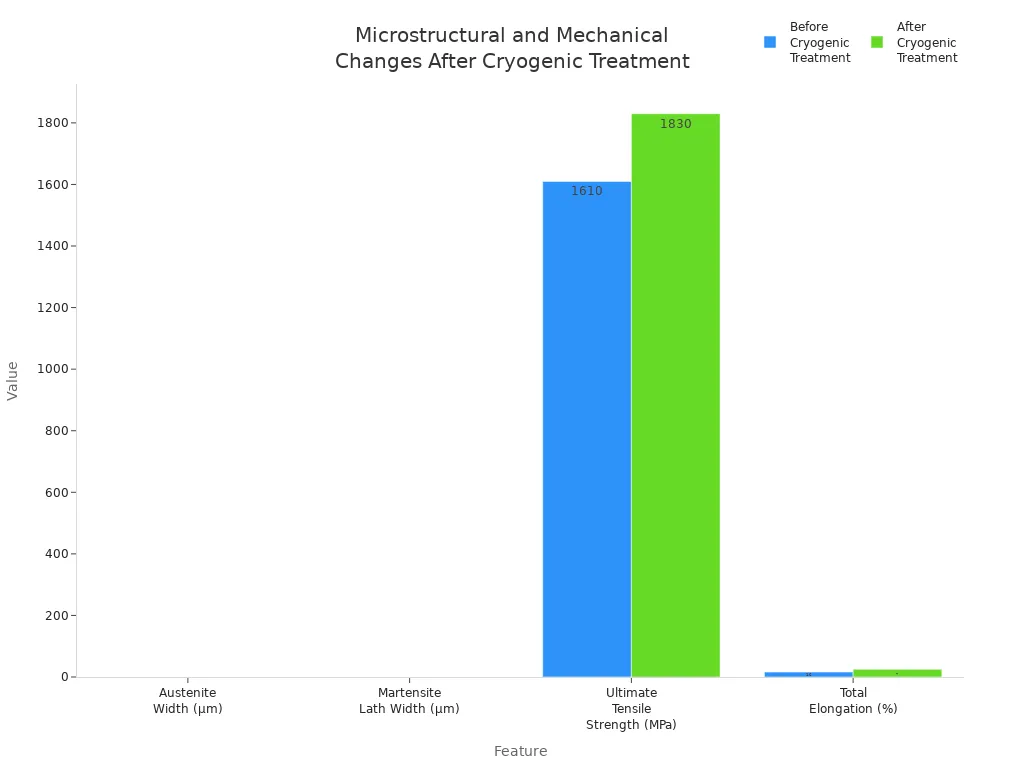
Die Klingen sind nicht nur härter, sondern dehnen sich auch stärker, bevor sie brechen. Dadurch bewältigen sie auch anspruchsvolle Aufgaben, ohne zu brechen. Der Stahl im Inneren wird gleichmäßiger, sodass die Klingen sauber schneiden und länger halten.
Merke: Durch die Verfeinerung der Mikrostruktur werden die Klingen robust, flexibel und zuverlässig.
Kryogenisch behandelte Schermesser nutzen diese Veränderungen für eine bessere Leistung und längere Lebensdauer. Sie erhalten Messer, die verschleißfest sind, scharf bleiben und auch unter schwierigen Bedingungen zuverlässig funktionieren.
Leistungsvergleich: Kryogen vs. wärmebehandelte Schaufeln
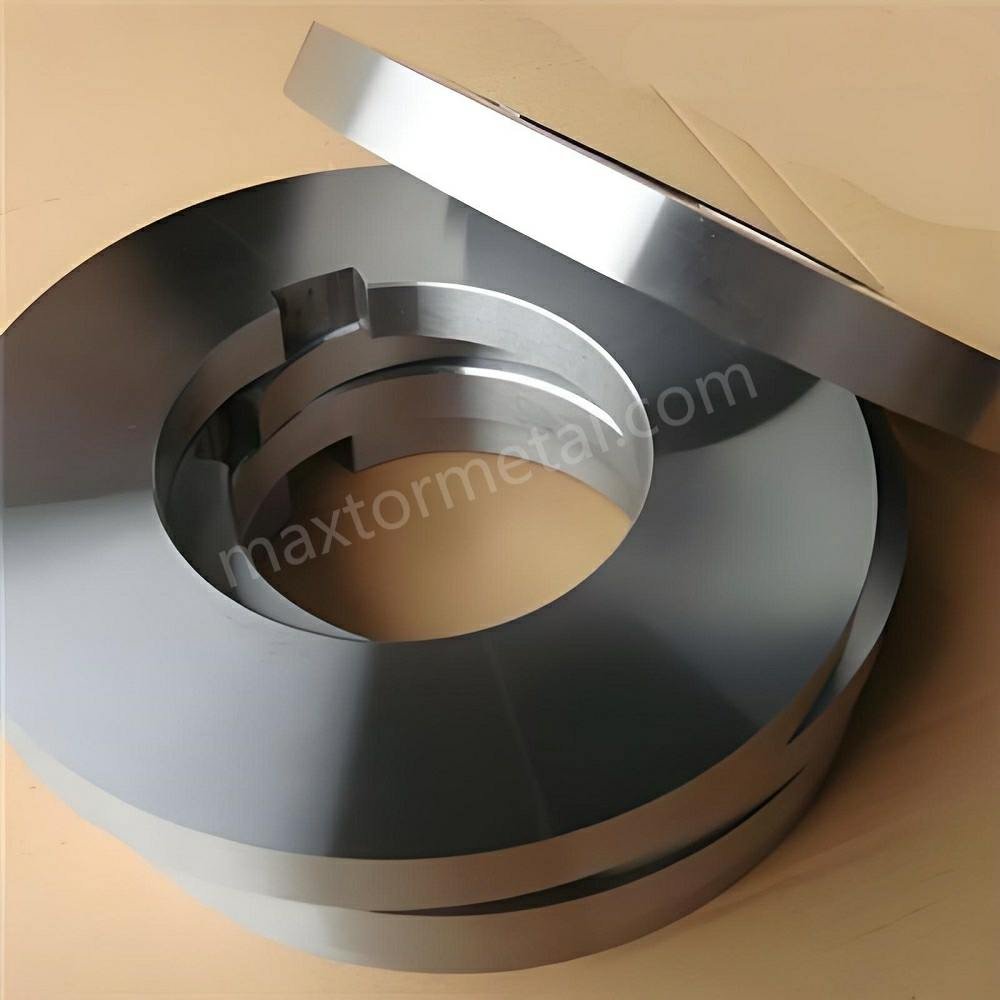
Verschleiß- und Ermüdungsbeständigkeit
Sie benötigen Klingen, die lange halten und robust sind. Kryogenisch behandelte Scherklingen sind verschleiß- und ermüdungsbeständiger als wärmebehandelte Klingen. Beim Kryogenverfahren wird der Stahl nach dem Abschrecken unter den Schmelzpunkt (Mf-Punkt) abgekühlt. Dadurch wandelt sich mehr Austenit in Martensit um. weniger RestaustenitDas bedeutet, sie sind härter und stabiler. Diese Klingen verschleißen nicht so schnell und ermüden nicht so schnell. Sie müssen die Klingen seltener wechseln und halten auch unter schwierigen Bedingungen länger.
Tipp: Klingen mit weniger Restaustenit bleiben auch nach häufigem Gebrauch stabil und funktionsfähig.
Schnitthaltigkeit und Schärfe
Scharfe Klingen schneiden besser und sind sicherer in der Anwendung. Der Unterschied in der Haltbarkeit der Schärfe zwischen kryogenisch und wärmebehandelten Klingen ist deutlich sichtbar. Die folgende Tabelle veranschaulicht die Funktionsweise der einzelnen Klingentypen:
| Besonderheit | Kryogenisch behandelte Schaufeln | Standardmäßig wärmebehandelte Klingen |
|---|---|---|
| Kantenbeständigkeit | Viel besser | Okay |
| Schärfe | Verbessert | Normal |
| Verschleißfestigkeit | 150-200% höher | Normal |
| Zähigkeit | Besser | Fokus auf Härte |
Kryogenisch behandelte Scherenklingen behalten ihre Schärfe für mehr Schnitte. Sie müssen nicht so oft nachgeschärft werden. Die Klingen bleiben auch nach häufigem Gebrauch scharf und robust.
Nutzungsdauerdaten
Sie wünschen sich langlebige Klingen, die Ihnen Geld sparen. Kryogenisch behandelte Scherenklingen halten deutlich länger als wärmebehandelte Klingen. Hier einige Fakten:
- Kryogenisch behandelte Schermesser haben eine um mehr als 200% längere Lebensdauer als wärmebehandelte Messer.
- Durch das kryogene Verfahren wird die Klinge hergestellt stärker auf der kleinsten EbeneDie Klingen werden widerstandsfähiger und halten länger.
- Mit Kryogenik behandelte Rotorblätter behalten ihre Festigkeit länger. Das bedeutet weniger Kosten für Reparatur und Austausch der Rotorblätter.
Den Unterschied sehen Sie in den konkreten Zahlen. Die folgende Tabelle vergleicht die Lebensdauer der Klingen und ihre jährlichen Kosten:
| Klingentyp | Lebensdauer (Monate) | Kosten pro Jahr ($) |
|---|---|---|
| Unbehandelte Klingen | 3 | 273 |
| Kryogen behandelte Klingen | 24 | 57 |
Sie erhalten Klingen, die länger halten und weniger Wartungsaufwand verursachen. Das bedeutet mehr Zeit für Ihre Arbeit und weniger Zeit für den Klingenwechsel.
Hinweis: Die Wahl langlebiger Klingen spart Geld und sorgt für einen unterbrechungsfreien Arbeitsablauf.
Kryogenisch behandelte Schermesser bieten eine höhere Verschleißfestigkeit, schärfere Schneiden und eine längere Lebensdauer. Diese Vorteile spiegeln sich in ihrer Leistung und ihrem Preis wider.
Anwendungsbereich: Wo kryogenisch behandelte Schermesser ihre Stärken ausspielen
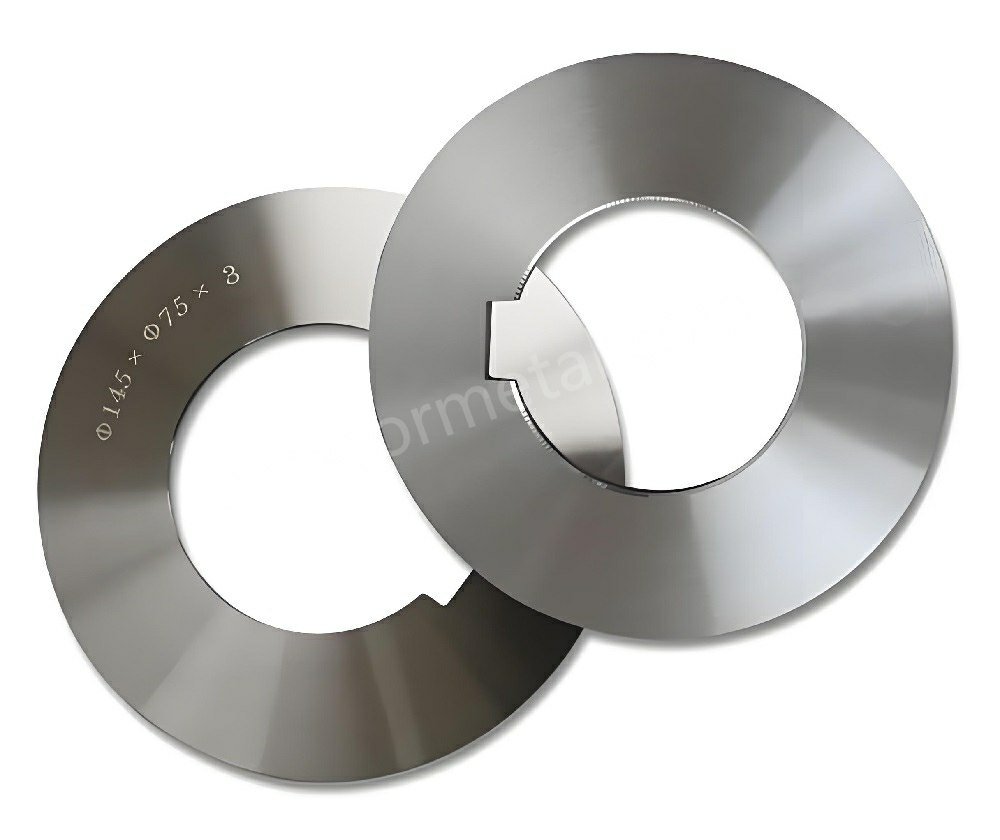
Schneidaufgaben mit hohem Abrieb
Kryogenisch behandelte Schermesser eignen sich hervorragend zum wiederholten Schneiden von harten Materialien. Sie erzielen die besten Ergebnisse beim Schneiden von Metallen, Kunststoffen oder anderen harten Werkstoffen, die herkömmliche Messer schnell verschleißen lassen. Diese Messer sind innen härter und formstabiler. Sie ermöglichen glattere Schnitte und der Verschleiß wird deutlich reduziert. Dadurch müssen Sie die Messer seltener wechseln und können mehr Zeit mit Ihrer eigentlichen Arbeit verbringen.
Metal, Kunststoffe und mehr
Mit diesen Klingen lassen sich Stahlbleche, Aluminium, Kupfer und robuste Kunststoffe schneiden. Durch die Kryogenisierung werden die Klingen besonders widerstandsfähig und ermöglichen scharfe Kanten sowie das Schneiden dickerer Materialien. Ihre Schnitte sehen sauberer und glatter aus. Das ist besonders vorteilhaft, wenn Sie für Ihre Produkte präzise Kanten benötigen. Im Vergleich zu Klingen, die schnell stumpf werden, werden Sie den Unterschied deutlich bemerken.
Tipp: Falls Sie eine Klinge für einen speziellen Auftrag benötigen, können Sie nach Sonderanfertigungen fragen.
Anwendungsfälle in der Industrie
Viele Branchen verwenden kryogenisch behandelte Schermesser, um bessere Ergebnisse und eine längere Lebensdauer zu erzielen. Diese Messer kommen dort zum Einsatz, wo Werkzeuge stark beansprucht werden und scharf bleiben müssen.
Automobilindustrie, Luft- und Raumfahrt, Recycling, Bauwesen
- AutomobilindustrieSie schneiden robusten Stahl und Aluminium für Autoteile. Diese Sägeblätter helfen Ihnen, saubere Schnitte zu erzielen und den Werkzeugwechsel zu reduzieren.
- Luft- und RaumfahrtSie arbeiten mit Speziallegierungen und Verbundwerkstoffen. Die Klingen ermöglichen bessere Schnitte und sind auch bei harten Materialien langlebiger.
- RecyclingSie schneiden damit Metallschrott, Drähte und Kunststoffe. Die Klingen verschleißen nicht schnell und funktionieren auch bei verschmutztem Material einwandfrei.
- KonstruktionSie schneiden damit Bewehrungsstahl, Bleche und Platten. Die Klingen bleiben scharf und robust, sodass Sie Ihre Arbeit schneller erledigen können.
Studien belegen, dass die Kryogenbehandlung die Lebensdauer von Werkzeugen verlängert und die Schnittqualität verbessert. Beispielsweise verschleißen behandelte Hartmetallwerkzeuge weniger schnell und erzeugen glattere Schnitte. In der Landwirtschaft So hergestellte Fräsmesser Längere Lebensdauer und bessere Verschleißfestigkeit. Diese positiven Eigenschaften beruhen auf der Veränderung des Stahls im Inneren der Klinge. Die Klingen werden härter und stabiler, wodurch sie sich besser für anspruchsvolle Aufgaben eignen.
Nanjing Metal Industrial bietet Ihnen die Möglichkeit, maßgeschneiderte Sägeblätter für Ihre Arbeit auszuwählen. Sie bestimmen Material, Form und Schneide. Das Unternehmen unterstützt Sie dabei, das optimale Sägeblatt zu erhalten. So funktioniert die Unterstützung:
| Anpassungsaspekt | Beschreibung |
|---|---|
| Materialauswahl | Wählen Sie den besten Stahl für Ihre Aufgabe. |
| Benutzerdefinierte Geometrien | Finden Sie die richtige Form und Größe für Ihre Maschine. |
| Kantenvorbereitungen | Wählen Sie spezielle Schneidkanten für bessere Schnittergebnisse. |
| Wärmebehandlungsprotokolle | Wählen Sie das beste Verfahren für Ihre Bewerbung. |
| Oberflächenbehandlungen und Beschichtungen | Für mehr Haltbarkeit können Beschichtungen hinzugefügt werden. |
| Zusammenarbeit mit Kunden | Arbeiten Sie mit Ingenieuren zusammen, um Ihre Schneidprobleme zu lösen. |
| Typische Projekte | Automobilindustrie, Elektronik und mehr |
| Mehrstufige Wärmebehandlung | Die Klingen härter machen und ihre Lebensdauer verlängern |
| Kryogene Behandlung | Wechseln Sie den Stahl für eine bessere Leistung. |
Einschränkungen und marginale Vorteile
Kryogenisch behandelte Schermesser haben viele Vorteile, aber man sollte wissen, wo sie am besten eingesetzt werden.
- Die größten Leistungssteigerungen erzielt man mit hochkohlenstoffhaltigen und chromhaltigen Stählen wie D2 und CPM S90V.
- Manche Stahlsorten verbessern sich durch dieses Verfahren nicht wesentlich.
- Nicht alle Materialien vertragen eine Tieftemperaturbehandlung.
- Man braucht Spezialwerkzeuge und Fachkräfte, um das richtig zu machen.
- Wenn die Klingen nicht fachgerecht verarbeitet werden, können sie sich verbiegen oder brechen.
- Das Verfahren kann teurer sein, insbesondere bei kleinen Chargen.
Sie erhalten Klingen, die länger halten, scharf bleiben und weniger Reparaturen benötigen. Außerdem sparen Sie Zeit bei Reparaturen und Klingenwechseln. Diese Vorteile ermöglichen Ihnen schnelleres Arbeiten und langfristige Kosteneinsparungen.
Hinweis: Prüfen Sie vor der Auswahl von kryogenisch behandelten Schermessern immer, ob Ihr Material und Ihre Anwendung dafür geeignet sind.
Kostenanalyse: Investition vs. langfristige Einsparungen
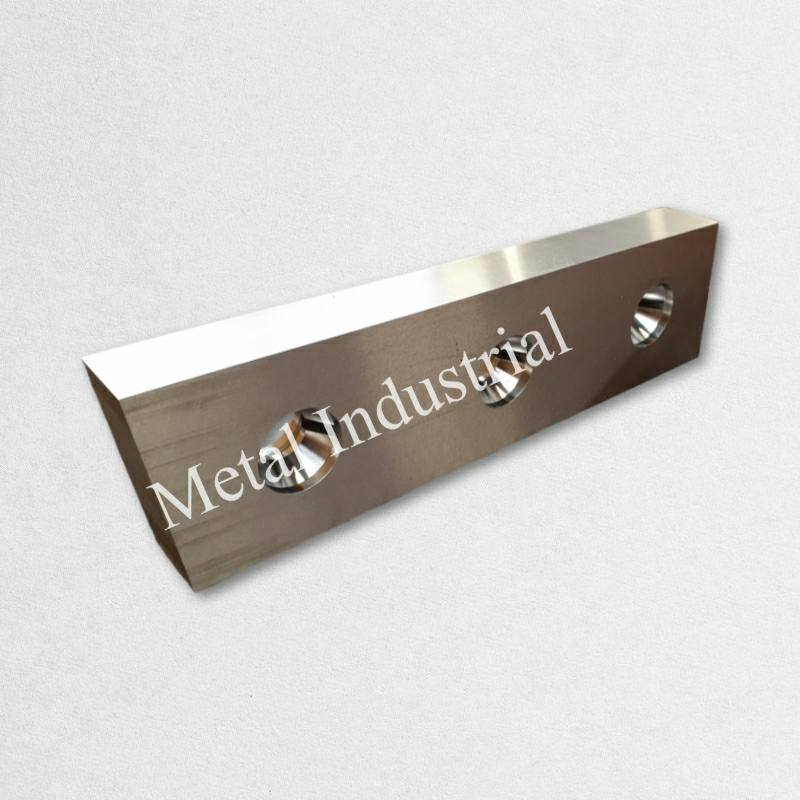
Mit kryogenisch behandelten Schermessern investieren Sie langfristig. Die Anschaffungskosten sind zwar höher, aber Sie sparen dadurch auf lange Sicht Geld. Reparaturen, Ersatzteile und Ausfallzeiten reduzieren sich. Sehen wir uns an, wie das Verfahren funktioniert und warum es sich positiv auf Ihr Budget auswirkt.
Prozesszeitpunkt in der Fertigung
Die Kryogenbehandlung wird nach dem Härten und vor dem Anlassen in den Fertigungsprozess integriert. Dieser Zeitpunkt ist wichtig. Das Verfahren verändert den Stahl tiefgreifend und macht die Klingen dadurch fester und zuverlässiger. Die einzelnen Schritte sind in der folgenden Tabelle aufgeführt:
| Schritt | Temperatur | Dauer |
|---|---|---|
| Austenitisierung | ~1100°C | – |
| Abschrecken | Raumtemperatur | – |
| Kryogene Behandlung | -196°C | 24 bis 36 Stunden |
| Kontrollierte Kühlung | -196°C | etwa 1 bis 2 °C pro Minute |
| Einweichen | -196°C | 20-24 Stunden |
| Allmähliches Wiedererwärmen | Raumtemperatur | etwa 0,5 bis 1 °C pro Minute |
| Temperieren | 150-200 °C | 1-2 Stunden |
Sie sehen, dass die Kryobehandlung erfolgt, nachdem die Klinge vom Abschrecken abgekühlt ist. Die Klinge bleibt bis zu 36 Stunden lang bei -196°C.Dieser Schritt trägt dazu bei, dass der Stahl härter und formstabiler wird. Anschließend wird die Klinge zum Anlassen erneut erhitzt. Durch diese sorgfältige Abstimmung erhält man eine Klinge, die länger hält und besser funktioniert.
Nach dem Abschrecken, vor dem Tempern
Die besten Ergebnisse erzielen Sie, wenn Sie die Klinge direkt nach dem Härten und vor dem Anlassen behandeln. Diese Reihenfolge fixiert die Veränderungen der Kaltbehandlung. Der Stahl bildet vermehrt Martensit und feine Karbide. Dadurch wird die Klinge zäh und verschleißfest. Sie erhalten so eine Scherenklinge, die auch nach häufigem Gebrauch ihre Schärfe und Form behält.
Reduzierter Wartungsaufwand und geringere Ausfallzeiten
Kryogenisch behandelte Schermesser reduzieren den Wartungsaufwand und sorgen für einen reibungslosen Maschinenbetrieb. So erleichtern Ihnen diese Messer die Arbeit:
- Die Klingen halten länger, weil der Stahl im Inneren stärker und gleichmäßiger ist.
- Sie müssen die Klingen seltener schärfen und austauschen. Das bedeutet weniger Zeitaufwand für die Wartung.
- Die Klingen behalten ihre Schärfe, sodass man sie nicht so oft polieren oder schleifen muss.
- Sie vermeiden lange Produktionsstillstände. Ihre Maschinen bleiben ausgelastet und Sie erledigen Aufträge schneller.
- Sie sparen Geld für Arbeitskosten und Ersatzteile, da Sie die Klingen nicht mehr so oft reparieren oder austauschen müssen.
Tipp: Weniger Wartungszyklen bedeuten, dass Sie mehr Arbeit erledigen und weniger Zeit verlieren.
Gesamtbetriebskosten
Betrachtet man die Gesamtkosten, bieten kryogenisch behandelte Schermesser echte Einsparungen. Die anfängliche Zahlung ist zwar höher, aber langfristig sinken die Kosten. Hier der Grund:
- Die Klingen halten deutlich länger als herkömmliche Klingen. Man muss sie nicht so oft ersetzen.
- Sie sparen Geld für Reparaturen und Nachschärfen. Die Klingen bleiben lange Zeit funktionsfähig.
- Ihre Maschinen laufen länger, weil Sie nicht mehr für Klingenwechsel anhalten müssen. Das bedeutet, Sie produzieren mehr Produkte und halten Ihre Liefertermine ein.
- Sie verbrauchen weniger Energie und Ressourcen, weil Sie nicht mehr so viele Ersatzklingen herstellen oder versenden müssen.
| Kostenfaktor | Standardklingen | Kryogenisch behandelte Schermesser |
|---|---|---|
| Anfänglicher Kaufpreis | Untere | Höher |
| Austauschhäufigkeit | Hoch | Niedrig |
| Wartungskosten | Hoch | Niedrig |
| Ausfallkosten | Hoch | Niedrig |
| Gesamtkosten über 2 Jahre | Höher | Untere |
Die Vorteile sprechen für sich. Kryogenisch behandelte Schermesser helfen Ihnen, Kosten zu sparen, Abfall zu reduzieren und Ihre Arbeit reibungslos zu gestalten. Sie erhalten ein besseres Preis-Leistungs-Verhältnis und eine zuverlässigere Leistung bei Ihren Schneidaufgaben.
Hinweis: Die Wahl des richtigen Sägeblatts kann Ihren gesamten Betrieb verändern. Denken Sie an die langfristigen Einsparungen, nicht nur an den Preis, den Sie heute zahlen.
Die richtige Wahl treffen: Sind kryogenisch behandelte Schermesser das Richtige für Sie?
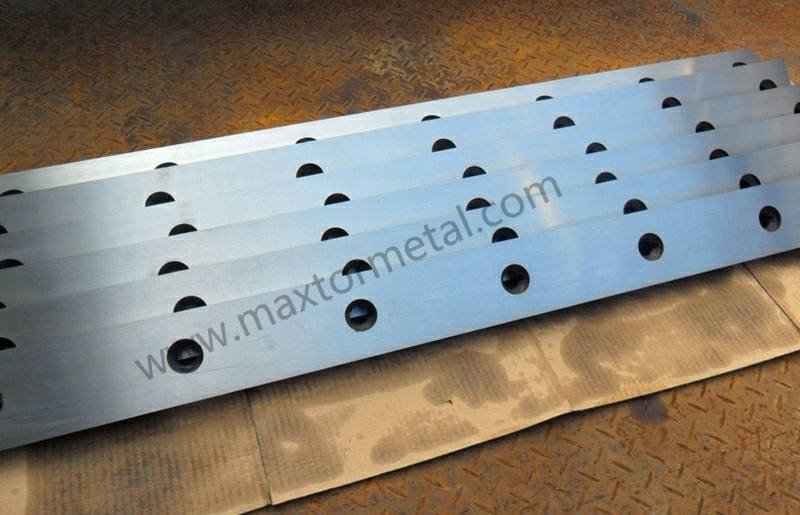
Überlegungen des Käufers
Sie benötigen Klingen, die lange halten und zuverlässig funktionieren. Kryogenisch behandelte Scherenklingen sind robuster und verschleißfester. Diese Klingen bleiben auch nach häufigem Gebrauch scharf und widerstandsfähig. Bedenken Sie, wie oft Sie Klingen wechseln und wie viel Zeit Sie durch Maschinenstillstände verlieren. Wenn Sie häufig harte Materialien schneiden, ist die Kryogenbehandlung besonders vorteilhaft.
Die Kryogenbehandlung verhindert zudem Rostbildung an den Klingen. Dadurch bleiben die Klingen robust und widerstandsfähig. Ihre Klingen funktionieren lange einwandfrei. Besonders bei Arbeiten in feuchter oder chemikalienbelasteter Umgebung trägt dies zu einer längeren Lebensdauer Ihrer Klingen bei.
Stellen Sie sich diese Fragen:
- Benötigen Sie Klingen, die verschleißfest sind und eine längere Lebensdauer haben?
- Schneiden Sie harte Materialien wie Metall oder Kunststoff?
- Ist Rost ein Problem für Ihre Klingen?
- Möchten Sie weniger Geld für die Reparatur und den Austausch von Klingen ausgeben?
Wenn Sie diese Fragen mit Ja beantworten, könnten kryogenisch behandelte Schermesser für Sie geeignet sein.
Lieferantenfragen
Bei der Auswahl eines Lieferanten für kryogenisch behandelte Schermesser benötigen Sie klare Antworten. Sie wollen Messer, die Ihren Anforderungen entsprechen und in Ihren Maschinen funktionieren. Hier sind einige Fragen, die Sie stellen sollten:
- Welchen Stahl verwenden Sie für kryogenisch behandelte Scherenklingen?
- Können Sie zeigen, wie lange die Klingen halten und wie gut sie funktionieren?
- Wie überprüft man die Qualität der Klingen bei deren Herstellung?
- Stellen Sie auch kundenspezifische Klingen für besondere Aufträge her?
- Wie lange dauert die Herstellung kryogenisch behandelter Klingen?
- Wie können Sie bei der Klingenpflege und -unterstützung helfen?
Tipp: Gute Lieferanten geben Ihnen viele Informationen und helfen Ihnen bei der Auswahl der besten Klinge für Ihre Aufgabe.
Entscheidungscheckliste
Nutzen Sie diese Checkliste, um festzustellen, ob kryogenisch behandelte Schermesser für Sie geeignet sind:
| Entscheidungspunkt | Ja | NEIN |
|---|---|---|
| Benötigen Sie Klingen mit höherer Verschleißfestigkeit? | ✅ | |
| Längere Lebensdauer der Klingen gewünscht? | ✅ | |
| Harte oder abrasive Materialien schneiden? | ✅ | |
| Arbeiten in feuchten Umgebungen? | ✅ | |
| Sie möchten die Wartungskosten senken? | ✅ | |
| Benötigen Sie individuelle Klingenoptionen? | ✅ | |
| Benötigen Sie zuverlässige Lieferantenunterstützung? | ✅ |
Wenn Sie die meisten Kästchen in der Spalte „Ja“ ankreuzen, sind kryogenisch behandelte Schermesser die richtige Wahl. Mit diesen Messern arbeiten Sie schneller, sparen Geld und halten Ihre Maschinen am Laufen.
Merke: Die Wahl des richtigen Sägeblatts erleichtert die Arbeit und spart Geld. Kryogenisch behandelte Scherenklingen eignen sich hervorragend für anspruchsvolle Aufgaben.
Kryogenisch behandelte Schermesser bieten längere Lebensdauer, bessere Leistung und echte Kosteneinsparungen. Viele glauben, dieses Verfahren ersetze die Wärmebehandlung oder sei einfach durchzuführen, tatsächlich baut es aber auf der Wärmebehandlung auf und erfordert Fachkenntnisse. Sie erhalten Messer, die länger halten, weniger Pflege benötigen und für viele Metalle geeignet sind.
- Sie erleben weniger Ausfallzeiten und eine höhere Schneidleistung.
- Sie verwenden Klingen, die für anspruchsvolle Aufgaben in vielen Branchen geeignet sind.
Sie möchten Ihren Schneidprozess optimieren? Kontaktieren Sie unsere Vertriebsingenieure. Hier um die passende Lösung für Ihre Bedürfnisse zu finden.
Häufig gestellte Fragen
Was sind kryogenisch behandelte Schermesser?
Kryogenisch behandelte Schermesser durchlaufen ein spezielles Kaltverfahren. Diese Behandlung macht die Messer härter und langlebiger. So erhalten Sie Messer, die länger halten und auch nach häufigem Gebrauch scharf bleiben.
Worin unterscheiden sich kryogenisch behandelte Schermesser von herkömmlichen Messern?
Kryogenisch behandelte Schermesser bieten eine höhere Verschleißfestigkeit. Die Tiefkältebehandlung verändert den Stahl im Inneren. Herkömmliche Messer werden lediglich erhitzt. Kryogenisch behandelte Messer behalten ihre Schärfe und Form länger.
Kann ich kryogenisch behandelte Schermesser zum Schneiden von Kunststoffen verwenden?
Ja, kryogenisch behandelte Schermesser eignen sich auch für Kunststoffe. Diese Messer funktionieren hervorragend mit Metallen, Kunststoffen und anderen harten Werkstoffen. Sie erzielen glatte, saubere Schnitte und einen geringeren Messerverschleiß.
Wie oft muss ich kryogenisch behandelte Schermesser austauschen?
Kryogenisch behandelte Schermesser müssen seltener ausgetauscht werden als Standardmesser. Die spezielle Behandlung verlängert ihre Lebensdauer um bis zu 2001 TP4T. Dadurch sparen Sie Zeit und Geld bei den Ersatzteilkosten.
Sind kryogenisch behandelte Schermesser rostbeständig?
Kryogenisch behandelte Schermesser sind rostbeständiger als unbehandelte. Durch das Verfahren wird die Stahlstruktur verdichtet. So erhalten Sie Messer, die auch in feuchten oder rauen Umgebungen ihre Stabilität behalten.
Benötigen kryogenisch behandelte Schermesser besondere Pflege?
Kryogenisch behandelte Scherenklingen benötigen keine besondere Pflege. Reinigen und lagern Sie sie wie jede andere hochwertige Klinge. Regelmäßige Kontrollen helfen Ihnen, sie in optimalem Zustand zu halten.
In welchen Branchen werden kryogenisch behandelte Schermesser eingesetzt?
Viele Branchen verwenden kryogenisch behandelte Schermesser. Man findet sie in der Automobil-, Luft- und Raumfahrt-, Recycling- und Bauindustrie. Diese Messer bewältigen anspruchsvolle Aufgaben und zeichnen sich durch eine lange Lebensdauer aus.
Kann ich maßgefertigte, kryogenisch behandelte Schermesser bekommen?
Ja, Sie können kryogenisch behandelte Schermesser nach Maß bestellen. Sie wählen Größe, Form und Material passend zu Ihren Anforderungen. Maßgefertigte Messer helfen Ihnen, optimale Ergebnisse für Ihre Arbeit zu erzielen.
Siehe auch
Der ultimative Einkaufsführer für Industriescherenklingen: 7 Qualitätsprüfungen vor dem Kauf
Scherenmesser Wie ein Profi Schärfen: Vermeidung Häufiger Schleiffehler und Verlängerung der TCO
H13 Warmarbeits-Scherenmesser: Meisterung des Hochtemperatur-Metallschneidens und Knüppelschneidens
Erzielen von Gratfreien Schnitten mit Präzisions-Guillotine-Scherenmessern

 English
  Spanish
  Italian
  French
  Portuguese
  Russian
  German
  Arabic
  Hindi
Hindi  Vietnamese
  Indonesian
  Japanese
  Korean