

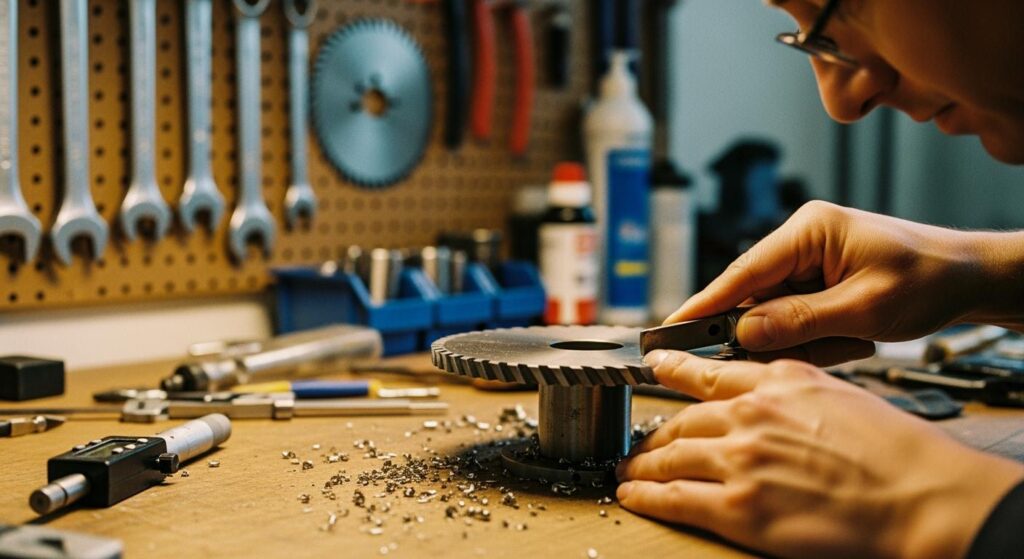
Quiere que sus cuchillas duren mucho tiempo. También quiere mantener los costos bajos. Afilado de cuchillas de corte rotativas Ayuda con ambas cosas. Usar buenas cuchillas de corte proporciona cortes limpios. Además, facilita el funcionamiento de las máquinas. El cuidado regular y el afilado profesional ayudan a diario.
- Afilar las cuchillas de las cortadoras rotativas suele mantenerlas en buen estado y prolongar su vida útil.
- Cuidar las cuchillas de la manera correcta significa menos tiempos de inactividad.
- Cuando se cuidan las cuchillas con frecuencia, el corte funciona mejor.
Fíjate en cómo cuidas tus cuchillas ahora. Incluso pequeños cambios pueden ahorrarte dinero y mejorar las cosas.
Puntos clave
- Afile las cuchillas de la cortadora rotatoria con frecuencia para que sigan funcionando bien y duren más.
- El buen cuidado de las cuchillas ayuda a que las máquinas funcionen sin problemas y permite un mejor corte.
- Elija cuchillas de alta calidad, como las de Nanjing Metal Industrial, para mejores cortes y ahorrar dinero en repuestos.
- Conozca qué tipo de hoja y material se adaptan a su trabajo para obtener cortes limpios y ayudar a que las máquinas funcionen bien.
- Busque hojas desafiladas verificando si tienen bordes ásperos o si el corte se vuelve más difícil, así sabrá cuándo afilarlas.
- Afile las cuchillas periódicamente según el uso que haga de ellas para evitar costosos problemas con la máquina.
- Manténgase siempre seguro usando equipo de protección y siguiendo los pasos correctos al afilar cuchillas.
- Anote los detalles del cuidado de las cuchillas para observar cómo funcionan y planificar el mantenimiento futuro.
Por qué es importante afilar las cuchillas de la cortadora rotativa
Papel en el corte industrial
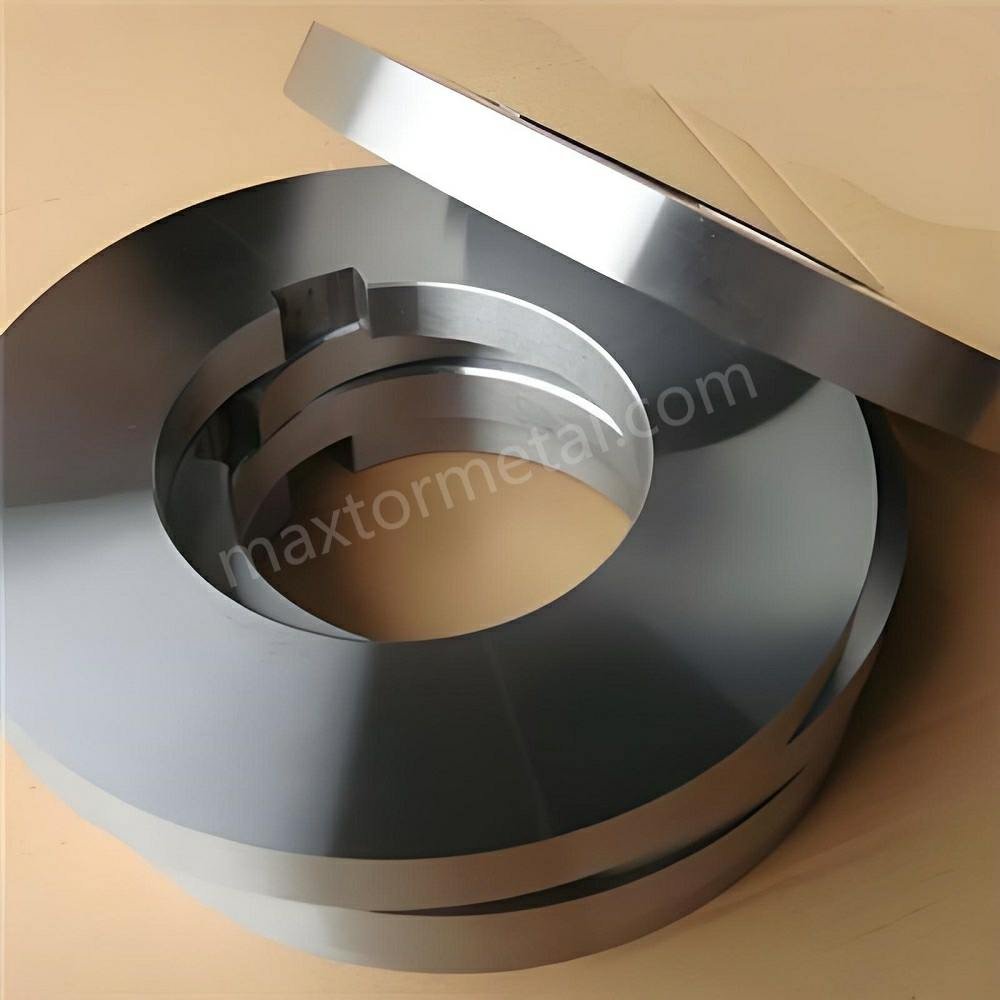
Las cuchillas de corte se utilizan a diario en las fábricas. Estas cuchillas cortan rollos grandes en tiras más pequeñas. Las cuchillas afiladas realizan cortes limpios y rectos. El afilado de las cuchillas de las cortadoras rotativas garantiza el buen funcionamiento de las máquinas. Cuando las cuchillas están afiladas, las máquinas requieren menos esfuerzo para cortar. Esto ayuda a que la cortadora funcione con menos interrupciones.
Muchas industrias utilizan el corte longitudinal. Se utiliza en embalajes, papel, textiles y suministros médicos. Todos estos trabajos requieren un corte cuidadoso. Las cuchillas desafiladas pueden dejar bordes ásperos o irregulares. Esto desperdicia material y requiere más tiempo para repararlas. Afilar las cuchillas suele ayudar a los equipos a evitar estos problemas.
Beneficios para la producción y el costo
Quiere que su fábrica funcione con rapidez y fluidez. Afilar las cuchillas de corte ofrece muchas ventajas. En primer lugar, las cuchillas duran más. No tendrá que comprar cuchillas nuevas con tanta frecuencia. En segundo lugar, sus productos lucen mejor. Los cortes limpios implican menos desperdicio y menos errores.
Veamos en qué se diferencian las cuchillas de corte premium de las cuchillas estándar:
| Característica | Cuchillas estándar | Cuchillas premium (Nanjing Metal Industrial) |
|---|---|---|
| Calidad de los materiales | Generalmente fabricados con materiales de menor calidad. | Fabricado con materiales resistentes como el carburo de tungsteno. |
| Actuación | Bueno para trabajos sencillos | Funciona mejor para necesidades específicas. |
| Longevidad | No duran tanto, se necesitan más reemplazos. | Duran más y cuestan menos a lo largo del tiempo. |
| Eficiencia operativa | Necesita más cuidados | Trabaje mejor y ahorre dinero más adelante |
Las cuchillas premium duran más y requieren menos reparaciones. Esto significa que dedicas menos tiempo a repararlas y más a fabricarlas. Además, ahorras dinero porque no tienes que comprar cuchillas con tanta frecuencia.
Consejo: Afilar las cuchillas de la cortadora rotatoria a menudo permite mantener las máquinas en funcionamiento y evita demoras costosas.
Usar buenas cuchillas de corte y mantenerlas afiladas proporciona mejores resultados. Las máquinas funcionan mejor, los productos tienen mejor aspecto y los costos se reducen. Su equipo puede trabajar con seguridad y rapidez. Cortar es más fácil y puede confiar en que sus máquinas cortarán a la perfección.
Entendiendo las cuchillas de corte
Tipos y materiales
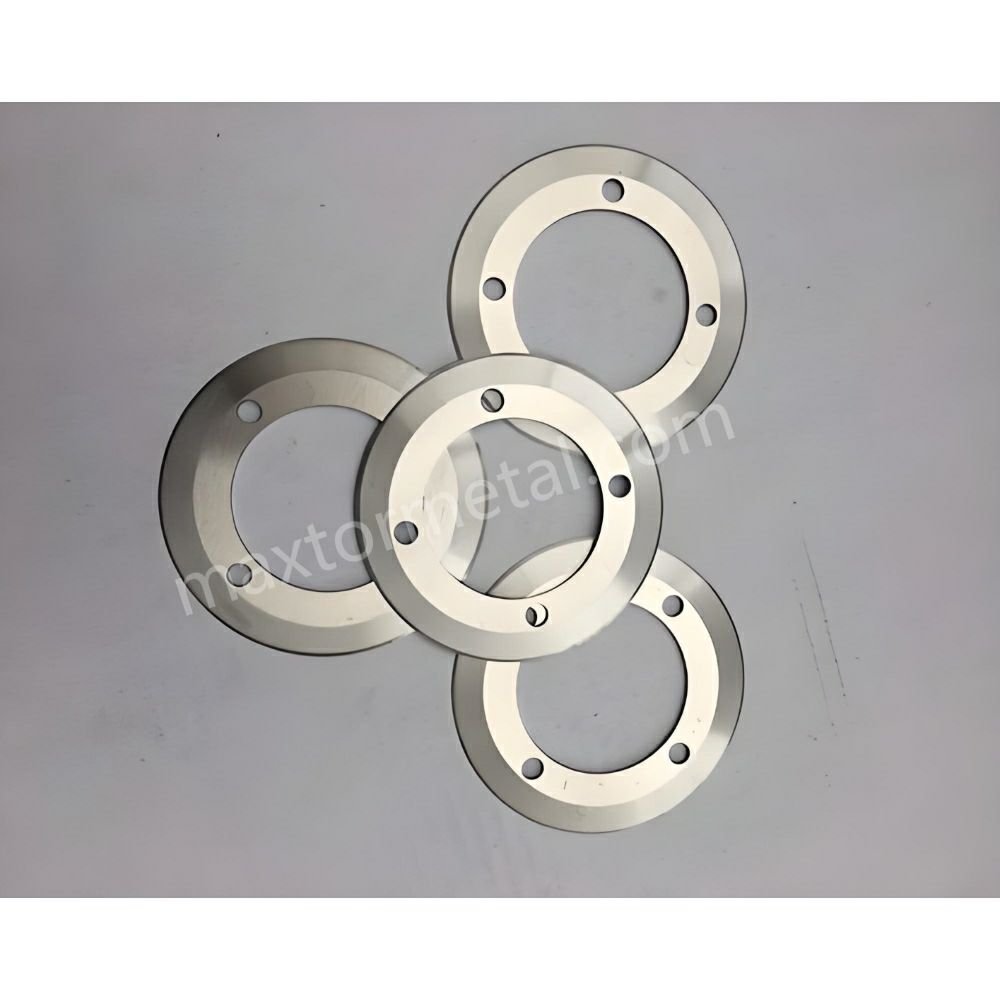
Debe informarse sobre los tipos de cuchillas de corte antes de elegir una. Cada tipo es más adecuado para un trabajo específico. Las cuchillas están hechas de diferentes materiales. Algunos materiales comunes son:
- Acero D2: Este es el material más utilizado. Es duradero y fácil de afilar. Se puede usar para plásticos y papel.
- Acero M2: Es más duro que el acero D2. Funciona bien con materiales no tejidos y dura más.
- Acero 52100: Es más económico. Se desgasta más rápido y se calienta al cortar algunos plásticos.
Las cuchillas también vienen en diferentes formas. Las cuchillas de una sola capa con filo fino son ideales para materiales duros. Las cuchillas de doble capa con filo grueso ayudan a cortar materiales delgados con gran precisión. Nanjing Metal Industrial cuenta con una gran variedad de cuchillas de corte. Puede encontrar la cuchilla adecuada para su trabajo. Si necesita una forma o tamaño especial, puede consultar... página de cuchillas personalizadas para conseguir una cuchilla hecha para su máquina.
Aplicaciones en todas las industrias
Las cuchillas de corte longitudinal son importantes en muchas industrias. Se utilizan para cortar rollos grandes en tiras más pequeñas. A continuación, se muestra una tabla que muestra dónde se utilizan estas cuchillas:
| Industria | Aplicaciones Típicas |
|---|---|
| Procesamiento de alimentos | Corte de materiales de envasado de alimentos |
| Conversión de Papel | Procesamiento de materiales para su posterior fabricación |
| Procesamiento de plásticos | Corte de películas y láminas de plástico |
| Tela y textiles | Corte de tejidos y textiles para prendas de vestir |
| Neumáticos y caucho | Corte de láminas de caucho para la producción de neumáticos |
| Manguera hidráulica | Corte de mangueras para sistemas hidráulicos |
| Industria de abrasivos | Corte de materiales abrasivos |
| Embalaje | Corte de materiales de embalaje para productos |
La industria del embalaje es la que más utiliza cuchillas de corte. También se ven en fábricas textiles, de plásticos y de alimentos. Cada trabajo requiere una cuchilla diferente. Elegir la cuchilla adecuada ayuda a obtener cortes limpios y a mantener las máquinas en buen estado de funcionamiento.
Personalización y garantía de calidad
Quiere que sus cuchillas de corte se adapten a su máquina y trabajo. Nanjing Metal Industrial puede fabricar cuchillas según sus planos o necesidades. Esto le ayuda a obtener los mejores resultados. Las cuchillas personalizadas le ayudan a evitar problemas y facilitan el corte.
La calidad es importante al elegir una cuchilla. Nanjing Metal Industrial sigue normas estrictas. La empresa tiene Certificación ISOEsto significa que se preocupan por la calidad y el rendimiento. Utilizan herramientas especiales como micrómetros y durómetros para verificar cada hoja. Puede confiar en que cada hoja cumple con altos estándares antes de recibirla.
Consejo: Compruebe siempre si su proveedor cumple con las normas de calidad. Esto le ayudará a evitar problemas posteriores con la reparación de la cuchilla de corte o el afilado de la cuchilla de la cortadora rotativa.
Al elegir la cuchilla de corte adecuada, obtendrá mejores cortes y una mayor vida útil. Unas buenas cuchillas facilitan el afilado y le ayudan a evitar costosos tiempos de inactividad.
Causas del desgaste de la cuchilla

Las cuchillas de las cortadoras rotativas trabajan duro a diario. Hay muchos factores que las desgastan. Si conoce las causas del desgaste, podrá tomar mejores decisiones. Esto le ayudará a mantener sus cuchillas afiladas por más tiempo.
Factores materiales y de uso
El tipo de material que corta influye en la duración de las cuchillas. Los materiales duros o ásperos las desgastan más rápido. Si usa cuchillas baratas para trabajos difíciles, se desafilarán rápidamente. Para trabajos cortos, las cuchillas de acero al carbono o acero inoxidable son adecuadas. Para trabajos largos, use cuchillas resistentes como las de carburo de tungsteno. Estas duran más y requieren menos afilado de la cuchilla de la cortadora rotativa.
El uso frecuente de su máquina cortadora también es importante. Si la usa mucho, las cuchillas se desafilan más rápido. El método de endurecimiento de las cuchillas cambia su funcionamiento. El endurecimiento directo fortalece toda la cuchilla. El endurecimiento superficial solo endurece el exterior. Elegir el método de endurecimiento adecuado prolonga la vida útil de las cuchillas y ahorra dinero.
Aquí hay una tabla que muestra Razones comunes por las que las cuchillas se desgastan:
| Tipo de causa | Causas específicas |
|---|---|
| Problemas mecánicos | Desalineación, demasiada presión, holgura incorrecta |
| Desafíos materiales | Materiales ásperos, materiales que no combinan |
| Factores ambientales | Óxido, demasiado caliente |
Consejo: Elija el material de cuchilla adecuado para su trabajo. Esto ayuda a prevenir el desgaste prematuro y a mantener la máquina en buen estado de funcionamiento.
Alineación y lubricación
La alineación de las cuchillas es muy importante Al cortar. Si la cuchilla no está alineada, la presión será desigual. Un lado se desgasta más rápido que el otro. Revise la alineación con frecuencia para mantener los cortes rectos y las cuchillas afiladas.
La lubricación prolonga la vida útil de las cuchillas. Usar aceite u otros lubricantes reduce la fricción y el calor. Menos calor significa menos daños a las cuchillas. La lubricación también ayuda con materiales pegajosos. Una cuchilla húmeda corta mejor los trabajos difíciles y evita la acumulación de material. Obtendrá mejores cortes y menos problemas con su cortadora.
- Una buena alineación distribuye la presión y evita el desgaste desigual.
- La lubricación reduce la fricción y el calor, por lo que las hojas duran más.
- Las cuchillas húmedas cortan materiales duros y evitan daños.
Impacto ambiental
El lugar donde se utiliza la máquina cortadora modifica la vida útil de las cuchillas. La alta humedad puede causar óxido y corrosión. El óxido debilita las cuchillas y acorta su vida útil. El aire seco hace que los materiales se vuelvan quebradizos. Se necesita más fuerza para cortar, lo que acelera el desgaste de las cuchillas.
Los cambios de temperatura también son importantes. Si la habitación está demasiado caliente o fría, las cuchillas pueden expandirse o encogerse. Esto provoca cortes deficientes y mayor desgaste. Mantenga su espacio de trabajo a una temperatura y humedad constantes. Esto prolonga la vida útil de las cuchillas y facilita el corte.
- La humedad provoca oxidación y acorta la vida útil de la cuchilla.
- El aire seco hace que los materiales se vuelvan quebradizos y más difíciles de cortar.
- La temperatura constante mantiene las cuchillas en buen estado.
Conocer estas causas le ayudará a planificar un mejor cuidado de las cuchillas. Podrá elegir las cuchillas correctas, comprobar la alineación, usar lubricación y controlar su entorno. Esto mantiene el buen funcionamiento del proceso de corte y las cuchillas afiladas.
Señales que indican que es necesario afilar

Debe saber cuándo es necesario afilar las cuchillas de su cortadora rotativa. Si detecta problemas a tiempo, sus máquinas podrán seguir funcionando correctamente. Esto también le ayuda a evitar errores costosos. Revisar las cuchillas con frecuencia le ayuda a detectar problemas antes de que empeoren.
Daños en los bordes y opacidad
Las cuchillas de corte trabajan duro a diario. Con el tiempo, los bordes pueden dañarse o desafilarse. Debe estar atento a estas señales de advertencia:
Astillas o muescas visibles
Si observa pequeñas astillas, abolladuras o grietas en el filo, la cuchilla se está desgastando. Estos problemas pueden ocurrir después de cortar materiales duros o ásperos. Si observa astillas o muescas, afile la cuchilla de su cortadora rotativa pronto.
Bordes redondeados o romos
Una hoja afilada tiene un filo limpio y definido. Si el filo se ve redondo o romo, no cortará bien. Podrías ver que la hoja se arrastra en lugar de cortar. Esto dificulta el corte y lo hace menos preciso.
Mayor resistencia al corte
Si necesita más fuerza para cortar, probablemente la cuchilla esté desafilada. Podría sentir una resistencia adicional o ver que la máquina trabaja más. Esto somete a la cortadora a mayor tensión y ralentiza la producción.
Consejo: Revise sus cuchillas con frecuencia. Las revisiones regulares le ayudarán a detectar daños en los filos y falta de filo antes de que causen problemas mayores.
- Astillas, abolladuras o grietas en el borde
- Material pegado a la cuchilla u óxido
- Las cuchillas desafiladas o dañadas hacen que las máquinas trabajen más
Disminución de la calidad del corte
El buen corte de tu cuchilla demuestra su estado. Si tus cortes se ven peor de lo normal, revisa las cuchillas.
Bordes ásperos o dentados en el material
Las cuchillas afiladas hacen cortes suaves y rectos. Las cuchillas sin filo dejan bordes ásperos o dentados. Es posible que vea deshilachados o rasgados en el material. Esto significa que necesita afilar la cuchilla.
Aumento de la formación de rebabas
Las rebabas son pequeñas partículas que quedan en el filo después de cortar. Si ve más rebabas, la cuchilla no está lo suficientemente afilada. Las rebabas pueden causar problemas más adelante y desperdiciar más material.
Anchos de corte inconsistentes
Todas las tiras deben tener el mismo ancho. Si algunas tiras son más anchas o más delgadas, la cuchilla podría estar desafilada o dañada. Los cortes desiguales desperdician material y aumentan el trabajo.
Así es como el filo de la cuchilla afecta tu producción:
| Aspecto | Impacto de cuchilla afilada | Impacto de hoja desafilada |
|---|---|---|
| Precisión y exactitud | Cortes limpios y rectos que cumplen con las especificaciones | Desgarro o deshilachado, lo que da lugar a cortes desiguales |
| Calidad del borde | Bordes lisos, limpios y libres de defectos. | Bordes ásperos e irregulares que causan problemas de procesamiento |
| Desperdicios materiales | Reducción de residuos gracias a un corte eficiente | Aumento del desperdicio por desgarro o deshilachado |
| Desgaste de la máquina | Less stress on machine, extending lifespan | Increased wear and tear, leading to more maintenance |
Note: Watch for rough edges, burrs, and uneven strips. These signs mean your blade needs sharpening.
Increased Vibration or Noise
Your slitter machine should run quietly and smoothly. If you notice more vibration or noise, your blade may have a problem.
Unusual Sounds During Operation
If you hear loud or strange sounds while cutting, your blade could be dull or damaged. These noises mean the blade is having trouble cutting.
Excessive Machine Vibration
A sharp blade helps your machine run with less shaking. If vibration goes up, your blade might be worn out. Too much vibration can also hurt your machine over time.
Irregular Cutting Rhythm
You want your slitting to move at a steady pace. If the rhythm becomes jumpy or uneven, your blade may need sharpening.
Here is how vibration and noise relate to blade health:
| Punto de evidencia | Descripción |
|---|---|
| Vibration Changes | The way a cutter vibrates changes when it breaks down, showing its health. |
| Velocity Analysis | Bad wear changes the speed of the blade, moving away from normal. |
| RMS Measurement | The root mean square of acceleration drops a lot with more wear, showing blade sharpness and machine health. |
Tip: Listen to your machine. Strange sounds and more vibration often mean it is time to sharpen your rotary slitter blade.
You should make a sharpening schedule based on how much you use your slitting machines. Checking your blades often helps you find problems early. If you see any of these signs, sharpen your blades right away to keep your work running well.
Guía de afilado de cuchillas para cortadora rotativa
Seguridad y preparación
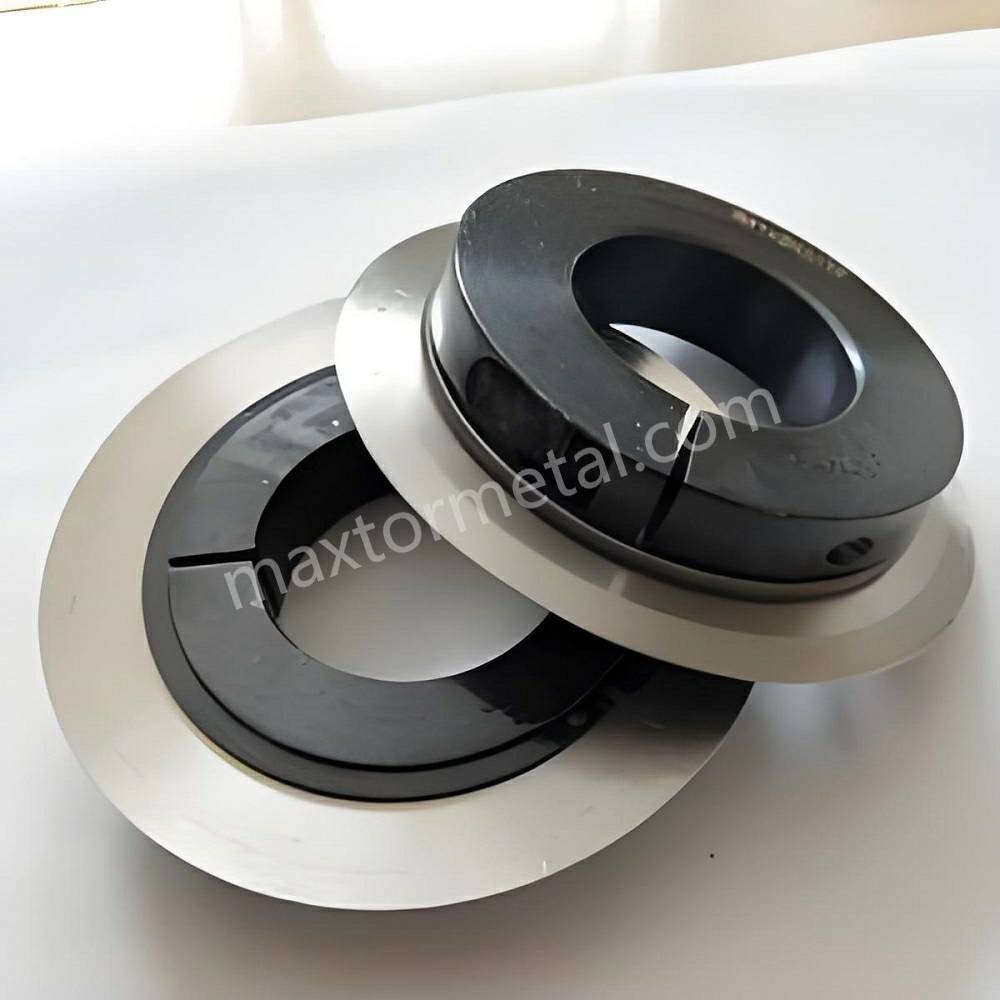
You should always think about safety first before sharpening rotary slitter blades. Sharp blades and strong machines can hurt you if you are not careful. Here are some safety steps you need to follow before starting:
- Wear the right gear. Put on safety glasses, gloves that protect from cuts, and strong shoes.
- Learn how your slitter machine works. Read the manual and know how to put in the blade.
- Turn off the machine. Use lockout/tagout so it cannot start by accident.
- Be careful when holding blades. Hold them by the middle or sides, not the sharp edge.
- Lift blades the right way. Protect your back and do not twist.
- Keep your work area neat. Take away anything that could get in your way.
- Follow all rules from the maker.
- Look at blades and machine parts for damage before using them.
- Stay away from moving blades. Never put your hands in the machine when it is on.
- Ask someone for help if you do not know what to do.
Tip: A tidy workspace and the right gear help stop accidents when fixing or sharpening slitting blades.
Extracción e inspección de la cuchilla
You have to take the blade out of the slitter machine before sharpening. Always look at the manual to see how to do this the right way. Use the tools the manual says and do not touch the sharp edge. Put the blade on a flat, safe surface to check it.
Look at the blade closely. Use a magnifying glass or a bright light to find chips, cracks, or worn spots. If you see uneven wear, it could mean the blade was not lined up or did not have enough oil. Write down what you find for your records.
Clean the blade with a soft cloth and the right cleaner. Wipe off all dirt, oil, or sticky stuff. This helps you sharpen better and keeps your grinding jig clean.
Note: Checking and cleaning the blade helps you find problems early and get ready for good sharpening.
Sharpening Tools and Angles
Afilado manual vs. a máquina
You can sharpen slitting blades by hand or with a machine. Each way has good and bad points. The table below shows how they are different:
| Método | Ventajas | Desafíos |
|---|---|---|
| Afilado manual | Cheap to start, you control it, easy to move, helps you learn skills | Takes more time, needs skill, results can change, not good for big jobs |
| Afilado de máquinas | Always sharp, saves time, easy to use, saves money later, can do many jobs, safer | Costs more at first, may need repairs |
Manual sharpening uses hand tools like stones or files. You control how you hold the blade and how hard you press. This is good for small fixes or making the edge just right. Always hold the blade tight in a vise and keep the same angle.
Machine sharpening uses grinders or special sharpening machines. This is best for blades that are very dull or need the edge to be even. Use a grinding jig to hold the blade still and set the angle.
Tip: Use hand sharpening for quick fixes. Use a machine for full sharpening and even results.
Recommended Angles and Techniques
You need the right angle and way to sharpen rotary slitter blades. Most blades work best at a 45-degree angle. Use a grinding jig to keep the blade steady and set the angle. Start sharpening slowly, like 0.02 mm each time. This stops the blade from getting too hot and keeps it sharp.
Watch the blade’s heat as you sharpen. Too much heat can hurt the blade and make it not last as long. Stop and let it cool if it gets hot. Check the edge often for chips or rough spots.
After sharpening, test the blade with tin foil. Hold a piece of tin foil and try to cut it. A sharp blade will cut it clean without ripping. Clean the blade again before putting it back in the machine.
Nanjing Metal Industrial says to use good grinding wheels and dress the wheel often. This keeps the wheel working well and helps you get a sharp edge. Always follow their tips for blade type and shape.
Note: Using the right jig and sharpening method helps you get a sharp blade and makes it last longer.
Testing Sharpness and Reinstallation
After sharpening your rotary slitter blade, you need to make sure it is truly sharp before putting it back into your machine. A sharp blade helps you get clean slitting results and keeps your production running smoothly.
How to Test Blade Sharpness
You have a few simple ways to check if your blade is ready for slitting:
- Try making a light scratch on the material you usually cut. If the blade slices through easily, it is sharp enough for slitting. If you feel it dragging or see burrs, you may need to sharpen it again.
- Use the tin foil test. Hold a piece of tin foil and gently cut it with the blade. A sharp blade will cut the foil cleanly without tearing.
- Look at the edge under good light. A sharp edge will reflect very little light. If you see shiny spots, those areas might still be dull.
Tip: Always use a grinding jig to keep your sharpening angle steady. This helps you get a sharp and even edge every time.
Final Inspection Before Reinstallation
Before you reinstall the blade, check these points:
- Inspect the edge for chips, cracks, or uneven spots.
- Make sure the blade is clean and free from oil or dust.
- Confirm the blade thickness and shape match your slitter machine’s requirements.
Reinstalling the Blade
Follow these steps to put the blade back into your slitter:
- Place the blade carefully onto the machine spindle. Avoid touching the sharp edge.
- Use the grinding jig if your machine setup requires precise alignment.
- Tighten all fasteners to the manufacturer’s recommended torque.
- Spin the blade by hand to check for wobble or misalignment.
Test Run and Adjustment
After you reinstall the blade, run a short test with scrap material. Watch for these signs:
- The slitting process should feel smooth and steady.
- The cut edges should look clean, with no burrs or rough spots.
- Listen for any strange noises or extra vibration.
If you notice problems, stop the machine and check the blade’s position. Adjust as needed to get the best slitting results.
Mantenimiento de registros
Keep a log of each sharpening and installation. Write down the date, the sharpening method, and any issues you found. This helps you track blade performance and plan future maintenance.
Note: Careful testing and reinstallation help you get the most from your slitting blades. Good habits keep your production safe and efficient.
Mejores prácticas de mantenimiento
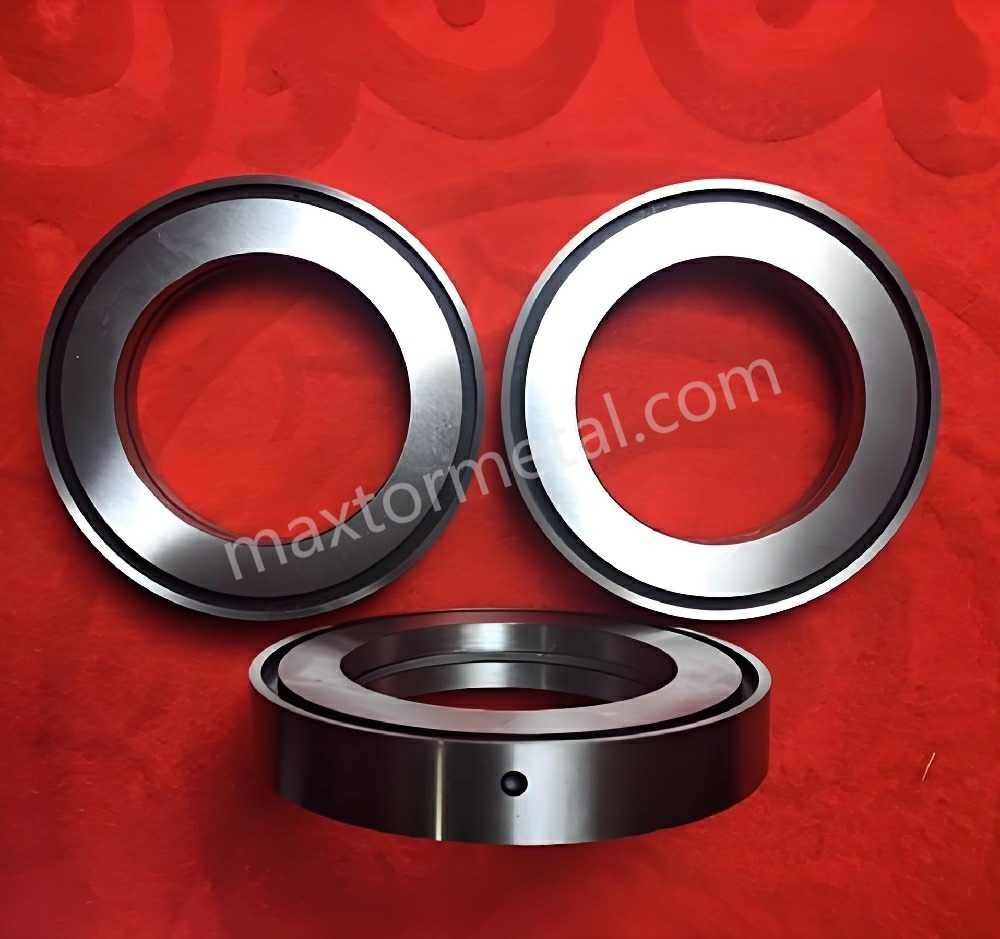
Inspección y limpieza
You can make rotary slitter blades last longer with regular checks and cleaning. Check if the blade is sharp often. Look for nicks, chips, or uneven spots. If you see these, sharpen or replace the blade. Use a bright light or a magnifying glass to find small problems early.
Cleaning is just as important as checking. Always clean every part of the blade system. Pay extra attention to the cutting and rewinding areas. Use gentle cleaners that will not scratch. This stops dust and dirt from building up. Clean blades and holders help stop damage and make future care easier.
Check if the blade system is lined up and works right during each check. Make sure all parts fit and move as they should. A full check helps you find problems before they get worse.
Tip: Checking and cleaning your blades often keeps them sharp and helps your machine work well.
Lubrication and Storage
Lubrication and storage are very important for blade life. Clean your blades after every use. Wipe off anything that could make the edge dull. Put oil or lubricant on the blade and moving parts. Lubrication lowers friction and stops blades from getting too hot.
Keep your blades in a dry place with good air. Wet places can cause rust and make blades wear out faster. Use blade covers or cases if you can. This keeps the edge safe from bumps and stops dust from getting on it.
Doing these things makes caring for blades easier and helps them last longer.
- Clean blades after you use them.
- Lubricate to stop friction and heat.
- Store in a dry, safe spot to stop rust.
Note: Storing and oiling blades the right way keeps them safe and means you do not have to fix them as much.
Staff Training and Record-Keeping
Your team needs to know how to care for blades safely and well. Make a training plan for everyone who works with rotary slitter blades. Show them how to check, clean, oil, and store blades the right way.
Keep good records of all blade care. Use a system to track when you check, clean, or change blades. Write down who did the work and what safety steps they used. Keep your list of blades and note any time machines stop working.
Follow these steps for better blade care:
- Make a clear way to keep records.
- Keep your blade and equipment list up to date.
- Write down all care steps right away.
- Add names and safety steps to your notes.
- Track when you do care and stick to the plan.
- Write down what you find during checks.
- Note when machines stop and why.
- Keep records safe and easy to find.
- Look at your records to find patterns.
- Change your care plan as you learn more.
Tip: Training your team and keeping good records helps you find problems early and keeps your blade care strong.
Cuándo reemplazar las cuchillas de corte

Rotary slitter blades work hard every day. Even if you take good care of them, you will need to replace them at some point. Knowing when to get a new rotary slitter blade keeps your work safe and saves money.
Daño irreparable
Some damage cannot be fixed at all. You need to find these problems early so your machine stays safe and your products stay good.
Severe Chipping or Cracks
Check your rotary slitter blades for big chips or deep cracks. These can happen if you use the wrong blade material or hardness. Too much pressure or wrong cutting space can also cause chipping. If you see big chips or cracks, you cannot fix the blade. You must get a new one right away to keep your machine safe.
- Big chips on the edge
- Deep cracks that go through the blade
- Broken parts that make the blade weak
If you see any of these, stop using the blade right away. Using a broken blade can break your machine or make it unsafe.
Deformation or Warping
A rotary slitter blade needs to stay flat. If you see bending or warping, the blade will not cut straight. This can happen after a hard hit or after using it for a long time. A bent blade will not line up right, so your cuts will be bad and your machine will wear out faster. You cannot fix a blade that is bent. Get a new one to keep your cuts good.
Failed Repair Attempts
Sometimes you try to fix or sharpen a blade, but it still does not work. If you have tried to fix it and it still cuts badly, you need to replace it. Using a blade that cannot be fixed can hurt your machine or ruin your products.
You cannot fix a rotary slitter blade if:
- It is made from the wrong material or hardness
- It chipped from too much pressure
- It has cracks that make it weak
- It is bent from a hit or heat
Wear Limits and Cost Analysis
Do not wait for a blade to break before you replace it. Blade makers give you rules to help you know when to get a new rotary slitter blade. Following these rules keeps your work safe and your cuts clean.
Manufacturer’s Wear Specifications
Blade makers tell you when to replace a rotary slitter blade. You can check blade wear at the tips with a special tool called a profilometer. For example, when cutting paper that weighs 70 grams per square meter, you may see worse cuts when the open cut distance is 350 micrometers. Many makers say to watch this number as a sign of wear.
- Use a profilometer to check blade tip wear
- Watch the open cut distance for dullness
- Follow the maker’s rules for your job
Minimum Safe Thickness
Every rotary slitter blade has a minimum safe thickness. If your blade gets too thin, it can break or bend while you use it. Thin blades also do not cut well and can be dangerous. Always check the blade’s thickness before and after sharpening. If it is too thin, get a new blade.
| Estado de la cuchilla | Acción necesaria |
|---|---|
| Above minimum thickness | Keep sharpening |
| At minimum thickness | Get ready to replace |
| Below minimum thickness | Replace right away |
Never use a blade that is too thin. It can break and cause accidents.
Cost-Benefit Evaluation
You want to get the most use from every rotary slitter blade. Sharpening helps blades last longer and saves money. But you need to know when sharpening is not worth it anymore.
Ask yourself these questions:
- Does the blade show too much wear?
- Are there cracks you can see?
- Has the blade lost its shape?
- Does it still cut badly after sharpening it a few times?
If you say yes to any of these, it is time to get a new blade.
Taking care of blades and sharpening them helps you avoid changing them too soon. Sharp blades help your machines work better and make your products look good. This saves money because you do not have to stop work or throw away bad products. But if you keep sharpening a blade that is already worn out, you could break your machine or waste more material.
Tip: Replace rotary slitter blades when using them could cost you more, like stopping work, making more scrap, or breaking equipment.
Knowing when to get new rotary slitter blades keeps your work safe and saves money. Always follow the maker’s rules and check your blades often. This helps you avoid surprises and keeps your machines running well.
Cómo elegir un servicio de afilado
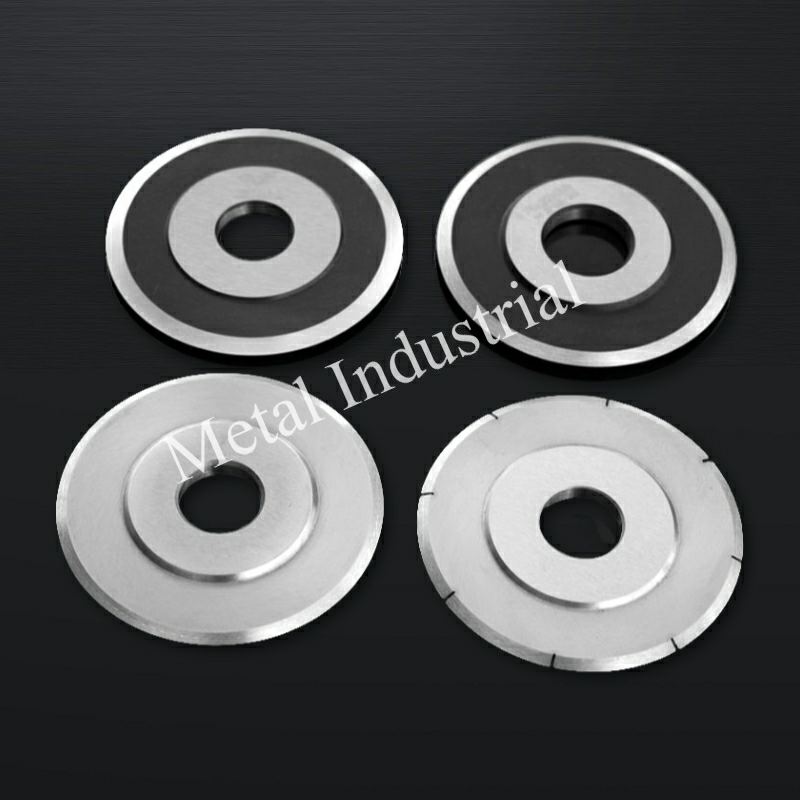
Rotary slitter blade sharpening helps your machines work well. Picking the right sharpening service is important. Not every provider does a good job or takes care of your blades. Here are ways to choose the best service.
Qué buscar
You need a sharpening service that fits your needs. Follow these steps to help you pick:
- Check how they sharpen blades. Good providers use safe methods that keep blades sharp longer.
- See what machines they use. New machines help blades work better and last longer.
- Ask about safety rules. A good service keeps workers and blades safe.
- Make sure they can do special jobs if you need them.
A provider who does these things will help your rotary slitter blades last longer. You want blades that cut well and work safely.
Questions to Ask
Before you pick a rotary slitter blade sharpening service, ask some questions:
- What blade types and materials do you work with?
- How do you check blade quality after sharpening?
- How long does sharpening take?
- Can you sharpen special blades?
- What safety steps do you use?
- Do you keep records for each job?
These questions help you know if the provider understands your needs. You also find out if they can do special jobs or finish quickly.
Tip: A good sharpening service will answer your questions and show you how they work.
Benefits of Professional Services
Professional rotary slitter blade sharpening services give you many benefits. Your blades stay sharp longer and cut better. Skilled workers use the right tools and angles so blades work like new.
Here are some good things you get:
- High-quality sharpening every time
- Less downtime because blades last longer
- Fewer blade replacements, so you save money
- Safer machines with blades sharpened the right way
You can trust providers like Nanjing Metal Industrial for good sharpening and help. Their team uses modern machines and checks quality carefully. This means your blades work well and help your business do better.
Note: Picking the right sharpening service keeps your rotary slitter blades working well, saves money, and makes your workplace safer.
Errores comunes de afilado

Sharpening your rotary slitter blades helps them work well. But if you do not follow the right steps, you can make mistakes. These mistakes can make blades wear out faster. They can also make cuts look bad or even hurt your machine. Here are some mistakes you should try to avoid.
Over-Sharpening
Some people think sharpening blades a lot is good. But sharpening too much is not helpful. Every time you sharpen, you take off a little metal. If you do this too often, the blade gets thin and weak. Thin blades can break easily and do not cut as well.
Signs of Over-Sharpening:
- The blade edge looks very thin or not even.
- The blade breaks or chips while you use it.
- You have to replace blades more often.
Tip: Only sharpen your rotary slitter blades when they are dull or damaged. Write down each time you sharpen a blade to keep track.
Wrong Angles or Tools
If you use the wrong angle or tool, you can ruin your rotary slitter blade. Each blade needs a certain angle to cut best. The wrong angle makes the edge weak or dull. Using the wrong tool can make the blade uneven or too hot.
Common Problems:
- Sharpening at an angle that is too steep or too flat.
- Using a grinding wheel that is dull or dirty.
- Not holding the blade tight while sharpening.
| Error | Resultado | Cómo evitarlo |
|---|---|---|
| Wrong angle | Bad cuts, blade wears fast | Use the angle in the manual |
| Wrong tool | Uneven edge, blade damage | Use the right grinder |
| No jig or guide | Wavy or uneven edge | Use a sharpening jig |
Note: Always use the angles and tools the blade maker says to use. This helps you get a sharp edge that lasts longer.
Ignoring Maintenance Schedules
If you skip regular checks and sharpening, you can have big problems. Blades get dull and do not cut well. Dull blades make your machine work harder. This can break your machine.
What Happens When You Ignore Maintenance:
- Blades get dull and do not cut well.
- Machines shake or make loud sounds.
- You waste more material and time.
Simple Maintenance Checklist:
- Check blades every week for chips or dull spots.
- Clean blades after you use them.
- Only sharpen when needed.
- Write down all care in a log.
Remember: Regular rotary slitter blade sharpening and care keep blades sharp and cuts clean. Good habits help your machines run well and stop costly mistakes.
Sharpening rotary slitter blades often helps machines work well. Sharp blades make cuts neat and smooth. Using good blades and expert sharpening saves money. It also helps you avoid machine stops. You should check, clean, and sharpen blades on a regular plan. Pick blades that fit your job best. Keep records of blade care and changes. If you need help or have questions, contacte con nuestro equipo hoy.
Preguntas frecuentes
How often should you sharpen rotary slitter blades?
You should check your blades weekly. Sharpen them when you see dullness or poor cuts. Heavy use may need more frequent rotary slitter blade sharpening.
What tools do you need for rotary slitter blade sharpening?
You need a grinding machine, a sharpening jig, and safety gear. Some people use hand stones for small touch-ups. Always follow safety rules.
Can you sharpen rotary slitter blades by hand?
Yes, you can use sharpening stones for minor fixes. For best results, use a machine for rotary slitter blade sharpening. Machines give a more even edge.
What signs show a blade needs sharpening?
Look for rough cuts, burrs, or more cutting resistance. Listen for strange noises or feel for extra vibration. These signs mean you need rotary slitter blade sharpening.
How do you test if a blade is sharp enough?
Try the tin foil test. Cut a piece of foil with the blade. A sharp blade slices cleanly. If it tears or drags, sharpen it again.
What happens if you use a dull rotary slitter blade?
A dull blade makes rough cuts and wastes material. It can damage your machine and slow down production. Always keep up with rotary slitter blade sharpening.
¿Cómo almacenar de forma segura las cuchillas de una cortadora rotatoria?
Clean and dry each blade after use. Apply a light oil to prevent rust. Store blades in a dry place, using covers or cases to protect the edges.
Can you use any sharpening angle for rotary slitter blades?
No, you should use the angle recommended by the blade maker. Most rotary slitter blade sharpening uses a 45-degree angle. The right angle keeps the blade strong and sharp.
Ver también
La Guía Definitiva para Elegir el Material de Su Cuchilla de Corte Rotativa
Cómo maximizar el filo de la cuchilla de la cortadora para obtener un rendimiento de corte superior
Cómo Lograr Cortes Perfectos con Cuchillas de Corte Rotativas para Papel

 English
  Spanish
  Italian
  French
  Portuguese
  Russian
  German
  Arabic
  Hindi
Hindi  Vietnamese
  Indonesian
  Japanese
  Korean