

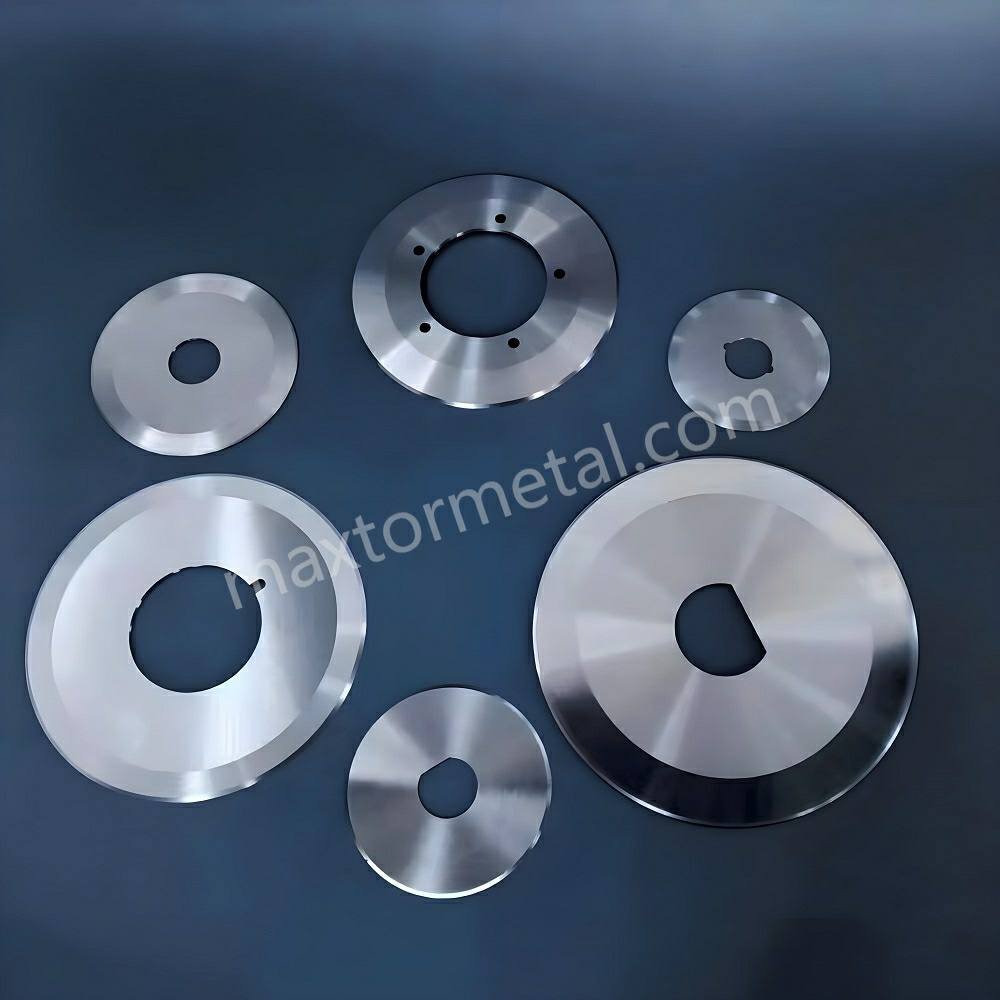
जब आप तुलना करते हैं टंगस्टन कार्बाइड बनाम स्टील blades, you notice significant differences. Tungsten carbide blades are much harder and do not wear out quickly. They maintain their sharpness even under high temperatures. On the other hand, steel blades are better at absorbing hits and shocks. Initially, steel is less expensive. The table below highlights these main differences:
| संपत्ति | टंगस्टन कार्बाइड | इस्पात |
|---|---|---|
| कठोरता | अत्यंत उच्च (8.5–9 मोह्स) | निचला भाग (ग्रेड के आधार पर 4-8 मोह्स) |
| प्रतिरोध पहन | उत्कृष्ट | अच्छा है, लेकिन जल्दी घिस जाता है |
| गर्मी प्रतिरोध | बहुत ऊँचा | मध्यम |
| जंग प्रतिरोध | उच्च | भिन्न |
| बेरहमी | मध्यम | उच्च |
| मशीन की | कठिन | आसान |
| लागत | उच्च | निचला |
Choose the blade that best suits your needs. Consider how long you want the edge to last, how tough it needs to be, and your budget.
चाबी छीनना
- Tungsten carbide blades are very hard. They do not wear out fast. This makes them good for hard cutting jobs.
- Steel blades are tougher. They can handle impacts better. This makes them good for jobs with lots of shocks.
- Think about how long blades last. Tungsten carbide lasts three to five times longer than steel. You will not need to replace them as often.
- Tungsten carbide blades stay sharp in high heat. Steel blades can get dull fast when hot.
- For wet or chemical jobs, tungsten carbide and stainless steel blades do not rust easily.
- Pick tungsten carbide if you want blades that are precise and strong. Pick steel if you want blades that bend and cost less.
- Look at your cutting needs, budget, and how much care you can give. This helps you choose the best blade material.
- Taking care of blades often makes them last longer. This saves you time and money later.
Material Overview: Tungsten Carbide vs Steel

Tungsten Carbide Blades: Properties
Tungsten carbide is used in many industrial blades. It is made from tungsten and carbon atoms. This makes it very hard and heavy. Makers add cobalt or other metals to make it tougher. These metals help hold the grains together. There are different grades for different jobs. WC + Co is used for non-ferrous materials. WC + TiC + Co is good for steel and cast iron. WC + TiC + TaC + Co works for many metals.
Here is a table that shows how tungsten carbide and steel compare:
| संपत्ति | टंगस्टन कार्बाइड | इस्पात |
|---|---|---|
| कठोरता | 87-94 HRA (1500-2400 HV) | Varies (typically lower) |
| Density | 14.5-15.9 g/cm³ | 7.85 g/cm³ |
| Compressive Strength | 2000-4000 MPa | Varies (typically lower) |
| बेरहमी | भंगुर, आसानी से टूटने योग्य | Generally tougher |
| Thermal Conductivity | कम | उच्च |
| जंग प्रतिरोध | High, but susceptible to acids | Varies (stainless steel is high) |
| Electrical Conductivity | गरीब | अच्छा |
Tungsten carbide blades are very hard and resist wear. They keep their edge for a long time. This is true even when cutting rough materials. The way the grains are arranged changes how the blade works. Fine-grain blades are very sharp and smooth. They are best for fast work and small parts. Medium-grain blades are good for most cutting jobs. Coarse-grain blades do not chip easily. They can handle hard hits and rough work.
Tip: If you need a blade for fast or long jobs, tungsten carbide blades can help you work longer and get better cuts.
How the blade is made also matters. Smaller grains make the blade stronger and harder. More cobalt makes the blade tougher. Less cobalt makes it harder but easier to break. More cobalt helps the blade last through tough cuts.
Steel Blades: Tool Steel, High-Speed Steel, Stainless Steel
Steel blades come in many types. Each type has its own good points. Tool steel blades have special elements like chromium, molybdenum, vanadium, manganese, and nickel. These elements help the blade last longer and keep its edge. High-speed steel blades can take heat and stay hard during long cuts. Stainless steel blades do not rust. This is important in wet or chemical places.
Here is a table that shows how different steel types work in blades:
| स्टील का प्रकार | मुख्य गुण | Suitability for Industrial Blades |
|---|---|---|
| मिश्र धातु उपकरण स्टील | Greater resistance to wear and improved toughness | Excellent for demanding production or packaging environments. |
| Hardened and Tempered Stainless Steel | High carbon content, hard, resistant to wear and tear | Suitable for food packaging and processing due to corrosion resistance. |
| High Carbon Chrome Steel | Greater resistance to daily use, stays sharp longer, resists corrosion | Ideal for continuous operation in production or packaging environments. |
| High Speed Steel | Can withstand heat, suitable for continuous use | Necessary for manufacturing practices requiring constant operation without service disruption. |
| स्टेनलेस स्टील | Resists corrosion due to chromium addition | Important for production and packaging, especially in moist environments. |
| 420 स्टेनलेस स्टील | Soft material, loses edge quickly | Commonly used in operations requiring regular blade replacement. |
| 440B Stainless Steel | High carbon content, more strength and resistance than 420 | Suitable for everyday use in various industrial applications. |
| 440C स्टेनलेस स्टील | High level of hardness, better edge retention, less corrosion resistance than 440B | Offers durability and effectiveness in cutting applications. |
Steel blades are strong and can be shaped easily. They can take hits and do not chip as much. Stainless steel blades are good in wet or chemical places. Tool steel blades are tough and last a long time. High-speed steel blades stay sharp during fast, hot cuts.
Note: If you need a blade with special features, you can change the material and design. You can learn more about custom blades and materials at कस्टम ब्लेड.
Key Differences in Blade Materials
Tungsten carbide and steel are different in many ways. Tungsten carbide blades are much harder and last longer. They keep their edge and cut well, even on rough materials. Steel blades are tougher and can take more hits. This helps stop chipping during hard or broken cuts.
Here are the main reasons to pick each blade:
- Tungsten carbide blades:
- Very hard
- Resist wear
- Great against abrasion
- Resist corrosion
- Resist heat
- Steel blades:
- मजबूत और कठोर
- आकार देना आसान है
Tungsten carbide blades have fine grains. This helps them resist wear and heat. Fine grains make the edge strong and even. Steel blades have special elements that make them tough and keep their edge. You can pick the right blade by thinking about wear, cut quality, toughness, and price.
If you need a blade for long jobs or rough cuts, tungsten carbide is a good choice. If you need a blade that can take hard hits, steel may be better. Knowing these differences helps you choose the best blade for your job.
Performance Comparison: Tungsten Carbide vs Steel
Wear Resistance and Edge Life
Abrasive Wear Performance
When you compare tungsten carbide and steel, you see clear differences in how they handle wear. Tungsten carbide blades are some of the best at fighting wear. They last much longer than steel blades, especially when you cut a lot. Here is what you should know:
- Tungsten carbide blades are much better at resisting wear than high-speed steel or regular carbide.
- Many people who use these blades say they last three to five times longer than steel blades. This means you do not have to change blades as often, so you can keep working.
- These blades stay sharp even when cutting tough or rough materials. You get smoother cuts and do not have to stop as much.
- Tungsten carbide blades can take heat and rubbing without losing their edge. They work well even when things get hot or rough.
If you need a blade for long or hard jobs, tungsten carbide blades are a good pick. They help you save money and spend less time fixing or changing blades.
Sharpening and Maintenance Needs
Keeping a blade sharp is important for any cutting job. Tungsten carbide blades stay sharp much longer than steel blades. Here are some things to remember:
- You will need to sharpen steel blades more often because they wear out faster.
- Tungsten carbide blades do not need sharpening or replacing as much. Their high hardness makes them very good at fighting wear.
- Steel blades are not as hard, so they lose their edge faster when cutting rough stuff. This means you have to stop more often to sharpen them, which costs more.
- If you want a blade that stays sharp and does not need much care, tungsten carbide blades are a smart choice for tough jobs.
Impact and Toughness: Tungsten vs Steel
Chipping and Fracture Resistance
Toughness is important when blades get hit or dropped. Here is a simple table to show how tungsten carbide and steel compare:
| सामग्री | बेरहमी | संघात प्रतिरोध |
|---|---|---|
| टंगस्टन कार्बाइड | Lower (brittle) | Poor (can crack) |
| इस्पात | Higher (ductile) | Better (absorbs impact) |
Tungsten carbide blades are very hard, but they can chip or crack if you drop them or hit them on something hard. Steel blades, especially tungsten steel, are tougher and can take more hits without breaking. If your work has lots of bumps or shocks, steel blades might be better.
Handling Shock Loads
Some jobs need blades that can take lots of hits. Tungsten carbide blades can do this, but you need to pick the right kind. Here are some key points:
- टंगस्टन कार्बाइड ब्लेड can take many hits because they are hard and have cobalt to make them tougher.
- Steel blades get dull fast when used for heavy work and need sharpening more often.
- You can make tungsten carbide blades last longer by changing how much cobalt they have and the shape of the edge.
- For jobs with lots of bumps, steel blades are still tougher, but tungsten carbide blades fight wear better.
Corrosion Resistance in Industrial Use
Wet and Chemical Environments
Blades need to fight rust if you use them in wet or chemical places. Tungsten carbide blades are good at fighting rust, so they work well in many jobs. The way they are made and special coatings can help them last even longer in harsh chemicals. Here is a table to help you compare:
| ब्लेड सामग्री | जंग प्रतिरोध | Lifespan in Wet Environments | नोट्स |
|---|---|---|---|
| टंगस्टन कार्बाइड | उच्च | लंबे समय तक | Excellent for tough materials |
| कार्बन स्टील | कम | छोटा | Prone to rust and corrosion |
| स्टेनलेस स्टील | उच्च | लंबे समय तक | Ideal for humid and corrosive environments |
Tungsten carbide blades work well in wet and chemical places. Stainless steel blades also fight rust, but carbon steel blades rust fast.
Maintenance Implications
If you use blades in tough places, you want to spend less time fixing them. Tungsten carbide blades need less care because they fight both wear and rust. You do not have to replace them as much, so you save time and money. Steel blades, especially carbon steel, need more care and may not last as long in wet or chemical places.
Tip: If you want a blade that lasts longer and needs less care in tough places, pick tungsten carbide or stainless steel.
This comparison shows that tungsten carbide blades are great at fighting wear, staying sharp, and lasting in tough jobs. Steel blades are better at taking hits and are easier to fix if your job has lots of bumps. By knowing these differences, you can pick the best blade for your work and get good cuts for your money.
Heat Resistance and Stability
High-Temperature Applications
Heat is a big problem when cutting things in factories. Some blades get dull or change shape if they get too hot. You need blades that work well even when it is very hot. Tungsten carbide and steel blades act differently in heat.
Tungsten carbide blades can handle much higher heat than steel blades. Look at this table to see the difference:
| सामग्री | Max Operating Temperature |
|---|---|
| K10 Tungsten Carbide | 800–1,000°C |
| हाई-स्पीड स्टील (एचएसएस) | 500–600°C |
If you cut things that get really hot, tungsten carbide blades stay hard and sharp longer. Steel blades start to get dull when it gets hotter than 600°C. So, you can use tungsten carbide blades longer in hot places. You do not have to stop often to cool or change blades. This helps you save time and money.
Tip: If your job makes a lot of heat, like cutting metal fast, pick blades that can take high temperatures.
Blade Deformation Risks
Heat can do more than make blades dull. It can make blades bend or twist. This is called deformation. You want blades that stay strong and keep their shape when hot.
Tungsten carbide blades do not change much when heated. They have high thermal stability. They do not bend or break easily. Here is a table with some important facts:
| संपत्ति | Tungsten Carbide Value |
|---|---|
| तापीय स्थिरता | उच्च |
| कठोरता | चरम |
| Thermal Expansion | 5.5 μm m−1K−1 |
| Elastic Modulus | Above 700 GNm−2 |
| Compressive Strength | ~2.7 GPa |
| High Melting Point | 2870°C |
| Hot Hardness at 1400°F | Retains much of hardness |
Steel blades can take some heat but not as much as tungsten carbide. They start to bend and get soft at lower temperatures. If you use steel blades in very hot jobs, they may lose their shape and get dull faster. This can make your cuts worse and you will need to change blades more often.
Note: For cutting in hot places, tungsten carbide blades stay strong and do not bend. This helps you get better cuts and spend less time changing blades.
Tungsten Carbide vs High-Speed Steel: Key Differences
Cutting Speed and Hardness
When you compare tungsten carbide vs high-speed steel, you see big differences in how blades perform. Tungsten carbide blades have much higher hardness than high-speed steel blades. This means you can use them for faster cutting and tougher jobs. Look at the table below to see how these materials stack up:
| सामग्री | Hardness (Vickers HV) | काटने की गति (मी/मिनट) |
|---|---|---|
| टंगस्टन कार्बाइड | 1600 – 2200 | 160 |
| उच्च गति स्टील | 700 – 900 | 70 |
Tungsten carbide blades keep their edge longer and cut through hard materials with less wear. You can run machines at higher speeds, which helps you finish jobs faster. High-speed steel blades work well for slower cutting and softer materials. You may need to replace or sharpen them more often if you use them for tough jobs.
Tip: If you want blades that last longer and cut faster, choose tungsten carbide blades for your industrial needs.
Toughness and Impact Handling
Toughness tells you how well blades handle hits and shocks. Tungsten carbide blades are very hard, but they can break or chip if you drop them or use them in rough conditions. High-speed steel blades are tougher and can take more hits without breaking. Here is a table to help you compare:
| सामग्री | बेरहमी | संघात प्रतिरोध |
|---|---|---|
| टंगस्टन कार्बाइड | Low toughness | Low impact resistance |
| उच्च गति स्टील | उच्च कठोरता | High impact resistance |
You can use high-speed steel blades for jobs where the blade might hit hard spots or where the cutting is not smooth. These blades bend a little instead of breaking. Tungsten carbide blades need rigid machines and steady cutting. If you use them for interrupted cuts or rough work, they may chip.
- Tungsten carbide blades need careful handling. They work best in steady, controlled cutting.
- High-speed steel blades are less likely to chip or break. You can use them for interrupted cuts and jobs with lots of vibration.
Note: If your job has lots of shocks or uneven cutting, high-speed steel blades give you better safety and reliability.
आवेदन उपयुक्तता
You need to pick the right blades for your job. Tungsten carbide blades work best for jobs that need high speed, sharpness, and long life. You see these blades in precision machining, metal working, and places where tool reliability matters most. They resist wear and deformation, so you spend less on replacements and maintenance over time.
High-speed steel blades fit jobs with lots of impact or interrupted cutting. You use them in machines that do not run at very high speeds. These blades cost less at first and are easier to sharpen or replace.
Here are some places where each blade works best:
- Tungsten carbide blades:
- परिशुद्ध मशीनिंग
- Metal working
- Industries needing reliable, long-lasting blades
- High-speed steel blades:
- General cutting with lower speeds
- Jobs with interrupted cuts
- Applications where toughness is more important than hardness
Tip: Think about your cutting speed, the hardness of the material, and how much impact your blades will face. This helps you choose the right blade and control your cost.
You see that tungsten carbide vs steel is a common choice in industrial blade selection. When you compare tungsten carbide vs high-speed steel, you find that each material has strengths for different jobs. Tungsten carbide blades give you speed and wear resistance. High-speed steel blades give you toughness and impact handling. You need to match the blade to your job for the best results.
Cost and Value: Tungsten Carbide vs Steel
Initial Cost Comparison
Tungsten carbide blades cost more than steel blades at first. You pay extra because they are harder and last longer. Steel blades, even tungsten steel ones, are cheaper to buy. This makes steel blades good if you need a lot for your work.
Why do tungsten carbide blades cost more? The material is tough to make and shape. Makers use special steps to make these blades strong. If you want custom blades for special jobs, the price goes up.
Tip: If you only need blades for short jobs or light work, steel blades save you money at first. For hard or long jobs, tungsten carbide blades are worth more.
Blade Lifespan and Replacement Frequency
Think about how long your blades last and how often you change them. Tungsten carbide blades last much longer than steel blades. They last about तीन गुना अधिक than high-speed steel blades. You spend less time changing blades and more time working.
Here is a table that shows how long blades last and how often you need new ones:
| ब्लेड का प्रकार | जीवनकाल तुलना | Replacement Frequency Comparison |
|---|---|---|
| टंगस्टन कार्बाइड | About three times longer than HSS | Lower than HSS |
| हाई-स्पीड स्टील (एचएसएस) | कम जीवनकाल | Higher replacement frequency |
- Tungsten carbide blades last much longer than HSS blades.
- Sharpening blades often can make them last about 40% longer.
Tungsten carbide blades are known for being tough. You do not need to change them as much as steel blades. This saves you time and money at work. Using blades that last longer also means your machines run better and stop less.
Long-Term Cost-Effectiveness
Is it smart to pay more for tungsten carbide blades? It depends on your needs and how you use them. Tungsten carbide blades help you save money over time in many jobs. You pay more at first, but you save later.
Look at this table to see how blade costs add up over five years:
| सामग्री | प्रारंभिक लागत | रखरखाव और प्रतिस्थापन | Total 5-Year Cost |
|---|---|---|---|
| Bronze | $100 | $500 | $600 |
| स्टेनलेस स्टील | $150 | $300 | $450 |
| टंगस्टन कार्बाइड | $250 | $100 | $350 |
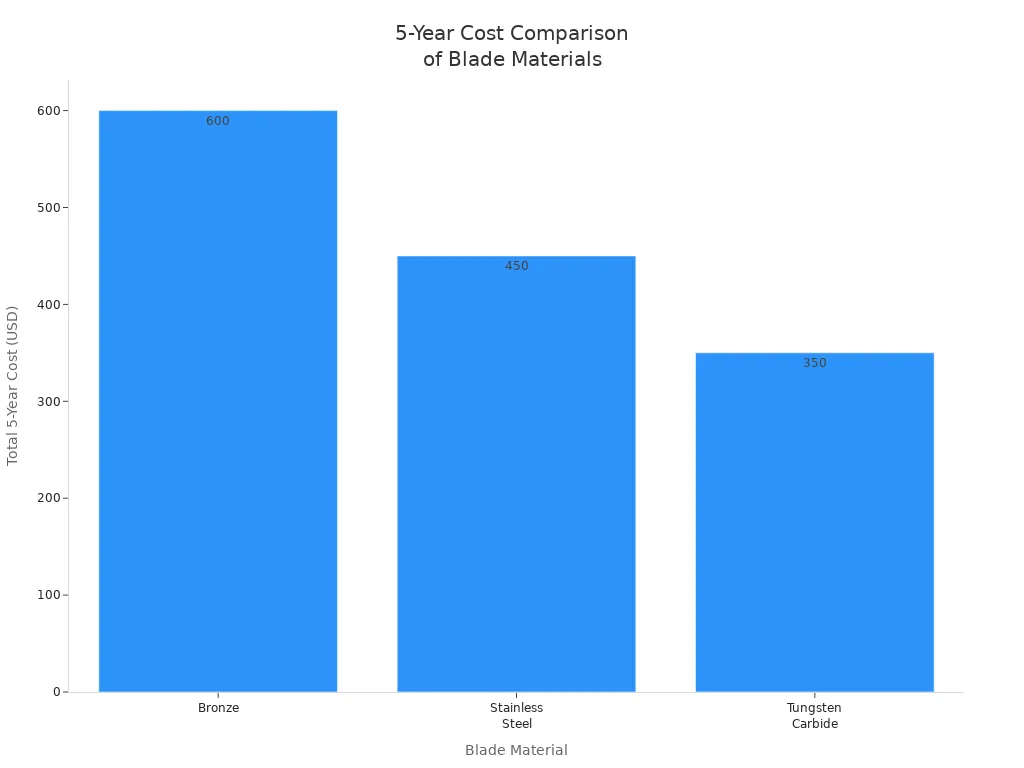
Tungsten carbide blades cost more at first, but you spend less fixing and replacing them. Over five years, they save you money compared to bronze or stainless steel blades. You also get smoother cuts, less friction, and better machine life. These blades help you stop less and use less energy, which saves even more.
- Tungsten carbide bushings keep surfaces smooth for longer, leading to:
- Less friction
- Lower heat
- Better oil film
- Longer bearing and shaft life
Even though they cost more at first, tungsten carbide blades save you over 40% in total costs compared to cheaper blades. You change them less, stop less, and use less energy. This makes tungsten carbide blades a smart way to save money in many jobs.
Note: When picking blades for your work, think about both the first price and the value over time. Tungsten Carbide vs Steel for Industrial Blades is a choice that affects your budget, your work, and your machines.
Maintenance and Downtime Impact
You should think about more than just blade price. Maintenance and downtime can change how much you spend. They also affect how well your factory works. Picking the right blade material saves time and money.
If you use tungsten steel blades or other strong blades, you stop machines less for repairs. These blades last longer. They do not need sharpening as often. Your production line keeps moving. You avoid delays that cost a lot.
Here is a table that shows how blade care affects your work:
| फ़ायदा | संचालन पर प्रभाव | Supporting Data & Explanation |
|---|---|---|
| लागत बचत | Lowers replacement and repair costs | Regular maintenance cuts blade replacement costs by 25–40%. कुछ फ़ैक्टरियाँ हर साल $10,000 बचाती हैं।. |
| विस्तारित ब्लेड जीवन | उपकरण के खर्चों को कम करता है | हीट-ट्रीटेड और कोटेड ब्लेड 5 गुना अधिक समय तक चलते हैं। समय पर रीग्राइंडिंग करने से ब्लेड की लाइफ 50% तक बढ़ सकती है।. |
| परिचालन दक्षता | कम डाउनटाइम और अधिक उत्पादन | धार लगाने, सफाई करने और ऑइलिंग करने से डाउनटाइम 20–35% तक कम हो जाता है। सुस्त ब्लेड काम की गति को 15% तक धीमा कर देते हैं।. |
यदि आप ब्लेड को तेज धारदार और साफ रखते हैं, तो उन्हें बदलने से पहले आपको अधिक कट मिलते हैं। उदाहरण के लिए, अच्छी स्थिति में एक हाई-स्पीड स्टील ब्लेड 500,000 से अधिक कट लगा सकता है। यदि आप रखरखाव छोड़ देते हैं, तो आपको केवल 300,000 कट ही मिल सकते हैं। इसका मतलब है कि आपको मशीनों को अधिक बार रोकना पड़ता है। आपका उत्पादन घट जाता है।.
डाउनटाइम आपके व्यवसाय के लिए नुकसानदेह है। हर बार जब आप ब्लेड बदलने या ठीक करने के लिए रुकते हैं, तो आपका समय और पैसा नष्ट होता है। सुस्त ब्लेड मशीनों पर अधिक दबाव डालते हैं। इससे कटिंग की गति धीमी हो जाती है और उत्पादकता 15% घट जाती है। आप लंबे समय तक चलने वाले ब्लेड चुनकर और उन्हें अच्छी स्थिति में रखकर इसे रोक सकते हैं।.
ब्लेड की लाइफ बढ़ाने के लिए आप एक नियमित रखरखाव योजना बना सकते हैं। कई कंपनियों ने पाया है कि यह आसान कदम हर साल हजारों डॉलर बचाता है। नए ब्लेड और मरम्मत पर आपका खर्च कम होता है। आपकी मशीनें बेहतर ढंग से चलती हैं।.
टिप: इस बात पर नज़र रखें कि आप ब्लेड बदलने के लिए कितनी बार रुकते हैं। यदि आप बहुत अधिक डाउनटाइम देखते हैं, तो अधिक टिकाऊ ब्लेड या बेहतर रखरखाव का प्रयास करें।.
सही ब्लेड का चयन और उनकी देखभाल आपको लागत नियंत्रित करने में मदद करती है। इससे आपकी उत्पादन लाइन निर्बाध चलती रहती है। आपको अपने पैसे का अधिक मूल्य मिलता है और अचानक होने वाले ब्रेकडाउन से बचाव होता है।.
Application Guide: When to Use Tungsten Carbide or Steel
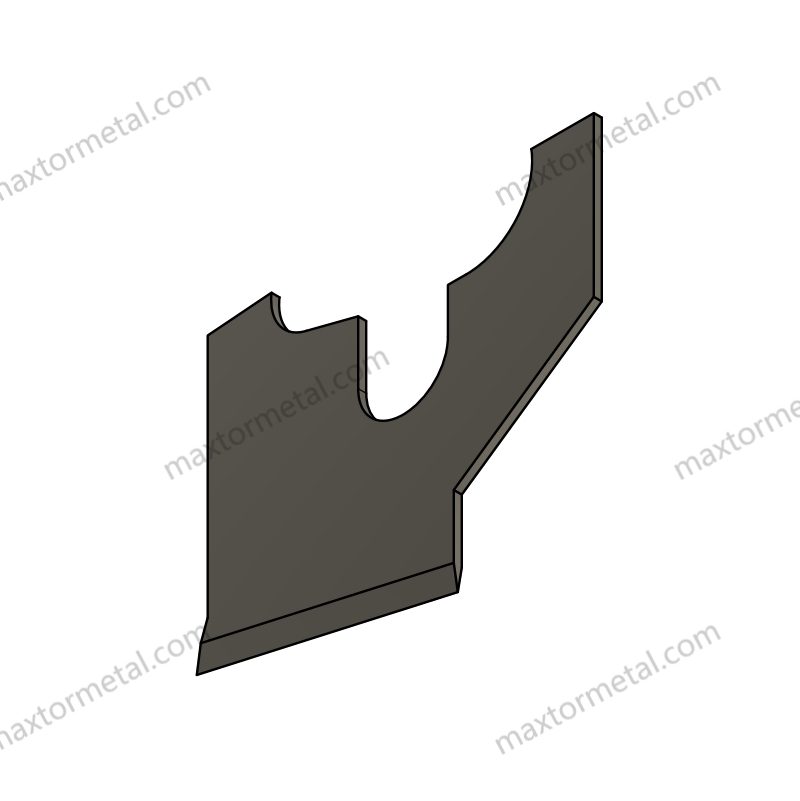
सही ब्लेड का चुनाव इस बात पर निर्भर करता है कि आप क्या काटते हैं, इसका उपयोग कितनी बार करते हैं और आपका बजट क्या है। आपको अपने कार्य के अनुसार सही ब्लेड सामग्री का चयन करना होगा। यह गाइड आपको यह जानने में मदद करेगी कि टंगस्टन कार्बाइड या स्टील ब्लेड का उपयोग कब करना चाहिए।.
टंगस्टन कार्बाइड ब्लेड के सर्वोत्तम उपयोग
टंगस्टन कार्बाइड ब्लेड तब सबसे अच्छे होते हैं जब आपको लंबे समय तक तेज धार बनाए रखने वाले ब्लेड की आवश्यकता होती है। ये उन कठिन कार्यों के लिए उत्कृष्ट हैं जहाँ ब्लेड तेजी से घिसते हैं। यहाँ उनके कुछ प्रमुख उपयोग दिए गए हैं:
- आरी और ड्रिल बिट्स जैसे निर्माण उपकरण
- औद्योगिक गियर और हवाई जहाजों के पुर्जे
- मिलिंग टूल जैसे मिल इंसर्ट्स और एंड मिल्स
- सर्जिकल उपकरण जिन्हें तेज धारदार रहना चाहिए और जिनमें जंग न लगे
- धातुओं और कंपोजिट जैसी कठोर सामग्रियों की हाई-स्पीड कटिंग और ग्राइंडिंग
- अत्यधिक कठोर सामग्रियों की कटिंग, जिसके लिए ऐसे ब्लेड की आवश्यकता होती है जिसे कई बार री-शार्प किया जा सके
टंगस्टन कार्बाइड ब्लेड उच्च तापमान वाले वातावरण में भी उत्कृष्ट कार्य करते हैं और अत्यधिक उपयोग के बाद भी अपनी धार बनाए रखते हैं। इससे आपको अधिक फिनिश्ड कट मिलते हैं और बार-बार ब्लेड बदलने की आवश्यकता नहीं होती।.
स्टील ब्लेड के सर्वोत्तम उपयोग
स्टील ब्लेड अत्यधिक मजबूत होते हैं और बिना टूटे झुक सकते हैं। यदि आपको झटके या आघात सहने वाले ब्लेड की आवश्यकता है तो स्टील ब्लेड चुनें।. नीचे दी गई तालिका दर्शाती है कि प्रत्येक स्टील ब्लेड कहाँ सबसे अच्छा काम करता है:
| ब्लेड का प्रकार | अनुप्रयोग |
|---|---|
| कार्बन स्टील | स्क्रैपर्स, पैकेजिंग, डिस्पोजेबल टूल्स |
| स्टेनलेस स्टील | खाद्य प्रसंस्करण, फार्मास्यूटिकल्स, पैकेजिंग |
| हाई-स्पीड स्टील (HSS / M2) | टेक्सटाइल कटिंग, कंपोजिट्स, सीएनसी मशीनिंग |
| एएसपी स्टील | पेलेटाइजिंग, रीसाइक्लिंग, औद्योगिक ग्रैनुलेशन |
स्टील ब्लेड को आकार देना और धार लगाना आसान होता है। आप इन्हें खाद्य और चिकित्सा संबंधी कार्यों में उपयोग कर सकते हैं क्योंकि इनमें जंग नहीं लगती। टंगस्टन स्टील ब्लेड उन कार्यों के लिए उपयुक्त हैं जहाँ मजबूती और कठोरता दोनों की आवश्यकता होती है।.
उद्योग के उदाहरण और परिदृश्य
कई उद्योग टंगस्टन कार्बाइड और स्टील ब्लेड के बीच चयन करते हैं। नीचे दी गई तालिका प्रत्येक के फायदे और नुकसान दर्शाती है:
| सामग्री | लाभ | नुकसान |
|---|---|---|
| टंगस्टन कार्बाइड | घिसाव रोधी, दीर्घकालिक टिकाऊ, उत्कृष्ट ऊष्मा सहनशीलता | उतना मजबूत नहीं, अधिक लागत |
| इस्पात | मजबूत, किफायती लागत | तेजी से घिसता है, अधिक बदलाव की आवश्यकता होती है |
उदाहरण के लिए, रीसाइक्लिंग प्लांट फिल्म स्लिटिंग और सख्त रेशों को काटने के लिए टंगस्टन कार्बाइड ब्लेड का उपयोग करते हैं क्योंकि वे अधिक समय तक चलते हैं। खाद्य कारखानों में, जंग से बचने और भोजन को सुरक्षित रखने के लिए स्टेनलेस स्टील ब्लेड का उपयोग किया जाता है। कंपोनेंट्स बनाने वाली कंपनियाँ जैसे नानजिंग Metal औद्योगिक विभिन्न कार्यों के लिए दोनों प्रकार के ब्लेड बेचती हैं। यदि आपका कोई विशेष कार्य है तो आप उनसे सहायता ले सकते हैं।.
टिप: अपना ब्लेड चुनने से पहले हमेशा इस बात पर विचार करें कि आपके लिए सबसे महत्वपूर्ण क्या है—ब्लेड की लाइफ, उसकी मजबूती, या उसकी लागत।.
Pros and Cons: Tungsten Carbide vs Steel
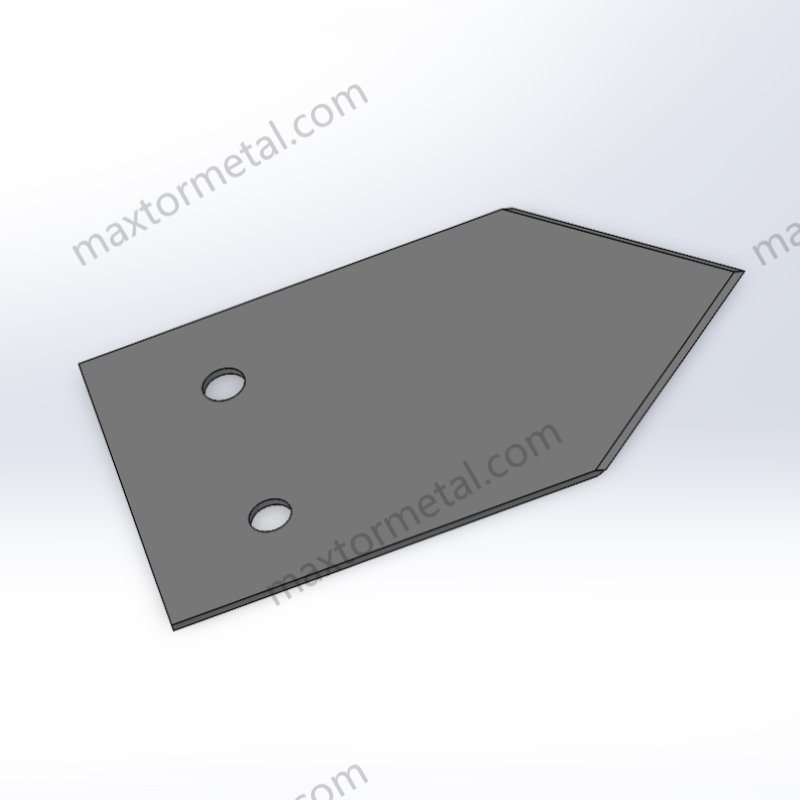
Quick Comparison Table
चयन करने से पहले आपको टंगस्टन कार्बाइड और स्टील ब्लेड की मुख्य विशेषताओं की तुलना करनी चाहिए। नीचे दी गई तालिका आपको सबसे महत्वपूर्ण बिंदुओं का त्वरित अवलोकन प्रदान करती है:
| विशेषता | टंगस्टन कार्बाइड ब्लेड | स्टील ब्लेड |
|---|---|---|
| कठोरता | बहुत ऊँचा | मध्यम से उच्च |
| प्रतिरोध पहन | उत्कृष्ट | अच्छा |
| एज रिटेंशन | दीर्घकालिक (लंबे समय तक चलने वाला) | तेजी से घिसता है |
| बेरहमी | मध्यम (चिपिंग का जोखिम) | उच्च (चिपिंग की संभावना कम) |
| संघात प्रतिरोध | निचला | उच्च |
| जंग प्रतिरोध | उच्च | प्रकार के अनुसार भिन्न होता है |
| गर्मी प्रतिरोध | उत्कृष्ट | उत्कृष्ट से मध्यम |
| लागत | उच्च | निचला |
| तीक्ष्णता आवृत्ति | कम बार | अधिक बार |
| मशीन की | कठिन | आसान |
टिप: जब आपको यह तय करना हो कि कौन सा ब्लेड आपके काम के लिए सबसे उपयुक्त है, तो इस तालिका का उपयोग करें।.
शक्तियों और कमियों का सारांश
खरीदारी करने से पहले आप प्रत्येक ब्लेड सामग्री के फायदे और नुकसान जानना चाहते हैं। टंगस्टन स्टील ब्लेड आपको अत्यधिक कठोर धार प्रदान करते हैं। इससे आपको लंबा टिकाऊपन मिलता है और धार तेज करने में कम समय लगता है। ये ब्लेड कठोर या घर्षक (abrasive) सामग्रियों को काटने के लिए उत्कृष्ट कार्य करते हैं। लंबे संचालन के दौरान ब्लेड बदलने की आवश्यकता भी कम होती है। ये गर्मी और क्षरण (corrosion) का विरोध करते हैं, जिससे आप इनका उपयोग कठिन परिस्थितियों में कर सकते हैं।.
हालांकि, आपको टंगस्टन कार्बाइड ब्लेडों को सावधानी से संभालने की आवश्यकता होती है। यदि आप इन्हें गिराते हैं या किसी रफ कटिंग के लिए उपयोग करते हैं, तो ये टूट सकते हैं या इनमें चिप्स (दरारें) आ सकती हैं। इनकी लागत अधिक होती है, इसलिए शुरुआत में आपको अधिक खर्च करना पड़ता है। इन ब्लेडों को धारदार बनाने के लिए विशेष उपकरणों की आवश्यकता होती है।.
स्टील ब्लेड आपको अधिक टफनेस प्रदान करते हैं। आप इनका उपयोग अत्यधिक इम्पैक्ट या शॉक (झटके) वाले कार्यों के लिए कर सकते हैं। ये ब्लेड टूटने के बजाय मुड़ जाते हैं। इन्हें धारदार बनाना और सही आकार देना आसान होता है। इनकी लागत कम होती है, इसलिए यदि आपको अधिक संख्या में ब्लेडों की आवश्यकता है तो आपके पैसे की बचत होती है।.
लेकिन स्टील ब्लेड तेजी से घिसते हैं। आपको इन्हें अधिक बार तेज या बदलने की आवश्यकता होती है। यदि आप नमी वाले या रासायनिक वातावरण में इनका उपयोग करते हैं, तो कुछ प्रकारों में जंग लग सकती है। यदि आप कठोर या घर्षक कार्यों के लिए स्टील ब्लेड का उपयोग करते हैं, तो आपको अधिक डाउनटाइम का सामना करना पड़ सकता है।.
- Tungsten carbide blades: लंबी सेवा अवधि, कठोर सामग्रियों और उच्च तापमान के लिए सर्वोत्तम।.
- Steel blades: इम्पैक्ट (झटकों), आसान री-शार्पनिंग और कम लागत के लिए सर्वोत्तम।.
ध्यान रखें: इस बात पर विचार करें कि आपके काम के लिए सबसे महत्वपूर्ण क्या है। क्या आपको लंबे समय तक चलने वाले ब्लेड की आवश्यकता है, या ऐसे ब्लेड की जो झटके सहन कर सकें? आपका उत्तर आपको सही ब्लेड चुनने में मदद करेगा।.
अब आपके पास दोनों प्रकार के ब्लेडों के फायदे और नुकसान का स्पष्ट विवरण है। यह आपको अपनी अगली परियोजना के लिए एक बुद्धिमत्तापूर्ण निर्णय लेने में मदद करता है।.
Choosing the Right Blade: Decision Factors
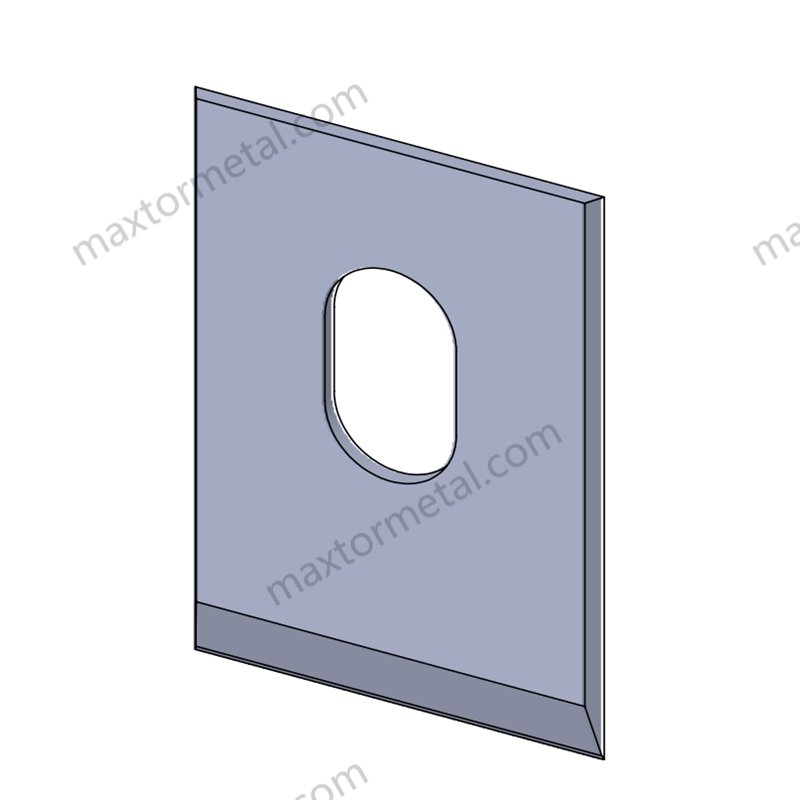
विचार करने योग्य मुख्य प्रश्न
अपने आवेदन के लिए ब्लेड का चयन करते समय, आपको स्वयं से कुछ महत्वपूर्ण प्रश्न पूछने की आवश्यकता होती है। ये प्रश्न आपके कार्य के लिए सबसे उपयुक्त ब्लेड खोजने और लंबी अवधि में लागत बचाने में मदद करते हैं। यहाँ कुछ मुख्य बातें दी गई हैं जिन पर आपको विचार करना चाहिए:
- आप सबसे अक्सर किन सामग्रियों को काटेंगे?
- आप अपने ब्लेडों पर प्रतिदिन कितने घिसाव (wear) की उम्मीद करते हैं?
- क्या आपके ब्लेड उच्च तापमान या रसायनों के संपर्क में आएंगे?
- क्या आपको ऐसे ब्लेडों की आवश्यकता है जो झटके या इम्पैक्ट सहन कर सकें?
- आप अपने ब्लेडों को कितनी बार तेज करना या बदलना चाहते हैं?
- ब्लेड खरीदने और उनके रखरखाव के लिए आपका बजट क्या है?
यदि आप इन प्रश्नों के उत्तर देते हैं, तो आप अपने विकल्पों को सीमित कर सकते हैं। आपको पता चल जाएगा कि क्या आपको लंबे समय तक चलने वाले ब्लेड, जंग-रोधी ब्लेड, या शुरुआती कम लागत वाले ब्लेड की आवश्यकता है। आपको विशेष कार्यों के लिए कस्टमाइज्ड ब्लेड प्राप्त करने की सुगमता पर भी विचार करना चाहिए।.
सुझाव: नए ब्लेड खरीदने से पहले अपने उत्तर लिख लें। इससे आपको विकल्पों की तुलना करने और त्रुटियों से बचने में मदद मिलती है।.
उपयुक्त सामग्री
सर्वोत्तम परिणामों के लिए आपको ब्लेड की सामग्री को अपने कार्य की आवश्यकताओं से मिलाना होगा। प्रत्येक प्रकार के ब्लेड की अपनी विशेषताएं और सीमाएं होती हैं। नीचे दी गई तालिका टंगस्टन कार्बाइड और स्टील ब्लेड के बीच चयन करते समय ध्यान रखने योग्य मुख्य कारकों को दर्शाती है:
| कारक | विवरण |
|---|---|
| कठोरता | ब्लेडों की धार को तेज बनाए रखता है और लंबे समय तक घिसाव से बचाता है।. |
| बेरहमी | ब्लेडों को बिना टूटे झटके और इम्पैक्ट सहन करने में मदद करता है।. |
| जंग प्रतिरोध | नमी वाले या रासायनिक वातावरण में ब्लेडों की सेवा अवधि बढ़ाता है।. |
| मशीन की | यह दर्शाता है कि कस्टमाइज्ड ब्लेड बनाना कितना आसान है, जिससे लागत और लीड टाइम प्रभावित होता है।. |
| लागत | आपको बताता है कि क्या अतिरिक्त प्रदर्शन उच्च कीमत के योग्य है, विशेष रूप से तब जब आपको अधिक संख्या में ब्लेडों की आवश्यकता हो।. |
यदि आपको कठोर या खुरदरी सामग्रियों को काटने के लिए ब्लेड की आवश्यकता है, तो टंगस्टन कार्बाइड चुनें। ये ब्लेड तेज रहते हैं और लंबे समय तक चलते हैं। यदि आपके कार्य में बहुत अधिक झटके या इम्पैक्ट शामिल हैं, तो स्टील ब्लेड बेहतर काम करते हैं क्योंकि वे टूटने के बजाय मुड़ जाते हैं। नमी या रासायनिक वातावरण वाले कार्यों के लिए, स्टेनलेस स्टील ब्लेड जंग का विरोध करते हैं और निरंतर कार्य करते रहते हैं।.
आपको अपने ब्लेडों को आकार देने या धारदार बनाने में आसानी पर भी विचार करना चाहिए। स्टील ब्लेड पर काम करना आसान होता है और इनकी लागत कम होती है। टंगस्टन कार्बाइड ब्लेड की लागत अधिक होती है लेकिन समय के साथ आपके पैसे बचाते हैं क्योंकि इन्हें कम बदलना पड़ता है।.
नोट: हमेशा ब्लेड की सामग्री का मिलान अपनी कार्य आवश्यकताओं से करें। यह आपको बेहतर कटिंग प्राप्त करने, पैसे बचाने और आपकी मशीनों को सुचारू रूप से चालू रखने में मदद करता है।.
यदि आप इन चरणों का पालन करते हैं, तो आपको अपने काम के लिए सही ब्लेड मिल जाएंगे। आपको बेहतर परिणाम मिलेंगे और समस्याओं को ठीक करने में कम समय लगेगा।.
टंगस्टन कार्बाइड और स्टील ब्लेड दोनों अलग-अलग तरीकों से उत्कृष्ट हैं। टंगस्टन कार्बाइड ब्लेड लंबे समय तक धारदार रहते हैं और जल्दी नहीं घिसते हैं। स्टील ब्लेड टफ होते हैं और इनका रखरखाव आसान होता है। आपको इस बात पर विचार करना चाहिए कि आपको क्या काटना है, ब्लेड कितना घिसेगा, और आप कितना बजट खर्च करना चाहते हैं। यदि आपका आवेदन जटिल है, तो किसी ब्लेड विशेषज्ञ या आपूर्तिकर्ता से सहायता लें। यदि आप “Tungsten Carbide vs Steel for Industrial Blades” के बारे में अधिक सुझाव चाहते हैं,” हमारे बिक्री इंजीनियरों से संपर्क करें मदद के लिए.
सामान्य प्रश्न
टंगस्टन कार्बाइड और स्टील ब्लेड के बीच मुख्य अंतर क्या है?
टंगस्टन कार्बाइड ब्लेड बहुत अधिक कठोर होते हैं और लंबे समय तक चलते हैं। स्टील ब्लेड अधिक टफ होते हैं और अधिक झटके सहन कर सकते हैं। अपने कटिंग कार्य और कार्य वातावरण के अनुकूल ब्लेड चुनें।.
क्या आप टंगस्टन कार्बाइड ब्लेड को घर पर तेज कर सकते हैं?
आप सामान्य उपकरणों से टंगस्टन कार्बाइड ब्लेड को तेज नहीं कर सकते। इसके लिए आपको डायमंड व्हील्स या किसी पेशेवर की आवश्यकता होती है। स्टील ब्लेड को साधारण तरीके से तेज करना आसान होता है।.
घर्षक (abrasive) सामग्रियों को काटने के लिए कौन सा ब्लेड बेहतर है?
घर्षक सामग्रियों को काटने के लिए टंगस्टन कार्बाइड ब्लेड सबसे अच्छे होते हैं। वे जल्दी नहीं घिसते और स्टील ब्लेड की तुलना में अधिक समय तक धारदार रहते हैं। इन्हें बदलने के लिए आपको बार-बार काम रोकने की आवश्यकता नहीं होगी।.
क्या स्टील ब्लेड खाद्य प्रसंस्करण (food processing) के लिए सुरक्षित हैं?
हां, स्टेनलेस स्टील ब्लेड खाद्य प्रसंस्करण के कार्यों के लिए सुरक्षित हैं। इनमें जंग नहीं लगता और ये स्वास्थ्य मानकों के अनुकूल हैं। भोजन के साथ उपयोग करने से पहले हमेशा ब्लेड के प्रकार की जांच करें।.
क्या टंगस्टन कार्बाइड ब्लेड में जंग लगता है?
टंगस्टन कार्बाइड ब्लेड में आसानी से जंग या क्षरण नहीं होता है। वे नमी वाले या रासायनिक वातावरण में बेहतरीन काम करते हैं। स्टील ब्लेड में जंग लग सकता है जब तक कि वे स्टेनलेस स्टील न हों।.
आपको औद्योगिक ब्लेड कितनी बार बदलने चाहिए?
ब्लेड जब धारहीन हो जाएं या ठीक से कटाई न करें, तब उन्हें बदलें। टंगस्टन कार्बाइड ब्लेड, स्टील ब्लेड की तुलना में बहुत अधिक समय तक चलते हैं। इन्हें कब बदलना है यह जानने के लिए इनके उपयोग की निगरानी रखें।.
समय के साथ कौन सा ब्लेड अधिक किफ़ायती होता है?
टंगस्टन कार्बाइड ब्लेड की शुरुआती लागत अधिक होती है लेकिन वे अधिक समय तक चलते हैं। स्टील ब्लेड सस्ते होते हैं लेकिन उन्हें जल्दी-जल्दी बदलने की आवश्यकता होती है। यदि आपका कटाई का उपयोग अधिक है, तो टंगस्टन कार्बाइड आपके पैसे बचा सकता है।.
क्या आप एक ही मशीन पर दोनों प्रकार के ब्लेड का उपयोग कर सकते हैं?
हां, यदि आपकी मशीन इसकी अनुमति देती है तो आप दोनों का उपयोग कर सकते हैं। हमेशा निर्माता के निर्देशों की जांच करें। सर्वोत्तम परिणाम प्राप्त करने के लिए अपने कटाई कार्य के अनुसार सही ब्लेड का उपयोग करें।.
यह भी देखें
टंगस्टन कार्बाइड बनाम हाई-स्पीड स्टील (HSS): आपकी कटिंग आवश्यकताओं के लिए कौन सा सही है?
सटीक कटिंग के लिए टंगस्टन कार्बाइड ब्लेड की शक्ति की खोज करें
टंगस्टन कार्बाइड ब्लेड की कला में महारत हासिल करना
टंगस्टन स्टील सर्कुलर ब्लेड की सेवा जीवन को प्रभावी ढंग से कैसे बढ़ाया जाए?
परिशुद्धता और टिकाऊपन: रबर और प्लास्टिक काटने के लिए रोटरी स्लिटर ब्लेड

 English
 Spanish
 Italian
 French
 Portuguese
 Russian
 German
 Arabic
 Hindi
 Vietnamese
 Indonesian
 Japanese
 Korean
2 प्रतिक्रियाएं