

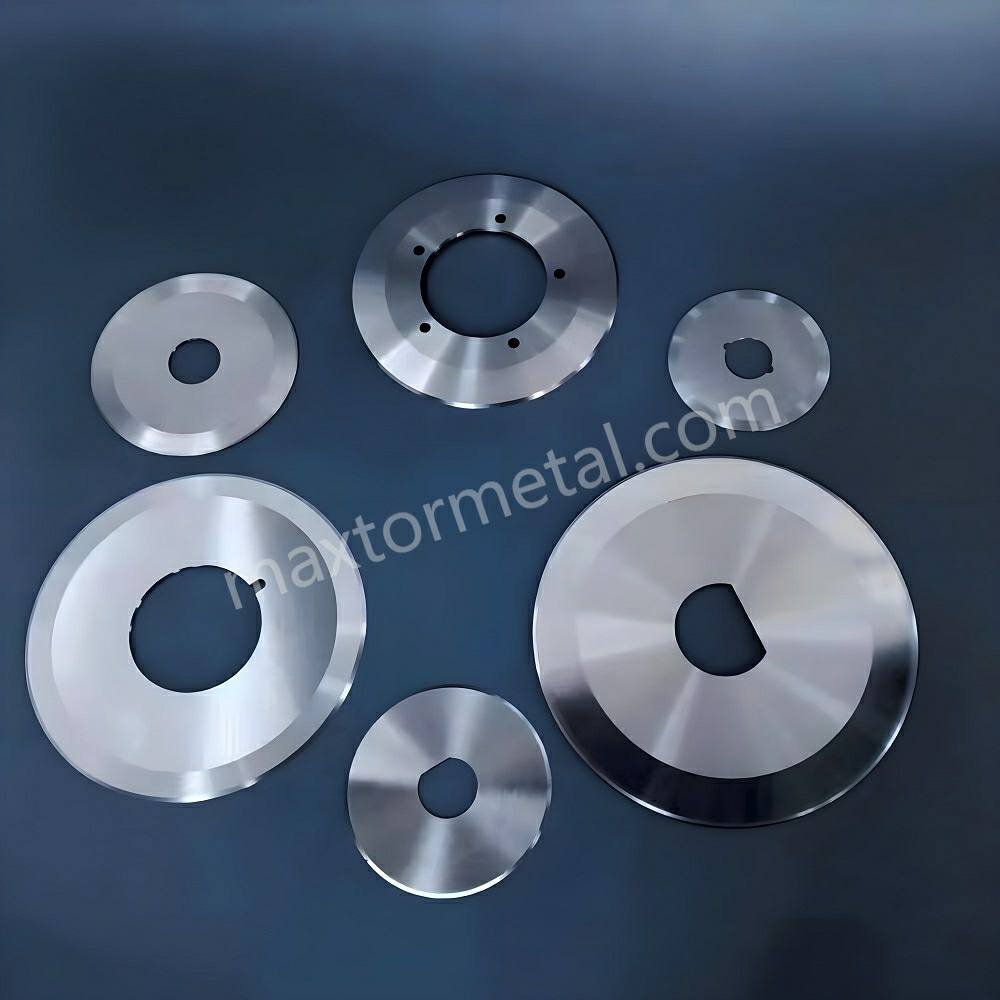
Когда вы сравниваете Карбид вольфрама против стали ножей, вы заметите существенные различия. Ножи из карбида вольфрама значительно тверже и изнашиваются медленнее. Они сохраняют остроту даже при высоких температурах. С другой стороны, стальные ножи лучше поглощают удары и вибрации. На начальном этапе сталь обходится дешевле. В таблице ниже приведены эти основные различия:
| Свойство | Карбид вольфрама | Сталь |
|---|---|---|
| Твердость | Чрезвычайно высокая (8.5–9 Mohs) | Более низкая (4–8 Mohs, в зависимости от марки) |
| Износостойкость | Отличный | Хорошая, но изнашивается быстрее |
| Теплостойкость | Очень высокий | Умеренный |
| Устойчивость к коррозии | Высокий | Варьируется |
| Прочность | Умеренный | Высокий |
| Обрабатываемость | Трудный | Легкий |
| Расходы | Выше | Ниже |
Выбирайте нож, который лучше всего соответствует вашим потребностям. Учитывайте требуемый ресурс стойкости режущей кромки, необходимую ударную вязкость и ваш бюджет.
Ключевые выводы
- Ножи из карбида вольфрама обладают очень высокой твердостью. Они медленно изнашиваются, что делает их отличным выбором для сложных операций резки.
- Стальные ножи обладают большей ударной вязкостью. Они лучше выдерживают ударные нагрузки, что делает их подходящими для работы в условиях высоких вибраций и ударов.
- Учитывайте срок службы инструмента. Карбид вольфрама служит в три-пять раз дольше стали, поэтому вам не придется производить замену слишком часто.
- Ножи из карбида вольфрама сохраняют остроту при высоких температурах. Стальные ножи при нагреве могут быстро затупиться.
- Для работы во влажных средах или в контакте с химикатами ножи из карбида вольфрама и нержавеющей стали обладают высокой коррозионной стойкостью.
- Выбирайте карбид вольфрама, если вам нужны высокоточные и износостойкие ножи. Выбирайте сталь, если требуются более пластичные и экономичные решения.
- Оцените ваши требования к резке, бюджет и возможности технического обслуживания. Это поможет вам выбрать оптимальный материал для ножей.
- Регулярное обслуживание ножей значительно продлевает срок их службы, что в конечном итоге экономит ваше время и деньги.
Обзор материалов: карбид вольфрама против стали

Ножи из карбида вольфрама: свойства
Карбид вольфрама используется в производстве многих типов промышленных ножей. Он состоит из атомов вольфрама и углерода, что обеспечивает ему чрезвычайно высокую твердость и плотность. Производители добавляют кобальт или другие металлы в качестве связки для повышения ударной вязкости. Существуют различные марки для разных задач. Сплав WC + Co применяется для обработки цветных металлов. WC + TiC + Co отлично подходит для стали и чугуна. WC + TiC + TaC + Co эффективен при обработке широкого спектра металлов.
Ниже представлена таблица сравнения карбида вольфрама и стали:
| Свойство | Карбид вольфрама | Сталь |
|---|---|---|
| Твердость | 87-94 HRA (1500-2400 HV) | Варьируется (обычно ниже) |
| Плотность | 5-15.9 g/cm³ | 85 g/cm³ |
| Прочность на сжатие | 2000-4000 МПа | Варьируется (обычно ниже) |
| Прочность | Хрупкий, склонный к образованию сколов | Обычно более высокая ударная вязкость |
| Теплопроводность | Низкий | Выше |
| Устойчивость к коррозии | Высокая, но чувствителен к кислотам | Варьируется (у нержавеющей стали высокая) |
| Электропроводность | Низкая | Хороший |
Ножи из карбида вольфрама обладают очень высокой твердостью и износостойкостью. Они долго сохраняют остроту режущей кромки, даже при резке абразивных материалов. Структура зерна напрямую влияет на характеристики ножа. Мелкозернистые сплавы обеспечивают очень острую и гладкую кромку, что идеально подходит для высокоскоростной обработки и мелких деталей. Среднезернистые сплавы универсальны и подходят для большинства задач резки. Крупнозернистые сплавы устойчивы к выкрашиванию и отлично справляются с ударными нагрузками и тяжелыми условиями работы.
Совет: если вам нужен инструмент для высокоскоростной или непрерывной работы, ножи из карбида вольфрама помогут увеличить межсервисный интервал и повысить качество реза.
Технология производства также имеет значение. Более мелкое зерно делает нож прочнее и тверже. Увеличение содержания кобальта повышает ударную вязкость, в то время как его уменьшение повышает твердость, но делает материал более хрупким. Более высокое содержание кобальта помогает ножу выдерживать тяжелые ударные нагрузки при резке.
Стальные ножи: инструментальная сталь, быстрорежущая сталь, нержавеющая сталь
Стальные ножи изготавливаются из различных марок стали, каждая из которых имеет свои преимущества. Ножи из инструментальной стали содержат легирующие элементы, такие как хром, молибден, ванадий, марганец и никель, которые повышают износостойкость и стойкость режущей кромки. Ножи из быстрорежущей стали (HSS) устойчивы к нагреву и сохраняют твердость при длительной резке. Ножи из нержавеющей стали устойчивы к коррозии, что критически важно для работы во влажных средах или в контакте с химическими веществами.
Ниже приведена таблица, показывающая характеристики различных типов стали, применяемых для изготовления ножей:
| Тип стали | Ключевые свойства | Применимость для промышленных ножей |
|---|---|---|
| Легированная инструментальная сталь | Повышенная износостойкость и улучшенная ударная вязкость | Отлично подходит для сложных условий производства или упаковки. |
| Закаленная и отпущенная нержавеющая сталь | Высокое содержание углерода, высокая твердость, стойкость к износу | Подходит для упаковки и переработки пищевых продуктов благодаря коррозионной стойкости. |
| Высокоуглеродистая хромистая сталь | Повышенная стойкость к ежедневному износу, более длительное сохранение остроты, коррозионная стойкость | Ideal for continuous operation in production or packaging environments. |
| High Speed Steel | Can withstand heat, suitable for continuous use | Necessary for manufacturing practices requiring constant operation without service disruption. |
| Нержавеющая сталь | Resists corrosion due to chromium addition | Important for production and packaging, especially in moist environments. |
| Нержавеющая сталь 420 | Soft material, loses edge quickly | Commonly used in operations requiring regular blade replacement. |
| 440B Stainless Steel | High carbon content, more strength and resistance than 420 | Suitable for everyday use in various industrial applications. |
| Нержавеющая сталь 440С | High level of hardness, better edge retention, less corrosion resistance than 440B | Offers durability and effectiveness in cutting applications. |
Steel blades are strong and can be shaped easily. They can take hits and do not chip as much. Stainless steel blades are good in wet or chemical places. Tool steel blades are tough and last a long time. High-speed steel blades stay sharp during fast, hot cuts.
Note: If you need a blade with special features, you can change the material and design. You can learn more about custom blades and materials at Лезвия на Заказ.
Key Differences in Blade Materials
Tungsten carbide and steel are different in many ways. Tungsten carbide blades are much harder and last longer. They keep their edge and cut well, even on rough materials. Steel blades are tougher and can take more hits. This helps stop chipping during hard or broken cuts.
Here are the main reasons to pick each blade:
- Tungsten carbide blades:
- Very hard
- Resist wear
- Great against abrasion
- Resist corrosion
- Сопротивляться теплу
- Steel blades:
- Сильный и крепкий
- Легко придавать форму
Tungsten carbide blades have fine grains. This helps them resist wear and heat. Fine grains make the edge strong and even. Steel blades have special elements that make them tough and keep their edge. You can pick the right blade by thinking about wear, cut quality, toughness, and price.
If you need a blade for long jobs or rough cuts, tungsten carbide is a good choice. If you need a blade that can take hard hits, steel may be better. Knowing these differences helps you choose the best blade for your job.
Сравнение характеристик: карбид вольфрама против стали
Wear Resistance and Edge Life
Abrasive Wear Performance
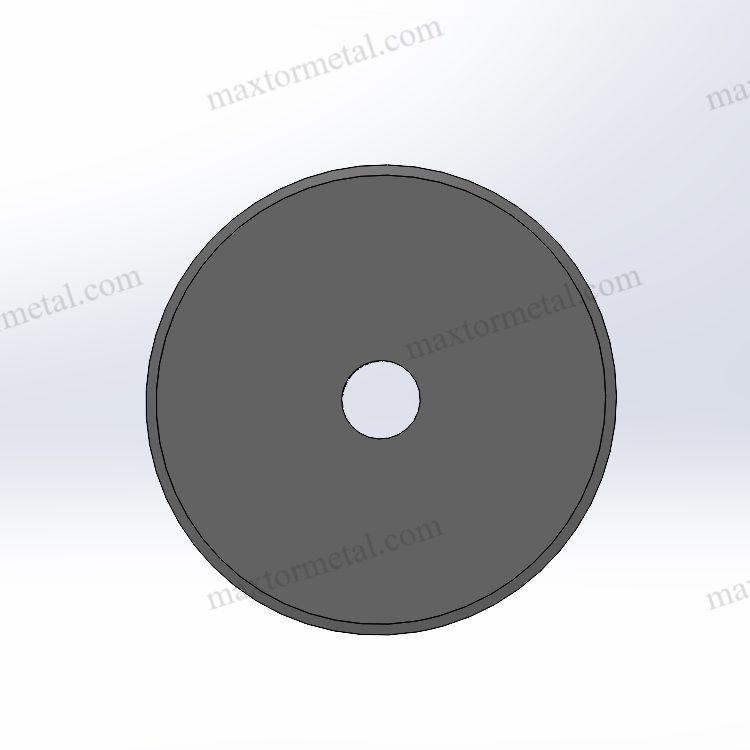
When you compare tungsten carbide and steel, you see clear differences in how they handle wear. Tungsten carbide blades are some of the best at fighting wear. They last much longer than steel blades, especially when you cut a lot. Here is what you should know:
- Tungsten carbide blades are much better at resisting wear than high-speed steel or regular carbide.
- Many people who use these blades say they last three to five times longer than steel blades. This means you do not have to change blades as often, so you can keep working.
- These blades stay sharp even when cutting tough or rough materials. You get smoother cuts and do not have to stop as much.
- Tungsten carbide blades can take heat and rubbing without losing their edge. They work well even when things get hot or rough.
If you need a blade for long or hard jobs, tungsten carbide blades are a good pick. They help you save money and spend less time fixing or changing blades.
Sharpening and Maintenance Needs
Keeping a blade sharp is important for any cutting job. Tungsten carbide blades stay sharp much longer than steel blades. Here are some things to remember:
- You will need to sharpen steel blades more often because they wear out faster.
- Tungsten carbide blades do not need sharpening or replacing as much. Their high hardness makes them very good at fighting wear.
- Steel blades are not as hard, so they lose their edge faster when cutting rough stuff. This means you have to stop more often to sharpen them, which costs more.
- If you want a blade that stays sharp and does not need much care, tungsten carbide blades are a smart choice for tough jobs.
Impact and Toughness: Tungsten vs Steel
Chipping and Fracture Resistance
Toughness is important when blades get hit or dropped. Here is a simple table to show how tungsten carbide and steel compare:
| Материал | Прочность | Ударопрочность |
|---|---|---|
| Карбид вольфрама | Lower (brittle) | Poor (can crack) |
| Сталь | Higher (ductile) | Better (absorbs impact) |
Tungsten carbide blades are very hard, but they can chip or crack if you drop them or hit them on something hard. Steel blades, especially tungsten steel, are tougher and can take more hits without breaking. If your work has lots of bumps or shocks, steel blades might be better.
Handling Shock Loads
Some jobs need blades that can take lots of hits. Tungsten carbide blades can do this, but you need to pick the right kind. Here are some key points:
- Лезвия из карбида вольфрама can take many hits because they are hard and have cobalt to make them tougher.
- Steel blades get dull fast when used for heavy work and need sharpening more often.
- You can make tungsten carbide blades last longer by changing how much cobalt they have and the shape of the edge.
- For jobs with lots of bumps, steel blades are still tougher, but tungsten carbide blades fight wear better.
Corrosion Resistance in Industrial Use
Wet and Chemical Environments
Blades need to fight rust if you use them in wet or chemical places. Tungsten carbide blades are good at fighting rust, so they work well in many jobs. The way they are made and special coatings can help them last even longer in harsh chemicals. Here is a table to help you compare:
| Материал лезвия | Устойчивость к коррозии | Lifespan in Wet Environments | Примечания |
|---|---|---|---|
| Карбид вольфрама | Высокий | Длиннее | Excellent for tough materials |
| Углеродистая сталь | Низкий | Короче | Prone to rust and corrosion |
| Нержавеющая сталь | Высокий | Длиннее | Ideal for humid and corrosive environments |
Tungsten carbide blades work well in wet and chemical places. Stainless steel blades also fight rust, but carbon steel blades rust fast.
Последствия технического обслуживания
If you use blades in tough places, you want to spend less time fixing them. Tungsten carbide blades need less care because they fight both wear and rust. You do not have to replace them as much, so you save time and money. Steel blades, especially carbon steel, need more care and may not last as long in wet or chemical places.
Tip: If you want a blade that lasts longer and needs less care in tough places, pick tungsten carbide or stainless steel.
This comparison shows that tungsten carbide blades are great at fighting wear, staying sharp, and lasting in tough jobs. Steel blades are better at taking hits and are easier to fix if your job has lots of bumps. By knowing these differences, you can pick the best blade for your work and get good cuts for your money.
Heat Resistance and Stability
High-Temperature Applications
Heat is a big problem when cutting things in factories. Some blades get dull or change shape if they get too hot. You need blades that work well even when it is very hot. Tungsten carbide and steel blades act differently in heat.
Tungsten carbide blades can handle much higher heat than steel blades. Look at this table to see the difference:
| Материал | Max Operating Temperature |
|---|---|
| K10 Tungsten Carbide | 800–1,000°C |
| Быстрорежущая сталь (HSS) | 500–600°C |
If you cut things that get really hot, tungsten carbide blades stay hard and sharp longer. Steel blades start to get dull when it gets hotter than 600°C. So, you can use tungsten carbide blades longer in hot places. You do not have to stop often to cool or change blades. This helps you save time and money.
Tip: If your job makes a lot of heat, like cutting metal fast, pick blades that can take high temperatures.
Blade Deformation Risks
Heat can do more than make blades dull. It can make blades bend or twist. This is called deformation. You want blades that stay strong and keep their shape when hot.
Tungsten carbide blades do not change much when heated. They have high thermal stability. They do not bend or break easily. Here is a table with some important facts:
| Свойство | Tungsten Carbide Value |
|---|---|
| Термическая стабильность | Высокий |
| Твердость | Экстремальный |
| Thermal Expansion | 5.5 μm m−1K−1 |
| Elastic Modulus | Above 700 GNm−2 |
| Прочность на сжатие | ~2.7 GPa |
| High Melting Point | 2870°C |
| Hot Hardness at 1400°F | Retains much of hardness |
Steel blades can take some heat but not as much as tungsten carbide. They start to bend and get soft at lower temperatures. If you use steel blades in very hot jobs, they may lose their shape and get dull faster. This can make your cuts worse and you will need to change blades more often.
Note: For cutting in hot places, tungsten carbide blades stay strong and do not bend. This helps you get better cuts and spend less time changing blades.
Карбид вольфрама против быстрорежущей стали: ключевые различия
Cutting Speed and Hardness
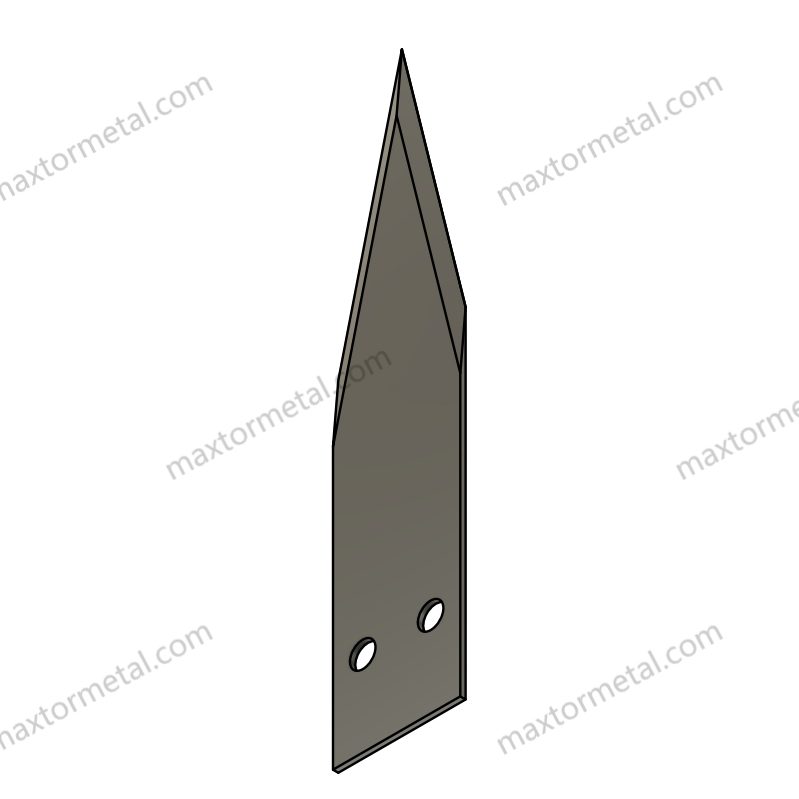
When you compare tungsten carbide vs high-speed steel, you see big differences in how blades perform. Tungsten carbide blades have much higher hardness than high-speed steel blades. This means you can use them for faster cutting and tougher jobs. Look at the table below to see how these materials stack up:
| Материал | Hardness (Vickers HV) | Скорость резания (м/мин) |
|---|---|---|
| Карбид вольфрама | 1600 – 2200 | 160 |
| Быстрорежущей стали | 700 – 900 | 70 |
Tungsten carbide blades keep their edge longer and cut through hard materials with less wear. You can run machines at higher speeds, which helps you finish jobs faster. High-speed steel blades work well for slower cutting and softer materials. You may need to replace or sharpen them more often if you use them for tough jobs.
Tip: If you want blades that last longer and cut faster, choose tungsten carbide blades for your industrial needs.
Toughness and Impact Handling
Toughness tells you how well blades handle hits and shocks. Tungsten carbide blades are very hard, but they can break or chip if you drop them or use them in rough conditions. High-speed steel blades are tougher and can take more hits without breaking. Here is a table to help you compare:
| Материал | Прочность | Ударопрочность |
|---|---|---|
| Карбид вольфрама | Low toughness | Low impact resistance |
| Быстрорежущей стали | Высокая прочность | High impact resistance |
You can use high-speed steel blades for jobs where the blade might hit hard spots or where the cutting is not smooth. These blades bend a little instead of breaking. Tungsten carbide blades need rigid machines and steady cutting. If you use them for interrupted cuts or rough work, they may chip.
- Tungsten carbide blades need careful handling. They work best in steady, controlled cutting.
- High-speed steel blades are less likely to chip or break. You can use them for interrupted cuts and jobs with lots of vibration.
Note: If your job has lots of shocks or uneven cutting, high-speed steel blades give you better safety and reliability.
Пригодность применения
You need to pick the right blades for your job. Tungsten carbide blades work best for jobs that need high speed, sharpness, and long life. You see these blades in precision machining, metal working, and places where tool reliability matters most. They resist wear and deformation, so you spend less on replacements and maintenance over time.
High-speed steel blades fit jobs with lots of impact or interrupted cutting. You use them in machines that do not run at very high speeds. These blades cost less at first and are easier to sharpen or replace.
Here are some places where each blade works best:
- Tungsten carbide blades:
- Прецизионная обработка
- Metal working
- Industries needing reliable, long-lasting blades
- High-speed steel blades:
- General cutting with lower speeds
- Jobs with interrupted cuts
- Applications where toughness is more important than hardness
Tip: Think about your cutting speed, the hardness of the material, and how much impact your blades will face. This helps you choose the right blade and control your cost.
You see that tungsten carbide vs steel is a common choice in industrial blade selection. When you compare tungsten carbide vs high-speed steel, you find that each material has strengths for different jobs. Tungsten carbide blades give you speed and wear resistance. High-speed steel blades give you toughness and impact handling. You need to match the blade to your job for the best results.
Стоимость и ценность: карбид вольфрама против стали
Initial Cost Comparison
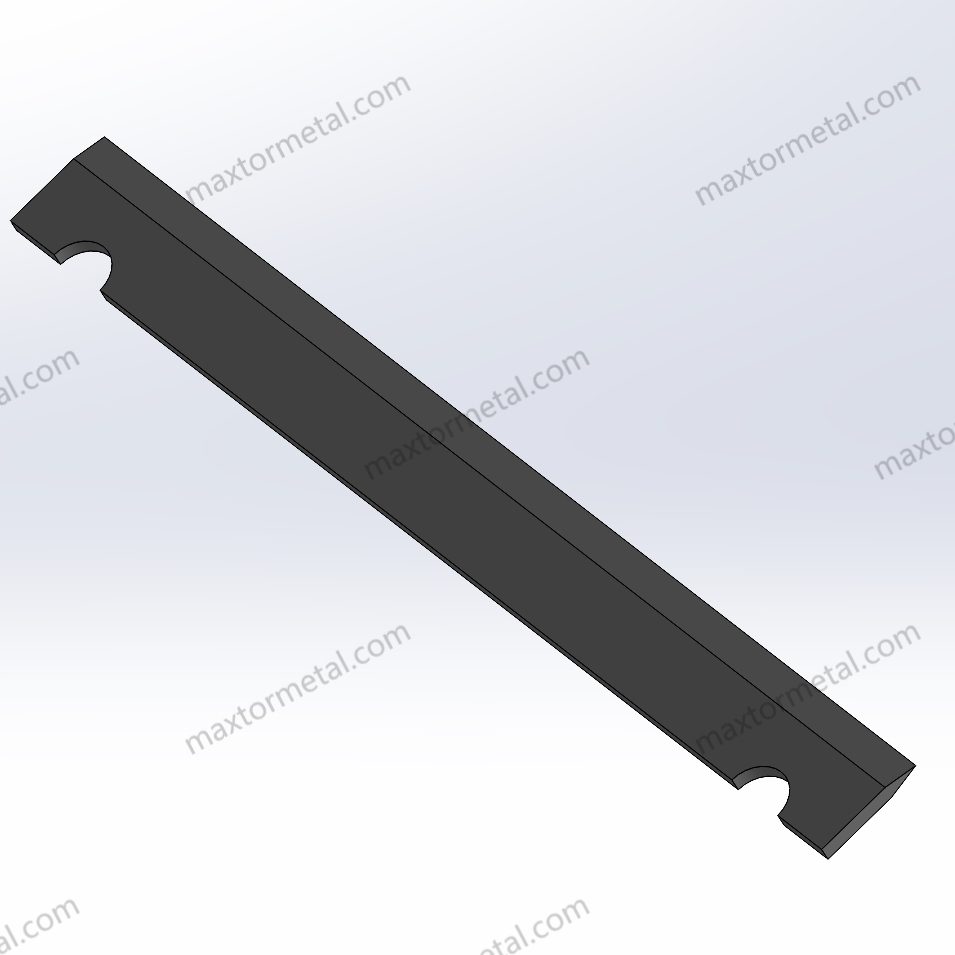
Tungsten carbide blades cost more than steel blades at first. You pay extra because they are harder and last longer. Steel blades, even tungsten steel ones, are cheaper to buy. This makes steel blades good if you need a lot for your work.
Why do tungsten carbide blades cost more? The material is tough to make and shape. Makers use special steps to make these blades strong. If you want custom blades for special jobs, the price goes up.
Tip: If you only need blades for short jobs or light work, steel blades save you money at first. For hard or long jobs, tungsten carbide blades are worth more.
Срок службы лезвий и частота их замены.
Think about how long your blades last and how often you change them. Tungsten carbide blades last much longer than steel blades. They last about в три раза дольше than high-speed steel blades. You spend less time changing blades and more time working.
Here is a table that shows how long blades last and how often you need new ones:
| Тип лезвия | Сравнение продолжительности жизни | Replacement Frequency Comparison |
|---|---|---|
| Карбид вольфрама | About three times longer than HSS | Lower than HSS |
| Быстрорежущая сталь (HSS) | Более короткая продолжительность жизни | Higher replacement frequency |
- Tungsten carbide blades last much longer than HSS blades.
- Sharpening blades often can make them last about 40% longer.
Tungsten carbide blades are known for being tough. You do not need to change them as much as steel blades. This saves you time and money at work. Using blades that last longer also means your machines run better and stop less.
Long-Term Cost-Effectiveness
Is it smart to pay more for tungsten carbide blades? It depends on your needs and how you use them. Tungsten carbide blades help you save money over time in many jobs. You pay more at first, but you save later.
Look at this table to see how blade costs add up over five years:
| Материал | Первоначальная стоимость | Maintenance & Replacement | Total 5-Year Cost |
|---|---|---|---|
| Bronze | $100 | $500 | $600 |
| Нержавеющая сталь | $150 | $300 | $450 |
| Карбид вольфрама | $250 | $100 | $350 |
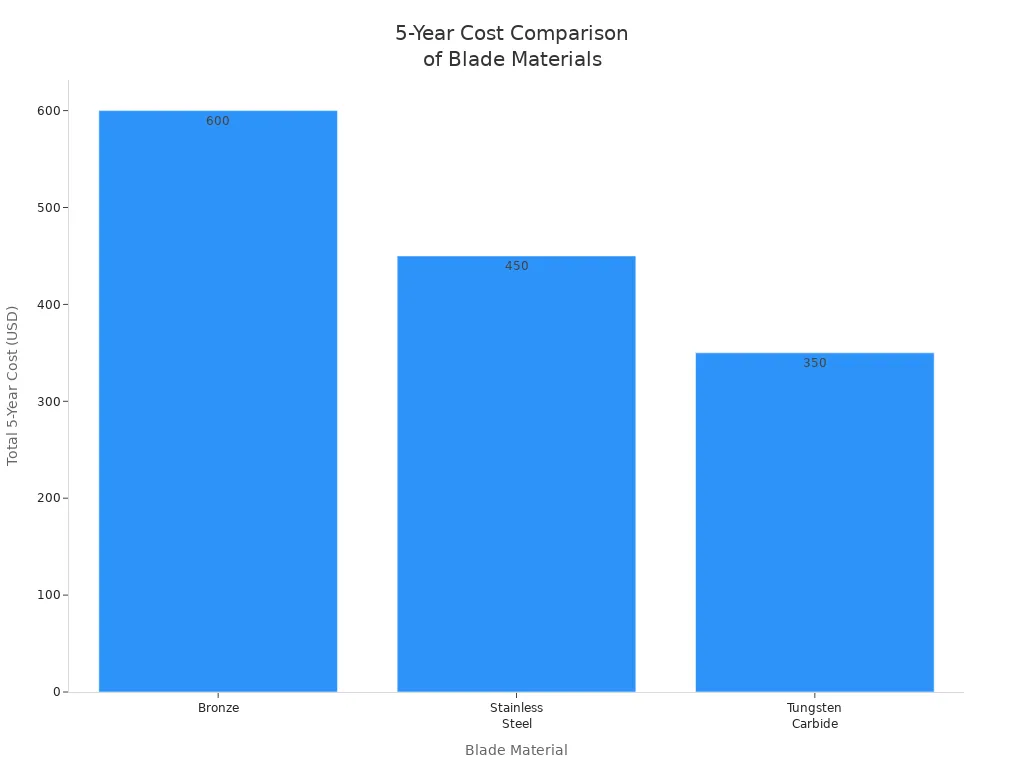
Tungsten carbide blades cost more at first, but you spend less fixing and replacing them. Over five years, they save you money compared to bronze or stainless steel blades. You also get smoother cuts, less friction, and better machine life. These blades help you stop less and use less energy, which saves even more.
- Tungsten carbide bushings keep surfaces smooth for longer, leading to:
- Less friction
- Lower heat
- Better oil film
- Longer bearing and shaft life
Even though they cost more at first, tungsten carbide blades save you over 40% in total costs compared to cheaper blades. You change them less, stop less, and use less energy. This makes tungsten carbide blades a smart way to save money in many jobs.
Note: When picking blades for your work, think about both the first price and the value over time. Tungsten Carbide vs Steel for Industrial Blades is a choice that affects your budget, your work, and your machines.
Maintenance and Downtime Impact
You should think about more than just blade price. Maintenance and downtime can change how much you spend. They also affect how well your factory works. Picking the right blade material saves time and money.
If you use tungsten steel blades or other strong blades, you stop machines less for repairs. These blades last longer. They do not need sharpening as often. Your production line keeps moving. You avoid delays that cost a lot.
Here is a table that shows how blade care affects your work:
| Выгода | Влияние на операции | Подтверждающие данные и пояснения |
|---|---|---|
| Экономия средств | Lowers replacement and repair costs | Regular maintenance cuts blade replacement costs by 25–40%. Some factories save $10,000 each year. |
| Увеличенный срок службы лезвия | Reduces equipment expenses | Heat-treated and coated blades last up to 5x longer. Regrinding on schedule can make blades last 50% longer. |
| Эффективность работы | Less downtime and more production | Sharpening, cleaning, and oiling cut downtime by 20–35%. Dull blades slow work by 15%. |
If you keep blades sharp and clean, you get more cuts before replacing them. For example, a high-speed steel blade in good shape can make over 500,000 cuts. If you skip maintenance, you might only get 300,000 cuts. This means you stop machines more often. Your output goes down.
Downtime is bad for your business. Every time you stop to change or fix blades, you lose time and money. Dull blades make machines work harder. This slows cutting speed and drops productivity by 15%. You want to stop this by picking blades that last and keeping them in good shape.
You can make a regular maintenance plan to help blades last longer. Many companies find this simple step saves thousands of dollars each year. You spend less on new blades and repairs. Your machines run better.
Tip: Keep track of how often you stop for blade changes. If you see lots of downtime, try longer-lasting blades or better maintenance.
Choosing the right blades and caring for them helps you control costs. You keep your production line moving. You get more value from your money and avoid surprise breakdowns.
Руководство по применению: когда использовать карбид вольфрама или сталь
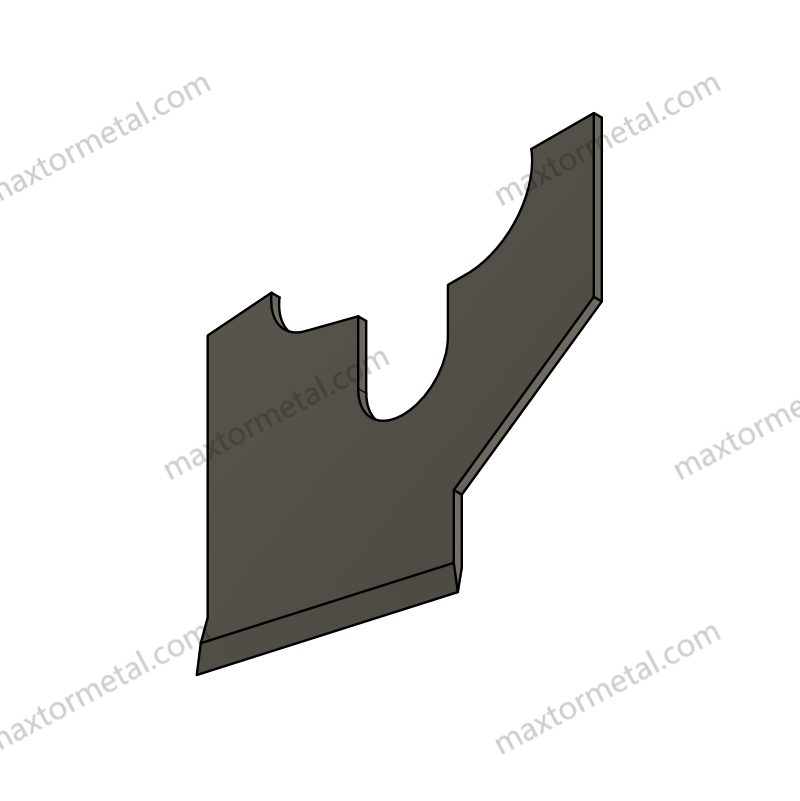
Picking the right blade depends on what you cut, how often you use it, and your budget. You need to match the blade material to your job. This guide will help you know when to use tungsten carbide or steel blades.
Best Uses for Tungsten Carbide Blades
Tungsten carbide blades are best when you need a blade that stays sharp for a long time. They are great for tough jobs where the blade wears down fast. Here are some ways people use them:
- Construction tools like saws and drill bits
- Industrial gears and parts for airplanes
- Milling tools like mill inserts and end mills
- Surgical tools that must stay sharp and not rust
- High-speed cutting and grinding of hard things like metals and composites
- Cutting very hard materials that need a blade you can sharpen many times
Tungsten carbide blades work well in hot places and keep their edge after lots of use. You get smoother cuts and do not have to change blades as much.
Best Uses for Steel Blades
Steel blades are tough and can bend without breaking. Pick steel blades if you need a blade that can take hits or shocks. The table below shows where each steel blade works best:
| Тип лезвия | Приложения |
|---|---|
| Углеродистая сталь | Scrapers, packaging, disposable tools |
| Нержавеющая сталь | Food processing, pharmaceuticals, packaging |
| High-Speed Steel (HSS / M2) | Textile cutting, composites, CNC machining |
| ASP Steel | Pelletizing, recycling, industrial granulation |
Steel blades are easy to shape and sharpen. You can use them in food and medical jobs because they do not rust. Tungsten steel blades are good for jobs that need both toughness and some hardness.
Industry Examples and Scenarios
Many industries pick between tungsten carbide and steel blades. The table below shows what is good and bad about each one:
| Материал | Преимущества | Недостатки |
|---|---|---|
| Карбид вольфрама | Great at fighting wear, lasts long, handles heat well | Not as tough, costs more |
| Сталь | Tough, costs less | Wears out faster, needs more changes |
For example, recycling plants use tungsten carbide blades for film slitting and cutting tough fibers because they last longer. In food factories, people use stainless steel blades so they do not rust and keep food safe. Companies like Nanjing Metal Industrial sell both kinds of blades for different jobs. You can ask them for help if you have a special job.
Tip: Always think about what matters most—how long the blade lasts, how tough it is, or how much it costs—before you pick your blade.
Плюсы и минусы: карбид вольфрама против стали
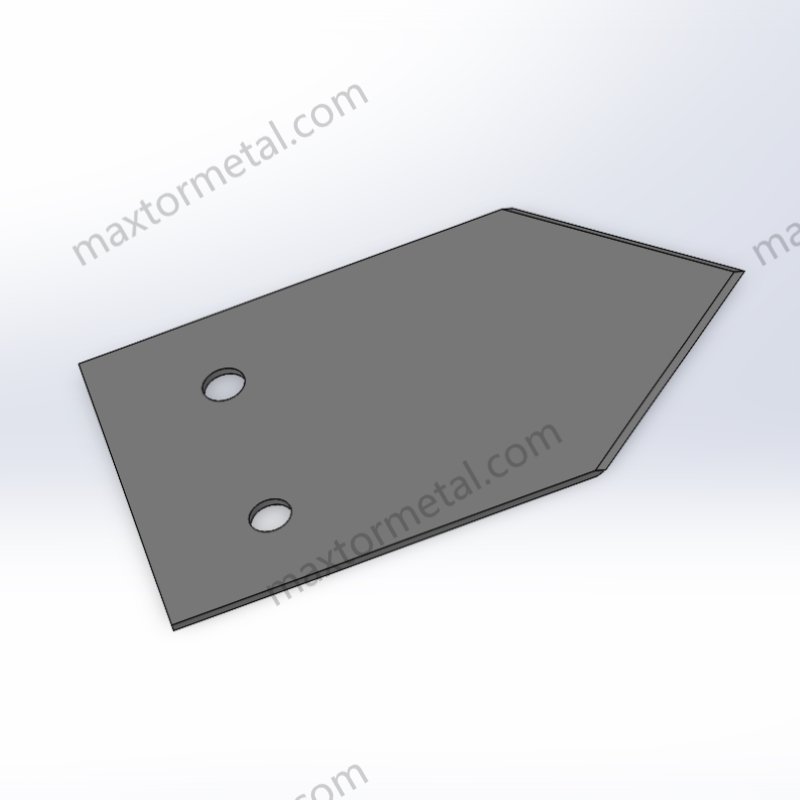
Quick Comparison Table
You need to compare the main features of tungsten carbide and steel blades before you choose. The table below gives you a quick look at the most important points:
| Особенность | Лезвия из Карбида Вольфрама | Стальные лезвия |
|---|---|---|
| Твердость | Очень высокий | От умеренного до высокого |
| Износостойкость | Отличный | Хороший |
| Удержание края | Long-lasting | Wears faster |
| Прочность | Moderate (can chip) | High (less likely to chip) |
| Ударопрочность | Ниже | Выше |
| Устойчивость к коррозии | Высокий | Varies by type |
| Теплостойкость | Отличный | Good to moderate |
| Расходы | Выше | Ниже |
| Частота заточки | Less often | More often |
| Обрабатываемость | Трудный | Легкий |
Tip: Use this table when you need to decide which blades fit your job best.
Summary of Strengths and Weaknesses
You want to know the pros and cons of each blade material before you buy. Tungsten steel blades give you a very hard edge. You get long wear and less time spent sharpening. These blades work well for cutting hard or abrasive materials. You also see less blade change during long jobs. They resist heat and corrosion, so you can use them in tough places.
However, you need to handle tungsten carbide blades with care. They can chip or break if you drop them or use them for rough cuts. The cost is higher, so you spend more at first. Sharpening these blades takes special tools.
Steel blades give you more toughness. You can use them for jobs with lots of impact or shock. These blades bend instead of breaking. You find them easy to sharpen and shape. The cost is lower, so you save money if you need many blades.
But steel blades wear out faster. You need to sharpen or replace them more often. Some types rust if you use them in wet or chemical places. You may see more downtime if you use steel blades for hard or abrasive jobs.
- Tungsten carbide blades: Best for long life, hard materials, and high heat.
- Steel blades: Best for impact, easy sharpening, and lower cost.
Remember: Think about what matters most for your work. Do you need blades that last a long time, or do you need blades that can take a hit? Your answer will help you pick the right one.
You now have a clear view of the pros and cons for both types of blades. This helps you make a smart choice for your next project.
Выбор подходящего ножа: факторы принятия решения
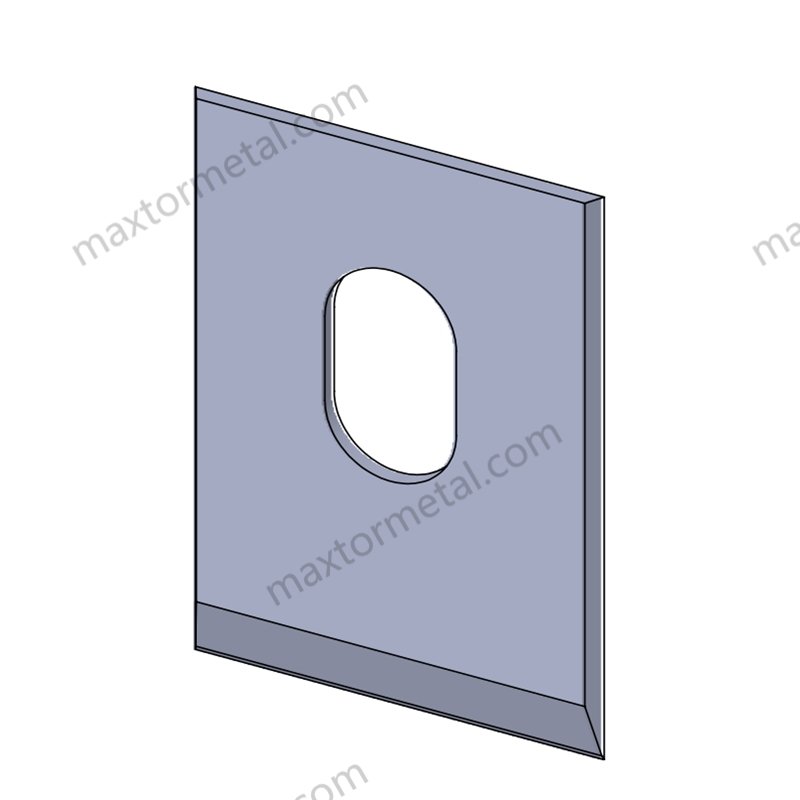
Key Questions to Consider
When you choose blades for your work, you need to ask yourself some important questions. These questions help you find the best fit for your job and save money in the long run. Here are some things you should think about:
- What materials will you cut most often?
- How much wear do you expect on your blades each day?
- Will your blades face high heat or chemicals?
- Do you need blades that can take hits or shocks?
- How often do you want to sharpen or replace your blades?
- What is your budget for buying and maintaining blades?
If you answer these questions, you can narrow down your choices. You will know if you need blades that last longer, blades that resist rust, or blades that cost less up front. You should also think about how easy it is to get custom blades for special jobs.
Tip: Write down your answers before you buy new blades. This helps you compare options and avoid mistakes.
Подбор материала в соответствии с областью применения
You need to match the blade material to your job for the best results. Each type of blade has strengths and weaknesses. The table below shows the main factors you should consider when picking between tungsten carbide and steel blades:
| Фактор | Описание |
|---|---|
| Твердость | Lets blades keep a sharp edge and fight wear for a long time. |
| Прочность | Helps blades take hits and shocks without breaking. |
| Устойчивость к коррозии | Makes blades last longer in wet or chemical places. |
| Обрабатываемость | Shows how easy it is to make custom blades, which affects cost and wait time. |
| Расходы | Tells you if the extra performance is worth the higher price, especially when you need many blades. |
If you need blades for cutting hard or rough materials, pick tungsten carbide. These blades stay sharp and last longer. If your job has lots of bumps or shocks, steel blades work better because they bend instead of breaking. For jobs in wet or chemical places, stainless steel blades resist rust and keep working.
You should also think about how easy it is to shape or sharpen your blades. Steel blades are easier to work with and cost less. Tungsten carbide blades cost more but save you money over time because you change them less.
Note: Always match the blade material to your job needs. This helps you get better cuts, save money, and keep your machines running.
If you follow these steps, you will find the right blades for your work. You will get better results and spend less time fixing problems.
Tungsten carbide and steel blades are both good in different ways. Tungsten carbide blades stay sharp for a long time and do not wear out fast. Steel blades are tough and easy to take care of. You should think about what you need to cut, how much the blade will wear, and how much money you want to spend. If your job is tricky, ask a blade expert or supplier for help. If you want more tips about “Tungsten Carbide vs Steel for Industrial Blades,” Свяжитесь с нашими инженерами по продажам. за помощью.
Часто задаваемые вопросы
What is the main difference between tungsten carbide and steel blades?
Tungsten carbide blades are much harder and last longer. Steel blades are tougher and can take more hits. Pick the blade that fits your cutting job and work area.
Can you sharpen tungsten carbide blades at home?
You cannot sharpen tungsten carbide blades with normal tools. You need diamond wheels or a pro to do it. Steel blades are easier to sharpen at home.
Which blade is better for cutting abrasive materials?
Tungsten carbide blades are best for cutting abrasive things. They do not wear out fast and stay sharp longer than steel blades. You will not need to stop as much to change them.
Are steel blades safe for food processing?
Yes, stainless steel blades are safe for food jobs. They do not rust and meet health rules. Always check the blade type before using it with food.
Do tungsten carbide blades rust?
Tungsten carbide blades do not rust or corrode easily. They work well in wet or chemical places. Steel blades can rust unless they are stainless steel.
How often should you replace industrial blades?
Change blades when they get dull or cut badly. Tungsten carbide blades last much longer than steel blades. Keep track of how much you use them to know when to replace.
Which blade is more cost-effective over time?
Tungsten carbide blades cost more at first but last longer. Steel blades are cheaper but need to be replaced more often. If you use blades a lot, tungsten carbide can save you money.
Can you use both blade types on the same machine?
Yes, you can use both if your machine allows it. Always check the maker’s rules. Use the right blade for your cutting job to get the best results.
Смотрите также
Карбид Вольфрама против Быстрорежущей Стали (HSS): Что Подходит для Ваших Режущих Задач?
Откройте для себя Мощь Лезвий из Карбида Вольфрама для Точной Резки
Овладение искусством изготовления лезвий из карбида вольфрама
Как эффективно продлить срок службы круглых лезвий из вольфрамовой стали?
Точность и долговечность: вращающиеся лезвия для резки резины и пластика

 English
  Spanish
  Italian
  French
  Portuguese
  Russian
  German
  Arabic
  Hindi
Hindi  Vietnamese
  Indonesian
  Japanese
  Korean
2 ответа