

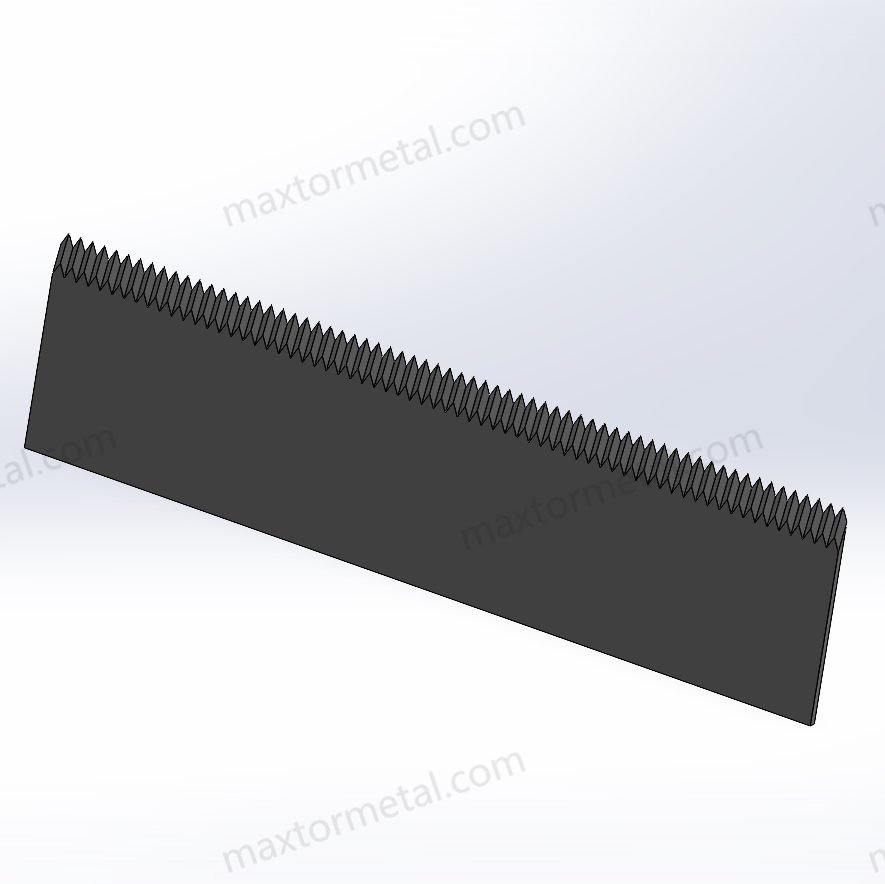
खाद्य उद्योग में परफोरेटिंग ब्लेड्स बहुत महत्वपूर्ण हैं। वे भोजन को सुरक्षित और स्वच्छ रखने में मदद करते हैं। ये मजबूत ब्लेड ऐसी पैकेजिंग बनाते हैं जिससे पता चलता है कि इसे खोला गया है या नहीं। वे दवाओं तक पहुंच को नियंत्रित करने और भोजन को दूषित होने से बचाने में भी मदद करते हैं। परफोरेटेड मशीन नाइव्स पैकेज में हवा के प्रवाह की अनुमति देते हैं। इससे फफूंद को रोकने में मदद मिलती है और भोजन लंबे समय तक ताजा रहता है। खाद्य प्रसंस्करण में, स्टेनलेस स्टील ब्लेड में जंग नहीं लगता है। इन्हें बार-बार साफ किया जा सकता है। यह स्वच्छता बनाए रखता है और सुरक्षा नियमों को पूरा करता है। स्वच्छ डिज़ाइन वाले अच्छे ब्लेड कीटाणुओं को रोकते हैं और खाद्य सुरक्षा बनाए रखने में मदद करते हैं।.
- खाद्य उद्योग में छिद्रण ब्लेड अनुप्रयोग:
- बोतल के ढक्कन और सील रिंग को जोड़ना ताकि यह पता चल सके कि इसे खोला गया है या नहीं और लोग सुरक्षित रहें।.
- उपयोग को नियंत्रित करने और खाद्य सुरक्षा में मदद करने के लिए दवा के पैक में गोलियों को विभाजित करना।.
- पैकेज में छेद करना ताकि हवा अंदर जा सके और नमी व कीटाणुओं को रोका जा सके।.
- भोजन को सुरक्षित रखने के लिए माइक्रोवेव बैग से भाप को सुरक्षित रूप से बाहर निकालना।.
ब्लेड की देखभाल करना और सही सामग्री का चयन करना महत्वपूर्ण है। यह कीटाणुओं को रोकने में मदद करता है और हर कदम पर भोजन को सुरक्षित रखता है।.
चाबी छीनना
- ब्लेड को सुरक्षित और स्वच्छ रखने के लिए जंग न लगने वाली खाद्य-ग्रेड सामग्रियों, जैसे स्टेनलेस स्टील, का उपयोग करें।.
- कीटाणुओं को रोकने और ब्लेड को तेज व सुचारू रूप से कार्यशील रखने के लिए ब्लेड को बार-बार साफ करें और उनकी जांच करें।.
- सुरक्षा नियमों का पालन करें और यह सुनिश्चित करने के लिए अपने कार्यों का दस्तावेजीकरण करें कि आप नियमों का पालन कर रहे हैं और भोजन को सुरक्षित रख रहे हैं।.
- आपूर्तिकर्ताओं का चयन सावधानी से करें और श्रमिकों को सिखाएं कि ब्लेड को सुरक्षित और स्वच्छ कैसे रखा जाए।.
- ब्लेड को लंबे समय तक टिकाऊ बनाने, स्वच्छ रखने और बेहतर प्रदर्शन के लिए नई तकनीक और विशेष कोटिंग्स का उपयोग करें।.
विनियामक अनुपालन
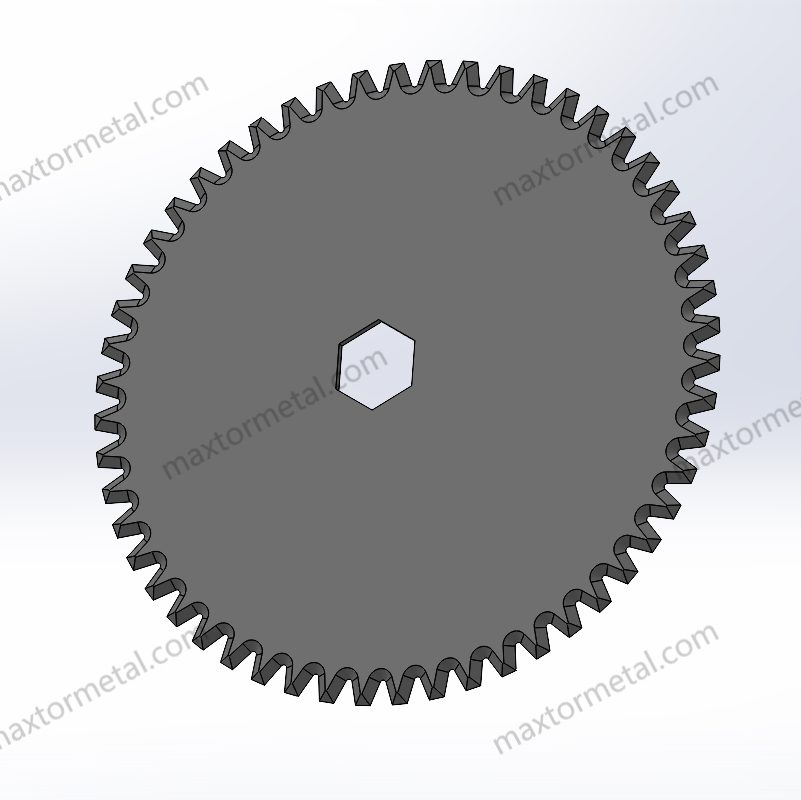
खाद्य सुरक्षा मानक
खाद्य उद्योग में उपयोग होने वाले परफोरेटिंग ब्लेड्स को सख्त सुरक्षा नियमों का पालन करना चाहिए। ये नियम लोगों को सुरक्षित रखने और भोजन की गुणवत्ता सुनिश्चित करने में मदद करते हैं। खाद्य प्रसंस्करण उद्योग इन ब्लेडों का उपयोग ऐसी पैकेजिंग बनाने के लिए करता है जो भोजन को ताजा और सुरक्षित रखती है। निर्माताओं को स्टेनलेस स्टील 304 या 316 जैसी खाद्य-ग्रेड सामग्रियों का चयन करना होगा। ये सामग्रियां संदूषण को रोकती हैं। इनमें जंग नहीं लगता है और इन्हें बार-बार साफ किया जा सकता है। इससे स्वच्छता और सुरक्षा बनाए रखने में मदद मिलती।.
खाद्य प्रसंस्करण में परफोरेटिंग ब्लेड्स के लिए प्रमुख सुरक्षा नियम हैं:
- संदूषण को रोकने के लिए खाद्य-ग्रेड, संक्षारण-प्रतिरोधी सामग्रियों का उपयोग करें।.
- ब्लेड को साफ और कीटाणुरहित करना आसान बनाएं ताकि कीटाणु जमा न हों।.
- भोजन को सुरक्षित रखने के लिए ब्लेड मजबूत होने चाहिए और उनकी धार तेज रहनी चाहिए।.
- भोजन की गुणवत्ता और सुरक्षा को बनाए रखने के लिए ब्लेड की कटिंग सटीक होनी चाहिए।.
- अंतरराष्ट्रीय नियमों का पालन करें जैसे ISO 22000, ISO 8442, और NSF/ANSI 51.
खाद्य प्रसंस्करण उद्योग यूरोपीय खाद्य सुरक्षा प्राधिकरण के नियमों का भी पालन करता है। ये समूह खाद्य उत्पादन में सुरक्षा और स्वच्छता के उच्च मानक स्थापित करते हैं। कंपनियों को अपने चरणों का दस्तावेजीकरण करना चाहिए और यह दिखाने के लिए रिकॉर्ड रखना चाहिए कि वे नियमों का पालन करती हैं। इससे उत्पादों और सामग्रियों को ट्रैक करने में मदद मिलती है। यह रिकॉल को संभालने या समस्याओं की जांच करने को भी आसान बनाता है।.
नोट: नियमों को पूरा करने और पूरी आपूर्ति श्रृंखला में भोजन को सुरक्षित रखने के लिए अच्छे रिकॉर्ड और ट्रैकिंग की आवश्यकता होती है।.
अंतरराष्ट्रीय विनियम
वैश्विक खाद्य प्रसंस्करण उद्योग को कई नियमों का पालन करना होता है। संयुक्त राज्य अमेरिका में FDA और USDA, और यूरोप में यूरोपीय खाद्य सुरक्षा प्राधिकरण जैसे समूह खाद्य उत्पादन में उपयोग होने वाले उपकरणों के लिए सख्त नियम बनाते हैं। ये नियम निर्दिष्ट करते हैं कि खाद्य उद्योग के कार्यों में उपयोग होने वाले परफोरेटिंग ब्लेड्स को कुछ सुरक्षा और स्वच्छता मानकों को पूरा करना चाहिए।.
ISO 22000 और EN 1672-2 जैसे अंतरराष्ट्रीय नियम खाद्य सुरक्षा और स्वच्छ मशीन डिज़ाइन के लिए दिशानिर्देश प्रदान करते हैं। ये नियम कंपनियों को वैश्विक अपेक्षाओं के अनुरूप काम करने में मदद करते हैं। इन नियमों का पालन करने से लोग सुरक्षित रहते हैं और कंपनियों को कानूनी समस्याओं से बचने में मदद मिलती है।.
निर्माताओं को ब्लेड की सामग्री, उनके निर्माण के तरीके और उनके रखरखाव के बारे में अच्छे रिकॉर्ड रखने चाहिए। यह ट्रैकिंग सुरक्षा समस्याओं को तेजी से ठीक करने में मदद करती है और दर्शाती है कि वे नियमों का पालन करते हैं। जो कंपनियां वैश्विक नियमों का पालन करती हैं और अच्छे रिकॉर्ड रखती हैं, वे ग्राहकों और नियामकों का विश्वास जीतती हैं।.
सुझाव: नियमित जांच और कर्मचारियों का प्रशिक्षण कंपनियों को खाद्य प्रसंस्करण उद्योग में सुरक्षा नियमों और वैश्विक विनियमों का पालन जारी रखने में मदद करता है।.
सामग्री चयन

खाद्य-ग्रेड सामग्रियां
खाद्य सुरक्षा के लिए सही ब्लेड सामग्री का चयन करना अत्यंत महत्वपूर्ण है। कंपनियां खाद्य-ग्रेड स्टेनलेस स्टील का उपयोग करती हैं क्योंकि इसमें जंग नहीं लगता है और इसे साफ करना आसान होता है। Krumar Knives का कहना है कि खाद्य प्रसंस्करण के लिए स्टेनलेस स्टील सबसे पसंदीदा विकल्प है। यह सामग्री स्वच्छता बनाए रखती है, लंबे समय तक चलती है और ब्लेड को मजबूत बनाती है। कुछ कार्यों के लिए हाई-स्पीड स्टील (HSS) का भी उपयोग किया जाता है। यह गर्म होने पर भी मजबूत रहता है और कठिन कटिंग कार्यों के लिए टिकाऊ होता है।.
| सामग्री का प्रकार | खाद्य उद्योग में उपयोग के लिए प्रमुख गुण |
|---|---|
| स्टेनलेस स्टील | जंग नहीं लगता, स्वच्छता बनाए रखता है, खाद्य पैकेजिंग और प्रसंस्करण के लिए उपयुक्त। सामान्य ग्रेड: 440C, 440, 420J2. |
| हाई-स्पीड स्टील (एचएसएस) | अत्यधिक कठोर, मजबूत, गर्म होने पर भी अपनी ताकत बनाए रखता है, लंबे समय तक चलने वाले कटिंग कार्यों के लिए उपयोग किया जाता है।. |
| औजारों का स्टील | धीरे-धीरे घिसता है, मजबूत है, कई कार्यों के लिए उपयोग किया जाता है।. |
| टंगस्टन कार्बाइड | अत्यधिक कठोर, जल्दी नहीं घिसता, खुरदरी सामग्रियों के लिए सर्वोत्तम।. |
| पाउडर Metallurgy स्टील्स | धीरे-धीरे घिसता है, मजबूत है, कठिन कार्यों के लिए उपयोग किया जाता है।. |
Nanjing Metal के पास कई ब्लेड सामग्रियां हैं जो भोजन के लिए सुरक्षित हैं। वे ब्लेड बनाते समय हर कदम पर गुणवत्ता की जांच करते हैं। ग्राहक अपनी आवश्यकताओं के अनुसार स्टेनलेस स्टील, HSS या अन्य प्रकारों का चयन कर सकते हैं। वे सुनिश्चित करते हैं कि प्रत्येक ब्लेड सख्त नियमों का पालन करे।.
नोट: सही ब्लेड सामग्री स्वच्छता बनाए रखने और खाद्य सुरक्षा नियमों का पालन करने में मदद करती है।.
जंग प्रतिरोध
जंग न लगने वाले ब्लेड खाद्य सुरक्षा के लिए महत्वपूर्ण हैं और लंबे समय तक चलते हैं। खाद्य-ग्रेड स्टेनलेस स्टील, जैसे ग्रेड 304 और 316, में प्रचुर मात्रा में क्रोमियम और निकल होता है। ये एक ऐसी सतह बनाते हैं जो भोजन या गंध के साथ प्रतिक्रिया नहीं करती है। 316 स्टेनलेस स्टील में मोलिब्डेनम होता है, जो नमक से लगने वाले जंग को रोकने में मदद करता है। यह गीले या अम्लीय स्थानों के लिए उपयुक्त है।.
- जंग न लगने वाले ब्लेड दाग और छिद्रों को रोकते हैं।.
- चिकने ब्लेडों को साफ करना आसान होता है और ये कीटाणुओं को पनपने से रोकते हैं।.
- जंग न लगने वाले ब्लेड लंबे समय तक मजबूत और स्वच्छ बने रहते हैं।.
- These blades need less fixing and last longer.
Rules from the FDA and NSF say only safe materials can touch food. Stainless steel blades meet these rules and are strong. Companies that use blades that do not rust save money and keep food safe.
हाइजीनिक डिज़ाइन
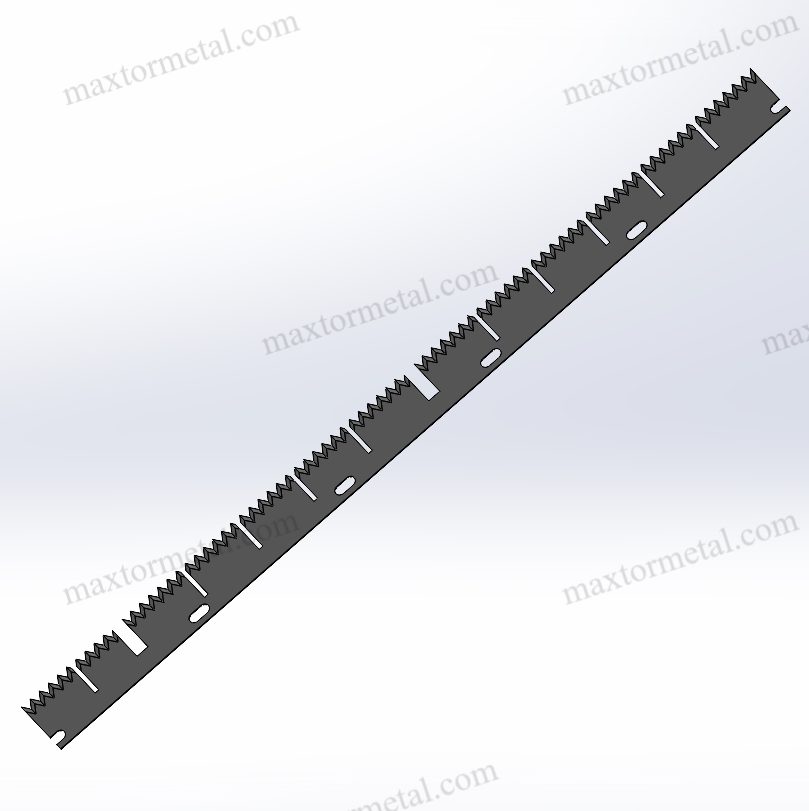
Easy Cleaning
Hygienic design is very important in the food industry. Companies pick blade shapes that are easy to clean. Smooth surfaces on perforating blades stop food and dirt from sticking. This helps lower the chance of contamination during food processing. Many companies use stainless steel because it does not rust and is easy to keep clean. Some also use nylon or plastic blades. These do not react with food and help keep things hygienic.
Tip: Clean and check blades often to keep away germs and dirt. Doing this helps keep things clean and makes equipment last longer.
A good hygienic design means there are not many small spaces or corners. Germs cannot hide as easily. Workers can clean these blades faster and better. Companies that do this help keep food safe and meet hygiene rules.
Minimizing Contamination
Stopping contamination is very important in food processing. Perforating blades can cause problems if not made carefully. Manufacturers use nylon, plastics, and titanium to help stop contamination. Plastic and nylon blades do not leave metal pieces in food. This lowers the risk of contamination. Titanium blades fight germs and last longer. This makes them a good choice for keeping things clean.
- कस्टम ब्लेड shapes and materials fit special packaging needs.
- Cleaning and checking blades often removes dirt and germs.
- Smooth, non-reactive surfaces help stop contamination early.
Focusing on hygienic design helps companies control contamination at every step. By picking the right materials and cleaning methods, they keep products safe and protect people’s health.
ब्लेड प्रदर्शन
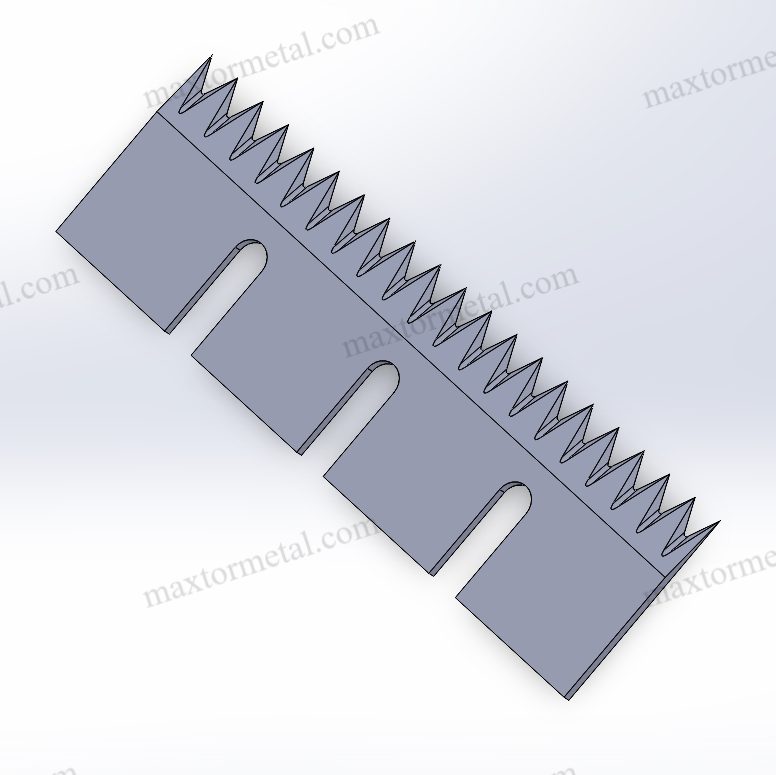
Sharpness and Durability
Sharpness is very important for how well blades work. When blades are sharp, they cut food cleanly and neatly. This helps food look nice and makes less waste. Sharp blades also keep food in good shape, which helps it taste and look better. If blades get dull, they can crush or rip food. This makes it easier for bacteria to get in and grow. That can make food unsafe and lower blade quality.
Blades made from materials that do not rust, like stainless steel, last longer. These materials stop biofilm from building up, which keeps food safe. Companies using high-quality blades have fewer accidents at work. Sharp blades help stop slips and cuts, so the workplace is safer.
Tip: New technology, like smart sensors and machines that sharpen blades, helps keep blades sharp. These tools help workers do more and stop machines from breaking down as much.
निरीक्षण और सफाई
Checking and cleaning blades often helps them work well. Workers should look for damage, dull spots, or wear on blades. Cleaning gets rid of food bits and stops germs from growing. Companies should sharpen blades every week or after a certain number of cuts, depending on the food.
A simple checklist can help workers:
- Look for chips, cracks, or rust on blades.
- Make sure blades still cut cleanly.
- Clean blades with safe cleaners after each use.
- Write down when blades are cleaned and fixed.
| निरीक्षण चरण | उद्देश्य | आवृत्ति |
|---|---|---|
| Visual check | Find damage or wear | दैनिक |
| Sharpness test | Make sure blades cut well | साप्ताहिक |
| सफाई | Remove food and germs | प्रत्येक उपयोग के बाद |
| Maintenance log update | Track safety and blade quality | Every session |
If blades are not cared for, about 30% of food safety problems can happen in factories. By checking and cleaning blades, companies keep food safe and protect people’s health.
रखरखाव और स्वच्छता
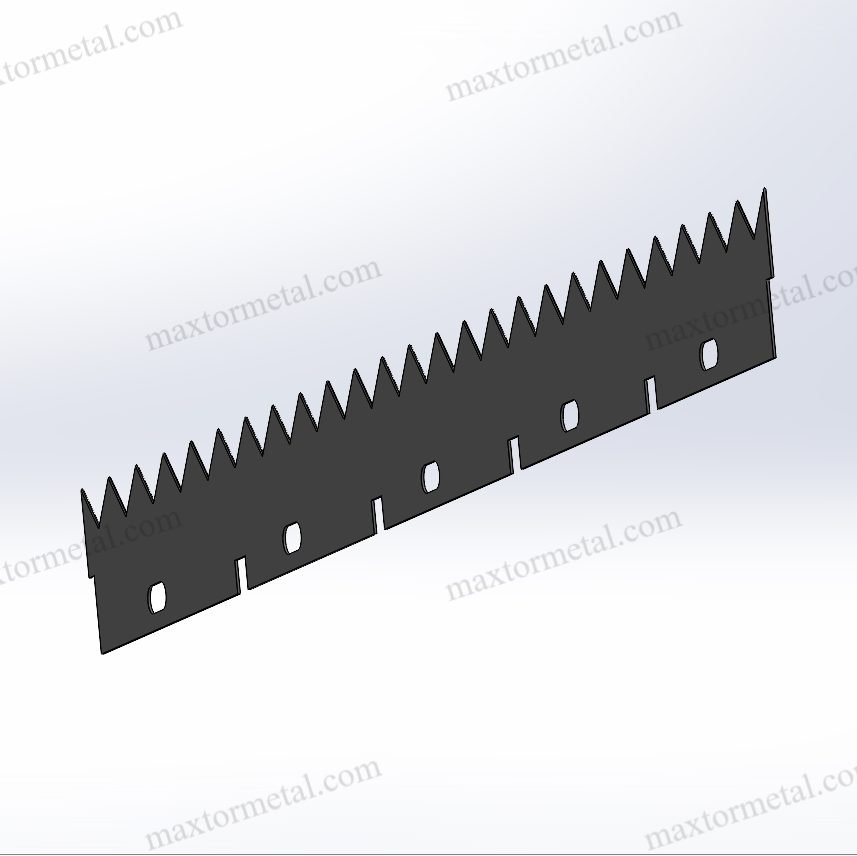
नियमित रखरखाव
Taking care of blades is very important in food factories. Workers must follow clear steps to keep perforating blades clean and safe. These steps help stop germs and keep food clean. Companies make a plan for cleaning, checking, and caring for blades. This plan helps keep things clean and makes sure blades work well every day.
The table below shows common blade care jobs in food factories:
| रखरखाव कार्य | आवृत्ति | उद्देश्य/टिप्पणियाँ |
|---|---|---|
| सफाई | प्रत्येक उपयोग के बाद | Gets rid of dirt, glue, ink, and stops clogs |
| दृश्य निरीक्षण | दैनिक | Finds damage, dirt, and worn blades |
| माउंटिंग जांच | दैनिक | Makes sure blade is put in right |
| स्नेहन | साप्ताहिक | Lowers rubbing and heat |
| तेज़ करने | जरुरत के अनुसार | ब्लेड को अच्छी तरह से काटने में मदद करता है |
| कैलिब्रेशन | महीने के | Makes sure holes are even |
| भंडारण | After use | Keeps blades safe and helps them last longer |
Workers clean blades with gentle cleaners and dry them well to stop rust. They do not use strong chemicals or rough tools so blades stay sharp. Daily checks help find chips, cracks, or other problems early. Lubricating every week helps blades move easily and last longer. Sharpening happens when blades get dull, not just on a set day. Checking and cleaning blade holders helps stop uneven wear and damage.
Tip: Taking care of blades often makes food safer, helps blades last longer, and keeps things clean in food factories.
Replacement Practices
Changing blades at the right time is important for safety and keeping things clean. Workers check blade edges every month to find dull spots, chips, or uneven cuts. Sharpening or changing blades helps cuts stay neat and clean. Cleaning blades and dies every week stops dust from making blades dull. Lubricating moving parts every week helps blades work better and last longer. Checking blade alignment every month stops bad cuts and blade damage.
| रखरखाव कार्य | Reason for Task | अनुशंसित आवृत्ति |
|---|---|---|
| ब्लेड के किनारों का निरीक्षण करें | To find dull spots, chips, or uneven cuts | महीने के |
| Sharpen or replace blades | To keep cuts neat and clean | As needed (after checking) |
| ब्लेड और डाई साफ़ करें | To stop dust from making blades dull | साप्ताहिक |
| गतिशील भागों को लुब्रिकेट करें | To lower rubbing and wear | साप्ताहिक |
| Check blade alignment | To stop bad cuts and blade damage | महीने के |
Workers look for signs that show blades need to be changed:
- Nicks, chips, cracks, or worn edges mean blades should be replaced right away.
- Dull blades make machines get hot and slow down cutting.
- Longer cutting times mean blades are dull and work slower.
- If blades need sharpening or fixing a lot, they are almost worn out.
- Blades that are worn or broken can snap and cause safety problems.
Watching for these signs helps companies keep food clean and safe. Changing blades on time helps keep things clean and lowers the chance of germs. Companies that do these things protect workers and make sure food is good quality.
Note: Good blade care and changing blades when needed helps companies reach safety goals and keep food clean at every step.
खाद्य सुरक्षा पर प्रभाव
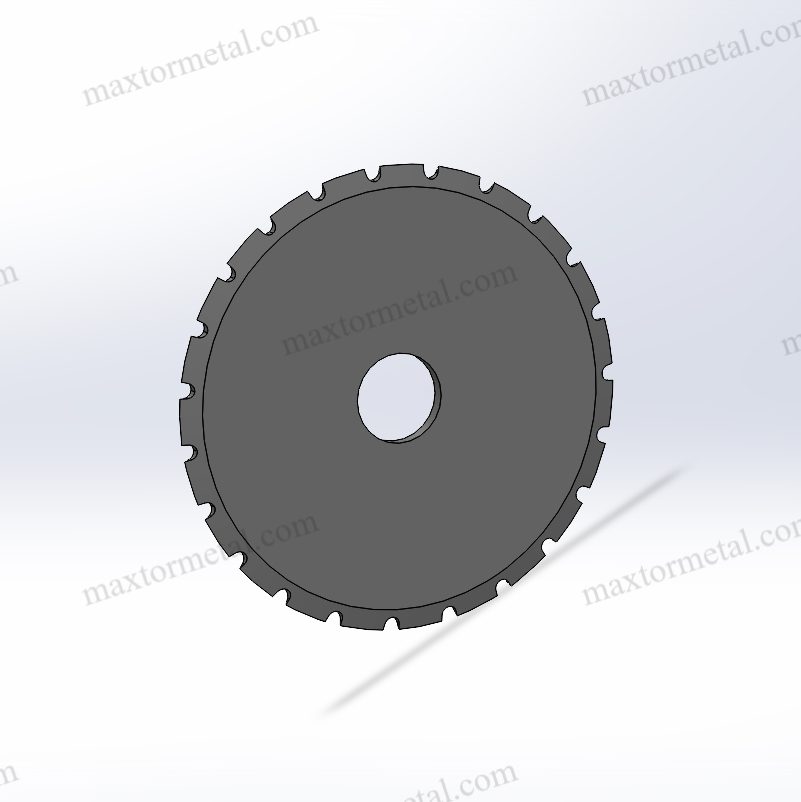
Preventing Contamination
Perforating blades help keep food safe by stopping contamination. Companies pick stainless steel because it does not rust or get dirty easily. Blades with smooth surfaces and round edges are easier to clean. This means less food or dirt sticks to them. If blades can be taken apart, workers can clean every part. This helps stop germs from building up. Workers check, clean, and sharpen blades often to keep them working well.
- Stainless steel blades do not rust or grow biofilm.
- Smooth blades make it easy to wash away food and germs.
- Workers use warm water and gentle soap to clean blades after use.
- Drying blades and storing them in cool places keeps them strong.
- Sharpening and polishing blades stops damage that can hide germs.
Doing these things lowers the chance of germs spreading in food factories. Following world safety rules makes sure blades are clean and safe. These steps help workers do their jobs better and keep food safe.
Ensuring Product Quality
Good perforating blades help make better food packages. These blades make even holes so people can open packages easily. Holes in packages let air move and stop mold from growing. This keeps food fresh for longer.
Blades made from strong materials like tungsten carbide and stainless steel last longer. They work fast and do not break easily. Stainless steel blades do not rust, so they are good for places that need lots of cleaning. This helps keep food clean and safe.
Sharp blades make neat cuts and protect food from damage. If blades are dull or broken, cuts can be messy and unsafe. Good blades keep packages strong and help people trust the food they buy.
नवाचार और रुझान
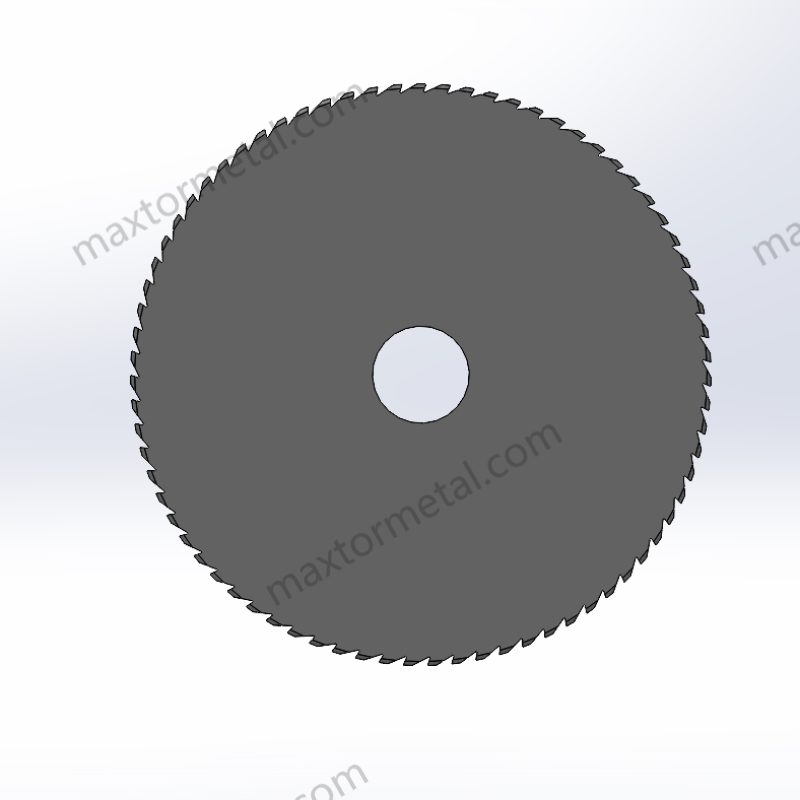
Advanced Coatings
New technology has changed how companies use perforating blades. Now, blades can have special coatings like titanium or ceramic. Some blades have non-stick layers too. These coatings help blades last longer and stay sharp. They also make cleaning easier and stop bacteria from sticking. Companies use these coatings to follow food safety rules. Blades with coatings do not rust and keep cutting well for a long time. Workers do not need to sharpen or change them as much. This saves time and money.
- Titanium and ceramic coatings make blades stronger.
- Non-stick layers stop food and germs from sticking.
- Coated blades help keep things clean and need less care.
स्वचालन
Automation makes food processing safer and faster. Some smart blades have sensors that check if they are worn out. These sensors tell workers when to fix or clean blades. Laser cutting makes blades sharper and more exact. Machines can sharpen blades by themselves. This means workers do not have to do as much. These tools help companies keep up with hygiene rules and make fewer mistakes.
- IoT sensors check blade health all the time.
- Laser-made blades cut better and cleaner.
- Machines that sharpen blades save time and keep workers safe.
वहनीयता
Sustainability is now very important for making blades. Companies use metals that can be recycled and last a long time. Tungsten carbide is one of these strong metals. Making blades close to where they are used cuts down on shipping pollution. Some factories use green energy and materials that break down in nature. New ways of making blades, like CNC machines and lasers, make less waste. These steps help companies protect the earth and meet world goals.
- Recyclable and biodegradable materials help cut waste.
- Strong blades last longer and mean less trash.
- Green factories use less energy and make less pollution.
व्यावहारिक सुझाव
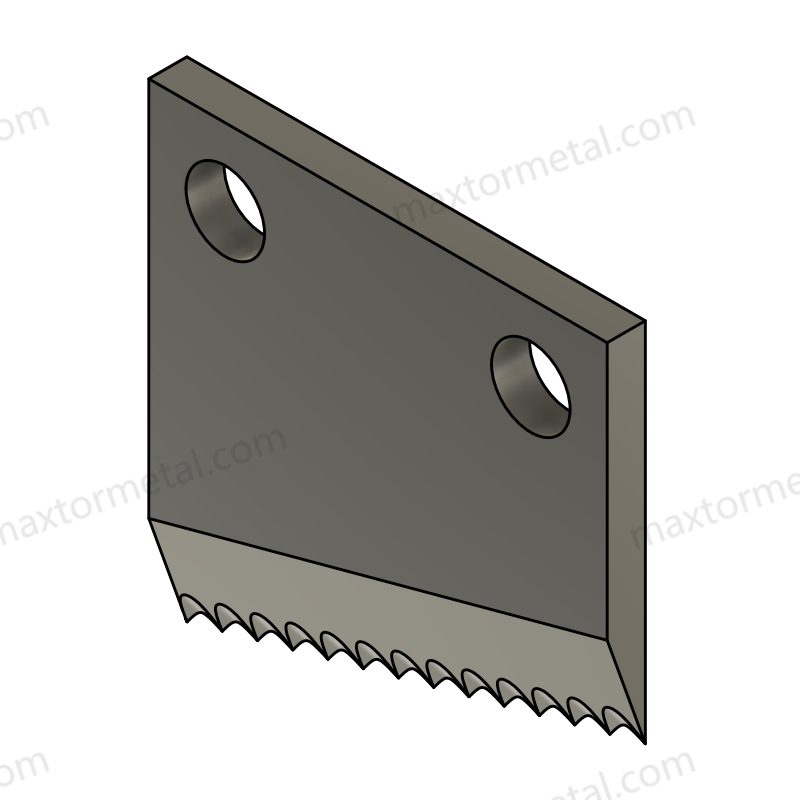
आपूर्तिकर्ता चयन
Picking the right supplier helps keep food safe and good. Companies should choose suppliers who give material certificates like ISO 9001. These papers show blades are safe for packaging. Good suppliers follow ANSI B165.1 for safety and ASTM E18 for hardness. They use special heat-treatment and CNC machines to make blades exact. Labs test blades to check hardness and how long edges last. Factory checks help look at quality and tracking systems.
- Pick makers with over five years of work.
- See if the supplier has a big factory and many workers.
- Check if deliveries come on time more than 95% of the time.
- Make sure they do forging, grinding, and coating themselves.
- For custom blades, check if they can make samples and review drawings.
Companies can look at कस्टम ब्लेड for special packaging. Suppliers who test samples and show good results help keep food safe.
Staff Training
Training workers helps them use blades safely and keep things clean. Training teaches workers how to clean, check, and store blades. Workers learn to find dull edges, chips, or cracks. They follow safety steps when changing or sharpening blades. Training updates help staff learn new safety rules and packaging needs. Bosses watch how workers do their jobs and give advice. Trained teams have fewer accidents and make better products.
Tip: Hold safety workshops every month to teach best ways and tell staff about new packaging rules.
Compliance Documentation
Keeping good records helps meet safety and rule needs. Companies write down blade materials, how they are made, and when they are cleaned. Records include checklists, cleaning notes, and blade change history. These papers help track where packaging comes from and show safety rules are met. Auditors look at records during factory visits. Good records help companies fix safety problems or recalls fast.
| Document Type | उद्देश्य | Review Frequency |
|---|---|---|
| Material Certificates | Show blades are safe | Each shipment |
| Inspection Logs | Check blade condition | साप्ताहिक |
| Cleaning Reports | Prove blades are clean | प्रत्येक उपयोग के बाद |
| Replacement Records | Track blade changes | महीने के |
Good records help customers and rule makers trust the company. Companies that care about safety and rules keep their good name and make sure packaging is high quality.
Meeting safety and hygiene rules for perforating blades keeps people safe. It also helps companies do well. Picking the right materials and cleaning blade shapes stops germs. Taking care of blades often helps follow the rules. Using new coatings, machines, and teaching workers makes products better. It also helps work go faster. Learning about new ideas and picking good suppliers keeps blades working well. To get better, companies should check what they do and work with experts.
For special help or advice, talk to a sales engineer यहाँ.
यह भी देखें
प्लास्टिक फिल्म छेदने वाले ब्लेड का अनुकूलन: गति, दबाव और दांत प्रोफ़ाइल मिलान
पैकेजिंग में छिद्रण चाकू का व्यापक रूप से उपयोग क्यों किया जाता है
छेदने वाले ब्लेड चाकू में असमान छेद और असंगत रेखा की लंबाई का निवारण और अनुकूलन

 English
  Spanish
  Italian
  French
  Portuguese
  Russian
  German
  Arabic
  Hindi
Hindi  Vietnamese
  Indonesian
  Japanese
  Korean