

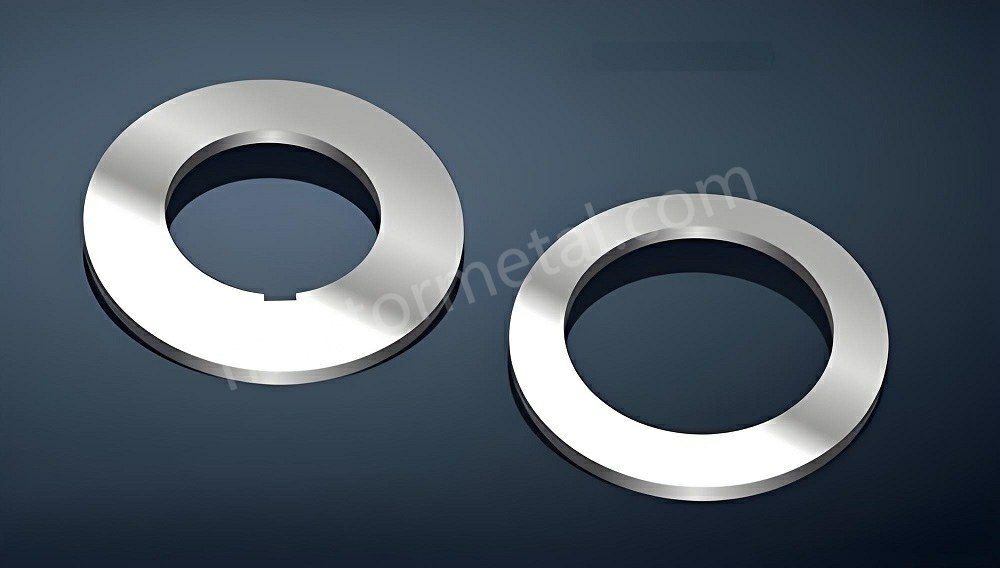
ऑटोमोटिव AHSS ग्रेड जैसे DP, TRIP और मार्टेन्सिटिक स्टील में सामान्य स्लिटिंग प्रक्रिया भी बड़ी समस्या बन सकती है। बर्र और माइक्रो-चिपिंग बढ़ जाती है, एज डक्टिलिटी कम हो जाती है और डाउनस्ट्रीम फॉर्मेबिलिटी (HER) प्रभावित होती है। यह गाइड प्लांट, प्रोसेस और मेंटेनेंस लीडर्स को प्रैक्टिशनर-ग्रेड पैरामीटर्स - मटेरियल और हार्डनेस रेंज, कोटिंग विकल्प, एज ज्योमेट्री लक्ष्य और क्लीयरेंस सेटिंग्स - के साथ-साथ एक संक्षिप्त समस्या निवारण मैट्रिक्स प्रदान करती है। लक्ष्य: AHSS की स्लिटिंग करते समय साफ किनारे, कम दोष और अनुमानित प्रदर्शन।
चाबी छीनना
- ग्रेड स्ट्रेंथ के आधार पर स्ट्रिप की मोटाई के प्रतिशत के रूप में क्लीयरेंस को अनुकूलित करें; एएचएसएस को आमतौर पर 10-161टीपी4टी टन की आवश्यकता होती है, जो माइल्ड स्टील से अधिक है।
- चाकू बनाने की सामग्री के लिए, मजबूती और घिसाव प्रतिरोध के लिए 60-62 एचआरसी वाले पीएम टूल स्टील को प्राथमिकता दें; गर्मी और आसंजन को नियंत्रित करने के लिए पीवीडी कोटिंग्स का उपयोग करें।
- माइक्रो-चिपिंग को कम करने और किनारे की लचीलता में सुधार करने के लिए माइक्रो-एज होन (आमतौर पर 10-30 µm) और पॉलिश की हुई सतहों का उपयोग करें।
- ऑनलाइन जांच के माध्यम से सत्यापन करें: पॉलिश/फ्रैक्चर ज़ोन, बर्र की ऊंचाई के रुझान और महत्वपूर्ण भागों के लिए लक्षित एज डक्टिलिटी परीक्षण।
- अधिकतम कठोरता के पीछे मत भागो; भंगुरता से होने वाली टूट-फूट से बचने के लिए कठोरता और मजबूती के बीच संतुलन बनाए रखो, खासकर मार्टेन्सिटिक किस्मों में।
AHSS ने नियमों में बदलाव क्यों किया?
AHSS उच्च तन्यता शक्ति को बहुचरणीय सूक्ष्म संरचनाओं (फेराइट में मार्टेन्साइट) के साथ जोड़ता है, जिससे काटने के बल बढ़ जाते हैं और पैरामीटर त्रुटियों के प्रति संवेदनशीलता बढ़ जाती है। यांत्रिक कटाई से किनारे की लचीलता कम हो जाती है; कतरन-प्रभावित क्षेत्र में क्षति को कम करना बेहतर तापीय प्रतिरोध (HER) के लिए आवश्यक है। वर्ल्ड ऑटो स्टील के दिशानिर्देशों में कहा गया है कि जहां माइल्ड स्टील लगभग 6-81 TP4T क्लीयरेंस (1 TP4T मोटाई के रूप में) पर चल सकते हैं, वहीं AHSS ग्रेड—विशेष रूप से >1400 MPa—को काटने के किनारे पर गैलिंग और तनाव को कम करने के लिए अक्सर काफी बड़े क्लीयरेंस की आवश्यकता होती है। उद्योग के अपने शब्दों में संदर्भ के लिए AHSS पोर्टल में स्लिटिंग और क्लीयरेंस संबंधी चर्चाएँ देखें। स्लिटिंग और क्लीयरेंस पर एएचएसएस दिशानिर्देश और व्यापक कटौती मार्गदर्शन में वर्ल्डऑटोस्टील का कटिंग और ट्रिमिंग अवलोकन.
AHSS के लिए स्टील स्लिटिंग नाइफ का चयन: सामग्री, कठोरता, कोटिंग, ज्यामिति
सही संयोजन का चुनाव एक तरफ प्लास्टिक विरूपण और दूसरी तरफ भंगुर टूटन को रोकता है। इसे तीन लीवरों को संतुलित करने के रूप में सोचें—कठोरता, मजबूती और घर्षण/ताप नियंत्रण।
- सामग्री और कठोरता
- पीएम टूल स्टील (जैसे, उडेहोल्म वनाडिस 4 एक्स्ट्रा, वनाडिस 8; बोहलर K390): एएचएसएस कटिंग के लिए लगभग 60-62 एचआरसी (कुछ लगभग 64 तक) की एचआरसी पर चलते हैं, जो पारंपरिक डी2 की तुलना में बेहतर चिपिंग प्रतिरोध के साथ उच्च घिसाव प्रतिरोध प्रदान करते हैं। उडेहोल्म के एएचएसएस टूलिंग नोट्स गंभीर अनुप्रयोगों में एज स्थिरता के लिए इन पीएम ग्रेड पर जोर देते हैं; देखें उद्देहोम के एएचएसएस टूलिंग समाधान और यह Vanadis 4 अतिरिक्त डेटा.
- डी2 (1.2379): लगभग 58-62 एचआरसी पर काम करने योग्य है लेकिन एएचएसएस में माइक्रो-चिपिंग के लिए अधिक प्रवण है; लंबी दौड़ या कठोर ग्रेड के लिए पीएम विकल्पों पर विचार करें।
- H13: लगभग 52-56 HRC पर अधिक मजबूत; जहां प्रभाव/झटके हावी होते हैं वहां उपयोगी, लेकिन कम घिसाव प्रतिरोध अंतराल को छोटा कर सकता है।
- कार्बाइड या कार्बाइड-युक्त: अत्यधिक घर्षणशील या लेपित एएचएसएस के लिए विचार करें; भंगुरता को नियंत्रित करने के लिए आर्बर सपोर्ट सुनिश्चित करें।
- कोटिंग और सतह उपचार
- TiAlN/AlTiN: 1–4 µm PVD परतें जिनमें उच्च तापीय कठोरता और ऑक्सीकरण प्रतिरोध होता है; AHSS की विशिष्ट शुष्क या उच्च गति स्थितियों के लिए उपयुक्त। AlTiSiN/AlCrN परिवारों जैसे उत्पादों के लिए Oerlikon के उत्पाद पृष्ठ देखें। बालिक टिसिनोस प्रो.
- TiN/TiCN: 1–4 µm; TiN लगभग ~2000–2500 HV; TiCN अधिक कठोर (~3000+ HV) लेकिन कम तापमान सीमा; आसंजन को कम करने के लिए उपयोगी। उद्योग अवलोकन प्रतिनिधि श्रेणियां प्रदान करते हैं, उदाहरण के लिए, TGW की कोटिंग गाइड.
- डीएलसी (ta-C/a-C:H): बहुत कम घर्षण (COF <0.1 संभव) और उच्च कठोरता; यह तब उपयोगी होता है जब चिपकने वाले पदार्थ का जमाव/खरोंच की समस्या हो, जिसमें कुछ लेपित इस्पात भी शामिल हैं। देखें कटिंग टूल्स के लिए ओर्लिकॉन के डीएलसी का अवलोकन और आयनबॉन्ड का डीएलसी प्रौद्योगिकी पृष्ठ.
- किनारों की ज्यामिति और फिनिश
- माइक्रो-एज होनिंग: संतुलित AHSS के लिए 10–30 µm से शुरू करें, और यदि मार्टेन्सिटिक ग्रेड पर चिपिंग बनी रहती है या जहां लाइन शॉक मौजूद हैं, तो 20–50 µm की ओर बढ़ें। इन्हें सत्यापन श्रेणियों के रूप में प्रस्तुत करें; प्रत्यक्ष मानक दुर्लभ हैं। उडेहोल्म AHSS कटिंग टूल्स के लिए पॉलिश सतहों की अनुशंसा करते हैं; नॉच इनिशिएशन को कम करने के लिए महीन फिनिश (जैसे, महत्वपूर्ण सतहों पर Ra ≤0.2 µm) का लक्ष्य रखें, जैसा कि इसमें बताया गया है। उद्देहोम का एएचएसएस मार्गदर्शन.
सारांश तालिका: सामग्री, कठोरता, कोटिंग, ज्यामिति (प्रारंभिक बिंदु)
| पसंद | सामान्य कार्य सीमा | जहां यह सहायक हो | चेतावनी |
|---|---|---|---|
| पीएम टूल स्टील (वैनाडिस 4 एक्स्ट्रा, वैनाडिस 8, के390) | 60-62 एचआरसी (कुछ लगभग 64 तक) | AHSS के लिए उच्च घिसाव और टूट-फूट प्रतिरोध | धार की गुणवत्ता की जाँच करें; कठोरता के बिना अत्यधिक कठोरता से धार टूट सकती है। |
| डी2 (1.2379) | 58–62 एचआरसी | आधारभूत उपलब्धता और लागत | AHSS में चिपिंग का जोखिम अधिक है; लंबी अवधि के लिए PM विकल्प पर विचार करें |
| एच13 | 52–56 एचआरसी | प्रभाव/झटका, कठिन परिस्थितियाँ | कम घिसाव प्रतिरोध; कम अंतराल |
| कार्बाइड/कार्बाइड युक्त | लागू नहीं (बहुत उच्च एचआरए) | अत्यधिक अपघर्षक या लेपित एएचएसएस | भंगुरता; स्थिर सहारे की आवश्यकता |
| TiAlN/AlTiN PVD | 1–4 µm | तेज गति पर ऊष्मा/ऑक्सीकरण प्रतिरोध | रीग्राइंड करने से कोटिंग हट जाती है; दोबारा कोटिंग करने की योजना बनाएं। |
| TiN/TiCN PVD | 1–4 µm | आसंजन नियंत्रण; प्रवेश विकल्प | TiCN की निचली तापमान सीमा; मान्य करें |
| डीएलसी | 0.3–1 µm+ | कम घर्षण; घर्षण नियंत्रण | अधिक गर्मी वाले स्थानों के लिए उपयुक्त नहीं हो सकता; पुष्टि करें |
| माइक्रो-एज होन | 10–30 µm (चिपिंग करने पर 20–50 µm) | सूक्ष्म खरोंचों को कम करता है; सुगम प्रवेश | बहुत बड़ा होन टूल बर्र को उभार सकता है; परीक्षण करें |
| सतह की फिनिश | उत्कृष्ट फिनिश का लक्ष्य रखें (उदाहरण के लिए, Ra ≤0.2 µm) | कम घर्षण और खांचे वाली जगहें | इसके लिए सावधानीपूर्वक पीसने/पॉलिश करने की आवश्यकता है। |
बर्र और एचईआर को नियंत्रित करने वाले सेटअप पैरामीटर
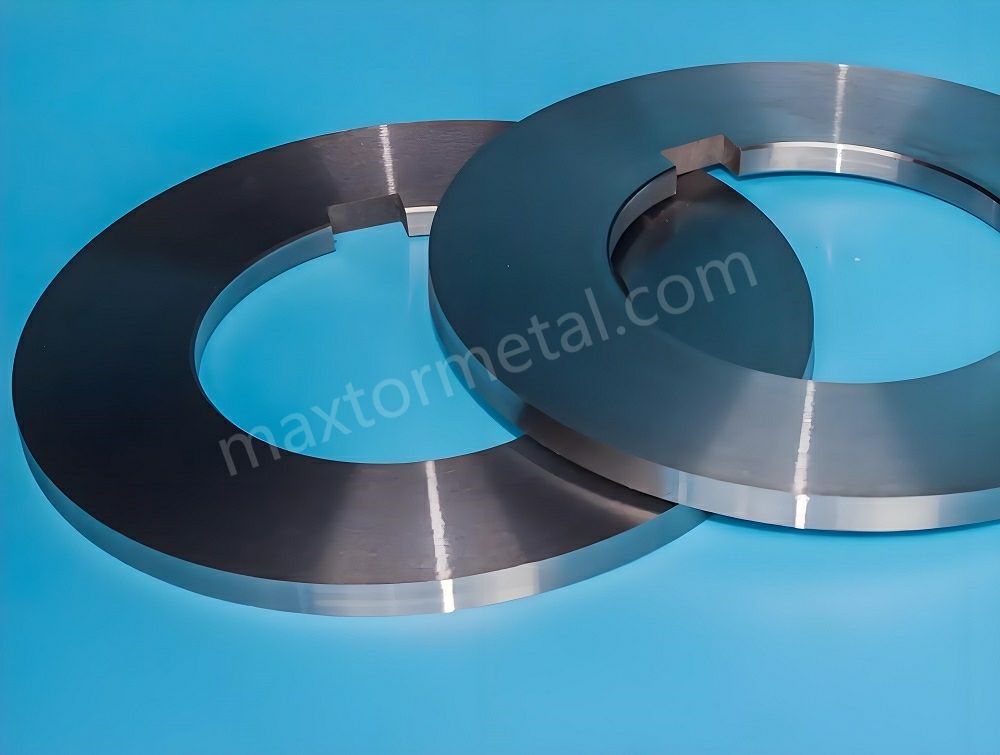
AHSS में बर्र निर्माण और किनारे की क्षति में क्लीयरेंस की प्रमुख भूमिका होती है। मजबूती और मोटाई पर आधारित नियमों से शुरुआत करें, फिर किनारे की गुणवत्ता की जांच के साथ ऑनलाइन सत्यापन करें।
- मोटाई के % के रूप में क्लीयरेंस (प्रारंभिक बैंड)
- माइल्ड स्टील: ~6–8% t
- AHSS 600–980 MPa: ~10–14% t
- UHSS >1400 MPa: ~14–16%+ t
ये AHSS पोर्टल में चर्चा की गई श्रेणियों के अनुरूप हैं। संदर्भ और इस बात की गहन व्याख्या के लिए कि क्लीयरेंस किस प्रकार अपरूपण-प्रभावित क्षेत्र को आकार देता है, कृपया देखें। मंजूरी संबंधी एएचएसएस दिशानिर्देश.
- संरेखण, तनाव और गति चेकलिस्ट
- चाकू की समानांतरता और आर्बर रनआउट: उत्पादन से पहले इसकी जांच कर लें। गलत संरेखण से असमान बर्र उत्पन्न होते हैं और घिसावट तेजी से होती है।
- तनाव: पट्टी के तनाव को स्थिर रखें; अत्यधिक तनाव से किनारों के फटने का खतरा बढ़ जाता है, जबकि बहुत कम तनाव से पट्टी इधर-उधर खिसक सकती है और चाकू के निशान पड़ सकते हैं।
- गति: अधिक गति विरूपण क्षेत्रों को बदल सकती है; विद्युत इस्पात पर किए गए कुछ अध्ययनों से पता चलता है कि क्लीयरेंस और गति बर्र और विरूपण को महत्वपूर्ण रूप से प्रभावित करते हैं। गति परिवर्तन को एक नियंत्रित परीक्षण चर के रूप में मानें और किनारे के परिणामों को पुनः सत्यापित करें; सहकर्मी-समीक्षित अवलोकन देखें। सज़ादा-बोर्ज़िस्ज़कोव्स्का एट अल। (2023) कतरनी-स्लिटिंग प्रभावों पर.
- सत्यापन और उसकी जागरूकता
- रोलओवर, पॉलिश और फ्रैक्चर ज़ोन का निरीक्षण करें; एएचएसएस में, केवल बर्र की ऊंचाई से घिसावट का सटीक अनुमान नहीं लगाया जा सकता है। एएचएसएस पोर्टल में व्यापक एज-क्वालिटी मानदंडों की आवश्यकता पर बल दिया गया है। वर्ल्डऑटोस्टील के संक्षिप्त नोट्स.
- महत्वपूर्ण भागों के लिए, किनारे की तन्यता की जाँच करें: छेद विस्तार परीक्षण (ISO 16630) या सरल मोड़ परीक्षण। SSAB किनारे की तन्यता के मूल्यांकन के लिए संदर्भ प्रदान करता है। एएचएसएस की तन्यता निर्धारित करने पर एसएसएबी की अंतर्दृष्टि.
क्लीयरेंस त्वरित तालिका (प्रत्येक पंक्ति के लिए सत्यापन)
| शक्ति/ग्रेड बैंड | मोटाई का उदाहरण | प्रारंभिक निकासी |
|---|---|---|
| हल्का स्टील | 0.040 इंच (1.0 मिमी) | 6–8% t (0.0024–0.0032 इंच) |
| डीपी/ट्रिप 600–980 एमपीए | 0.040 इंच (1.0 मिमी) | 10–14% t (0.004–0.0056 इंच) |
| मार्टेन्सिटिक/यूएचएसएस >1400 एमपीए | 0.040 इंच (1.0 मिमी) | 14–16%+ t (0.0056–0.0064 इंच) |
समस्या निवारण मैट्रिक्स: एएचएसएस स्लिटिंग दोष
निम्नलिखित को प्राथमिक प्रतिक्रिया के रूप में उपयोग करें; विस्तार करने से पहले प्रत्येक परिवर्तन को कॉइल के एक छोटे से हिस्से पर सत्यापित करें।
| लक्षण | संभावित कारण | सुधारात्मक कार्रवाई | रोकथाम |
|---|---|---|---|
| ऊँचा किनारा या खुरदुरा किनारा | क्लीयरेंस बहुत कम/अधिक; धार कुंद; संरेखण में गड़बड़ी; मलबा | AHSS के लिए 10–16% t की ओर समायोजित करें; फिर से धार लगाएं; पुनः संरेखित करें; स्पेसर/आर्बर को साफ करें | प्रत्येक श्रेणी के लिए निकासी का अंशांकन; निर्धारित निरीक्षण; स्वच्छता मानक प्रक्रिया (एसओपी) |
| चाकू की धार पर सूक्ष्म-छिलके | अत्यधिक कठोरता या भंगुर इस्पात (जैसे, D2); अपर्याप्त धार की पॉलिश; खराब सहारे से उत्पन्न झटका | 60–62 एचआरसी पर पीएम स्टील का उपयोग करें; 10–30 µm माइक्रो-होन लगाएं; आर्बर की कठोरता और गाइड की जांच करें। | पीएम ग्रेड और होनिंग निर्दिष्ट करें; सपोर्ट हार्डवेयर को बनाए रखें; अत्यधिक तंग क्लीयरेंस से बचें |
| घर्षण/चिपकने वाला पदार्थ | लेपित इस्पातों के साथ उच्च घर्षण; उपकरण की खुरदरी सतहें; अनुपयुक्त कोटिंग | TiAlN या DLC लगाएं; रेक/फ्लैंक को पॉलिश करें; क्लीयरेंस को थोड़ा बढ़ाएं; चिकनाई/सफाई सुनिश्चित करें। | काम के अनुसार कोटिंग का चुनाव करें; फिनिश को उत्तम बनाए रखें; कॉइल के बीच सफाई अनिवार्य रूप से करें। |
| प्लास्टिक विरूपण/किनारे का पलटना | उपकरण की कठोरता बहुत कम; ओवरलोड; अपर्याप्त क्लीयरेंस | कठोरता को उसकी सीमा के भीतर बढ़ाएँ; क्लीयरेंस को अनुकूलित करें; गति/तनाव को नियंत्रित करें | सही एचआरसी निर्दिष्ट करें; मंजूरी की पुष्टि करें; लोड संकेतकों की निगरानी करें |
| चाकू के निशान/धार की लहर | गलत संरेखण; असमान तनाव; घिसे हुए बेयरिंग | चाकूओं को पुनः संरेखित करें; तनाव को स्थिर करें; बियरिंग की सर्विसिंग करें | Pre‑run alignment check; tension control; preventive maintenance plan |
Sources for mechanisms and remedies include the AHSS portal and Uddeholm’s AHSS tooling and coating pairing guidance: see WorldAutoSteel’s tooling and die wear overview और Uddeholm’s PVD pairing guidance.
रखरखाव और जीवनचक्र नीति
Treat slitting knives as engineered consumables with a documented lifecycle.
- Resharpening triggers: in AHSS, burr height may not rise steadily with wear; also track rollover growth, burnish/fracture consistency, and microscopic edge defects. WorldAutoSteel’s slitting notes outline why. See the AHSS slitting guidance.
- Regrind and re‑coat plan: preserve geometry and micro‑edge radius; re‑apply PVD after regrind when coatings are critical for adhesion/heat resistance, per Uddeholm’s coating guide.
- Spare‑stock policy: maintain a rotation that supports regrind/recoat turnarounds without forcing emergency runs on dull knives.
- For practical upkeep checklists and storage/handling tips, review METAL’s neutral maintenance resources such as industrial blade maintenance tips.
व्यावहारिक सूक्ष्म उदाहरण: डीपी780 चाकू सेट (धातु) का विनिर्देशन
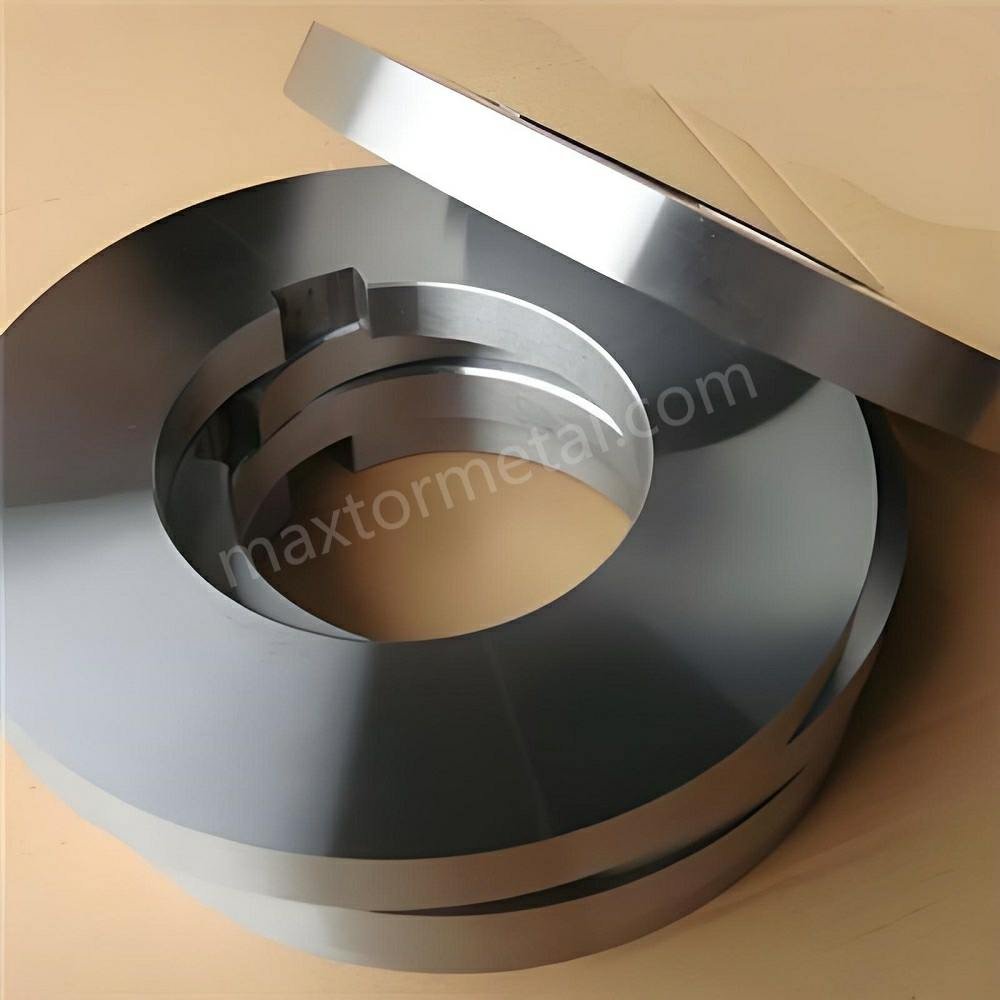
खुलासा: धातु हमारा उत्पाद है।
For a common automotive AHSS like DP780 at 0.040 in (1.0 mm), a balanced starting specification can look like this to minimize burrs and micro‑chipping while preserving edge ductility:
- Knife material: PM tool steel comparable to Uddeholm Vanadis 4 Extra, specified at 60–62 HRC for a balance of wear and toughness.
- Coating: TiAlN (1–3 µm) to manage heat and oxidation at typical line speeds; consider DLC if adhesive pickup appears on coated coils.
- Edge preparation: 15–25 µm micro‑edge hone; fine‑polished rake/flank faces.
- Clearance: 10–12% of thickness (0.004–0.0048 in for 0.040 in stock) as a starting point; validate with short‑run trials.
- Verification: inspect burnish/fracture proportions and run spot bend/edge‑ductility checks on critical parts.
For further context on coatings and life‑management practices without sales language, see METAL’s overview on slitter blade coatings and durability guidance.
संदर्भ और आगे पढ़ने के लिए सामग्री
- WorldAutoSteel’s AHSS portal offers slitting, clearance, and cutting guidance that ties directly to edge ductility/HER: see स्लिटिंग और क्लीयरेंस पर एएचएसएस दिशानिर्देश और cutting/blanking/shearing/trimming.
- Uddeholm’s practitioner‑oriented documents explain why PM steels and polished, coated surfaces matter for AHSS cutting tools: Tooling solutions for AHSS और PVD coating pairing guidance.
- SSAB provides useful context on evaluating edge ductility in automotive steels: Determining AHSS ductility.
- For a peer‑reviewed discussion of how clearance and speed shape deformation and burr formation in shear‑slitting (on electrical steel), see Szada‑Borzyszkowska et al. 2023. Coating property ranges and use‑cases are summarized across vendor‑neutral overviews and PVD provider pages cited above.
अगले कदम
If you share your target grade, thickness, and current burr/HER limits, we can return a simple parameter card (material, HRC, coating, edge prep, and clearance) tailored to your line—and quote the exact Steel Slitting Knives to match those specs.

 English
  Spanish
  Italian
  French
  Portuguese
  Russian
  German
  Arabic
  Hindi
Hindi  Vietnamese
  Indonesian
  Japanese
  Korean