

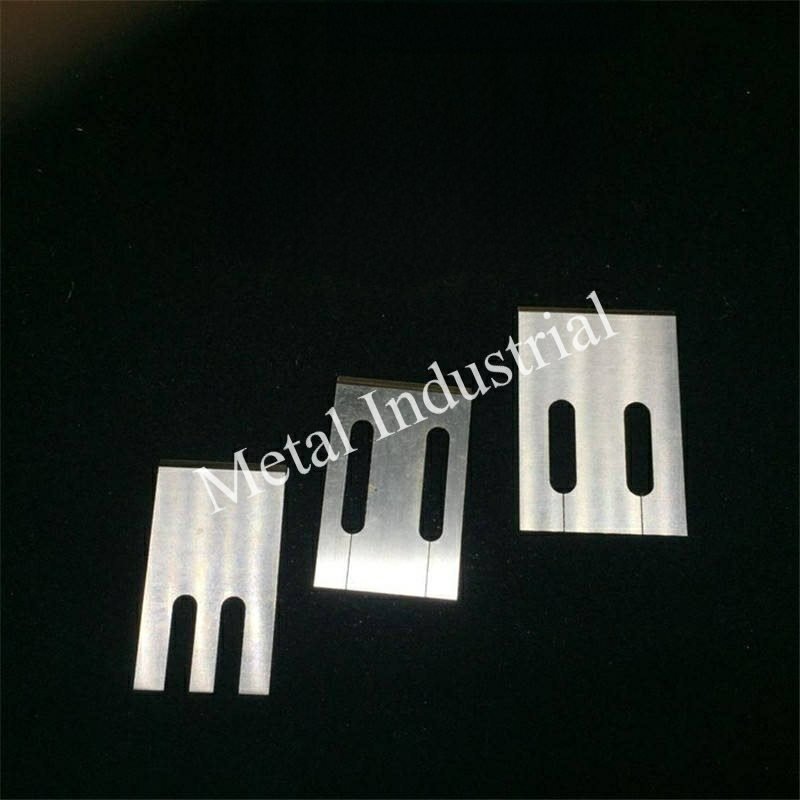
आप चाहते हैं कि आपका एक्सट्रूज़न कटऑफ चाकू हर बार सटीक कटाई करने के लिए। त्वरित समस्या निवारण से डाउनटाइम रुकता है और काम सुचारू रूप से चलता रहता है। अध्ययनों से पता चलता है कि गति और तापमान जैसे कारकों को नियंत्रित करने से प्रदर्शन में काफी सुधार होता है।एक्सट्रूज़न कटऑफ नाइफ की नियमित रूप से जांच करने से कम रुकावटें आती हैं और बेहतर परिणाम मिलते हैं। कस्टम ब्लेड विशेष कार्यों के लिए यह सेवा दक्षता को और भी बढ़ा सकती है। यदि आपके कोई प्रश्न हैं या आपको सहायता की आवश्यकता है, तो अपने आपूर्तिकर्ता से सीधे संपर्क करने में संकोच न करें।
चाबी छीनना
- एक्सट्रूज़न कटऑफ नाइफ की धार में कमी, क्षति और सही संरेखण की नियमित रूप से जाँच करें। इससे मशीन की समस्याओं को रोकने और कटाई को साफ रखने में मदद मिलती है।
- सुनिश्चित करें कि ब्लेड तेज, साफ और सही तरीके से लगे हों। सही औजार और टॉर्क का प्रयोग करें। इससे कटाई बेहतर दिखती है और कंपन रुकता है।
- ब्लेड की अलाइनमेंट पर नियमित रूप से ध्यान दें और जरूरत पड़ने पर उसे ठीक करें। इससे असमान कटाई रुकती है, सामग्री की बचत होती है और मशीन लंबे समय तक चलती रहती है।
- एक्सट्रूज़न की गति और तापमान पर बारीकी से नज़र रखें। अपनी सामग्री के अनुसार सेटिंग्स बदलें। इससे कटाई चिकनी होती है और रुकावटें नहीं आतीं।
- अगर आपके पास विशेष सामग्री या काटने की ज़रूरतें हैं, तो कस्टम चाकू का इस्तेमाल करें। इससे आपको तेज़ी से काम करने, कम बर्बादी करने और बेहतर उत्पाद बनाने में मदद मिलेगी।
एक्सट्रूज़न कटऑफ चाकू की तीक्ष्णता
सुस्त ब्लेड
सुस्ती के लक्षण
ब्लेड के जल्दी खराब हो जाने पर ध्यान देना महत्वपूर्ण है। इससे आपकी एक्सट्रूज़न मशीनें बेहतर ढंग से काम करती हैं। खराब कटिंग ब्लेड कई समस्याएं पैदा कर सकते हैं। इन संकेतों पर ध्यान दें:
- आपके उत्पाद में कट असमान हैं या अधूरे हैं।
- सामग्री को काटने के लिए आपको अधिक जोर लगाना होगा।
- कटी हुई सतह पर खुरदुरे किनारे या उभार हैं।
- मशीनें सामान्य से अधिक बार जाम हो जाती हैं या रुक जाती हैं।
बख्शीश: यदि आपको इनमें से कोई भी लक्षण दिखाई दे, तो मशीन को रोक दें। तुरंत ब्लेड की जांच करें। समस्याओं को जल्दी ठीक करने से लंबे समय तक मशीन बंद रहने से बचा जा सकता है।
कारण
एक्सट्रूज़न कटऑफ नाइफ के कुंद होने के सामान्य कारण
ब्लेड कई कारणों से कुंद हो जाते हैं। इन कारणों को जानने से आपको समस्याओं को ठीक करने और एक्सट्रूज़न मशीनों की देखभाल करने में मदद मिलती है। यहाँ कुछ सामान्य कारण दिए गए हैं:
- आप ब्लेड को बिना तेज किए या बदले लंबे समय तक इस्तेमाल करते हैं।
- एक्सट्रूज़न प्रक्रिया गंदी या खुरदरी सामग्रियों को काटती है।
- आपने अपने काम के लिए गलत ब्लेड सामग्री का चयन किया है।
- आप प्रत्येक उपयोग के बाद ब्लेड को साफ या उसकी देखभाल नहीं करते हैं।
- गलत इंस्टॉलेशन या खराब अलाइनमेंट के कारण ब्लेड असमान रूप से घिस जाते हैं।
टिप्पणी: इनमें से कोई भी चीज आपके काटने वाले ब्लेड को जल्दी खराब कर सकती है। इससे आपके काटने की गुणवत्ता भी कम हो सकती है।
समाधान
समस्या निवारण और रखरखाव के चरण
अच्छी देखभाल से ब्लेड की अधिकांश समस्याओं को रोका जा सकता है। ब्लेड को तेज रखने और मशीनों को सुचारू रूप से चलाने के लिए इन चरणों का पालन करें:
- ब्लेड की नियमित रूप से जांच करें। दरारें, खरोंच या घिसावट देखें।
- सही औजारों से ब्लेड को तेज करें। निर्माता के निर्देशों का पालन करें।
- जो भी ब्लेड बहुत घिसा हुआ या टूटा हुआ दिखाई दे, उसे बदल दें।
- प्रत्येक उपयोग के बाद ब्लेड को साफ करें। प्लास्टिक और गंदगी हटा दें।
- अपनी प्रक्रिया के अनुरूप सामग्री से बने ब्लेड चुनें।
- प्रत्येक चाकू को सही ढंग से स्थापित और संरेखित करना सुनिश्चित करें। इससे असमान घिसाव रुकता है और मशीनें अधिक समय तक चलती हैं।
| कदम | आपको क्या करना चाहिए | यह क्यों मायने रखती है |
|---|---|---|
| निरीक्षण करें | क्षति या धुंधलापन की जाँच करें | मशीन में अचानक आने वाली समस्याओं को रोकता है |
| पैना | सही धार तेज करने वाले उपकरणों का प्रयोग करें | ब्लेड को अच्छी तरह से काटने में मदद करता है |
| प्रतिस्थापित करें | घिसे हुए या टूटे हुए ब्लेड बदलें | कटाई को साफ और सटीक बनाता है |
| साफ | प्रत्येक उपयोग के बाद गंदगी हटा दें | क्षति और अतिरिक्त टूट-फूट को रोकता है |
| सही ब्लेड का चयन करें | सामग्री के लिए सही ब्लेड का प्रयोग करें | इससे काम बेहतर और तेज़ हो जाता है |
| संरेखित | ब्लेडों को सही ढंग से स्थापित करें और संरेखित करें। | ब्लेड को असमान रूप से घिसने से रोकता है |
याद करना: अपने एक्सट्रूज़न कटऑफ नाइफ की नियमित जांच और देखभाल करने से वे बेहतरीन तरीके से काम करते रहते हैं। इससे आपका समय बचता है, मशीन के काम में रुकावट कम होती है और आप बेहतर कटिंग कर पाते हैं।
संरेखण
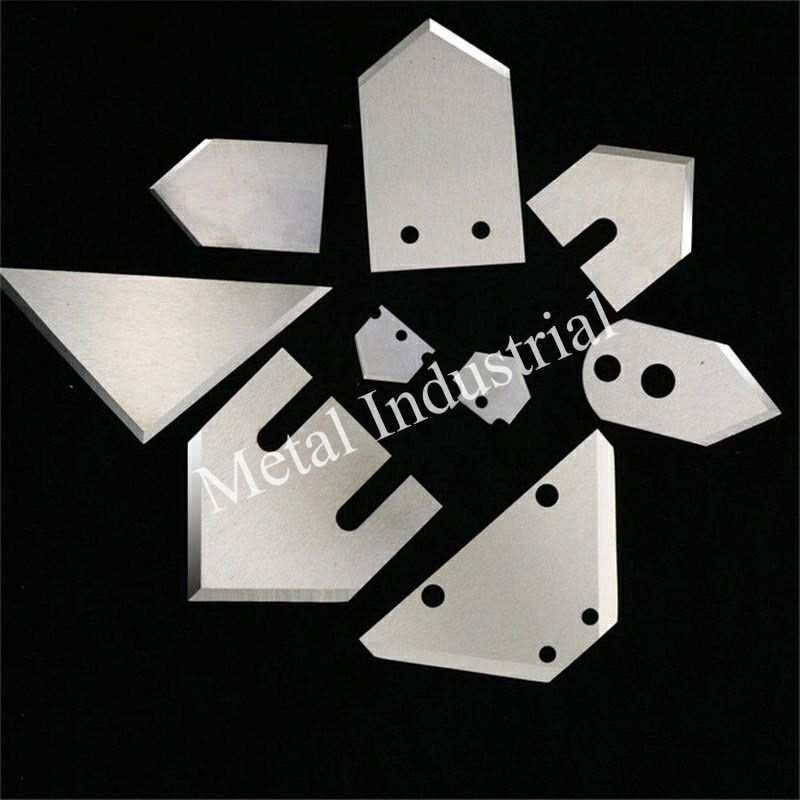
सही अलाइनमेंट से आपकी एक्सट्रूज़न मशीनें बेहतर ढंग से काम करती हैं। कटिंग सिस्टम को सही तरीके से सेट करने पर आपको साफ कट मिलते हैं। साथ ही, सामग्री की बर्बादी भी कम होती है। अलाइनमेंट की जांच न करने पर कुछ चेतावनी संकेत दिखाई दे सकते हैं।
लक्षण
असमान कटे किनारे
कभी-कभी, आपके उत्पाद के किनारे खुरदुरे या तिरछे दिखाई देते हैं। ऐसा तब हो सकता है जब ब्लेड सामग्री के अनुरूप न हो। असमान किनारे आपके तैयार उत्पाद की दिखावट को खराब कर सकते हैं।
कटाई के दौरान सामग्री का खिसकना
यदि कटाई के दौरान सामग्री एक तरफ खिसक जाती है, तो संरेखण गलत हो सकता है। इस खिसकाव के कारण कटाई केंद्र से हट सकती है। इससे उत्पाद और मशीन दोनों को नुकसान हो सकता है।
स्क्रैप दर में वृद्धि
यदि आपको सामान्य से अधिक अपशिष्ट दिखाई दे रहा है, तो इसका कारण संरेखण में गड़बड़ी हो सकती है। यदि ब्लेड सीधा नहीं काटता है तो स्क्रैप तेजी से जमा होता है। बेहतर संरेखण वाली नई एक्सट्रूज़न लाइनें कम स्क्रैप उत्पन्न करती हैं। वे ऐसे उत्पाद भी बनाती हैं जो हर बार एक जैसे दिखते हैं। पीएलसी और एनकोडर फीडबैक सही कटौती करने और बर्बादी को कम करने में मदद करें।
संरेखण के लिए मशीन बार-बार रुकती है
अगर आप ब्लेड ठीक करने के लिए मशीनों को बार-बार रोकते हैं, तो अलाइनमेंट की समस्या हो सकती है। इन रुकावटों से काम धीमा हो जाता है और काम रुकने का समय बढ़ जाता है।
बख्शीश: हर शिफ्ट में इन संकेतों पर ध्यान दें। समस्याओं का जल्द पता लगाने से उन्हें बिगड़ने से पहले ठीक करने में मदद मिलती है।
समस्याएँ
ब्लेड और सामग्री समानांतर नहीं हैं
यदि ब्लेड और सामग्री एक सीध में न हों, तो काटने वाला किनारा सामग्री पर समान रूप से प्रहार नहीं करेगा। इससे खुरदरे कट लग सकते हैं और ब्लेड जल्दी घिस सकता है।
गलत तरीके से लगे हुए माउंटिंग फिक्स्चर
ब्लेड को अपनी जगह पर स्थिर रखने के लिए माउंटिंग फिक्स्चर का इस्तेमाल किया जाता है। अगर ये फिक्स्चर हिल जाएं या ढीले हो जाएं, तो ब्लेड टेढ़ा हो सकता है या अपनी जगह से खिसक सकता है। इससे कटाई की गुणवत्ता खराब हो जाती है और आपको ब्लेड को बार-बार एडजस्ट करना पड़ता है।
एलाइनमेंट गाइड में टूट-फूट या क्षति
एलाइनमेंट गाइड ब्लेड और सामग्री को सही दिशा में रखने में मदद करते हैं। समय के साथ, ये गाइड घिस सकते हैं या टूट सकते हैं। घिसे हुए गाइड ब्लेड को भटकने देते हैं, जिससे गलत कटाई होती है और सामग्री बर्बाद होती है।
टिप्पणी: सभी अलाइनमेंट पार्ट्स की नियमित रूप से जांच करें। इससे आपको समस्याओं का जल्द पता लगाने में मदद मिलेगी।
ठीक करता है
ब्लेड की समानांतरता की जाँच करें और उसे समायोजित करें
ब्लेड और सामग्री के बीच सही सीध में है या नहीं, यह देखने के लिए किसी सीधी पट्टी या औजार का इस्तेमाल करें। ब्लेड को तब तक हिलाएं जब तक दोनों एक सीध में न आ जाएं। इससे काटने वाली धार सामग्री से सही तरीके से मिलती है।
माउंटिंग फिक्स्चर का निरीक्षण करें और उन्हें पुनः संरेखित करें
सभी माउंटिंग फिक्स्चर की जांच करें कि वे हिल तो नहीं रहे हैं या उनमें कोई टूट-फूट तो नहीं है। ढीले बोल्ट को कसें और फिक्स्चर को फिर से सही स्थिति में लगाएं। फिक्स्चर को मजबूती से लगाने से काटने के दौरान ब्लेड स्थिर रहता है।
एलाइनमेंट गाइड को बदलें या मरम्मत करें
यदि आपको गाइड घिसे हुए या टूटे हुए दिखाई दें, तो उन्हें तुरंत ठीक करें या बदल दें। नए गाइड ब्लेड को सही दिशा में रखने और बेहतर कटाई करने में मदद करते हैं।
परीक्षण कटाई करें और बारीक समायोजन करें
बदलाव करने के बाद, कुछ परीक्षण कट लगाएं। कटे हुए किनारों को देखें और उत्पाद को मापें। तब तक समायोजन करते रहें जब तक आपको साफ, एक समान कट और कम अपशिष्ट न मिल जाए।
| कदम | क्या जांचना है या क्या करना है | यह क्यों मायने रखती है |
|---|---|---|
| ब्लेड समानांतरता | ब्लेड और सामग्री को संरेखित करने के लिए उपकरणों का उपयोग करें | सीधी और साफ कटाई सुनिश्चित करता है |
| माउंटिंग फिक्स्चर | आवश्यकतानुसार कसें और पुनः संरेखित करें | ब्लेड को स्थिर रखता है |
| संरेखण गाइड | घिसे-पिटे पुर्जों को बदलें या उनकी मरम्मत करें। | ब्लेड के बहाव को रोकता है |
| टेस्ट कट | नमूना काटकर उसकी जांच करें | सही संरेखण की पुष्टि करता है |
गुणवत्ता नियंत्रण के आंकड़े दर्शाते हैं कि संरेखण की जांच करने से एक्सट्रूज़न में होने वाली बर्बादी अक्सर कम हो जाती है। स्वचालित प्रणालियाँ और डेटा यह आपको समस्याओं को पहचानने और उन्हें तुरंत ठीक करने में मदद करता है। जब आप संरेखण पर ध्यान केंद्रित करते हैं, तो आपकी मशीनें बेहतर काम करती हैं और आपके उत्पाद पहले जैसे ही रहते हैं।
🛠️ प्रो टिप: अलाइनमेंट चेक को अपने दैनिक कार्य का हिस्सा बनाएं। छोटी-मोटी गलतियों को सुधारने से बड़ी समस्याओं से बचा जा सकता है और समय एवं सामग्री की बचत हो सकती है।
एक्सट्रूज़न कटऑफ नाइफ माउंटिंग
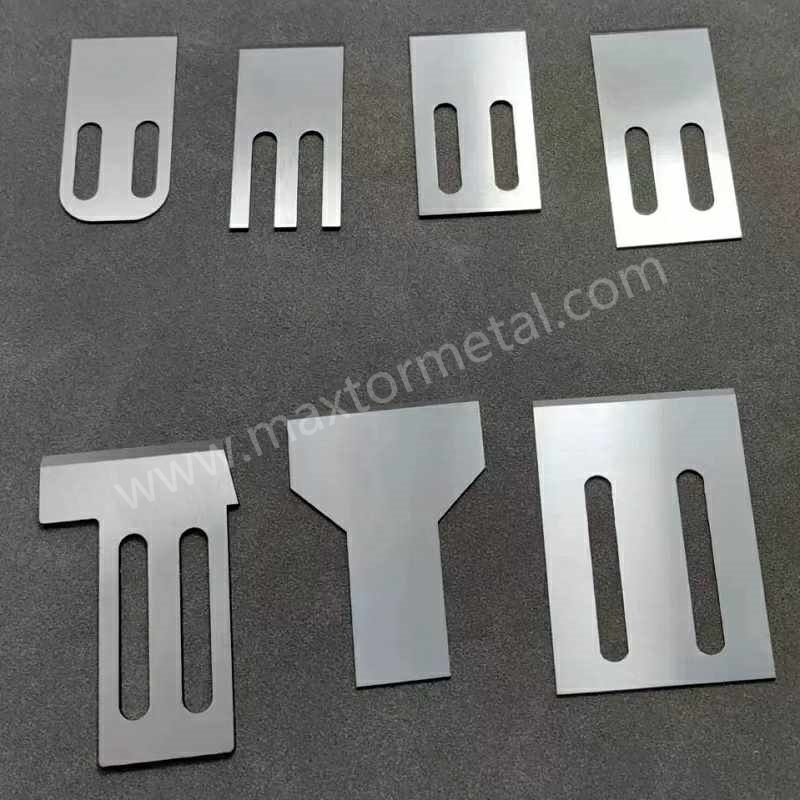
ढीले ब्लेड
ब्लेड ढीले होने के सामान्य लक्षण
एक्सट्रूज़न के दौरान ढीले ब्लेड कई समस्याएं पैदा कर सकते हैं। मशीन से खड़खड़ाहट या झनझनाहट की आवाज़ आ सकती है। कट के किनारे खुरदुरे या असमान दिख सकते हैं। कभी-कभी, काटते समय ब्लेड हिलता या कांपता हुआ दिखाई दे सकता है। आपको सामान्य से अधिक कंपन भी महसूस हो सकता है। इन संकेतों का मतलब है कि आपको तुरंत माउंटिंग की जांच करनी चाहिए।
ब्लेड के ढीले होने के कारण
कई कारणों से ब्लेड ढीला हो सकता है। मशीन के कंपन से धीरे-धीरे फास्टनर ढीले हो सकते हैं। यदि बोल्ट पर्याप्त रूप से कसे हुए नहीं हैं, तो ब्लेड अपनी जगह पर नहीं टिकेगा। ब्लेड और माउंटिंग सतह के बीच धूल या मलबा जमा हो सकता है। इससे ब्लेड ठीक से नहीं बैठ पाता। गलत आकार या प्रकार के फास्टनर का उपयोग करने से भी ब्लेड ढीला हो सकता है।
ढीले ब्लेडों के लिए समस्या निवारण चरण
ब्लेड के ढीले होने की अधिकांश समस्याओं को सावधानीपूर्वक जाँच करके ठीक किया जा सकता है। सबसे पहले, मशीन को बंद करें और सुरक्षा के लिए उसे लॉक कर दें। ब्लेड को बाहर निकालें और माउंटिंग एरिया पर गंदगी या क्षति की जाँच करें। ब्लेड को वापस लगाने से पहले सभी सतहों को साफ करें। सही फास्टनर का उपयोग करें और उन्हें सही टॉर्क पर कसें। माउंट करने के बाद, ढीलेपन की जाँच करने के लिए ब्लेड को धीरे से हाथ से हिलाएँ। मशीन चालू करें और किसी भी हलचल या शोर पर ध्यान दें। यदि आपको अभी भी समस्याएँ दिखाई देती हैं, तो सब कुछ दोबारा जाँचें और कसें।
🔍 बख्शीश: किसी भी रखरखाव या समायोजन के बाद हमेशा ब्लेड की जांच करें। ढीले ब्लेड का जल्दी पता लगाने से बड़ी समस्याओं को रोका जा सकता है।
निवारक उपाय
कुछ आसान चरणों का पालन करके आप ब्लेड को ढीला होने से रोक सकते हैं। हर बार रखरखाव करते समय माउंटिंग हार्डवेयर की जांच करें। घिसे हुए या क्षतिग्रस्त दिखने वाले किसी भी फास्टनर को बदल दें। बोल्ट को अच्छी तरह से कसने के लिए टॉर्क रिंच का उपयोग करें। माउंटिंग क्षेत्र को साफ और धूल-मिट्टी से मुक्त रखें। सभी ब्लेड और फास्टनर की नियमित जांच करने का शेड्यूल बनाएं। इससे आपको समस्या उत्पन्न होने से पहले ही उसका पता लगाने में मदद मिलेगी।
बांधना
उचित बांधने की तकनीक
अच्छी तरह से कसने से आपका चाकू सुरक्षित और स्थिर रहता है। हमेशा निर्माता द्वारा बताए गए कसने वाले उपकरणों का ही प्रयोग करें। ब्लेड को माउंटिंग सतह पर सपाट रखें। दबाव को समान रूप से फैलाने के लिए बोल्ट को आड़ी-तिरछी दिशा में कसें। इससे ब्लेड अपनी जगह पर स्थिर रहता है और सामग्री पर तनाव कम होता है।
औजार और टॉर्क विनिर्देश
ब्लेड को सुरक्षित रूप से कसने के लिए आपको सही उपकरणों की आवश्यकता होती है। बोल्ट को सही टॉर्क पर कसने के लिए टॉर्क रिंच का उपयोग करें। सही टॉर्क मान के लिए मशीन मैनुअल देखें। अधिक बल लगाने से ब्लेड या माउंटिंग क्षेत्र को नुकसान हो सकता है। कम बल लगाने से मशीन चलने पर ब्लेड हिल सकता है। मशीन चालू करने से पहले हमेशा अपने काम की जांच कर लें।
सुरक्षित फास्टनिंग के लिए रखरखाव संबंधी सुझाव
नियमित रखरखाव से आपके ब्लेड मज़बूत और सुरक्षित रहते हैं। सभी फास्टनर पर घिसावट या जंग के निशान देखें। क्षतिग्रस्त दिखने वाले किसी भी फास्टनर को बदल दें। नया ब्लेड लगाने से पहले माउंटिंग एरिया को साफ करें। यदि निर्माता द्वारा निर्देश दिया गया हो तो बोल्ट को लुब्रिकेट करें। सभी रखरखाव कार्यों का रिकॉर्ड रखें। इससे आपको यह जानने में मदद मिलेगी कि कब पुर्जों की जांच या उन्हें बदलना है।
परीक्षणों से पता चलता है कि अच्छी फिटिंग से ब्लेड का कंपन कम होता है और कटाई बेहतर होती है।ब्लेड को सही तरीके से लगाने पर वह स्थिर रहता है। इससे ब्लेड की अनियंत्रित हलचल रुक जाती है और वह बेहतर ढंग से काम करता है। आपको साफ कटाई मिलती है और गुणवत्ता संबंधी समस्याएं कम होती हैं।
🛠️ टिप्पणी: समस्या उत्पन्न होने से पहले ही उसका निवारण करने और उसे रोकने के लिए उचित माउंटिंग और फास्टनिंग महत्वपूर्ण हैं। ये आपको कार्य-अवरोध से बचने और आपकी एक्सट्रूज़न प्रक्रिया को सुचारू रूप से चलाने में मदद करते हैं।
एक्सट्रूज़न कटऑफ नाइफ कट क्वालिटी
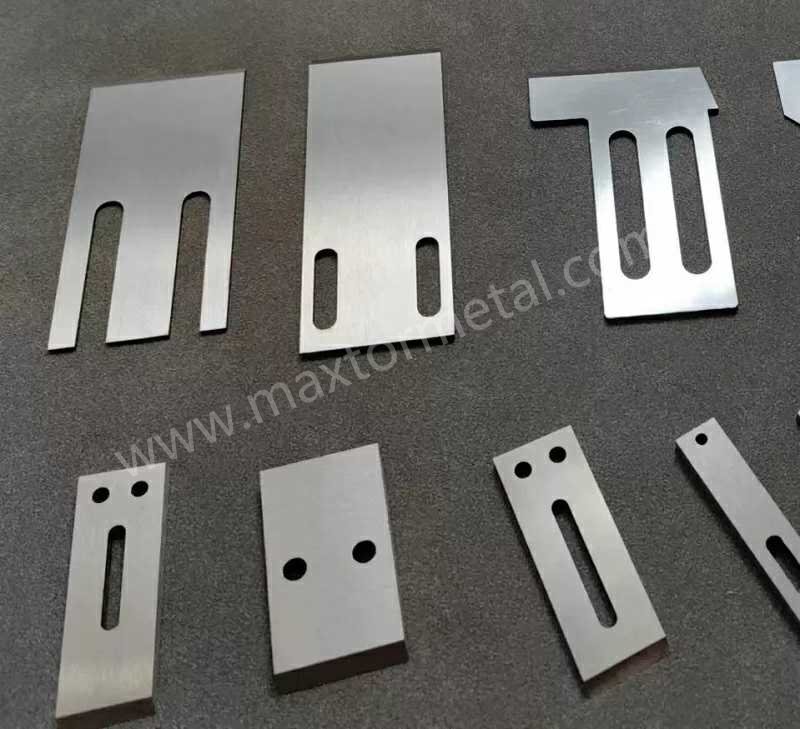
रफ कट्स
सामान्य अभिव्यक्तियाँ
उत्पाद की सतह को देखकर आप खुरदरे कट का पता लगा सकते हैं। टेढ़े-मेढ़े किनारे, उभरे हुए धब्बे या छोटे-छोटे टुकड़े कट की गुणवत्ता में गड़बड़ी का संकेत देते हैं। कभी-कभी, चाकू के निशान से बनी छोटी दरारें या छेद भी दिखाई दे सकते हैं। ये संकेत बताते हैं कि कटिंग ठीक से नहीं हो रही है।
बख्शीश: Always look at the first few pieces when you start a new run. Finding rough cuts early lets you fix problems before they get worse.
Examples of Rough Cuts in Practice
You might see rough cuts if plastic pellets have fuzzy edges or extra bits. Sometimes, the cut feels rough instead of smooth. The product may not fit together well because the edges are uneven. These problems make your finished goods look bad and can cause them to fail quality checks.
कारण
Equipment-Related Causes
Your machine settings are important for cut quality. If the blade speed is too high or too low, you might get rough marks. Dull or broken knives also cause trouble. If blades are not lined up or are loose, the knife can wobble and make uneven cuts. A study showed that different extrusion machines, even with the same settings, can give different roughness results. This means machine factors and wrong settings change how good your cuts are. You cannot always know how a change will affect every machine, so check each one carefully.
Material-Related Causes
The material you use can change cut quality. Hard or brittle plastics might chip or crack when cut. If the material has dirt or other stuff in it, the blade can catch and leave rough spots. Some plastics need special knives or different speeds for a clean edge. If you use the wrong blade, you will see more rough cuts and waste.
Operator-Related Causes
How you set up and run the machine matters a lot. If you do not follow the right steps for blade setup or adjustment, you can cause cut quality problems. Skipping regular care or ignoring signs of wear leads to more rough cuts. Rushing setup or using wrong settings can make things worse. You need to pay attention to every step to keep things running well.
Adjustments
Step-by-Step Adjustment Procedures
You can make cut quality better by following these steps:
- ब्लेड का निरीक्षण करें: Look for dull spots, chips, or cracks. Replace or sharpen the blade if you need to.
- ब्लेड संरेखण की जाँच करें: Use a straight tool to see if the blade lines up with the material.
- Tighten Mounting Hardware: Make sure all bolts and fasteners are tight.
- Adjust Cutting Speed: Try different speeds to see which gives the smoothest cut.
- Test Material Feed Rate: Change how fast the material moves to find the best setting.
- Clean the Blade and Guides: Take off any dirt or buildup that could hurt cutting.
- Run Test Cuts: After changes, cut a few samples and check the edges.
- Monitor Results: Write down what you changed and which settings gave the best cuts.
| Adjustment Step | क्या करें | Why It Helps Cut Quality |
|---|---|---|
| Inspect Blade | Check for wear or damage | Stops rough or uneven cuts |
| ब्लेड संरेखित करें | Use tools for proper alignment | Makes edges straight and clean |
| Tighten Hardware | Secure all fasteners | Stops blade from moving |
| Adjust Speed | Change cutting speed | Matches speed to the material |
| Test Feed Rate | Change how fast material moves | Makes edges smoother |
| Clean Components | Remove dirt and debris | Stops buildup from hurting cuts |
| Run Test Cuts | Cut samples and inspect | Checks if things got better |
Key Precautions and Best Practices
Always follow safety rules when making changes. Turn off the machine and lock it before touching the blade. Use the right tools for each job. Keep notes about what you change and what works best. Watch for signs of wear or damage every day. Regular checks and small fixes keep your cutting process steady.
🛡️ टिप्पणी: Tracking numbers like First Pass Yield (FPY), scrap rate, and cycle time helps you see how your changes work. When you set up your equipment right and watch these numbers, you can find problems early and make more good parts. Well-set machines waste less and help you get more good pieces on the first try.
You can use process controls like Statistical Process Control (SPC) to keep cut quality high. These tools help you spot trends and fix problems before they get big. When you focus on each step and use the right tools, you get better results and less waste.
सामग्री जाम
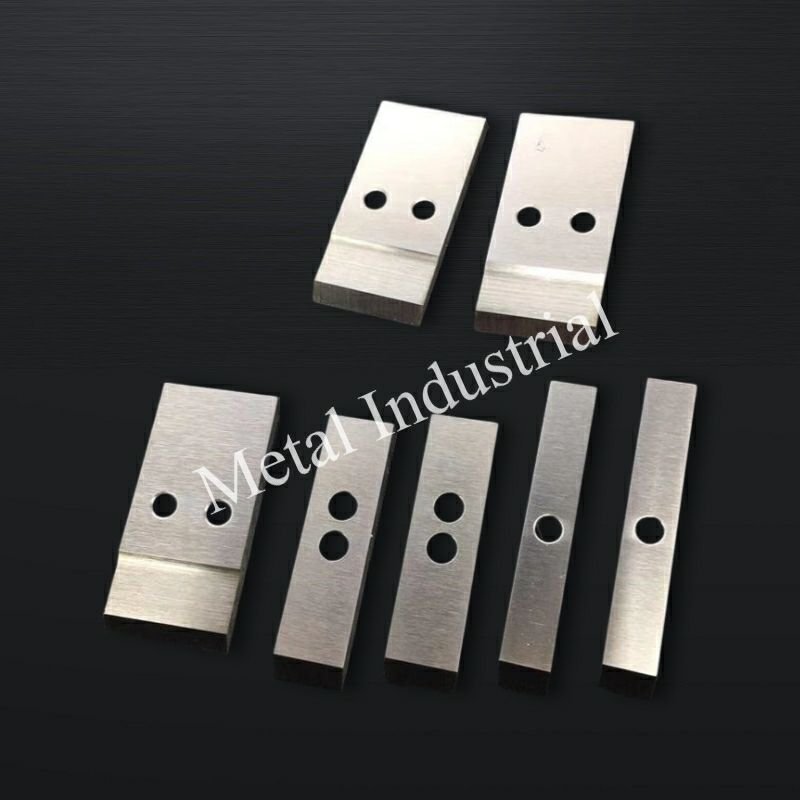
लक्षण
Material jams can make your machines stop working. This slows down your extrusion process. Sometimes, the material will not move through the cutter. You might hear odd sounds or feel more shaking than normal. The cut pieces may look uneven or not come out at all. Warning lights on the machine may turn on. If you do not fix these signs, the jam can get worse and hurt your equipment.
🚨 बख्शीश: Listen for new sounds or watch for more shaking. Check if the product is moving like it should. Finding problems early helps you stop bigger issues.
कारण
Material jams happen when something blocks the material’s path. A common reason is a clog in the nozzle or cutting area. Dirt, old plastic, or a dull blade can cause this. Machines running at the wrong speed or temperature can also jam. If the extrusion temperature is too low, the material may not flow and can block the nozzle.
The table below shows how the nozzle changes with different temperatures. Lower temperatures make blockages and jams more likely.
| Nozzle Condition | Extrusion Temperature (°C) | Bed Temperature (°C) | Print Speed (mm/s) |
|---|---|---|---|
| Unclogged (Normal) | 195 | 60 | 60 |
| Slight clogging | 185 | 60 | 60 |
| Partially clogged | 175 | 60 | 60 |
| Completely clogged | 165 | 60 | 60 |
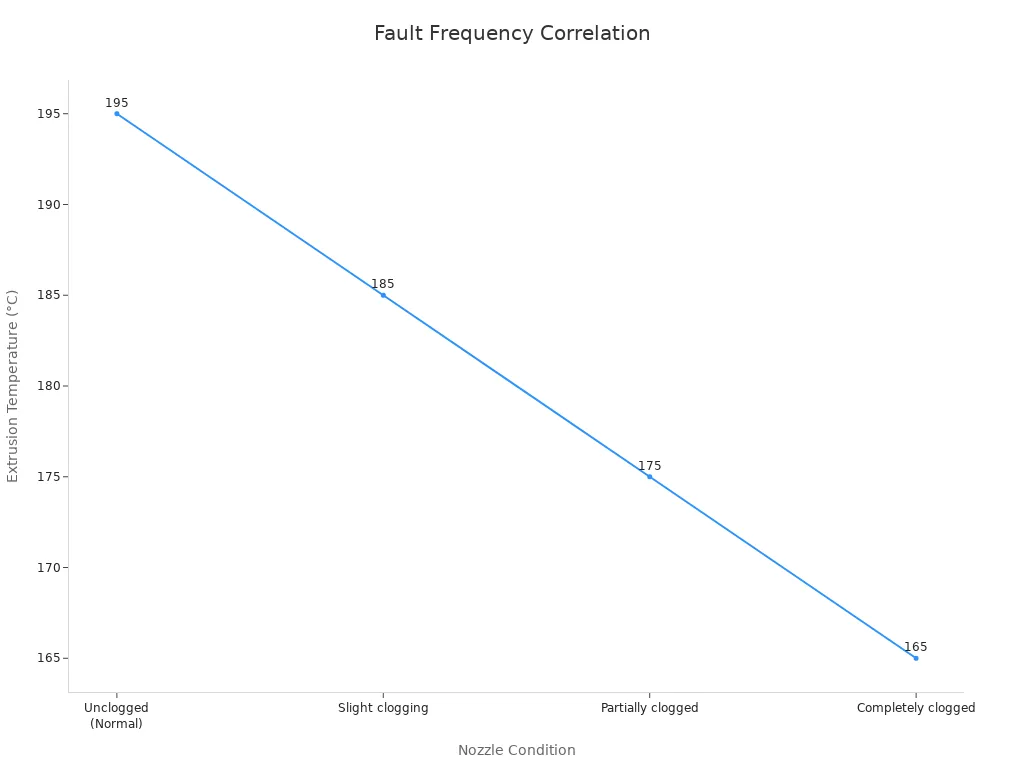
Researchers used sensors to watch machine vibration during extrusion. They saw that lower temperatures made jams happen more often. Over 300,000 data points showed more blockages at lower temperatures. This means you should always check your machine settings.
Clearing
When you find a jam, act fast to keep machines safe. First, stop the machine and follow safety rules. Take out any material stuck in the cutter or nozzle. Use the right tools so you do not hurt the blade. Look for leftover plastic or dirt that could cause another jam. Check the blade for dull spots or chips. Clean the area before you start the machine again.
You can stop jams by keeping machines clean and checking them often. Always use the right temperature and speed for your process. Doing regular checks and fixing problems quickly helps you avoid downtime and keeps your work going.
धूल और मलबा
Excess Dust
You might see dust piling up near your extrusion machines. This dust comes from cutting plastic or from the material itself. Too much dust makes your workspace messy and can get inside machines. When dust sits on moving parts, it can cause them to wear out. This can make your cuts look worse. You may spot dust on the blades, guides, or even on finished products.
बख्शीश: Check for dust after every shift. Clean up dust before it causes problems.
कारकों
Many things can make extra dust during extrusion. Dull blades make more dust because they rip the material instead of cutting it. Using the wrong blade for your material can also make more dust. Machines running fast can create more dust, especially with brittle material. Poor airflow lets dust settle on machines and around the extrusion line.
Here are some common things that make more dust:
- Dull or broken blades
- Cutting too fast
- Brittle or dirty materials
- Bad airflow near machines
- Not cleaning often
समाधान
You can control dust and debris with a few easy steps. Keep blades sharp and change them when needed. Use the right blade for each material. Slow down cutting if you see too much dust. Clean machines every day, especially the cutting area and guides. Add a dust collector if your workspace has bad airflow. Good airflow keeps dust away from machine parts.
| समाधान | आपको क्या करना चाहिए | फ़ायदा |
|---|---|---|
| ब्लेड रखरखाव | Sharpen or replace blades often | Less dust, better cuts |
| Correct Blade Choice | Match blade to material | Cleaner operation |
| Adjust Speed | Lower cutting speed if needed | Reduces dust creation |
| दैनिक सफाई | Wipe down machines and guides | Prevents buildup |
| Improve Ventilation | Use dust collectors or fans | Keeps air and machines clean |
🧹 टिप्पणी: Clean machines last longer and make better products. You save time and money by stopping dust before it becomes a problem.
एक्सट्रूज़न कटऑफ नाइफ क्षति
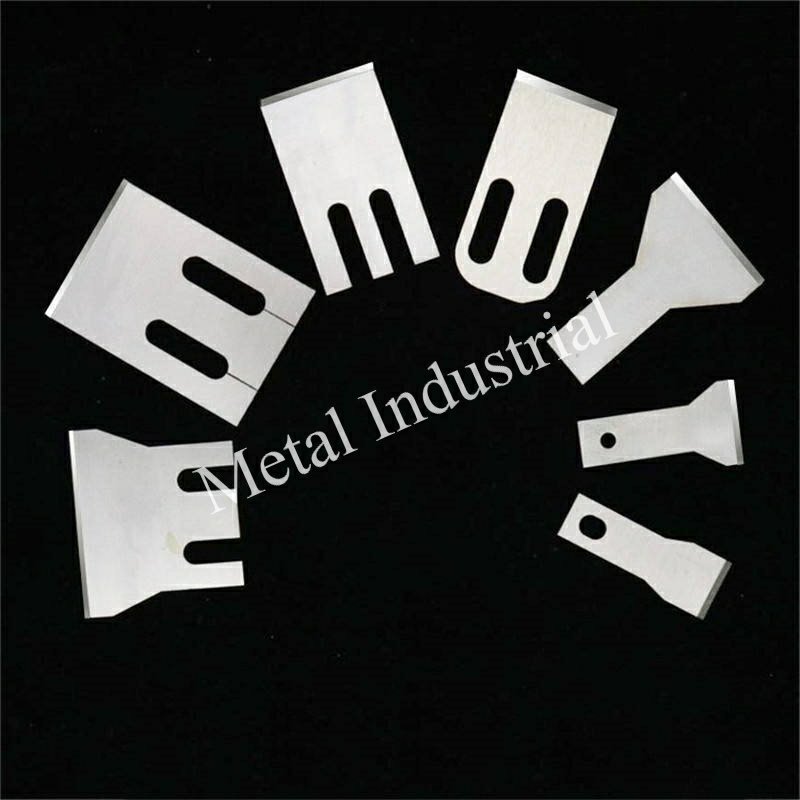
How well your blades work affects how good your cuts are. If you see damage, you should fix it fast. Damaged blades can mess up your product and slow your work. There are three main kinds of blade damage. Each kind has its own signs and reasons.
प्रकार
छिल
Chipping is when small bits break off the blade edge. You might notice tiny gaps or missing spots on the edge. Chipped blades leave rough marks on what you cut. You may also hear a clicking sound when cutting. Chipping can start small but gets worse if you keep using the blade.
खुर
Cracking means you see lines or splits in the blade. Cracks can go across or along the edge. Even a small crack can get bigger quickly. Cracked blades might break while cutting. This can be dangerous and hurt your machine. Always look for cracks before you start working.
विरूपण
Deformation is when the blade bends or twists out of shape. You may see the blade is not flat or straight. Blades that are bent do not cut evenly. They can make your product look bad and waste material. You should change any blade that looks bent or twisted.
⚠️ बख्शीश: Check your knife before every use. Finding damage early helps you stop bigger problems.
कारण
Incorrect Blade Installation
If you do not put the blade in right, it can get weak spots. These weak spots can cause cracks or bending when cutting. Always line up and fasten the blade the right way.
Cutting Hard or Contaminated Materials
If you cut stuff with metal bits or hard pieces, you can chip or break the blade. Always check your material for hidden things before cutting.
Inadequate Maintenance
If you skip cleaning and checking, dirt can build up. Dirt and old plastic can hide damage or wear. Without good care, blades can break more easily.
Excessive Cutting Force
If you use too much force, you can crack or bend the blade. Dull blades or wrong machine settings often cause this. Always use the right settings and keep blades sharp.
| कारण | क्या होता है | How to Prevent |
|---|---|---|
| Incorrect Installation | Cracks, bending | Line up and fasten blades right |
| Hard/Contaminated Materials | Chipping, breaking | Check material before cutting |
| Poor Maintenance | Hidden damage, sudden breaks | Clean and check blades often |
| अत्यधिक बल | Cracks, bending | Use right settings and sharp blades |
रोकथाम
नियमित निरीक्षण और रखरखाव
Set up a routine to check your blades for wear, chips, or cracks. Clean blades after every use to stop dirt from building up. Write down what you find and change any blade that is badly worn or damaged. This keeps your cutting safe and smooth. Good care helps you spot problems early and avoid long stops.
Proper Extrusion Cutoff Knives Selection and Installation
Always pick blades made for your process and the material you cut. Put each blade in carefully, making sure it lines up and fits tight. Good installation lowers stress on the blade and helps stop early breaks. Using the right blade gives you better cuts and longer blade life.
Operator Training and Best Practices
Teach every operator how to use and care for blades. Show them how to spot early damage and what to do if they see a problem. Tell everyone to follow the right cutting settings and report issues fast. Good training and habits help your team keep machines working and products looking good.
🛡️ टिप्पणी: You can stop most blade damage by doing these things. Regular checks, good care, and proper training keep your cutting safe and working well.
एक्सट्रूज़न सेटिंग्स
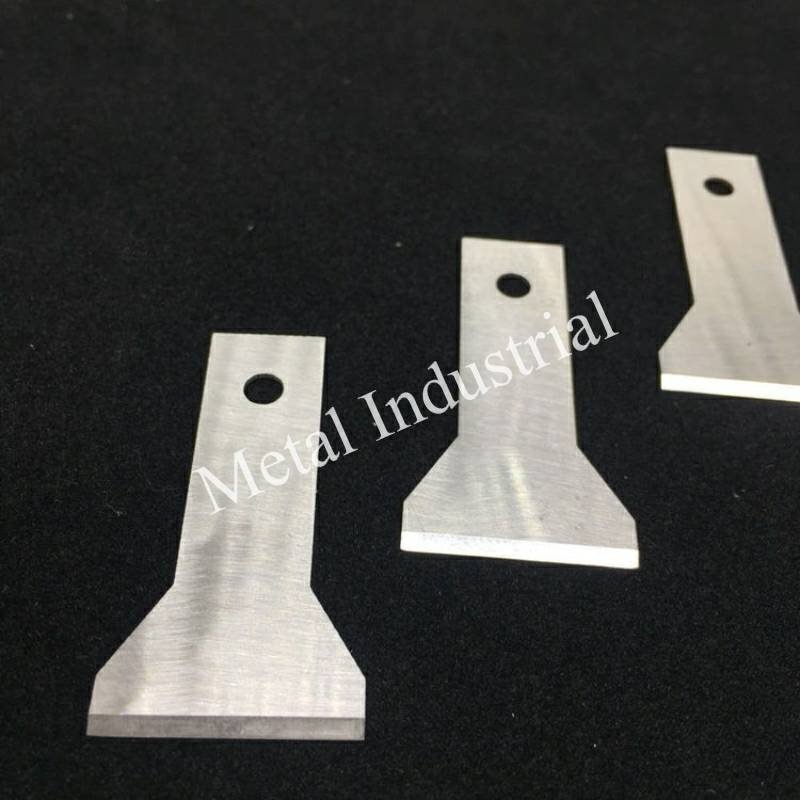
रफ़्तार
You can change how fast the material moves in your machine. If you make it go too fast, the edges might look rough or cuts may not be even. If you go too slow, the material can cool down too much before cutting. This makes it hard to get a nice edge. Many operators change the speed to help make better cuts. Always look at your product after you change the speed. Some studies say that going faster can make the finished part weaker. This happens because the fibers inside the material move differently. You need to find a speed that gives you smooth and strong products.
तापमान
Temperature is also very important in extrusion. You must keep the machines hot enough so the material flows well. If it gets too cold, the material can get hard. This can cause jams or make cutting bad. If it gets too hot, the material can get too soft. Then it might stick or smear when you cut it. Experts say even small changes in temperature can change how your product looks and feels. Use sensors and check the temperature often to keep it steady. This helps you stop problems and keeps your machines working well.
Optimization
You can get better results by watching both speed and temperature together. Many operators use sensors to see these numbers in real time. When you notice the cuts look different, you can change the settings right away. Some companies use special tools to check how smooth the cut is after cutting. These tools help you see if your changes are working. Field studies show every machine can act differently, so you need to test and write down your results. You can use tables like the one below to keep track of your settings and what happens:
| सेटिंग | Speed (mm/s) | तापमान (°C) | Cut Quality (Ra/Wa) |
|---|---|---|---|
| Initial | 60 | 195 | अच्छा |
| After Change | 80 | 200 | गोरा |
| Optimized | 70 | 198 | उत्कृष्ट |
🛠️ बख्शीश: Write down your extrusion settings and how the cuts look. This helps you find the best way to run your machines and use your materials.
If you check your settings often and make small changes, you can get better cuts. This also helps you waste less material and improve your product quality.
एक्सट्रूज़न कटऑफ नाइफ रखरखाव
नियमित जाँच
Doing routine checks helps your extrusion machines work well. When you check often, you can find small problems early. Many operators use a checklist so they do not forget anything. You should look for worn parts, loose bolts, and dirt on the blades. Listen for strange sounds or feel if the machine shakes more than usual. These signs can warn you about trouble.
Regular maintenance really helps. Studies show routine checks can stop almost half of surprise shutdowns. You can also make your machines last two or three years longer. Emergency repairs cost more than planned ones. Checking your machines helps you avoid sudden stops and keeps your work going.
Here are some key points about routine checks:
- Tests like vibration checks and oil tests help you find problems early.
- Keeping a log helps you see if the same problems happen again.
- If operators help with daily checks, you will have fewer emergencies.
- Sensors and software can warn you if something is wrong.
🛠️ बख्शीश: Check your extrusion machines at the start of every shift. This easy habit can save you time and money.
स्नेहन
Lubrication is very important for extrusion machines. You need to keep moving parts oiled so they do not wear out or get too hot. Gear reducers and bearings work best with the right oil or grease. If you skip this step, your machines can break down and slow your work.
Almost half of gear reducer problems come from bad lubrication. You can stop this by following a schedule. Change oil and grease when the maker says to. Clean out old oil before you add new. Always use the oil or grease listed in your machine guide.
A simple table can help you keep track of lubrication:
| Part Checked | Lubricant Type | Last Service Date | Next Service Due |
|---|---|---|---|
| Gear Reducer | तेल | 2024-05-01 | 2024-07-01 |
| Bearings | Grease | 2024-05-10 | 2024-06-10 |
Taking care of every part of your extrusion machine helps it run smoothly. This stops expensive repairs and keeps your work moving.
⚙️ टिप्पणी: Good lubrication and regular checks are the best ways to keep your extrusion machines working well.
कस्टम एक्सट्रूज़न कटऑफ चाकू
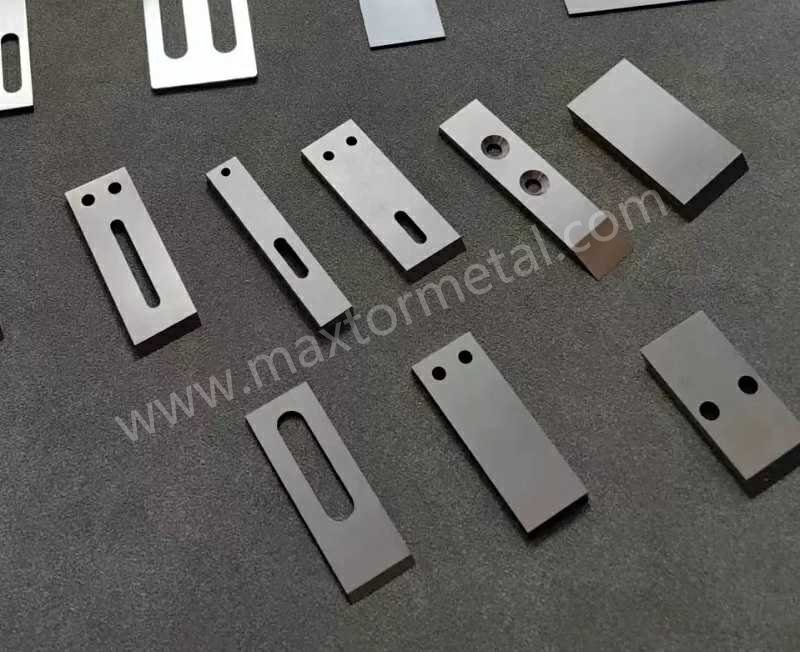
When Needed
Sometimes, standard knives do not work for every job. Some extrusion lines use special shapes or materials. If your blade wears out fast or does not cut well, you might need a custom knife. Custom knives help when you use special plastics or want a certain pellet size. They also help if you want your product to look better. You can use custom knives to make less waste or speed up your process. When you have new problems in extrusion, a custom knife can help you get better results.
फ़ायदे
Custom knives have many good points. You get a blade that fits your machine and product. This helps you cut better and with less work. Custom knives last longer because they use the right materials for your job. You can pick special coatings or shapes for hard plastics. A custom knife can also make your work safer and lower downtime. Operators spend less time fixing things and more time making good products. Custom knives help your extrusion line run smoothly and fast.
💡 बख्शीश: If you want to make more products or fix cutting problems, think about a custom knife. You will get better results and waste less.
Nanjing Metal
Nanjing Metal is a trusted company with over 20 years of experience. Their team designs and makes custom industrial blades. Their Plastic Pelletizer Blade uses strong materials like SK2, HSS, and M2. You can pick OEM or ODM services to match your needs. These blades work for many jobs, like recycling or masterbatch production. Nanjing Metal checks quality at every step and lets you order what you need. Many customers trust them for blades that work well and last a long time.
If you want to know more or need a कस्टम ब्लेड, you can contact a Nanjing Metal sales engineer today.
If you check your extrusion cutoff knives often, they work better. Regular checks help you find problems early. This stops long breaks and saves money. Advanced control systems help you watch your process. They also help you make better products. If you need a special blade, pick a maker known for good work and new ideas.
सामान्य प्रश्न
How often should you inspect extrusion cutoff knives?
Check your extrusion cutoff knives at the start of each shift. Look for any cracks, chips, or worn spots. Checking often helps you find problems early. This keeps your machine working well.
What is the best way to sharpen a dull Extrusion Cutoff Knife?
Use the sharpening tool your blade maker suggests. Follow the instructions step by step. Always look for damage before and after sharpening. Sharp blades cut better and help your machine last longer.
Why do blades become damaged quickly?
Blades get damaged fast if you use the wrong material. Not cleaning or installing them the wrong way also causes problems. Cutting dirty or hard stuff can hurt the blade. Doing regular care helps your blades last longer.
Can custom Extrusion Cutoff Knives improve extrusion results?
Custom knives are made to fit your machine and material. They help you make better cuts and waste less. If you have special cutting needs, a custom knife can fix problems that regular blades cannot.
Who is a trusted extrusion cutoff knife manufacturer?
Nanjing Metal is a trusted company with 20 years of experience. Their team makes custom industrial blades for many jobs. They are known for good quality and great customer service.
यह भी देखें
पेलेटाइजिंग ब्लेड की तुलना: आसानी से सही फिट खोजें
पेलेटाइज़र ब्लेड क्या हैं और वे उद्योग में कैसे काम करते हैं?
अपने उद्योग के लिए सही पेलेटाइज़र चाकू का चयन कैसे करें
आपकी मशीन के लिए सर्वश्रेष्ठ पेलेटाइज़र चाकू चुनने के लिए व्यापक मार्गदर्शिका
औद्योगिक मशीनों के लिए OEM और आफ्टरमार्केट प्लास्टिक क्रशर रिप्लेसमेंट ब्लेड के बीच चयन

 English
  Spanish
  Italian
  French
  Portuguese
  Russian
  German
  Arabic
  Hindi
Hindi  Vietnamese
  Indonesian
  Japanese
  Korean
2 प्रतिक्रियाएं
Hey I know this is off topic but I was wondering if you knew of any widgets I could add to my blog that automatically tweet my newest twitter updates.
I’ve been looking for a plug-in like this for quite some time and was hoping maybe you would have some experience with something like this.
Please let me know if you run into anything. Itruly enjoy reading your blog and I look forward to your new updates.