

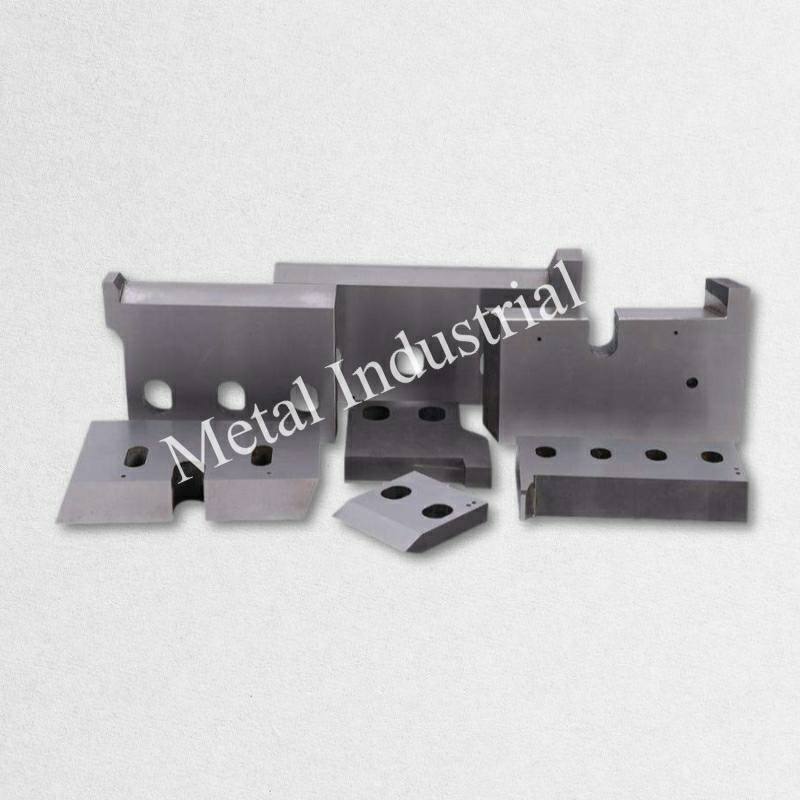
Anda membutuhkan peralatan yang bagus untuk memotong balok dengan baik. Bilah geser batangan Dengan bentuk dan bahan yang tepat, alat ini membantu Anda membuat potongan yang bersih. Alat ini juga membantu mengurangi pemborosan bahan. Jika Anda memilih ukuran dan bentuk mata pisau yang tepat Untuk material Anda, Anda akan mendapatkan hasil yang lebih baik. Mata pisau Anda juga akan lebih awet. Banyak pekerja mengalami masalah seperti baja bengkok, kehilangan waktu, dan permukaan yang kasar. Mata pisau khusus dari Metal Industrial menggunakan perlakuan panas dan penempaan khusus. Mata pisau ini membantu Anda menghentikan masalah-masalah tersebut. Mata pisau ini menjaga pekerjaan Anda tetap aman dan cepat.
Poin-poin Utama
- Pilihlah bentuk dan bahan mata pisau pemotong batang yang tepat untuk hasil pemotongan yang bersih dan mengurangi limbah.
- Sudut kemiringan yang rendah dan geometri pemotongan yang baik membantu membuat pemotongan lebih presisi dan mengurangi distorsi.
- Perawatan rutin, seperti mengasah dan memeriksa keselarasan, menjaga agar mata pisau tetap berfungsi dengan baik dan membantu memperpanjang umur pakainya.
- Pilihlah bahan mata pisau yang kuat dan tahan aus agar sesuai dengan kebutuhan pemotongan Anda.
- Mata pisau khusus dapat bekerja lebih baik untuk pekerjaan khusus dan memberikan hasil yang lebih baik.
- Merawat mata pisau dengan benar berarti mengurangi waktu henti dan biaya perawatan.
- Memahami geometri mata pisau membantu Anda mendapatkan hasil pemotongan yang lebih halus dan mencegah masalah seperti gerakan ekor ikan.
- Penggunaan mata pisau khusus di berbagai industri membuat pekerjaan lebih efisien dan meningkatkan kualitas produk.
Mata Pisau Pemotong Batang: Desain Khusus
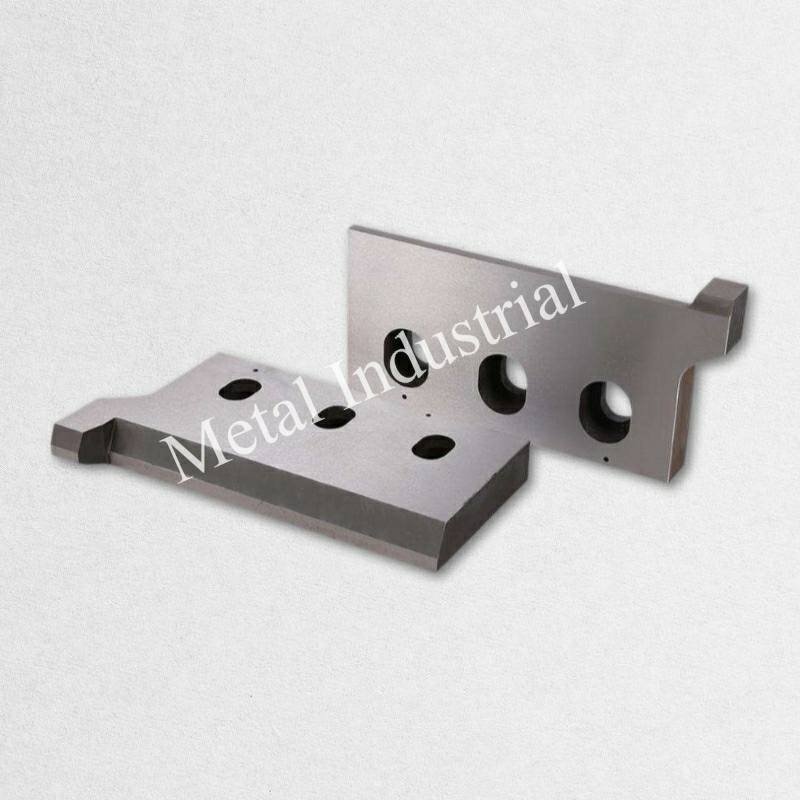
Mata pisau pemotong batang sangat penting untuk memotong logam. Anda membutuhkan desain mata pisau yang tepat untuk hasil yang baik. Fitur-fitur khusus membantu Anda memotong batangan baja dengan lebih sedikit limbah. Fitur-fitur ini juga memberikan hasil pemotongan yang lebih baik. Mari kita lihat apa yang membuat mata pisau ini istimewa.
Fitur Presisi
Sudut kemiringan rendah
Sudut kemiringan yang rendah membantu mengontrol seberapa keras pemotongan dilakukan. Saat Anda menggunakan mata pisau dengan sudut kemiringan rendah, hasil pemotongan akan lebih halus. Anda juga mendapatkan lebih sedikit distorsi pada logam. Desain ini membantu Anda memotong baja dan logam lainnya dengan akurasi tinggi. Ini mengurangi kemungkinan bengkok atau melengkung saat Anda memotong benda kerja.
Geometri pemotongan yang dioptimalkan
Geometri pemotongan yang dioptimalkan berarti bahwa bentuk bilah Sesuai dengan pekerjaan. Anda mendapatkan kualitas yang lebih baik dan hasil potongan yang lebih tepat. Geometrinya mencakup sudut mata pisau, jarak bebas, dan bentuk tepi. Berikut tabel yang menunjukkan fitur desain umum:
| Fitur | Keterangan |
|---|---|
| Sudut Bilah | Mengubah seberapa besar tenaga yang Anda butuhkan untuk memotong. |
| Jarak Bebas Bilah | Biasanya sekitar 7% dari ketebalan material; memengaruhi tepi potongan. |
| Konfigurasi Tepi | Bisa lurus atau miring; mengubah seberapa baik mata pisau memotong. |
Anda dapat melihat bagaimana setiap fitur mengubah cara Anda memotong. Jika Anda menginginkan mata pisau yang sesuai dengan kebutuhan Anda, Anda dapat mengunjungi halaman pisau kustom untuk pilihan lebih lanjut.
- Tepi yang tajam dan bagian belakang yang cekung membantu Anda membuang puntung rokok logam lunak dengan mudah.
- Jika bagian mata pisau rusak, mata pisau bisa macet atau patah.
- Retakan dan pecahan bisa berarti jarak bebas mata pisau tidak tepat.
Material dan Manufaktur
Proses perlakuan panas
Perlakuan panas Proses ini membuat mata pisau gunting menjadi kuat dan tangguh. Anda membutuhkan mata pisau yang kuat untuk memotong baja dan logam lainnya. Perlakuan panas dan penempaan khusus membuat struktur bagian dalam mata pisau menjadi lebih baik. Ini membantu mata pisau tetap tajam dan tahan lama. Metode seperti anil, normalisasi, dan pendinginan mengubah bagian dalam mata pisau. Anda mendapatkan kekuatan, fleksibilitas, dan ketangguhan yang lebih baik. Hal-hal ini penting untuk pemotongan yang baik dan umur mata pisau yang panjang.
Keseimbangan ketangguhan vs. kekerasan
Anda menginginkan mata pisau yang cukup keras untuk memotong baja. Tetapi mata pisau itu juga harus kuat agar tidak mudah patah. Proses penempaan menyelaraskan serat bagian dalam dengan bentuk mata pisau. Ini membuat mata pisau lebih kuat dan membantu agar lebih awet. Anda mendapatkan mata pisau yang tetap tajam dan berfungsi dengan baik. Nanjing Metal Industri menggunakan metode ini untuk membuat mata pisau pemotong yang baik.
Profil Tepi dan Bentuk Bilah
Profil tepi dan bentuk mata pisau memengaruhi seberapa baik Anda memotong benda kerja. Anda membutuhkan sudut tepi yang tepat dan detail kecil untuk hasil pemotongan yang baik. Studi menunjukkan bahwa bentuk mata pisau memengaruhi seberapa baik mata pisau bekerja dan berapa lama masa pakainya. Misalnya:
| Belajar | Temuan |
|---|---|
| Zhang dkk. (2023) | Bentuk mata pisau, termasuk sudut mata pisau dan detail kecil lainnya, memengaruhi seberapa baik mata pisau tersebut berfungsi dan berapa lama daya tahannya. |
| Kurt dkk. (2009) | Sudut mata pisau mengubah tegangan pada mata pisau, yang kemudian mengubah seberapa baik mata pisau tersebut memotong. |
| Mehrin dkk. (2022) | Bentuk mata pisau penting untuk menentukan seberapa baik mata pisau tersebut memotong. |
| Mróz dkk. (2025) | Bentuk pisau mengurangi gerigi pada material yang kuat, sehingga bentuk mata pisau berpengaruh terhadap performa. |
Anda mendapatkan hasil pemotongan yang lebih baik dan masa pakai mata pisau yang lebih lama dengan profil mata pisau yang tepat.
Tips: Selalu sesuaikan bentuk mata pisau dan profil tepinya dengan bahan baja dan kebutuhan pemotongan Anda. Ini membantu Anda mendapatkan presisi dan kualitas terbaik dalam proses manufaktur logam Anda.
Mata pisau pemotong batang dengan desain khusus membantu Anda memotong baja dengan akurasi dan kualitas tinggi. Anda mendapatkan mata pisau yang lebih awet, memotong lebih baik, dan bekerja optimal dalam manufaktur logam.
Pengendalian Distorsi pada Pemotongan Metal
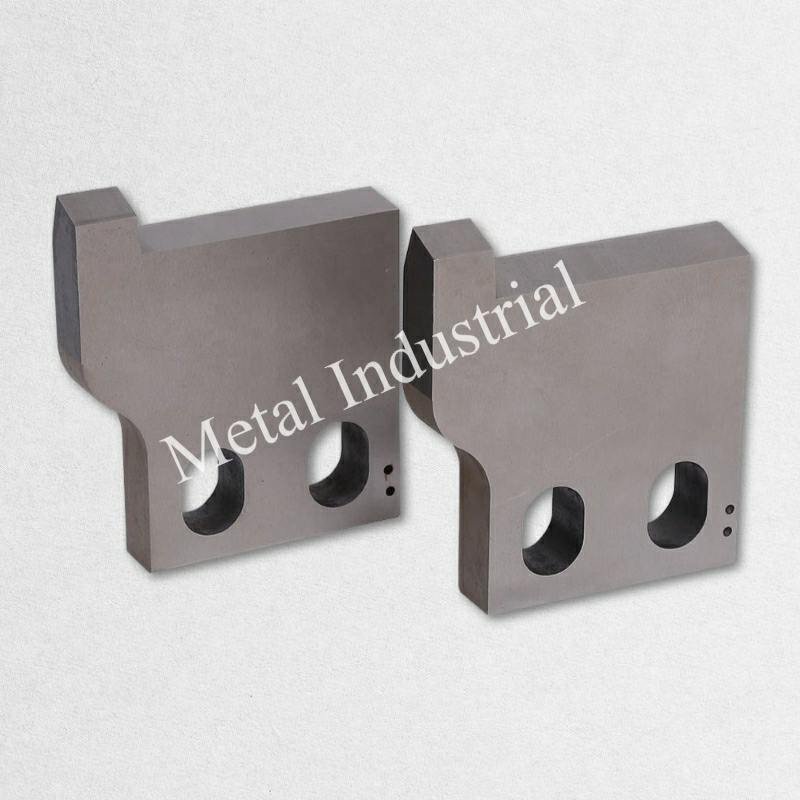
Distorsi dapat merusak pekerjaan Anda saat memotong logam. Anda menginginkan hasil potongan yang lurus dan halus. Anda juga ingin mencegah masalah seperti potongan yang melengkung dan berantakan. Bentuk dan ketajaman mata pisau yang tepat membantu Anda mengendalikan distorsi. Anda dapat menggunakan cara khusus untuk memotong logam agar hasilnya lebih baik.
Dampak Geometri Bilah
Profil blok V dan rake
Anda perlu memperhatikan bentuk mata pisau Anda. Profil V-block menahan benda kerja tetap stabil saat Anda memotong. Ini mencegah benda kerja bergerak dan membantu Anda memotong lurus. Profil rake mengubah cara mata pisau menyentuh logam. Sudut rake yang rendah membuat pemotongan lebih halus. Anda menggunakan lebih sedikit tenaga dan mendapatkan akurasi yang lebih tinggi. Profil yang tepat membantu Anda mencegah pembengkokan dan peregangan logam. Anda akan melihat lebih sedikit masalah distorsi dengan mata pisau yang memiliki bentuk terbaik.
Distribusi tegangan
Distribusi tegangan sangat penting saat Anda memotong logam. Jika Anda menyebarkan gaya secara merata, Anda akan mendapatkan hasil potongan yang lebih bersih. Bentuk mata pisau mengontrol bagaimana tegangan bergerak melalui benda kerja. Blok V dan sudut rake yang rendah membantu menyebarkan gaya. Ini mengurangi kemungkinan terjadinya fishtailing dan smearing. Anda mendapatkan hasil yang lebih baik dengan metode pemotongan yang tepat. Anda juga menjaga mata pisau Anda aman dari kerusakan.
Tips: Selalu periksa bentuk mata pisau Anda sebelum mulai memotong. Bentuk mata pisau yang baik memberikan akurasi yang lebih baik dan mengurangi distorsi.
Ketajaman dan Perawatan Mata Pisau
Pengurangan gerinda
Mata pisau yang tajam sangat membantu saat memotong logam. Anda akan mendapatkan lebih sedikit gerigi dan tepi yang lebih halus. Gerigi adalah bagian kasar yang tersisa setelah pemotongan. Gerigi dapat menyebabkan masalah pada langkah selanjutnya. Saat mata pisau Anda tajam, Anda akan melihat lebih sedikit efek "fishtailing" dan "smearing". Berikut beberapa fakta tentang mata pisau yang tajam dan hasil pemotongan yang baik:
- Peregangan tepi yang lebih sedikit berarti pisau yang tajam menghasilkan potongan yang lebih baik.Ini membantu Anda menghentikan gerakan zig-zag dan mengoleskan cairan.
- Mata pisau yang terbaik meminimalkan kerusakan dan perubahan di dalam logam. Anda mendapatkan hasil yang lebih baik saat memotong batangan logam.
- Kualitas tepi yang buruk dapat menyebabkan retak. Misalnya, panel rocker yang terbuat dari DP980 memiliki lebih banyak retakan ketika tepinya tidak tajam.
Anda perlu menjaga agar mata pisau tetap tajam untuk mendapatkan hasil terbaik saat memotong logam.
Penyelarasan dan jarak bebas
Penyelarasan dan jarak bebas mata pisau sangat penting untuk hasil pemotongan yang baik. Jika mata pisau Anda tidak sejajar, Anda akan mendapatkan hasil pemotongan yang tidak rata. Anda juga akan melihat lebih banyak distorsi. Jarak bebas adalah ruang antara mata pisau dan benda kerja. Anda membutuhkan jarak bebas yang tepat untuk setiap cara Anda memotong logam. Jarak bebas yang terlalu besar akan menghasilkan gerigi. Jarak bebas yang terlalu kecil dapat merusak mata pisau. Anda harus memeriksa penyelarasan dan jarak bebas sebelum memulai pemotongan.
Anda dapat menggunakan langkah-langkah perawatan yang baik untuk menjaga agar mata pisau tetap tajam dan sejajar. Berikut tabel yang menunjukkan apa yang harus Anda lakukan.:
| Praktik Pemeliharaan | Keterangan |
|---|---|
| Teknik Penggilingan yang Tepat | Gunakan mesin pengasah, bersihkan mata pisau terlebih dahulu, dan gunakan cairan pendingin untuk mencegah panas berlebih. |
| Pembersihan dan Pelumasan Rutin | Bersihkan mata pisau setiap hari dan gunakan pelumas berbahan dasar PTFE untuk mengurangi gesekan dan membantu mata pisau bertahan lebih lama. |
| Penanganan dan Penyimpanan yang Aman | Gunakan perlengkapan keselamatan, simpan pisau di tempat kering, dan periksa kerusakan secara berkala. |
| Pemecahan Masalah | Periksa ketajaman, adanya serpihan, dan ketidaksejajaran secara berkala agar mata pisau tetap berfungsi dengan baik. |
Anda dapat mengikuti langkah-langkah ini untuk menjaga agar mata pisau Anda tetap berfungsi dengan baik. Anda akan mendapatkan akurasi yang lebih baik dan distorsi yang lebih sedikit saat memotong logam. Anda juga membantu mata pisau Anda bertahan lebih lama.
Catatan: Perawatan yang baik membantu Anda menghindari terhentinya pekerjaan dan menjaga proses pencukuran bulu domba tetap berjalan dengan baik.
Anda mengendalikan distorsi dalam pemotongan logam dengan menggunakan bentuk mata pisau yang tepat, menjaga ketajaman mata pisau, dan mengikuti langkah-langkah perawatan yang baik. Anda mendapatkan hasil pemotongan yang halus, akurasi yang lebih baik, dan lebih sedikit masalah seperti hasil pemotongan yang tidak merata dan berantakan. Anda juga membuat pemotongan logam Anda lebih baik dan pekerjaan Anda lebih mudah.
Pemilihan Material Mata Pisau untuk Presisi
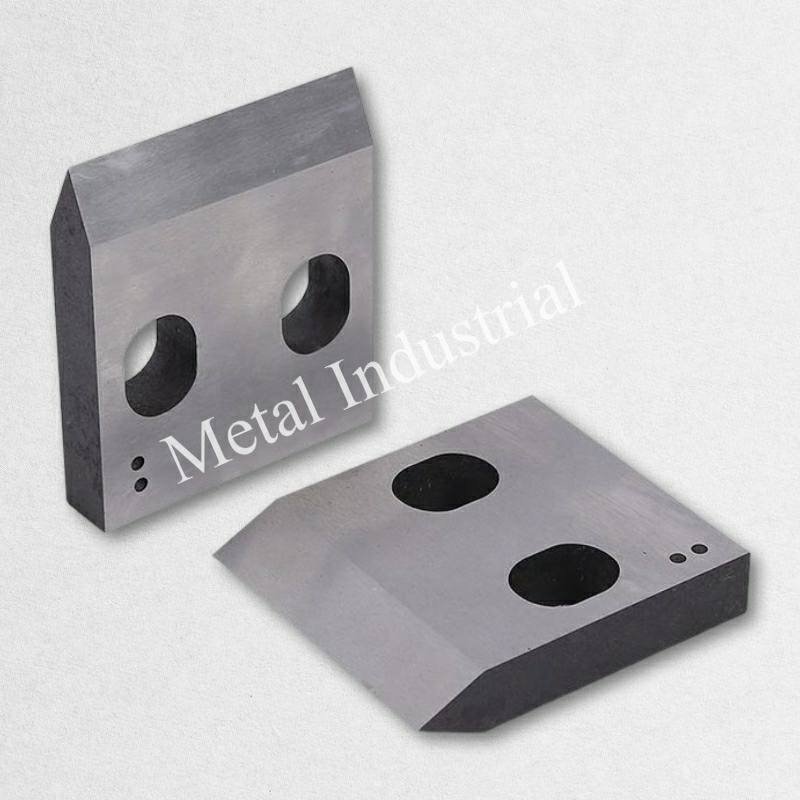
Memilih material mata pisau yang tepat sangat penting. Ini membantu Anda memotong benda kerja dengan akurat. Anda perlu mengetahui bagaimana paduan dan tingkat kekerasan memengaruhi kinerja mata pisau. Ini membantu Anda memilih mata pisau yang menghasilkan potongan bersih. Mata pisau yang baik akan lebih awet dan membantu Anda bekerja lebih cepat.
Pilihan Paduan Logam
Anda memiliki banyak pilihan untuk material mata pisau. Setiap paduan memiliki manfaat khusus untuk memotong benda kerja. Tabel di bawah ini menunjukkan tiga paduan baja yang digunakan dalam mata pisau pemotong:
| Paduan logam | Kekerasan | Ketahanan Aus | Kekerasan (Rockwell C) | Aplikasi |
|---|---|---|---|---|
| A8 | Sangat bagus | Intermediat | 55-60 | Pukulan, Cetakan |
| D2 | Bagus | Tinggi | Tidak tersedia | Pemotongan, Pembentukan, Pemangkasan |
| S7 | Sangat Tinggi | Sedang | Tidak tersedia | Cetakan, Pahat, Pukulan |
Ketangguhan untuk stok yang solid
Mata pisau membutuhkan ketangguhan tinggi untuk memotong material padat. Baja S7 sangat tangguh. Ini membantu mata pisau menghindari retak dan pecah. Baja A8 juga tangguh dan bekerja dengan baik untuk banyak pemotongan. Mata pisau yang tangguh menangani tekanan dan benturan dengan lebih baik. Anda mendapatkan hasil pemotongan yang lebih andal dengan mata pisau yang tangguh.
Ketahanan aus
Ketahanan aus menjaga ketajaman mata pisau lebih lama. Baja D2 memiliki ketahanan aus yang tinggi karena kandungan karbon dan vanadiumnya. D2 bagus untuk memotong material kasar. Baja CPM juga bagus untuk ketahanan aus. Baja ini memiliki struktur yang seragam di dalamnya. Jika Anda menginginkan mata pisau yang tetap tajam, pilihlah paduan dengan ketahanan aus yang tinggi.
- Paduan logam yang berbeda seperti baja seri A, seri D, dan baja CPM memengaruhi seberapa lama mata pisau tetap tajam.
- Baja seri D, seperti D2 dan D7, bekerja dengan baik dalam pekerjaan pemotongan yang keras.
- Baja CPM menggunakan proses khusus untuk membuat strukturnya merata. Hal ini membantu meningkatkan ketangguhan dan ketahanan aus.
Tingkat Kekerasan
HRC dan daya tahan
Peringkat kekerasan menggunakan skala Rockwell C (HRC). Peringkat ini menunjukkan seberapa kuat mata pisau Anda. Nilai HRC yang lebih tinggi berarti mata pisau lebih keras. dan ketajamannya bertahan lebih lama. Mata pisau yang keras bagus untuk pemotongan yang presisi. Mata pisau ini tahan aus dan tetap tajam untuk banyak penggunaan. Dengan kekerasan yang tepat, Anda menghabiskan lebih sedikit waktu untuk memperbaiki mata pisau. Anda mendapatkan hasil yang lebih baik dan lebih stabil.
Peringkat HRC menunjukkan seberapa keras mata pisau pemotong. Mata pisau yang keras lebih awet dan memotong lebih baik. HRC tinggi berarti mata pisau tetap tajam dan tahan aus. Ini penting untuk pemotongan yang baik dalam jangka waktu lama.
Anda harus menyesuaikan kekerasan mata pisau dengan baja yang Anda potong. Misalnya, baja A8 dengan kekerasan 55-60 HRC bagus untuk punch dan die. Baja D2 paling baik untuk blanking dan trimming. Baja S7 sangat bagus untuk pekerjaan yang membutuhkan ketahanan terhadap benturan.
Jika Anda membutuhkan bantuan dalam memilih material mata pisau, Anda dapat bertanya kepada Nanjing Metal Industrial. Mereka sangat memahami material mata pisau baja. Mereka akan membantu Anda mendapatkan hasil terbaik untuk pemotongan billet.
Tips: Selalu pertimbangkan ketangguhan dan kekerasan saat memilih bahan mata pisau. Ini akan membantu Anda mendapatkan mata pisau yang awet dan memotong dengan baik.
Anda mendapatkan hasil pemotongan yang lebih baik dan masa pakai mata pisau yang lebih lama dengan memilih paduan baja dan kekerasan yang tepat. Ini membantu Anda bekerja lebih cepat dan mendapatkan akurasi yang dibutuhkan untuk pemotongan benda kerja.
Pisau Pemotong untuk Berbagai Aplikasi
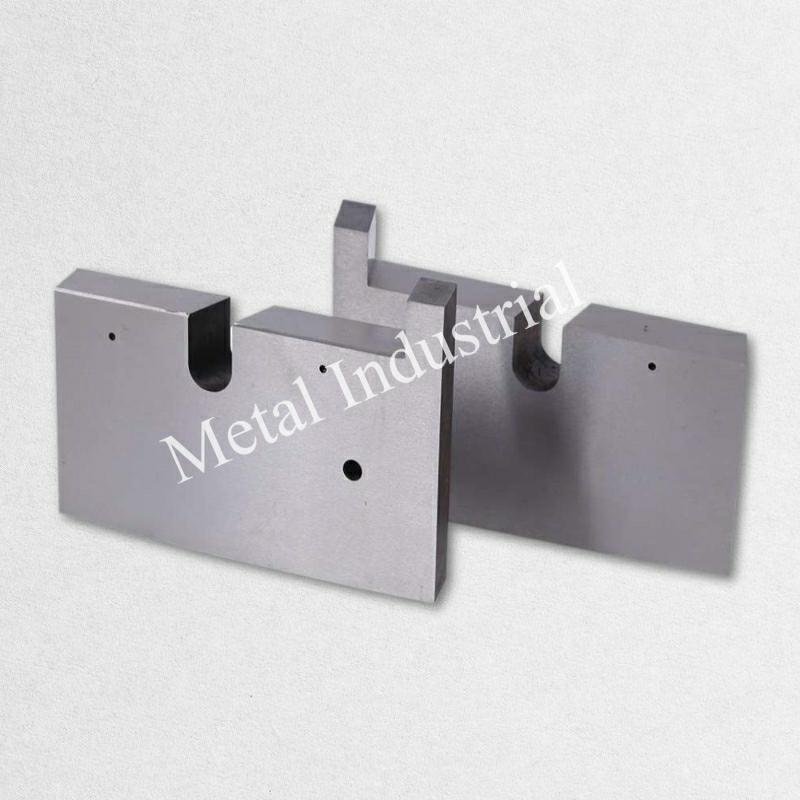
Pencukuran Dingin vs. Pencukuran Panas
Persyaratan kecepatan dan dampak
Anda harus memilih cara terbaik untuk memotong billet. Pemotongan dingin menggunakan pisau yang kuat dan mesin besar. Metode ini memotong billet pada suhu ruangan. Metode ini membutuhkan pukulan cepat dan banyak tenaga. Anda akan mendapatkan potongan yang bersih jika Anda menyelaraskan billet dan pisau dengan baik. Pemotongan panas tidak sama. Anda memanaskan billet hingga menjadi lunak. Pisau memotong dengan tenaga yang lebih sedikit. Prosesnya lebih cepat. Pemotongan panas bagus untuk billet besar atau logam keras.
Ketahanan terhadap kelelahan termal
Pencukuran panas membuat mata pisau terpapar panas tinggi berkali-kali. Anda membutuhkan mata pisau yang mampu menahan panas ini. Mata pisau ini mempertahankan bentuknya dan tetap tajam setelah banyak siklus panas. Material dan lapisan khusus pada mata pisau membantu memperpanjang umur pakainya. Pencukuran dingin tidak membutuhkan ketahanan panas yang tinggi. Namun, dibutuhkan mata pisau yang mampu menahan benturan keras tanpa patah.
Perbandingan Alur Kerja Proses
Anda dapat melihat perbedaan antara pemotongan bulu domba dalam kondisi dingin dan pemotongan bulu domba dalam kondisi panas:
| Metode | Suhu | Kekuatan Pemotongan yang Dibutuhkan | Kecepatan | Kasus Penggunaan Umum |
|---|---|---|---|---|
| Pertanian Dingin | Suhu ruangan | Tinggi | Sedang | Baja karbon, baja paduan, logam non-ferrous |
| Pemotongan Panas | Suhu tinggi | Lebih rendah | Cepat | Baja paduan tinggi, billet besar, paduan aluminium |
Dengan pemotongan dingin, Anda menyiapkan benda kerja dan mata pisau. Anda menggunakan pukulan yang kuat dan cepat untuk memotong. Metode ini paling efektif untuk logam yang tetap kuat saat dingin. Pemotongan panas dimulai dengan memanaskan benda kerja. Mata pisau kemudian memotong logam lunak tersebut. Pemotongan panas digunakan untuk benda kerja yang terlalu tebal atau keras untuk pemotongan dingin.
Perbandingan Material yang Sesuai
Anda harus menyesuaikan cara pemotongan dengan logamnya. Pemotongan dingin cocok untuk logam yang tetap kuat saat dingin. Anda menggunakannya untuk baja karbon, baja paduan, dan logam non-ferrous. Pemotongan panas lebih baik untuk billet yang menjadi lunak saat dipanaskan. Anda menggunakannya untuk baja paduan tinggi, billet besar, dan logam seperti aluminium. Ini membantu Anda mendapatkan hasil pemotongan yang baik dan mengurangi pemborosan material.
Fleksibilitas Industri
Aplikasi Industri Metal
Pisau pemotong digunakan dalam industri logam. Pisau ini memotong dan menyesuaikan ukuran billet, batangan, dan lembaran. Pisau ini memberikan hasil pemotongan yang bersih dan membantu mengurangi pemborosan logam. Anda dapat bekerja lebih cepat dan menjaga lini produksi tetap berjalan. Pisau pemotong membantu menjaga bentuk dan kualitas logam. Anda dapat melihat pisau ini di pabrik mobil dan pesawat terbang. Di sini, Anda membutuhkan hasil pemotongan yang baik dan sedikit pemborosan.
- Pisau pemotong membantu Anda:
- Dapatkan hasil pemotongan yang bersih dan kurangi pemborosan logam.
- Bekerja lebih cepat dan hemat waktu.
- Jaga agar logam tetap kuat dengan mengurangi pembengkokan.
- Pastikan produk Anda selalu berkualitas baik.
Anda dapat mengandalkan mata pisau pemotong untuk membantu pekerjaan Anda dan menjaga agar semuanya berjalan lancar. Dengan menggunakan metode pemotongan yang baik, Anda akan mendapatkan hasil yang lebih baik dan lebih sedikit limbah.
Aplikasi Industri Plastik
Pisau pemotong juga penting dalam pengolahan plastik. Anda menggunakannya untuk memangkas bentuk, memotong batang, dan mempersiapkan material untuk pencetakan atau daur ulang. Pisau yang baik memberikan hasil potongan yang bersih dan rata serta membantu Anda menghindari kesalahan. Anda juga mengurangi pemborosan plastik, yang membantu dalam proses daur ulang.
| Keuntungan | Keterangan |
|---|---|
| Daya tahan | Material yang kuat membuat mata pisau lebih awet. |
| Presisi | Potongan yang rapi mencegah kesalahan. |
| Efisiensi Operasional | Pekerjaan yang lebih cepat berarti waktu tunggu yang lebih singkat. |
| Keberlanjutan | Lebih sedikit limbah dan daur ulang yang lebih baik. |
| Keserbagunaan | Mata pisau dapat digunakan dengan berbagai mesin dan pekerjaan. |
Anda dapat menggunakan pisau pemotong untuk berbagai pekerjaan yang melibatkan plastik. Pisau yang bagus membantu pekerjaan Anda berjalan lancar dan menjaga produk Anda tetap bagus.
Aplikasi Industri Pangan
Pisau pemotong juga digunakan di pabrik makanan. Pisau ini membantu Anda memotong dan membentuk makanan. Anda menggunakannya untuk mengiris adonan, memotong permen, dan menyiapkan makanan untuk pengemasan. Pisau yang bagus memberikan potongan yang rapi dan membuat makanan terlihat menarik.
| Aplikasi | Keterangan |
|---|---|
| Kemasan Makanan | Pisau pemotong memastikan setiap kemasan memiliki jumlah yang tepat. |
| Pengolahan Makanan | Mesin menggunakan pisau pemotong untuk membentuk makanan dengan cepat dan menjaga agar proses kerja tetap berjalan. |
- Pabrik makanan membutuhkan alat pemotong yang lebih baik setiap tahunnya.
- Pisau pemotong membantu Anda memenuhi permintaan dan membuat pekerjaan Anda stabil.
Anda dapat menggerakkan mata pisau untuk memotong makanan dengan ukuran yang berbeda. Ini membuat pekerjaan Anda lebih mudah dan cepat.
Inovasi Industri Daur Ulang
Dalam proses daur ulang, mata pisau harus memotong material campuran dan kotor. Desain mata pisau baru membantu Anda memotong lebih cepat dan memperbaiki mata pisau lebih jarang. Anda akan melihat hal-hal seperti desain yang mudah diperbaiki, lapisan khusus, dan teknologi pintar.
| Fitur | Keuntungan |
|---|---|
| Desain modular | Mudah diperbaiki dan diganti suku cadangnya. |
| Sistem hidrolik hemat energi | Gunakan lebih sedikit daya. |
| Konfigurasi bilah yang dapat disesuaikan | Bekerja lebih baik untuk setiap pekerjaan daur ulang |
| Lapisan tungsten karbida | Mata pisau lebih awet dan jarang perlu diperbaiki. |
| Integrasi teknologi cerdas | Pantau bilah secara real-time untuk kontrol yang lebih baik. |
Anda menggunakan ide-ide baru ini untuk membantu mata pisau bekerja lebih baik dan mencegah penundaan. Anda juga mengurangi pemborosan karena mata pisau lebih awet dan memotong lebih baik.
Tips: Pilih mata pisau gunting yang tepat untuk pekerjaan dan material Anda. Ini membantu Anda mendapatkan hasil potongan yang baik, mengurangi pemborosan, dan menjaga agar pekerjaan Anda tetap lancar.
Pisau pemotong digunakan di banyak industri. Anda mendapatkan hasil pemotongan yang lebih baik, mengurangi limbah, dan bekerja dengan lebih akurat. Pisau yang tepat membantu Anda mencapai tujuan, baik Anda bekerja dengan logam, plastik, makanan, atau daur ulang.
Perawatan untuk Pemotongan Presisi Metal
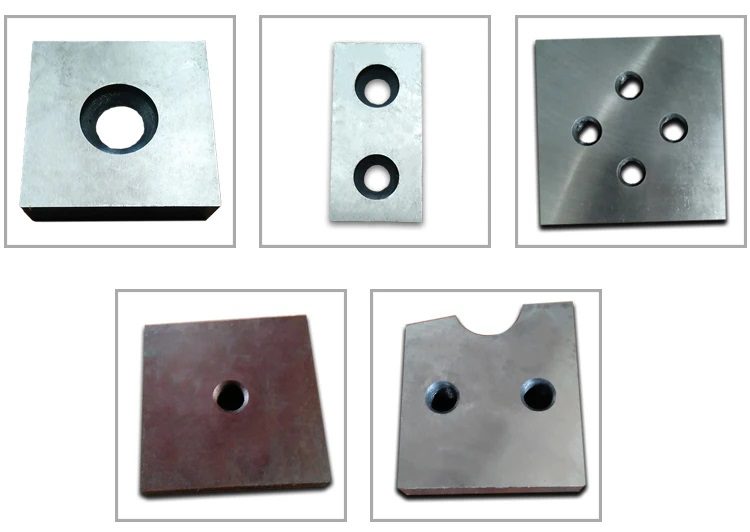
Merawat mata pisau gunting akan membantu Anda memotong lebih baik. Anda perlu melakukan perawatan rutin agar mata pisau tetap tajam. Hal ini membuat pekerjaan Anda lebih akurat dan mengurangi pemborosan material.
Protokol Pemeliharaan
Penajaman dan perawatan mata pisau
Anda harus sering mengasah mata pisau. Mata pisau tumpul menghasilkan potongan yang kasar dan memperlambat pekerjaan Anda. Sebagian besar ahli mengatakan asah setiap 500-700 kali penggunaan atau ketika pemotongan menjadi sulit. Gunakan alat yang tepat untuk mengasah. Bersihkan mata pisau sebelum memulai. Selalu periksa bagian tepinya apakah ada serpihan atau retakan. Perbaiki kerusakan segera. Mata pisau yang tajam membantu Anda memotong dengan cepat dan halus.
Tips: Mata pisau yang tajam menghasilkan potongan yang lebih bersih dan membantu mencegah gerigi dan gerakan tak beraturan.
Paralelisme dan jarak bebas
Periksa keselarasan mata pisau secara berkala. Jika mata pisau tidak sejajar, hasil pemotongan tidak rata dan limbah akan meningkat. Gunakan alat ukur untuk memeriksa keselarasan. Sesuaikan mata pisau jika Anda melihat celah. Jarak bebas adalah ruang antara mata pisau dan benda kerja. Atur jarak bebas yang tepat untuk setiap pekerjaan. Jarak bebas yang terlalu besar akan menghasilkan gerigi. Jarak bebas yang terlalu kecil dapat merusak mata pisau. Selalu ikuti aturan pabrikan untuk keselarasan dan jarak bebas.
Berikut tabel yang berisi langkah-langkah perawatan utama:
| Protokol Pemeliharaan | Keterangan |
|---|---|
| Pembersihan | Bersihkan mata pisau dengan kain kering setelah setiap penggunaan untuk mencegah penumpukan kotoran. |
| Pelumasan | Oleskan oli pelumas pada area poros setiap minggu atau lebih sering jika Anda sering menggunakan pisau. |
| Mengasah | Asah setiap 500-700 kali penggunaan atau ketika daya potongnya menurun. |
| Penyelarasan | Periksa keselarasan mata pisau secara berkala dan perbaiki mata pisau yang tidak sejajar. |
| Penyesuaian Ketegangan | Periksa dan sesuaikan tegangan sesuai petunjuk pabrikan untuk pemotongan yang lancar. |
| Penyimpanan yang Tepat | Simpan gunting di dalam wadah untuk mencegah kerusakan dan menjaganya tetap bersih. |
Ikuti langkah-langkah ini untuk menjaga agar mata pisau tetap berfungsi dengan baik. Perawatan yang baik membantu Anda mendapatkan hasil pemotongan yang lebih baik dan membuat mata pisau lebih awet.
Memaksimalkan Umur Pakai Mata Pisau
Mencegah keausan yang cepat
Anda menginginkan mata pisau yang awet. Keausan cepat terjadi jika Anda menggunakan mata pisau yang salah atau mengabaikan perawatan. Pilih material mata pisau yang tepat untuk pekerjaan Anda. Mata pisau tungsten karbida dan keramik bagus untuk pekerjaan berat. Gunakan mata pisau dengan bentuk dan sudut tepi yang tepat. Lapisan pelindung melindungi mata pisau dan membantu hasil pemotongan terlihat lebih baik. Ubah kecepatan dan tekanan pemotongan untuk mengurangi panas dan gesekan. Pemolesan seperti cermin membantu mata pisau memotong lebih baik dan tetap bersih. Selalu jaga agar pengaturan mesin tetap benar. Periksa keselarasan dan ketegangan secara berkala.
| Penyebab Keausan Cepat | Metode Pencegahan |
|---|---|
| Pilihan material mata pisau | Gunakan material seperti tungsten karbida atau keramik untuk pekerjaan berat. |
| Geometri bilah | Pilih bentuk dan sudut tepi terbaik untuk material Anda. |
| Pelapis | Gunakan lapisan pelindung untuk melindungi mata pisau dan meningkatkan hasil pemotongan. |
| Gesekan dan panas | Ubah kecepatan dan tekanan untuk mengurangi panas dan gesekan. |
| Pemolesan | Mata pisau dipoles seperti cermin untuk membantu pemotongan dan menjaga kebersihan mata pisau. |
| Pengaturan mesin | Jaga agar penyelarasan dan ketegangan tetap tepat untuk menghindari beban yang berlebihan. |
Ikuti langkah-langkah ini untuk menghentikan keausan yang cepat dan membantu mata pisau bertahan lebih lama.
Mengurangi beban pada mesin
Perawatan yang baik membantu mata pisau dan mesin bekerja dengan optimal. Jika Anda mengabaikan perawatan, Anda mungkin mengalami ketidaksejajaran, getaran, dan keausan mata pisau. Masalah-masalah ini memperlambat pekerjaan dan membuang material. Mata pisau yang tajam membantu Anda memotong lebih cepat dan mengurangi beban pada mesin. Pemeriksaan rutin dan penggantian suku cadang membantu mesin berjalan lancar. Anda mendapatkan hasil pemotongan yang lebih baik dan mengurangi pemborosan.
Catatan: Merawat mata pisau dan mesin akan menghemat biaya perbaikan dan penggantian. Anda juga menghindari penghentian kerja yang lama.
Bagaimana Pemeliharaan Mempengaruhi Biaya dan Waktu Henti
Perawatan rutin menurunkan biaya. Mata pisau yang terawat dengan baik berarti lebih sedikit pemberhentian dan lebih sedikit pemborosan material.Pisau premium lebih awet dan tidak perlu perawatan rutin. Anda mungkin membayar lebih mahal di awal, tetapi akan menghemat uang karena Anda lebih jarang mengganti pisau dan mesin tetap beroperasi dengan lancar.
| Jenis Bukti | Keterangan |
|---|---|
| Presisi Pemotongan yang Ditingkatkan | Mata pisau yang terawat dengan baik berarti lebih sedikit berhenti dan lebih sedikit material yang terbuang. |
| Mengurangi Waktu Henti | Mata pisau premium lebih awet, sehingga Anda membutuhkan lebih sedikit perawatan dan penggantian. |
| Biaya Kepemilikan Total Lebih Rendah | Biaya awal yang lebih tinggi diimbangi oleh masa pakai yang lebih lama dan biaya operasional yang lebih rendah. |
Jika Anda mengikuti langkah-langkah perawatan yang baik, Anda akan mendapatkan akurasi yang lebih baik, menghemat uang, dan menjaga pekerjaan tetap berjalan lancar.
Tips: Jadikan perawatan sebagai kebiasaan rutin. Anda akan mendapatkan hasil yang lebih baik dan menghabiskan lebih sedikit waktu untuk memperbaiki masalah.
Memilih Mata Pisau Pemotong untuk Pemotongan Billet
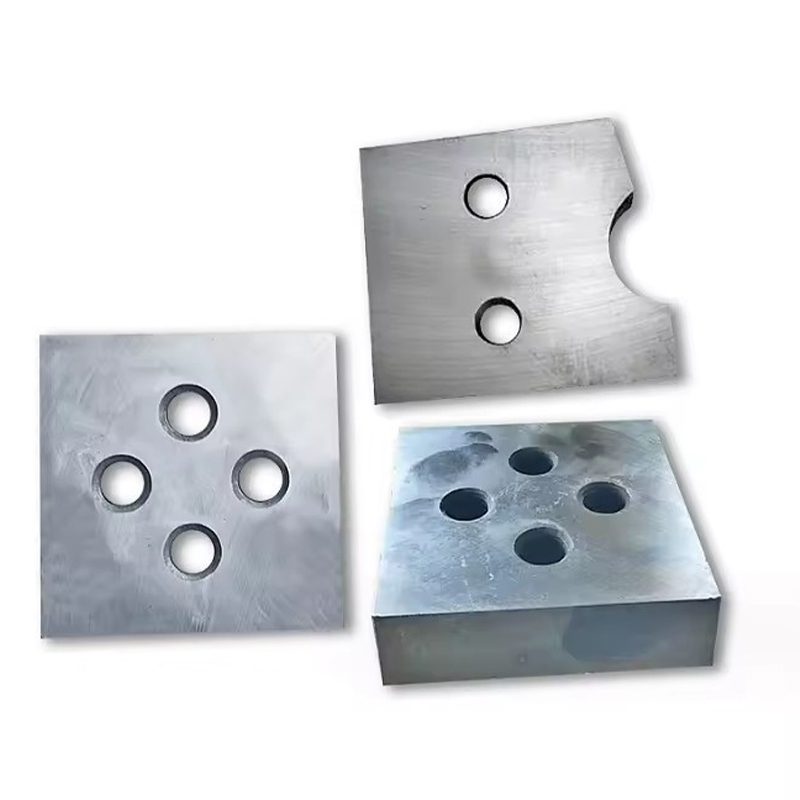
Memilih mata pisau pemotong yang tepat membantu Anda menghasilkan potongan yang bersih. Anda perlu mencocokkan mata pisau dengan material dan ukuran benda kerja Anda. Pilihan ini akan memengaruhi seberapa baik Anda memotong dan seberapa cepat Anda bekerja.
Mencocokkan Pisau dengan Material
Kriteria seleksi
Pertimbangkan jenis material apa yang ingin Anda potong. Selain itu, periksa juga ketebalan material yang akan Anda potong. Setiap material mata pisau paling cocok untuk pekerjaan tertentu. Tabel di bawah ini menunjukkan mata pisau mana yang sesuai untuk setiap pekerjaan:
| Bahan Pisau | Karakteristik | Kasus Penggunaan Terbaik |
|---|---|---|
| T8 / T10 (Baja Perkakas Karbon) | Keras dan murah, tetapi tidak terlalu kuat, cocok untuk benda-benda lunak. | Memotong lembaran tipis baja karbon rendah atau aluminium. |
| 9CrSi (Baja Perkakas Paduan Rendah) | Ausnya lambat, cukup kuat, cocok untuk potongan berukuran sedang atau tipis. | Pelat baja karbon sedang atau tipis. |
| 6CrW2Si (Baja Perkakas Tahan Benturan) | Sangat kuat, tidak mudah pecah, cocok untuk piring tebal. | Memotong pelat tebal atau besi bekas. |
| Baja Cetakan Kerja Dingin Tahan Aus Tinggi Cr12MoV (D2) | Aus sangat lambat, sangat bagus untuk material keras. | Memotong baja tahan karat atau baja karbon tinggi. |
| H13 (Baja Cetakan Kerja Panas) | Tetap kuat saat panas, mempertahankan bentuknya di bawah panas. | Pemotongan cepat dalam pekerjaan yang berat dan panas. |
Gunakan tabel ini untuk membantu Anda memilih mata pisau yang tepat. Jika Anda memotong benda kerja tebal atau logam keras, pilih mata pisau yang kuat. Untuk lembaran logam tipis, gunakan mata pisau yang sesuai dengan ketebalan dan kekerasannya.
Tips: Selalu periksa material dan ketebalan benda kerja Anda sebelum memilih mata pisau. Ini akan membantu Anda mendapatkan hasil pemotongan terbaik.
Opsi penyesuaian
Terkadang Anda membutuhkan mata pisau khusus untuk pekerjaan yang rumit. Mata pisau khusus dapat membantu Anda memotong lebih baik dan lebih cepat. Berikut tabel yang menunjukkan beberapa cara untuk mengganti mata pisau Anda:
| Opsi Kustomisasi | Pengaruh pada Kinerja Pemotongan |
|---|---|
| Teknologi pelapisan | Membuat mata pisau lebih awet dan bekerja lebih baik pada pekerjaan yang menghasilkan panas. |
| Bahan komposit | Menambahkan lapisan keras untuk membuat mata pisau lebih kuat dan tajam. |
| Manufaktur cerdas | Membantu membuat mata pisau lebih cepat dan lebih baik, sehingga setiap mata pisau berkualitas tinggi. |
Anda dapat meminta bentuk mata pisau, tepi, atau lapisan khusus. Perubahan ini membantu Anda memotong berbagai material atau bentuk. Jika Anda menginginkan lebih banyak pilihan, periksa halaman pisau kustom.
Kinerja dan Efisiensi
Meminimalkan waktu henti
Anda ingin mesin Anda terus bekerja tanpa henti. Mata pisau yang baik akan tetap tajam lebih lama dan membutuhkan perawatan lebih sedikit. Mata pisau dengan lapisan atau pelapis khusus akan bertahan lebih lama. Ini berarti Anda tidak perlu berhenti dan menggantinya sesering mungkin.
- Mata pisau yang bagus menghasilkan potongan yang bersih, sehingga Anda mengurangi pemborosan material.
- Mata pisau yang kuat membutuhkan lebih sedikit perawatan, sehingga Anda menghemat uang dan waktu.
- Pisau Crop & Cobble Shear memotong ujung yang buruk, sehingga Anda tidak mengalami penundaan.
Catatan: Periksa mata pisau Anda secara berkala dan pilih yang tepat agar senar pancing Anda tetap bergerak.
Meningkatkan kualitas pemotongan
Anda membutuhkan mata pisau yang menghasilkan potongan halus dan rapi setiap saat. Mata pisau yang tepat dan opsi kustomisasi membantu Anda memotong lebih baik. Saat Anda mencocokkan mata pisau dengan bahan yang akan dipotong, Anda akan mendapatkan lebih sedikit sisa material dan tepi yang lebih halus. Ini membantu Anda bekerja lebih cepat dan mencapai tujuan Anda.
- Pisau yang bagus membantu Anda menghasilkan lebih banyak produk dengan lebih sedikit limbah.
- Bentuk dan lapisan mata pisau khusus membantu Anda memotong lebih baik, bahkan pada logam keras.
- Mata pisau khusus membantu Anda dalam pekerjaan berat, seperti memotong benda kerja tebal atau paduan logam keras.
Jika Anda menginginkan hasil yang lebih baik, cobalah mata pisau khusus dari Nanjing Metal Industrial. Tim mereka tahu cara membuat mata pisau yang berfungsi dengan baik sesuai kebutuhan Anda.
Tips: Selalu periksa mata pisau dan kebutuhan pemotongan Anda sebelum memulai. Ini akan membantu Anda mendapatkan hasil terbaik dan menghemat waktu.
Anda dapat bekerja lebih baik dan lebih cepat dengan memilih mata pisau yang tepat, menggunakan opsi kustom, dan merawat peralatan Anda. Ini membantu Anda memotong dengan baik, mengurangi pemborosan, dan menjaga mesin Anda tetap beroperasi.
Anda bisa mendapatkan hasil pemotongan yang sangat presisi dan mengurangi pembengkokan saat menggunakan mata pisau pemotong batang khusus. Memilih bentuk dan material mata pisau yang tepat membantu Anda memotong batangan dengan rapi. Merawat mata pisau secara teratur juga menghemat uang Anda. Lihat tabel untuk melihat bagaimana mata pisau ini membantu:
| Keuntungan | Keterangan |
|---|---|
| Mengurangi Waktu Henti | Anda menghabiskan lebih sedikit waktu untuk memperbaiki dan memeriksa mata pisau. |
| Peningkatan Produksi | Anda memotong lebih banyak batangan dan mengurangi pemborosan material. |
| Biaya Perawatan Lebih Rendah | Anda lebih jarang mengganti mata pisau dan lebih hemat biaya perawatan. |
- Mata pisau yang bersih dan tajam menghasilkan potongan yang halus.
- Memeriksa dan merawat pisau secara teratur akan membantu memperpanjang umur pakainya.
Jika Anda menginginkan hasil pemotongan yang lebih baik, hubungi teknisi penjualan kami di halaman kontak kami.
Tanya Jawab Umum
Untuk apa mata pisau pemotong batang digunakan?
Mata pisau pemotong batangan membantu Anda memotong batangan, balok, dan lembaran logam. Anda menggunakannya di pabrik untuk mendapatkan potongan yang bersih dan lurus. Mata pisau ini bekerja di banyak industri, termasuk pengolahan logam dan daur ulang.
Bagaimana cara memilih mata pisau pemotong besi yang tepat?
Anda perhatikan material dan ketebalan billet Anda. Pilih mata pisau dengan kekerasan dan ketangguhan yang tepat. Anda dapat memesan mata pisau khusus jika memiliki kebutuhan spesifik.
Mengapa geometri mata pisau penting dalam pemotongan benda kerja?
Geometri mata pisau mengontrol bagaimana mata pisau menyentuh logam. Geometri yang baik membantu Anda mendapatkan hasil pemotongan yang halus dan distorsi yang lebih sedikit. Anda akan melihat hasil yang lebih baik ketika Anda menyesuaikan bentuk mata pisau dengan pekerjaan Anda.
Seberapa sering Anda harus mengasah mata pisau gunting batang?
Anda sebaiknya mengasah mata pisau setiap 500-700 kali penggunaan atau ketika Anda melihat hasil potongan yang kasar. Mata pisau yang tajam membantu Anda bekerja lebih cepat dan mendapatkan hasil yang lebih baik.
Bahan apa yang paling baik untuk mata pisau pemotong batang logam?
Paduan baja seperti A8, D2, dan S7 bekerja dengan baik. Setiap paduan memberikan ketangguhan dan ketahanan aus yang berbeda. Anda pilih yang terbaik untuk pekerjaan pemotongan Anda.
Bisakah Anda menggunakan mata pisau pemotong batang untuk plastik atau makanan?
Ya, Anda dapat menggunakan pisau pemotong batang untuk plastik dan makanan. Pisau ini membantu Anda memangkas, mengiris, dan membentuk berbagai material. Anda mendapatkan hasil potongan yang bersih di berbagai industri.
Bagaimana cara mengurangi distorsi saat memotong billet?
Gunakan mata pisau dengan sudut kemiringan rendah dan tepi tajam. Jaga agar mata pisau tetap sejajar dan atur jarak yang tepat. Perawatan yang baik membantu Anda mendapatkan hasil pemotongan yang lurus dan halus.
Apa saja langkah perawatan yang membantu agar mata pisau pemotong besi bertahan lebih lama?
Bersihkan mata pisau setelah setiap penggunaan. Lumasi bagian yang bergerak setiap minggu. Periksa keselarasan dan ketegangan secara berkala. Simpan mata pisau di tempat yang kering. Langkah-langkah ini membantu Anda menghindari keausan yang cepat.
Lihat Juga
Panduan Definitif untuk Mengatur Jarak Bebas Bilah Geser: Formula, Kesalahan, dan Hasil Nol Gerinda
Bilah Geser Kerja Panas H13: Menguasai Pemotongan Logam Suhu Tinggi dan Pengegeseran Bilet
Mencapai Potongan Nol Gerinda dengan Bilah Geser Guillotine Presisi

 English
  Spanish
  Italian
  French
  Portuguese
  Russian
  German
  Arabic
  Hindi
Hindi  Vietnamese
  Indonesian
  Japanese
  Korean