

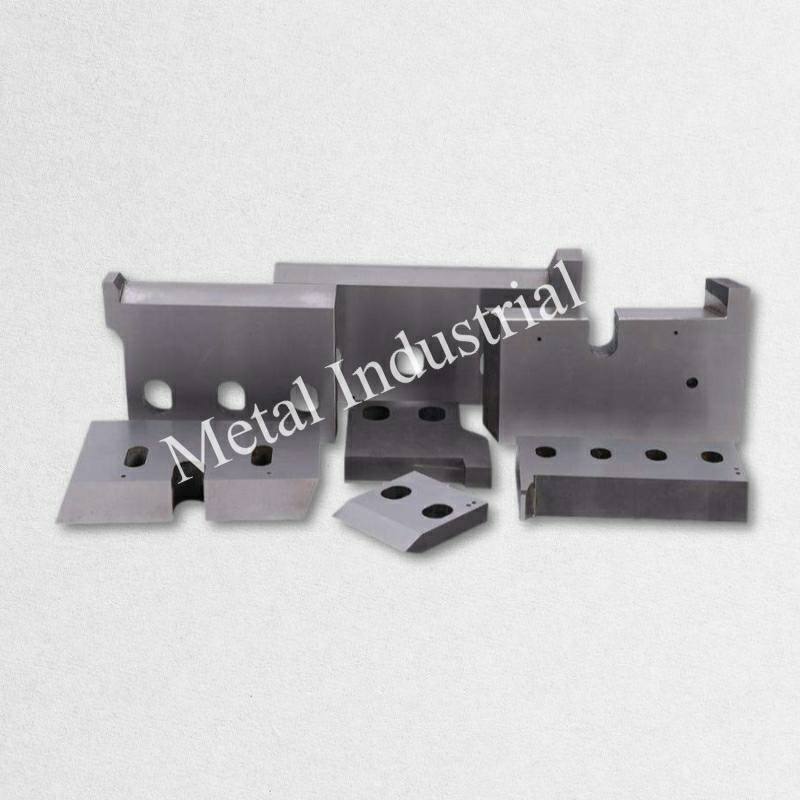
금속 덩어리를 제대로 자르려면 좋은 도구가 필요합니다. 봉재 전단 블레이드 적절한 모양과 재질을 선택하면 깔끔하게 절단할 수 있습니다. 또한 재료 낭비를 줄이는 데에도 도움이 됩니다. 만약 당신이 올바른 것을 선택한다면, 적절한 칼날 크기와 날 모양 Metal Industrial의 특수 블레이드를 사용하면 재료에 맞는 더 나은 결과를 얻을 수 있습니다. 블레이드 수명 또한 연장됩니다. 많은 작업자들이 강철이 휘거나, 작업 시간이 낭비되거나, 표면이 거칠어지는 등의 문제를 겪습니다. Metal Industrial의 특수 블레이드는 특수 열처리 및 단조 공정을 거쳐 이러한 문제를 해결합니다. 이 블레이드는 안전하고 신속한 작업을 보장합니다.
주요 요점
- 깔끔한 절단과 폐기물 감소를 위해 적절한 바 시어 블레이드 모양과 재질을 선택하십시오.
- 낮은 경사각과 우수한 절삭 형상은 더욱 정밀한 절삭과 변형 감소에 도움이 됩니다.
- 날카롭게 갈고 정렬 상태를 점검하는 등의 정기적인 유지 관리는 칼날의 성능을 유지하고 수명을 연장하는 데 도움이 됩니다.
- 절단 용도에 맞춰 내구성이 뛰어나고 마모에 강한 칼날 재질을 선택하십시오.
- 맞춤형 날은 특수 작업에 더 적합하며 더 나은 결과를 제공할 수 있습니다.
- 블레이드를 올바르게 관리하면 가동 중지 시간이 줄어들고 유지 보수 비용도 절감됩니다.
- 칼날의 기하학적 구조를 알면 더욱 매끄러운 절단이 가능하고, 톱날이 좌우로 흔들리는 현상(fishtailing)과 같은 문제를 방지할 수 있습니다.
- 다양한 산업 분야에서 특수 날을 사용하면 작업 효율이 높아지고 제품 품질이 향상됩니다.
봉형 전단날: 특수 설계
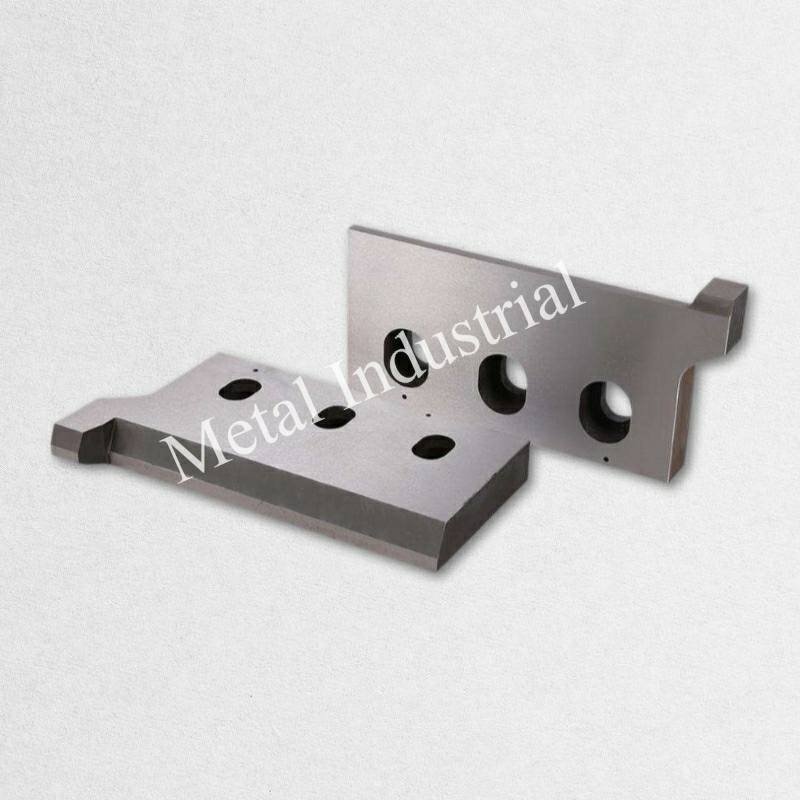
철근 절단용 날은 금속 절단에 매우 중요합니다. 좋은 결과를 얻으려면 적절한 날 디자인이 필수적입니다. 특수 기능 덕분에 철근을 자를 때 낭비를 줄일 수 있으며, 더욱 깔끔한 절단면을 얻을 수 있습니다. 어떤 기능들이 이 날들을 특별하게 만드는지 자세히 살펴보겠습니다.
정밀 기능
낮은 경사각
낮은 경사각은 절단 강도를 조절하는 데 도움이 됩니다. 경사각이 낮은 날을 사용하면 절단면이 더욱 매끄러워지고 금속의 변형도 줄어듭니다. 이러한 설계 덕분에 강철을 비롯한 다양한 금속을 높은 정확도로 절단할 수 있으며, 빌릿 절단 시 휘어짐이나 뒤틀림 현상을 방지할 수 있습니다.
최적화된 절삭 형상
최적화된 절삭 형상은 다음을 의미합니다. 칼날 모양 작업에 적합합니다. 더 나은 품질과 더 정확한 절단 결과를 얻을 수 있습니다. 설계에는 날 각도, 여유 공간 및 모서리 모양이 포함됩니다. 다음 표는 일반적인 설계 특징을 보여줍니다.
| 특징 | 설명 |
|---|---|
| 블레이드 각도 | 절단에 필요한 힘의 크기를 조절합니다. |
| 블레이드 클리어런스 | 일반적으로 재료 두께의 약 7%가 절단면에 영향을 미칩니다. |
| 엣지 구성 | 직선형 또는 경사형일 수 있으며, 이는 칼날의 절삭력에 영향을 미칩니다. |
각 기능이 절단 방식에 어떤 변화를 가져오는지 확인할 수 있습니다. 필요에 맞는 칼날을 찾고 싶다면 다음 웹사이트를 방문하세요. 사용자 정의 블레이드 페이지 더 많은 옵션을 보려면.
- 날카로운 모서리와 오목한 뒷면 덕분에 무른 금속 뭉치를 쉽게 제거할 수 있습니다.
- 절삭날이 손상되면 칼날이 뻑뻑해지거나 부러질 수 있습니다.
- 칩이나 균열은 날 간격이 올바르지 않다는 것을 의미할 수 있습니다.
재료 및 제조
열처리 공정
열처리 이 공정은 전단기의 날을 강하고 견고하게 만듭니다. 강철이나 다른 금속을 절단하려면 강한 날이 필수적입니다. 특수 열처리와 단조 공정을 통해 날의 내부 구조를 개선하여 날카로움을 오래 유지하고 수명을 연장합니다. 어닐링, 노멀라이징, 퀜칭과 같은 공정을 통해 날의 내부 구조를 변화시켜 강도, 유연성, 인성을 향상시킵니다. 이러한 요소들은 정밀한 절단과 긴 날 수명에 매우 중요합니다.
인성 대 경도의 균형
강철을 자를 수 있을 만큼 단단하면서도 부러지지 않을 만큼 강인한 칼날이 필요합니다. 단조 공정은 칼날의 모양에 맞춰 내부의 나뭇결을 정렬시켜 줍니다. 이렇게 하면 칼날이 더 강해지고 오래 사용할 수 있습니다. 결과적으로 날카로움을 오래 유지하고 성능이 뛰어난 칼날을 얻게 됩니다. Nanjing Metal 산업계에서는 이러한 방법을 사용하여 우수한 전단날을 만듭니다.
날끝 프로필 및 날 모양
날끝 프로필과 날 모양은 목재 절단 성능에 큰 영향을 미칩니다. 좋은 절단을 위해서는 적절한 날끝 각도와 세세한 부분까지 신경 써야 합니다. 연구에 따르면 날 모양은 날의 성능과 수명에 영향을 미칩니다. 예를 들어:
| 공부하다 | 결과 |
|---|---|
| Zhang et al. (2023) | 날의 각도와 세부적인 형태를 포함한 칼날의 모양은 칼날의 성능과 내구성에 영향을 미칩니다. |
| Kurt et al. (2009) | 칼날 각도는 칼날에 가해지는 응력을 변화시켜 절삭 성능에 영향을 미칩니다. |
| 메흐린 등(2022) | 칼날의 모양은 절삭력에 중요한 영향을 미칩니다. |
| Mróz et al. (2025) | 칼날 모양은 단단한 재료를 가공할 때 거스러미 발생을 줄여주므로, 칼날 모양은 성능에 중요한 영향을 미칩니다. |
적절한 날 모양을 사용하면 더 나은 절삭력과 더 긴 날 수명을 얻을 수 있습니다.
팁: 항상 칼날 모양과 날 프로파일을 사용하려는 강재와 절단 요구 사항에 맞추십시오. 이렇게 하면 금속 제조 공정에서 최고의 정밀도와 품질을 얻을 수 있습니다.
특수 설계된 철근 절단용 날은 높은 정확도와 품질로 강철을 절단할 수 있도록 도와줍니다. 내구성이 뛰어나고 절단력이 우수하며 금속 제조 공정에서 탁월한 성능을 발휘하는 날을 제공합니다.
Metal 전단에서의 왜곡 제어
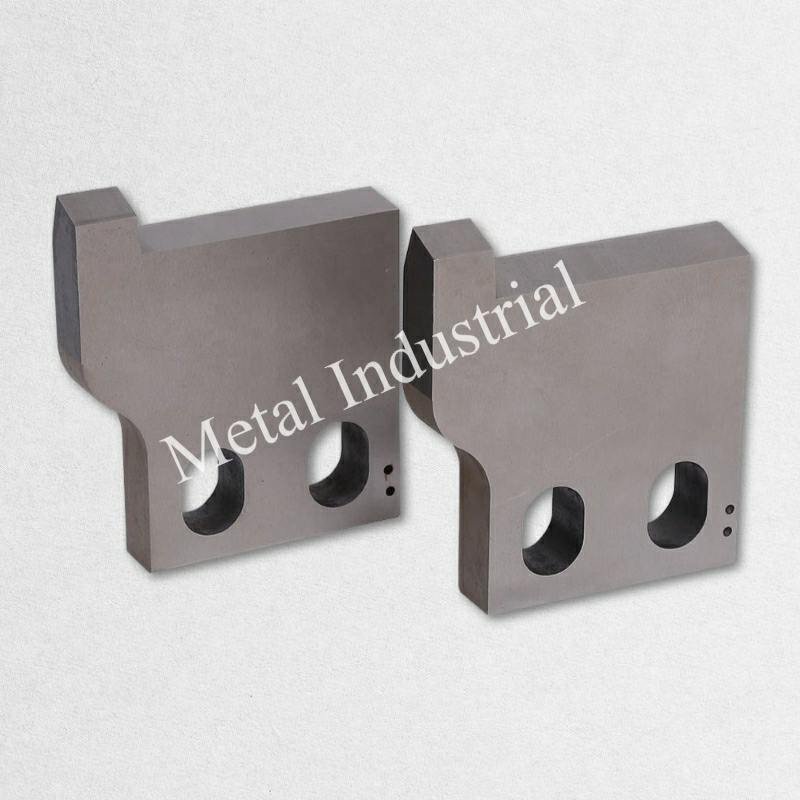
금속을 절단할 때 변형이 발생하면 작업이 망가질 수 있습니다. 절단면은 곧고 매끄러워야 하며, 톱니가 휘거나 번지는 현상도 방지해야 합니다. 적절한 칼날 모양과 날카로움은 변형을 제어하는 데 도움이 됩니다. 더 나은 결과를 얻기 위해 특수한 금속 절단 방법을 사용할 수도 있습니다.
블레이드 형상 영향
V-블록 및 레이크 프로파일
날의 모양을 살펴봐야 합니다. V자형 프로파일은 절단 시 재료를 안정적으로 고정시켜 줍니다. 이렇게 하면 재료가 움직이지 않아 직선으로 절단할 수 있습니다. 경사각 프로파일은 날이 금속에 닿는 방식을 결정합니다. 경사각이 낮을수록 절단이 더 부드러워집니다. 따라서 힘을 덜 들이고 정확도를 높일 수 있습니다. 적절한 프로파일을 사용하면 금속이 휘거나 늘어나는 것을 방지할 수 있습니다. 최적의 모양을 가진 날을 사용하면 변형 문제도 줄어듭니다.
응력 분포
금속을 절단할 때 응력 분포는 매우 중요합니다. 힘을 고르게 분산시키면 더욱 깔끔한 절단면을 얻을 수 있습니다. 날의 형상은 금속 빌릿을 통해 응력이 어떻게 전달되는지를 결정합니다. V자형 블록과 낮은 경사각은 힘을 고르게 분산시켜 절단면이 흔들리거나 뭉개지는 현상을 줄여줍니다. 올바른 절단 방법을 사용하면 더 나은 결과를 얻을 수 있을 뿐 아니라 날의 손상도 방지할 수 있습니다.
팁: 전단 작업을 시작하기 전에 항상 칼날 모양을 확인하세요. 칼날 모양이 좋으면 정확도가 높아지고 변형이 줄어듭니다.
엣지 선명도 및 유지 관리
버 감소
날카로운 칼날은 금속을 절단할 때 정말 중요합니다. 날카로운 칼날 덕분에 버(burr)가 덜 생기고 모서리가 더 매끄러워집니다. 버는 절단 후 남는 거친 부분으로, 후속 공정에서 문제를 일으킬 수 있습니다. 칼날이 날카로우면 절단면에서 톱니처럼 휘어지거나 뭉치는 현상이 줄어듭니다. 날카로운 칼날과 깔끔한 절단에 대한 몇 가지 사실을 알아보겠습니다.
- 날카로울수록 늘어짐이 적어 날카로운 칼날이 더 깔끔하게 절단됩니다.이렇게 하면 컵이 물속에서 흔들리거나 번지는 것을 방지할 수 있습니다.
- 최상의 절삭날은 금속 내부의 손상과 변화를 최소화합니다. 빌릿을 절단할 때 더 나은 결과를 얻을 수 있습니다.
- 모서리 마감이 불량하면 균열이 발생할 수 있습니다. 예를 들어, DP980으로 제작된 로커 패널은 모서리가 날카롭지 않을 경우 균열이 더 많이 발생했습니다.
금속을 절단할 때 최상의 결과를 얻으려면 칼날을 항상 날카롭게 유지해야 합니다.
정렬 및 간극
날 정렬과 간격은 깔끔한 절단에 매우 중요합니다. 날이 제대로 정렬되지 않으면 절단면이 고르지 못하고 변형이 심해집니다. 간격이란 날과 절단할 재료 사이의 공간을 말합니다. 금속을 절단하는 방식에 따라 적절한 간격이 필요합니다. 간격이 너무 크면 버(burr)가 생기고, 너무 작으면 날이 손상될 수 있습니다. 절단 작업을 시작하기 전에 날 정렬과 간격을 반드시 확인해야 합니다.
올바른 관리 방법을 따르면 칼날을 날카롭고 가지런하게 유지할 수 있습니다. 다음은 여러분이 해야 할 일을 보여주는 표입니다.:
| 유지보수 실무 | 설명 |
|---|---|
| 올바른 연삭 기술 | 연삭기를 사용할 때는 먼저 날을 청소하고, 과열을 방지하기 위해 냉각제를 사용하십시오. |
| 정기적인 청소 및 윤활 | 매일 날을 청소하고 PTFE 기반 윤활유를 사용하여 마찰을 줄이고 날의 수명을 연장하십시오. |
| 안전한 취급 및 보관 | 안전 장비를 착용하고, 칼날은 건조한 곳에 보관하며, 손상 여부를 자주 확인하십시오. |
| 문제 해결 | 날이 무뎌지거나, 흠집이 생기거나, 정렬이 어긋났는지 자주 점검하여 날이 제대로 작동하도록 유지하십시오. |
다음 단계를 따르면 톱날을 최상의 상태로 유지할 수 있습니다. 금속을 절단할 때 정확도가 향상되고 변형이 줄어듭니다. 또한 톱날의 수명도 연장됩니다.
참고: 적절한 관리는 작업 중단을 방지하고 양털 깎기 공정을 원활하게 유지하는 데 도움이 됩니다.
금속 절단 시 발생하는 변형을 제어하려면 적절한 날 모양을 사용하고, 날을 항상 날카롭게 유지하며, 올바른 관리 절차를 따라야 합니다. 이를 통해 매끄러운 절단면, 향상된 정확도, 그리고 날의 흔들림이나 번짐과 같은 문제 발생률 감소를 얻을 수 있습니다. 또한, 금속 절단 효율을 높이고 작업 효율을 향상시킬 수 있습니다.
정밀도를 위한 블레이드 재질 선정
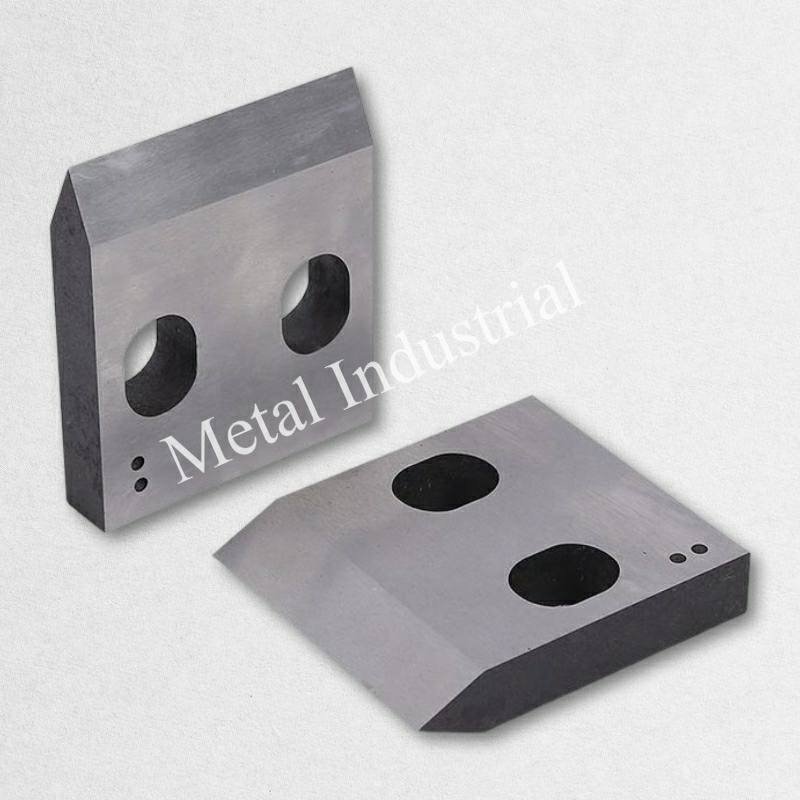
날 재질을 제대로 선택하는 것은 매우 중요합니다. 정확한 절단 작업을 위해서는 합금 종류와 경도가 날 성능에 어떤 영향을 미치는지 알아야 합니다. 이를 통해 깔끔한 절단면을 만들어내는 날을 선택할 수 있습니다. 좋은 날은 수명이 길고 작업 속도를 높여줍니다.
합금 선택
절단날 재질은 여러 가지가 있습니다. 각 합금은 빌릿 절단에 특화된 장점을 가지고 있습니다. 아래 표는 전단날에 사용되는 세 가지 강철 합금을 보여줍니다.
| 합금 | 인성 | 내마모성 | 경도(로크웰 C) | 응용 |
|---|---|---|---|---|
| A8 | 매우 좋은 | 중급 | 55-60 | 펀치, 다이 |
| D2 | 좋은 | 높은 | 해당 없음 | 블랭킹, 성형, 트리밍 |
| S7 | 매우 높음 | 중간 | 해당 없음 | 다이, 끌, 펀치 |
견고한 소재의 내구성
단단한 재료를 절단하려면 날이 매우 강해야 합니다. S7강은 매우 강해서 날에 균열이나 파손이 생기는 것을 방지해 줍니다. A8강 또한 강성이 뛰어나 다양한 절단 작업에 적합합니다. 강성이 좋은 날은 스트레스와 충격에 더 잘 견디므로 더욱 안정적인 절단 결과를 얻을 수 있습니다.
내마모성
내마모성이 뛰어나면 칼날이 더 오랫동안 날카롭게 유지됩니다. D2강은 탄소와 바나듐 함량 때문에 내마모성이 매우 높습니다. D2강은 거친 재료를 절단하는 데 적합합니다. CPM강 또한 내마모성이 우수하며 내부 구조가 균일합니다. 칼날의 날카로움을 오래 유지하고 싶다면 내마모성이 뛰어난 합금을 선택하십시오.
- A 시리즈, D 시리즈, CPM 강과 같은 다양한 합금은 칼날의 날카로움이 유지되는 기간에 영향을 미칩니다.
- D2 및 D7과 같은 D 시리즈 강재는 고강도 절삭 작업에 적합합니다.
- CPM 강재는 특수 공정을 통해 구조를 균일하게 만듭니다. 이는 인성과 내마모성을 향상시키는 데 도움이 됩니다.
경도 등급
HRC 및 내구성
경도 등급은 로크웰 C(HRC) 척도를 사용합니다. 이는 칼날의 강도를 나타냅니다. HRC 수치가 높을수록 칼날이 더 단단하다는 것을 의미합니다. 또한 날카로움을 더 오래 유지합니다. 단단한 칼날은 정밀한 절단에 적합하며, 마모에 강하고 여러 번 사용해도 날카로움을 유지합니다. 적절한 경도를 가진 칼날은 수리 시간을 줄여주고 더욱 안정적이고 뛰어난 결과를 제공합니다.
HRC 등급은 전정 가위 날의 경도를 나타냅니다. 날이 단단할수록 수명이 길고 절삭력이 뛰어납니다. HRC 수치가 높을수록 날카로움을 오래 유지하고 마모에 강합니다. 이는 장기간 우수한 절삭력을 유지하는 데 중요합니다.
절삭하려는 강재의 경도에 맞춰 날의 경도를 선택해야 합니다. 예를 들어, 펀치와 다이 제작에는 55~60 HRC 경도의 A8 강이 적합합니다. 블랭킹 및 트리밍 작업에는 D2 강이 가장 좋고, 내충격성이 요구되는 작업에는 S7 강이 적합합니다.
날 재질 선택에 도움이 필요하시면 난징 Metal 산업에 문의하세요. 그들은 강철 날 재질에 대해 해박한 지식을 가지고 있으며, 빌릿 절단에서 최상의 결과를 얻을 수 있도록 도와드립니다.
팁: 칼날 재질을 고를 때는 인성과 경도를 모두 고려하세요. 이렇게 하면 오래가고 절삭력이 뛰어난 칼날을 얻을 수 있습니다.
적절한 강철 합금과 경도를 선택하면 절삭력이 향상되고 날의 수명이 연장됩니다. 이를 통해 작업 속도를 높이고 빌릿 절단에 필요한 정확도를 확보할 수 있습니다.
다양한 용도에 맞는 전단날
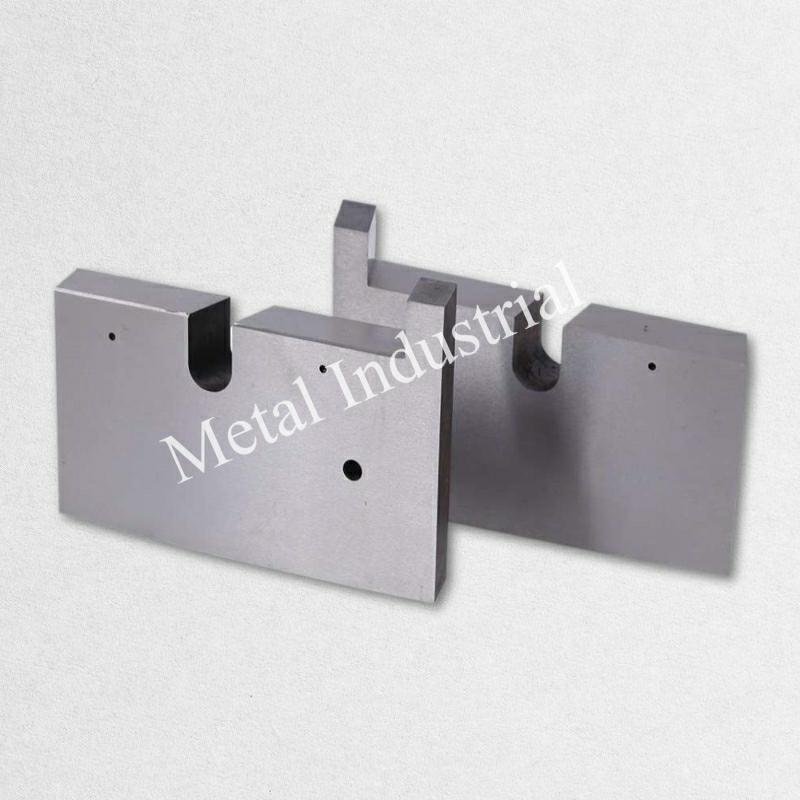
냉간 재배 vs. 고온 전정
속도 및 충격 요구 사항
금속괴를 절단하는 가장 적합한 방법을 선택해야 합니다. 냉간 절단은 강력한 날과 대형 기계를 사용하며, 상온에서 금속괴를 절단합니다. 이 방법은 빠른 타격과 많은 힘이 필요하며, 금속괴와 날의 정렬이 잘 맞으면 깨끗한 절단면을 얻을 수 있습니다. 열간 절단은 이와는 다릅니다. 금속괴를 가열하여 부드럽게 만든 후 절단합니다. 이때 날은 더 적은 힘으로 절단하며, 절단 속도가 빠릅니다. 열간 절단은 크기가 큰 금속괴나 단단한 금속을 절단하는 데 적합합니다.
열피로 저항성
고온 전단 작업은 칼날이 여러 번 고온에 노출되도록 합니다. 따라서 이러한 열을 견딜 수 있는 칼날이 필요합니다. 이러한 칼날은 여러 번의 고온 작업 후에도 형태를 유지하고 날카로움을 오래도록 보존합니다. 특수 칼날 소재와 코팅은 수명을 연장하는 데 도움이 됩니다. 저온 전단 작업은 고온 전단 작업만큼 높은 내열성이 필요하지는 않지만, 강한 충격에도 부러지지 않는 칼날이 필요합니다.
프로세스 워크플로우 비교
냉간 재배와 고온 전정의 차이점을 확인할 수 있습니다.
| 방법 | 온도 | 필요한 절삭력 | 속도 | 일반적인 사용 사례 |
|---|---|---|---|---|
| 냉량 재배 | 실온 | 높은 | 보통의 | 탄소강, 합금강, 비철금속 |
| 고온 전단 | 고온 | 낮추다 | 빠른 | 고합금강, 대형 빌릿, 알루미늄 합금 |
냉간 절단은 금속 덩어리와 칼날을 준비한 후, 강하고 빠른 타격으로 절단하는 방식입니다. 이 방식은 저온에서도 강도를 유지하는 금속에 가장 적합합니다. 열간 절단은 금속 덩어리를 가열하는 것으로 시작합니다. 가열된 칼날이 연화된 금속을 절단합니다. 열간 절단은 냉간 절단에 적합하지 않을 정도로 두껍거나 단단한 금속 덩어리에 사용됩니다.
적합한 재료 비교
절단 방식은 금속의 종류에 맞춰야 합니다. 냉간 절단은 저온에서도 강도를 유지하는 금속에 적합합니다. 탄소강, 합금강, 비철금속 등에 사용됩니다. 열간 절단은 가열 시 연화되는 빌릿에 더 적합합니다. 고합금강, 대형 빌릿, 알루미늄 등에 사용됩니다. 이러한 절단 방식을 통해 깔끔한 절단면을 얻고 재료 낭비를 줄일 수 있습니다.
산업 분야의 다재다능함
Metal 산업 응용 분야
전단날은 금속 산업에서 사용됩니다. 빌릿, 봉, 판재 등을 절단하고 규격에 맞게 가공하는 데 사용되며, 깔끔한 절단면을 제공하여 금속 낭비를 줄여줍니다. 덕분에 작업 속도를 높이고 생산 라인을 원활하게 유지할 수 있습니다. 전단날은 금속의 모양과 품질을 유지하는 데에도 도움을 줍니다. 자동차 및 항공기 공장에서 이러한 전단날을 볼 수 있는데, 이러한 공장에서는 정밀한 절단과 적은 낭비가 필수적입니다.
- 가위 날은 다음과 같은 도움을 줍니다:
- Get clean cuts and waste less metal.
- 더 빠르게 작업하고 시간을 절약하세요.
- Keep metal strong with less bending.
- Make sure your products are always good.
You can trust shear blades to help your work and keep things running well. When you use good cutting methods, you get better results and less scrap.
Plastics Industry Applications
Shear blades are also important in plastics work. You use them to trim shapes, cut rods, and get materials ready for molding or recycling. Good blades give you clean, even cuts and help you avoid mistakes. You also waste less plastic, which helps with recycling.
| 혜택 | 설명 |
|---|---|
| 내구성 | Strong materials make blades last longer. |
| 정도 | Clean cuts stop mistakes. |
| 운영 효율성 | Faster work means less waiting. |
| 지속 가능성 | Less waste and better recycling. |
| 다재 | Blades work with many machines and jobs. |
You can use shear blades for many plastic jobs. Good blades help your work go smoothly and keep your products nice.
Food Industry Applications
Shear blades are used in food factories too. They help you cut and shape food. You use them to slice dough, cut candy, and get food ready for packing. Good blades give you neat cuts and make food look nice.
| 적용 분야 | 설명 |
|---|---|
| 식품 포장 | Shear blades make sure each package has the right amount. |
| 식품 가공 | Machines use shear blades to shape food fast and keep work moving. |
- Food factories need better cutting tools every year.
- Shear blades help you keep up with demand and make your work steady.
You can move the blade to cut different food sizes. This makes your work easier and faster.
Recycling Industry Innovations
In recycling, blades must cut mixed and dirty materials. New blade designs help you cut faster and fix blades less often. You see things like easy-to-fix designs, special coatings, and smart tech.
| 특징 | 혜택 |
|---|---|
| Modular design | Easy to fix and change parts |
| Energy-efficient hydraulic systems | Use less power |
| Customizable blade configurations | Work better for each recycling job |
| Tungsten-carbide coatings | Blades last longer and need less fixing |
| Smart technology integration | Track blades in real time for better control |
You use these new ideas to help blades work better and stop delays. You also waste less because blades last longer and cut better.
Tip: Pick the right shear blade for your job and material. This helps you get good cuts, waste less, and keep your work smooth.
Shear blades are used in many industries. You get better cuts, waste less, and work with more accuracy. The right blade helps you reach your goals, whether you work with metal, plastic, food, or recycling.
Metal 전단 정밀도 유지 보수
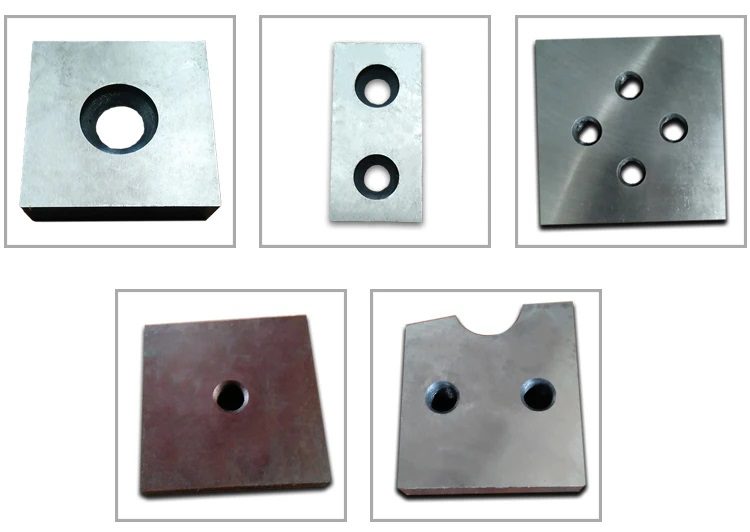
Taking care of shear blades helps you cut better. You need to do regular maintenance to keep blades sharp. This makes your work more accurate and wastes less material.
Maintenance Protocols
Sharpening and edge care
You should sharpen blades often. Dull blades make rough cuts and slow you down. Most experts say sharpen every 500-700 uses or when cutting gets hard. Use the right tools for sharpening. Clean the blade before you start. Always check the edge for chips or cracks. Fix damage right away. Sharp blades help you cut fast and smooth.
Tip: Sharp blades give cleaner cuts and help stop burrs and fishtailing.
Parallelism and clearance
Check blade alignment often. If blades are not parallel, cuts are uneven and waste goes up. Use a gauge to check alignment. Adjust blades if you see gaps. Clearance is the space between blade and billet. Set the right clearance for each job. Too much clearance makes burrs. Too little can hurt the blade. Always follow the manufacturer’s rules for alignment and clearance.
Here is a table with main maintenance steps:
| Maintenance Protocol | 설명 |
|---|---|
| 청소 | Wipe blades with a dry cloth after each use to stop buildup. |
| 매끄럽게 하기 | Put shear oil on the pivot area weekly or more if you use blades a lot. |
| 날카롭게하다 | Sharpen every 500-700 uses or when cutting gets worse. |
| 조정 | Check blade alignment often and fix misaligned blades. |
| Tension Adjustment | Check and adjust tension as the manufacturer says for smooth cutting. |
| 적절한 보관 | Store shears in a case to stop damage and keep them clean. |
Use these steps to keep blades working well. Good care helps you get better cuts and makes blades last longer.
블레이드 수명 극대화
Preventing rapid wear
You want blades to last a long time. Rapid wear happens if you use the wrong blade or skip maintenance. Pick the right blade material for your job. Tungsten carbide and ceramic blades are good for tough jobs. Use blades with the right edge shape and angle. Coatings protect blades and help cuts look better. Change cutting speed and pressure to lower heat and friction. Mirror polishing helps blades cut better and stay clean. Always keep machine settings correct. Check alignment and tension often.
| Cause of Rapid Wear | Prevention Method |
|---|---|
| Blade material choice | Use materials like tungsten carbide or ceramic for tough jobs. |
| 블레이드 형상 | Pick the best edge shape and angle for your material. |
| 코팅 | Use coatings to protect blades and improve cuts. |
| Friction and heat | Change speed and pressure to lower heat and friction. |
| Polishing | Mirror polish blades to help cutting and keep blades clean. |
| Machine settings | Keep alignment and tension right to avoid too much load. |
Follow these steps to stop rapid wear and help blades last longer.
Reducing machine strain
Good maintenance helps blades and machines work well. If you skip care, you may get misalignment, vibration, and blade wear. These problems slow work and waste material. Sharp blades help you cut faster and lower strain on machines. Regular checks and part changes help machines run smoothly. You get better cuts and waste less.
Note: Taking care of blades and machines saves money on repairs and replacements. You also avoid long stops in work.
How Maintenance Affects Cost and Downtime
Regular maintenance lowers costs. Well-cared blades mean fewer stops and less wasted material. Premium blades last longer between maintenance. You pay more at first, but save money because you replace blades less and machines keep running.
| 증거 유형 | 설명 |
|---|---|
| 향상된 절단 정밀도 | Well-cared blades mean fewer stops and less wasted material. |
| 다운타임 감소 | Premium blades last longer, so you need less maintenance and fewer replacements. |
| Lower Total Cost of Ownership | Higher first cost is balanced by longer life and lower running costs. |
If you follow good care steps, you get better accuracy, save money, and keep work moving.
Tip: Make maintenance a regular habit. You will get better results and spend less time fixing problems.
빌릿 절단용 전단날 선택
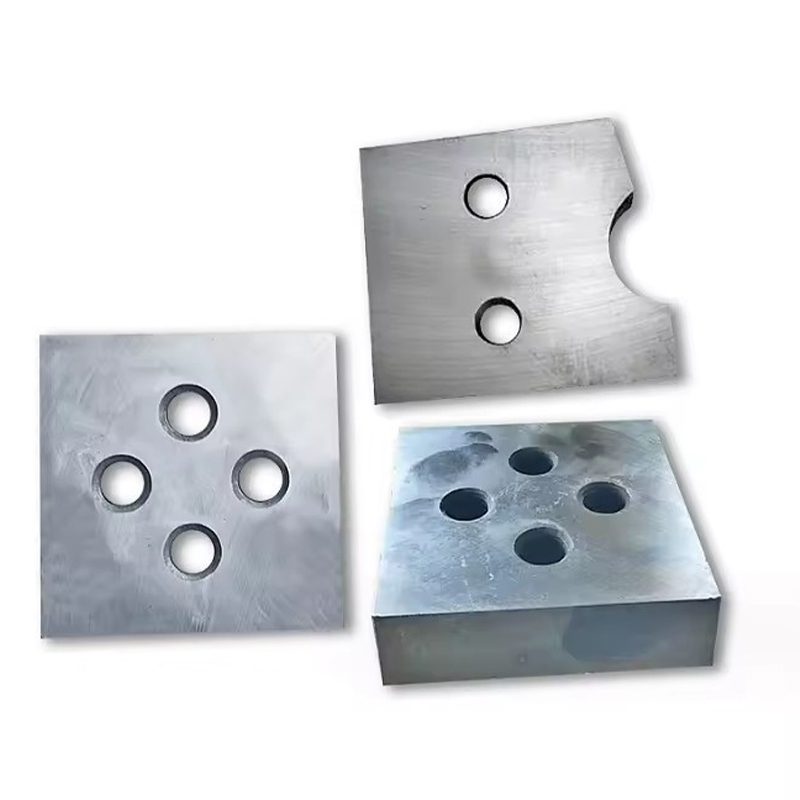
Picking the right shear blade helps you make clean cuts. You need to match the blade to your billet’s material and size. This choice changes how well you cut and how fast you work.
재료에 맞는 블레이드 매칭
Selection criteria
Think about what kind of material you want to cut. Also, check how thick your billets are. Each blade material works best for certain jobs. The table below shows which blade fits each job:
| 블레이드 재질 | 형질 | 최상의 사용 사례 |
|---|---|---|
| T8 / T10 (Carbon Tool Steel) | Hard and cheap, but not very tough, good for soft stuff. | Cutting thin sheets of low-carbon steel or aluminum. |
| 9CrSi (Low-Alloy Tool Steel) | Wears down slowly, pretty tough, good for medium or thin pieces. | Medium or thin carbon steel plates. |
| 6CrW2Si (Impact-Resistant Tool Steel) | Very tough, does not break easily, good for thick plates. | Cutting thick plates or scrap steel. |
| Cr12MoV (D2) High-Wear Cold-Work Mold Steel | Wears down very slowly, great for hard materials. | Cutting stainless steel or high-carbon steel. |
| H13 (Hot-Work Mold Steel) | Stays strong when hot, keeps shape under heat. | Fast cutting in tough, hot jobs. |
Use this table to help you pick the right blade. If you cut thick billets or strong metals, pick a tough blade. For thin sheet metal, use a blade that matches the thickness and hardness.
Tip: Always check your billet’s material and thickness before picking a blade. This helps you get the best cuts.
사용자 지정 옵션
Sometimes you need special blades for tricky jobs. Custom blades can help you cut better and faster. Here is a table that shows some ways to change your blade:
| 사용자 정의 옵션 | 절삭 성능에 미치는 영향 |
|---|---|
| Coating technology | Makes blades last longer and work better in hot jobs. |
| Composite materials | Adds hard layers to make blades stronger and sharper. |
| Intelligent manufacturing | Helps make blades faster and better, so each one is high quality. |
You can ask for special blade shapes, edges, or coatings. These changes help you cut different materials or shapes. If you want more choices, check the 사용자 정의 블레이드 페이지.
Performance and Efficiency
Minimizing downtime
You want your machines to keep working without stopping. Good blades stay sharp longer and need less fixing. Blades with special coatings or layers last longer. This means you do not have to stop and change them as much.
- Good blades make clean cuts, so you waste less material.
- Strong blades need less fixing, so you save money and time.
- Crop & Cobble Shear blades cut off bad ends, so you do not have delays.
Note: Check your blades often and pick the right ones to keep your line moving.
Improving cut quality
You need blades that make smooth, neat cuts every time. The right blade and custom options help you cut better. When you match the blade to your billet, you get less scrap and smoother edges. This helps you work faster and reach your goals.
- Good blades help you make more products with less waste.
- Special blade shapes and coatings help you cut better, even with hard metals.
- Custom blades help you with tough jobs, like thick billets or hard alloys.
If you want better results, try custom blades from Nanjing Metal Industrial. Their team knows how to make blades that work well for your needs.
Tip: Always check your blade and cutting needs before you start. This helps you get the best results and saves time.
You can work better and faster by picking the right blade, using custom options, and taking care of your tools. This helps you cut well, waste less, and keep your machines running.
You can get very exact cuts and less bending when you use specialized bar shear blades. Picking the right blade shape and material helps you cut billets neatly. Taking care of your blades often also saves you money. Look at the table to see how these blades help:
| 혜택 | 설명 |
|---|---|
| 다운타임 감소 | You spend less time fixing and checking blades |
| Increased Production | You cut more billets and waste less material |
| 유지 관리 비용 절감 | You change blades less and pay less for upkeep |
- Blades that are clean and sharp make smooth cuts.
- Checking and caring for blades often helps them last longer.
If you want better cutting, talk to our sales engineer on our contact page.
자주 묻는 질문
What are bar shear blades used for?
Bar shear blades help you cut metal billets, bars, and sheets. You use them in factories to get clean, straight cuts. These blades work in many industries, including metalworking and recycling.
How do you choose the right bar shear blade?
You look at your billet’s material and thickness. Pick a blade with the right hardness and toughness. You can ask for custom blades if you have specific needs.
Why does blade geometry matter in billet cutting?
Blade geometry controls how the blade touches the metal. Good geometry helps you get smooth cuts and less distortion. You see better results when you match the blade shape to your job.
How often should you sharpen bar shear blades?
You should sharpen blades every 500-700 uses or when you notice rough cuts. Sharp blades help you work faster and get better results.
What materials are best for bar shear blades?
Steel alloys like A8, D2, and S7 work well. Each alloy gives you different toughness and wear resistance. You pick the best one for your cutting job.
Can you use bar shear blades for plastics or food?
Yes, you can use bar shear blades for plastics and food. These blades help you trim, slice, and shape many materials. You get clean cuts in different industries.
How do you reduce distortion when cutting billets?
You use blades with low rake angles and sharp edges. Keep blades aligned and set the right clearance. Good maintenance helps you get straight, smooth cuts.
What maintenance steps help bar shear blades last longer?
Clean blades after each use. Lubricate moving parts weekly. Check alignment and tension often. Store blades in a dry place. These steps help you avoid rapid wear.
또한 참조
산업용 전단날 구매 가이드: 구매 전 7가지 품질 점검 사항
전문가처럼 전단 블레이드 연마하기: 일반적인 연삭 실수 피하기 및 TCO 연장
전단 블레이드 간극 설정에 대한 최종 가이드: 공식, 실수 및 무버 결과

 English
  Spanish
  Italian
  French
  Portuguese
  Russian
  German
  Arabic
  Hindi
Hindi  Vietnamese
  Indonesian
  Japanese
  Korean