


使用する ゴム用ロータリースリッターブレード and plastic to make accurate and strong cuts. Good blades help you get cleaner cuts and last longer. This is true when you pick blades that fit your needs. Companies like 南京Metal工業 have many choices. They focus on making blades that work well for you. The table below shows how these features help your work go faster and better:
| 特徴 | 説明 |
|---|---|
| 耐久性 | Good imported materials help the blades last a long time. |
| Clean and Accurate Cuts | Special CNC machines make sure cuts are exact and smooth. |
| Versatile Performance | These blades work with many machines and tools. |
| Cost-Effective | Strong blades save you money because you replace them less often. |
重要なポイント
- Pick the best rotary slitter blade material for your job. You can choose high-carbon steel, tool steel, or tungsten carbide. Each one has its own good points.
- Check and clean your blades often to keep them sharp. This stops rough cuts and makes blades last longer.
- Use shear slitting to get cleaner cuts and less waste. This way, you get smooth edges and the right sizes.
- Make sure your slitter knife matches the material you cut. Different materials need special blade shapes and hardness. This gives you the best results.
- Think about custom blades for special cutting jobs. Custom blades can help you work faster and more accurately.
- Use new technologies like CNC grinding and special coatings. These can make blades work better and last longer.
- Teach your team how to handle and care for blades. This keeps everyone safe and helps blades stay in good shape.
- Check blade quality and details often. Good blades give better cuts and less time lost in production.
Rotary Slitter Blades for Rubber: Precision & Durability
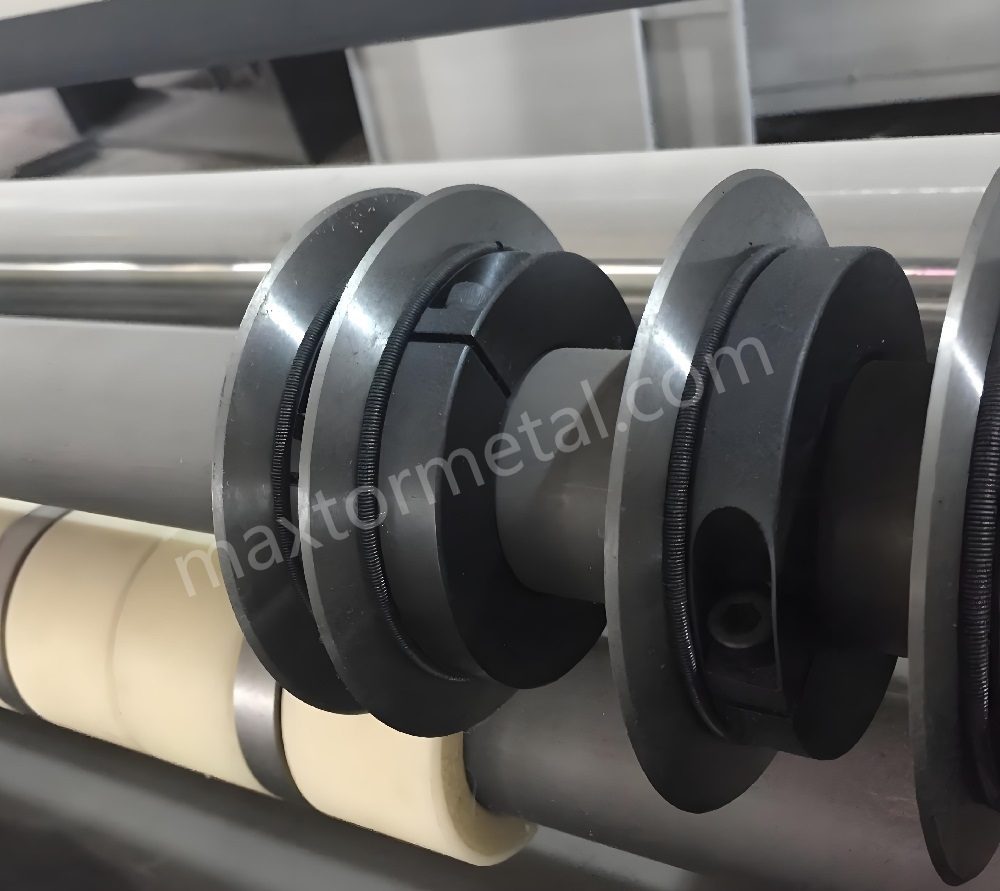
Rotary slitter blades for rubber help you get accurate cuts. They also give strong results in your factory. You need blades that stay sharp for a long time. This part shows how special metals and grinding help you. Shear slitting also makes a big difference for companies.
Advanced Metallurgy & Grinding
素材の選択
You can pick from different materials for rotary slitter blades. High-carbon steel is tough for hard jobs. Tool steel is very hard for tough places. Tungsten carbide does not wear out fast and stays sharp. These choices help you find the right blade for your work.
| 特徴 | 説明 |
|---|---|
| Superior Durability | Special metals and grinding keep blades sharp in busy rubber factories. |
| Clean and Accurate Cuts | Smoother cuts mean less waste and faster work. |
| Versatile Performance | Blades work for thick rubber and recycling with good results. |
| Cost-Effective Solutions | Blades last longer, so you change them less and save money. |
エッジのシャープネス
You want blades that stay sharp for many uses. Special grinding makes the blade edge very exact. This helps you get clean cuts and change blades less often. Sharp blades stop fraying and make your products look neat.
Shear Slitting Techniques
Scissor Effect
Shear slitting uses two round blades that cut like scissors. This presses and moves the rubber before cutting. You get smooth edges with no fraying. The scissor effect is great for clean cuts and exact slit sizes.
- Shear slitting is best for smooth edges and exact cuts.
- You get better edge quality and fast cutting.
きれいなカット
Rotary slitter blades for rubber make clean cuts. Shear slitting cuts down on waste and keeps your area clean. You can use these blades for thick rubber or recycling. This way, you can cut many types of rubber and keep cuts the right size.
- Clean cuts mean less waste.
- You can use these blades on many materials.
- Exact cuts stop rubber from sagging.
Shear slitting gives you better accuracy and less dust. You avoid rough edges and keep your workspace neat. Changing knife overlap, angle, and pressure helps you get the same results every time.
Consistency in High-Volume Production
You need blades that work well when you make a lot of products. Makers use many steps to keep blades strong and sharp:
- Forging makes blades tough and strong.
- Annealing helps blades work better and removes stress.
- CNC machines make blades the right size.
- Heat treatment makes blades hard and tough.
- Grinding and lapping keep blades flat and exact.
- Sharpening and polishing make the edge good for cutting.
- Quality checks test hardness, size, and edge strength.
These steps help you get blades that work well every time. If you need blades made for your machines, you can look at カスタムブレードソリューション より多くの選択肢のために。
Tip: Check your rotary slitter blades for rubber often and set them up right. This helps you keep good results and less downtime.
You can count on rotary slitter blades for rubber to give you the accuracy and strength you need for tough jobs.
Slitter Knives: Factors Affecting Performance
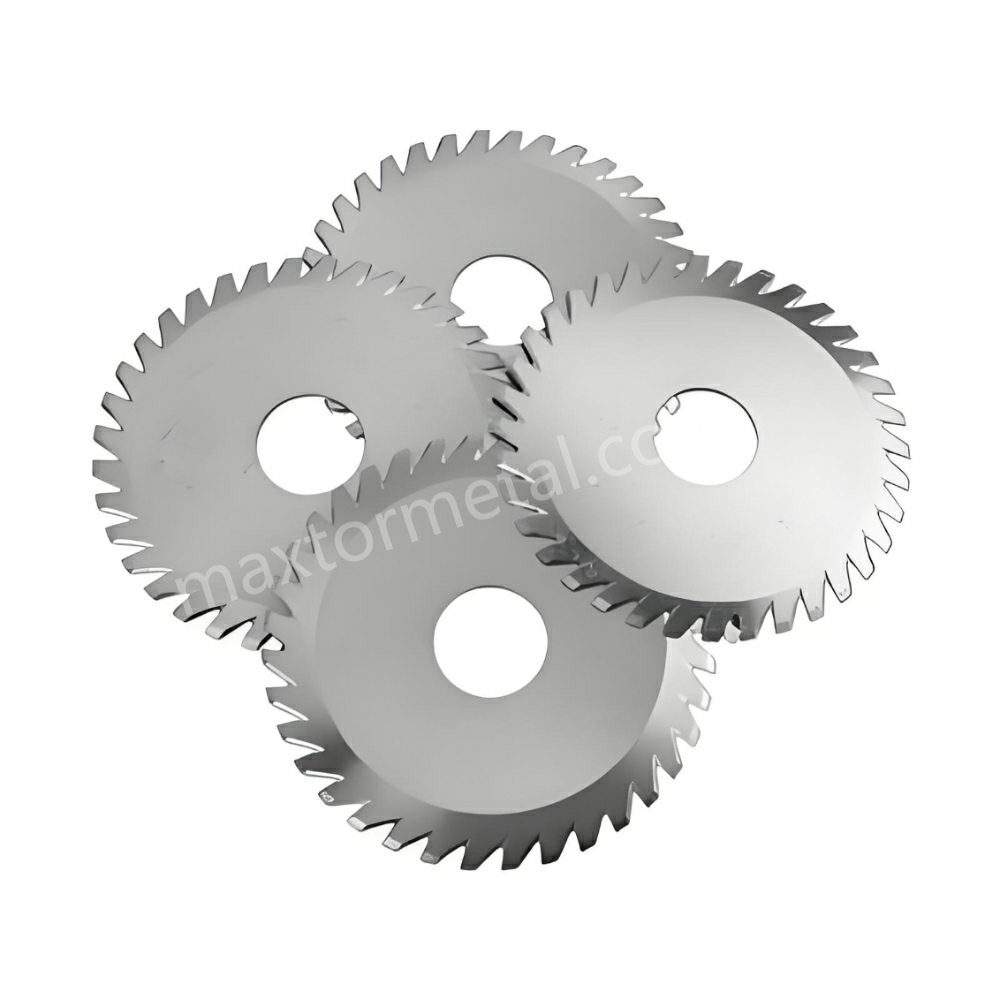
When you pick slitter knives for rubber and plastic, you need to think about a few things. The right blade helps you get good results and keeps your machines working well. Here are the most important things to know.
Blade Material & Hardness
工具鋼
Tool steel is a common choice for slitter knives. You use it when you want blades that stay sharp and strong. Tool steel blades are good for cutting tough rubber and thick plastic. They can handle hard jobs and keep their edge after many cuts.
パフォーマンス
Tool steel blades work well in busy factories. They do not wear out fast and keep their shape. You get clean cuts and less time fixing machines. Hardening makes these blades even stronger. This process gives the blade the same hardness everywhere and helps it last longer.
アプリケーションシナリオ
You use tool steel blades for cutting lots of rubber. They work best for thick or sticky materials. Many factories use tool steel for recycling rubber or making car parts.
Advantages & Disadvantages
- 利点:
- Strong and lasts a long time
- Good for hard cutting jobs
- Stays sharp for many uses
- デメリット:
- Needs sharpening often to work best
Case Study: Tool Steel in High-Volume Rubber Slitting
A rubber factory uses tool steel blades to cut big rolls of rubber. Workers see the blades stay sharp after many hours. They change blades less and keep making rubber sheets. The factory saves money and gets better rubber sheets.
炭化物
Carbide blades are harder than tool steel. You use carbide when you want blades that last a long time and cut very well. Tungsten carbide blades can last three times longer than steel blades. They have a hardness rating of about 1,500 Vickers. Steel blades rate between 700 and 900 Vickers.
パフォーマンス
Carbide blades work best for cutting thin plastic films and other soft materials. You get smooth edges and less waste. These blades do not wear out fast and stay sharp for a long time.
アプリケーションシナリオ
You use carbide blades for cutting plastic with high precision. They work well in packaging factories and medical product lines. Carbide blades help you cut thin sheets without rough edges.
Advantages & Disadvantages
- 利点:
- Very hard and does not wear out fast
- Lasts much longer than steel
- Makes clean and exact cuts
- デメリット:
- Needs careful use to stop chipping
Case Study: Carbide Blades in Precision Plastic Cutting
A packaging company uses carbide blades to cut plastic film. Workers see fewer rough spots and smoother edges. The blades last longer, so they change them less. The company makes better products and has less waste.
Tip: Pick the blade material that matches what you are cutting. If you use the wrong blade, it may wear out faster and not work as well.
Blade Geometry & Edge Types
The shape and edge of your blade change how it cuts. You need to pick the right shape for your material.
単層エッジ
Single-layer edge blades work best for hard materials. You use them when you want strong cuts and less bending. These blades give you straight cuts and handle tough jobs.
二重層エッジ
Double-layer edge blades are good for thin or soft materials. You use them for cutting with high precision. These blades make smoother cuts and stop rough edges.
| エッジタイプ | Cutting Effect | 適切な材料 |
|---|---|---|
| 単層エッジ | Strong, straight cuts | Hard rubber, thick plastic |
| 二重層エッジ | Smooth, precise cuts | Thin plastic, soft rubber |
Note: The angle and width of the blade matter too. Sharper angles cut easier but may wear out faster. Thicker blades need more force but make straighter cuts.
マシンの互換性
You need to match your slitter knife to your machine. This helps you get the best results and avoid problems.
Common Slitter Machine Types
- Slitter Rewinder Machines: You use these for packaging film and labels.
- Duplex Slitter Machines: These have two rewind shafts for better control.
- Duplex Center Winder Slitter: You get better roll control and less stretching.
- Drum Slitter Rewinders: These use a big drum for strong slitting.
Blade Matching Considerations
| Key Consideration | 詳細 |
|---|---|
| 材料の適合性 | Pick blades that match your material type. |
| Machine Specifications | Make sure your machine can handle the material thickness. |
- Material Type: Check if your material is sticky or rough.
- Machine Specs: Look at speed and how close the parts fit.
- Blade Type: Decide if you need razor or shear slitting.
- Compatibility: Make sure the blade fits your holder.
- Edge Requirement: Choose if you need a smooth edge.
Picking the right knife means you look at material, thickness, and blade shape. These things help you get blades that last and make good cuts.
Frequently Encountered Issues
Sometimes you have problems with slitter blades and machines. Bearings in the slitter head can wear out and make you lose accuracy. Changing these parts brings back good cuts. Tension problems can cause rough edges and scratches. You can fix this by adding loops to control tension.
| 問題 | 原因 | 解決 |
|---|---|---|
| Poor Slitting Quality | 鈍い刃や損傷した刃 | Change blades often |
| Wrong blade depth | Set blade depth for good cuts |
Tip: Check and sharpen your blades often to keep them working well. If you see rough edges or waste, look at your blade setup and machine tension.
You make your slitter knife work better by picking the right material, edge, and machine match. You get better cuts, less waste, and smoother work.
Slitter Blade Selection & Customization
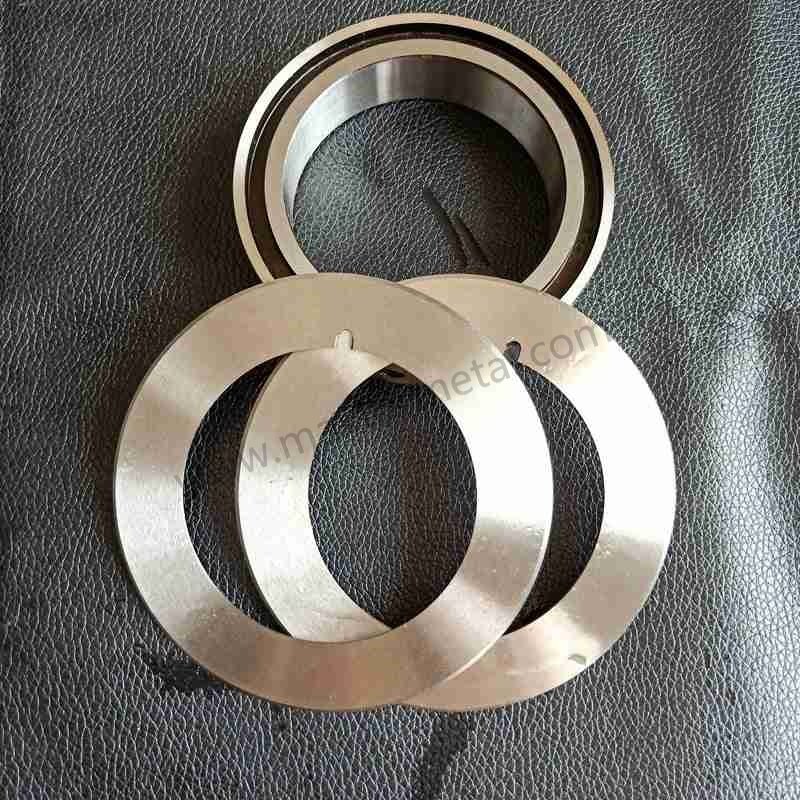
Picking the right slitter blades helps you do a better job. You need to think about what you are cutting. You should look at the blade’s shape and how good it is. This part shows you what to check when you pick and change blades for rubber and plastic.
素材に合わせたブレードの選定
Rubber vs. Plastic Sheets
Rubber and plastic sheets are not the same. Rubber is thick and stretches. It bounces back after you cut it. This makes cutting rubber harder than plastic. You need blades with special shapes for rubber. These blades stop edges from getting uneven. You waste less and work faster. Plastic sheets do not stretch much. They need blades that cut straight and clean. You should match the blade shape to the material. This helps you avoid problems.
Here is a table to help you pick slitter blades:
| 基準 | 説明 |
|---|---|
| ブレード材質 | Some materials like tungsten carbide and stainless steel work best for certain rubber types. |
| Design Attributes | Blade shapes like straight or round change how well they cut. |
| 耐久性 | Strong blades last longer and save money over time. |
| 費用対効果 | Spending more at first can save money later. |
Tip: Always check what you are cutting before you pick a blade. This helps you get better results and fewer mistakes.
Custom Solutions & Drawings
Blade Shapes & Configurations
Sometimes you need special blades for certain jobs. Makers have many choices to fit your needs. You can pick blades for rotary shear slitting, crush slitting, or razor slitting. Each type works best for different materials.
- Custom blade shapes are made for special jobs.
- They help you work faster and more accurately.
- You can use them for packaging, food, medical tools, and other things.
You can choose from many blade types:
- Profiled slitter blades
- Die-cutting blades
- Forming blades
- Notching blades
- 穿孔刃
- Scoring blades
- Guillotine blades with special shapes
- Blades with uneven teeth
If you need a blade that fits your machine, you can send a drawing to the maker. Companies like Nanjing Metal Industrial make custom blades.
Note: Custom blades help you fix special cutting problems. You get better cuts and higher quality products.
Quality Assurance & Testing
You want good slitting knives for your factory. Makers check every blade to make sure it is good. These checks help you avoid trouble and keep your machines working.
- Thickness checks make sure blades are the right size, even down to 0.0005mm.
- Inner hole checks help stop blades from breaking while working.
- Flatness checks make sure blades cut straight.
- Microscopes look for cracks in tungsten carbide blades.
- Two-dimensional checks make sure surfaces and holes have no problems.
You should pick makers with good reputations. Look for certifications like ISO 9001. Ask for details about blade shape and size. Try sample blades before you buy to see how they work.
Quality checks help you get blades that last and cut well. You save money and have less downtime.
You can make your work better by picking the right blades, using custom options, and checking quality at every step. This helps you get clean cuts, less waste, and better results.
Maintenance for Slitter Knives

Taking care of your slitter knives helps them work well. You want your blades to last longer and cut better. There are easy steps you can follow to keep blades sharp, clean, and safe.
Inspection & Cleaning
You should look at your slitter knives often. Cleaning and checking them helps you find problems early. Dust and dirt can build up on the blades. This makes your cuts less exact and wears out the blade faster.
- 刃を点検することで、欠けやひび割れを早期に発見できます。.
- 清掃を行うことで汚れが取り除かれ、摩擦が低減します。これにより、刃先の鋭さが維持されます。.
- 稼働ごとに刃を清掃すれば、頑固な付着物の堆積を防ぐことができます。刃の切れ味が向上し、寿命も延びます。.
ヒント:毎シフトの開始前に刃を目視点検してください。この簡単なチェックにより、トラブルを未然に防ぎ、ナイフの優れた性能を維持できます。.
再研磨&リコンディショニング
スリッター刃の性能を維持するには、定期的な再研磨とメンテナンスが必要です。切れ味が鈍くなった刃は、切断面を荒らし、材料を損傷させる原因になります。研磨前には、刃こぼれや凹凸がないか確認してください。また、刃の仕様に適した正しい角度と工具を使用してください。.
| ベストプラクティス | 説明 |
|---|---|
| 検査 | 研磨や刃の交換を行う前に、損傷がないか確認してください。. |
| クリーニング | メンテナンスを容易にするため、油分やダストを取り除いてください。. |
| 潤滑 | 摩擦を低減し、刃の過熱を防ぐために、潤滑油を使用してください。. |
| ストレージ | 錆や刃先の損傷を防ぐため、刃は乾燥した状態でカバーをかけて保管してください。. |
| トレーニング | 作業者に対して、刃のメンテナンス方法および研磨方法の教育を行ってください。. |
| シャープニング | 刃に適した正しい角度と工具を使用してください。. |
| テスト | 研磨後は、アルミホイルなどを試し切りして、きれいに切断できるか確認してください。. |
注記:鋭いスリッター刃を使用することで、精密な切断が可能になり、材料のロスを削減できます。.
保管と取り扱い
スリッター刃を正しく保管・取り扱うことは、安全性の確保につながります。刃を放置すると、怪我の原因になります。また、露出した刃先は欠けたり鈍くなったりしやすくなります。不安定な棚にナイフを置くと、落下の事故につながる恐れがあります。.
- 錆を防ぐため、刃は乾燥した場所に保管してください。.
- 刃先を保護するために、カバーを使用してください。.
- ナイフは頑丈なラックや棚に保管してください。.
- 落下を防ぐため、刃の取り扱いには十分注意してください。.
🛡️ 安全な保管と丁寧な取り扱いにより、スリッター刃の鋭さが維持され、いつでも使用できる状態に保たれます。.
忘れないでください:適切なメンテナンスを行うことで、トラブルが減少し、切断品質が向上します。定期的なお手入れは、スリッター刃の長寿命化と性能向上に貢献します。.
Advanced Technologies in Slitter Blades
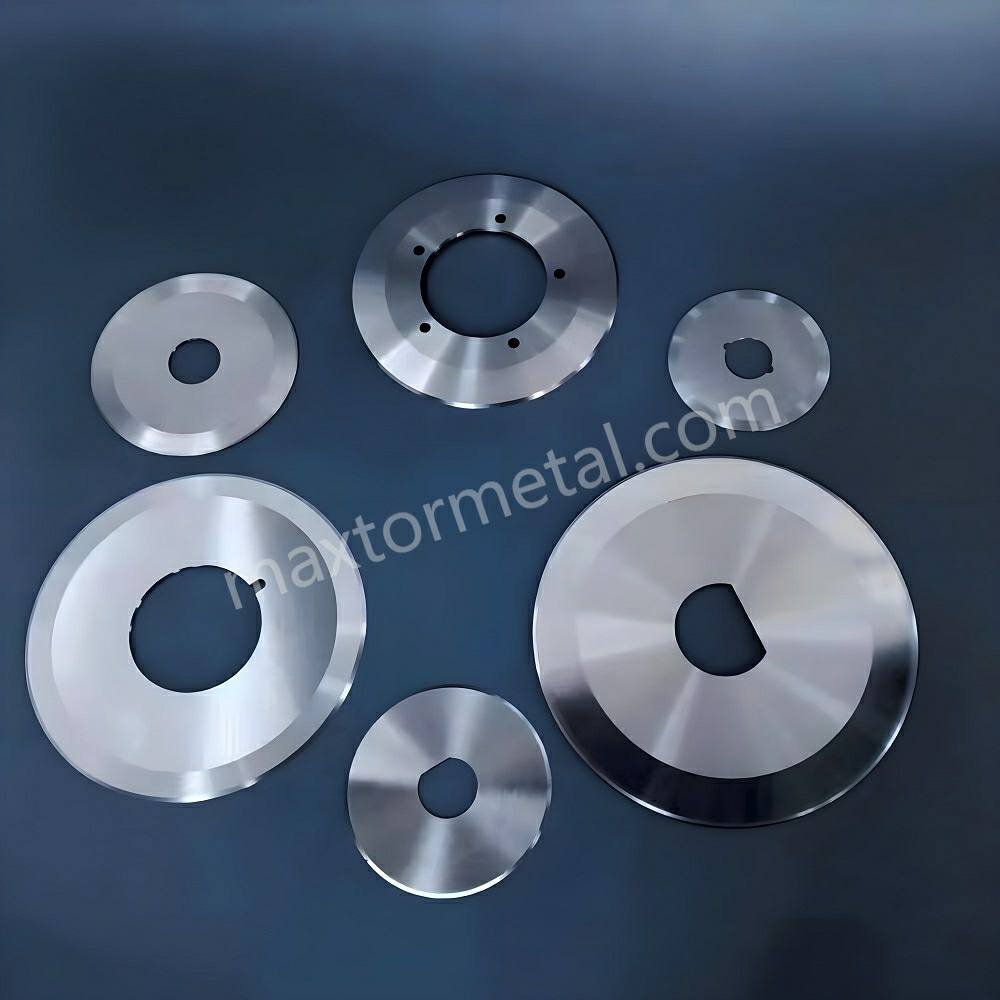
最新のスリッター刃には、切断性能を向上させる新技術が導入されています。これらの進化により、より高速かつ安全な作業が可能になりました。刃の製造方法や使用方法において、大幅な向上が見られます。新しいコーティング技術や加工機械の導入により、さらに高精度な切断が実現します。.
CNC研削&研磨
CNC研削および研磨により、刃先はより鋭く、滑らかに仕上がります。CNCとは、コンピュータによって機械を制御する技術です。機械が各刃の成形と研磨を自動で行うため、滑らかな刃先と極めて正確な形状の刃が得られます。これにより、ゴムやプラスチックをロスなく切断できます。CNCマシンは同一形状の刃を大量に高精度で製造できるため、刃先のばらつきや凹凸を心配する必要がありません。すべてのカットが美しく仕上がります。.
ヒント:CNC研削された刃は寿命が長いため、メンテナンスの手間が省け、時間を節約できます。刃の調整頻度が減り、優れた切れ味が持続します。.
革新的なコーティング技術
スリッター刃にコーティングを施すことで、強度が向上し、寿命が延びます。用途に合わせて最適な特殊コーティングを選択できます。これらのコーティングは、熱や摩擦から刃を保護し、切れ味を維持して刃こぼれを防ぎます。食品工場や医療機器製造に適したコーティングも用意されています。.
以下は、コーティングが刃に与える効果を示す表です。
| コーティングタイプ | 硬度 (RC) | 耐摩耗性 | 摩擦係数 | 追加の特典 |
|---|---|---|---|---|
| 窒化チタン(TiN) | ~85 | 高い | 低い | 食品衛生(FDA)適合、高温用途に最適 |
| 炭窒化チタン (TiCN) | 最大 80 | TiNより高い | より低い | 欠け、剥離、ふくれに対する優れた耐性 |
TiNコーティングされた刃は、高温環境下でのゴム切断に適しています。TiCNコーティングは、プラスチックを欠けやひび割れなく切断するのに役立ちます。これらのコーティングにより、刃の寿命が延び、滑らかな切断面が得られます。.
注記:コーティング刃は交換頻度を減らせるため、コスト削減につながります。.
自動化&モニタリング
自動化とモニタリング技術により、スリッター刃の効率的な運用が可能になります。機械が自律的に刃の性能をチェックするため、すべての工程を常時監視する必要はありません。センサーとコンピュータが異常を早期に検知し、迅速なトラブル対処をサポートします。.
- IoTにより機器同士の連携が可能になり、 データの共有が行えます。.
- データ分析により、作業効率が向上し、ダウンタイムを回避できます。.
- 自動化システムが、ミスの少ない切断、測定、仕分けを実現します。.
- PLCとセンサーが刃の状態をリアルタイムで監視します。.
- センシングシステムが、切断中の温度や圧力を測定します。.
- データ分析により、最適な結果を得るための設定調整が可能になります。.
これらの技術により、刃の切れ味が維持され、機械の安定稼働が実現します。自動化は、エラーを減らしながら生産性を向上させるのに役立ちます。.
ヒント:自動化とモニタリングにより、トラブルへの対応が迅速化します。その結果、良品の製造により多くの時間を割くことができます。.
先進技術の導入により、スリッター刃の性能を最大限に引き出すことができます。これらの技術革新は、作業の簡素化、安全性の向上、迅速化、そして効率化をもたらします。.
Industry Applications & Case Studies
ゴム製品製造
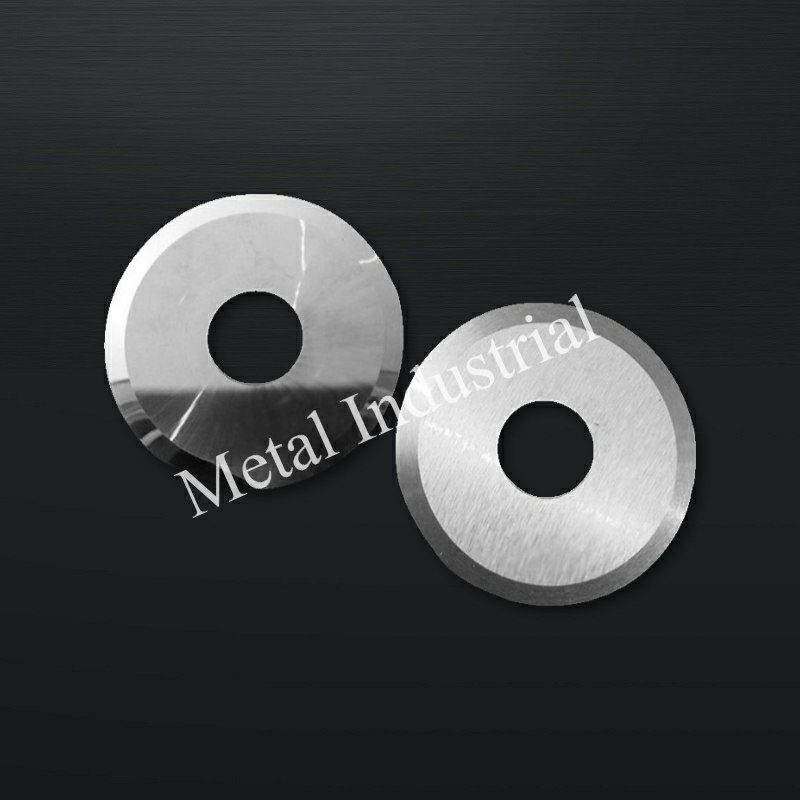
Rotary slitter blades are used in many rubber factories. These blades cut thick rubber sheets into smaller pieces. Rubber stretches and bounces back, so you need strong blades. Sharp rotary slitter blades make straight cuts and smooth surfaces. You use them for tires, seals, and conveyor belts. The right blade means less waste and better products. Workers check blades often to keep them sharp. This helps jobs finish faster and stops mistakes.
Tip: Pick blades with advanced grinding for rubber. You get cleaner cuts and save time when making products.
Plastic Product Manufacturing
Rotary slitter blades are important in plastic factories. You use these blades to cut plastic films, sheets, and packaging. Thin plastic needs blades with sharp edges. You want blades that do not leave rough spots or burrs. Good rotary slitter blades give smooth cuts and neat edges. This helps you make plastic bags, containers, and wraps. You can also use these blades for recycling plastic. Sharp blades help you cut faster and have less downtime.
| 用途 | ブレード機能 | 利点 |
|---|---|---|
| プラスチックフィルム | Fine edge sharpness | Smooth, clean cuts |
| プラスチックシート | Durable materials | Long-lasting blades |
| Recycled Plastics | Consistent geometry | Less waste, easy sorting |
Note: Always match the blade type to your plastic’s thickness and hardness. This keeps machines working well.
Packaging & Medical Sectors
Rotary slitter blades help you meet strict rules in packaging and medical work. You need blades that cut fast and keep things clean. In packaging, you use rotary slitter blades to cut films and foils. These blades stop tearing and keep edges straight. In medical factories, you need blades for many materials and to keep parts sterile.
- A packaging company used a high-speed rotary slitter with advanced blades. They saw perfect cuts, less waste, and more products made.
- A medical equipment maker used a rotary slitter for different materials. This helped them work faster and keep quality and sterility high.
Rotary slitter blades are used for making bandages, wraps, and medical tapes. These blades help keep products safe and ready to use. You can trust rotary slitter blades for clean cuts and good quality checks.
🏆 Rotary slitter blades help you reach high standards in packaging and medical jobs. You get better products and faster results.
You get accurate cuts and strong blades when you pick rotary slitter blades made for rubber and plastic. You keep blades sharp and cutting well by choosing the right blade for your material and how much you need to cut. Blades last longer if you check, clean, and sharpen them often. Special grinding and coatings help blades stay sharp for more cuts.
- Choose blades with the best material for your work.
- Look at blade quality before you use them.
- Teach your team how to use and store blades safely.
Want to make your blades last longer and cut better? 弊社のセールスエンジニアにお問い合わせください for help and custom answers.
よくある質問
What are slitter knives used for in manufacturing?
Slitter knives cut things like rubber, plastic, and film. They make strips that are the right size and shape. Many factories use slitter knives for packaging, cars, and medical products.
How do you choose the right slitter blade for your cutting process?
Pick a slitter blade that matches your material and machine. Check the blade’s material, edge style, and thickness. This helps you get good cuts and keeps your work easy.
Why is tight tolerances important for slitter knives?
Tight tolerances help you make exact cuts every time. You waste less and make fewer mistakes. Slitter knives with tight tolerances give you better-looking products.
How do you maintain excellent edge retention in slitter knives?
Clean, check, and sharpen your slitter knives often. Store them the right way and handle them gently. This helps your knives last longer and cut well.
What is the benefit of corrosion resistance in slitter blades?
Corrosion resistance stops your slitter blade from rusting. Your blade stays strong and works well for longer. You get clean cuts even in wet places.
How does continuous cutting action improve production?
Continuous cutting means your slitter knives keep working. You finish more products faster and have less downtime. This helps your cutting process run smoothly.
What problems can happen if you use the wrong slitter knife?
Using the wrong slitter knife can make rough edges and bad cuts. Your blade might break or slow down your work. Always choose the right knife for your job.
How do you check cut quality after using a slitter?
Look at the edges to see if they are smooth and straight. Use a table to check your results:
| Checkpoint | 何を探すべきか |
|---|---|
| エッジの滑らかさ | No burrs or fraying |
| Size Accuracy | Even strip widths |
| 清潔さ | No dust or debris |
Tip: Check your slitter knives often to keep them working well.
参照
ロータリースリッターブレードのトラブルシューティングにおける最大の誤りとその修正方法

 English
  Spanish
  Italian
  French
  Portuguese
  Russian
  German
  Arabic
  Hindi
Hindi  Vietnamese
  Indonesian
  Japanese
  Korean