

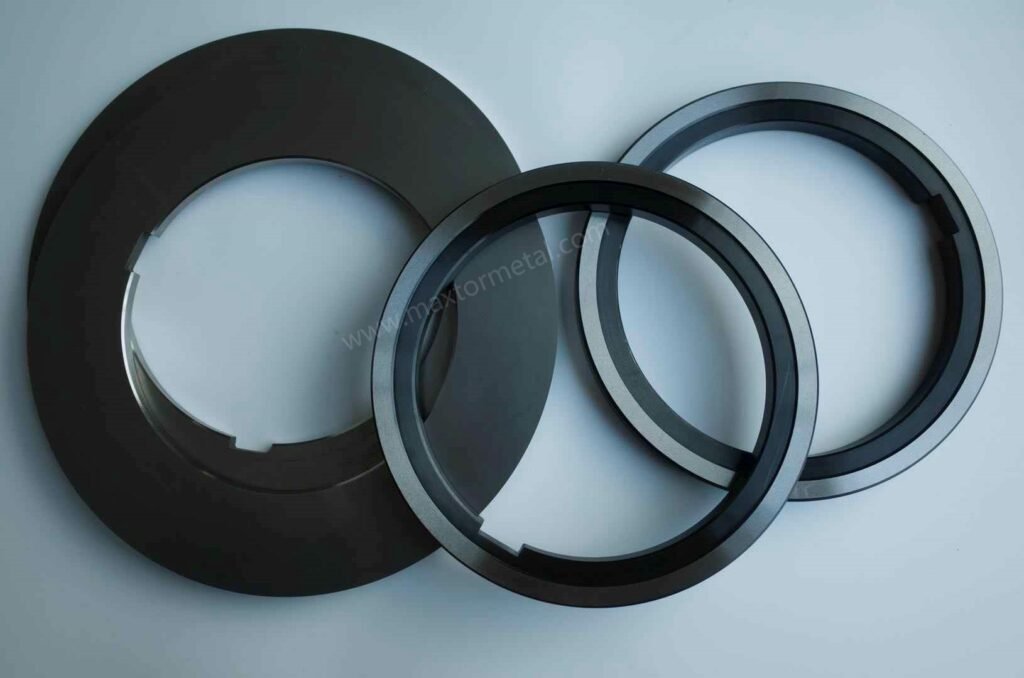
ロータリースリッター刃を長持ちさせ、 ロータリースリッターブレードの寿命を延ばす. 刃の鋭さを維持することで、コストを削減できるだけでなく、ダウンタイムの短縮や製品品質の向上も実現できます。例えば、ハイス鋼(高速度鋼)や超硬チップ付きの刃を使用することは、この目標の達成に大きく貢献します。これらの刃は、作業効率を20%向上させ、生産性を高めると同時に、ロータリースリッター刃の長寿命化にも役立ちます。コスト削減に関する簡単なデータについては、以下の表をご参照ください。
| コスト削減の要素 | 説明 | 期待できる削減効果 |
|---|---|---|
| ブレード交換回数の削減 | 刃が長持ちするため、新規購入頻度が減少します。. | 刃1枚あたり$10〜$1000+ |
| ダウンタイムの短縮 | 補修回数が減ることで、設備の停止頻度が低下します。. | 大幅なコスト削減 |
| 効率の向上 | 鋭い刃先が優れた切断性を発揮し、機械への負荷を軽減します。. | 消費電力コストの削減 |
Nanjing Metal Metal Industrialの高品質なスリッター刃は、より優れた加工精度の実現に貢献します。効率を最大化し、ロータリースリッター刃の寿命を延ばすために、以下の実証された方法をお試しください。.
重要なポイント
- 毎シフト後にロータリースリッター刃を点検してください。これにより損傷を早期に発見できます。刃の良好な作動状態を維持し、修理による長時間の操業停止を防ぎます。.
- 使用後は毎回刃を洗浄してください。これにより、汚れや切り屑の付着を防ぎます。清潔な刃は切断精度が向上し、耐用年数も大幅に延びます。.
- 綺麗な切断面を維持するために、定期的に刃を研磨してください。刃先の荒れや、切れ味の低下を感じた場合は、研磨時期のサインです。.
- 用途に適した刃物材質を選択してください。最適な刃を使用することで、加工パフォーマンスが向上し、刃の寿命も延びます。.
- 刃は乾燥した清潔な場所に保管してください。これにより錆や損傷を防ぎます。適切な保管状態を維持することで、刃の品質が保たれます。.
- 作業者に対して、刃の安全な取り扱いとメンテナンス方法を教育してください。トレーニングを受けた作業者は事故を防ぐだけでなく、刃の長寿命化にも貢献します。.
- 刃の点検および補修の履歴を記録してください。履歴を管理することで、問題を早期に特定し、将来的なトラブルを未然に防ぐことができます。.
- 超硬合金(タングステンカーバイド)やハイス鋼(高速度鋼)などの強靭な材質で作られた高耐久な刃を使用してください。これらの刃は優れた性能を発揮し、長寿命です。.
ロータリースリッター刃の寿命を延ばす日常点検

定期点検の重要性
ロータリーカッター刃を長持ちさせるためには、定期的な点検による問題の早期発見が不可欠です。軽微な不具合を初期段階で対処することで、深刻なトラブルを防ぐことができます。毎シフト後に刃を検査し、クラックやチッピングを迅速に発見してください。これにより、刃の性能を最適に維持し、高コストな操業停止を回避できます。早期に問題を発見できれば、修復の選択肢も広がります。致命的な損傷が発生するのを待つ必要はありません。また、 刃の摩耗状態や性能の推移を追跡する. ことも可能です。これにより、刃の効率低下を正確に把握し、適切なメンテナンス時期を判断できます。このシンプルな習慣が、刃の長寿命化につながります。.
ロータリーカッター刃の点検手順
ステップ1:作業エリアの整備と安全保護具の着用
まず、作業エリアが清潔であることを確認します。安全手袋と保護メガネを着用してください。作業の妨げになる障害物を取り除きます。十分な照明を確保することで、視認性が向上します。.
ステップ2:刃表面の目視検査
刃の表面を細部まで観察します。チッピング、クラック、または摩耗がないか確認してください。傷や欠けが見られる場合は、トラブルの原因となる可能性があります。ルーペ(拡大鏡)を使用して微細な箇所まで確認します。問題を早期に発見することで、優れた切断品質を維持できます。.
ステップ3:検査ツールの使用
より正確な検査を行うために、測定・検査ツールを使用します。以下は簡易ガイドです:
| 道具 | 使用法 |
|---|---|
| ルーペ(拡大鏡) | 微細なチッピングやクラックの視認をサポートします。. |
| マイクロメーター | 刃厚を測定し、不均一な摩耗を検出します。. |
| シックネスゲージ(隙間ゲージ) | 刃のクリアランスとアライメントを確認します。. |
| 懐中電灯 | 視認しにくい箇所を照らします。. |
| クリーニングクロス | 検査前後の汚れを拭き取ります。. |
各ツールは必ずメーカーの指示に従って使用してください。これにより、安全かつ正確な検査が可能になります。.
ステップ4:刃のアライメントと取り付け状態の確認
ロータリーカッター刃が正しく取り付けられているか確認します。刃が真っ直ぐ、かつ確実に固定されていることを確認してください。シックネスゲージを使用してクリアランスを測定します。アライメント不良は、偏摩耗や切断精度の低下を引き起こし、刃の寿命を縮める原因となります。.
ステップ5:検査結果の記録とメンテナンス計画の策定
Write down what you find each time you inspect. Keep a log of blade condition and wear. Note when you plan to do maintenance. This helps you see patterns and fix problems early. Staying organized helps your blades last longer.
Common Types of Blade Wear and Damage
Your rotary cutter blades can wear in different ways. Here are the most common types:
- Chipping: Small pieces break off the blade edge. This happens from hard spots or rough handling.
- Rounding: The blade edge gets dull and round. This makes cutting harder.
- Cracking: Small cracks show up on the blade edge or surface. This comes from too much force or use.
- Corrosion: Rust or pits form on the blade. This happens if you do not clean or store blades right.
See this table for signs your blades need help:
| Sign of Wear or Damage | 説明 |
|---|---|
| 切断品質の低下 | Uneven edges or cracks mean blades are worn out. |
| 切削抵抗の増加 | Motor works harder. Blades may need changing if fixing settings does not help. |
| 切削速度の低下 | Slower cuts mean blades are worn and may need replacing. |
| 切断騒音の増加 | More noise during cutting means blades are worn out. |
| ブレードの目視検査 | If you see notches or bent blades, they likely need replacing. |
Essential Inspection Tools and Their Usage
You need the right tools to check your rotary cutter blades. Here is a quick list:
- Magnifying glass: Use it to see tiny chips or cracks.
- Micrometer: Measure blade thickness and spot uneven wear.
- Feeler gauge: Make sure blade clearance and alignment are right.
- Flashlight: Shine light on hard-to-see spots.
- Cleaning cloth: Clean the blade before and after checking.
Using these tools helps you find problems early. Your blades stay in good shape. You also follow best practices from top manufacturers. Nanjing Metal Industrial uses strict checks. These include checking material quality, blank precision, and in-process control. They also do random inspections and final checks. Following these steps helps your blades last longer.
Tip: Regular care and careful checks help you avoid sudden problems. Your rotary slitter blades will work longer.
耐久性を高めるロータリースリッター刃の洗浄方法
Preventing Debris and Build-Up
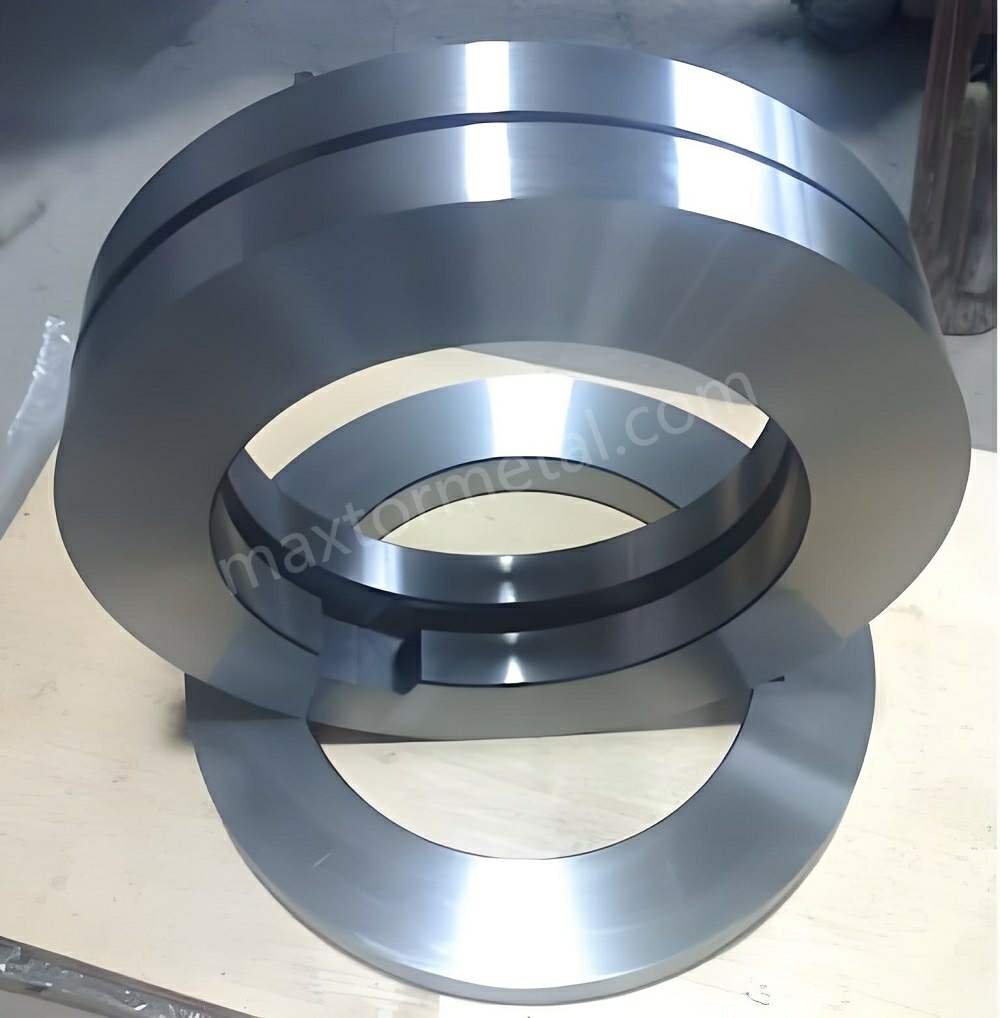
You want your rotary cutter blades to last longer. Cleaning your blades after each use helps a lot. Dirt, rust, and other things can make cuts uneven. They also wear out your blades faster. If you let dirt build up, blades get dull quickly. Sometimes, they might even break. Always check the mounting area for dirt and rust. These problems can make your cuts worse. They also make your rotary slitter blades wear out sooner.
Here are some types of debris and build-up that can hurt rotary cutter blades:
- Dirt and dust from materials
- Rust from wet places or bad storage
- Adhesives or paint from coated materials
- Lint or fluff from textiles
- Leftover bits from past cuts
If you ignore these, your blades will wear out in strange ways. Your cuts will not look good. Cleaning often helps you avoid these problems. Your blades will work better and last longer.
Cleaning Methods for Rotary Cutter Blades
Manual and Chemical Cleaning
There are two main ways to clean rotary cutter blades. You can clean by hand or use chemicals. Manual cleaning means wiping the blade with a soft cloth. This gets rid of lint, fluff, and dust. For sticky stuff like glue or paint, use alcohol pads. Chemical cleaning is good for tough dirt. Only use chemicals the blade maker says are safe. Do not use water unless you know it is okay. Water can cause rust and make blades wear out faster.
Here are some easy cleaning steps:
- Wipe the blade with a soft cloth.
- Use alcohol pads for sticky stuff.
- Look for dull spots or nicks.
- Tighten the pivot screw if it is loose.
- Put oil on the blade to help it move smoothly.
清掃頻度
Clean your rotary cutter blades often. Clean them after each time you use them. This removes dirt and keeps heat and friction low. Cleaning every day helps blades last longer. It also makes sure your cuts stay good. If you do not use your blades much, clean them once a week or after each use.
Recommended Cleaning Intervals by Usage Intensity
Here is a table to help you know when to clean your blades:
| 使用頻度 | Cleaning Interval | 利点 |
|---|---|---|
| High (daily use) | After every production run | Stops dirt from building up, keeps blades sharp |
| 適度 | Every 2-3 days | Less friction, blades last longer |
| 低い | Weekly or after each use | Blades stay sharp, no rust |
Cleaning Process Flowchart
Follow these steps to clean your blades:
Start
  ↓
Take blade out of machine
  ↓
Wipe with soft cloth
  ↓
Use alcohol pad for sticky stuff
  ↓
Check for damage or wear
  ↓
Put oil on blade
  ↓
Dry blade all the way
  ↓
Put blade back in machine
  ↓
End
Common Cleaning Mistakes and Consequences
Try not to make mistakes that hurt your blades. Here are some common errors:
- Not cleaning after use: Dirt builds up and blades do not cut well.
- Not drying blades: Wet blades can rust or get pits.
- Using rough tools: Scratches make blades wear out faster.
- Not following maker’s rules: This can break your warranty and ruin the blade.
Tip: Always clean your blades the right way and use the right tools. Your rotary cutter blades will last longer and work better.
Impact on Slitter Blade Durability
Clean blades last longer and work better. Cleaning removes dirt and sticky stuff that cause friction and heat. This simple habit helps your blades last longer. Clean blades cut better and give you good results. You will have fewer problems. Cleaning is a smart way to make your slitter blades work well. If you clean your rotary slitter blades after each use, you will see they last much longer.
Note: Cleaning is not just to make blades look nice. It helps blades last longer and makes every cut smooth and exact.
刃の寿命を延ばすためのタイムリーな再研磨
When to Sharpen Rotary Slitter Blades
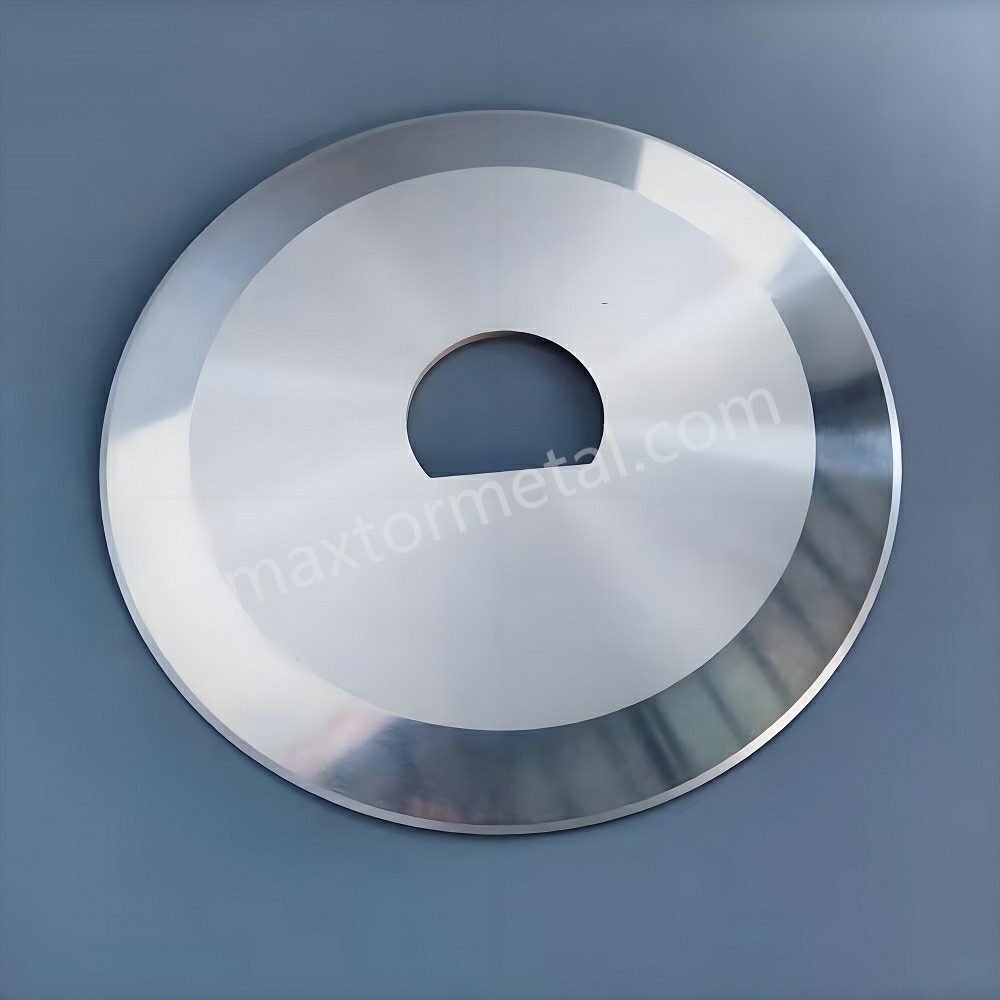
You need sharp rotary slitter blades for good cuts. Dull blades make cuts rough and strips uneven. Sometimes, blades drag or pull when you use them. If you see nicks or scratches, sharpen the blade soon. Check your blades often and keep them clean. The cutting edge should look smooth. There should be no burrs or leftover bits. These signs help you know when to sharpen.
Common indicators that blades need sharpening:
- Cuts look rough or uneven.
- Blades drag or pull while cutting.
- You see nicks or scratches on the blade edge.
- Burrs or remnants remain after cutting.
研ぎのテクニック
There are two ways to sharpen rotary slitter blades. You can sharpen by hand or use a machine. Each way has good points and some problems.
手作業と機械による研磨
Here is a table to show both ways:
| 方法 | 利点 | 課題 |
|---|---|---|
| 手動研磨 | Costs less, helps you learn, easy to carry | Takes longer, needs skill, results may change |
| 機械研磨 | Sharpens evenly, saves time, safer | Costs more, may need fixing |
Manual sharpening is good if you want to save money. Machine sharpening is faster and gives even results. Pick the way that works best for you.
Maintaining Correct Angles
Keep the right angle when you sharpen blades. Most rotary slitter blades need a 45-degree angle. Use a grinding jig to hold the blade steady. Sharpen slowly and take off about 0.02 mm each time. This keeps the blade strong and stops it from getting too hot. If the blade gets hot, let it cool down. Test sharpness by cutting tin foil. A sharp blade cuts clean without tearing.
Tip: Good habits help you avoid mistakes. Sharpen blades often to keep them working well and extend rotary slitter blade life.
Avoiding Over-Sharpening
Sharpening too much can hurt your blades. If you take off too much, the blade gets weak and loses its shape. Try to remove only 0.02 to 0.05 mm each time. This keeps the blade’s shape and cutting power. Over-sharpening can cause spalling or peeling. This happens if the blade faces strong shocks or shakes. Watch for wear and stop sharpening if you see damage.
| Material Removal Rate | Impact on Blade Integrity |
|---|---|
| 0.02-0.05mm | Keeps blade shape, protects cutting performance |
Advanced Solutions for Enhancing Slitter Blade Performance
Picking the right blade material helps blades last longer. Materials like D2 steel, M2 steel, CPM 10V, and carbide inlay work well. D2 steel is easy to sharpen and good for plastics and paper. M2 steel lasts longer and fits non-woven materials. CPM 10V resists wear and is easy to sharpen for many layers. Carbide inlay keeps its edge for long jobs.
| 材料 | 耐久性 | Ease of Sharpening | アプリケーション |
|---|---|---|---|
| D2スチール | Long wear life | 簡単 | Plastics, paper |
| M2スチール | Increased wear life | 適度 | Non-woven, paper |
| CPM 10V | Excellent resistance | 簡単 | Multi-layer plastics, papers |
| Carbide Inlay | Maintains sharpness | 適度 | 24 x 7 run times |
Take care of your blades and sharpen them the right way. Use good materials and smart techniques. Your rotary slitter blades will last longer and work better.
Note: Smart choices and good habits help your rotary slitter blades last longer and work well.
被削材に合わせたロータリーカッター刃の選定
Choosing the Right Slitter Blade
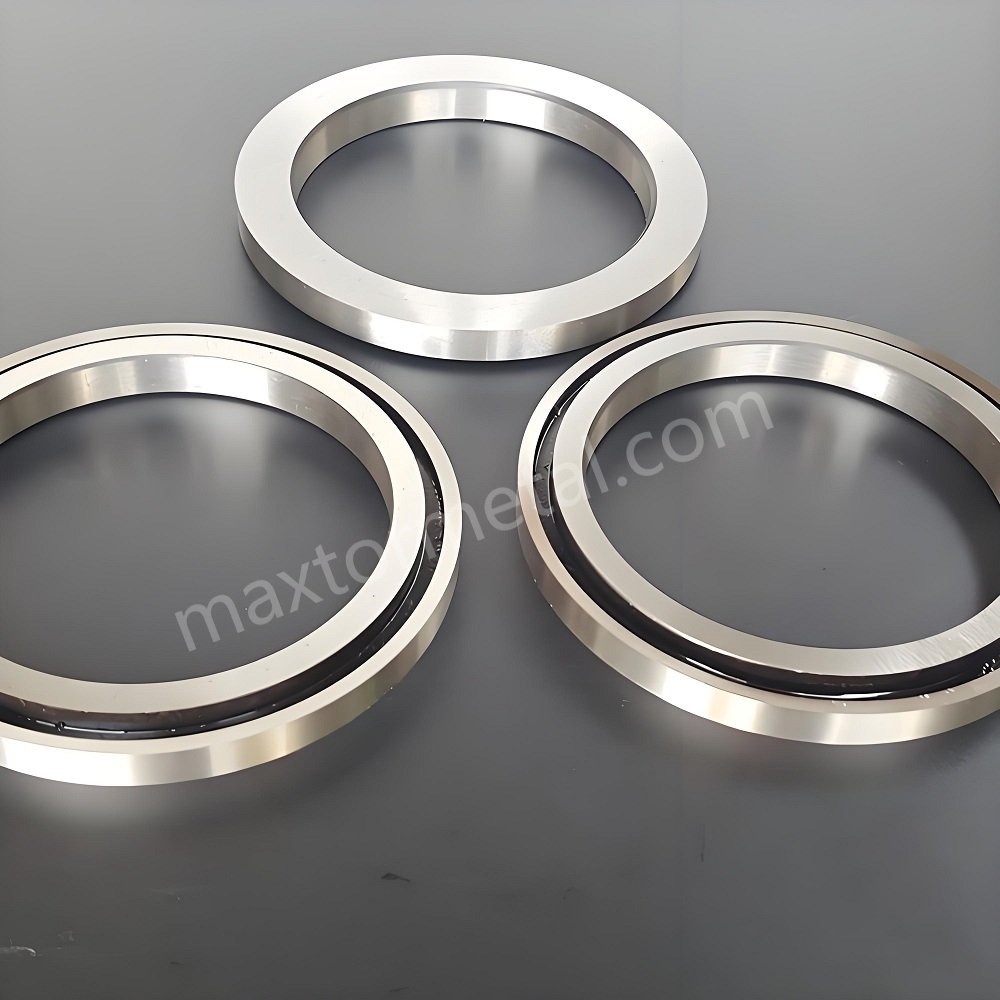
You want your rotary cutter blades to last longer. Picking the right blade helps you get clean cuts. Using the wrong blade can wear out your slitter knife. It can also make rough edges or hurt your machine. The best blade depends on what you cut and what your business needs.
Using the right blade for your material helps you cut better and makes your rotary slitter blades last longer.
When you pick a blade, think about these things:
- What are you cutting? (Paper, film, metal, rubber, etc.)
- Does the blade match how hard your material and machine are?
- Do you want blades that last longer, cut cleaner, or cost less?
- What slitting method do you use? (Shear, razor, or crush cut)
- Will cutting make a lot of heat or wear?
- How often can you sharpen or change blades?
- Will a pricier blade save money later?
If you do short jobs, carbon steel or stainless steel blades work well. For long jobs, use high-performance slitter blades made from tungsten carbide or HSS. These blades need less care and help your work go smoothly.
Adjusting for Material Properties
Blade Material and Geometry
Every material needs a blade with the right features. The thickness, hardness, and finish of your material matter. Here is a quick look at what changes blade choice:
| 要素 | 説明 |
|---|---|
| 材料構成 | Different materials need special blade features for good cuts and longer life. |
| Wall Thickness | Thick materials need blades with a stronger edge. |
| Required End Finish | The finish you want changes which blade you pick. |
Changing blade material can help blades last longer and cut better. If you want better cuts, pick a blade that fits your material. Harder steel blades last longer but may chip if the material is tough or the machine shakes.
Manufacturer Recommendations
Blade makers like Nanjing Metal Industrial offer many choices. You can get blades in different sizes, coatings, and materials like carbide, HSS, or tungsten carbide. If you need a special blade, check their カスタムブレードページ. Custom blades help you get the best fit for your machine and material.
| カスタマイズオプション | 素材オプション |
|---|---|
| Custom design services | タングステンカーバイド |
| OEM-compatible knives | ステンレス鋼 |
| Various coatings | HSS |
If you have a hard job, ask for help. Blade makers can help you pick the right blade and avoid problems.
Tip: Cut slower for rough materials. Use cooling systems to stop blades from getting too hot and wearing out.
Common Selection Mistakes
You want to avoid mistakes that make blades wear out fast or cut badly. Here are some common errors:
| Mistake/Consideration | 説明 |
|---|---|
| Focusing only on initial costs | Cheap blades wear out fast and stop work more often. |
| Quality of materials | Always check that blades meet industry rules. |
| Small-scale trials | Test blades in your real work to make sure they work well. |
- Wrong tolerance: Loose specs cause waste and shaking.
- Ignoring finish: Bad surface finish causes friction, especially with plastics.
- Poor maintenance: Waiting too long to sharpen blades can ruin them.
If you match your rotary cutter blades to your material and follow these tips, you will get better cuts and blades that last longer. Smart choices help you avoid slitter knife wear and keep your work running well.
ロータリースリッター刃の寿命を延ばす適切な保管と取り扱い
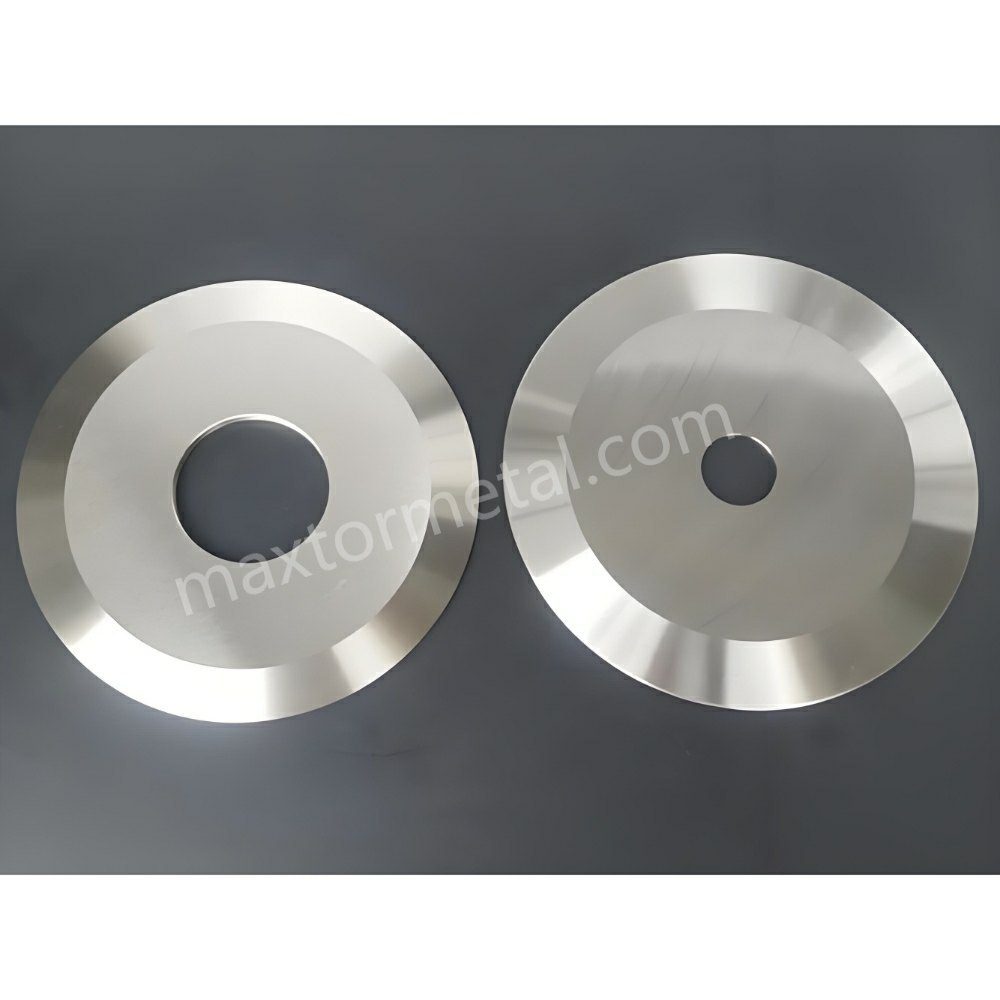
You want your rotary slitter blades to last a long time. How you store and handle blades is very important. If you keep blades in the right place, they stay safe. Treating blades with care helps stop damage. This makes rotary slitter blades last longer.
Safe Storage Solutions
Storing blades the right way stops rust and chips. You should keep blades in a dry, neat area. Use covers to keep out dust and water. For long storage, use rooms with good climate control. This keeps rust and corrosion away.
Here are smart ways to store blades:
- Use a blade box with dividers so blades do not touch.
- Offset blades a little to stop damage when moving them.
- Build your box with strong materials for better safety.
- Cover blades with butcher paper to keep out moisture and bird droppings.
Tip: Always keep blades dry and clean before you store them. This helps blades last longer.
Handling Rotary Slitter Blades
How you handle blades matters a lot. Good handling keeps blades sharp and helps them last.
スタッフ研修
Train everyone who works with blades. Training helps stop injuries and makes blades last longer. Companies with training have fewer accidents. Blades last much longer when handled right.
- Teach safe ways to handle and clean blades.
- Show how to cut without using too much force.
- Remind staff to wear gloves to stop fingerprints and corrosion.
Note: Many injuries happen when people do not know how to handle blades.
在庫管理
Keeping track of blades helps you find problems early. Check knife holders often to make sure blades fit well. Use coatings to help blades work better. Upgrade to better blades when needed.
- Check blade holders for damage often.
- Use coatings that fit your cutting needs.
- Upgrade blade materials when needed.
Environmental Controls
Where you store blades changes how long they last. Keep humidity low and temperature steady. Store blades in rooms with less than 50% humidity. Keep the temperature between 68 and 72°F. Clean blades with fresh water to remove salts before storing. Put on a preservative after cleaning for long storage.
Here is a checklist for environmental controls:
- Keep blades oiled and wrap them in oiled paper if not used.
- Store blades on open racks with the trailing edge down.
- Do not seal blades in plastic; use butcher paper instead.
- Make sure packaging is tight if blades do not have oil.
Callout: Clean and dry blades before storing them. This stops rust and keeps slitting knives in good shape.
If you follow these steps, blades will wear less. Good storage, careful handling, and smart controls help blades last longer. Your rotary slitter blades will work well for a long time.
You can make your rotary slitter blades last longer by following five simple steps. First, inspect blades for chips or dents before each shift. Second, clean blades to stop heat and debris from building up. Third, sharpen blades on a regular schedule. Fourth, pick the right blade for your material. Fifth, store blades safely to prevent damage. These habits boost your efficiency and save you money. Want expert advice or custom solutions? Reach out to a sales engineer ここ.
よくある質問
How often should you inspect rotary slitter blades?
You should check rotary slitter blades after every shift. Regular inspection helps you spot damage early. This keeps your blades sharp and your cuts clean.
What is the best way to clean rotary slitter blades?
Wipe blades with a soft cloth after each use. For sticky residue, use alcohol pads. Always dry blades completely to prevent rust.
When do you need to sharpen rotary slitter blades?
Sharpen blades when cuts look rough or you feel extra resistance. Dull blades slow down your work and can damage materials.
Which blade material lasts the longest?
Tungsten carbide and high-speed steel blades last longer than carbon steel. Choose the right material for your job to extend rotary slitter blade life.
Can you use the same rotary slitter blade for different materials?
You should match the blade type to the material. Using the wrong blade can cause fast wear and poor cuts.
ロータリースリッターブレードを安全に保管するにはどうすればいいですか?
Keep blades in a dry, covered box with dividers. Store them away from moisture and dust. This stops rust and accidental damage.
What are common signs of rotary slitter blade wear?
Look for chips, cracks, dull edges, or rust. If you see uneven cuts or hear more noise, your blades may need attention.
参照
ロータリースリッターブレードのトラブルシューティングにおける最大の誤りとその修正方法

 English
  Spanish
  Italian
  French
  Portuguese
  Russian
  German
  Arabic
  Hindi
Hindi  Vietnamese
  Indonesian
  Japanese
  Korean