

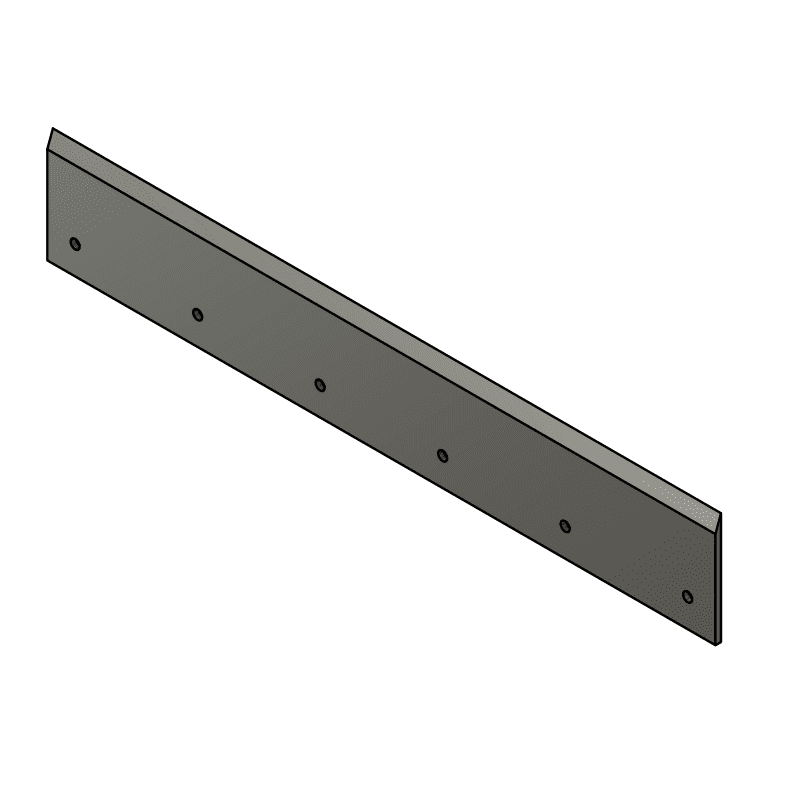
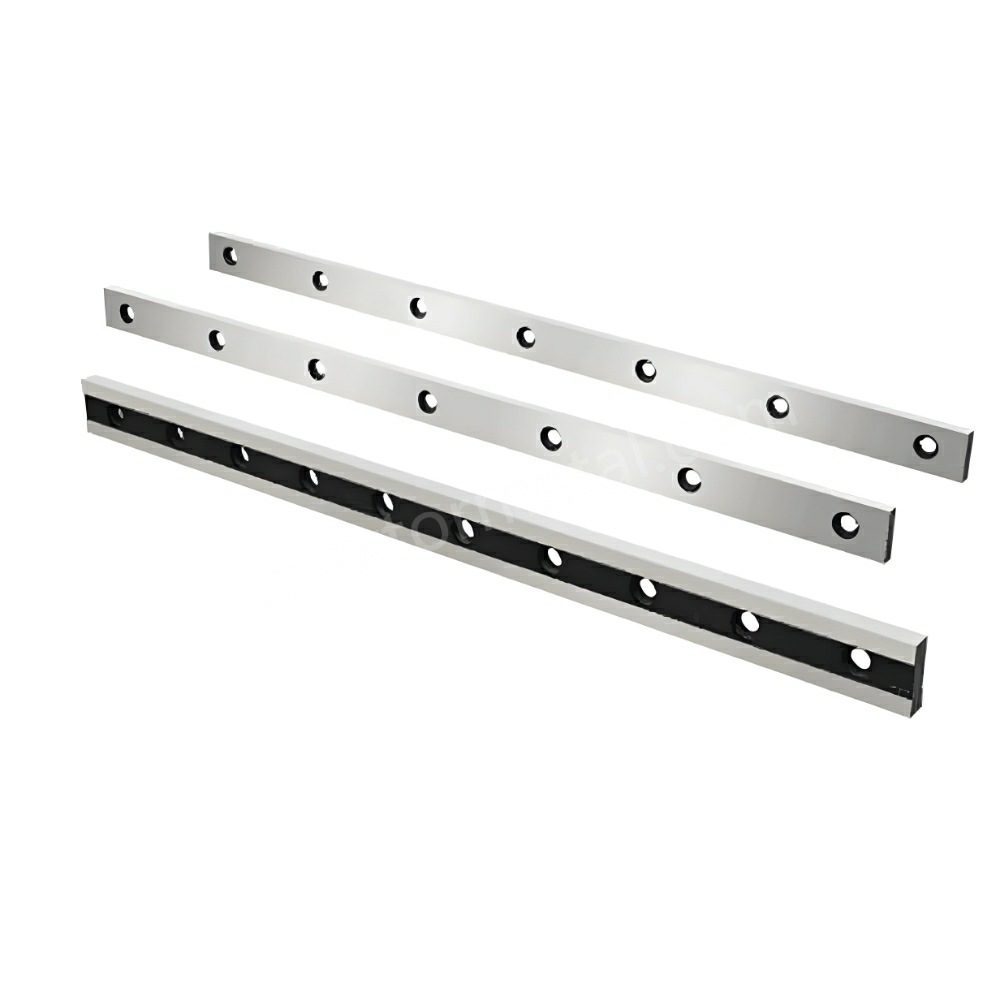
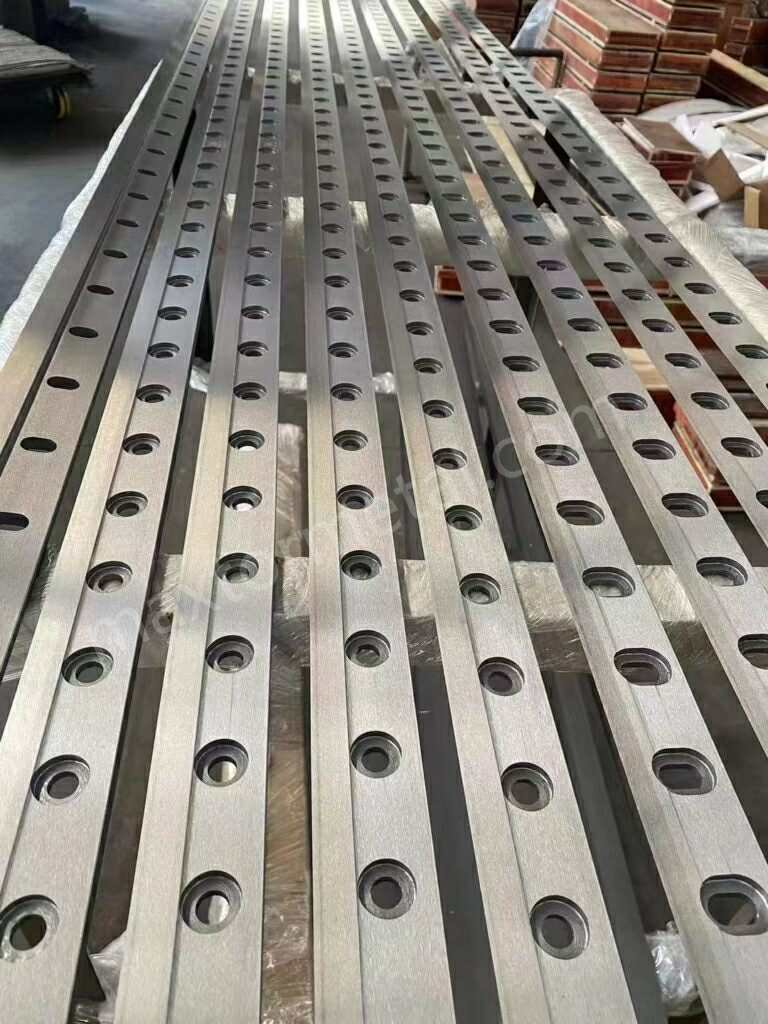
D2鋼 シャー刃 冷間金属の切断に最適です。これらの刃は長持ちし、摩耗しにくいです。毎回同じように優れた結果が得られます。多くの作業員がD2鋼を選ぶのは、非常に硬いからです。形状を維持しやすく、錆びにくいのも特徴です。Metal Industrialは、優れた新製品の開発に尽力しています。つまり、同社の刃は安心してご使用いただけます。専門家がD2鋼を高く評価する理由をご覧ください。 南京Metal工業 切削工具を探すならここが一番です。
- 刃は摩耗しにくいため、長持ちします。
- 硬い刃は衝撃を受けても切れ味が持続する
- 刃の形状が維持されるため、正確な切断が可能です。
- 刃は過酷な環境でも錆びない
重要なポイント
- D2鋼製のせん断刃は摩耗しにくいため長持ちします。つまり、頻繁に交換する必要がありません。これらの刃は、たくさん使用しても切れ味が持続します。そのため、毎回きれいに切断できます。D2鋼は硬くて丈夫です。そのため、冷間金属の切断に最適です。刃はきれいで正確な切断が可能です。錆びたり腐食したりしにくいため、多くの工場作業に適しています。適切な硬度(60~62 HRC)を選ぶことで、D2刃の寿命が延び、切断性能も向上します。刃の手入れをしましょう。刃を研ぎ、刃と刃の間の隙間を確認してください。これにより、刃こぼれを防ぎ、寿命を延ばすことができます。D2鋼製のせん断刃は、さまざまなものを切断できます。アルミニウムや軟鋼にも使用できます。D2鋼製の刃を購入すると、長期的にはコストを節約できます。長持ちし、修理の必要が少なくなります。
D2が冷間Metalせん断の標準である理由
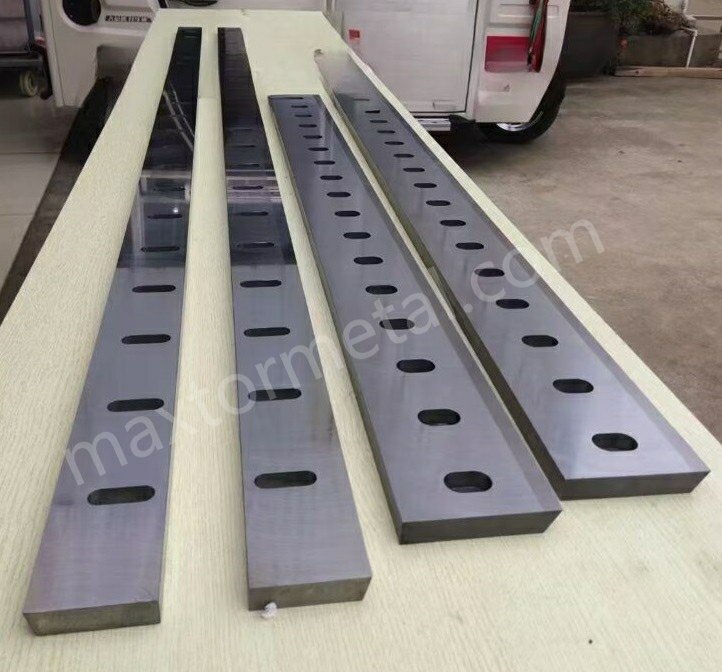
「冷間切断」の定義とシャーブレードの役割
金属板を加熱せずに成形またはトリミングしたい場合は、冷間切断を使用します。この方法は金属の強度を保ち、反りを防ぎます。この工程では、金属を2枚の刃の間に挟みます。上側の刃が下降し、下側の刃に金属を押し付けます。この力によって金属は直線に沿って切断されます。これにより、きれいで滑らかな切断面が得られます。 剪断刃は工具です 実際に切断を行うのは、この機械です。金属を押し付けて圧縮することで、切断します。これにより、毎回正確な結果が得られます。
D2の利点:高い耐摩耗性と手頃な価格の両立
長持ちして切れ味も長持ちする刃物をお探しですか?D2鋼はまさにそのニーズにお応えします。D2鋼の特長は、高い耐摩耗性です。つまり、刃がすぐに摩耗しないため、交換や研磨が必要になるまで何度も使用できます。また、摩擦で刃が熱くなっても硬度を維持します。頻繁に新しい刃を購入する必要がないため、コスト削減にもつながります。D2鋼は他の工具鋼に比べて価格が安いにもかかわらず、最高の性能を発揮します。
d2鋼の特長を示す表を以下に示します。
| 要素 | D2鋼における役割 |
|---|---|
| 炭素(C) | 刃を硬くし、強固な炭化物の形成を助ける。 |
| クロム(Cr) | 耐摩耗性を高め、錆を防ぎます。 |
| モリブデン | 靭性を向上させ、刃の強度を維持します。 |
| バナジウム | 刃を丈夫にし、切れ味を長持ちさせる。 |
| マンガン | 不純物を取り除き、鋼の硬化を助ける。 |
| シリコン | 製造工程において鋼材の強度を高める。 |
| リン | 脆くなるのを避けるため、低温に保った。 |
| ニッケル | 耐久性が少し向上します。 |
| 硫黄 | 鋼材を清潔に保つため、低い位置で保管した。 |
耐摩耗性、靭性、そしてコスト削減を兼ね備えた刃物です。D2鋼の刃は、何度も使用しても形状と切れ味を維持します。
対象読者:Metal加工業者、プレス加工業者、リサイクル業者
金属加工、プレス加工、リサイクルなどの分野で働いている場合、過酷な作業にも耐え、長期間使用できる刃物が必要です。D2鋼は、高い耐摩耗性と、負荷がかかっても切れ味が持続する特性から、これらの業界で広く利用されています。金属加工工場、製造工場、リサイクルセンターなど、あらゆる場所でD2鋼が使用されています。他の鋼材よりも切れ味が鋭く、長持ちするため、作業員はD2鋼を選んでいます。D2鋼の刃は、信頼性の高い性能とダウンタイムの削減を実現します。D2鋼の刃を使えば、作業をより速く、より良い結果で完了させることができます。
ヒント:錆びにくく切れ味の持続する刃物が欲しいなら、D2鋼はあなたの工房にとって賢明な選択です。
D2鋼の特性:性能を支えるMetallurgy
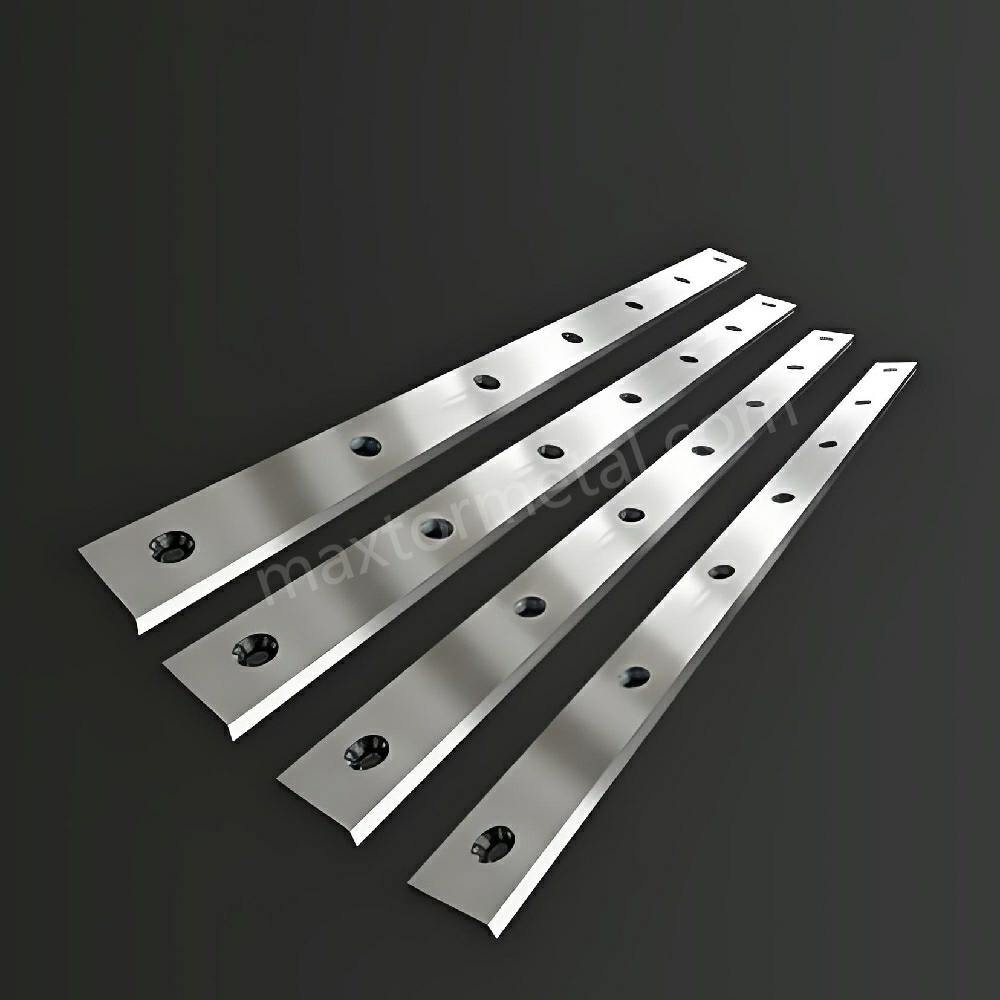
高炭素、高クロム:長寿の秘訣
D2鋼は、炭素とクロムを豊富に含んでいるため、特別な鋼材です。この配合により、刃の寿命が延び、切れ味も長持ちします。D2鋼の化学組成は、冷間切断に最適です。D2鋼の成分は以下のとおりです。
| 要素 | パーセンテージ範囲 |
|---|---|
| 炭素 | 1.4% – 1.6% |
| クロム | 11% – 13% |
| モリブデン | 最大0.8% |
| バナジウム | 最大1% |
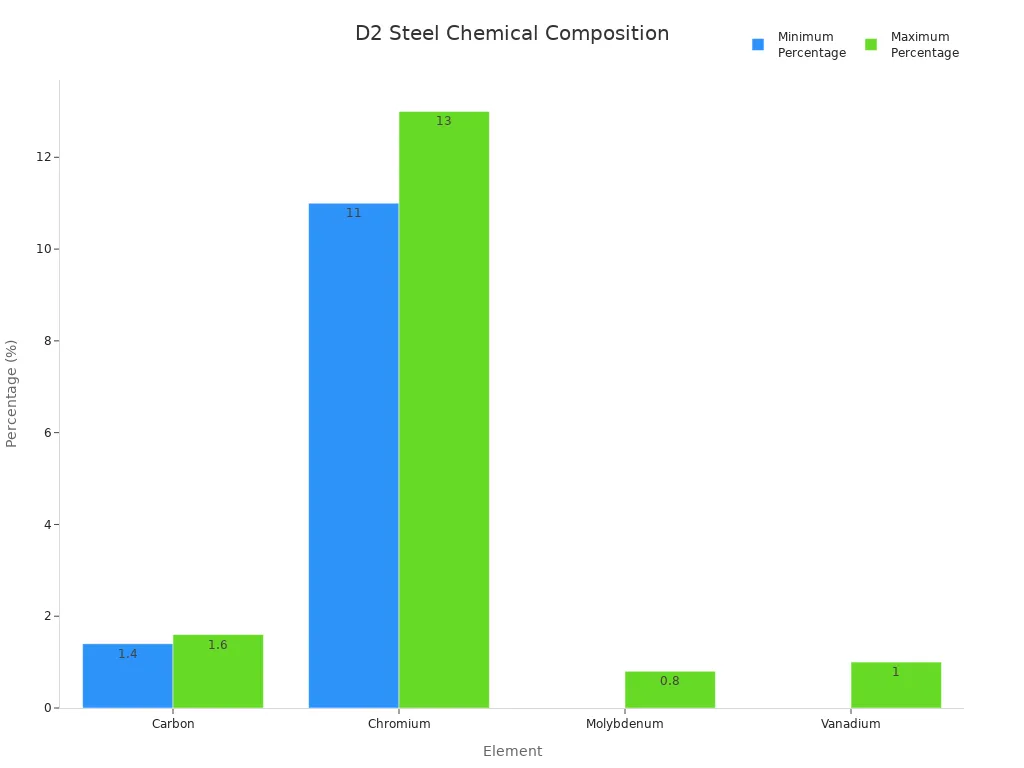
この組み合わせには多くの利点があります。
- 高炭素鋼は刃を丈夫にする そして傷がつきにくい。
- 鋼は柔らかい状態であれば加工しやすい。
- 熱処理後、刃は非常に硬くなる。
耐摩耗性と腐食抑制におけるクロムの役割
クロムはD2鋼の刃にとって非常に重要です。クロムは硬い炭化物を形成することで刃の寿命を延ばします。これらの炭化物は刃の摩耗を抑制します。また、クロムは錆を防ぐ効果もあるため、刃の損傷を防ぎます。つまり、頻繁に刃を交換する必要がなくなり、刃の修理に費やす時間を減らし、切断作業に集中できるのです。
炭化物形成と刃先保持(摩耗対策)
D2鋼は使用すると強力な炭化物を形成します。これらの炭化物は刃先に小さな盾のような役割を果たし、刃の傷を防ぎ、切れ味を長持ちさせます。D2鋼の刃は他の鋼材の刃よりもはるかに長く切れ味を保ちます。そのため、多くの作業員が過酷な作業にD2鋼を選ぶのです。
注:高炭素・高クロム含有量により、D2鋼は長寿命で切れ味も優れています。
熱処理中の寸法安定性(工具メーカーにとっての最優先事項)
加熱しても形状が変わらない刃をお探しですか?D2鋼は熱処理中も形状を非常に良好に保ちます。つまり、刃が熱くなったり冷えたりしても、曲がったりねじれたりしません。D2鋼内部の特殊な組織構造が、その形状維持を助けています。微細なマルテンサイトと小さな炭化物が刃の真直度を保ち、ぴったりとフィットし、高精度な切断を実現する刃が得られます。
| スチールタイプ | 寸法安定性 |
|---|---|
| D2 | 素晴らしい |
| M2 | 良い |
D2鋼の刃は、熱処理後も常に同じ高品質を維持します。これは、信頼できる刃を必要とする工具職人にとって重要な点です。
硬度の理解:D2せん断刃の目標HRC値
刃物の硬度は非常に重要です。硬すぎず脆すぎない刃物が求められます。D2鋼の刃は通常 60~62HRCこれは、刃の切れ味と耐久性を維持するのに最適な範囲です。
- D2鋼のせん断刃に最適な硬度は60~62HRCです。
- ほとんどの刃は硬度が59~62HRCで、これはほとんどの店で使用されている硬度です。
この範囲の刃を選べば、長持ちし、刃こぼれしにくくなります。硬度が高いほど、刃は何度も切れ味を保ちます。刃が硬すぎると刃こぼれしやすく、柔らかすぎるとすぐに摩耗してしまいます。最適な結果を得るには、適切な硬度が必要です。
| 財産 | 説明 |
|---|---|
| 炭素含有量 | 約1.55%で、刃が非常に硬くなります。 |
| クロム含有量 | 約12%は、炭化物を形成して摩耗を抑制します。 |
| 硬度 | 熱処理後の硬度は55~62HRCです。刃の強度を選択できます。 |
| 強靭さ | 切断作業には適していますが、強い衝撃には向きません。 |
| 圧縮降伏強度 | 275~319 ksiで、ほとんどの切断作業に十分な強度を備えています。 |
| 熱処理 | 500~550°Fでの焼き戻しは、靭性と耐摩耗性の最適なバランスをもたらします。 |
| 性能上の制限 | 直線カットやスライスカットに最適で、重い横方向の負荷には適していません。 |
ヒント:D2鋼の刃を購入する際は、必ず硬度を確認してください。適切な硬度の刃を選ぶことで、刃の寿命と品質を最大限に高めることができます。
D2鋼の刃が信頼されている理由がお分かりいただけたでしょう。高炭素・高クロム含有量、優れた硬度、そして信頼性の高い性能を備えています。これらの特性により、冷間金属切断に最適な刃物となっています。
最適な熱処理:D2鋼の刃の靭性と寿命を最大限に高める
臨界硬化プロセスと焼入れ方法
あなたはあなたの D2鋼 シャー刃 長持ちさせるためには、焼き入れと焼き戻しの工程を経ることで刃が丈夫になります。最良の結果を得るためには、各工程を必ず守ってください。
- 予熱: 刃をゆっくりと1200°Fまで加熱します。複雑な形状の場合は、再度1450°Fまで加熱してください。これにより、鋼材が均一に加熱され、ひび割れを防ぐことができます。
- 熱処理温度を1800~1850°Fまで上げます。刃全体が十分に熱くなるまで、この温度で保持します。この工程により、鋼材の強度が増します。
- 冷却刃は静止した空気中または真空中で冷却してください。こうすることで刃が汚れにくくなり、傷もつきません。急速冷却は刃を硬くしますが、やり方を間違えるとひび割れや曲がりの原因となることがあります。
- 焼き入れ刃が150°F(約66℃)まで冷えたら、焼き戻しを行います。この工程により応力が軽減され、最終的な硬度が決定されます。
冷却が速すぎると、刃が ひび割れたり曲がったりする刃の強度と形状を最大限に保つため、必ずゆっくりと冷ましてください。
脱炭を防ぐ
脱炭は、加熱中に鋼の表面から炭素が抜け落ちる現象です。脱炭は刃を弱くするので、これを止めなければなりません。 D2鋼 シャー刃 真空炉を使用するか、アルミホイルで包むことで、炭素を内部に閉じ込め、刃の強度と切れ味を維持できます。
焼き戻しサイクル:硬度と靭性のバランス調整
焼き戻しは、硬度と靭性のバランスを取るのに役立ちます。 D2鋼 シャー刃作業内容に応じて適切な温度を選択する必要があります。適切な焼き戻しサイクルを行うことで、刃に強度と靭性が与えられます。
| 焼き戻し温度(°F) | 結果として得られる硬度(HRC) |
|---|---|
| 300-350 | 62~64 |
| 500-550 | 58~60 |
| 950(二重焼き戻し) | 最大靭性 |
焼き戻し温度が低いほど硬度が高くなります。これは、鋭い刃先と耐摩耗性が必要な場合に適しています。焼き戻し温度が高いほど靭性が高くなります。これにより、刃が衝撃や過酷な作業に耐えられるようになります。
注:焼き戻しは焼き入れによる応力も軽減します。これにより、刃物の安全性と信頼性が向上します。
早期亀裂の防止:不適切な焼き戻しのリスク(よくあるフォーラムの質問)
焼き戻しを誤ると、刃が早期に割れる原因となります。インターネット上では、この問題について多くの人が議論しています。焼き戻しの温度が間違っていたり、手順を飛ばしたりすると、刃が脆くなりすぎてしまいます。これを避けるには、正しい焼き戻し手順に従うことが重要です。950°F(約500℃)で二度焼き戻しを行うと、最高の靭性が得られ、割れる可能性が低くなります。これは、強度が重要なハードな作業で使用される刃にとって特に重要です。
極低温処理:D2剪断刃に本当に効果があるのか?
極低温処理では、ブレードを非常に低い温度、時には-196℃まで冷却します。このプロセスにより、 D2鋼 シャー刃 多くの仕事でより良く働くことができる。研究によると、極低温処理は 耐摩耗性を最大69%向上また、刃の寿命を延ばし、切断力を低減し、刃の表面状態を改善します。
| 処理温度(℃) | 治療期間(時間) | 耐摩耗性の向上(%) |
|---|---|---|
| -196 | 32 | 69 |
| -196 | 48 | 60-66 |
| -185 | 36 | 59.74 |
| -140 | 2 | 50.7 |
優れた特性と安定した強度を備えた刃が得られます。つまり、刃の寿命が延び、過酷な作業でもより優れた性能を発揮します。極低温処理は刃の切れ味を維持するのにも役立ち、研ぐ回数を減らし、より多くの切断作業を可能にします。
ヒント:最も強く、最も耐摩耗性に優れたものが欲しいなら D2鋼 シャー刃極低温処理の追加を検討してみてください。この工程は、過酷な作業において非常に役立ちます。
これで、適切な熱処理、焼き戻し、極低温処理によって、 D2鋼 シャー刃 あらゆる作業に必要な強度と耐久性を備えています。これらの手順に従うことで、毎回最高の性能を発揮し、長持ちする刃を手に入れることができます。
アプリケーションの成功:D2シャーブレードの使用時期と使用方法
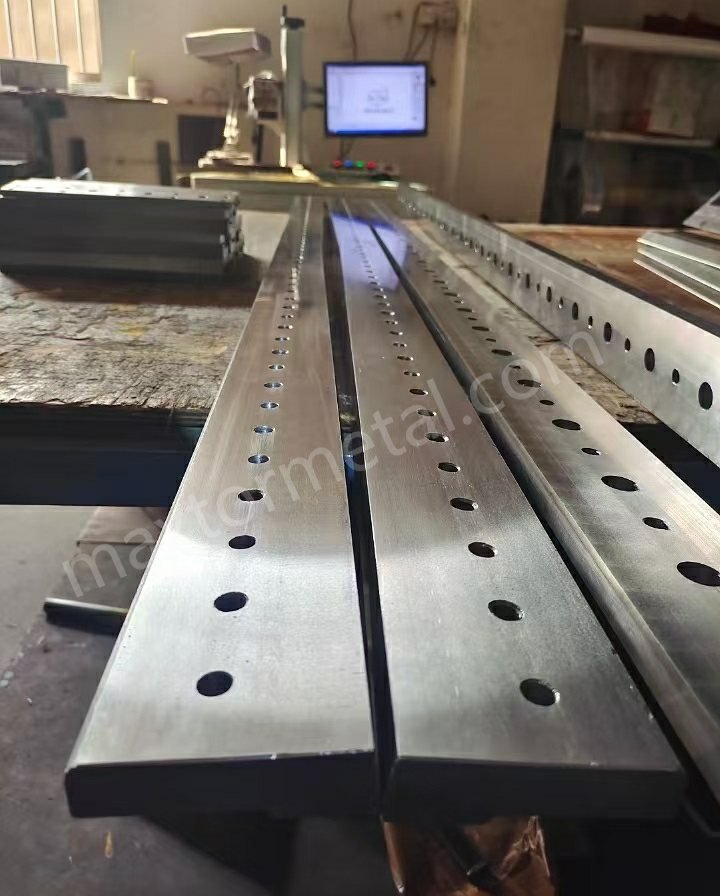
冷間加工用工具鋼から最高の性能を引き出したいなら、D2鋼製のせん断刃が最適です。D2鋼製のせん断刃は、様々な種類の金属を高精度で切断するのに役立ちます。これらの刃は、プレス加工からリサイクルまで、幅広い産業分野で活用できます。最適な使用方法と、どのような材料に適しているのかを見ていきましょう。
D2切断に最適な材料
D2鋼製のせん断刃は、多くの金属に優れた性能を発揮します。切れ味も良く、刃の寿命も長くなります。下の表は、冷間加工用工具鋼を使用した場合の、さまざまな材料の性能を示しています。
| 材質タイプ | パフォーマンス結果 |
|---|---|
| D2スチール | 刃持ちが良く、VG10よりも優れている。, 3V, A2, CruForge V, and Super Blue |
| S30V | 13% better edge retention than D2 |
| VG10 | Matches D2 in edge retention after heat treatment |
| 440C | Matches D2 in edge retention after heat treatment |
| ZDP-189 | Matches D2 in edge retention after heat treatment |
Carbon Steel and Mild Steel Shearing
You can cut carbon steel and mild steel with d2 steel shear blades. These metals are common in factories and workshops. The high carbon die steel in the blade gives you sharp cuts and long service life. You do not need to sharpen the blades often. This means you save time and money. You get smooth edges and less waste.
Aluminum and Non-Ferrous Alloys
You can use d2 steel shear blades for aluminum and other non-ferrous alloys. These metals are softer than steel. The cold work tool steel keeps its edge and does not wear down fast. You get clean cuts without burrs. This is important for industries that need high-quality finishes, like aerospace and automotive.
Limitations: High-Tensile Steels and Thick Stainless Steel
You should know the limits of d2 steel shear blades. They work best on mild and medium-hard metals. If you try to cut very hard or thick stainless steel, the blades may wear out faster. For these jobs, you may need a different type of cold work tool steel. Always check the material before you start cutting.
Tip: For special jobs or unique materials, you can order custom blades. Visit our custom blade page to find the right tool for your needs.
D2 and Blade Geometry: Selecting the Correct Rake Angle
The shape of your blade matters. The rake angle is the tilt of the blade’s edge. You must pick the right angle for your job. Cold work tool steel with the right geometry gives you better results.
Impact of Rake Angle on Edge Load and Shear Force
A small rake angle makes the blade stronger. You use this for hard metals. A large rake angle makes cutting easier but can wear the blade faster. You must balance edge holding and cutting force. If you cut soft metals, use a larger angle. For hard metals, use a smaller angle. This helps your d2 steel shear blades last longer and cut better.
| 傾斜角 | 最適な用途 | ブレードへの影響 |
|---|---|---|
| Small | Hard metals | More strength, less wear |
| Large | Soft metals | Easier cut, more wear |
You get the most from your blades when you match the rake angle to the material.
The Role of D2 in Fly Shear and Crank Shear Operations
You see d2 steel shear blades in fly shear and crank shear machines. These machines cut metal sheets fast and often. Cold work tool steel stands up to repeated use. You get less downtime because the blades stay sharp. This means more production and less cost.
The table below shows where you use d2 steel shear blades and how you measure success:
| アプリケーションシナリオ | Metrics Used to Measure Success |
|---|---|
| Industrial blades | 耐摩耗性 |
| Cutting dies | エッジ保持 |
| Shears | Frequency of sharpening intervals |
| Slitting tools | |
| Metal stamping applications |
You want blades that last and cut well. D2 steel shear blades give you both. They are suitable for tooling applications and cutting instrument applications. You get optimal knife-making properties and durability. These are the recommended applications for your shop.
Note: You can use d2 steel shear blades for many cutting tools. They work well in both small shops and large factories.
Now you know how to use d2 steel shear blades for the best results. Pick the right material, blade geometry, and machine. You will see better performance and longer blade life.
D2と競合製品:アップグレードすべきか、ダウングレードすべきか?
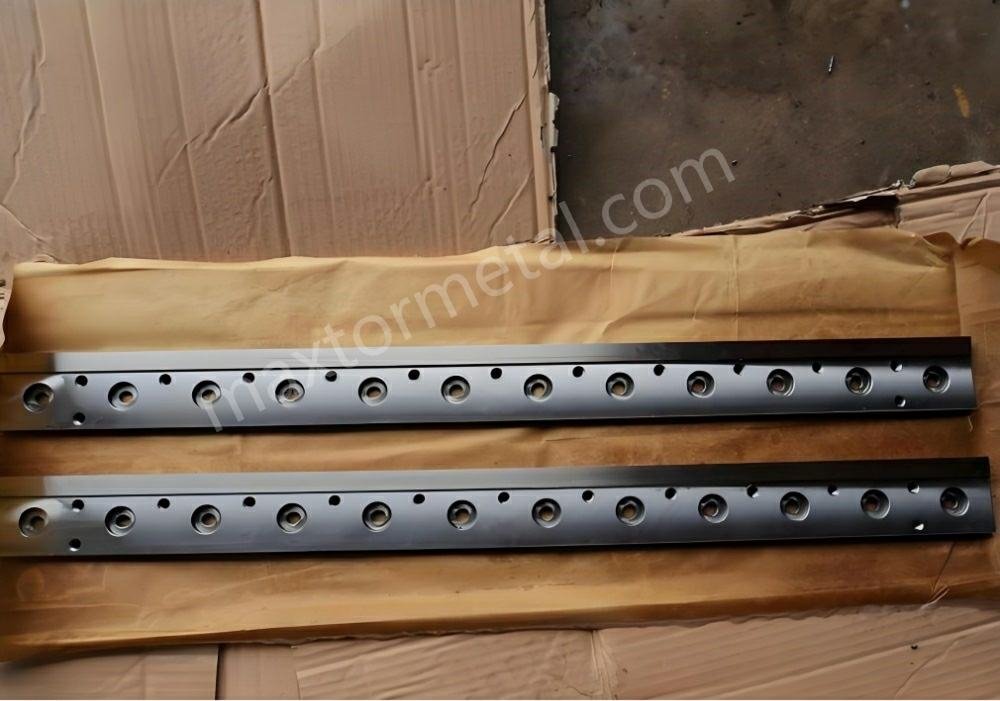
Picking the right shear blade material can change how well you cut. You want blades that fit your job and last a long time. D2 steel shear blades are known for staying sharp and not wearing out fast. Other steels have their own good points. Let’s see how D2 compares to S7, A8 modified, and low alloy steels.
D2 vs. S7 Steel: Wear Resistance vs. Impact Resistance
D2 steel shear blades are used when you need blades that do not wear out fast. S7 steel is better when you need blades that can take a lot of hits. The table below shows how each steel works:
| スチールタイプ | 耐摩耗性 | 耐衝撃性 |
|---|---|---|
| D2 | 高い | 適度 |
| S7 | 適度 | 高い |
D2 steel shear blades stay sharp longer. You use them for straight cuts and jobs where you cut again and again. S7 steel blades are good at taking hits. You pick S7 for scrap yards or when you cut thick, hard metals. If your job has lots of heavy hits or surprise loads, S7 is safer.
When to Choose S7 (High Shock Loading/Scrap Yard Applications)
Pick S7 steel blades for these jobs:
- You cut scrap metal that is not all the same thickness.
- You work where blades get hit hard.
- You need blades that do not crack from sudden force.
D2 steel shear blades are best for clean, repeated cuts. S7 steel blades are better for tough jobs with lots of impact.
D2 vs. A8 Modified: The Debate for High-Volume or High-Tensile Cuts
Sometimes you need blades for lots of cutting or for cutting strong metals. D2 steel shear blades stay sharp and do not wear out fast. A8 modified steel is tougher and can cut harder metals.
| スチールタイプ | 利点 | デメリット |
|---|---|---|
| D2スチール | – Stays sharp for big cutting jobs | – Harder to sharpen |
| – Wears out slowly, good for pro tools | – Not as good at fighting rust | |
| 8Cr13MoV Steel | – Cheap and does not rust easily | – Not as hard as D2 |
| – Easy to sharpen, good for daily use | – Does not stay sharp as long as D2 |
D2 steel shear blades last longer. You do not need to sharpen them as much. A8 modified steel costs more, but it is good for cutting strong steel and hard jobs. If you cut a lot, A8 might be worth the extra money. D2 steel shear blades work well for most cold metal cutting.
Cost-Benefit Analysis: The Higher Initial Investment of A8
A8 modified steel blades cost more at first. They are tougher and work better in hard jobs. D2 steel shear blades cost less and last a long time for normal jobs. If you cut strong steel or thick stuff, A8 might save you money because you change blades less. For most shops, D2 steel shear blades give you the best mix of price and how long they last.
D2 vs. Low Alloy Steels (e.g., 4140, 52100)
You might wonder if you should get D2 steel shear blades or use cheaper steels like 4140 or 52100. Low alloy steels cost less, but you have to sharpen and replace them more often.
TCO Analysis: Comparing Regrinding Frequency and Downtime
You want blades that keep working without stopping all the time. D2 steel shear blades stay sharp longer, so you do not need to sharpen them as much. Low alloy steels wear out faster. You lose time and money when you stop to fix or change blades.
Think about these things before you pick your blade:
- What kind of metal you cut
- 金属の厚さ
- How fast you cut
- How well the blade fights wear
- What your job needs
D2 steel shear blades help you work longer without stopping. You get more cuts from each blade and less time fixing things.
Tip: If you want blades that last and need less fixing, D2 steel shear blades are a smart choice for your shop.
Now you know how D2 steel shear blades compare to other steels. You can pick the right blade for your job and get the best results for your work.
D2シャーブレードの故障に関するメンテナンスとトラブルシューティング
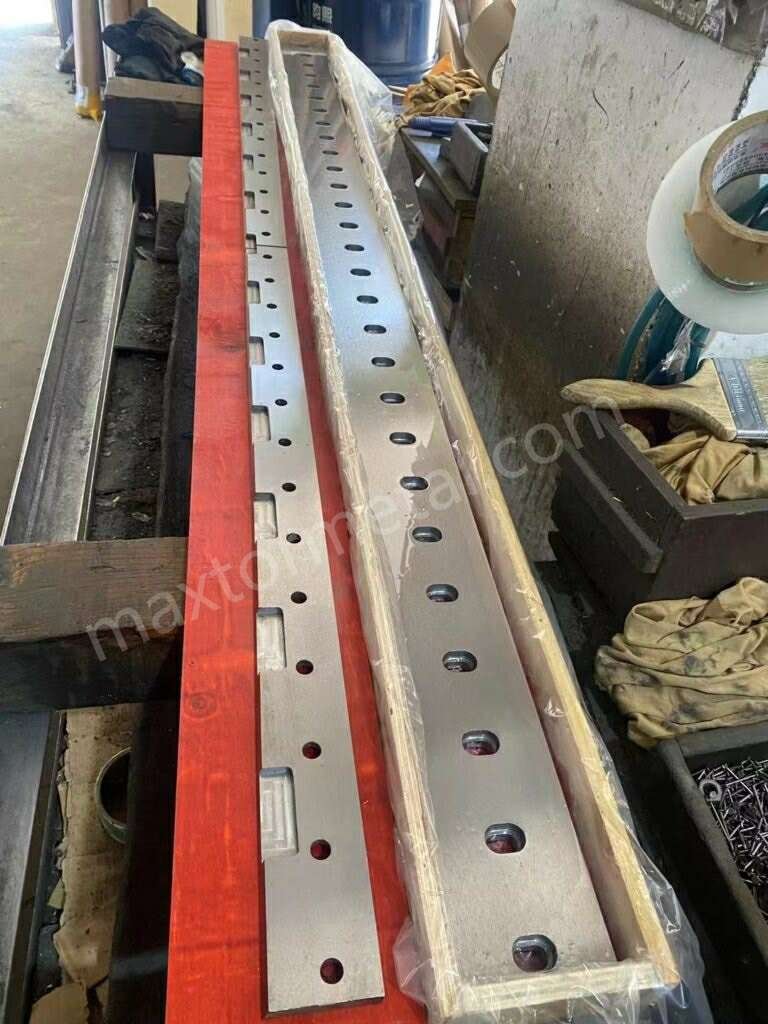
Taking care of your D2 steel shear blades helps them last longer. You get better cuts when your blades are in good shape. Most problems can be stopped with the right care and by checking for trouble early. Let’s see how you can stop chipping, keep blades sharp, and handle cracks.
Preventing Chipping and Edge Breakdown
D2 steel shear blades are strong, but they can still chip or break. This happens if you do not use them the right way. You want to stop these problems so your blades last longer.
Some things that cause chipping and edge breakdown are:
- Using the wrong blade for your job
- Cutting metal that is too hard for the blade
- Using too much force when cutting
- Setting the blade gap wrong
- Not doing regular maintenance
You can stop these problems by doing a few things:
- Always pick the right blade for your job
- Check your blades for cracks before you use them
- Set the cutting force and blade gap for your material
- Put oil on the blade to lower friction and wear
- Make sure your machine settings are correct
The Importance of Accurate Blade Clearance (Misalignment is the Enemy)
Blade clearance is the small space between the top and bottom blades. If you set this space wrong, your blade can chip or break. If the blades are not lined up, you get rough cuts and shaking.
Tip: Always check the blade gap before you start. Even a small mistake can cause big trouble.
Here is a table to help you fix common problems:
| 問題 | トラブルシューティングの手順 |
|---|---|
| 鈍さ | Sharpen or change blade; clean every day |
| チッピング | Use right blade; set force; add oil |
| ずれ | Check blade spot; tighten bolts the same |
| 振動 | Look for wear; check if blades line up |
Regrinding Guidelines for D2 Steel
You need to sharpen your D2 steel shear blades to keep them working well. Sharpening often helps you avoid bad cuts and stops your work from slowing down.
Good ways to sharpen D2 steel shear blades:
- Sharpen blades often to keep them cutting well
- Set the blade gap right before each job
- Check blades a lot to find wear early
- Do not cut metal that is too hard for your machine
- Clean blades after you use them to stop buildup
- Keep blades in a dry, cool place to stop rust
Watch for these signs that your blade needs sharpening:
- The cut edge has bigger burrs
- The cutting sound changes or gets louder
- You see a shiny line on the blade edge
Good workers can spot these signs early. Do not wait until the blade is very dull. Blade sharpening shops can make your blade sharp again and keep its shape. Special grinding machines help keep the edge straight and the angle right.
Maintaining Bevel and Surface Finish
When you sharpen D2 steel shear blades, you must keep the angle and surface smooth. If you grind too fast or use the wrong way, the blade can get too hot. Too much heat makes the edge soft and the blade will not last.
Note: Always use the right grinding tools and methods. This helps your D2 steel shear blades stay hard and sharp longer.
Recognizing and Managing Fatigue Cracks in D2 Blades
Fatigue cracks can show up in D2 steel shear blades after lots of use. You need to find these cracks early to stop bigger problems.
Look for these signs of cracks:
- Small lines or marks on the blade
- The blade cuts differently than before
- Strange sounds when cutting
To fix and handle cracks, you can:
- Use welding to repair cracks
- Pick the right tools and way to fix the blade
- Check the blade after fixing to make sure the crack is gone
- Try ways like weld toe burr machining, shot or needle peening, high-frequency impact, or TIG dressing
- Cut out the cracked part before welding and use improvement steps
Callout: Checking your blades often and fixing them early helps them last longer. You get more cuts and better work from each blade.
If you follow these tips, your D2 steel shear blades will work better. You save time, spend less money, and get cleaner cuts every time.
D2を活用して収益性とパフォーマンスを向上させる
Final Selection Checklist for Your Next D2 Blade Purchase
Picking the right D2 steel shear blades helps your shop do better work. You want blades that fit your jobs and are worth the money. Use this checklist to help you buy the right blade:
| 基準 | Considerations |
|---|---|
| Operational Environment | Will you use the blade fast or slow? Are you cutting rough materials? |
| 耐摩耗性 | D2 is good for jobs that need blades to last. |
| Production Cost | D2 costs more at first, but saves money later. |
| Maintenance and Environment | Think about rust and how often you will fix or change the blade. |
| Heat-treatment & Metallurgy | Make sure the blade was heated right for D2 steel. |
| Tool Design & Geometry | The blade’s shape and angle help it cut better. |
Tip: Always pick a blade that matches your machine and the metal you want to cut. The right blade gives you better cuts and lasts longer.
Moving Forward: The Future of High-Chromium Tool Steels
D2 steel shear blades help you cut metal easily and with more control. You get smooth, steady cuts on many kinds of metal. These blades work well in busy factories and fit many big machines.
Here is how D2 steel shear blades help your shop do better:
| 特徴 | 利点 |
|---|---|
| 耐久性 | Blades last longer, so you change them less |
| ダウンタイム | Less fixing means your machines keep working |
| 生産性 | Faster cutting helps you finish more jobs |
You will see these changes in your daily work: You do not change blades as much. Your machines work longer without stopping. You get smoother cuts and waste less metal.
- Blades last longer, so you do not need new ones often.
- Less time fixing blades keeps your shop busy.
- Better cuts help you finish jobs faster.
Note: High-chromium tool steels like D2 keep getting better. New ways to heat and design blades will make them even stronger and more trusted.
D2 steel shear blades are the top choice for cold metal cutting. As new ideas come out, these blades will get even better. Keep learning about new changes to help your shop stay ahead.
D2 steel shear blades stand out as the top choice for cold metal cutting. You get blades with high hardness and wear resistance, so they last longer in tough jobs. You also save money because D2 steel offers great edge retention at a fair price.
- D2 steel blades work well in abrasive environments and keep their edge longer than many other steels.
- They resist rust and corrosion, making them reliable for many uses.
- You can trust these blades to cut through tough materials without breaking or chipping.
If you want to upgrade your cutting tools, learn more about D2 steel shear blades and how to care for them. For expert advice or to find the right blade for your needs, チームに連絡する. D2 steel remains the king for cold metal cutting.
よくある質問
What makes D2 steel shear blades different from regular steel blades?
D2 steel shear blades use high carbon and chromium. You get better wear resistance and edge retention. These blades last longer than regular steel blades. You spend less time sharpening and more time cutting.
Can you use D2 steel shear blades for stainless steel?
You can use D2 steel shear blades for thin or mild stainless steel. For thick or very hard stainless, you may need a tougher blade. Always check the material before you cut.
How often should you sharpen D2 steel shear blades?
You should sharpen D2 steel shear blades when you notice dull cuts or more burrs. Regular checks help you keep the edge sharp. Most users sharpen less often than with low alloy blades.
Do D2 steel shear blades resist rust?
Yes, D2 steel shear blades resist rust better than many other tool steels. The high chromium content helps stop corrosion. You still need to keep blades clean and dry for best results.
What is the best hardness for D2 steel shear blades?
The best hardness for D2 steel shear blades is 60–62 HRC. This range gives you a strong edge that stays sharp. It also helps prevent chipping during use.
Can you use D2 steel shear blades for aluminum?
You can use D2 steel shear blades for aluminum and other non-ferrous metals. The blades give you clean cuts and last a long time. You get less wear and fewer burrs.
How do you prevent chipping in D2 steel shear blades?
You prevent chipping by setting the correct blade clearance and using the right cutting force. Always match the blade to the material. Regular maintenance helps you avoid edge breakdown.
Are D2 steel shear blades good for recycling operations?
Yes, D2 steel shear blades work well in recycling. You get long blade life and less downtime. The blades handle many types of scrap metal and keep their edge through repeated use.
参照
ギロチン切断刃のメンテナンスに関する究極のガイド: 寿命を延ばし、パフォーマンスを最適化する
ギロチンシャーとスイングビームシャーの選択:包括的な比較分析
ハサミ、スイングビームハサミまたはギロチンハサミの選び方は?また、シャーリングブレードのギャップを調整するにはどうすればよいでしょうか?

 English
  Spanish
  Italian
  French
  Portuguese
  Russian
  German
  Arabic
  Hindi
Hindi  Vietnamese
  Indonesian
  Japanese
  Korean