

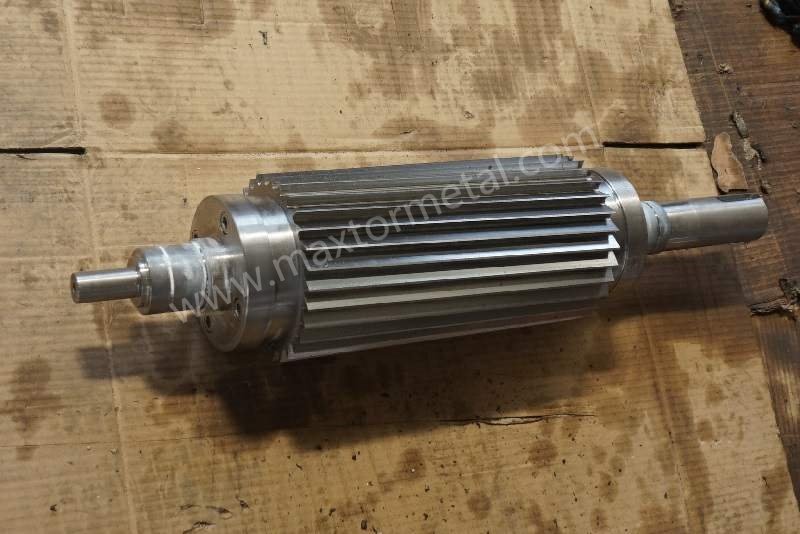
GF‑PA66 loads a cutting edge the way sand loads a pump: glass fibers abrade, heat accelerates softening at the land, and any loss of geometry shows up immediately as fines, tails, or unstable pellet length. That is why rotor plastic pelletizer blades working on glass‑filled nylon demand higher wear resistance, tougher micro‑edges, and tighter control of gap drift than unfilled grades.
What you will get here: actionable numbers, selection logic, SOPs, and KPIs that translate design choices into on‑line hours and stable pellets. We prioritize strand pelletizing at 30–50% GF, dry cut, 300–800 kg/h, with a primary KPI of single‑edge on‑line time ≥ 24–48 h and a target blade–bed gap drift of ≤ ±2 μm/h. Where public, citable numbers exist (e.g., underwater die‑face gap), we reference them directly; where industry sources are qualitative, we present trial starting windows with clear cautions and inspection methods.
Who this serves: equipment, production, and process leads on underwater (UWP) and strand pelletizing lines, plus procurement managers who need audit‑ready documentation for blade sourcing.
About this guide (scope + credentials)
- Scope: examples and starting windows prioritize strand pelletizing at 30–50% GF, dry cut, 300–800 kg/h; underwater pelletizing (UWP) settings are included as secondary context.
- Safety and OEM precedence: use your pelletizer OEM manual as the controlling document for gaps, torque, and commissioning steps; de‑energize and follow plant LOTO before any knife or cutting-head work.
- Authorship: reviewed by Tommy Tang (Senior Sales Engineer, Nanjing METAL; 12 years’ experience; CSE, CME, Six Sigma Green Belt, PMP).
主なポイント
- For GF‑PA66 pelletizer blades, prefer abrasion‑resistant substrates (D2/SKD11, PM‑HSS, or carbide) and pair with low‑friction, hard PVD/DLC coatings to slow micro‑chipping; use corrosion‑resistant grades (e.g., 316/440C) for UWP exposure where relevant (MetalTek 304 vs 316 overview).
- Geometry control matters as much as material: for strand lines, treat 0.025–0.10 mm as a plant‑trial starting window for 30–50% GF, dry cut, stable strand distribution and validate against your OEM manual and cut results; for UWP die‑face blades, 0.2–0.3 mm is a documented starting gap in a procedural guide (MAXTOR safe replacement guide).
- Maintain the edge and the setup: schedule regrinds to restore concentricity and log blade–bed drift in μm/h; use ≥24–48 h per edge そして ≤ ±2 μm/h drift as trial targets and tighten them using your own trend data and OEM limits (MAAG notes: “Regular and careful regrinding permanently improves the pellet quality …”: MAAG).
- Procure with proof: require material/HT/hardness/coating certs, CMM dimensions, and Ra/flatness records; verify OEM fit and keep an installation‑gap checklist for each changeover.
GF‑PA66 Wear Challenges
Abrasion and edge chipping
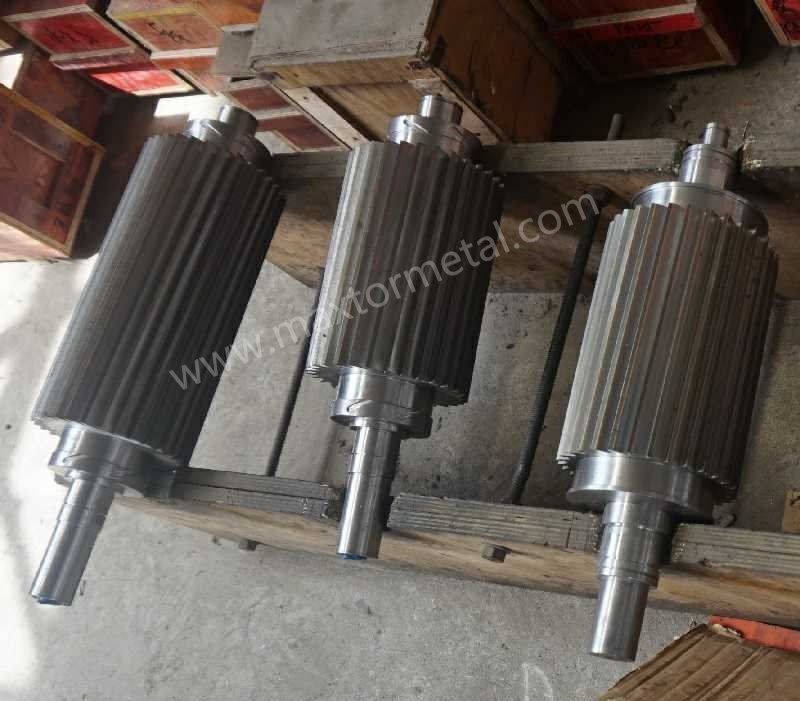
Glass fibers are hard, angular, and relentless. As strands sweep past the rotor edge, the fibers micro‑machine the land, initiating tiny chips that grow into wear flats. A harder, carbide‑stable substrate helps, as do low‑friction, dense PVD/DLC films that reduce ploughing and adhesion. Vendor and peer‑reviewed sources show friction and wear reductions with suitable CrN/TiAlN multilayers and DLC in filled‑polymer service, which is why they’re frequently paired with abrasion‑resistant steels in GF duty. See evidence on coating behavior in filled‑polymer tooling from coating providers and peer‑reviewed multilayer studies, such as the discussion of CrN‑family coatings for filled polymers by Oerlikon Balzers and multilayer CrN/TiN performance in controlled wear tests in a peer‑reviewed study (BALINIT MOLDENA coating for filled polymers and the nano‑CrN/TiN multilayer study).
Corrosion in underwater systems
Underwater pelletizing adds hot, oxygenated water—often with chloride load from plant water systems. In these conditions, 316/316L generally outperforms 304 for pitting and stress‑corrosion cracking because of its molybdenum content. For harsher chemistries or long dwell times, higher‑Mo austenitics or duplex grades may be justified. Practical primers comparing 304 vs 316 explain these trade‑offs clearly and are useful for material selection in wet service (for example, the 304 vs 316 comparison by MetalTek and a concise 304‑316 corrosion overview by Unified Alloys).
Clearance drift effects
Even a robust edge won’t perform if the rotor‑to‑bed gap walks. Thermal growth, stack compliance (bearings, shims, fasteners), vibration, and wear flats all contribute. As the gap opens or becomes non‑uniform, fines and tails rise and pellet length CV drifts. OEM system literature underscores how availability and quick‑change maintenance preserve geometry, while operations guidance stresses professional regrinding and disciplined torque on fasteners to restore concentricity and slow drift. See MAAG’s M‑USG system context on quick‑change tooling and high availability (MAAG M‑USG brochure) and maintenance mindsets from sharpening specialists (ACE sharpening services overview).
Materials, Hardness, Coatings
Stainless/tool steels and targets
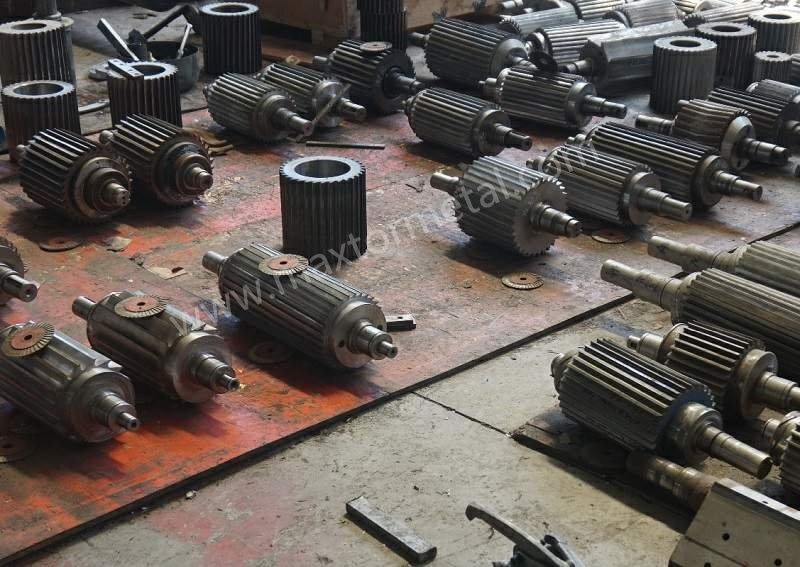
For strand systems cutting GF‑PA66, D2/SKD11 is a common baseline thanks to its high chromium carbides and stable hardness typically around the upper‑50s to low‑60s HRC when heat treated appropriately. Stainless tool steels such as 440C (and, for wet exposure, components interfacing in 316/316L) trade some wear for corrosion resistance and may be specified for UWP components or where cleaning protocols demand it. Representative pelletizer supplier ranges place stainless and tool steels roughly from the low‑50s to low‑60s HRC depending on grade and geometry; exact setpoints should be coordinated with heat‑treat protocol and edge design. Example supplier overviews list typical windows for pelletizer blades spanning roughly 52–65 HRC depending on material and application (MAXTOR product overview of pelletizer blades).
PM‑HSS and carbide options
Powder‑metallurgy high‑speed steels (e.g., M2‑class or higher‑vanadium PM grades) offer finer, evenly distributed carbides and better hot hardness retention, making them strong candidates for abrasive, high‑throughput GF duty when chipping has limited D2 life. Tungsten carbide delivers the highest apparent hardness and abrasion resistance but demands careful handling and mounting discipline due to brittleness; it can be the right choice for extreme wear if your changeover time or regrind program is constrained. Third‑party and supplier notes reinforce these trade‑offs for pelletizer knives and similar cutting tools in abrasive plastics service (Fernite pelletizer knives hardness notes そして materials overview from Metedge).
PVD/DLC selection notes
Coatings are not a cure‑all, but the right stack extends stable hours. CrN and AlCrN families add dense, oxidation‑resistant hardness; TiN/TiAlN multilayers raise hot‑hardness and improve adhesion resistance; DLC provides very low friction to limit ploughing and buildup at the edge. Vendor data and peer‑reviewed studies show reduced wear volume and friction with these stacks in filled‑polymer or analogous wear conditions (Ionbond’s overview of PVD benefits in plastics tooling そして peer‑reviewed multilayer CrN/TiN study).

Materials/coatings quick‑reference
| 材料 | Typical hardness (HRC) | 強み | 注意事項 | Common coating pairings |
|---|---|---|---|---|
| D2/SKD11 tool steel | ~58–62 | Abrasion resistance, cost‑effective baseline | Micro‑chipping under severe fiber load if edge prep is sharp‑sharp | CrN, TiAlN, DLC for lower friction |
| 440C (stainless tool steel) | ~56–60 | Corrosion resistance, good hardness | Slightly lower wear vs D2; use where wet cleaning/UWP matters | CrN, DLC |
| PM‑HSS (e.g., M2+/vanadium PM) | ~58–64 | Fine carbides, hot hardness, toughness at edge | Cost; heat‑treat control is critical | TiAlN/CrN multilayers, DLC |
| Tungsten carbide (WC‑Co) | Very high (equivalent) | Extreme abrasion life | Brittle; mounting discipline needed | Often uncoated or thin DLC to reduce friction |
Note: Ranges above are typical supplier windows; finalize with OEM prints and heat‑treat specs. Use coating vendors’ recommendations for chemistry, temperature, and edge prep compatibility.
Geometry, Finish, Clearance
Edge prep and Ra targets
Edge integrity starts with a controlled micro‑radius and smooth land. A too‑sharp edge chips early in GF duty; a too‑blunt edge raises cutting force and heat. Specify how the edge is prepared (honed radius, micro‑bevel, or polished land) and verify with microscopy. For the cutting land surface, target low single‑micron Ra bands and specify metrology: acceptance per ISO 4288 using stylus parameters per ISO 3274 and terms per ISO 21920‑2 (see ISO references catalog pages: ISO 4288 acceptance rules そして ISO 3274 stylus instruments).
Gap and cut angles
For strand pelletizing of GF‑PA66, a practical method is to establish uniform light contact across the width, then back off evenly via eccentric or push/pull adjusters to reach a small, uniform gap.
Safety note (before any adjustment): stop the line, de‑energize, and follow plant LOTO; treat the rotor area as a pinch/entanglement hazard and allow hot components to cool. Use your OEM manual as the controlling document for adjuster sequence and torque.
For strand lines, a plant‑trial starting window commonly referenced in specialized setup guidance is 0.025–0.10 mm for 30–50% GF, dry cut, stable strand distribution; treat this as a commissioning starting point and validate with test cuts and pellet metrics, using a consistent measurement method and locations (Bay Plastics Machinery training on eccentric/push‑pull adjustment concepts).
For underwater die‑face knives, a procedural replacement guide documents 0.2–0.3 mm as a starting gap; use it alongside your OEM manual and commissioning SOPs (MAXTOR die‑face replacement guide).
Scissor mechanics matter too: helical or properly relieved geometries reduce impact, stabilize cut force, and help suppress tails and fines at a given throughput. For a deeper conceptual look at scissor vs. impact dynamics in strand cutting, see a helical‑cut explainer (helical rolling granulator blades mechanics).
UWP vs. strand specifics
Applicability (when the numeric windows do—and don’t—apply)
Use the numeric windows in this guide as commissioning starting points, not universal rules.
Applies best when:
- Strand pelletizing in the 30–50% GF range, dry cut, with stable throughput and strand distribution.
- Rotor/bed knife mounting faces are clean, flat, and burr‑free; runout and bearing condition are within OEM limits.
- You measure gaps at repeatable points (left/center/right) using a consistent method and record drift over time.
Use extra caution or expect different windows when:
- GF ≥ 50%, high mineral loading, or significant recycled content causes wider variability in melt strength and abrasion.
- The line is run intentionally hot/soft (to reduce strand breakage), which can increase smearing and change “best” clearance.
- You see non‑uniform contact marks, rapid drift, or tails/fines step‑changes—fix geometry and mechanical condition first (parallelism, mounting stack, bearings) before chasing new targets.
- Strand GF‑PA66 (our priority): focus on uniform sub‑0.1 mm gaps, a controlled micro‑radius or fine hone to resist chipping, and low‑Ra lands. Watch drift in μm/h and adjust cadence by KPI 2B.
- UWP: higher nominal die‑face gaps (0.2–0.3 mm starting range), materials and fasteners rated for hot water, and corrosion‑aware choices (316/316L on wet‑exposed parts). Coordinate blade pressure, water flow/temperature, and startup ramp to avoid gouging the die face—practical commissioning and troubleshooting guidance is covered in industry operations pieces (see Plastics Technology’s troubleshooting primer).

Maintenance & KPIs
再研磨窓
Regrinding is not just about sharpness; it restores concentricity and parallelism, which keeps gaps uniform and drift low. System suppliers emphasize that careful, regular regrinding permanently improves pellet quality, while professional sharpening providers outline the value of proactive schedules and proper equipment for geometry restoration (MAAG site note on regrinding and pellet quality そして ACE sharpening/refurbishing capability). Define a maximum tonnage or hour threshold per edge based on your KPI 2B target and trend data; stop before wear flats grow large enough to accelerate drift or raise fines sharply.
Daily checks and balance
Adopt a short daily SOP for strand lines: clean mounting interfaces, verify fastener torque, check runout/balance, bring knives to light contact across width, back off to target gap uniformly, and record start‑of‑shift drift baselines. Log hours per edge and compute drift in μm/h from feeler‑gauge or dial‑indicator checks at repeatable locations. If drift exceeds ±2 μm/h (trial target), investigate thermal load, bearing condition, or mounting stack compliance and adjust maintenance cadence. For additional practical checks and life‑extension moves, see a maintenance guide focused on pelletizer blades (maintenance moves that cut downtime).
Quality metrics and bands
Tie regrind and setup SOPs to measurable outputs:
- Fines percentage by weight (aim for a stable low band appropriate to your downstream feeding equipment).
- Tails incidence and average tail length (watch for step changes suggesting gap non‑uniformity or a damaged edge).
- Pellet length CV (coefficient of variation) for cut stability.
- Uptime hours per edge (the headline KPI in this guide: ≥24–48 h, then push further via controlled trials).
Use these with drift in μm/h to decide whether to change geometry (edge prep, relief), material/coating, or maintenance cadence. Industry primers on pellet quality help map symptoms to root causes and preventive actions (see Plastics Technology’s path to pellet perfection).
Measurement consistency note
To make drift (μm/h) and “hours per edge” comparable across runs, measure clearance at the same left/center/right locations with the same method and gauge each time, and record the method in the log. If the method or points change, treat drift comparisons as non‑comparable.
Trial log template (what to record)
| Category | What to log | Why it matters |
|---|---|---|
| Resin & recipe | GF% (and any mineral), moisture/drying notes, recycled content | Wear rate and chip tendency shift with fiber and moisture |
| Throughput & mechanics | kg/h, strand count, rotor rpm, knife count | Normalizes life comparisons across runs |
| Setup map | gap at left/center/right, measurement method & location, date/time | Detects non‑uniformity and setup repeatability |
| Drift KPI | gap drift in μm/h (same points, same method) | Directly links to tails/fines instability |
| Life KPI | hours/edge and tons/edge | Primary uptime outcome |
| 品質 | fines %, tails incidence/length, pellet length CV | Quality impact of geometry and drift |
| Maintenance events | regrind date, stock removed, runout/balance checks, torque checks | Explains step changes in drift or quality |
Minimal A/B trial method (low effort)
Case study templates (no numbers required)
Use one template per trial so results are easy to audit later.
Template A — Material/coating change (single variable)
- Objective: improve hours/edge without increasing tails or fines.
- Change (only one): e.g., D2 → PM‑HSS, or CrN → DLC (keep geometry constant).
- Freeze: GF%, drying method, kg/h band, strand count, rotor rpm, water/air cooling, operator.
- Record: full Trial log + photo of contact pattern + note any edge chipping under microscope.
- Pass/fail: hours/edge ↑ and drift (μm/h) ↓ with no step‑increase in fines/tails/CV.
Template B — Edge prep change (single variable)
- Objective: reduce micro‑chipping and stabilize drift.
- Change (only one): edge hone radius / micro‑bevel / land polish level.
- Freeze: material, coating, and all process/mechanical variables above.
- Record: first‑hour pellet quality + 8‑hour drift trend + edge inspection photos.
- Pass/fail: fewer chips/wear flats at the same hours/edge; tails/fines trend improves.
Template C — Maintenance cadence change (single variable)
- Objective: prevent drift excursions that create tails/fines step changes.
- Change (only one): regrind trigger rule (hours/edge, tons/edge, or drift threshold).
- Freeze: blade set (material/coating/geometry) and throughput band.
- Record: downtime minutes, scrap/fines incidents, and drift trend before/after.
- Pass/fail: fewer unplanned stops and tighter drift band at similar production output.
- Freeze all variables you can (resin GF%, throughput band, rpm, cooling, operator).
- Baseline one edge with your current blade (material/coating/edge prep) and record the full log above.
- Change only one factor (e.g., coating stack or edge hone) and repeat under the same conditions.
- Compare hours/edge, μm/h drift、 そして fines/tails/CV; treat a step‑change as meaningful only if the setup map stayed uniform.
- Promote the winner to a longer trial and document it as a standard (SOP + acceptance criteria).
Compatibility & Procurement
Documentation checklist
Build an audit‑ready QA pack into every RFQ and PO:
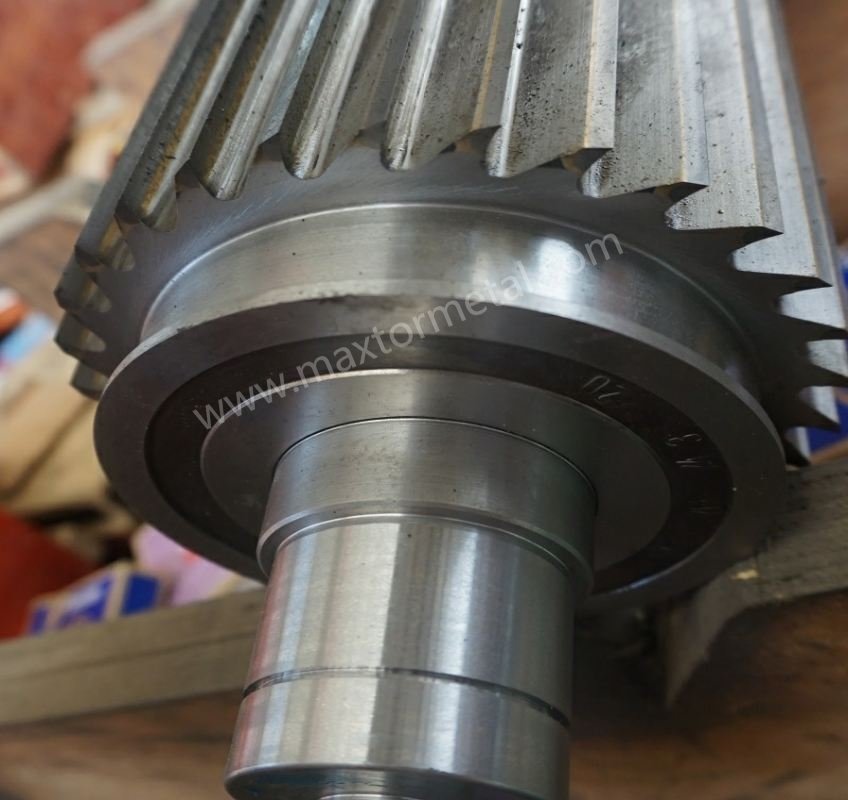
- Materials, heat‑treat, hardness, and coating certificates (grade, batch/lot, target HRC, and coating spec)
- CMM dimensional report against the OEM drawing (OD/ID, thickness, bolt circle, counterbores, squareness)
- Surface finish and flatness plan: cutting land Ra and face Ra measured and accepted per ISO 4288; include stylus parameters (per ISO 3274) and trace length
- Balance and concentricity verification for rotors or assemblies; regrind stock allowance and maximum regrind cycles; regrind SOP attached
OEM fit and tolerances
Expect OEM‑equivalent fit with tolerances documented for critical features. Keep an installation‑gap checklist with recommended starting windows (e.g., strands 0.025–0.10 mm as a trial band; UWP 0.2–0.3 mm per the cited procedural guide) and note any geometry‑specific torque or sequencing steps. A comparative overview of pelletizing blade suppliers can be useful context when aligning tolerances and coating choices across vendors (see a concise supplier and coating comparison overview).
Import logistics and service
Classify machine knives and cutting blades under HS heading 8208 (“Knives and cutting blades, for machines or for mechanical appliances”) and confirm the final 8–10 digit code per destination tariff schedule (see heading description: Flexport HS 8208 reference). Where required, seek broker confirmation or a binding classification ruling for your destination market. Standard import packs include commercial invoice, packing list, bill of lading/air waybill, certificate of origin, and any required broker entries; wooden crates should comply with ISPM‑15. Define a service SLA with lead‑time bands and communication checkpoints so maintenance windows align with delivery.
Practical example — integrating sourcing and evidence with a custom build: If you need non‑standard geometry for GF‑PA66 pelletizer blades, a supplier like マックストールメタル can manufacture from your drawing or a physical sample, provide material/HT/hardness/coating certificates, a CMM dimension report, and Ra/flatness records, and confirm OEM fit. Their technical articles also document safe die‑face gap settings you can adapt to your installation checklist. Use this type of QA pack and fit verification to de‑risk first‑time orders and speed up plant trials.
著者とレビュー
トミー・タン — Senior Sales Engineer, Nanjing METAL 工業
- Experience: 12 years in industrial blades and cutting tooling sourcing/support
- 資格:CSE、CME、シックスシグマグリーンベルト、PMP
Note: This guide is intended for engineering reference. Always follow your pelletizer OEM manual and your plant safety procedures (including LOTO) before performing any knife, cutting-head, or gap adjustments.
結論
Your design‑to‑performance path in GF‑PA66 is straightforward: pick a substrate and coating that resist abrasion (D2/PM‑HSS/carbide + CrN/TiAlN/DLC), prepare and inspect the edge and land for low Ra, set uniform gaps with documented starting windows (strands 0.025–0.10 mm trial for 30–50% GF, dry cut, stable strand distribution; UWP 0.2–0.3 mm per procedural guidance), and maintain the geometry through disciplined regrinding and drift tracking. When you do, on‑line hours per edge and pellet stability rise together.
次のステップ
- Verify tolerances against your OEM print and metrology gear; align heat‑treat and coating specs with your resin and throughput.
- Run a controlled trial targeting ≥24–48 h per edge and ≤ ±2 μm/h drift; measure fines, tails, and pellet length CV alongside uptime.
- Lock KPIs into your SOPs, finalize your QA pack template, and schedule the next optimization loop. If you need a quick fit check or a sample built to your print, you can engage a supplier like MAXTOR METAL to validate dimensions and documentation before a full run.

 English
  Spanish
  Italian
  French
  Portuguese
  Russian
  German
  Arabic
  Hindi
Hindi  Vietnamese
  Indonesian
  Japanese
  Korean