

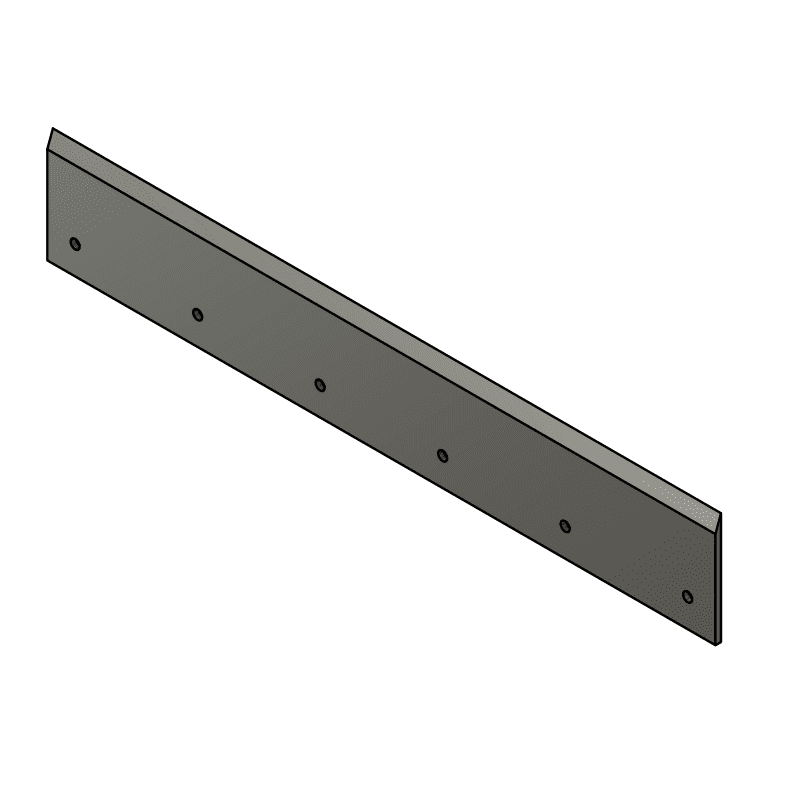
もしあなたが ギロチン刃に最適な鋼材耐久性、コスト、そして切れ味について考える必要があります。超硬合金は長持ちし、鋭い刃先を維持することで知られています。D2鋼とHSS鋼も多くの用途に適しています。以下に簡単な比較を示します。
| ブレードタイプ | 耐久性 | 料金 | 切削性能 |
|---|---|---|---|
| 高速度鋼(HSS) | 長持ちする | 費用はいくらかかかります | 厚手の紙やラミネート加工に適しています |
| 合金工具鋼(D2) | 非常に長持ちします | 費用はいくらかかかります | 硬い素材をたくさん切断します |
| 超硬チップ | 最も長持ちする | コストがかかる | 粗削りや大きな切断作業に最適 |
Nanjing Metal インダストリアル社はこの分野のリーダーです。20年以上の経験を持ち、ISO9001品質基準に準拠しています。ギロチンカッターを選ぶ際は、印刷量、切断対象、予算を考慮してください。ハードな作業には超硬合金が最適かもしれません。D2鋼とHSS鋼は日常的な使用に適しています。
重要なポイント
- 超硬合金製の刃は最も長持ちし、研磨の頻度も最小限で済みます。そのため、印刷作業が頻繁に行われる場合に最適です。
- D2工具鋼は、プラスチックや複合材料の切削に最適です。価格と強度のバランスが優れています。
- 高速度鋼(HSS)は価格が安く、小規模から中規模の作業に適しています。ただし、研磨頻度が高くなります。
- 印刷量や切断する内容を考えてみてください。そうすることで、作業に最適な刃を選ぶことができます。
- 刃物はこまめに点検し、研いで手入れをしましょう。そうすることで切れ味が長持ちし、刃の寿命も延びます。
- 超硬ブレードを購入すれば、長期的に見て費用を節約できます。耐久性が高く、作業の中断頻度も少なくなるからです。
- 南京Metal工業などの企業から特注の刃を入手できます。これらの刃は、お客様の特別な切断ニーズに合わせて製造できます。作業効率と生産性の向上に役立ちます。
- 作業内容に合った刃を選ぶようにしましょう。そうすることで、よりきれいに切断でき、より良い結果が得られます。
ギロチンの紙刃の材質比較
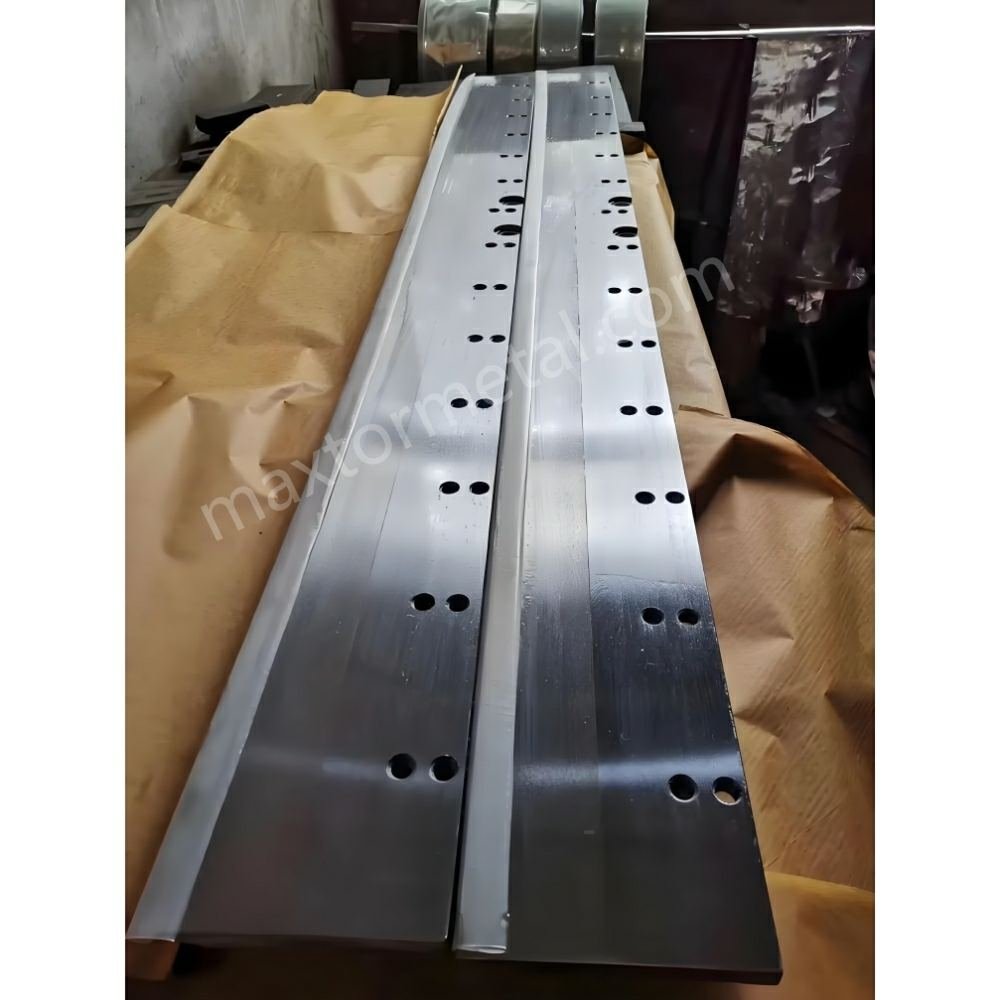
D2 vs HSS vs 超硬合金
ギロチンの刃に使う鋼材を選ぶ際には、それぞれの特性を理解しておくことが重要です。ここでは、ギロチンの紙切り刃に適したD2鋼、高速度鋼、超硬合金の刃を比較するための表を示します。
| ブレードタイプ | 耐久性 | エッジ保持 | 料金 | メンテナンスの必要性 |
|---|---|---|---|---|
| D2工具鋼 | 非常に高い | プラスチックや複合材料に最適 | 適度 | 定期的な研磨が必要です |
| ハイス鋼 | 高い | 高温下でも硬度を維持 | 適度 | もっと頻繁に研ぐ |
| 超硬チップ | 最長 | 研磨性や硬質な素材に最適 | より高い | 最も頻繁に研ぐ必要がない |
超硬合金製のナイフは最も長持ちし、研ぎ直しの頻度も少なくて済みます。プラスチックや複合材を頻繁に切断する場合は、D2工具鋼が最適です。高速度鋼は長時間にわたる作業に適しており、高温でも硬度を維持します。
ギロチン用紙カッターの刃を作業内容に合わせてカスタマイズしたい場合は、南京Metal工業が豊富な選択肢を提供しています。機械に合わせて、カスタム形状、刃の厚さ、刃のコーティングなどを選択できます。 カスタムブレードページ 何か特別なものが必要な場合。
パフォーマンスメトリック
ギロチン式ペーパーカッターの刃は、長持ちして切れ味が良いものが望ましい。それでは、実際の現場で各素材がどのように機能するかを見ていこう。
- D2工具鋼は、特にプラスチックや複合材料との摩擦に対する耐摩耗性に優れています。
- 高速度鋼は高温になっても切れ味が衰えません。そのため、長時間の作業に適しています。
- 超硬チップ付きブレードは、本体が丈夫で刃先が非常に硬いのが特徴です。グラスファイバーや電子機器廃棄物の切断など、過酷な作業に適しています。他のブレードに比べて最大5倍長持ちします。
刃持ちと耐摩耗性を示す別の表を以下に示します。
| ブレードタイプ | エッジ保持 | 耐摩耗性 |
|---|---|---|
| D2工具鋼 | プラスチックに最適 | 一般的な用途に最適です |
| ハイス鋼 | 高温での硬度 | 連続運転に適している |
| 超硬チップ | 研磨剤の場合は最長 | 過酷な作業でも最大5倍長持ちする、極めて優れた性能 |
忙しい印刷工場を経営しているなら、その違いに気づくでしょう。例えば、高速鋼の刃は約 16時間超硬ナイフは交換が必要になるまで最大160時間使用できます。つまり、作業を中断することなく、より長時間作業を続けることができるということです。
コストとメンテナンス
ギロチンの刃に使う鋼材を選ぶ際には、コストが重要な要素となります。価格、耐久性、そして刃を研ぐ頻度などを考慮する必要があります。
研磨作業で期待できることは以下のとおりです。
| ブレードタイプ | 研ぐ前に切る |
|---|---|
| ハイス鋼 | 40万~60万 |
| D2 | 70万~90万 |
| 超硬チップ | 1,000,000~1,500,000 |
超硬チップ付きの刃は、研ぐまでの切断回数が最も多くなります。D2鋼も長持ちします。ハイス鋼はより頻繁に研ぐ必要があります。研ぐたびに刃が少しずつ削られます。刃の厚さやコーティングによって、刃の寿命を延ばすことができます。
ギロチン式裁断機の刃をこまめに点検すれば、メンテナンスは簡単です。 定期的な点検と専門家による研磨 切断面をきれいに保ち、機械を良好な状態に保ちましょう。長期的にコストを削減したい場合は、多忙な作業場には超硬チップ付きブレードが最適です。小規模な作業や費用を抑えたい場合は、D2鋼や高速度鋼でも十分です。
ヒント:印刷量と裁断する内容に基づいて、必ず刃の材質を選びましょう。そうすることで、ギロチン式裁断機の刃を最大限に活用し、最高の仕上がりを得ることができます。
ギロチン刃に最適な鋼材:重要な基準
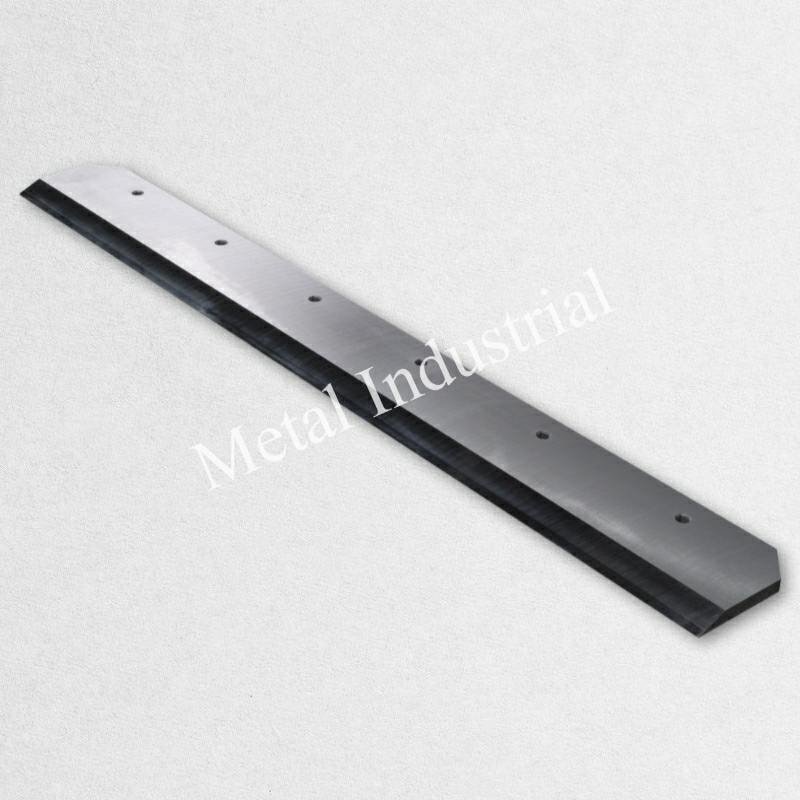
耐久性と刃持ち
耐摩耗性
ギロチン刃に最適な鋼材を選ぶ際には、酷使に耐えうるものが求められます。耐摩耗性は、刃の切れ味を維持し、常に使用可能な状態を保つための重要な要素です。D2工具鋼、高速度鋼(HSS)、超硬合金はいずれも優れた耐久性を誇ります。D2鋼と超硬合金の刃は最大65HRCの硬度を実現し、過酷な作業にも耐え、切れ味を長く保ちます。精密研磨により、これらの刃は真っ直ぐで鋭い刃先を持ち、毎回きれいに切断できます。
これらの素材の性能を簡単に比較してみましょう。
| 財産 | D2工具鋼 | HSS | 炭化物 |
|---|---|---|---|
| 硬度(HRC) | 60-62 | 58-62 | 75-80 |
| 耐摩耗性 | 素晴らしい | とても良い | 過激 |
| 硬化時の歪み | 最小限 | 最小限 | なし |
紙や段ボール、あるいはプラスチックなどを頻繁に切断する場合、超硬ブレードが最も長持ちすることに気づくでしょう。D2ブレードも耐久性に優れており、特に日常的な印刷作業で信頼性の高いブレード品質が必要な場合に適しています。
エッジの安定性
刃の安定性とは、何千回も切断した後でも刃の形状と切れ味が維持されることを意味します。刃が欠けたり、すぐに切れ味が鈍くなったりしない刃が求められます。超硬合金製の刃は刃の安定性が最も高いため、頻繁な研磨を気にすることなく、大きな作業にも使用できます。D2鋼製の刃も、厳しい熱処理工程のおかげで、長期間切れ味を維持します。HSS鋼製の刃は高温下でも優れた性能を発揮するため、機械を長時間稼働させる場合に最適です。
ヒント:最高の切断性能と刃の交換頻度を減らしたい場合は、刃の安定性が高い刃を選びましょう。これにより、作業の流れがスムーズになり、切断精度も向上します。
カットあたりのコスト分析
初期費用と長期費用
一番安い刃が一番お得だと思いがちですが、必ずしもそうとは限りません。本当の価値は、刃を交換したり研いだりするまでに何回切れるかで決まります。超硬刃は初期費用は高くなりますが、はるかに長持ちします。D2刃は価格と寿命のバランスが良いです。HSS刃は手頃な価格ですが、研いだり交換したりする頻度が高くなります。
| ブレードタイプ | 単位あたりのコスト | 寿命(カット) |
|---|---|---|
| HSS | $X | 1X |
| D2 | $1.50 | 2~3倍 |
| 炭化物 | 3~5倍のHSS | 8~10倍HSS |
印刷工場を経営していて忙しいなら、超硬ブレードに投資することで長期的にコスト削減につながります。切削回数が増え、ブレードの品質も向上するため、ダウンタイムが減り、交換頻度も少なくなります。
メンテナンス頻度
メンテナンスも切削コストの重要な要素です。超硬ブレードは研磨の頻度が最も少なくて済むため、メンテナンスにかかる時間と費用を抑えることができます。D2ブレードは定期的な研磨が必要ですが、それでもHSSブレードより長持ちします。HSSブレードは最も頻繁なメンテナンスが必要です。
- 定期点検 問題を早期に発見するのに役立ちます。
- 超硬ブレードは、100時間以上切断した後は研磨してください。
- D2鋼の刃は50~70時間使用後に研ぐ必要があります。
- HSSブレードは30~50時間使用後に点検が必要になる場合があります。
ギロチン刃に最適な鋼材を選ぶなら、メンテナンスにどれだけの時間をかけたいかを考えてみてください。研磨の手間が少なければ少ないほど、印刷に使える時間が増え、切断性能も向上します。
メンテナンスの必要性
研ぎやすさ
刃を研ぐことで、常に最高の切れ味を維持できます。超硬合金製の刃は研ぐのが難しく、専用の工具が必要になる場合もありますが、頻繁に研ぐ必要はありません。D2鋼やHSS鋼の刃は、一般的な工具で簡単に研ぐことができます。手軽なメンテナンスを求めるなら、D2鋼やHSS鋼がおすすめです。
注:研ぐ前には必ず非腐食性でpH中性の洗浄剤を使用してください。錆を防ぐため、刃をすすぎ、乾燥させてください。
機器要件
刃物を最高の状態に保つには、適切な工具が必要です。超硬刃にはダイヤモンド砥石またはプロ仕様の研磨機が必要です。D2鋼やHSS鋼は、通常の研削砥石で研磨できます。小規模な工房であれば、メンテナンスの容易さからD2鋼やHSS鋼を選ぶのが良いでしょう。大量生産を行う工房では、超硬研磨装置への投資は長期的に見て費用対効果が高いと言えます。
一般的なメンテナンス手順は以下のとおりです。
- 圧縮空気または柔らかいブラシでゴミを取り除いてください。
- 刃物クリーナーで洗浄してください。
- 清掃後、または20時間使用ごとに潤滑油を塗布してください。
これらの手順に従えば、刃の品質を高く保ち、切れ味を鋭く維持することができます。
アプリケーション適合性
ギロチンカッターの刃に最適な鋼材を選ぶには、日々のカッターの使い方を考慮する必要があります。印刷会社のニーズに合った刃を選ぶことが重要です。ここでは、大量印刷、特殊素材の切断、限られた予算での作業という、よくある3つの状況を見ていきましょう。
大量印刷
印刷工場を経営されていますか?毎週何千枚もの用紙を裁断されていることでしょう。そんな作業量に対応できる刃が必要です。超硬チップ付き刃は、大量印刷に最適です。耐久性が高く、研磨頻度も少なくて済みます。メンテナンスのために機械を停止させることなく、より長く稼働させることができます。
大量生産において超硬合金を選ぶ理由とは?
- 研磨するまでに数百万回の切断に耐える
- 切れ味が長持ちします
- ダウンタイムを削減し、生産性を向上させます。
| ブレードタイプ | 最適な用途 | エッジライフ | メンテナンスの必要性 |
|---|---|---|---|
| 超硬チップ | 大量販売店 | 最長 | 最低 |
| D2工具鋼 | 中量 | 非常に長い | 適度 |
| HSS | 小規模な仕事 | 良い | より高い |
ヒント:忙しい作業場で時間と費用を節約したいなら、ギロチン刃には超硬合金製の刃が最適です。
特殊材料
紙だけでなく、もっと様々なものを切断する必要がある場合もあります。プラスチック、ラミネート材、あるいは薄い金属板などを扱うこともあるでしょう。こうした素材をうまく切断できる刃は限られています。D2工具鋼は、特殊な作業において際立った性能を発揮します。耐摩耗性に優れ、硬い素材や研磨性の高い素材を切断する際にも切れ味を維持します。
D2鋼と超硬合金鋼のどちらを選ぶべきか?
- D2はプラスチック、複合材料、およびコーティング紙に適しています。
- 超硬合金は、グラスファイバーや再生紙などの研磨材の加工に適しています。
- HSSは、厚手の普通紙を束ねて切る場合や、少量の印刷で丈夫な刃が必要な場合に適しています。
| 材質タイプ | 最高の刃の選択 | 理由 |
|---|---|---|
| プラスチック/複合材料 | D2工具鋼 | 高い耐摩耗性 |
| 研磨材 | 超硬チップ | 極めて高い刃持ち |
| 厚紙の束 | HSS | 靭性と耐熱性 |
注:刃は、最もよく切断する素材に合わせて選びましょう。そうすることで、きれいに切断でき、刃の寿命も延びます。
予算運営
小規模な店舗を経営していたり、経費を抑えたいと考えているなら、予算内で優れた性能を発揮する刃物が欲しいはずです。高速度鋼(HSS)とD2工具鋼は、超硬合金よりも低価格で確かな性能を発揮します。
予算に合わせて選ぶにはどうすればいいですか?
- HSSブレードは初期費用が安く、軽作業から中程度の作業に適しています。
- D2鋼の刃は少し値段が高いですが、長持ちするので研ぐ回数が少なくて済みます。
- 超硬合金は最も高価ですが、切削量が多い場合は長期的に見てコスト削減につながる可能性があります。
| 予算レベル | ブレードタイプ | 長所 | 短所 |
|---|---|---|---|
| 低い | HSS | 手頃な価格で、研ぎやすい | もっとメンテナンスが必要だ |
| 中くらい | D2工具鋼 | 長寿命、お買い得 | 初期コストが高い |
| 高い | 超硬チップ | 最長寿命、最小限のメンテナンス | 最高コスト |
予算を抑えつつギロチン刃に最適な鋼材をお探しなら、HSSまたはD2鋼から始めましょう。作業量が増えたら、超硬合金にアップグレードしてください。
要約すれば:
印刷量、切断する素材、そして予算を考慮してください。ギロチンカッターの刃に最適な鋼材は、用途によって異なります。超硬合金はヘビーデューティーな使用に最適です。D2鋼は特殊素材の切断に威力を発揮します。HSS鋼は小規模な作業や限られた予算に適しています。適切な刃を選べば、よりきれいな切断、ダウンタイムの削減、そしてギロチンカッターの性能向上につながります。
ギロチン刃に使用される鋼材の種類
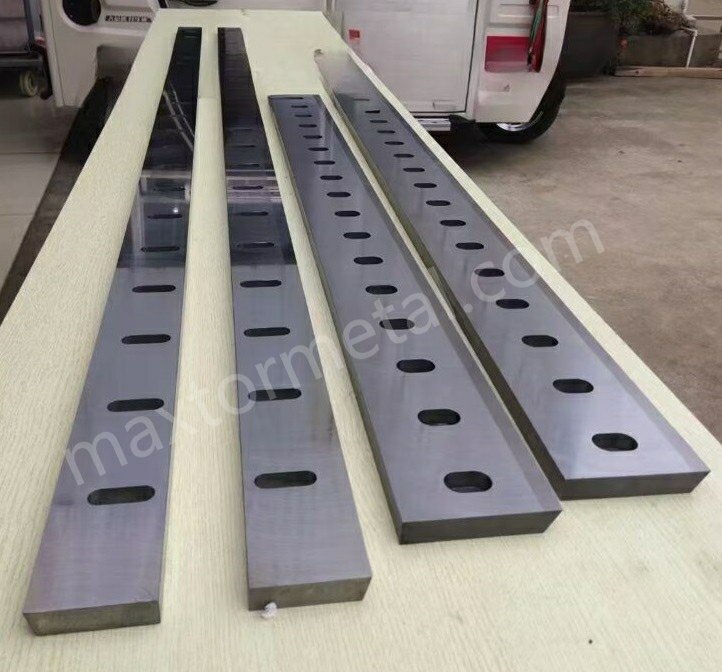
選ぶとき ギロチンの紙の刃それぞれの鋼材の違いを知りたいですよね。D2工具鋼、高速度鋼、超硬合金について見ていきましょう。そうすれば、あなたの作業に最適な刃を選ぶことができるでしょう。
D2工具鋼
強み
D2工具鋼は丈夫で摩耗しにくい。この刃は傷がつきにくく、切れ味も長持ちする。D2がギロチン式ペーパーカッターの刃に適している理由は以下のとおりだ。
- 高炭素鋼は刃を硬くする 丈夫なので、あまり傷がつきません。
- クロムは硬い炭化物を形成し、刃の寿命を延ばし、錆を防ぐのに役立つ。
- 硬度範囲(60~62HRC)は、切れ味と靭性のバランスが良く、刃が欠けにくい。
D2ブレードは切れ味が良く、強力なブレードが必要なハードな作業に最適です。
弱点
D2工具鋼は、軟鋼に比べて研ぎにくい。切れ味を維持するには、専用の研削砥石が必要になる場合がある。D2ブレードは、中程度から重めの切断作業に最適で、高速切断や高温作業には適さない。
ユースケース
D2工具鋼は強度が高く耐久性にも優れているため、多くの場所で使用されています。主な用途は以下のとおりです。
- ねじ切り工具、例えばダイスやタップなど。
- スクレーパーブレードやチッパーナイフなどの消耗部品。
- 金属板の切断および成形に使用する成形金型および打ち抜き金型。
- 切れ味を維持する必要がある剪断刃やスリットカッター。
プラスチック、複合材、コーティング紙などを切断する必要がある場合は、D2鋼がおすすめです。刃の厚さやコーティングの種類も、用途に合わせて変更できます。
高速度鋼(HSS)
強み
高速度鋼の刃は、高温になっても切れ味が持続します。切れ味も良く、長持ちするので、頻繁に刃を交換する必要がありません。HSSの特長は以下のとおりです。
| 特性 | パフォーマンスへの影響 |
|---|---|
| 耐熱性および耐摩耗性 | 刃の切れ味を保ち、長持ちさせるのに役立ちます。 |
| 耐久性 | つまり、大きな作業の際に刃を交換する回数が少なくて済むということです。 |
| 耐衝撃性 | 高速回転時でも刃がスムーズに動作するよう維持します。 |
| 切削性能 | 長距離ランニングでも性能が持続する。 |
HSSブレードは高速切断に最適です。ステンレス鋼やアルミニウムなどの比較的柔らかい素材の切断に効果的です。HSSブレードは何千回もの切断に耐えることができるため、作業効率を維持できます。
弱点
高速度鋼の刃は、超硬合金ほど高温に耐えられません。HSSは約500℃までは強度を保ちますが、過度な負荷をかけると摩耗する可能性があります。また、HSSの刃は超硬合金やD2鋼の刃よりも頻繁に研磨する必要があります。
ユースケース
印刷会社では、小規模から中規模の印刷作業で高速度鋼(HSS)製の刃がよく使われています。厚手の紙束を切断したり、長時間かかる作業に適しています。HSS製の刃は、比較的柔らかい金属やプラスチックの切断にも使用できます。手入れが簡単で価格も手頃な刃をお探しなら、HSS製は賢明な選択と言えるでしょう。
- 高速度鋼の刃は、高速切断に最適です。
- 柔らかい素材にはよく効きます。
- 低炭素鋼であれば、最大5,000回の切断に使用できます。
刃の厚みを変えたり、より良い切れ味のためにコーティングを施したりしたい場合は、南京Metal工業がお手伝いいたします。
超硬合金および炭化タングステン
強み
超硬合金製のナイフ、特にタングステンカーバイド製のナイフは非常に硬く、長持ちします。これらの刃は鋼製の刃よりもはるかに長く切れ味を維持します。タングステンカーバイドは高温や過酷な作業にも耐えることができます。以下に、超硬合金の特性を比較した表を示します。
| 特徴 | タングステンカーバイド | スタンダードカーバイド |
|---|---|---|
| 耐摩耗性 | 非常に高い、切れ味が長持ちする | 摩耗が早くなる、特に粗い素材を使うと。 |
| 熱管理 | 耐熱性に優れている | 高速切断に問題があります |
| 料金 | 最初は費用がかかるが、後々節約になる | 最初は費用が安いが、時間が経つにつれて高くなる |
| アプリケーション適合性 | 大きくて過酷な作業に最適 | 中規模の作業に適しています |
超硬ブレードは、何百万回もの切断後も切れ味を維持します。粗い素材や大規模な作業でも、品質を損なうことなく優れた性能を発揮します。
弱点
超硬合金製の刃は、初期費用が高めです。研ぐには、ダイヤモンド砥石などの専用工具が必要になる場合があります。また、使い方を間違えたり、刃が薄すぎたりすると、超硬合金製のナイフは破損する可能性があります。
ユースケース
超硬ギロチン式裁断機の刃は、紙、段ボール、その他の硬い素材を大量に裁断する印刷工場に最適です。また、金属やプラスチック工場でも、シート、フィルム、プロファイルの切断に超硬刃が使用されています。最も長持ちし、最高の切れ味を誇る刃をお求めなら、超硬刃をお選びください。
- 大型の印刷や包装作業には、超硬ブレードを使用してください。
- 再生紙やグラスファイバーのような粗い素材を切断する。
- 金属板やプラスチック板を簡単に切断できます。
超硬ナイフの性能を最大限に引き出すために、刃の厚さやコーティングを変更することができます。
印刷ニーズに合わせた鋼材選び
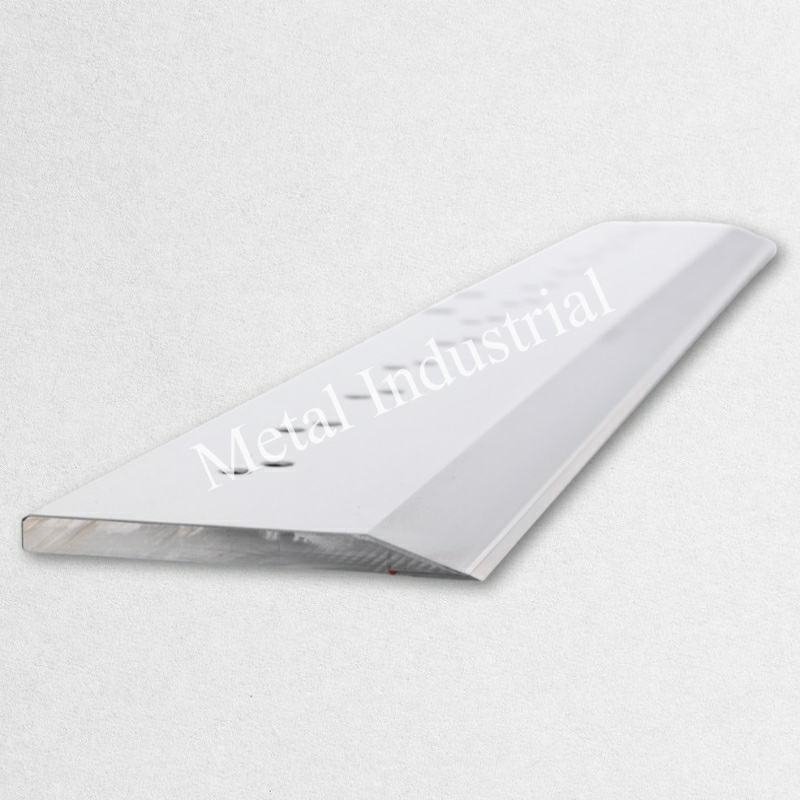
大量処理
毎日大量の注文が入る、忙しい印刷会社を経営されていますか?それなら、作業量に対応できるギロチン式断裁機の刃が必要です。大量印刷は断裁機に大きな負担をかけます。刃の交換頻度を減らし、ダウンタイムを最小限に抑えたいなら、耐摩耗性と刃持ちに優れた刃を選ぶべきです。
大量生産に適した人気の工具鋼をいくつか比較してみましょう。
| 工具鋼グレード | 大量印刷への応用 |
|---|---|
| D2 | 優れた耐摩耗性があり、プレス金型に最適です。 |
| A2 | 優れた靭性と耐摩耗性を持ち、様々な用途に対応します。 |
| S7 | 高い耐衝撃性を持ち、過酷な作業にも対応します。 |
超硬チップ付きブレードは、大量生産作業に最適です。耐久性が高く、研磨頻度も少なくて済みます。ブレードを交換するまでに何百万枚ものシートを切断できます。コストと耐久性のバランスを重視するなら、D2工具鋼もおすすめです。
ヒント:生産性を向上させたいなら、超硬合金またはD2鋼製のギロチン式裁断機の刃を選びましょう。メンテナンスに費やす時間が減り、注文品の発送により多くの時間を費やすことができます。
特殊材料および研磨材
紙だけでなく、もっと多くのものを切断する必要がある場合もあります。特殊な作業では、プラスチック、ラミネート材、あるいは薄い金属板などを切断することもあります。再生紙やグラスファイバーなどの研磨材は、通常の刃ではすぐに摩耗してしまいます。こうした難しい作業に対応できるギロチン式ペーパーカッターの刃が必要です。
特殊素材や研磨材を使用した場合の、各種ブレードの性能は以下のとおりです。
| ブレードタイプ | 硬度(HRC) | 特集 |
|---|---|---|
| HSS | 64-66 | 高度な熱処理と摩擦を軽減するコーティング |
| タングステンカーバイド | 90-92.5 | 優れた硬度で、研磨材との相性も抜群です。 |
タングステンカーバイド製の刃は、研磨材や特殊材料の切断に最適です。非常に硬い刃先を持ち、切れ味を損なうことなく硬い材料も切断できます。HSS(高速度鋼)製の刃も、特に耐熱性や特殊コーティングが必要な場合に適しています。
- 厚い材料には より強力な刃で、切れ味も向上.
- 薄い素材をきれいに正確に切断するには、より薄い刃が必要です。
特殊な切断ニーズがある場合は、南京Metal工業に特注ブレードの製作を依頼できます。デザイン、厚み、コーティングなど、お客様の作業に合わせて調整可能です。同社のチームは各工程でブレードを検査するため、信頼できる品質をお届けします。
予算の考慮
すべての店舗が同じ予算を持っているわけではありません。費用対効果が高く、かつコストパフォーマンスに優れた刃をお探しの方もいらっしゃるでしょう。最適なギロチン式ペーパーカッターの刃は、裁断量と裁断する対象によって異なります。
簡単なガイドはこちらです。
- HSSブレードは初期費用が安く、研ぎやすい。軽作業から中程度の作業に適している。
- D2鋼の刃は少し値段が高いですが、長持ちするので研ぐ回数が少なくて済みます。
- 超硬ブレードは最も高価ですが、切断作業が多い場合や、硬い素材を扱う場合は、費用を節約できます。
| ブレードタイプ | 最適な用途 | 料金 | メンテナンスの必要性 |
|---|---|---|---|
| HSS | 軽作業/中程度の作業 | 低い | より高い |
| D2 | 中・重労働 | 適度 | 適度 |
| 炭化物 | 大量作業/過酷な仕事 | 高い | 最低 |
予算を抑えたいなら、HSSまたはD2から始めましょう。作業量が増えたり、研磨材を切削する必要が生じたら、超硬合金にアップグレードしてください。
注:作業内容に合った刃を選ぶことで、きれいな切断ができ、コスト削減につながり、機械のスムーズな稼働を維持できます。
意思決定フレームワーク
ギロチン刃に最適な鋼材を選ぶのは、なかなか難しいものです。印刷会社のニーズに合った刃材を選びたいですよね。そこで、選び方の参考になる簡単なチェックリストをご紹介します。
- 材質タイプ
普段何を切ることが多いかを考えてみてください。普通の紙を切る場合は、HSSのような軟鋼で十分です。コーティングされた素材、プラスチック、研磨材などを切る場合は、D2鋼や超硬合金のような硬鋼が必要です。適切な鋼材を選ぶことで、刃の切れ味を保ち、きれいな切断面を実現できます。 - 生産量
毎週どれくらい印刷するかを考えてみてください。印刷量の多い印刷所では、長持ちして研磨頻度の少ない刃が必要です。超硬刃は、印刷量の多い印刷所に最適です。印刷量が少ない場合は、D2またはHSS刃でもコストを抑えつつ、十分な印刷結果が得られます。 - 品質要件
どの程度完璧なカットを求めるかを決めましょう。高品質な印刷物で非常に真っ直ぐなエッジが必要な場合は、精密研磨された刃を選びましょう。日常的な印刷であれば、標準的なエッジで十分ですし、コストも抑えられます。 - 予算
購入前に予算を決めましょう。超硬ブレードは初期費用は高くなりますが、最も長持ちします。HSSブレードは安価ですが、研ぎ直しの頻度が高くなります。D2ブレードはその中間です。今どれくらい費用をかけたいか、そして将来どれくらい節約したいかを考えてみてください。 - 保守および設備
お手持ちの研磨工具を確認してください。超硬合金の刃は専用の工具が必要です。D2鋼やHSS鋼は通常の工具で簡単に研磨できます。メンテナンスの手間を省きたい場合は、作業場の設備に合った鋼材を選びましょう。
ヒント: 作業場用に簡単な表やチェックリストを作成しましょう。何を切断するか、どれくらい印刷するか、予算などを書き留めてください。こうすることで、ギロチン刃に最適な鋼材を毎回選ぶことができます。
特別なご要望がある場合は、カスタムブレードをご依頼いただけます。南京Metal工業はOEMおよびカスタマイズサービスを提供しています。お客様の用途に最適なブレードの厚さ、刃の形状、コーティングをお選びいただけます。これにより、ギロチンブレードがお客様の機械と作業工程に確実に適合します。
要約表:ギロチン刃の鋼材に関する決定ポイント
| 決定ポイント | 考慮すべき事項 | 最適な鋼材選択例 |
|---|---|---|
| 材質タイプ | 紙、塗工紙、プラスチック、研磨材 | HSS、D2、超硬合金 |
| 生産量 | 高、中、低 | 高出力用には超硬合金、低出力用にはHSS |
| 品質要件 | プレミアムカットまたは一般カット | 精密研磨または標準 |
| 予算 | 初期費用と長期的な節約額の比較 | HSS(低)、D2(中)、超硬合金(高) |
| メンテナンス | 研磨ツールと研磨頻度 | 超硬合金(少なめ)、HSS/D2鋼(多め) |
ギロチン刃に最適な鋼材を選ぶ際に、推測に頼る必要はありません。このフレームワークを活用して、印刷工場の実際のニーズに合った刃を選びましょう。より優れた切断精度が得られ、コスト削減にもつながり、機械の稼働率も向上します。
専門家の推奨事項と業界慣行
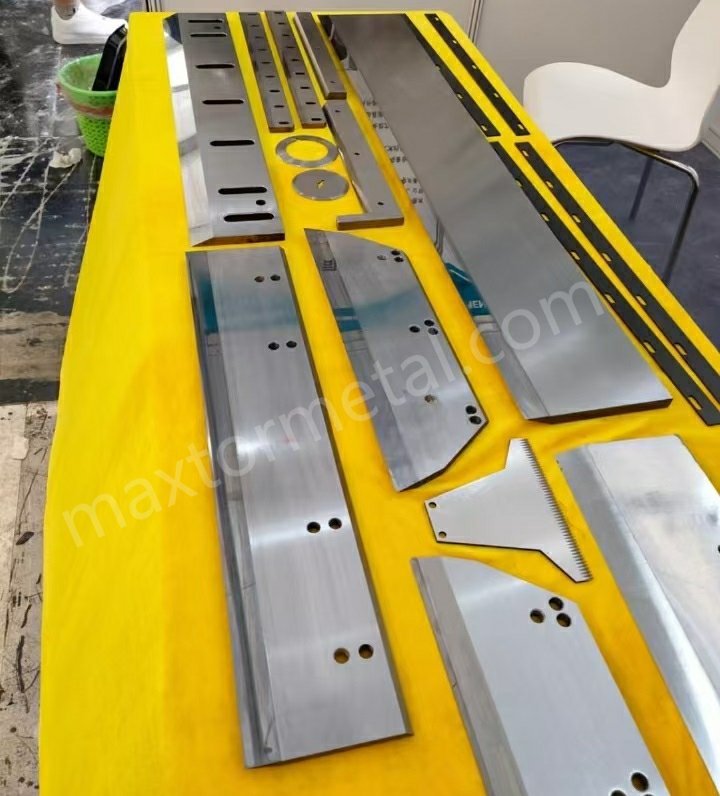
印刷ショップの設定
忙しい印刷工場に行くと、従業員が長持ちして切れ味の良い刃を求めていることがわかります。ほとんどの工場は、印刷量と切断するものに基づいて鋼材の種類を選択します。人気のある2つの種類は 象嵌された高速度鋼 そして、タングステンカーバイドが埋め込まれています。これらの刃は、交換するまでの切削回数を増やすのに役立ちます。つまり、機械が停止する時間を短縮できるということです。
印刷会社が好むものとその理由を示す表を以下に示します。
| スチールタイプ | 主な特徴 |
|---|---|
| 高速度鋼を象嵌 | 刃の寿命を延ばし、何度も切れ味を保つので、日常的な印刷に最適です。 |
| タングステンカーバイド象嵌 | 炭素鋼よりも最大10倍長持ちし、大規模な作業や硬い素材に最適です。 |
なぜお店が特定の替刃を選ぶのか不思議に思うかもしれません。その選択は、用紙の種類、インクの使用量、用紙サイズ、替刃の交換頻度などによって決まります。また、機械が停止した際の時間のロスや、替刃のサイズ精度も考慮されます。良質な替刃をお求めなら、購入前にこれらの点を考慮する必要があります。
- 紙の種類とその内容
- 紙を覆うインクの量
- シートのサイズと幅
- 1枚のシートに何回カットしますか?
- サイズはどれくらい近い必要があるのか
- 刃を交換する頻度
- 機械が停止すると失われる時間
シナリオに基づいたアドバイス
毎日、さまざまな切断作業があります。切れ味が長持ちする刃が必要な作業もあれば、粗い素材や硬い素材を切断できる刃が必要な作業もあります。それぞれの作業に最適な鋼材を見ていきましょう。
刃の材質を作業内容に合わせて選ぶのに役立つ表を以下に示します。
| ブレード材質 | ロックウェル硬度(HRC) | 強さ | 耐腐食性 | ベストユースケース |
|---|---|---|---|---|
| HSS(M2) | 62~66 | 良い | 低い | 紙、繊維 |
| 工具鋼(D2) | 58~61 | 素晴らしい | 適度 | プラスチック、ゴム |
| ステンレス鋼 | 58~60 | 良い | 高い | 食品、医薬品 |
| 粉末1TP1トルギー鋼 | 64~67 | 過激 | 低~中程度 | 研磨剤、金属 |
| カスタム合金 | 60+ | 調整可能 | 中程度~高 | リサイクル可能なもの、混合素材 |
紙や布地を切断する場合は、HSSブレードが最適です。これらのブレードは切れ味が長持ちし、長時間の作業にも適しています。プラスチックやゴムを切断する場合は、耐久性に優れたD2工具鋼が適しています。食品や医薬品の切断には、錆びないステンレス鋼ブレードが最適です。粗い素材を切断する場合は、粉末冶金鋼または特注合金が最適です。
製紙業や自動車部品製造業では、粗い素材を目にすることがあります。こうした素材は、通常の刃ではすぐに切れ味を鈍らせてしまいます。粗い素材はより多くの熱と摩擦を生み出し、刃先を摩耗させるからです。工具鋼の刃を粗い作業に使用すると、切れ味が早く落ちてしまいます。だからこそ、最もよく切断する素材に合わせて刃を選ぶべきなのです。
避けるべき間違い
ギロチンの刃は長持ちし、切れ味も良くあってほしいものです。しかし、いくつかのミスは時間とお金の無駄につながります。ここでは、よくある問題とその回避方法をご紹介します。
- 素材に合わない刃を使う
硬いものに柔らかい刃を使うと、すぐに切れ味が悪くなります。常に、主な作業に適した刃を選びましょう。 - メンテナンスを無視する
点検と研磨を怠ると、刃は鈍くなり、切れ味も悪くなります。清掃と研磨の計画を立てましょう。 - 刃の交換頻度を見落とす
刃の交換を怠ると、機械を損傷したり、切断がうまくいかなくなったりする可能性があります。各刃で何回切断できたかを記録しておきましょう。 - ダウンタイムを考慮しない
刃の交換は時間のロスにつながります。機械の稼働時間を長くしたいなら、長持ちする刃を選びましょう。 - 価格のみに基づいて選択する
安価な替刃は一時的には節約になるかもしれませんが、交換頻度が増えたり、切れ味が悪くなったりして、後々高くつくことになります。価格だけでなく、1回あたりのカットコストも考慮しましょう。
ヒント:何を切ったか、刃を交換する頻度、そしてどれくらいの時間がかかったかを記録しておきましょう。そうすることで問題点を見つけやすくなり、次回はより良い刃を選ぶのに役立ちます。
これらのミスを避ければ、印刷工場の作業効率は向上します。よりきれいな断裁が可能になり、時間のロスが減り、断裁機の刃の価値も高まります。
ギロチン刃に最適な鋼材を選ぶには、作業場のニーズを考慮する必要があります。超硬鋼は切れ味が最も長持ちし、耐久性にも優れています。D2鋼とHSS鋼は日常的な作業やコスト削減に適しています。それぞれの鋼材の耐久性を比較した簡単な表を以下に示します。
| 材料 | エッジ保持 | カット品質 | コスト効率 | 長寿 |
|---|---|---|---|---|
| D2 | 適度 | 良い | 適度 | 適度 |
| HSS | 良い | とても良い | 高い | 適度 |
| 炭化物 | 素晴らしい | 素晴らしい | 高い | 高い |
刃物を選ぶ前に、以下の質問を自問自答してみてください。
- 毎日どれくらい刈ればいいですか?
- どんなものを切るんですか?
- 刃物を研ぐ頻度はどれくらいが適切ですか?
助けが必要な場合は、 tセールスエンジニアに話しかけてください 南京Metal工業にて。こうすれば、次のギロチン刃選びに自信が持てます!
よくある質問
印刷用ギロチン刃に最適な鋼材は何ですか?
超硬ブレードは通常、最も長寿命で切れ味も鋭いです。D2鋼や高速度鋼も多くの印刷作業に適しています。どちらを選ぶかは、印刷量と使用する材料によって異なります。
ギロチンの刃はどのくらいの頻度で研ぐべきですか?
大きな作業が終わった後は、必ず刃の状態を確認してください。超硬合金製の刃は研ぐ頻度が少なくて済みますが、HSS(高速度鋼)やD2鋼製の刃はより頻繁な点検が必要です。定期的な点検は、切断面をきれいに保つために役立ちます。
紙とプラスチックに同じ刃を使っても大丈夫ですか?
D2工具鋼は紙とプラスチックの両方に使用できます。超硬ブレードは硬い素材にも対応できます。紙だけを切る場合は、ハイス鋼で十分です。
ギロチンの刃の寿命に影響を与える要因は何ですか?
材料の種類、印刷量、メンテナンス方法など、すべてが刃の寿命に影響します。超硬合金製の刃が最も長持ちします。定期的な清掃と研磨は、どの刃でも長持ちさせるのに役立ちます。
超硬合金の刃を研ぐには、特別な道具が必要ですか?
はい、超硬合金の刃を研ぐには、ダイヤモンド砥石またはプロ仕様の研磨機が必要です。D2鋼やHSS鋼の刃は、一般的な研削工具で研ぐことができます。
印刷工場に最適な刃を選ぶにはどうすればよいですか?
何を最も多く切削するか、どれくらい印刷するか、そして予算を考えてみてください。超硬合金はヘビーデューティーな用途に最適です。D2鋼は特殊な作業に適しています。HSS鋼は小規模な工房に適しています。
特注のギロチン刃はそれだけの価値があるのか?
カスタムブレードを使用すれば、厚み、刃の形状、コーティングなどをニーズに合わせて選択できます。ブレードが機械や作業工程に適合することで、より優れた切断性能と長寿命を実現します。
参照
ギロチン刃 vs. シャー刃:違いは何?あなたの仕事に最適なのは?

 English
  Spanish
  Italian
  French
  Portuguese
  Russian
  German
  Arabic
  Hindi
Hindi  Vietnamese
  Indonesian
  Japanese
  Korean
1件のフィードバック