

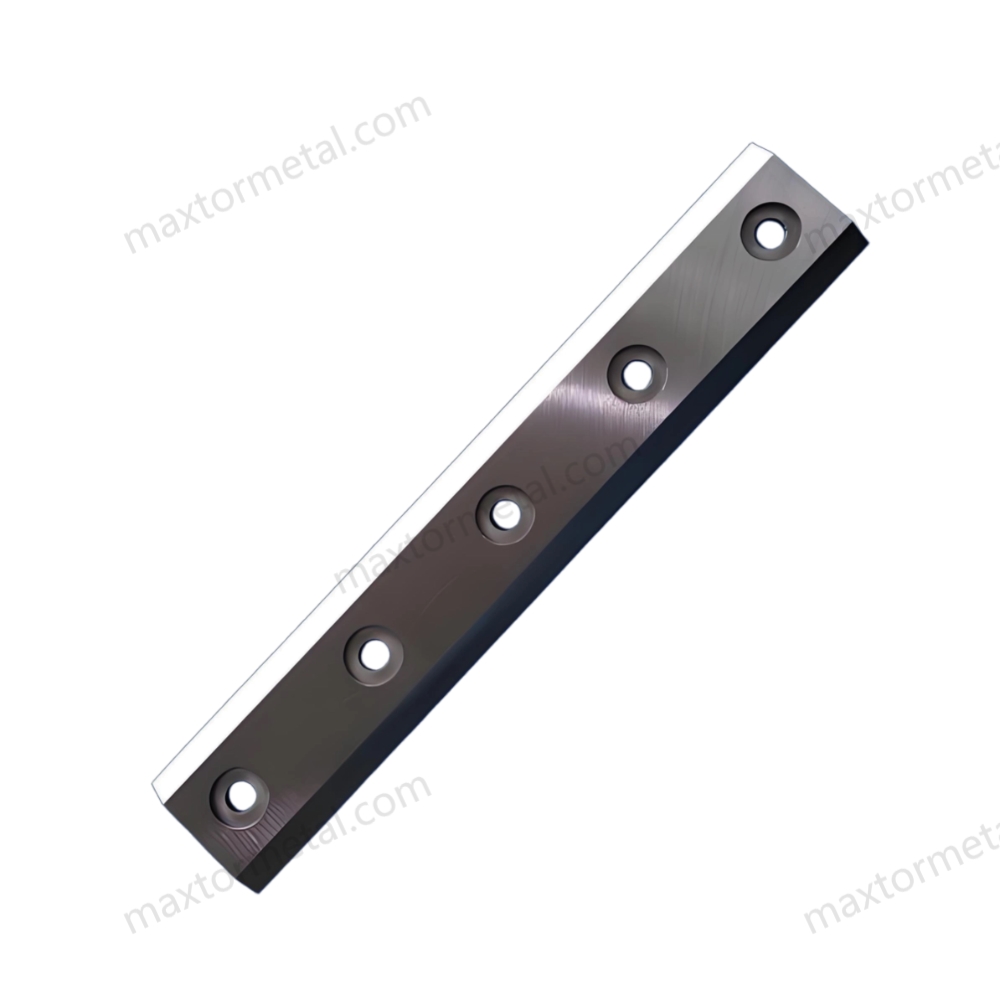
チップの品質が極めて重要であることは言うまでもありません。優れたチップ品質は、作業を円滑に進めるのに役立ちます。適切な角度に ディスクチッパーブレード 設定することで、より高品質なウッドチップが得られます。これは針葉樹と広葉樹のどちらにも当てはまります。刃の形状は、木材の種類や加工方法に適合させる必要があります。これにより、チップを適切なサイズに揃えることができます。また、機械の急速な摩耗を防ぎ、刃の寿命を延ばすことにもつながります。.
業界における一般的な課題には、以下のようなものがあります。
- 常に均一なサイズのチップを製造すること
- 機械に負荷をかけずにチップの品質を維持すること
- 高速切削時におけるピンチップ(細かな屑)の発生を抑制すること
- 詰まりを防ぐために十分なチップの厚さを維持すること
- 搬送を容易にするためにチップの形状を均一にすること
重要なポイント
- ディスクチッパー刃を適切な角度に設定することで、針葉樹・広葉樹ともにチップの品質が向上します。針葉樹には、より鋭角なベベル角が最適です。広葉樹で均一なチップを作るには、より強固な角度が必要です。木材の含水率(生材か乾燥材か)に応じて刃物角度を調整してください。生材には小さめの角度を、乾燥材には大きめの角度を使用します。不均一なチップや詰まりを防ぐため、刃物角度は定期的に確認してください。機械を効率的に稼働させるために、刃物角度のメンテナンスを怠らないようにしましょう。D2やTungsten Carbideなどの高耐久な刃物材質を選択することで、刃の寿命を延ばし、適切な角度を維持しやすくなります。問題の早期発見のために、チップのサイズと品質を頻繁に監視してください。これにより、安定して高品質なチップを製造し続けることができます。業界の刃物角度基準に従うことで、作業の安全性と効率が向上します。刃物の摩耗や稼働状況を記録するログを維持し、今後の最適な調整に役立ててください。.
刃物角度とウッドチップの品質

刃先形状とチップ形成
ディスクチッパー刃を適切な角度に設定することで、ウッドチップの形成プロセスをコントロールできます。刃のジオメトリ(幾何学的形状)によって、木材がどのように割れ、破砕されるかが決まります。鋭角な刃を使用すると、木材の繊維をきれいにスライスできます。これにより、均一で加工しやすいチップが作られます。角度が鈍すぎると木材が押し潰され、チップが不均一に割れる原因になります。チップのサイズを均一に揃えることは、機械の稼働効率を高め、後工程の処理を効率化するために不可欠です。.
ベベル角と切削力
ベベル角とは、刃先の傾斜角度のことです。ベベル角を小さくすると、刃はより少ない力で切削できます。これにより、チッパーの駆動に必要な動力を削減でき、より滑らかなチップが得られます。ベベル角が大きすぎると、刃が木材を強く押し付けることになります。これは刃の摩耗を早め、チップの表面が荒れたり、ささくれたりする原因になります。高いチップ品質を維持するために、ベベル角は定期的に測定・確認する必要があります。.
チップの厚さと繊維の損傷
チップの厚さは、ウッドチップの品質を左右する重要な要素です。チップが薄すぎると、粉塵や微粉に砕けてしまいます。逆に厚すぎると、機械の詰まりや処理速度の低下を招きます。刃物角度は、この厚さをコントロールする役割を果たします。最適な角度を設定することで、強度を保つのに十分な厚みがありながら、搬送しやすい薄さのチップをカットできます。また、適切な角度を使用することで、木材繊維の損傷を防ぐことができます。これによりチップの形状が保たれ、パルプ工場やボード工場での処理効率が向上します。.
針葉樹と広葉樹におけるチップ品質の違い
木材の種類に応じて刃物角度を調整する必要があります。針葉樹と広葉樹では、繊維構造や密度が異なります。これらの違いはチップの形成に影響を与えるため、それぞれに適した刃の設定が必要です。.
繊維構造と密度
針葉樹は繊維が長く、密度が低いため、より鋭角な刃を使用して容易にスライスできます。これにより、滑らかで均一なチップが作られます。一方、広葉樹は繊維が短く、密度が高いため、きれいに切断するにはより強固な角度が必要です。誤った角度を使用すると、不均一なチップや厚すぎるチップが発生する原因になります。木材の種類に刃物角度を適合させることが、最高のチップ品質を得るための鍵となります。.
含水率の影響
木材の含水率は、切削時の挙動に大きく影響します。生材(湿った木材)は柔らかくスライスしやすいため、小さめの角度を使用することできれいなチップが得られます。乾燥材は硬く、刃先が鋭すぎるとささくれが生じやすくなります。そのため、乾燥材には大きめの角度を使用してチップの強度を保つ必要があります。また、木材が凍結している場合は、割れや破損を防ぐために刃物角度を調整する必要があります。刃物角度を設定する前に含水率を確認することで、トラブルを回避し、高いチップ品質を維持できます。.
ヒント:刃物角度を調整する前に、必ず木材の種類と含水率を確認してください。これにより、最良の結果が得られ、チッパーの円滑な稼働を維持できます。.
研究によると、 ディスクチッパー刃の形状がチップのサイズと 均一性に影響を与えることが示されています。. 均一なチップはパルプ工場の操業効率を高め、 化学処理を容易にします。刃の摩耗はオーバーサイズチップの原因となり、後工程の処理速度を低下させます。また、使用する木材の種類によってもチップの品質が変化するため、バッチごとに刃物角度を調整する必要があります。.
| 木材の種類 | 推奨角度 | チップ品質の結果 |
|---|---|---|
| 針葉樹 | より鋭角な角度 | 滑らかで均一なチップ |
| 広葉樹 | より強固な角度 | 均一で頑丈なチップ |
| 生材(湿った木材) | より小さな角度 | きれいで柔軟なチップ |
| 乾燥材 | より大きな角度 | 頑丈でささくれの少ないチップ |
適切なウッドチッパー刃の角度を設定することで、適切な厚さと形状のチップを製造することができます。これにより、機械の良好な運転状態が維持され、最終製品の品質が向上します。.
ウッドチッパー刃の推奨角度
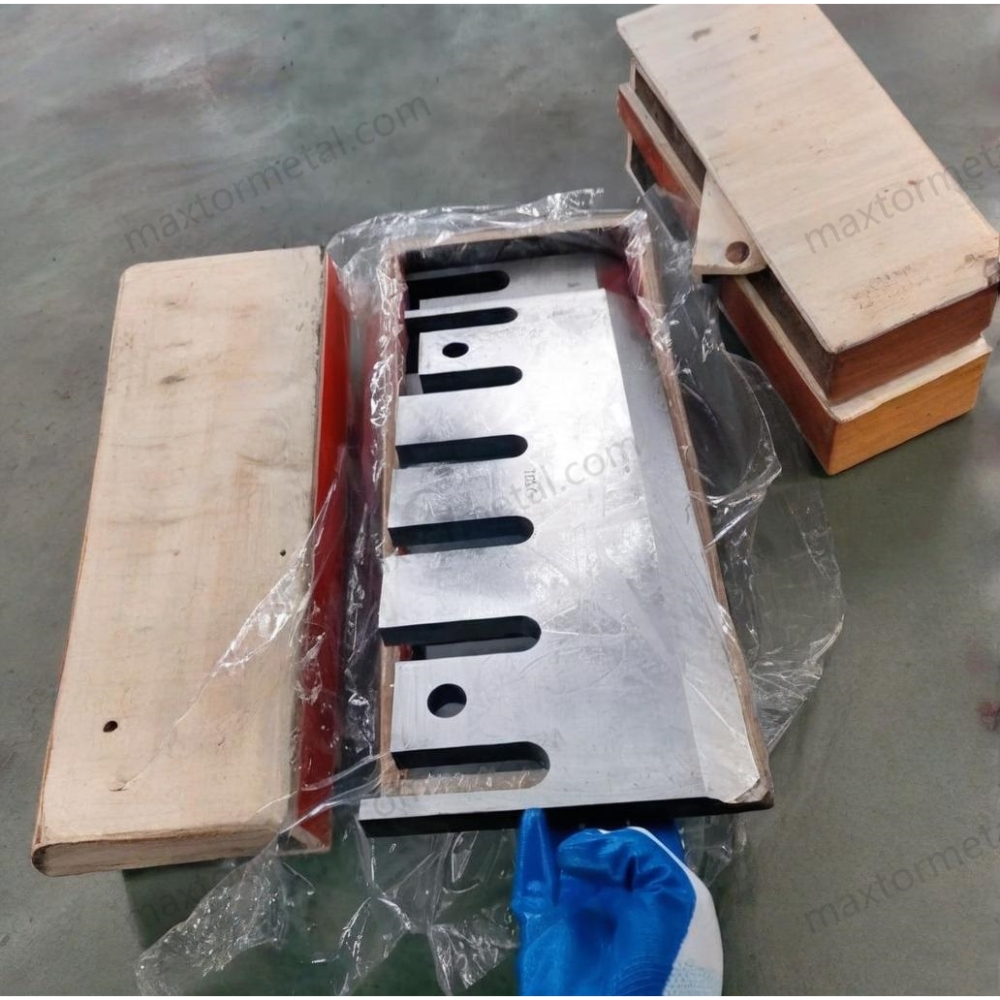
高品質なチップを得るためには、適切なウッドチッパー刃の角度を選択することが極めて重要です。処理する木材の種類に合わせて角度を調整する必要があります。これにより、適切な厚さと形状のチップを製造できるだけでなく、チッパー本体を保護し、その寿命を延ばすことができます。.
針葉樹用刃物の角度範囲
代表的な樹種と結果
針葉樹にはマツ、トウヒ、モミなどが含まれます。これらの木材は繊維が長く、密度が低いです。針葉樹には、より鋭角な刃先角度を使用できます。これにより、木材を容易にスライスし、滑らかなチップを作ることができます。業界標準では、針葉樹に対して28°から32°の刃先角度を使用することが推奨されています。推奨範囲は以下の表の通りです。
| 材料 | 推奨刃先角度範囲 |
|---|---|
| 針葉樹 | 28° – 32° |
これらの角度を使用することで、均一で強度の高いチップが得られます。これらのチップは、パルプ、製紙、およびパネル製造に適しています。.
針葉樹の角度調整
木材が濡れているか乾燥しているかによって、角度を調整する必要がある場合があります。濡れた針葉樹は容易に切断できるため、より小さな角度を使用できます。乾燥した針葉樹は、割れを防ぐためにわずかに大きな角度が必要になる場合があります。カスタムの刃形状や角度をご希望の場合は、以下をご覧ください。 カスタムブレードページ その他のオプションについては、こちらをご覧ください。
広葉樹の刃先角度範囲
一般的な樹種と結果
広葉樹にはオーク、カエデ、カバノキなどが含まれます。これらの木材は繊維が短く、密度が高いです。広葉樹をきれいに切断するには、より強固な角度が必要です。12度などの低いスクイ角は、広葉樹のむしれを減らすのに役立ちます。これにより、チップがより均一になり、壊れにくくなります。広葉樹の場合、チッパーナイフの角度は30°から37°の間で使用する必要があります。この範囲により、機械を詰まらせない頑丈なチップが得られます。.
広葉樹の角度調整
木材が凍結しているか、非常に乾燥している場合、角度を変更する必要がある場合があります。凍結した広葉樹は、角度が鋭すぎると割れる可能性があります。チップの形状を保つために、より大きな角度を使用する必要があります。高水分の広葉樹を処理する場合は、より小さな角度を使用してきれいに切断できます。角度を設定する前に、必ず木材の状態を確認してください。.
刃先角度の推奨値が異なる理由
密度と繊維長
針葉樹と広葉樹では繊維構造が異なります。針葉樹は繊維が長く、密度が低いです。広葉樹は繊維が短く、密度が高いです。これらの違いにより、刃が木材を切断する方法が変わります。長い繊維をスライスするには、針葉樹に対してより鋭角な角度が必要です。短く高密度の繊維を破壊するには、広葉樹に対してより強固な角度が必要です。.
- 高いスクイ角(20度)は、 針葉樹に最適です。より迅速な切断を可能にし、工具の切れ味を長持ちさせます。.
- 低いスクイ角(12度)は広葉樹に適しています。むしれを減らし、チップをより均一にします。.
- 樹種や含水率も、チッピングに最適な角度に影響を与えます。.
チップの均一性
均一なチップは、機械の円滑な稼働を助けます。適切な角度により、同じサイズと厚さのチップが得られます。誤った角度を使用すると、微粉やオーバーサイズチップが過剰に発生する可能性があります。定期的にチップを確認し、必要に応じて角度を調整してください。.
刃物材質とその役割
ディスクチッパー刃の材質は、角度の保持力や異なる木材の切断性能に影響を与えます。. 南京Metal工業 は、さまざまなニーズに対応するいくつかの刃物材質を提供しています。
| ブレード材質 | 特徴 | 長所と短所 | アプリケーションの提案 |
|---|---|---|---|
| D2工具鋼 | 優れた耐摩耗性を備えた高炭素高クロム鋼。. | 長所:優れた耐摩耗性、短所:適度な靭性、欠けやすい。. | クリーンな軟質から中硬質の木材の処理に最適。. |
| DC53工具鋼 | 優れた靭性と硬度を備えた高性能鋼。. | 長所:より高い靭性、短所:D2よりも高コスト。. | 硬度が異なる木材や、わずかな衝撃リスクがある木材に推奨。. |
| HSSインレイ | 高い靭性と優れた赤色硬度を備えたバイメタルソリューション。 | 長所:極めて高い耐衝撃性、短所:超硬よりも低い耐摩耗性。. | 大型チッパーや原料に汚染物質が含まれる用途に最適です。 |
| タングステンカーバイド | ダイヤモンドに近い硬度で最大の耐摩耗性を実現。 | 長所:比類のない耐用年数、短所:脆く、初期コストが高い。. | クリーンな木材原料を使用した大量処理用に予約されています。 |
木材の種類や生産ニーズに合った刃物材質を選択する必要があります。これにより、適切な角度を維持し、最高のチップ品質を得ることができます。.
ヒント:新しいバッチを開始する前に、必ず刃先角度と材質を確認してください。これにより、最良の結果が得られ、チッパーの良好な稼働状態が維持されます。.
ディスクチッパー刃の実践的な調整
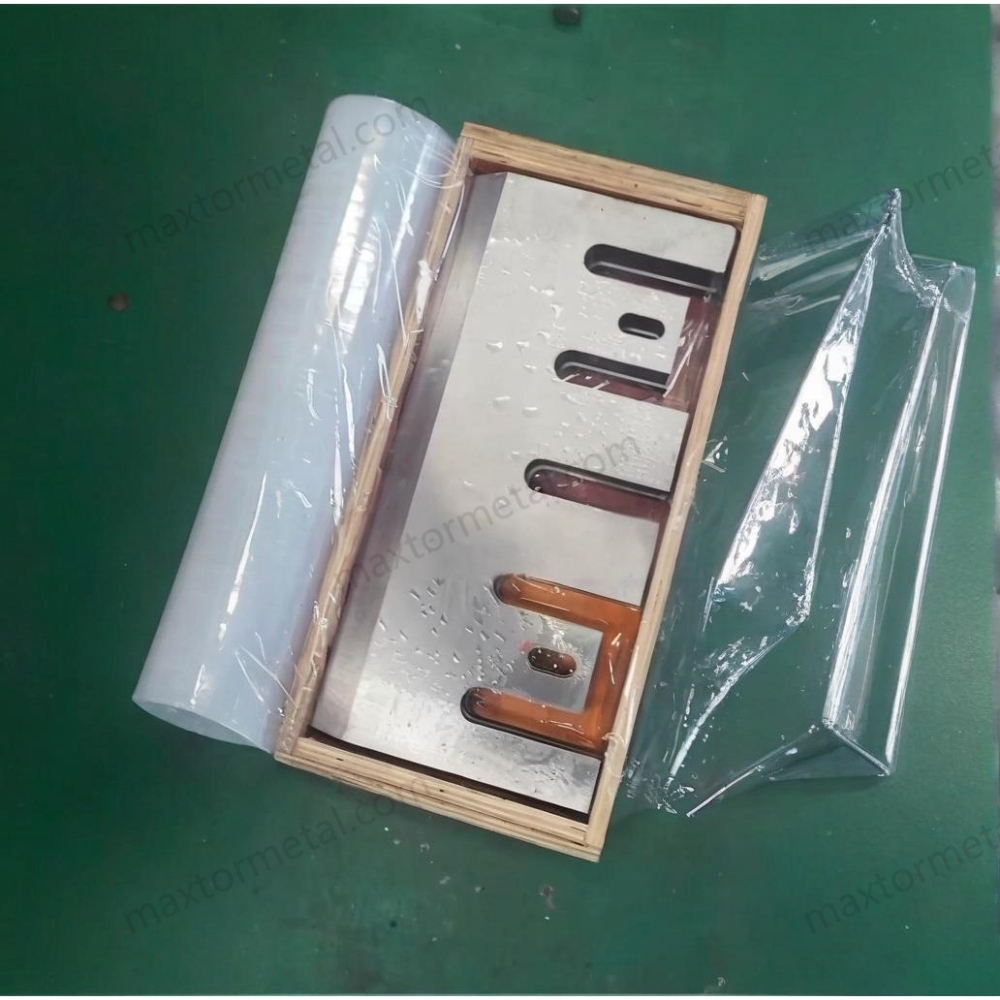
季節および条件に応じた調整
季節ごとにディスクチッパー刃を変更する必要があります。木材の状態が異なれば、異なる刃先角度が必要になります。これにより、チップの品質を高く維持できます。また、チッピング工具を保護することにもつながります。.
凍った木
寒くなると、木材は硬くなり、割れやすくなります。凍結した木材をチッピングする場合は、より大きな刃先角度を使用してください。これにより、木材の割れを防ぎ、チップの強度を維持します。寒冷な気候は機械の作動油を硬くします。粘度の高い液体は、チッパーの性能を低下させる可能性があります。毎シーズンの初めにチッパーと刃を確認してください。切断した木材の種類と天候を記録しておきます。これにより、凍結した木材が刃の摩耗やチップの品質にどのように影響するかを把握できます。.
乾燥木材と湿潤木材
濡れた木材は柔らかく、切断が容易です。濡れた木材には、きれいなチップを得るためにより小さな角度を使用します。乾燥した木材はより硬く、角度が鋭すぎると割れる可能性があります。チップの形状を保つために、乾燥した木材にはより大きな角度を使用します。. チッパーの設定と乾燥時間の変更は、 チップのサイズとエネルギーを変化させます。空気が湿っていると、木材は重くなります。これにより負荷は重くなりますが、エネルギー消費は低下します。刃の寿命を追跡してください。必要に応じてメンテナンス計画を変更します。これにより、常に均一なチップを得ることができます。.
ヒント:チッピングを行う前に、必ず木材の水分量を確認してください。最良の結果を得るために、木材に合わせて刃先角度とチッパーナイフを変更してください。.
生産品質管理
木材チップのサイズと厚さを均一に保つことが重要です。適切な品質管理を行うことで、微粉や粗大チップの発生を抑えることができます。.
微粉および粗大チップの削減
チップのサイズは、切削速度、1刃あたりの送り量、切削角、および木材の含水率を変更することで調整できます。切削速度を上げると、微粉や粉塵が多く発生します。1刃あたりの送り量を変更することで、チップの厚さが変化します。適切な角度を設定することで、高品質なチップを生産できます。含水率の高い木材は、より薄いチップになります。また、チッピング方式の違いによってもチップサイズは変化します。.
| 主な要因 | チップサイズへの影響 |
|---|---|
| 切断速度 | 速度が速くなると、微粉や粉塵が多く発生します。. |
| 1刃あたりの送り量 | これを変更することで、チップの厚さが変化します。. |
| 切断角度 | Changes how chips form and break. |
| 水分含有量 | More water makes chips thinner. |
| Chip Formation Process | Different ways change chip size. |
Maximizing Yield for Paper and Panel Industries
The best blade angle helps you make chips that are all the same. Paper and panel factories need chips that are even. This helps you get more good chips and use less energy. Studies show the best blade angle and chipper knife changes make better chips and save energy. Watch your chip size and change settings to keep chips even.
Safety and Maintenance
Staying safe and doing regular checks keeps your chipper working well. It also makes blades last longer.
Preventing Blade Chipping
Look at your blade after every big job. Check for dull spots, wear, or damage. Sharpen your blade every few hours or after cutting tough wood. Balance blades after sharpening so the chipper does not shake. Store blades in a dry place to stop rust. Oil moving parts as the maker says. Change blades when they get too worn out.
| メンテナンスアクション | 頻度 | 目的 |
|---|---|---|
| 定期検査 | After every big job | Check for dullness or damage |
| シャープニング | Every few hours or after tough wood | Keep blade sharp |
| Balancing Blades | 研ぎ終わった後 | Stop shaking |
| 適切な保管 | When not in use | Stop rust and moisture |
| 潤滑 | As the maker says | Keep chipper working well |
| 交換 | When needed | Fix problems after checks |
Safety Tip: Always turn off and lock your chipper before fixing it. Wear gloves and eye protection. Be careful with sharp blades and heavy parts. Never skip safety guards or work alone when it is dangerous.
Inspection and Adjustment Tips
Look for rocks or things that can hurt your blades. Make sure blades are lined up right. Sharpen blades if they feel dull. Check blades every 25 to 50 hours. Change any blade with deep chips or cracks. Check blade condition after each use, especially after soft wood. Look for nicks, wear, and how the blade looks.
| メンテナンス手順 | 頻度 |
|---|---|
| Quick check of machine condition | Every day |
| Clean parts, check belt, tighten screws | Every week |
| Re-align drivetrain, check performance | Every month |
| Replace worn parts, big check | 3~6ヶ月ごと |
| Maintenance after tough jobs | When needed |
| General check before busy season | 1-2 weeks before busy time |
You can pick strong blade materials like D2, DC53, HSS, or Tungsten Carbide. These help your blades last longer and keep the right angle. They also help you get good chips, even with hard jobs.
Keep a log of your maintenance to watch blade life and chipper work. This helps you plan checks and stop problems before they start.
トラブルシューティングと継続的な改善
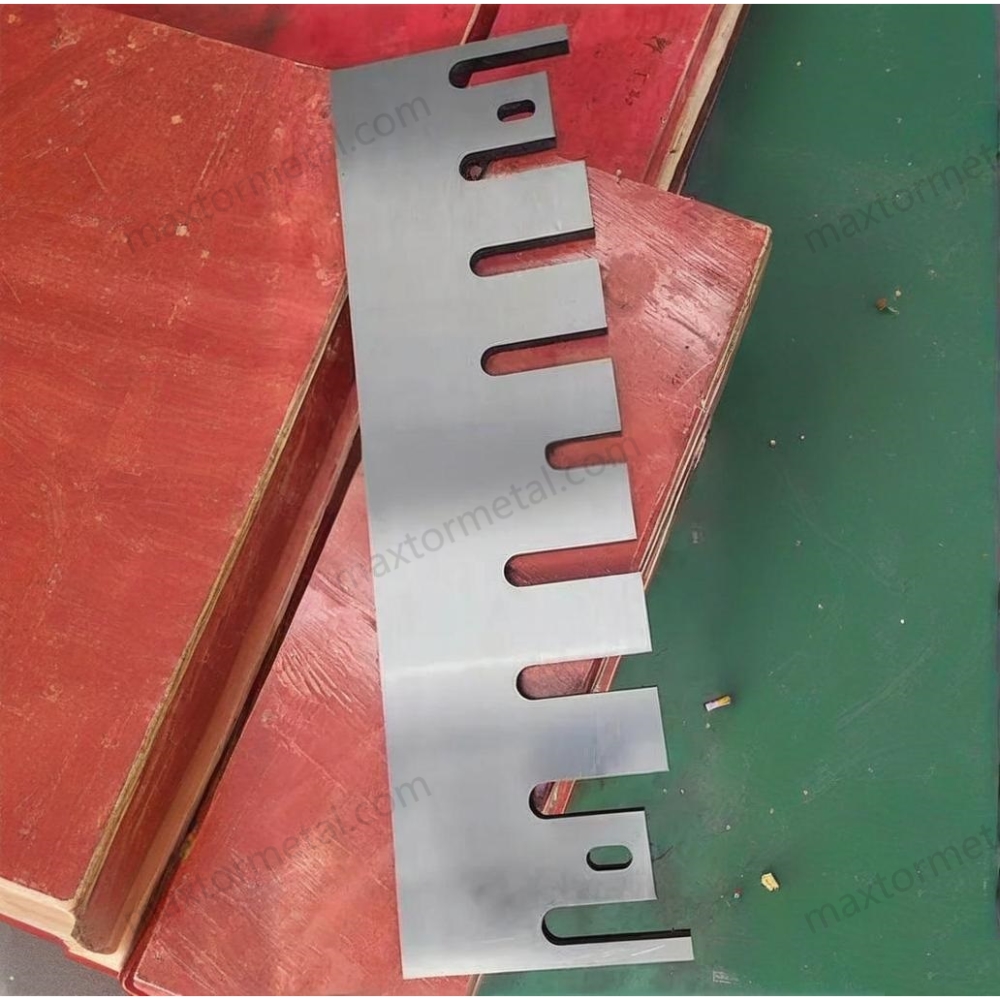
Monitoring Wood Chip Quality
You need to check wood chip quality often to keep your process running well. Start by looking at the chips as they come out of the chipper. Good chips have a uniform size and shape. If you see many small pieces or dust, something may be wrong with your setup.
Measuring Chip Size
You can measure chip size by using a simple screen or sieve. Place a sample of chips on the screen and shake it gently. Count how many chips fall through each hole size. This helps you see if most chips are the right size for your needs. Many mills use this method to check chip size every day. You can also use a ruler to measure chip length and thickness. Write down your results in a logbook. This helps you spot changes over time.
Tip: Check chip size at the start of each shift. This helps you catch problems early.
Signs of Poor Blade Geometry
If you notice too many fines or dust, your disc chipper blades may have a dull or wrong angle. Oversized chips or chips with rough edges can also mean the blade angle is not set right. Listen for changes in the chipper’s sound. A loud or uneven noise can signal a problem with blade geometry. Watch for chips that jam or slow down your machines. These are signs you need to adjust the angle or sharpen the blade.
よくある問題と解決策
You may face some common problems when using disc chippers. Knowing how to fix them helps you keep your operation smooth.
Excessive Fines or Dust
微粉やダストが多すぎると、ウッドチップの品質が低下することがあります。これは、刃が摩耗して鈍くなったり、刃先角が鋭すぎたりする場合によく発生します。この問題は、刃の研磨頻度を増やすことで解決できます。刃先を清潔に保つために、乾式研磨方法を試してください。それでも微粉が多すぎる場合は、切削速度を確認してください。切削速度が速すぎると、ダストが多く発生します。送り速度を下げて、チップの品質が向上するかどうかを確認してください。.
- ナイフの摩耗は、チッパーの生産性を最大で 20%.
- 摩耗して鈍くなった刃は、より多くのダストや微小なチップを発生させます。.
- 刃を頻繁に研磨し、正しい角度を維持してください。.
規格外または不均一なチップ
規格外または不均一なチップは、機械の詰まりの原因となります。この問題は、刃先角が広すぎるか、木材の送り速度が遅すぎるために発生することがあります。これは、フィードローラーの速度を調整することで解決できます。チッパーに可変速度制御機能がある場合は、それを使用してください。最適な結果を得るために、エンジンを適切なRPMに維持してください。送り速度を少しずつ調整し、チップの排出状況を観察します。不均一なチップの発生を防ぐため、刃は常に鋭く保ってください。.
- ローラー速度の調整 チップサイズを制御するため。.
- 利用可能な場合は電子制御を使用する。.
- エンジンRPMを一定に保つ。.
- 木材の種類ごとに設定を試す。.
注意:チップが大きすぎる、または小さすぎる場合は、刃先角と送り速度の両方を確認してください。.
継続的な改善
結果を確認し、段階的に微調整を行うことで、プロセスを改善できます。.
フィードバックと品質管理
チームにチップの品質に関するフィードバックを求めてください。チップのサイズと形状の定期的な検査体制を整えます。チェックリストを使用して、刃や送りシステムを含むチッパーのすべての部品を確実に検査してください。角度や速度に加えた変更はすべて記録してください。これにより、何が最も効果的であるかを把握しやすくなります。.
- チッパーの部品を頻繁に検査する。.
- アライメントと刃の状態を監視する。.
- すべての調整記録を保管する。.
コールアウト:定期的な検査とフィードバックにより、問題が深刻化する前に発見できます。.
業界標準
遵守する必要があります 業界基準を 操業の安全性と効率性を維持するために。OSHAやANSIなどの団体は、刃先角やチップの品質に関する規則を定めています。これらの規則は、事故を防ぎ、チップを適切なサイズ範囲内に収めるのに役立ちます。.
| 要素 | ウッドチップの粒度分布への影響 |
|---|---|
| 1刃あたりの送り量 | 増加に伴い、微小チップの割合が減少 |
| Cutting Angle | 粒度分布への非線形効果 |
| 切断速度 | 増加に伴い、微小チップの割合が増加 |
多くの企業は、高いチップ品質を得るために最適な角度を維持できるようシステムを設計しています。設定を頻繁に確認し、必要に応じて調整する必要があります。高度な機械を使用することで、適切な角度を維持し、結果を向上させることができます。.
安全に関するヒント:ディスクチッパーナイフを取り扱う際は、常に安全規則に従ってください。手袋と保護メガネを着用してください。.
プロセスを監視し、問題を迅速に解決し、基準を遵守することで、ウッドチップの品質を高く維持し、機械を円滑に稼働させることができます。.
適切なディスクチッパーナイフの角度を設定することで、針葉樹と広葉樹の両方でチップの品質が向上します。刃の設定を頻繁に確認し、木材の種類や状態に合わせて調整する必要があります。最適な刃物材質を使用することで、チッパーの性能が向上し、寿命が延びます。日々の業務でこれらのヒントを試し、結果を確認してください。専門的なアドバイスやカスタムソリューションをご希望の場合は、, 弊社のセールスエンジニアにお問い合わせください 今日。
よくある質問
針葉樹に最適なウッドチッパーの刃先角は何度ですか?
針葉樹の場合、ウッドチッパーの刃先角は28°から32°の間に設定する必要があります。この範囲に設定することで、滑らかで均一なチップが得られます。.
ウッドチッパーの刃先角はどのくらいの頻度で調整すべきですか?
各バッチの処理前、またはチップの品質に変化が生じた際に、ウッドチッパーの刃先角を確認・調整してください。定期的な点検により、チップの品質を一定に保つことができます。.
なぜウッドチッパーの刃先角がチップの品質に重要なのですか?
刃先角は木材の割れ方を制御します。適切な角度にすることで、サイズと形状が均一なチップを製造できます。これにより、機械の性能が向上します。.
広葉樹と針葉樹で同じ刃先角を使用できますか?
いいえ。広葉樹には、通常30°から37°の間のより強度の高い角度が必要です。針葉樹は、より鋭角な角度で最も効果的に機能します。木材の種類に応じて刃を調整してください。.
刃先角の変更が必要かどうかは、どのように判断しますか?
微粉、ダスト、または規格外の大きなチップが多すぎないか確認してください。チップが詰まったり、簡単に崩れたりする場合は、ウッドチッパーの刃先角を確認し、変更する必要があります。.
誤った刃先角を使用するとどうなりますか?
不均一なチップ、ダストの増加、または機械の詰まりが発生する可能性があります。また、誤った角度は刃の摩耗を早める原因にもなります。.
刃の材質はウッドチッパーの刃先角の設定に影響しますか?
はい。D2, DC53, HSS, または Tungsten Carbide などのより強度の高い材質を使用することで、刃が適切な角度をより長く維持できるようになります。木材の種類に合わせて最適な材質を選択してください。.
品質管理のためにチップのサイズはどのように測定しますか?
スクリーンやふるいを使用して、チップをサイズごとに分類します。結果を計測して記録します。これにより、ウッドチッパーの刃先角が正しく設定されているかどうかを確認できます。.
参照
安全な文書破壊:紙シュレッダーブレードがあなたのデータを守る方法

 English
  Spanish
  Italian
  French
  Portuguese
  Russian
  German
  Arabic
  Hindi
Hindi  Vietnamese
  Indonesian
  Japanese
  Korean