

タイヤ製造業界は競争が非常に激しく、精度と耐久性の両方が求められます。高い生産性を維持し、コストを最小限に抑える鍵は、適切な工具、特に製造プロセス全体で使用されるブレードやナイフの選定にあります。. 高性能工業用刃物 は、タイヤ製造において生産効率を最適化し、操業コストを削減するために極めて重要です。.
で Nanjing Metal, 、当社はタイヤ製造の厳しい要求に耐えうる高品質な刃物を使用することの重要性を理解しています。革新と職人技の強力な歴史を持つNanjing Metalは、タイヤメーカーに最先端のソリューションを提供します。.
本ガイドでは、刃物の材質、用途、メンテナンスに焦点を当て、タイヤ製造に適した刃物の選び方について解説します。.
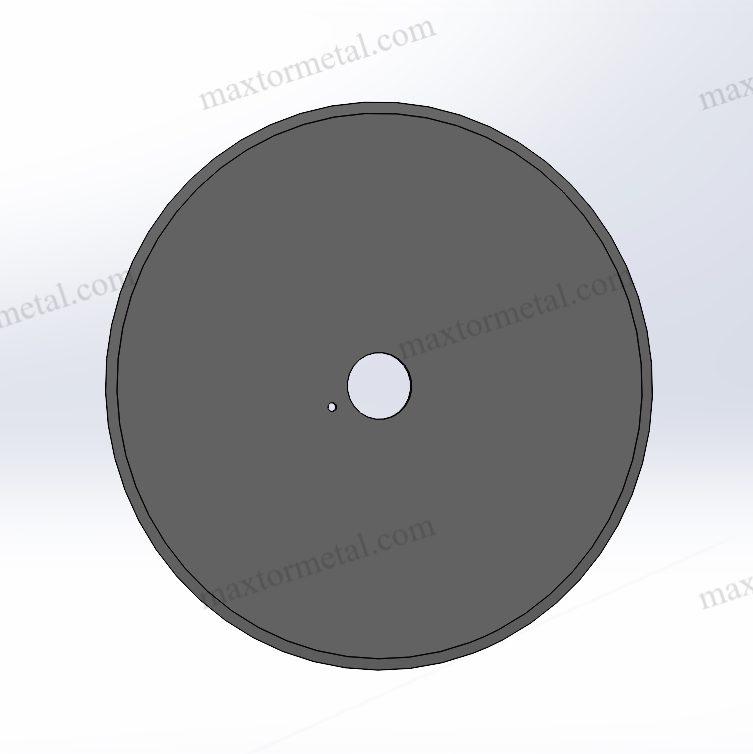
タイヤ業界向け刃物選定ガイド
タイヤ製造に適した刃物を選定するには、いくつかの重要な要素を理解する必要があります。
- 材質タイプ
- 耐久性
- アプリケーション固有のニーズ
1 材質の選定:炭素鋼、ステンレス鋼、合金鋼
用途に応じて、材質ごとに異なるメリットがあります。以下は、タイヤ製造で使用される一般的な刃物材質の比較です。
| ブレードタイプ | 利点 | 制限事項 | 代表的な用途 |
| 炭素鋼 | 優れた刃先保持力、優れたコストパフォーマンス、高硬度 | 錆びやすい、耐食性が低い | ゴム混練、軟質ゴムの裁断 |
| ステンレス鋼 | 耐食性、精密裁断、高耐久性 | 炭素鋼よりも高価 | トリミング、仕上げ、クリーンな環境での用途 |
| 合金鋼 | 高い耐摩耗性、長寿命、高負荷への対応力 | 高価、専門的な取り扱いが必要 | スリッティング、重切削、補強ゴムの裁断 |
| タングステンカーバイド | 極めて高い耐久性、優れた精密性、長期間の切れ味維持 | 初期導入コストが高い、他の鋼材に比べて脆い | 精密裁断、タイヤ仕上げ |
重要なポイント:軟質ゴムを裁断する場合、炭素鋼の方がコストパフォーマンスに優れている場合がありますが、耐久性と長期的なパフォーマンスを考慮すると、合金鋼やステンレス鋼の方が優れていることが多くあります。製造現場の要求を理解することが、最適な材質選定につながります。.
2 刃物の用途:裁断、トリミング、スリッティングなど
タイヤ製造には、それぞれ異なるタイプの刃物を必要とする複数の工程があります。各用途について詳しく見ていきましょう。
- 裁断刃:これらの刃物は、大きなゴムシートをスライスする主要な作業を行うように設計されています。通常、この用途には炭素鋼または合金鋼の刃物が使用されます。.
- トリミングブレード:タイヤの成形後、余分なゴムをトリミングする必要があります。耐食性とクリーンな切れ味から、ステンレス鋼製の刃物が好まれることが多いです。.
- スリッターブレード:これらはタイヤを最終的な幅に裁断するために使用されます。耐久性と高負荷の裁断に耐える能力から、ここでは合金鋼製の刃物が最適な選択肢となります。.
各用途に適した刃物のタイプを選定することで、高品質な仕上がりが保証され、生産性が最大化されます。.
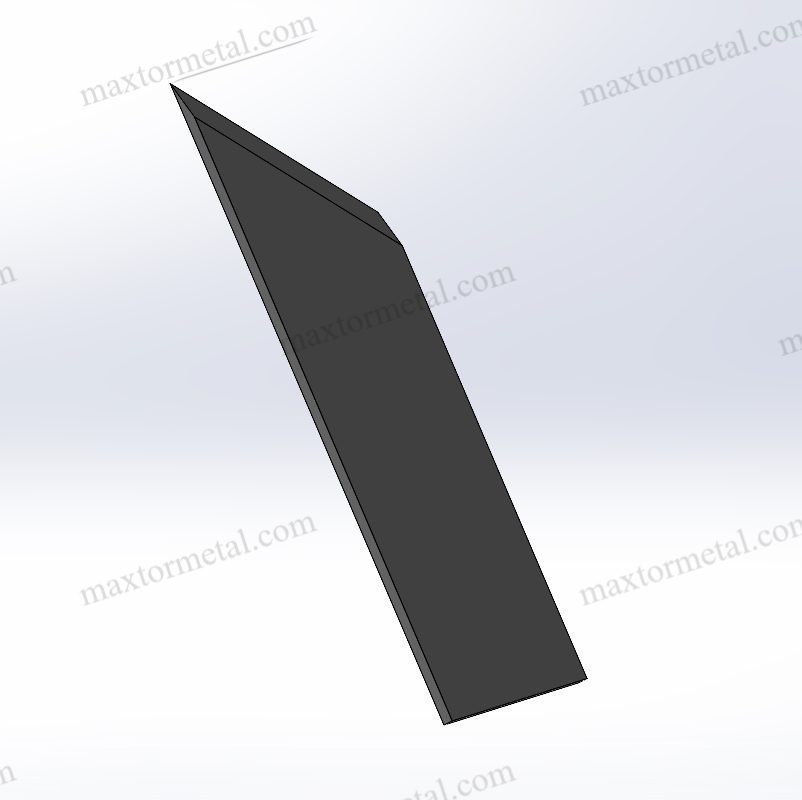
タイヤ製造における工業用刃物
工業用刃物は、タイヤ製造プロセス全体において、精度、効率の確保、および材料廃棄の削減に不可欠な役割を果たしています。ゴムの混練から仕上げまで、刃物はタイヤ製造のあらゆる工程が厳しい品質および耐久性基準を満たすことを保証します。以下では、タイヤ製造の各段階で異なる刃物がどのように機能するかを詳しく解説します。.
1 ゴム混練:裁断刃
用途:この段階でのゴム混練は、生ゴム、カーボンブラック、オイル、その他の添加剤などの原材料を配合する作業を伴います。裁断刃は、混練前に生ゴムを扱いやすい大きさにスライスおよび細断するために使用され、これは均一な材料特性と最適な混練効率を得るために極めて重要な工程です。.
- ブレードタイプ:炭素鋼刃(推奨されることが多い)
- 主な特徴:炭素鋼刃は切れ味が鋭く、刃先が長持ちするため、強靭なゴムコンパウンドを迅速かつ効率的に裁断できます。特に軟質から中硬度のゴム混合物を裁断する際のコストパフォーマンスの高さから採用されています。.
- ブレードパフォーマンス:裁断効率は、刃の形状や処理されるゴムの種類などの要因にも左右されます。例えば、特定の刃先プロファイルを持つ刃物は、異なる厚さのゴムシートのスライスに適しており、操業中の刃物の摩耗を低減できます。.
2 タイヤ成形:トリミング刃
用途:タイヤが成形された後、タイヤから余分なゴムをトリミングする必要があります。トリミング刃は、バリ(余分なゴム)を取り除き、タイヤが正確な仕様に成形されるようにするために使用されます。.
- ブレードタイプ:ステンレス鋼刃(最も一般的に使用される)
- 主な特徴:ステンレス鋼刃は耐食性に優れており、成形されたタイヤのトリミングなどの高精度な作業に最適です。これらの刃物は、切れ味を損なうことなく高速で動作し、クリーンな切断面と精密なエッジ形成を実現します。.
- パフォーマンスメトリックステンレス鋼製のトリミングブレードは、タイヤの肉厚不均一などの成形後の欠陥を低減するのにも役立ちます。トリミング精度を向上させることで、これらの刃は材料廃棄の削減とタイヤ品質の向上に直接貢献します。.
3 タイヤスリッティング: スリッターブレード
用途スリッター刃は、大きなタイヤロールを最終的な幅と形状に分割する上で極めて重要です。この工程は、特定の性能要件に適合する正確な寸法と特性を持つタイヤを製造するために不可欠です。.
- ブレードタイプ: Alloy Steel Blades (preferred for slitting tasks)
- 主な特徴: Alloy steel blades offer superior durability and resistance to heat. Their toughness ensures that they can handle the high pressure and force required to slit reinforced rubber and steel-belted tire materials without suffering from excessive wear.
- 重要な考慮事項: The effectiveness of slitting blades also depends on the geometry of the blade, such as the angle of the edge and the blade’s thickness. Optimizing these factors can further enhance slitting precision and cutting speed.
2.4 Tire Finishing: Precision Cutting Blades
用途: The finishing stage involves the refinement of tire edges, particularly along the sidewalls, to ensure a uniform, smooth appearance. Precision cutting blades are used to trim these edges and remove any excess rubber without damaging the tire structure.
- ブレードタイプ: Tungsten Carbide Blades (or coated steel blades)
- 主な特徴: Tungsten carbide blades are extremely hard and wear-resistant, making them ideal for precise cutting in the finishing stage. These blades maintain their sharpness for long periods, even in the face of frequent use during high-speed production processes.
- パフォーマンスメトリック: Tungsten carbide blades also improve edge quality by ensuring that no irregularities or unwanted burrs are left on the tire. Tires with smooth, uniform sidewalls have improved aesthetic appeal and better performance in terms of aerodynamics and balance.
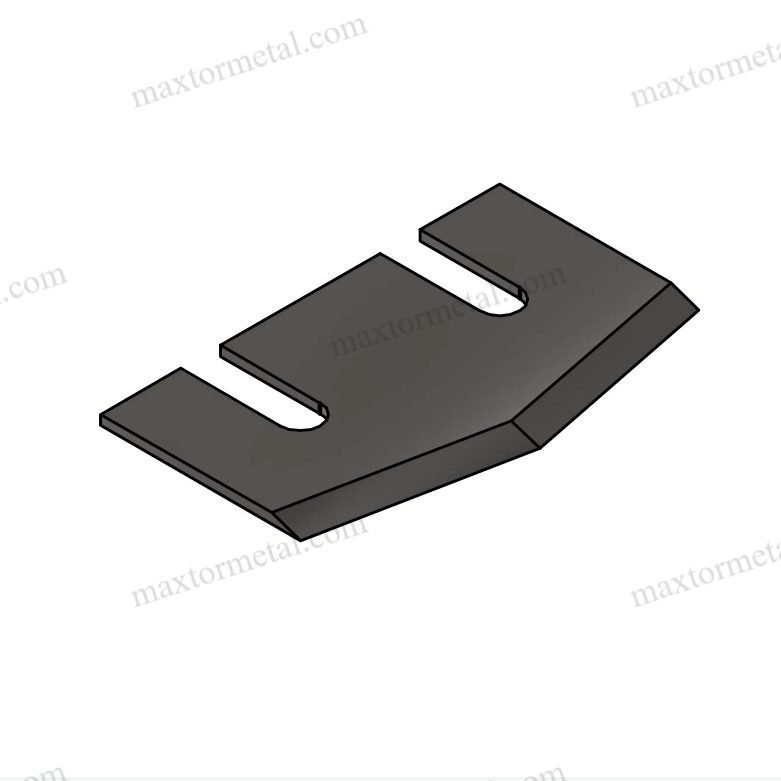
高性能工業用刃物のメリット
3.1 生産効率の向上
High-performance blades are engineered to improve the cutting speed and precision, which directly translates into enhanced production efficiency. The efficiency gain is not only from faster cutting speeds but also from reduced downtime due to blade replacements. A study published in The International Journal of Industrial Engineering (2021) concluded that tire manufacturers using high-performance blades saw a 20% increase in production rates due to reduced downtime and fewer blade changes.
3.2 Longer Blade Life
High-quality industrial blades can endure extended use without losing sharpness or integrity. For example, alloy steel blades used for heavy-duty cutting tasks in tire manufacturing can last up to 2.5 times longer than their carbon steel counterparts. The International Rubber Study Group found that upgrading to a premium alloy steel blade can reduce blade replacement costs by 40% over the course of a year.
3.3 Reduced Downtime
Blades that are built to last and require fewer replacements reduce unplanned downtime. High-performance blades tend to retain sharpness longer and provide consistent cutting results, reducing the need for frequent adjustments.
- 業界データ: According to a report from the National Rubber Manufacturers Association (2022), tire manufacturers using durable, high-performance blades experienced 40% less unplanned downtime than those using standard blades. The improved reliability of high-performance blades significantly enhanced production line efficiency.
3.4 Cost Reduction
While high-performance blades may come with a higher upfront cost, their extended lifespan, improved cutting efficiency, and lower maintenance requirements lead to long-term savings. Manufacturers who invest in high-quality blades often see a reduction in total cost per unit produced.
- Economic Data: The Manufacturing Cost Analysis Study (2022) found that manufacturers using high-performance blades could save up to 18% annually in operational costs, thanks to increased productivity and reduced need for blade replacements.
Investing in high-quality blades not only helps tire manufacturers maintain consistent output but also leads to significant savings over time. Blades that maintain sharpness, withstand high-stress cutting, and require minimal maintenance are crucial to achieving sustained cost efficiency in the tire production industry.
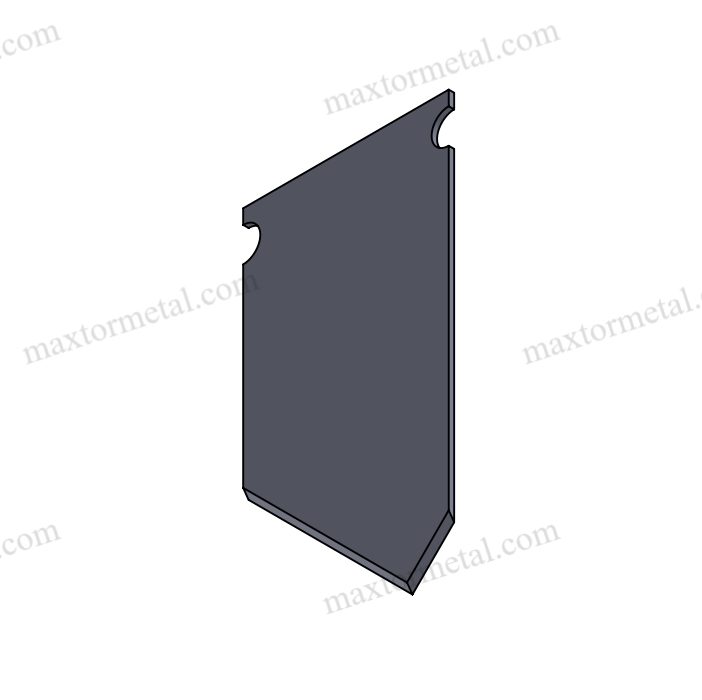
4. カスタムブレードソリューション for Tire Manufacturing
Not all tire manufacturing operations are the same. Depending on your production environment, you may require customized blades that fit your specific needs. Nanjing Metal offers tailored blade solutions to ensure that your blades are optimized for your exact requirements.
Custom blade manufacturing involves working closely with the customer to design blades that fit the production line, material type, and production volumes. Our expert team guides you through every step of the process, from design to manufacturing, ensuring your blades are perfectly suited to your needs.
刃物のメンテナンスとお手入れ
Maintaining industrial blades properly is crucial to ensuring their longevity, efficiency, and performance. Proper care not only extends the life of the blades but also minimizes production downtime and enhances the overall cost-effectiveness of the manufacturing process. Below are detailed, data-supported practices to optimize blade maintenance in tire manufacturing:
5.1 Regular Sharpening
Sharpening blades at the right intervals ensures they remain efficient and effective. Over time, blades wear down due to friction and impact with tough materials. Dull blades result in higher energy consumption and less efficient cutting, ultimately affecting the overall production cycle.
- シャープニング周波数: The frequency of sharpening depends on the blade material and the type of cutting it performs. For example, carbon steel blades used in rubber cutting might require sharpening every 50–100 hours of operation, while タングステンカーバイドブレード, which are harder and more durable, may last for several hundred hours before needing sharpening.
- 研ぎ方: Precision sharpening machines should be used to ensure the blade’s edge geometry remains intact. Incorrect sharpening can result in uneven edges, which can cause improper cuts, leading to quality defects in the tire manufacturing process.
5.2 Proper Storage
Storage conditions play a vital role in maintaining blade quality. Storing blades improperly, especially in environments with fluctuating humidity or extreme temperatures, can lead to rust and corrosion, particularly in carbon steel blades. To avoid these issues, proper storage practices must be followed.
- Environmental Conditions: Store blades in a clean, dry environment with stable temperatures between 15-25°C (59-77°F). Humidity should be kept below 50% to prevent oxidation and rust. If blades are stored in high-humidity areas, they should be regularly inspected and coated with protective oils or anti-rust coatings.
- Storage Systems: Implementing blade storage systems such as custom tool racks or cases with anti-corrosive liners helps maintain the integrity of the blade edges and minimizes the risk of physical damage during storage and handling.
5.3 Routine Inspections
Regular inspections are key to identifying early signs of wear, damage, or other issues that can compromise blade performance. Timely detection of problems such as dull edges, chips, cracks, or bending can prevent sudden failures during production and improve safety.
- 検査頻度: Blades should be inspected at least once per shift, particularly in high-volume production environments. For blades used in critical processes, inspections may be required before each operation. Digital inspection tools or cameras can help detect minor flaws and cracks in the blade’s surface that might not be visible to the naked eye.
- Key Indicators of Blade Wear:
- 鈍いエッジ: Leads to inefficient cutting, higher energy consumption, and inconsistent product quality.
- Chips and Cracks: Typically occur due to impact or stress. If not addressed, they can lead to blade failure.
- Bending or Warping: Common in blades exposed to high temperatures or improper handling.
5.4 Addressing Common Blade Failures
Blades can fail due to several factors, including improper maintenance, poor-quality materials, or excessive wear. Recognizing these issues early and taking corrective action can prevent costly downtime and suboptimal production.
- 鈍いエッジ: Dull blades increase cutting resistance, which results in more heat and premature wear. Regular sharpening should be performed before edges become too dull to work effectively. Blades made from 合金鋼 または 炭化タングステン typically hold their edge longer but will require sharpening as they wear down.
- ひび割れ: Cracks are often caused by mechanical stress or improper heat treatment. Once cracks appear, it’s essential to replace the blade immediately, as a cracked blade could shatter during operation, leading to damage or injury.
- Bending or Warping: Warped blades result from uneven heating during manufacturing or excessive operational stress. Bending can affect the blade’s ability to maintain its cutting precision and cause uneven cuts. Regular inspections for these issues can prevent this problem.
タイヤ製造業界における刃物のイノベーション
As the tire manufacturing industry continues to evolve, so does the technology behind the blades used in production. These innovations enhance blade performance, improve tire production efficiency, and reduce overall costs. Here are some of the latest trends and technological advancements in blade design:
6.1 Advanced Coatings for Extended Life
The use of advanced coatings のように diamond, セラミック、 そして titanium nitride (TiN) has dramatically improved the durability of industrial blades.
- Diamond Coatings: Diamond coatings are applied to blades to improve their hardness and wear resistance. These coatings reduce friction during cutting, which results in sharper edges and extended blade life. Diamond-coated blades are ideal for cutting highly abrasive materials, such as rubber compounds with embedded steel wires.
- セラミックコーティング: Ceramic-coated blades offer high resistance to heat and corrosion. These coatings allow blades to maintain sharpness even under intense conditions, improving efficiency and reducing the need for frequent maintenance. Tire Industry Research (2021) has found that ceramic-coated blades in high-stress environments outperform traditional steel blades by 35% in terms of longevity and cutting precision.
- 窒化チタン(TiN): TiN coatings offer enhanced resistance to wear and corrosion while also reducing friction. This results in smoother cuts and better overall blade performance, which is essential for high-volume tire manufacturing operations. TiN coatings are particularly beneficial for blades used in high-speed slitting and cutting tasks.
6.2 Heat Treatment for Blade Durability
Innovations in heat treatment techniques have enabled blades to maintain their sharpness and strength longer, even under intense operational conditions.
- New Heat Treatment Techniques: Advances in heat treatment processes such as 真空熱処理 そして induction hardening allow for more precise control over the hardness and toughness of blades. These treatments ensure that blades can withstand the extreme stresses they face during tire production, such as cutting through reinforced materials and high-tensile rubbers.
6.3 Custom Blade Geometry
Blade geometry—such as edge angles, thickness, and surface finish—can significantly affect the cutting efficiency and quality of the process.
- Edge Angle and Blade Geometry: Manufacturers are now designing blades with customized geometries tailored to specific production needs. For example, blades with sharper or more acute angles are ideal for fine cuts in tire finishing, while thicker edges are used for more robust cutting tasks in slitting or molding.
- Specialized Edge Coatings: Some blades feature specialized coatings to reduce wear and improve cutting precision at higher speeds. This includes cobalt-alloy coatings that can maintain cutting efficiency at elevated temperatures commonly found in the tire production process.
- 革新的なデザイン: Companies like Nanjing Metal are investing in the development of proprietary geometries that optimize cutting angles and reduce friction. According to a report by Tire Technology International (2022), custom-designed blades have led to a 10–15% increase in overall cutting efficiency, reducing operational costs and improving product quality.
These technological innovations in blade materials, coatings, heat treatment, and geometry have significantly improved the longevity and performance of blades used in tire manufacturing. Manufacturers that stay up-to-date with these advancements can benefit from reduced downtime, improved cutting precision, and lower maintenance costs.

タイヤ製造用刃物の種類別比較
Selecting the right blade type for specific tasks is crucial in optimizing the tire manufacturing process. Each blade type is designed with unique features that make them suitable for specific tasks. Below is a more detailed comparison of the most commonly used blades in tire production, with added insights into material properties and performance metrics.
| ブレードタイプ | 関数 | 材料 | Recommended Use | Detailed Insights |
| 円形ブレード | Continuous cutting of rubber sheets | Carbon steel, alloy steel, tungsten carbide | Ideal for bulk cutting | Circular blades are often chosen for their uniform cutting capability and precision in slicing large volumes of rubber sheets or tire components. The use of 炭化タングステン in these blades, known for its hardness and wear resistance, allows for extended lifespan, especially when cutting high-abrasion materials. |
| トリミングブレード | Removing excess rubber after molding | Stainless steel, cobalt alloy | Clean cuts in tire shaping and trimming | Trimming blades must have a sharp edge and corrosion resistance, as they are exposed to high temperatures and humidity. Stainless steel blades are ideal for this purpose because they resist corrosion while maintaining a sharp edge. Cobalt-alloy trimming blades are more resilient to wear and tear when exposed to high temperatures during the final tire shaping process. |
| スリッターブレード | Cutting tires into widths and precise shapes | Alloy steel, high-speed steel | Slitting rubber to size | Slitting blades are designed for accuracy and precision when dividing tire sections into specified widths. 高速度鋼(HSS) is preferred here due to its excellent heat resistance and ability to maintain sharpness under stress. 合金鋼, often used for slitting blades, provides a balance of toughness and cost-effectiveness. The cutting speed and resistance to heat buildup make alloy steel particularly suited for high-speed slitting applications. |
The choice of material significantly impacts the blade’s performance, wear resistance, and cutting quality. Tungsten carbide is ideal for high-abrasion tasks, while stainless steel excels in precision cutting and trimming. Alloy steel and high-speed steel offer a balanced combination of durability and performance for slitting operations.
裁断効率の最適化
To maximize efficiency and minimize production costs, it is essential to understand the relationship between ブレード形状 そして cutting performance. The design of the blade’s edge, angle, and surface properties can influence cutting speed, precision, and the quality of the final product. Let’s explore some key factors that play a critical role in blade efficiency:
8.1 Key Factors in Blade Geometry:
8.1 Blade Angle
The angle at which the blade meets the material during cutting—known as the 切断角度—plays a crucial role in reducing cutting resistance. A sharper cutting angle (smaller blade angle) can reduce friction and make cutting easier, leading to faster production times. However, there is a tradeoff: sharper angles can cause blades to wear faster, as the cutting edge becomes more vulnerable to impact and heat buildup.
- Optimal Blade Angles for Tire Manufacturing:
- 円形ブレード: Typically use an angle between 20° and 30°, which allows for a balance between cutting speed and blade durability. This ensures smooth, continuous cuts of rubber sheets without excessive wear.
- トリミングブレード: A sharper angle of around 15° to 20° is often used for cleaner cuts, especially during the final tire shaping process where precision is paramount.
- Slitting blades: Usually have a slightly larger cutting angle (30° to 45°) to withstand the increased stress from cutting through thicker, tougher rubber materials.
8.2 Edge Design
The design of the blade edge—whether smooth, serrated, or honed—can significantly impact cutting precision, friction levels, and heat generation. A smooth edge tends to reduce friction, leading to lower heat generation and longer blade life. On the other hand, a serrated edge is better suited for cutting through more fibrous or abrasive materials.
- Smooth Edges: Provide clean, precise cuts with minimal wear. This is particularly important for trimming blades that require sharpness and accuracy throughout the production process.
- Serrated Edges: Often used in applications where the material being cut is tougher, like steel-belted rubber. Serrated edges provide better grip and cutting efficiency, especially for スリット刃 used for tougher tire segments.
8.3 Surface Finish
The finish of the blade surface, including whether it is polished, coated, or treated, impacts its performance. Blades with a polished または coated surface experience less friction, leading to reduced wear and smoother cuts.
- コーティングブレード: Many tire manufacturing blades are coated with 錫 (Titanium Nitride) or ダイヤモンドライクカーボン(DLC) coatings, which reduce friction and improve wear resistance. These coatings enhance cutting efficiency, especially in high-temperature operations, and reduce the frequency of sharpening.
8.2 Relationship Between Geometry and Cutting Efficiency
Blade geometry not only affects the cutting speed but also determines how cleanly the material is cut and how minimally the blade wears. By optimizing the blade geometry, tire manufacturers can achieve a substantial boost in efficiency while reducing operational costs:
- エネルギー効率: A blade with optimized geometry (correct angle and edge design) requires less force to cut through rubber, thus reducing energy consumption.
- Precision and Waste: Precision cutting ensures the production of high-quality tires with minimal material waste. Cleaner cuts lead to better tire performance and aesthetics, which is critical in the competitive tire industry.
- Operational Cost Savings: Minimizing wear, reducing friction, and prolonging blade life result in fewer replacements and less downtime for blade maintenance. This translates into cost savings and increased production uptime.
タイヤ製造における刃物の重要な役割
Blades play an integral role in ensuring tire production is efficient, precise, and cost-effective. By understanding the different blade materials, types, and applications, you can optimize your production line for maximum output and minimal downtime.
At Nanjing Metal, we specialize in providing high-quality, durable blades that meet the demanding needs of tire manufacturers. Whether you require standard blades or custom-made solutions, we have the expertise to support your business’s growth and success.
To learn more about how Nanjing Metal’s blades can improve your tire manufacturing process, contact us today.

 English
  Spanish
  Italian
  French
  Portuguese
  Russian
  German
  Arabic
  Hindi
Hindi  Vietnamese
  Indonesian
  Japanese
  Korean