

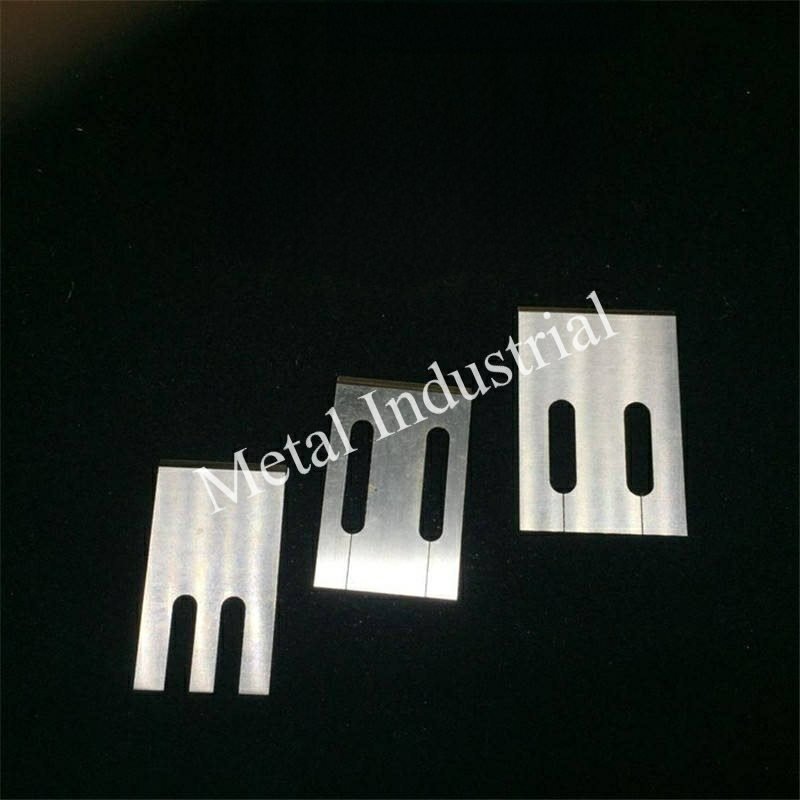
水中ペレタイザーでテール、微粉(ファイン)、または断続的な漏れが発生する場合、その解決策は多くの場合、ナイフとダイの接触面から始まります。本ガイドは、スタートアップ、連続長期運転、研磨性配合、および極端なMFI条件下において、ダイの摩耗を低減し、漏れ発生の間隔を延ばし、ペレットの品質を安定させるための、ペレタイザー刃の圧力調整とダイ保護に関する段階的なプレイブックをオペレーターやエンジニアに提供します。.
主なポイント
- ペレットの形状と安定したカッター負荷によって確認される、軽微で連続的な接触を維持してください。過剰な圧力はダイに溝を作り、寿命を縮めます。.
- オープンホールロジックを使用して、ナイフの速度と圧力を処理量に適合させます。Plastics Technology誌の2020年の水中ペレタイズ問題に関する特集で説明されているように、1穴あたりの流量を安定した範囲に維持するために、必要に応じて穴を塞ぎます。.
- 温度調整およびろ過されたプロセス水は重要な制御手段です。普遍的な設定値を追い求めるのではなく、症状に応じて温度と流量を調整してください。.
- 長期運転においては、規律ある自己研磨接触、適時の再研磨、およびカッター電流とペレット品質のトレンド監視を通じて、ダイ面を保護します。.
- 研磨性の高い配合(レシピ)では、耐摩耗性に優れた材質やコーティングを選択し、データに基づいた再研磨サイクルを徹底してください。.
- Track three KPIs: die wear rate (μm/shift), MTBF between leakage events, and fines or tails rate.
安全性と開示
- ダイやカッターの作業を行う前に、OEMのロックアウト、カップリング、および洗浄手順に従ってください。MAAG/Galaの2022年の洗浄に関するフィールドノートには、安全な手順とチェック項目が概説されています。以下のガイダンスを参照してください。 Gala社製水中ペレタイザーの洗浄に関する推奨事項(2022年).
- 開示:南京メタルは当社の製品です。
コアメソッド:ペレタイザー刃の圧力調整
適切な接触を得ることは、魔法の数値を求めることではなく、観察可能なシグナルに関連付けられたルーティンを確立することにあります。.
- 初期微小接触の確立
- 水システムが安定し、カッターが低rpmの状態で、きれいに切断できるまでナイフを前進させます。.
- テールが最小限に抑えられた球状のペレット、および安定したモーター負荷を伴う一定の音響シグナルによって接触状態を検証します。これらのシグナルは以下で強調されています。 Plastics Technologyによるペレタイジング・ガイダンス.
- 観察可能な小さなステップでの微調整
- 圧力を少しずつ微調整します。カッター負荷の急激な変化や微粉の増加に注意してください。これらはどちらも過剰な力または刃先の摩耗を示しています。.
- スミア(引きずり)が発生した場合は、水の流量と温度を確認し、圧力を少し緩めます。十分な水があるにもかかわらずテールが残る場合は、圧力を適度に上げるか、刃先を研磨してください。.
- 処理量、rpm、およびオープンホールの適合
- 1穴あたりの引き取り量とカットダイナミクスを範囲内に維持するために、Plastics Technology誌のオープンホール方程式を使用します:オープンホール数 = (16.67 × 生産量 kg/h) / (ペレット重量 g × 刃の枚数 × カッター速度 rev/h)。計算式と例については、以下を参照してください。 水中ペレタイジングにおける問題の軽減とトラブルシューティング(2020年).
- 熱変化後の再検証
- 樹脂温度や水温が大きく変化した後は、ペレットの形状とモーター負荷を通じて接触を再確認してください。熱ドリフトは、しばしば圧力の問題のように見誤られます。コンパウンディングおよびマスターバッチに関するMAAGのプロセス水ガイダンスでは、温度調整およびろ過された水の役割が強調されています。以下を参照してください。 コンパウンディング&マスターバッチの温調に関する背景.
シナリオA — スタートアップ/段取り替え:漏れの防止とカットの安定化
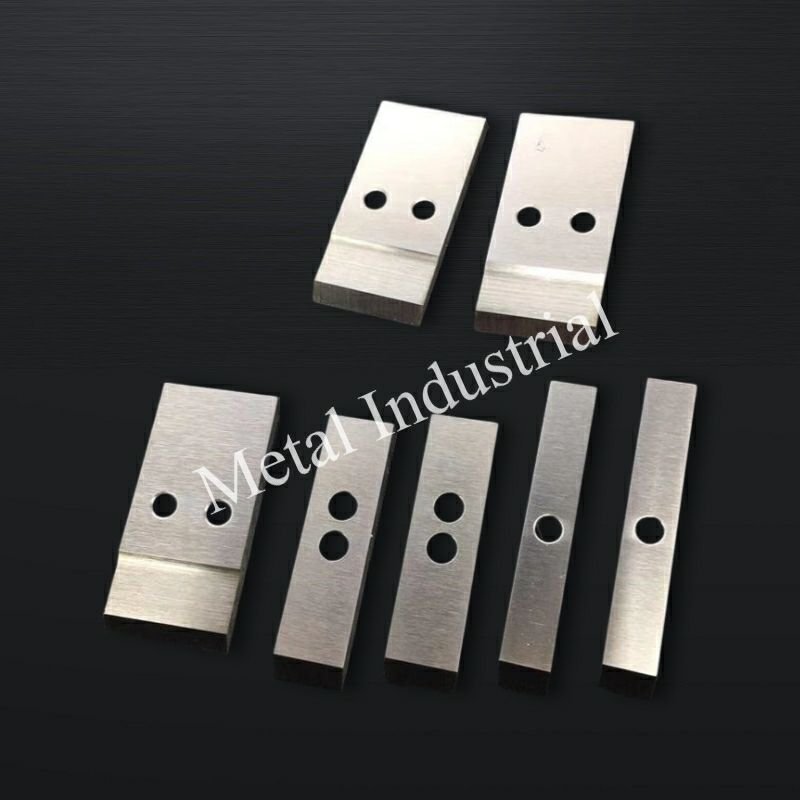
スタートアップや段取り替え時は、システムが熱的に安定しておらず、水の流れが遅れ、初期流量に対してオープンホール数が不適切であるため、最も漏れやナイフマークが発生しやすい時期です。.
KPIを組み込んだアクション
- 事前カップリングと予熱:ウォーターボックスとダイの接続部のトルクを確認し、ダイと水ループを予熱します(MAAG/Galaの洗浄およびカップリングの推奨事項に準拠)。KPI:最初の1時間における計画外の漏れ発生ゼロ。.
- 最初に水を通水する:温度と流量を安定させ、カッターを低rpmで始動してから、ダイバーターを介してポリマーを導入します。KPI:ペレットが安定するまでの時間(分)。.
- オープンホールの計算と設定:方程式を使用して、計画された立ち上げレートに合わせて穴を塞ぐか開放し、それに応じてナイフのrpmを調整します。KPI:迅速なサンプリングによる初期ペレットの微粉またはテール発生率。.
- 圧力を徐々に加える:きれいなカットが得られるまで前進させ、その後、少なくとも1〜2分間保持してペレットとモーター負荷を観察し、安定性を確認します。.
温度調整とスタートアップの安定性に関する背景については、以下を参照してください。 MAAG社のプロセス水温調の概要 および上記のPTの方程式に基づくガイダンス。.
シナリオB — 連続長期運転:ダイ摩耗率の低減
運転規律
- 刃先を自己研磨する、軽微で連続的な接触を維持します。過剰な圧力はきれいにカットできますが、最終的にはダイに溝を刻むことになります。.
- 微粉がカットゾーンに再循環するのを防ぐため、効果的なろ過を維持してください。.
- カッターモーターの負荷とペレット形状のトレンドを追跡します。負荷の緩やかな上昇や小さなテールは、刃先の摩耗や接触のズレを示している可能性があります。PT誌の2020年のトラブルシューティング記事では、ダイ面の状態とテール/微粉の発生が関連付けられています。.
ダイ面のケアと断熱
- Inspect regularly and regrind before grooves propagate. See the discussion of die-face condition in PT’s 2020 mitigation article.
- Consider wear-resistant die plates and thermal insulation that stabilize temperature at the die, as described in ECON’s EUP systems brochure.
Die wear rate log (example)
| 日付 | Shift hours | Flatness/edge check method | Observed wear proxy | アクション | 注記 |
|---|---|---|---|---|---|
| 2026-02-01 | 8 | Dial indicator at three points | Edge regression slight | Continue run | Pellet geometry OK |
現場実績(概要)
- Case 1 — High-fill PP (≈20% CaCO3). Problem: rising die-face regression and micro-tails. Action: reduced knife tip pressure by small incremental steps, plugged 15% of holes for ramp control, increased process water flow. Results (n=3 runs, wear measured by dial indicator): die wear fell from ~12 μm/shift to ~4 μm/shift; MTBF for leaks improved from ~120 h to ~360 h; fines dropped from 1.8% to 0.6%.
- Case 2 — High-MFI PE (sticky melt). Problem: smear and long time-to-stable. Action: eased blade contact, increased water quench flow and slightly lower water temperature to speed solidification. Results (sampled 100 g pellets, n=4): fines/tails fell from 2.5% to 0.4%; time to stable production shortened from ~25 min to ~8 min; leakage MTBF increased modestly.
シナリオC — 研磨性コンパウンド:材質とメンテナンス
Abrasive CaCO3 and glass fiber recipes accelerate wear at the blade edge and die face.
Material and coating choices
- Select high-wear materials such as HSS or carbide-tipped constructions and consider hard coatings like chromium or TiN. See wear-resistant options in Kennametal’s pelletizing die plates そして Conforma Clad solutions.
Operations essentials
- Tighten filtration before the die to reduce abrasive recirculation.
- Pre-stage coated or carbide-tipped knives to avoid running dull under pressure.
- Log hours-to-threshold on the abrasive job and set a regrind cadence based on cutter-load trend and pellet geometry.
Neutral supplier example (disclosed)
- Disclosure reminder: Nanjing METAL is our product. For a 40% CaCO3 PP grade, we’d specify a high-hardness tool steel or carbide-tipped knife and set an initial regrind check at 6–8 operating hours of the new job. If cutter load stays flat and pellets remain spherical, extend the interval; if load drifts or micro-tails appear, shorten it. For materials, coatings, and typical hardness ranges, see Nanjing METAL’s underwater pelletizer blades overview そして product specifications. This is selection logic, not a performance claim.
シナリオD — 極端なMFI:高粘度 vs. 低粘度のウィンドウ
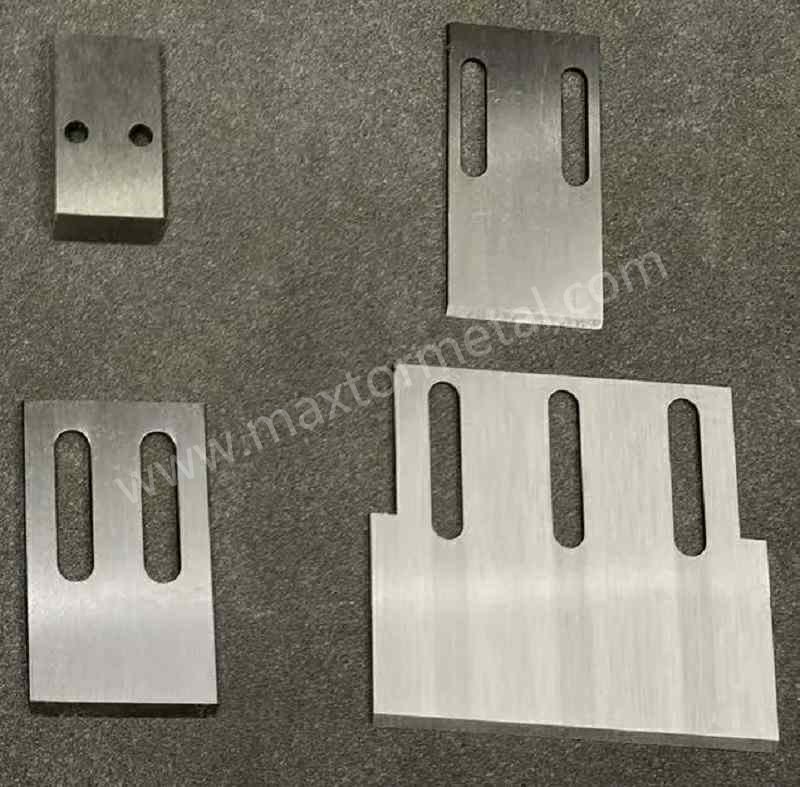
High MFI materials
- Use slightly lower knife pressure to avoid smear and increase water flow or reduce water temperature to solidify the strand rapidly while keeping the chamber fully flooded. See MAAG’s tempering discussion: Compounding & Masterbatch.
Low MFI materials
- Apply slightly higher pressure to ensure a clean sever through a stiff melt and raise water temperature (with adequate flow) to keep the polymer pliable during the cut. Validate via pellets and motor load. Use the open-hole equation to retune hole count and rpm when the rate changes.
トラブルシューティングマトリクス
| 症状 | 考えられる原因 | まず最初に確認すべきこと | 是正措置 |
|---|---|---|---|
| Tails and fines | Dull edge or die grooves; water too warm or low flow | Pellet geometry, die-face visual, water settings | Refresh edge or regrind die as needed and optimize water temperature/flow; see PT’s troubleshooting article |
| Smear or doubles | Pressure too high for viscosity; water too cold; sticky high MFI | Cutter load spikes, water temperature, melt temp | Ease pressure; adjust water tempering to balance quench; confirm melt temperature; see MAAG tempering context |
| Die plugging or freeze-off | Cold die/water; impurities; low throughput per hole | Water tempering and filtration; open-hole count | Raise water temperature; improve filtration; recalc open holes using PT’s equation; follow MAAG’s safe cleaning steps |
| Leakage events | Coupling torque loss; seal wear; corrosion | Flange torque, seal condition, water pH | Retorque, replace seals, control water chemistry; see MAAG/Gala cleaning note |
測定およびロギング用テンプレート
- Leakage MTBF log
| Event date | Time down | Root cause | 是正措置 | Hours since last leak |
|---|---|---|---|---|
| 2026-02-01 | 0.7 | Seal aged | Replaced seal | 420 |
- Pellet consistency sampling
| Sample time | Water temp | Flow reading | Fines or tails metric | 注記 |
|---|---|---|---|---|
| 10:30 | 60 | 100 | 0.5% fines | Stable pellets |
- Open-hole calculation worksheet
Inputs: production rate (kg/h), target pellet weight (g), blade count, cutter rpm. Compute open holes using PT’s equation cited earlier and keep a copy at the operator station for changeovers.
オペレーターが実際に使用するツールと仕様
- Metrology: Dial indicators and portable surface roughness testers help quantify die flatness and edge regression; while no universal resurfacing thresholds are published, trending these proxies alongside pellet quality is effective. See the general metrology concept discussed in PT’s coverage of surface finish and shop-floor measurement practices.
- Torque and load: Use torque wrenches on coupling bolts and monitor cutter motor load as a process signal.
- Water quality: Watch filter differential pressure and basic pH; tempered, filtered water is central to stability per MAAG’s compounding/mastbatch note.
- Materials reference and services: For blades, coatings, and hardness ranges, and for custom blades or regrind services, see Nanjing METAL’s custom blades page.
外部検証と引用
- Plastics Technology — “Mitigating and Troubleshooting Underwater Pelletizing Issues” (2020). Practical troubleshooting and the open‑hole formula: Plastics Technology (2020).
- Plastics Technology — “The Path to Pellet Perfection” (2023). Industry best practices on pellet quality and die care: Plastics Technology (2023).
- MAAG (Gala) — “Recommendations on Cleaning a Gala Underwater Pelletizer” (2022). OEM cleaning/coupling guidance: MAAG field note (2022).
- Kennametal — Pelletizing die plates & wear solutions (manufacturer guidance). Technical wear-protection options: Kennametal pelletizing dies.
次のステップへのご案内
- For material specs or regrind planning, contact your qualified supplier or see our About page for procurement details.

 English
  Spanish
  Italian
  French
  Portuguese
  Russian
  German
  Arabic
  Hindi
Hindi  Vietnamese
  Indonesian
  Japanese
  Korean