

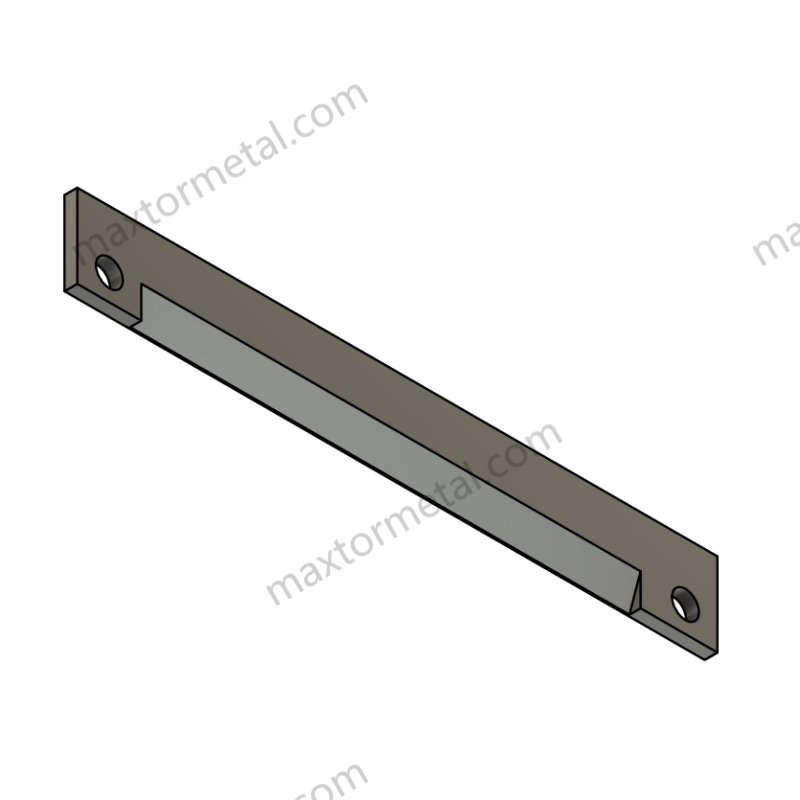
산업용 나이프 제조 분야에서는 모든 세부 사항이 중요합니다. 칼날의 품질을 결정하는 수많은 공정 중에서도, 열처리 은(는) 가장 중요한 단계로 꼽힙니다. 이 변형 공정은 기계용 나이프의 성능을 좌우할 뿐만 아니라 내구성, 경도 및 내마모성을 결정합니다.
예를 들어, 연구에 따르면 적절한 열처리를 통해 칼날의 경도를 40% 이상 향상시키는 동시에 수명을 50% 이상 연장할 수 있는 것으로 나타났습니다. 이러한 결과는 열처리가 단순한 기술적 절차가 아니라 탁월한 칼날 제조의 초석인 이유를 강조합니다. 이 글에서는 기계용 나이프의 열처리 공정을 자세히 살펴보고, 그 중요성, 방법, 과제 및 혁신 기술에 대해 알아보겠습니다.
열처리란 무엇인가?
열처리는 금속의 외형을 유지하면서 물리적 및 기계적 성질을 변화시키기 위해 제어된 조건에서 금속을 가열하고 냉각하는 정밀 엔지니어링 공정입니다. 이 변형 단계는 특정 성능 요구 사항에 맞게 칼날의 구조를 조정하므로 산업용 나이프 제조에서 필수적입니다.
열처리의 작동 원리
열처리의 효과는 금속의 미세 구조를 제어하는 능력에 있으며, 이는 결과적으로 금속의 전반적인 특성을 지배합니다. 재료 내부의 원자 배열을 변경함으로써 제조업체는 다음과 같은 결과를 얻을 수 있습니다.
- 경도 증가:
- 열처리는 더 단단한 외표면을 형성하여 기계용 칼날이 날카로운 절삭날을 더 오래 유지할 수 있도록 합니다. 예를 들어, 연구에 따르면 퀜칭은 처리되지 않은 강철에 비해 경도를 최대 50%까지 증가시켜 절삭 효율을 크게 향상시킵니다.
- 이는 파쇄(shredding) 또는 길로틴 전단(guillotining)과 같이 충격이 큰 용도에 사용되는 칼날에 특히 유리합니다.
- 취성 감소:
- 템퍼링과 같은 공정은 경화로 인해 발생하는 취성을 상쇄합니다. 그 결과 경도와 유연성이 더욱 균형 있게 결합되어 칼날이 파손되지 않고 동적 응력을 견딜 수 있습니다.
- 연성 향상:
- 제어된 가열 주기를 통해 결정립 구조를 미세화함으로써 칼날의 연성이 높아집니다. 이러한 특성은 칼날이 부러지지 않고 응력 하에서 약간 휘어지도록 하여 안전성과 내구성에 결정적인 역할을 합니다.
- 불순물 제거:
- 어닐링 공정 동안 바람직하지 않은 개재물과 내부 응력이 최소화되어, 하중 하에서 예측 가능하게 작동하는 균일하고 신뢰할 수 있는 구조가 형성됩니다.
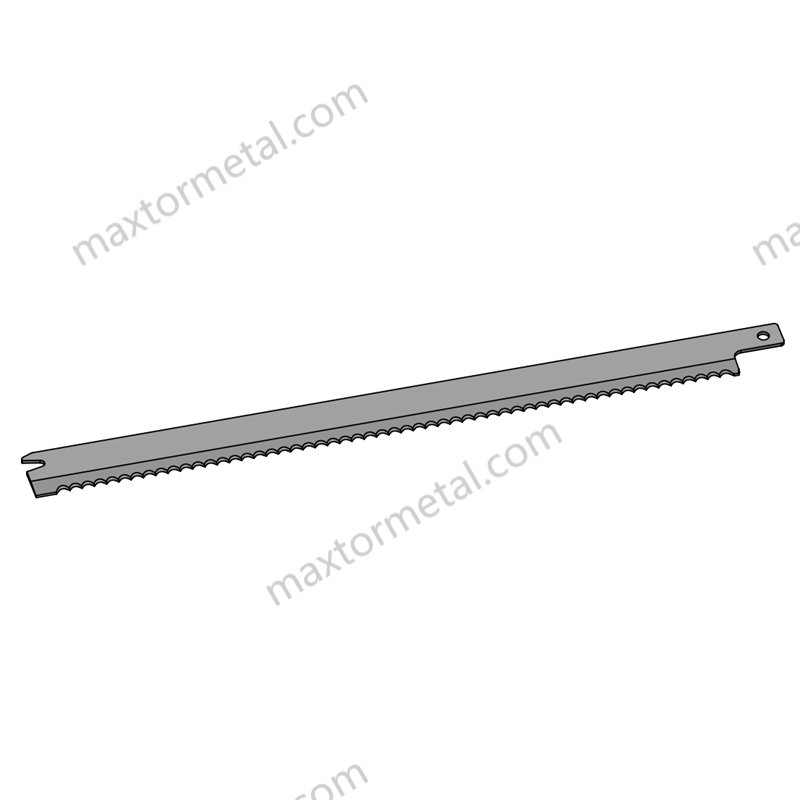
열처리의 과학적 원리
금속은 미세한 결정립으로 구성되어 있으며, 그 성질은 이러한 결정립의 크기, 모양 및 방향에 크게 영향을 받습니다. 경화나 어닐링과 같은 열처리 기술은 이러한 특징을 조정합니다. 예를 들어, 퀜칭 동안 금속의 구조는 오스테나이트에서 마르텐사이트로 변하여 더 단단하고 내마모성이 뛰어난 재료를 생성합니다.
다음과 같은 요소를 정밀하게 제어함으로써 티온도, 냉각 속도, 유지 시간 등을 조절하여 제조업체는 가장 가혹한 산업 조건에서도 최종 제품이 뛰어난 신뢰성을 제공하도록 보장합니다.
열처리가 칼날 성능에 결정적인 이유
산업용 나이프는 고속 회전, 마모성 물질과의 접촉, 장시간 열 노출 등 극한의 환경에서 작동합니다. 열처리는 이러한 칼날이 이러한 문제를 견딜 수 있도록 준비시킬 뿐만 아니라 기능성과 서비스 수명을 향상시킵니다.
주요 칼날 특성에 미치는 영향
- 경도:
- 플라스틱, 금속 또는 섬유와 같이 단단한 재료를 절단하는 칼날의 능력은 경도에 정비례합니다. 처리 후 테스트(예: 로크웰 경도 시험)를 통해 적절히 경화된 고속도강(HSS) 칼날이 62-67 HRC의 경도 등급을 달성하는 것으로 나타났으며, 이는 처리되지 않은 강철에 비해 크게 향상된 수치입니다.
- 이러한 경도는 칼날의 절삭날이 장기간 날카롭게 유지되도록 하여 유지보수 빈도를 줄여줍니다.
- 인성:
- 인성은 칼날이 이가 빠지거나 균열 없이 충격을 흡수할 수 있도록 보장합니다. 예를 들어, 탄소강 칼날은 경화 후 템퍼링을 거치면 충격 저항이 25-30% 증가하여 목재 치핑이나 금속 전단과 같은 용도에 적합해집니다.
- 내마모성:
- 열처리는 마모가 심한 조건에서도 표면의 내마모성을 높여줍니다. 연구에 따르면 템퍼링된 칼날은 템퍼링되지 않은 칼날에 비해 날카로움을 30% 더 오래 유지하여 다운타임을 크게 줄여줍니다.
경화 및 템퍼링 후 마모와 변형에 대한 뛰어난 저항성을 얻어 고속 절삭 분야에 이상적입니다.
- 고속도강(HSS):
- 어닐링 후 더 나은 인성을 나타내어 경도보다 내구성이 우선시되는 다목적 작업에 적합합니다.
- 탄소강:
- 어닐링 후 더 우수한 인성을 나타내어, 경도보다 내구성이 우선시되는 다양한 작업에 적합합니다.
- 스테인레스 스틸:
- 심냉 처리(cryogenic freezing)와 같은 특수 처리를 통해 스테인리스강은 미세한 마르텐사이트(martensitic) 구조를 형성하며, 이는 강도를 유지하면서도 내식성을 향상시킵니다.
특정 합금 및 의도된 용도에 맞게 열처리 공정을 조정함으로써, 제조업체는 모든 사용 사례에 대해 최적의 성능 특성을 갖춘 산업용 칼날을 생산할 수 있습니다.
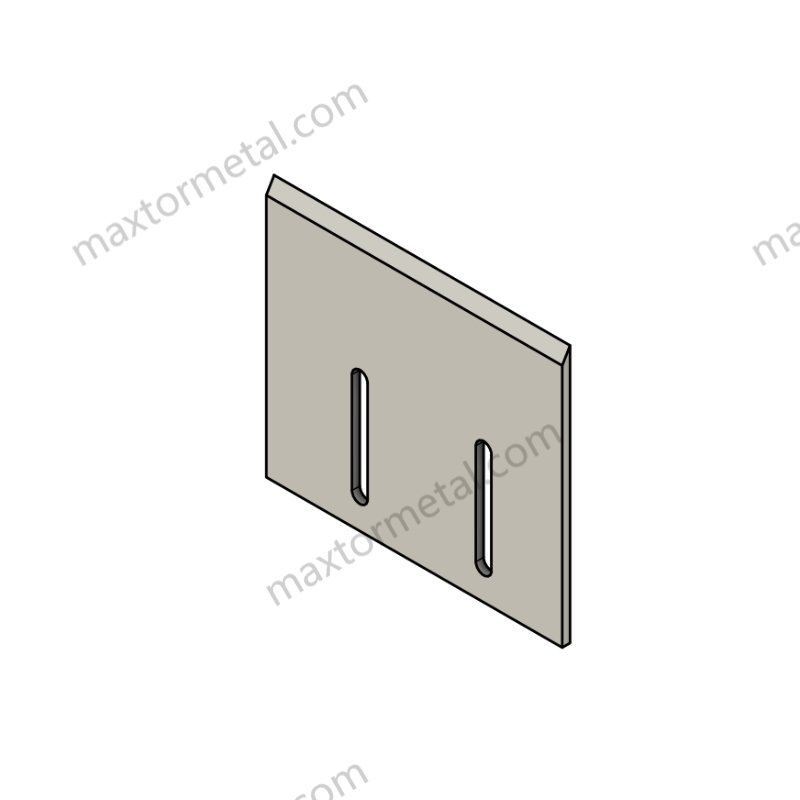
열처리 방법의 종류
산업용 칼날 제조에는 다양한 열처리 방법이 활용되며, 각 방법은 칼날의 특정 기계적 및 구조적 개선을 달성하도록 설계되었습니다. 아래에서는 가장 널리 사용되는 공정, 상세 메커니즘, 장점, 과제 및 산업적 응용 분야에 대해 자세히 알아봅니다.
담금질 (Hardening)
프로세스:
담금질은 칼날을 약 1750°F (950°C)까지 가열하는 것으로 시작되며, 이 온도에서 강의 미세 조직은 탄소가 균일하게 용해될 수 있는 상인 오스테나이트(austenite)로 전이됩니다. 그 후, 일반적으로 오일이나 공기를 사용하여 급속 냉각함으로써 원하는 변화를 고정시킵니다.
메커니즘:
담금질 과정에서 탄소 원자는 왜곡된 격자 구조에 갇히게 되며, 그 결과 강의 가장 단단한 조직인 마르텐사이트(martensite)가 형성됩니다. 취성의 위험 없이 원하는 경도를 얻기 위해서는 가열 온도와 유지 시간이 매우 중요합니다.
이익:
- 향상된 내마모성: 경화된 칼날 표면은 내마모성이 매우 뛰어나 단단하고 연마성이 있는 소재를 절단하는 데 적합합니다.
- 에지 유지력: 담금질은 날카로운 칼날의 수명을 향상시켜 자주 재연마할 필요성을 줄여줍니다.
신청:
- 길로틴 블레이드: 제지, 포장, 섬유 등의 산업에서 사용됩니다.
- 전단 칼날 (Shearing Knives): 날카로움과 내구성이 요구되는 금속 또는 기타 견고한 소재의 절단용.
예:
산업 현장 테스트에서, 경화 처리된 고속도강(HSS) 칼날은 HRC (Hardness Rockwell C) 65-68 등급을 달성하여 처리되지 않은 대조군에 비해 수명이 거의 두 배로 늘어났습니다.
2. Quenching
프로세스:
Quenching involves the rapid cooling of blades after the hardening stage to solidify the martensitic structure. Cooling mediums include:
- 기름: Common for carbon and alloy steels; offers controlled cooling to prevent cracking.
- 물: Used for metals requiring rapid cooling but increases the risk of warping.
- 공기: For precision blades requiring minimal distortion.
메커니즘:
Quenching locks in the hardened structure by preventing the reformation of softer phases like pearlite or ferrite. However, it introduces internal stresses, which may need to be alleviated through tempering.
과제:
- Risk of Cracking: Rapid cooling creates uneven thermal stresses.
- Distortion: Larger or thinner blades may warp due to uneven quenching.
Control Measures:
- Pre-quenching thermal equalization helps reduce the risk of thermal shock.
- Modern tools, like quenching simulation software, predict and mitigate potential defects.
신청:
Quenching is essential for tools that require maximum hardness, such as wood chippers, 과립화기 블레이드, 그리고 industrial shredders.
예:
Quenching increased the hardness of D2 tool steel blades to a range of 58-62 HRC, boosting their resistance to heavy-duty wear and impact.
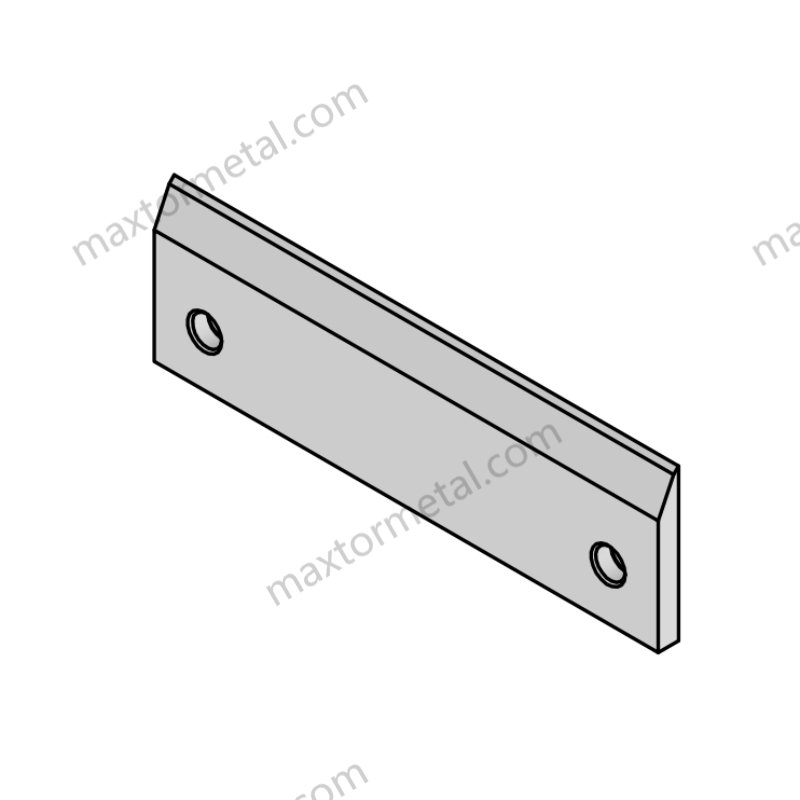
3. Annealing (Tempering)
프로세스:
Tempering, often referred to as annealing, involves reheating the blade to a moderate temperature (300–1100°F or 150–600°C) after quenching. The exact temperature depends on the desired balance between hardness and toughness. This stage may involve multiple cycles (1–3) for optimal results, especially in high-alloy steels.
메커니즘:
During tempering, internal stresses introduced during quenching are relieved. The metal’s structure transitions into a more stable state, with controlled adjustments to its hardness, ductility, and elasticity.
이익:
- 취성 감소: Ensures that blades do not crack under sudden impacts or heavy loads.
- Improved Flexibility: Helps blades withstand bending forces without breaking.
신청:
Tempered blades are widely used in industries requiring a blend of toughness and edge retention, such as:
- 슬리터 나이프: For cutting thin materials like film or foil.
- 원형 블레이드: Used in food processing or lightweight materials.
사례 연구:
A study on tempered 1095 carbon steel blades showed an increase in impact resistance by 30%, making them ideal for cutting hardwood and other dense materials.
Comparison of Methods
| 방법 | 경도 | 인성 | 내마모성 | 응용 |
| 경화 | 높은 | 중간 | 높은 | Guillotine knives, shears |
| 담금질 | 높은 | Low (pre-temper) | 높은 | 분쇄기, 과립기 |
| 템퍼링 | 중간 | 높은 | 중간 | Slitters, 식품 가공 |
Each process complements the other, with hardening and quenching establishing the desired hardness and tempering providing the toughness needed for industrial-grade durability.
흔히 발생하는 열처리 문제와 해결 방법
Heat treatment is a highly sensitive process that requires precise control of temperature, timing, and environmental conditions. Even minor deviations can result in defects that compromise the blade’s performance, durability, and reliability. Below is a detailed examination of common problems, their causes, and actionable solutions.
| 문제 | 원인 | 해결책 | Supporting Data |
| Over-hardening | Excessive heating or overly rapid cooling, leading to a martensitic structure that is too hard and brittle. | Adjust temperature settings to appropriate ranges (e.g., HSS: 1750–2200°F, carbon steel: 1300–1650°F). Optimize cooling rates using simulation tools. | Studies show that reducing hardening temperature by just 5% minimizes brittleness without sacrificing hardness. |
| 열분해 | Stress buildup during quenching, often due to rapid cooling or uneven material composition. | Gradual pre-heating before quenching (~300°F) to reduce thermal shock. Use controlled cooling mediums like oil instead of water. | Industry reports highlight that switching from water to oil quenching reduces crack occurrence by 30–40%. |
| 불균일한 경도 | Inconsistent furnace temperature or cooling rates. | Ensure uniform heat distribution through advanced multi-zone furnaces with precise thermal regulation. | Using calibrated furnaces with temperature variances under ±10°F improves hardness uniformity by 20%. |
| 워핑 | Asymmetric cooling, thin blade sections, or improper alignment during treatment. | Use jigs or supports during quenching to maintain structural alignment. Opt for slower, uniform cooling methods. | A case study on guillotine blades revealed that implementing alignment jigs reduced warping by 50%. |
Additional Best Practices for Quality Control
- Employ Rockwell Hardness Testers to measure the hardness of treated blades. Testing standards like HRC 60–65 for HSS blades are industry benchmarks for superior cutting performance.
- Use microstructural analysis tools such as scanning electron microscopes (SEM) to examine grain structure and identify potential irregularities.
업계 통찰력:
According to a 2023 survey conducted by the Metal Processing Institute, over 75% of defects in heat-treated machine knives stem from inadequate process control. Investing in real-time monitoring systems and predictive modeling can reduce such issues significantly.
산업용 나이프 열처리를 위한 최적의 온도 및 시간
The efficiency of heat treatment is highly dependent on the precise control of temperature and timing, tailored to the material type and blade application. Below is a comprehensive table summarizing optimal parameters based on extensive industry research and testing:
| 재료 | Optimal Temperature (°F) | Recommended Duration | Critical Notes |
| 고속도강 | 1750–2200 | 1–2 hours (hardening); Tempering: ~2 hours at 1000°F | Prolonged exposure above 2200°F risks grain coarsening and reduces edge retention. |
| 탄소강 | 1300–1650 | 30–60 minutes (annealing cycle); Quenching: Rapid | Overheating above 1650°F can lead to decarburization, weakening the cutting edge. |
| 스테인레스 스틸 | 1800–2000 | 2–4 hours (solution treatment); Tempering: 2 hours at 400–600°F | Use of vacuum furnaces minimizes oxidation and ensures a clean, smooth blade surface. |
| Tool Steel (D2, A2) | 1850–1950 | 2 hours (hardening); Tempering: 2–3 cycles at ~500°F | Multi-cycle tempering improves impact resistance, crucial for cutting abrasive materials like metal. |
Impacts of Incorrect Temperature and Timing
- Underheating:
- Results in incomplete transformation to austenite, leading to lower hardness.
- Case Study: Underheating D2 steel blades by just 50°F led to a 15% reduction in cutting efficiencyin a metal shearing application.
- 과열:
- Causes grain coarsening, reducing toughness and edge retention.
- Industry research shows that overexposure to high temperatures increases susceptibility to thermal fatigue cracks by 25%.
- Insufficient Duration:
- Prevents complete diffusion of carbon or alloying elements.
- Example: Shortened tempering cycles for HSS blades resulted in inconsistent hardness across the blade, increasing wear rates by 20%.
- Excessive Duration:
- Leads to unnecessary energy consumption and may degrade surface quality due to oxidation or scaling.
- Advanced techniques like inert gas atmosphere에스 (e.g., nitrogen or argon) are now used to counteract these effects.
Data-Driven Insights on Heat Treatment Optimization
Recent advancements in simulation and real-time monitoring have revolutionized the heat treatment process. For example:
- 유한요소해석(FEA): Models heat transfer and stress distribution, predicting potential defects before treatment. Using FEA, companies reduced rejection rates by 30% for high-precision cutting tools.
- Infrared Thermal Imaging: Tracks temperature uniformity during heat treatment, with deviations below ±5°F ensuring consistent properties.
Supporting Research:
- 에 발표된 연구 재료 가공 기술 저널 (2021) highlighted that multi-zone furnaces with precise thermal control achieved 98% consistency in hardness across large batches of HSS knives.
- 그만큼 International Heat Treatment Journal (2022) found that integrating vacuum heat treatment reduced oxidation-related defects in stainless steel knives by 80%, increasing product reliability.
Enhanced Quality Assurance After Heat Treatment
Heat-treated blades undergo rigorous quality control to ensure they meet performance standards. Industry best practices include:
- 경도 시험:
- Tools like Vickers and Rockwell testers verify the surface hardness of treated blades. For example, a high-quality HSS blade should measure HRC 62–65, ensuring optimal cutting power.
- Microstructural Analysis:
- Advanced methods such as electron backscatter diffraction (EBSD) detect grain structure uniformity, which correlates directly with blade performance.
- Edge Integrity Tests:
- Blades are subjected to simulated cutting tasks to measure edge retention under real-world conditions.
열처리 기술 혁신 및 향후 트렌드
As industrial demands for higher precision, durability, and sustainability continue to rise, innovative heat treatment technologies are reshaping manufacturing processes. These advancements enhance the efficiency, precision, and environmental sustainability of machine knife production. Two cutting-edge methods—vacuum heat treatment and high-frequency induction heating—are particularly notable for their transformative impact on the industry.
1. 진공 열처리
Overview:
Vacuum heat treatment involves processing blades in a sealed vacuum chamber, where air and reactive gases are evacuated to create an inert environment. This method prevents oxidation, scaling, and decarburization (loss of carbon from the blade surface), which are common issues in conventional heat treatment.
Key Features:
- Oxidation Prevention: By eliminating oxygen, vacuum heat treatment ensures a clean, smooth blade surface, reducing post-treatment polishing requirements.
- Precise Temperature Control: Advanced vacuum furnaces allow for temperature uniformity within ±2°F, ensuring consistent results across batches.
- Decarburization Mitigation: Maintains the blade’s carbon content, preserving critical properties like hardness and wear resistance.
이익:
- Improved Surface Quality: Blades treated in vacuum furnaces have a cleaner surface with no discoloration or scaling.
- Higher Material Integrity: The absence of decarburization preserves the blade’s edge retention, making it ideal for precision tools like slitter knives and surgical blades.
- 에너지 효율성: Many vacuum furnaces use multi-zone heating and optimized insulation, reducing energy consumption by up to 25% compared to traditional methods.
신청:
- High-Precision Blades: Surgical scalpels, industrial slitter knives, and high-speed cutting tools benefit from this clean and precise method.
- High-Alloy Steels: Alloys like HSS and stainless steel are particularly well-suited to vacuum treatment due to their sensitivity to oxidation.
2. 고주파 유도 가열
Overview:
High-frequency induction heating is a localized and rapid heating method that uses electromagnetic fields to heat specific areas of a blade. This technique is highly efficient and ideal for applications requiring selective hardening.
Key Features:
- Rapid Heating: Induction heating systems can heat the blade surface to 2000°F (1093°C) within seconds.
- Localized Application: Allows selective hardening of specific areas (e.g., blade edges) while leaving the core relatively softer for toughness.
- No Contact Process: Heating occurs without physical contact, eliminating contamination risks.
이익:
- Time Efficiency: Induction heating reduces heat treatment cycle times by up to 80%, improving production throughput.
- 에너지 절약: Focused heating reduces overall energy consumption by as much as 30% compared to furnace-based methods.
- 향상된 성능: Creates a hardened edge with a tough core, resulting in superior cutting performance and impact resistance.
신청:
- Shearing Blades: Induction heating ensures sharp, durable edges while maintaining structural toughness.
- 과립기 칼: These require a hard edge to handle abrasive materials and a flexible core to absorb impacts.
Sustainability in Heat Treatment Technologies
Both vacuum heat treatment and induction heating align with the growing demand for sustainable manufacturing practices. Key environmental benefits include:
- Lower Energy Consumption: Modern vacuum and induction systems reduce energy usage by 20–30%, lowering operational costs and carbon footprints.
- Reduced Emissions: By eliminating the need for open flames and hazardous gases, these methods contribute to cleaner production environments.
- Material Efficiency: Precise processes reduce material wastage, ensuring more efficient use of high-grade alloys.
Sustainability in Heat Treatment Technologies
Both vacuum heat treatment and induction heating align with the growing demand for sustainable manufacturing practices. Key environmental benefits include:
- Lower Energy Consumption: Modern vacuum and induction systems reduce energy usage by 20–30%, lowering operational costs and carbon footprints.
- Reduced Emissions: By eliminating the need for open flames and hazardous gases, these methods contribute to cleaner production environments.
- Material Efficiency: Precise processes reduce material wastage, ensuring more efficient use of high-grade alloys.
By embracing advanced technologies like vacuum heat treatment and high-frequency induction heating, manufacturers can achieve superior blade performance, increased production efficiency, and sustainable operations. These innovations not only meet the rigorous demands of modern industries but also position manufacturers as leaders in a competitive market.
결론
Heat treatment is the backbone of industrial knife manufacturing, enhancing blades’ performance, longevity, and reliability. By mastering the art and science of this process, manufacturers like Nanjing Metal ensure their blades meet the highest industry standards.
With 18 years of expertise, a skilled design team, and advanced manufacturing techniques, Nanjing Metal specializes in custom machine knives that excel in diverse industrial applications. Whether you need precision-engineered guillotine blades or versatile shearing knives, we have the tools and knowledge to meet your requirements.
오늘 저희에게 연락하세요 for tailored solutions and a free quote to discover how our expertise can elevate your operations.

 English
  Spanish
  Italian
  French
  Portuguese
  Russian
  German
  Arabic
  Hindi
Hindi  Vietnamese
  Indonesian
  Japanese
  Korean
4 응답