

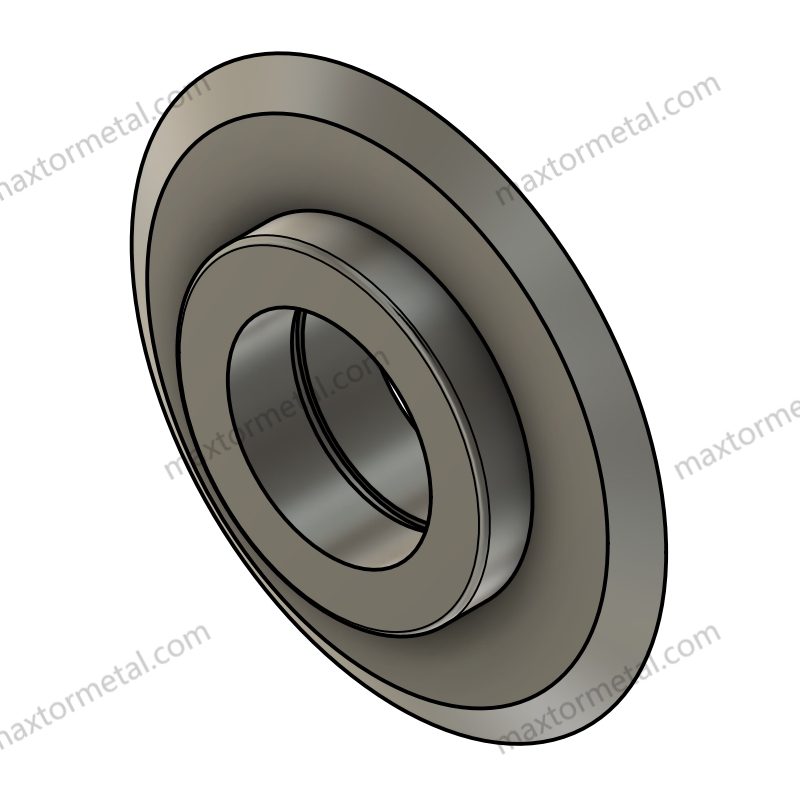
Choosing the right knives for 크러쉬 커팅 can change how well slitting works. Blade radius, angle, and type all help the knives cut materials like adhesive, rubber, and film. Workers notice changes in speed, how long blades last, and how good the cuts look when they pick the right blades. The kind of material, edge needs, and how you care for the knives help you pick the best knives and blades for each job.
주요 요점
- Pick the right blade radius and angle for your material. This helps you get better cuts and makes the blade last longer. – Crush cutting is best for tough, sticky, or thick things like rubber and adhesive tapes. Shear cutting works better for thin or delicate materials. – Use good blade materials and coatings, such as tungsten carbide and Titanium Nitride. These make the blade stronger and help it slide better. – Clean, oil, and check knives often to keep them sharp. This stops damage and bad cuts. – Use the right pressure and line up the blade correctly. This gives you clean cuts and keeps the blade and anvil from wearing out.
What is Crush Cutting
작동 원리
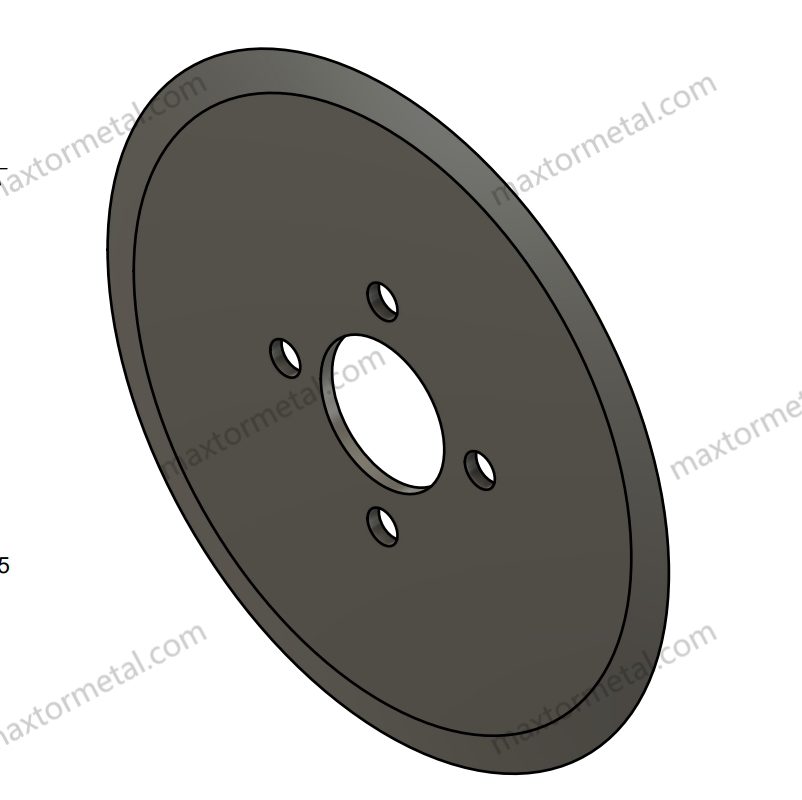
Crush cutting is a helpful way to slit materials in factories. This method uses a round blade with a dull edge. The blade pushes down on a hard anvil roll. The pressure from the blade crushes and breaks the material instead of slicing it. Pneumatic systems often help move the blade and control the pressure. This makes the process quick and easy to repeat.
그만큼 blade’s rounded edge spreads out the force. This helps the blade and anvil last longer. The anvil roll is harder than the blade, so the blade wears out first. This keeps the anvil safe. Operators can change the pressure for different materials. This gives them more options when working. Crush slitting works well for tough, sticky, or fibrous materials that are hard to cut with regular blades.
팁: Make sure the blade and anvil line up well. Good alignment gives clean cuts and stops the material from bending or tearing.
주요 응용 분야
Many industries use crush cutting because it is simple and saves money. This method is common when companies need to cut big rolls into smaller pieces. It works on many types of materials, even thick or non-woven ones. Laminates, paper, and fabrics also work well with this method.
Crush slitting is good for materials that change in thickness or stiffness. Operators use it to cut adhesive tapes, laminates, nonwovens, foils, rubber, and abrasive papers. The cuts are rougher than with other methods, but setup is fast and costs less. Packaging, textile, and label companies use crush cutting for hard or rough materials.
- Common materials processed with crush cutting:
- Adhesive tapes
- 라미네이트
- 부직포
- 고무 시트
- Abrasive papers
- Thick paper and board
메모: Crush cutting is flexible, so many manufacturers like it when they need to slit materials quickly and easily.
Crush Cutting vs Shear Cutting
장단점
Crush Cutting – Pros
Crush cutting is easy to use for many materials. The setup is simple and does not cost much. It uses a round blade that presses on a hard anvil. This works best for soft things like rubber, foams, and adhesive tapes. It is good when you need to switch jobs fast. There is not much maintenance needed. You do not need special skills to line up the blade. Many factories pick this method because it works well for sticky or tough materials.
Crush Cutting – Cons
Crush cutting has some downsides too. The edges can be rougher than with other ways of cutting. Films or brittle materials might get more dust or fuzzy edges. It does not work well for hard or very thin things. Crushing can bend or break these materials. Workers must watch the blade because it can wear out fast if not checked.
Shear Cutting – Pros
Shear cutting uses two rotary knives that cut like scissors. This gives smooth, clean edges and little dust. It works for many materials like films, paper, laminates, textiles, and foils. Shear cutting is good for fast jobs and makes nice cuts. The knives last longer because of the scissor action. Many companies use this way when they need perfect edges.
Shear Cutting – Cons
Shear cutting needs the blades lined up just right. It takes skill and time to set up, especially for wrap shear systems. You have to take care of the knives and sharpen them often. This means more downtime and more work. Operators need training, which can cost more money.
팁: Pick the cutting method that fits your material and job. Think about what is good and bad about each way.
Selection Guidelines
재료 적합성
Engineers should match the cutting way to the material. Crush cutting is best for soft, tough, or bendy things like rubber, abrasive papers, and adhesive tapes. Shear cutting works for more types, like films, foils, paper, and textiles. Crush cutting is good for rough or stretchy materials. Shear cutting is better for thin or delicate things.
Desired Edge Quality
If you want smooth edges, shear cutting is best. The scissor action makes neat, clean cuts with little dust. Crush cutting can leave thicker or rougher edges, especially on stretchy or brittle things. Pick the way that gives the finish you need for your next steps.
생산 속도 및 효율성
Shear cutting is good for fast work and long knife life. This helps with big jobs. Crush cutting is quick to set up and easy to change. This is good if you switch materials a lot or have short runs. Crush cutting is simple, so it saves time and helps many jobs go faster.
Maintenance and Cost Considerations
Crush cutting needs less care and costs less to run. Changing blades is easy and does not need much skill. Shear cutting needs the knives sharpened often and skilled workers. This takes more time and costs more. Shear cutting also has more downtime because it is harder to set up and keep working.
| 요인 | 전단 절단 | 크러쉬 커팅 |
|---|---|---|
| 절단 메커니즘 | Uses two round knives that cut like scissors. | Uses a round knife pressed on an anvil with force. |
| 적합한 재료 | Films, paper, laminates, tapes, textiles, foils, and more. | Very tough things like rubber, abrasives, laminates; also tapes, textiles, linoleum, foams, etc. |
| 절단 품질 | Makes great cuts with less dust. | Can make thicker edges on stretchy things; more dust on brittle things. |
| 생산 속도 | Can go fast and knives last long. | 가압력으로 인해 일반적으로 속도가 더 느리며, 칼날의 반경과 각도가 중요합니다. |
| 먼지 발생 | 분진 발생이 적습니다. | 특히 취성 재료의 경우 분진이 더 많이 발생합니다. |
| 칼의 삶 | 가위질 방식(scissor action)으로 인해 칼날 수명이 깁니다. | 칼날 수명은 반경과 각도에 따라 달라지며, 피삭재와 절단 방식이 마모에 영향을 미칩니다. |
| 유지 관리 필요성 | 칼날을 자주 연마하고 교체해야 합니다. | 유지보수가 거의 필요 없으며, 칼날 정렬이 쉽습니다. |
| 중단 시간 | 셋업과 유지보수가 더 까다로워 다운타임이 더 길어집니다. | 셋업과 유지보수가 간편하여 다운타임이 단축됩니다. |
| 작업자 숙련도 | 칼날 셋업 및 유지보수를 위해 숙련된 작업자가 필요합니다. | 셋업이 간단하여 높은 숙련도가 요구되지 않습니다. |
| 셋업 복잡성 | 특히 랩 시어(wrap shear) 방식의 경우 까다롭고 시간이 오래 걸립니다. | 단순하고 복잡하지 않습니다. |
| 산업 응용 분야 | 다양한 산업 분야에서 여러 종류의 재료 절단에 사용됩니다. | 사포 제조와 같이 크러시 컷(crush cutting) 방식만 적용 가능한 공정에 사용됩니다. |
엔지니어 및 작업자를 위한 체크리스트:
- 피삭재의 종류와 두께를 파악하십시오.
- 요구되는 절단면 품질을 결정하십시오.
- 필요한 절단량과 절단 속도를 고려하십시오.
- 보유한 유지보수 역량과 작업자 숙련도를 확인하십시오.
- 요구 사양에 가장 적합한 방식을 선택하십시오.
슬리팅용 특수 칼날이 필요하시다면, Nanjing Metal 은(는) 신뢰할 수 있는 제조업체입니다. 20년 이상의 경험을 보유하고 있습니다. Nanjing Metal은(는) 맞춤형 블레이드 다양한 용도의 칼날을 제작합니다. 당사 팀은 우수한 성능과 긴 수명을 보장하는 칼날의 설계 및 제작을 지원합니다.
Crush Cutter Knives: Blade Geometry

크러시 커터 나이프(crush cutter knives)의 올바른 형상을 선택하는 것은 매우 중요합니다. 칼날의 반경, 각도 및 재질이 모두 중요한 요소입니다. 이러한 요소들은 나이프의 성능을 향상시킵니다. 작업자가 이러한 구성 요소를 잘 이해하면 절단면의 품질을 높이고 칼날 수명을 연장할 수 있습니다. 본 가이드는 점착제, 고무 및 필름 작업에 가장 적합한 칼날을 선택하기 위한 팁을 제공합니다.
칼날 반경
칼날 반경은 피삭재와 접촉하는 날 끝의 둥근 정도를 의미합니다. 반경이 작을수록 날카로운 날이 되어 부드럽거나 끈적이는 재료를 절단하는 데 유리합니다. 점착 테이프의 경우, 0.2 ~ 0.5 mm의 반경을 사용하면 깔끔하게 절단되고 점착제로 인한 끌림 현상을 방지할 수 있습니다. 고무는 약 0.5 ~ 1.0 mm의 중간 반경이 필요합니다. 이는 날 끝의 강도를 유지하고 칼날의 수명을 늘려줍니다. 고무는 마찰이 심하므로 반경이 클수록 이가 빠지는 현상(chipping)을 방지하고 칼날 수명을 늘리는 데 도움이 됩니다. 필름 절단에는 1.0 ~ 1.5 mm와 같이 더 큰 반경이 가장 적합합니다. 이는 찢어짐을 방지하고 매끄러운 절단면을 만들어 줍니다.
최적의 반경을 선택하는 것은 우수한 절단 품질과 긴 칼날 수명을 위한 핵심입니다. 크러시 커팅 칼날(crush cutting blades) 각도 및 반경 가이드에 따르면, 두께와 거칠기에 따라 반경을 변경해야 합니다. 반경이 클수록 칼날 수명은 길어지지만 절단면이 덜 날카로울 수 있습니다. 작업자는 각 작업에 맞는 반경을 선택해야 합니다.
팁: 고무와 같이 마찰이 심한 재료의 경우, 더 큰 칼날 반경을 사용하십시오. 이는 날 끝의 수명을 늘리는 데 도움이 됩니다.
블레이드 각도
칼날 각도는 칼날의 예리함, 강도 및 수명을 결정합니다. 20° ~ 25°와 같은 작은 각도는 날 끝을 더 예리하게 만듭니다. 이는 칼날이 적은 힘으로도 얇은 필름과 부드러운 점착제를 절단할 수 있도록 도와주며, 절단면이 더 깔끔해집니다. 그러나 각도가 예리할수록 질기거나 마찰이 심한 재료를 절단할 때 날이 쉽게 부러지거나 빠르게 마모될 수 있습니다.
약 25° ~ 30°의 중간 각도는 예리함과 강도의 우수한 균형을 제공합니다. 이는 대부분의 고무 절단 작업에 적합하며, 우수한 절단 성능을 유지하면서 날 끝의 강도를 보존합니다. 두껍거나 단단한 재료의 경우, 30° ~ 35°와 같이 더 큰 각도를 사용하면 칼날이 더 튼튼해지고 수명이 길어집니다. 이러한 각도는 더 많은 힘이 필요하지만, 이 빠짐(chipping)과 날 넘어짐(rolling) 현상을 방지합니다.
다음은 일반적인 재료에 대한 최적의 반경 및 각도를 보여주는 표입니다:
| 재료 유형 | 권장 칼날 반경 | 권장 칼날 각도 |
|---|---|---|
| 점착 테이프 | 2 – 0.5 mm | 20° – 25° |
| 고무 산업 | 5 – 1.0 mm | 25° – 30° |
| 영화 | 0 – 1.5 mm | 20° – 25° |
에이 작은 칼날 각도 은 한 지점에 더 많은 힘을 집중시킵니다. 이는 칼날을 더 예리하게 만들어 절단 성능을 높여주지만, 날 끝이 더 쉽게 손상될 수 있습니다. 각도가 클수록 칼날 수명은 길어지지만 더 많은 힘이 필요하며 절단 품질이 떨어질 수 있습니다. 크러시 커팅 칼날(crush cutting blades) 각도 및 반경 가이드에 명시된 대로, 작업자는 각 재료에 맞춰 칼날 각도를 조정해야 합니다.
메모: 크러시 나이프(crush knife) 작업용 칼날 각도를 선택할 때는 항상 예리함과 강도의 균형을 맞추도록 하십시오.
재질 및 코팅
칼날의 재질과 코팅은 성능을 결정하는 매우 중요한 요소입니다. Tungsten Carbide Blades은 인성이 매우 뛰어나 고무와 같이 마찰이 심한 재료를 절단하는 데 적합합니다. 경도가 높아 가혹한 작업 환경에서도 오랜 수명을 유지합니다. 고속도강(HSS) 칼날은 비교적 부드러운 재료나 마찰이 적은 작업에 적합합니다.
코팅은 칼날의 성능을 더욱 향상시킵니다. Titanium Nitride (TiN) 코팅은 마찰과 마모를 줄여 칼날 수명을 최대 40%까지 연장할 수 있습니다. Diamond-Like Carbon (DLC) 코팅은 칼날의 경도를 높이고 마찰을 줄여 고온 작업에서도 수명을 연장해 줍니다. 나노 코팅은 고속 또는 고온 작업에서 열 손상으로부터 칼날을 보호합니다.
- Tungsten Carbide Blades은 거친 절단 작업에 가장 적합합니다.
- HSS 칼날은 부드럽거나 절단하기 쉬운 재료에 적합합니다.
- TiN 및 DLC 코팅은 칼날 수명을 연장하고 점착성 물질이 달라붙는 것을 방지합니다.
- 칼날을 세척하고 오일을 도포하면 수명을 연장하는 데 도움이 됩니다.
적절한 블레이드 재질과 코팅을 선택하는 것은 우수한 절단 품질을 확보하고 시간을 절약하는 핵심 요소입니다. 올바른 블레이드를 사용하면 교체 횟수가 줄어들고 일관된 결과를 얻을 수 있습니다.
Application Recommendations
점착제 슬리팅
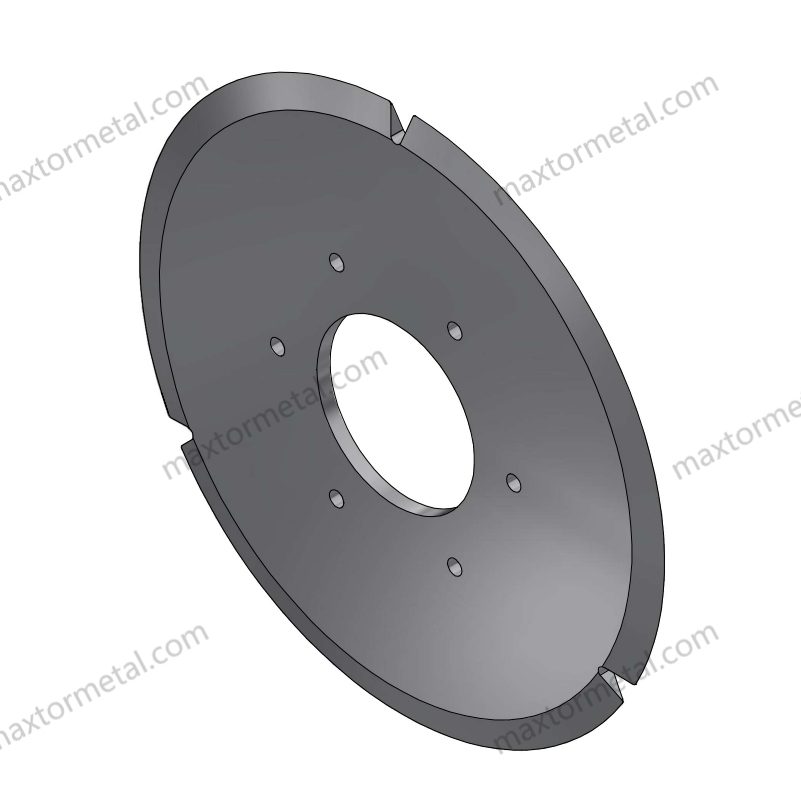
점착제 슬리팅에 적합한 나이프를 선택하면 작업이 원활하게 진행되고 우수한 결과를 얻을 수 있습니다. 점착성 자재는 끌림, 들러붙음 현상이 발생하고 때로는 단면 품질이 저하될 수 있어 절단하기 까다로울 수 있습니다. 작업자는 다음 팁을 준수하여 최상의 절단 품질을 얻을 수 있습니다:
- 팁 반경이 작은 얇은 프로파일 나이프(두께 ≤0.5 mm)를 사용하십시오. 이를 통해 더 깨끗한 절단면을 얻고 점착제로 인한 끌림을 줄일 수 있습니다.
- 다음을 선택하십시오: 베벨 각도가 20°에서 25° 사이인 양날 나이프. 이 나이프는 절단 성능이 우수하며 작업을 더 수월하게 만들어 줍니다.
- 나이프에 Titanium Nitride (TiN) 또는 Teflon과 같은 저마찰 코팅을 적용하십시오. 이는 접착제가 블레이드에 들러붙는 것을 방지합니다.
- D2, M2 또는 카바이드와 같은 블레이드 재질을 선택하십시오. 이 재질들은 내구성이 뛰어나고 수명이 길며, 특히 끈적이는 점착제에 효과적입니다.
- 나이프를 항상 날카롭고 깨끗하게 유지하십시오. 블레이드에 안전한 탈지제와 보풀이 없는 천을 사용하여 자주 청소하십시오.
- 블레이드가 올바르게 정렬되었는지 확인하십시오. 그렇지 않으면 마찰이 증가하고 단면 품질이 저하됩니다.
- 나이프와 앤빌을 모두 자주 점검하십시오. 이를 통해 점착제 끌림을 악화시키고 절단면을 손상시키는 요인을 방지할 수 있습니다.
- 사용 깨끗한 절단을 위해 적절한 수준의 블레이드 압력만 가하십시오. 압력이 너무 강하면 블레이드가 마모됩니다. 압력이 너무 약하면 단면이 해어질 수 있습니다.
팁: 나이프에 이가 빠지거나(chipping), 찍힘이 있거나, 접착제가 쌓이지 않았는지 항상 확인하십시오. 슬리팅 품질을 높게 유지하기 위해 필요에 따라 청소하거나 교체하십시오.
고무 슬리팅
고무 슬리팅에는 강도가 높고 절단 성능이 우수한 나이프가 필요합니다. 고무는 마찰이 심해 일반 블레이드를 빠르게 마모시킬 수 있으므로 올바른 나이프를 선택하는 것이 중요합니다. 아래 표는 가장 효과적인 사양을 보여줍니다:
| 블레이드 재질 | 경도(HRC) | 에지 반경 (Edge Radius) (µm) | 적용 분야 | 이익 |
|---|---|---|---|---|
| 텅스텐 카바이드 | 85–90 | 20–50 | 두꺼운 고무, 마모성 자재 | 수명 연장, 치핑 감소 |
고무 슬리팅을 위한 기타 팁:
- 중간에서 큰 수준의 에지 반경(20–30 µm)을 가진 나이프를 사용하십시오. 이는 들러붙음을 방지하고 마찰을 줄여줍니다.
- 에지가 약간 둥근 나이프를 선택하십시오. 이는 절단력을 분산시키고 나이프 수명을 늘리는 데 도움이 됩니다.
- 나이프의 경도를 높이고 수명을 연장하기 위해 Titanium Nitride (TiN)과 같은 코팅을 추가하십시오.
- 나이프 홀더가 안정적이고 장력이 적절한지 확인하십시오. 이는 나이프가 더 원활하게 작동하도록 돕습니다.
- 고무의 두께와 경도에 맞게 절단 각도와 압력을 조절하십시오.
작업자는 작업을 시작하기 전에 항상 나이프가 올바르게 정렬되어 있고 장비 설정이 적절한지 확인해야 합니다. 이는 편마모를 방지하고 균일한 절단면을 유지해 줍니다.
필름 슬리팅
필름 슬리팅에는 찢어짐이나 분진 발생 없이 깨끗하고 정밀한 절단이 가능한 나이프가 필요합니다. 압력이나 블레이드 형상이 잘못되면 얇은 필름은 쉽게 손상될 수 있습니다. 작업자는 다음 단계를 준수하여 최상의 절단 품질을 얻을 수 있습니다:
- 연질 또는 얇은 필름에는 베벨 각도가 낮은(10°–20°) 얇고 날카로운 나이프를 사용하십시오. 이는 나이프의 예리함과 강도를 유지해 줍니다.
- 최상의 절단 성능을 위해 베벨이 연마된 평평한 직선형 에지 나이프를 선택하십시오.
- 들러붙음을 방지하고 끌림을 줄이기 위해 TiN 또는 Teflon과 같은 저마찰 코팅을 사용하십시오.
- 스테인리스 스틸 또는 카바이드 나이프를 선택하십시오. 이 나이프들은 수명이 길고 빠르게 마모되지 않습니다.
- 적절한 나이프 압력을 사용하십시오. 압력이 너무 강하면 필름이 손상될 수 있습니다. 너무 약하면 절단이 불완전하게 끝날 수 있습니다.
- 절단하는 동안 필름을 안정적으로 고정하십시오. 이는 필름의 움직임을 방지하고 직선 절단을 유지해 줍니다.
- 나이프를 자주 점검하고 청소하십시오. 이는 자재가 쌓이는 것을 방지하고 날카로운 절단력을 유지해 줍니다.
참고: 라미네이트 필름의 경우, 얇은 프로파일 나이프를 사용하면 과도한 압착을 방지하고 단면을 깔끔하게 유지하는 데 도움이 됩니다.
Maintenance and Setup
압력 및 홀더 선택
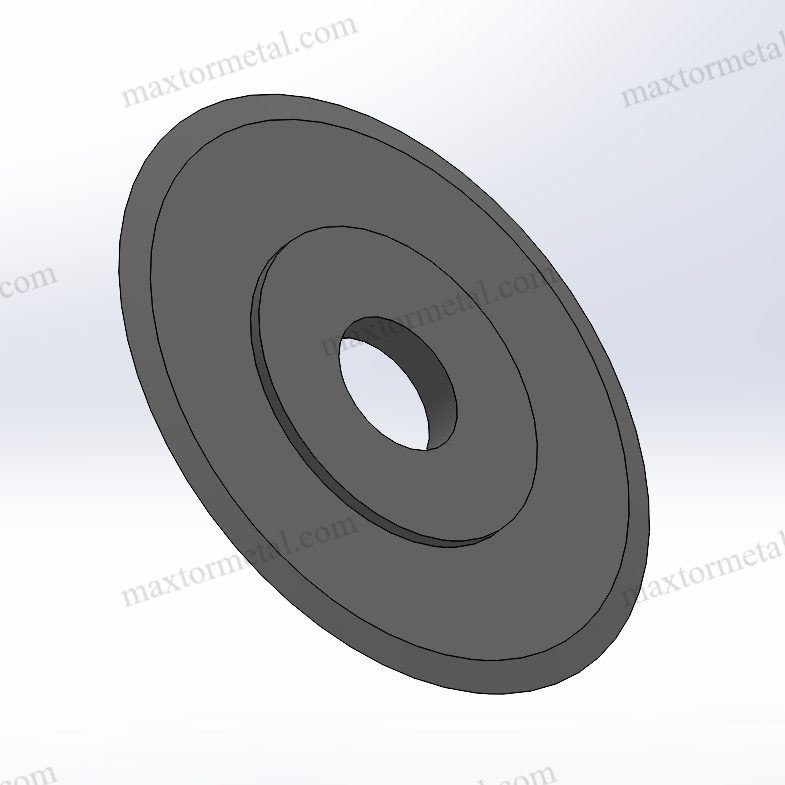
크러시 컷 나이프의 경우 적절한 압력을 설정하고 올바른 홀더를 선택하는 것이 매우 중요합니다. 작업자는 깨끗한 절단면을 얻고 나이프 수명을 연장하기 위해 충분한 압력을 가해야 합니다. 압력이 너무 강하면 나이프에 치핑이 발생하거나 빠르게 마모될 수 있습니다. 압력이 부족하면 자재가 완전히 절단되지 않을 수 있습니다. 대부분의 복합 자재는 50,000에서 150,000 psi 사이의 닙 압력(nip force)이 필요합니다. 라미네이트 자재는 때로 최대 200,000 psi까지 필요할 수 있습니다. 작업자는 항상 각 작업에 대한 제조업체의 권장 사항을 확인해야 합니다.
나이프 홀더는 절단 중에 나이프를 안정적으로 고정하고 정렬 상태를 유지해야 합니다. 견고한 홀더는 흔들림을 방지하고 균일한 절단을 유지해 줍니다. 새 나이프를 장착할 때는 전속력으로 가동하기 전에 천천히 시작해야 합니다. 이는 에지가 절단 작업에 길들여지도록 돕고 손상 가능성을 낮춥니다. 장력과 각도 역시 올바르게 설정해야 합니다. 나이프가 올바르게 장착되지 않으면 에지에 치핑이 발생하거나 앤빌 롤(anvil roll)에 홈이 생길 수 있습니다.
치핑이나 거친 단면과 같은 문제는 대개 설정이 잘못되었을 때 발생합니다. 부적절한 블레이드 반경을 사용하거나 과도한 압력을 가하면 이러한 문제가 발생할 수 있습니다. 작업자는 이상 소음이 나는지 귀를 기울이거나 앤빌 롤에 깊은 홈이 생기지 않았는지 확인해야 합니다. 홈의 깊이가 0.05 mm보다 깊으면 앤빌을 교체하거나 수리해야 합니다. 압력 설정을 자주 점검하고 조정하면 항상 우수한 절단 품질을 유지하는 데 도움이 됩니다.
팁: 항상 나이프와 앤빌 롤이 적절한 경도를 유지하고 있는지 확인하십시오. 앤빌은 나이프보다 약간 더 단단해야 합니다. 이는 나이프의 수명을 연장하는 데 도움이 됩니다.
세척 및 블레이드 관리
나이프를 세척하고 관리하면 성능이 향상되고 수명이 연장됩니다. 매일 세척하면 나이프를 무디게 만들 수 있는 플라스틱 및 점착성 이물질을 제거할 수 있습니다. 작업자는 이 작업에 안전한 세척제와 부드러운 천을 사용해야 합니다. 매주 나이프에 윤활유를 도포하면 절단 작업이 더 부드러워지고 마모를 방지할 수 있습니다.
나이프를 자주 점검하면 미세한 균열이나 치핑을 조기에 발견하는 데 도움이 됩니다. 작업자는 절단 작업량에 따라 1~2주마다 나이프를 점검해야 합니다. 세척 및 점검을 2~4주마다 주기적으로 실시하면 나이프를 양호한 상태로 유지할 수 있습니다. 이 시기에 오일을 도포하는 것도 칼날의 예리함을 유지하는 데 도움이 됩니다.
칼날은 관리가 소홀하거나, 잘못 장착되거나, 품질이 낮을 경우 파손될 수 있습니다. 작업자는 신뢰할 수 있는 제조업체의 우수한 나이프를 구매함으로써 이러한 문제를 예방할 수 있습니다. 또한 전문가에게 칼날 재연마를 맡기면 수명을 늘리는 데 도움이 됩니다. 절단 성능이 저하될 때 칼날을 신속하게 연마하면 날의 예리함이 회복되고 시간이 절약됩니다.
Operators should not use cheap, basic blades. Good, OEM-equivalent knives last longer and cut better. Fitting and tightening knives the right way stops chipping and uneven wear. Running new knives slowly at first helps the edge settle and keeps them from breaking early.
- Best Practices for Knife Care:
- Clean knives every day to stop buildup.
- Oil knives every week to lower friction and wear.
- Check knives every 1–2 weeks for cracks or dull spots.
- Do maintenance every 2–4 weeks.
- Use only good knives from trusted brands.
- Sharpen blades quickly if they stop cutting well.
- Watch for strange sounds or deep grooves on the anvil roll.
🛠️ Doing regular care and setting up knives the right way helps them work better and saves money on slitting.
For expert help or special solutions, readers can contact Nanjing Metal’s sales engineers for advice and support 여기.
Myths and Facts
Sharpness vs Bluntness
Some people think a sharper rotary knife always works better for slitting. This makes many workers pick very sharp blades for every job. But new studies and real-life work show that too much sharpness can make blades wear out faster, especially when cutting rough things like rubber. Sharp blades can chip easily and need to be replaced more often. The CATRA method is used to test how sharp a blade is and how long it stays sharp. It shows that blade shape, like the angle and tip width, is very important for how long a blade lasts and how well it cuts.
Workers should pick blade sharpness based on what they are cutting. For soft adhesives and thin films, a sharper edge gives a clean cut. For tough or rough materials, a less sharp edge helps the blade last longer and stops chipping. On one line cutting rubber, using a less sharp blade made blade changes happen 30% less often, and the work stayed good. Some people think the grain in steel or needing grinders matters, but new facts show this is not true. Files are still a good way to fix blades, and heat treatment takes away most problems from forging.
팁: Always pick blade sharpness that matches the material and job. This helps blades last longer and work better.
Cut Quality and Dust Control
Another myth says that sharper blades always make cleaner cuts and less dust. But if the blade shape is wrong or too sharp, it can make the edges messy and create more dust, especially with films and adhesives. Blade shape, thickness, and how smooth the edge is all change how much dust is made. Good blades with the right shape make cleaner cuts and less dust between film layers.
Blunt or badly sharpened blades, wrong cutting angles, and blades that move too much make more dust. Special coatings like ceramic can help lower dust and let you cut faster. Keeping the blade steady is very important for less dust. In one film cutting job, changing the blade angle and pressure made 40% less dust and better edges. Taking care of blades and setting the right pressure also helps control dust.
Picking the right blade shape for crush cutting helps you get the best results. You should think about a few important things:
- Make sure the blade radius fits the material’s thickness. This gives you more control and helps the blade last longer.
- Pick the bevel angle by thinking about how sharp you want the blade and how strong the edge should be.
- Choose the tooth type and blade material that match what you need to cut.
- Take care of your blades often. This makes them last longer and work better.
| 블레이드 재질 | 절단 효율성 | 내마모성 | 최상의 사용 사례 |
|---|---|---|---|
| 스테인레스 스틸 | 높은 | 높은 | Humid or wet environments |
| 텅스텐 카바이드 | 매우 높음 | 매우 높음 | Abrasive, high-volume cutting |
자주 묻는 질문
What is the ideal blade radius for slitting adhesive tape?
A small edge radius, usually from 0.2 mm to 0.5 mm, works best for cutting adhesive tape. This size helps make neat cuts and stops the tape from dragging on the blade. Operators should change the radius if the tape is thicker or stickier.
Can crush cutting handle abrasive materials like rubber?
Yes, crush cutting works well for tough materials such as rubber. Using a medium or large edge radius and a strong blade material, like tungsten carbide, helps the blade last longer and keeps the cuts good.
How does blade angle affect knife life in crush cutting?
A sharper angle, like 20° to 25°, makes cleaner cuts but the blade wears out faster. A blunter angle, such as 30° to 35°, makes the blade last longer. Operators should pick the angle based on how tough the material is and how smooth they want the edge.
Where can engineers find custom rotary knives for special slitting needs?
Engineers can get custom rotary knives from Nanjing Metal, a trusted company with 20 years of experience. The company offers 맞춤형 블레이드 made for cutting adhesive, rubber, and film.
또한 참조
Understanding Perforating Blades And Their Common Applications
크러쉬 컷 나이프란 무엇이며 산업에서 어떻게 작동합니까?

 English
  Spanish
  Italian
  French
  Portuguese
  Russian
  German
  Arabic
  Hindi
Hindi  Vietnamese
  Indonesian
  Japanese
  Korean