

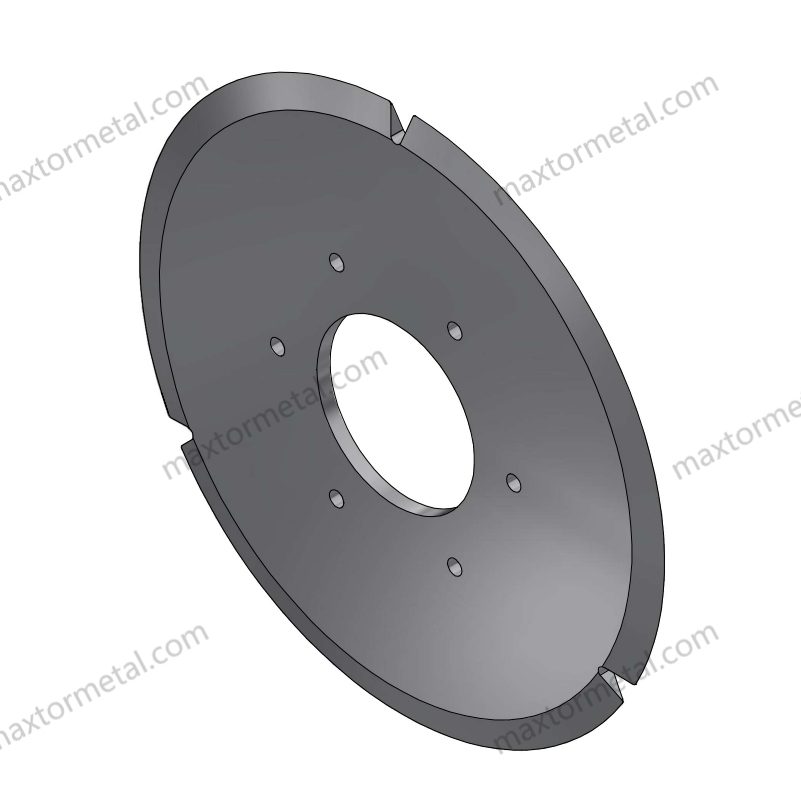
복합 필름을 절단할 때 종종 까다로운 문제에 직면하게 됩니다. 회전날 가장자리가 풀리거나 열이 발생하고 끈적이는 이물질이 묻어나는 문제로 어려움을 겪으실 수 있습니다. 초음파 칼날은 이러한 문제를 해결해 줍니다. 얇거나 여러 겹으로 된 필름에서도 매끄러운 절단면, 적은 열 발생, 우수한 절단 결과를 얻을 수 있습니다. 깔끔하고 고품질의 절단을 위해서는 초음파 칼날이 더 효과적입니다.
주요 요점
- 초음파 칼날은 고속 진동을 통해 복합 필름을 절단합니다. 이를 통해 절단면이 깔끔해지고 가장자리가 풀리는 현상을 방지합니다. 또한 로터리 칼날에 비해 열 손상이 적습니다.
- 로터리 칼날은 단순한 단층 필름에 적합합니다. 이러한 필름에는 플라스틱, 종이, 부직포 등이 포함될 수 있습니다. 로터리 칼날은 비용이 저렴하고 사용하기 쉽습니다.
- 초음파 칼날은 까다로운 필름을 절단하는 데 가장 적합합니다. 이러한 필름은 끈적거리거나, 여러 겹이거나, 내부에 섬유가 포함되어 있을 수 있습니다. 초음파 칼날은 매끄럽고 융착된 가장자리를 제공하며 폐기물을 줄여줍니다.
- 초음파 칼날은 청소나 칼날 교체가 자주 필요하지 않습니다. 이는 생산 라인의 가동 중단을 줄이고 속도를 높이는 데 도움이 됩니다.
- 로터리 칼날은 자주 연마하고 정렬해야 합니다. 그렇지 않으면 특히 단단한 필름을 절단할 때 가장자리가 거칠어지고 자재 낭비가 발생할 수 있습니다.
- 초음파 칼날은 자동화 및 로봇 시스템에서 잘 작동합니다. 까다로운 작업에서 더욱 정밀하고 빠른 절단을 가능하게 합니다.
- 필름 유형에 따라 적절한 절단 도구를 선택해야 합니다. 또한 가장자리 품질, 속도, 예산도 함께 고려해야 합니다.
- Nanjing Metal과 같은 신뢰할 수 있는 칼날 제조업체와 협력하는 것이 도움이 될 수 있습니다. 이들은 절단 품질을 향상시키고 속도를 높일 수 있는 맞춤형 솔루션을 제공합니다.
로터리 칼날 개요
로터리 칼날의 작동 원리
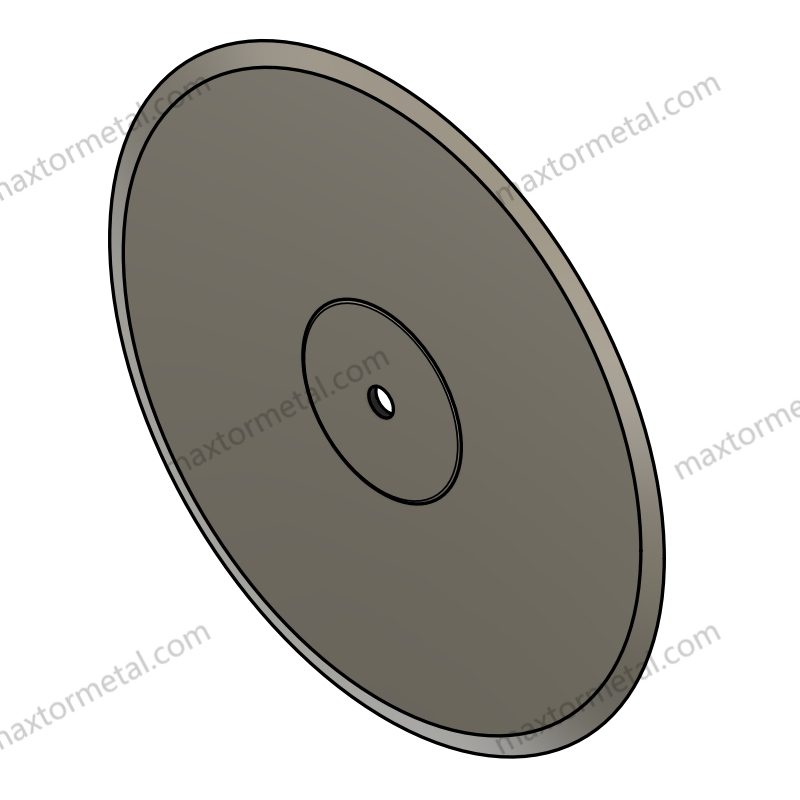
로터리 칼날은 가위와 같은 방식으로 절단합니다. 두 개의 원형 칼날이 서로 다른 방향으로 회전하며, 이로 인해 발생하는 힘으로 자재를 절단합니다. 때로는 자재가 하부 칼날을 감싸고 돌아가기도 합니다. 이는 압력을 일정하게 유지하고 제어력을 높이는 데 도움이 됩니다. 이를 통해 깔끔한 절단면을 얻고 원하는 슬릿 폭을 선택할 수 있습니다. 이 방식은 필름이 구겨지거나 처지는 것을 방지합니다. 칼날을 올바르게 정렬하고 유지보수해야 하며, 장비 작업자의 주의가 필요합니다. 이를 소홀히 하면 찢어짐이나 지저분한 가장자리가 발생할 수 있습니다.
- 시어 슬리팅은 가위와 같은 작용을 위해 두 개의 로터리 칼날을 사용합니다.
- 랩 시어 설정은 두껍거나 뻣뻣한 필름의 가장자리 제어력을 높여줍니다.
- 깔끔한 절단면과 필요한 슬릿 폭을 얻을 수 있습니다.
- 최상의 절단을 위해서는 정밀한 정렬과 관리가 필요합니다.
- 시어 슬리팅은 매우 정밀하며 대량 작업에 적합합니다.
로터리 칼날: 적용 분야
많은 산업 분야에서 필름, 포일 및 연질 자재를 절단하기 위해 로터리 칼날을 사용합니다. 이 칼날은 슬리팅, 시팅, 천공 및 스코어링 작업을 수행할 수 있습니다. 포장, 섬유, 고무, 플라스틱, 의료, 위생 및 라벨 제조 분야에서 모두 이 도구를 사용합니다. 회전하는 칼날은 빠르게 절단하며 고속 생산 라인에 적합합니다. 예를 들어, 로터리 칼날은 여러 겹의 원단, 산업용 섬유, 비닐, 유리섬유 및 복합 재료를 절단할 수 있습니다. 주요 브랜드의 대형 장비들은 섬유 및 복합 필름 절단을 위해 이러한 칼날을 사용합니다.
팁: 우수한 제조업체의 맞춤형 로터리 칼날은 특히 까다로운 자재를 다룰 때 더 나은 절단 품질을 제공하고 수명을 연장하는 데 도움이 됩니다.
로터리 칼날: 한계
로터리 칼날은 복합 필름을 절단할 때 몇 가지 문제가 발생할 수 있습니다:
- 칼날이 무뎌지거나 각도가 맞지 않으면 가장자리가 풀릴 수 있습니다.
- 복합 필름은 냉각이 잘 되지 않아 열이 축적될 수 있습니다. 이 열은 필름을 손상시키고 절단 품질을 저하시킬 수 있습니다.
- 끈적거리거나 열 밀봉된 필름은 칼날에 접착제를 남길 수 있습니다. 심지어 특수 코팅, 을 사용하더라도 칼날을 자주 청소해야 할 수 있습니다.
- 일부 복합재는 표면이 거칠어 칼날을 빠르게 마모시킵니다. 칼날을 더 자주 교체하거나 연마해야 합니다.
- 툴 홀더가 안정적이지 않으면 절단면이 불량해지고 가장자리가 더 많이 풀릴 수 있습니다.
- 공기나 스프레이를 이용한 냉각은 열 관리에 도움이 되지만 공정을 더 복잡하게 만듭니다.
칼날 상태와 절단 방식을 자주 점검해야 합니다. 그렇지 않으면 가동 중단, 폐기물 발생 및 불균일한 절단이 늘어날 수 있습니다.
메모: 칼날을 잘 관리하고 적절한 칼날을 선택하면 이러한 문제를 방지하는 데 도움이 됩니다.
초음파 칼날 개요
초음파 칼날의 작동 원리
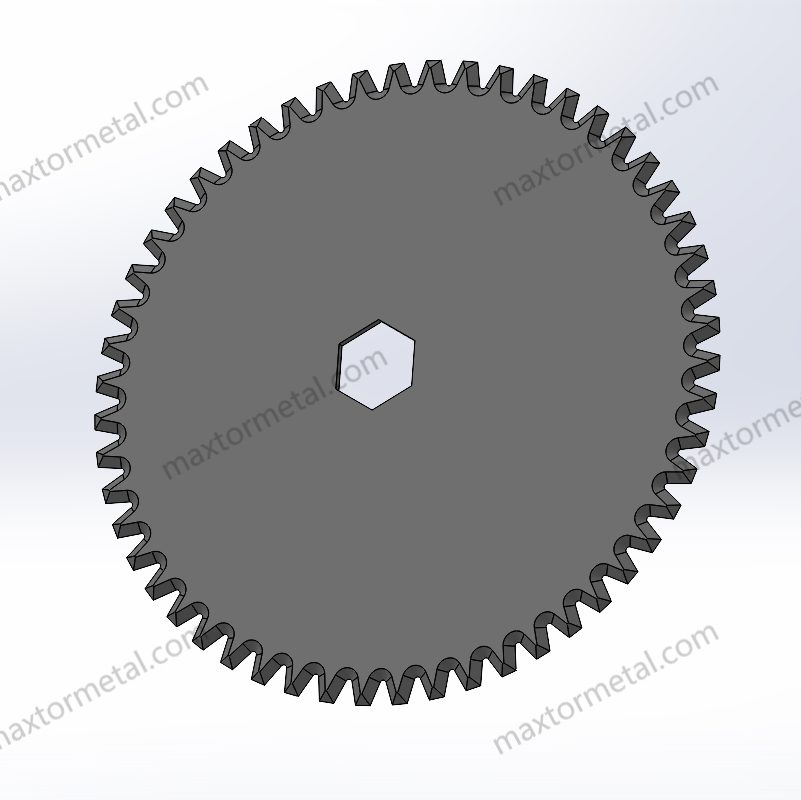
초음파 칼날은 매우 빠른 진동으로 절단합니다. 칼날이 초당 20,000회에서 40,000회. 왕복 운동합니다. 트랜스듀서가 전기를 운동으로 변환하여 칼날을 진동시킵니다. 혼은 트랜스듀서에 연결되어 진동을 증폭시킵니다. 이 강력한 진동이 칼날의 끝부분으로 직접 전달됩니다.
- 칼날은 절단 지점에 초음파 에너지를 전달합니다.
- 자재가 절단면에서 즉시 녹고 부드러워지므로 더 적은 힘으로 절단할 수 있습니다.
- 마찰이 줄어들고 끈적이는 필름이 칼날에 달라붙지 않습니다.
- The system has a generator, transducer, horn, and blade that work together.
- You do not need a very sharp blade or lots of pressure, so the film does not chip or break.
This way of cutting works great for sticky, stretchy, or tough composite films. You get a neat and exact cut every time.
Ultrasonic Knives: Applications
Ultrasonic knives can cut many kinds of composite films and special materials. These tools are good for jobs that need clean and careful cuts on hard films. Here is a table that shows some composite films you can cut with ultrasonic knives:
| Composite Film Type | Examples / Description |
|---|---|
| Aerospace Composites | Carbon fiber, Nomex, honeycomb structures |
| Resin Composites | Resin-based composite materials |
| Rubber Composites | Rubber and rubber-based composite materials |
| Non-woven Fabric Composites | Non-woven fabrics and their composite materials |
| Thermoplastic Films and Fabrics | Synthetic leather, thermoplastic composites |
You will see ultrasonic knives used in aerospace, cars, electronics, and packaging. These places need very neat and smooth edges for their products. You can also use ultrasonic knives for resin things, rubber items, and non-woven fabrics.
Ultrasonic Knives: Advantages
Ultrasonic knives have many good points over rotary blades:
- You get sealed edges that do not fray or come apart, so the edge looks better.
- The cut is always smooth and neat, even on sticky or layered films.
- There is almost no heat, so the film does not bend or melt.
- This way is up to four times faster than sewing and ten times faster than glue.
- You do not get holes from stitches or gaps from glue, so seams stay strong.
- Cutting and sealing happen at the same time, which saves time and keeps the film strong.
Ultrasonic knives are easy to use in fast and automatic lines. You can run many knives with one generator, set up different cuts, and use smart controls for good timing. These things help your line work fast and smooth, with less stopping and more even results.
팁: If you want to make your line faster and get better edges, ultrasonic knives are a smart choice for today’s factories.
로터리 칼날 vs. 초음파 칼날
절단 품질
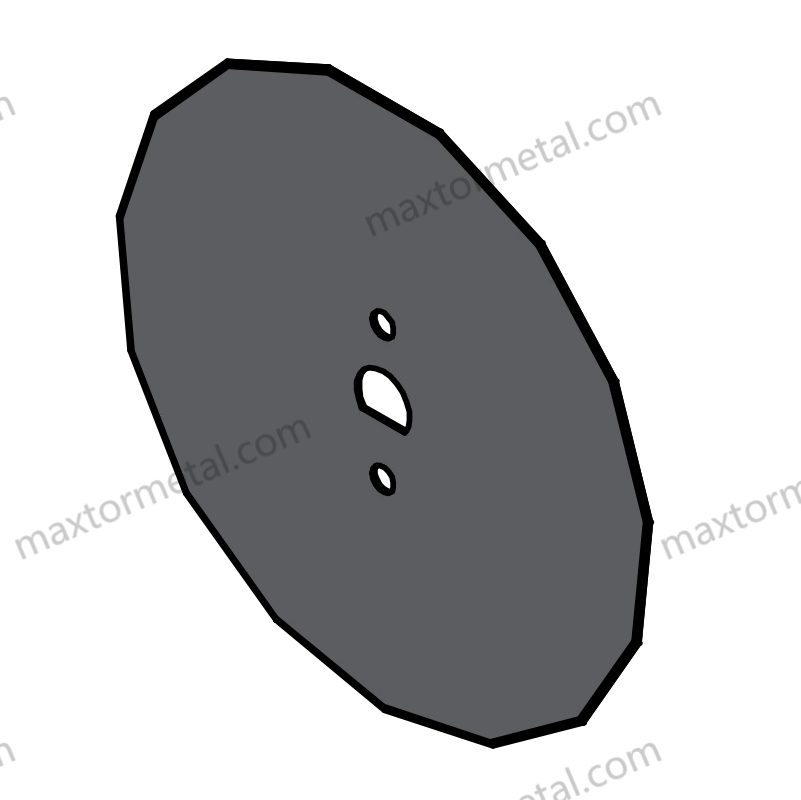
When you cut composite films, the edge quality is important. You want the edges to look smooth and clean. There should not be fraying or tearing. Rotary blades often leave rough edges. This happens more with sticky or layered films. Sometimes, the edge curls or has small burrs. These problems get worse if you push harder or if the blade is dull.
Ultrasonic knives make a much cleaner cut. The fast vibration melts and splits the film at the edge. This gives you less roughness and almost no curling. You will not see big tears. Even when cutting fast, ultrasonic knives keep the edge smooth. The layers stay together. You do not have to worry about the film breaking.
Here is a table that shows how the cutting quality is different:
| 절단 방법 | Edge Roughness | Edge Curling | 버 형성 | Material Separation |
|---|---|---|---|---|
| 회전 블레이드 | 높은 | Present | Occasional | More tearing |
| Ultrasonic Knives | Low (31% less) | 최소 | 없음 | Layers stay intact |
팁: If you want perfect edges and less rework, ultrasonic knives are better for composite films.
재료 호환성
You need to pick the right tool for your material. Rotary blades work well for simple, single-layer films. They also work for paper and nonwoven materials. But rotary blades can have trouble with sticky, layered, or fiber-reinforced films. The blade can get sticky, and you may waste more material.
Ultrasonic knives can cut many types of materials. You can use them for composite films, prepregs, and pressure-sensitive adhesives. They also work for fiber-reinforced materials like carbon fiber or aramid. The vibration keeps the blade clean. Glue does not build up. You get a neat cut, even with tough or sticky films.
메모: Always use the right blade for your material. Using the wrong tool can cause more stops and higher costs.
생산 효율성
You want your line to run fast and without problems. Rotary blades can cut quickly. But you may need to stop often to clean or change the blade. Sticky films and tough composites wear out the blade faster. This means more stops and more work.
Ultrasonic knives are good for fast, automatic lines. The blade stays clean longer. You do not need to sharpen or change it as much. You can cut more material with fewer stops. Many people say they have less downtime and get more done with ultrasonic knives. This is true for complex or sticky films.
🚀 Boost your output: Ultrasonic knives help you cut more, waste less, and keep your line running.
Maintenance and Cost
When you pick a way to cut, think about care and price. Each choice has its own needs and costs. You want your line to work well and not spend too much.
회전날 need a lot of care. You have to sharpen or change them often. This is true when you cut sticky or tough films. Sticky stuff can leave glue on the blade. You will need to stop and clean the blade more. If the blade is not sharp, cuts look bad and waste goes up. Buying new blades and doing care work can cost a lot. For easy jobs, rotary blades do not cost much at first. You do not need special skills to use them. Many factories use rotary blades for simple films. They are easy to set up and swap out.
Ultrasonic knives cost more at the start. You need special tools and training to use them. But you will spend less time on care. The blade stays cleaner because vibration keeps glue off. You do not need to sharpen or change the blade as much. This means you stop less and cut more. Over time, you may save money with less waste and downtime. Ultrasonic knives are good for hard jobs that need clean edges and fast speed.
비교에 도움이 되도록 표를 첨부합니다.
| 특징 | 회전 블레이드 | Ultrasonic Knives |
|---|---|---|
| 초기 비용 | 낮은 | 높은 |
| 유지 보수 빈도 | 높은 | 낮은 |
| 블레이드 교체 | 잦은 | 희귀한 |
| Cleaning Needs | 자주 | 최소 |
| 중단 시간 | 더 | 더 적은 |
| Training Needed | Basic | Specialized |
메모: If you need special rotary blades for your films, you can work with a trusted maker. Nanjing Metal has over 20 years of skill. Their team makes custom blades for many jobs. You can check their 맞춤형 블레이드 솔루션 고객님의 필요에 맞춰.
Many people say ultrasonic knives help them cut more with less trouble. In places like aerospace and cars, companies pick ultrasonic knives for their good cuts and low care. If you run fast lines or cut sticky, layered films, ultrasonic knives can save you time and money.
💡 팁: Always look at your needs and budget before you pick. The right tool can help you spend less and make more.
초음파 칼날을 선택해야 하는 경우
Multi-Layer Films
Composite Films with Multiple Layers
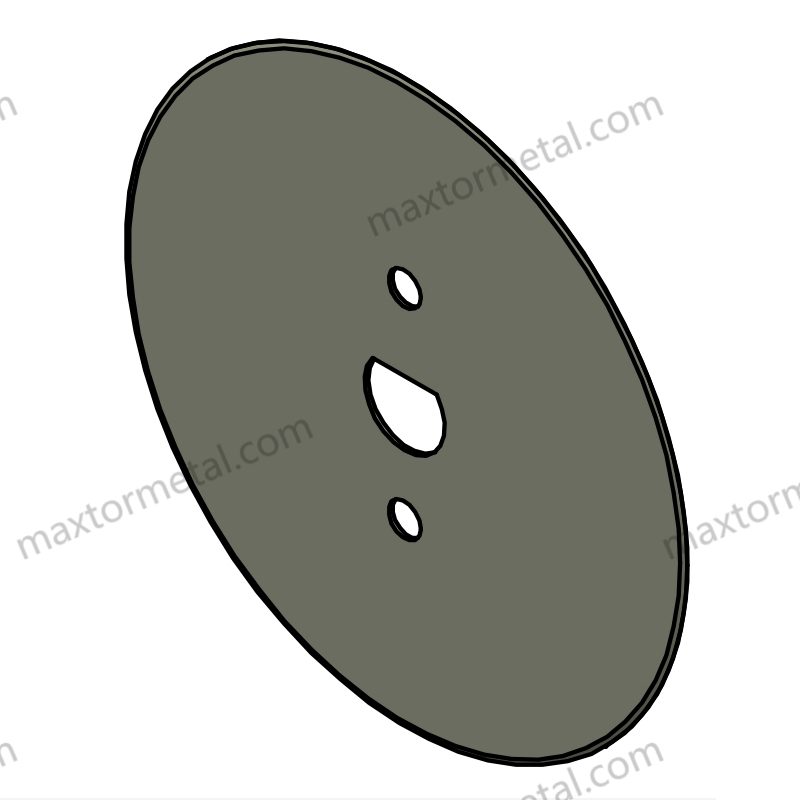
Cutting films with many layers is hard. Rotary blades can make the layers come apart or leave rough edges. This causes more waste and lowers the quality. Ultrasonic knives fix these problems. The fast vibration lets you cut each layer cleanly. You get smooth, sealed edges and the layers stay together.
Many industries use ultrasonic knives for carbon fiber prepreg, glass fiber composites, and packaging films with many layers. You lose less material and get more good products. German car makers say they have fewer mistakes and better cuts after switching to ultrasonic knives for composite films.
팁: If you want to keep all layers together, ultrasonic knives are a great choice.
Fiber-Reinforced Materials
Fiber-reinforced materials like carbon fiber or aramid are tough to cut. Rotary blades often leave messy edges or hurt the fibers. Ultrasonic knives cut these materials easily. The vibration cuts through fibers without pulling or tearing. You get a neat edge every time.
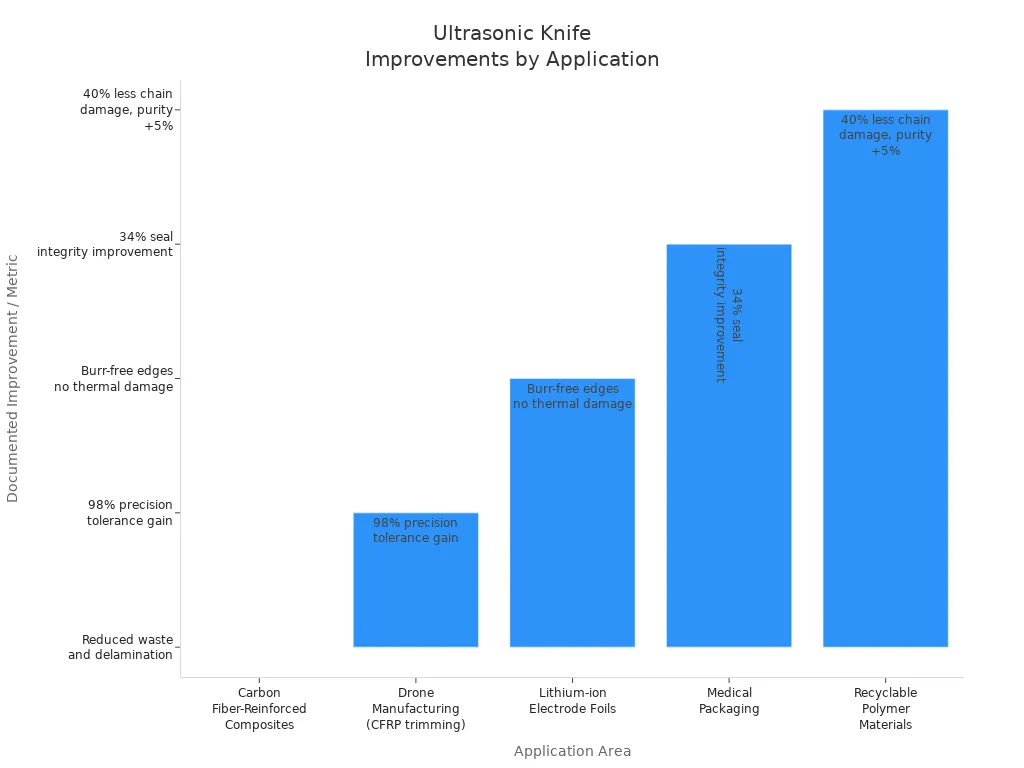
A study shows over 60% of European composite makers now use advanced cutting tools, including ultrasonic knives. Drone makers saw a 98% better precision for carbon fiber-reinforced plastics. This means cleaner edges and less waste.
| 적용 분야 | Documented Improvement / Benefit | Supporting Detail / Metric |
|---|---|---|
| Carbon Fiber-Reinforced Composites | Stops layers from coming apart and lowers waste | Over 60% of European composite makers use advanced cutting; German car makers report better cuts and less waste |
| Drone Manufacturing (CFRP trimming) | 98% better precision than old ways | Cleaner edges and more good products |
Adhesive and Sticky Materials
Pressure-Sensitive Adhesive Films
Sticky films, like pressure-sensitive adhesives, are hard for rotary blades. Glue sticks to the blade, so you must stop and clean more. This slows your work and costs more money. Ultrasonic knives use vibration to keep the blade clean. You spend less time fixing things and get better cuts.
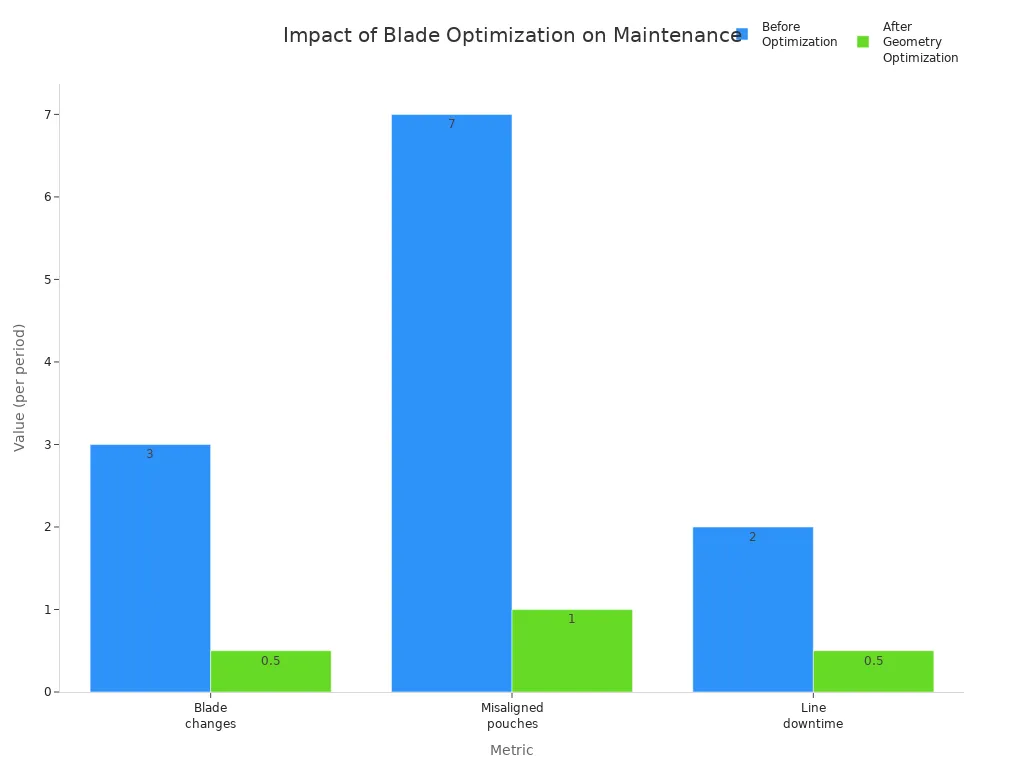
A case study shows the change:
| 미터법 | Before Optimization | 기하학 최적화 후 |
|---|---|---|
| Blade changes | 3 times per day | Once every 2 days |
| Misaligned pouches | 7% | Less than 1% |
| Line downtime | 2 hours per week | Less than 30 minutes per week |
You can use special coatings like Titanium Nitride or Teflon to stop sticking. Some people say Diamond-Like Carbon coated blades had no glue build-up in four weeks. These coatings help you change blades less and keep your line running well.
Tacky or Sticky Laminates
Sticky laminates, like protective films or double-sided tapes, often mess up rotary blades. This causes rough edges and more stops. Ultrasonic knives use fast vibration to stop this. The blade stays cleaner and you get a neat, sealed edge.
You will have less time cleaning and fewer blade changes. Cleaning with solvents or ultrasonic systems after each shift keeps blades working well. This lets you focus on making products, not fixing blades.
메모: If you cut sticky films, ultrasonic knives help you work faster and clean less.
High Precision Needs
Tight Tolerances and Complex Shapes
Some jobs need very exact cuts and tricky shapes. Rotary blades may not be accurate enough. Ultrasonic knives are great for these jobs. The vibration lets you make careful, exact cuts, even on hard patterns.
In electronics and medical devices, you need perfect edges and shapes. Ultrasonic knives help you meet these rules. For example, battery makers use ultrasonic knives to get smooth edges, which is important for safety.
Micro-Patterned or Delicate Films
Thin or special films need gentle cutting. Rotary blades can tear or bend them. Ultrasonic knives use less force and almost no heat. This keeps the film safe and the pattern perfect.
Medical packaging companies saw a 34% better seal with ultrasonic knives. Recyclers saw up to 40% less damage and cleaner flakes. You get better cuts and higher quality.
💡 프로 팁: For very careful work, ultrasonic knives help you meet strict rules and waste less.
Automation Requirements
High-Speed Production Lines
You want your line to go fast without stopping. Rotary blades need lots of stops for cleaning or blade changes, especially with tough or sticky stuff. Ultrasonic knives work well on fast, automatic lines. The vibration keeps the blade clean and lowers the need for fixing.
Reports show ultrasonic knives need less pressure to cut. This means fewer mistakes like tears or rough edges. The blade lasts longer and makes less dust. You get a cleaner and faster process.
Integration with Robotic Systems
Modern factories use robots and CNC machines for hard cutting jobs. Ultrasonic knives fit well in these systems. They can move in many ways and cut with high speed and accuracy. You can cut tough materials, like composites and honeycomb, with great results.
Ultrasonic knives also use less energy and cause little heat damage. This makes your work better for the planet and saves money.
메모: If you want to make your line better, ultrasonic knives give you better quality, speed, and help the environment.
Automation Requirements
High-Speed Production Lines
You want your line to go fast and work well. Ultrasonic knives help you cut faster without losing quality. The blade vibrates, so there is less rubbing. You do not have to stop a lot to clean or change the blade. This means you get more products done in less time.
Many factories need to fill big orders for composite films. Rotary blades can slow you down with more stops. Sticky films and tough layers make this worse. Ultrasonic knives help you skip these problems. The blade stays clean, and glue or fibers do not build up.
팁: If you want to make more products and keep your line moving, ultrasonic knives are best for fast jobs.
간단한 비교를 해보겠습니다.
| 특징 | 회전 블레이드 | Ultrasonic Knives |
|---|---|---|
| Maximum Line Speed | 보통의 | 높은 |
| 유지보수로 인한 가동 중단 시간 | 잦은 | 희귀한 |
| Edge Quality at High Speed | Inconsistent | Consistent |
| Cleaning Intervals | 짧은 | 긴 |
Ultrasonic knives help your line keep moving. You spend less time fixing things and more time making products.
Integration with Robotic Systems
Modern factories use robots to cut hard shapes and patterns. Ultrasonic knives work great with these machines. Robots can be set to cut composite films with tricky designs. The vibrating blade makes it easy for robots to move fast and stay in control.
If you want to upgrade your line, you need tools that fit with robots. Ultrasonic knives are simple to add to robot arms or CNC machines. You get better cuts and waste less material. The blade does not get stuck on sticky stuff. Robots can work longer without stopping.
💡 메모: For smart factories, ultrasonic knives help you go faster and cut better.
로터리 칼날이 적합한 경우
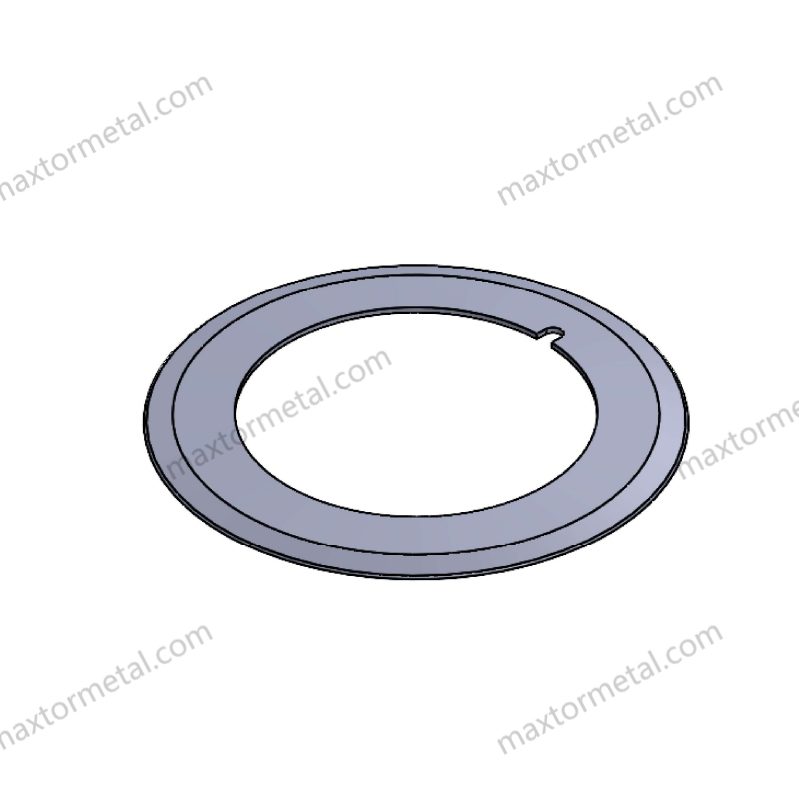
Rotary blades are a good choice for many film cutting jobs. You can use them for normal materials, low-cost work, and simple tasks. In these cases, you get steady results without needing fancy tools or spending a lot at the start.
Standard Films
Thin Plastic Films
Rotary blades cut thin plastic films very well. Materials like PE, PP, and PVC work great with this method. High-speed steel rotary blades made with CNC tools are very accurate. This helps stop shaking and gives even cuts. You will see little waste and steady quality, even if you run the machine for a long time.
- Rotary blades are best for cutting single-layer plastic films.
- You get smooth edges and do not have to worry about fraying.
- Special rotary knives have made 30% fewer cutting mistakes and 22% more machine time in real use.
종이와 판지
If you cut paper or cardboard, rotary blades are easy and work well. The way they cut fits these materials and gives sharp edges. You do not need a hard setup or special training to get good cuts.
Nonwoven Materials
Nonwoven fabrics, like those in hygiene or filters, also cut well with rotary blades. The process is fast and keeps the material strong. You can cut a lot at once and do not need to change much.
팁: For simple, single-layer films and basic stuff, rotary blades give you speed, good cuts, and are easy to use.
Cost-Sensitive Applications
High-Volume, Low-Margin Production
If you need to make a lot and do not make much money per item, rotary blades help you save. They last a long time, so you do not have to change them often. This means your line stops less and you make more.
- Good rotary blades last longer, so you do not change them much.
- Fewer changes mean less stopping and more work done.
- Strong materials like hardened steel or carbide keep the blade sharp and make better products.
- Long blade life also means your machines wear out slower and cost less to fix.
- You make less waste and use fewer things, which is better for the planet.
Limited Equipment Budgets
If you do not have much money for machines, rotary blades cost less at the start than other cutting tools. You do not need to buy special machines or pay for lots of training. This makes rotary blades a smart pick when you need to save money.
Minimal Maintenance Requirements
Rotary blades are easy to take care of. Their simple design means you do not spend much time fixing them. When you need a new blade, it is quick and does not need special tools or skills.
메모: Rotary blades are a cheap way to cut a lot when you do not make much money per item.
Simpler Production Lines
Manual or Semi-Automated Systems
Rotary blades fit well in lines that are run by hand or are only a little bit automatic. You do not need fancy tech or hard software to use these systems. For example, servo motor rotary tools from iECHO and Eastman cut fast for woven and composite materials. These tools can use barcodes, check problems from far away, and pick blades by themselves. This makes them easy for workers with different skills.
- Rotary blades work well with powered feeders and belts.
- You can cut one or a few layers of any length and keep the tension even.
- You can add marking and rewinding systems to help keep track of pieces.
Low-Complexity Operations
If your work is simple, rotary blades keep things easy. You can do basic cuts without needing fancy machines or software. This means less training and you can focus on your main work.
Environments with Limited Technical Support
If you do not have much tech help, rotary blades are great. They are easy to use and fix, so your line keeps running with little help. You do not need outside experts or hard problem-solving.
💡 프로 팁: For lines run by hand or with some automation, rotary blades give fast, steady cuts and can handle many materials.
한계 및 고려 사항
Ultrasonic Knives: Challenges
When you think about using ultrasonic knives, you should look at a few big things. The first problem is the high starting cost. Many small and medium businesses say the price is too much. This makes it hard for them to stop using old cutting tools. Almost 68% of these businesses say the cost of ultrasonic systems is a big problem.
Even though maintenance costs are lower than with old blades, you still spend money each year. You might use up to 15% of your yearly budget just on maintenance. Training your workers is also important. Your team must learn how to use and care for the equipment safely. This training takes time and money.
Adding ultrasonic knives to your current line can be tricky. Sometimes, the new tools do not fit well with your old machines. You may need help from tech experts. More than half of factories say they have big problems when adding ultrasonic systems. Almost half also say they need tech support all the time.
메모: Before you buy ultrasonic knives, check your budget, training, and tech support. This helps you avoid surprise costs and stops in your work.
Rotary Blades: Drawbacks
Rotary blades work well for many simple films, but they have problems with tough or delicate composite films.
- Rotary blades wear out fast because they touch hard materials all the time. This means you must fix or change them a lot.
- You have to match the cutting speed just right. If you do not, the film can slip or get out of place. This can ruin delicate films.
- The space between the die and anvil must be set carefully. If it is wrong, the film can bend or get damaged, especially with soft composites.
- Flexible rotary dies are good for light films but wear out faster than solid ones. You get more flexibility but less strength.
- Cutting thick or very strong materials is hard. Rotary blades may not work well for multi-layer or stiff composites.
You will spend more time fixing and checking the blades. This can slow down your work and lower how much you make. When you cut special or expensive films, these problems can waste more material and cost more money.
Material Restrictions
Not every tool works for every film. You must pick the right tool for your film to get the best results.
- Ultrasonic knives are best for composite films, prepregs, sticky adhesives, and fiber-reinforced materials. But they may not work for very hard or super thick things, like metal foils or thick rubber sheets.
- Rotary blades are good for single-layer plastic films, paper, cardboard, and nonwovens. They have trouble with sticky, layered, or fiber-reinforced films, where the edge and layers matter a lot.
Safety and training are important too. You must teach your workers to use ultrasonic tools safely because they vibrate very fast. For rotary blades, you need to handle them right and keep them clean to stop accidents and keep cuts nice.
메모: Always check your film type, what your line needs, and what tech help you have before you pick a tool. The right choice helps you waste less, work better, and keep your team safe.
사용자 피드백 및 업계 인사이트
Professional Experiences
You can learn a lot from people who use these cutting tools every day. Many workers and engineers talk about how ultrasonic knives help with composite film cutting:
- Ultrasonic carbide blades move back and forth up to 30,000 times each second. This makes cuts that are clean and exact without much work.
- You do not have to clean these blades as much. The vibration stops glue and dirt from sticking, so you do not stop your line as often.
- Some machines let you swap cutting heads. You can use either ultrasonic or rotary polygon blades, so you can do more types of jobs.
- Blade-wear checks make sure every cut is sharp and right. You get the same good results, even when you cut for a long time.
- Quick connects and pins help you set up and fix things faster. You spend less time getting ready and more time making parts.
- Rotary ultrasonic systems give steady power. This means you can seal things faster and better, and you do not have to fix the machine as much.
- Special designs let you add these tools to your machines easily. This helps you make more products and save money.
- Some systems, like Soniseal™, can be washed down. You can clean them without taking them off the line, which saves time and keeps things running.
메모: Many workers say that using ultrasonic knives means less fixing, better edges, and more products made.
Community Discussions
You can find good tips in online groups and factory forums. People share what works for them when cutting composite films:
- Ultrasonic cutting and bonding give fast, neat results. You do not need glue or extra stuff, so your work is easier.
- Ultrasonic bonding joins things at the molecular level. This stops holes or weak spots that sewing can make. Your finished items stay strong.
- Using ultrasonic bonding means you do not need glue tools or spray nozzles. You spend less time fixing things and more time working.
- Rotary ultrasonic systems give steady, strong power. This helps you seal things faster, even with tricky or thick films.
- Many people see less waste. Ultrasonic systems do not use heat bars that waste energy or materials.
- Ultrasonic cut and seal works for many kinds of composite films and nonwovens. You can do more jobs with just one tool.
- Some special ultrasonic tools let you put elastic right onto other materials. You do not need glue, so your work is simpler and costs less.
💡 팁: People in these groups say ultrasonic knives are best for hard-to-cut films and fast lines. You get cleaner cuts, less waste, and fixing is easier.
Picking the best cutting tool depends on what you are cutting, how nice you want the edges, and what your work goals are. Look at this table to help you choose:
| 결정의 순간 | Ultrasonic Knives | 회전 블레이드 |
|---|---|---|
| 재료 유형 | Delicate, heat-sensitive, or multi-layer films | Standard fabrics, textiles, nonwovens |
| 에지 품질 | Clean, precise, minimal fraying | Smooth, continuous, less critical edges |
| 생산 요구 사항 | High-precision, specialized, automated lines | High-volume, cost-sensitive, simple setups |
자주 묻는 질문
What advantages do ultrasonic knives offer over rotary blades for composite film cutting?
Ultrasonic knives give you smoother edges and less sticky mess. They do not get as hot as rotary blades. These knives are great for films with many layers or sticky parts. You will see fewer mistakes and waste in your work.
Can you use rotary blades for composite films?
Rotary blades work for simple or single-layer films. If the film is sticky or has many layers, rotary blades may fray the edges. You might need to clean them more often. For hard jobs, ultrasonic knives work better.
Is ultrasonic cutting better for carbon fiber prepreg?
Yes, ultrasonic knives are better for carbon fiber prepreg. The vibration keeps the layers together and stops fibers from pulling out. You get neat, sealed edges for strong parts in cars and planes.
How do you choose between ultrasonic knives and rotary blades?
Think about your film type, how neat you want the edge, and how fast you need to work. Use ultrasonic knives for tricky, sticky, or careful jobs. Rotary blades are good for normal films and saving money. Ask a trusted maker for help if you need a special answer.
What materials work best with ultrasonic knives?
Ultrasonic knives work best with composite films, prepregs, sticky adhesives, and fiber-reinforced stuff. They also cut nonwovens and thin laminates well. For very hard or thick things, test first to make sure they work.
Do ultrasonic knives require special maintenance?
You should clean the blade and check the vibration system often. Taking care of the knife helps it last longer and work well. Training your team helps stop problems and keeps your line running.

 English
  Spanish
  Italian
  French
  Portuguese
  Russian
  German
  Arabic
  Hindi
Hindi  Vietnamese
  Indonesian
  Japanese
  Korean
하나의 응답
It is appropriate time to make some plans for the future and it’s
time to be happy. I have read this post and if I could
I want to suggest you some interesting things or advice.
Perhaps you could write next articles referring to this article.
I wish to read even more things about it!