

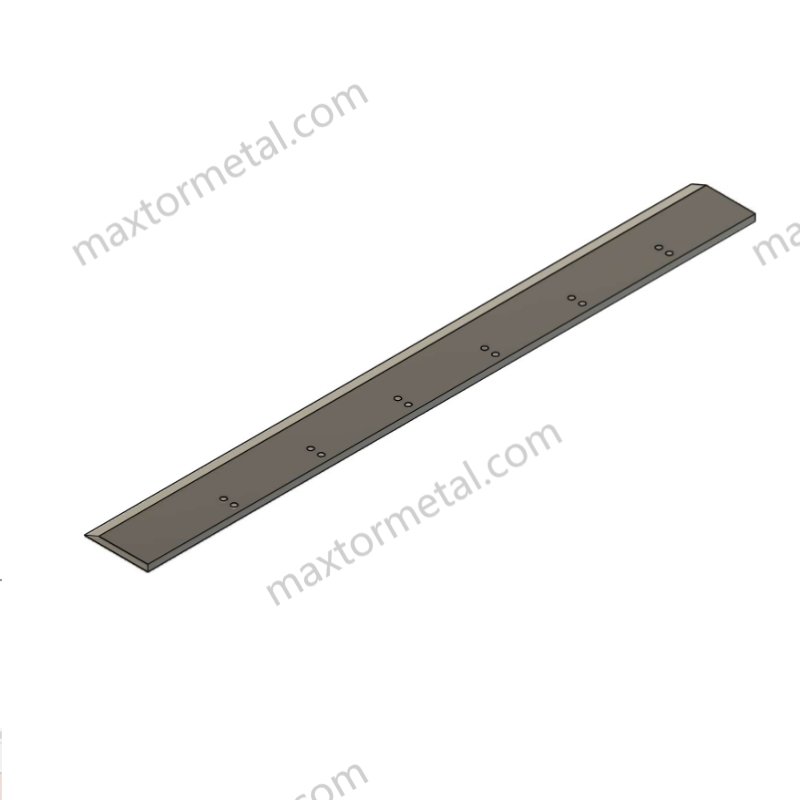
올바른 것을 선택하다 정밀 작두날 플라스틱 필름과 호일을 더 잘 자를 수 있도록 도와줍니다. 작업 속도를 높이고 절단 품질을 향상시켜 줍니다. 어떤 날을 선택하느냐에 따라 재료 낭비량과 날의 수명이 달라집니다. 카바이드 팁 날은 최대 60%까지 더 오래 사용할 수 있으며 필름이 찢어지는 것을 방지합니다. HSS 및 D2 공구강 날은 절단 작업이 많은 곳에 적합합니다.
| 블레이드 유형 | 이익 | 서비스 수명 개선 |
|---|---|---|
| 초경 팁 | 깔끔한 컷, 낭비 감소 | 40-60%는 표준보다 더 깁니다. |
| HSS 및 D2 공구강 | 자르기에 아주 좋습니다 | 해당 없음 |
다음과 같은 회사 난징 Metal 산업 생산 과정에서 칼날을 여러 번 검사합니다. 재질 품질, 모양, 크기 등을 테스트한 칼날을 받으실 수 있습니다.
주요 요점
- 재료에 맞는 날을 선택하세요. 초경 팁 날은 수명이 길고 폐기물 발생량도 적습니다.
- 플라스틱 필름이나 호일의 두께와 종류를 생각해 보세요. 깔끔하게 자르려면 재질에 맞는 칼날을 사용하세요.
- 자주 자르는 작업을 한다면 강력한 날이 필요합니다. 여러 번 사용해도 견딜 수 있는 날을 선택하세요.
- 원하는 품질이 무엇인지 알아두세요. 어떤 작업에는 매끄러운 모서리를 위해 더 날카로운 날이 필요하지만, 다른 작업에는 더 안전한 날이 필요할 수도 있습니다.
- 속도와 압력 같은 기계 설정을 변경해 보세요. 다양한 설정을 시도해 보고 재료에 가장 적합한 설정을 찾아보세요.
- 칼날을 자주 관리하세요. 깨끗하게 닦고, 날카롭게 갈고, 제대로 작동하는지 점검하십시오.
- 일반 날이 잘 맞지 않으면 맞춤형 날을 사용하세요. 많은 회사에서 고객의 요구에 맞는 특수 날을 제작해 줍니다.
- 설정을 변경하고 적절한 칼날 모양을 선택하여 찢어짐이나 미끄러짐과 같은 일반적인 문제를 해결하세요.
플라스틱 필름 및 호일의 적용 분야 요구 사항
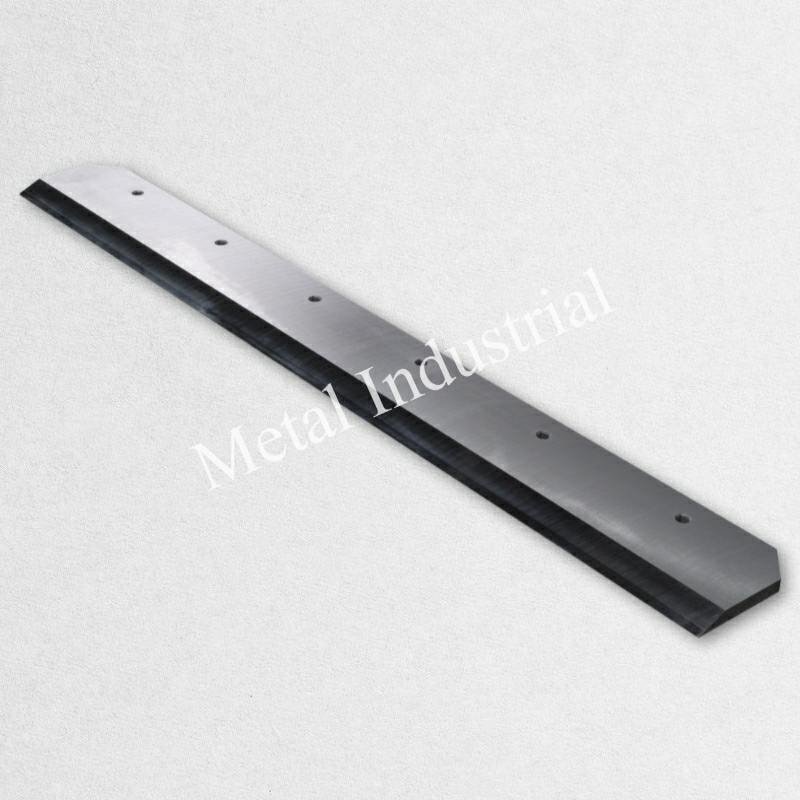
플라스틱 필름 및 호일용 정밀 절단 날을 선택할 때는 먼저 자신의 절단 환경을 살펴보아야 합니다. 모든 적용 분야는 다르기 때문입니다. 재질의 종류, 두께, 절단량, 그리고 목표 품질 등을 고려해야 합니다. 이러한 단계를 거치면 최상의 결과를 얻고 작업을 더욱 수월하게 할 수 있습니다.
재질 종류 및 두께
먼저, 어떤 종류의 플라스틱 필름이나 호일을 자를지 확인하세요. 필름 중에는 부드럽고 얇은 것도 있고, 두껍고 질긴 것도 있습니다. 두꺼운 재질에는 더 강력한 칼날이 필요합니다. 얇은 필름은 잘못된 날을 사용하면 찢어질 수 있습니다. 재질에 맞는 칼날을 선택해야 합니다. 예를 들어, 매끄러운 절단에는 직선형 날이, 천공 작업에는 톱니형 날이 필요할 수 있습니다. 확실하지 않다면, 필요에 맞는 맞춤형 길로틴 칼날을 주문할 수 있습니다. 난징 Metal 산업(Nanjing Metal Industrial)은 다양한 재질에 맞는 여러 종류의 칼날을 제공합니다. 자세한 내용은 해당 웹사이트를 참조하세요. 맞춤형 블레이드 특별한 업무를 위해서요.
생산량 및 기계 사양
다음으로, 하루에 얼마나 많은 양을 절단해야 하는지 생각해 보세요. 생산량이 많다면 오래가고 작업 속도가 빠른 날이 필요합니다. 내구성이 뛰어난 맞춤형 길로틴 날은 바쁜 일정에도 신속하게 대응할 수 있도록 도와줍니다. 절단량이 적다면 비용을 절감하기 위해 다른 종류의 날을 선택할 수도 있습니다. 사용하는 기계도 중요합니다. 일부 기계는 특수한 모양이나 크기의 날이 필요합니다. 기계 사양에 맞는 맞춤형 길로틴 날을 선택하면 문제를 방지하고 매번 깔끔한 절단면을 얻을 수 있습니다.
팁: 작업량이 많을 때는 강력한 날이 필요하고, 작업량이 적을 때는 기본적인 날을 사용해도 됩니다.
품질 및 성능 목표
최종 제품의 외관을 어떻게 원하는지 결정해야 합니다. 아주 깔끔한 모서리가 필요하신가요? 식품이나 의료용품 포장을 제작하시나요? 어떤 작업에는 매우 날카로운 맞춤형 길로틴 칼날이 필요하고, 또 어떤 작업에는 안전이나 손쉬운 절단을 위해 특수 모서리가 있는 칼날이 필요합니다. 난징 Metal 산업은 식품 포장, 의료 포장, 플라스틱 필름 가공 등 다양한 용도에 맞는 칼날을 제작할 수 있습니다. 직선형, 원형, 뾰족한 끝 모양의 칼날 중에서 선택할 수 있으며, 톱니형, 톱니 모양, 물결 모양 등 다양한 절단 모서리도 선택 가능합니다. 따라서 작업에 맞는 칼날을 쉽게 찾을 수 있습니다.
| 사용자 정의 옵션 | 설명 |
|---|---|
| 블레이드 유형 | 직선형, 원형, 뾰족한 끝 |
| 최첨단 기술 | 톱니 모양, 톱니형, 조개 모양, 다양한 톱니 형태 |
| 사용된 재료 | 탄소 공구강, 고속 공구강 |
| 응용 | 신선식품 및 건식식품 포장, 의료용품 포장, 플라스틱 필름 및 포일 가공 |
필요한 사항을 정확히 파악하면 작업에 딱 맞는 맞춤형 길로틴 날을 주문할 수 있습니다. 이를 통해 더 나은 결과를 얻고 시간을 절약할 수 있습니다.
정밀 단두대 칼날: 주요 특징
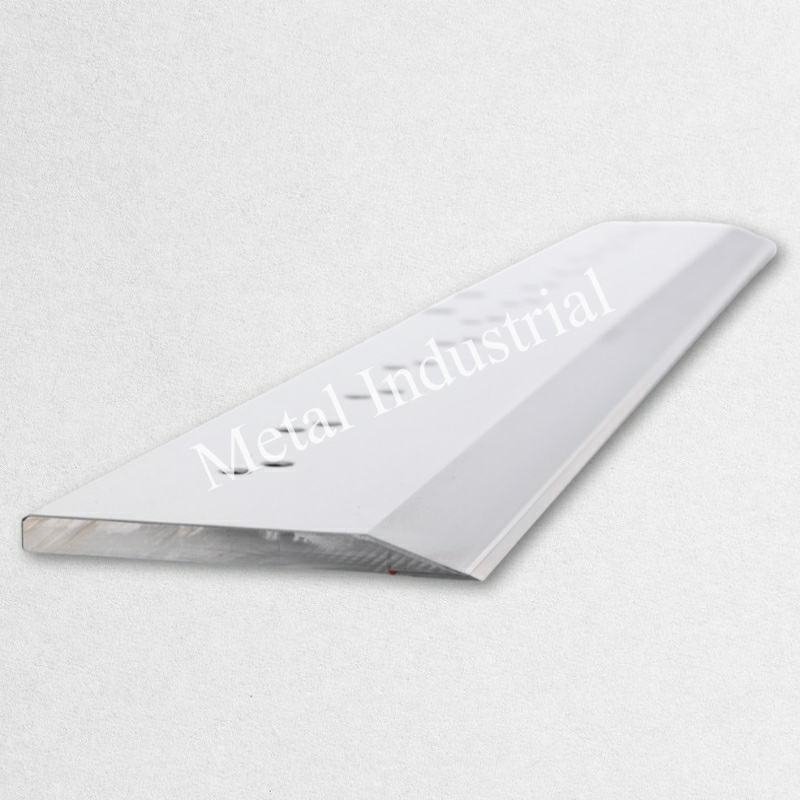
플라스틱 필름과 호일을 절단하는 데 사용할 정밀 재단용 칼날을 선택할 때는 성능에 영향을 미치는 주요 요소를 살펴보아야 합니다. 적절한 기능은 깔끔한 절단을 가능하게 하고, 재료 낭비를 줄이며, 작업을 원활하게 진행하는 데 도움이 됩니다.
블레이드 소재 선택
공구강, 고속도강, 텅스텐 카바이드
정밀 절단기 날은 다양한 재질로 제작되며, 각 재질마다 특유한 장점이 있습니다. 공구강은 내구성이 뛰어나 다양한 작업에 적합합니다. 고속강(HSS)은 날카로움을 오래 유지하고 빠른 절단이 가능합니다. 텅스텐 카바이드 날은 수명이 훨씬 길고 마모가 적어 고강도 절단 작업에 탁월합니다.
다음은 몇 가지 칼날 재질의 특성을 비교한 표입니다.
| 재료 | 장점 | 단점 |
|---|---|---|
| 세라믹 | 날카로운 모서리를 만들어주며, 자주 갈 필요가 없고, 절대 녹슬지 않습니다. | 쉽게 깨지거나 부서질 수 있습니다. |
| 고탄소강 | 견고함을 유지하고 날카로운 성능을 오랫동안 발휘합니다. | 녹이 슬 수 있고 자주 관리가 필요합니다. |
| 스테인레스 스틸 | 녹슬지 않아 습기가 많은 곳에 적합합니다. | 고탄소강보다 날카로움을 더 빨리 잃을 수 있습니다. |
자르는 작업에 맞는 칼날 재질을 선택해야 합니다. 얇은 필름을 자를 때는 찢어지지 않도록 날카로운 칼날이 필요하고, 두꺼운 포일을 자를 때는 오래 사용할 수 있는 튼튼한 칼날이 필요합니다.
내마모성
내마모성은 날이 얼마나 단단한 재료를 잘 처리하는지를 나타냅니다. 내마모성이 높은 날은 수명이 길고 연마 횟수가 줄어듭니다. 텅스텐 카바이드와 고속도강(HSS) 날은 일반 강철보다 마모에 강합니다. 따라서 날을 교체하거나 연마하기 전에 더 많은 양을 절단할 수 있습니다.
팁: 적절한 칼날 재질을 선택하면 유지 보수 횟수를 줄일 수 있습니다. 날카로운 칼날은 깔끔하게 절단하여 재료 낭비를 줄여주므로, 고장 발생 횟수도 줄어듭니다.
블레이드 형상 및 날끝 프로필
모서리 각도 및 선명도
칼날의 각도와 날카로움은 플라스틱 필름과 호일을 자르는 데 매우 중요합니다. 각도가 날카로울수록 깔끔하게 잘리지만 마모가 빨리 진행됩니다. 각도가 두꺼울수록 오래가지만 절단면이 깔끔하지 않을 수 있습니다. 따라서 사용하려는 재질과 절단량을 고려하여 적절한 각도를 선택해야 합니다.
치아 프로필 옵션
톱날의 톱니 모양은 다양하게 선택할 수 있습니다. 직선형 톱니는 매끄럽고 깔끔한 절단에 적합합니다. 톱니 모양 또는 톱니형 톱니는 구멍을 뚫거나 단단한 재료를 절단할 때 유용합니다. 어떤 작업에는 물결 모양이나 특수한 톱니 모양이 필요할 수도 있습니다. 최상의 결과를 얻으려면 절단 작업에 맞는 톱니 모양을 선택해야 합니다.
표면 마감 및 코팅
접착 방지 및 정전기 방지
칼날의 표면 마감과 코팅은 플라스틱 필름과 호일을 더욱 효과적으로 절단할 수 있도록 도와줍니다. 매끄러운 표면은 재료가 칼날에 달라붙는 것을 방지합니다. 특수 코팅은 정전기를 줄여 필름과 호일이 뭉치는 현상을 방지합니다. 이러한 기능 덕분에 더욱 빠르고 깔끔하게 절단하여 작업 속도를 높일 수 있습니다.
참고: 접착 방지 코팅과 정전기 방지 기능 덕분에 특히 얇거나 끈적이는 재료를 자를 때 더욱 편리합니다.
적절한 재질, 모양, 마감으로 정밀하게 제작된 길로틴 칼날은 더 나은 결과와 작업 중단 시간 단축을 제공합니다. 필요에 맞는 기능을 선택하여 더욱 효율적인 절단 작업을 할 수 있습니다.
치아 형태 및 천공 칼날 선택

재질에 맞는 블레이드 프로파일
플라스틱 필름이나 호일을 자를 때는 적절한 칼날 모양을 선택해야 합니다. 칼날의 톱니 모양과 크기는 재료를 자르는 방식에 영향을 미칩니다. 직선형 칼날을 사용하면 매끄러운 선을 얻을 수 있습니다. 톱니 모양이나 물결 모양 칼날은 구멍을 뚫거나 미끄러운 필름을 자를 때 더 나은 그립감을 제공합니다.
다음은 다양한 재료에 가장 적합한 날 프로필을 보여주는 간단한 표입니다.
| 재료 유형 | 최상의 치아 프로필 | 효과가 있는 이유 |
|---|---|---|
| 얇은 플라스틱 필름 | 가는 직선형 | 깔끔하게 잘리고 찢어짐을 방지합니다. |
| 두꺼운 비닐 호일 | 거친 톱니 모양 가장자리 | 두꺼운 겹겹의 층을 쉽게 뚫어냅니다. |
| 라미네이트 필름 | 물결 모양 또는 조개 모양 가장자리 | 달라붙는 현상을 줄이고 쉽게 분리됩니다. |
| 접착성 필름 또는 정전기 필름 | 톱니형 모서리 + 코팅 | 이물질 축적을 방지하고 절단면을 깨끗하게 유지합니다. |
필름에 맞는 칼날을 선택하는 것이 매우 중요합니다. 이 단계를 통해 필름이 찢어지거나 가장자리가 거칠어지는 등의 문제를 방지할 수 있습니다. 적절한 톱니 모양을 선택하면 깔끔하게 잘리고 더 나은 결과물을 얻을 수 있습니다.
팁: 어떤 날을 사용해야 할지 잘 모르겠다면 맞춤 제작 옵션을 문의해 보세요. 난징 Metal 산업과 같은 많은 공급업체에서 특수 작업에 맞는 맞춤형 날을 제공합니다.
깔끔한 절단을 위한 천공 기술
천공 칼은 필름이나 포일에 작은 구멍이나 틈을 일렬로 뚫는 데 유용합니다. 이렇게 뚫은 틈을 이용하면 나중에 재료를 쉽게 찢을 수 있습니다. 작업에 맞는 톱니 모양과 간격을 선택해야 합니다. 톱니가 가는 칼은 작고 촘촘한 구멍을 만들고, 톱니가 굵은 칼은 크고 간격이 넓은 구멍을 만듭니다.
천공칼로 깔끔하게 절단하려면 다음 사항을 지켜야 합니다.
- 기계에 적절한 압력을 설정하세요.
- 칼날을 날카롭고 깨끗하게 유지하십시오.
- 재료에 맞는 속도를 사용하십시오.
너무 세게 누르면 필름이 찢어질 수 있습니다. 반대로 너무 약하게 누르면 구멍이 제대로 뚫리지 않을 수 있습니다. 항상 작은 조각에 먼저 테스트하여 설정을 조정하세요. 이렇게 하면 최적의 결과를 얻을 수 있습니다.
참고: 식품 및 의약품 포장에서는 깔끔한 절단이 가장 중요합니다. 깔끔한 절단은 제품을 안전하게 보관하고 쉽게 개봉할 수 있도록 해줍니다.
사례 연구 및 실제 사례
실제 사례를 통해 많은 것을 배울 수 있습니다. 다음은 톱니 모양과 천공 칼날 선택이 다양한 작업에 어떻게 도움이 되는지 보여주는 두 가지 사례입니다.
- 식품 포장 필름
한 회사가 스낵 포장에 사용할 얇고 끈적이는 필름을 잘라야 했습니다. 일반 일자형 칼날을 사용해 봤지만 필름이 달라붙어 찢어졌습니다. 그래서 난징 Metal 산업에서 제작한 미세 톱니형 코팅 칼날로 교체했습니다. 그 결과 깔끔하게 절단되고 필름이 달라붙는 현상도 사라졌습니다. - 고강도 호일 롤
또 다른 회사는 두꺼운 알루미늄 호일을 다루는 사업을 했습니다. 기존 칼날은 마모가 빠르고 가장자리가 거칠었습니다. 그래서 특수한 각도로 가공된 거친 톱니 모양의 칼날을 선택했습니다. 이 새로운 방식 덕분에 절단면이 더 매끄러워지고 칼날 수명도 길어졌습니다. 결과적으로 폐기물이 줄어들고 제품 품질이 향상되었습니다.
이 예시들은 톱니 모양과 천공 칼날 선택에 주의를 기울여야 하는 이유를 보여줍니다. 재료와 작업에 맞는 칼날을 선택하면 깔끔한 절단면과 향상된 성능을 얻을 수 있습니다. 작업이 특수한 경우 언제든지 전문가의 조언이나 맞춤형 솔루션을 문의하실 수 있습니다.
절삭 매개변수 최적화
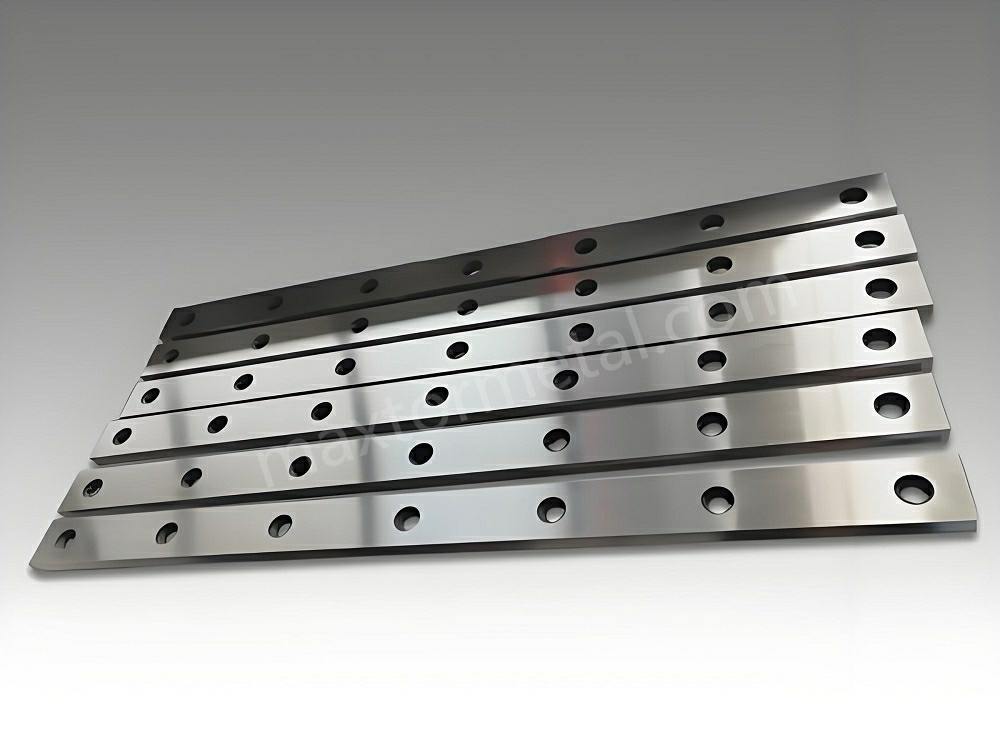
플라스틱 필름 및 포일용 정밀 길로틴 블레이드를 사용할 때 최적화에 집중하면 작업 결과를 향상시킬 수 있습니다. 즉, 최상의 절단 결과를 얻기 위해 기계와 블레이드 설정을 조정하는 것입니다. 단계별 최적화 과정을 따르면 작업이 더 쉬워지고 절단면이 더 깔끔해집니다.
속도 및 압력 설정
절단기에 맞는 속도를 설정해야 합니다. 너무 빠르게 절단하면 가장자리가 거칠어지거나 찢어질 수 있습니다. 반대로 너무 느리게 절단하면 시간이 낭비되고 절단 효율이 떨어집니다. 최적의 속도는 사용하는 재료와 필름 또는 포일의 두께에 따라 다릅니다. 최적의 속도를 찾기 위해 항상 여러 속도로 테스트해 보는 것이 좋습니다.
압력은 속도만큼이나 중요합니다. 압력이 너무 세면 칼날과 재료가 손상될 수 있고, 압력이 너무 약하면 절단이 불완전해질 수 있습니다. 칼날이 필름이나 호일을 뭉개지 않고 부드럽게 통과하도록 압력을 조절해야 합니다.
팁: 낮은 속도와 낮은 압력으로 시작하세요. 깨끗하고 매끄러운 절단면이 보일 때까지 천천히 속도와 압력을 높이세요. 이렇게 하면 실수를 방지하고 칼날을 더 오래 날카롭게 유지할 수 있습니다.
천공 속도도 고려해야 합니다. 천공 칼을 사용할 때는 필름 종류와 천공 크기에 맞춰 속도를 조절해야 합니다. 속도가 너무 빠르면 구멍이 제대로 나지 않을 수 있고, 너무 느리면 필름이 늘어나거나 녹을 수 있습니다. 작업할 때마다 천공 속도를 확인하세요.
날 정렬 및 공차
날 정렬이란 날이 기계에 똑바로 장착되었는지 확인하는 것을 의미합니다. 날이 비뚤어지면 절단면이 고르지 않고 재료 낭비가 발생합니다. 매 작업 시작 전에 날 정렬 상태를 확인해야 합니다. 자나 게이지를 사용하여 날이 절단 경로와 일치하는지 확인하십시오.
공차는 칼날과 절단면 사이의 작은 간격을 말합니다. 공차가 너무 작으면 칼날이 빨리 마모될 수 있고, 너무 크면 필름이나 호일이 미끄러져 불량 절단이 발생할 수 있습니다. 공차는 재료의 두께에 따라 설정해야 합니다. 두꺼운 필름에는 더 많은 간격이 필요하고, 얇은 필름에는 더 적은 간격이 필요합니다.
정확한 공차로 잘 정렬된 날은 더 빠른 속도와 뛰어난 절단 품질을 제공합니다. 문제 발생률이 줄어들고 날의 수명이 더욱 길어집니다.
문제 해결 절단 품질
때때로 절단 작업에 문제가 발생할 수 있습니다. 대부분의 문제는 설정과 날을 확인하여 해결할 수 있습니다. 다음 표는 설정을 확인하는 방법을 보여줍니다. 절단 품질 저하의 일반적인 원인 그리고 그것들이 의미하는 바는 다음과 같습니다.
| 원인 | 설명 |
|---|---|
| 블레이드 마모 | 날이 무디거나 거친 칼날은 절삭력을 저하시킵니다. |
| 잘못된 설정 | 절단 과정에서 설정이 잘못되면 절단 품질에 영향을 미칠 수 있습니다. |
| 진동 | 장비의 진동은 날을 손상시키고 수명을 단축시킬 수 있습니다. |
| 재료 특성 | 재질에 따라 최적의 절단 성능을 위해서는 특정 종류의 칼날과 설정이 필요합니다. |
| 높은 측면 접촉 압력 | 과도한 압력은 절단 품질 저하 및 날 마모를 초래할 수 있습니다. |
| 잘못된 전단각 | 절단 각도가 잘못되면 절단 공정에 부정적인 영향을 미칠 수 있습니다. |
| 먼지 | 먼지가 쌓이면 절단 과정에 방해가 되어 절단 품질에 영향을 미칠 수 있습니다. |
| 필름 찢어짐 | 필름을 자르는 과정에서 찢어지면 재료를 사용할 수 없게 될 수 있으므로 정밀한 작업이 필수적입니다. |
불완전한 절단
필름이나 호일이 완전히 잘리지 않는다면 칼날의 날카로움이나 압력에 문제가 있을 수 있습니다. 무딘 칼날은 깨끗하게 잘리지 않습니다. 칼날의 마모 상태를 확인하고 필요하면 교체하십시오. 압력을 높이거나 속도를 조절해야 할 수도 있습니다. 때때로 칼날이나 필름에 묻은 먼지가 절단을 방해할 수 있습니다. 칼날과 작업 공간을 자주 청소하십시오.
참고: 절단이 불완전하게 되는 경우 항상 설정을 확인하십시오. 속도나 압력의 작은 변화도 큰 차이를 만들 수 있습니다.
찢어짐 및 가시
필름이 잘리는 대신 칼날에 의해 당겨지면서 찢어지는 현상이 발생합니다. 절단 후 남는 거친 가장자리를 버(burr)라고 합니다. 이러한 문제들은 잘못된 칼날 종류, 마모된 칼날, 또는 속도와 압력이 부적절할 때 발생할 수 있습니다. 칼날의 모양은 사용하는 재질에 맞춰야 합니다. 예를 들어, 얇은 필름에는 날카롭고 미세한 칼날이 필요하고, 두꺼운 포일에는 더 강하고 톱니 모양의 칼날이 필요합니다.
기계의 진동 또한 절단면의 찢어짐과 거스러미를 유발할 수 있습니다. 기계가 안정적인 표면에 놓여 있는지 확인하십시오. 작업 시작 전에 느슨한 부품이 있는지 확인하고 단단히 조이십시오. 거스러미가 보이면 속도를 낮추거나 날 각도가 다른 날을 사용해 보십시오.
팁: 칼날을 날카롭게 유지하고 장비를 깨끗하게 관리하십시오. 이는 찢어짐과 버(burr) 발생을 방지하고 절단 효율을 높게 유지하는 데 도움이 됩니다.
최적화에 집중하면 플라스틱 필름 및 포일용 정밀 기요틴 칼날로 더 나은 결과를 얻을 수 있습니다. 시간을 절약하고 폐기물을 줄이며 작업을 더 수월하게 만들 수 있습니다. 최상의 결과를 얻으려면 항상 속도, 압력, 정렬 상태 및 칼날 상태를 점검하십시오.
플라스틱 필름 천공 블레이드: 취급상의 어려움
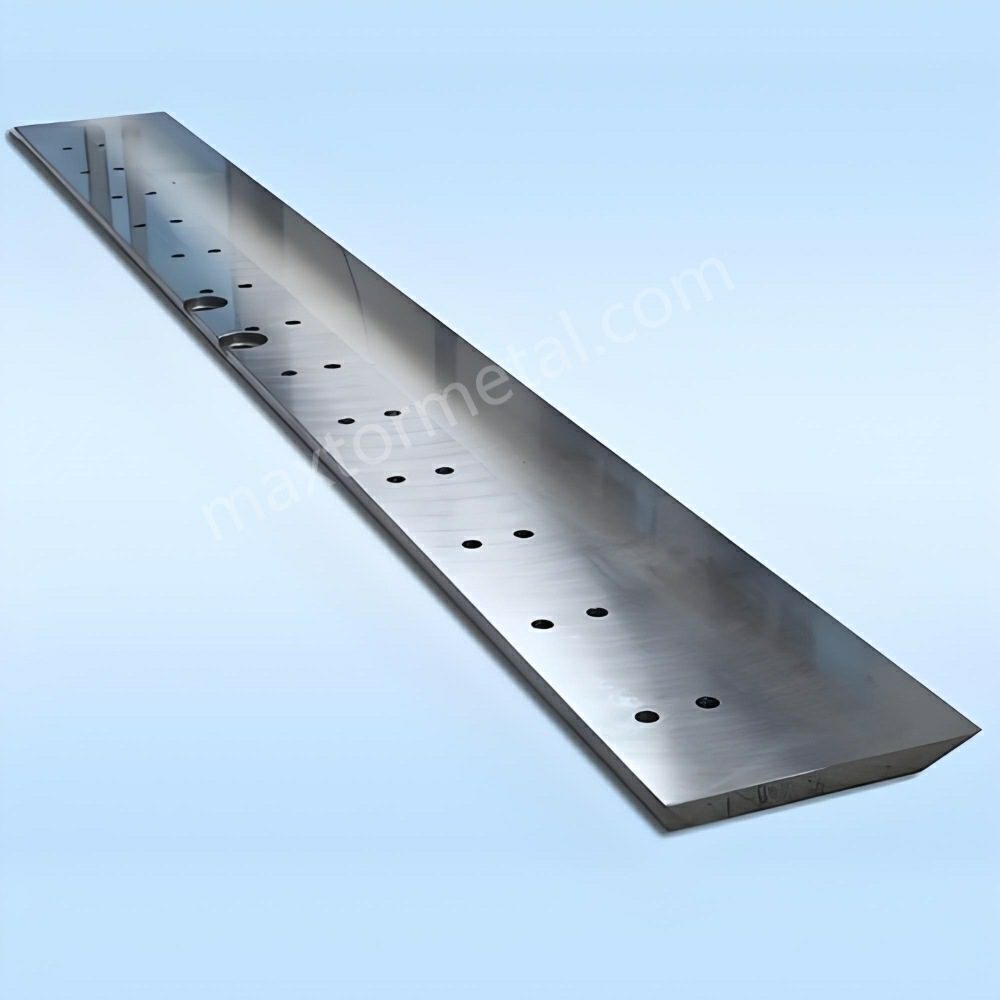
플라스틱 필름 천공 칼날은 필름과 포일을 절단하는 데 도움을 줍니다. 때로는 이러한 칼날을 사용할 때 문제가 발생할 수 있습니다. 이러한 문제를 해결하는 방법을 알면 작업이 더 안전하고 향상됩니다.
미끄러짐 및 소재 유동
플라스틱 필름 천공 칼날로 절단할 때 필름이 미끄러질 수 있습니다. 이로 인해 직선으로 절단하기가 어려워집니다. 절단하는 동안 필름이 고정되어 있어야 합니다. 필름의 첨가제가 이에 도움이 될 수 있습니다. 이러한 첨가제는 마찰 계수(COF)를 낮춥니다. 낮은 COF 는 필름이 장비 내에서 부드럽게 이동하도록 합니다. 또한 절단 시 필름을 안정적으로 유지하는 데 도움이 됩니다.
적합한 나이프를 선택하는 것도 중요합니다. 일부 나이프에는 필름을 제어하는 데 도움이 되는 기능이 있습니다. 다음은 몇 가지 나이프와 그 장점을 정리한 표입니다:
| 추천 나이프 | 주요 장점 |
|---|---|
| 뮈르 & 페이로 보르도 | 조절 가능한 깊이 및 안전 가드가 장착된 강력한 칼날 |
| 세큐맥스 스니티 | 통합 가이드 및 45°에서의 부드러운 슬라이싱 |
| 세큐맥스 옵티컷 436 | 글라이드 풋 및 당겨 자르기 편의성과 저항성 |
| 세큐맥스 옵티컷 437 | 질긴 필름 레이어에서의 밀어 자르기 제어 |
항상 날카로운 칼날을 사용하십시오. 날카로운 칼날은 깔끔하게 절단하고 찢어짐을 방지합니다. 칼날이 원활하게 작동하도록 자주 교체하십시오. 작업자가 이러한 칼날을 안전하게 사용할 수 있도록 교육하십시오.
팁: 첨가제와 적합한 나이프를 사용하면 미끄러짐을 방지하고 필름을 제자리에 고정하는 데 도움이 됩니다.
정전기 축적 해결 방안
필름을 절단할 때 정전기가 발생할 수 있습니다. 정전기는 필름이 칼날이나 장비에 달라붙게 만듭니다. 이로 인해 작업 속도가 느려지고 절단 품질이 저하될 수 있습니다. 원활한 작업을 위해서는 정전기를 제어해야 합니다.
정전기를 처리하기 위해 특수 시스템을 사용할 수 있습니다. 다음은 몇 가지 솔루션과 그 기능에 대한 표입니다:
| 솔루션 유형 | 설명 |
|---|---|
| 인라인 멀티커터 | 연속 트리밍 잔여물의 부피 감소 |
| RVS (로터리 밸브 세퍼레이터) | 강력한 흡입 및 자재 분리 제공 |
| STS 정전기 분리기 | 정전기 축적을 제어하기 위해 배출 지점에 사용됨 |
| 인라인 벤투리 시스템 | 간단한 설치로 장거리 흡입 용이 |
| 벤투리 시스템 | 연속 트리밍 잔여물의 효율적인 공압 추출 |
| MultiAir® 블로어 | 연속 트림 이송을 위한 비용 효율적인 솔루션으로 노동력 및 유지보수 비용 절감 |
이러한 시스템을 공정의 적절한 위치에 배치할 수 있습니다. 예를 들어, 필름이 장비를 빠져나가는 곳에 정전기 분리기를 사용하십시오. 이는 필름이 배출되기 전에 정전기를 제거합니다. Venturi 시스템과 블로어는 필름과 트리밍 스크랩을 칼날에서 멀리 이동시키는 데 도움이 됩니다. 이를 통해 작업 공간을 깨끗하고 안전하게 유지할 수 있습니다.
참고: 정전기를 제어하면 칼날이 원활하게 작동하고 걸림 현상이나 불량 절단을 방지할 수 있습니다.
갤링(Galling) 및 용융 방지
일부 필름이나 포일에서는 갤링 및 용융 현상이 발생할 수 있습니다. 갤링은 필름이 칼날에 달라붙는 현상을 의미합니다. 용융은 칼날이 뜨거워져 필름이 녹아내릴 때 발생합니다. 두 문제 모두 절단 품질을 망치고 칼날을 손상시킬 수 있습니다.
다음과 같은 조치를 통해 갤링과 용융을 방지할 수 있습니다:
- 표면 조도가 매끄러운 칼날을 사용하십시오. 이는 필름이 달라붙는 것을 방지합니다.
- 마찰과 열을 줄여주는 코팅이 적용된 칼날을 선택하십시오.
- 장비를 적절한 속도와 압력으로 설정하십시오. 과도한 속도나 압력은 열을 발생시킵니다.
- 칼날을 날카롭게 유지하십시오. 무딘 칼날은 더 많은 마찰과 열을 발생시킵니다.
갤링이나 용융 현상이 보이면 작업을 중단하고 칼날을 점검하십시오. 칼날을 청소하고 설정을 변경하십시오. 일부 필름의 경우 다른 칼날 재질이나 코팅이 필요할 수 있습니다.
콜아웃: 절단 공정을 면밀히 모니터링하십시오. 신속한 조치는 손상을 방지하고 칼날이 원활하게 작동하도록 유지합니다.
플라스틱 필름 천공 칼날을 사용하면 다양한 유형의 필름과 포일을 절단할 수 있습니다. 미끄러짐, 정전기, 갤링 및 용융 문제를 해결하면 깔끔한 절단면을 얻고 칼날 수명을 연장할 수 있습니다. 작업을 더 쉽고 안전하게 만들기 위해 적합한 공구와 설정을 사용하십시오.
정밀 단두대 칼날 유지 관리
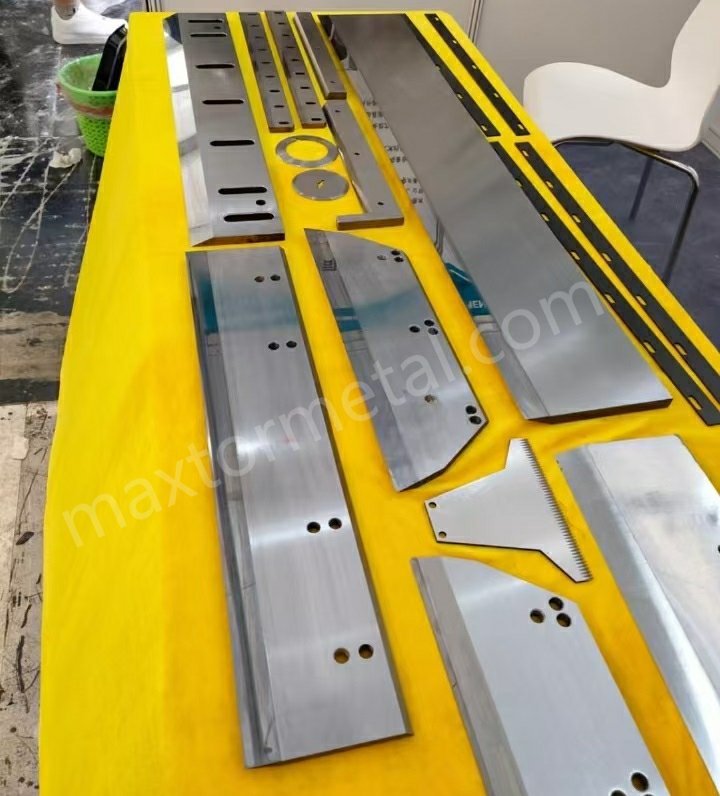
정밀 기요틴 칼날을 관리하는 것은 매우 중요합니다. 이는 매번 우수한 절단 품질을 얻는 데 도움이 됩니다. 간단한 단계를 따르면 칼날을 더 오래 사용할 수 있습니다. 필요할 때 칼날을 청소, 점검 및 교체해야 합니다. 이를 통해 작업을 수월하게 유지하고 부드러운 절단을 보장할 수 있습니다.
재연마 및 날 끝 관리
잘 절단하려면 칼날이 날카로워야 합니다. 50 to 70 hours 사용 후에는 칼날을 연마해야 합니다. 연마할 때는 항상 동일한 각도를 유지하십시오. 이는 칼날이 새것처럼 작동하도록 도와줍니다. 최상의 연마 품질을 위해 전문 연삭기를 사용하십시오. 너무 많이 연삭하거나 잘못된 각도를 사용하면 절단 품질이 떨어질 수 있습니다.
Low-Stress, Ultra-Fine Polish
A smooth polish helps the blade stay strong. After sharpening, polish the blade to remove tiny rough spots. This makes the edge smooth and shiny. A polished blade cuts with less effort. It also helps stop tearing and rough edges.
Here is a table that shows how each maintenance step helps:
| Maintenance Technique | 설명 |
|---|---|
| 청소 | Use air or a soft brush to remove dirt. Clean with a safe cleaner and dry well to stop rust. |
| 날카롭게하다 | Sharpen after 50–70 hours. Keep the same angle for best results. |
| 매끄럽게 하기 | Use oil after cleaning or every 20 hours to help the blade move smoothly. |
| 저장 | Cover blades, keep them dry, and do not stack them to stop damage. |
Tip: Sharpen and polish your blades often. This saves time and gives you better cuts.
세척 및 취급
You should clean your blades after every use. Let the blade cool before you touch it. Use a brass brush or rough cloth to take off any leftover bits. This stops stuff from building up on the blade. Wipe the blade with a damp cloth to get rid of dust and dirt. Make sure the blade and mat are always clean.
- Clean the blade gently after it cools down.
- Use a brass brush or rough cloth to remove bits.
- Wipe with a clean, damp cloth to finish.
- Keep the blade and mat free from dust and shavings.
Handle blades carefully. Always use covers when you put blades away. Store blades in a dry place. Never stack blades on top of each other. This keeps the edge sharp and stops damage. Good handling helps your blades last longer and work better.
Note: Clean blades last longer and give better cuts. Handle them safely to avoid accidents.
Monitoring Wear and Replacement
Check your blades often to see if they are getting dull. Dull blades can make bad cuts or tear the film. Look for chips, nicks, or dull spots on the edge. Change the blade if you see these problems.
Here is a table that shows how long blades usually last:
| Blade Series | Life Expectancy |
|---|---|
| Standard Crusher Blades | 6-12개월 |
| Heavy-Duty Crusher Blades | 12-18개월 |
| Premium Crusher Blades | 18-24 months |
| Film Guillotine Knives | 12-15 months |
If you use blades a lot, you may need to change them sooner. Keep track of how long you use each blade. If you see more waste or rough edges, it is time for a new blade.
Callout: Check your blades often and change them when needed. This keeps your work good and stops delays.
If you clean, sharpen, and handle your blades with care, they will work better. Watch for signs of wear and replace blades when needed. These steps help you get the best cuts every time.
You have to pick blades that work for your job and material. Look at the blade’s design and always use the right guillotine blade. Plastic film perforating blades are important, so choose them carefully. When you pick perforating knives, change your settings to get the best cut. These blades must fit your process to work well. To keep your cuts good, do these things:
- Clean blades often to get rid of dirt and keep them sharp.
- Check the edge to find out if it is dull or damaged.
- Sharpen blades on time so they keep working well.
Pick blades that match your needs and change them when needed. Use the right way to cut and set clamp pressure for each material. Keep up with maintenance to stop problems and get smooth cuts. If you work with a trusted company like Nanjing Metal Industrial, you can get expert help and custom blades. If you need more help, talk to our sales engineers 여기.
자주 묻는 질문
What are the best blades for cutting plastic film?
You should use precision guillotine blades for plastic film and foil. These blades give you clean cuts. Choose blades with the right edge for your film. For thin plastic film, use fine straight blades. For thick film, use serrated blades.
How does pressure affect perforating plastic film?
Pressure controls how well blades perforate plastic film. Too much pressure can tear the film. Too little pressure in perforating leaves incomplete cuts. You should test pressure to find the best setting for your blades and film.
Tip: Always adjust pressure slowly when perforating plastic film.
Why do blades wear out when cutting plastic film?
Blades wear out from friction and pressure. Cutting plastic film creates heat. High pressure in perforating speeds up wear. Dull blades make rough cuts. You should check your blades often and replace them when needed.
How do I prevent film from slipping during perforating?
You can stop film from slipping by using sharp blades and the right pressure. Hold the plastic film tight. Use guides to keep the film straight. Adjust pressure in perforating to match your film and blades.
What is the best way to clean blades after cutting plastic film?
Clean blades after each cut. Let the blades cool. Wipe off plastic film bits. Use a soft brush. Dry the blades well. Clean blades last longer and give better cuts on plastic film.
How do I choose the right perforating blades for plastic film?
Pick blades that match your film type. Thin plastic film needs fine-toothed blades. Thick film needs coarse blades. Test different blades and pressure in perforating. Ask your supplier for help if you are not sure.
Why does my plastic film tear during perforating?
Film tears when blades are dull or pressure is too high. Check your blades for sharpness. Lower the pressure in perforating. Use the right blades for your plastic film. Test your setup before starting a big job.
How often should I replace blades when cutting plastic film?
Replace blades when you see rough cuts or film tears. High pressure in perforating wears blades faster. Check your blades after every job. Keep extra blades ready for your plastic film cutting work.
또한 참조
정밀 길로틴 전단 블레이드를 이용한 무버(Zero-Burr) 절단 달성
길로틴(Guillotine) 블레이드 대 전단(Shear) 블레이드: 차이점은 무엇이며 귀하의 작업에 가장 적합한 것은 무엇입니까?

 English
  Spanish
  Italian
  French
  Portuguese
  Russian
  German
  Arabic
  Hindi
Hindi  Vietnamese
  Indonesian
  Japanese
  Korean