

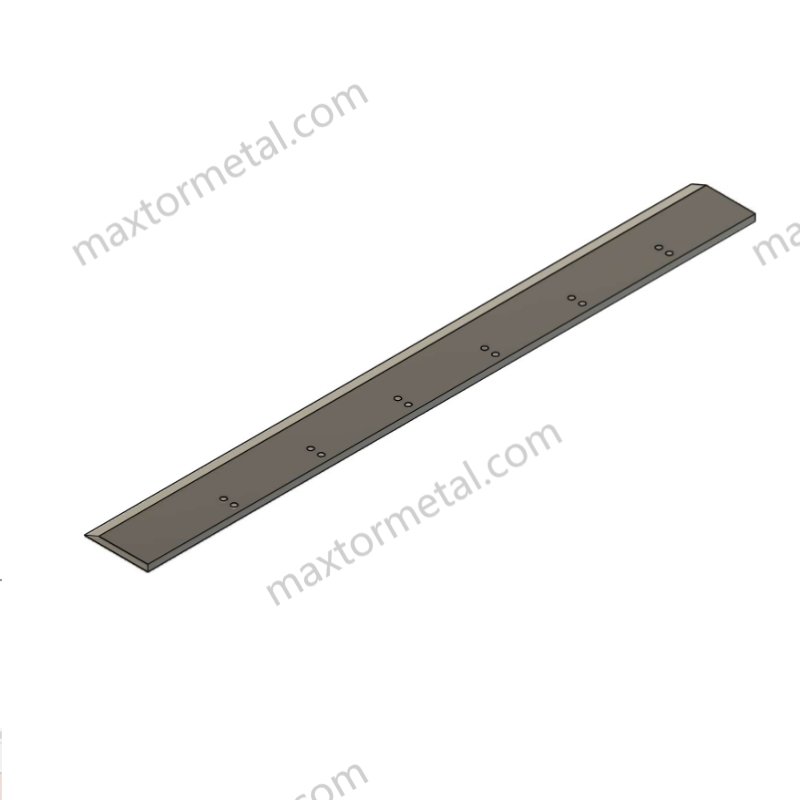
Scegliere il giusto Lame per taglierina di precisione aiuta a tagliare meglio film plastico e fogli. Velocizza il lavoro e migliora la qualità del taglio. La lama scelta influisce sulla quantità di scarti e sulla durata della lama stessa. Le lame con riporto in carburo possono durare fino al 60% in più. Inoltre, evitano lo strappo del film. Le lame in acciaio per utensili HSS e D2 sono ideali per volumi di taglio elevati:
| Tipo di lama | Benefici | Miglioramento della durata utile |
|---|---|---|
| Con punta in carburo | Tagli netti, meno sprechi | Dal 40 al 60% in più rispetto allo standard |
| Acciaio per utensili HSS e D2 | Ideale per elevati volumi di taglio | N / A |
Aziende come Nanjing Metal Industriale controllano le lame più volte durante la produzione. Riceverete lame testate per qualità del materiale, forma e dimensioni.
Punti chiave
- Scegliete la lama giusta per il vostro materiale. Le lame con riporto in carburo durano più a lungo e riducono gli scarti.
- Valutate lo spessore e il tipo di film plastico o foglio da tagliare. Utilizzate una lama adatta al materiale per ottenere tagli netti.
- Se eseguite molti tagli, avete bisogno di lame resistenti. Scegliete lame in grado di sopportare un uso intensivo.
- Definite la qualità desiderata. Alcune lavorazioni richiedono lame più affilate per bordi lisci, mentre altre potrebbero richiedere lame più sicure.
- Regolate le impostazioni della macchina, come velocità e pressione. Provate diverse configurazioni per trovare quella ottimale per il vostro materiale.
- Effettuate una manutenzione regolare delle lame. Pulitele, affilatele e controllatele per assicurarne il corretto funzionamento.
- Utilizzate lame personalizzate se quelle standard non soddisfano le vostre esigenze. Molte aziende possono realizzare lame speciali su misura.
- Risolvete i problemi comuni come lo strappo o lo slittamento modificando le impostazioni e scegliendo la forma corretta della lama.
Esigenze applicative per film plastico e fogli
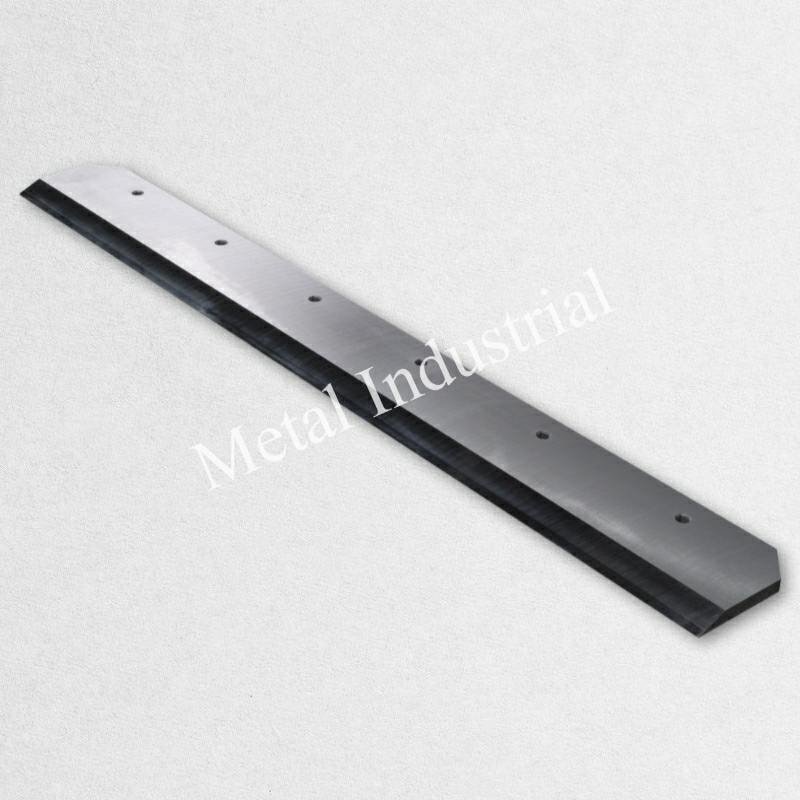
Quando si scelgono le lame per ghigliottina di precisione per film plastico e fogli, è necessario analizzare la propria specifica situazione di taglio. Ogni applicazione è diversa. Occorre considerare il tipo di materiale, lo spessore, il volume di taglio e gli obiettivi di qualità. Questi passaggi aiutano a ottenere i migliori risultati e a semplificare il lavoro.
Tipo di materiale e spessore
Innanzitutto, verificate il tipo di film plastico o foglio da tagliare. Alcuni film sono morbidi e sottili, mentre altri sono spessi e resistenti. I materiali più spessi richiedono lame più robuste. I film sottili possono strapparsi se si utilizza il tagliente errato. È importante abbinare la lama al materiale. Ad esempio, potrebbe essere necessario un tagliente dritto per tagli netti o un tagliente dentato per applicazioni di perforazione. In caso di dubbi, è possibile richiedere lame per ghigliottina personalizzate che si adattino esattamente alle vostre esigenze. Nanjing Metal Industrial offre numerose opzioni per diversi materiali. Potete scoprire di più sui loro Lame Personalizzate for special jobs.
Volume di produzione e specifiche della macchina
Successivamente, considerate il volume di taglio giornaliero. In caso di alta produzione, sono necessarie lame che durino a lungo e lavorino rapidamente. Le lame per ghigliottina personalizzate e durevoli aiutano a rispettare i programmi di lavoro più intensi. Per volumi inferiori, potreste preferire il risparmio scegliendo un tipo di lama differente. Anche la macchina ha la sua importanza. Alcuni macchinari richiedono forme o dimensioni di lama speciali. È possibile scegliere lame per ghigliottina personalizzate che corrispondano alle specifiche della macchina, evitando problemi e garantendo tagli netti ogni volta.
Suggerimento: i lavori ad alto volume richiedono lame robuste. Per i lavori a basso volume è possibile utilizzare lame più semplici.
Obiettivi di qualità e prestazioni
Dovete decidere quale aspetto debba avere il prodotto finito. Avete bisogno di bordi estremamente netti? Producete imballaggi per alimenti o articoli medicali? Alcune lavorazioni richiedono lame per ghigliottina personalizzate extra-affilate. Altre richiedono lame con taglienti speciali per la sicurezza o per facilitare lo strappo. Nanjing Metal Industrial è in grado di realizzare lame per molteplici applicazioni, come l'imballaggio alimentare, l'imballaggio medicale e la trasformazione di film plastici. Potete scegliere tra lame dritte, circolari o a punta acuminata. È inoltre possibile selezionare diversi taglienti, come dentati, seghettati o ondulati. In questo modo sarà facile trovare la lama ideale per il vostro lavoro.
| Opzioni di personalizzazione | Descrizione |
|---|---|
| Tipi di lama | Dritte, circolari, a punta acuminata |
| Taglienti | Dentati, seghettati, ondulati, varie configurazioni di dentatura |
| Materiali utilizzati | Acciaio al carbonio per utensili, acciaio superrapido per utensili |
| Applicazioni | Imballaggio per alimenti freschi e secchi, imballaggio medicale, trasformazione di film plastico e fogli |
Una volta definite le vostre esigenze, potrete ordinare lame per ghigliottina personalizzate adatte al vostro lavoro. Questo vi aiuterà a ottenere risultati migliori e a risparmiare tempo.
Lame per ghigliottina di precisione: caratteristiche principali
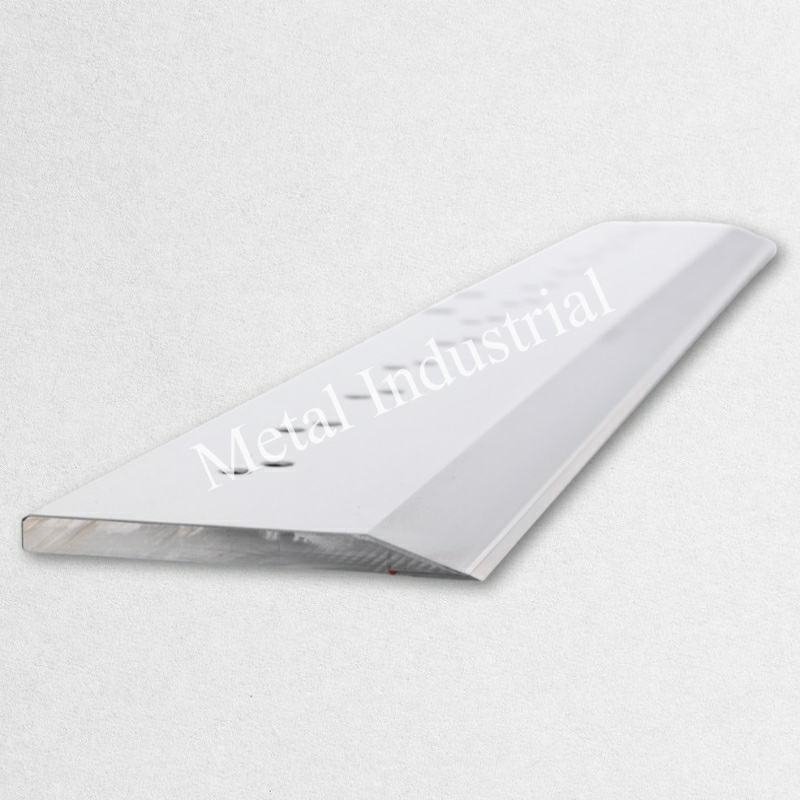
Nella scelta delle lame per ghigliottina di precisione per film plastico e fogli, occorre considerare i fattori principali che ne influenzano le prestazioni. Le caratteristiche corrette aiutano a eseguire tagli netti, a ridurre gli scarti di materiale e a mantenere fluido il flusso di lavoro.
Selezione del materiale della lama
Acciaio per utensili, HSS, carburo di tungsteno
Le lame per ghigliottina di precisione sono disponibili in diversi materiali, ciascuno con punti di forza specifici. L'acciaio per utensili è robusto e adatto a molteplici lavorazioni. L'acciaio superrapido (HSS) mantiene l'affilatura più a lungo e consente tagli rapidi. Le lame in carburo di tungsteno durano ancora di più e resistono all'usura, rendendole ideali per i lavori di taglio più gravosi.
Di seguito è riportata una tabella comparativa tra alcuni materiali per lame:
| Materiale | Vantaggi | Svantaggi |
|---|---|---|
| Ceramica | Garantisce un tagliente affilato, non richiede affilature frequenti, non arrugginisce mai. | Può scheggiarsi o rompersi facilmente. |
| Acciaio ad alto tenore di carbonio | Mantiene la robustezza e il tagliente a lungo. | Può arrugginire e richiede una manutenzione frequente. |
| Acciaio inossidabile | Non arrugginisce, ideale per ambienti umidi. | Può perdere il filo più rapidamente rispetto all'acciaio ad alto contenuto di carbonio. |
È importante scegliere il materiale della lama più adatto alla propria applicazione di taglio. Se si tagliano film sottili, è necessario un tagliente affilato per evitare strappi. Se si tagliano fogli spessi, occorre una lama robusta che duri a lungo.
Resistenza all'abrasione
La resistenza all'abrasione indica la capacità di una lama di lavorare materiali difficili. Le lame con un'elevata resistenza all'abrasione durano più a lungo e richiedono meno affilature. Le lame in carburo di tungsteno e in HSS resistono all'usura meglio dell'acciaio comune. Ciò consente di effettuare più tagli prima di dover sostituire o riaffilare la lama.
Suggerimento: la scelta del materiale corretto per la lama consente di ridurre gli interventi di manutenzione. Le lame affilate garantiscono tagli netti e riducono gli scarti, minimizzando così i problemi operativi.
Geometria della lama e profilo del tagliente
Angolo di taglio e affilatura
L'angolo di taglio e l'affilatura delle lame influenzano l'efficacia del taglio di film plastici e fogli. Un angolo più acuto garantisce tagli più netti ma si usura più rapidamente. Un angolo più ottuso dura più a lungo ma potrebbe non tagliare in modo altrettanto pulito. È opportuno scegliere l'angolo di taglio in base al materiale e ai volumi di produzione.
Opzioni del profilo dei denti
È possibile scegliere diversi profili di dentatura per le lame. I taglienti lineari sono ideali per tagli lisci e netti. I profili dentati o seghettati sono indicati per perforare o tagliare materiali tenaci. Alcune applicazioni richiedono profili ondulati o forme di dente speciali. Per ottenere risultati ottimali, è fondamentale abbinare il profilo del dente al tipo di taglio da eseguire.
Finitura superficiale e rivestimenti
Proprietà antiaderenti e controllo dell'elettricità statica
The surface finish and coatings on blades help you cut plastic film and foil better. A smooth finish stops things from sticking to the blade. Special coatings can lower static, so film and foil do not bunch up. These features help you cut faster and cleaner and keep your work moving.
Note: Anti-adhesion coatings and static control make cutting easier, especially with thin or sticky materials.
Precision guillotine blades with the right material, shape, and finish give you better results and less downtime. You can pick the features that fit your needs and help you cut better.
Tooth Profile and Perforating Knife Selection

Matching Blade Profiles to Material
You need to choose the right blade profile for your plastic film or foil. The tooth shape and size on your blade change how the material cuts. If you use a straight edge, you get smooth lines. Serrated or scalloped edges help when you want to make perforations or need extra grip on slippery film.
Here is a simple table to help you see which blade profile works best for different materials:
| Tipo di materiale | Best Tooth Profile | Why It Works |
|---|---|---|
| Thin Plastic Film | Fine Straight Edge | Gives clean cuts, avoids tears |
| Thick Plastic Foil | Coarse Serrated Edge | Cuts through tough layers |
| Laminated Film | Scalloped or Wavy Edge | Reduces sticking, easy release |
| Sticky or Static Film | Toothed Edge + Coating | Stops buildup, keeps cut clean |
You should always focus on matching knife to film. This step helps you avoid problems like tearing or rough edges. When you pick the right tooth profile, you get clean cuts and better results.
Tip: If you are not sure which blade to use, you can ask for custom options. Many suppliers, like Nanjing Metal Industrial, offer custom blades for special jobs.
Perforating Techniques for Clean Cuts
Perforating knives help you make lines of small holes or slits in your film or foil. These lines let you tear the material easily later. You need to pick the right tooth shape and spacing for your job. Fine teeth make small, close holes. Large teeth make bigger, spaced-out holes.
To get clean cuts with perforating knives, you should:
- Set the right pressure on your machine.
- Keep the blade sharp and clean.
- Use the correct speed for your material.
If you use too much pressure, you might tear the film. If you use too little, the holes may not go all the way through. Always test your settings on a small piece first. This way, you can adjust and get the best results.
Note: Clean cuts matter most in food and medical packaging. They keep the product safe and easy to open.
Case Studies and Practical Examples
You can learn a lot from real examples. Here are two cases that show how tooth profile and perforating knife selection help in different jobs:
- Food Packaging Film
A company needed to cut thin, sticky film for snack packs. They tried a regular straight blade, but the film stuck and tore. They switched to a fine-toothed, coated blade from Nanjing Metal Industrial. This change gave them clean cuts and stopped the film from sticking. - Heavy-Duty Foil Rolls
Another business worked with thick aluminum foil. Their old blades wore out fast and left rough edges. They chose a coarse serrated blade with a special edge angle. This new setup made the cuts smoother and the blades lasted longer. The company saw less waste and better product quality.
These examples show why you need to pay attention to tooth profile and perforating knife selection. When you match the blade to your material and job, you get clean cuts and better performance. You can always ask for advice or custom solutions if your job is unique.
Optimization of Cutting Parameters
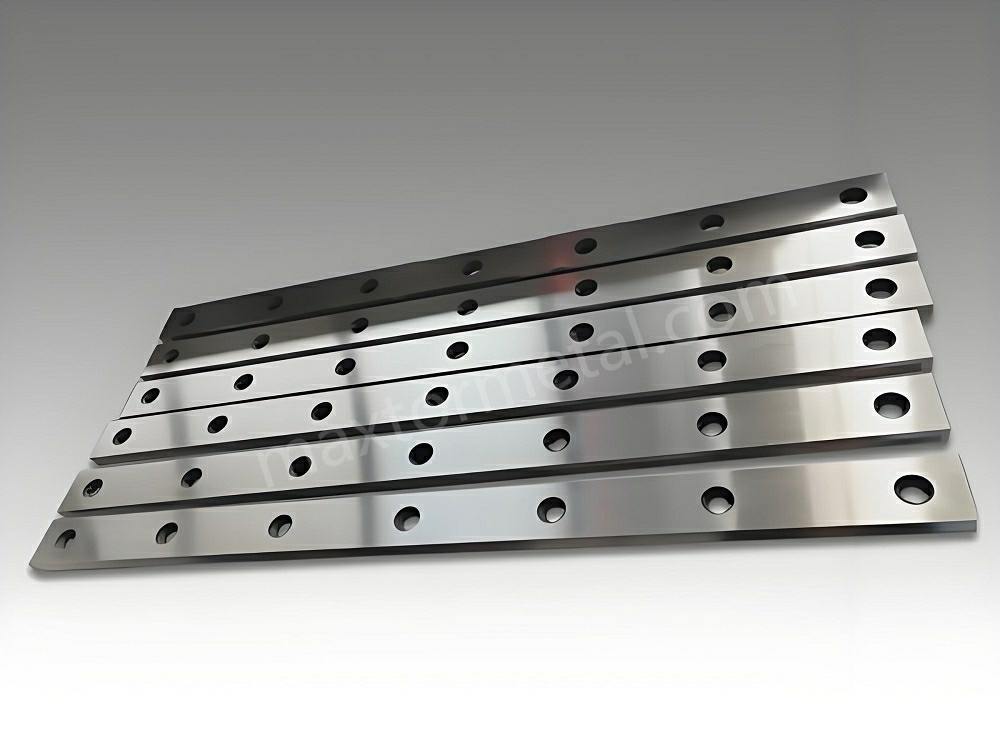
You can improve your results with precision guillotine blades for plastic film and foil by focusing on optimization. This means you adjust your machine and blade settings to get the best cut every time. When you follow a step-by-step optimization process, you make your work easier and your cuts cleaner.
Speed and Pressure Settings
You need to set the right speed for your cutting machine. If you cut too fast, you might see rough edges or tearing. If you cut too slow, you waste time and lower your cutting efficiency. The best speed depends on your material and the thickness of the film or foil. You should always test different speeds to find what works best.
Pressure is just as important as speed. Too much pressure can damage the blade and the material. Too little pressure can leave incomplete cuts. You should adjust the pressure so the blade moves smoothly through the film or foil without crushing it.
Tip: Start with a low speed and low pressure. Increase them slowly until you see clean, smooth cuts. This helps you avoid mistakes and keeps your blades sharp longer.
You also need to think about perforating speed. When you use perforating knives, the speed must match the type of film and the size of the perforations. If you go too fast, the holes may not form well. If you go too slow, the film can stretch or melt. Always check your perforating speed for each job.
Blade Alignment and Tolerance
Blade alignment means making sure your blade sits straight in the machine. If the blade is crooked, you will see uneven cuts and waste material. You should check the alignment before you start each job. Use a ruler or a gauge to make sure the blade lines up with the cutting path.
Tolerance is the small space between the blade and the cutting surface. If the tolerance is too tight, the blade can wear out fast. If it is too loose, the film or foil can slip and cause bad cuts. You should set the tolerance based on the thickness of your material. Thicker films need a little more space. Thinner films need less.
A well-aligned blade with the right tolerance gives you better speed and cut quality. You will see fewer problems and get more out of each blade.
Troubleshooting Cut Quality
Sometimes, you may see problems with your cuts. You can fix most issues by checking your settings and your blades. Here is a table that shows common causes of poor cut quality and what they mean:
| Causa | Descrizione |
|---|---|
| Usura della lama | Dull or burred blades lead to inferior cutting edges. |
| Improper Settings | Incorrect settings during the cutting process can affect cut quality. |
| Vibrations | Equipment vibrations can damage the blade and reduce its service life. |
| Caratteristiche del materiale | Different materials require specific blade types and settings for optimal cutting performance. |
| High Lateral Contact Pressure | Excessive pressure can lead to poor cut quality and blade wear. |
| Wrong Shear Angle | An incorrect shear angle can negatively impact the cutting process. |
| Dust | Dust accumulation can interfere with the cutting process, affecting the quality of the cut. |
| Tear in Film | Tears in the film during cutting can render the material unusable, emphasizing the need for precision. |
Incomplete Cuts
If you see that your film or foil does not cut all the way through, you may have a problem with blade sharpness or pressure. A dull blade cannot slice cleanly. You should check the blade for wear and replace it if needed. You may also need to increase the pressure or adjust the speed. Sometimes, dust on the blade or the film can block the cut. Clean your blade and the work area often.
Note: Always check your settings if you see incomplete cuts. Small changes in speed or pressure can make a big difference.
Tearing and Burrs
Tearing happens when the blade pulls the film instead of slicing it. Burrs are rough edges left after the cut. Both problems can come from using the wrong blade type, a worn blade, or incorrect speed and pressure. You should match the blade profile to your material. For example, thin films need a sharp, fine edge. Thick foils need a stronger, serrated edge.
Vibrations in your machine can also cause tearing and burrs. Make sure your machine sits on a stable surface. Check for loose parts and tighten them before you start. If you see burrs, try lowering the speed or using a blade with a different edge angle.
Tip: Keep your blades sharp and your machine clean. This helps you avoid tearing and burrs and keeps your cutting efficiency high.
When you focus on optimization, you get better results with precision guillotine blades for plastic film and foil. You save time, reduce waste, and make your work easier. Always check your speed, pressure, alignment, and blade condition for the best outcome.
Plastic Film Perforating Blades: Handling Challenges
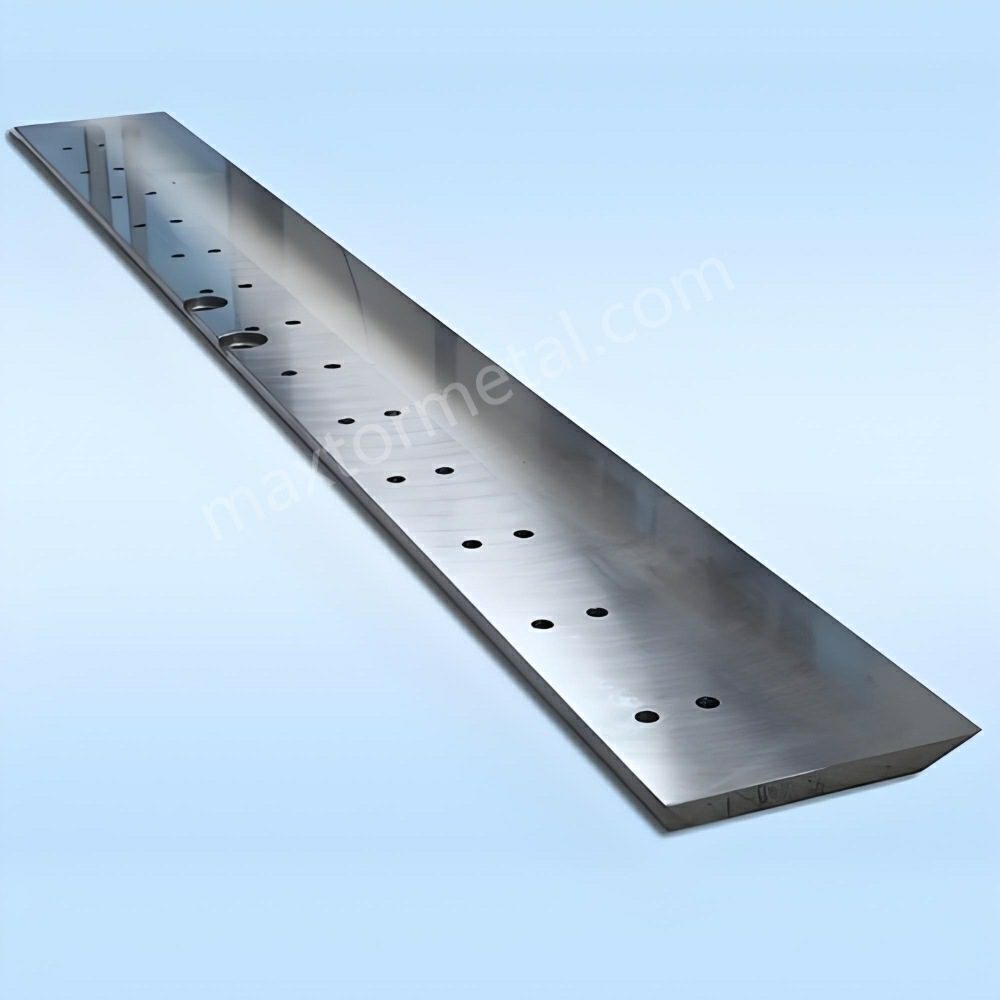
Plastic film perforating blades help you cut film and foil. Sometimes, you may have problems when using these blades. If you know how to fix these problems, your work will be safer and better.
Slippage and Material Movement
When you cut with plastic film perforating blades, the film can slip. This makes it hard to get a straight cut. You want the film to stay still while cutting. Additives in the film can help with this. These additives lower the Coefficient of Friction (COF). A low COF lets the film move smoothly in the machine. It also helps keep the film steady when you cut.
Picking the right knife is important too. Some knives have features that help control the film. Here is a table with some knives and their benefits:
| Recommended Knife | Vantaggio chiave |
|---|---|
| Mure & Peyrot Bordeaux | Adjustable depth & strong blade with safety guard |
| Secumax Snitty | Integrated guide & smooth slicing at 45° |
| Secumax Opticut 436 | Glide foot & pull-cut ease resistance |
| Secumax Opticut 437 | Push-cut control on tough film layers |
Always use a sharp blade. Sharp blades cut clean and stop tearing. Change your blades often to keep them working well. Train workers so they know how to use these blades safely.
Tip: Additives and the right knife help stop slippage and keep the film in place.
Static Build-Up Solutions
Static electricity can build up when you cut film. Static makes the film stick to the blade or machine. This can slow you down and mess up your cuts. You need to control static for smooth work.
You can use special systems to handle static. Here is a table with some solutions and what they do:
| Solution Type | Descrizione |
|---|---|
| Inline MultiCutter | Reduces the volume of continuous trim |
| RVS (Rotary Valve Separator) | Provides strong suction and material separation |
| STS Static Separator | Used at discharge points to control static build-up |
| Inline Venturi Systems | Facilitates long-distance suction with simple installation |
| Venturi Systems | Efficient pneumatic extraction of continuous trim |
| MultiAir® Blower | Cost-effective solution for conveying endless trim, reducing labor and maintenance costs |
You can put these systems in the right spots in your process. For example, use a static separator where the film leaves the machine. This removes static before the film goes out. Venturi systems and blowers help move film and trim away from the blade. This keeps your workspace clean and safe.
Note: Controlling static helps your blades work well and stops jams or bad cuts.
Preventing Galling and Melt
Galling and melt can happen with some films or foils. Galling means the film sticks to the blade. Melt happens when the blade gets hot and the film softens. Both problems can ruin your cut and hurt your blade.
You can stop galling and melt by doing these things:
- Use blades with a smooth finish. This stops film from sticking.
- Pick blades with coatings that lower friction and heat.
- Set your machine to the right speed and pressure. Too much speed or pressure makes heat.
- Keep blades sharp. Dull blades make more friction and heat.
If you see galling or melt, stop and check your blade. Clean the blade and change your settings. You might need a different blade material or coating for some films.
Callout: Watch your cutting process closely. Quick action stops damage and keeps your blades working well.
Plastic film perforating blades let you cut many types of film and foil. If you handle slippage, static, galling, and melt, you get clean cuts and longer blade life. Use the right tools and settings to make your job easier and safer.
Maintenance for Precision Guillotine Blades
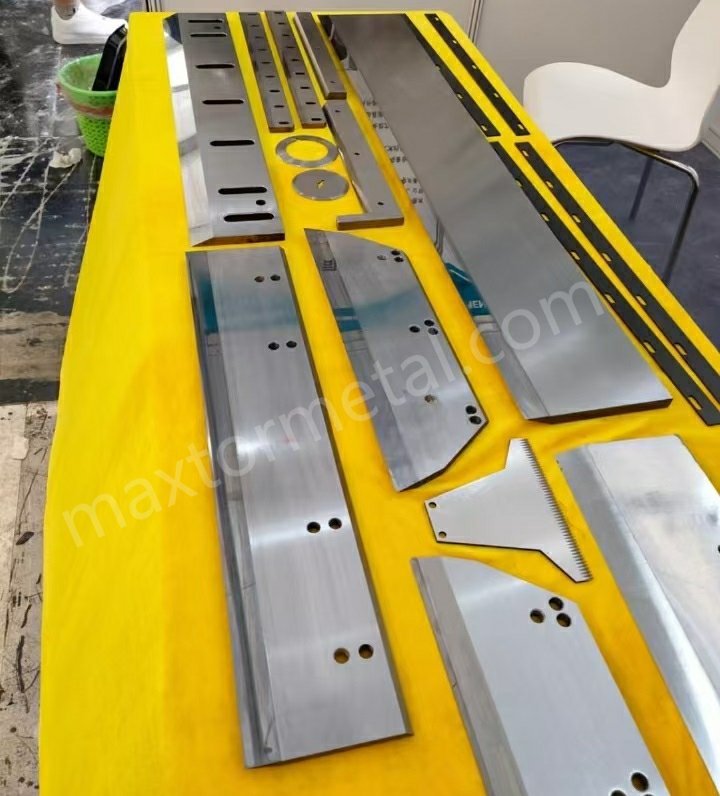
Taking care of your precision guillotine blades is important. It helps you get good cuts every time. If you follow simple steps, your blades will last longer. You should clean, check, and replace blades when needed. This keeps your work easy and your cuts smooth.
Regrinding and Edge Care
Blades need to be sharp to cut well. You should sharpen them after 50 to 70 hours of use. Always keep the same angle when you sharpen. This helps the blade work like new. Use a professional grinder for the best sharpening. If you grind too much or use the wrong angle, your cuts may not be as good.
Low-Stress, Ultra-Fine Polish
A smooth polish helps the blade stay strong. After sharpening, polish the blade to remove tiny rough spots. This makes the edge smooth and shiny. A polished blade cuts with less effort. It also helps stop tearing and rough edges.
Here is a table that shows how each maintenance step helps:
| Maintenance Technique | Descrizione |
|---|---|
| Pulizia | Use air or a soft brush to remove dirt. Clean with a safe cleaner and dry well to stop rust. |
| Affilatura | Sharpen after 50–70 hours. Keep the same angle for best results. |
| Lubrificazione | Use oil after cleaning or every 20 hours to help the blade move smoothly. |
| Magazzinaggio | Cover blades, keep them dry, and do not stack them to stop damage. |
Tip: Sharpen and polish your blades often. This saves time and gives you better cuts.
Pulizia e manipolazione
You should clean your blades after every use. Let the blade cool before you touch it. Use a brass brush or rough cloth to take off any leftover bits. This stops stuff from building up on the blade. Wipe the blade with a damp cloth to get rid of dust and dirt. Make sure the blade and mat are always clean.
- Clean the blade gently after it cools down.
- Use a brass brush or rough cloth to remove bits.
- Wipe with a clean, damp cloth to finish.
- Keep the blade and mat free from dust and shavings.
Handle blades carefully. Always use covers when you put blades away. Store blades in a dry place. Never stack blades on top of each other. This keeps the edge sharp and stops damage. Good handling helps your blades last longer and work better.
Note: Clean blades last longer and give better cuts. Handle them safely to avoid accidents.
Monitoring Wear and Replacement
Check your blades often to see if they are getting dull. Dull blades can make bad cuts or tear the film. Look for chips, nicks, or dull spots on the edge. Change the blade if you see these problems.
Here is a table that shows how long blades usually last:
| Blade Series | Life Expectancy |
|---|---|
| Standard Crusher Blades | 6-12 months |
| Heavy-Duty Crusher Blades | 12-18 months |
| Premium Crusher Blades | 18-24 months |
| Film Guillotine Knives | 12-15 months |
If you use blades a lot, you may need to change them sooner. Keep track of how long you use each blade. If you see more waste or rough edges, it is time for a new blade.
Callout: Check your blades often and change them when needed. This keeps your work good and stops delays.
If you clean, sharpen, and handle your blades with care, they will work better. Watch for signs of wear and replace blades when needed. These steps help you get the best cuts every time.
You have to pick blades that work for your job and material. Look at the blade’s design and always use the right guillotine blade. Plastic film perforating blades are important, so choose them carefully. When you pick perforating knives, change your settings to get the best cut. These blades must fit your process to work well. To keep your cuts good, do these things:
- Clean blades often to get rid of dirt and keep them sharp.
- Check the edge to find out if it is dull or damaged.
- Sharpen blades on time so they keep working well.
Pick blades that match your needs and change them when needed. Use the right way to cut and set clamp pressure for each material. Keep up with maintenance to stop problems and get smooth cuts. If you work with a trusted company like Nanjing Metal Industrial, you can get expert help and custom blades. If you need more help, talk to our sales engineers Qui.
Domande frequenti
What are the best blades for cutting plastic film?
You should use precision guillotine blades for plastic film and foil. These blades give you clean cuts. Choose blades with the right edge for your film. For thin plastic film, use fine straight blades. For thick film, use serrated blades.
How does pressure affect perforating plastic film?
Pressure controls how well blades perforate plastic film. Too much pressure can tear the film. Too little pressure in perforating leaves incomplete cuts. You should test pressure to find the best setting for your blades and film.
Tip: Always adjust pressure slowly when perforating plastic film.
Why do blades wear out when cutting plastic film?
Blades wear out from friction and pressure. Cutting plastic film creates heat. High pressure in perforating speeds up wear. Dull blades make rough cuts. You should check your blades often and replace them when needed.
How do I prevent film from slipping during perforating?
You can stop film from slipping by using sharp blades and the right pressure. Hold the plastic film tight. Use guides to keep the film straight. Adjust pressure in perforating to match your film and blades.
What is the best way to clean blades after cutting plastic film?
Clean blades after each cut. Let the blades cool. Wipe off plastic film bits. Use a soft brush. Dry the blades well. Clean blades last longer and give better cuts on plastic film.
How do I choose the right perforating blades for plastic film?
Pick blades that match your film type. Thin plastic film needs fine-toothed blades. Thick film needs coarse blades. Test different blades and pressure in perforating. Ask your supplier for help if you are not sure.
Why does my plastic film tear during perforating?
Film tears when blades are dull or pressure is too high. Check your blades for sharpness. Lower the pressure in perforating. Use the right blades for your plastic film. Test your setup before starting a big job.
How often should I replace blades when cutting plastic film?
Replace blades when you see rough cuts or film tears. High pressure in perforating wears blades faster. Check your blades after every job. Keep extra blades ready for your plastic film cutting work.
Vedi anche
Ottenere Tagli a Zero Bave con Lame da Taglio a Ghigliottina di Precisione
Come selezionare la lama della ghigliottina giusta per le tue esigenze
ScegliConfronto tra cesoie a ghigliottina e cesoie a trave oscillante: un'analisi comparativa completa

 English
  Spanish
  Italian
  French
  Portuguese
  Russian
  German
  Arabic
  Hindi
Hindi  Vietnamese
  Indonesian
  Japanese
  Korean