

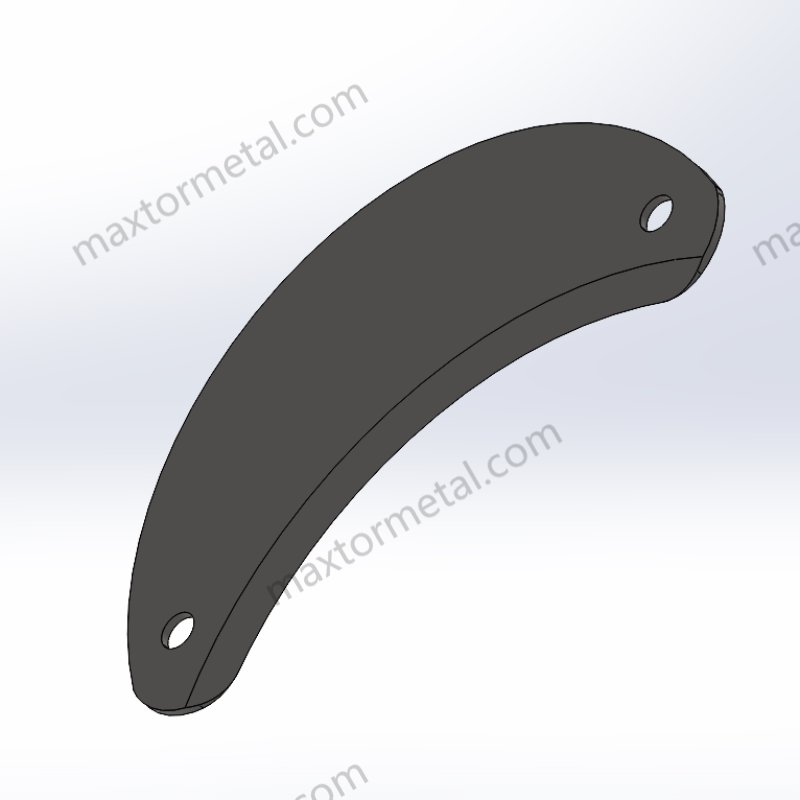
Food safety is a top priority for manufacturers in the food processing industry, especially when it comes to tools that come into direct contact with food products. Industrial blades, specifically those made from food-grade stainless steel, play a critical role in ensuring both the safety and quality of food products. These blades are designed to meet stringent health standards, while also offering durability and ease of maintenance in harsh production environments.
In this article, we will explore the importance of food-grade stainless steel blades, their properties, classifications, and their applications in food processing. We will also discuss the best practices for maintaining these blades and choosing the right tools for specific industrial needs.
What is Food-Grade Stainless Steel?
Food-grade stainless steel is a category of stainless steel that meets certain health and safety standards for direct contact with food products. It is designed to prevent contamination, withstand harsh conditions, and maintain product integrity over long periods. The key characteristics of food-grade stainless steel include:
- 내구성: Resistant to dents, scratches, and wear.
- Easy to Clean: Food-grade stainless steel is non-porous, which makes it resistant to dirt and bacteria buildup.
- No Coatings Needed: Unlike some materials, food-grade stainless steel does not require protective coatings, which could potentially wear off and contaminate food.
- Chemically Neutral: It prevents the transfer of odors or flavors from the blade to the food, ensuring that the product retains its intended taste and quality.
- 부식 저항성: Food-grade stainless steel is highly resistant to acid corrosion, which is particularly important in the food processing industry.
Types of Food-Grade Stainless Steel
Stainless steel comes in a range of grades, each offering unique properties suited to specific applications. Below, we briefly explore the most commonly used series for food-grade blades.
- SAE 200 Series (e.g., 201, 202): These steels have lower nickel content but are still suitable for some food processing applications. However, they may be more prone to corrosion in certain environments.
- SAE 300 Series (e.g., 304, 316): The most commonly used stainless steel grades in the food industry, these are highly resistant to corrosion, making them ideal for food processing applications.
- SAE 400 Series (e.g., 420, 440C): Known for their hardness and corrosion resistance, the 400 series is often used in knives that require high cutting performance.
Food Safety and Compliance
그만큼 FDA (Food and Drug Administration) establishes guidelines to ensure the safety of materials that come into direct contact with food. For a material to be considered food-safe, it must have a chromium content of at least 16%, which is a critical component in preventing rust and corrosion.
- FDA Standards for Food-Contact Stainless Steel: The FDA mandates that only stainless steel alloys that meet specific chemical composition standards can be used in food processing applications. These standards ensure that materials are both non-toxic and resistant to the effects of food acids, moisture, and temperature variations.
SAE Stainless Steel Series and Their Characteristics
The SAE stainless steel series categorizes various types of stainless steel based on their chemical composition and properties. Each series offers unique benefits, making them suitable for different food processing applications. Below is an expanded overview of the most relevant series for food-grade industrial blades:
1. SAE 200 Series
- 구성:
The 200 series replaces some of the nickel content with manganese and nitrogen, which reduces costs. For example:- 201 Stainless Steel: Contains 16–18% chromium, 3.5–5.5% manganese, and 3.5–5.5% nickel.
- 202 Stainless Steel: Slightly higher manganese content than 201, with improved tensile strength.
- 속성:
While more affordable, 200-series stainless steels have lower corrosion resistance compared to the 300 and 400 series. They are suitable for environments with low to moderate exposure to moisture and acids. These grades perform adequately in cutting or slicing applications with less emphasis on high durability or resistance to acidic food substances. - 응용:
Blades made from the 200 series are best suited for handling tasks like cutting fruits, vegetables, or other low-acid foods. For example:- Prepping fruits in canning factories.
- Slicing raw vegetables in salad processing units.
- 제한 사항:
These steels are more prone to staining and pitting in highly corrosive environments, making them less ideal for long-term exposure to salty or acidic substances.
2. SAE 300 Series
- 구성:
Known for their high chromium and nickel content, 300-series steels provide exceptional resistance to rust and corrosion. Examples include:- 304 스테인리스 스틸: 크롬 18% 및 니켈 8% 함량으로 인해 흔히 “18/8” 스테인리스강으로 불립니다.
- 316 스테인리스강: 크롬 16–18%, 니켈 10–14%, 몰리브덴 2–3%를 함유하여 염화물 부식에 대한 저항성을 높였습니다.
- 장점:
- 식품 가공에서 흔히 발견되는 산(예: 구연산 또는 아세트산)을 포함한 화학적 및 환경적 부식에 대한 우수한 내식성.
- 비반응성 표면으로 식품의 맛과 향이 오염되는 것을 방지합니다.
- 고습도 또는 산성 조건에서 오래 지속되는 내구성과 일관된 성능이 요구되는 응용 분야에 이상적입니다.
- 응용:
300 시리즈로 제작된 블레이드 및 나이프는 다용도로 사용되며 다음과 같이 까다로운 환경에서 흔히 사용됩니다:- 감귤류 과일, 토마토 또는 식초 기반 제품의 절단.
- 고습도 육류 가공 작업.
- 위생과 내식성이 중요한 유제품 및 베이커리 제품 슬라이싱.
- 추가 데이터:
- 연구 결과에 따르면 304 스테인리스 스틸 pH 4 미만의 산성 용액에 장시간 노출된 후에도 구조적 무결성을 유지합니다.
- 316 스테인리스 스틸 염분 환경에서 304 대비 공식(pitting)에 대한 저항성이 2–3배 더 높아 염수 브라인을 사용하는 응용 분야에 이상적입니다.
SAE 400 Series
- 구성:
400 시리즈는 탄소 함량이 높고 니켈 함량이 낮아 경도가 우수한 것이 특징입니다. 대표적인 예는 다음과 같습니다:- 420 스테인리스강: 크롬 12–14% 및 탄소 0.15%를 함유하여 우수한 경도와 중간 수준의 내식성을 제공합니다.
- 440C 스테인리스 스틸: 크롬 16–18% 및 탄소 0.95–1.2%를 함유한 고탄소 마르텐사이트계 스테인리스강으로, 탁월한 내마모성을 제공합니다.
- 속성:
- 우수한 경도와 칼날 유지력으로 날카롭고 정밀한 절단이 필요한 응용 분야에 이상적입니다.
- 300 시리즈에 비해 내식성은 중간 수준이지만 산도가 낮은 환경에는 충분합니다.
- 내구성과 날카로움이 중요한 고마찰 작업에 적합합니다.
- 응용:
이러한 강재는 다음과 같이 까다로운 절단 작업에 사용됩니다:- 정밀한 절단이 필수적인 육류, 가금류 및 생선 가공.
- 단단한 칼날이 블레이드 마모를 줄여주는 냉동 식품 또는 뼈 절단.
- 도우 및 페이스트리 슬라이싱을 위해 날카롭고 오래 지속되는 칼날이 필요한 산업용 베이커리 작업.
- 제한 사항:
이 시리즈의 블레이드는 부식을 방지하기 위해 습하거나 염분이 있는 환경에서 더 자주 유지보수해야 할 수 있습니다. 성능을 유지하려면 건조하고 통제된 환경에 보관하는 것이 가장 좋습니다. - 추가 데이터:
연구에 따르면 440C 스테인리스 스틸 탄소 함량이 낮은 동급 제품보다 칼날 유지력이 최대 20% 더 길어 고정밀 응용 분야에 비용 효율적인 선택입니다.
SAE 시리즈 비교표
| 스테인리스강 시리즈 | 주요 성분 | 주요 강점 | 일반적인 응용 프로그램 | 제한 사항 |
| 200 Series | 낮은 니켈, 높은 망간 | 합리적인 가격, 준수한 내식성 | 과일 및 채소 가공 | 산성 환경에서의 제한된 성능 |
| 300 Series | 높은 크롬, 높은 니켈 | 우수한 내식성, 비반응성 | 산성 식품 절단, 고습도 환경 | 더 높은 비용 |
| 400 Series | 높은 탄소, 중간 수준의 크롬 | 뛰어난 경도, 내마모성 | 육류 가공, 냉동 식품 절단, 베이커리 용도 | 중간 수준의 내식성 |
이러한 스테인리스강 시리즈의 특성을 이해함으로써 제조업체는 특정 식품 가공 요구 사항에 가장 적합한 재료를 선택하여 효율성과 식품 안전 표준 준수를 모두 보장할 수 있습니다.
Applications of Food-Grade Stainless Steel Blades in Food Processing
식품 등급 스테인리스강 블레이드는 다음과 같은 여러 중요한 식품 가공 작업에 필수적입니다:
- 절단: 고성능 블레이드는 육류, 과일, 채소 및 기타 식품의 슬라이싱에 사용됩니다.
- 슬라이싱: 적절한 블레이드를 사용하면 얇고 정밀한 슬라이싱이 가능하여 델리 미트나 치즈에 이상적입니다.
- 다지기 및 분쇄: 견과류, 곡물, 허브와 같은 제품을 자르고, 깍둑썰기하고, 다지기 위해 강력한 산업용 나이프가 사용됩니다.
- 포장: 블레이드는 제품 안전을 보장하고 오염을 최소화하는 방식으로 포장재나 필름을 절개하는 데도 사용됩니다.
Cleaning and Maintaining Food-Grade Stainless Steel Blades
식품 등급 스테인리스강 블레이드의 유지관리는 장기적인 기능성과 안전성을 보장하는 데 매우 중요합니다. 적절한 세척 및 유지보수 관행은 오염 위험을 방지하는 동시에 블레이드의 수명을 연장하는 데 도움이 됩니다.
- Cleaning Best Practices: Blades should be thoroughly washed with warm water and mild detergent immediately after use. Harsh chemicals should be avoided to preserve the material’s integrity.
- 부식 방지: Dry blades completely after cleaning to avoid water spots or rust. Proper storage in a dry, cool area is essential.
- 날카롭게 하기 및 연마하기: Regular sharpening ensures that the blades remain effective, and occasional polishing can help maintain their appearance and prevent surface damage.
How to Choose the Right Food-Grade Stainless Steel Blade
Selecting the right blade for a specific application is crucial in ensuring both efficiency and food safety. Factors to consider include:
- 재료 유형: Different foods may require blades made from specific stainless steel grades (e.g., highly corrosive foods may require a 316-grade blade).
- Cutting Needs: Consider whether you need a blade for slicing, chopping, or more specialized tasks.
- Production Environment: High-temperature or highly acidic environments may require different steel compositions for optimal performance.
Quick Guide for Blade Selection:
| 응용 프로그램 유형 | Suitable Stainless Steel Series |
| Basic food slicing | SAE 200 Series (201, 202) |
| High-corrosion resistance | SAE 300 Series (304, 316) |
| High hardness and wear | SAE 400 Series (420, 440C) |
The Importance of Customized Blades
Sometimes, off-the-shelf blades do not fully meet the specific requirements of a production line. That’s where 맞춤형 블레이드 come into play. At Nanjing Metal, we offer tailored blade solutions that take into account the unique demands of your production environment. Our experienced design and manufacturing team works closely with clients to deliver high-quality, customized blades that maximize performance, safety, and longevity.
Trends in the Food Processing Industry
The food processing industry has witnessed significant growth over the past decade, driven by technological advancements, changing consumer behaviors, and stricter regulatory environments. Below is a deeper exploration of the trends shaping this industry and the increasing reliance on specialized tools like food-grade stainless steel blades.
1. Rising Demand for Processed and Convenience Foods
According to a 2023 report by the Food and Agriculture Organization (FAO), the global processed food market is projected to grow at a compound annual growth rate (CAGR) of 6.8%, reaching an estimated $4.1 trillion by 2028. This growth is fueled by:
- Urbanization: Increasing urban populations demand ready-to-eat and convenience foods, leading to higher production volumes in food processing facilities.
- Dual-Income Households: With more working professionals, there is a preference for pre-packaged and frozen meals requiring minimal preparation.
For food processing equipment manufacturers, this trend creates a need for highly durable and efficient blades that can handle repetitive cutting, slicing, and dicing tasks without compromising hygiene.
2. Focus on Food Safety and Regulatory Compliance
Food safety has become a non-negotiable priority due to high-profile contamination incidents and rising consumer awareness. Regulatory agencies like the FDA (Food and Drug Administration) in the U.S. and EFSA (European Food Safety Authority) in Europe have introduced stricter guidelines for materials used in food contact applications.
- Key FDA Requirement: Stainless steel used in food-contact applications must contain at least 16% chromium for effective corrosion resistance.
- Global Compliance Standards: ISO 22000 and HACCP protocols have mandated the use of non-toxic, chemically stable materials like food-grade stainless steel in industrial blades.
This regulatory focus drives innovation in stainless steel formulations, such as the increased use of SAE 316 stainless steel for environments exposed to high salinity or acidic substances.
3. Technological Advancements in Food Processing Equipment
Modern food processing lines are integrating automation and precision engineering, requiring tools that meet the demands of high-speed operations while maintaining accuracy. Examples include:
- Smart Cutting Systems: Automated slicing machines equipped with AI-driven sensors can detect variations in food texture and adjust blade pressure accordingly. This technology demands blades with consistent sharpness and high wear resistance, such as those made from SAE 440C stainless steel.
- Laser-Assisted Blade Manufacturing: Advances in blade production, including laser sharpening, allow for edges with higher precision and durability, reducing maintenance downtime.
지원 데이터:
A 2021 study published in the Journal of Food Engineering indicated that automation in food processing reduced operational costs by 15–20% and improved product consistency by 35%, emphasizing the importance of high-performance blades.
결론
Food-grade stainless steel blades are indispensable in maintaining high standards of food safety and quality. Their durability, corrosion resistance, and ease of maintenance make them a perfect choice for food processors. When selecting blades, it’s important to consider the specific needs of your operation, including the types of food being processed and the production environment.
~에 Nanjing Metal, we provide customized, high-performance industrial blades designed to meet your unique requirements. 저희에게 연락하세요 today to learn more about how our food-grade stainless steel blades can improve your food processing operations.
참고문헌:
- FDA guidelines on food contact materials: FDA.gov
- Stainless Steel in the Food Industry: Stainless Steel World
- Markets and Markets, 2023 Report on Stainless Steel in Food Processing.

 English
 Spanish
 Italian
 French
 Portuguese
 Russian
 German
 Arabic
 Hindi
 Vietnamese
 Indonesian
 Japanese
 Korean
3 응답
공유해주셔서 감사합니다. 블로그 글 많이 읽었는데, 멋지네요. 블로그 정말 좋아요.