

In industrial manufacturing, every cut counts. Whether you’re slicing paper, food, plastic, or metal, one factor plays a critical role in your success: геометрия лезвия.
Blade geometry — the shape, angle, thickness, and edge design of a knife or blade — has a direct impact on cutting efficiency, product quality, and operational costs. Yet, many factories still overlook it. Choosing the right blade geometry can increase cutting speed, reduce blade wear, and improve the precision of each cut.
In this article, we explore how different aspects of blade geometry affect performance across industries and offer guidance on how to choose or customize the right knife for your process.
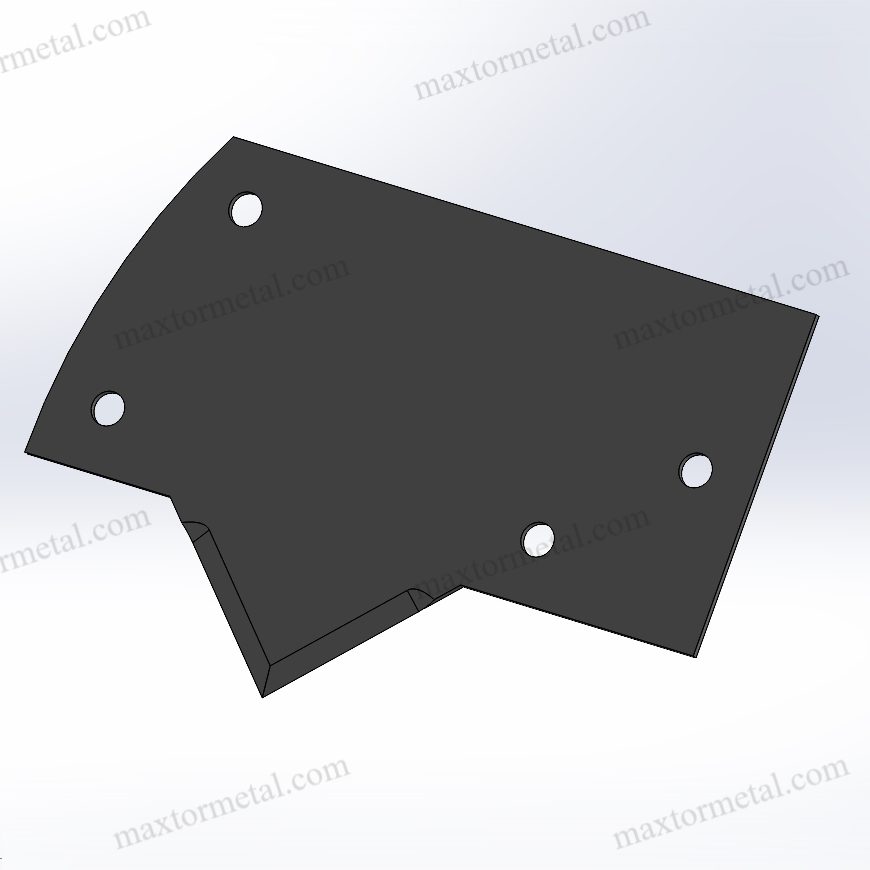
1. Key Blade Geometry Factors That Impact Performance
In industrial cutting, blade performance depends heavily on whether its geometry matches the material and process demands. Incorrect blade geometry can lead to tearing, overheating, premature wear, and even damage to machinery. Below, we explore the four most critical geometric elements and how they directly impact cutting performance, cost-efficiency, and product quality.
1.1 Cutting Edge Angle and Sharpness
🔍 Technical Overview:
The cutting edge angle (also called the bevel angle) defines how sharp or strong a blade is. It’s measured in degrees — the smaller the angle, the sharper and more fragile the edge; the larger the angle, the stronger and more durable it becomes.
- Low-angle edges (10°–20°): extremely sharp but prone to chipping
- High-angle edges (25°–40°): durable, handle tougher materials but need more force
📊 Performance Comparison:
| Тип кромки | Угол скоса (°) | Приложения | Материал лезвия | Typical Lifespan* | Cutting Force Index** |
| Ultra-sharp | 10–15 | Films, foils, thin textiles | Ceramic, SS420 | 2–3 дня | Низкий |
| Precision-cut | 16–25 | Paper, packaging, soft foods | Нержавеющая сталь | 5–7 дней | Середина |
| Сверхпрочный | 26–35 | Rubber, plastics, steel sheets | Карбид вольфрама | 10–15 days | Высокий |
* Based on 8-hour daily industrial operation
** Relative index: Low = minimal force needed; High = significant force required
🧪 Research Insights:
- Industrial Cutting Institute (2021) found that reducing the bevel angle by just 5 degrees increased initial sharpness by 38%, but decreased edge retention by 45%.
- Packaging World (2022) сообщил о 22% drop in scrap rates on high-speed lines after switching to blades with optimized bevel geometry.
✅ Summary:
Use low-angle blades for clean cuts in soft or thin materials. For hard or abrasive materials, increase the edge angle to extend blade life and reduce breakage.
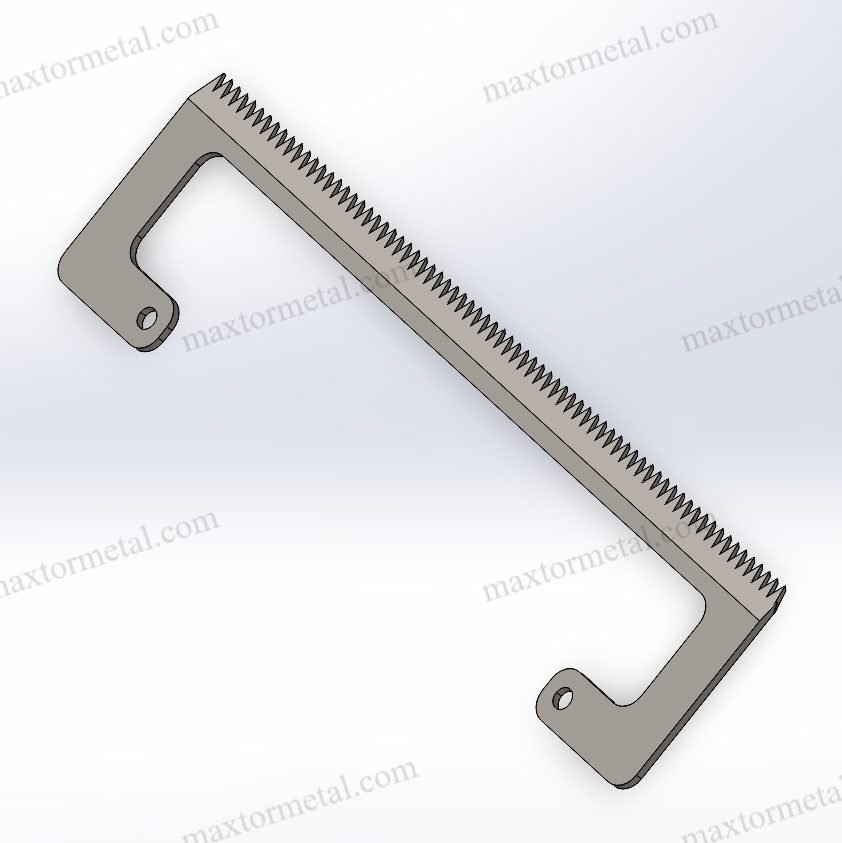
1.2 Tooth Geometry and Pitch
Serrated blades rely on specific tooth designs, pitch (spacing), и height to control how they engage the material. The geometry influences bite depth, chip clearance, vibration, and heat dissipation.
📐 Key Parameters:
- Tooth pitch – distance between tooth tips
- Tooth profile – triangular (general), scalloped (food), hook (rubber), wave (textile)
- Gullet – the valley between teeth; larger gullets improve chip removal
| Pitch Type | Pitch (mm) | Ideal for | Main Advantage |
| Fine | 0.5–1.5 | Bread, foam, soft films | Minimal tearing |
| Середина | 2–4 | Meat, paper, corrugated board | Balanced control and speed |
| Coarse | 5–8 | Rubber, cables, composites | Better heat dissipation |
🔍 Data Highlights:
- Switching from straight to fine-toothed serrated blades in foam cutting reduced surface tearing by 43% (FoamTech Report, 2022).
- In a recycling facility, a coarse hook-tooth blade cut 10 mm rubber strips 15% faster and lasted 20% longer.
⚙️ Optimization Tips:
Match pitch and profile to material density and machine RPM. High-speed operations benefit from fine, stable tooth designs; coarse teeth suit low-speed, heavy-load cutting.
1.3 Blade Thickness and Width
Лезвие thickness affects rigidity, resistance to flex, and energy efficiency. Thinner blades deliver sharper, cleaner cuts but are more prone to deflection and thermal deformation.
📊 Real-World Data:
| Толщина лезвия | Скорость резания (м/мин) | Время простоя (в неделю) | Материальные отходы (%) |
| 0,4 мм | 180 | 2 часа | 1.8% |
| 0,6 мм | 160 | 1,2 часа | 2.5% |
| 1,0 мм | 140 | 0,8 часа | 3.1% |
(Data from BladeTech Solutions, 2023 – Packaging application)
🧠 Key Takeaways:
- Thin blades are ideal for films and labels
- Mid-range thickness works best for paper and textiles
- Thick blades are suited for recycling, plastics, and rubber
1.4 Blade Material and Geometry Compatibility
A blade’s состав материала determines which geometries are practical and how long the blade will perform effectively under stress.
🧪 Material Comparison:
| Материал лезвия | Твердость (HRC) | Идеальные варианты использования | Geometric Considerations |
| Нержавеющая сталь | 55–60 | Пищевые, медицинские, легкие | Medium bevels, corrosion-resistant |
| Быстрорежущей стали | 60–64 | Бумага, дерево, пластик | Supports thin or thick edges |
| Карбид вольфрама | 75–85 | Metal, резина, композиты | Лучше всего подходит для прочных, толстых кромок |
| Керамика | 80–90 | Фольга, микрофильм, оптика | Ультратонкие кромки, хрупкие |
⚠️ Риски смещения:
Использование ультратонкой геометрии с хрупкими материалами, такими как керамика, часто приводит к поломке кончика в пределах нескольких сотен резов. Всегда согласовывайте геометрию с физическими возможностями лезвия.
2. Blade Geometry and Cutting Precision
Высокая точность резки имеет решающее значение в таких областях, как производство медицинских изделий, электроники и текстиля. Она сокращает количество отходов, повышает качество конечного продукта и обеспечивает соответствие стандартам безопасности.
1 Стабильность геометрии = Точность реза
Точность зависит не только от остроты лезвия. Она требует геометрической стабильности, виброустойчивости, и температурного контроля.
🌡️ Тепловая деформация:
Нагрев вызывает деформацию лезвия. Журнал MetCut (2021) сообщил, что лезвия, работающие при температуре выше 120 °C давали отклонение размеров до ±0,3 мм при резке полиэтиленовой пленки.
⚙️ Нарушения допусков:
| Проблема с геометрией | Возникающая проблема |
| Неравномерный угол скоса | Асимметричные резы, заусенцы |
| Непостоянная толщина | Недорез/перерез, заклинивание |
| Непараллельность кромок | Смещение, увеличение количества брака |
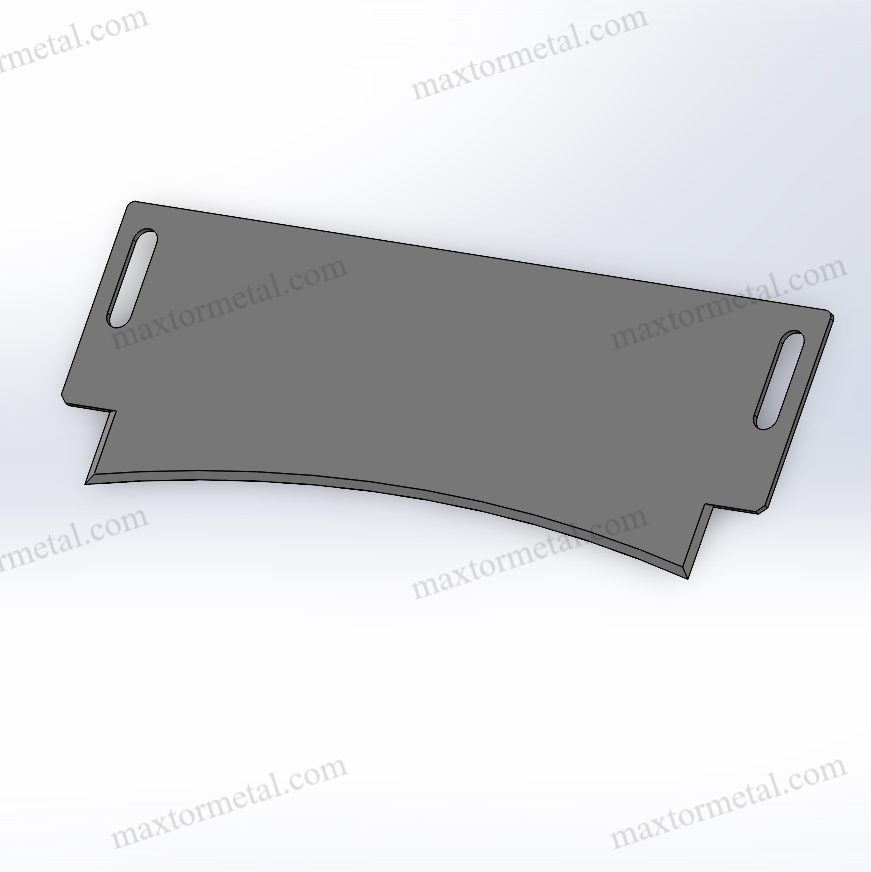
2 Чистота поверхности и качество кромки
Правильная геометрия лезвия обеспечивает гладкие резы без заусенцев, сводя к минимуму или полностью исключая необходимость последующей обработки. Плохая геометрия может приводить к:
- Рваные края пленки или этикетки
- Оплавленные пластиковые поверхности
- Растрепанные или ворсистые края текстиля
📊 Результаты применения:
- Линия упаковки сократила время полировки после резки на 17% после перехода на шлифованные лезвия из нержавеющей стали.
- Текстильная фабрика, использующая лезвия с тонкой полировкой, снизила осыпание волокон на 29%, улучшив качество продукции и равномерность окрашивания.
3 Отраслевые стандарты допусков
| Промышленность | Требуемый допуск реза | Рекомендуемая геометрия лезвия |
| Бумага/Этикетки | ±0,2 мм | Тонкая, с прямой кромкой, малым углом скоса |
| Раскрой текстиля | ±0,5 мм | Тонкая кромка, полированный скос |
| Листовой пластик | ±0,3 мм | Coated blades, medium bevel |
| Metal Foil | ±0,1 мм | Rigid, carbide, high bevel angle |
🧰 Best Practices:
- Использовать CNC-ground blades to ensure tight geometric tolerances
- Combine proper blade geometry with stable machine feed
- Inspect blade symmetry every 8–12 hours in precision lines
3. Real-World Applications of Blade Geometry
Different industries place different demands on blades and knives. Geometry must match not just the material, but also the end-use requirements — including hygiene, speed, precision, and durability. Let’s break down how blade geometry is customized for each sector, supported by real application data and proven results.
A. Food Industry: Hygiene, Accuracy, and Yield
⚙️ Challenges:
- Preventing material deformation (e.g., crushing bread or meat)
- Reducing cross-contamination
- Maintaining clean, even cuts for visual and packaging consistency
🔧 Geometry Recommendations:
- Зубчатые лезвия (2–4 mm pitch) for crusty or fibrous foods like bread or meat
- Polished straight-edge knives for soft items like vegetables and fruits
- Low bevel angles (10–15°) for minimal compression
📊 Industry Data:
| Product | Геометрия лезвия | Benefit Achieved |
| Sandwich bread | Serrated, 3 mm pitch, SS420 | Reduced tearing, 99% uniform slices |
| Chicken breast | Straight-edge, 12° bevel | Maintained shape, faster throughput |
| Lettuce | Thin straight blade, DLC coat | Improved shelf life by 8–10% |
(Source: Food Processing Journal, 2021)
💡 Key Insight:
Using food-safe stainless steel with smooth bevel transitions helps avoid bacteria traps and keeps cuts clean. Even micro-imperfections in edge geometry can harbor contaminants and violate safety standards like ХАССП и FDA CFR 21.
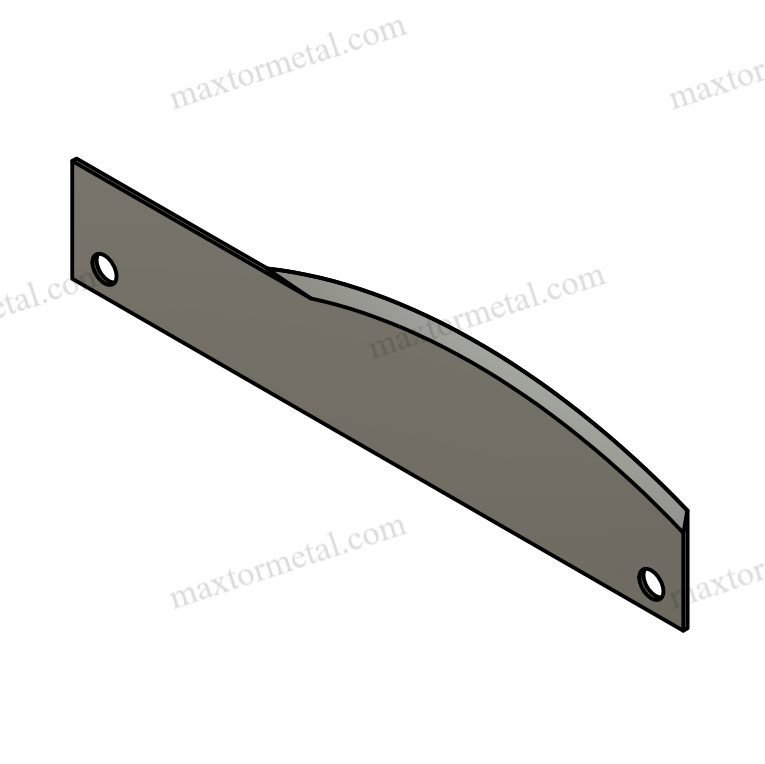
B. Paper and Textile Industry: Clean Cuts Without Fray
⚙️ Challenges:
- Avoiding fiber pull-out and frayed edges
- Achieving tight dimensional tolerances
- Managing dust generation during high-speed cuts
🔧 Geometry Recommendations:
- Micro-serrated blades (0.5–1 mm pitch) for paper and coated labels
- Wave-edge or scalloped designs for woven textiles
- High-sharpness bevels (15–20°), ultra-polished finish to reduce drag
📊 Production Gains:
| Материал | Тип геометрии | Результат деятельности |
| Craft paper | 0.5 mm micro-serrated blade | 26% less edge tear, 15% cleaner cuts |
| Cotton | Polished bevel, scalloped | 18% less fabric waste |
| Thermal labels | Thin wave-cut, DLC coat | 21% higher machine uptime |
(Data from TextileMach 2022 Benchmark Survey)
🧠 Expert Note:
Dust from paper slitting can accumulate on sensors and rollers. Using optimized edge geometry reduces particle generation at the source.
C. Recycling and Waste Management: Power Meets Durability
⚙️ Challenges:
- Cutting mixed or contaminated materials
- Resisting heavy impact, abrasives, and embedded metals
- Minimizing blade downtime and replacements
🔧 Geometry Recommendations:
- Reinforced thick blades с 35–40° bevels
- Hook-tooth serrated geometry for tearing rubber and carpet
- Carbide-tipped or bimetal construction
📊 Maintenance Impact:
| Геометрия лезвия | Average Uptime Per Set | Maintenance Reduction |
| Standard flat edge | 6 hours | – |
| Wide bevel + hook tooth | 10.5 hours | –42% maintenance calls |
(Source: Global Waste Equipment Review, 2023)
🧠 Field Insight:
Self-cleaning gullets and larger tooth valleys can drastically reduce blade clogging, a common issue when cutting sticky materials like tires or PVC-coated wires.
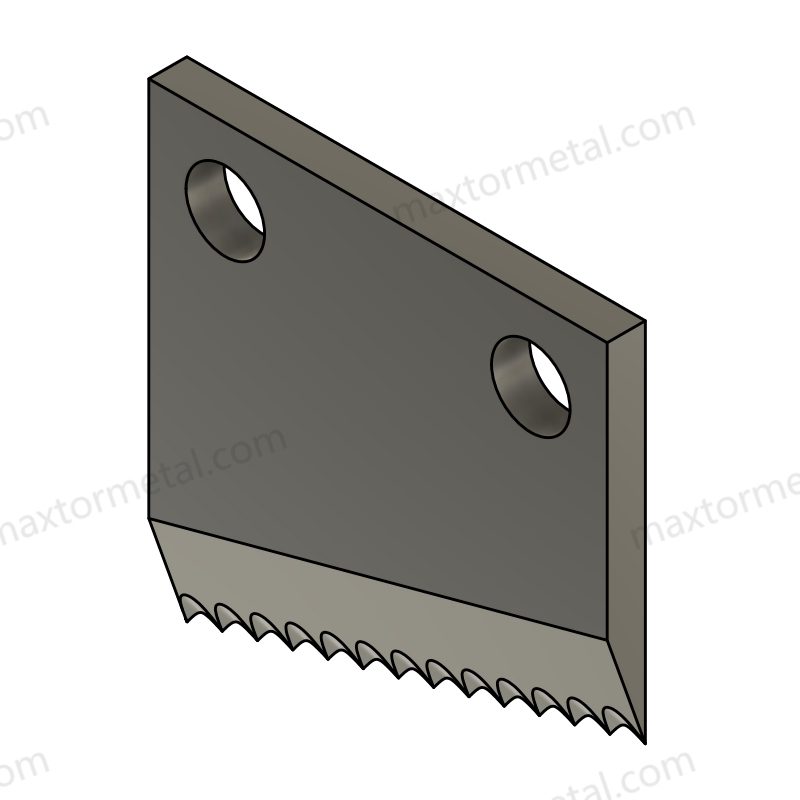
D. Packaging Industry: Precision at Speed
⚙️ Challenges:
- High-speed cutting (up to 300+ strokes/min)
- Thin film or multilayer materials prone to tearing
- Need for ultra-clean edges to avoid sealing failures
🔧 Geometry Recommendations:
- Flat straight-edge blades с 20–25° precision-ground bevels
- Low-friction coatings нравиться Тин или Teflon to prevent sticking
- Thin-profile blades (≤0.5 mm) for laminated films
📊 Case Study – Nanjing Metal Client:
| Before Adjustment | After Geometry Optimization |
| Blade changes: 3× per day | Blade changes: Once every 2 days |
| Misaligned pouches: 7% | Misaligned pouches: <1% |
| Line downtime: 2 hours/week | Line downtime: <30 minutes/week |
This improvement came from adjusting blade thickness and edge angle, with no machine hardware changes — just smarter blade geometry.
E. Metal Processing: Stability Under Pressure
⚙️ Challenges:
- High cutting resistance
- Risk of blade chipping or overheating
- Need for dimensional precision in hard substrates
🔧 Geometry Recommendations:
- Thick, rigid blades с steep bevel angles (30–40°)
- Carbide or HSS (high-speed steel) materials with heat-resistant coatings
- Конструкции с усиленным обухом для предотвращения изгиба
📊 Прирост производительности:
| Материал | Используемая геометрия | Повышение эффективности |
| Алюминиевые листы | толщиной 1 mm, твердосплавная кромка 35° | на 22% больше резов за смену |
| Нержавеющая сталь | Биметаллическое лезвие, скос 30° | Срок службы ножа увеличен в 3 раза |
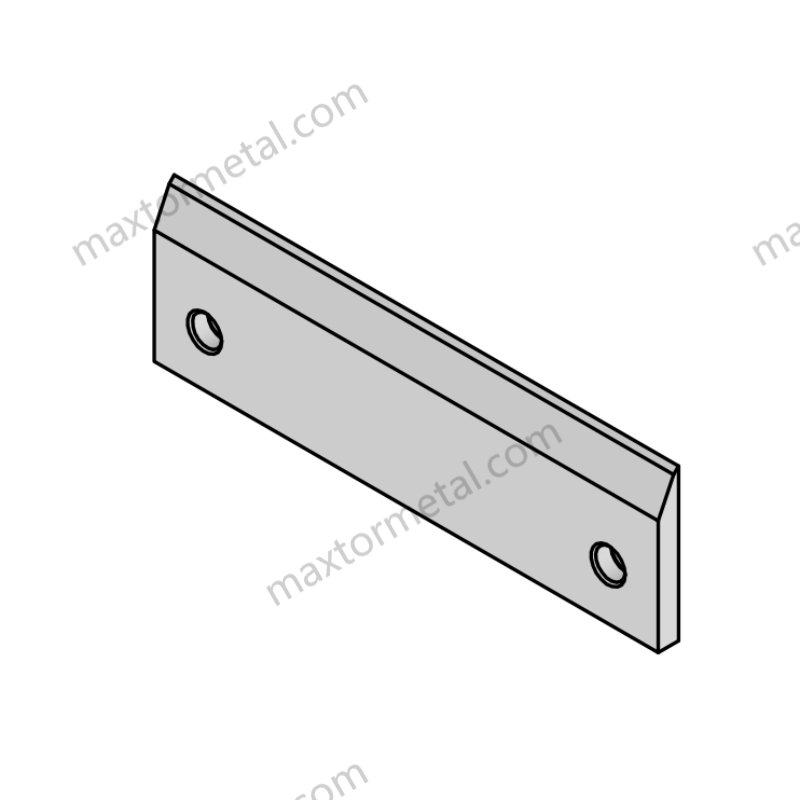
4. How to Improve Cutting Efficiency Today
Даже лучшая геометрия ножа окажется неэффективной при неправильном использовании, ненадлежащем обслуживании или эксплуатации в ненадлежащих условиях. Ниже приведены проверенные стратегии для максимизации отдачи от инвестиций в геометрию ножей.
А. Регулярное обслуживание продлевает срок службы геометрии
Регулярный уход необходим для сохранения целостности режущей кромки и стабильной производительности.
🛠️ Лучшие практики технического обслуживания:
- Чистые лезвия растворителем или ультразвуковыми системами после каждой смены
- Заточить или заменить ножей в зависимости от твердости материала и объема наработки
- Проверяйте углы режущей кромки с использованием увеличительных приборов или автоматических датчиков профиля
- Регистрируйте данные об износе ножей для прогнозирования оптимальных интервалов замены
🧪 Согласно опросу CutPro Analytics, проведенному в 2022 году, предприятия, внедрившие план профилактического обслуживания ножей, сократили время простоев, связанных с ножами, на 38% и сэкономили в среднем $5 200/месяц.
B. Оптимизация условий резки
Геометрия резки может работать эффективно только в тех пределах, которые допускает состояние вашего оборудования.
📐 Критические рабочие параметры:
- Скорость резки: Более высокие скорости требуют более гладких кромок с меньшим сопротивлением
- Давление подачи: Избыточное давление приводит к преждевременному износу и деформации
- Blade alignment: Перекос увеличивает боковую нагрузку и износ скоса
Используйте настройки оборудования, предназначенные для конкретного ножа. Нож, оптимизированный для 150 m/min, может работать неэффективно на скорости 300 m/min без надлежащей поддержки.
C. Выбор правильной геометрии ножа — краткое справочное руководство
| Тип материала | Рекомендуемая геометрия | Рассуждения |
| Пластик | Широкий шаг, большой угол заточки | Снижает трение, предотвращает плавление. |
| Бумага | Мелкозубчатый, тонкий профиль | Чистый срез, минимизирует разрывы. |
| Мясо/Хлеб | Зубчатый, нержавеющий, малый угол скоса | Сохраняет текстуру, предотвращает размазывание. |
| Резиновая промышленность | Усиленный обух, широкая зубчатая кромка | Устойчив к истиранию и ударам. |
| Металл | Твердосплавный, толстостенный, с крутым скосом | Обладает высокой износостойкостью и длительным сроком службы. |
Согласовывая геометрию как с характеристиками материала, так и с работой оборудования, производители могут добиться значительного повышения производительности резки, экономии энергии и улучшения качества продукции. Это не просто инженерные доработки — это оптимизация, напрямую влияющая на прибыль.
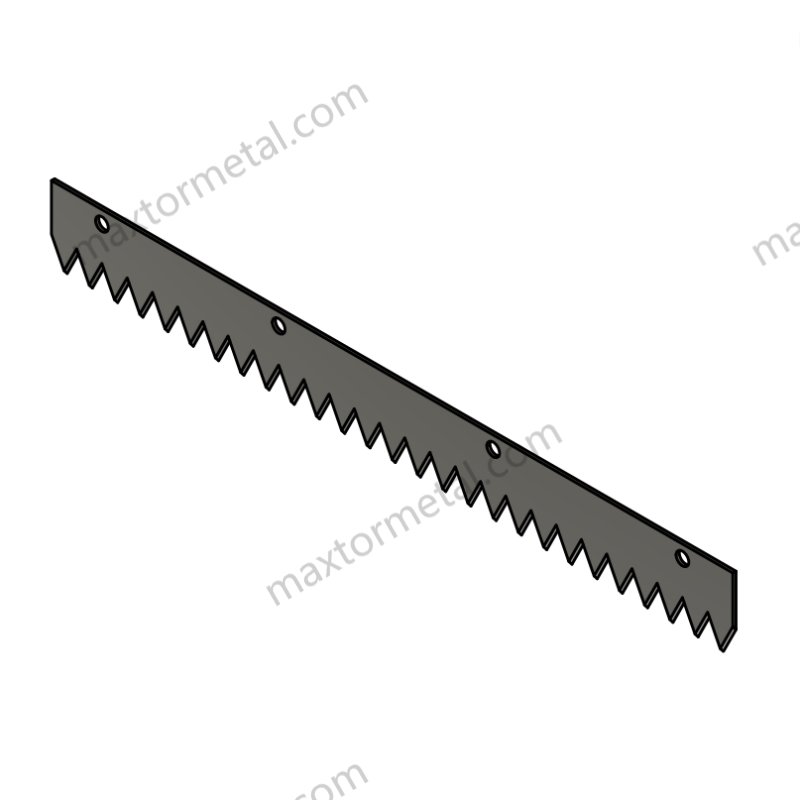
5. Why Custom Blade Geometry Wins
Индивидуальный дизайн = более высокая эффективность
Вы получаете не просто более высокую производительность — вы получаете более низкую общую стоимость владения.
📉 Влияние индивидуальной геометрии на эксплуатационные расходы:
| Метрическая | Перед настройкой | После Нанкина Metal Custom Blade | Улучшение |
| Смена лезвий в неделю | 10 | 3 | –70% |
| Средний процент брака при резке | 6.5% | 2.2% | –66% |
| Простой из-за износа лезвий | 4 часа/неделю | 1 час/неделю | –75% |
(Источник: отчеты клиентов Nanjing Metal, 2023 г.)
Исследование случая: Пользовательское лезвие из Нанкина Metal
Клиент из пищевой промышленности перешел на изготовленный под заказ зубчатый нож от Nanjing Metal. Результат?
- Скорость резки увеличилась на 22%
- Срок службы ножа увеличился с 2 недель до 6 weeks
- Точность нарезки повысилась (погрешность < 0.5 mm)
Почему Nanjing Metal?
Обладая более чем 18-летним опытом, компания Nanjing Metal поставляет высокоточные промышленные ножи для различных отраслей промышленности. Наша команда предлагает:
- Собственное проектирование и прототипирование
- Индивидуальный подбор материалов
- Short lead times and expert support
6. The Future of Blade Geometry
The next wave of industrial cutting is not just sharper — it’s smarter. Advances in materials, simulation, and digital manufacturing are reshaping how blades are designed, tested, and deployed.
Next-Gen Materials and Coatings
New surface technologies are extending blade lifespan while improving cut quality.
| Тип покрытия | Главное преимущество | Приложения |
| TiN (нитрид титана) | Reduces friction, increases surface hardness | Продукты питания, упаковка, текстиль |
| DLC (алмазоподобный углерод) | Предотвращает прилипание, рассеивает тепло | Пленка, пластик, резина |
| TiCN (карбонитрид титана) | Повышает износостойкость в суровых условиях | 1ТП1Т, композиты |
📈 Исследование случая: A packaging customer using DLC-coated blades saw blade change intervals increase by 53%, с zero adhesive build-up over 4-week trials.
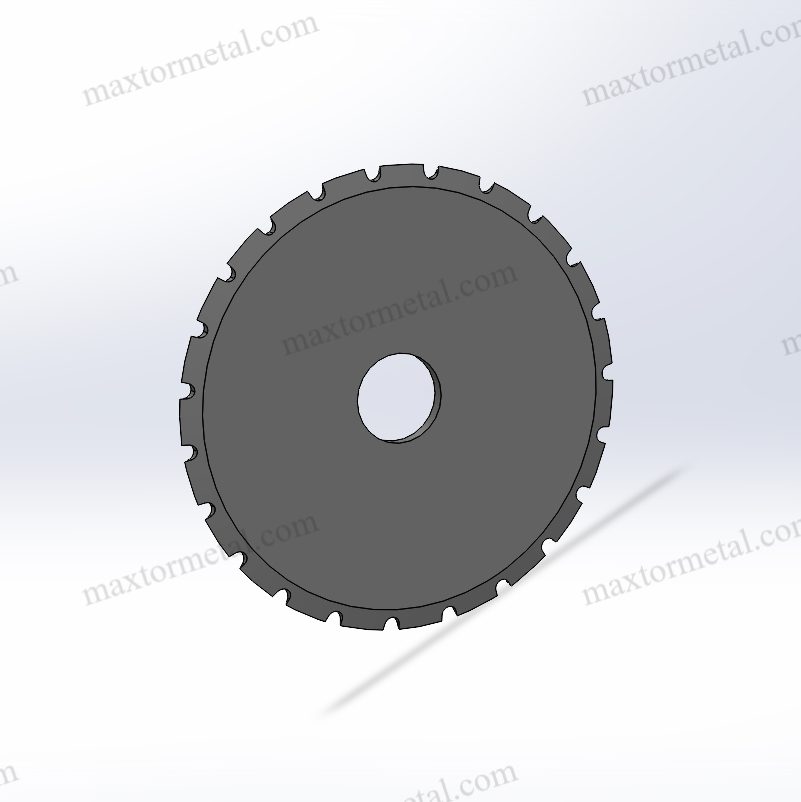
Smart Manufacturing & Simulation-Driven Geometry
Blade development is moving from trial-and-error to data-driven design.
🔍 Key Trends:
- Анализ методом конечных элементов (FEA) helps simulate stress distribution across blade geometry
- CNC prototyping allows rapid testing of micro-adjustments in bevel and pitch
- AI-aided optimization is being applied to match blade designs to historical failure modes
- 3D-printed test blades allow for faster field feedback without full production runs
🧪 Research from the Industrial Blade Innovation Lab (2023) showed that simulation-based geometry adjustments reduced edge stress concentration by 27%, significantly increasing blade lifespan under load.
Toward Predictive Cutting Performance
The future also includes:
- Sensor-embedded blades for wear monitoring
- Blade-as-a-service (BaaS) models where performance data drives automated reordering
- Digital twins of cutting systems for predictive maintenance and blade scheduling
Blades will no longer be just passive tools — they’ll be part of a smart ecosystem that predicts wear, optimizes cutting conditions, and feeds data back into design improvements.
Better Geometry, Better Cuts
Blade geometry is more than a technical detail — it’s a strategic tool for boosting performance. The right knife geometry can:
- Improve output speed
- Reduce waste
- Extend blade life
- Enhance product quality
Don’t settle for standard blades. Let Nanjing Metal help you design the right blade for your application.
👉 Contact our engineers for a free consultation today.
Sources & References
- Manufacturing Technology Insights, “Trends in Industrial Blade Design,” 2022
- BladeTech Solutions: Internal Performance Reports, 2023
- Food Processing Journal, “Optimizing Cutting in High-Speed Lines,” 2021

 English
 Spanish
 Italian
 French
 Portuguese
 Russian
 German
 Arabic
 Hindi
 Vietnamese
 Indonesian
 Japanese
 Korean
25 ответов