

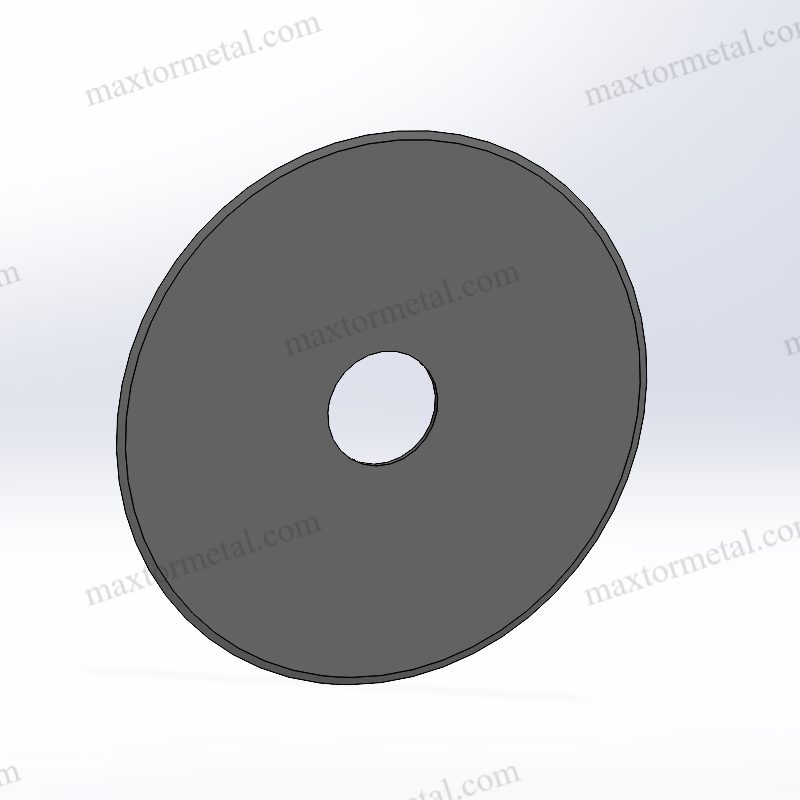
Taking good care of your tungsten carbide blade is essential for optimal performance and longevity. Proper обслуживание ножей из карбида вольфрама helps the blade last longer and work better. Tungsten carbide blades from Nanjig Metal Industrial stay sharp longer than steel blades, allowing you to save money over time. Many industries, including automotive, food processing, and metalworking, rely on these blades for demanding tasks.
- Tungsten carbide blades last в три раза дольше than high-speed steel blades when cutting stainless steel.
- The wear life can be 50 to 500 times better when you switch from carbon steel to tungsten carbide tools.
| Промышленность | Performance Requirements |
|---|---|
| Производство автомобилей | Needs exact cuts, strong blades, and sharp edges that last |
| Пищевая промышленность | Needs even cuts and less wasted food |
| Аэрокосмическая промышленность | Needs exact cuts and smooth surfaces |
Regular tungsten carbide blade maintenance prevents premature wear, ensuring your tools operate at their best. By taking care of your tungsten carbide tools daily, you can significantly extend their lifespan.
Ключевые выводы
- Taking care of tungsten carbide blades helps them last longer and work better.
- Clean the blades after you use them. This gets rid of dirt and sticky stuff. It stops the blades from getting dull or rusty.
- Keep blades in a cool and dry place. This keeps them safe from damage and rust.
- Sharpen the blades often so they cut well. You can ask a professional for help to get the best results.
- Be gentle when you use the blades. This stops them from chipping. Always pick the right blade for your task.
- Check how the blade works and look for signs of wear. This helps you find problems early and saves money on repairs.
- Use safe cleaners like acetone or citrus cleaners. These protect the blade and keep it strong.
- Recycle old blades. This helps the planet and lets us reuse important materials.
Daily Maintenance Tips
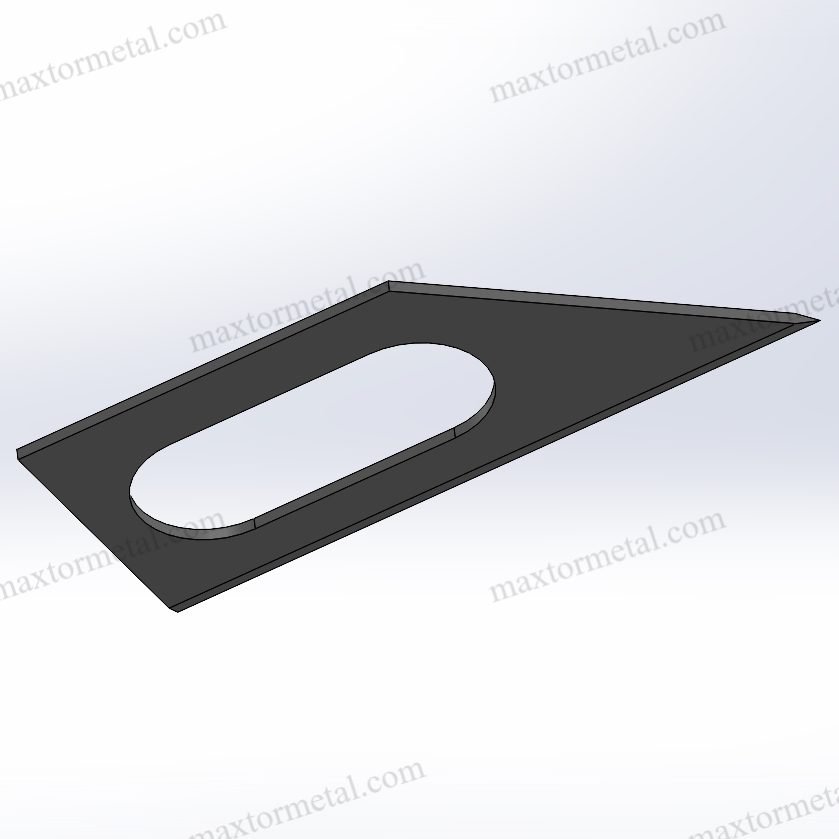
Doing daily maintenance keeps your лезвия из карбида вольфрама working well. You can make your cutting tools last longer with good care. Nanjig Metal Industrial’s лезвия из карбида вольфрама stay sharp and strong, but you need to look after them. Here are some easy ways to take care of your blades every day.
Cleaning Tungsten Carbide Blades
Clean blades work better and last longer. You should clean off glue, resin, and dirt after each use.
Removing Adhesive and Impurities
Sticky stuff and dirt can stick to your blades when you cut things. If you leave these on, your blade can get dull and not work as well. You should:
- Wipe the blade with a soft cloth after you use it.
- Take off resin, glue, or dirt right away.
- Use a gentle brush for tough spots.
Cleaning your blades often stops rust and helps your tungsten carbide tools work well. Clean blades are less likely to chip and are easier to sharpen.
Safe Cleaning Agents and Tools
Picking safe cleaners helps protect your лезвия из карбида вольфрама. Some cleaners can hurt the blade or make it weak. Good choices are:
- Acetone or isopropyl alcohol for light dirt.
- Citrus-based cleaners for sticky stuff.
- Ultrasonic cleaners on low heat for deep cleaning.
- Citranox® Liquid Acid Cleaner (2-5% by volume) for oily messes.
- Alconox® Powdered Precision Cleaner for non-water dirt.
- Detonox® Ultimate Precision Cleaner for tough grime.
- Keylajet® Low-foaming High Alkaline Liquid for strong cleaning.
- Simple Green Pro HD Heavy-Duty Cleaner, which is safe for metal.
Do not use oven cleaners or harsh products. These can damage the blade and make it wear out faster. Always dry your blade all the way after cleaning so it does not rust.
Кончик: If you have special blades or cleaning needs, you can learn more at индивидуальные решения для лезвий.
Edge Protection and Handling
Лезвия из карбида вольфрама are very hard, but the edges can chip if you are not careful. Protecting the edge is important every day.
Preventing Chipping and Fractures
Never drop your blades or hit them on hard things. Even a small bump can make chips or cracks. Keep blades in a padded case or on something soft when you are not using them. Always check for chips before and after you use your blade.
Here is a table that shows what can happen if you do not handle your blades right:
| Consequence Description | Impact on Edge Integrity |
|---|---|
| Too much wear makes the cutting edge weak. | Bad surface and weak edge. |
| Edge collapse causes poor chip control. | Chipping and surface problems. |
| Dirt buildup can hurt the cutting edge. | Makes the edge weaker. |
| Damage from chips can hurt the blade’s cutting part. | Can harm the top blade and support. |
| Small breaks cause too much wear. | Makes the edge weaker. |
| Chips and cracks from bad handling. | Cuts worse and is less sharp. |
| Damage to the knife pad and workpiece can happen. | Makes the blade work worse. |
Proper Handling Techniques
Hold your blades with both hands and wear gloves to keep a good grip. Put the blade down gently on your work area. Do not push the blade into hard things. Always use the right blade for your job. If you need a special blade, try custom карбид вольфрама products for better results.
Примечание: Checking your blades often and handling them carefully are easy ways to avoid expensive repairs and keep your blades sharp.
If you follow these tips, your лезвия из карбида вольфрама will work better and last longer. Good maintenance saves time, money, and helps your cutting jobs go smoothly every day.
Storage and Preservation
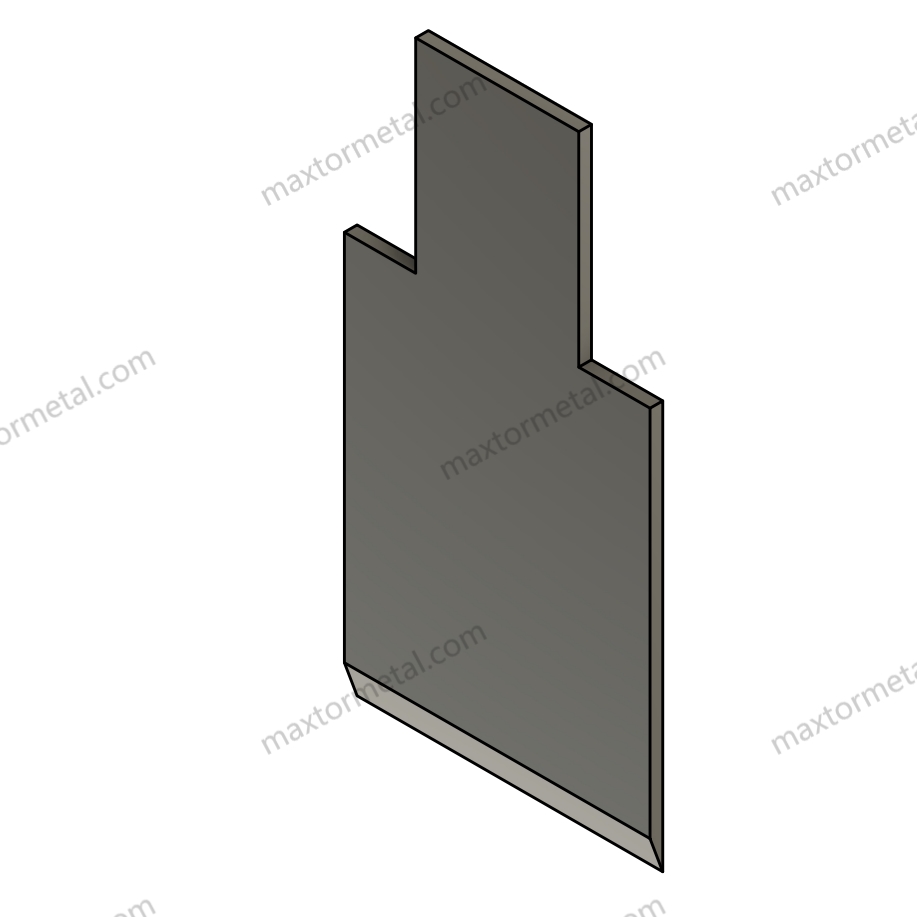
Storing your лезвия из карбида вольфрама the right way keeps them in good shape. You must keep your blades safe from harm and bad weather. Good storage stops rust, dull edges, and broken blades.
Proper Storage Environment
Always put your blades in a place that is clean and dry. The right spot helps your blades stay sharp and last longer.
Humidity and Temperature Control
Wet air and big temperature changes can hurt your blades. Too much water in the air can make rust form. Rust makes your blades less sharp. Keep your storage cool and dry. Use a dehumidifier if your area is damp. Try to keep the temperature the same every day. Do not put blades near heaters or in the sun.
Here is a table that shows what can hurt your blades:
| Environmental Factor | Impact on Corrosion Resistance and Sharpness Retention |
|---|---|
| Type of Binder | Affects corrosion resistance; cobalt is more susceptible than nickel. |
| Moisture | Can lead to oxidation and degradation of the blade. |
| Acids | Increase corrosion risk, especially for cobalt-bonded carbides. |
| Alkalis | May also contribute to corrosion under certain conditions. |
| Salts | Can accelerate corrosion processes. |
| Температура | High temperatures can exacerbate degradation. |
| Влажность | High humidity levels can promote corrosion. |
Watch out for acids, alkalis, and salts. These can make your blades wear out faster. Keep your blades away from unsafe chemicals and cleaners.
Preventing Corrosion and Impact
Store your blades in a soft box or on a soft mat. Never pile blades on top of each other. Use blade covers to keep the edges safe. If you need to move your blades, use a padded case. This helps stop chips and cracks.
Кончик: Look at your storage area often. Make sure there is no water, dust, or bad chemicals near your blades.
Oil Paper Sealing
Oil paper sealing is an easy way to keep blades safe. You do not need to use oil or grease every day. Oil paper blocks water and air from touching the blade.
Temporary Preservation Methods
Wrap each blade in oil paper before you put it away. This works for both short and long storage. Oil paper helps stop rust and keeps blades clean. Use this if you store blades between jobs or when moving them.
Here are some easy steps for oil paper sealing:
- Wipe the blade so it is clean and dry.
- Wrap the blade in oil paper.
- Put the wrapped blade in a soft box or drawer.
You do not need extra oil or grease. Oil paper keeps things neat and safe.
Примечание: If you store blades for a long time, check them every few months. Change the oil paper if it gets dirty or ripped.
Sharpening and Regrinding
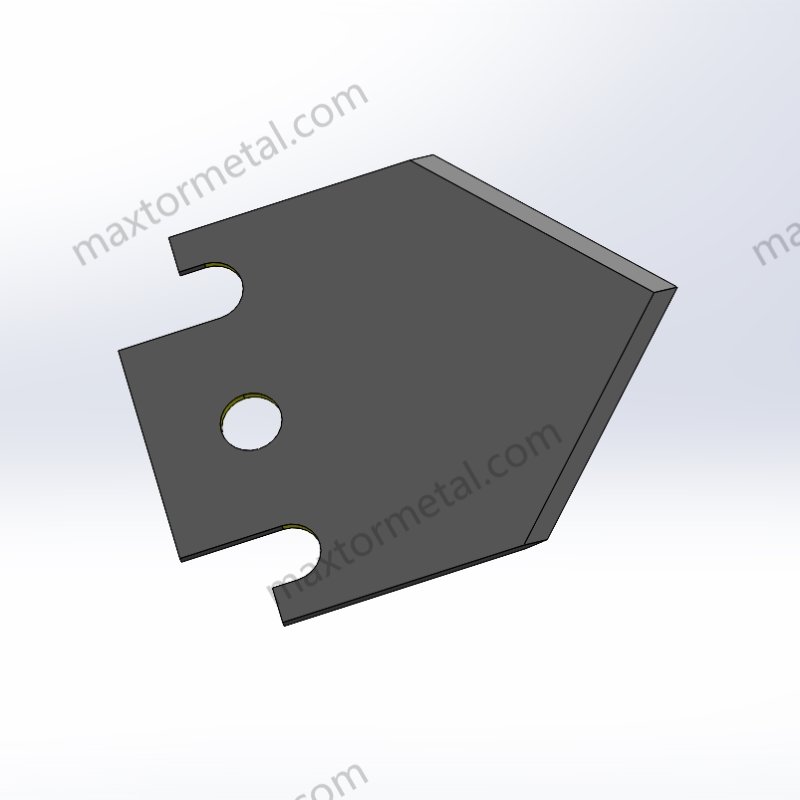
It is important to keep your лезвия из карбида вольфрама sharp. Sharp blades help you cut safely and easily. You need to follow the right steps for sharpening and regrinding. This section explains when to sharpen, what tools to use, and when to ask for expert help.
Интервалы заточки
Check your blades often. Make a plan to sharpen them regularly. If you use your tungsten carbide saw blade every day, sharpen it more often. Regular sharpening stops sudden breaks. It helps you cut smoothly.
Preventative Grinding Practices
Good grinding habits help your лезвия из карбида вольфрама last longer. These tips help you avoid damage and keep your tools working well.
| Кончик | Объяснение |
|---|---|
| Use the Right Cutting Parameters | Change speed, feed rate, and depth to fit the job. |
| Apply Coolant Properly | Coolant lowers heat and friction. It stops tool wear. |
| Regularly Inspect Tools | Look for wear early. This stops big problems. |
| Store Tools Correctly | Keep tools dry and neat. This stops damage. |
| Use High-Quality Carbide Tools | Good brands work better and last longer. |
Always use the right settings for your tungsten carbide cutting tool. Coolant keeps the blade cool and lowers friction. Check your tools often to find problems early. Store your tungsten carbide inserts and tips in a safe place.
Avoiding Overheating
Too much heat can ruin your tungsten carbide blades. Heat changes the blade and makes it weak. Always use coolant or water when sharpening. Take breaks so the blade can cool down. If you use a machine, set it to a low speed. This keeps the edge strong and sharp.
Кончик: If you see blue or dark spots, stop sharpening. These spots mean the blade got too hot.
Tools and Techniques
You can sharpen tungsten carbide tools by hand or with a machine. Each way has good and bad points.
Ручная и машинная заточка
Manual sharpening uses whetstones. You get more control and can stop overheating. You keep the edge sharp and do not remove too much material. Machine sharpening is faster. But machines can make the blade too hot. Overheating makes the blade dull faster. For tungsten carbide products, manual sharpening helps the edge last longer.
Professional Regrinding Services
Sometimes you need special tools to sharpen tungsten carbide blades. Experts use diamond grinding wheels for the best results. They can sharpen your blades up to eight times. This saves money and cuts down on waste. You do not need new blades as often. Many factories use expert regrinding. It helps their tools last longer and costs less.
- Carbide-coated blades last longer.
- You spend less on repairs and new blades.
- Premium blades can be reground many times. This saves money.
Sharpening tungsten carbide inserts and blades needs special skills and tools. Not everyone has diamond grinding wheels. For the best results, ask experts to sharpen your tungsten carbide tools.
Примечание: Always follow the maker’s instructions for sharpening and regrinding. This helps your tungsten carbide tips and blades work their best.
If you follow these tips, your blades will stay in good shape. Regular sharpening, careful grinding, and expert help give you the best results from your tungsten carbide saw blade and other cutting tools.
Usage Best Practices
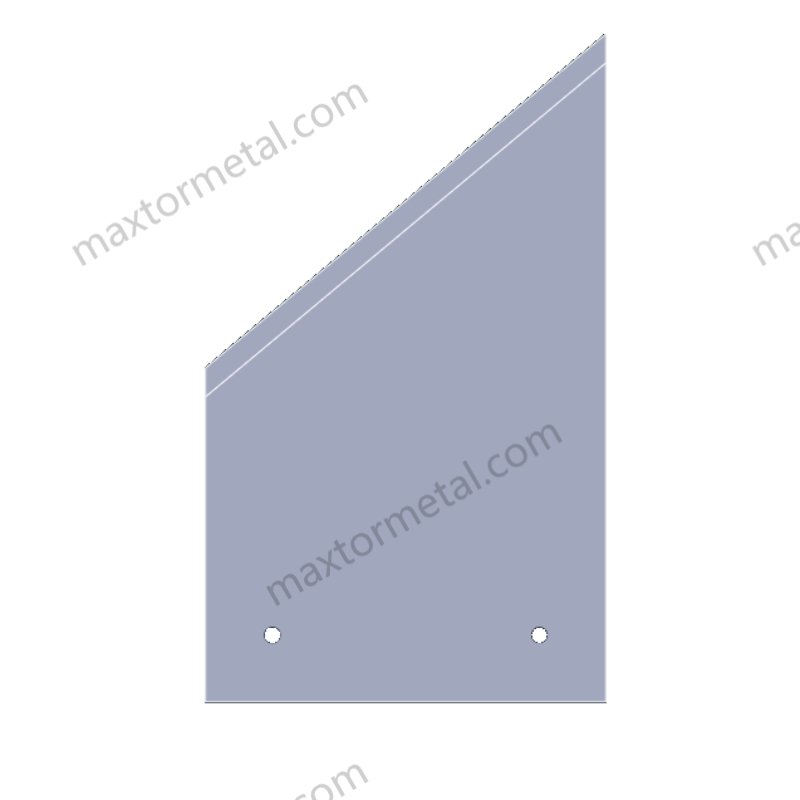
You can get great results from your tungsten carbide blades if you use them the right way. These steps help you stop problems and keep your cutting tools working well.
Installation and Operation
Putting in your blades the right way helps them last longer. Always check your setup before you start cutting.
Vibration Control
Vibration can hurt your blades and make cutting worse. You can lower vibration by:
- Making sure all machine parts are balanced first.
- Using dampers or shock absorbers to soften shakes.
- Checking for loose parts and tightening them.
- Lubricating bushings and nearby parts to lower friction.
- Watching vibration levels often as part of maintenance.
When you control vibration, you protect your tungsten carbide blades from chips and uneven wear. This helps you get smoother cuts and better results.
Proper Alignment
Alignment is important for safe and good cutting. If you do not align your blades, they can chip or break. Here are some steps:
- Always follow the maker’s instructions when installing blades.
- Double-check the blade’s position and angle before starting.
- Make sure blade tension is right.
- Let the machine cool if it gets hot during setup.
- Look for signs of misalignment or damage.
Bad alignment can cause uneven pressure and faster wear. You can stop most problems by checking your setup for a few minutes.
Кончик: Careful installation and alignment help you avoid mistakes and keep your cutting tools working well.
Application-Specific Advice
Different industries use tungsten carbide blades in special ways. You should change your approach based on your job to get the best cuts.
Packaging, FPCB, Chemical Fiber
In packaging, FPCB, and chemical fiber jobs, you need clean and exact cuts. Tungsten carbide blades work well because they stay sharp and last long.
| Тип приложения | Описание |
|---|---|
| Продольная резка | Cuts materials into thin strips for accuracy. |
| Trimming | Makes clean edges so packaging looks better. |
| Perforating | Makes holes for easy tearing or folding in packaging. |
| Die-Cutting | Shapes materials for special packaging needs. |
Use the right blade for each job. For synthetic fibers, these blades give clean and exact cuts, which makes products better. Advanced tungsten carbide tools also handle tough jobs without wearing out fast.
Textiles, Food, Metal Slitting
Textile, food, and metal slitting jobs have their own problems. You must watch alignment and pressure to keep blades in good shape.
- Always align blades to stop uneven pressure and fast wear.
- Use the right pressure when cutting. Too much can hurt the blade.
- Watch for chips or cracks, since tungsten carbide is hard but can break.
- Keep blades dry and away from chemicals to stop rust.
- In wet places, check blades more often to stop rust and pitting.
You can cut better by matching your care routine to your work area. Clean and dry blades last longer and cut better.
Примечание: Each industry has special needs. Change your blade care and use to fit your materials and conditions.
You can get the most from your tungsten carbide blades by following these tips. Careful setup, vibration control, and job-specific advice help you cut well and make your tools last longer.
Inspection and Replacement
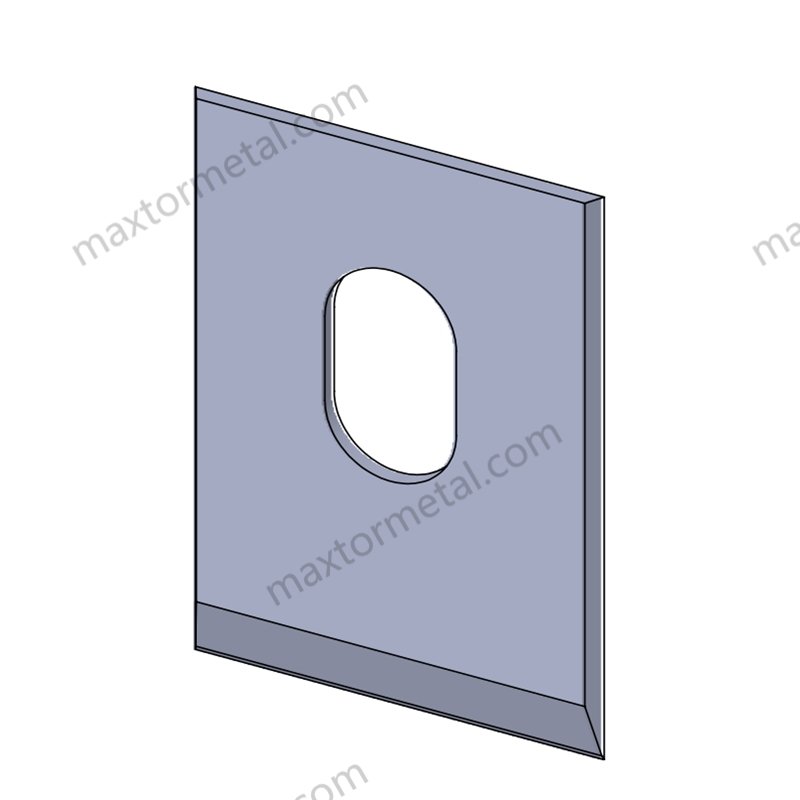
You should check your tungsten carbide blades often. This helps them work well for a long time. Regular checks help you find problems early. You can plan maintenance before things get worse. This part explains how to look at your blades, what damage to find, and when to replace or recycle them.
Routine Inspection Checklist
Make checking your blades a daily habit. Regular checks help you spot wear before it gets bad. Use this list to help you take care of your blades:
- Look for chips or cracks on the cutting edge.
- Check if the blade is dull or uneven.
- Feel for rough spots or changes in sharpness.
- Watch for dirt or sticky stuff on the blade.
- Listen for strange sounds when cutting.
- Test the blade on a sample to see how it works.
Identifying Wear and Damage
You can find different kinds of wear by looking closely. Each type changes how long your blade lasts. Use this table to help you find common problems:
| Type of Wear | Описание |
|---|---|
| Абразивный износ | Hard bits or rough stuff scratch the blade. |
| Адгезивный износ | Sticky spots form when material moves between blade and workpiece. |
| Erosive Wear | Fluids or tiny bits hit the blade and wear it down. |
| Fatigue Wear | Tiny cracks grow bigger from repeated use. |
If you see these problems, act fast. Finding issues early keeps your blades sharp and strong.
Monitoring Performance
Watch how your blades work during each job. If cutting gets harder or edges look rough, your blade may be worn. You might notice slower cuts or odd sounds. These signs mean your blade needs fixing or replacing soon.
Кончик: Write down how your blade works after each check. This helps you see changes and plan future care.
Руководство по замене
You need to know when to replace or regrind your tungsten carbide blades. Picking the right time saves money and keeps you safe.
When to Replace vs. Regrind
You can regrind blades with small damage. If you see big cracks, broken tips, or very dull blades, replace them. Here are some tips to help you choose:
- Regrind blades with tiny chips or dull edges.
- Replace blades with big cracks or lots of wear.
- Get expert help for expensive blades to make them last longer.
- Use careful checks to decide if regrinding or replacing is best.
Regrinding keeps blades strong and costs less. Replace blades when they cannot be fixed or are unsafe.
Disposal and Recycling
Recycle tungsten carbide blades when they are worn out. Recycling helps the planet and saves resources. Follow these steps to recycle right:
- Separate tungsten carbide from other metals first.
- Take blades to a certified recycler. You can get $5 to $10 per pound for recycled blades.
- Использовать recycling methods like electrolytic for cobalt blades, or zinc smelting for blades with less cobalt.
- Recycling helps the environment and gives you extra money.
♻️ Recycling tungsten carbide blades is good for the planet and saves resources.
Recycling old blades helps your business and the earth. Good recycling keeps your workspace safe and supports green goals.
Краткое содержание
Check your лезвия из карбида вольфрама often to keep them sharp and safe. Regular checks help you find wear early and plan repairs. Use the checklist, look for damage, and choose regrinding or replacement based on blade shape. Always recycle old blades to help the planet and save resources.
Professional Maintenance Support
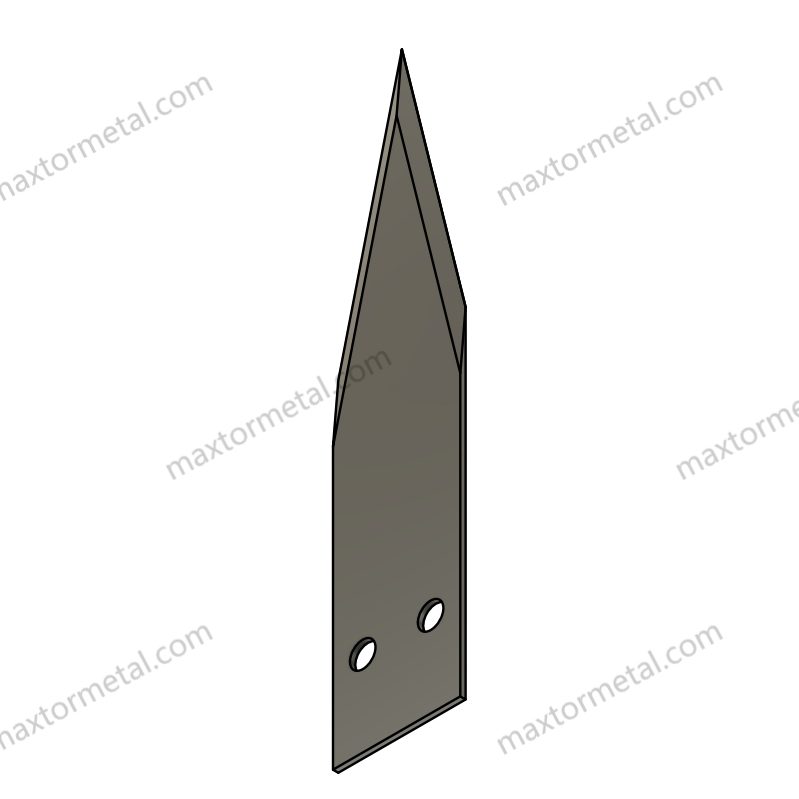
Sometimes, basic care is not enough for your tungsten carbide blades. Some problems need help from experts. Professional maintenance can fix your blades and keep your work going.
When to Seek Expert Help
You should get expert help if you see certain signs. These signs mean your tungsten carbide blades need more than just cleaning or sharpening.
- Your cuts look rough or jagged.
- Cutting feels harder and machines work more.
- The blade gets hot fast, even with coolant.
- You see uneven wear or the blade looks crooked.
- Small chips show up on the edge and get worse.
If you notice these things, call a professional. Experts have special tools and know how to fix these problems.
Advanced Grinding and Repair
Professionals use special ways to fix and sharpen tungsten carbide blades. These ways make the blade sharp again and help it last longer.
| Техника | Преимущества | How to Use |
|---|---|---|
| Diamond Grinding | Very exact, strong, sharpens fast | Clean and set blade, pick angle, press gently, use coolant, check edge |
| Silicon Carbide Grinding Wheels | Cheaper, good for light sharpening | Clean and place blade, set angle, press gently, use coolant, check edge |
| Electrical Discharge Machining | Very exact, no stress on blade | Set up machine, put blade in, use electric sparks, watch process |
| Laser Sharpening | Super exact, no wear, very fast | Use special machine, aim laser, burn off material to sharpen |
Diamond grinding makes a sharp edge and does not waste much blade. Silicon carbide wheels are good for easy jobs. Electrical discharge machining is good for tricky shapes. Laser sharpening makes blades sharp fast and safely.
Industry-Specific Services
Some jobs need special care for tungsten carbide blades. Food, metal, and packaging jobs all have different needs. Professionals pick the best repair for your job. They use special tools to keep your blades safe and working well. You can ask for custom grinding, coating, or shaping for your work.
If you want more info or help, visit Nanjing Metal Industrial to learn about expert support.
Benefits of Professional Care
Professional care gives you many good things for your tungsten carbide blades. You save money and get better results.
Cost Savings and Quality Assurance
Fixing a blade costs less than buying a new one. Repairs are usually 50% to 80% cheaper than new blades. Well-cared-for blades last longer, so you buy fewer new ones. Repairs are also faster, so you do not wait long.
| Выгода | Описание |
|---|---|
| Cost effective | Repairs cost much less than new blades. |
| Extended Tool Life | Maintenance helps blades last longer. |
| Постоянная производительность | Repaired blades cut as well as new ones. |
| Сокращение времени простоя | Repairs are faster, so you get back to work quickly. |
| Cost Savings Reports | You can track savings and make smart choices for your business. |
Special treatments can make your blades last two or three times longer. Advanced repairs help your blades do hard jobs. Many services design blades so you can sharpen them easily, which means less waiting.
Кончик: Regular expert care keeps your tungsten carbide blades sharp, strong, and ready for any job.
Professional help lets you get the most from your tools. You keep your work safe, fast, and save money.
Quick Maintenance Checklist
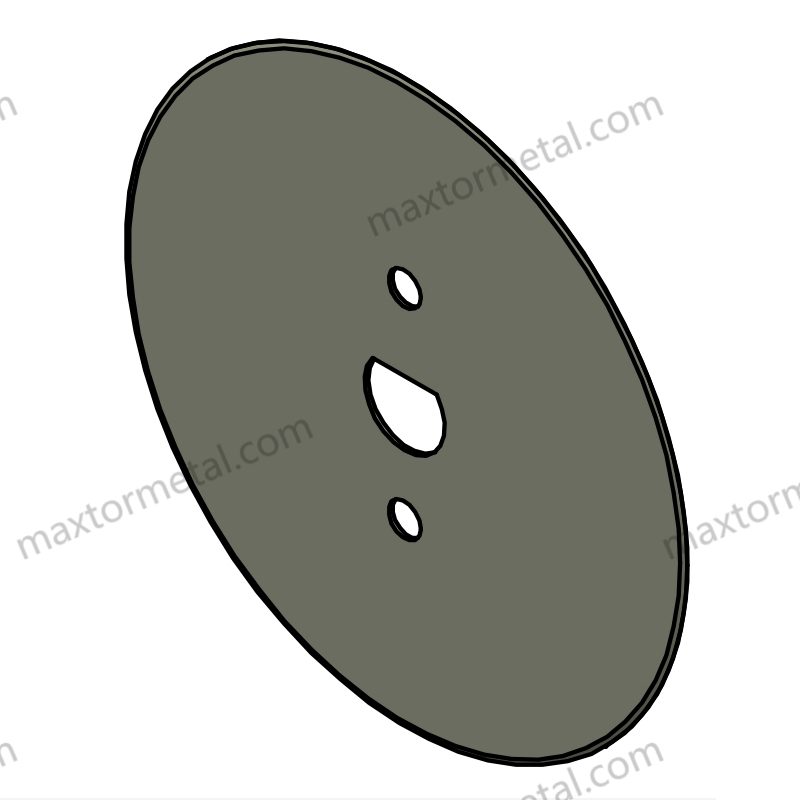
A quick maintenance checklist helps you keep your tungsten carbide blades working well. You can use this guide to plan your daily, weekly, and monthly jobs. Fixing problems and following good habits will help your blades work their best.
Daily, Weekly, Monthly Tasks
You should take care of your лезвия из карбида вольфрама on a regular schedule. This table shows what to do each day, week, and month:
| Частота | Задача по техническому обслуживанию | Описание |
|---|---|---|
| Ежедневно | Cleaning and Drying | Clean your blade after you use it. Wipe off dirt and sticky stuff. Dry the blade all the way so it does not rust. |
| Еженедельно | Регулярная заточка | Sharpen your blades when needed. Keep the edge sharp, but do not grind too much off. |
| Ежемесячно | Professional Inspection | Look for cracks, chips, or wear. Replace blades if you see big damage. |
Кончик: Set reminders for each job. Doing these tasks often helps your лезвия из карбида вольфрама last longer and work better.
Устранение распространенных проблем
Sometimes you may have problems with your лезвия из карбида вольфрама. Knowing how to fix these problems keeps your blades working well. Here is a table with common problems and ways to fix them:
| Maintenance Issue | Действия по устранению неполадок |
|---|---|
| Burr Wear | Check your cutting speed and feed rate. Use coated carbide blades. Add coolant to lower friction. |
| Burr Breakage | Work safely. Find out why the blade broke. Replace broken blades. Pick the right blade type. Store blades the right way. |
| Перегрев | Let your blade cool down. Lower speed and pressure. Use coolant. Take breaks during long jobs. Work in a place with good air flow. |
| Inconsistent Finishes | Check your blade for damage. Keep speed and pressure steady. Move your hands smoothly and evenly. |
⚠️ If your blade gets too hot or breaks, stop using it right away. Fix the problem before you start again.
Best Practices Summary
You can follow these tips to get the most from your лезвия из карбида вольфрама:
- Use blades with special coatings like Chemical Vapor Deposition (CVD). Coatings help your blades last longer and resist wear.
- Upgrade your blades from carbon or stainless steel to карбид вольфрама or zirconia ceramic. These materials help you cut better and make blades last longer.
- Take care of knife holders often. Clean and check holders to keep blades steady and sharp.
- Store blades in a dry, cool place. Wrap blades in oil paper for extra safety.
- Handle blades gently. Do not drop or bump them to stop chips and cracks.
- Use the right blade for each job. Match the blade to your material and cutting needs.
🛠️ Good habits and regular care help you avoid problems and keep your лезвия из карбида вольфрама working their best.
You can keep your blades sharp, safe, and ready for any job by following this checklist. Regular care and smart fixes make your work easier and help you do a better job.
You can help your tungsten carbide blades last longer by doing easy things every day. Clean your blades often to get rid of dirt and keep them strong. Store your blades the right way to protect the edge and stop damage. Sharpen your blades on time so they work well and last longer. If you have hard problems, ask experts for help to keep your blades safe.
- Taking care of blades keeps them sharp and helps stop accidents.
- Smooth blades shake less and are safer to use.
- Sharp blades cut quickly, so you finish jobs faster.
- Good care makes blades last longer and saves money.
| Выгода | Описание |
|---|---|
| Увеличение срока службы лезвий | Some people say blades last 3 to 5 times longer when they use tungsten carbide. |
| Сокращение расходов на техническое обслуживание | Longer blade life means you spend less money on new blades and fixing them. |
| Enhanced Operational Efficiency | Better cuts and steady work help you save time and lower costs. |
Nanjig Metal Industrial’s blades are strong and cut with great accuracy. You can keep your blades working well by following the quick maintenance checklist. Taking care of your blades helps you stay safe, work faster, and save money over time. If you need help, talk to our sales engineer здесь.
Часто задаваемые вопросы
How often should you clean a tungsten carbide blade?
Clean your tungsten carbide blade every time you use it. This helps the edge stay sharp and gets rid of dirt or glue. Clean blades last longer and cut better.
What is the best way to store a tungsten carbide blade?
Keep your tungsten carbide blade in a cool, dry spot. Wrap it in oil paper or put it in a padded case. This keeps the edge safe and stops rust from forming.
Can you sharpen a tungsten carbide blade at home?
You can use a diamond stone or special grinding wheel to sharpen it. For the best results, let a professional do the sharpening. This keeps your blade strong and sharp.
How do you know when to replace a tungsten carbide blade?
Look for chips, cracks, or dull spots on your blade. If sharpening does not fix it, get a new tungsten carbide blade. Safe blades work better and last longer.
Why does a tungsten carbide blade chip easily?
Tungsten carbide is very hard but can break if hit. Dropping or bumping the blade can make chips. Always handle your blade with care and store it safely.
What industries use tungsten carbide blades the most?
Lots of industries use tungsten carbide blades for hard jobs. You find them in metalworking, packaging, cars, textiles, FPCB, chemical fiber, and food slicing.
How do you recycle a used tungsten carbide blade?
Take your old tungsten carbide blade to a recycling center. They separate the parts and reuse the tungsten carbide. Recycling helps the earth and saves materials.
What cleaning agents are safe for tungsten carbide blades?
Use acetone, isopropyl alcohol, or a citrus cleaner. You can also use an ultrasonic cleaner on low heat. Do not use strong chemicals that can hurt the blade.
Смотрите также
Вольфрамовый нож: стоит ли он своих денег? Плюсы, минусы и области применения в промышленности.
Как Затачивать и Обслуживать Ножи из Карбида Вольфрама
Карбид вольфрама против стали для промышленных лезвий: производительность, износ и стоимость.
Карбид Вольфрама против Быстрорежущей Стали (HSS): Что Подходит для Ваших Режущих Задач?

 English
  Spanish
  Italian
  French
  Portuguese
  Russian
  German
  Arabic
  Hindi
Hindi  Vietnamese
  Indonesian
  Japanese
  Korean