

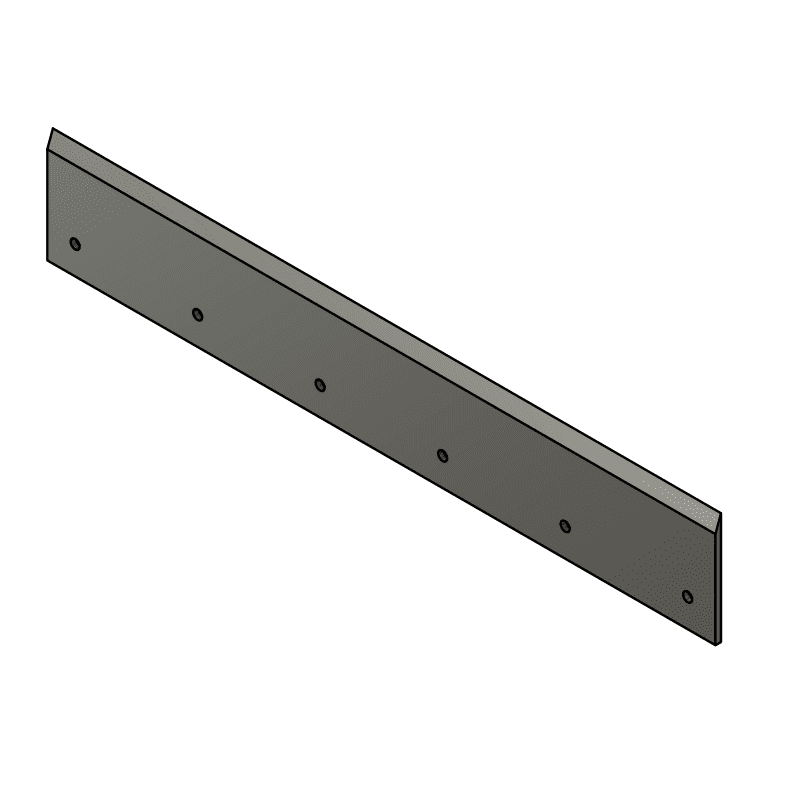
If you want the thép tốt nhất cho lưỡi dao guillotine, you should think about how long it lasts, how much it costs, and how well it cuts. Carbide is known for lasting a long time and keeping a sharp edge. D2 and HSS also work well for many jobs. Here is a quick comparison:
| Loại lưỡi dao | Độ bền | Trị giá | Hiệu suất cắt |
|---|---|---|---|
| Thép tốc độ cao (HSS) | Lasts longer | Costs some | Good for thick paper and laminates |
| Alloy Tool Steel (D2) | Lasts very long | Costs some | Cuts lots of tough materials |
| Đầu cacbua | Lasts the longest | Chi phí nhiều hơn | Best for rough or big cutting jobs |
Nanjing Metal Industrial is a leader in the field. They have over 20 years of experience. They follow ISO9001 quality rules. When you pick a guillotine cutter, think about how much you print, what you cut, and how much money you want to spend. Carbide may be the best for hard jobs. D2 and HSS are good for daily use.
Những điểm chính
- Carbide blades last the longest. They need sharpening the least. This makes them great for busy printing jobs.
- D2 tool steel is great for cutting plastics and composites. It gives a good mix of price and strength.
- High-speed steel (HSS) costs less. It works well for small and medium jobs. But it needs sharpening more often.
- Think about how much you print and what you cut. This helps you pick the best blade for your work.
- Take care of your blades by checking and sharpening them often. This keeps them working well and helps them last longer.
- Buying carbide blades can save you money over time. They last longer and you stop work less often.
- You can get custom blades from companies like Nanjing Metal Industrial. These blades can be made for your special cutting needs. They help you work faster and better.
- Always choose a blade that matches your job. This gives you cleaner cuts and better results.
Guillotine Paper Blade Material Comparison
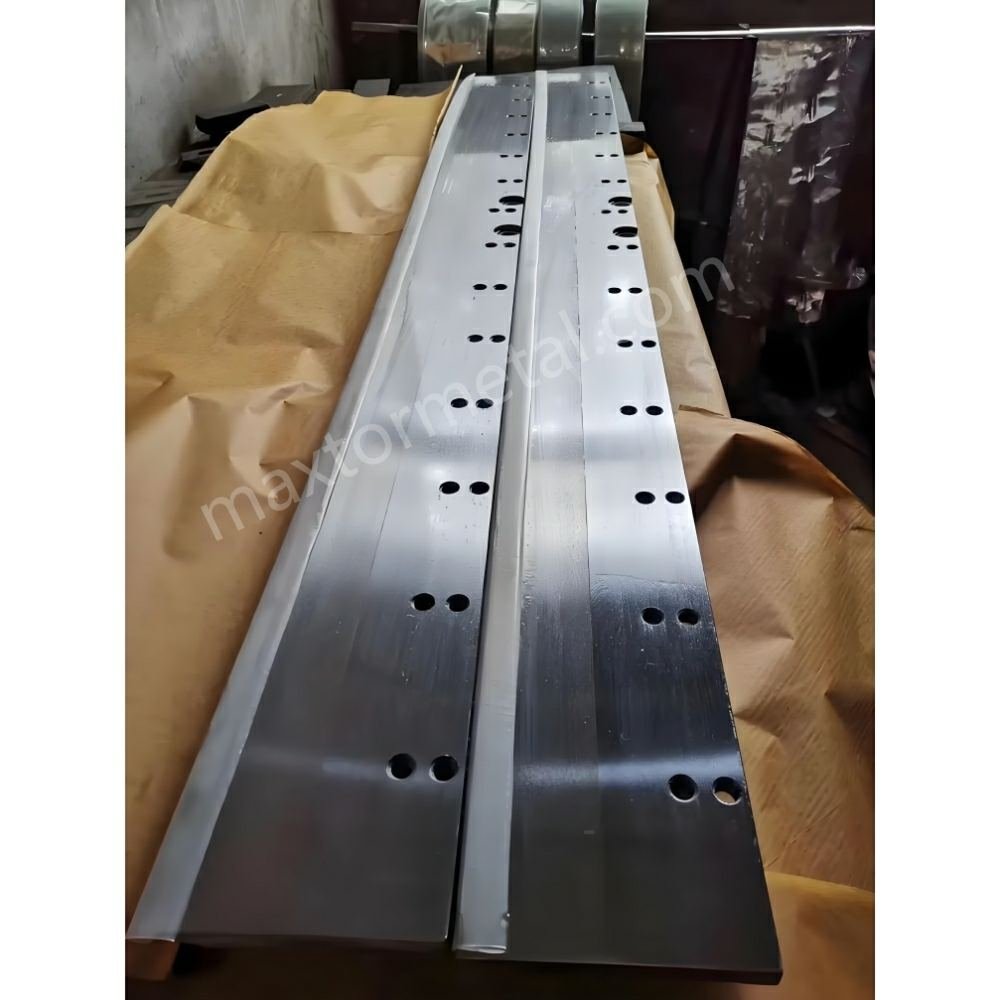
D2 vs HSS vs Carbide
When you pick steel for guillotine blades, you want to know how each one works. Here is a table to help you compare D2, high-speed steel, and carbide knives for your guillotine paper blade:
| Loại lưỡi dao | Độ bền | Giữ cạnh | Trị giá | Nhu cầu bảo trì |
|---|---|---|---|---|
| Thép công cụ D2 | Rất cao | Great for plastics and composites | Vừa phải | Needs regular sharpening |
| Thép tốc độ cao | Cao | Keeps hardness at high temperatures | Vừa phải | Sharpen more often |
| Đầu cacbua | Dài nhất | Best for abrasive and tough materials | Cao hơn | Sharpen least often |
Carbide knives last the longest and need sharpening the least. D2 tool steel is great if you cut plastics or composites a lot. High-speed steel is good for jobs that run for a long time and stays hard even when hot.
If you want your guillotine paper blade to fit your job, Nanjing Metal Industrial has many choices. You can get custom shapes, blade thickness, and blade coatings for your machine. Look at their trang lưỡi dao tùy chỉnh if you need something special.
Số liệu hiệu suất
You want your guillotine paper blade to last and cut well. Let’s see how each material does in real shops:
- D2 tool steel is best for wear resistance, especially with plastics and composites.
- High-speed steel keeps cutting well, even when it gets hot. This is good for long jobs.
- Carbide-tipped blades have a strong body and a very hard edge. They are good for tough jobs like cutting fiberglass or electronic waste. They can last up to five times longer than other blades.
Here is another table to show edge retention and wear resistance:
| Loại lưỡi dao | Giữ cạnh | Hao mòn điện trở |
|---|---|---|
| Thép công cụ D2 | Superior for plastics | Excellent for general applications |
| Thép tốc độ cao | Hardness at high temps | Good for continuous operations |
| Đầu cacbua | Longest for abrasives | Extreme, up to 5x longer in tough jobs |
If you run a busy print shop, you will notice the difference. For example, high-speed steel blades last about 16 giờ. Carbide knives can last up to 160 hours before you need to change them. That means you can work much longer without stopping.
Cost and Maintenance
Cost is important when you choose steel for guillotine blades. You want to think about price, how long it lasts, and how often you need to sharpen your guillotine paper blade.
Here is what you can expect for sharpening:
| Loại lưỡi dao | Cuts Before Sharpening |
|---|---|
| Thép tốc độ cao | 400,000 – 600,000 |
| D2 | 700,000 – 900,000 |
| Đầu cacbua | 1,000,000 – 1,500,000 |
Carbide-tipped blades give you the most cuts before sharpening. D2 also lasts a long time. High-speed steel needs sharpening more often. Each time you sharpen, you take off a little bit of the blade. Blade thickness and blade coatings can help your blades last longer.
Maintenance is easy if you check your guillotine paper blade often. Regular checks and professional sharpening keep your cuts clean and your machine working well. If you want to save money over time, carbide-tipped blades may be best for busy shops. For smaller jobs or if you want to spend less, D2 or high-speed steel still work well.
Tip: Always pick your blade material based on how much you print and what you cut. This helps you get the best value and results from your guillotine paper blade.
Best Steel for Guillotine Blades: Key Criteria
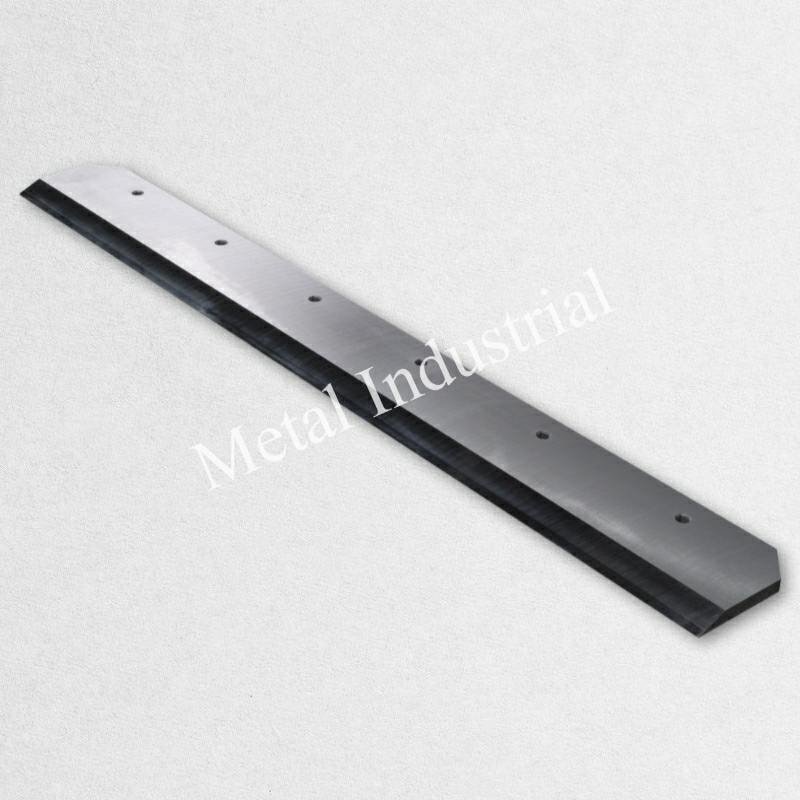
Durability & Edge Life
Hao mòn điện trở
When you look for the best steel for guillotine blades, you want something that stands up to heavy use. Wear resistance is the main factor that keeps your blade sharp and ready for action. D2 tool steel, high-speed steel (HSS), and carbide all offer impressive durability. D2 and carbide blades reach hardness levels up to 65 HRC, which means they can handle tough jobs and keep their edge longer. Precision grinding gives these blades a straight, sharp edge, so you get clean cuts every time.
Here’s a quick look at how these materials stack up:
| Tài sản | Thép công cụ D2 | HSS | cacbua |
|---|---|---|---|
| Độ cứng (HRC) | 60-62 | 58-62 | 75-80 |
| Hao mòn điện trở | Xuất sắc | Rất tốt | Vô cùng |
| Distortion on Hardening | Tối thiểu | Tối thiểu | Không có |
If you cut a lot of paper, cardboard, or even plastics, you’ll notice that carbide blades last the longest. D2 blades also hold up well, especially when you need reliable blade quality for everyday printing tasks.
Edge Stability
Edge stability means your blade keeps its shape and sharpness, even after thousands of cuts. You want a blade that doesn’t chip or dull quickly. Carbide blades have the highest edge stability, so you can use them for big jobs without worrying about frequent sharpening. D2 steel blades also stay sharp for a long time, thanks to their tough heat treatment process. HSS blades perform well under heat, which is great if your machine runs for hours.
Tip: If you want top cutting performance and fewer blade changes, choose a blade with high edge stability. This keeps your workflow smooth and your cuts precise.
Cost-Per-Cut Analysis
Initial vs Long-Term Cost
You might think the cheapest blade is the best deal, but that’s not always true. The real value comes from how many cuts you get before you need to replace or sharpen your blade. Carbide blades cost more upfront, but they last much longer. D2 blades offer a good balance between price and lifespan. HSS blades are affordable, but you’ll need to sharpen or replace them more often.
| Loại lưỡi dao | Cost per Unit | Lifespan (Cuts) |
|---|---|---|
| HSS | $X | 1X |
| D2 | $1.50 | 2-3X |
| cacbua | 3-5X HSS | 8-10X HSS |
If you run a busy print shop, investing in carbide blades can save you money over time. You get more cuts and better blade quality, which means less downtime and fewer replacements.
Tần suất bảo trì
Maintenance is another key part of cost-per-cut. Carbide blades need sharpening the least often, so you spend less time and money on upkeep. D2 blades need regular sharpening, but they still last longer than HSS. HSS blades require the most frequent maintenance.
- Kiểm tra thường xuyên help you spot problems early.
- Sharpen carbide blades after 100+ hours of cutting.
- D2 blades need sharpening after 50–70 hours.
- HSS blades may need attention after 30–50 hours.
If you want the best steel for guillotine blades, think about how much time you want to spend on maintenance. Less sharpening means more time for printing and better cutting performance.
Nhu cầu bảo trì
Sharpening Ease
Sharpening your blade keeps it working at its best. Carbide blades are harder to sharpen and may need special equipment, but you don’t have to do it often. D2 and HSS blades are easier to sharpen with standard tools. If you want quick maintenance, D2 and HSS are good choices.
Note: Always use a non-corrosive, pH-neutral cleaner before sharpening. Rinse and dry your blade to prevent rust.
Equipment Requirements
You need the right tools to keep your blades in top shape. Carbide blades require diamond wheels or professional sharpening machines. D2 and HSS blades can be sharpened with regular grinding wheels. If you have a small shop, you might prefer D2 or HSS for easier maintenance. For high-volume operations, investing in carbide sharpening equipment pays off in the long run.
Here are some common maintenance steps:
- Remove debris with compressed air or a soft brush.
- Clean with a blade cleaner.
- Lubricate after every cleaning or every 20 hours of use.
If you follow these steps, you’ll keep your blade quality high and your cutting performance sharp.
Tính phù hợp của ứng dụng
Choosing the best steel for guillotine blades depends on how you use your cutter every day. You want a blade that matches your print shop’s needs. Let’s look at three common situations: high-volume printing, cutting specialty materials, and working with a tight budget.
High-Volume Printing
Do you run a busy print shop? You probably cut thousands of sheets each week. You need a blade that keeps up with your workload. Carbide-tipped blades work best for high-volume printing. They last the longest and need sharpening less often. You can keep your machines running longer without stopping for maintenance.
Why choose carbide for high-volume?
- Handles millions of cuts before sharpening
- Keeps a sharp edge for a long time
- Reduces downtime and boosts productivity
| Loại lưỡi dao | Tốt nhất cho | Edge Life | Nhu cầu bảo trì |
|---|---|---|---|
| Đầu cacbua | High-volume shops | Dài nhất | Lowest |
| Thép công cụ D2 | Medium-volume | Very long | Vừa phải |
| HSS | Small jobs | Tốt | Cao hơn |
Tip: If you want to save time and money in a busy shop, carbide blades are the best steel for guillotine blades.
Vật liệu đặc biệt
Sometimes you need to cut more than just paper. Maybe you work with plastics, laminates, or even thin metal sheets. Not all blades handle these materials well. D2 tool steel stands out for specialty jobs. It resists wear and keeps its edge when cutting tough or abrasive materials.
When should you pick D2 or carbide?
- D2 works well for plastics, composites, and coated papers.
- Carbide handles abrasive materials like fiberglass or recycled paper.
- HSS is good for thick stacks of regular paper or when you need a tough blade for short runs.
| Loại vật liệu | Best Blade Choice | Lý do |
|---|---|---|
| Nhựa/Vật liệu tổng hợp | Thép công cụ D2 | Khả năng chống mài mòn cao |
| Vật liệu mài mòn | Đầu cacbua | Giữ cạnh cực tốt |
| Thick Paper Stacks | HSS | Toughness and heat resistance |
Note: Always match your blade to the material you cut most. This helps you get clean cuts and longer blade life.
Budget Operations
You might run a small shop or need to watch your spending. You want a blade that gives you good value without breaking the bank. High-speed steel (HSS) and D2 tool steel both offer solid performance at a lower cost than carbide.
How do you choose for budget?
- HSS blades cost less upfront and work well for light to medium jobs.
- D2 blades cost a bit more but last longer, so you sharpen them less.
- Carbide costs the most but may save money over time if you cut a lot.
| Budget Level | Loại lưỡi dao | Ưu điểm | Nhược điểm |
|---|---|---|---|
| Thấp | HSS | Affordable, easy to sharpen | Needs more upkeep |
| Trung bình | Thép công cụ D2 | Longer life, good value | Chi phí ban đầu cao hơn |
| Cao | Đầu cacbua | Longest life, least upkeep | Highest cost |
If you want the best steel for guillotine blades on a budget, start with HSS or D2. Upgrade to carbide when your workload grows.
In summary:
Think about your print volume, the materials you cut, and your budget. The best steel for guillotine blades changes with your needs. Carbide is perfect for heavy use. D2 shines with specialty materials. HSS fits smaller jobs and tight budgets. Pick the right blade, and you’ll get cleaner cuts, less downtime, and more value from your guillotine cutter.
Steel Types for Guillotine Blades
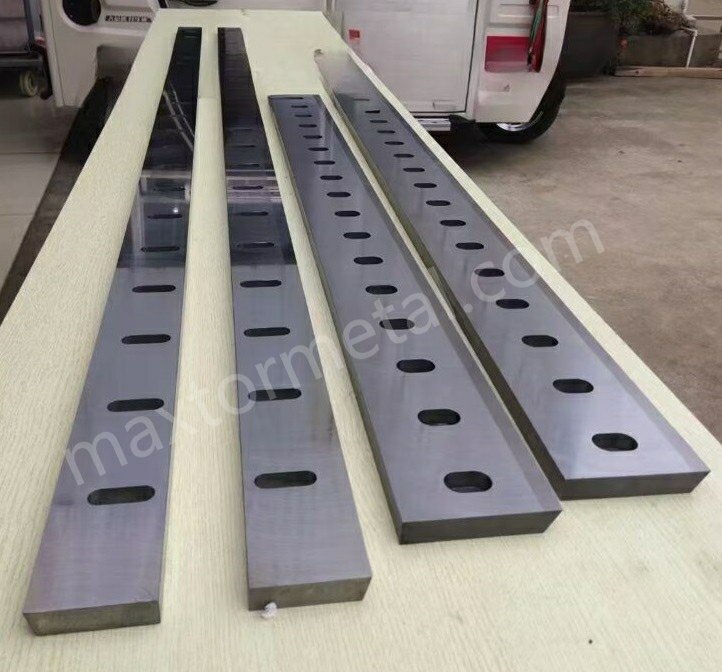
When picking a guillotine paper blade, you want to know what makes each steel type different. Let’s look at D2 tool steel, high-speed steel, and carbide so you can choose the best blade for your work.
Thép công cụ D2
Điểm mạnh
D2 tool steel is tough and resists wearing out. This blade does not scratch easily and stays sharp for a long time. Here’s why D2 is good for guillotine paper blades:
- High carbon makes the blade hard and tough, so it does not scratch much.
- Chromium forms hard carbides, which help the blade last longer and stop rust.
- The hardness range (60-62 HRC) gives a good mix of sharpness and toughness, so the blade does not chip.
D2 blades cut well and work great for hard jobs that need strong blades.
Điểm yếu
D2 tool steel is harder to sharpen than softer steels. You might need special grinding wheels to keep it sharp. D2 blades are best for medium or heavy cutting, not for very fast or hot jobs.
Các trường hợp sử dụng
D2 tool steel is used in many places because it is strong and lasts long. People use it for:
- Threading tools like dies and taps.
- Wear parts such as scraper blades and chipper knives.
- Forming and blanking dies for cutting and shaping metal sheets.
- Shear blades and slitting cutters that need to stay sharp.
If you need to cut plastics, composites, or coated papers, D2 is a good pick. You can also change blade thickness and coatings to fit your needs.
Thép tốc độ cao (HSS)
Điểm mạnh
High-speed steel blades stay sharp even when they get hot. They cut well and last long, so you do not need to change blades often. Here’s what makes HSS special:
| Đặc điểm | Tác động đến hiệu suất |
|---|---|
| Heat and Wear Resistance | Helps the blade stay sharp and last longer. |
| Độ bền | Means you change blades less during big jobs. |
| Khả năng chống va đập | Keeps the blade working well at high speeds. |
| Hiệu suất cắt | Stays good for long runs. |
HSS blades are great for fast cutting. They work well on softer things like stainless steel and aluminum. You can use HSS blades for thousands of cuts, which keeps your work moving.
Điểm yếu
High-speed steel blades do not handle very high heat as well as carbide. HSS stays strong up to about 500°C, but if you push it too hard, it can wear out. HSS blades also need sharpening more often than carbide or D2.
Các trường hợp sử dụng
You will find high-speed steel blades in print shops with small or medium jobs. They are good for cutting thick paper stacks and for jobs that run a long time. HSS blades also work for softer metals and plastics. If you want a blade that is easy to care for and not too expensive, HSS is a smart choice.
- High-speed steel blades are great for fast cutting.
- They work well on softer materials.
- You can use them for up to 5,000 cuts on low-carbon steel.
If you want to change blade thickness or add coatings for better cutting, Nanjing Metal Industrial can help.
Carbide & Tungsten Carbide
Điểm mạnh
Carbide knives, especially tungsten carbide, are very hard and last a long time. These blades keep cutting well much longer than steel blades. Tungsten carbide can handle high heat and tough jobs. Here’s a table to show how carbide compares:
| Tính năng | Cacbua Vonfram | Standard Carbide |
|---|---|---|
| Hao mòn điện trở | Very high, stays sharp longer | Gets dull faster, especially with rough stuff |
| Quản lý nhiệt | Handles heat better | Has trouble with fast cutting |
| Trị giá | Costs more at first, but saves money later | Costs less at first, but more over time |
| Tính phù hợp của ứng dụng | Best for big, rough jobs | Good for medium jobs |
Carbide blades stay sharp even after millions of cuts. They work well with rough materials and big jobs without losing quality.
Điểm yếu
Carbide blades cost more at first. You may need special tools, like diamond wheels, to sharpen them. Carbide knives can break if you use them wrong or if the blade is too thin.
Các trường hợp sử dụng
Carbide guillotine paper blades are great for print shops that cut lots of paper, cardboard, or other tough things. You will also see carbide blades in metal and plastic factories for cutting sheets, films, and profiles. If you want a blade that lasts the longest and cuts the best, pick carbide.
- Use carbide blades for big printing and packaging jobs.
- Cut rough things like recycled paper or fiberglass.
- Cut metal and plastic sheets easily.
You can change blade thickness and coatings to get the most from your carbide knives.
Matching Steel to Printing Needs
High-Volume Operations
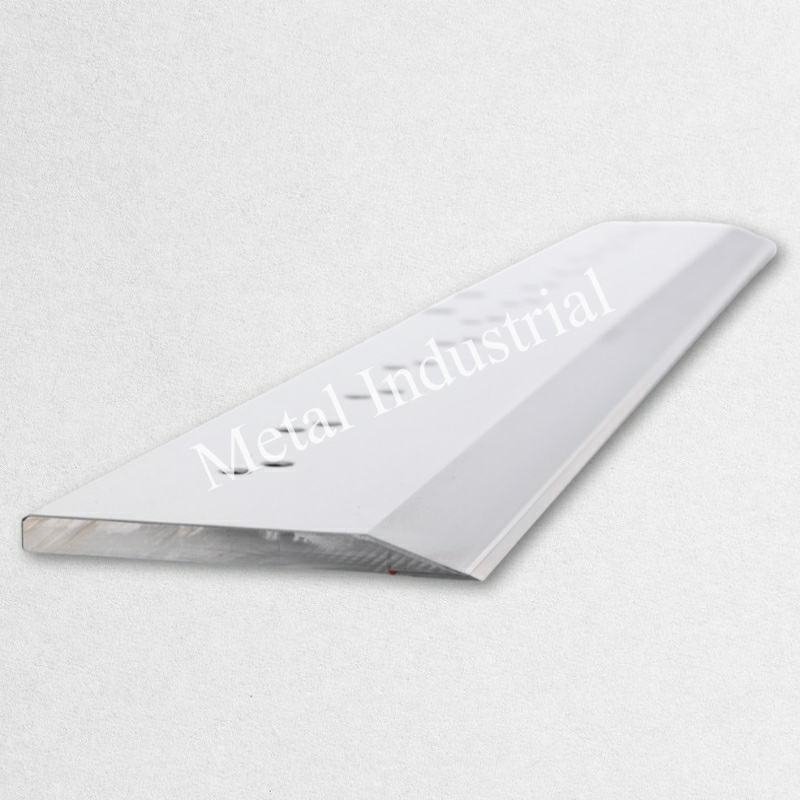
Do you run a busy print shop with lots of orders every day? You need a guillotine paper blade that can keep up with your workload. High-volume printing puts a lot of stress on your cutting tools. If you want fewer blade changes and less downtime, you should look for blades with top wear resistance and edge life.
Let’s compare some popular tool steels for high-volume jobs:
| Cấp thép dụng cụ | Application in High-Volume Printing |
|---|---|
| D2 | Excellent wear resistance, great for stamping dies |
| A2 | Good toughness and wear resistance, works in many setups |
| S7 | High shock resistance, handles heavy-duty operations |
Carbide-tipped blades stand out for high-volume work. They last the longest and need sharpening less often. You can cut millions of sheets before you need to swap out your blade. D2 tool steel also works well if you want a balance between cost and durability.
Tip: If you want to boost productivity, choose a guillotine paper blade made from carbide or D2. You’ll spend less time on maintenance and more time getting orders out the door.
Specialty & Abrasive Materials
Sometimes you need to cut more than just paper. Specialty jobs might include plastics, laminates, or even thin metal sheets. Abrasive materials like recycled paper or fiberglass can wear out regular blades fast. You need a guillotine paper blade that can handle these tough jobs.
Here’s how different blades perform with specialty and abrasive materials:
| Loại lưỡi dao | Độ cứng (HRC) | Special Features |
|---|---|---|
| HSS | 64-66 | Advanced heat treatment, coatings for less friction |
| Cacbua Vonfram | 90-92.5 | Superior hardness, lasts longer with abrasive materials |
Tungsten carbide blades are the top choice for abrasive or specialty materials. They have a very hard edge and can cut through tough stuff without losing sharpness. HSS blades also work well, especially if you need a blade that resists heat and has special coatings.
- Thick materials need strong blades with more cutting power.
- Thin materials need thinner blades for clean, precise cuts.
If you have unique cutting needs, you can ask Nanjing Metal Industrial to make a blade just for you. They can adjust the design, thickness, or coating to match your job. Their team checks every blade at each step, so you get quality you can trust.
Cân nhắc về ngân sách
Not every shop has the same budget. You might want a blade that gives you good value without costing too much. The right guillotine paper blade depends on how much you cut and what you cut most often.
Here’s a quick guide:
- HSS blades cost less at first and are easy to sharpen. They work well for light to medium jobs.
- D2 blades cost a bit more but last longer, so you sharpen them less.
- Carbide blades cost the most but can save you money if you cut a lot or work with tough materials.
| Loại lưỡi dao | Tốt nhất cho | Trị giá | Nhu cầu bảo trì |
|---|---|---|---|
| HSS | Light/medium jobs | Thấp | Cao hơn |
| D2 | Medium/heavy jobs | Vừa phải | Vừa phải |
| cacbua | High-volume/tough jobs | Cao | Lowest |
If you want to stretch your budget, start with HSS or D2. Upgrade to carbide when your workload grows or you need to cut abrasive materials.
Note: Matching your blade to your job helps you get clean cuts, save money, and keep your machines running smoothly.
Decision Framework
Choosing the best steel for guillotine blades can feel tricky. You want a blade that matches your print shop’s needs. Here’s a simple checklist to help you decide:
- Loại vật liệu
Think about what you cut most. If you cut regular paper, you can use softer steels like HSS. For coated stocks, plastics, or abrasive materials, you need harder steels like D2 or carbide. The right steel keeps your blade sharp and your cuts clean. - Khối lượng sản xuất
Look at how much you print each week. High-volume shops need blades that last longer and need less sharpening. Carbide blades work best for busy shops. If you print less, D2 or HSS can save you money and still give good results. - Quality Requirements
Decide how perfect you want your cuts. If you need super straight edges for premium jobs, pick blades with precision-ground edges. For everyday printing, standard edges work fine and cost less. - Ngân sách
Set your budget before you buy. Carbide blades cost more at first but last the longest. HSS blades are cheaper but need more sharpening. D2 sits in the middle. Think about how much you want to spend now and how much you want to save later. - Maintenance and Equipment
Check what sharpening tools you have. Carbide blades need special equipment. D2 and HSS are easier to sharpen with regular tools. If you want easy maintenance, choose a steel that fits your shop’s setup.
Mẹo: Make a quick chart or checklist for your shop. Write down what you cut, how much you print, and your budget. This helps you pick the best steel for guillotine blades every time.
If you need something special, you can ask for custom blades. Nanjing Metal Industrial offers OEM and customization services. You can get the right blade thickness, edge style, or coating for your job. This makes sure your guillotine blade fits your machine and your workflow.
Summary Table: Decision Points for Guillotine Blade Steel
| Điểm quyết định | Những điều cần cân nhắc | Best Steel Choice Example |
|---|---|---|
| Loại vật liệu | Paper, coated stock, plastics, abrasives | HSS, D2, Carbide |
| Khối lượng sản xuất | High, medium, or low | Carbide for high, HSS for low |
| Quality Requirements | Premium or general cuts | Precision-ground or standard |
| Ngân sách | Upfront cost vs. long-term savings | HSS (low), D2 (mid), Carbide (high) |
| BẢO TRÌ | Sharpening tools and frequency | Carbide (less), HSS/D2 (more) |
You don’t have to guess when picking the best steel for guillotine blades. Use this framework to match your blade to your print shop’s real needs. You’ll get better cuts, save money, and keep your machines running strong.
Expert Recommendations & Industry Practices
Print Shop Preferences
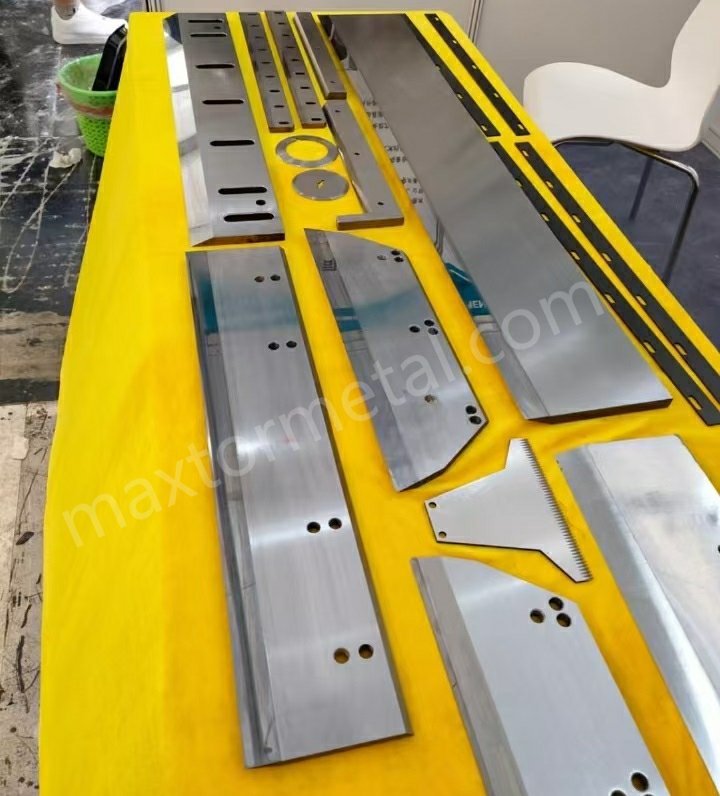
When you go into a busy print shop, you see workers want blades that last and cut well. Most shops choose steel types based on how much they print and what they cut. Two favorites are inlaid high-speed steel and inlaid tungsten carbide. These blades help shops get more cuts before changing them. This means less time when machines stop.
Here’s a table that shows what print shops like and why:
| Loại thép | Các tính năng chính |
|---|---|
| Inlaid High Speed Steel | Makes blades last longer, keeps a sharp edge for many cuts, good for daily printing. |
| Inlaid Tungsten Carbide | Lasts up to ten times longer than carbon steel, great for big jobs and tough materials. |
You may wonder why shops pick one blade over another. The choice depends on things like paper type, how much ink is used, sheet size, and how often blades are changed. Shops also think about how much time is lost when machines stop and how exact the blade size must be. If you want good blades, you should think about these things before buying.
- Paper type and what is in it
- How much ink covers the paper
- Sheet size and width
- How many cuts per sheet
- How close the size must be
- How often you change blades
- Time lost when machines stop
Scenario-Based Advice
You have different cutting jobs each day. Some jobs need a blade that stays sharp for a long time. Other jobs need a blade that can cut rough or hard materials. Let’s see which steel is best for each job.
Here’s a table to help you match blade material to your job:
| Vật liệu lưỡi | Độ cứng Rockwell (HRC) | Sức mạnh | Chống ăn mòn | Trường hợp sử dụng tốt nhất |
|---|---|---|---|---|
| HSS (M2) | 62–66 | Tốt | Thấp | Giấy, hàng dệt may |
| Thép công cụ (D2) | 58–61 | Xuất sắc | Vừa phải | Nhựa, cao su |
| Thép không gỉ | 58–60 | Tốt | Cao | Thực phẩm, dược phẩm |
| Bột Metallurgy Thép | 64–67 | Vô cùng | Thấp-Mod | Chất mài mòn, kim loại |
| Custom Alloy | 60+ | Du dương | Trung bình–Cao | Vật liệu tái chế, vật liệu hỗn hợp |
If you cut paper or textiles, HSS blades are a good choice. These blades stay sharp and work well for long jobs. For plastics or rubber, D2 tool steel is better because it lasts longer. Stainless steel blades are best for food or medicine jobs because they do not rust. If you cut rough materials, powder metallurgy steel or custom alloys are best.
You might see rough materials in paper making or car parts. These materials can make regular blades dull fast. Rough stuff makes more heat and friction, which wears out the blade edge. If you use tool steel blades on rough jobs, they get dull sooner. That’s why you should pick your blade for what you cut most.
Những sai lầm cần tránh
You want your guillotine blades to last and cut well. Some mistakes can waste time and money. Here are common problems and how to avoid them:
- Using the wrong blade for your material
If you use a soft blade on rough stuff, it gets dull fast. Always pick a blade for your main job. - Ignoring maintenance
If you skip checks and sharpening, blades get dull and cuts get rough. Make a plan for cleaning and sharpening. - Overlooking blade change frequency
Waiting too long to change blades can hurt your machine and ruin cuts. Keep track of how many cuts you get from each blade. - Not considering downtime
Every blade change means lost time. Pick blades that last longer if you want machines running more. - Choosing based only on price
Cheap blades may save money now, but you pay more later with more changes and bad cuts. Look at cost-per-cut, not just the price tag.
Tip: Write down what you cut, how often you change blades, and how much time is lost. This helps you find problems and pick better blades next time.
If you avoid these mistakes, your print shop works better. You get cleaner cuts, less lost time, and more value from your guillotine blades.
Picking the best steel for guillotine blades depends on what your shop needs. Carbide blades stay sharp the longest and last a long time. D2 and HSS are good for everyday work and if you want to save money. Here’s a simple table to show how each one compares over time:
| Vật liệu | Giữ cạnh | Chất lượng cắt | Cost-Efficiency | Tuổi thọ |
|---|---|---|---|---|
| D2 | Vừa phải | Tốt | Vừa phải | Vừa phải |
| HSS | Tốt | Rất tốt | Cao | Vừa phải |
| cacbua | Xuất sắc | Xuất sắc | Cao | Cao |
Ask yourself these questions before you pick a blade:
- How much do I cut every day?
- What kinds of things do I cut?
- How often do I want to sharpen my blades?
If you need help, you can talk to a sales engineer at Nanjing Metal Industrial. This way, you can feel sure about your next guillotine blade choice!
Câu hỏi thường gặp
What is the best steel for guillotine blades in printing?
You usually get the longest life and sharpest cuts with carbide blades. D2 and high-speed steel also work well for many printing jobs. Your choice depends on your print volume and materials.
Tôi nên mài lưỡi dao máy chém bao lâu một lần?
You should check your blade after every big job. Carbide blades need sharpening less often, while HSS and D2 blades require more frequent attention. Regular checks help you keep cuts clean.
Can I use the same blade for paper and plastics?
You can use D2 tool steel for both paper and plastics. Carbide blades also handle tough materials. If you cut only paper, high-speed steel works fine.
What affects the lifespan of a guillotine blade?
Material type, print volume, and maintenance all affect blade life. Carbide blades last the longest. Regular cleaning and sharpening help any blade last longer.
Do I need special equipment to sharpen carbide blades?
Yes, you need diamond wheels or professional sharpening machines for carbide blades. D2 and HSS blades can be sharpened with standard grinding tools.
How do I choose the right blade for my print shop?
Think about what you cut most, how much you print, and your budget. Carbide is best for heavy use. D2 fits specialty jobs. HSS is good for smaller shops.
Are custom guillotine blades worth it?
Custom blades help you match thickness, edge style, and coatings to your needs. You get better cuts and longer blade life when your blade fits your machine and workflow.
Xem thêm
Đạt Được Vết Cắt Không Bavia với Lưỡi Dao Cắt Xén Guillotine Chính Xác
Cách chọn lưỡi dao chém phù hợp với nhu cầu của bạn
Hướng dẫn tối ưu để bảo dưỡng lưỡi cắt Guillotine: Kéo dài tuổi thọ và tối ưu hóa hiệu suất
ChọnSo sánh giữa máy cắt kiểu giáng và máy cắt kiểu dầm xoay: Phân tích so sánh toàn diện

 English
  Spanish
  Italian
  French
  Portuguese
  Russian
  German
  Arabic
  Hindi
Hindi  Vietnamese
  Indonesian
  Japanese
  Korean
Một bình luận