


Imagine you have to cut thick metal sheets for a big job. You need to pick between Lưỡi dao guillotine so với lưỡi dao cắt xén. Guillotine shears move straight down and are best for long, straight cuts. Shear blades, like the ones from Metal Industrial, are strong and accurate, working on many materials and shapes. Picking the right tool changes how good your cuts are and affects how much work you do to keep tools functioning. Your choice can help your project succeed. Studies show that this choice can change how fast you work and can also help you control costs.
Những điểm chính
- Guillotine shears move straight down to cut. They work best for thick metal sheets. They are good for straight and exact cuts. Shear blades move at an angle when cutting. This lets them cut many shapes in thin materials. Use guillotine shears for hard jobs that need accuracy. Pick shear blades if you need to cut different shapes. They are also good for detailed designs. Take care of your blades by sharpening and oiling them often. This helps blades last longer and cut better. You must know the material type and how thick it is. This helps you pick the right blade for your job. Keep blades sharp and set the clearance right to avoid burrs. This gives you cleaner cuts and safer pieces. Plan when to change blades to save time. This keeps work going in busy places. Buying custom blades can help you cut faster. It can also save money if you cut a lot.
Guillotine vs Shear Blades: Key Differences
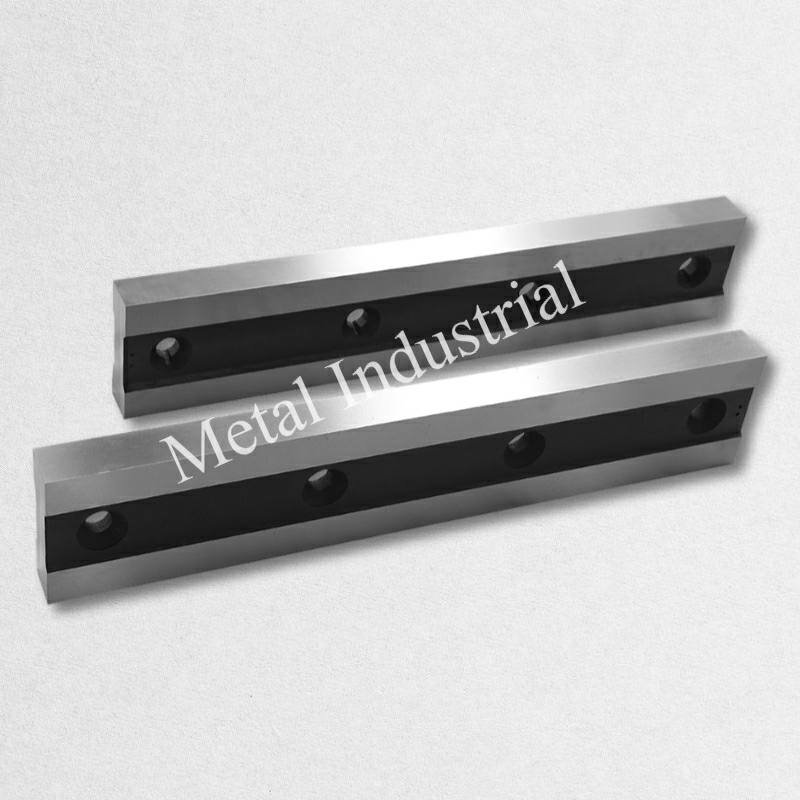
When you look at guillotine vs shear blades, you see they work in different ways. The blades have different shapes and use different materials. These things change how well you can cut, what jobs you can do, and how long your tools last.
Cutting Mechanism: Guillotine Shears vs Shears
Guillotine Shears: Straight-Down Motion
Guillotine shears cut by moving straight down. The blade goes down with even force. This gives you a clean, straight cut. It also helps stop the metal from bending or twisting. You get very good accuracy if you set the clearance right. Guillotine shears are great for tough jobs with thick metal sheets.
Shears: Angled and Swing Beam Motion
Shears, like swing beam types, use an angled or curved motion. The blade swings through the metal. This can twist the metal or push unevenly. This way works best for thin materials. It lets you make many shapes and cuts. But, the metal might bend more than with guillotine shears. You should pick guillotine or shear blades based on your cut and material.
Mẹo: Use guillotine shears for straight, neat cuts on thick metals. Pick swing beam shears for thin materials and flexible cutting.
Here is a table that shows how the cutting style changes force and how much the metal bends:
| Tính năng | Guillotine Shears | Shear Blades (Swing Shears) |
|---|---|---|
| Chuyển động cắt | Vertical descent | Circular arc motion |
| Force Distribution | Direct downward force | Twisting and uneven force possible |
| Material Deformation | Minimizes deformation | May cause more deformation |
| Độ chính xác | High with controlled clearance | Lower due to alignment variations |
Blade Geometry and Edge Design
Rake Angle and Clearance
Both guillotine and shear blades need the right rake angle and clearance. The rake angle is how much the blade tilts. A good rake angle helps the blade cut smoothly. Clearance is the small space between the blades. If you set clearance at about 7.5%, you get the best cuts and longer blade life. Too much clearance makes rough edges. Too little makes the blades wear out faster.
| Clearance (%) | Effect on Cut Quality and Tool Life |
|---|---|
| 7.5 | Best for mild steels; less wear and good cut quality |
| >7.5 | Can cause burrs and poor cut quality |
| <7.5 | Can cause double-shear and more blade wear |
Bevel and Edge Sharpness
The shape of the blade edge is important. Guillotine blades often have a beveled edge. This shape lets you cut with less effort. It gives you a smoother edge. The bevel also helps control waste and keeps the blade safe. This makes the blade last longer. Single-bevel blades are good for hard jobs. Double-bevel blades are better for careful, neat work.
- A beveled edge turns a strong push into a smooth cut.
- This design lowers the force you need.
- It helps manage waste material.
- The bevel protects the blade and extends its life.
- Single-bevel blades suit heavy-duty jobs; double-bevel blades fit precision tasks.
Có thể thấy lưỡi dao cắt chém và lưỡi dao cắt tôn có hình dạng cạnh cắt khác nhau. Điều này ảnh hưởng trực tiếp đến độ sắc nét của đường cắt và tuổi thọ của lưỡi dao.
| Loại lưỡi dao | Kiểu chuyển động | Tính phù hợp của vật liệu | Cấp độ chính xác |
|---|---|---|---|
| Máy cắt tôn kiểu chém | Thẳng đứng theo chiều dọc | Cắt kim loại tải trọng nặng | Cao |
| Máy cắt tôn kiểu cần xoay | Chuyển động theo cung tròn | Vật liệu có độ dày mỏng hơn | Vừa phải |
Cấu trúc vật liệu và độ bền
Lưỡi dao cắt Metal Industrial: Xử lý nhiệt và rèn
Nếu quý khách lựa chọn lưỡi dao cắt từ Nam Kinh Metal công nghiệp, quý khách sẽ nhận được các lưỡi dao được sản xuất qua quy trình xử lý nhiệt và rèn đặc biệt. Điều này giúp lưỡi dao đạt độ cứng và độ dẻo dai cao, giữ độ sắc bén lâu dài ngay cả khi cắt kim loại cứng. Quá trình xử lý nhiệt đạt độ cứng HRC 57-62, cho phép lưỡi dao cắt nhiều loại vật liệu mà không bị mài mòn nhanh. Nếu cần lưỡi dao thiết kế riêng, quý khách có thể tham khảo trang lưỡi dao tùy chỉnh để có thêm nhiều lựa chọn.
Vật liệu lưỡi dao máy chém
Lưỡi dao máy chém được chế tạo từ nhiều loại vật liệu như thép cacbon, thép hợp kim thấp, thép gió, thép hợp kim dụng cụ, tungsten carbide hoặc các hợp kim đặc biệt. Mỗi loại vật liệu đều có ưu điểm riêng: thép cacbon tối ưu chi phí cho kim loại mềm; tungsten carbide có độ cứng cao, chuyên cắt kim loại cứng hoặc bề mặt thô ráp. Việc lựa chọn đúng vật liệu giúp kéo dài tuổi thọ lưỡi dao và nâng cao hiệu suất cắt.
| Loại vật liệu | Đặc trưng | Các ứng dụng |
|---|---|---|
| Thép Cacbon | Tối ưu chi phí, phù hợp với vật liệu mềm hơn | Vật liệu mềm hơn |
| Thép công cụ hợp kim thấp | Độ cứng cao và chống mài mòn | Thép không gỉ, thép tấm độ dày trung bình |
| Thép tốc độ cao (HSS) | Giữ độ cứng tốt ở nhiệt độ cao | Nhôm, đồng thau |
| Thép công cụ hợp kim | Chịu lực tốt và chống mài mòn | Phôi thép cán nóng, thép tấm dày |
| Cacbua Vonfram | Độ cứng cực cao, khả năng chống mài mòn vượt trội | Kim loại cứng, vật liệu có tính ăn mòn cao |
| Hợp kim đặc biệt | Tùy chỉnh độ cứng, độ dẻo dai hoặc khả năng chống ăn mòn | Các ứng dụng chuyên dụng |
Khi so sánh lưỡi dao máy chém và lưỡi dao cắt tôn, vật liệu và quy trình chế tạo quyết định trực tiếp đến độ bền và hiệu suất cắt. Việc chọn đúng lưỡi dao phù hợp với ứng dụng sẽ giúp tối ưu hóa kết quả gia công và tiết kiệm chi phí dài hạn.
Cut Quality and Burrs: Guillotine vs Shear Blades
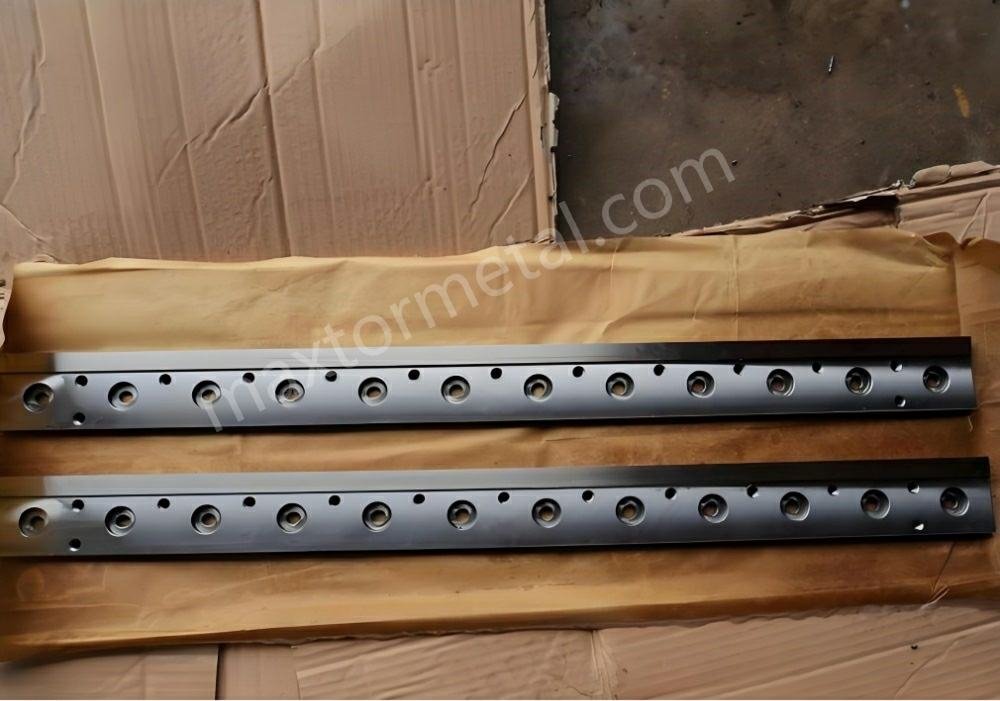
Độ bóng mép cắt và độ chính xác
Máy cắt tôn kiểu chém: Đường cắt thẳng
Để đảm bảo đường cắt phẳng đẹp và thẳng tuyệt đối, máy cắt tôn kiểu chém là giải pháp tối ưu. Máy hoạt động theo chuyển động tịnh tiến thẳng đứng từ trên xuống, tạo ra mép cắt gọn gàng. Máy cắt tôn kiểu chém có độ chính xác rất cao, gia công tốt trên các loại thép tấm dày. Sự căn chỉnh thẳng hàng giữa xi-lanh, giá đỡ dao và lưỡi dao giúp chống biến dạng kim loại, mang lại mép cắt đẹp hơn và giảm thiểu phế liệu.
Bảng dưới đây thể hiện độ chính xác của các dòng máy này:
| Loại máy | Mức độ dung sai |
|---|---|
| Guillotine Shears | 0,1 mm |
| Máy cắt tôn CNC | 0,01mm |
Dung sai 0,1 mm đáp ứng tốt hầu hết các yêu cầu gia công. Máy cắt tôn kiểu chém mang lại độ ổn định cao, đóng vai trò quan trọng cho các dự án yêu cầu chất lượng đường cắt cao.
Lưỡi dao cắt tôn: Đường cắt đa năng
Lưỡi dao cắt tôn cho phép cắt nhiều hình dạng và vật liệu khác nhau, từ đường thẳng, đường cong đến các hoa văn, đáp ứng đa dạng yêu cầu công việc. Lưỡi dao cắt tôn hoạt động hiệu quả nhất trên phôi tấm mỏng. Người vận hành có thể tùy chỉnh góc lưỡi dao để cân đối giữa tốc độ và độ chính xác.
Thiết lập máy ảnh hưởng trực tiếp đến độ chính xác của lưỡi dao cắt tôn. Việc điều chỉnh đúng khe hở lưỡi dao giúp tạo ra các đường cắt sạch và gọn. Khe hở lưỡi dao đóng vai trò quan trọng đảm bảo quá trình cắt an toàn, ổn định và đạt kết quả tốt nhất.
Sự hình thành bavia và giải pháp giảm thiểu
Các yếu tố ảnh hưởng đến sự hình thành bavia
Bavia là các mảnh kim loại nhỏ còn sót lại sau khi cắt. Việc hạn chế bavia là rất quan trọng vì chúng có thể gây cản trở khi lắp ráp và làm mép cắt bị thô ráp. Nhiều yếu tố có thể gây ra bavia khi sử dụng lưỡi dao máy chém hoặc lưỡi dao cắt tôn:
- Các chi tiết máy bị sụt giảm độ cứng hoặc biến dạng theo thời gian sẽ làm gia tăng bavia.
- Máy cắt tôn kiểu chém được thiết kế để chống biến dạng, do đó tạo ra ít bavia hơn so với máy cắt kiểu cần xoay.
- Máy cắt kiểu cần xoay không phải lúc nào cũng định hướng chuẩn xác, làm lưỡi dao bị uốn cong nhiều hơn và tạo bavia lớn hơn.
- Máy cắt tôn kiểu chém có cơ cấu căn thẳng định hướng. , giúp giữ cho bavia ở mức tối thiểu.
Bảng dưới đây thể hiện mức độ tạo bavia giữa máy cắt kiểu chém và máy cắt kiểu cần xoay:
| Nhân tố | Guillotine Shears | Máy cắt tôn kiểu cần xoay |
|---|---|---|
| Đường cắt | Đường cắt thẳng | Đường cắt gãy vát |
| Kích thước bavia | Bavia nhỏ hơn khi lưỡi dao sắc bén | Bavia lớn hơn đặc biệt khi lưỡi dao bị cùn |
| Độ cùn của lưỡi dao | Yêu cầu tần suất thay lưỡi dao ít hơn | Yêu cầu thay lưỡi dao thường xuyên |
| Độ võng của lưỡi dao | Ít bị biến dạng hơn | Độ võng của lưỡi dao rõ rệt hơn |
Các phương pháp tối ưu để có vết cắt sắc nét
Bạn có thể thực hiện theo các bước sau để đạt vết cắt sắc nét hơn và ít bavia hơn:
- Mài dao đúng cách: Mài lại lưỡi dao sau 50–70 giờ vận hành hoặc khi xuất hiện bavia. Điều này giúp lưỡi dao luôn duy trì hiệu suất tốt.
- Bôi trơn: Sử dụng dầu chất lượng tốt để giảm ma sát và chống quá nhiệt. Tra dầu sau khi vệ sinh hoặc mỗi 20 giờ làm việc.
- Kiểm tra định kỳ: Kiểm tra máy thường xuyên để phát hiện sớm các sự cố.
- Dụng cụ phù hợp: Không sử dụng các dụng cụ thô ráp hoặc chất tẩy rửa mạnh vì chúng có thể làm hỏng lưỡi dao.
- Đào tạo người vận hành: Đảm bảo công nhân nắm rõ cách sử dụng lưỡi dao và biết báo cáo sự cố kịp thời.
Mẹo: Máy cưa đĩa lạnh, máy cưa vòng và máy cắt laser giúp bạn đạt được đường cắt sắc nét với rất ít bavia. Các thiết bị này phù hợp cho các công việc đặc thù yêu cầu độ chính xác cao.
Bavia có thể gây mất an toàn và làm giảm thẩm mỹ của thành phẩm. Bạn nên luôn hướng tới các vết cắt sắc nét để tránh các sự cố và đảm bảo độ bền chắc cho sản phẩm.
Maintenance and Blade Wear: Shears vs Guillotine
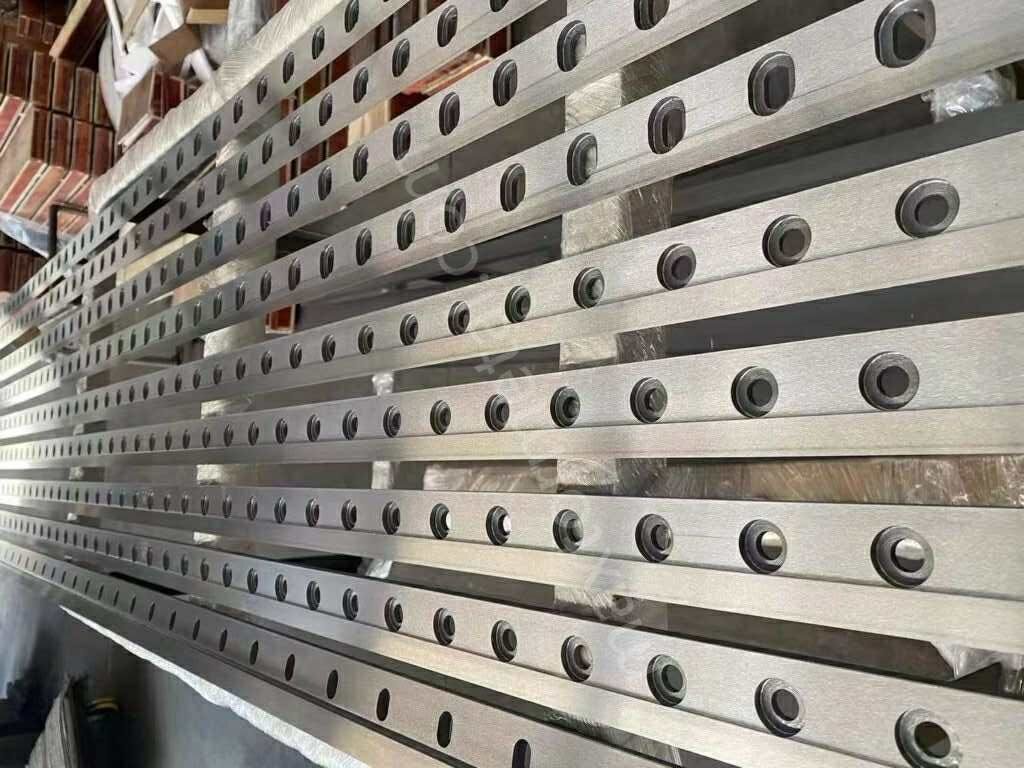
Độ mòn và tuổi thọ của lưỡi dao
Độ mòn lưỡi dao máy xén Guillotine
Lưỡi dao máy xén guillotine có thể hoạt động bền bỉ nếu được bảo dưỡng tốt. Loại lưỡi dao này được thiết kế cho các nhiệm vụ cắt tải trọng cao. Sau thời gian dài sử dụng, lưỡi cắt có thể bị cùn. Lưỡi dao cùn sẽ gây ra đường cắt nham nhở và tạo nhiều bavia. Bạn nên kiểm tra mép dao thường xuyên; nếu phát hiện độ mòn, hãy mài lại hoặc thay thế. Máy cắt tôn xén thủy lực chất lượng tốt có thể vận hành từ 10 đến 15 năm. Việc giữ lưỡi dao sạch và sắc sẽ giúp kéo dài tuổi thọ thiết bị.
Độ mòn lưỡi dao cắt tôn
Lưỡi dao cắt từ Metal Industrial được chế tạo với độ bền cao, phù hợp để cắt tấm kim loại và nhựa. Các lưỡi dao này duy trì độ sắc bén nhờ quá trình xử lý nhiệt và rèn đặc biệt. Dù vậy, bạn vẫn cần kiểm tra thường xuyên các vết nứt hoặc mẻ trên mép cắt. Nếu phát hiện hư hại, hãy mài lại hoặc thay mới. Lưỡi dao sắc bén giúp tối ưu đường cắt và bảo vệ máy móc của bạn.
Mẹo: Luôn sử dụng lưỡi dao sắc bén để đạt kết quả tốt nhất. Lưỡi dao cùn làm tăng lực cắt và có thể gây hư hỏng thiết bị.
Setup and Adjustment
Khe hở và độ căn chỉnh
Bạn phải thiết lập máy đúng cách trước khi cắt. Khe hở giữa các lưỡi dao đóng vai trò rất quan trọng. Nếu khe hở quá rộng, mép cắt sẽ bị xơ bavia; nếu quá hẹp, lưỡi dao sẽ mòn nhanh hơn. Ngoài ra, cần kiểm tra độ song song và căn chỉnh của lưỡi dao. Lưỡi dao bị lệch căn chỉnh sẽ tạo ra vết cắt không đều và mòn nhanh hơn.
Dưới đây là bảng tổng hợp các loại điều chỉnh phổ biến và tác dụng của chúng:
| Loại điều chỉnh | Sự miêu tả |
|---|---|
| Góc cắt | Điều chỉnh góc cắt giữa các lưỡi dao phù hợp với độ dày vật liệu để đạt hiệu quả cắt tối ưu. |
| Điều chỉnh cữ chặn sau | Đảm bảo phôi cắt được giữ song song với lưỡi dao nhằm tránh hiện tượng cong vẹo trong quá trình cắt. |
| Khe hở giữa các lưỡi dao | Xác định khoảng cách giữa các mép dao, ảnh hưởng trực tiếp đến lượng vật liệu được cắt trong mỗi hành trình. |
Hãy kiểm tra các thiết lập này trước mỗi lần vận hành. Điều này giúp đảm bảo đường cắt sắc nét và kéo dài tuổi thọ cho lưỡi dao.
Hiệu suất chuyển đổi
Khi chuyển đổi công đoạn, bạn có thể cần thay thế hoặc điều chỉnh lưỡi dao. Máy cắt xén guillotine có quy trình thay dao khá dễ dàng; bạn có thể tháo lắp nhanh chóng nếu tuân thủ đúng các bước. Lưỡi dao cắt tôn có thể yêu cầu căn chỉnh cẩn thận hơn, đặc biệt khi thay đổi loại vật liệu. Việc chuyển đổi nhanh giúp tiết kiệm thời gian và duy trì năng suất.
Ghi chú: Lập kế hoạch sản xuất để gia công các vật liệu tương đồng cùng lúc, từ đó giảm tần suất thay lưỡi dao và tiết kiệm thời gian.
Các dạng hư hỏng: Mẻ mép cắt và Nứt lưỡi dao
Mẻ lưỡi dao máy xén Guillotine
Lưỡi dao máy xén guillotine có thể bị mẻ nếu cắt vật liệu quá cứng hoặc vận hành quá lâu. Mẻ dao là hiện tượng các mảnh nhỏ vỡ ra khỏi mép cắt, cũng có thể xảy ra nếu lưỡi dao bị căn chỉnh lệch. Hãy kiểm tra mép dao sau mỗi ca làm việc; nếu phát hiện hư hỏng, hãy mài lại hoặc thay mới.
Nứt lưỡi dao cắt tôn
Lưỡi dao cắt tôn có thể bị nứt khi cắt vật liệu quá dày hoặc quá cứng. Các vết nứt thường bắt đầu từ mép dao và lan rộng nếu không xử lý kịp thời. Cần kiểm tra nứt bề mặt trước và sau mỗi ca làm việc. Nếu phát hiện vết nứt, lập tức ngừng sử dụng và thay lưỡi dao mới để đảm bảo an toàn cho thiết bị.
Dưới đây là bảng liệt kê các dạng hư hỏng phổ biến và nguyên nhân gây ra:
| Chế độ hỏng hóc | Yếu tố ảnh hưởng |
|---|---|
| Mòn và cùn lưỡi dao | Sử dụng liên tục, thiếu bảo dưỡng |
| Lỗi hệ thống thủy lực | Rò rỉ, thiếu dầu, hỏng phớt chặn |
| Electrical Malfunctions | Faulty wiring, blown fuses, control panel issues |
| Misalignment of Blades | Improper installation, wear on mounting components |
| Overheating of the Motor | Prolonged use, insufficient cooling |
You can stop most failures by checking your machine often and using sharp blades. Good care helps you get the best results from your guillotine or shear blades.
Báo động: Do not ignore strange sounds or shaking during cutting. These can mean blade or machine problems.
If you follow these steps, your blades will stay in good shape. You will get better cuts and save money on repairs.
Application Matrix: Choosing Guillotine or Shear Blades
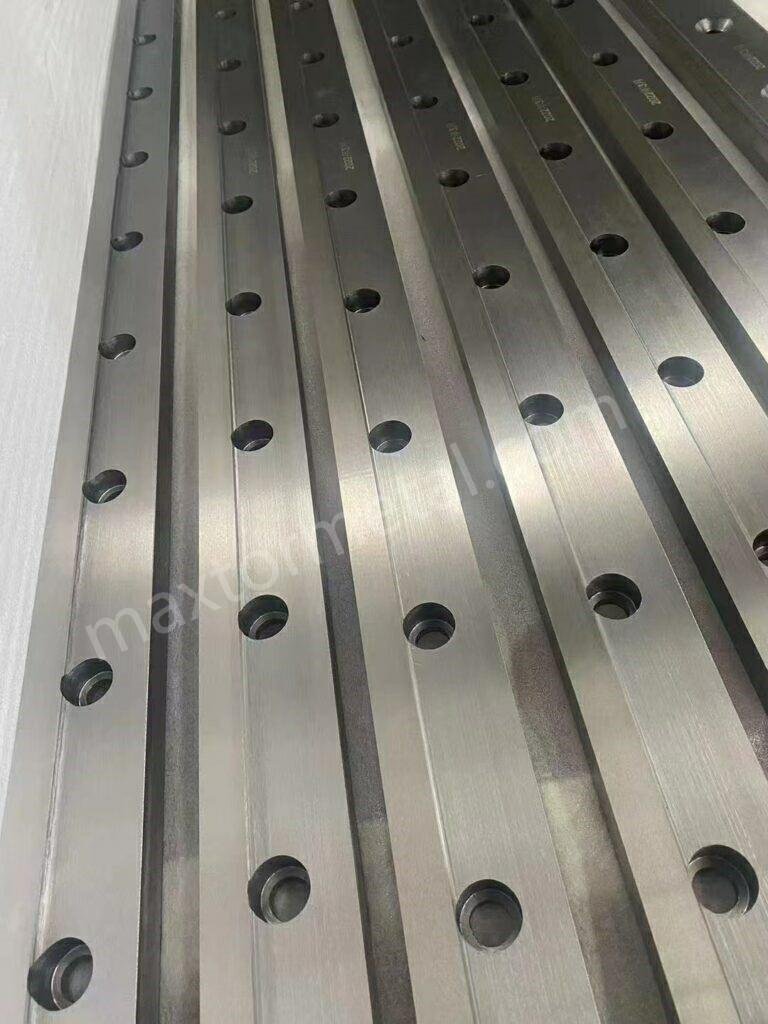
Khả năng tương thích của vật liệu
Metals: Steel, Aluminum, Copper
You need to pick the right blade for your metal. Each metal acts in its own way when you cut it. Both guillotine and shear blades can cut metals, but they work a bit differently.
Here is a table that shows how metals act when you cut them:
| Kim Loại | Đặc trưng | Shearing Behavior |
|---|---|---|
| Nhôm | Lightweight, high ductility | Needs sharp blades and exact clearance for smooth cuts and less burrs. |
| Thép | Strong, durable | Carbon steel is easy to cut. High-carbon steel needs more force and wears blades faster. |
| Đồng | High ductility, excellent conductivity | Cuts easily but can stick to blades if not oiled, which can hurt the cut. |
Use guillotine shears for thick steel plates. These machines make straight, clean cuts. Shear blades are good for aluminum and copper, especially for thin sheets or many shapes. Keep blades sharp and set the clearance right for the best metal cuts.
Non-Metals: Plastics, Paper, Composites
Shear blades can also cut non-metals like plastics, paper, and composites. These blades let you cut without tearing or rough edges. Guillotine shears can cut thick plastic sheets, but you need to check the blade type and edge. For thin or bendy materials, shear blades give you more control and a better edge.
Mẹo: Always check your material before cutting. The right blade helps you waste less and keeps your work safe.
Thickness and Production Volume
Thin vs Thick Stock
Think about how thick your material is before picking a blade. Guillotine shears use a straight-down force. This is best for thick pieces and tough jobs. The machine’s power and blade gap help you cut thick plates without bending them. Guillotine shears are great for straight lines and high accuracy.
Shear blades are better for thin pieces. Use them for light metals, plastics, or paper. The blade’s edge must match the material’s thickness. Rotary shear knives roll as they cut. This helps you cut wide strips or plates. Pick the right blade strength for your job.
- Guillotine shears cut thick materials with strong force.
- Shear blades are good for thin or bendy pieces.
High vs Low Volume Jobs
You should also think about how many pieces you need to cut. High-volume jobs need blades that last and stay sharp. Shear blades with high hardness last longer in tough jobs. This means you change blades less and work more. These blades also give clean cuts, which is important in metal shops.
If you work in a busy shop, the right shear blades can help you work 20-30% faster. You also save money because the blades last longer. For small jobs, you can use either guillotine or shear blades. Pick the one that fits your material and cut.
Ghi chú: High-volume work needs blades that last and cut well. This saves you time and money.
Ứng dụng công nghiệp
Automotive, Aerospace, Recycling
Guillotine and shear blades are used in many industries. Each industry has its own cutting needs. Here is a table that shows where each blade is used:
| Ngành công nghiệp | Commonly Used Shears | Ứng dụng tiêu biểu |
|---|---|---|
| Tái chế Metal | Guillotine Shears | Cutting big scrap metal into smaller pieces |
| Chế tạo Metal | Lưỡi cắt | Cutting metal sheets and bars for making products |
| Ô tô | Lưỡi cắt | Making car parts and pieces |
| Hàng không vũ trụ | Lưỡi cắt | Making airplane parts and structures |
| Waste Tire Recycling | Guillotine Shears | Cutting metal from tires for recycling |
Guillotine shears are used in recycling to break down big scrap pieces. This makes metal easier to handle. Shear blades are common in car and airplane factories. These places need exact cuts for parts. Metal shops use shear blades for many jobs, like cutting sheets and making bars.
Food Processing, Textile, Construction
Shear blades are also used outside of metal work. You see them in food, textile, and construction jobs. Here is a table that shows how they are used:
| Ngành công nghiệp | Mô tả ứng dụng |
|---|---|
| Chế biến thực phẩm | Shear blades cut food. You need food-safe blades like stainless steel. |
| Dệt may | Shear blades cut fabric and yarn. Sharp blades stop fraying and keep edges neat. |
| Sự thi công | Both blade types cut many materials and thicknesses. You get straight, accurate cuts for many tasks. |
Pick the right blade for your industry. In food work, you need blades that are easy to clean and safe. In textiles, you want sharp blades to stop damage. In construction, you need blades that can cut many things and keep cuts straight.
Báo động: Always match your blade to your job. The right blade gives you better results and keeps your work smooth.
If you know your material, thickness, job size, and industry, you can pick between guillotine and shear blades with confidence. This helps you get the best results in metal work, recycling, and many other jobs.
Part Handling and Post-Cut Processing

Handling After Cutting
Guillotine Shears: Part Handling
When you use a guillotine, you get straight and uniform pieces. The machine drops the blade down in one motion. This action keeps the parts in place during the cut. You can collect the finished pieces easily because they fall in a straight line. The flat table under the blade supports the material. This support helps you avoid bending or warping the parts.
You often see guillotine shears in workshops that need high accuracy. Workers can stack the cut pieces quickly. You do not need to move the parts much after each cut. This method saves time and keeps your workflow smooth.
Mẹo: Always wear gloves when handling sharp edges. Even clean cuts can have sharp corners.
Shear Blades: Part Handling
Shear blades give you more options for shapes and sizes. The angled or swinging motion can move the material as it cuts. You may need to guide the parts by hand or use a conveyor. Thin sheets can curl or twist after the cut. You should check the parts for flatness before stacking them.
Shear blades work well for jobs that need many different shapes. You can cut curves, strips, or patterns. You may need extra steps to keep the parts organized. Using a brush or roller table helps you move the pieces safely.
Table: Handling Comparison
| Tính năng | Guillotine Shears | Lưỡi cắt |
|---|---|---|
| Part Drop Direction | Straight down | May move sideways or curl |
| Need for Manual Guide | Thấp | Medium to High |
| Tốt nhất cho | Flat, straight pieces | Curved or shaped pieces |
| Risk of Warping | Thấp | Trung bình |
Finishing Requirements
Deburring Needs
After cutting, you may see small metal edges called burrs. Burrs can make parts unsafe to touch and hard to fit together. Guillotine shears usually leave fewer burrs because the blade moves straight down. You still need to check each part, especially if you cut thick or hard metals.
Shear blades can leave more burrs, especially on thin or soft materials. The swinging motion can pull the edge and make a rough finish. You should plan for a deburring step if you want smooth and safe parts.
How to Remove Burrs:
- Use a hand file for small jobs.
- Try a deburring tool for quick cleanup.
- Use a grinder or sander for large batches.
Báo động: Never skip deburring. Burrs can cause injuries and lower the performance of your finished product.
Surface Quality
Surface quality matters for both looks and function. Guillotine shears give you a clean, straight edge. You see fewer marks or scratches on the cut line. This high surface quality helps when you need to weld, paint, or fit parts together.
Shear blades can make wavy or rough edges, especially if the blade is dull. You may see more scratches or uneven spots. You can improve surface quality by keeping the blades sharp and setting the right clearance.
Checklist for Good Surface Quality:
- Inspect each part after cutting.
- Keep blades sharp and clean.
- Adjust the machine for each material type.
Ghi chú: Good surface quality improves the performance of your parts and reduces extra work later.
You can handle and finish your parts well if you follow these steps. You get better results and safer products every time.
Cost Analysis: Guillotine vs Shear Blades
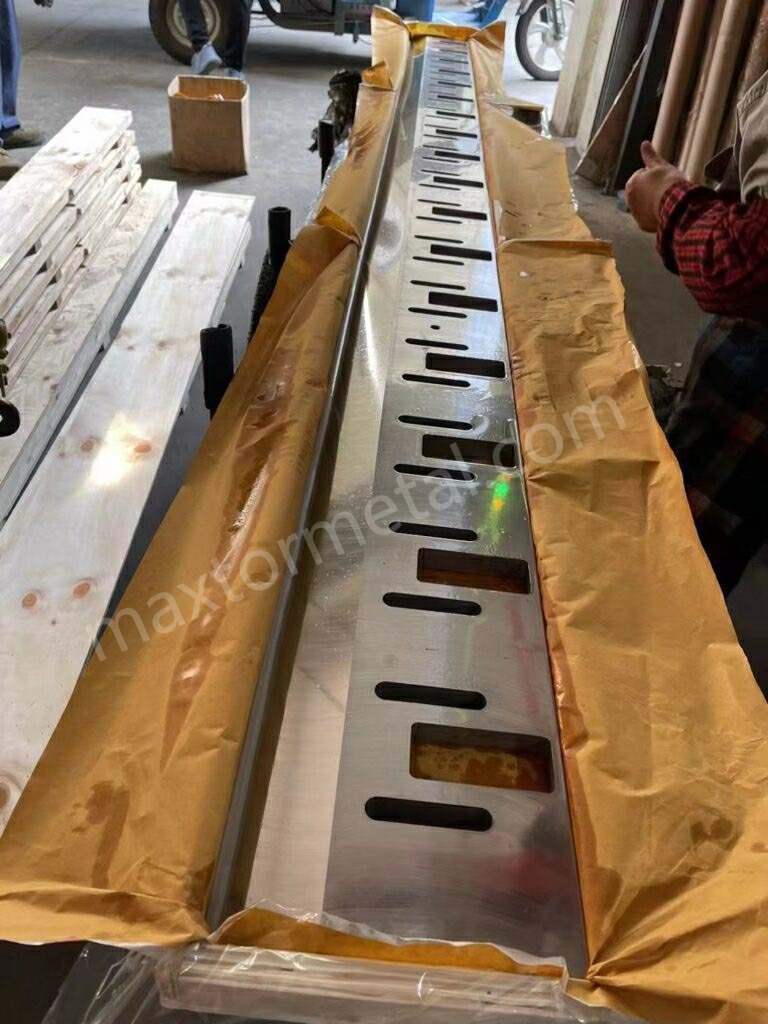
When you pick between guillotine and swing shears, you need to think about more than just what you pay at first. You should also think about how much you will spend to keep the blades sharp, how long each blade will last, and how much time you lose when you change blades. This part will help you see the real costs for each way of cutting.
Purchase Price Comparison
Guillotine Shears Cost
Guillotine shears usually cost more when you buy them. These machines have a strong frame and cut straight down. You pay more at the start, but you get a tool that can cut thick stuff and do hard jobs. The price covers the machine, the blade, and setting it up. If you cut thick metal or need straight cuts, this cost can be worth it over time.
Shear Blades Cost
Swing shears are cheaper to buy. These machines use an angled or swinging cut, so they are lighter and simpler. You can find swing shears for many prices, especially if you cut thin stuff or need different shapes. The blades for swing shears also cost less to replace.
Ghi chú: The best choice depends on your job. If you cut thick metal a lot, paying more for guillotine shears can save you money later.
Maintenance and Service Life
Tần số mài lại
You need sharp blades for good cuts. Guillotine blades need to be sharpened often. The straight-down cut puts a lot of force on the edge, so you must check and sharpen the blade a lot. Swing shears need sharpening less often. The angled cut spreads out the force, so the blade stays sharp longer.
Service Costs
Taking care of your blades helps them last longer. If you clean and check your guillotine blades, they last more years. Doing regular checks keeps costs down. Swing shears also need checks to keep the blade sharp, but if you skip this, you might pay more later.
Here is a table to help you compare how much work and care each blade needs:
| Diện mạo | Lưỡi dao máy cắt giật | Lưỡi cắt |
|---|---|---|
| Tần suất bảo trì | Regular checks to ensure cutting quality | Regular checks to maintain sharpness |
| Cuộc sống phục vụ | Extended with proper maintenance | Dependent on usage and maintenance |
| Tần số mài lại | Needs frequent regrinding to maintain sharpness | Less frequent regrinding required |
| Service Costs | Preventive maintenance reduces costs | Higher costs if maintenance is neglected |
Mẹo: Make a plan to check and sharpen both types. This keeps your blades working well and saves money in the long run.
Downtime and Labor
Blade Change Procedures
Changing blades takes time, and every minute matters in a busy shop. Guillotine shears are easy to change blades on. You can swap the blade fast if you follow the steps. Swing shears may need more careful lining up, especially if you use special blades or cut different things. The time you spend changing blades can slow down your work.
Tác động đến sản xuất
Downtime can slow your whole shop. Regular blades can cause up to 16 hours of downtime each month. If you use custom blades, you can cut this to just 5 hours a month. That means you get 65% less downtime and 70% fewer emergency repairs. Less downtime means you can finish more jobs and keep your team busy.
| Chỉ số hiệu suất chính | Lưỡi dao tiêu chuẩn | Lưỡi dao tùy chỉnh |
|---|---|---|
| Thời gian ngừng hoạt động hàng tháng | 16 giờ | 5 giờ |
| Giảm thời gian chết | Không có | 65% ít hơn |
| Giảm chi phí sửa chữa khẩn cấp | Không có | 70% ít hơn |
Báo động: Always plan when to change blades and keep extras ready. This helps you avoid long stops and keeps your work moving.
Metal Industrial’s Competitive Pricing and Procurement Options
If you want to save money, look for sellers with good deals. Nanjing Metal Industrial has good prices for swing shears and custom blades. You can order regular or custom blades and get them in 15-20 days.
Ghi chú: Picking the right seller helps you save money and keep your work on track.
Summary Table: Cost Factors at a Glance
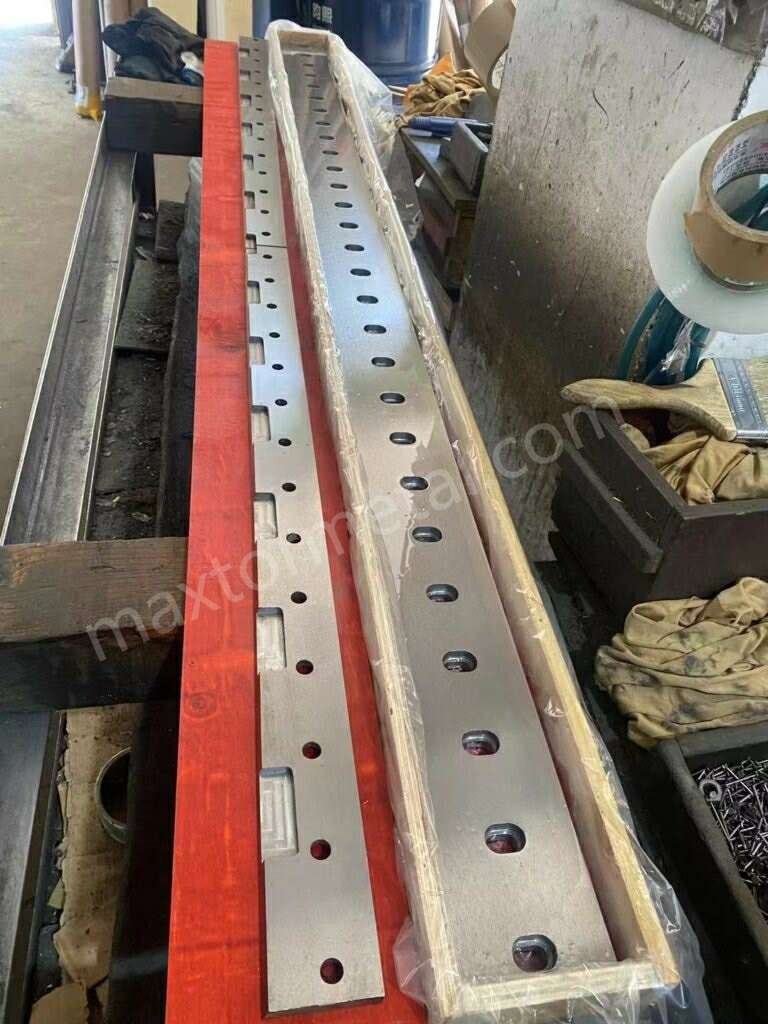
| Yếu tố chi phí | Guillotine Shears | Swing Shears |
|---|---|---|
| Giá mua | Trả trước cao hơn | Giá trả trước thấp hơn |
| Blade Cost | Cao hơn | Thấp hơn |
| BẢO TRÌ | Frequent regrinding | Less frequent regrinding |
| Thời gian chết | Vừa phải | Lower with custom blades |
| Nhân công | Simple blade changes | May need careful alignment |
When you look at all the costs, you see swing shears save money on buying, care, and downtime, especially with custom blades. Guillotine shears cost more at first but work well for tough jobs. Always pick the blade that fits your job and budget.
Decision Guide: Which Blade is Best?
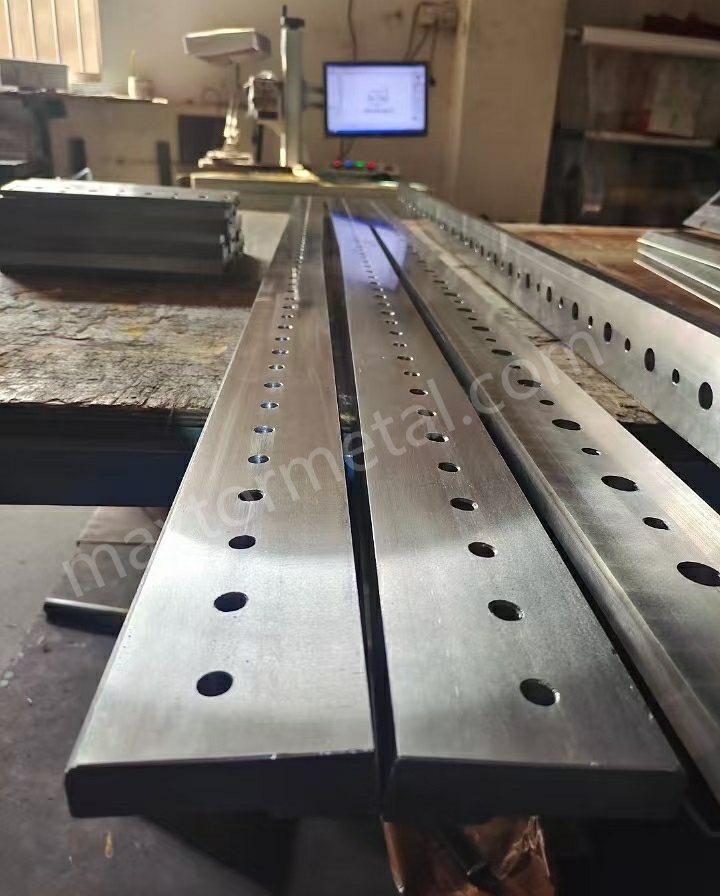
Picking the right blade can really change your results. You need to match your blade to your material and how thick it is. Think about how many pieces you need to cut. This guide will help you choose between guillotine and shear blades by showing what matters most.
Key Factors for Selection
Loại vật liệu
First, look at what you want to cut. Some blades are better for certain materials. Guillotine shears work well on thick metals like steel and aluminum. Shear blades are good for thin sheets, plastics, and paper. If you need to cut lots of shapes, shear blades give you more choices. Always check if your blade fits your material for the best results.
Độ dày
Think about how thick your material is before you start. Guillotine shears use a straight-down force. This helps you cut thick pieces with good accuracy. Shear blades are best for thin or bendy materials. If you cut both thick and thin things, you might need both blade types in your shop.
Nhu cầu sản xuất
Think about how many pieces you need and how fast you must work. Big jobs need blades that last long and stay sharp. Strong blades save you time and money. If you cut many shapes or change materials a lot, shear blades are flexible. For straight lines and high accuracy, guillotine shears are a great pick.
Mẹo: Make sure your blade fits your machine. The wrong blade can make cuts less accurate and hurt your equipment.
Other things to think about are:
- Blade material and how long it lasts
- If the blade works with your machine
- How good the manufacturer is and if they help you
Quick Reference Matrix
Blade Selection Table
| Nhân tố | Guillotine Shears | Lưỡi cắt |
|---|---|---|
| Best for Materials | Thick metals | Thin sheets, plastics, paper |
| Cut Types | Straight lines | Curves, patterns, shapes |
| Sự chính xác | Độ chính xác cao | Good for varied shapes |
| Khối lượng sản xuất | Cao | Medium to high |
| Uyển chuyển | Thấp | Cao |
Expert Tips
- Use guillotine shears for straight, clean cuts and high accuracy.
- Pick shear blades for cutting many shapes or thin materials.
- Check your blade often for dull spots to keep cuts safe and sharp.
- Buy blades from trusted companies for better help and longer use.
🛠️ Ghi chú: The right blade gives you the best accuracy and finish. Always match your blade to your material and cutting needs.
You have learned that guillotine and shear blades are both useful in metalworking. Guillotine shears make straight, smooth cuts. They work best on thick materials. Shear blades are good for cutting shapes and thin sheets. The blade you pick changes how your cuts look and how much care your tools need. It also affects how your work fits into your daily jobs. Always choose a blade that matches your material, how thick it is, and how much you need to cut.
- Good blades help your machines work better for a long time.
- Stronger blades need less fixing and help you cut straighter.
- Getting a better blade can help you cut up to 30% faster.
If you need help with your next job, talk to a blade expert or contact Metal Industrial’s sales team đây. Picking the right blade can help you save time and money for many years.
Câu hỏi thường gặp
What is the main difference between guillotine shears and shear blades?
You see guillotine shears move straight down to make clean, straight cuts. Shear blades use an angled motion. This lets you cut different shapes and materials with more flexibility.
Which blade should you use for cutting thick plates?
You should use guillotine shears for cutting thick plates. The straight-down force helps you get accurate cuts and keeps the material from bending or warping.
How do you maintain blade sharpness?
You need to inspect blades often. Sharpen them when you notice dull edges or rough cuts. Clean blades after each use. Lubricate moving parts to reduce wear and keep blades working longer.
What materials can shear blades cut?
Shear blades work on metals like steel, aluminum, and copper. You can also use them for plastics, paper, and composites. This gives you wide cutting capabilities across many industries.
How do you reduce burrs after cutting?
You can reduce burrs by keeping blades sharp and setting the right clearance. Use proper lubrication. Inspect each cut piece and remove burrs with a file or deburring tool.
Are custom blades worth the investment?
Custom blades help you match your cutting needs. You get better results and less downtime. If you cut special shapes or materials, custom blades can improve your workflow.
What safety steps should you follow when using these machines?
You should always wear gloves and eye protection. Keep hands away from the blade. Inspect machines before use. Follow all safety instructions and train workers to handle blades correctly.
How do you choose the right blade for your job?
You need to look at your material type, thickness, and production volume. Check if you need straight cuts or shapes. Match your blade to your machine and job requirements for the best results.
Xem thêm
Cách chọn lưỡi dao chém phù hợp với nhu cầu của bạn
Hướng dẫn tối ưu để bảo dưỡng lưỡi cắt Guillotine: Kéo dài tuổi thọ và tối ưu hóa hiệu suất
Lựa Chọn Giữa Máy Cắt Guillotine và Máy Cắt Dầm Đung Đưa: Một Phân Tích So Sánh Toàn Diện

 English
 Spanish
 Italian
 French
 Portuguese
 Russian
 German
 Arabic
 Hindi
 Vietnamese
 Indonesian
 Japanese
 Korean
2 bình luận