

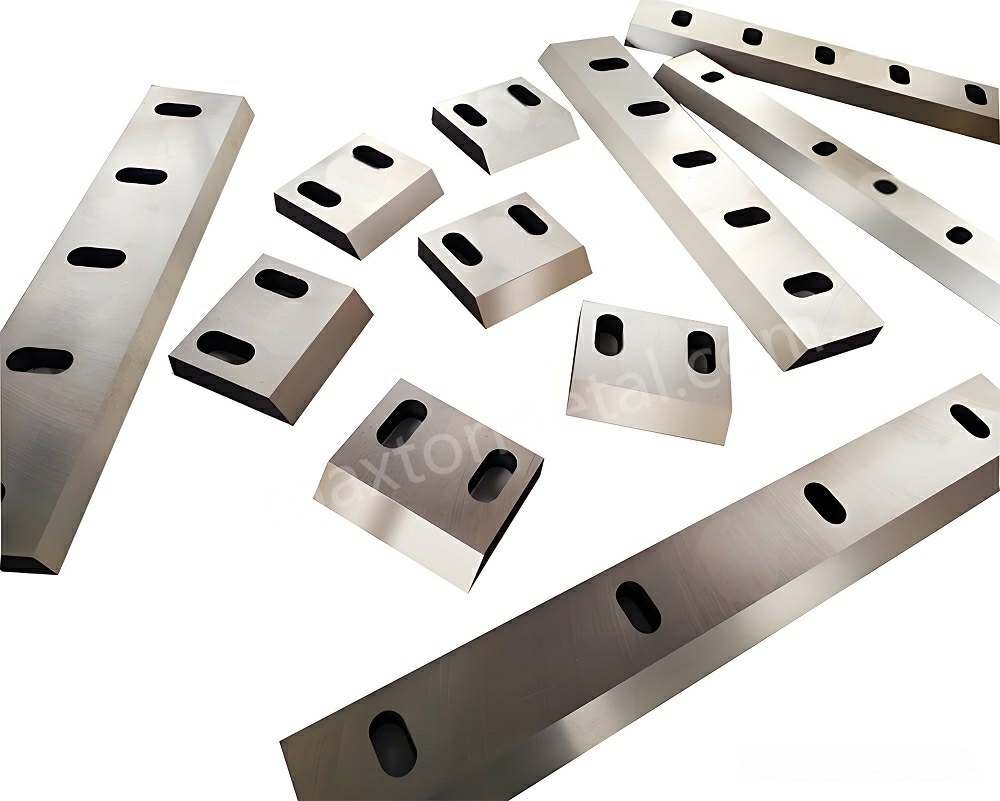
Lưỡi dao máy nghiền durability is crucial for efficient plastic recycling. In a busy granulator, the granulator blade endures constant impact and heavy use daily. Using a weak blade leads to increased downtime, more frequent repairs, and higher costs. A plastic granulator requires a blade that can handle tough tasks without needing frequent replacement. Many facilities now opt for a lưỡi dao tùy chỉnh tailored to their specific needs.
Những điểm chính
- Strong granulator blades made from good materials last longer and cut plastic better. D2 steel, HSS, and carbide tips are good choices.
- You should check and take care of the blades often. This means cleaning, sharpening, and using the right oil. Doing this keeps blades sharp and stops the machine from breaking down.
- Pick the right blade type and design for your plastic. This helps the machine cut better and saves energy.
- Blades that stay sharp lower repair costs and help recycle more. They also help machines work well.
- If you work with skilled manufacturers like Nanjing Metal, you get custom blades. These blades fit your recycling needs and help your machine work better.
Độ bền của lưỡi dao
Các yếu tố chính
Thành phần vật liệu
Blade durability starts with what the blade is made of. Manufacturers pick strong materials like high-carbon tool steels. These steels are tough and do not wear out fast. They have chromium and vanadium, which help stop rust and wear. Granulator blades need to handle lots of hits and rough plastic. The right steel keeps the blade sharp and stops it from rusting.
Độ cứng (HRC)
How hard a blade is matters a lot for how long it lasts. The Rockwell hardness test, using the C scale (HRC), checks this. Most granulator blades are between HRC 56 and 60. Harder blades resist wear better but can break more easily. Heat treatment helps get the best mix of hard and tough. This keeps the blade from bending and helps it stay sharp when working hard.
Giữ cạnh
Edge retention means how long a blade stays sharp. Blades that keep their edge can cut up to 30% more plastic before sharpening. Both the material and hardness affect edge retention. A blade that stays sharp longer means less stopping and more work done.
Resistance to Chipping/Wear
A good granulator blade should not chip or wear out fast. This is important in tough recycling jobs. Blades treated with heat chip up to 25% less. Good materials and careful making help blades handle shocks and stress. This stops them from breaking too soon.
Material Impact
Thép công cụ D2
D2 tool steel is often used for granulator blades. It has HRC 58-60. Its wear resistance is 8 out of 10, and toughness is 6 out of 10. This steel is hard and strong, so it works well for most recycling jobs.
Thép tốc độ cao (HSS)
High-speed steel (HSS) is known for lasting a long time. Its wear resistance and edge retention are 9 out of 10. HSS blades last longer and work well with rough plastics. They are great for places that need strong blades and less fixing.
Lưỡi dao đầu cacbua
Carbide-tipped blades are very hard, with HRC over 70. Their wear resistance is 10 out of 10. These blades are best for cutting rough or lots of plastic. They do not wear out or rust easily, so they are good for hard recycling work.
Granulator Blade Longevity
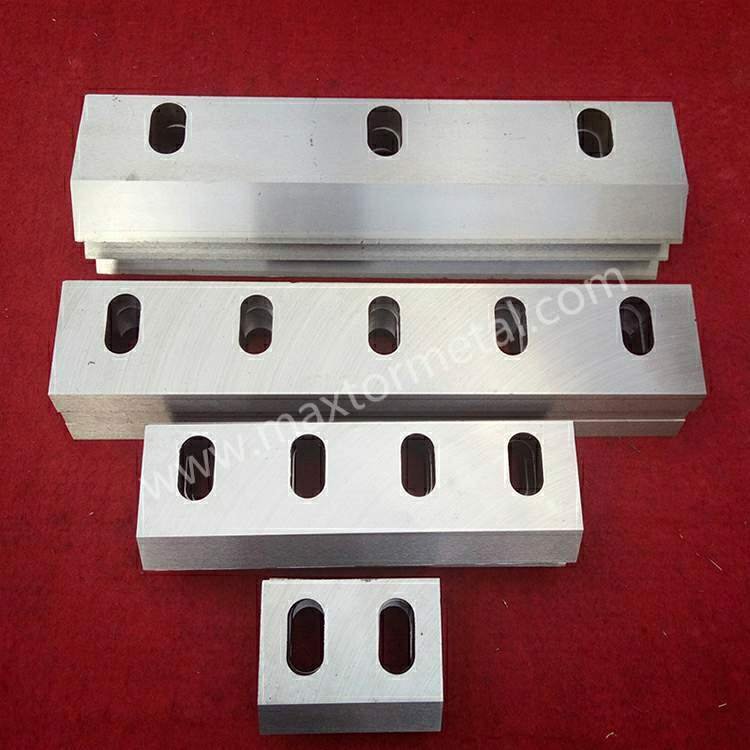
How long a granulator blade lasts affects recycling work. Operators need to spot early wear and do regular maintenance. This helps blades work well for a long time. Knowing these things lets facilities recycle more plastic with fewer stops and lower costs.
Wear Signs
Visual Indicators of Wear
Operators should look for chips, cracks, or rounded edges on blades. If the blade looks discolored or worn unevenly, it may be too hot or not lined up right. These signs show when a blade cannot cut well anymore.
Decreased Cutting Performance
If less plastic gets cut or the pieces are not even, the blade might be dull. More jams or cuts that do not finish mean the blade is having trouble. Watching for these problems helps keep the granulator working well.
Tăng mức tiêu thụ điện năng
When a blade is not sharp, the machine uses more power. If energy use goes up, the blade may be dull or broken. Checking power use can warn you when to fix or change the blade.
Unusual Noise or Vibration
Strange sounds or shaking can mean the blade is worn out or not balanced. Operators should listen for these changes. Fixing these problems fast stops more damage to the granulator.
Mẹo bảo trì
Regular Inspection Schedule
Having a set time to check blades helps them last longer. Facilities should look at and test blades every 2–4 tuần. Hour meters help track use and plan for checks. Keeping extra blades ready means less waiting when changing them.
| Diện mạo | Recommendation / Benchmark |
|---|---|
| Tần suất bảo trì | Check and clean blades every 2–4 weeks. Lubricate often. |
| Blade Replacement (Light Use) | Change blades every 6–12 months if cutting soft plastics or used part-time. |
| Blade Replacement (Heavy Use) | Change blades every 3–6 months. For tough plastics, change every 2 months. |
| Điều chỉnh khe hở lưỡi dao | Keep blade gap between 0.2 and 0.3 mm for good cuts and less wear. |
| Các yếu tố ảnh hưởng đến tuổi thọ | Blade life depends on plastic type, machine settings, blade quality, how you feed plastic, and dirt levels. |
| Monitoring Metrics | Use sensors to watch for shaking, cutting speed, and power use. This helps know when to fix or change blades. |
| Tips to Extend Lifespan | Load plastic the right way, sort out dirt, use good blades, and do regular checks. |
Proper Cleaning Techniques
Clean the machine and important parts every day to stop buildup. Take out debris after each use to stop rust and keep things running well. Do not use strong chemicals that could hurt the blade.
Hướng dẫn mài và thay thế
Sharpen blades as the maker says. If sharpening does not help or you see cracks, change the blade right away. Check and turn screens often to stop clogs and keep plastic moving. Use a checklist to make sure nothing is missed.
Lubrication and Alignment
Lubricate moving parts often to lower friction and wear. Use the right oil on bearings and gears for smooth work. Make sure blades are lined up to stop uneven wear and help them last longer. Keep the blade gap at 0.2 to 0.3 mm for best cutting.
Plastic Granulator Blades: Durability and Performance
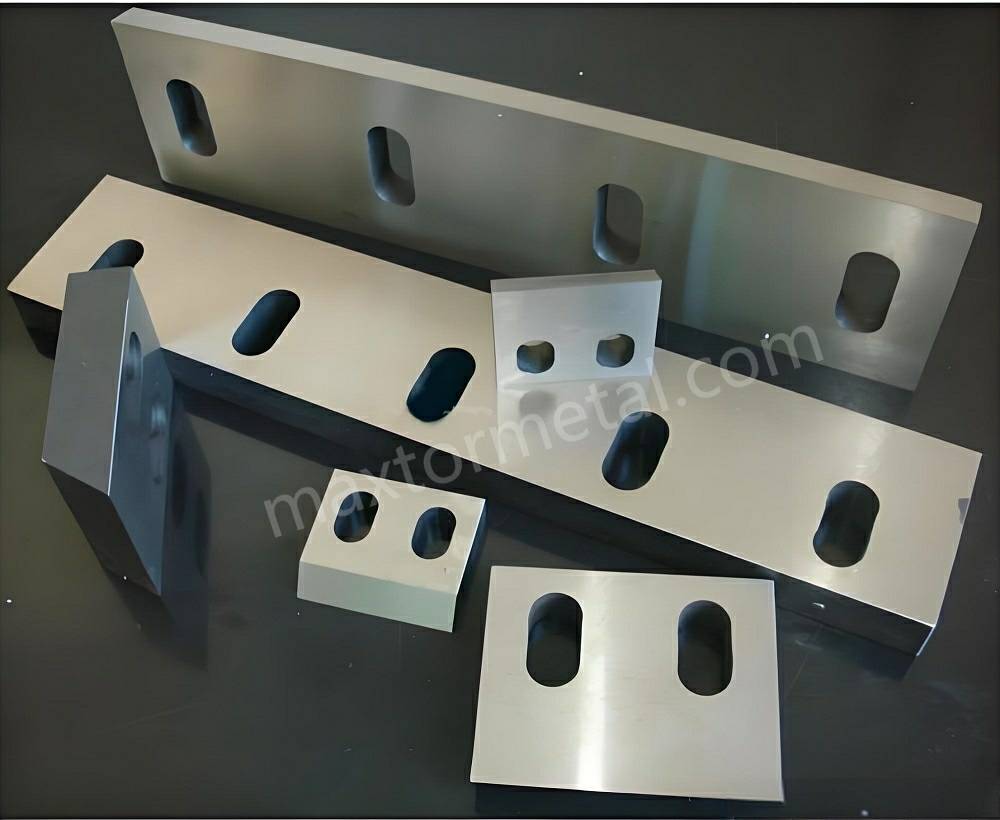
Top Materials
Thép công cụ D2
D2 tool steel is a common choice for plastic granulator blades. It is both hard and tough. D2 blades have a hardness of HRC 58-60. They resist wear and are not too expensive. Many recycling centers use D2 blades. These blades can take many hits and stay sharp for a long time.
Thép tốc độ cao (HSS)
High-speed steel blades keep their edge longer than most. They are good at resisting wear. HSS blades cut well, even with rough plastics. Their hardness helps them last longer. Using HSS blades means less downtime and more plastic processed. Operators pick HSS for long life and steady work.
Carbide-Tipped Granulator Blade
Carbide-tipped blades are very hard, often above HRC 70. They have tungsten carbide inserts. This makes them last dài hơn ba lần than regular steel blades. These blades are best for places that recycle a lot of plastic. They are great when you need strong wear resistance and fast cutting.
Material Selection at Nanjing Metal Industrial
Nanjing Metal makes many types of plastic granulator blades. They offer D2, HSS, SKD-11, and carbide-tipped blades. The company uses special heat treatment and checks quality carefully. This makes sure each blade is strong and works well. Their team can design blades for special recycling jobs.
Granulator Blade Designs
Rotor Blades
Rotor blades are put on a spinning shaft. They do most of the cutting. These blades are used for many kinds of plastic. Their shape can be changed for different jobs.
Stator Blades
Stator blades do not move. They work with rotor blades to cut plastic. This setup gives steady and exact cuts. Stator blades help keep plastic pieces the same size.
Lưỡi dao móng vuốt
Claw blades have a special shape for tough jobs. They cut thick or hard plastic easily. Operators use claw blades for hard recycling work.
Specialty Designs
Specialty blades have custom shapes like hook or V-type. These are made for special recycling needs. New ways of making blades, like CNC grinding, make cuts smoother and reduce shaking. Studies show better blade designs can help recover more plastic and use less energy.
Tip: Picking the right blade shape and good materials helps blades cut better, need less fixing, and recycle more plastic.
Want better plastic granulator blades? Talk to a sales engineer at Liên Hệ.
Độ sắc nét và giữ cạnh
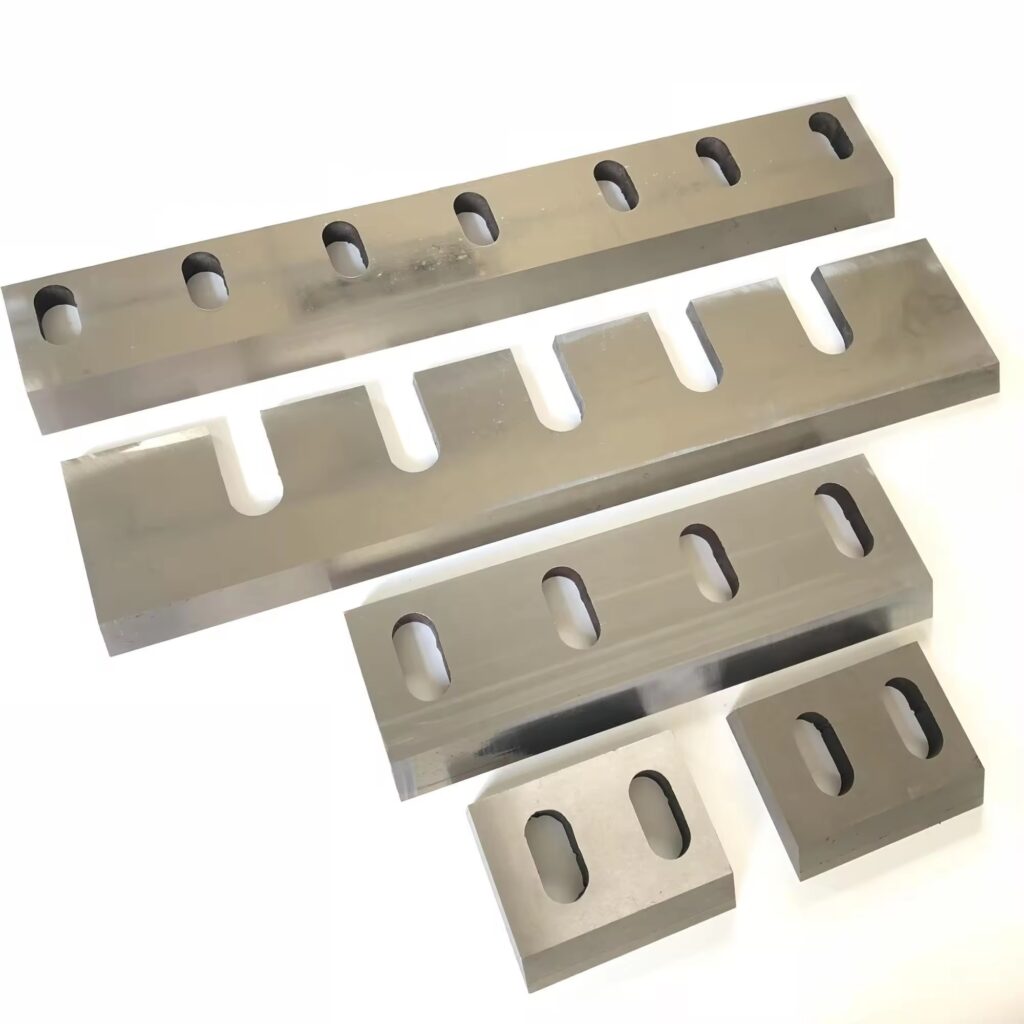
Sharpness and edge retention are very important in plastic recycling. A sharp blade makes clean cuts and keeps granule size even. When blades stay sharp, operators see fewer jams and smoother work. Blades that keep their sharpness waste less material and help machines work better.
Tác động đến hiệu suất
Efficiency and Energy Consumption
Sharp blades cut with less friction. Machines with sharp blades use less energy and work faster. Dull blades make more resistance, so machines use more power and slow down. Keeping blades sharp lowers energy bills and helps machines cut better.
Maintenance Frequency and Downtime
Blades that hold their edge need sharpening or changing less often. This means machines stop less and production keeps going. Using sharp blades lets workers spend less time fixing and more time recycling. Operators can plan when to do maintenance and avoid surprise stops.
Case Study: Improved Output in a Recycling Plant
A recycling plant changed from regular steel blades to high-speed steel blades. They saw 20% more plastic processed and 15% less energy used. Blade changes happened half as often. This boost came from better sharpness and edge retention, so the plant could recycle more with fewer stops.
Lựa chọn vật liệu
D2 Tool Steel: Edge Retention and Cost-Effectiveness
D2 tool steel gives good edge retention and is not too costly. Its vanadium carbides help blades stay sharp and tough. Many places pick D2 because it works well for normal recycling jobs.
High-Speed Steel (HSS): Superior Longevity
High-speed steel blades stay sharp and last a long time. Their vanadium-alloyed structure helps them work longer. HSS blades are good for busy or rough recycling jobs, with fewer blade changes and steady cutting.
Carbide-Tipped Blades: Maximum Hardness, Lower Shock Resistance
Carbide-tipped blades are the hardest and keep their edge best. Multilayer coatings like TiN or TiAlN make blades last longer and look better. These coatings also keep blades cooler, which helps them last and saves money. Plants that recycle tough plastics often use carbide-tipped blades because they last the longest.
The Role of Heat Treatment in Edge Retention
Heat treatment makes blade materials stronger. This process helps blades stay sharp and last longer. For example, cryogenic treatment of D2 steel can make blades resist wear up to 30% more. Heat treatment helps every blade cut well and last longer.
Choosing the Right Granulator Blade
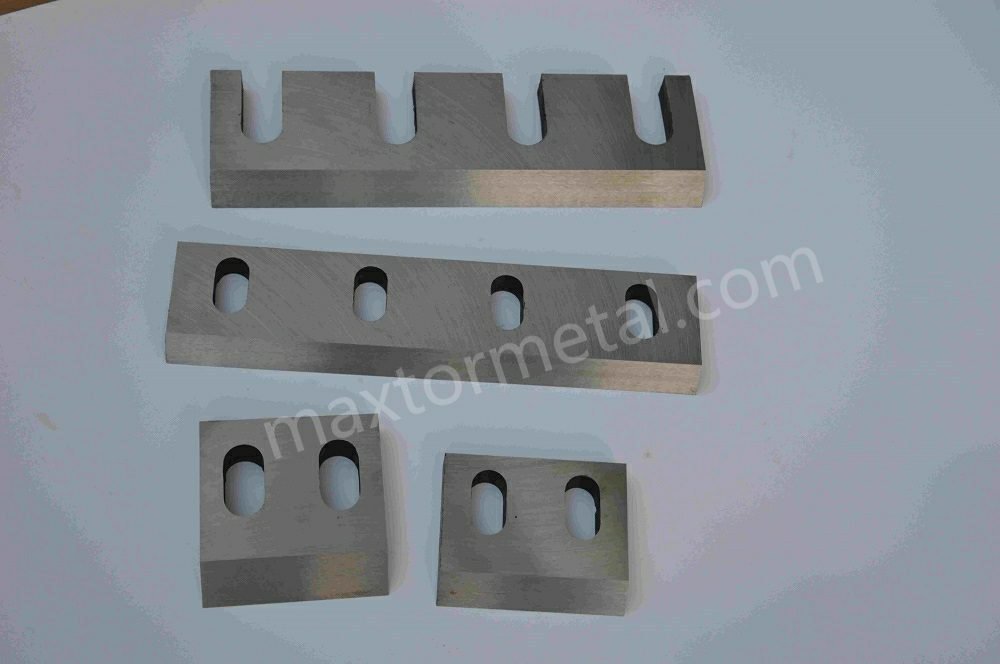
Application Match
Picking the right plastic crusher blades means knowing your recycling job. Operators need to think about what kind of plastic they are cutting. They should also know how much plastic they want to process and what size pieces they need. Every job, like blow molding or extrusion, needs a special blade shape and material. For example, if you recycle PET bottles, you might need blades with tungsten carbide tips. These tips help the blades last longer. Custom blades can be made to match the hardness and amount of plastic. This makes cutting better and helps stop the machine from stopping too much.
| Data Category | Chi tiết / Ví dụ |
|---|---|
| Vật liệu được xử lý | Plastics, metals, food waste |
| Tính năng thiết kế lưỡi dao | Blade angles, thickness (6mm-10mm), materials (tungsten carbide, high-speed steel, alloy steel) |
| Throughput Requirements | 600 lb/hr intermittent, 2400 lb/hr instantaneous rate |
| Granule Size Desired | 4 mm to 25 mm, common sizes 8-10 mm |
| Phương pháp cho ăn | Manual, conveyor, pull rolls, robots, air-conveyance system |
| Số liệu hiệu suất | Energy use, blade wear resistance, efficiency gains (e.g., 22% efficiency gain with carbide blades) |
| Tùy chọn tùy chỉnh | Custom blades for specific materials and needs |
Custom plastic crusher blades help recycling centers get better results. For example, a German plant saved 40% về lưu trữ chất thải và xử lý vật liệu tốt hơn 60% sau khi sử dụng lưỡi dao tùy chỉnh. Những lưỡi dao này có tuổi thọ cao hơn gấp rưỡi so với lưỡi dao cũ. Điều này cho thấy tại sao việc lựa chọn đúng lưỡi dao cho từng công việc lại quan trọng đến vậy.
Chi phí so với Giá trị
Khi lựa chọn dao máy nghiền nhựa, người mua nên cân nhắc cả giá thành lẫn giá trị mang lại. Dao nghiền chất lượng cao giữ độ sắc bén lâu hơn, giúp cắt hiệu quả hơn và tiết kiệm năng lượng. Lưỡi dao bền bỉ cũng dễ bảo trì hơn, thay thế nhanh chóng hơn và giảm thiểu thời gian dừng máy. Theo thời gian, việc đầu tư dao nghiền chất lượng giúp giảm số lần sửa chữa và tiết kiệm chi phí tổng thể.
- Dao máy nghiền nhựa chất lượng giúp giảm tổng chi phí nhờ tiết kiệm năng lượng, ít phải sửa chữa và hạn chế thời gian dừng máy.
- Dịch vụ hỗ trợ từ nhà cung cấp như chế độ bảo hành và cung cấp phụ tùng nhanh chóng giúp kéo dài tuổi thọ máy móc và tiết kiệm chi phí.
- Các nhà máy đầu tư vào hệ thống máy nghiền hạt nhựa chất lượng thường thu hồi vốn rất nhanh, đôi khi chỉ trong chưa đầy một tháng.
Lưỡi dao máy nghiền nhựa có độ bền cao thường được sản xuất từ vật liệu chịu lực tốt, đòi hỏi độ cứng vượt trội và khả năng duy trì lưỡi cắt sắc bén. Khi kỹ thuật viên vận hành sử dụng lưỡi dao tốt hơn, thành phẩm hạt nhựa thu được sẽ đạt chất lượng cao hơn, đồng thời giảm thời gian dừng máy và tiết kiệm chi phí sửa chữa. Dao bền giúp duy trì độ sắc lâu hơn, nhờ đó máy hoạt động hiệu quả và bền bỉ hơn. Công nghệ mới như phủ thép vonfram giúp lưỡi dao đạt tuổi thọ trên 2.000 giờ, giảm đáng kể tần suất bảo trì, sửa chữa.
Câu hỏi thường gặp
Bao lâu thì kỹ thuật viên vận hành nên thay dao máy nghiền nhựa?
Kỹ thuật viên nên kiểm tra lưỡi dao định kỳ 2–4 tuần một lần. Nếu máy hoạt động với cường độ cao hoặc nghiền các loại nhựa cứng, nên thay dao sau mỗi 2–3 tháng. Việc kiểm tra thường xuyên giúp ngăn ngừa sự cố hỏng hóc đột ngột và duy trì quy trình tái chế vận hành ổn định.
Những dấu hiệu nào cho thấy lưỡi dao đã bị cùn hoặc hư hỏng?
Lưỡi dao bị cùn có thể khiến đường cắt không đều và gây ra tiếng ồn lớn. Máy nghiền có thể tiêu tốn nhiều điện năng hơn, người vận hành sẽ thấy tình trạng kẹt liệu xảy ra thường xuyên hơn hoặc kích thước hạt nhựa không đồng đều. Đây là những dấu hiệu cho thấy đã đến lúc cần mài lại hoặc thay thế lưỡi dao.
Dao cắt gia công theo yêu cầu có giúp cải thiện hiệu suất tái chế không?
Dao cắt thiết kế riêng phù hợp tối ưu với các loại vật liệu và dòng máy đặc thù, giúp nâng cao năng suất xử lý nhựa và giảm thiểu yêu cầu bảo trì. Nhiều cơ sở sản xuất đạt hiệu quả cao hơn hẳn khi sử dụng lưỡi dao được chế tạo chuyên biệt cho quy trình tái chế của họ.
Đâu là nhà sản xuất dao máy nghiền nhựa uy tín chuyên cung cấp các giải pháp gia công theo yêu cầu?
Nanjing Metal là nhà sản xuất uy tín với 20 năm kinh nghiệm, chuyên cung cấp các loại dao cắt gia công theo yêu cầu cho các nhà máy, nổi tiếng với chất lượng vượt trội và công nghệ cải tiến.
Xem thêm
Tìm Kiếm Dao Tạo Hạt Hoàn Hảo cho Nhu Cầu Chế Biến Nhựa Của Bạn
So Sánh Lưỡi Dao Tạo Hạt: Tìm Kiếm Dễ Dàng Lưỡi Phù Hợp
Lưỡi Dao Máy Tạo Hạt là Gì và Chúng Hoạt Động Như Thế Nào Trong Công Nghiệp?
Cách chọn dao tạo viên phù hợp cho ngành của bạn
Hướng Dẫn Toàn Diện Chọn Lưỡi Dao Tạo Hạt Tốt Nhất cho Máy Của Bạn

 English
 Spanish
 Italian
 French
 Portuguese
 Russian
 German
 Arabic
 Hindi
 Vietnamese
 Indonesian
 Japanese
 Korean
2 bình luận
Tôi đồng ý, đây là một phương án tuyệt vời