

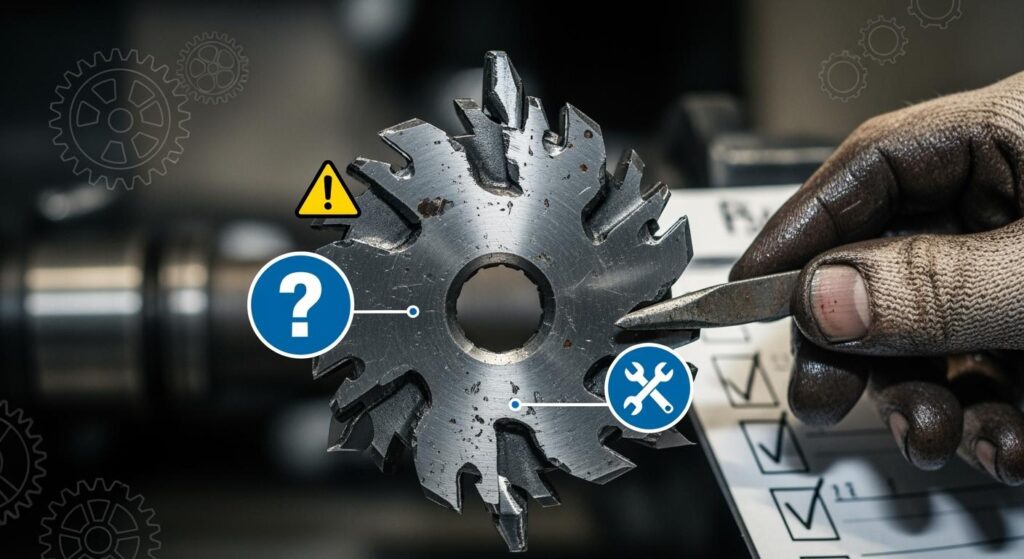
Khắc phục sự cố lưỡi dao cắt xẻng quay mistakes can cause big problems. If you avoid these mistakes, your blades work better. This keeps workers safe and helps things run faster. You should watch blade selection, installation, and maintenance. Doing this gives you many good results:
- Machines stop less often
- You waste less material
- Cuts look better
- Machines and blades last longer
- Work stays safe
Read this guide for fast fixes and long-term help.
Những điểm chính
- Check rotary slitter blades often for wear or damage. This helps stop bigger problems.
- Pick the right blade type for your material. This gives clean cuts and less wear.
- Make sure blades are lined up right. This stops uneven cuts and too much wear.
- Keep a log for maintenance. Write down inspections, repairs, and blade changes.
- Clean blades after you use them. This stops them from getting dull and keeps them working well.
- Sharpen blades often. This helps them cut better and makes less waste.
- Teach operators well. They should know how to spot problems and follow safety rules.
- Fix vibration or noise fast. This helps stop damage to the machine.
Rotary Slitter Blade Troubleshooting Basics

Identifying Common Problems
You use round slitter blades every day at work. These blades are very important in slitting machines. They help cut big rolls into smaller strips. Good blades from Nam Kinh Metal công nghiệp give you nice, clean cuts. But even the best blades can have problems, so rotary slitter blade troubleshooting matters.
You might see some problems when you check your blades. Here are the most common ones:
- The cut material has rough edges or burrs. This usually means the blade is worn out and needs fixing.
- You see chips or cracks on the blade. These show damage and can make the blade work badly.
- If the blade is dull, it is hard to cut cleanly. You may need to sharpen or change the blade.
- If the machine shakes more than usual, the blade might be worn or not lined up right.
- Strange sounds like grinding or squealing mean the blade is not working well.
If you see any of these problems, act fast. Finding problems early stops bigger issues and keeps your machines working well.
Importance of Correct Troubleshooting
You want your slitting machines to work their best. Good rotary slitter blade troubleshooting helps you do this. If you check your blades the right way, you stop problems and keep your line moving.
First, look at your round slitter blades for damage or wear. Use a flashlight to check for chips, cracks, or dull spots. Listen for odd sounds and feel for shaking. If you find something wrong, write it in your maintenance log. This helps you remember problems and plan repairs.
Think about what kind of blade you need. Different jobs need different blades. For example, single-layer small edge blades are good for hard stuff. Double-layer large edge blades are better for thin things that need careful cuts. If you need a special blade, check the trang lưỡi dao tùy chỉnh để có thêm nhiều lựa chọn.
Checking your blades the right way saves time and money. You waste less material and lower the chance of machine damage. You also keep your team safe by finding problems early. Using round slitter blades from trusted brand helps you do a good job.
Rotary slitter blade troubleshooting is not just about fixing things. It is about making a habit that keeps your machines and blades working well. You get better cuts, your blades last longer, and your work gets better.
Common Wear Issues in Slitter Blades
Signs of Blade Wear
Visual and Performance Indicators
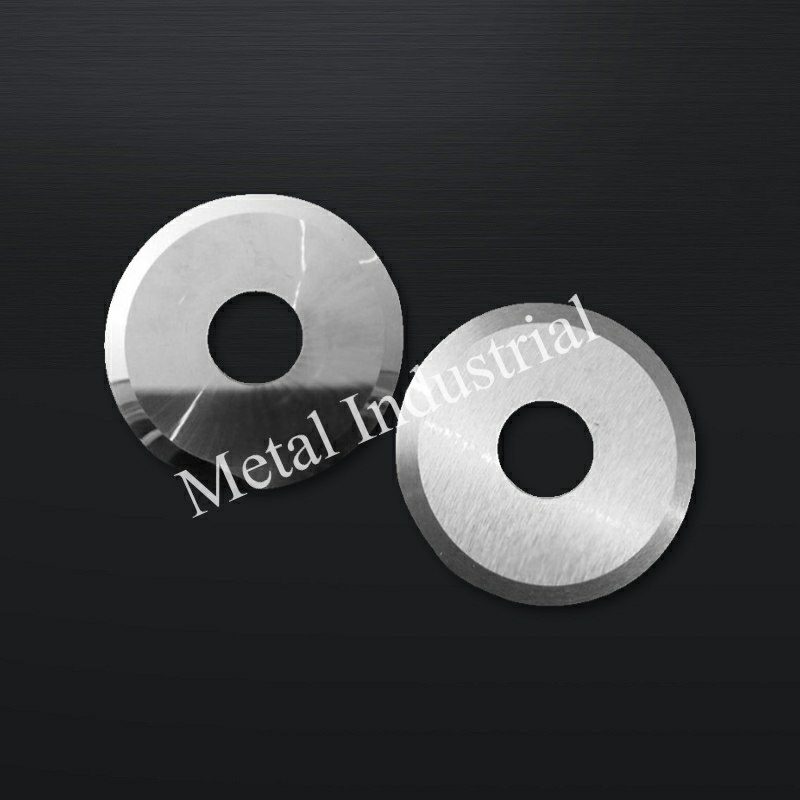
It is important to find wear problems early. This helps your slitting machines work well. When you check round slitter blades, look for these signs:
- Cutting does not work as well as before
- The machine shakes or makes loud sounds
- The blade edge looks worn or damaged
- The machine uses more energy than normal
- Máy móc thường xuyên ngừng hoạt động hơn.
- The products do not look the same each time
- Thiết bị quá nóng
- Thời gian cắt lâu hơn
- Bạn phải sửa chữa lưỡi dao liên tục
- Độ an toàn cho người vận hành giảm sút
Nếu gặp phải những vấn đề này, lưỡi dao của bạn có thể đã bị cùn hoặc mẻ. Bạn nên xử lý sớm để tránh các sự cố nghiêm trọng hơn.
Nguyên nhân gây mài mòn sớm
Cách vận hành và bảo dưỡng không đúng cách có thể khiến lưỡi dao nhanh hỏng. Dưới đây là một số nguyên nhân chính khiến dao xẻ tròn nhanh bị mòn:
- Nếu lưỡi dao không được căn chỉnh thẳng hàng, đường cắt sẽ không đều và dao sẽ nhanh cùn hơn.
- Nếu lực căng không phù hợp, lưỡi dao sẽ phải chịu thêm ứng suất dư thừa.
- Nếu cắt các vật liệu thô nhám, chẳng hạn như vật liệu tái chế, lưỡi dao sẽ mòn nhanh hơn.
- Độ ẩm không khí cao có thể làm lưỡi dao bị gỉ sét và cùn đi.
- Nếu vận hành máy ở tốc độ quá cao, lưỡi dao sẽ bị nóng lên và nhanh cùn hơn.
Bạn có thể ngăn ngừa nhiều vấn đề trong số này bằng cách kiểm tra máy móc và vật liệu cắt định kỳ.
Giải pháp khắc phục vấn đề mài mòn
Bạn có thể khắc phục tình trạng mài mòn và kéo dài tuổi thọ của dao xẻ tròn bằng cách tuân thủ quy trình bảo dưỡng đúng chuẩn. Dưới đây là quy trình thực hiện đơn giản:
- Vệ sinh: Vệ sinh sạch bụi bẩn và phoi thừa sau mỗi lần sử dụng bằng chất tẩy rửa chuyên dụng an toàn. Việc này giúp lưỡi dao không bị cùn đi.
- Điều tra: Kiểm tra các vết mẻ nhỏ hoặc các điểm không đều hàng ngày. Phát hiện sớm các lỗi này giúp bạn khắc phục trước khi chúng trở nên nghiêm trọng hơn.
- Bôi trơn: Sử dụng loại dầu bôi trơn phù hợp để chống gỉ sét và giúp lưỡi dao vận hành trơn tru.
- Tối ưu hóa điều kiện vận hành: Điều chỉnh tốc độ và áp lực cắt phù hợp để lưỡi dao không bị mài mòn quá nhanh.
- Mài sắc và phục hồi bề mặt: Mài lại lưỡi dao sau mỗi 500 đến 1.000 lần cắt để duy trì độ sắc bén và hiệu suất làm việc tối ưu.
Mẹo: Ghi chép lại lịch sử kiểm tra và sửa chữa dao vào nhật ký. Việc này giúp bạn phát hiện sớm các sự cố và chủ động lên kế hoạch thay thế dao.
Sử dụng vật liệu chế tạo dao có độ bền cao mang lại hiệu quả vượt trội. Các lưỡi dao từ Nanjing Metal Industrial sử dụng các kim loại có độ bền cao như thép cacbon cao và tungsten carbide. Những vật liệu này giúp lưỡi dao bền hơn và hoạt động hiệu quả hơn. Dao gia công theo yêu cầu cho phép bạn lựa chọn đúng chủng loại và biên dạng cạnh cắt phù hợp cho công việc, giúp ngăn ngừa các vấn đề mài mòn.
Khi tuân thủ các bước này, dao xẻ tròn của bạn sẽ luôn sắc bén và máy móc hoạt động ổn định. Bạn cũng sẽ nâng cao chất lượng sản phẩm và đảm bảo an toàn cho người lao động.
Chipping Rotary Slitter Knives
Nguyên nhân gây mẻ dao
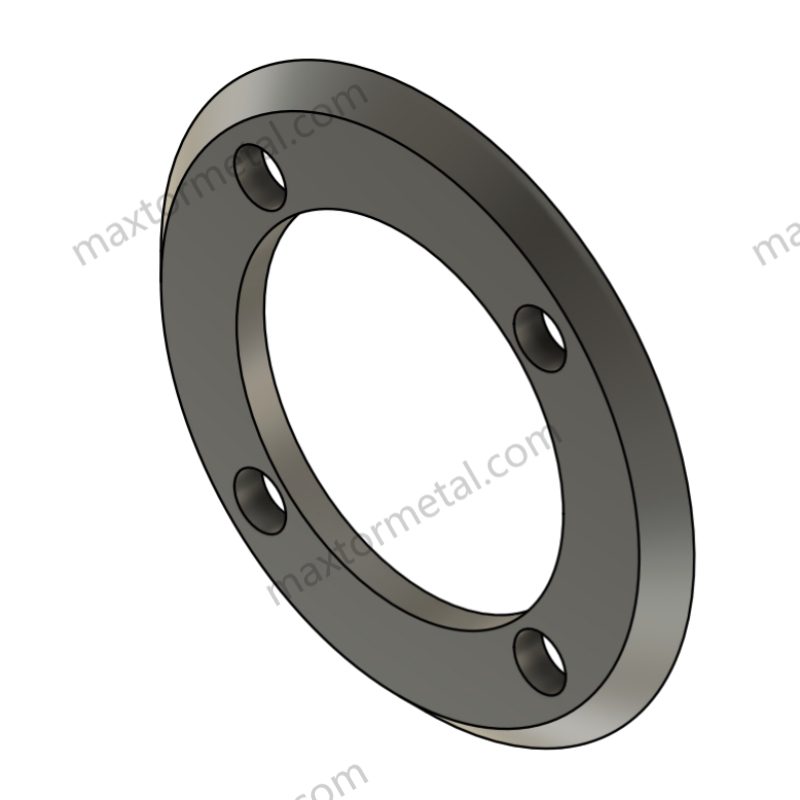
Bạn có thể phát hiện tình trạng mẻ trên dao xẻ tròn trong quá trình kiểm tra. Mẻ dao là hiện tượng các mảnh nhỏ bị vỡ ra khỏi cạnh cắt của lưỡi dao. Điều này có thể làm giảm chất lượng đường cắt và làm chậm tiến độ công việc. Có nhiều nguyên nhân gây ra mẻ hoặc nứt dao. Dưới đây là một số lý do phổ biến:
- Khe hở cắt không chính xác, quá hẹp hoặc quá rộng.
- Độ chồng chéo theo chiều dọc quá lớn có thể làm hỏng lưỡi dao.
- Ứng suất có thể làm cong lưỡi dao và gây hư hại.
- Nếu dùng lực quá mạnh, lưỡi dao có thể bị gãy.
- Để quá lâu mới mài lại sẽ làm giảm độ bền của lưỡi dao.
- Sử dụng vật liệu chế tạo dao không phù hợp có thể gây ra sự cố.
- Độ cứng của dao phải phù hợp với yêu cầu công việc.
- Nếu chậm trễ trong việc mài lại, hiện tượng mẻ dao rất dễ xảy ra.
Vật liệu bạn chọn cho lưỡi dao đóng vai trò rất quan trọng. Lưỡi dao tungsten carbide có tuổi thọ cao hơn so với lưỡi dao bằng thép công cụ. Chúng có độ cứng rất cao và giúp tạo ra các đường cắt sắc nét, từ đó tăng tốc độ và hiệu quả công việc. Tungsten carbide chống mài mòn tốt nhưng có thể bị mẻ nếu chịu va đập mạnh. Thép công cụ tuy mềm hơn nhưng có khả năng chịu ứng suất tốt hơn mà không bị mẻ. Việc lựa chọn đúng vật liệu lưỡi dao giúp ngăn ngừa mẻ dao và duy trì hiệu suất làm việc ổn định.
Cách phòng ngừa mẻ dao
Bạn có thể ngăn ngừa mẻ dao bằng cách thực hiện một số bước đơn giản. Hãy vận chuyển và lắp đặt lưỡi dao cẩn thận để đảm bảo an toàn. Dưới đây là một số giải pháp hỗ trợ:
- Giữ cho bộ gá dao luôn trong tình trạng tốt. Điều này giúp lưỡi dao hoạt động ổn định và ngăn ngừa mài mòn không đều.
- Sử dụng các lớp phủ như Physical Vapor Deposition (PVD) để bảo vệ lưỡi dao khỏi bị mài mòn và gỉ sét.
- Chọn vật liệu lưỡi dao phù hợp với công việc của bạn. Tungsten carbide là lựa chọn tốt cho các đường cắt cứng. Thép công cụ sẽ tốt hơn nếu bạn cần độ dẻo dai cao hơn.
- Không tác dụng lực quá mạnh lên lưỡi dao. Việc ép dao cắt qua các vật liệu quá dày hoặc quá cứng có thể làm gãy dao.
- Thường xuyên mài sắc và mài lại lưỡi dao. Việc này giúp giữ cho cạnh cắt luôn sắc bén và tránh bị cùn.
- Cẩn thận khi lắp đặt lưỡi dao mới. Việc làm rơi hoặc va đập có thể gây mẻ dao.
Mẹo: Hãy kiểm tra độ mài mòn của lưỡi dao trước mỗi ca làm việc. Phát hiện sớm các vấn đề giúp bạn khắc phục nhanh chóng và giữ cho máy móc luôn vận hành ổn định.
Các bước sửa chữa và thay thế
Nếu phát hiện dao xẻ tròn bị mẻ, hãy xử lý nhanh chóng. Việc sửa chữa dao xẻ tròn ngay lập tức sẽ ngăn ngừa các sự cố lớn hơn và đảm bảo an toàn cho dây chuyền sản xuất của bạn. Dưới đây là quy trình xử lý đơn giản:
- Tháo lưỡi dao bị hỏng ra khỏi máy.
- Kiểm tra lưỡi dao để tìm các điểm cùn, vết mẻ hoặc các hư hại khác.
- Decide if sharpening or regrinding can fix it. If the chips are small, sharpening may work. If the chips are deep, regrinding is better.
- If you cannot fix the blade, put in a new one that fits your job.
- Write down all repairs and changes in your maintenance log.
Fixing round slitter blades fast helps you avoid stopping work and keeps your cuts neat. Using these repair steps will help your blades last longer. Regular care and careful handling stop chipping and dulling, so your machines stay safe and work well.
Blade Misalignment and Installation Errors
Effects of Misalignment
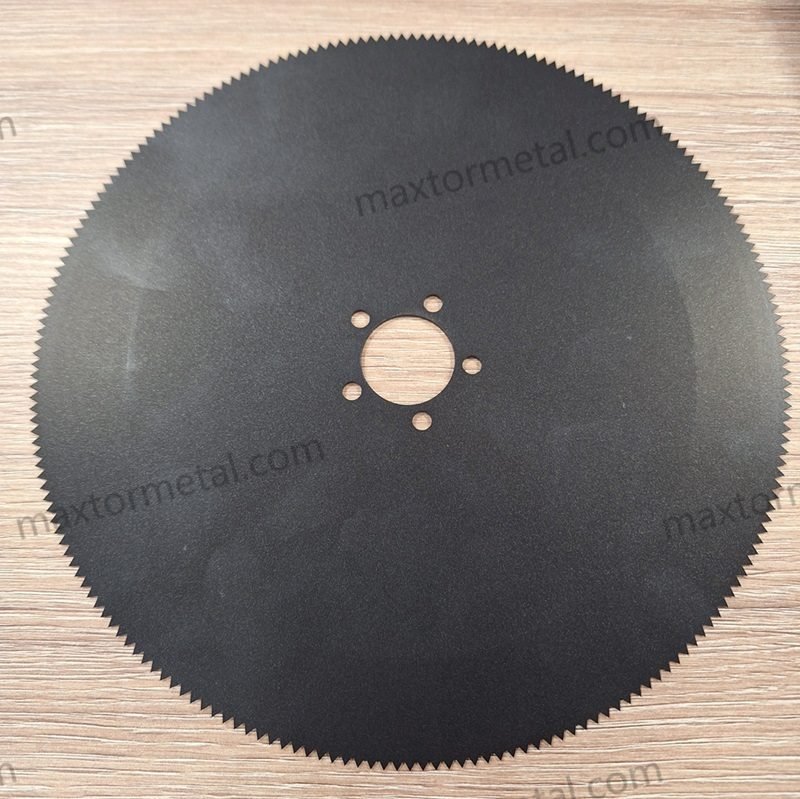
When you put in round slitter blades, you need to line them up right. If you do not, you will have problems. Misalignment makes cuts uneven and wears out blades faster. You might see these problems:
- The blade edge wears down unevenly.
- The blade gets too hot when you use it.
- The blade edge fails sooner than it should.
- The cuts do not look good.
- The blade does not last as long.
If you ignore these signs, you will have to fix or change blades more often. Misalignment also puts more pressure on your machine. This can make your machine stop working and cost more money. Always check for these problems if your cuts get worse or blades wear out fast.
Correct Alignment Steps
You can stop many problems by lining up the blades the right way. First, make sure the in-feed roller lines up with the blades. If the roller is not lined up, it pushes the material to the side. This puts extra force on the blades. Thin blades need even better alignment because they can break easily.
Here are some steps to help you line up the blades:
- Line up the knife carefully to stop waste and keep cuts good.
- Check the tension on the material before you cut.
- Change the speed and feed rate to fit the blade and material.
Make sure the rollers guide the material at a 90° angle. If the rollers are not lined up, the material can move or wrinkle. Use laser or optical tools to check if things are lined up, especially on old machines. These steps help you stop many problems with round slitter blades.
Tip: Write down every time you check alignment in your log. This helps you see problems early and plan repairs before they get worse.
Installation Best Practices
Good ways to install blades help you stop wear and repairs. Always handle round slitter blades with care. Make sure each blade fits your machine just right. Nanjing Metal Industrial gives you many ways to customize blades for a good fit. You can pick the material, add your logo, or send a sample or drawing for a lưỡi dao tùy chỉnh.
| Customization Option | Sự miêu tả |
|---|---|
| Lựa chọn vật liệu | Pick the best material for your job |
| Minor Customization | Add your logo, pictures, or special packaging |
| Customization Based on Samples | Send a sample or drawing for a perfect fit |
When you put in new blades, look for any damage or wear. Clean the area before you put the blade in. Tighten all bolts to the right level. If you see a problem while installing, stop and fix it before you use the machine. Careful installation keeps blades sharp and cuts clean.
If you do these things, you will have less wear, fewer repairs, and your round slitter blades will last longer.
Rotary Slitter Blade Repair and Maintenance

Scheduled Maintenance Tasks
You keep round slitter blades working well by sticking to a regular plan. Checking the blades often helps you find problems early. Cleaning the machine and blades stops dust and dirt from piling up. Lubrication helps the moving parts work smoothly and stops damage. You also need to look at the knife shafts and the whole system for any trouble. Here is a table that shows the best regular maintenance jobs:
| Nhiệm vụ bảo trì | Sự miêu tả |
|---|---|
| Blade Inspection and Replacement | Check if the blade is sharp. Replace or sharpen it if you see uneven wear, nicks, or chips. Look at the whole blade system and holders. Change blades that are getting old. |
| Cleaning of Machine Components | Clean the cutting and rewinding areas well. Remove dust, dirt, and sticky stuff with safe cleaners. Clean inside and outside parts deeply. |
| Lubrication Parts | Make sure there is enough oil. Oil the moving parts. Change or add oil and check for leaks or old oil in the system. |
| Rewind / Knife Shaft Maintenance | Check if the rewind shaft is sealed tight. Make sure the top and bottom knife shafts are straight for good cuts. |
| Full System Inspections | Look at all belts, gears, and motors for damage. Have a pro check the machine and test how well it works. |
Follow the maker’s rules for keeping things in good shape. Every week, check the oil and air systems, roller alignment, and blade space. Each month, change the oil, watch the slitting knives, and oil the machine parts again. How often you sharpen blades depends on how much you use them and what you cut.
| Tần suất bảo trì | Công việc bảo trì |
|---|---|
| Hàng tuần | Check oil and air systems, make sure rollers are straight, check blade space |
| Hàng tháng | Change oil, watch slitting knives, oil machine parts again |
| Additional | Sharpen blades based on what you cut and how much you use them |
Repair vs. Replacement
You have to choose if you should fix round slitter blades or get new ones. Checking the blades often helps you see wear, nicks, or chips. Sharpening keeps blades cutting well. Dull blades make rough cuts and waste material. Here are some signs to help you decide:
- Bad cuts mean you need to fix the blade.
- If you see big chips or cracks, get a new blade.
- Ask a knife expert if you are not sure if the blade or another part is the problem.
- If sharpening does not help, replace the blade.
- Fixing works for small chips or dull spots. Get a new blade if it is very worn or damaged.
Tip: Always check the blade after you fix it. Make sure it is sharp and fits right before you use it again.
Maintenance Log Tips
You help blades work better and last longer by keeping a good log. Write down every time you clean, check, sharpen, or fix the blades. Checking often helps you find problems early. You stop machine stops by looking for parts that are not lined up or dull blades. Here are some tips for your log:
- Write down every cleaning of the machine and blades.
- Note each check and what you find.
- Keep track of sharpening and fixing round slitter blades.
- Write down any problems and how you solved them.
- Check the knife holder often to stop wear.
Note: A good log helps you plan repairs and blade changes. You save time and keep round slitter blades working longer.
You keep your slitting machines working well by following these steps. Checking, cleaning, sharpening, and fixing blades stops problems before they get worse. You get better cuts, waste less, and your blades last longer.
Troubleshooting Poor Cut Quality

You want your rotary slitter blades to make clean cuts. Bad cuts slow you down and waste material. You can fix most problems by checking the blade type and how you use it. Look at the edge shape too.
Dull or Nicked Blades
Dull or nicked blades make bad cuts. You might see rough edges or uneven strips. This happens if you skip sharpening or ignore dull blades. If you change blades a lot, your blades may wear out unevenly. Knife holders that are not cared for can also dull blades. Check blades before each shift for nicks or dull spots. Sharpen blades on time to keep them working well. This stops dull blades from ruining your products.
Tip: Better knives can help you get cleaner cuts. Try blades made from high carbon steel, tool steel, or tungsten carbide. These last longer and do not dull as fast.
Incorrect Blade Clearance
Blade clearance is the space between the top and bottom blades. If you set this wrong, you get bad cuts. Wrong LAP and GAP settings can dull the blade faster. You might see uneven strips or damage to the blade edge. Damaged spacers also hurt the blade edge. Bad installation can cause more dulling and wear. Always check blade clearance before you start. Use good tools to measure the gap and line up the blades.
- Common causes of poor cut quality:
- Wrong LAP and GAP settings
- Broken spacers
- Bad blade installation
- Uneven strip width
- Strip steel not flat
Fixing these problems helps your blades last longer. It also makes cutting faster and better.
Material Compatibility Issues
The material you cut changes how blades work. Using the wrong blade can dull the edge and make dust. Thin films like BOPP and PET need sharp, polished blades. Thick steel coils need strong blades with the right angle. The table below shows how picking the right blade helps:
| Thử thách | Giải pháp | Kết quả |
|---|---|---|
| Dust and bad edges when cutting thin films | Use fine-grain tungsten carbide blades with polished edges | Less dust, better edges, blades last longer |
| Uneven edges in thick steel coils | Use D2 steel blades with special treatment and good spacers | No edge problems, better cuts, less scrap |
Nanjing Metal Industrial has many blade types. They offer high carbon steel, high speed steel, tool steel, alloy steel, and stainless steel blades. You can also get special grades like SKD-11, SKH-51, and SUS440C.
Note: Picking the right blade and edge shape for your material stops dulling. It also helps you cut better and keeps blades sharp.
You can fix bad cuts by checking for dull blades, setting the clearance right, and using the right blade for your material. Sharpen blades often and pick carefully to keep your machines running well.
Addressing Vibration and Noise
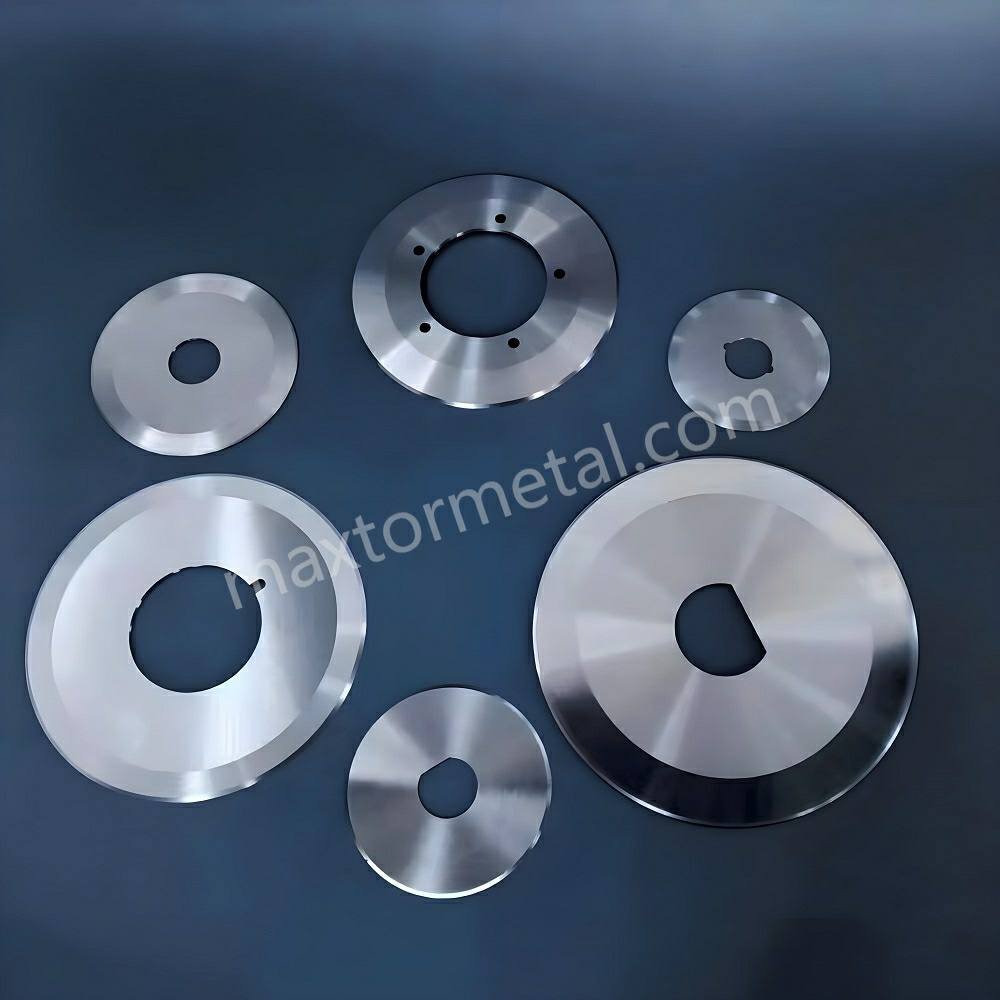
Causes of Excessive Vibration
You might notice vibration and noise when the machine runs. Vibration can mean there is a bigger problem. It may be from how the blade was put in or if the blade is worn. If you ignore these signs, your machine can get damaged. Your cuts may not look good.
Some main causes of vibration in rotary slitter blade systems are:
- Imbalance: If the parts do not weigh the same, the machine shakes.
- Sai lệch: If shafts or blades are not lined up, vibration happens.
- Loose or worn-out components: Old or loose bolts and bearings make the machine shake.
- Resonance: If the machine’s natural frequency matches how it works, vibration gets worse.
- Mechanical looseness: Extra space or loose parts add more shaking.
- Bearing problems: Bad bearings make the machine shake even more.
- Operating conditions: Running fast or with heavy loads can cause vibration.
Mẹo: If you hear weird sounds or feel shaking, check your rotary slitter blade system right away. Fixing problems early stops bigger issues.
Solutions for Reducing Vibration
You can lower vibration and noise by doing simple things. First, check if all parts are lined up. Make sure blades and shafts match up. Tighten bolts and change old bearings. Use the biggest diameter and shortest length for your tooling assembly. This makes the system stronger and less shaky.
Here are more ways to help stop vibration:
- Make sure metal parts touch tightly and do not move.
- Use tools that are strong and do not bend easily.
- Pick stiff materials like carbide for tool shanks.
- Set the cutting-edge angle close to 90° for better balance.
- Use a sharper edge and a smaller nose radius.
- Cut less deep and feed faster.
- Change the cutting speed to find what works best.
- Get a better tool clamping system.
Ghi chú: If your machine has long tooling assemblies, use vibration damping parts. These parts soak up vibration and help your rotary slitter blade system work smoothly.
Tác động đến hiệu suất của lưỡi dao
Vibration changes how rotary slitter blades work. Blades that do not shake cut better and last longer. Less vibration means smoother cuts and better products. High concentricity in slitter blades keeps things steady and safe.
If you let vibration go on, blades wear out unevenly and cuts look bad. Vibration can also make accidents more likely. You want your rotary slitter blade system to run quietly and smoothly. This keeps your team safe and your products looking good.
Báo động: Always check for vibration and noise when you do maintenance. Fixing these problems early helps your rotary slitter blades work well and last longer.
Operator Training and Documentation

A skilled operator makes a big difference in rotary slitter blade troubleshooting. You need to know how to use the machine, spot problems, and keep good records. When you focus on training and documentation, you help your team work safely and keep your machines running well.
Training Essentials
You need a strong training program to work with rotary slitter blades. Good training keeps you safe and helps you fix problems fast. Here are the main parts of a good operator training program:
- Foundational Safety Knowledge
You start with classroom lessons. You learn about the machine, how to spot dangers, what to do in an emergency, and what safety gear to wear. - Supervised Hands-On Training
You practice real tasks with a trainer. You learn how to thread material, adjust tension, change blades, and follow troubleshooting steps. You get to see and do each step. - Competency Validation
You show what you know. You take written tests, show your skills in front of a trainer, and practice emergency drills. You also take part in safety checks.
A good training program helps you avoid mistakes. You learn how to spot blade wear, fix alignment, and know when to repair or replace a blade. You also learn how to keep records and follow safety rules.
Troubleshooting Records
Keeping good records helps you solve problems faster. You should write down every time you check, clean, or repair a blade. Use a troubleshooting log to track what you find and what you do. This log helps you see patterns and plan for future repairs.
A simple troubleshooting log might include:
- Date and time of the check
- What you found (like dull blades or misalignment)
- What steps you took to fix the problem
- When you did a repair or changed a blade
- Notes about machine performance
Tip: Review your log often. You can spot problems before they get worse. You also help your team learn from past issues.
Continuous Improvement
You should always look for ways to get better. Ongoing training keeps your skills sharp. You can hold short training sessions or safety meetings. You can also review your troubleshooting logs to find common problems.
Ask your team for ideas. Try new ways to solve problems. Update your training and repair steps as you learn more. When you focus on improvement, you help your machines last longer and keep your work safe.
Note: Good training and records help you avoid downtime. You save money and keep your rotary slitter blades working their best.
You can stop losing time and money by checking rotary slitter blades often. Use the advice in this guide to find problems early. This helps your machines keep working well. Make a short checklist for rotary slitter blade troubleshooting. This way, you will not forget any steps. Doing regular care and putting blades in carefully makes them last longer. If you need more help, talk to a sales engineer đây.
Câu hỏi thường gặp
What causes rotary slitter blade wear?
You see rotary slitter blade wear from dull edges, wrong alignment, or cutting tough materials. High speeds and poor cleaning also make blades wear out faster. Check your blades often to spot early signs of wear.
How often should you replace rotary slitter blades?
You should replace rotary slitter blades when you notice dull edges, chips, or poor cut quality. Most operators check blades daily and replace them as soon as performance drops.
Why do rotary slitter blades chip?
Rotary slitter blades chip if you use too much force, set the clearance wrong, or pick the wrong blade material. Handle blades carefully and check settings before each shift.
How do you align rotary slitter blades correctly?
You align rotary slitter blades by making sure the top and bottom blades match up. Use measuring tools to check the gap. Always follow your machine’s guide for best results.
What is the best way to clean rotary slitter blades?
You clean rotary slitter blades with a soft cloth and a safe cleaner. Remove all dust and debris after each use. Never use harsh chemicals that can damage the blade surface.
Can you sharpen rotary slitter blades yourself?
You can sharpen rotary slitter blades if you have the right tools and training. Use a sharpening stone or machine. If you are unsure, ask a professional to help.
How do you know if a rotary slitter blade is the right type for your material?
You check the blade’s material and edge shape. Harder blades work better for tough materials. Thin films need sharp, polished edges. Ask your supplier for advice if you are not sure.
What should you do if your rotary slitter blade makes loud noise?
You should stop the machine and check for loose parts, misalignment, or blade wear. Tighten bolts and inspect the blade. Replace or repair the blade if needed.
Xem thêm
Hướng Dẫn Chi Tiết để Chọn Vật Liệu Lưỡi Dao Cắt Xẻng Quay (Rotary Slitter)
Cách tối đa hóa độ sắc bén của lưỡi cắt để có hiệu suất cắt vượt trội
Cách Đạt Được Các Vết Cắt Hoàn Hảo với Lưỡi Dao Cắt Xẻng Quay cho Giấy

 English
 Spanish
 Italian
 French
 Portuguese
 Russian
 German
 Arabic
 Hindi
 Vietnamese
 Indonesian
 Japanese
 Korean