

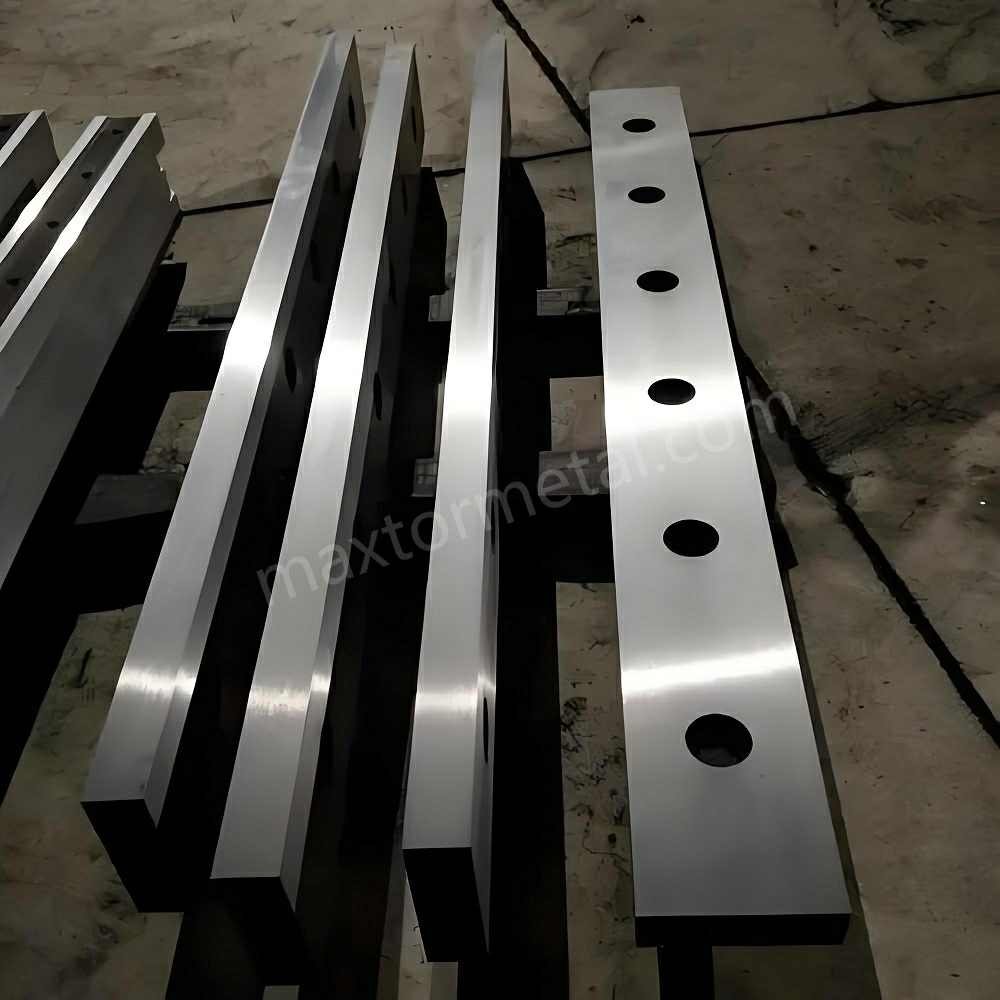
Bạn sẽ thấy rằng góc nghiêng của lưỡi cưa rất quan trọng trong việc cắt vật liệu công nghiệp. Góc này ảnh hưởng đến chất lượng cắt, tốc độ làm việc và tuổi thọ của lưỡi cưa. Bảng dưới đây cho thấy các góc nghiêng khác nhau ảnh hưởng đến lực cắt và chất lượng cắt như thế nào:
| Loại góc nghiêng | Ảnh hưởng đến lực cắt | Ảnh hưởng đến chất lượng cắt |
|---|---|---|
| Rake dương | Cần lực cắt ít hơn | Giúp vết cắt trông đẹp hơn |
| Phí âm | Cần lực cắt lớn hơn | Có thể làm cho vết cắt trông tệ hơn. |
Nếu bạn chọn góc thoát phôi sắc hơn, các cạnh cắt sẽ trông sạch sẽ và mịn màng hơn. Góc thoát phôi dương giúp mặt cắt luôn sắc bén, nhờ đó bạn có được những đường cắt tốt hơn. Nếu bạn sử dụng góc thoát phôi âm, lưỡi dao có thể chắc chắn hơn, nhưng cạnh cắt có thể không được đẹp. Bạn nên chọn góc thoát phôi phù hợp với vật liệu đang cắt. Kim loại mềm cần góc thoát phôi dương sắc bén. Kim loại cứng hơn hoặc dày hơn cần góc thoát phôi ít sắc bén hơn để bảo vệ lưỡi dao. Góc vát lưỡi dao cắt xén Điều này cũng rất quan trọng trong quá trình này. Tại Nanjing Metal Kỹ thuật chế tạo công nghiệp thông minh đảm bảo mỗi lưỡi cắt đều có góc nghiêng phù hợp với công việc của bạn.
Những điểm chính
- Góc nghiêng của lưỡi cưa ảnh hưởng đến hiệu quả cắt của máy. Góc nghiêng dương giúp việc cắt dễ dàng hơn và đường cắt mịn hơn.
- Việc lựa chọn góc nghiêng lưỡi cắt phù hợp rất quan trọng. Kim loại mềm cần góc nghiêng dương. Kim loại cứng cần góc nghiêng ít sắc hơn.
- Góc nghiêng lưỡi cưa lớn có thể tạo ra những đường cắt sạch hơn. Nhưng nó cũng có thể làm cong hoặc xoắn vật liệu. Bạn cần tìm sự cân bằng phù hợp để đạt được kết quả tốt nhất.
- Việc bảo dưỡng lưỡi kéo giúp chúng bền hơn. Hãy thường xuyên vệ sinh, mài sắc và kiểm tra góc độ của lưỡi kéo để đảm bảo cắt tốt.
- Hiểu rõ cách góc nghiêng lưỡi cắt và góc vát của lưỡi cắt hoạt động cùng nhau sẽ giúp bạn có được những đường cắt tốt hơn. Điều này cũng giúp ngăn ngừa sự hình thành bavia.
- Điều chỉnh góc nghiêng lưỡi cưa cho các độ dày vật liệu khác nhau. Vật liệu dày hơn thường cần góc nghiêng lưỡi cưa nhỏ hơn. Điều này giúp tránh làm hỏng lưỡi cưa.
- Luôn đo và điều chỉnh góc nghiêng lưỡi cưa trước khi bắt đầu cắt. Điều này giúp bạn có được những đường cắt sạch sẽ và giữ cho lưỡi cưa luôn sắc bén.
- Việc đào tạo và bảo dưỡng thường xuyên có thể ngăn ngừa những lỗi thường gặp về góc nghiêng của lưỡi cưa. Điều này giúp việc cắt cỏ tốt hơn và an toàn hơn.
Hiểu về góc nghiêng của lưỡi cắt và góc vát của lưỡi cắt
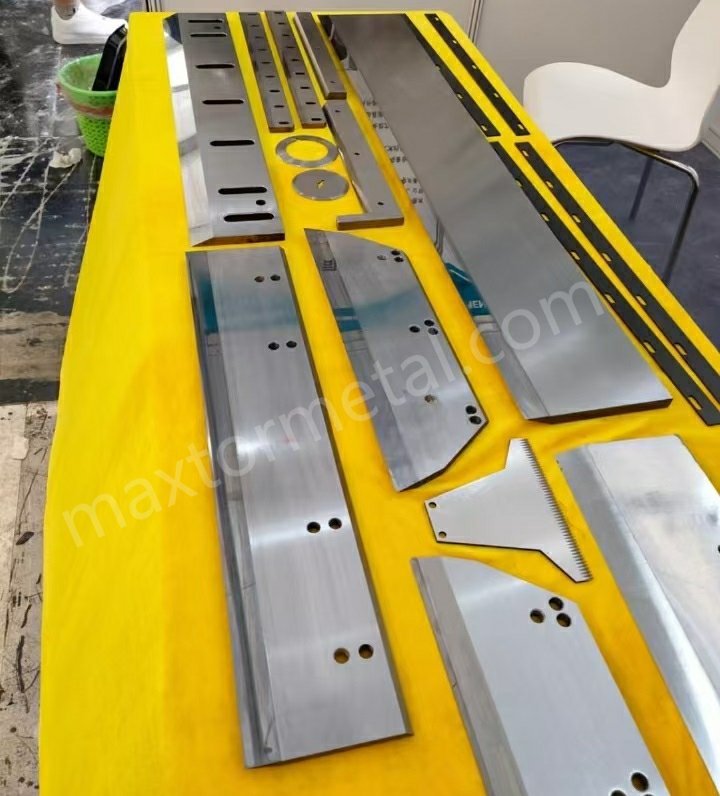
Định nghĩa góc nghiêng của lưỡi cắt trong máy cắt
Khi làm việc với máy cắt công nghiệp, bạn cần hiểu về góc nghiêng lưỡi cắt. Góc nghiêng lưỡi cắt là góc giữa mặt lưỡi cắt và bề mặt vật liệu cần cắt. Góc này kiểm soát cách lưỡi cắt tiếp xúc với vật liệu. Bạn sử dụng góc nghiêng lưỡi cắt để quyết định cách lưỡi cắt di chuyển qua kim loại. Nếu bạn chọn góc nghiêng dương, bạn sẽ giúp lưỡi cắt dễ dàng hơn. Bạn cũng giúp phoi vụn di chuyển ra xa khu vực cắt. Điều này có nghĩa là bạn sử dụng ít năng lượng hơn và có được vết cắt mịn hơn. Nếu bạn sử dụng góc nghiêng âm, bạn sẽ làm cho cạnh lưỡi cắt cứng hơn. Điều này hữu ích khi bạn cắt các vật liệu cứng hoặc giòn. Góc nghiêng lưỡi cắt rất quan trọng vì nó thay đổi cách hình thành mặt phẳng cắt. Mặt phẳng cắt là nơi vật liệu bị vỡ và tách rời trong quá trình cắt. Bạn cần chọn góc nghiêng lưỡi cắt phù hợp với vật liệu bạn cần cắt.
Hình học góc vát của lưỡi cắt
Góc vát lưỡi cắt là hình dạng của cạnh lưỡi. Bạn có thể thấy góc này khi nhìn vào lưỡi cắt từ bên cạnh. Góc vát lưỡi cắt kết hợp với góc nghiêng để kiểm soát cách lưỡi cắt tiếp xúc với vật liệu. Nếu bạn thiết lập góc vát lưỡi cắt chính xác, bạn sẽ có được một cạnh sắc bén cắt sạch sẽ. Hình dạng hình học của góc vát lưỡi cắt giúp bạn tập trung lực cắt. Bạn muốn góc vát lưỡi cắt khớp với góc nghiêng để đạt được kết quả tốt nhất. Khi bạn thiết lập cả hai góc đúng, bạn sẽ làm cho lưỡi cắt bền hơn và cắt tốt hơn.
Góc cắt và cơ chế cắt
Góc cắt là một phần quan trọng khác của quá trình cắt. Bạn sử dụng góc cắt để mô tả cách vật liệu trượt và gãy khi cắt. Góc cắt phối hợp với góc nghiêng để kiểm soát hướng chuyển động của vật liệu. Nếu bạn sử dụng góc nghiêng lớn, bạn sẽ giảm lực cần thiết để cắt. Bạn cũng thay đổi góc cắt, điều này có thể làm cho vật liệu bị xoắn hoặc cong. Nếu bạn sử dụng góc nghiêng nhỏ, bạn cần nhiều lực hơn. Điều này có thể làm cho vết cắt không được mịn và tiêu tốn nhiều năng lượng hơn. Bạn cần cân bằng góc nghiêng và góc cắt để có được vết cắt tốt nhất.
Hướng lực và dòng chip
Khi bạn điều chỉnh góc nghiêng của lưỡi cưa và góc vát của lưỡi cắt, bạn sẽ thay đổi hướng của lực. Bạn muốn lực này đẩy phoi ra xa lưỡi cưa. Nếu bạn sử dụng góc nghiêng lớn, bạn sẽ giúp phoi dễ dàng thoát ra ngoài. Điều này giúp vết cắt sạch hơn. Nếu bạn sử dụng góc nghiêng nhỏ, phoi có thể không thoát ra tốt. Bạn có thể thấy nhiều phế phẩm hơn hoặc các cạnh thô ráp hơn. Góc cắt cũng thay đổi cách phoi vỡ ra. Bạn cần quan sát cách lực và luồng phoi hoạt động cùng nhau. Điều này giúp bạn có được vết cắt tốt nhất và giữ cho lưỡi cưa luôn trong tình trạng tốt.
- Góc nghiêng lưỡi cưa lớn có thể giúp việc cắt dễ dàng hơn nhưng có thể làm xoắn vật liệu.
- Góc nghiêng lưỡi cưa thấp cần nhiều lực hơn và có thể làm cho vết cắt thô hơn.
- Góc cắt thay đổi theo góc nghiêng và ảnh hưởng đến cách vật liệu bị vỡ.
- Để đạt kết quả tốt nhất, bạn cần điều chỉnh góc vát của lưỡi cắt sao cho phù hợp với góc nghiêng của trục cắt.
Mẹo: Luôn kiểm tra góc nghiêng lưỡi cắt, góc xéo và góc vát lưỡi cắt trước khi bắt đầu cắt. Điều này giúp bạn có được những đường cắt sạch sẽ và giữ cho lưỡi dao luôn sắc bén.
Ảnh hưởng của góc nghiêng lưỡi cắt đến chất lượng và hiệu quả cắt.
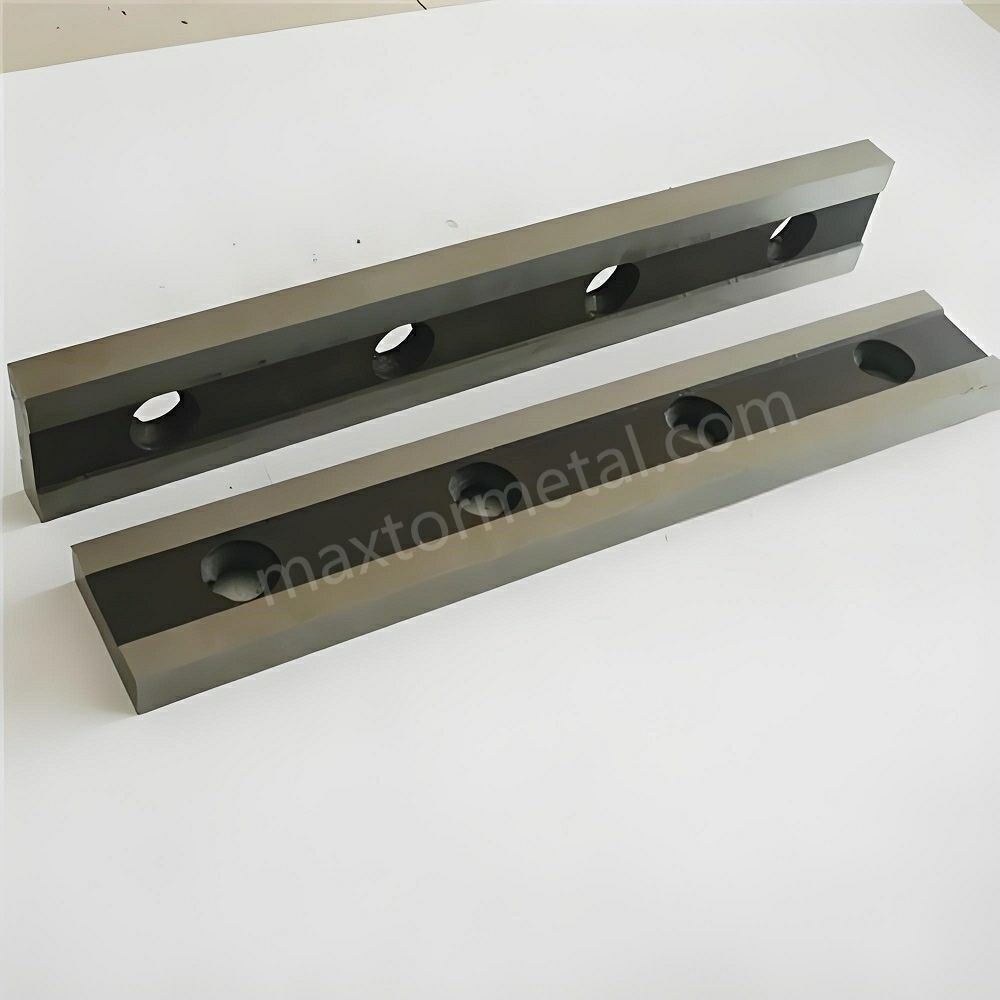
Chất lượng cắt và sự hình thành bavia
Bạn muốn mỗi đường cắt đều trông gọn gàng và chính xác. Góc nghiêng của lưỡi cắt rất quan trọng đối với hoạt động của lưỡi cắt. Nếu bạn thiết lập góc nghiêng đúng cách, bạn sẽ có ít gờ hơn và cạnh cắt mịn hơn. Gờ là những mẩu kim loại nhỏ nhô ra sau khi cắt. Chúng làm cho cạnh cắt thô ráp và có thể gây ra sự cố về sau.
Hãy xem bảng bên dưới. Bảng này liệt kê... Những yếu tố chính ảnh hưởng đến chất lượng cắt và bavia. trong ngành cắt công nghiệp:
| Nhân tố | Sự miêu tả |
|---|---|
| Khoảng cách lưỡi dao | Khoảng trống giữa lưỡi dao trên và lưỡi dao dưới giúp ngăn ngừa hiện tượng gờ sắc và giữ cho cạnh dao không bị cong. |
| Góc nghiêng | Điều này làm thay đổi lực cắt và cách vật liệu di chuyển; góc cắt tối ưu phụ thuộc vào độ dày của vật liệu. |
| Áp lực giữ chặt | Giữ cố định vật liệu trong khi cắt; phải được đặt đúng cách để dừng các vết cắt hoặc chuyển động. |
| Định vị điểm dừng phía sau | Đảm bảo các đường cắt chính xác; cài đặt sai sẽ dẫn đến kích thước sai. |
| Độ dày vật liệu | Đối với các mảnh vật liệu dày hơn, cần điều chỉnh khoảng cách giữa các lưỡi dao và lực cắt. |
| Độ cứng của vật liệu | Kim loại cứng hơn cắt sạch hơn nhưng cần lực mạnh hơn và làm mòn lưỡi dao nhanh hơn. |
| Thành phần vật liệu | Các kim loại khác nhau, như thép không gỉ hoặc nhôm, cần các thiết lập đặc biệt để cắt tốt. |
| Tình trạng lưỡi | Để có những đường cắt sạch, cần có lưỡi dao sắc bén và thẳng hàng; lưỡi dao cùn hoặc cong vênh sẽ tạo ra nhiều gờ hơn. |
| Thực hành bảo trì | Việc bảo dưỡng lưỡi dao thường xuyên giúp chúng hoạt động tốt và tạo ra những đường cắt đẹp mắt. |
Nếu bạn sử dụng góc cào lớn hơn, bạn thường thấy các gờ nhỏ hơn. Bảng dưới đây cho thấy góc nghiêng của phôi và tốc độ cấp liệu ảnh hưởng đến kích thước bavia như thế nào.:
| Góc nghiêng | Tốc độ nạp liệu | Thay đổi chiều cao của lưỡi cắt |
|---|---|---|
| Thấp hơn | Cao hơn | Tăng lên |
| Cao hơn | Thấp hơn | Giảm |
Góc cắt lớn hơn và tốc độ cấp liệu chậm hơn giúp bạn có được cạnh cắt sạch hơn. Bạn cũng đạt được độ chính xác cao hơn về kích thước. Khi sử dụng góc cắt phù hợp, bạn ngăn chặn hiện tượng xoắn hoặc uốn cong kim loại. Điều này giúp bạn tạo ra các bộ phận khớp với nhau tốt hơn.
Độ hoàn thiện cạnh và độ chính xác kích thước
Bạn muốn các chi tiết hoàn thiện trông nhẵn mịn và khớp chính xác. Góc nghiêng của máy tiện giúp bạn có được cạnh cắt tốt hơn. Nếu bạn sử dụng góc nghiêng dương, bạn sẽ có được cạnh cắt sắc bén hơn và kiểm soát kích thước tốt hơn. Bạn tránh được các điểm gồ ghề và giữ cho kích thước chính xác. Góc cắt cũng giúp dẫn hướng lực cắt. Điều này ngăn kim loại bị uốn cong hoặc giãn ra. Bạn sẽ có được các chi tiết khớp với bản vẽ của mình mọi lúc.
Lực cắt và việc sử dụng năng lượng
Bạn cần cân nhắc lượng lực và năng lượng cần dùng khi cắt. Góc nghiêng của lưỡi cưa ảnh hưởng đến lượng lực cần thiết. Nếu sử dụng góc nghiêng dương, bạn cần ít lực hơn. Đồng thời, bạn cũng sử dụng ít năng lượng hơn. Điều này giúp việc cắt dễ dàng hơn và tiết kiệm năng lượng.
Năng lượng cắt rất dễ đo.Vì vậy, người ta sử dụng nó để kiểm tra không gian dụng cụ. Cắt với góc thoát phôi cũng có điểm năng lượng thấp nhất; năng lượng giảm khi bạn tiến gần đến 0,20.h không gian, nhưng 0,20h Không gian đó không đủ lớn để chứng minh liệu năng lượng có tăng trở lại ở không gian lớn hơn hay không.
Dưới đây là một số điểm quan trọng về góc nghiêng lưỡi cào và mức tiêu thụ năng lượng:
- Góc nghiêng dương giúp giảm lực cắt, nhờ đó quá trình cắt diễn ra mượt mà hơn và tiết kiệm năng lượng hơn.
- Góc nghiêng âm khiến việc cắt khó khăn hơn và tiêu tốn nhiều năng lượng hơn.
- Góc nghiêng của lưỡi cưa ảnh hưởng đến hiệu quả cắt và lượng điện năng tiêu hao.
Góc nghiêng lưỡi cưa phù hợp giúp tiết kiệm năng lượng và làm cho công việc cắt hiệu quả hơn. Bảng dưới đây cho thấy các yếu tố khác nhau ảnh hưởng đến mức tiêu thụ năng lượng như thế nào:
| Diện mạo | Ảnh hưởng đến mức tiêu thụ năng lượng |
|---|---|
| Góc nghiêng dương | Tiêu thụ ít điện năng hơn |
| Góc nghiêng âm | Tiêu thụ nhiều điện năng hơn |
| Lực cắt | Điều chỉnh lực cần thiết để cắt kim loại. |
| Độ hao mòn và tuổi thọ của dụng cụ | Điều này ảnh hưởng đến tuổi thọ và hiệu quả hoạt động của dụng cụ. |
| Sự hình thành chip | Thay đổi hình dạng của chip và tuổi thọ của dụng cụ. |
| Hoàn thiện bề mặt | Thay đổi độ mượt mà và vẻ đẹp của vết cắt. |
Phân tích lực cơ học
Khi sử dụng dụng cụ cắt góc, bạn thay đổi cách lưỡi cắt tiếp xúc với kim loại. Lưỡi cắt bắt đầu cắt ở một điểm và di chuyển dọc theo cạnh. Điều này giúp việc cắt dễ dàng hơn và cần ít lực hơn. Hầu hết các máy cắt kim loại lớn sử dụng góc nghiêng lên đến 2°. Nếu bạn sử dụng góc nghiêng lớn hơn 5°, bạn có thể thấy hiện tượng cong vênh nhiều hơn. Bạn cần chọn góc nghiêng tốt nhất cho kim loại và độ dày của nó. Góc cắt cũng giúp bạn kiểm soát lực tác động. Điều này giúp đường cắt thẳng và giảm thiểu lãng phí.
Độ mòn và bảo dưỡng lưỡi dao
Bạn muốn lưỡi kéo của mình sử dụng được lâu dài. Góc nghiêng của lưỡi kéo ảnh hưởng đến tốc độ mòn và mức độ bảo dưỡng cần thiết. Nếu bạn sử dụng góc nghiêng phù hợp, bạn sẽ giảm bớt áp lực lên lưỡi kéo. Bạn cũng giữ được độ sắc bén để thực hiện nhiều lần cắt hơn. Chăm sóc lưỡi kéo giúp chúng bền lâu hơn.
Dưới đây là một số bước bạn nên thực hiện.:
- Thường xuyên vệ sinh lưỡi dao bằng cồn isopropyl và giẻ lau.
- Bôi dầu vào lưỡi dao để giữ cho chúng hoạt động tốt.
- Hãy thường xuyên mài và đánh bóng lưỡi dao để giữ cho chúng luôn sắc bén.
- Kiểm tra và điều chỉnh khoảng cách và độ thẳng hàng của lưỡi dao.
- Thay thế các bộ phận cũ khi cần thiết.
- Hãy cầm nắm lưỡi dao cẩn thận để tránh làm hư hỏng.
Nếu bạn sử dụng lưỡi cắt công nghiệp Metal, bạn sẽ có được những lưỡi cắt bền bỉ và hoạt động hiệu quả. Cạnh cắt đặc biệt và góc nghiêng tốt giúp bạn cắt tốt hơn và giữ cho lưỡi cắt sắc bén lâu hơn. Bạn cũng có thể đặt làm lưỡi cắt chuyên dụng cho các công việc đặc biệt. Truy cập [địa chỉ trang web] trang lưỡi dao tùy chỉnh Để tìm hiểu thêm về các lựa chọn của bạn.
Tuổi thọ lưỡi dao và việc mài lại lưỡi dao
Bạn cần chú ý đến các dấu hiệu cho thấy lưỡi cưa của mình đang bị mòn. Nếu bạn thấy các cạnh sắc nhọn hoặc nhiều gờ hơn, có thể đã đến lúc mài lại lưỡi cưa. Giữ đúng góc nghiêng và góc cắt sẽ giúp lưỡi cưa bền hơn. Mài và căn chỉnh lưỡi cưa thường xuyên giúp các vết cắt sạch sẽ và lưỡi cưa hoạt động tốt. Chăm sóc tốt có nghĩa là bạn dành ít thời gian thay lưỡi cưa hơn và nhiều thời gian cắt hơn.
Mẹo: Luôn kiểm tra lưỡi cưa trước khi bắt đầu công việc mới. Lưỡi cưa sạch, sắc bén với góc nghiêng phù hợp sẽ cho kết quả tốt nhất.
Sự đánh đổi giữa góc cắt: Lực và biến dạng vật liệu

Khi thiết lập máy cắt, bạn phải chọn góc nghiêng phù hợp. Lựa chọn này ảnh hưởng đến lực cần thiết và cách vật liệu biến dạng trong quá trình cắt. Bạn sẽ thấy sự đánh đổi giữa lực và độ biến dạng của vật liệu. Hiểu được những sự đánh đổi này sẽ giúp bạn đạt được kết quả tốt nhất cho công việc của mình.
Hiệu ứng góc nghiêng thấp
Yêu cầu lực cắt giảm
Góc nghiêng lưỡi cắt thấp có nghĩa là cạnh lưỡi cắt gần như thẳng đứng. Khi sử dụng góc nghiêng lưỡi cắt thấp, bạn cần ít lực hơn để bắt đầu cắt. Lưỡi cắt đẩy thẳng xuống, do đó quá trình cắt diễn ra nhanh chóng. Điều này giúp máy hoạt động nhanh hơn và giúp bạn cắt các tấm mỏng hoặc kim loại mềm với ít nỗ lực hơn. Bạn có thể vận hành máy cắt ở tốc độ cao hơn vì lực cắt vẫn thấp. Điều này rất hữu ích khi bạn muốn cắt nhiều mảnh nhanh chóng.
Sự biến dạng và méo mó vật liệu gia tăng
Tuy nhiên, góc nghiêng lưỡi cắt thấp có thể gây ra vấn đề với vật liệu của bạn. Lực cắt tác động trực tiếp vào kim loại, có thể làm cho miếng kim loại bị xoắn, cong vênh hoặc thậm chí cuộn lại. Bạn có thể thấy những điều này. các vấn đề thường gặp:
- Xoắn: Mảnh cắt có thể cuộn lại thành hình xoắn ốc hoặc hình xoắn ốc. Điều này thường xảy ra với các đoạn mỏng.
- Cong vênh: Vật liệu có thể bị uốn cong xuống dưới trong quá trình cắt. Các dải dài, mỏng thường thể hiện vấn đề này rõ rệt nhất.
Bạn sẽ nhận thấy nhiều gờ và cạnh thô hơn khi sử dụng góc thoát phôi thấp. Quá trình cắt có thể làm giãn hoặc biến dạng kim loại, đặc biệt nếu bạn làm việc với các vật liệu mềm hoặc dẻo. Bạn phải kiểm tra các chi tiết của mình xem có những khuyết tật này sau mỗi lần cắt.
Các ứng dụng và hạn chế điển hình
Bạn nên sử dụng góc nghiêng lưỡi cưa thấp khi cần cắt các tấm mỏng, kim loại mềm hoặc khi muốn làm việc nhanh. Cấu hình này hoạt động tốt cho các thao tác tốc độ cao và đối với các vật liệu không cần cạnh cắt hoàn hảo. Bạn có thể sử dụng góc nghiêng lưỡi cưa thấp cho các tấm nhôm, đồng hoặc thép mỏng.
Nhưng bạn phải nhớ đến những hạn chế. Nếu bạn sử dụng góc nghiêng lưỡi cưa thấp trên kim loại dày hoặc cứng, bạn có thể làm hỏng lưỡi cưa hoặc nhận được kết quả kém chất lượng. Bạn cũng sẽ thấy nhiều biến dạng hơn ở các chi tiết đã gia công. Bạn phải cân bằng giữa tốc độ và chất lượng khi chọn góc nghiêng lưỡi cưa thấp.
Hiệu ứng góc nghiêng cao
Yêu cầu lực cắt cao hơn
Góc nghiêng lưỡi cắt lớn có nghĩa là cạnh lưỡi cắt nghiêng về phía trước nhiều hơn. Khi sử dụng góc nghiêng lưỡi cắt lớn, bạn cần nhiều lực hơn để đẩy lưỡi cắt xuyên qua vật liệu. Quá trình cắt trải rộng trên một diện tích lớn hơn, vì vậy máy của bạn phải hoạt động vất vả hơn. Bạn có thể cần phải giảm tốc độ máy cắt để giữ được sự kiểm soát. Cấu hình này thường được sử dụng khi bạn muốn có một đường cắt sạch hoặc khi bạn làm việc với kim loại dày hoặc cứng.
- MỘT góc nghiêng dương cao Có thể làm giảm lực cắt đối với một số vật liệu, giúp quá trình gia công hiệu quả hơn.
- Góc nghiêng âm của lưỡi cưa làm tăng lực nhưng giúp lưỡi cưa bền hơn khi cắt các kim loại cứng hoặc giòn.
Cải thiện chất lượng cạnh và độ chính xác về kích thước.
Bạn sẽ thấy chất lượng cạnh cắt tốt hơn khi sử dụng góc thoát phôi lớn. Lưỡi cắt sẽ xé xuyên qua kim loại, tạo ra bề mặt nhẵn và sạch. Bạn sẽ có ít gờ hơn và cạnh sắc hơn. Các chi tiết của bạn sẽ khớp với kích thước và hình dạng trong bản vẽ hơn. Góc cắt giúp dẫn hướng lực, do đó vật liệu không bị giãn hoặc biến dạng nhiều.
- Góc thoát phôi dương giúp lưỡi cắt sắc bén hơn. Điều này giúp phôi vụn dễ dàng văng ra và giảm lực cần thiết để gia công.
- Góc mài âm làm cho lưỡi dao chắc hơn nhưng có thể tạo ra bề mặt thô ráp hơn.
Giảm thiểu sự biến dạng vật liệu
Góc thoát phôi lớn giúp bạn kiểm soát sự biến dạng. Lực cắt được phân tán đều, do đó kim loại giữ được độ phẳng và không bị xoắn hoặc cong vênh nhiều. Bạn sẽ có được các chi tiết trông đẹp hơn và khớp với nhau tốt hơn. Bạn có thể sử dụng góc thoát phôi lớn cho những công việc cần các cạnh hoàn hảo và kích thước chính xác.
Tuy nhiên, bạn cần lưu ý một số vấn đề. Đôi khi, góc nghiêng lưỡi cắt lớn vẫn có thể gây xoắn hoặc cong vênh, đặc biệt là với các mảnh kim loại mỏng. Bạn cũng có thể cần điều chỉnh góc cắt cho từng loại kim loại hoặc độ dày khác nhau.
Các kịch bản ứng dụng và những điều cần cân nhắc
Bạn nên sử dụng góc thoát phôi lớn khi muốn có chất lượng cạnh tốt nhất và kiểm soát kích thước chính xác. Cấu hình này hoạt động tốt với các tấm dày, kim loại cứng hoặc khi cần tránh biến dạng. Bạn có thể sử dụng góc thoát phôi lớn cho thép không gỉ, thép dụng cụ hoặc khi gia công các bộ phận cho máy móc.
Bạn phải cân nhắc đến lực và thời gian cần thiết thêm. Góc nghiêng lưỡi cưa lớn có thể làm chậm công việc vì lưỡi cưa di chuyển trên một quãng đường dài hơn. Bạn có thể cần phải thiết lập góc nghiêng lưỡi cưa cho mỗi công việc, điều này tốn thêm thời gian. Bạn cũng phải kiểm tra độ xoắn và độ cong vênh của các mảnh gỗ đã cắt.
Mẹo: Luôn luôn điều chỉnh góc nghiêng lưỡi cắt và góc cắt sao cho phù hợp với vật liệu và yêu cầu công việc. Điều này giúp bạn cân bằng lực cắt, chất lượng cạnh cắt và hình dạng chi tiết.
Dưới đây là bảng so sánh góc nghiêng thấp và góc nghiêng cao:
| Loại góc nghiêng | Lực cắt | Chất lượng cạnh | Biến dạng vật liệu | Tốt nhất cho | Thách thức |
|---|---|---|---|---|---|
| Thấp | Thấp hơn | Thô ráp hơn | Thêm độ xoắn/nơ | Kim loại mỏng, mềm | Nhiều gờ hơn, độ chính xác kém hơn. |
| Cao | Cao hơn | Mượt mà hơn | Ít bị xoắn/cong | Kim loại dày, cứng | Cần lực mạnh hơn, thiết lập chậm hơn |
Bạn có thể thấy rằng góc nghiêng và góc cắt phối hợp với nhau để kiểm soát kết quả cắt. Bạn phải chọn thiết lập phù hợp với vật liệu, độ dày và nhu cầu chất lượng của mình. Điều này giúp bạn đạt được hiệu suất tốt nhất từ máy cắt và lưỡi dao của mình.
Lựa chọn góc nghiêng tối ưu cho các ứng dụng cắt
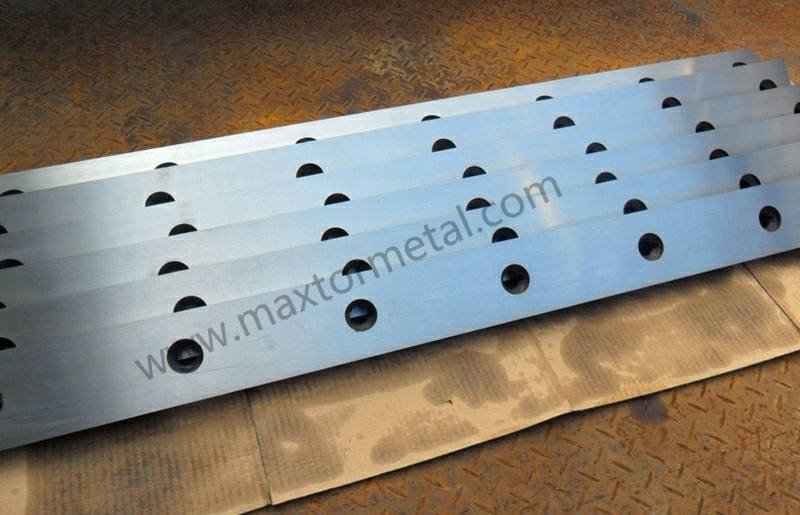
Loại vật liệu và độ dày
Độ bền kéo cao so với độ bền kéo mềm Metals
Bạn phải chọn góc nghiêng lưỡi cắt phù hợp với kim loại cần cắt. Các kim loại cứng như thép không gỉ cần góc nghiêng khác với các kim loại mềm như nhôm. Nếu cắt kim loại mềm, hãy sử dụng góc nghiêng dương. Điều này giúp việc cắt dễ dàng hơn và bề mặt mịn hơn. Nếu cắt kim loại cứng, hãy sử dụng góc nghiêng âm. Điều này giúp dụng cụ chắc chắn hơn và hỗ trợ các công việc khó khăn. Đối với các kim loại rất cứng, bạn có thể cần góc nghiêng bằng không. Điều này giúp dụng cụ cứng cáp và bền chắc.
Đây là một bảng thể hiện điều đó. Góc nghiêng nào phù hợp với từng loại kim loại và điều gì sẽ xảy ra:
| Loại góc nghiêng | Loại vật liệu | Ảnh hưởng đến gia công cơ khí |
|---|---|---|
| Góc nghiêng dương | Các vật liệu mềm hơn (ví dụ: nhôm) | Giảm lực cắt, cải thiện chất lượng bề mặt. |
| Góc nghiêng âm | Kim loại cứng (ví dụ: thép không gỉ) | Tăng cường độ bền của dụng cụ, phù hợp hơn cho các hoạt động nặng nhọc. |
| Góc nghiêng bằng không | Vật liệu rất cứng | Được sử dụng trong các dụng cụ cacbua, giúp duy trì độ cứng của dụng cụ. |
Luôn kiểm tra loại kim loại bạn đang sử dụng trước khi điều chỉnh góc nghiêng của lưỡi cưa. Điều này giúp bạn có được những đường cắt tốt và kéo dài tuổi thọ của lưỡi cưa.
Các yếu tố về độ dày cần xem xét khi lựa chọn góc nghiêng của lưỡi cưa.
Độ dày của kim loại cũng ảnh hưởng đến góc nghiêng của lưỡi cưa. Kim loại dày cần góc nghiêng thấp hơn. Điều này giúp hạn chế lực tác động quá lớn và bảo vệ lưỡi cưa. Kim loại mỏng có thể sử dụng góc nghiêng cao hơn. Điều này giúp tạo ra vết cắt sạch hơn và cạnh sắc bén hơn.
Bảng dưới đây cho thấy góc nghiêng của máy. Để sử dụng cho các độ dày khác nhau:
| Độ dày vật liệu (mm) | Góc nghiêng được khuyến nghị (độ) |
|---|---|
| Tối đa 2 | Hơi ít hơn 1,5 |
| 0.5 | 2 đến 10 |
| Vật liệu không cứng | 0 |
Nếu cắt các tấm mỏng, hãy sử dụng góc nghiêng lưỡi cưa lớn hơn. Điều này giúp bạn có được cạnh cắt mịn và kích thước chính xác. Nếu cắt các tấm dày, hãy sử dụng góc nghiêng lưỡi cưa nhỏ hơn. Điều này giúp bảo vệ lưỡi cưa và giữ cho quá trình cắt ổn định.
Mẹo: Luôn đo độ dày của kim loại trước khi điều chỉnh góc cắt. Điều này giúp bạn tránh sai sót và có được những đường cắt tốt hơn.
Mục tiêu ứng dụng và chất lượng cắt
Độ chính xác so với thông lượng
Bạn cần lựa chọn điều gì quan trọng nhất đối với công việc của mình: những đường cắt hoàn hảo hay tốc độ làm việc. Nếu bạn muốn những đường cắt hoàn hảo, hãy sử dụng góc nghiêng lưỡi cưa tạo ra cạnh mịn. Góc nghiêng dương là tốt nhất cho việc này. Chúng giúp bạn có được bề mặt hoàn thiện đẹp và kích thước chính xác. Nếu bạn muốn làm việc nhanh, hãy sử dụng góc nghiêng lưỡi cưa nhỏ hơn. Điều này giúp việc cắt dễ dàng hơn và cho phép bạn làm việc nhanh hơn.
Dưới đây là một số điểm giúp bạn lựa chọn:
- Góc thoát phôi dương rất tốt cho kim loại mềm và các công việc cần độ chính xác cao. Bạn sẽ có được những đường cắt mịn và kích thước chính xác.
- Góc nghiêng âm tốt hơn cho kim loại cứng và các công việc thô ráp. Bạn sẽ có một dụng cụ chắc chắn và bền hơn.
Nếu bạn cắt nhanh hơn, bạn sẽ đẩy kim loại mạnh hơn. Điều này rất quan trọng nếu bạn muốn cắt nhiều mảnh nhanh chóng. Để làm việc tỉ mỉ, hãy chọn góc nghiêng lưỡi cưa sao cho kiểm soát được ứng suất trong kim loại. Điều này giúp bạn cân bằng giữa những đường cắt hoàn hảo và tốc độ làm việc nhanh.
Cân bằng giữa chất lượng cắt và tốc độ sản xuất
Bạn cần tìm ra sự cân bằng tốt nhất giữa chất lượng cắt và tốc độ. Nếu muốn có cạnh cắt sắc nét nhất, hãy sử dụng góc nghiêng lưỡi cưa lớn hơn. Điều này giúp bạn có đường cắt sạch hơn và kích thước chính xác hơn. Nếu muốn làm việc nhanh hơn, hãy sử dụng góc nghiêng lưỡi cưa nhỏ hơn. Điều này giúp việc cắt dễ dàng và nhanh chóng hơn.
Dưới đây là một danh sách đơn giản giúp bạn đưa ra quyết định:
- Sử dụng góc nghiêng lưỡi cưa lớn hơn cho những công việc cần các cạnh hoàn hảo và kích thước chính xác.
- Sử dụng góc nghiêng lưỡi cưa thấp hơn để làm việc nhanh và khi cắt kim loại mỏng hoặc mềm.
- Luôn kiểm tra loại kim loại và độ dày trước khi điều chỉnh góc nghiêng của lưỡi cưa.
- Điều chỉnh góc cắt sao cho phù hợp với công việc của bạn.
Nếu bạn thiết lập góc cắt chính xác, bạn có thể có được những đường cắt tốt và làm việc nhanh chóng. Luôn luôn kiểm tra thiết lập của bạn trước khi bắt đầu một công việc lớn. Điều này giúp bạn tránh sai sót và đạt được kết quả tốt nhất.
Lưu ý: Góc nghiêng và góc cắt phù hợp sẽ giúp bạn đạt được mục tiêu, cho dù bạn muốn có những đường cắt hoàn hảo hay tốc độ làm việc nhanh. Luôn điều chỉnh cài đặt cho phù hợp với kim loại và công việc của bạn.
Các biện pháp tối ưu để bảo dưỡng góc nghiêng và lưỡi cắt
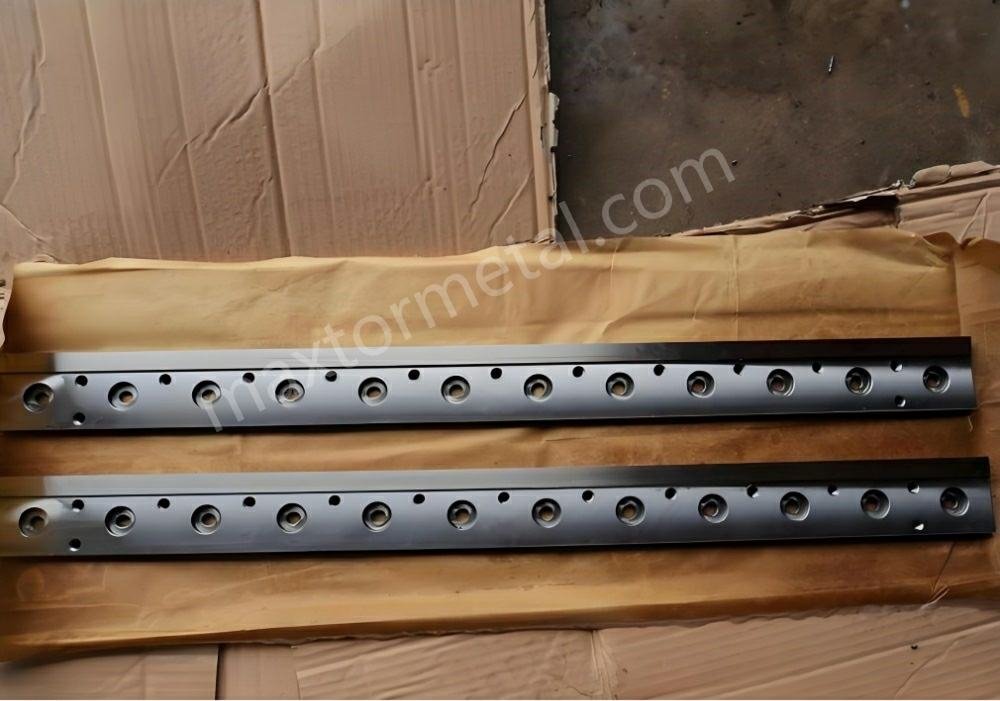
Thiết lập và điều chỉnh góc nghiêng
Hiệu chuẩn và Đo lường
Bạn cần kiểm tra góc nghiêng lưỡi cắt trước khi bắt đầu bất kỳ thao tác cắt nào. Hiệu chỉnh chính xác giúp bạn có được đường cắt tốt nhất và giữ cho lưỡi cắt luôn trong tình trạng tốt. Sử dụng thước đo góc hoặc thước đo góc kỹ thuật số để đo góc nghiêng lưỡi cắt. Đặt dụng cụ đo vào mặt lưỡi cắt và so sánh với bề mặt vật liệu. Luôn đo ở nhiều điểm dọc theo lưỡi cắt để đảm bảo góc nghiêng không đổi từ đầu đến cuối. Nếu thấy có sự khác biệt, hãy điều chỉnh lưỡi cắt cho đến khi góc nghiêng khớp với giá trị mục tiêu của bạn.
Các công cụ và thiết bị để điều chỉnh góc
Bạn có thể sử dụng một số dụng cụ để điều chỉnh góc nghiêng của máy cắt. Những dụng cụ này giúp bạn thực hiện các thay đổi nhanh chóng và chính xác:
- Thước đo góc và thước đo góc kỹ thuật số dùng để đo góc nghiêng của máy cày.
- Các loại cờ lê và dụng cụ đo lực siết để nới lỏng và siết chặt các giá đỡ lưỡi dao.
- Thước đo khe hở để kiểm tra khoảng cách giữa lưỡi dao và mặt bích.
- Các vít điều chỉnh hoặc hệ thống thủy lực trên máy cắt giúp tinh chỉnh vị trí lưỡi dao.
Nhiều loại kéo cắt cho phép điều chỉnh góc nghiêng để xử lý các vật liệu dày hơn hoặc cứng hơn. Kiểm tra thường xuyên và cài đặt chính xác là chìa khóa để đạt hiệu suất tối ưu.
Quy trình thiết lập góc từng bước
Bạn có thể làm theo các bước sau để điều chỉnh góc nghiêng của lưỡi cắt:
- Tắt máy cắt và khóa lại để đảm bảo an toàn.
- Làm sạch lưỡi dao và khu vực lắp đặt.
- Sử dụng thước đo góc hoặc thước đo điện tử để đo góc nghiêng hiện tại của máy cày.
- Dùng dụng cụ thích hợp để nới lỏng các ốc giữ lưỡi dao.
- Điều chỉnh lưỡi cắt bằng các vít điều chỉnh hoặc hệ thống thủy lực của máy cắt.
- Đo lại góc nghiêng của máy để kiểm tra lại việc điều chỉnh.
- Siết chặt các ốc vít và kiểm tra lại góc độ một lần nữa.
- Thử độ chính xác của lưỡi cắt trên một mảnh vật liệu mẫu để đảm bảo đường cắt đạt yêu cầu.
Mẹo: Luôn ghi lại góc nghiêng cuối cùng vào nhật ký bảo trì. Điều này giúp bạn theo dõi các thay đổi và phát hiện sự cố sớm.
Các lỗi hiệu chuẩn thường gặp và cách tránh chúng
Bạn có thể gặp một số lỗi thường gặp khi điều chỉnh góc nghiêng của lưỡi cắt. Những lỗi này có thể ảnh hưởng đến hiệu suất của máy cắt:
- Chỉ đo một điểm trên lưỡi dao và bỏ sót các góc không đều.
- Sử dụng các dụng cụ đã cũ hoặc bẩn dẫn đến kết quả đo không chính xác.
- Quên khóa các giá đỡ lưỡi dao sau khi điều chỉnh.
- Bỏ qua bước cắt thử trước khi bắt đầu một dự án lớn.
Bạn có thể tránh những vấn đề này bằng cách kiểm tra góc nghiêng của lưỡi cưa ở nhiều điểm, vệ sinh dụng cụ và luôn luôn thực hiện một đường cắt thử. Ghi lại mỗi lần điều chỉnh vào sổ nhật ký để kiểm soát chất lượng tốt hơn.
Duy trì góc vát của lưỡi cắt
Nghiền lại và kiểm soát chất lượng
Để đạt hiệu quả cắt tốt nhất, bạn cần giữ cho góc vát lưỡi cưa luôn sắc bén. Mài lại thường xuyên sẽ giúp khôi phục lại độ sắc bén chính xác và giữ cho góc nghiêng lưỡi cưa hoạt động như mong muốn. Lưỡi cưa sắc bén cho phép bạn cắt sạch và chính xác. Chúng cũng làm giảm hư hại cho vật liệu và giúp bạn hoàn thành công việc nhanh hơn. Khi bạn giữ cho lưỡi cưa sắc bén, bạn sẽ kéo dài tuổi thọ của chúng và làm cho công việc của bạn an toàn hơn. Bạn cũng sẽ có được những đường cắt nhất quán và chính xác hơn, điều này rất quan trọng đối với các công việc đòi hỏi độ chính xác cao.
Khi xay lại, bạn phải:
- Hãy đảm bảo lưỡi dao luôn song song với đế gắn.
- Luôn đảm bảo góc vát chính xác.
- Kiểm soát nhiệt độ khi mài để bảo vệ độ cứng và tuổi thọ của lưỡi dao.
Dấu hiệu lưỡi dao bị mòn và thời điểm cần mài lại.
Bạn nên chú ý đến những dấu hiệu này cho thấy lưỡi cắt của bạn cần được mài lại:
- Nhiều vết gờ hoặc cạnh thô ráp hơn trên các vết cắt của bạn.
- Lưỡi dao có cảm giác cùn hoặc bị kẹt khi cắt vật liệu.
- Bạn thấy có vết sứt hoặc nứt trên cạnh lưỡi dao.
- Cần lực cắt lớn hơn để cắt cùng một vật liệu.
Nếu bạn nhận thấy bất kỳ dấu hiệu nào trong số này, hãy dừng lại và mài lại lưỡi cưa. Đừng đợi đến khi lưỡi cưa quá mòn. Việc mài lại sớm giúp giữ góc nghiêng và góc vát ở trạng thái tốt nhất.
Quy trình kiểm soát chất lượng để đảm bảo tính nhất quán của góc vát
Bạn phải kiểm tra góc vát sau mỗi lần mài lại. Sử dụng thước đo góc vát hoặc thước đo góc để đo góc dọc theo toàn bộ lưỡi dao. So sánh kết quả đo với thông số kỹ thuật ban đầu. Nếu thấy có sự khác biệt, hãy điều chỉnh quy trình mài. Ghi lại mỗi lần đo vào nhật ký bảo dưỡng. Điều này giúp bạn phát hiện các xu hướng và khắc phục sự cố trước khi chúng trở nên nghiêm trọng hơn.
Lưu ý: Góc vát mép nhất quán giúp duy trì góc nghiêng lưỡi cưa hoạt động chính xác. Điều này dẫn đến kết quả cắt tốt hơn và tuổi thọ lưỡi cưa dài hơn.
Lập kế hoạch bảo trì và lưu giữ hồ sơ
Bạn nên lập lịch trình thường xuyên để kiểm tra và bảo dưỡng lưỡi cắt. Ghi chép lại từng công việc bảo dưỡng vào sổ nhật ký. Bao gồm ngày tháng, góc nghiêng, góc vát và bất kỳ thay đổi nào bạn đã thực hiện. Hồ sơ này giúp bạn lập kế hoạch bảo dưỡng trong tương lai và phát hiện các kiểu mòn lưỡi cắt. Hồ sơ tốt cũng giúp bạn đào tạo các thành viên mới trong nhóm và giữ cho máy cắt hoạt động trơn tru.
Lịch bảo trì đơn giản có thể trông như thế này:
| Nhiệm vụ | Tính thường xuyên | Ghi chú |
|---|---|---|
| Kiểm tra góc nghiêng | Hàng tuần | Đo tại một số điểm |
| Vệ sinh lưỡi dao | Sau mỗi ca làm việc | Loại bỏ mảnh vụn và bôi dầu cho lưỡi dao. |
| Kiểm tra góc vát | Sau khi mài lại | Sử dụng thước đo góc vát |
| Mài lại lưỡi dao | Khi cần thiết | Hãy chú ý đến các dấu hiệu hao mòn. |
| Cập nhật nhật ký | Mỗi nhiệm vụ | Ghi lại tất cả các số đo. |
Việc duy trì lịch bảo dưỡng tốt giúp bạn tận dụng tối đa chiếc kéo cắt cành của mình và giữ cho lưỡi dao luôn sắc bén, sẵn sàng cho mọi công việc.
Các lỗi thường gặp khi chọn góc nghiêng lưỡi cắt và giải pháp.
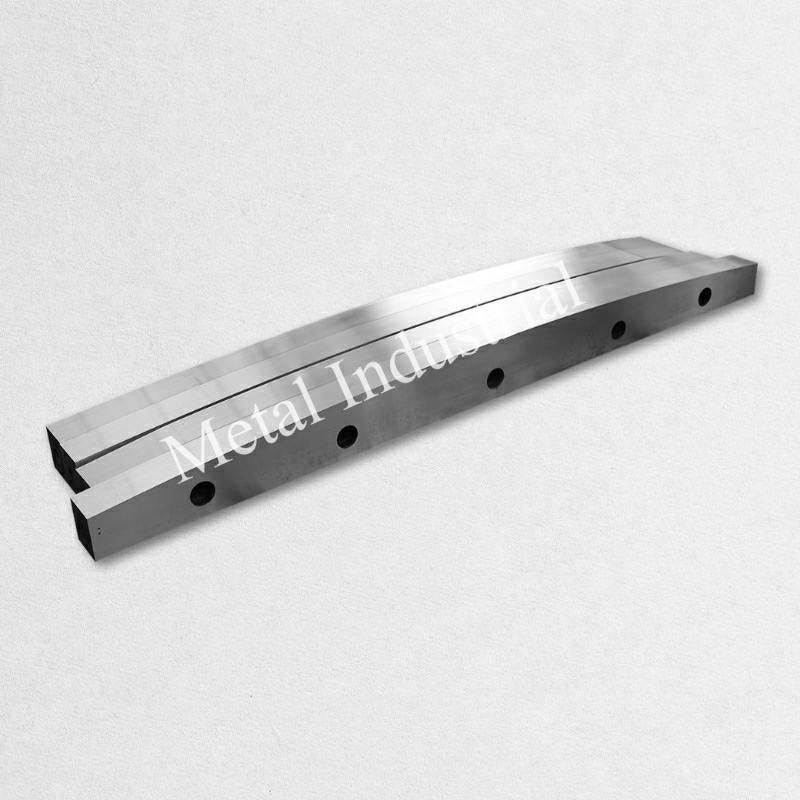
Những lỗi thường gặp trong quá trình gia công cắt
Đôi khi, người ta đặt góc nghiêng lưỡi cưa sai khi cắt kim loại. Điều này có thể gây ra vấn đề và lãng phí vật liệu. Một lỗi lớn là khi kim loại bị xoắn hoặc cong vênh sau khi cắt. Điều này xảy ra nếu bạn sử dụng góc nghiêng lưỡi cưa không phù hợp với kim loại hoặc độ dày của nó.
Dưới đây là bảng thể hiện các sự cố thường gặp, nguyên nhân gây ra chúng và cách khắc phục:
| Khuyết điểm | Sự miêu tả | Gây ra | Giải pháp |
|---|---|---|---|
| Xoắn | Kim loại bị xoắn hoặc uốn cong sau khi cắt. | Góc nghiêng quá lớn | Điều chỉnh góc nghiêng của máy cưa sao cho phù hợp với hình dạng tấm kim loại, loại kim loại và cách bạn muốn cắt. |
| Xoắn | Miếng cắt tạo thành hình xoắn ốc hoặc hình xoắn ốc. | Góc nghiêng quá lớn | Hạ góc nghiêng của lưỡi cưa xuống mức phù hợp với kim loại và độ dày. |
| Xoắn | Tờ giấy trông như bị xoắn lại thành một cuộn hoặc hình trụ. | Góc nghiêng sai | Chọn góc nghiêng lưỡi cưa phù hợp với kim loại và cách bạn dự định cắt. |
Hiện tượng xoắn và cong vênh thường xảy ra khi góc nghiêng lưỡi cưa quá lớn. Nếu bạn thấy những vấn đề này, hãy kiểm tra cài đặt ngay lập tức. Luôn luôn điều chỉnh góc nghiêng lưỡi cưa phù hợp với loại kim loại và độ dày của nó. Sử dụng góc nghiêng sai cũng có thể tạo ra các cạnh thô ráp, nhiều gờ hơn và làm hỏng lưỡi cưa.
Góc không chính xác, vật liệu không phù hợp
Đôi khi, người ta chọn góc nghiêng lưỡi cắt không phù hợp với kim loại cần cắt. Nếu dùng góc nghiêng lưỡi cắt lớn cho kim loại dày hoặc cứng, kim loại có thể bị xoắn và cạnh cắt sẽ trông xấu. Nếu dùng góc nghiêng lưỡi cắt nhỏ cho kim loại mỏng hoặc mềm, bạn có thể gặp nhiều gờ và vết cắt thô. Sử dụng góc nghiêng sai cũng khiến máy cắt phải hoạt động vất vả hơn và lưỡi cắt nhanh mòn hơn.
Để tránh những vấn đề này, hãy luôn kiểm tra loại kim loại và độ dày trước khi điều chỉnh góc cắt. Sử dụng góc cắt phù hợp cho từng công việc. Điều này giúp bạn có được những đường cắt sạch sẽ và giữ cho máy hoạt động tốt.
Biện pháp phòng ngừa
Lịch trình đào tạo và bảo trì
Bạn có thể khắc phục hầu hết các lỗi về góc nghiêng của máy cắt bằng cách làm theo một vài bước đơn giản. Việc được đào tạo bài bản và bảo dưỡng thường xuyên sẽ giúp bạn tránh được các vấn đề và giữ cho máy cắt hoạt động tốt.
Dưới đây là một số cách để tránh sai sót về góc nghiêng của lưỡi cào:
- Chọn đúng công cụ
Luôn chọn lưỡi cưa và dụng cụ có góc nghiêng phù hợp với kim loại bạn muốn cắt. Kiểm tra thông số kỹ thuật trước khi bắt đầu. - Tinh chỉnh cài đặt máy
Điều chỉnh khe hở lưỡi cắt, góc cắt và tốc độ cắt cho phù hợp với kim loại. Những thay đổi nhỏ có thể giúp bạn có được những đường cắt tốt hơn. - Đầu tư vào thiết bị tiên tiến
Hãy sử dụng những máy móc tốt cho phép bạn dễ dàng thiết lập và điều chỉnh góc cào. Máy móc mới giúp bạn đạt được kết quả nhất quán mỗi lần sử dụng. - Bảo trì và hiệu chuẩn thiết bị
Lên kế hoạch bảo dưỡng và kiểm tra định kỳ cho máy cắt cỏ của bạn. Vệ sinh và kiểm tra lưỡi dao, kiểm tra góc nghiêng của máy và ghi lại các thiết lập của bạn. Điều này giúp máy của bạn hoạt động tốt.
Mẹo: Lập lịch bảo dưỡng và tuân thủ theo lịch đó. Hướng dẫn đội ngũ của bạn cách nhận biết độ mòn của lưỡi dao và góc nghiêng sai. Những thói quen tốt sẽ giúp bạn có được những đường cắt tốt hơn và kéo dài tuổi thọ của lưỡi dao.
Bạn cũng nên ghi chép nhật ký về tất cả các công việc bảo dưỡng và thay đổi. Ghi lại góc nghiêng của lưỡi cưa, loại kim loại và bất kỳ thay đổi nào bạn thực hiện. Hồ sơ này giúp bạn phát hiện vấn đề và khắc phục chúng trước khi chúng trở nên nghiêm trọng hơn.
Nếu bạn làm theo các bước này, bạn có thể khắc phục hầu hết các lỗi về góc cắt. Bạn sẽ có được những đường cắt tốt hơn, lãng phí ít kim loại hơn và lưỡi dao của bạn sẽ bền hơn. Máy cắt của bạn sẽ hoạt động tốt hơn và bạn sẽ dành ít thời gian hơn để sửa chữa các sự cố.
Bạn có thể thấy góc nghiêng lưỡi cắt và góc vát lưỡi cắt ảnh hưởng đến từng đường cắt như thế nào. Góc nghiêng lưỡi cắt phù hợp giúp bạn có được các cạnh mịn hơn. Điều này cũng có nghĩa là bạn sử dụng ít lực hơn và phoi vụn di chuyển tốt hơn. Hãy xem bảng bên dưới để thấy góc nghiêng dương và âm thay đổi mọi thứ như thế nào:
| Nhân tố | Góc nghiêng dương | Góc nghiêng âm |
|---|---|---|
| Sự hình thành chip | Dễ dàng hơn, liên tục | Phân đoạn, thô ráp hơn |
| Lực cắt | Thấp hơn | Cao hơn |
| Hoàn thiện bề mặt | Mượt mà hơn | Thô ráp hơn |
Công ty Metal Industrial sản xuất lưỡi cắt giúp bạn chọn góc nghiêng tối ưu. Những lưỡi cắt này cắt tốt và có độ bền cao. Luôn tuân thủ đúng các bước và cố gắng tránh sai sót. Nếu cần hỗ trợ, bạn có thể liên hệ với các kỹ sư bán hàng của chúng tôi. đây.
Câu hỏi thường gặp
Góc nghiêng của lưỡi cắt trong máy cắt công nghiệp là gì?
Góc nghiêng lưỡi cắt là góc giữa mặt lưỡi cắt và vật liệu bạn muốn cắt. Bạn sử dụng góc này để kiểm soát cách lưỡi cắt xuyên qua kim loại. Góc nghiêng lưỡi cắt phù hợp giúp bạn có được những đường cắt sạch hơn.
Tại sao góc nghiêng của lưỡi cưa lại quan trọng đối với chất lượng cắt?
Bạn sẽ có được các cạnh mịn hơn và ít gờ hơn khi thiết lập góc nghiêng lưỡi cưa chính xác. Góc nghiêng lưỡi cưa tốt cho phép lưỡi cưa di chuyển dễ dàng qua vật liệu. Điều này giúp bạn tạo ra các chi tiết khớp với nhau tốt hơn.
Làm thế nào để chọn góc nghiêng lưỡi cưa phù hợp nhất cho các loại vật liệu khác nhau?
Bạn nên sử dụng góc thoát phôi lớn hơn cho kim loại mềm hoặc mỏng. Đối với kim loại cứng hoặc dày, hãy chọn góc thoát phôi nhỏ hơn. Luôn kiểm tra loại vật liệu và độ dày trước khi thiết lập góc thoát phôi.
Điều gì sẽ xảy ra nếu bạn sử dụng góc nghiêng lưỡi cưa không chính xác?
Nếu bạn sử dụng góc nghiêng lưỡi cưa không phù hợp, bạn có thể thấy các cạnh thô ráp, nhiều gờ hoặc các bộ phận bị xoắn. Lưỡi cưa của bạn cũng có thể bị mòn nhanh hơn. Luôn luôn chọn góc nghiêng lưỡi cưa phù hợp với công việc của bạn.
Bạn nên kiểm tra và điều chỉnh góc nghiêng của cào cỏ bao lâu một lần?
Bạn nên kiểm tra góc nghiêng của lưỡi cưa trước mỗi công việc mới. Nếu bạn thay đổi vật liệu hoặc độ dày, hãy đo và điều chỉnh góc. Việc kiểm tra thường xuyên giúp bạn giữ được những đường cắt sạch sẽ và lưỡi cưa sắc bén.
Có thể điều chỉnh góc nghiêng của lưỡi cắt trên tất cả các máy cắt không?
Hầu hết các máy cắt lông cừu hiện đại cho phép bạn điều chỉnh góc nghiêng của lưỡi cắt. Một số máy cũ hơn có thể không có tính năng này. Luôn luôn đọc hướng dẫn sử dụng máy của bạn để xem bạn có thể thay đổi góc nghiêng hay không.
Góc nghiêng của lưỡi cắt và góc vát của lưỡi cắt khác nhau như thế nào?
Góc nghiêng lưỡi cưa điều khiển cách lưỡi cưa tiếp xúc với vật liệu. Góc vát của lưỡi cắt là hình dạng của cạnh lưỡi cưa. Cả hai góc này phối hợp với nhau để giúp bạn có được đường cắt tốt nhất.
Xem thêm
Hướng dẫn mua hàng tối ưu cho lưỡi cắt công nghiệp: 7 bước kiểm tra chất lượng trước khi mua hàng
Mài Sắc Lưỡi Dao Cắt Xén Như Chuyên Gia: Tránh Các Sai Lầm Mài Phổ Biến và Kéo Dài TCO
Hướng Dẫn Chi Tiết Về Thiết Lập Khe Hở Lưỡi Dao Cắt Xén: Công Thức, Sai Lầm và Kết Quả Không Bavia
Lưỡi Dao Cắt Xén Làm Việc Nóng H13: Nắm Vững Việc Cắt Kim Loại Nhiệt Độ Cao và Cắt Phôi Thỏi
Đạt Được Vết Cắt Không Bavia với Lưỡi Dao Cắt Xén Guillotine Chính Xác

 English
  Spanish
  Italian
  French
  Portuguese
  Russian
  German
  Arabic
  Hindi
Hindi  Vietnamese
  Indonesian
  Japanese
  Korean