

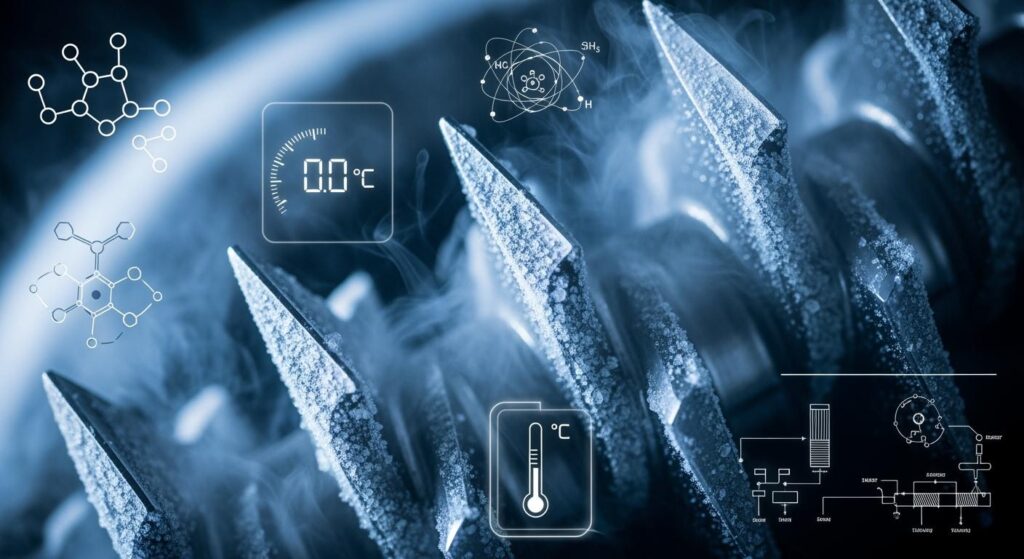
تواجه آلات تمزيق النفايات الصناعية مهاماً شاقة يومياً. وغالباً ما يواجه العمال مشكلات تتعلق بتثلم الشفرات بسرعة أو كسرها بسهولة، مما يتسبب في توقفات مكلفة وتغييرات متكررة للشفرات. شفرات معالجة بالتبريد العميق تساعد في حل هذه المشكلة. فهذه الشفرات تدوم لفترة أطول ولا تتآكل بسرعة مثل الشفرات العادية.
- فهي تحافظ على حدتها وشكلها بعد استخدامات متعددة.
- وتعني الحاجة الأقل لشفرات جديدة تقليل فترات التوقف وتوفير التكاليف.
- تساعدها قوتها الإضافية على العمل بكفاءة في المهام المصنعية الشاقة.
نانجينغ Metal الصناعية معروفة بتصنيع شفرات قوية للأعمال الشاقة.
النقاط الرئيسية
- تدوم الشفرات المعالجة مبرداً لفترة أطول من الشفرات العادية، ولا تتآكل بالسرعة نفسها. تحافظ هذه الشفرات على حدتها لفترة طويلة وتحتفظ بشكلها جيداً، مما يعني عدم الحاجة لاستبدالها بشكل متكرر. تعمل عملية المعالجة المبردة على تقوية الهيكل المعدني الداخلي وجعله أكثر تجانساً. ويساعد استخدام هذه الشفرات المصانع على توفير المال، حيث لا تتطلب الكثير من الصيانة، كما تقلل من فترات توقف الإنتاج. بالإضافة إلى ذلك، تعد الشفرات المعالجة مبرداً أكثر أماناً في الاستخدام، إذ تتطلب قوة أقل للقطع، مما يقلل من احتمالية وقوع الحوادث. وتعمل هذه الشفرات بكفاءة عالية مع المواد الصعبة، حيث يمكنها قطع المعادن والمطاط والبلاستيك الصلب. تشمل عملية المعالجة التجميد العميق والتقسية، مما يطيل من عمر الشفرات. ويعد اختيار مورد موثوق أمراً بالغ الأهمية لضمان الحصول على شفرات عالية الجودة تلبي احتياجات التقطيع والتمزيق الخاصة بك.
نظرة عامة على المعالجة المبردة

ما هي الشفرات المعالجة مبرداً؟
تخضع الشفرات المعالجة مبرداً لعملية تبريد فائقة. تستخدم هذه العملية درجات حرارة منخفضة للغاية لتغيير الخصائص المعدنية، حيث توضع الشفرات في غرفة تبريد مبردة ويتم تبريدها إلى ما دون -185°C. يتغلغل البرد في عمق المعدن ليجعله أكثر تجانساً وقوة من الداخل.
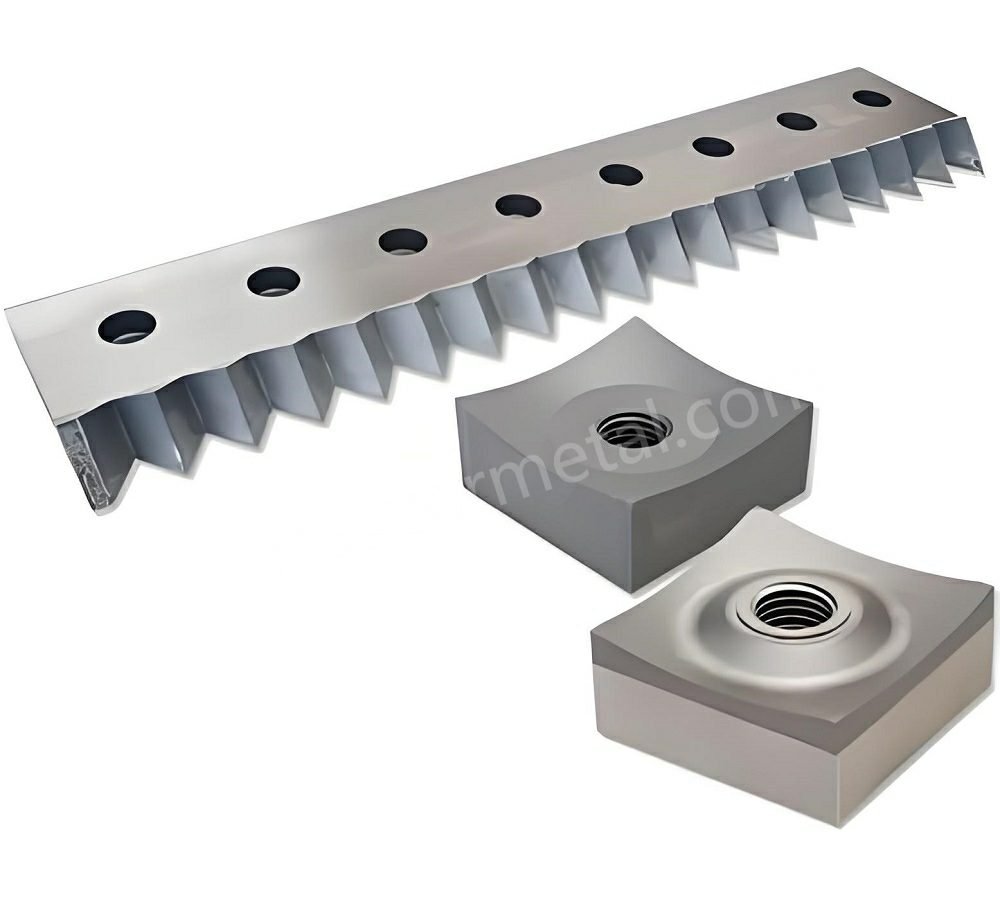
تبدو هذه الشفرات مثل شفرات آلات تمزيق النفايات العادية ولكنها تعمل بكفاءة أعلى بكثير. تزيد عملية المعالجة المبردة من صلابة المعدن وتساعده على الصمود لفترة أطول، كما تساعد الشفرات على الاحتفاظ بحدتها لوقت أطول. وتعتمد العديد من المصانع على هذه الشفرات لأنها مقاومة للتآكل السريع وتتطلب صيانة أقل.
تعتبر الشفرات المعالجة مبرداً مثالية للمهام الشاقة؛ حيث يمكنها تمزيق البلاستيك والمطاط والمعادن والمواد الصلبة الأخرى. ولا تغير هذه العملية شكل الشفرة أو حجمها، بل تجعل هيكلها الداخلي أقوى وأكثر موثوقية.
لماذا نستخدم المعالجة المبردة؟
تختار المصانع المعالجة المبردة لأسباب عديدة ومهمة. توفر هذه العملية مزايا لا يمكن للمعالجة الحرارية العادية تقديمها. يوضح الجدول أدناه بعض المزايا الرئيسية:
| فائدة | وصف |
|---|---|
| زيادة مقاومة التآكل | تطيل المعالجة المبردة من عمر الشفرات وتقلل من معدل تآكلها. |
| تقليل الحساسية للإجهاد | تجعل هذه العملية المعدن الداخلي أكثر تجانساً، مما يقلل من نقاط الضعف. |
| تحسين مقاومة الأكسدة | لا تسبب المعالجة المبردة الأكسدة، مما يحافظ على قوة الشفرة. |
| تصليد دائم | تدوم التغييرات الناتجة عن المعالجة المبردة بشكل دائم وتحسن من أداء الشفرة. |
| تعزيز السلامة | تكون الشفرات الأكثر حدة أكثر أماناً لأنها تتطلب قوة أقل وتكون أقل عرضة للانزلاق. |
| شحذ أفضل | يجعل المعدن المتجانس من الداخل عملية الشحذ أسهل وأكثر كفاءة. |
| إطالة عمر السكاكين | تساعد المعالجة المبردة الشفرات على البقاء لفترة أطول وتوفر تكاليف الإصلاح. |
تتميز المعالجة المبردة بقدرتها على تغيير الخصائص المعدنية بشكل دائم، مما يجعل الشفرة أكثر صلابة وقوة. وهذا يعني قدرة الشفرة على أداء المزيد من العمل دون كسر أو تآكل، وبالتالي لا يضطر العمال لتغيير الشفرات بشكل متكرر ويمكنهم مواصلة العمل دون انقطاع.
تساعد طرق المعالجة المبردة أيضاً الشفرات على الاحتفاظ بحدتها. فالشفرات الحادة تقطع بشكل أفضل وتكون أكثر أماناً في الاستخدام، بينما قد تنزلق الشفرات الثلمة وتتسبب في حدوث إصابات. ومن خلال استخدام المعالجة المبردة، تساعد الشركات في الحفاظ على سلامة العمال وضمان عمل الآلات بكفاءة.
تشهد المصانع التي تستخدم تقنية المعالجة المبردة تحسينات ملموسة؛ حيث تدوم شفراتها لفترة أطول، وتتطلب شحذاً أقل، وتعمل بكفاءة أعلى في المهام الشاقة. وهذا يجعل المعالجة المبردة خياراً ذكياً لكل من يحتاج إلى شفرات آلات تمزيق قوية.
علم المعالجة المبردة
التغيرات الميتالورجية
تغير المعالجة المبردة البنية المعدنية الداخلية للشفرات على المستوى المجهري. تستخدم هذه العملية درجات حرارة شديدة البرودة لتحسين خصائص الصلب، وقد وجد العلماء أن المعدن يصبح أكثر تجانساً واستقراراً.
Microstructure Refinement
عندما يبرد الصلب إلى درجات حرارة منخفضة للغاية، تتغير جزيئاته الدقيقة. حيث تحول هذه العملية معظم الأوستنيت المتبقي (retained austenite) تقريباً إلى مارتنزيت (martensite). والمارتنزيت هو نوع من الصلب الأكثر صلابة وقوة بكثير. كما تعمل المعالجة على توزيع الكربيدات الثانوية بشكل أكثر توازناً في المعدن. تجعل هذه التغييرات الشفرة أكثر متانة وموثوقية.
ملاحظة: يساعد تحسين البنية المجهرية الشفرة على تجنب التشققات والشروخ أثناء العمل الشاق.
يوضح الجدول أدناه التغيرات المعدنية الرئيسية أثناء المعالجة المبردة:
| التغير الميتالورجي | وصف |
|---|---|
| تحول الأوستنيت المتبقي | يتحول معظم الأوستنيت المتبقي في المعدن تقريباً. |
| توزيع الكربيدات الثانوية | تنتشر الكربيدات الثانوية بشكل أكثر توازناً بعد المعالجة. |
| تحول الأوستنيت المتبقي | Changing retained austenite to martensite makes tools work better. |
Hardness and Stability
Cryogenic treatment makes shredder blades harder. The steel stays steady and does not change shape easily. This means the blade keeps its sharp edge longer. The process also helps the blade not bend or twist during tough jobs.
Many experts say cryogenic treatment is one of the best ways to make metal harder. The better hardness and stability help the blade work well in hard places.
Wear Resistance Improvement
Cryogenic treatment helps shredder blades resist wearing out. This means the blades last longer and need fewer changes. Studies show that cryogenically treated blades wear down less and have better carbide spread.
The table below shows what recent research found:
| Study Title | النتائج | Link |
|---|---|---|
| Effect of Deep Cryogenic Treatment on Wear Behavior of Cold Work Tool Steel | Cryogenic treatment makes tool steels last longer and resist wear. | Link |
| Impact of Deep Cryogenic Treatment on X210CrW12 Steel’s Wear Behavior and Microstructural Characteristics | Cryogenic treatment lowers wear rates and spreads carbides better, making blades stronger. | Link |
Cryogenically treated blades have clear benefits in resisting wear. The better microstructure and hardness help the blade stay sharp and strong, even after lots of use. This makes cryogenic treatment a smart choice for people who want blades that last longer.
عملية المعالجة المبردة

تحضير
The cryogenic treatment process starts with getting ready. Workers clean the shredder blades to take off oil and dirt. They also remove any leftover stuff. This cleaning helps the blades work better in the cold. Technicians look at each blade for cracks or damage. Only good blades move to the next step. Workers put the blades in special racks. These racks keep blades apart so cold air can touch every part. The team checks the cryogenic chamber settings. They make sure it can get cold enough and cool at the right speed. Good preparation helps the cryogenic treatment work well.
Deep-Freezing
Deep-freezing is the main part of the cryogenic treatment. This step uses very cold temperatures to change the metal inside. The process helps the blades last longer and get stronger.
Temperature Range and Cooling Rate
Technicians slowly lower the temperature in the chamber. The chamber cools the blades to between -185°C and -196°C. This temperature range is important for safe metal changes. It stops stress or cracks from happening.
Tip: If you cool too fast, the blades can get damaged. Experts say to cool at 1-2°C per minute.
Slow cooling helps the blades get used to the cold. It stops thermal shock and keeps the metal strong. The process uses special controls to watch the temperature and speed. This careful way keeps the blades safe and gives the best results.
Metallurgical Impact
Deep-freezing makes big changes inside the metal. The cold turns retained austenite into martensite. Martensite is a hard and strong steel. The process also spreads carbides more evenly in the blade.
| التغير الميتالورجي | التأثير على الشفرة |
|---|---|
| Austenite to Martensite | Makes the blade harder |
| Carbide Distribution | Helps the blade resist wear |
| Grain Structure Refinement | Makes the blade stronger |
These changes help the blades last longer. The blades keep their shape and sharp edge after many uses. Cryogenic treatment helps blades not bend, crack, or get dull.
Soaking Phase
After deep-freezing, the blades go into the soaking phase. Workers keep the blades at the coldest temperature for 12 to 36 hours. This step lets the metal finish changing. The cold helps martensite form all the way and lets carbides spread out.
Note: The soaking phase is needed to make sure the cryogenic treatment works well.
During soaking, technicians watch the chamber to keep the temperature steady. The blades stay in racks so the cold reaches everywhere. The soaking phase locks in the good changes from the treatment. It gets the blades ready for the last step, which is tempering.
هدأ
Tempering is the last step in cryogenic treatment. After deep-freezing and soaking, blades are very hard but also brittle. This happens because retained austenite turns into martensite. The change makes blades harder but can cause cracks if not fixed.
Technicians heat the blades to a medium temperature. They usually use between 150°C and 200°C. The blades stay hot for one or two hours. This heating helps the martensitic structure become stable. It also removes stress inside the blades from the cold phase. Now, the blades are tougher and less likely to break.
Tempering keeps the good things from cryogenic treatment. It locks in hardness and wear resistance and adds toughness.
Cryogenic treatment makes the steel’s microstructure better. It spreads carbides more evenly and adds more martensite. Tempering helps these changes stay in place. This gives blades the best mix of hardness, toughness, and stability.
Some main benefits of tempering after cryogenic treatment are:
- Stabilized microstructure: The martensitic structure is less brittle and more dependable.
- مقاومة معززة للتآكل: Blades stay sharp longer, even with lots of use.
- Improved toughness: Blades chip or crack less, so they are safer and stronger.
- Dimensional stability: Blades keep their shape and size, which helps with accurate shredding.
Cryogenic treatment makes steel harder, but tempering helps blades last longer. Factories that use both steps get blades that work better and last through tough jobs. The process also helps blades handle sudden hits and heavy loads, which happen a lot in shredding.
فوائد الشفرات المعالجة مبرداً

متانة
Cryogenically treated blades are known for being very tough. The cryogenic process changes steel in tiny ways. This makes the blades much stronger than blades treated with heat only. Many companies say these blades last twice as long as regular ones. That means they are 100% more durable. The inside of the metal gets better, so blades do not crack or chip easily.
- Blades treated with cryogenic methods resist wear up to 80% better than untreated blades.
- Factories and machine shops see their cutting tools last much longer after cryogenic treatment.
- Better durability helps workers get more done and saves money over time.
Making blades tougher is important for shredding jobs. If blades last longer, workers do not have to change them as much. This lets people spend more time working. Cryogenically treated blades are a smart pick for hard jobs.
خدمة الحياة
Service life means how long a shredder blade works before it needs to be replaced. Cryogenic treatment makes steel harder and steadier, so blades last longer. The process changes the steel inside, so blades keep their sharp edge and shape for more time.
Longer service life means fewer blade changes. Factories can use their shredders for more hours without stopping for repairs. This saves money and helps companies avoid downtime. When blades last longer, shredding is more dependable.
If you need blades for special jobs, you can get custom blades. Learn more about custom blades and how they help blades last longer by visiting the صفحة الشفرات المخصصة.
تخفيض الصيانة
Cryogenically treated blades need less fixing than regular blades. Because they resist wear, the blades stay sharp and work well for longer. Workers do not have to sharpen or change the blades as often. This saves time and money.
- Changing blades less often lowers the chance of accidents during repairs.
- Fewer stops for fixing helps production lines keep moving.
- The strong blade structure means fewer surprise breakdowns.
By picking cryogenically treated blades, companies can work more and fix less. The blades’ toughness and wear resistance make them a good choice for shredding jobs.
مكاسب الكفاءة
Cryogenically treated blades help factories work better and faster. These blades stay sharp for a long time. Workers do not stop machines often to change blades. Machines can run longer without taking breaks. Factories shred more each day because blades stay sharp. Sharp blades cut tough things like plastic and metal easily. Machines use less energy since sharp blades need less force. This saves power and lowers costs.
Note: Sharp blades make cleaner cuts. Cleaner cuts mean less waste and better products.
Here are ways cryogenically treated blades help efficiency:
- Faster Processing: Machines shred more in less time.
- Lower Energy Use: Sharp blades need less power for each cut.
- Less Downtime: Workers spend less time fixing blades.
- Consistent Output: Blades work well for a long time.
The table below shows how cryogenically treated blades compare to untreated blades for efficiency:
| ميزة | شفرات معالجة بالتبريد العميق | Untreated Blades |
|---|---|---|
| الاحتفاظ بالحدة | عالي | واسطة |
| Downtime Frequency | قليل | عالي |
| استهلاك الطاقة | قليل | أعلى |
| Output Consistency | Very Consistent | يختلف |
Factories using cryogenically treated blades make more products. They have fewer machine problems. These blades help companies finish work on time and keep customers happy.
Cryogenically treated blades make shredding easier and more reliable. Workers trust these blades to work well in hard jobs. This means better results and more efficient work every day.
مقارنة: الشفرات المعالجة مقابل الشفرات غير المعالجة
اختلافات الأداء
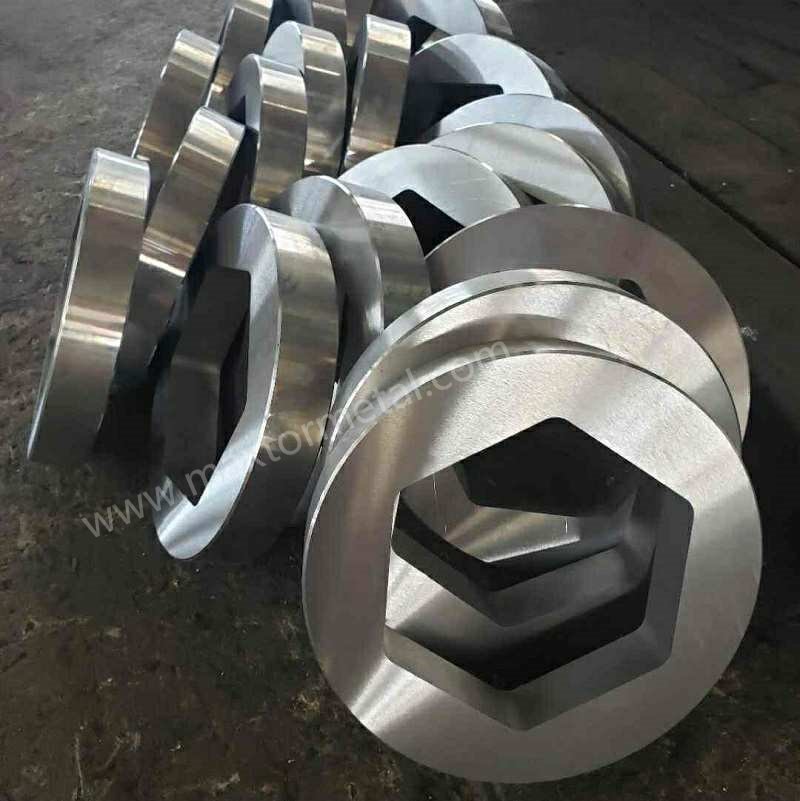
Cryogenically treated shredder blades work better than untreated blades. The treatment changes the steel inside the blade. This makes the blade harder and more steady. Untreated blades get dull fast. Workers have to change them more often.
Cryogenically treated blades stay sharp for a long time. They do not wear out or break as easily. Factories have fewer problems when they use these blades. The blades keep their size and shape after many uses. Untreated blades can bend or chip during hard jobs.
The table below shows the main differences:
| ميزة | شفرات معالجة بالتبريد العميق | Untreated Blades |
|---|---|---|
| الاحتفاظ بالحافة | ممتاز | عدل |
| ارتداء المقاومة | عالي | معتدل |
| متانة | أرقى | معيار |
| احتياجات الصيانة | قليل | عالي |
| خطر التكسر | الحد الأدنى | أعلى |
| الاستقرار البُعدي | Strong | عامل |
Note: Cryogenically treated shredder blades help factories save time and money. Workers do not spend as much time fixing machines.
Untreated blades are okay for easy jobs. They do not last long in tough shredding. Cryogenically treated blades do better in every test. They help machines run safely and smoothly.
ملاءمة التطبيق
Factories use shredder blades for many things. Cryogenically treated shredder blades work well with hard stuff like metal, rubber, and tough plastics. These blades can handle hard jobs and stay sharp. Untreated blades are good for lighter jobs, like shredding paper or soft plastics.
Cryogenically treated blades are best for machines that run all day. They help recycling centers, metal shops, and waste companies. These blades are also good where safety is important. Sharp blades help stop accidents.
Here are some common uses for each blade type:
- Cryogenically Treated Shredder Blades
- Metal إعادة التدوير
- Rubber shredding
- Hard plastic processing
- Wood chipping
- Heavy-duty waste management
- Untreated Blades
- Paper shredding
- Soft plastic disposal
- Light-duty home or office use
Tip: Pick cryogenically treated shredder blades for tough jobs that need strong blades. Untreated blades are best for easy, simple jobs.
Cryogenically treated shredder blades work better in hard places. They help companies have less downtime and keep workers safe. Untreated blades may cost less, but they need to be changed more often. Factories should pick the right blade for the job to get the best results.
خرافات حول المعالجة المبردة

Brittleness Concerns
Misconception: Cryogenic Treatment Causes Brittleness
Some people think cryogenic treatment makes shredder blades break easily. This idea comes from knowing the process makes blades harder. People sometimes believe harder metal is always weaker or more likely to snap. But this is not true for most factory jobs.
Cryogenic processing almost never makes metal brittle. Treated blades can bend more than regular blades.
Scientific Clarification: Enhanced Toughness and Stability
Cryogenic treatment changes the inside of steel. It makes blades harder and helps them last longer. Tests show AISI D2 steel can get up to 62.74 HRC, which is 6.8% harder than normal treatment. The blades also resist wear 252% better. But the impact toughness drops by 23.2%. This means the blade is harder and wears out slower, but toughness depends on how hard and flexible it is.
- Cryogenic treatment makes blades harder and steadier.
- Treated blades do not wear out fast and keep their shape.
- Most shredding jobs do not make blades fragile after treatment.
Factors Influencing Blade Toughness
Blade toughness depends on a few things:
- The kind of steel or alloy used.
- The exact cryogenic treatment steps.
- The tempering step after freezing.
- What the blade will cut in the end.
Tempering after cryogenic treatment helps blades stay tough and hard. Makers pick the right steel and process for each job. This stops blades from getting too brittle.
Universal Effectiveness
Misconception: Works Equally Well for All Metals
Some people think cryogenic treatment works the same for every metal. They believe all shredder blades get the same benefits. This is not right. The results depend on what the blade is made of.
Material-Specific Results
Cryogenic treatment works best for some metals. Higher-carbon steels get the most help. The process turns retained austenite into martensite, which makes blades resist wear better. Some alloys need the process to go below -250°F for the best results. Other metals need even colder temperatures.
| نوع الأداة | مادة الأداة | نتائج | Tool Cost Reduction |
|---|---|---|---|
| Shredder | M7 | 400% | -75% |
- Heat treatment tries to turn austenite into martensite.
- Too much retained austenite can make soft spots and cause breaks.
- Cryogenic treatment works with carbide stainless steel and many blade alloys.
- How well it works depends on the metal and its mix.
Importance of Application Context
The right cryogenic treatment depends on what the blade will cut. Blades for metal or hard plastics need different treatment than blades for paper or soft stuff. Makers choose the process based on the blade’s material and job. This helps blades work better and last longer.
Marketing Myths
Overstated Performance Claims
Some ads say cryogenic treatment makes blades last forever or never break. These claims are not true. The process does make blades harder and last longer, but no blade is unbreakable.
| Myth | توضيح |
|---|---|
| Cryogenics will make the metal brittle. | Cryogenic processing almost never makes metal much harder or brittle; it often lets the metal bend more than before. |
| Cryogenics is only for bad heat treat. | Cryogenic treatment can make metals last much longer, like when the US Army found it doubled the life of some gear metals. |
| Our tooling lasts long enough so we see no need to treat it. | Saying ‘long enough’ can be wrong; saving money over the product’s life is important, especially if you change blades a lot. |
Misleading Lifetime Guarantees
Some sellers promise blades will last a lifetime after cryogenic treatment. These promises are not always true. Blade life depends on the metal, how it is used, and how it is cared for. No treatment can make a blade last forever in every case.
How to Identify Reliable Information
Buyers should look for clear and true facts about cryogenic treatment. Good sources explain how the process makes blades stronger, tougher, and more resistant to wear. Well-treated blades need less sharpening and last longer. Buyers should ask about the treatment steps and blade material. They should not trust claims that sound too perfect.
- Good heat treatment and cryogenic processing make blades better.
- Improvements include more strength, better wear resistance, toughness, and less breaking.
- Well-treated blades need sharpening less often, which shows they last longer.
Tip: Always look for real science and real-world proof before picking cryogenically treated shredder blades.
أفضل التطبيقات

Industrial Shredding
Cryogenically treated shredder blades are important in factories. Workers use these blades every day for hard jobs. The special treatment makes the blades strong and dependable. These blades help machines work without problems.
Industrial shredding means breaking big or tough things apart. Cryogenically treated shredder blades make this easier. They cut thick plastics, metals, and rubber easily. Many companies pick these blades because they stay sharp and last longer.
Some places where these blades work well are:
- Recycling plants: Workers shred old bottles, cans, and tires.
- Waste management facilities: These blades break up large trash for recycling.
- Manufacturing plants: Factories cut leftover pieces from making products.
- Automotive industry: Workers shred car parts and scrap metal.
Note: Cryogenically treated shredder blades help factories have less downtime. This saves time and money for companies.
أنواع المواد
Cryogenically treated shredder blades work well with many materials. The treatment makes the blades harder and tougher. This helps them cut lots of things without getting dull.
The table below shows how these blades do with different materials:
| نوع المادة | Performance of Cryogenically Treated Blades | حالة الاستخدام النموذجية |
|---|---|---|
| البلاستيك الصلب | ممتاز | Bottle and container shredding |
| أو صناعة المطاط | جيد جدًا | Tire recycling |
| Metals | أرقى | Scrap metal processing |
| خشب | جيد | Pallet and furniture shredding |
| ورق/كرتون | جيد | Document and packaging disposal |
Factories use cryogenically treated shredder blades for many jobs:
- Hard plastics: These blades cut tough plastic parts and stay sharp.
- Rubber: The blades slice tires and mats with little wear.
- Metals: Workers break down steel, aluminum, and other metals.
- Wood and paper: The blades cut softer things and keep their edge.
Tip: Pick the right blade for the material you need to shred. Cryogenically treated shredder blades can handle many different jobs.
Cryogenically treated shredder blades help companies work faster and better. Their strength and long life make them a good choice for hard and easy shredding jobs.
اختيار المورد

Picking the right company for cryogenically treated shredder blades is important. The provider you choose can change how well your blades work. Not every company gives the same quality or service. You need to check carefully to make sure the blades fit your needs.
Quality Standards
A good provider always follows strict rules for quality. They use strong materials and special methods to make each blade. These companies test every blade for hardness, sharpness, and strength before sending them out. This careful testing helps stop blades from wearing out or breaking too soon.
Nanjing Metal Industrial uses careful cutting and special heat treatment. Their workers check each blade’s size and strength. They also use tools to test how hard the blade is and how long it stays sharp. These steps help make sure the blades work well in hard jobs.
When you pick a provider, look for these signs of good quality:
- Certificates that show the materials and how blades are made
- Reports that show each batch was checked
- Blades that are always hard and resist wearing out
- Good reviews from other factories
Tip: Ask the company how they check their blades. A good provider will tell you about their tests and checks.
خيارات التخصيص
Every shredding job is different and needs special blades. Some factories need blades for plastic, others for metal or rubber. A good provider lets you pick the size, shape, and material of your blade. This helps the blade fit your job.
Nanjing Metal Industrial can make blades for many machines. Their engineers help customers design blades for special jobs. They offer single-shaft and multi-shaft blades. They can also make claw shapes for big or tough waste.
Here is a table to show why customization matters:
| ميزة التخصيص | لماذا هذا مهم |
|---|---|
| حجم الشفرة | Fits different shredders |
| شكل الشفرة | Matches material type |
| اختيار المواد | Improves wear resistance |
| Claw Design | Handles bulky or tough waste |
When you talk to a provider, ask these questions:
- Can you make blades for my machine?
- What materials do you use for different jobs?
- How do you handle special blade requests?
- Do you help after I buy the blades?
Note: A provider with many options can help your shredding work better and stop delays.
Choosing a company like Nanjing Metal Industrial gives you strong, cryogenically treated shredder blades and expert help. Picking carefully means your blades last longer and work better.
Cryogenically treated blades have many science and money benefits. The table below lists the main good points:
| فائدة | توضيح |
|---|---|
| Increased Wear Resistance | Blades last longer and do not get damaged fast. |
| Reduced Susceptibility to Stress | The metal stays strong and does not break easily. |
| Improved Oxidation Resistance | Blades do not rust or corrode as quickly. |
| Permanent Hardening | The blade stays strong for its whole life. |
| تعزيز السلامة | Sharper blades help stop accidents from happening. |
| عمر شفرة ممتد | Needing fewer new blades saves money. |
People who work in factories should think about using these blades. They are good for recycling metal, shredding tires, or breaking up old electronics. Using these blades means machines stop less and cost less to run. If you want advice for your job, you can talk to a sales engineer هنا.
التعليمات
What are cryogenically treated shredder blades?
Cryogenically treated shredder blades go through deep freezing. This freezing changes the steel inside the blade. The blade stays sharp longer and resists wear better than regular blades.
How does cryogenic treatment improve blade performance?
Cryogenic treatment makes steel harder and more stable. The process changes the metal’s structure. Blades last longer and need less sharpening. Factories change blades less and have fewer stops.
Can cryogenically treated shredder blades cut all materials?
These blades work well with many materials. They cut plastic, rubber, metal, and wood. Factories use them for tough jobs. The treatment helps blades stay sharp when cutting hard things.
Do cryogenically treated blades need special care?
Cryogenically treated shredder blades do not need special care. Regular cleaning helps them last longer. Workers should follow normal safety and maintenance steps for best results.
How long do cryogenically treated shredder blades last?
These blades last much longer than regular blades. Many factories say they last twice as long. The exact time depends on what is being cut and how often the blade is used.
Are cryogenically treated shredder blades more expensive?
Cryogenically treated shredder blades may cost more at first. They last longer and need fewer replacements. Over time, factories save money because they buy fewer blades and have less downtime.
Can any shredder use cryogenically treated blades?
Most shredders can use cryogenically treated blades. Factories should check the blade size and type for their machine. Many providers offer custom options to fit different shredders.
Is cryogenic treatment safe for the environment?
Cryogenic treatment uses very cold temperatures. It does not add harmful chemicals. The process is safe for workers and the environment. Factories can use these blades without extra safety concerns.
انظر أيضا
تأثير المعالجة بالتبريد العميق على السكاكين والشفرات الصناعية: تحسين الأداء والمتانة والكفاءة
لماذا تعتبر شفرات المفرمة المخصصة استثمارًا ذكيًا لعملك
شفرات كسارة البلاستيك لزجاجات PET: دراسة حالة حول زيادة الإنتاجية
نصائح صيانة الشفرة المثقبة لتحقيق أقصى قدر من العمر الافتراضي والشحذ

 English
 Spanish
 Italian
 French
 Portuguese
 Russian
 German
 Arabic
 Hindi
 Vietnamese
 Indonesian
 Japanese
 Korean